
Contents:
- Walkie Talkie Skyscraper: From Ambitious Project to Disaster
- Ponte City: The Tallest Building That Became a Symbol of Decline
- 33 Failed Modernist Projects in the History of Social Housing
- Komtar: The Skyscraper That Changed the Face of Georgetown
- Edith Farnsworth's Glass House: A Story of Transparency and Dissatisfaction
- Constitution Bridge: Design Problems and Its Consequences
- Vienna Library: An Architectural Problem from Zaha Hadid and ignoring local context

Top 4 Design Professions: Upgrade Your Skills in 5 Days
Learn MoreExperimentation in architecture is a key factor in progress, but even experienced architects sometimes encounter mistakes that can lead to serious consequences. In this article, we will analyze one of the most striking examples of how an innovative approach in architecture caused unexpected problems. We will consider how such mistakes can affect the functionality of buildings and their safety, as well as the public perception of architectural solutions. Understanding these points will help avoid similar situations in the future and highlight the importance of balancing innovation with traditional design principles.
The Walkie Talkie Skyscraper: From Ambitious Project to Disaster
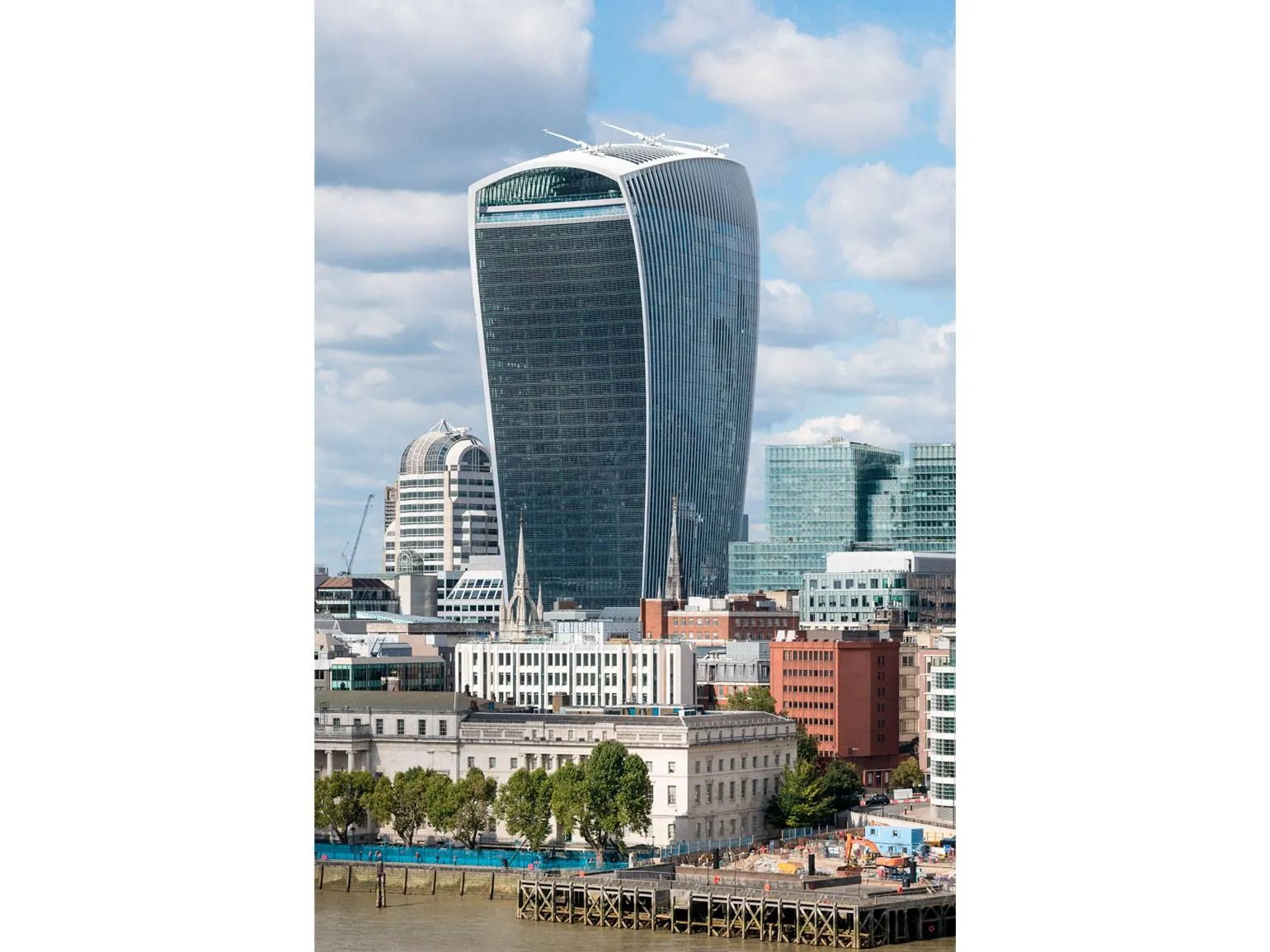
Located on Fenchurch Street in London, the Walkie Talkie is a remarkable architectural achievement designed by Uruguayan architect Rafael Viñoly. The primary goal of the project was to optimize the space on the upper floors, which allowed for a significant increase in rental income. Initially, the building was planned to be larger, but its dimensions were reduced to preserve the historic views of the capital. Thanks to its unique design and innovative solutions, the Walkie Talkie has become not only an important business center, but also an iconic element of the London skyline.
After the building's completion, London residents faced unexpected problems. The building's curved glass façade functioned like a lens, focusing the sun's rays with such force that it led to melting paint on cars and even causing real fires. During the summer of 2013, temperatures outside reached 91°C (200°F), with some places recording a record high of 117°C (250°F). City AM reporter Jim Waterson demonstrated this vividly by frying an egg in a frying pan left on the pavement. The incident sparked discussions about the safety and design of buildings with similar glass facades, highlighting the importance of considering climate conditions during construction.
The problem was solved by installing protective blinds. However, this is not the only drawback. The unique shape of the building contributed to the occurrence of strong draughts, which also required additional attention from the designers. Effective solutions had to be developed to minimize the impact of draughts on indoor comfort, highlighting the importance of a thoughtful architectural approach.
In 2015, the Walkie Talkie building won the Carbuncle Cup, which is awarded to the worst new building in the UK. This incident highlights the importance of carefully considering potential risks when implementing innovative architectural solutions. Even the boldest and most original ideas can face serious problems if their potential negative consequences are not considered. This experience serves as a lesson for architects and designers, reminding them of the need to balance creativity and functionality in construction.
Ponte City: The Tallest Building That Became a Symbol of Decline
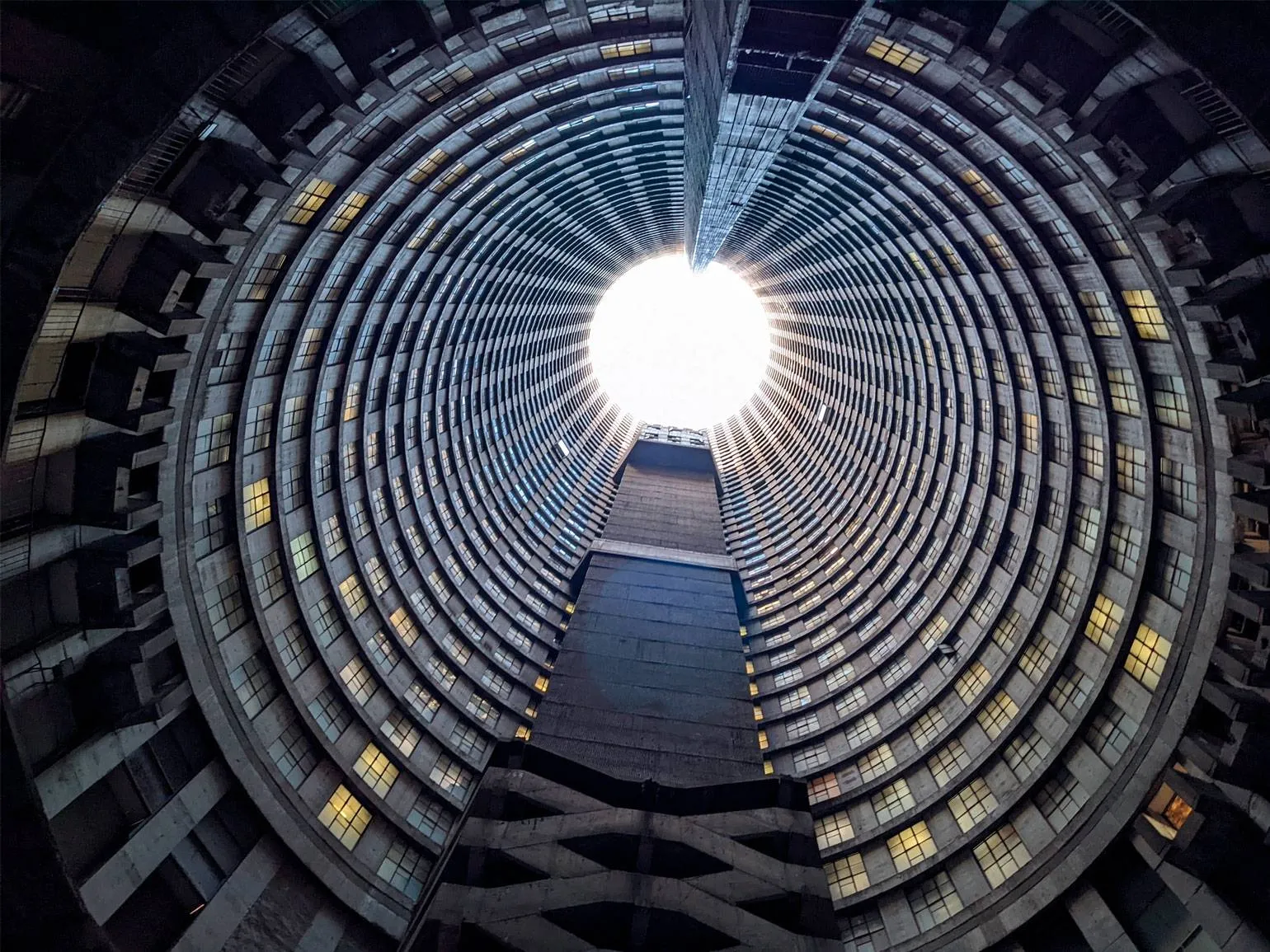
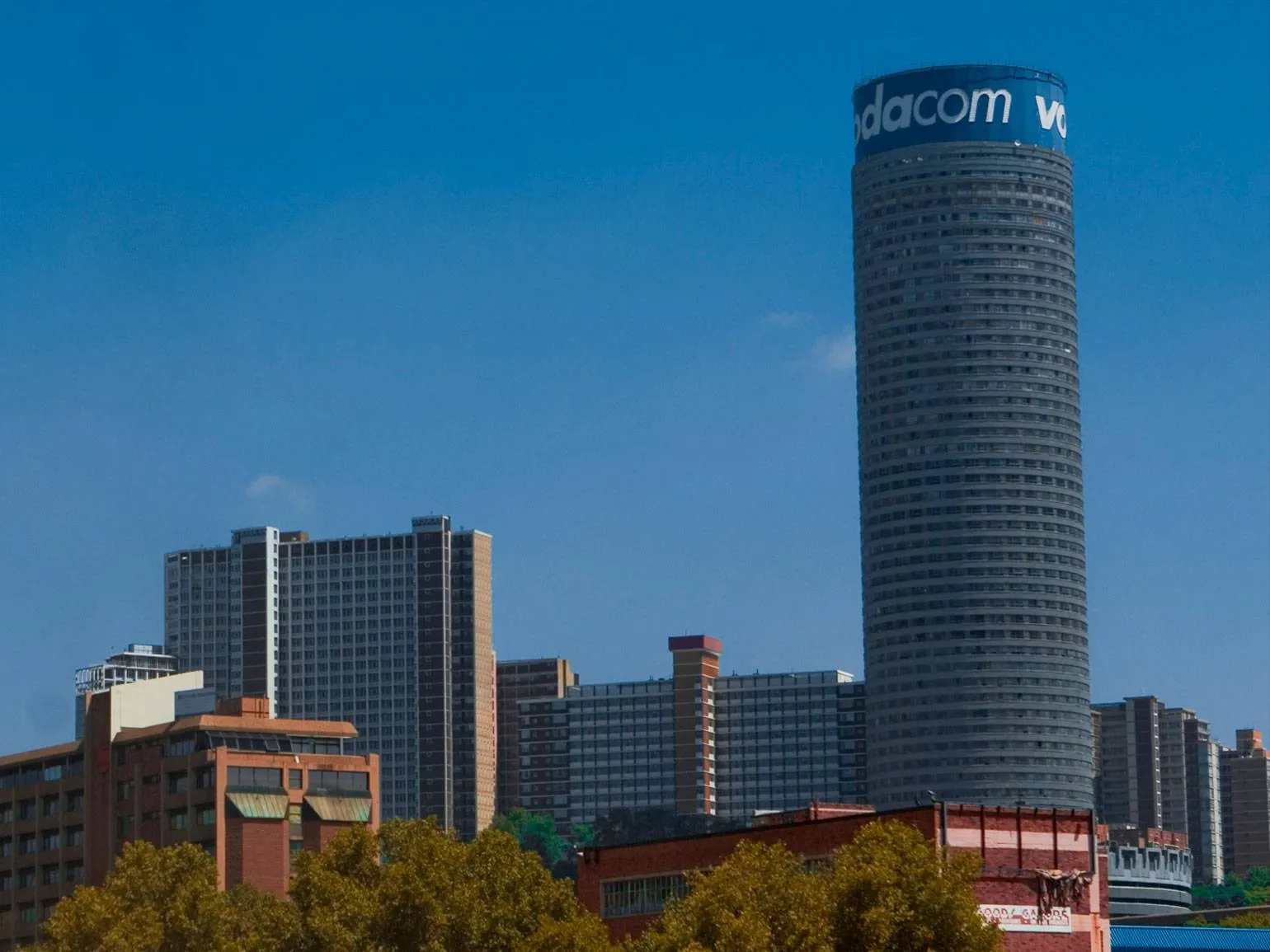
Ponte City is an outstanding example of architectural A masterpiece created by a talented team of designers, including Manny Feldman, Manfred Hoerner, and Rodney Grosskopf. Grosskopf proposed an original cylindrical form of the building, consisting of 55 floors of residential units and commercial space on the lower levels. A spacious central courtyard gives the complex a unique and comfortable character, creating an inviting space for residents and visitors. Ponte City not only stands out for its architecture but also serves as a symbol of modern urban development.
In the 1980s and 1990s, the area in which the Ponte City building was located acquired a reputation for high crime rates. This negative change led to a mass exodus of the original residents who could afford to live in these apartments. As a result, Ponte City eventually turned into a "vertical slum," and its central courtyard became overflowing with garbage reaching a height of five stories. Safety issues and deteriorating living conditions significantly reduced the appeal of this famous building.
In 2001, the situation changed when the tower was handed over to a new owner, who initiated the process of its restoration. However, even after the improvements, life inside this huge cylinder remains difficult and unsettling.
For those interested in architectural failures, examples such as the Bolwoningen houses are worth looking at. These buildings are a prime example of poor architectural decisions that led to serious problems. Studying such cases can provide valuable insight into how to avoid similar mistakes in the future. The Bolwoningen houses illustrate the importance of design and planning in architecture and highlight the need for careful verification of all details before construction begins. Analyzing these architectural failures will help us better understand how to design functional and safe buildings.
33 Failed Modernist Projects in the History of Social Housing
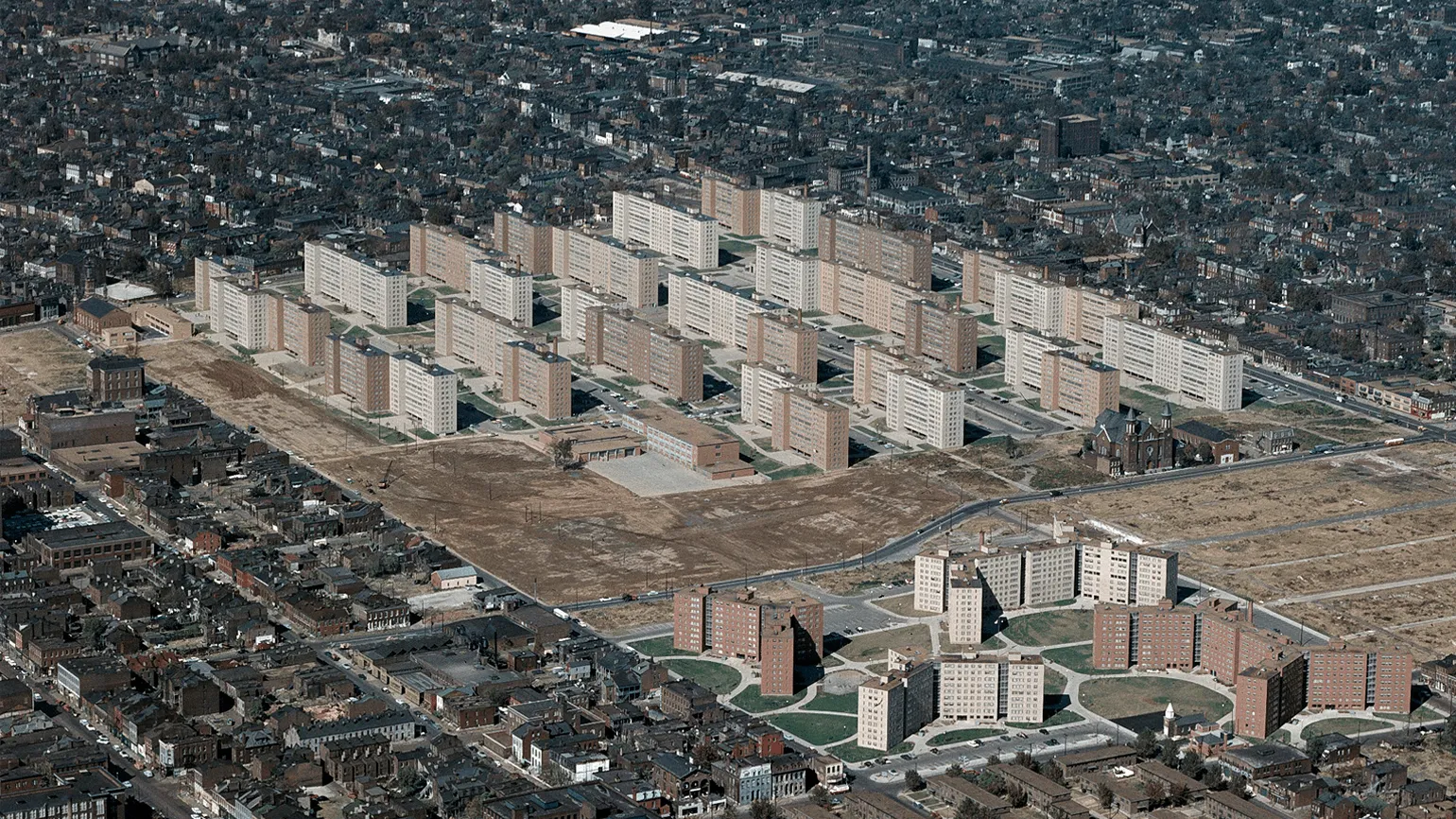
Pruitt-Igoe is more than just an architectural complex; it symbolizes the tension between idealism and reality. Architect Minoru Yamasaki, who also designed the World Trade Center, conceived the development as a solution to the problem of affordable housing for St. Louis's growing population. While Pruitt-Igoe was an important step in the development of architecture and urban planning, it faced numerous social and economic difficulties. Although initially well-intentioned, the complex has become a subject of study and debate, raising questions about how mass housing projects can impact individuals and society as a whole.
The project featured 33 cost-effective 11-story towers designed according to Le Corbusier's modernist principles. These principles include the separation of vehicular and pedestrian traffic, achieved through the use of large buildings and green spaces. This approach not only improves the functionality of the urban environment but also creates comfortable conditions for residents, promoting the harmonious coexistence of nature and architecture.
The project faced significant challenges caused by political and economic factors. These circumstances led to a budget increase, which negatively impacted its implementation. Furthermore, the use of poor construction technologies resulted in serious structural defects, jeopardizing the continued use of the building. It is important to address these aspects to prevent similar situations in the future and ensure high-quality construction.
The project's problems arose not only due to the architect's errors. Yamasaki initially intended to create a mixed-use district, including a variety of residential buildings, such as high-rise and mid-rise buildings. However, due to federal cost restrictions, the design was modified, and its height was standardized to 11 stories. This constraint negatively impacted the design, ultimately affecting the project's execution and functionality.
Further challenges arose from shortages of building materials due to the Korean War and increased federal oversight. These factors led to deteriorating construction quality and further budget cuts. With limited resources and stringent regulatory controls, projects faced delays and cost optimization, which negatively impacted the final results.
Housing researcher Eugene Meehan described the Pruitt-Igoe buildings as "steel and concrete rabbit holes," emphasizing their poor design and lack of ventilation. Although the design initially included landscaping, this important element was omitted from the final version, negatively impacting the quality of life for residents. Buildings designed to create a comfortable urban environment eventually became symbols of problems in architecture and urban planning.
The housing density in Pruitt-Igoe reached 50 units per acre, significantly exceeding the city's most disadvantaged neighborhoods. This led to a deterioration in public safety, and police eventually refused to respond to calls in the area. The situation in Pruitt-Igoe became extremely tense, raising concerns among both residents and city officials.
In 1972, the city began demolishing the complex, which became a landmark event. One of the buildings was imploded on live television, attracting wide attention. The final tower collapsed approximately 50 years ago, and the project was declared a symbol of "the death of modernism in the United States." The demolition of the complex became an important milestone in the architectural history of the country, reflecting changes in the perception of the modernist style and its influence on urban space.
Komtar: The skyscraper that changed the face of Georgetown
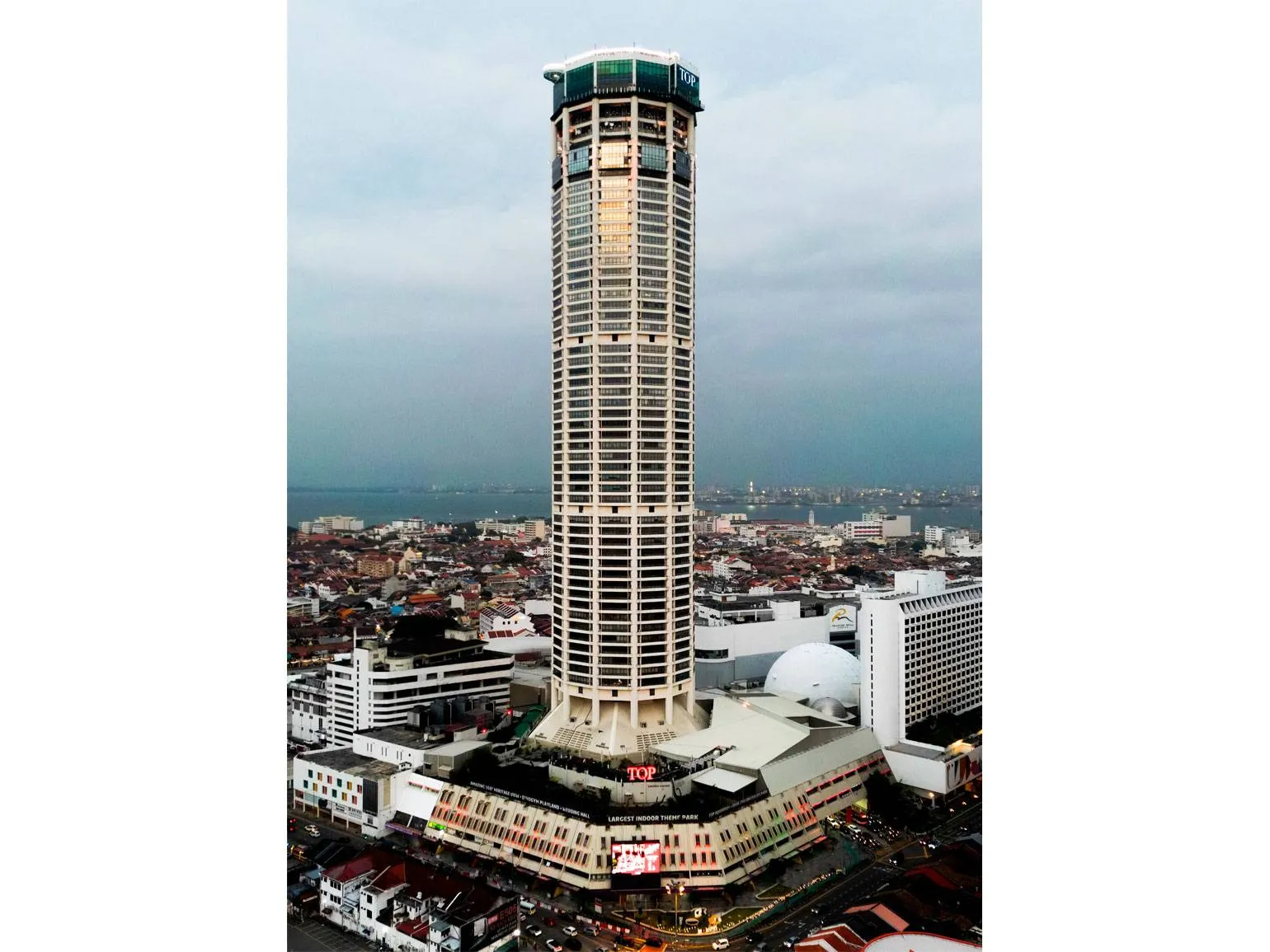
In the 1960s, George Town, Malaysia, developed an ambitious master plan aimed at transforming the city into a modern urban center. The main goal of this project was not only to revitalize the area but also to eliminate dilapidated slums, thereby improving the quality of life for local residents. The plan included infrastructure upgrades, residential and commercial development, and the creation of new public spaces. This approach to urban development has become a model for other cities seeking to improve the urban environment and increase its attractiveness for residents and tourists.
The Komtar skyscraper was envisioned as the centerpiece of a new city, bringing together restaurants, shops, and the Penang government's administrative offices. Unfortunately, the idea of creating an elevated pedestrian walkway remained unfulfilled. This project represents an important architectural landmark that plays a key role in the city's infrastructure, but its potential for improving pedestrian access was never realized.
The expected revitalization did not materialize. Long-term construction projects led to the displacement of entire neighborhoods of Georgetown residents, devastating local communities. Historic areas along Penang Road and the Prangin Canal, an important enclave of the Chinese community, were threatened with extinction. The destruction of these unique cultural and historical sites could negatively impact the region's tourism appeal and its cultural heritage. Urgent protection and restoration of these areas is needed to preserve Georgetown's identity and support its residents.
During the skyscraper's construction, over 300 historical monuments were demolished, causing serious damage to the region's cultural heritage. Today, Komtar, in a state of moral and physical obsolescence, raises many questions about its future and possible ways to restore its lost heritage. The need to preserve historical sites is becoming increasingly urgent, especially given the significance of the cultural context for future generations.
Edith Farnsworth's Glass House: A Story of Transparency and Dissatisfaction
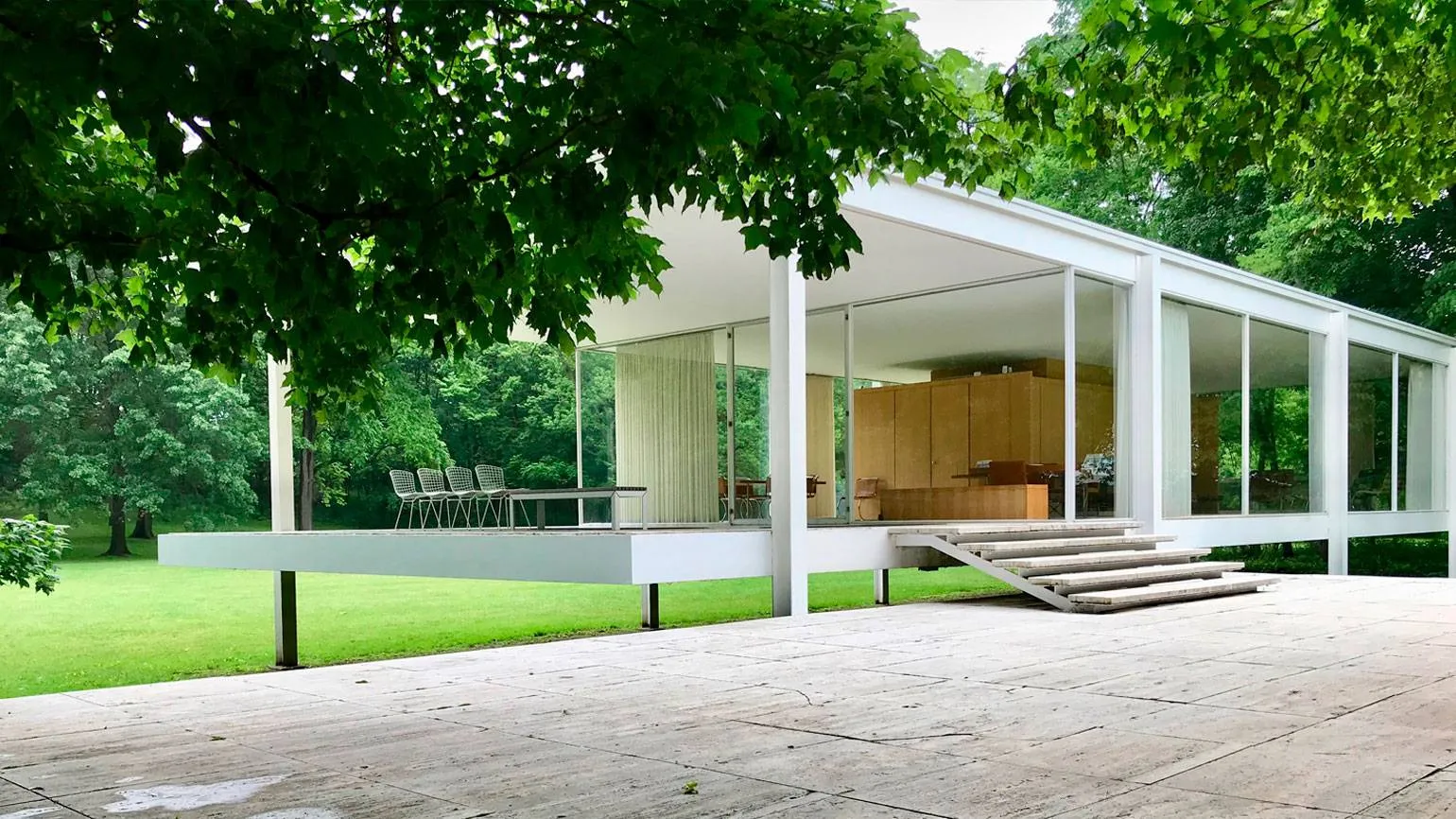
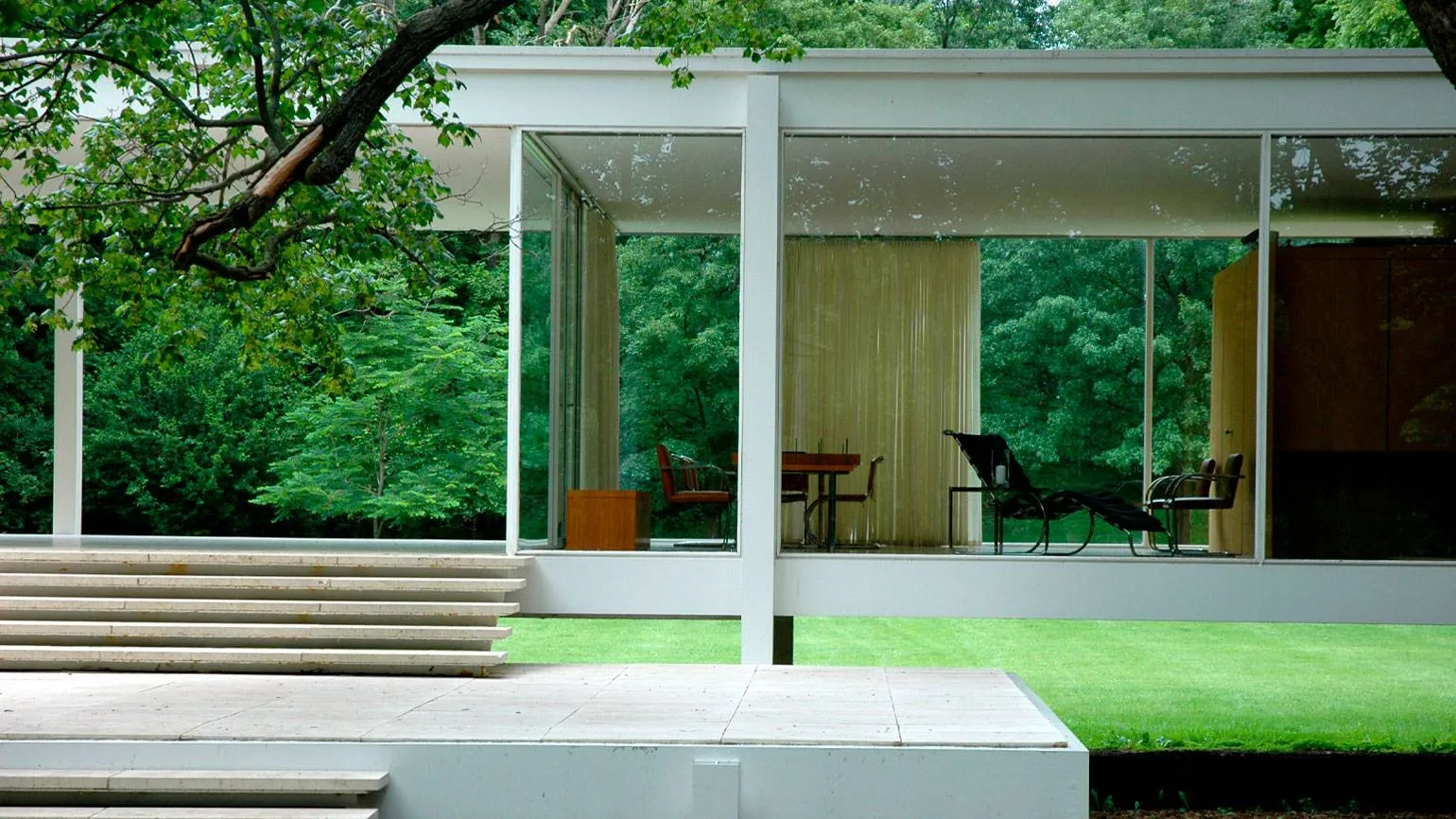
Glass house by Edith Farnsworth, designed Designed by renowned architect Ludwig Mies van der Rohe between 1945 and 1951, this one-room house became an icon of modernist architecture. This one-room house was created as a space for outdoor recreation, but its transparent structure created significant discomfort for the client. While the architectural solutions employed in the project emphasize harmony with the surrounding nature, the openness of the space and lack of privacy became a serious concern for Edith Farnsworth. This house not only demonstrates innovative approaches to architecture but also illustrates the complex relationship between design and living comfort.
Edith Farnsworth, a highly qualified nephrologist and independent spirit, was actively involved in the design, but her ideas and preferences were often overlooked. This meant that, despite her deep knowledge of art and architecture, the finished product did not meet her expectations.
Problems arose immediately after completion: Farnsworth felt a constant sense of vulnerability, comparing her condition to "being on guard day and night." Her frustration was compounded by the project going over budget, and she refused to cover additional costs, describing the house as "almost nothing." This experience highlights the importance of careful planning and financial management in construction projects to avoid similar situations and ensure client satisfaction.
Mies van der Rohe, dissatisfied with the refusal to pay, initiated legal proceedings and won the case, but the outcome was to no avail. In 1975, unhappy with her home, Farnsworth decided to sell it to the collector Lord Peter Palumbo. This house, designed by the renowned architect, continues to attract attention due to its unique architecture and historical significance.
Despite the stereotype of Farnsworth as a capricious rich woman, she was a deeply educated individual. Edith completed her studies at the conservatory and possessed a deep understanding of modern art, which gave her architectural demands validity and weight.
Architectural historian Alice Friedman emphasizes that there is no evidence that Farnsworth intended to challenge Mies's architectural ideas. On the contrary, she hoped that the architect would take her preferences into account, but soon realized that her opinions were being ignored in favor of Mies's own ambitions. This highlights the complex relationship between client and architect, where personal desires can be suppressed in the process of realizing a creative vision.
The Constitution Bridge: Design Issues and Its Consequences
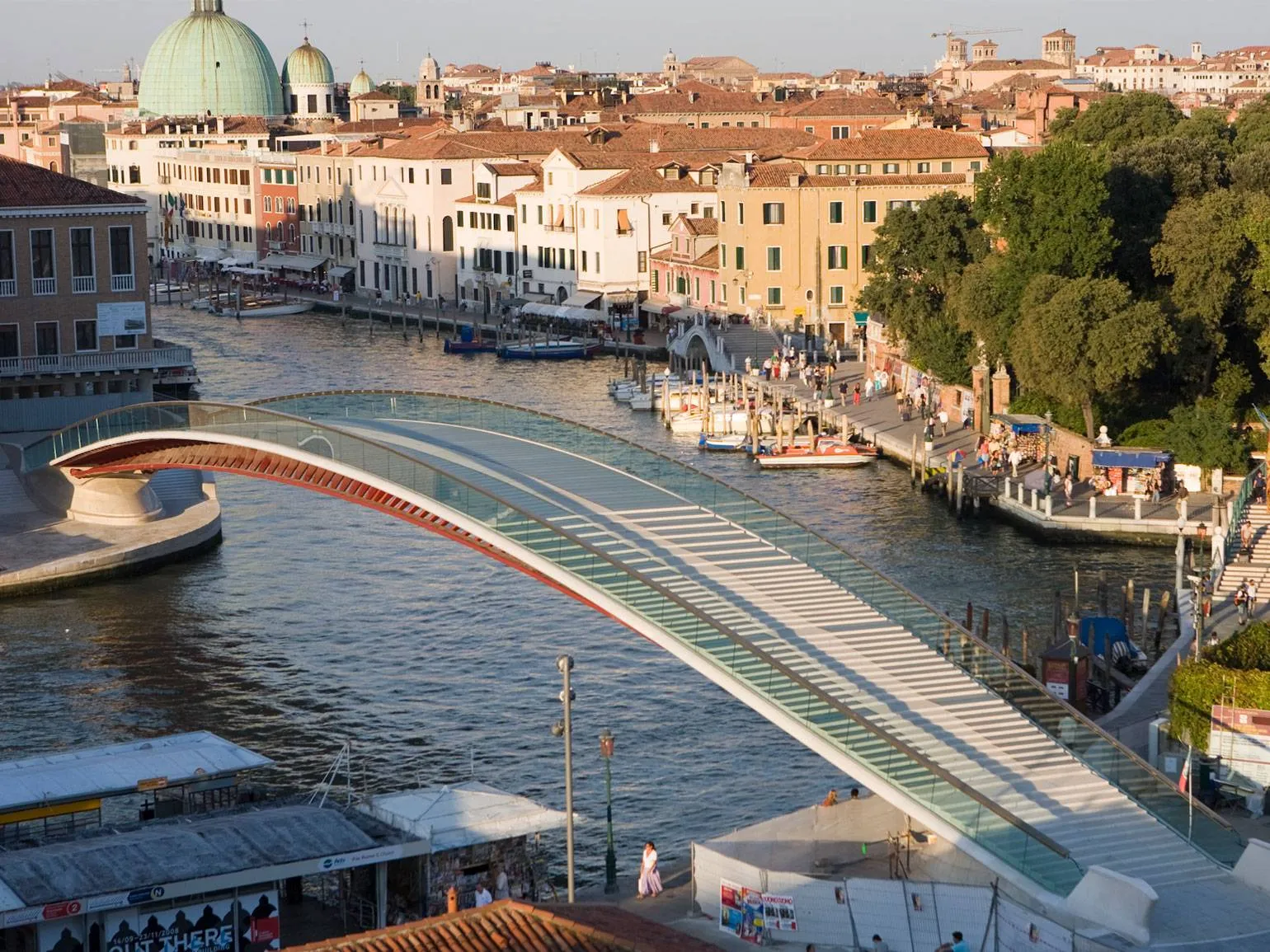
The Constitution Bridge in Venice, designed by the renowned Spanish architect Santiago Calatrava, has faced serious quality and safety issues. Due to design flaws, the architect was fined €78,000. These flaws led to rapid deterioration of the bridge's steps and the need for constant maintenance of the 94-meter structure. As a result, the bridge sparked public discontent and called into question the reputation of both the architect and the authorities responsible for its construction and operation.
One of the most discussed features of the bridge was its glass elevator, designed for people with disabilities. This elevator presented a real challenge for users, as on hot summer days the temperature in the transparent cabin rose to 50℃. Such high temperatures pose serious risks to the health and safety of passengers. The need to improve elevator operating conditions is becoming increasingly urgent to ensure comfort and safety for all bridge users.
The bridge's problems extend beyond its appearance. Regular repairs and replacement of glass panels entail significant financial costs, calling into question the feasibility of constructing such structures. Architectural solutions must not only capture the imagination but also ensure safety and comfort for all users. When designing bridges, it is necessary to consider not only their aesthetic appeal but also their functionality, the durability of their materials, and ease of movement for pedestrians and vehicles. An effective combination of these factors will help create a sustainable and safe infrastructure.
For a deeper understanding of the Constitution Bridge and its design, it is useful to study materials from architectural publications and research sites such as ArchDaily and Designboom. These resources offer expert opinions and detailed analysis that will help evaluate the architectural and engineering aspects of this project. Accessing such sources will allow us to better understand the context and significance of the Constitution Bridge in modern urban planning.
The Vienna Library: Zaha Hadid's Architectural Problem and Ignoring the Local Context
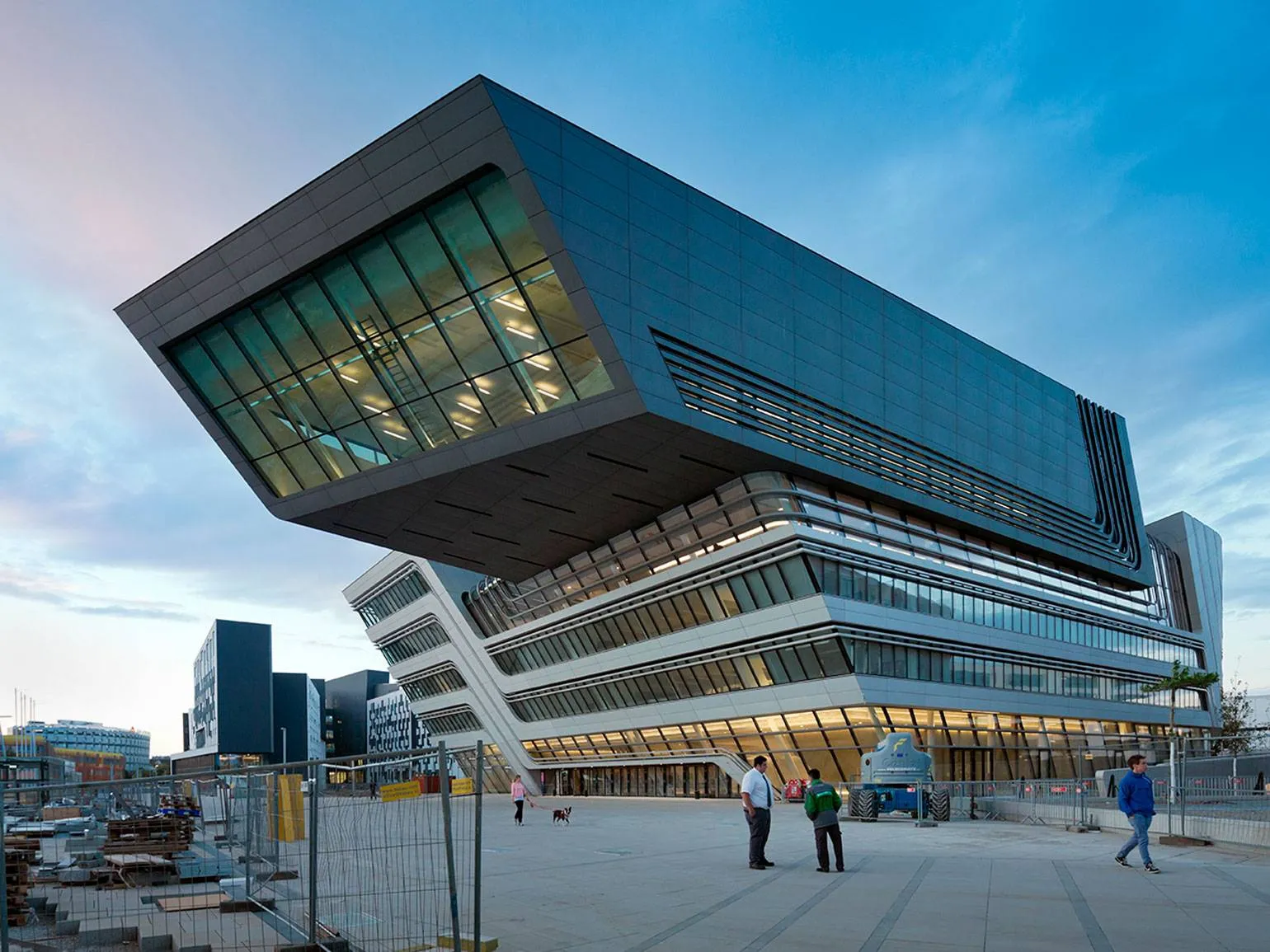
The Vienna Public Library, opened in July 2014, has repeatedly encountered problems related to its cladding elements. The 1.2 by 2.5 meter concrete structures regularly detach, raising serious concerns among specialists. These incidents highlight the importance of high-quality design and installation of cladding materials, which is key to the durability and safety of modern architectural structures. Further research and measures to improve the reliability of the structure are needed to prevent similar situations in the future.
The contractor described these incidents as an "assembly error," but the issue remains relevant. Similar defects have been found in other high-profile projects, including stadiums in Tokyo and Qatar, raising doubts about the quality of the workmanship. Such problems can negatively impact the reputation of contractors and lead to additional costs to correct the errors. It's important to pay attention to quality control standards in construction to prevent similar incidents in the future and ensure the safety of buildings.
Architectural critics, including renowned designer Stephen Bailey, note that Zaha Hadid often ignores the context and features of the site when developing her projects. Her works, while visually appealing, are often focused on her own image rather than the actual needs of clients and users. This raises questions about the functionality and harmony of her architectural solutions within the surrounding environment.
Bailey notes the abandoned project for the Tokyo 2020 Olympic Stadium, designed by Zaha Hadid. In his opinion, the project did not take into account the unique characteristics of the area, which caused significant financial losses and, ultimately, led to its cancellation.

Architectural problems arising in the urban environment raise important questions about the future of design. By paying attention to local contexts, we can significantly improve the quality of buildings and their interaction with the surrounding space. This will allow us to create more harmonious and functional architectural solutions that will take into account the needs of residents and the characteristics of the site. Developing projects with a focus on local conditions can be a key factor in creating sustainable and attractive cities.
Reading is an important part of our lives. It not only develops thinking but also enriches our inner world. Books, articles, and other materials can broaden our horizons, provide new ideas, and help us understand complex issues. Regular reading improves concentration and memory, and also improves literacy. In the age of information technology, access to literature has become easier, and everyone can find something interesting for themselves. Don't miss the opportunity to immerse yourself in a world of knowledge and impressions through reading.
The visual guide to eras is a unique opportunity to explore different historical periods through the prism of art and design. Each era has characteristic features that are reflected in architecture, fashion, painting, and other visual forms. This guide explores the influence of cultural, social, and political changes on aesthetic preferences. From ancient civilizations to modern times, each era has left its mark on visual culture. Delving into history through visual elements not only helps us better understand the past but also see how it has shaped our present. By exploring visual trends, we can understand the relationship between style and historical context, making this guide a valuable resource for students, artists, and anyone interested in art history.
With this visual guide, you can easily navigate the rich heritage of past eras, comparing their style with modern trends.
Graphic Designer PRO: 5 Steps to a Successful Career
Want to become a graphic designer? Learn 5 key steps to a successful career and create the portfolio of your dreams!
Learn more