
Contents:

Graphic designer PRO: 7 steps to success in the profession
Find out moreAbstractionism and Expressionism: Art without borders
Abstractionism in painting is an artistic movement that deviates from the depiction of real objects and focuses on color and form. This movement played a key role in the development of modern art. Among the pioneering masters of abstract art are outstanding artists such as Wassily Kandinsky, Kazimir Malevich, and Hilma af Klint, who opened new horizons in visual perception. Their works became the foundation for the development of unique artistic languages that continue to inspire artists and art scholars worldwide. Abstract art not only changed the approach to painting, but also opened up new possibilities for self-expression and interpretation of reality.
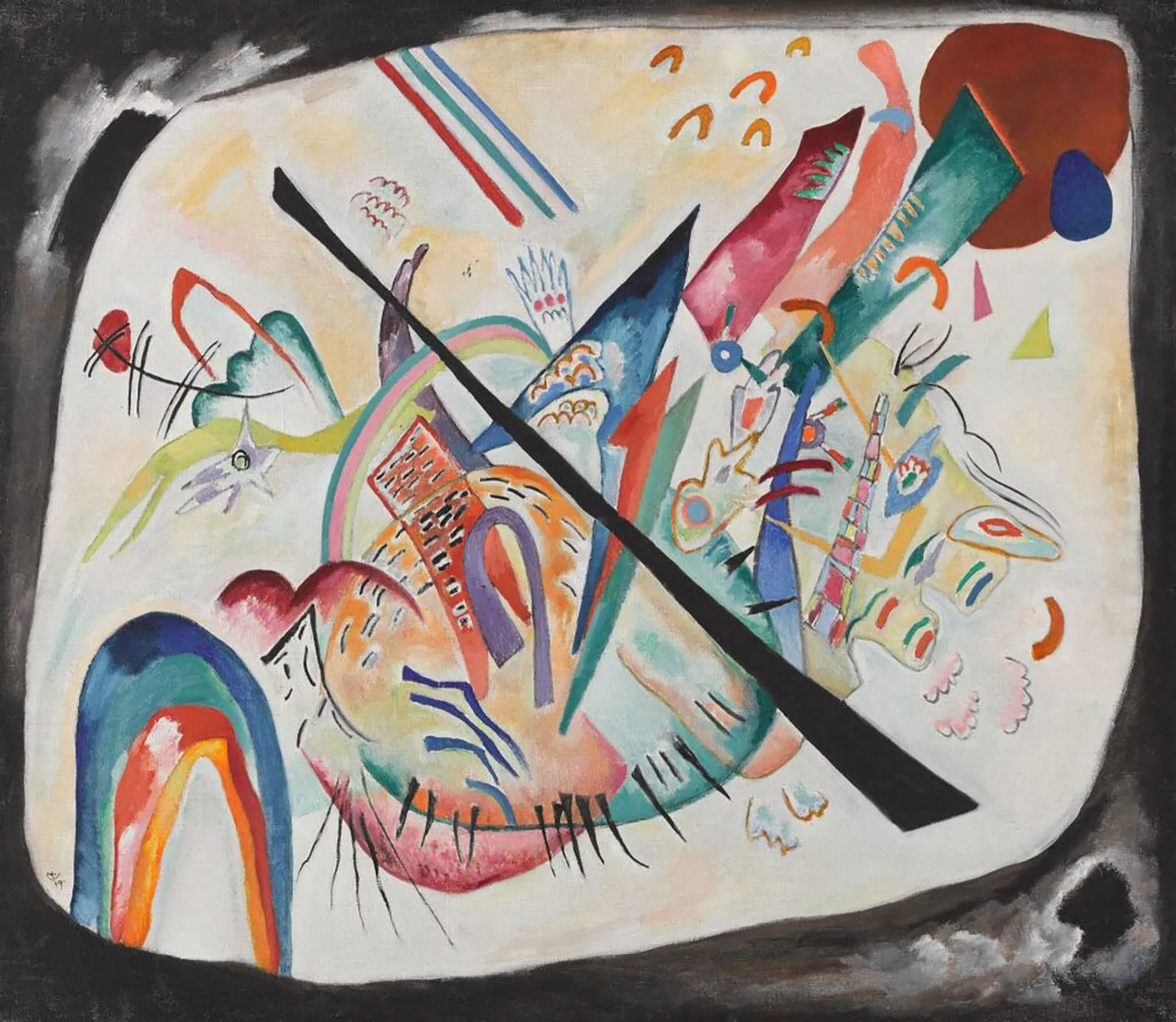
Expressionism is An artistic movement that emphasizes the artist's subjective experiences and emotions. In this style, the forms of objects are often distorted, highlighting the artist's deep feelings and inner experiences. Objects may retain recognizable outlines, but their transformation serves to heighten the emotional impact on the viewer. Expressionism seeks to convey not only a visual but also a psychological perception of the world, focusing on the internal state of a person.
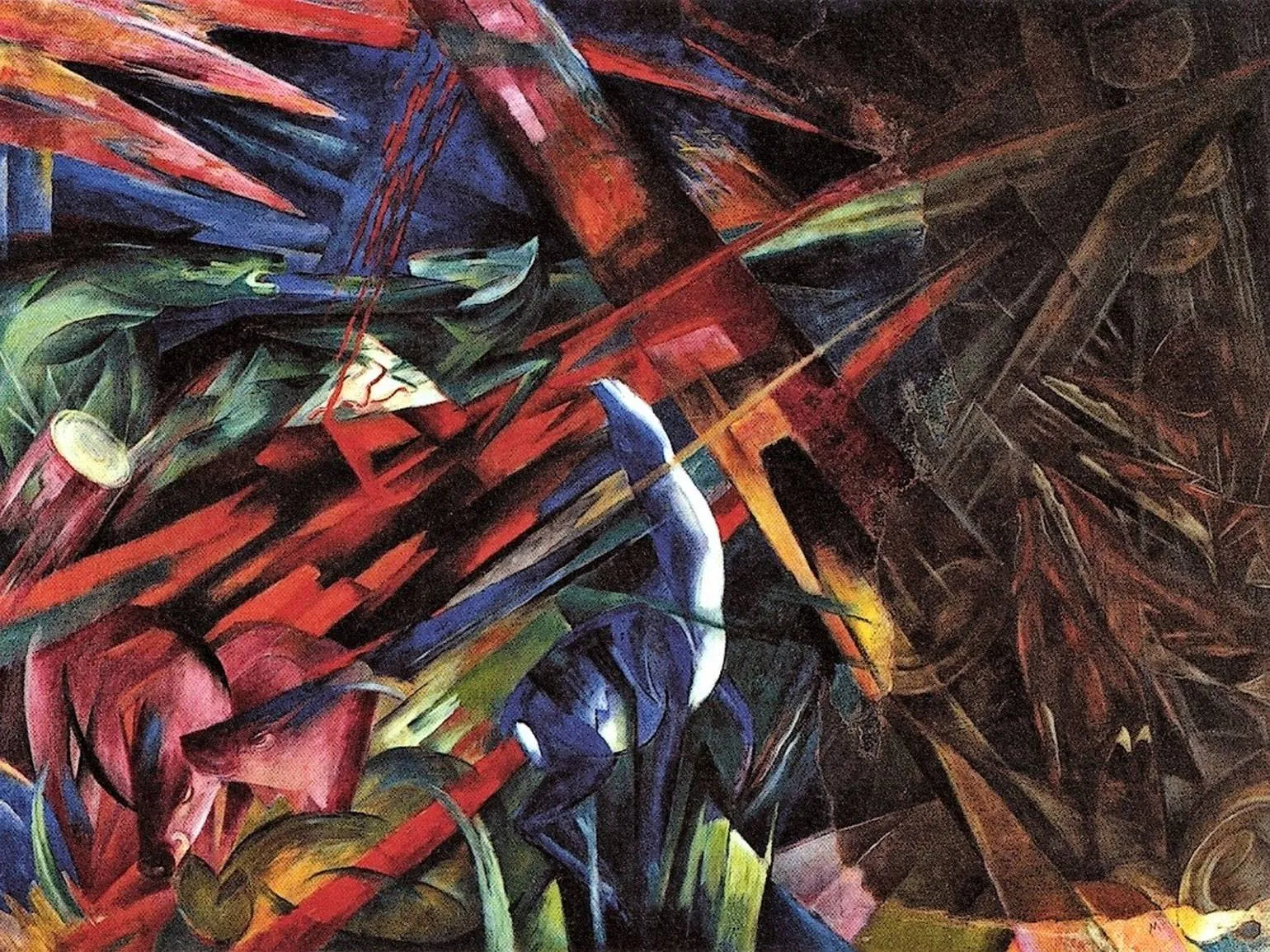
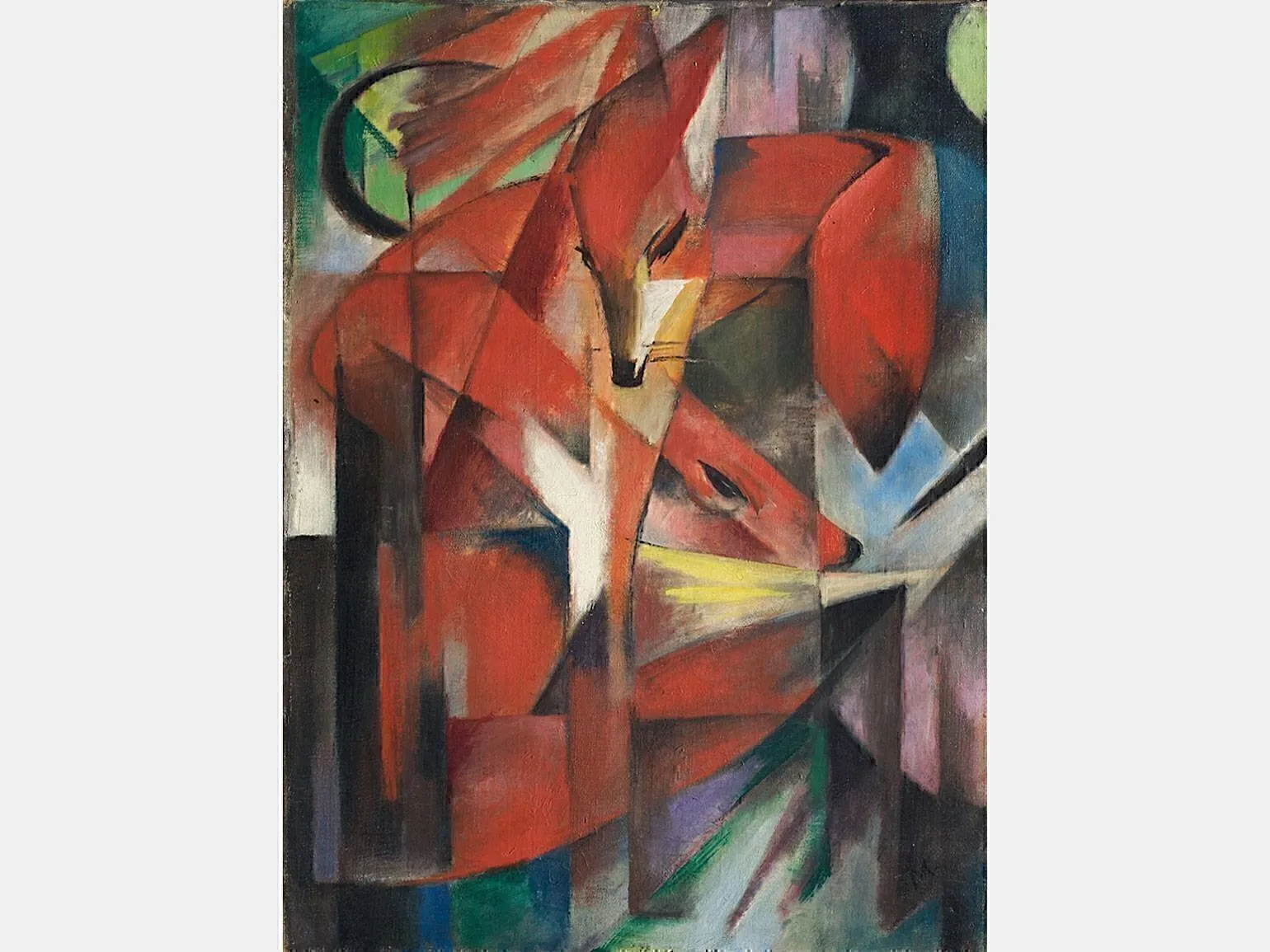
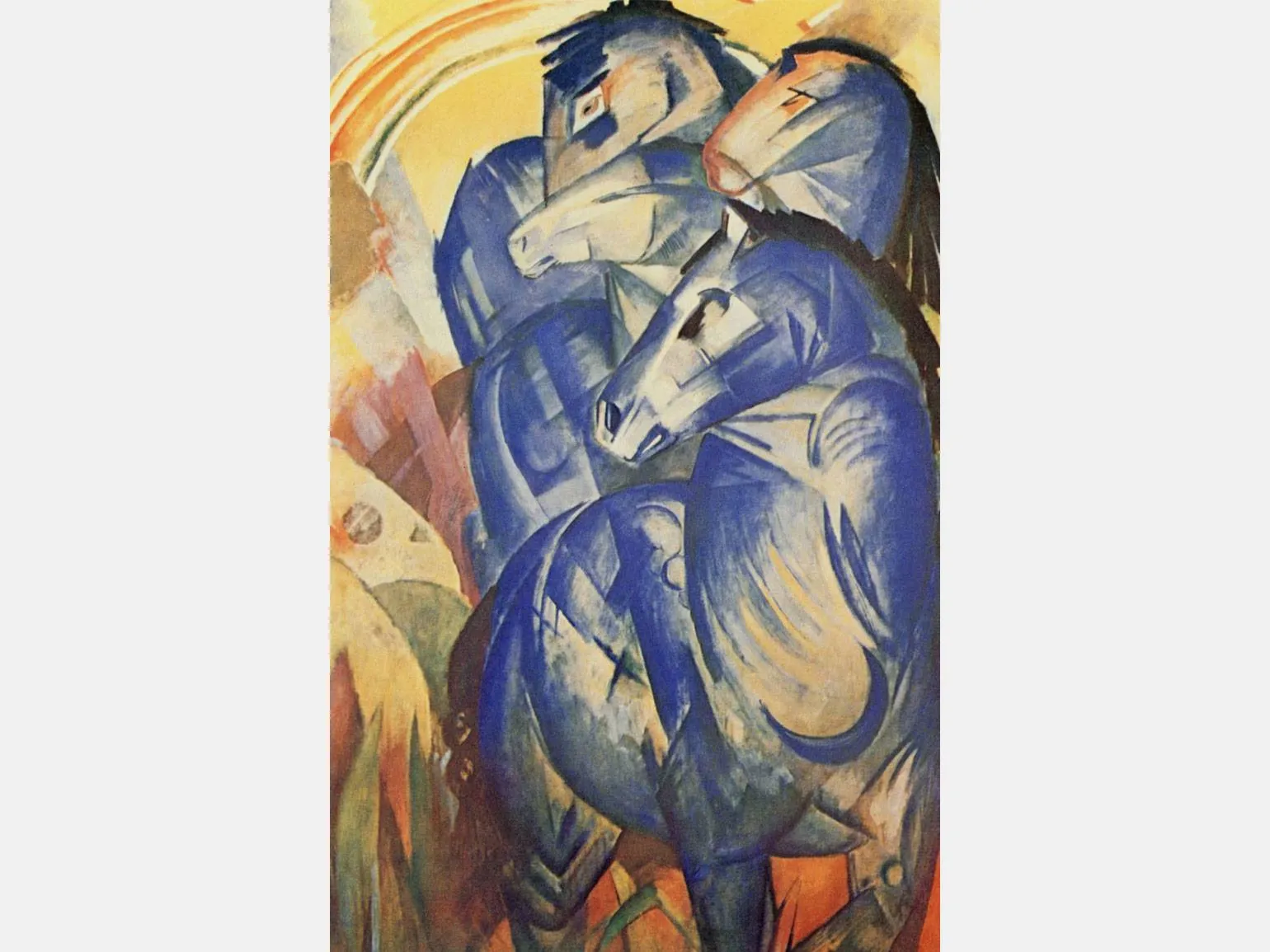
Franz Marc, a prominent representative of expressionism, believed that art should reflect not only external reality, but also the internal emotional states of a person. His work is aimed at conveying moods and feelings, which distinguishes his work from others. Mark sought to deeply understand and express human experience, making his work unique and memorable. His paintings don't simply depict reality; they immerse the viewer in a world of emotion and sensory perception, which is the core value of his art.
This artistic practice served as a source of inspiration for the emergence of the radical movement of Abstract Expressionism. This movement emphasized the artist's feelings and emotions, becoming a key moment in the development of modern art. Abstract Expressionism appeared several decades later, but even then it had a significant influence on artistic movements and the perception of art in general.
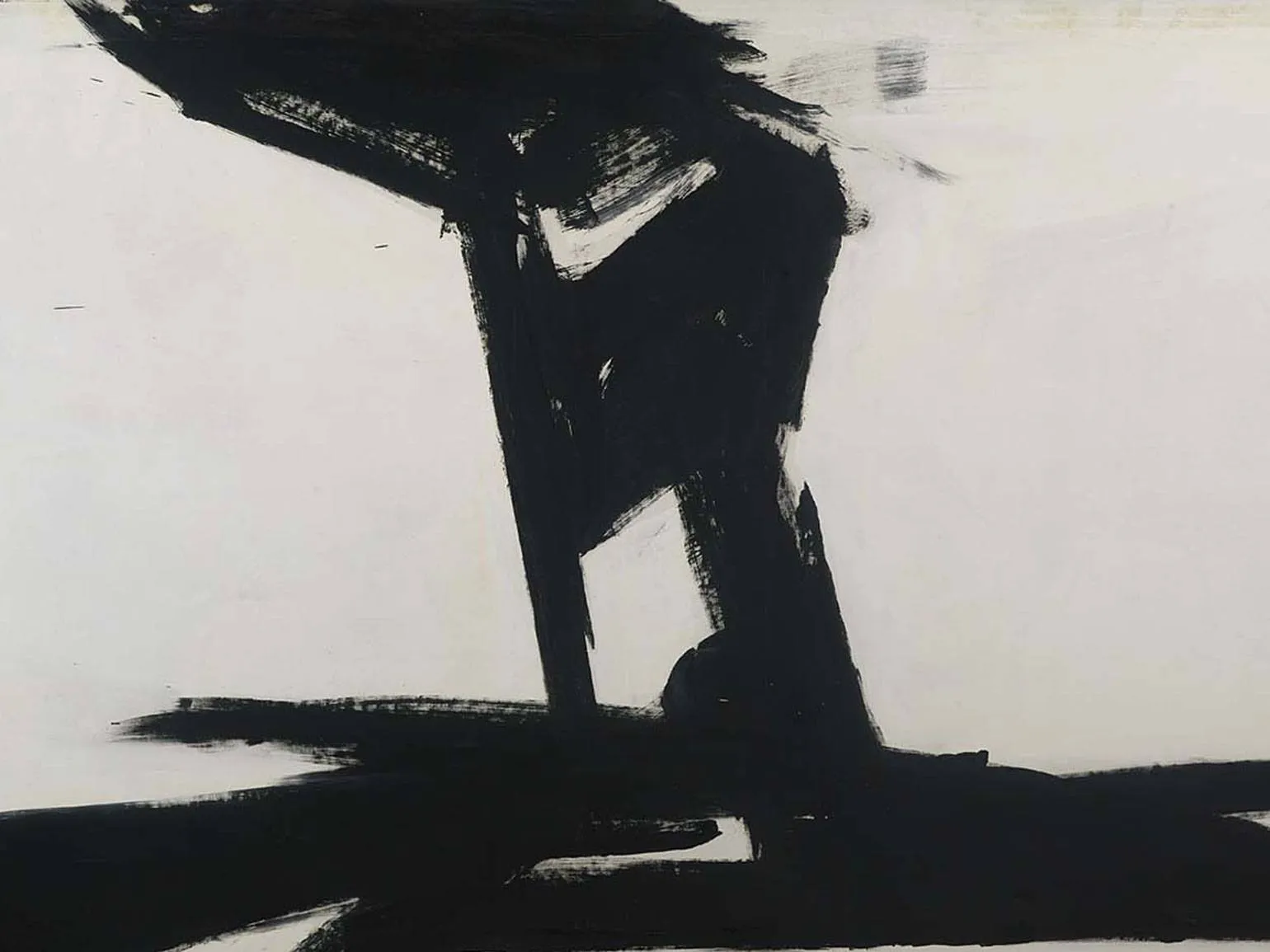
Abstract Expressionist artists, including Franz Kline, often avoided explaining their works or expressed displeasure when asked about their meaning. Kline compared his paintings to music, emphasizing that if the viewer doesn't grasp their essence, explanations won't change the situation: "Brother, if you don't understand, I can't explain it to you." This position reflects the philosophy of Abstract Expressionism, where the emotional perception of a work is more important than its literal interpretation.
Every work of art is a dialogue with the surrounding world. Abstractionism and expressionism create unique spaces where emotions and forms come to the fore, eclipsing traditional notions of beauty. These art movements allow viewers to immerse themselves in new realities in which feelings and perception become protagonists. The exploration of abstractionism and expressionism opens up many opportunities for self-expression and deep interpretation, emphasizing the importance of personal perception in contemporary art.
Abstract Expressionism: The Art of Expressing Inner Experiences
The first half of the 20th century was marked by significant upheaval both on the international stage and in the United States. Two world wars, nuclear disasters, and the Great Depression radically changed the historical landscape. These events had a profound impact on the inner world of artists, encouraging them to seek new forms of expression and experiment with different styles. In response to social and political upheavals, artists began using art as a means to reflect societal changes and find new meaning amid instability. This period became a catalyst for the emergence of numerous avant-garde movements and new artistic directions that continue to inspire contemporary art.
Personal tragedies, including illness, loss, and financial hardship, prompt artists to seek ways to convey their emotions. This leads to a desire not only to reflect the external world but also to explore complex internal states more deeply. The importance of emotional expression becomes a key theme, allowing authors to share their experiences and resonate with readers. Thus, literature becomes a powerful tool for understanding and comprehending human suffering and distress.
Abstract expressionism emerged as a response to the challenges of the time, enabling artists to convey their emotions and experiences through dynamic forms and vibrant colors. In this artistic movement, the emphasis is on the author's inner world rather than external realities. Abstract Expressionist artists use intense colors and free forms to express their deepest feelings, allowing viewers to connect with the unique emotional palette of each work. This movement has become a significant stage in the development of contemporary art and continues to inspire new generations of creators.

Tatiana Ivankova is an artist and curator of the Illustration program at the British Higher School of Art and Design. In her work, she focuses on the importance of abstract expressionism for both the artist and the teacher. Tatyana emphasizes that this style embodies the interaction between artist and material, and also emphasizes the importance of gesture in the process of creating visual images. Abstract expressionism not only reveals the artist's inner world but also serves as a source of inspiration for students, helping them gain a deeper understanding of the concept of visual art.
Tatiana emphasizes that gesture and image-making techniques are key elements in abstract expressionism. This allows for a deeper understanding of the artist's inner experiences and emotions, opening new horizons in the perception of their work. Abstract expressionism offers a unique approach to interpreting artwork, where form and color serve as expressive means to convey an emotional state.

Timur Zima, a graphic designer and artist, shares his views on abstraction. He believes abstraction is a way to break free from the strict boundaries of figurative art and express emotions freely and without limitations. Abstract art allows him to explore new forms and colors, creating unique works that convey depth of feelings and ideas. In his works, abstraction becomes not only an artistic technique but also an important means of self-expression.
In graphic design, work can sometimes lead to over-rationalization. However, abstraction offers the opportunity to reconcile logic and emotion, creating harmony between them. This combination of rational thinking and emotional perception allows designers to find unique solutions and generate creative ideas. As a result, abstract elements in design can not only attract attention but also evoke deep emotions in viewers, making them an important part of visual communication.
Timur notes that studying abstract art opens new horizons. Both vivid emotions and rational approaches to experiences can coexist on canvas. This combination makes the creative process even more captivating and multifaceted. Abstract works allow viewers to immerse themselves in a world of feelings and thoughts, opening up new possibilities for self-expression and understanding art.
Abstract expressionism provides artists with a unique opportunity to explore their inner states and also creates space for freedom in the use of form, texture, and color. This artistic style emphasizes emotional perception, allowing artists to express their feelings and experiences through abstract elements. Thus, abstract expressionism becomes an important tool of self-expression and creative experimentation in contemporary art.
The Greatness of the Abstract Expressionists
Abstract expressionism is an artistic movement that emerged in America in the first half of the 20th century. Leading artists of this movement, such as Jackson Pollock, Franz Kline, and Mark Rothko, expressed profound social and personal experiences associated with the tragedies of their time through their works. Their work not only reflects artistic experimentation but also conveys internal emotions, making abstract expressionism an important phenomenon in both art and wider culture. The works of these masters continue to influence contemporary art, inspiring new generations of artists and researchers.
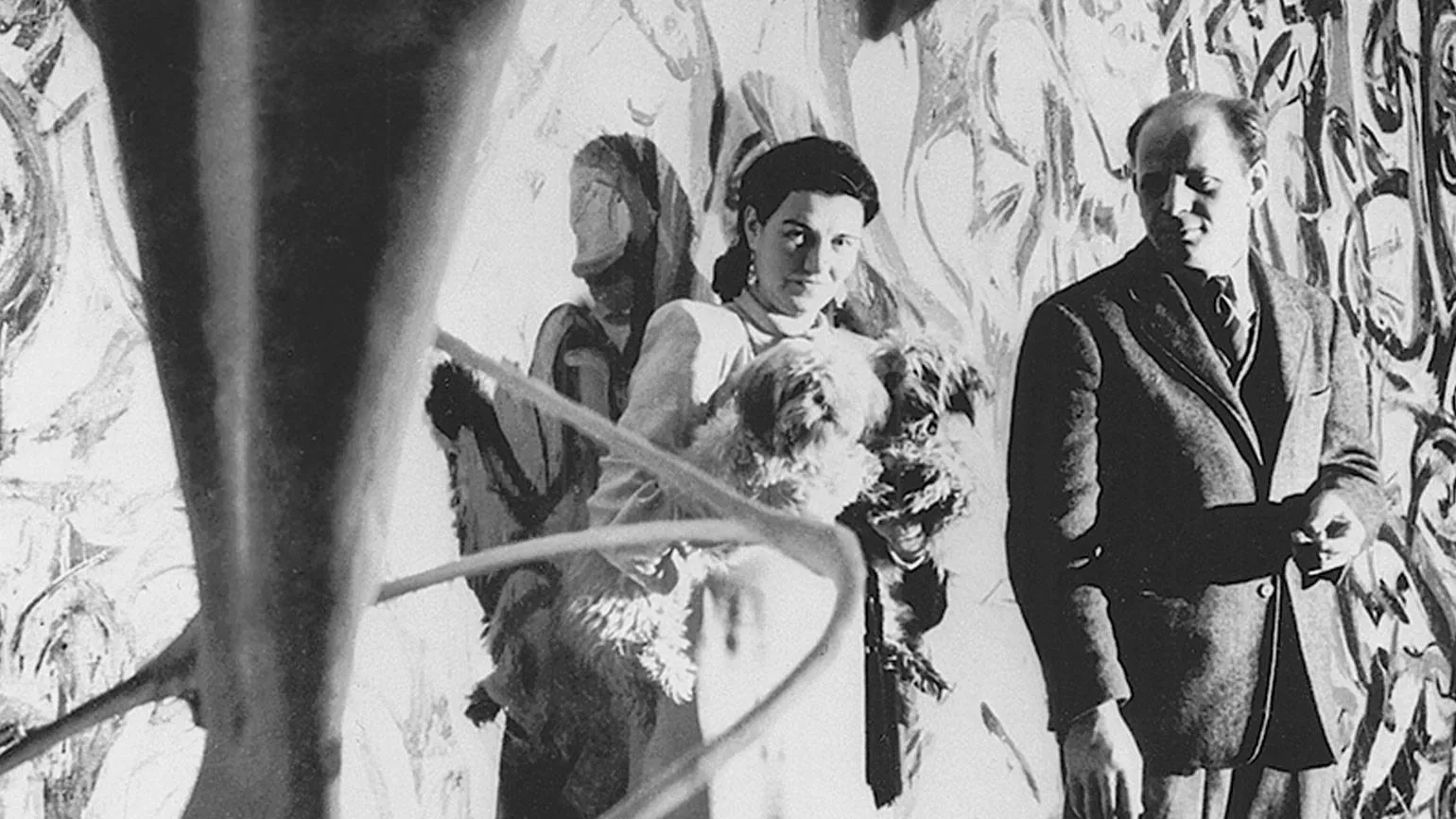
Jackson Pollock, Born in 1912, Pollock became a significant figure in the art world and had a profound influence on the development of 20th-century painting. His innovative dripping technique, which involved spattering and dripping paint onto canvas, revolutionized the artistic process and opened up new possibilities for abstract art. Pollock not only expanded the boundaries of traditional painting but also inspired countless artists to experiment with form and material, thereby leaving a lasting mark on art history. Pollock had no formal art training and studied only briefly with Thomas Benton. However, this did not prevent him from developing a unique style. It is important to note that at the beginning of his career, his works were quite traditional. However, in the 1940s and 1950s, he discovered the world of abstraction, which became a turning point in his work. This shift to abstract art not only changed his approach to painting but also had a significant impact on the development of Abstract Expressionism as a whole.
The influence of the world around him on Jackson Pollock's work was significant. Like many artists of his era, he sought new ways to express his emotions and experiences. Pollock's complex character and internal conflicts significantly influenced his artistic vision and style. This desire for self-expression and the search for a unique art form became fundamental in his works, reflecting deep personal experiences and emotional states.
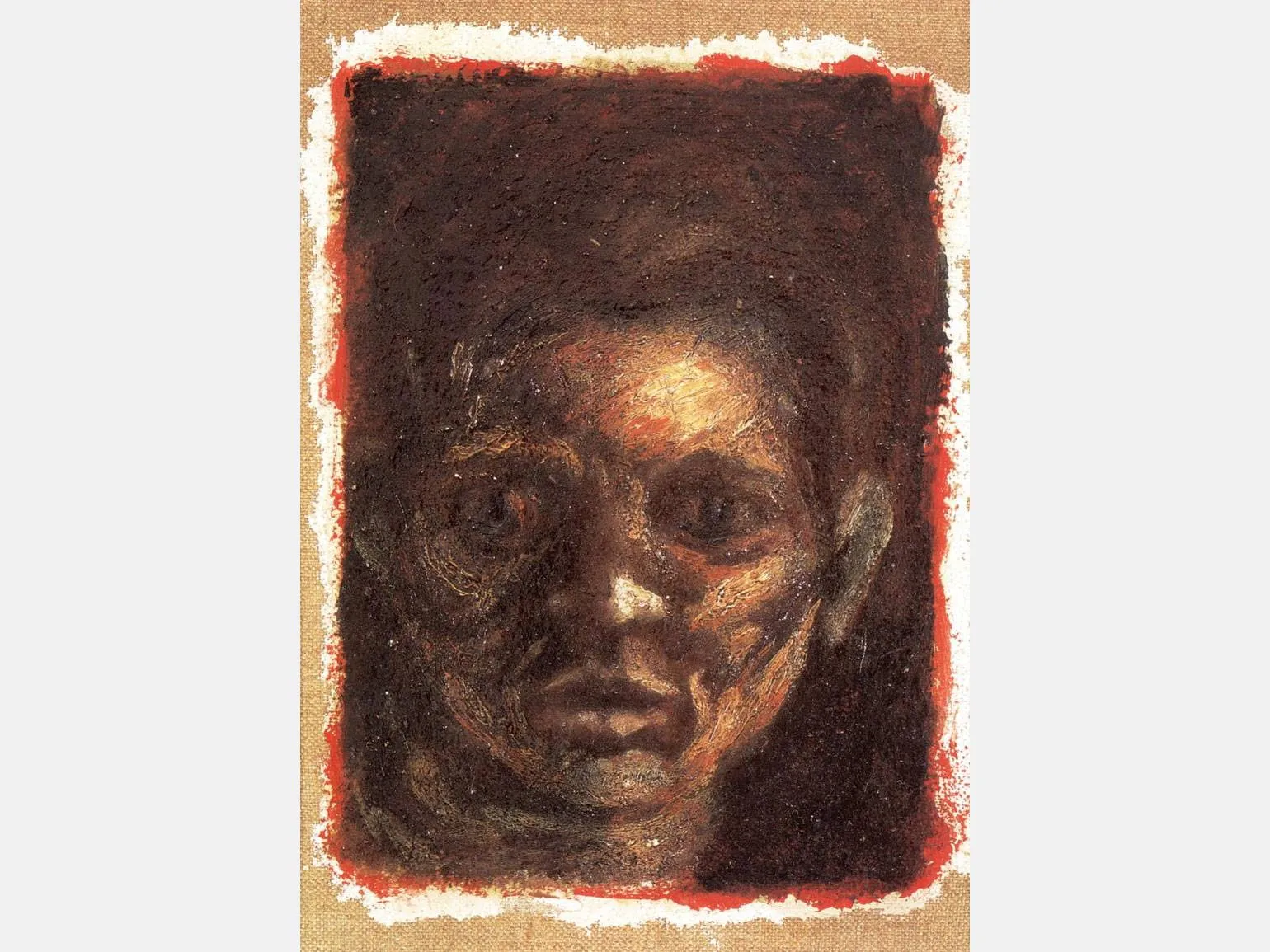
Born in 1904, Clyfford Still became an important figure in the Abstract Expressionist movement. In 1924, he moved to New York City, but soon became disillusioned with traditional teaching methods and headed West. It was there that he found inspiration in the natural landscapes and spirit of the American West, which had a significant influence on his work. Still became known for his vibrant and dynamic canvases, reflecting the emotions and sensations he experienced in this unique region. His work contributed significantly to the development of abstract art and continues to inspire artists and viewers around the world.
Still sought to convey his emotions through abstraction, creating works of art that allowed viewers to interpret them in their own way. His unique style featured vibrant colors and expressive forms that reflected his deep connection with nature. Still's works not only capture attention but also provoke thought, creating space for personal interpretation and emotional perception. Each painting becomes a window into the world of feelings, where the viewer can see a reflection of his own experiences and the experiences of nature.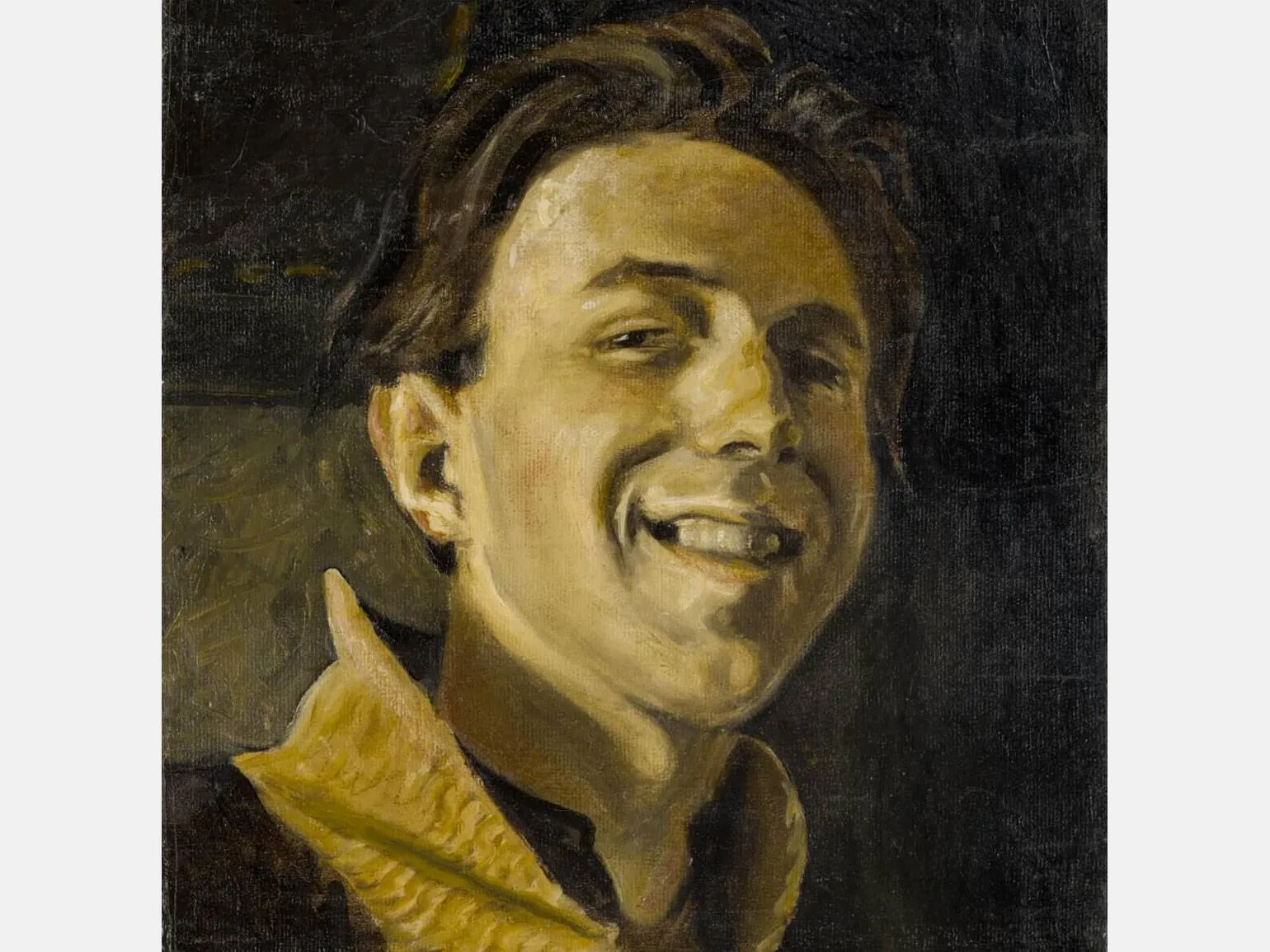
Franz Kline, born in Born in 1910, Kline became known for his unique black-and-white palette and expressive brushstrokes. His energetic works are often compared to calligraphy, although the artist himself rejected such analogies. Kline significantly influenced the development of Abstract Expressionism, bringing a new understanding of form and movement to art. His style, characterized by contrast and dynamism, continues to inspire modern artists and art researchers. Kline began his career creating realistic works but soon found his unique identity in abstract art. His paintings, such as "Intersection" and "Crosstown," have become symbols of confidence and strength in abstraction. Kline's works are characterized by depth and emotion, allowing viewers to immerse themselves in the world of his creations. These works not only reflect the artist's personal experiences, but also become an important part of contemporary art, inspiring many followers.
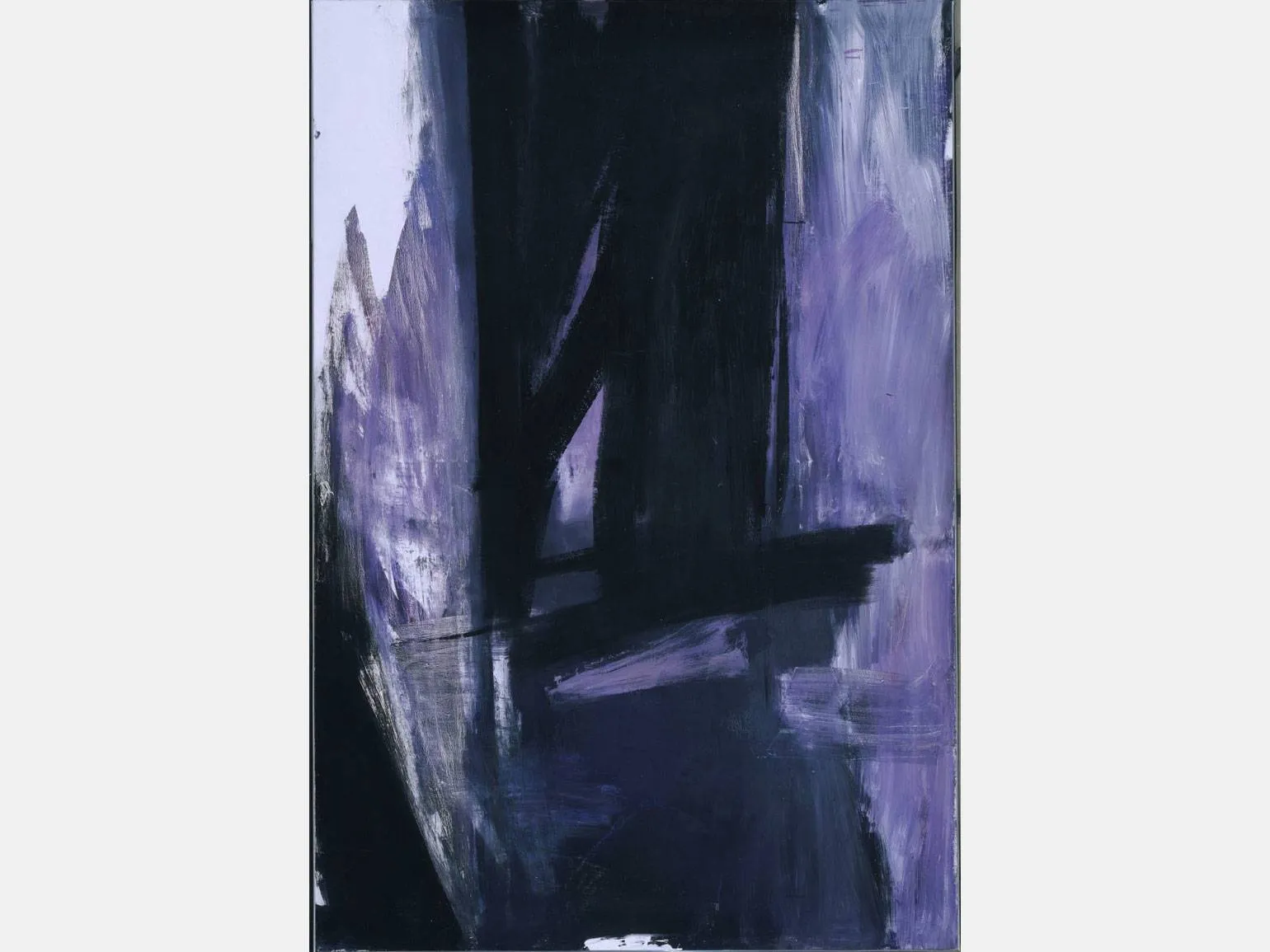
Mark Rothko, born in Born in Latvia in 1904, Rothko became one of the most influential artists of the 20th century thanks to his unique "color field" style. His works are dominated by large blocks of color that convey profound emotions and explore the tragedy of human existence. Rothko sought to create an atmosphere that evokes an emotional response in the viewer, and his paintings are often seen as reflections of the human inner world. Rothko's art continues to inspire and generate interest, becoming an important part of the history of abstract expressionism and modern art.
Rothko believed that art should serve as a tool for expressing deep emotions. His works often evoked intense emotional responses in viewers. He was also active in social activism, leaving behind a significant legacy, including a chapel named after him. Rothko's works continue to inspire and engage art lovers, highlighting his influence on modern art and cultural heritage.
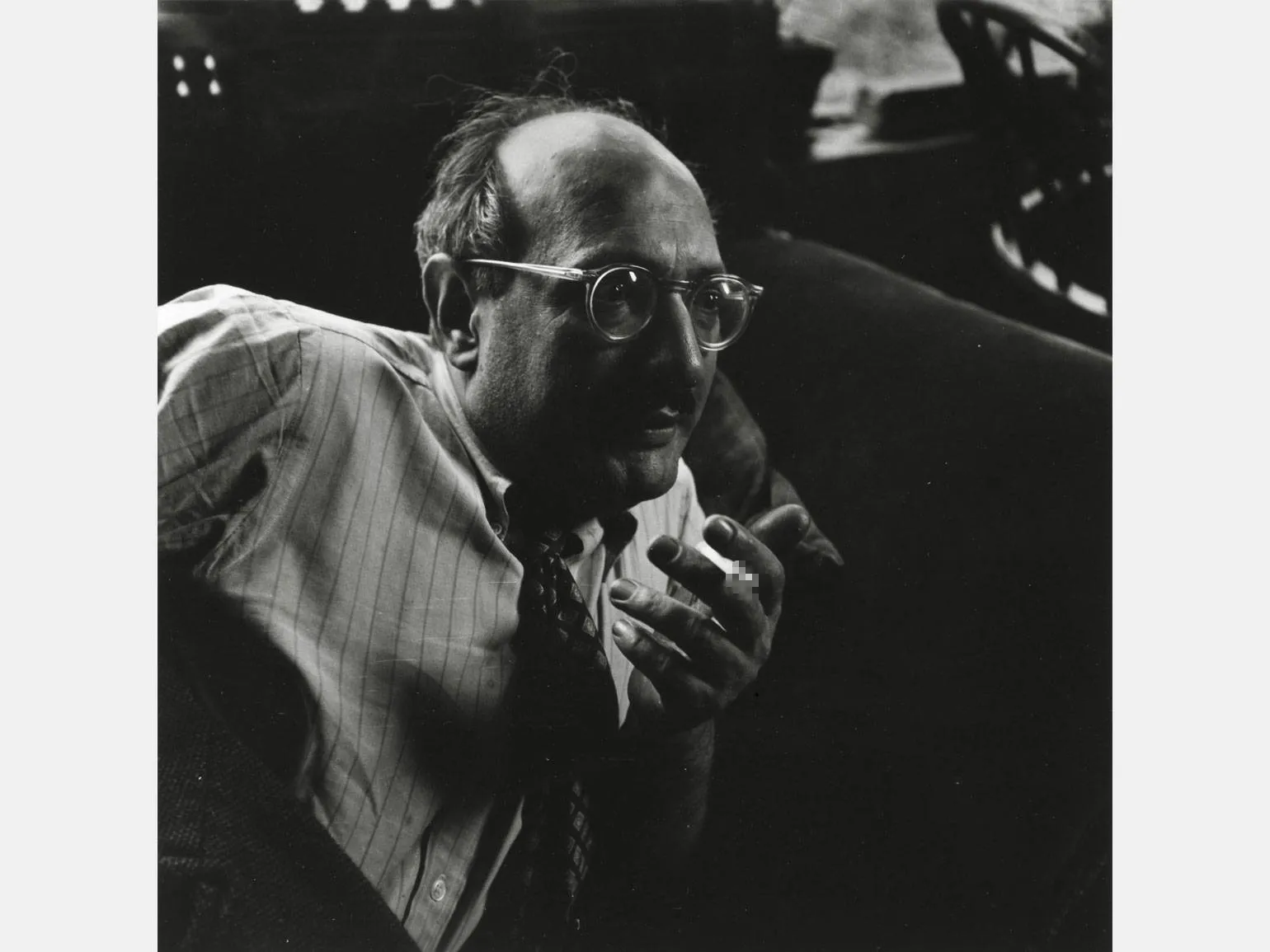
Rothko did not live to see the opening of his chapel, as his life Rothko's life ended tragically in 1970. Nevertheless, his work continues to inspire artists and audiences worldwide, remaining a significant part of contemporary art. Filled with profound emotion and a unique color palette, Rothko's works influence new generations, emphasizing the importance of artistic expression and personal interpretation. The chapel he conceived has become a symbol of his legacy and continues to draw attention to his contribution to the arts.
Graphic Designer PRO: 5 Steps to a Successful Career
Want to become a graphic designer? Learn 5 steps to success and create your portfolio!
Learn more