Contents:
Profession design: 4 directions in 5 days!
Find out moreThe Jester Archetype: The Art of Fun and Entertainment
The Jester archetype includes such synonyms as Joker, Comedian, Clown, and Actor. This character personifies vital energy and joy, skillfully finding reasons to laugh even in the most difficult situations. Boredom is the Jester's greatest enemy, so they constantly create an atmosphere of cheerful chaos, filling the space with positivity and laughter. The Jester is distinguished by their ability to see the bright side of life and share it with others, making them not only a source of joy but also an important part of any community.
In branding, the Jester archetype is excellent for products related to sweets, beverages, children's products, and entertainment events. Brands that utilize this archetype not only maintain a youthful spirit but also create vibrant and unforgettable moments, fostering a sense of unity and belonging. Using the Jester archetype helps attract the attention of the target audience, providing positive emotions and memorable experiences, which is an important aspect in competitive marketplaces.
Some of the most famous brands, such as M&M's, Domino's, and Old Spice, effectively convey their playful essence through advertising and marketing. These companies use creative approaches and original ideas to attract audience attention and build a positive image. Their advertising not only entertains but also creates a strong connection with consumers, which contributes to increased loyalty and brand awareness. A playful approach to marketing allows these companies to stand out from the competition and remain memorable.
- The Jester's typography is filled with playfulness and humor, with puns and jokes.
- The graphics and illustrations often include circus motifs, magic tricks, and stunts.
- The Jester's photographic style is characterized by exaggerated forms, unusual angles, and grotesque imagery.
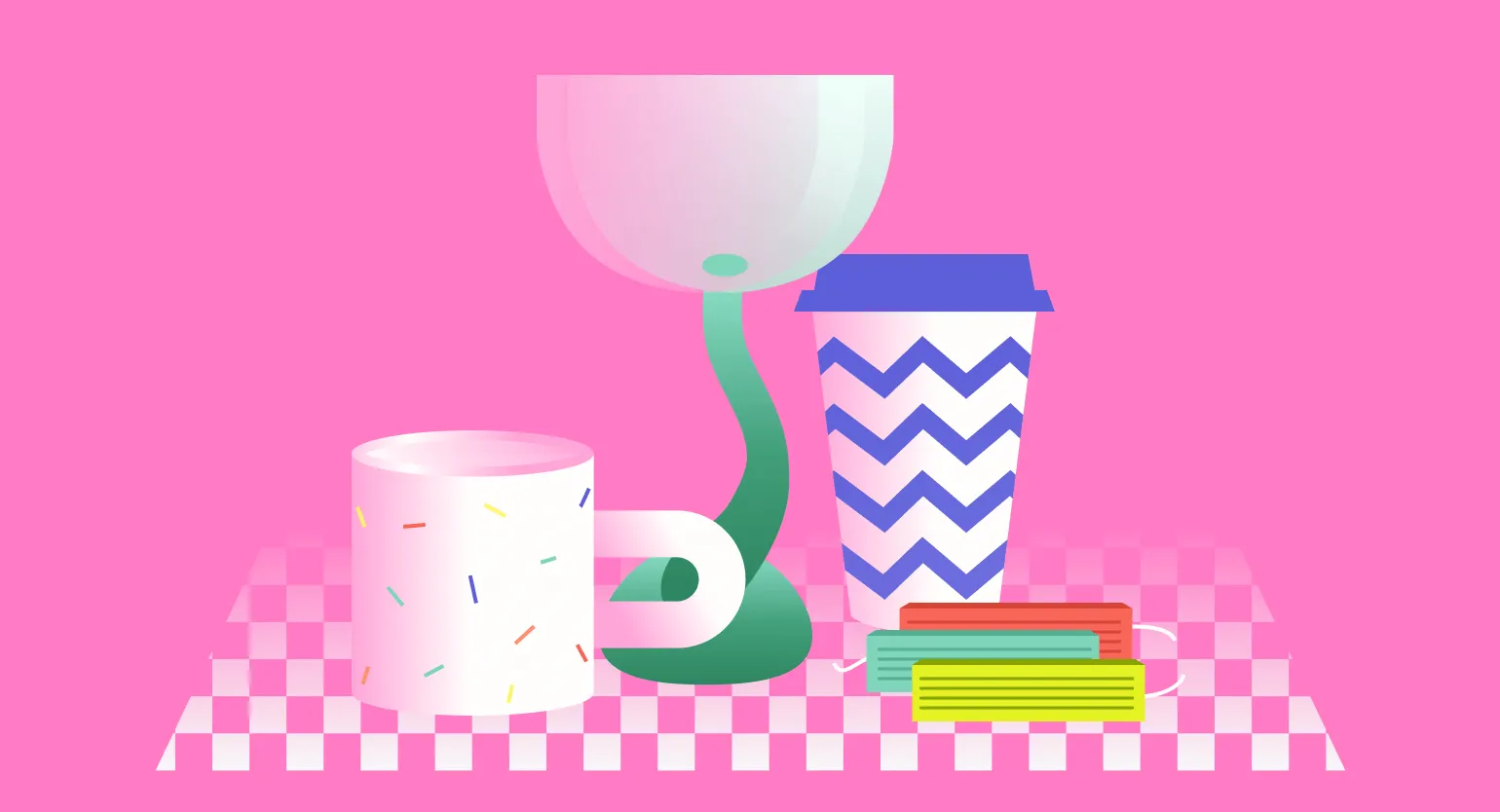
- The color palette is bright and saturated, like confetti, and the materials used are unconventional and original.
The design of the Jester's retail spaces includes elements of scenography, which creates a unique atmosphere of theatrical performance and fun. This space not only attracts attention but also evokes positive emotions in visitors, fostering their engagement and interest. It is important that this design approach contributes to creating memorable experiences, which in turn can increase customer loyalty and boost sales.
Surreal shapes, characterized by convexity and contrast, are key elements of the Jester's style. These elements not only attract attention but also contribute to a positive mood. The visual expressiveness of such forms helps enhance the emotional impact and makes the images more memorable.
Shanty is a cookie brand founded by French designer Shanty Berel. In winter 2022, Label Experience developed a pop-up space concept in Paris inspired by the aesthetics of Wes Anderson. This unique space, reminiscent of a playful post office, creates an atmosphere of joy and fun, attracting the attention of lovers of creative design and gastronomy. Shanty not only offers delicious cookies but also creates unforgettable experiences for its customers.
Bright colors of the walls and furniture create a festive atmosphere, while contrasting geometric patterns emphasize the circus theme. This design not only attracts attention but also inspires customers, evoking positive emotions and a desire to return. The use of bold colors and original shapes creates a unique space that leaves a vivid impression and contributes to a comfortable atmosphere.
This approach allows customers to not only enjoy the exquisite taste of cookies but also experience the joy associated with exciting moments. This creates a unique experience that combines gastronomic pleasure and a festive atmosphere, promoting positive emotions and a desire to return again.
Read also:
In 2025, the world of interiors will see many new trends that will change our perception of space. One of the key aspects is the use of sustainable and environmentally friendly materials. More and more designers are looking to integrate natural elements like wood, stone, and textiles into their designs. Minimalism will remain a popular aesthetic, but with an emphasis on comfort and functionality.
Color palettes will range from neutral tones to bold accents, creating unique atmospheres in each room. Technology will also play a role: smart homes with IoT integration will become the standard.
Multifunctional furniture that saves space and adapts to the different needs of residents will become an important element of interiors. In 2025, we can expect a rise in the popularity of open-plan layouts, where the kitchen, living room, and dining room are harmoniously connected.
There will also be an emphasis on individuality: more people will seek to create unique and personalized spaces that reflect their lifestyle and preferences. The use of art and decorative elements that give the room character will play an important role in this process.
Interior trends for 2025 will focus on creating harmonious and functional spaces where every detail plays a role.
The Parent Archetype: Caring and Supportive
The Parent archetype, also known as the Mentor, Caregiver, or Altruist, plays a vital role in fostering humanity and empathy. This archetype embodies the values of compassion, generosity, and a desire to support others. It is the foundation for forming deep and meaningful relationships, contributing to a harmonious society. The Parent archetype inspires caring for others and promotes emotional intelligence, making it indispensable in various areas of life, including parenting, education, and social interactions. The importance of this archetype in our society cannot be overstated, as it fosters a culture of mutual assistance and support among people.
Parents often focus on meeting the needs of others, sometimes neglecting their own needs. This can lead to a distorted perception of what is truly beneficial, as their care is based on personal beliefs and experiences. It is important to recognize your needs and find a balance between caring for others and caring for yourself to ensure harmonious development for both yourself and your children. Taking care of your own needs not only promotes personal growth but also has a positive impact on the family atmosphere and relationships.
Brands that represent the Parent archetype develop products and services aimed at caring for loved ones and creating a safe environment for their customers. These companies focus on emotional support and comfort, which helps build trusting relationships with consumers. The products and services offered by such brands help people feel protected and cared for, which, in turn, strengthens their attachment to the brand.
- They provide products for family care.
- They create a comfortable and secure atmosphere.
The Parent archetype finds its ideal application in areas such as healthcare, insurance, financial planning, and charity. Brands that effectively utilize this archetype include Johnson & Johnson, Pampers, and UNICEF. These companies strive to create an atmosphere of care and support, which allows them to gain customer trust and strengthen their position in the market. Using the Parent archetype helps brands establish an emotional connection with their audience, which is especially important in sensitive areas like health and wellness.
- The typography of the Parent archetype is characterized by a soft and muted character.
- The graphics include smooth shapes that create harmonious imagery.
Design elements often include natural and botanical motifs, as well as vintage accents. These elements help create an atmosphere of comfort and trust. The use of natural textures and colors brings harmony to the space, while vintage details add character and personality. This design approach helps create a comfortable environment where people feel calm and relaxed.
- The color palette consists of pastel and low-contrast tones.
- The materials are soft and tactilely pleasant.
The Parent photo style is distinguished by soft lighting and warm filters, creating an atmosphere of naturalness and intimacy. This approach to photography helps capture candid moments, conveying the emotional connection between parents and children. The use of soft light and warm tones makes the images more cozy and inviting, making them ideal for family portraits and children's photo shoots. This style helps create harmonious and touching shots that will please the eye and evoke positive emotions.
In the retail space, the Parent archetype is manifested through the hygge style, which creates an atmosphere of home comfort. The design of such spaces is reminiscent of the atmosphere of a comfortable home, where safety and warmth are present. Interior elements using natural materials and soft textures create a relaxing environment that attracts customers and makes them want to linger. Hygge in a retail environment isn't just a style; it's a way to foster an emotional connection between a brand and its customers, which helps increase loyalty and repeat purchases. The interior creates a feeling of homely warmth. White walls provide the perfect backdrop for the displayed merchandise. The Folio concept store chain in Brazil is a shining example of the successful implementation of the Parent archetype. The interior of their flagship store is designed with a homey feel, setting it apart from traditional retail spaces. This approach creates an atmosphere of comfort and trust, fostering deeper customer interactions and building brand loyalty. Using home decor elements helps shoppers feel comfortable and relaxed, which positively impacts their shopping experience and desire to return to the store.
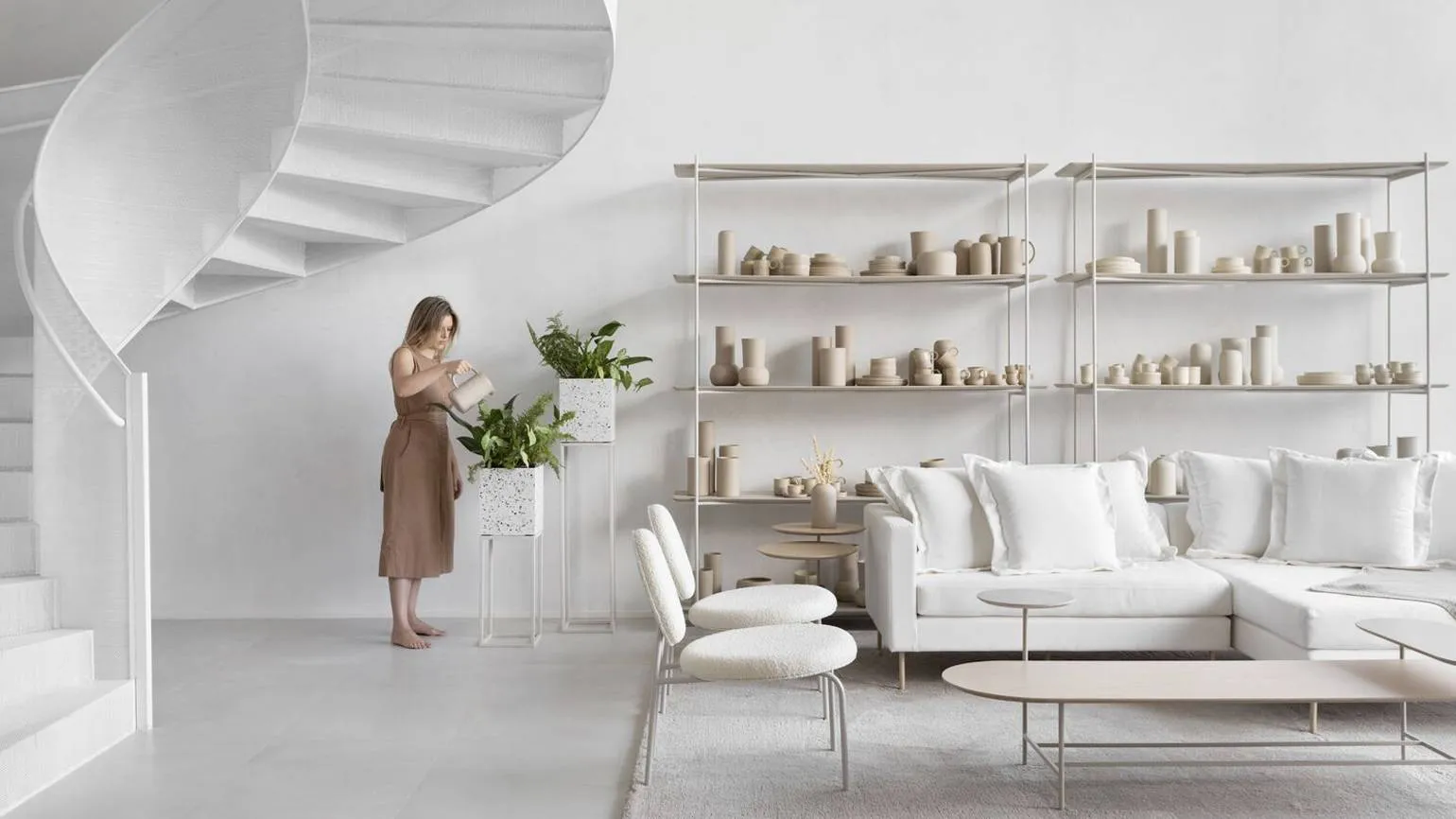
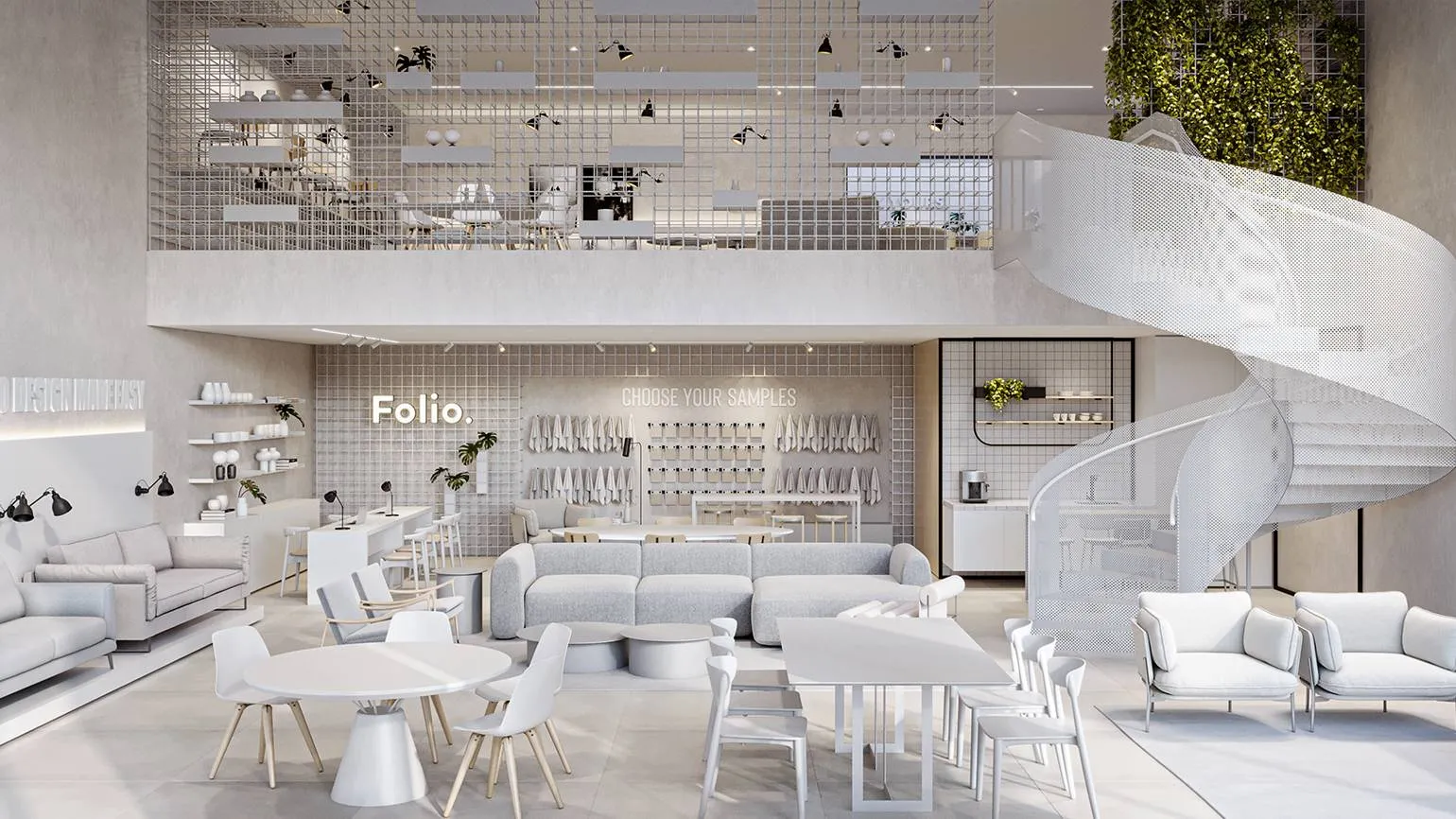
The Folio brand offers emotional support through the interior, using neutral colors and tactile textures. This creates the atmosphere of a spacious and bright apartment, filled with cozy details that contribute to comfortable living. Neutral shades and carefully selected textures help create a harmonious space in which every element works to create coziness and tranquility. Folio is more than just an interior; it's a philosophy that helps fill your home with warmth and style.
The Wizard Archetype: Magic and Innovation
The Wizard archetype, or Magician, embodies the process of transforming dreams into reality. This archetype believes that all limitations are only in our perception. The Wizard masterfully uses the patterns and mysteries of the world to realize their goals and ideas. Their abilities inspire change and open new horizons.
Brands associated with the Wizard archetype are companies that strive to inspire and transform the world around them. These brands use innovation and creativity to create unique experiences for their customers. They often offer products and services that help people unlock their potential and overcome barriers. Such companies emphasize the magic of transformation and the ability to make the impossible possible. This allows them to stand out from the competition and attract an audience that is eager for change and innovation.
- Implementing cutting-edge technology.
- Facilitating rapid change in the lives of their consumers.
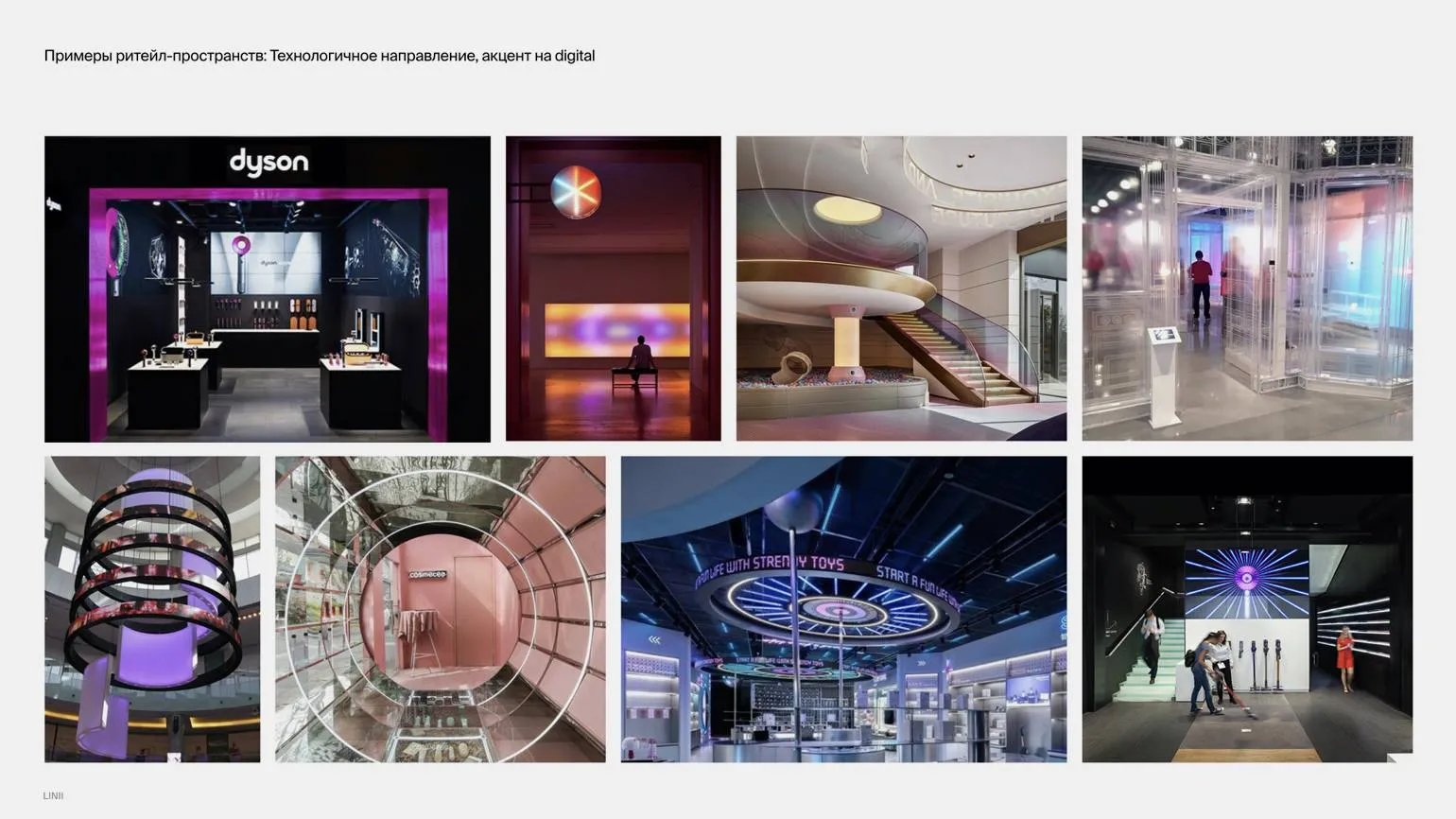
This archetype is particularly important in sectors such as technology retail and pharmaceuticals. Brands that effectively embody this archetype include Xbox, Red Bull, Dyson, and Walt Disney. These companies demonstrate innovative approaches and a desire for excellence, which allows them to stand out in a competitive marketplace and attract consumer attention.
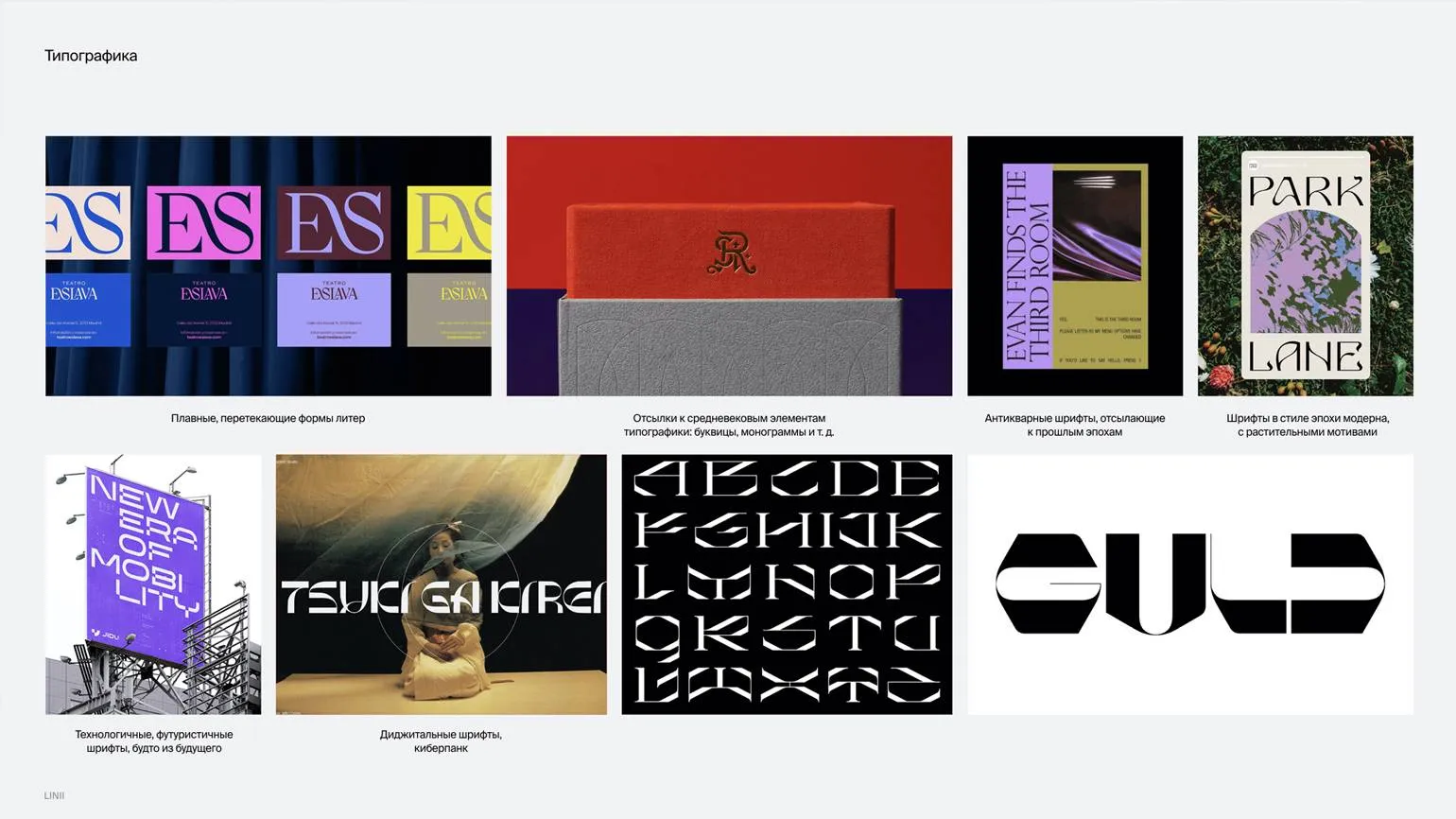
- The Wizard's typography is divided into two styles.
The first style features serif fonts with sharp serifs and floral motifs, evoking associations with medieval magical texts. These fonts are ideal for creating an atmosphere of mystery and historical authenticity. The second style includes futuristic fonts with unique shapes that represent robots and future technologies. Such fonts are great for projects related to innovation and high technology, emphasizing their modernity and dynamism.
- Mag's graphic solutions are also diverse.
Illustrations and ornaments can vary from woodcuts in the Art Nouveau style to modern technological designs using neon shades, gradients and minimalism.
Study also:
Art Nouveau, also known as Art Nouveau, is an artistic movement that emerged in the late 19th century and flourished until World War I. It is characterized by organic forms, flowing lines, and decorative elements inspired by nature. Art Nouveau strives for harmony between art and life, combining various disciplines such as architecture, painting, graphics, and design.
Key features of the Art Nouveau style include asymmetry, the use of new materials such as glass and iron, and bright, saturated colors. Art Nouveau masters actively used motifs of flora and fauna, which gave their works uniqueness and expressiveness. In architecture, Art Nouveau is manifested in refined facades, stained glass, and rich interior decoration.
Art Nouveau had a significant influence on the development of design and art in the 20th century, inspiring many artists and designers. This style remains relevant today, reflected in modern interiors and architectural solutions. Thus, Art Nouveau not only brought new ideas to art but also formed the foundations for future artistic movements.
- The Wizard's photographic style is imbued with mystery and secrets.
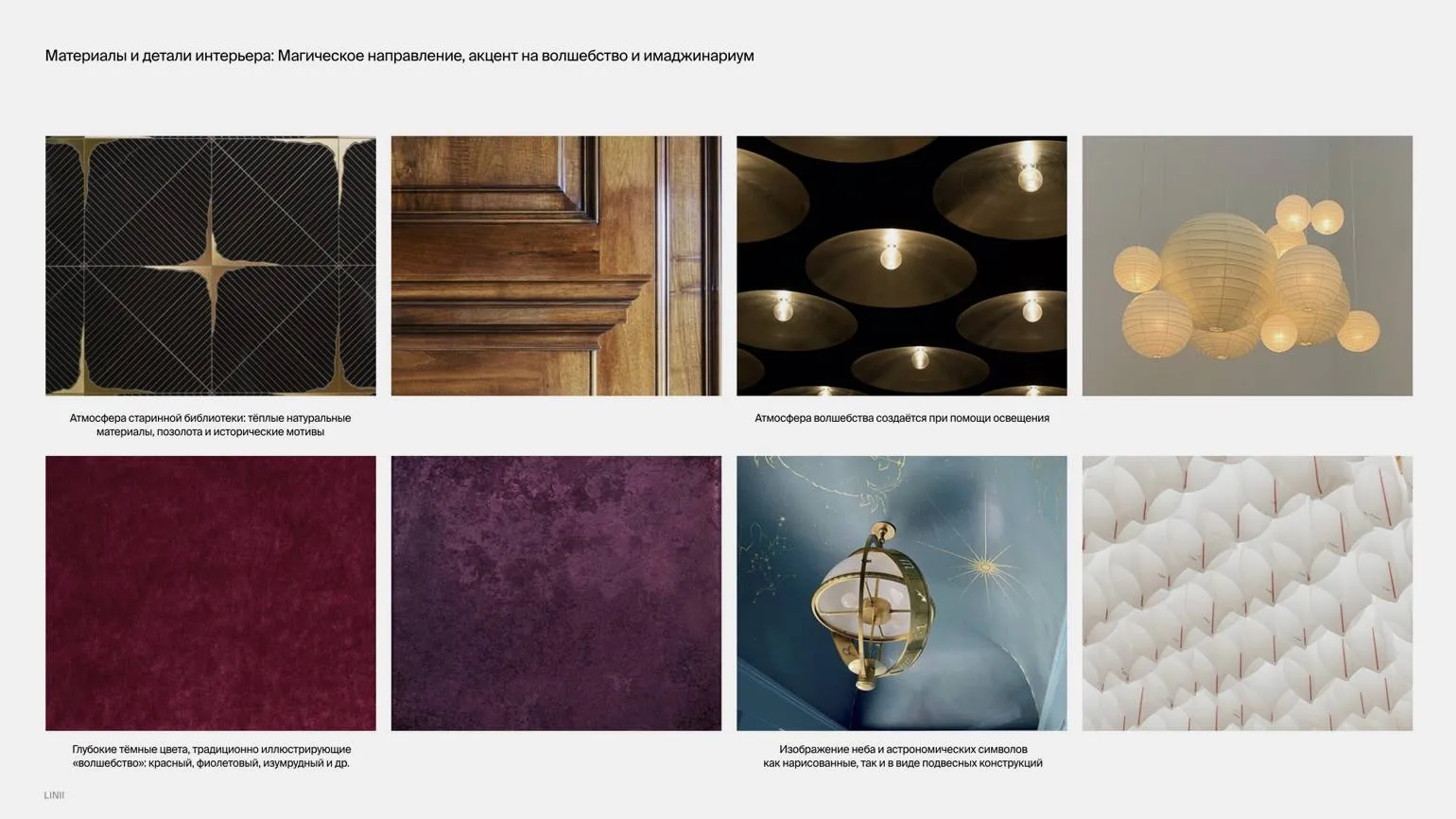
- Magicians love textures that open up new perspectives using elements of light refraction and atmospheric conditions.
- The Wizard's color palette includes metallic and neon shades, dark backgrounds, and gradients.
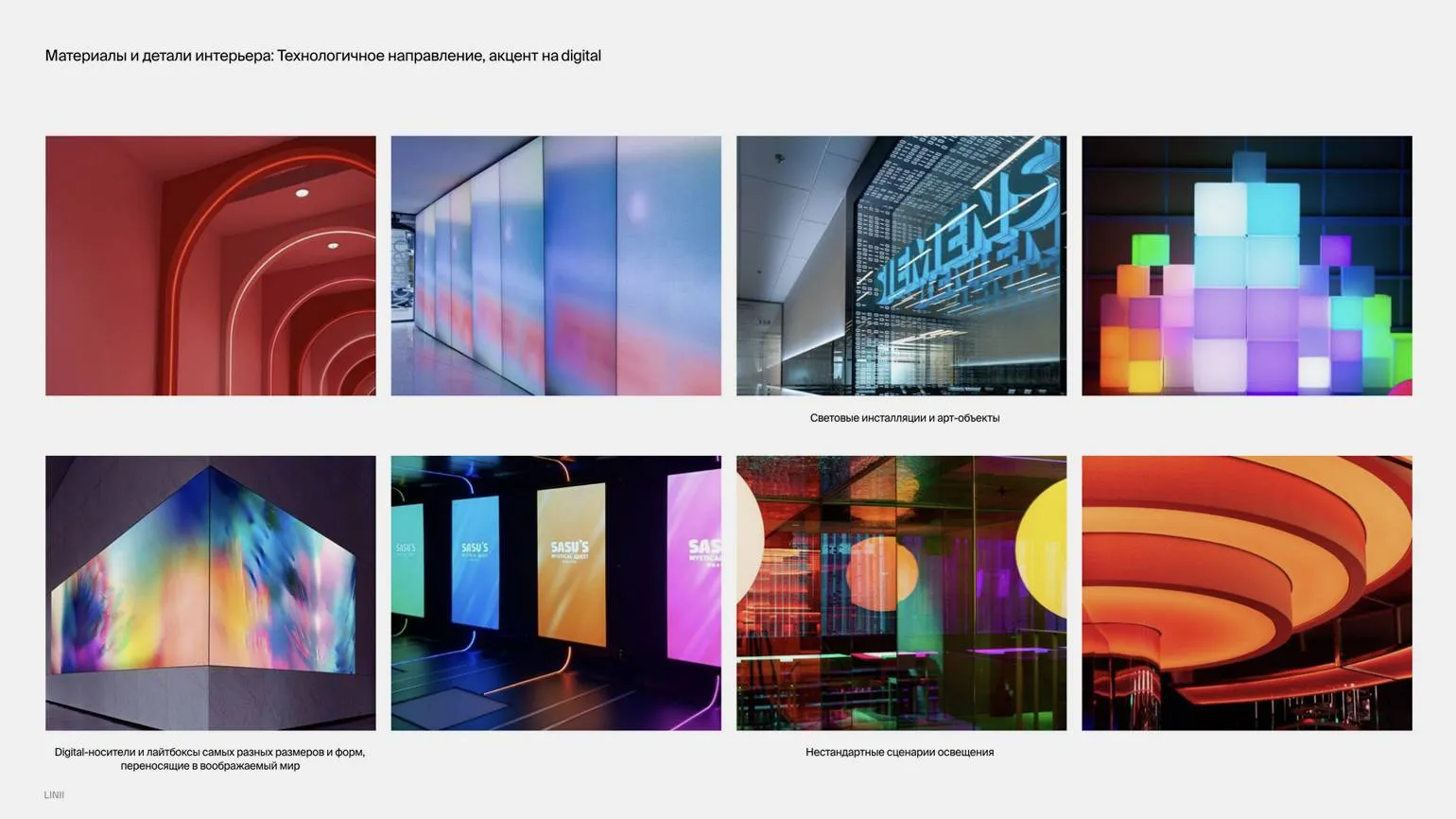
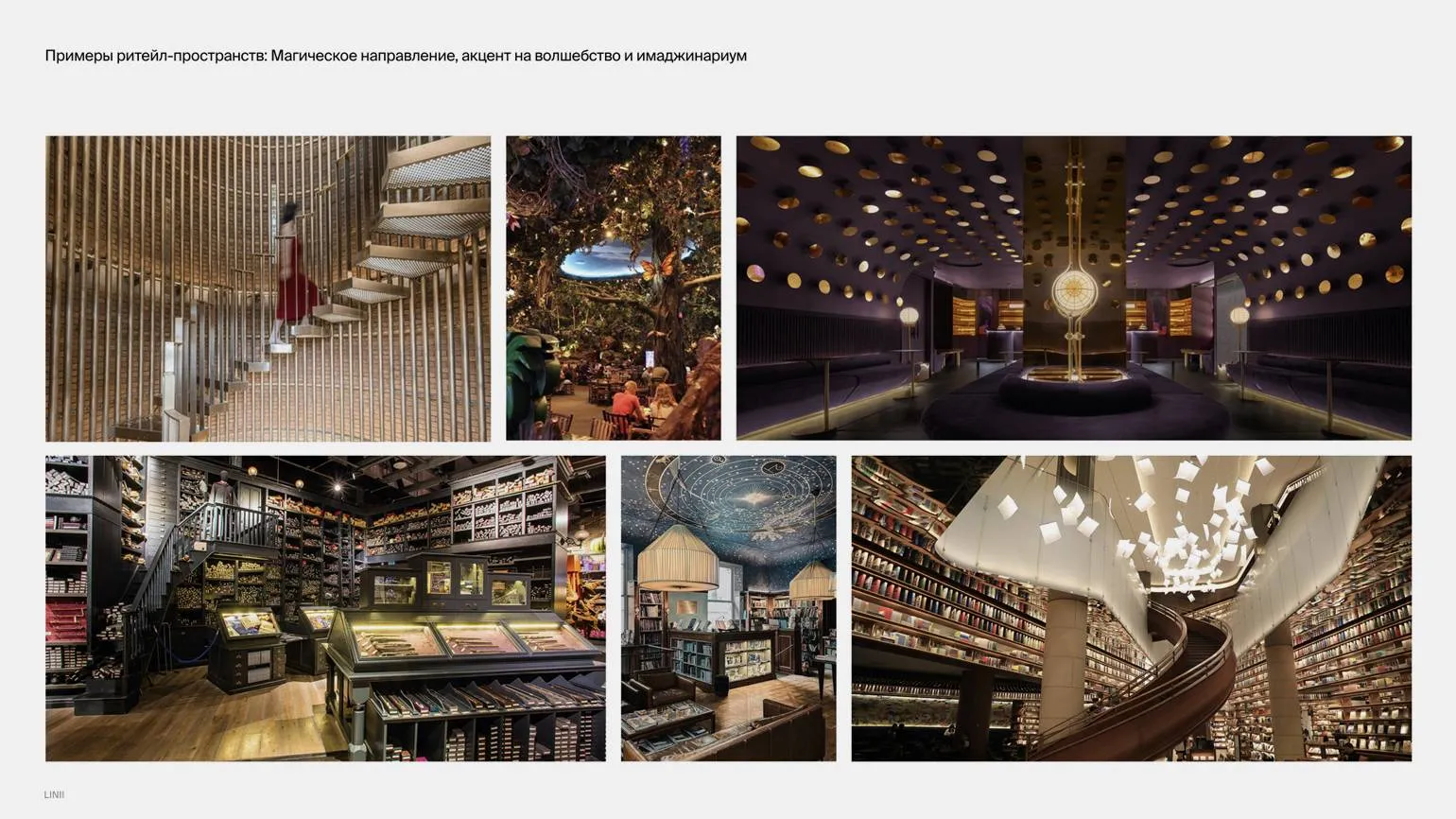
- The retail space of the Wizard archetype can be either high-tech or look like a magical portal.
Read also:
Space drama: the history of the fashion house Mugler
The fashion house Mugler, founded by Thierry Mugler, who founded the house in 1974, became a landmark in the world of haute couture. His unique style, characterized by bold silhouettes and avant-garde designs, quickly gained popularity. Mugler became known for his theatrical shows that combined elements of art and fashion, creating dramatic and memorable looks. Inspired by a variety of sources, including nature, architecture, and even science fiction, Mugler created collections that challenged traditional notions of femininity and masculine style. His work was distinguished not only by original design but also by masterful tailoring, allowing clothes to fit perfectly. Among Mugler's most famous creations are dresses with extravagant cutouts and silhouette-flattering designs. The fashion house also actively collaborated with famous personalities, which contributed to strengthening its image in the fashion industry.
In the 1990s, Mugler expanded its horizons by launching bestselling fragrance and accessory lines. Over the years, the brand has continued to evolve, remaining true to its core principles—innovation and bold design.
Today, Mugler continues to inspire a new generation of designers and fashion enthusiasts. The history of the Mugler fashion house is more than just a fashion story; it's a true cosmic drama, where each work of art creates a unique space and atmosphere, enticing viewers to rediscover the world of fashion.
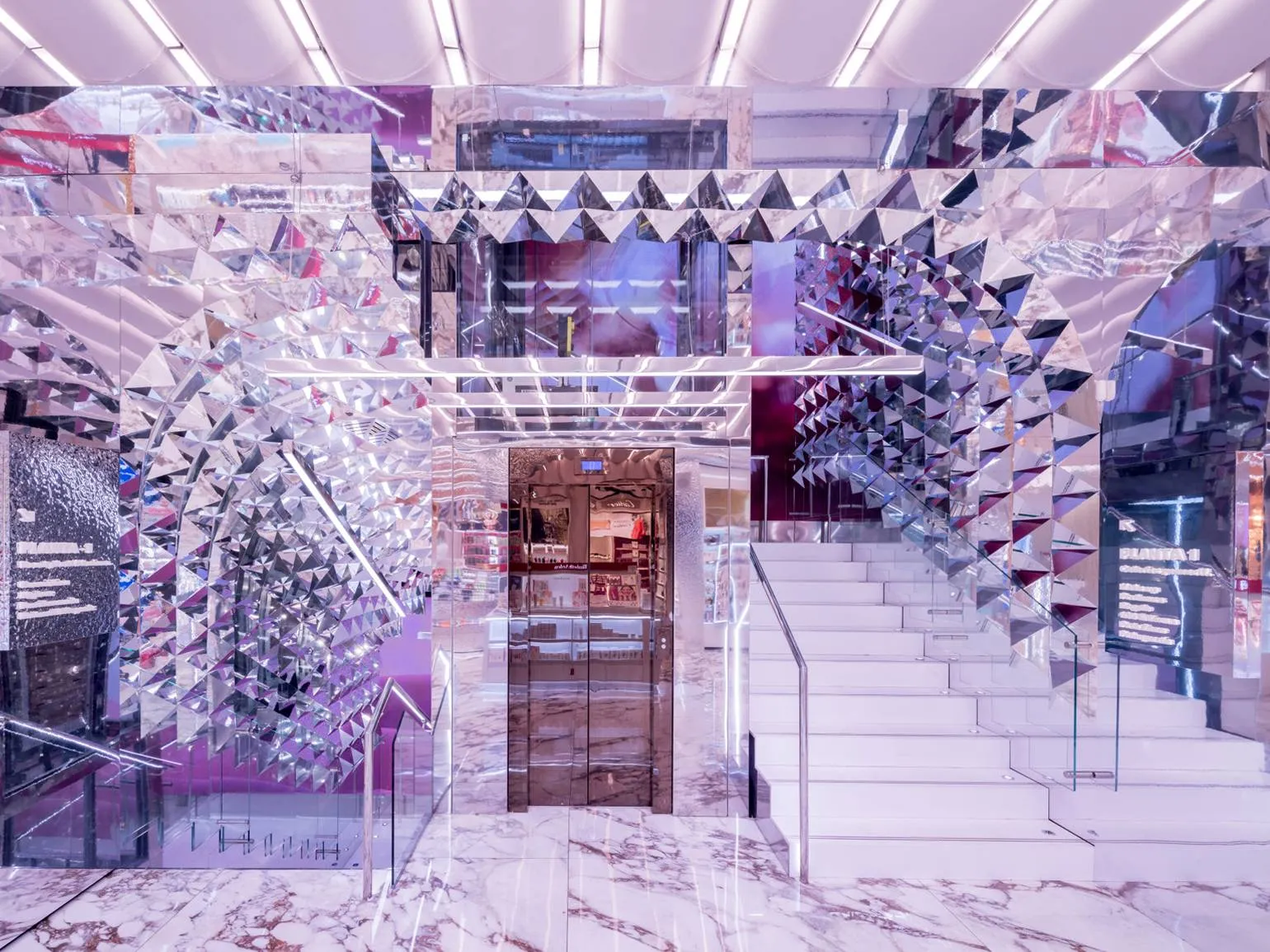
The flagship store of the Primor perfume chain in Barcelona is a unique space that embodies the archetype of the Magician. This store stands out from traditional cosmetics outlets, offering visitors an atmosphere of magic and beauty. Here, everyone can immerse themselves in a world of exquisite fragrances and cosmetics, enjoy attention to detail, and professional service. Primor in Barcelona is not just a store, but a place where new images and emotions are born, creating an unforgettable experience for each client.
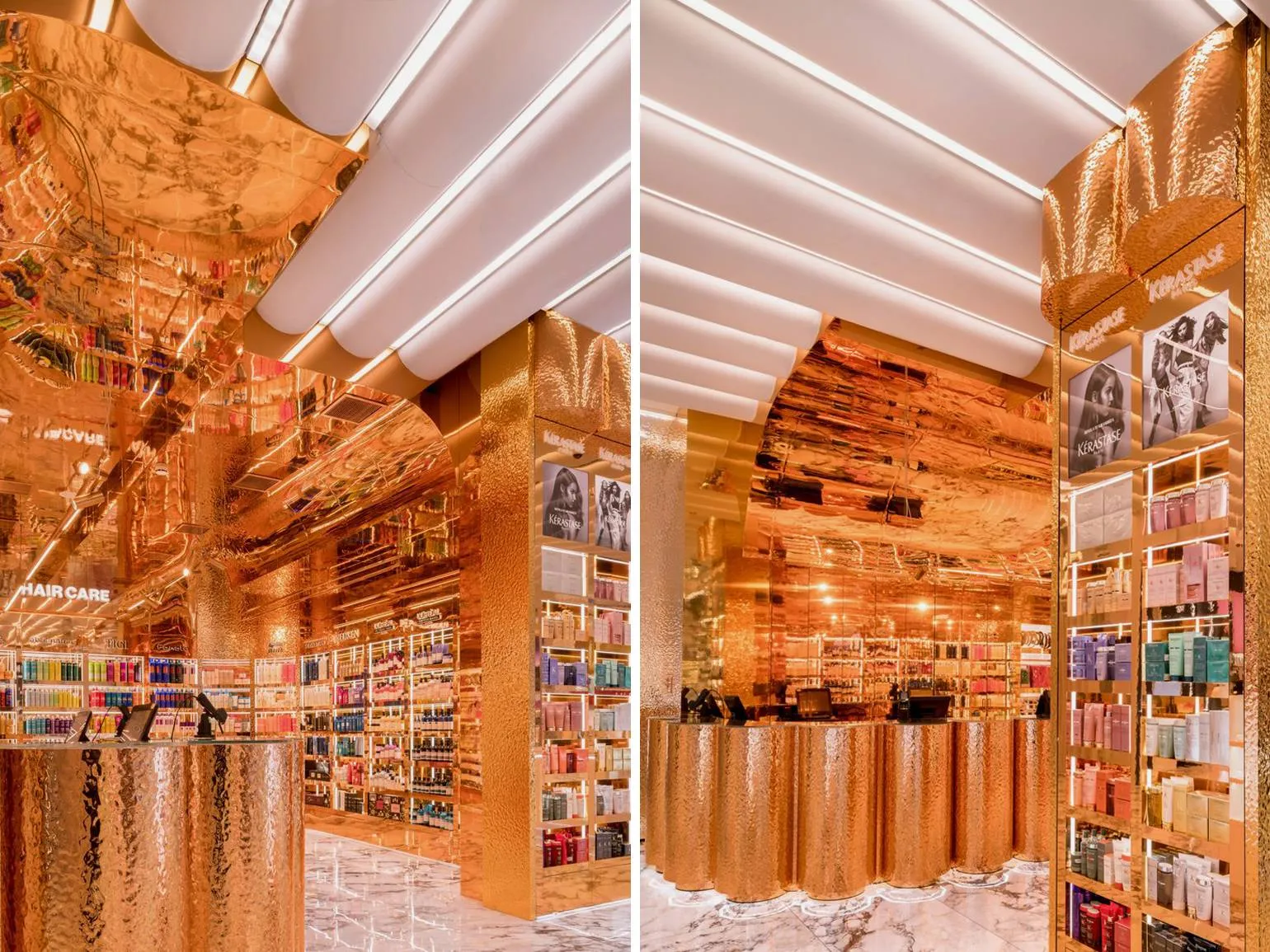
This space offers not just shopping, but a unique experience that immerses you in a magical reality. The unconventional use of colours and shapes creates a surreal atmosphere, allowing each visitor to experience individuality and originality. Here, every element is thought out to the smallest detail to highlight the uniqueness of the offerings and create a unique experience.
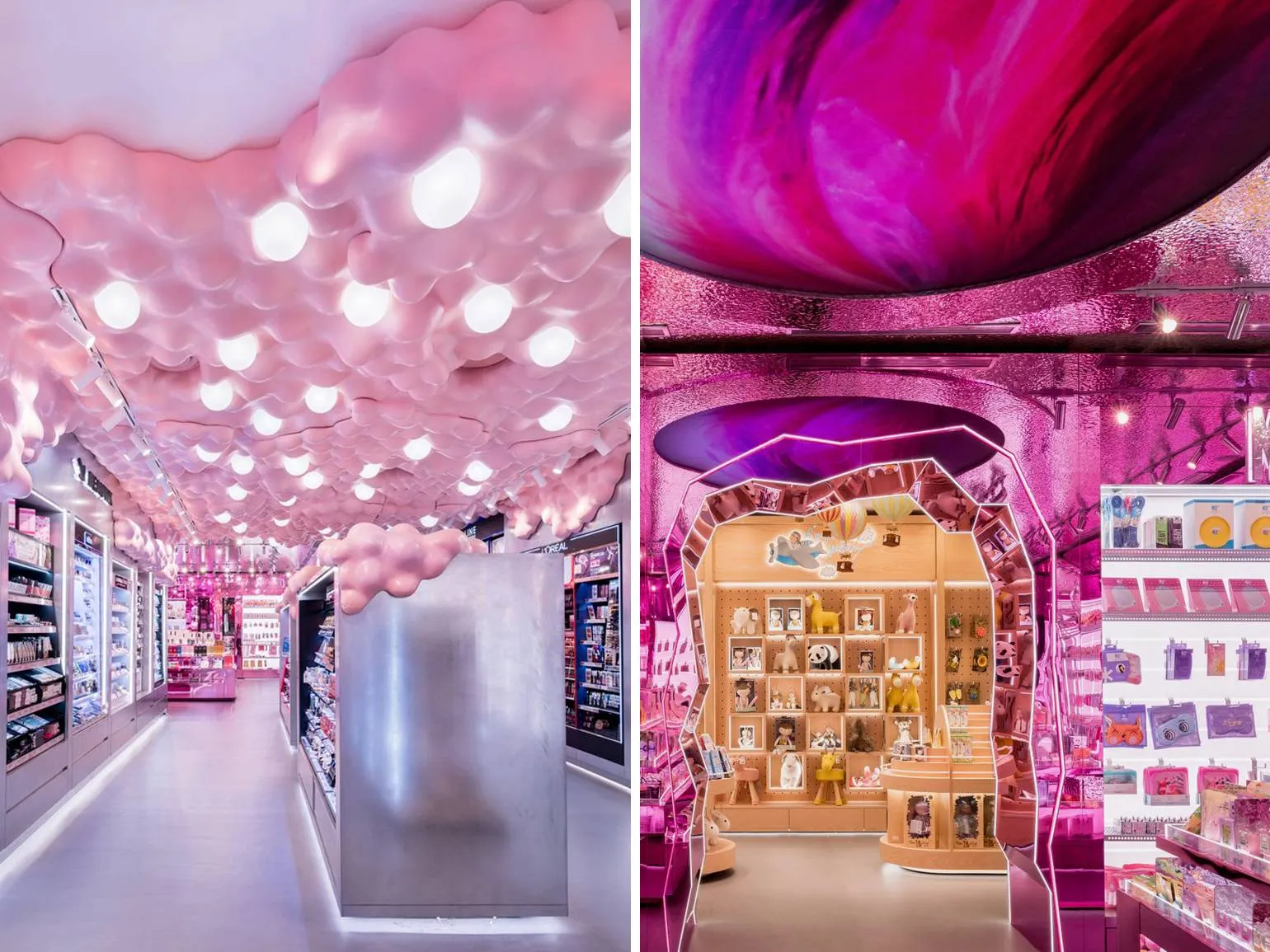
Each department has its own unique style, which makes the customer journey engaging and memorable.
Graphic designer PRO: 5 steps to a successful career
Want to become a graphic designer? Learn 5 key skills for a successful start to your career!
Learn more