Contents:

Top 4 Design Professions: Improve Your Skills in 5 Days
Find Out MoreLouis Vuitton's Influence on the Art Scene and Urban Spaces
Louis Vuitton has long established its reputation for its active engagement with the art world, which has become a key element of its public image strategy. Unlike the temporary installations of the past, today the company takes a consistent approach to developing unique art projects that not only attract attention but also inspire viewers. This engagement with art strengthens the brand by creating unique cultural connections and highlighting Louis Vuitton's innovative spirit.
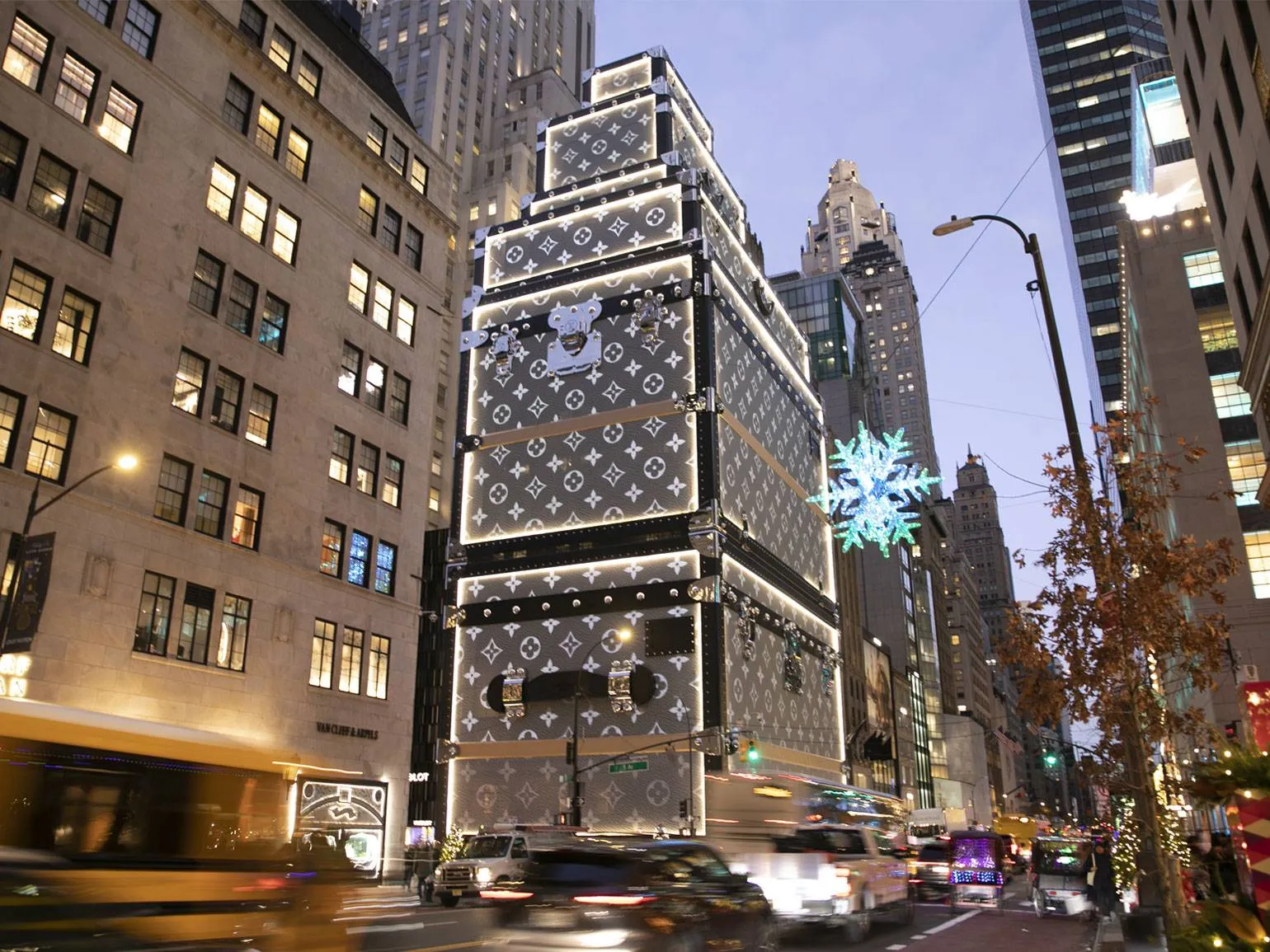
The recent renovation of the Fifth Avenue flagship boutique is a shining example of Louis Vuitton's contemporary approach to design. The façade was decorated with branded suitcases, creating a unique visual identity and captivating the public. The Wall Street Journal described it as "the world's most fashionable scaffolding." In 2023, New York City welcomed a record 64.3 million tourists, many of whom were eager to see this original façade for themselves. This project not only highlights the creativity of the architecture but also becomes an important part of the city's tourist itinerary, drawing attention to the brand's unique style and image.
The creative approach attracted tourists and significantly increased revenue for local stores. Visitors, stopping for photos, often visited neighboring boutiques, which directly influenced increased sales and interest in local commerce.
Louis Vuitton successfully created an attractive tourist destination without excessive advertising, highlighting its significant contribution to the city's economic development. The brand has become an important part of the tourism infrastructure, attracting the attention of travelers and contributing to the growth of local businesses.
Optimized text:
To improve the visibility of your content in search engines, it is important to consider keywords and phrases that are actively used by your potential readers. This will increase organic traffic to your site and attract your target audience. Write unique and high-quality articles that answer user queries. Also, don't forget about the importance of internal and external linking, which will help improve the navigation and authority of your resource. Regularly updating content and monitoring analytics will allow you to adapt your strategy and achieve better results in search engines.
The History of the Louis Vuitton Fashion House: From Empire to Empire
Founded in 1854, the Louis Vuitton fashion house is not only a symbol of luxury but also an important stage in the development of world fashion. Since its inception, the brand has established itself as a pioneer in design and innovation. Founder Louis Vuitton began his journey with the production of high-quality travel luggage, which quickly gained popularity due to their functional design and durable materials.
Over time, Louis Vuitton has expanded its horizons, adding bags, shoes, clothing, and accessories to its range. Each new product reflects the unique style and high quality standards that have become the hallmark of the brand. Louis Vuitton's success is also linked to its ability to adapt to changes in the fashion industry and follow contemporary trends.
Today, Louis Vuitton is not only a prestigious brand but also a major player in the fashion market, continuing to inspire new generations of designers and fashionistas. The history of this fashion house is not just a story about business, but also about culture, art, and the constant pursuit of excellence.
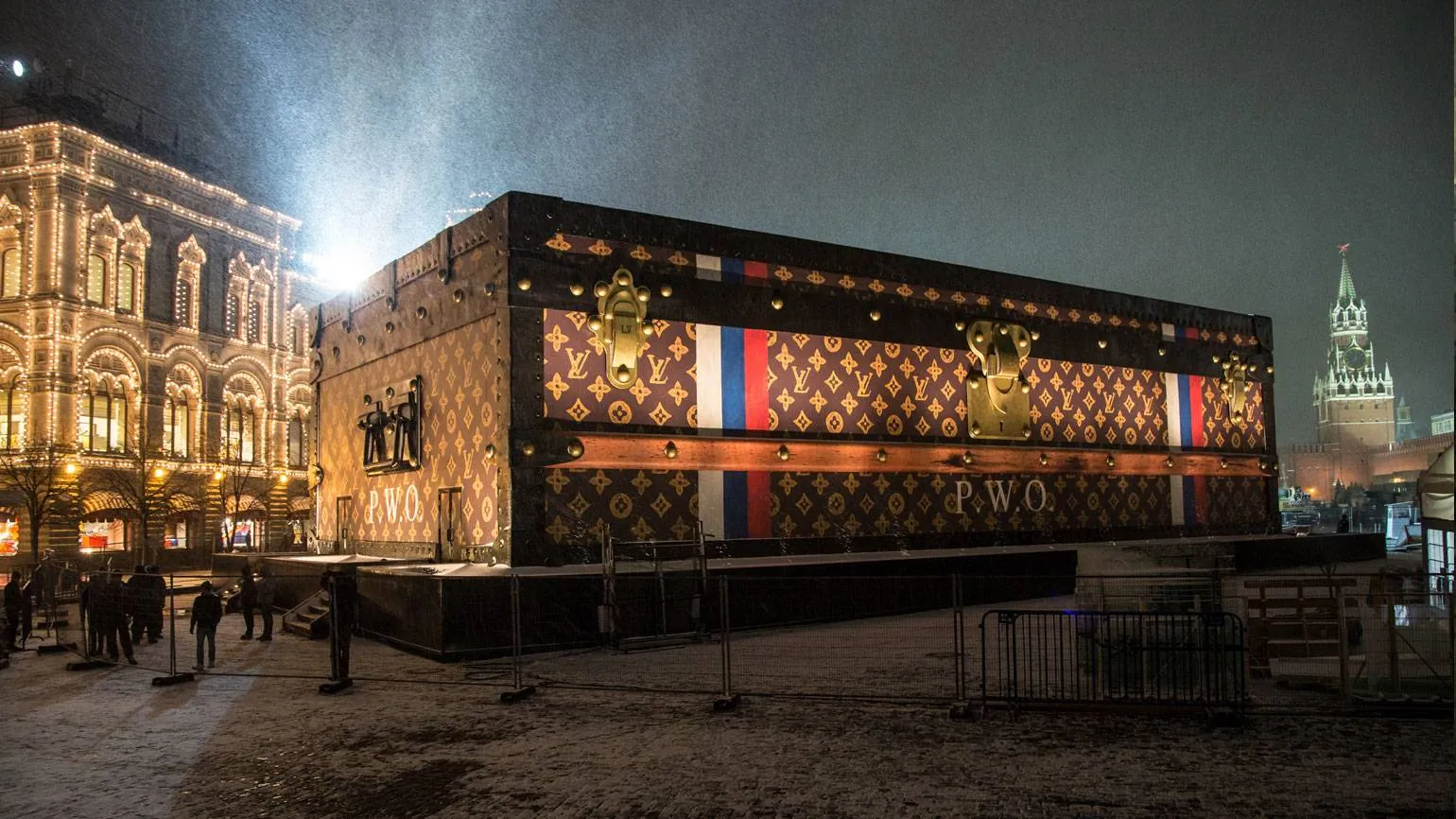
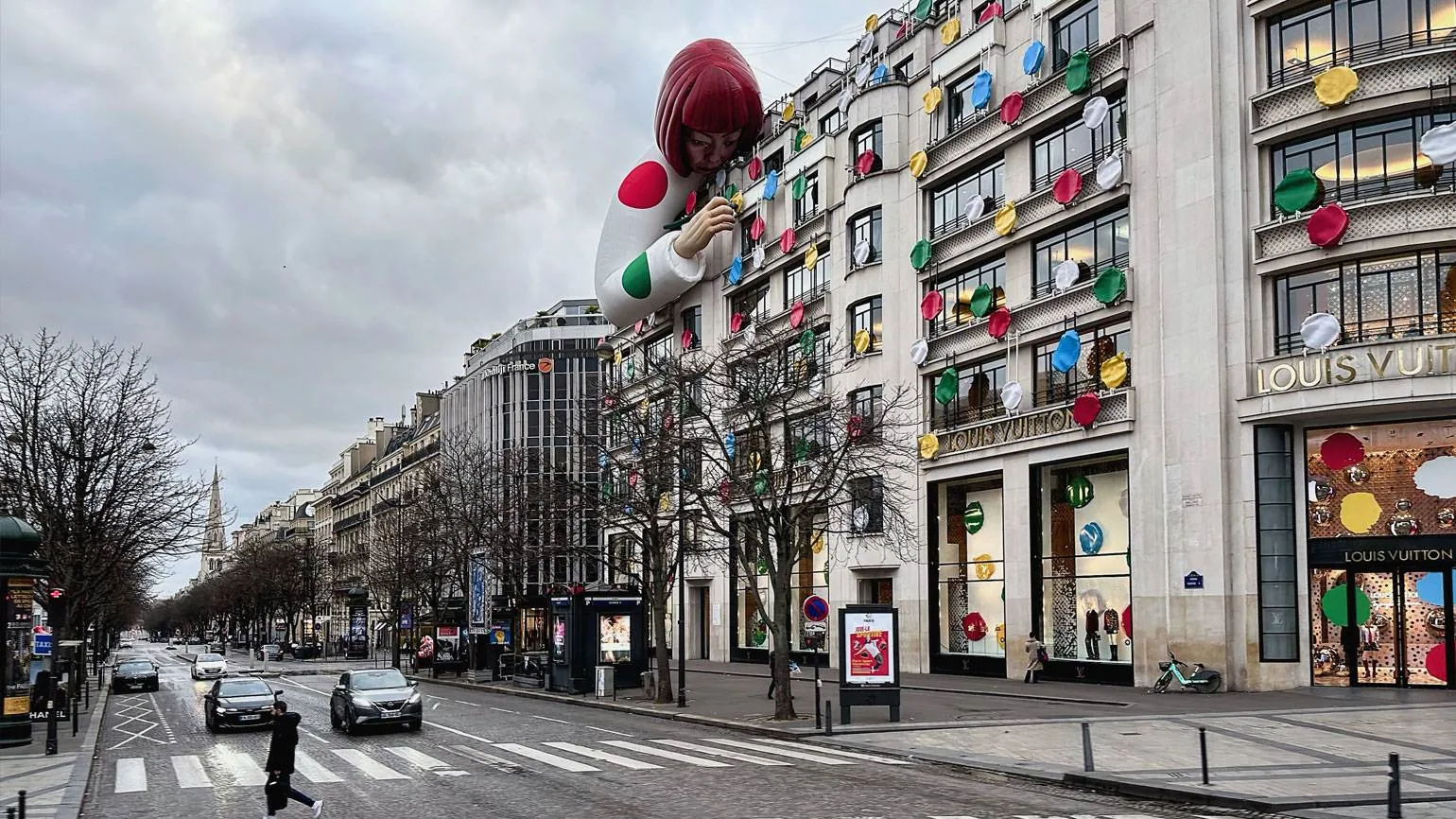
In 2023, Louis Vuitton delighted its fans again by collaborating with renowned artist Yayoi Kusama. A striking sculpture with its distinctive "polka dots" was installed on the Champs-Élysées in Paris, creating a striking contrast between classical architecture and contemporary pop art. The project increased traffic by 30% in the first two months, and tourist guides began including it in their must-see lists. Kusama's unique work attracted the attention of not only tourists but also locals, becoming a cultural icon of Paris in 2023.
The media have dubbed this installation "the new art symbol of the Champs-Élysées," adding a unique charm and audacity to the area, contrasting with its traditional opulence. This work of art attracts attention and highlights the contemporary spirit of Paris, becoming an important element of the cultural landscape. The installation not only decorates the famous street, but also arouses the interest of tourists and local residents, which contributes to the development of art culture in this prestigious area.
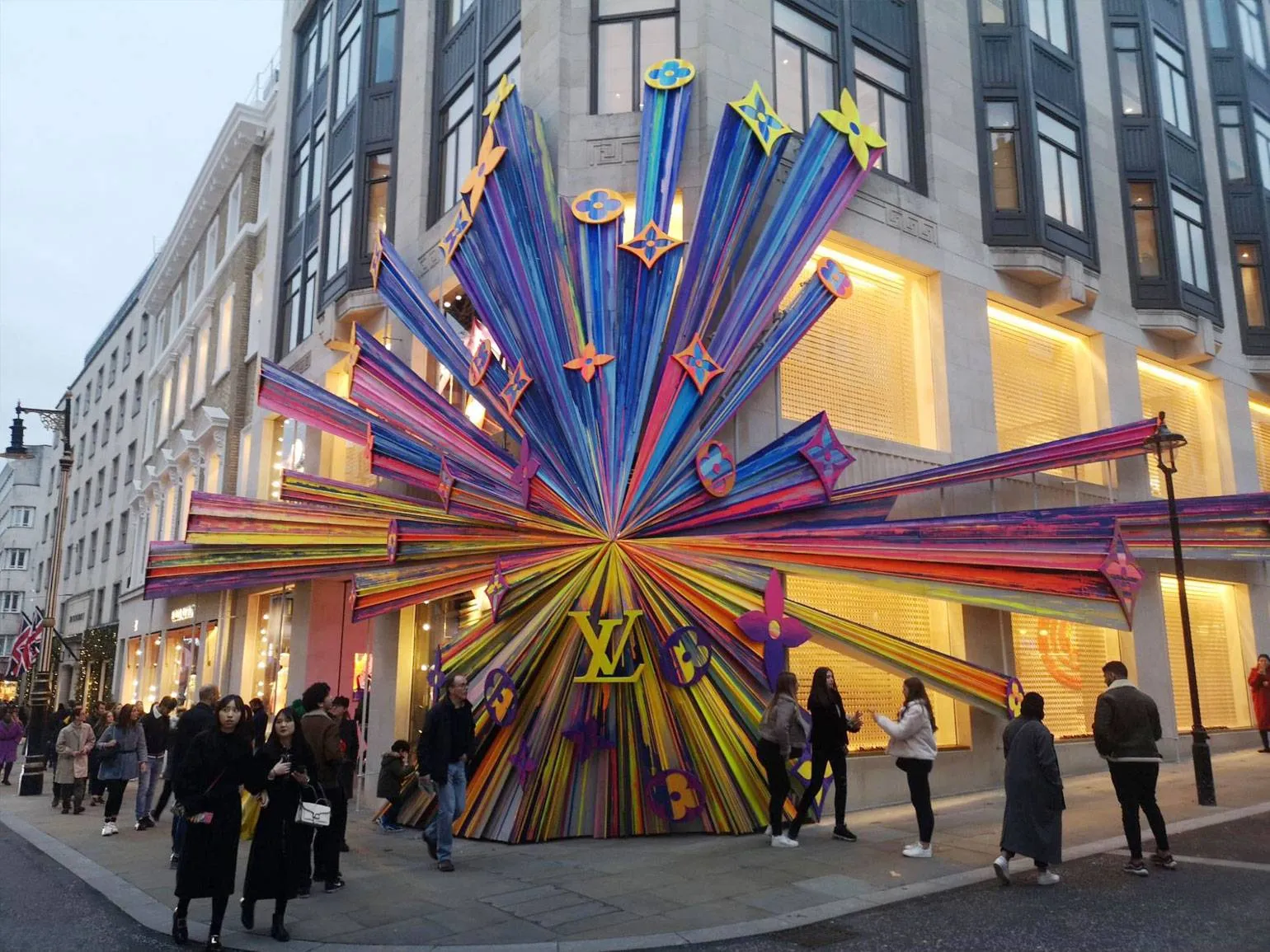
In London, architect Peter Marino transformed the façade of a boutique on Bond Street into a vibrant art space, decorating it with colorful monograms. This project has driven rental rates up by almost 40%, according to The Guardian, and made Bond Street the most expensive street in Europe, with rents reaching £1,335 per square foot.
The events on Bond Street have significantly enhanced its reputation as a place where luxury meets avant-garde style. Many new development projects increasingly emphasize the "prestigious proximity to Louis Vuitton," underscoring the street's status as one of the most desirable addresses for luxury real estate and brands.
Dmitry Mukhametov, chief architect of BQ Studio projects, emphasizes the importance of visual appeal in the age of social media. High-quality images spread quickly and shape the perception of neighborhoods as attractive places to live. Art not only attracts attention but also transforms abandoned areas into sought-after locations, giving developers an opportunity to stand out from the competition and architects to create a harmonious environment. Art has become an integral part of urban identity, lending a unique character to various neighborhoods. The integration of artistic elements into architectural projects helps create comfortable and aesthetically pleasing spaces for residents and tourists.
Architects and Brands: Synergy Leading to Revenue Growth
Architectural projects integrated with art are becoming an important tool for transforming the urban environment. Architects, like skilled surgeons, shape new spaces, changing their visual identity. These changes not only affect aesthetics but also contribute to the economic and cultural development of neighborhoods. The combination of architecture and art helps create unique places that attract residents and tourists, contributing to the revitalization of public spaces and an improved quality of life.
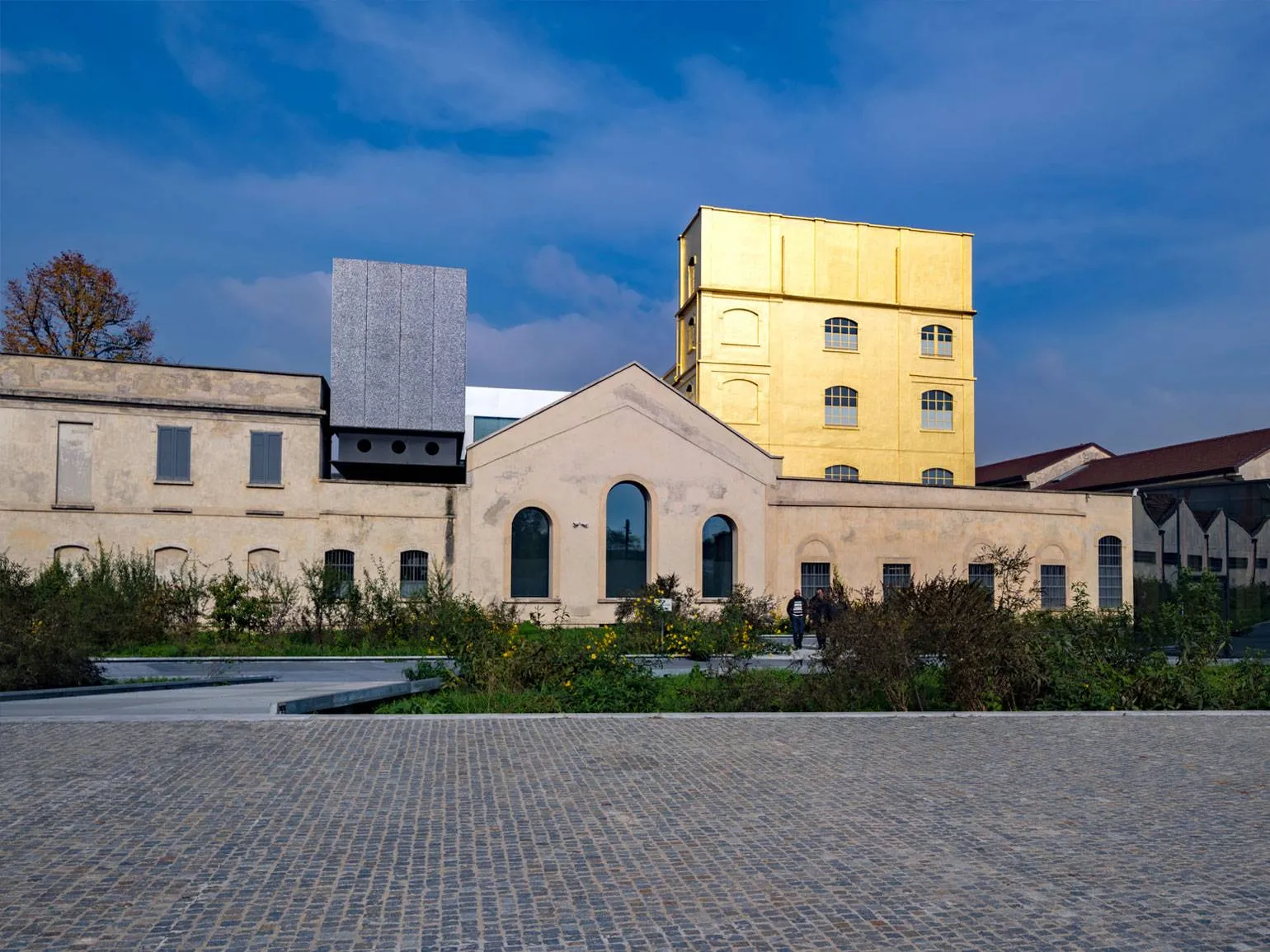
An example of a successful combination of art and business is the Fondazione Prada museum complex in Milan, which opened its doors in 2015 on the site of a former distillery. This project not only revitalized the disadvantaged Largo Isarco neighborhood but also contributed to a 6.2% increase in property prices in the area, while the citywide average was only 1-2%. Fondazione Prada has become an important cultural and economic hub, attracting tourists and local residents, thereby strengthening the region's economy.
In the first eight months of its operation, Fondazione Prada attracted 200,000 visitors, comparable to large public museums. The unique brand and original architectural design have revitalized the area, turning it into a new cultural hotspot in Milan. Fondazione Prada not only enriches the city's cultural landscape but also becomes a significant center for the arts, attracting both locals and tourists.
Previously neglected areas now attract the attention of the public, potential investors, and the media. These places become hubs of new opportunities and initiatives, which contributes to their restoration and development. Interest in such territories is growing, which opens new horizons for business and investment, and also creates a platform for discussing current issues and exchanging experiences.
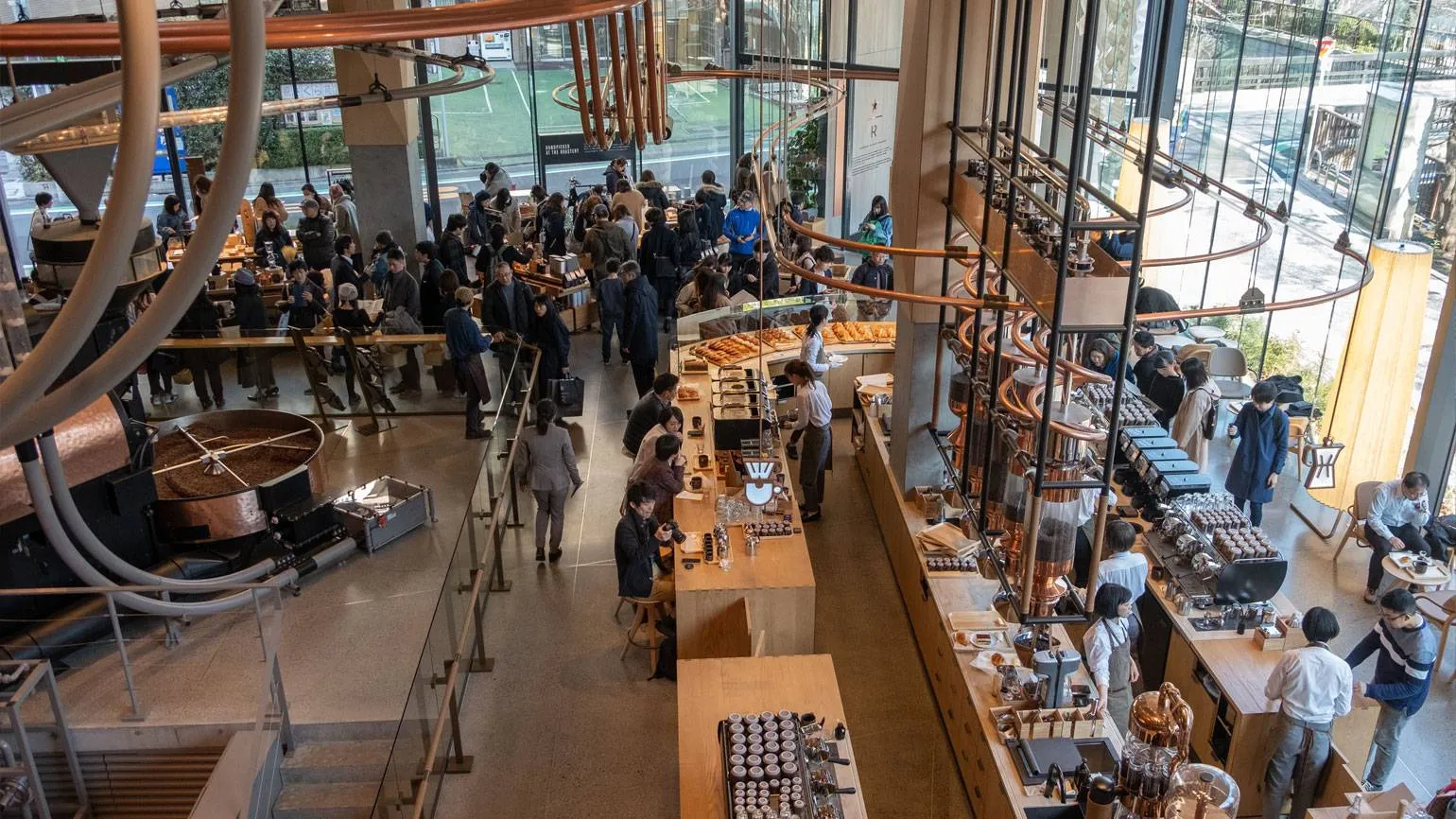
The unique Starbucks project in Tokyo has become an architectural sensation. The flagship Reserve Roastery, designed by architect Kengo Kumo, attracts attention with its glass facades and 17-meter copper roasting tower. This coffee shop not only offers unique coffee varieties but also creates an atmosphere where architecture and coffee culture harmoniously blend. Starbucks Reserve Roastery in Tokyo demonstrates the company's commitment to innovation and high quality, and emphasizes the importance of design in creating a unique customer experience. This location has become not only a point of sale but also a large-scale advertising campaign. International media call it "the most atmospheric Starbucks". Visitor numbers at this location significantly exceed the chain's average, reaching 3-4 times the usual level. The architectural concept of the coffee shop has created a unique ecosystem, turning Tokyo into a new landmark. This project not only attracted attention to a modern architectural style but also became an important part of the city's culture, offering visitors a unique experience. The coffee shop, integrated into the urban landscape, emphasizes the harmony between nature and urban design, making it attractive to tourists and locals alike.
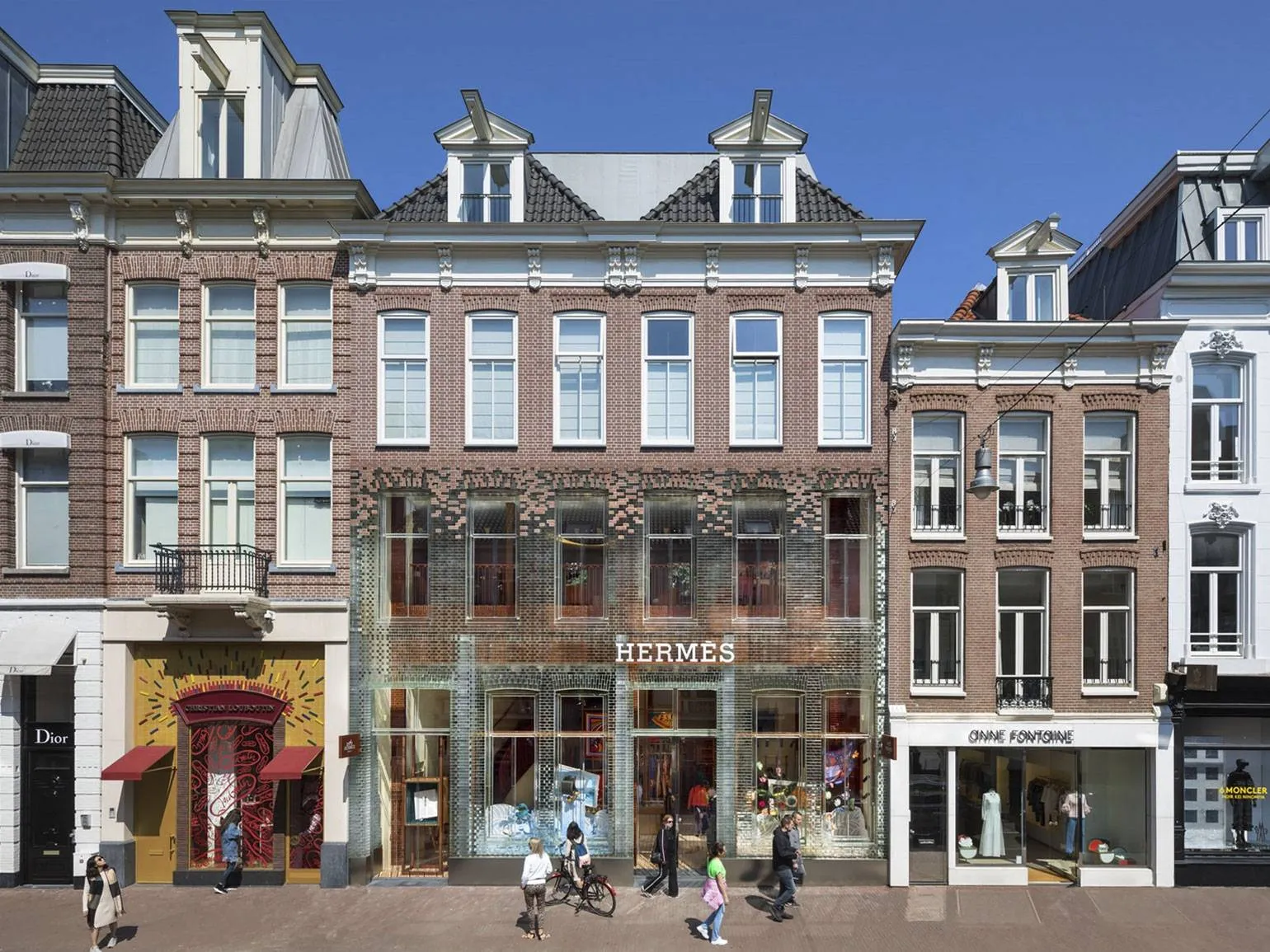
In Amsterdam, the architectural studio MVRDV designed a unique flagship boutique for Chanel, and then for Hermes, located on the famous PC Hooftstraat. This project exemplifies experimental architecture, where the glass façade harmoniously blends with the historic brickwork, creating a sense of "dissolving" the ancient elements. MVRDV's innovative approach draws attention to contemporary design trends and highlights the uniqueness of Amsterdam's urban environment, blending tradition and modernity in a single architectural solution.
Since the opening of Crystal House, rents on this prestigious street have increased by 10%. This impressive building has become an architectural icon for the brand and has attracted a new wave of investment in the area. Crystal House not only improved the location's image, but also became an important factor in the growing interest from tenants and investors.
See also:
The King, the Communist, and the Controller: The History of the Prada Fashion House
Fashion House Founded in 1913 in Milan, Prada has become a symbol of Italian style and elegance. Its success is largely due to the unique vision of its founder, Mario Prada, and his granddaughter, Miuccia Prada, who brought new ideas and concepts to the brand. Miuccia, who studied political science and has active views on social issues, brought elements of the avant-garde and social critique to her collections.
Prada has become known not only for its products but also for its bold statements on politics and culture. Miuccia's work often draws influence from feminism and postmodernism, making the brand's products relevant and sought-after. Quality control and an innovative approach to design have become the core principles that have secured Prada's status as one of the world's leading fashion houses.
The story of Prada is a story of how tradition can coexist with modern trends, creating a unique style that inspires and sets the tone for the fashion world.
The City and Art: A New Perception of Space
Modern cities are becoming hubs of creative initiatives, where artists reinterpret familiar public spaces, creating unique art objects. These art projects not only transform the urban environment but also attract the attention of residents and tourists, promoting cultural exchange and the development of the local community. Art objects are becoming an integral part of urban infrastructure, inspiring people to new ideas and interact with the environment.
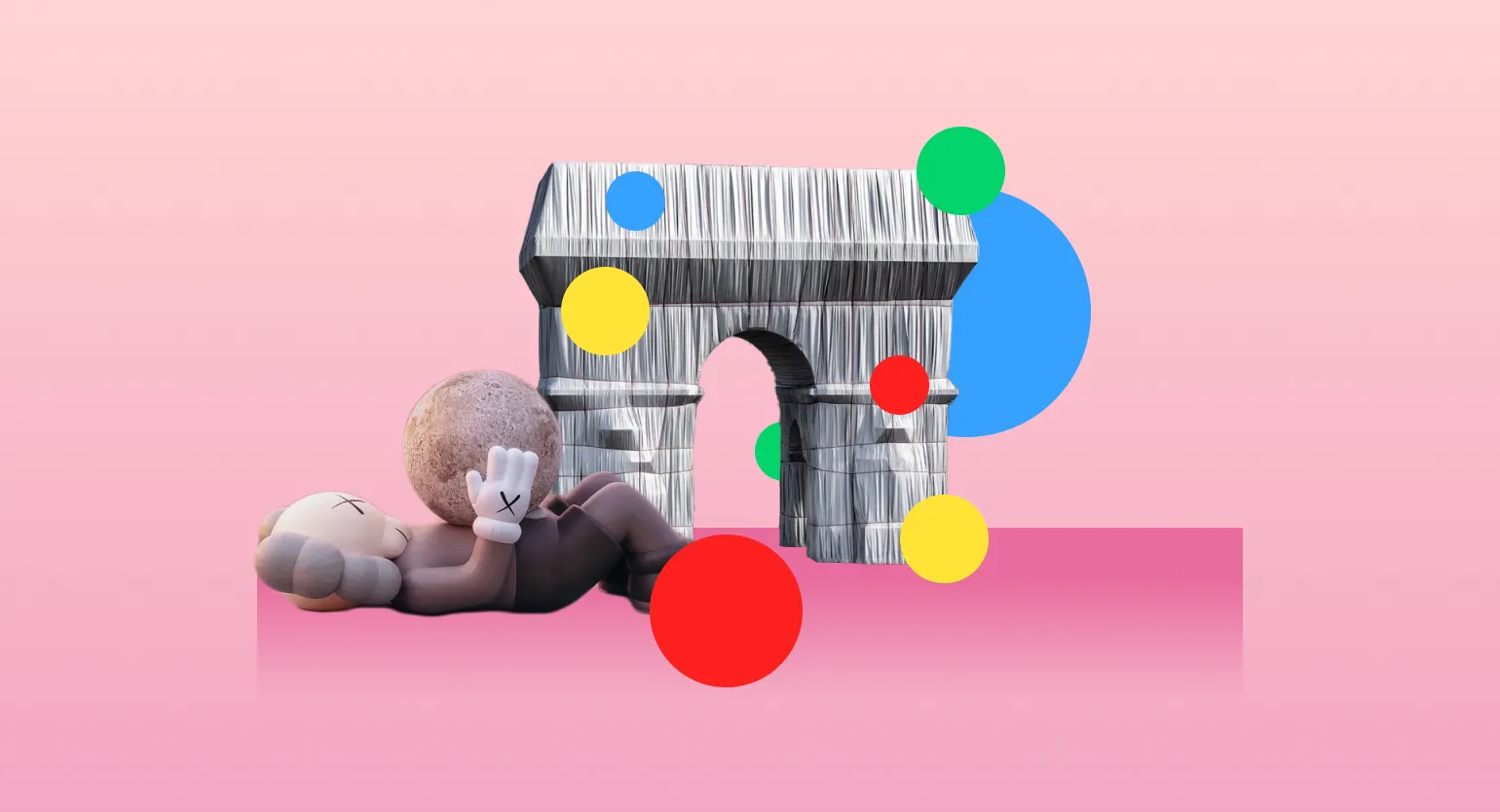
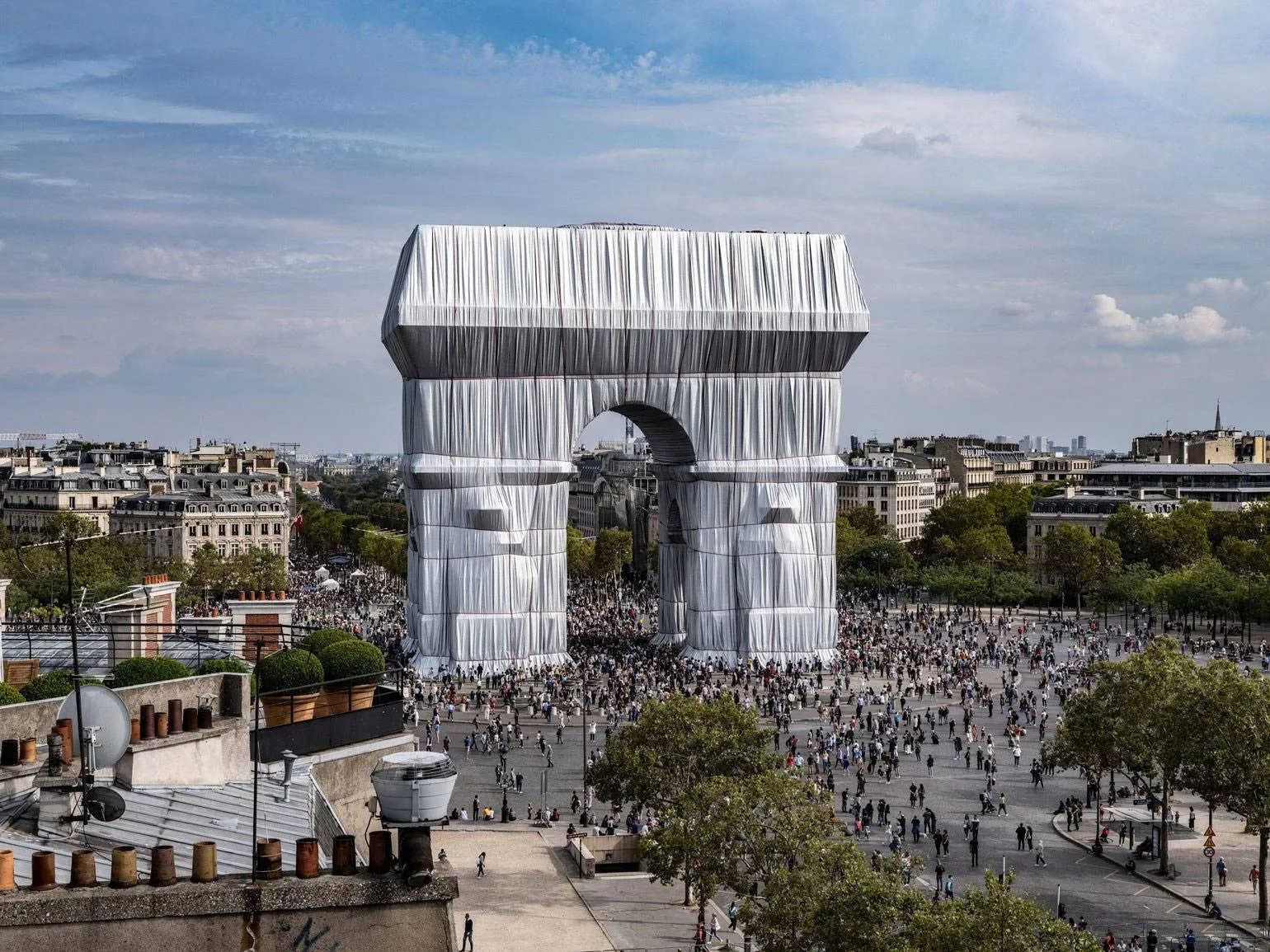
The project "L'Arc de Triomphe, Wrapped", created by artists Christo and Jeanne-Claude, clearly demonstrates the synergy between art and the urban environment. Over the 16 days of the exhibition, this unique art object attracted 6 million visitors, which contributed to a 19.3% increase in tourist flow to Paris, even during the pandemic. This project not only highlighted the cultural significance of Paris but also became a symbol of the renewed interest in art in public spaces.
The economic impact of the transformation of the Place de l'Étoile amounted to 235 million euros due to a significant increase in the number of visitors to hotels, restaurants, and shops in the area. The creation of a pedestrian zone around the Arc de Triomphe provided an opportunity for tourists and local residents to better understand this architectural monument, ensuring comfortable and safe movement. Improved urban infrastructure has contributed not only to the growth of tourist attractiveness, but also to an increase in the quality of life in the area.
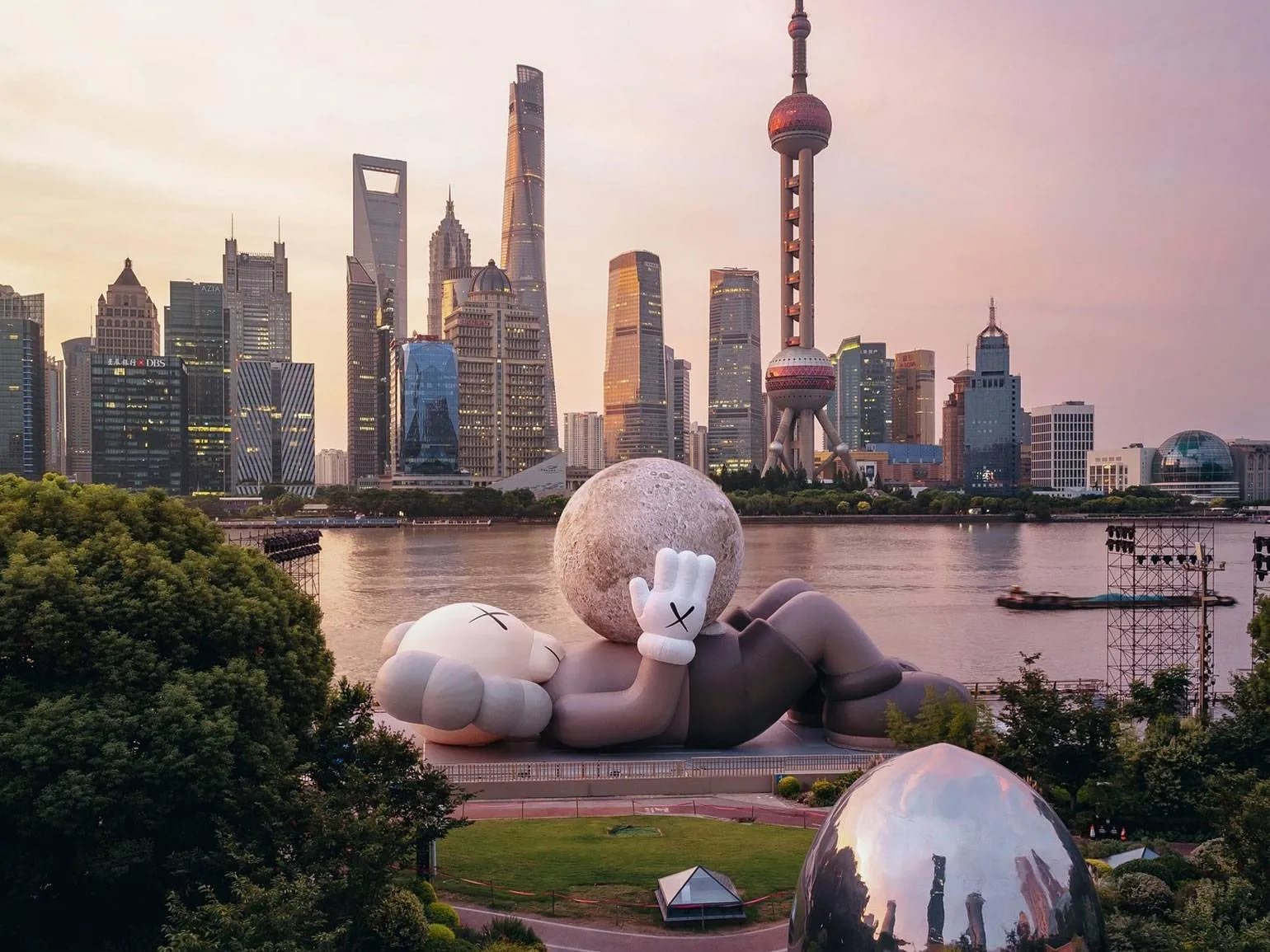
The KAWS Holiday project in Hong Kong has become one of the most notable events in the art world, presenting a huge inflatable A sculpture that dramatically transformed the appearance of Victoria Harbor. Installed as part of Art Basel Hong Kong, the installation attracted over 200,000 visitors in just ten days. It not only became a vibrant addition to the city's cultural program but also cemented Hong Kong's reputation as an important art destination internationally. This temporary art installation not only attracted tourists to the harbor but also transformed a well-known urban area into a dynamic space suitable for strolling, street food, and shopping. This event positively impacted Hong Kong's image as a cultural hub, fostering the development of local businesses and the popularization of art. As a result, such initiatives strengthen the city's position on the international stage, draw attention to its cultural life and create new opportunities for residents and visitors.
In New York, the Good "Fences Make Good Neighbors" by artist Ai Weiwei featured over 300 installations that were integrated into the urban environment over the course of four months. These art pieces drew attention to lesser-known areas of the metropolis, promoting their popularity and developing the city's cultural life. The installations not only beautified the streets but also sparked discussions about social issues and problems facing residents. This approach to art highlights its ability to influence public consciousness and shape new cultural routes in large cities.
The installation route has become a "cultural bridge," connecting popular city spots with new, attractive locations. This has given residents the opportunity to explore alternative routes and opened up new horizons for cultural leisure. Developers have noted an increase in interest in "art-active" activities. spaces, which indicates a growing demand for creativity and unique cultural initiatives in the urban environment.

Art objects in cities not only enrich The urban environment but also requires a new approach to interaction. Brand urbanism is a concept that unites urban space, brands, and creative communities. This approach promotes the creation of a visual code for a territory and the formation of cultural scenarios that reflect the uniqueness and identity of a place. Thus, brand urbanism not only beautifies cities but also becomes an important tool for shaping public perception and attracting tourists. International collaborations, such as those by Louis Vuitton and Fondazione Prada, demonstrate how art contributes to business development. These initiatives not only enhance investment attractiveness but also transform the perception of the urban environment. Art becomes an important tool in creating a unique brand image and enhancing public space, which, in turn, attracts tourists and new clients. Cultural projects foster active interaction between business and art, creating new opportunities for growth and innovation.
Valeria Nikitina, Brand Manager at BQ Studio, notes that such initiatives not only strengthen the brand's connection with its audience but also contribute to sustainable cultural change. These actions allow the company not only to increase customer loyalty but also to influence social trends, creating a deeper and more meaningful connection with consumers.
Explore additional materials:
Art in the Urban Environment: How Art Objects Shape New Meanings in the Urban Landscape
In modern cities, art objects play a key role in creating a unique atmosphere and shaping the identity of urban spaces. They not only decorate the streets but also become important elements of cultural life, capable of evoking emotions and provoking thought.
Art objects such as sculptures, murals, and interactive installations add variety to a city's visual landscape and create new points of attraction. They can be used to attract tourists, create public spaces, and foster dialogue between artists and residents.
Furthermore, art in the urban environment helps reimagine familiar places, turning them into cultural and social hubs. This change in spatial perception can contribute to an improved quality of life and increased interest in local culture.
Thus, art objects not only enrich the urban landscape but also become catalysts for social change, helping to create more vibrant and attractive cities.
Style: A Visual Guide to Eras
Visual style, which has evolved over centuries, reflects cultural, social, and technological changes in society. Each era has its own unique characteristics, which are manifested in architecture, art, fashion, and design. In this guide, we explore the major styles that defined different historical periods.
Antiquity brought harmony and symmetry to the world, reflected in architecture and sculpture. The Middle Ages ushered in the Gothic and Romanesque styles, which emphasized spiritual values. The Renaissance revived interest in classical ideals, including perspective and anatomical accuracy.
Baroque and Rococo added emotional richness and decorative elements, while Neoclassicism returned to simplicity and austerity. In the 19th century, Romanticism and Realism presented new approaches to art, emphasizing individual feelings and social realities.
The 20th century was marked by a variety of stylistic movements, from modernism to postmodernism, each of which sought to rethink traditional approaches. Contemporary movements such as minimalism and conceptual art continue to develop visual language, reflecting the dynamics of modern society.
Studying these styles not only deepens our understanding of history but also helps us understand the influence of cultural contexts on visual perception. Understanding artistic movements allows you to better appreciate works of art and architecture, as well as their significance in the modern world.
Graphic Designer PRO: 5 Steps to a Successful Career
Want to become a graphic designer? Learn 5 key steps to creating a portfolio and starting a career!
Learn more