Contents:

Try 4 top design professions for free. Go to Telegram and take a free design course. Add 4 cool cases to your portfolio and decide which direction to develop in next.
Find out moreCrafts are an integral part of folk culture, their roots go back to ancient times and represent an ancient art. However, their original meaning was different. Vladimir Dal noted in his dictionary that the word "promysel" (trade) comes from the verb "promyslyat'" (to engage in a specific activity) meaning to think, to care about something, and to engage in a specific activity to ensure a livelihood. Trades reflect traditions and skills passed down from generation to generation and play an important role in preserving a people's cultural identity.
In the Nizhny Novgorod region, especially north of the Volga, the soil is characterized by low fertility. This circumstance led to the concentration of various trades in the region. Peasants could not fully meet their needs through agriculture alone, so they actively developed alternative labor and trades. Thus, the Nizhny Novgorod region became not only a place of agricultural activity but also a center for diverse crafts and industries, which contributed to the region's economic development.
In Russia, there is a steady growth of interest in local culture, leading to a revival of folk crafts and their integration into modern interior design, industrial design, and fashion. A striking example of this trend was the opening of the Khokhloma x Alena Akhmadullina concept salon in the former Chanel boutique in GUM in 2024. This project demonstrates how traditional crafts can be adapted to modern realities and become part of current design trends.
The revitalization of local aesthetics includes more than just traditional Khokhloma crafts. We discussed five Nizhny Novgorod crafts in need of a new perspective and a modern approach with art historian and design and folk crafts expert Tatyana Nechaeva. These crafts have deep roots and cultural significance, and their renewal can contribute to the development of the local economy and the preservation of cultural heritage.
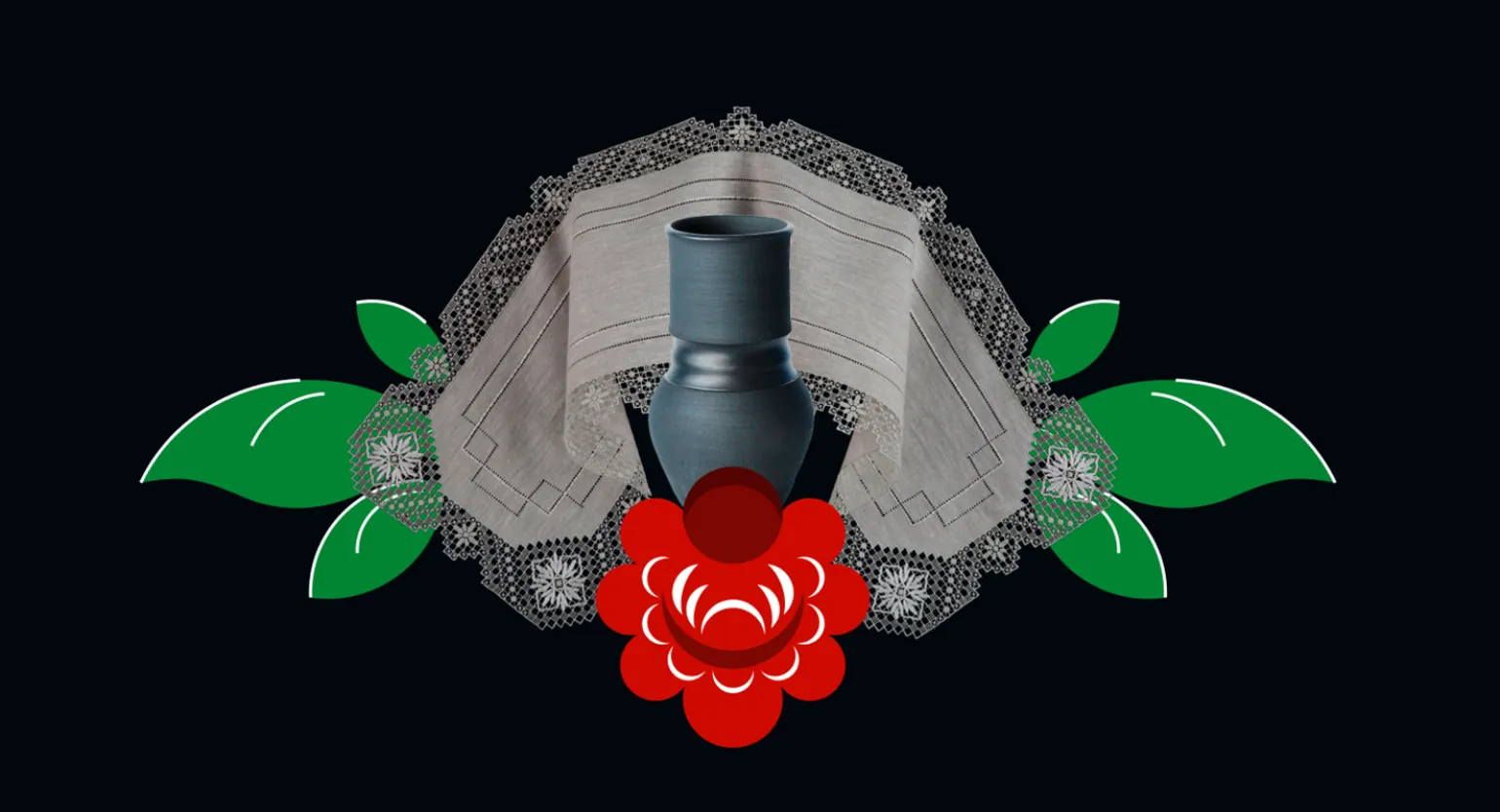
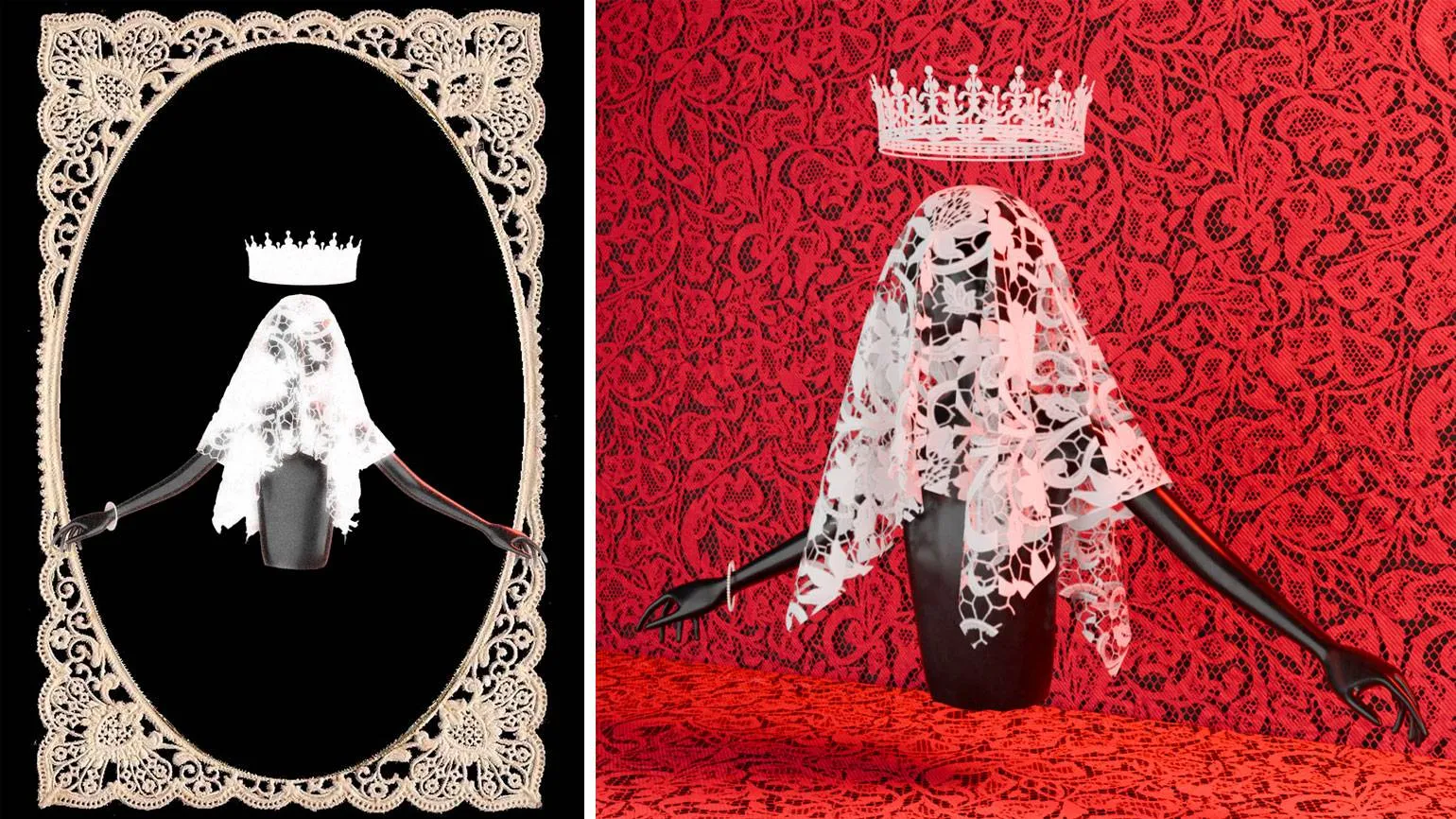
This article was prepared in collaboration with the Beinopen Institute for Fashion Industry Development. For this material, students from the HSE School of Design created visualizations of various crafts, demonstrating a unique perspective on each. This allows for a deeper understanding of their characteristics and potential in the context of contemporary design.
Craft and Craft
The distinction between craft and craft is important. Craft is defined as the ability to create products by hand, sometimes using simple mechanical means. An artisan typically works to order, although they can produce goods in advance. The true craft that we are considering today was formed in the 19th century and is called "peasant handicraft industry." This period marks the transition from individual production to more organized forms of handicraft production, which became an important stage in the development of the economy and culture.
Craft is close to industrial production. In this case, a person does not work for a specific customer, but produces products for free sale on the market. This approach allows artisans not only to demonstrate creativity but also to adapt to consumer demand. Crafts contribute to the development of individual style and increased competitiveness of products.
Each craft has its own unique attributes. These features define its identity and distinguish it from other activities. Key characteristics of crafts can include production techniques, the equipment used, traditions, and the culture associated with a given activity. Knowledge of these attributes allows for a better understanding of the specifics of each craft, its history, and its significance in modern society. It is important to take into account that the attributes of crafts can change over time, adapting to new conditions and market demands, which emphasizes their dynamism and relevance.
- They are local.
- Each has a recognizable visual style.
- Products are created from traditional materials and using traditional technologies.
- There are hereditary artisans who personally pass on the tradition between generations.
The main goal of this activity is to sell products, and the traditions of their production are preserved due to constant demand. These products not only represent value but also support a cultural heritage that is passed down from generation to generation. Sales success depends on effective promotion and an understanding of customer needs. It is important to adapt production processes and offer quality goods to meet the growing interests and needs of consumers.
Now let's look at five traditional crafts of Nizhny Novgorod, their historical development and modern significance. These crafts are an important part of the region's cultural heritage and are of interest to both local residents and tourists. We will analyze their characteristics, production technologies, and impact on the city's economy.
Black-burnished ceramics
Black-burnished ceramics is an ancient craft with roots in China in the 7th century BC. This unique type of ceramics is famous for its characteristic black hues and glossy surface, which makes it especially attractive to collectors and art lovers. The process of making black-burnished ceramics requires a high degree of skill and craftsmanship, emphasizing its cultural and historical significance. In the modern world, black-burnished ceramics continues to inspire artists and artisans, preserving traditions passed down from generation to generation.
In Russia, black-burnished ceramics were produced in various regions, including the Nizhny Novgorod region. The history of this craft dates back to the 18th and 19th centuries, when pieces began to be made in Bogorodsk and the village of Bolshoe Kazarinovo. Black-burnished ceramics enjoyed great popularity, but by the 20th century, its production had virtually ceased. Despite this, this craft remains an important part of Russia's cultural heritage and attracts the interest of modern artists and collectors.
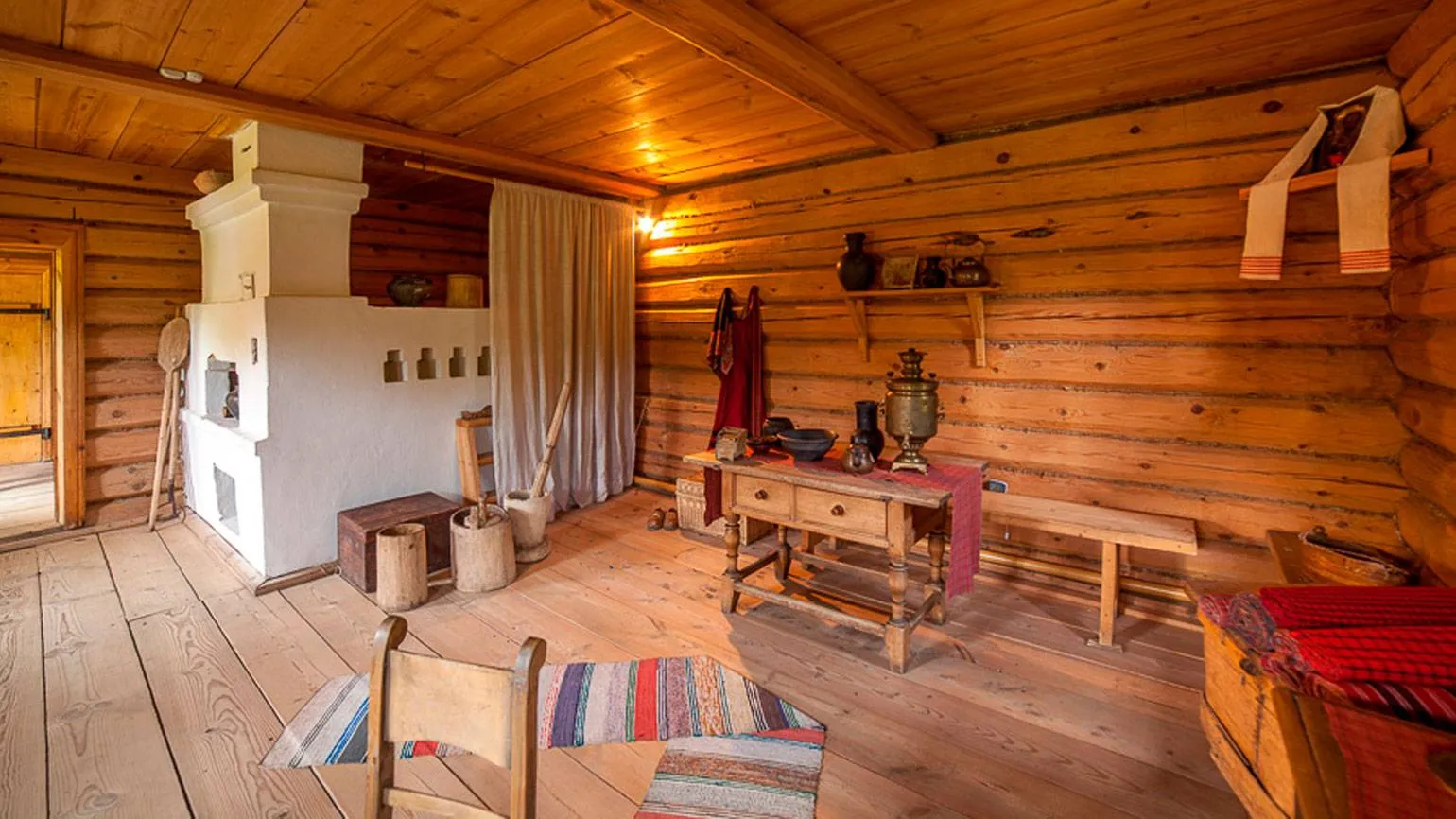
Black-burnished ceramics are distinguished by their unique firing method. Under standard oxidative firing conditions, the ceramics acquire a red or white hue, depending on the type of clay. However, if oxygen access is restricted at a certain point and materials capable of emitting a lot of smoke, such as branches, rags, grass, or manure, are added to the kiln, a reduction firing occurs. This process results in the pieces acquiring a rich graphite-black color, a distinctive feature of black-burnished ceramics. This firing method not only changes the color, but also affects the texture and properties of finished products, which makes them unique and in demand in artistic and household use.
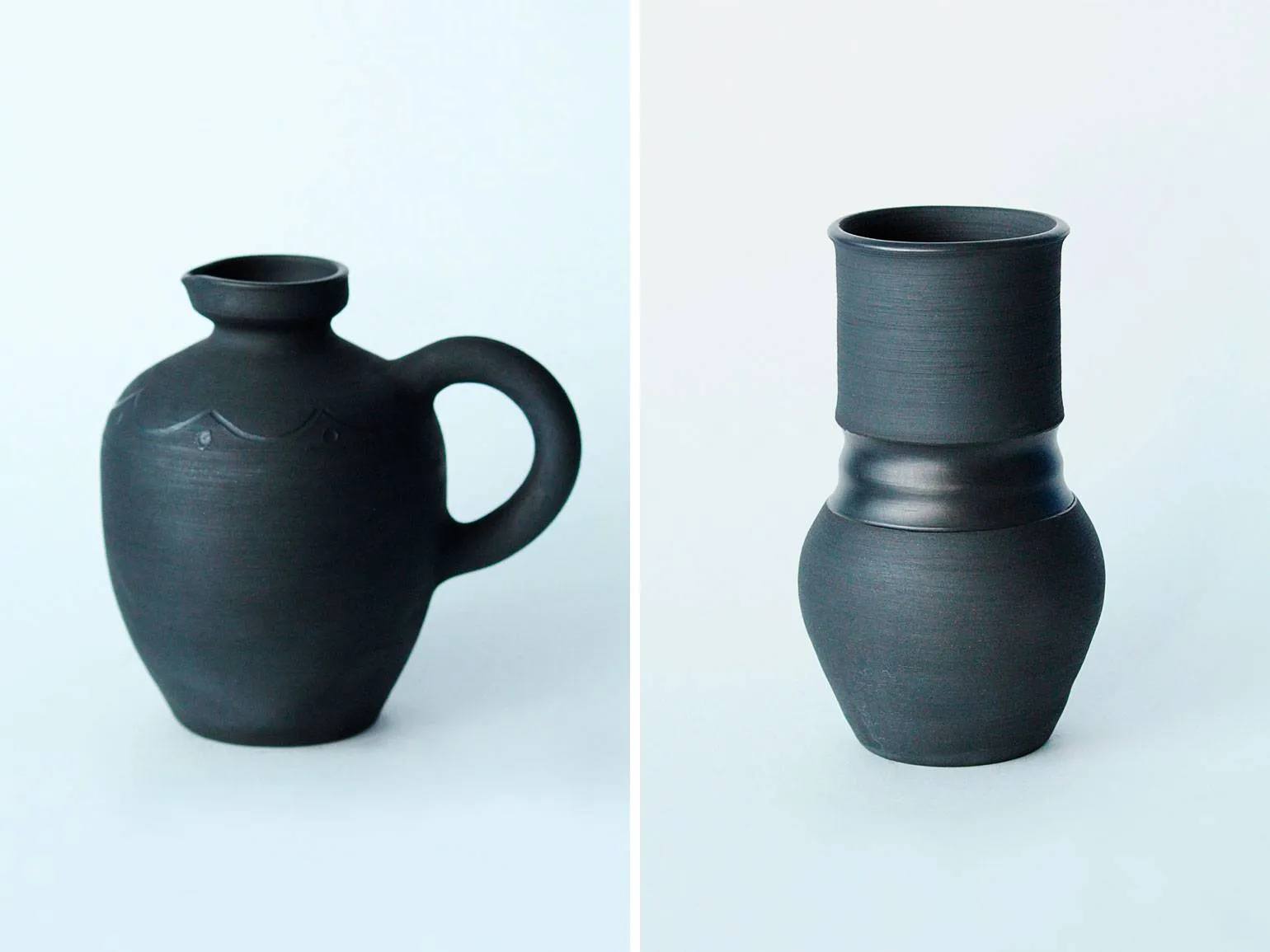
What is "burnished"? This term refers to a process in which a dried piece is carefully polished with a hard, smooth object, such as a bone, stone, or iron spoon, before firing. This process compacts the clay, creating a surface so dense that it is impermeable to water. Burnished ceramics are thus an alternative to more expensive glazes. Black-burnished ceramics are comparable in properties and strength to metal, making them popular in the production of high-quality ceramic tableware and interior items.
The burnished technique opens up possibilities for creating a variety of effects on ceramic pieces. Uniform polishing of the entire surface achieves a metallic sheen, which gives the piece an elegant look. At the same time, partial burnishing allows for the application of unique patterns, giving the ceramics an original, decorative, shiny design. This makes the pieces not only functional but also aesthetically pleasing, contributing to their popularity among ceramic art connoisseurs.
Black-glazed ceramic pieces are distinguished by their unique ability to blend harmoniously with any modern interior. They look stylish, modern, and timeless. These pieces of art not only add aesthetic value but also become a striking accent in the space. Black-burnished ceramics are perfect for both minimalist and more saturated interiors, adding sophistication and originality.

Kazakovskaya Filigree
The origins of filigree go back to Ancient Egypt. This jewelry technique then spread to Greece and, via trade routes, to Rus'. Filigree became a symbol of craftsmanship and sophistication, combining artistic expression and technical complexity.
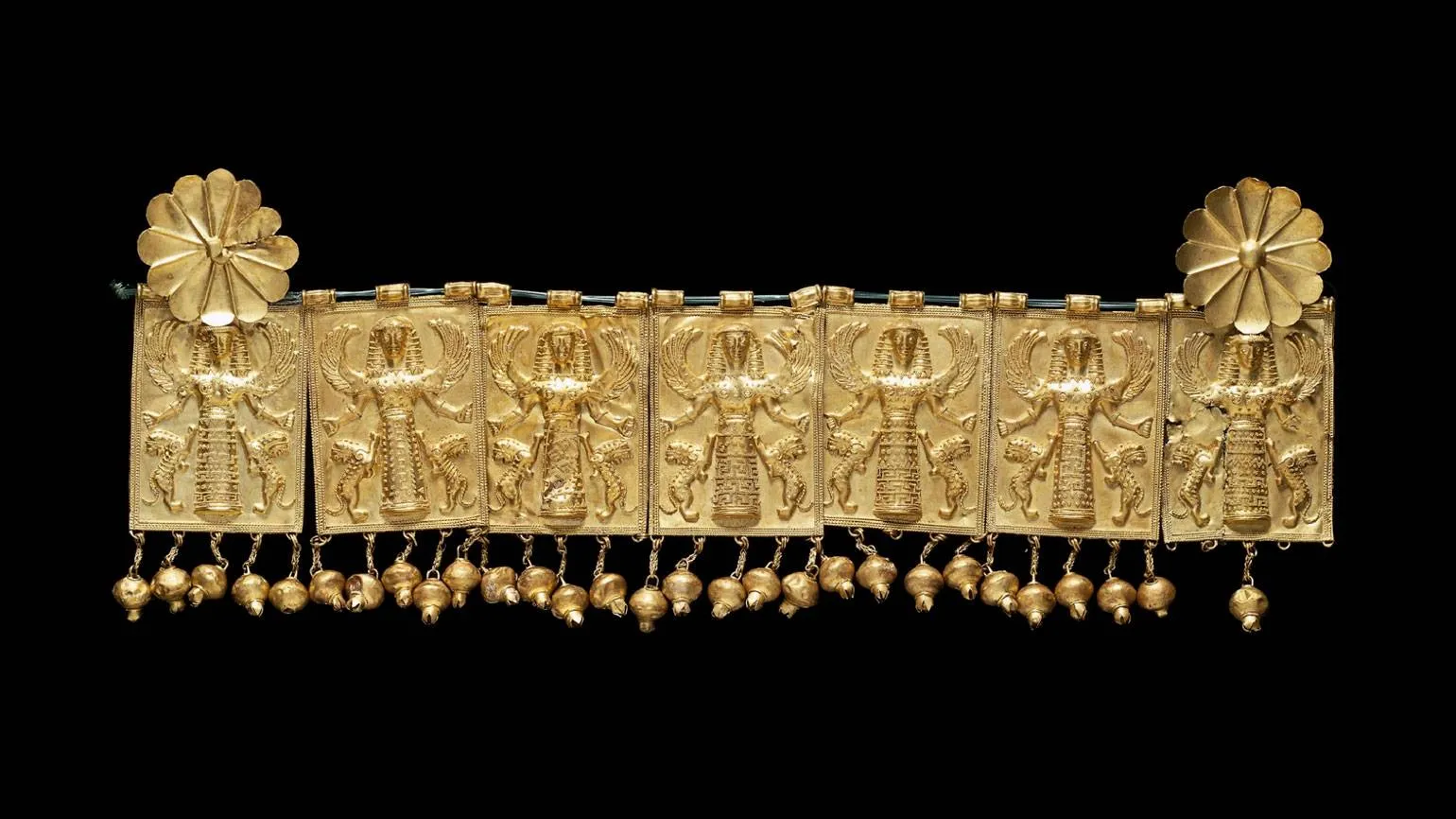
By the 18th and 19th centuries, filigree items became widespread in various regions of Russia. In the Russian tradition, this technique is known as "skan'," which comes from the word meaning "to twist." Filigree patterns are created from twisted wire, which gives them sophistication and uniqueness. When small metal grains are added to these patterns, the result is granulated filigree, which adds an additional decorative effect. The word "filigree" is also of Italian origin, from the words filum (thread) and granum (grain), emphasizing the delicacy and detail of this technique. Filigree items are not only artistic but also cultural treasures, reflecting the traditions and craftsmanship of Russian jewelers.
Nizhny Novgorod has a rich history in metalworking. In the 17th century, the Pavlovsky District became a significant industrial center, producing knives, scissors, locks, and weighing equipment. The village of Kazakovo, which became part of this metalworking cluster, subsequently gave its name to this industry. Today, Nizhny Novgorod continues to preserve metalworking traditions, combining them with modern technologies and manufacturing innovations. Jewelry production in the Nizhny Novgorod province did not reach the same scale as in other regions of Russia. In Arzamas, Lyskovo, and Bezvodny, only a few artisans worked, creating custom-made jewelry. Meanwhile, the jewelry market was dominated by Krasnoye Selo in the Kostroma province, located further up the Volga. Consequently, significant jewelry production did not develop in the Nizhny Novgorod region before the revolution, which limited the variety and availability of jewelry for the local population. Kazakovo filigree in its modern form began to develop after 1939. Prior to this, the village had been a typical metalworking shop. A key moment came with the arrival of Olga Tarakanova, a graduate of the Krasnoye Selo vocational school, who proposed expanding the product range. She initiated the production of openwork coasters, creating the first example using filigree. This step laid the foundation for the revival and popularization of Kazakov filigree, allowing this unique craft to take its rightful place in the world of artistic metalworking.
The war hindered the industry's development, leading craftsmen to focus on the production of military paraphernalia, such as officer shoulder straps, stars, and cigarette cases. These products used only individual elements of filigree technique, which limited the possibilities for further development of art.
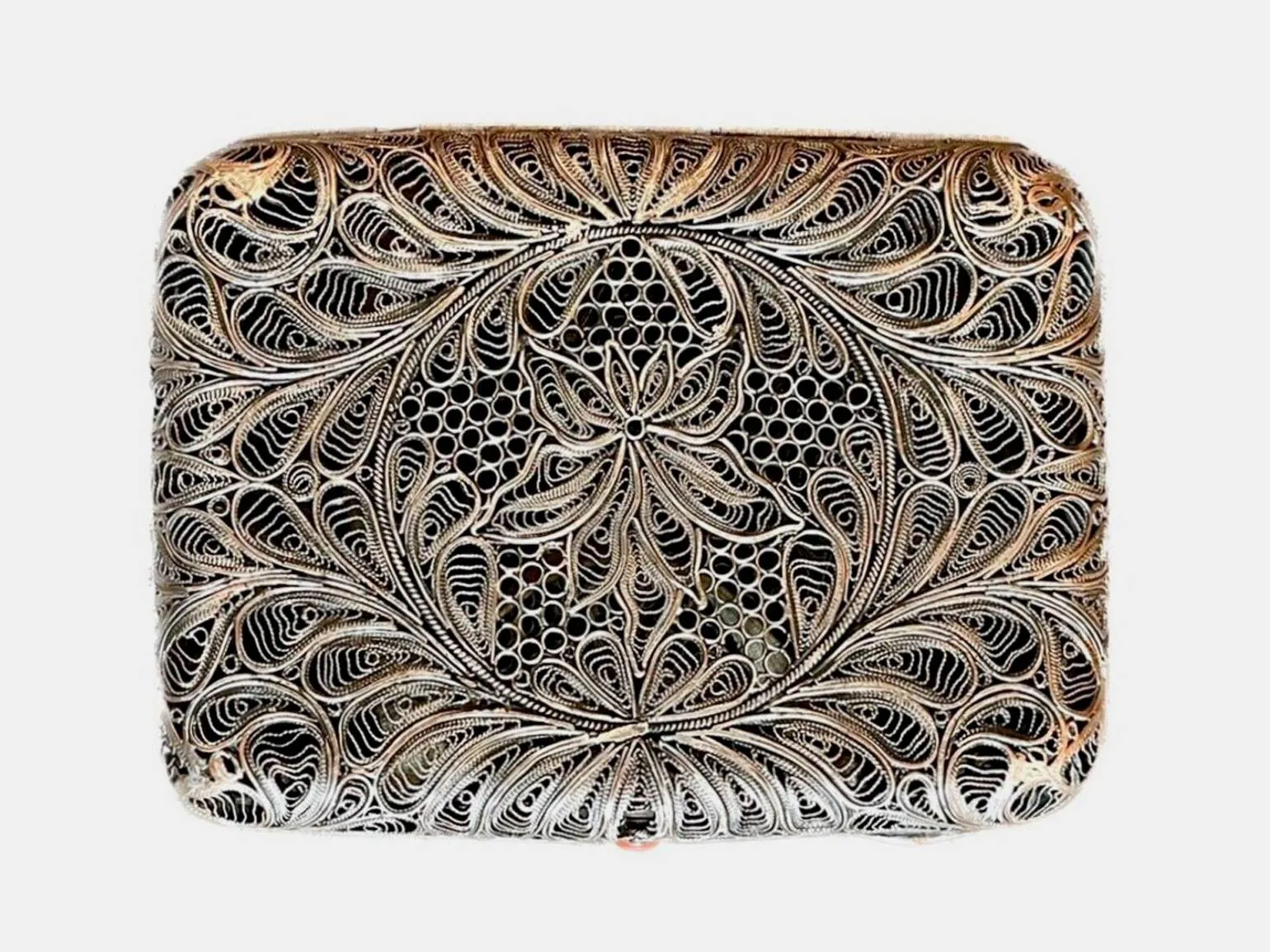
Kazakovo filigree flourished in the post-war period. Craftsmen began to actively expand their product range. In addition to traditional coasters and candy bowls, they began creating jewelry, which significantly increased interest in this unique art.
The filigree technique requires a careful and meticulous approach. This skillful method of working with paper allows you to create exquisite and detailed patterns that can serve as the basis for a variety of decorative items. When creating filigree, it is important to consider the choice of high-quality materials, such as paper and cutting tools. Furthermore, knowledge of basic rolling and shaping techniques will greatly simplify the creation process. Focus on practice, as skill comes with experience. Proper lighting and a comfortable workspace also play a crucial role in achieving high-quality results. Filigree is not only an art form but also a means of self-expression, allowing everyone to create unique and inimitable pieces.
The process of creating a design begins with a paper sketch. This stage is crucial, as it allows you to visualize ideas and concepts before moving on to digital formats. A paper drawing serves as the basis for further work, whether it be illustration, design, or any other artistic direction. A carefully crafted sketch helps identify key elements that can then be developed and refined during digital editing.
Twisted wire is laid along the outline and then coated with solder. This is followed by heating with a blowtorch, ensuring a high-quality connection of the elements. This method achieves strong and reliable soldering results.
When the paper burns, an openwork metallic lace is formed. This process demonstrates the amazing transformation of materials when organic components burn away, leaving behind only refined metallic elements. Сгорание бумаги может быть использовано в различных художественных и научных проектах, где важно продемонстрировать взаимодействие материалов и их трансформацию.
Казаковская филигрань известна своей уникальной ажурностью. В отличие от других ювелирных центров, которые применяют витую проволоку только в качестве накладных элементов на металлической основе для окантовки эмалей или камней, мастера казаков раскрывают всю прелесть этой «кружевной» техники. Их секрет заключается в специфическом методе обработки проволоки: она не просто скручивается, а сплющивается с одной стороны. Это создает гармоничное чередование плотных и ажурных участков, что, в свою очередь, формирует удивительную игру света и тени. Таким образом, казаковская филигрань становится не просто украшением, а настоящим произведением искусства, способным привлечь внимание благодаря своей изысканной текстуре и мастерству исполнения.
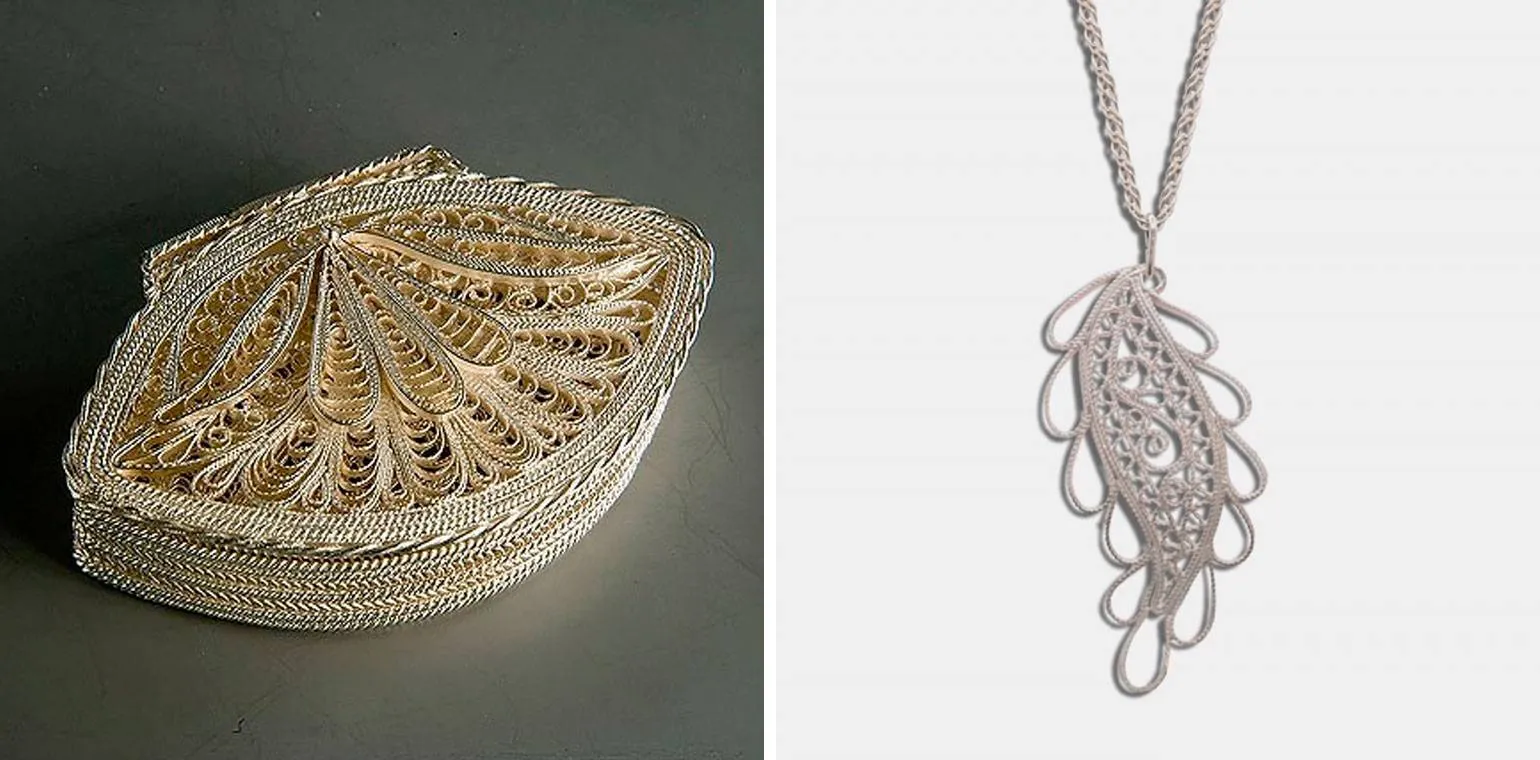
Казаковская филигрань традиционно изготавливается из меди с посеребрением, однако современные мастера все чаще используют серебро. Этот уникальный процесс изготовления филиграни невозможно механизировать, так как он требует исключительно ручного труда. Именно благодаря этому ручному подходу казаковская филигрань сохраняет свою аутентичность и ценность, привлекая внимание ценителей искусства и коллекционеров. Каждый элемент филиграни становится произведением искусства, отражающим мастерство и традиции украинского народного творчества.
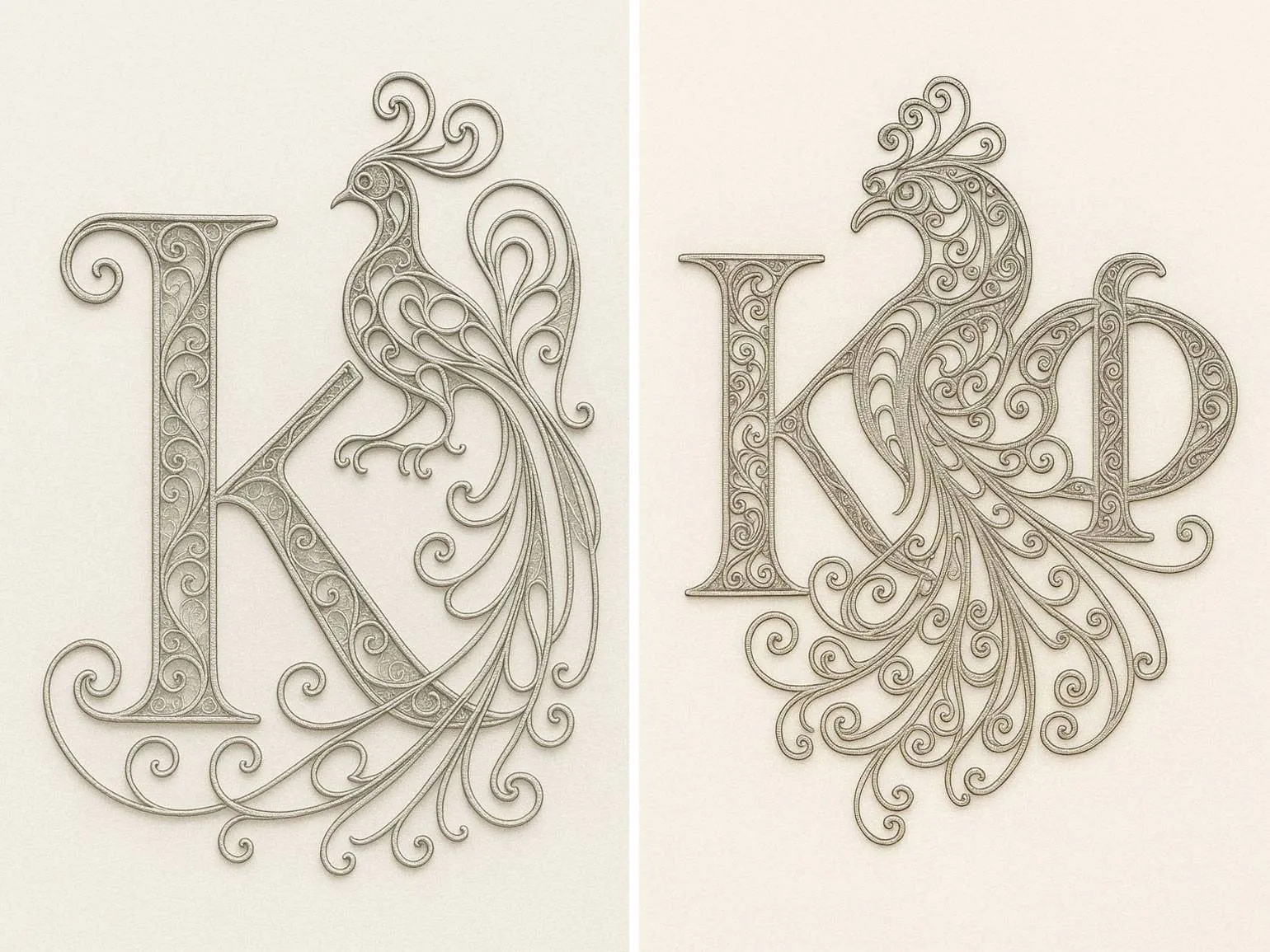
Балахнинское кружево
Существует легенда о том, что кружевоплетению женщин Балахны обучали жёны немецких мастеров, приехавших в этот регион для строительства судов. Это произошло в эпоху правления Алексея Михайловича, когда в Балахне возводился корабль «Фредерик» для Голштинского посольства. Эта история подчеркивает уникальное сочетание культур и традиций, которое стало основой для развития кружевоплетения в Балахне, сделав его известным на всю Россию. Кружевоплетение здесь стало не только ремеслом, но и важной частью местной идентичности, сохранившейся до наших дней.
История о том, что мастера приезжали в новые страны вместе с жёнами, остаётся спорной. Мы не можем с уверенностью утверждать, что в те времена они путешествовали с семьями. Исследования показывают, что многие мастера могли предпочитать оставаться на родине, чтобы сосредоточиться на своей работе. Это создаёт интересный контраст между профессиональной и личной жизнью творческих людей того времени.
История балахнинского кружевоплетения начинается с момента появления доступных шёлковых и хлопчатобумажных нитей фабричного производства. Эти нити, известные как бумажные, стали доступны на нижегородской ярмарке и открыли новые возможности для мастеров кружевоплетения. Именно этот момент положил начало популярности балахнинского кружева, которое быстро завоевало признание благодаря своему качеству и красоте.
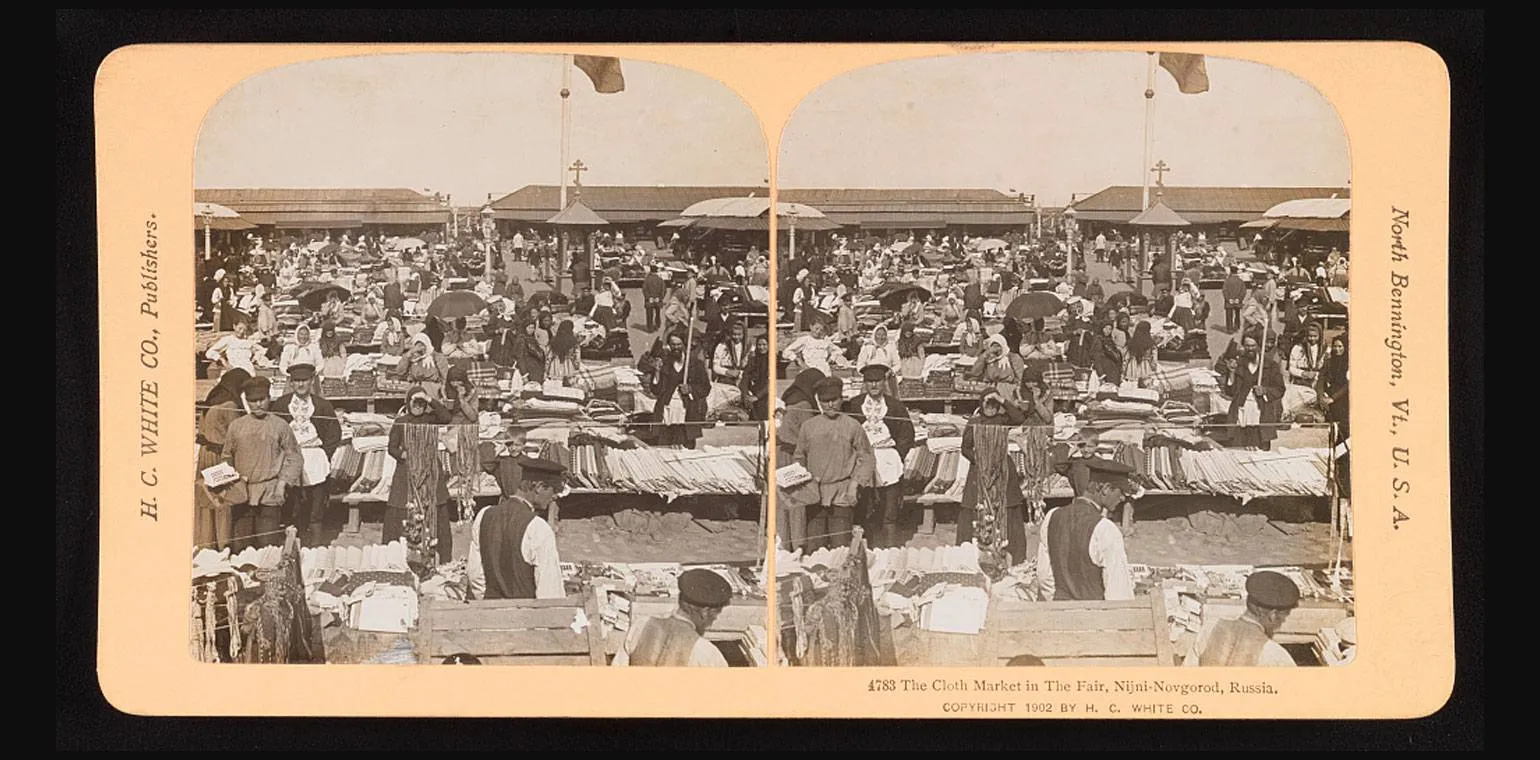
In the mid-19th century, in the territory from Balakhna to Gorodets, there were 225 villages actively engaged in lace weaving. By the 1870s, this craft had reached mass proportions, contributing to the development of the local economy and culture. Lacemaking became an important part of village life, attracting the attention of both local residents and buyers from other regions. This period was a landmark in the development of lacemaking in Russia, reflected in the high quality and diversity of its products. Imagine a cylindrical cushion on which a design is applied. Weaving is performed across its surface, with needles securing threads wound onto bobbins. Balakhna lace is a complex, multi-pair technique in which artisans use up to 300 pairs of bobbins, for a total of up to 600 bobbins. This technique requires a high degree of skill and precision, making each piece unique. Balakhna lace is renowned for its beauty and elegance, as well as its historical significance in folk art. The technology of reworking Belgian and French lace into the Balakhna style was widespread. Most women in the Gorodets district of Balakhna mastered the art of lacemaking. By 1880, about half of the women in Balakhna were engaged in producing lace for sale, amounting to almost 2,000 people. A striking example is Maxim Gorky's grandmother, Akulina Ivanovna Kashirina, a renowned lacemaker whose skills were inherited from her mother. Thus, the lace-making traditions in Balakhna were preserved and developed over generations, which contributed to the creation of the region's unique cultural heritage.
Women were engaged in weaving dimensional lace, as well as making scarves, shawls, and other garments. This process requires considerable effort and time. For example, creating a large three-meter Balakhna kerchief could take up to two years. With age, lace makers often faced the need to wear glasses due to the high strain on their eyesight.
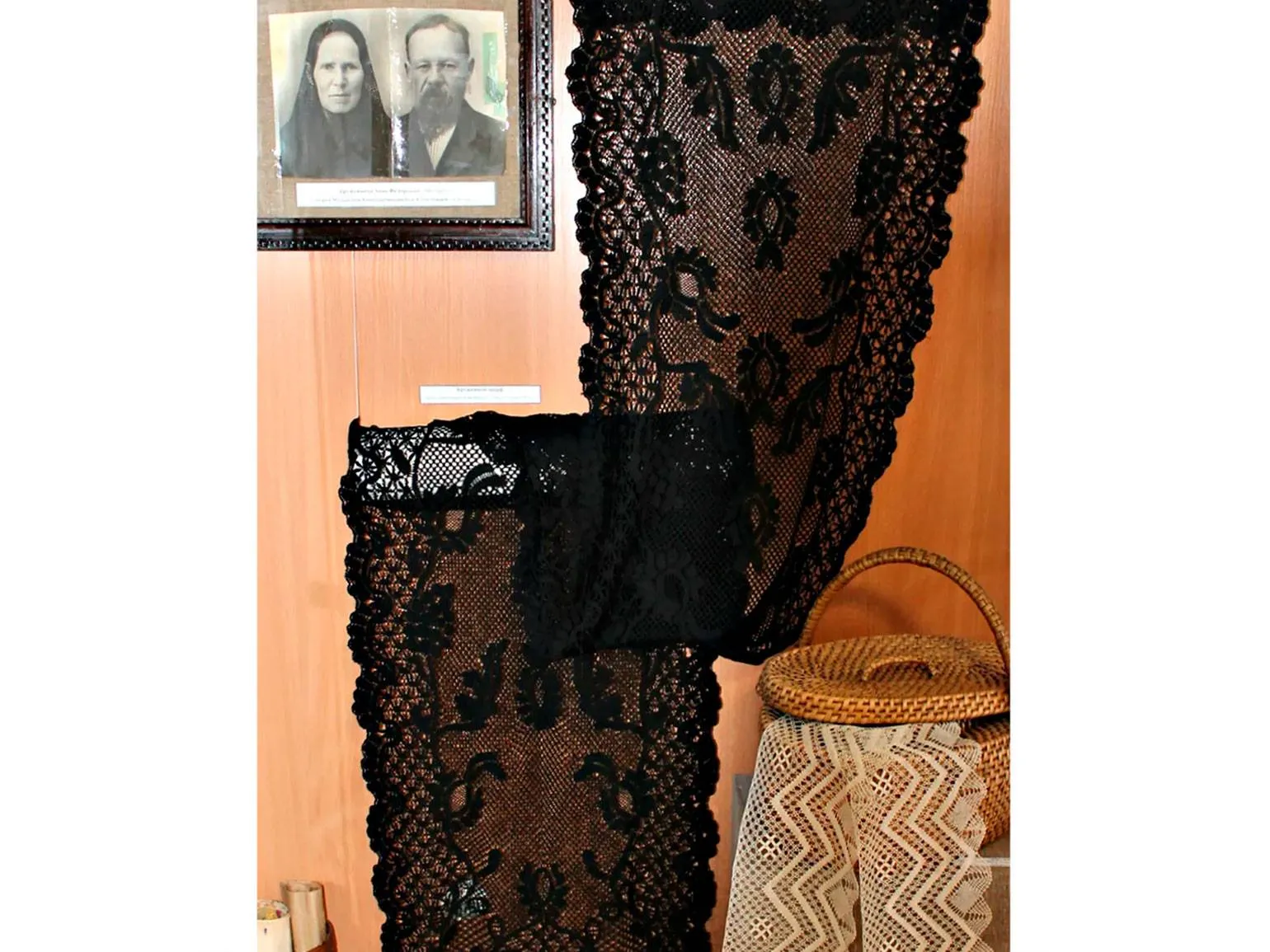
By the beginning of the 20th century, the production of Balakhna lace became economically unprofitable. Craftswomen were unable to travel to fairs to sell their wares, while buyers, who resold lace at a markup of two to three times, began to significantly reduce prices. The reduction in wages did not match the complexity of lace production, leading to the disappearance of this craft.
Balakhna lacemaking is a unique and ancient craft, preserved thanks to the efforts of a small number of dedicated enthusiasts. This traditional Russian craft attracts attention for its exquisite aesthetics and the value of the labor-intensive lace-making process. Balakhna lacemaking is an important part of Russia's cultural heritage and continues to inspire artists and art lovers worldwide. Preserving this craft not only supports unique traditions, but also contributes to the development of local communities and the popularization of Russian folk art.
Chkalovsky guipure
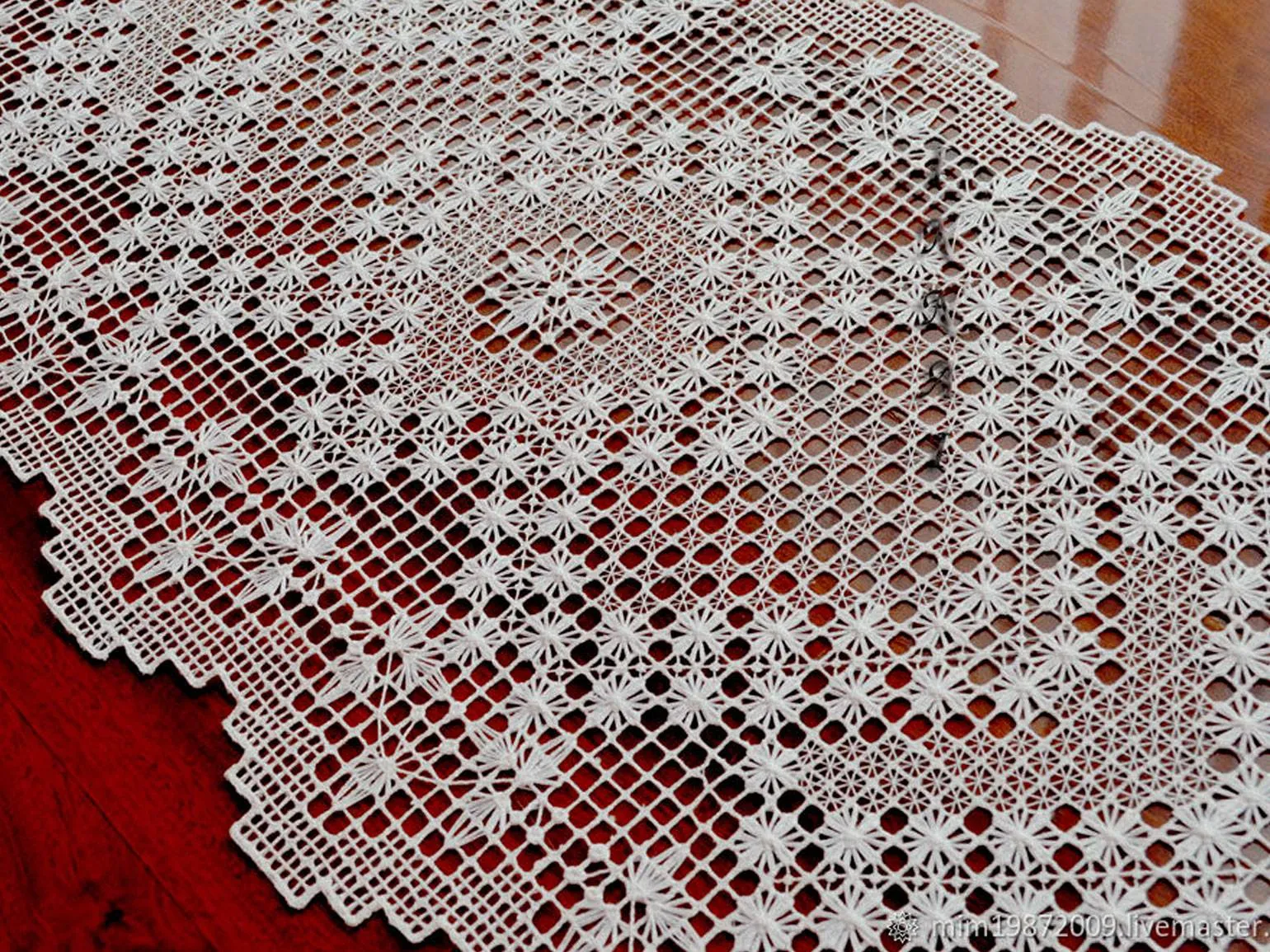
If If the weaving process seems too complicated, time-consuming, and expensive, consider imitation. Imitation weaving allows you to achieve the desired effect without investing a lot of time and effort. It's a great way to create attractive pieces that will look stylish and original, while saving resources. Use available materials and techniques to create the illusion of weaving without resorting to traditional methods.
Pull-out embroidery developed by removing threads from fabric, creating a mesh for embroidering lace-like patterns. These patterns were executed in the same tone as the fabric: with white threads on a white background and black on black. Nizhny Novgorod guipure, which was known in the Soviet period as Gorky guipure, and today as Chkalovsky and Katunkov guipure, are all names for the same craft, which involves openwork embroidery on sparse fabric. This type of embroidery continues to delight with its elegance and skill, preserving traditions and passing on cultural heritage.
For the eyes of the masters, this craft remains a serious challenge, but it already provides higher profitability.
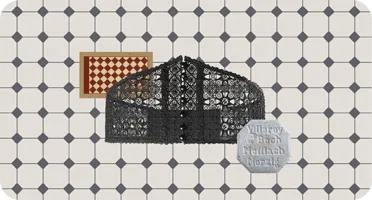
Reading is an important aspect of our lives, allowing us to gain new knowledge and develop our thinking. Scientific research confirms that regular reading improves cognitive abilities and expands vocabulary. Books, articles, and other textual materials help us better understand the world around us and form our own opinions. The choice of literature can range from fiction to scientific publications, making the reading process varied and engaging. Remember that reading not only entertains but also educates, opening new horizons and opportunities for personal growth.
Krestetskaya stitching and Metlakh tiles: how architects shape theater interiors
Krestetskaya stitching and Metlakh tiles play a key role in creating a unique theater interior. These elements not only emphasize the artistic value of the space but also create an atmosphere that immerses audiences in the world of art. By using a variety of textures and patterns, architects achieve harmony between functionality and aesthetics. This approach not only emphasizes the theater's individuality but also creates a comfortable environment for audiences. The integration of traditional materials into modern design makes the theater's interior vibrant and memorable, attracting audiences and creating a unique atmosphere for performances.
By the end of the 19th century, the craft covered 100 Nizhny Novgorod villages. By 1905, 1,120 women engaged in this trade were registered in the Katunskaya volost. Some specialized in stitching, others in pulling and preparing mesh. This marked the beginning of the division of labor and the formation of the first artels.
Mass production began in 1924, when Sofia Nikolaevna Dubynina organized an artel in Katunki. Later, a similar artel would be created in Vasilyeva Sloboda, which would later become the city of Chkalovsk. These artels would serve as the basis for the formation of stitching and embroidery factories. Initially, the main focus of production would be linen and clothing, but later the range would expand to include tablecloths and curtains. This will lay the foundation for the development of the textile industry in the region.
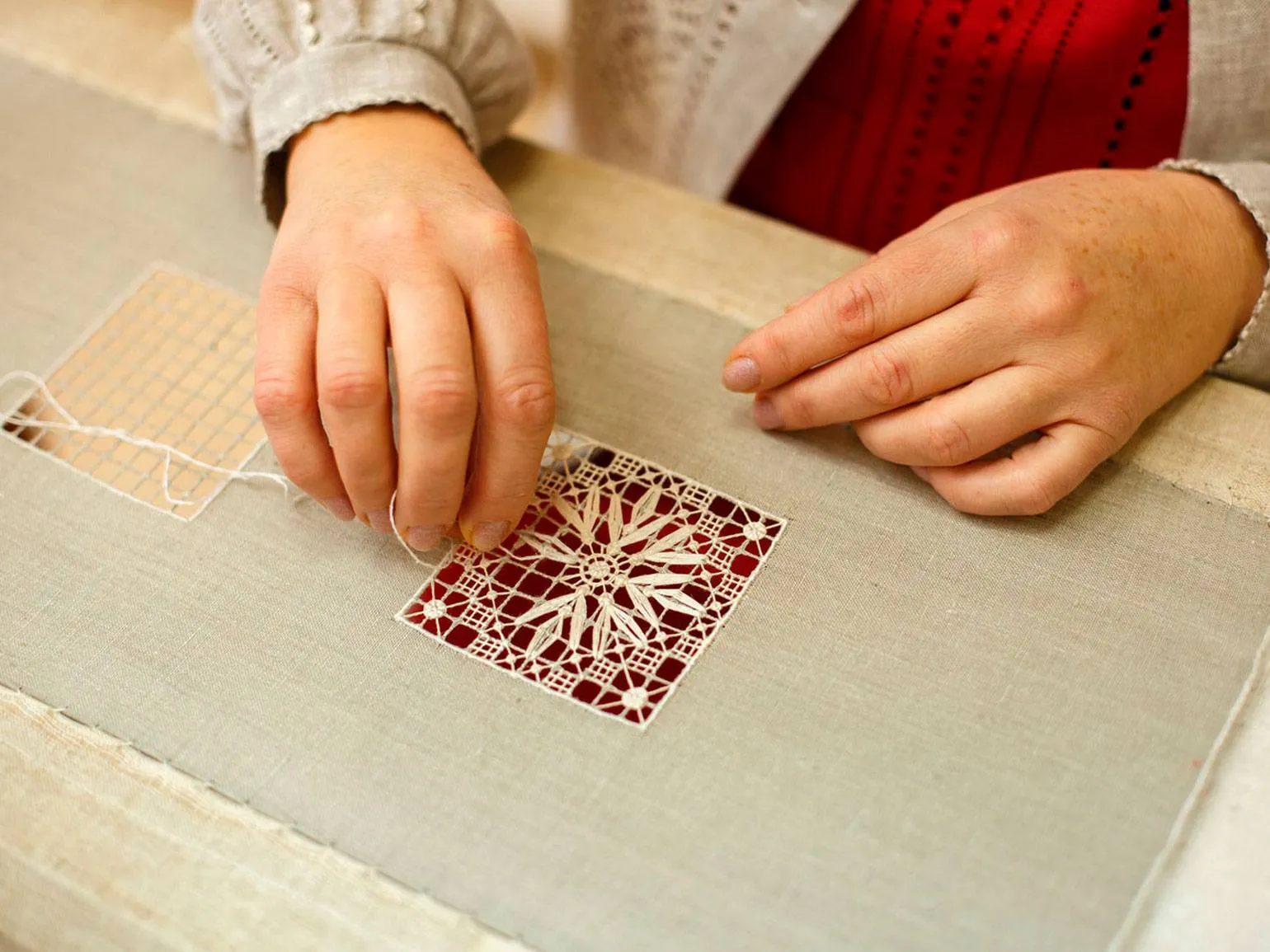
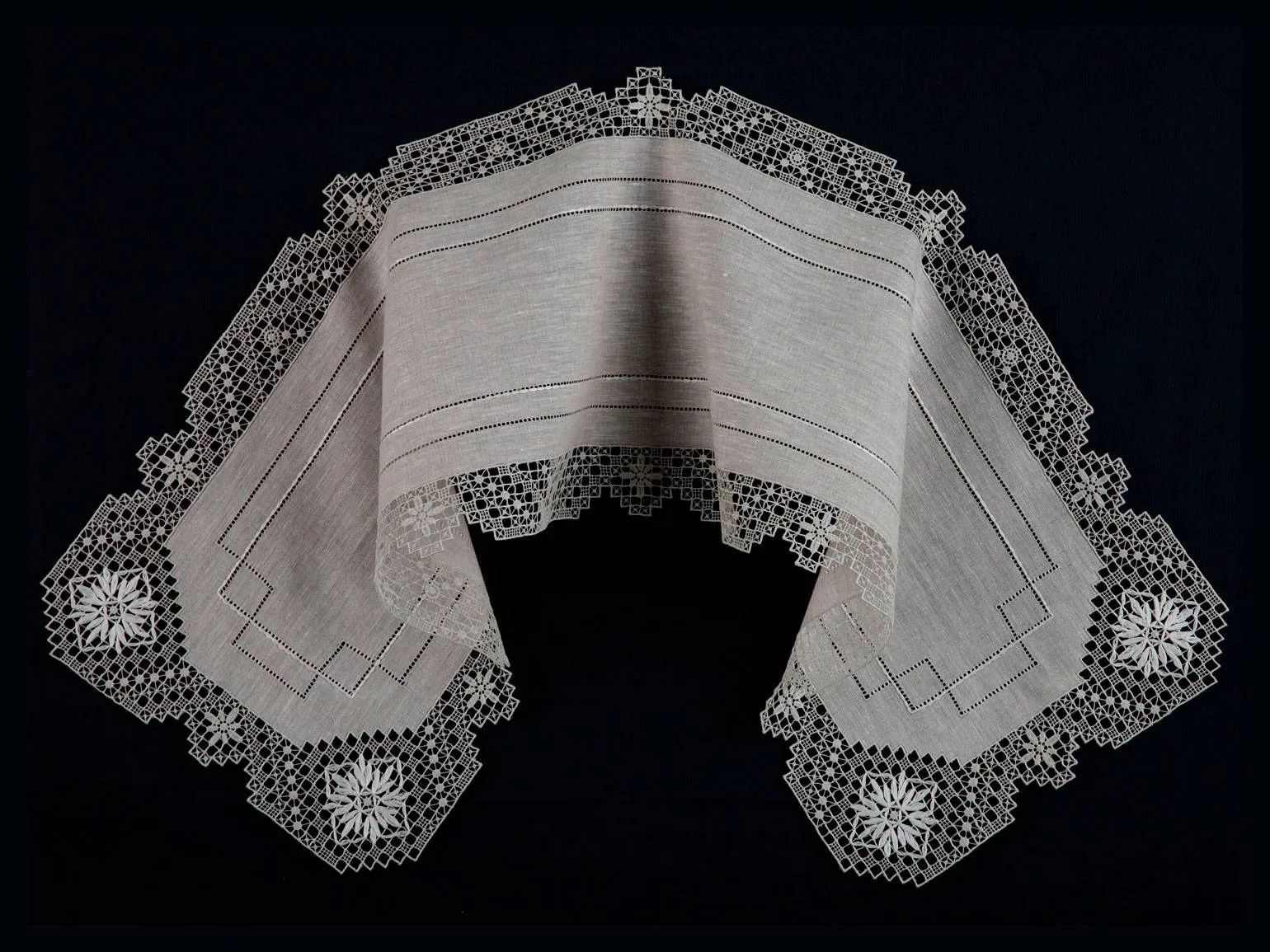
Chkalovsky guipure continues the tradition of tone-on-tone embroidery. However, Katunki, thanks to their small production and bold design, allows themselves to experiment. For example, on a green tablecloth, guipure can be done in red, black, or gold. Such original solutions were used in tablecloth orders for the Moscow Kremlin.
Chkalov guipure is a unique work of art, created using traditional hand-made techniques. This type of embroidery is prized for its craftsmanship and individuality, making it an ideal choice for contemporary fashion. Chkalov guipure fits harmoniously into current trends, giving products a sophisticated and unique look, without excessive theatricality and museum style.
Gorodets painting
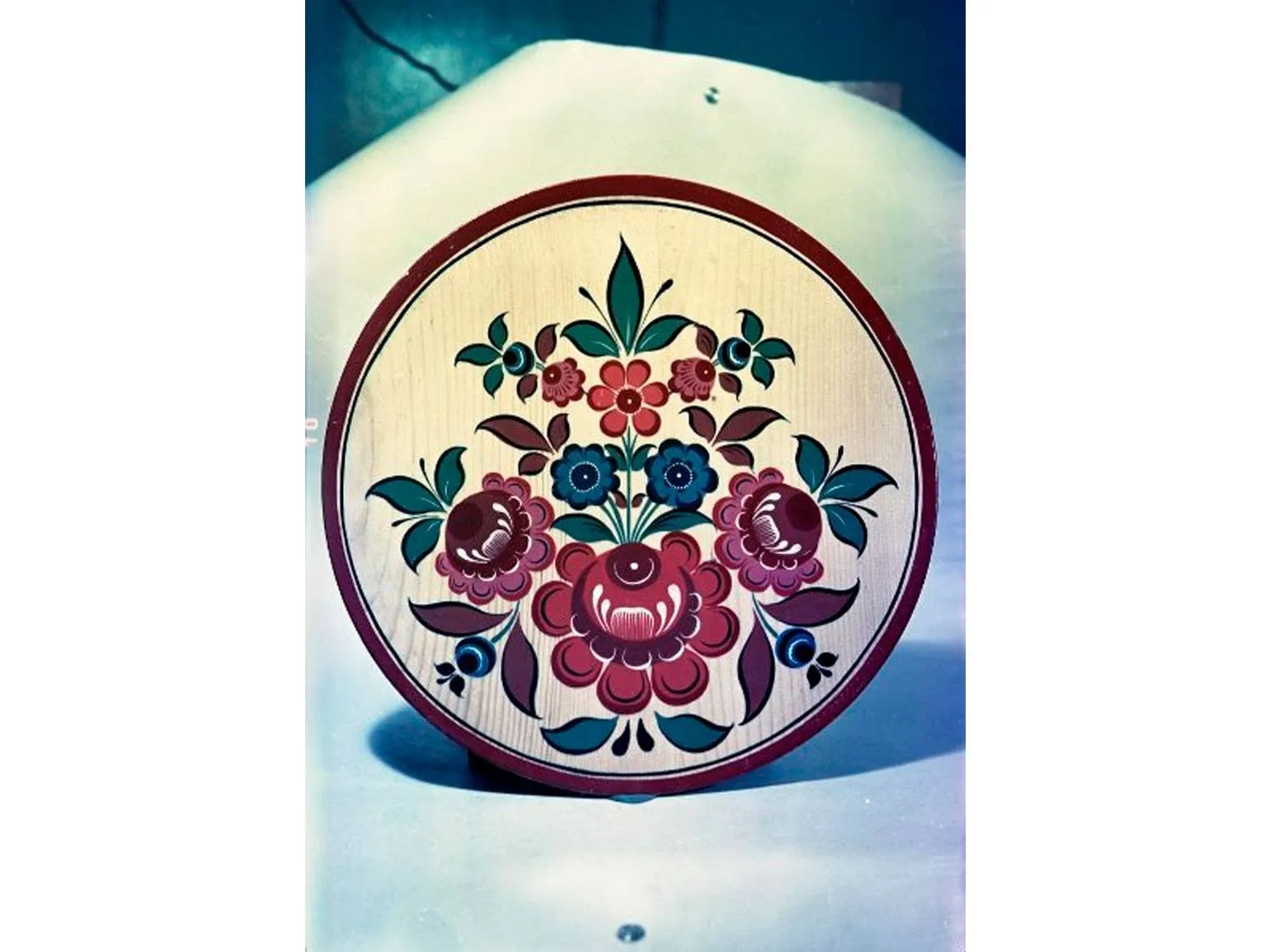
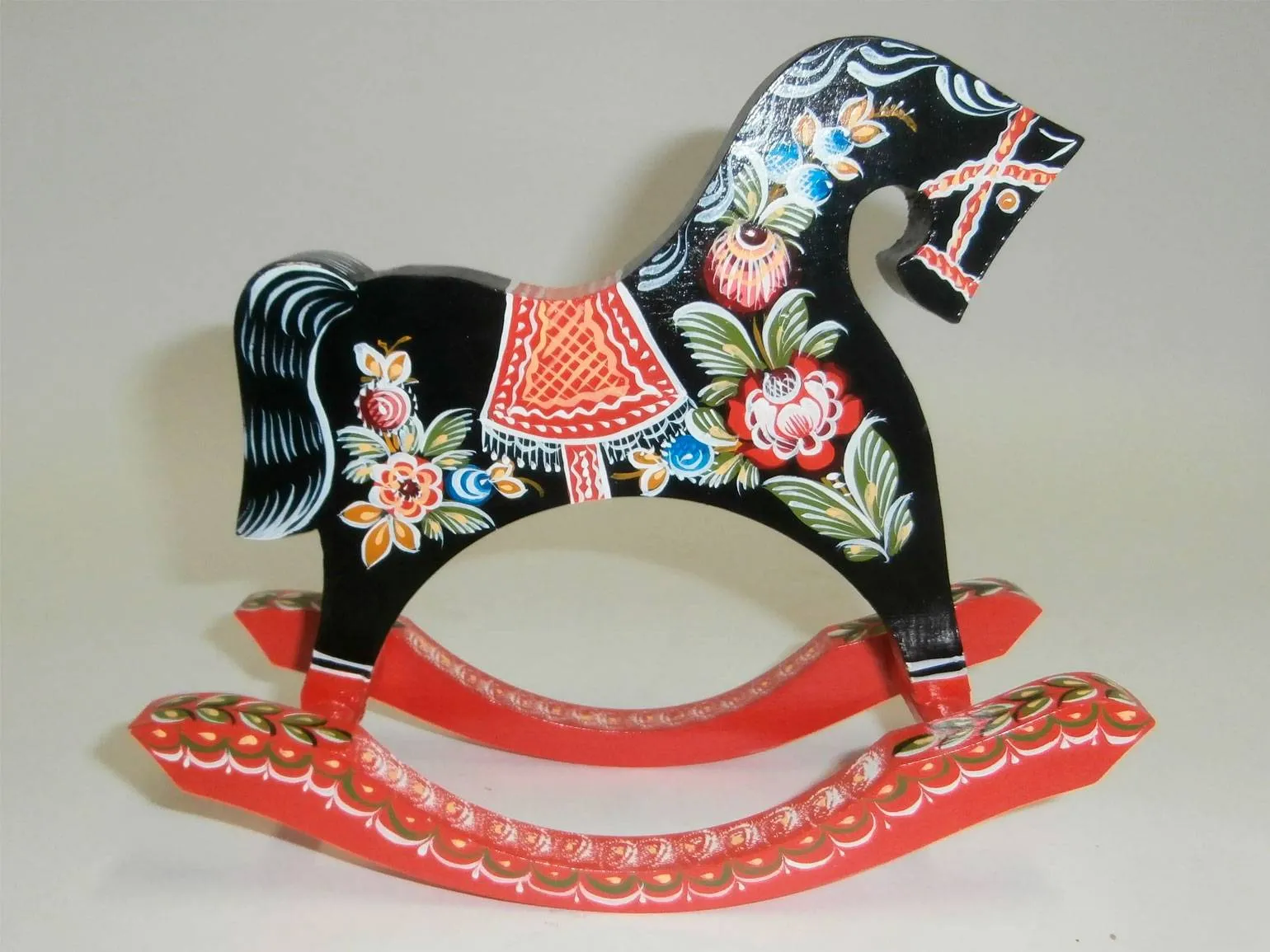
Gorodets painting is a unique craft of the Nizhny Novgorod region, representing a naive peasant art. The main theme of this artistic movement is a holiday that reflects the joy and merriment of folk life. Gorodets painting is distinguished by bright colors, rich compositions and characteristic images, which makes it recognizable and popular both in Russia and abroad. This art form continues to evolve, preserving traditions and passing them on to new generations of masters.
This is a time of holidays, troika rides and tea parties. If we are talking about a horse, then this is not an ordinary workhorse, but the fabulous Sivka-Burka. If we are talking about a bird, then it is not an ordinary chicken, but a magnificent peahen. As for the home, it is a place filled with joy and prosperity. During the Soviet period, Palekh painting acquired scenes depicting the joy of labor, where girls reap rye or mowers head out to the fields. However, Gorodets painting did not adopt these themes, remaining true to its traditions.
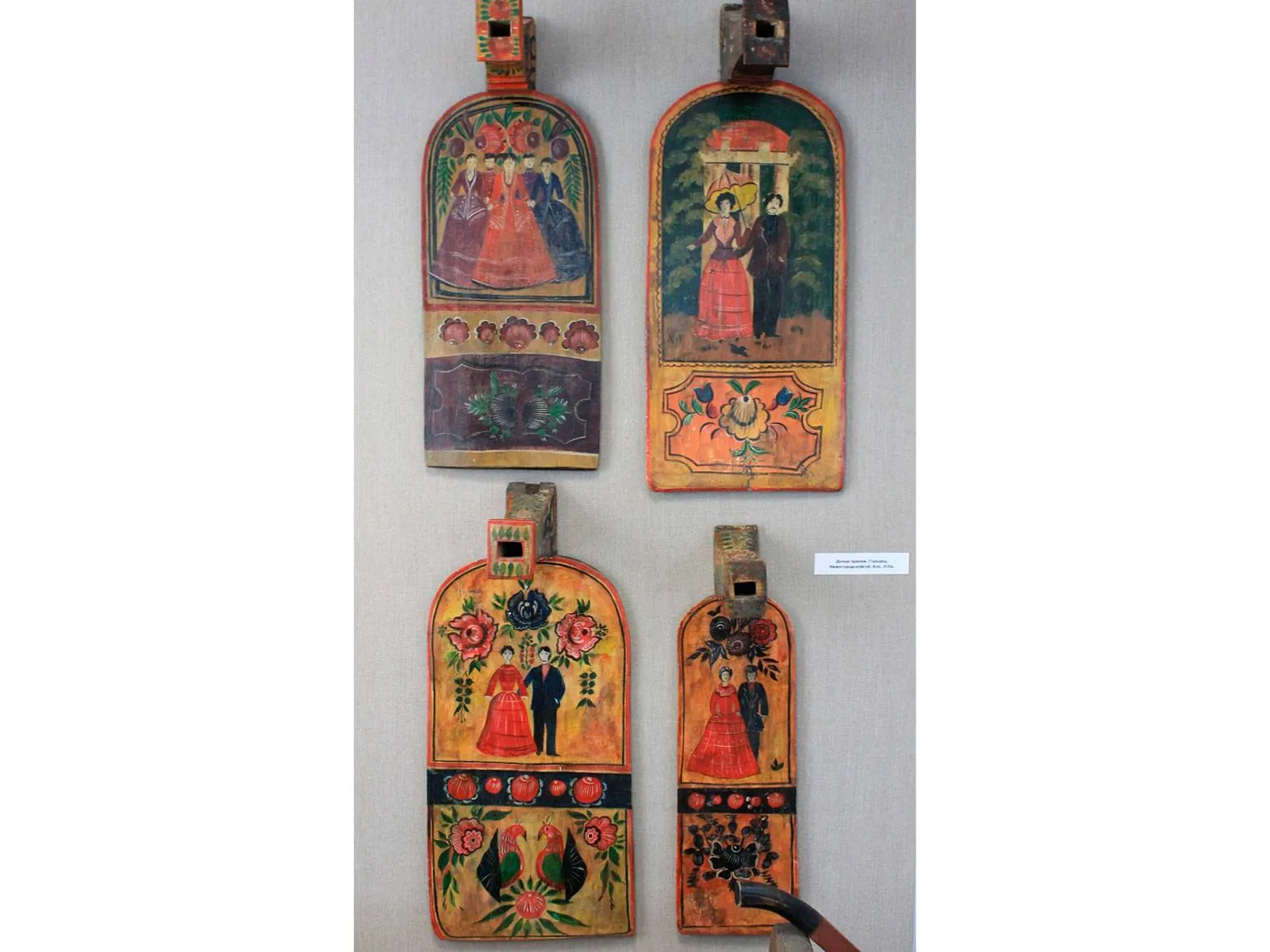
Gorodets painting has its roots in the decoration of distaffs, which were unique and inimitable. This traditional artistic technique originated in Russia and became a symbol of folk art. Gorodets painting is distinguished by its vibrant colors and expressive patterns, making it attractive to both collectors and folk art enthusiasts. During the development of this painting, artisans developed their skills, creating amazing works that can be found today not only on distaffs but also on other household items. Gorodets painting continues to live and evolve, preserving its authenticity and attracting the attention of new generations.
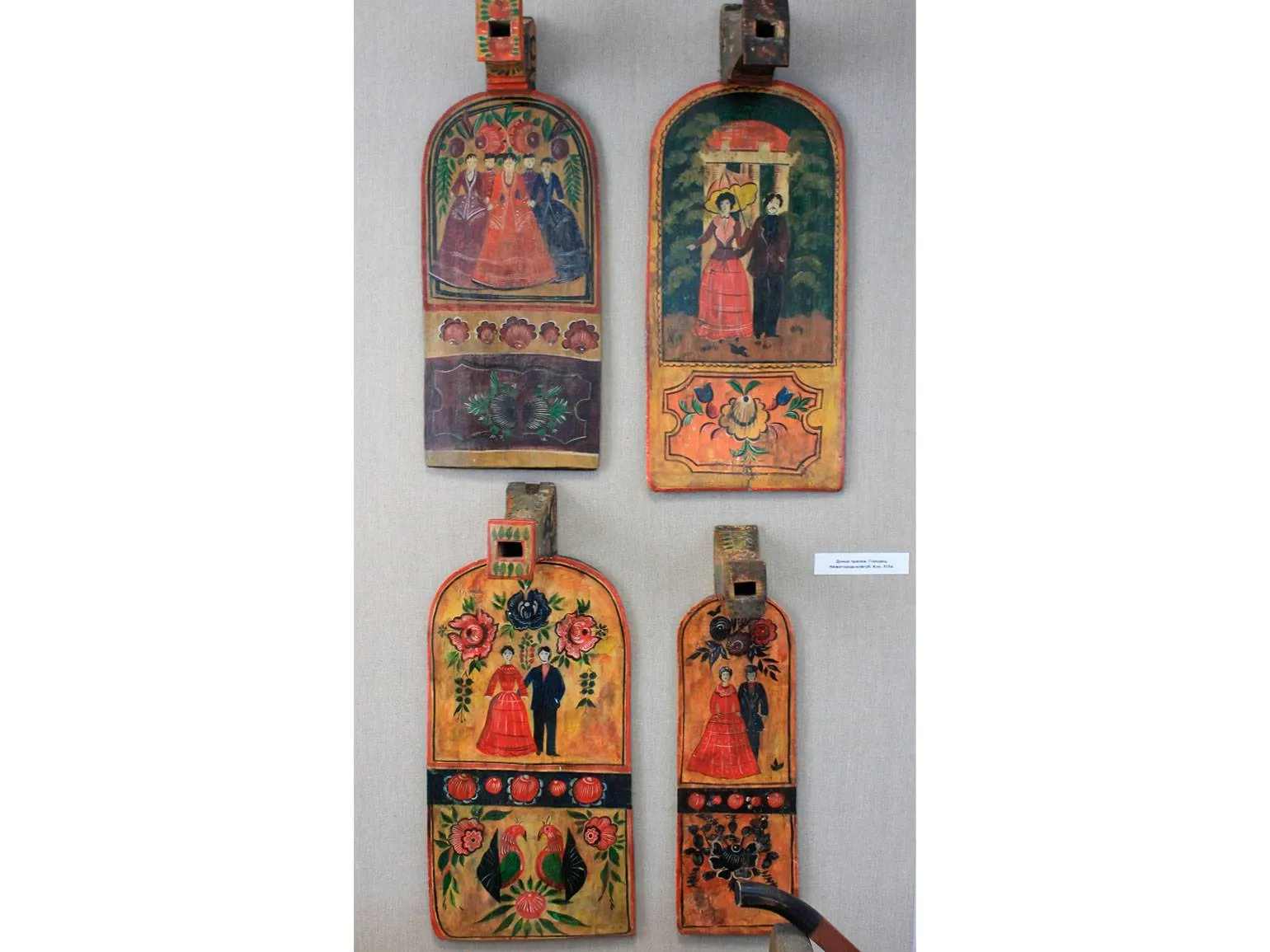
The distaff consists of two main elements: the comb, to which the tow is attached, and the base, on which the spinner sits. In most regions, the distaff had a single-piece construction, but it was the comb that stood out for its design. Yaroslavl, Kostroma, and Severodvinsk spinning wheels are renowned for their carved and painted combs, which lend them uniqueness and aesthetic value. These items are not only functional but also an important part of cultural heritage, reflecting the traditions and artistic taste of their artisans.
Nizhny Novgorod artisans began creating spinning wheels with a detachable design, emphasizing the decoration of the base rather than the comb. This innovation allowed the comb to be removed after use, and the beautiful base used as a decorative element that could be hung on the wall. Thus, Russian folk art developed an item that combined functionality and aesthetic value, serving both as a work tool and as an interior decoration.
The first spinning wheels, which marked the beginning of Gorodets history, date back to the late 18th century. At that time, they were not decorated with painting, but rather with carvings and bog oak inlays. They were made in the villages of Akhlebaikha, Repin, Savin, Kurtsev, and Koskov, located along the Uzoly River, where oak groves grow. Periodically, oak trees fell into the water, and over time, their wood became bog-like, acquiring an attractive black color. These unique spinning wheels not only represent examples of folk art but are also an important element of the region's cultural heritage, attracting the attention of historians and collectors.
The spinning wheels were sold in Gorodets, which gave this technique its name. Similar to Khokhloma, which got its name from the village of Khokhloma, where products were not manufactured, but only sold.
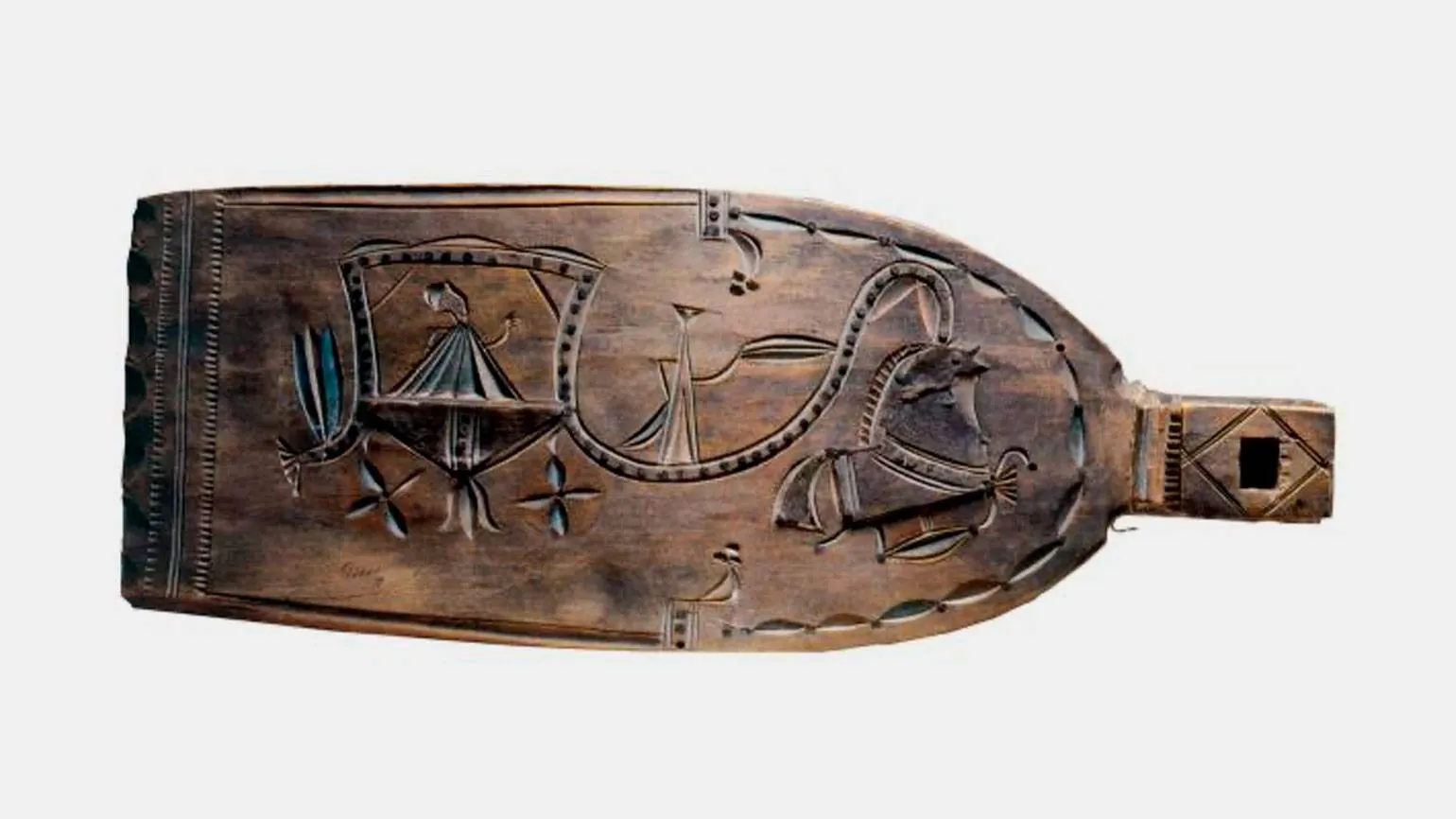
In Gorodets painting, the main element is inlay. The design is created using contour carving and decorated with black stained wood inserts. Oak, being very durable, makes figurative carving difficult, resulting in conventional images: an angular ridge and a stylized bird. To enhance the visual effect, the background is painted in complementary colors.
In the second half of the 19th century, a real revolution occurred in these villages thanks to the arrival of the icon painter Ogurechnikov. He became a mentor to local artisans, teaching them the art of painting. Initially, they combined painting with inlay, but from the 1860s onward, a unique style known as Gorodets painting emerged. This style became a symbol of the local artistic heritage and had a significant influence on the development of folk decorative art in the region.
At first, the artisans simply copied the carved contours, which preserved the angularity of the painting. However, the Melnikov masters soon entered the industry and began to employ a new approach: their works became more decorative and vibrant, abandoning their previous linearity. These masters pioneered the modern perception of Gorodets painting. Gorodets painting, as a peasant art, has always remained a dynamic and ever-changing phenomenon. While creating their works, the masters closely followed the world around them and its changes. The advent of steamships was reflected in the Donets, which depicted both local and American paddle steamers. During the war with Turkey, General Skobelev on horseback can be seen on the Donets. During the Soviet era, paintings depicted a family reading the Constitution with the slogan "Life has become better, life has become more joyful." The masters drew inspiration from real life, making their works beloved, recognizable, and relevant to viewers. Gorodets painting continues to be an important part of cultural heritage, reflecting changes in society and people's lives.
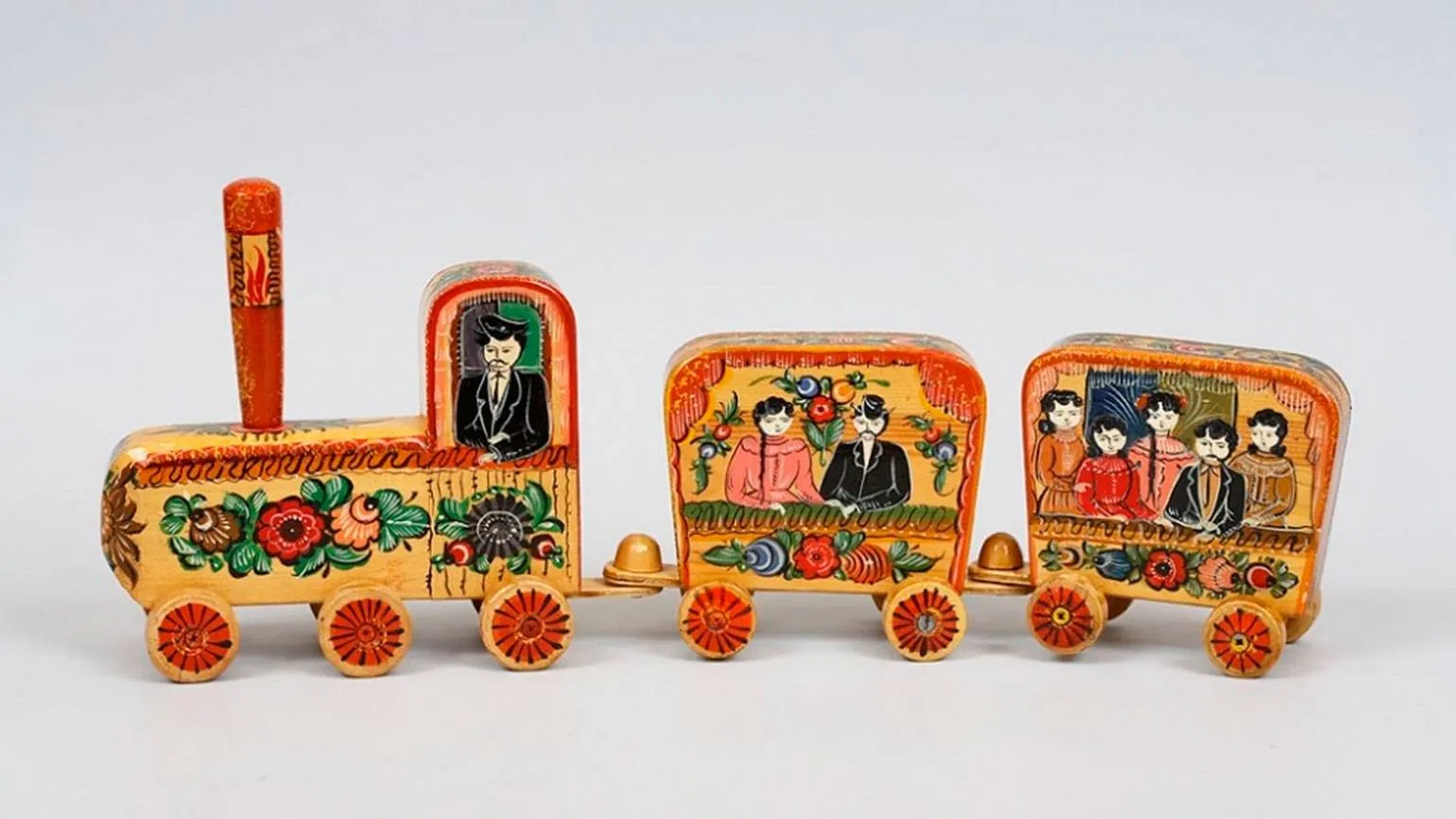
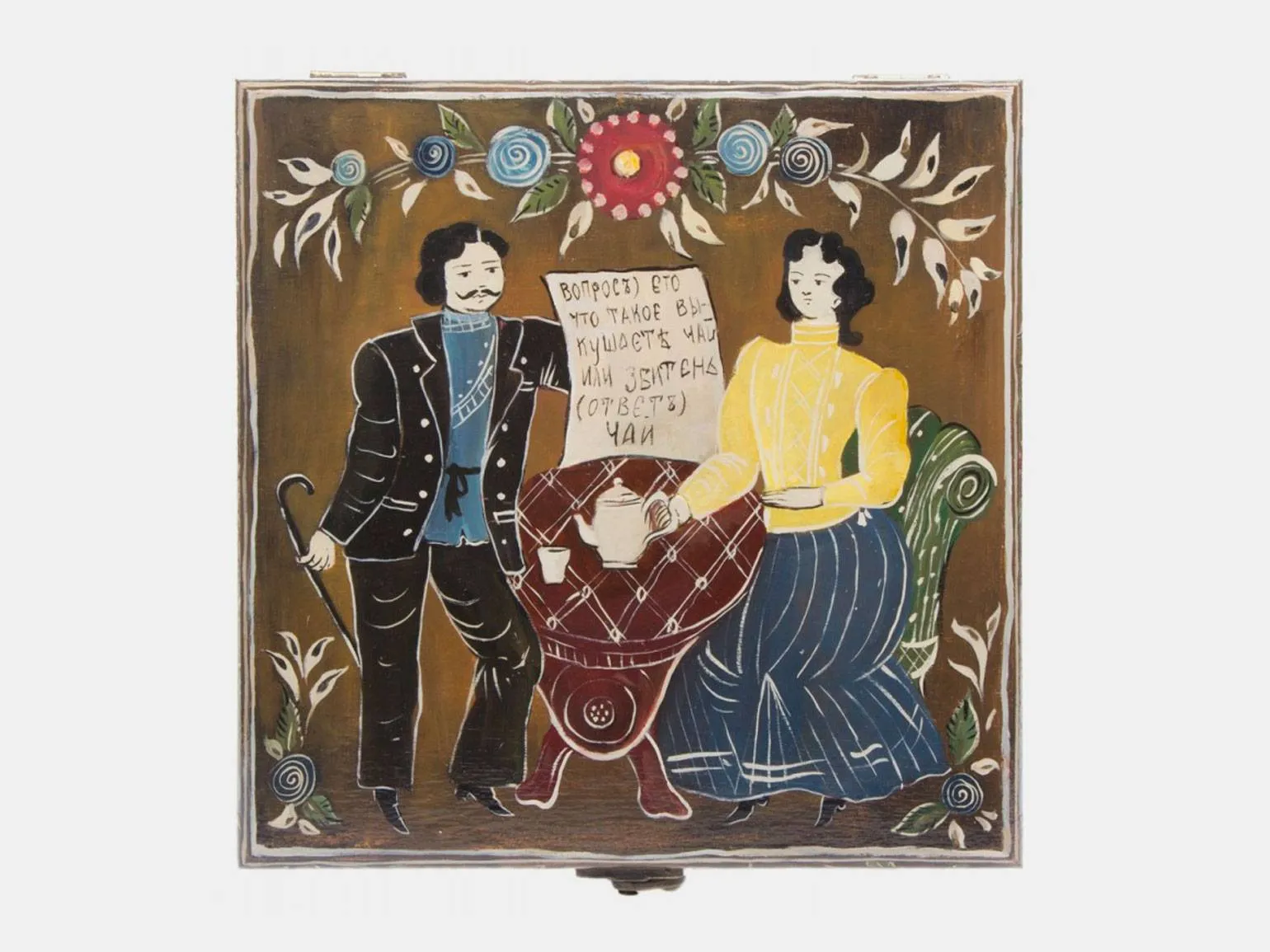
After the revolution, painting was carried out by artels, and since the 1960s - by factories. Despite all efforts to preserve the traditions of the craft, the artisans faced a serious problem: factories worked according to approved samples and a specific assortment. Это приводило к тому, что промысел превращался в художественную промышленность, и очарование ручной работы, основанное на свободе выбора сюжета мастером, постепенно исчезало.
Русское наивное искусство представлено в ограниченном количестве, и одним из ярчайших его примеров является городецкая роспись. Эта уникальная форма искусства привлекает внимание своей праздничностью, фантазийностью и яркими цветами. Городецкая роспись является одним из редких уголков русской культуры, где можно ощутить дух народного творчества и самобытности.
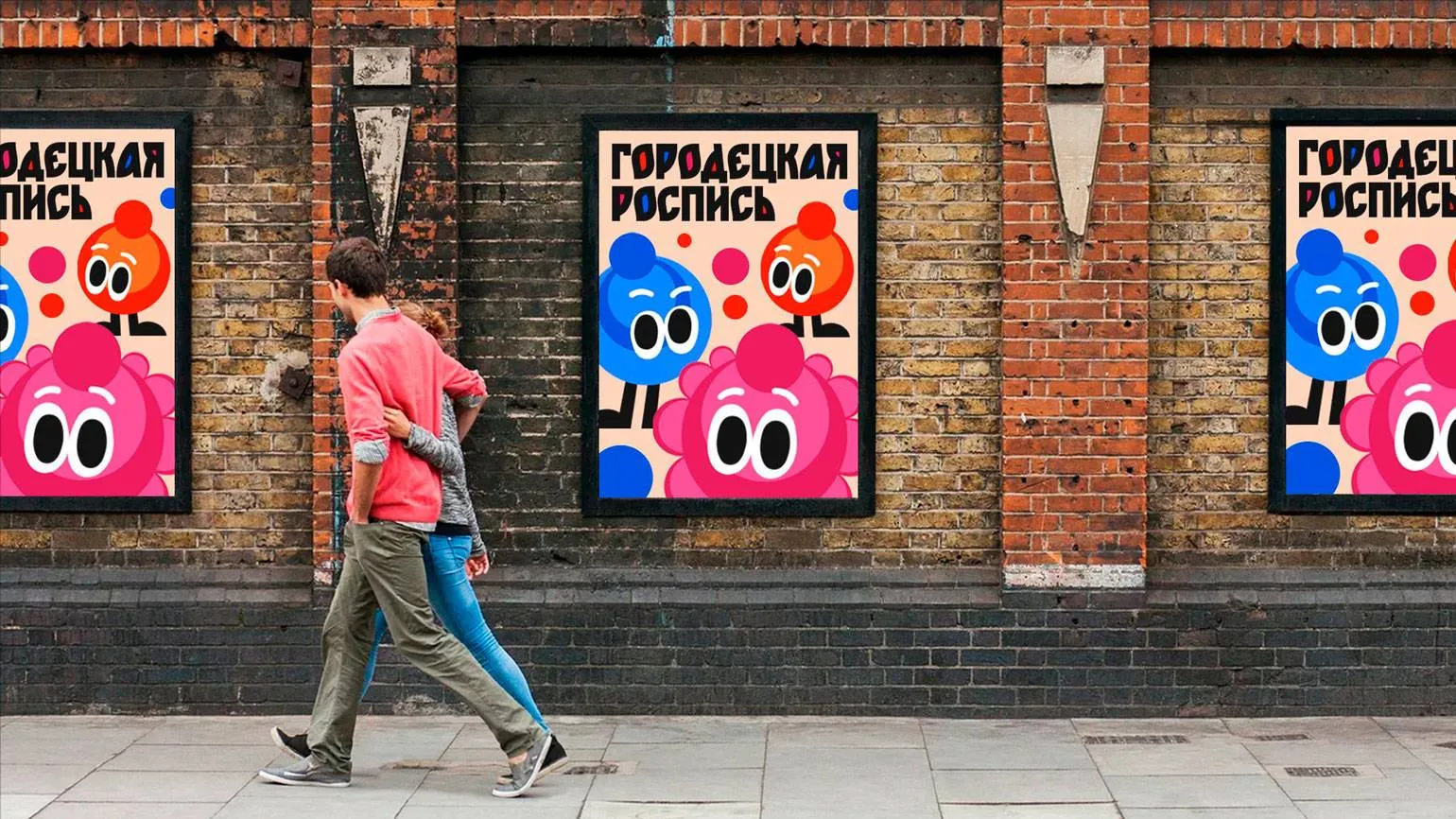
Городецкая роспись сегодня идеально соответствует современным тенденциям в области «эндорфинового дизайна». Этот стиль привлекает внимание своей яркостью и выразительностью, создавая атмосферу радости и уюта. В условиях стремительного развития дизайна интерьеров и графики, городецкая роспись выступает как актуальный элемент, который не только радует глаз, но и приносит положительные эмоции. Использование традиционных мотивов в сочетании с современными подходами позволяет создать уникальные и запоминающиеся произведения искусства, способные украсить любое пространство.
And yet, why crafts in modern times?
In the modern globalized world, every culture strives to absorb external influences. However, despite this trend toward universalization and a unified global perception, collective identity remains the key distinguishing feature of every culture. This unique combination of traditions, customs, and values shapes individuality and distinctiveness, allowing a culture to retain its essence in the face of globalization.
Many crafts do not have an ancient history or centuries-old traditions, but they fully reflect a deep understanding of beauty and artistic expression. In this context, crafts become an important tool that helps preserve cultural characteristics and traditions, countering the negative impact of globalization. Each craft carries uniqueness and distinctiveness, which helps preserve the richness of cultural heritage and pass it on to future generations.
Local crafts are experiencing difficult times, but they have a chance to be revived and remain relevant. It is important that they continue to exist not only in a modern format, but also in a traditional, museum-like setting. This can be compared to fairy tales: although they are interpreted in new ways in modern cinema, classic plots will always be relevant and in demand. Preserving and developing local crafts will help preserve cultural heritage and pass on experiences and traditions to future generations.
Learn more about design by following our Telegram channel. Subscribe and stay up to date with the latest trends and news in the world of design!
Read also:
- Russian Code: The Lion Symbol in Iconography
- 8 Digital Projects That Use Russian Code
- Aesthetic Amanita: 10 Masters Who Use Fly Agarics in Design
- The More We Walk, the More We Earn! Kineshma Merchant Festival
- Biennale of the Central Belt: Who and Why is Showing Contemporary Art in Chuvashia
Balakhna Lace
Legend has it that the women of Balakhna were taught lacemaking by the wives of German craftsmen. These craftsmen arrived in the region to build ships during the reign of Alexei Mikhailovich. At that time, the ship "Frederick" was being built in Balakhna for the Holstein Embassy. This story highlights the cultural heritage of Balakhna and its importance in the development of traditional crafts such as lacemaking, which still attract attention and admiration.
There is a controversial version that the craftsmen traveled with their wives. To date, there is no precise data confirming that they moved from country to country with their families during this period.
The history of Balakhna lace begins with the advent of affordable, factory-produced silk and cotton thread. This thread, known as paper thread, became available for purchase at the Nizhny Novgorod fair. It was during this period that the active development of Balakhna lace began, which became not only a symbol of local art, but also an important part of the textile industry of the region.
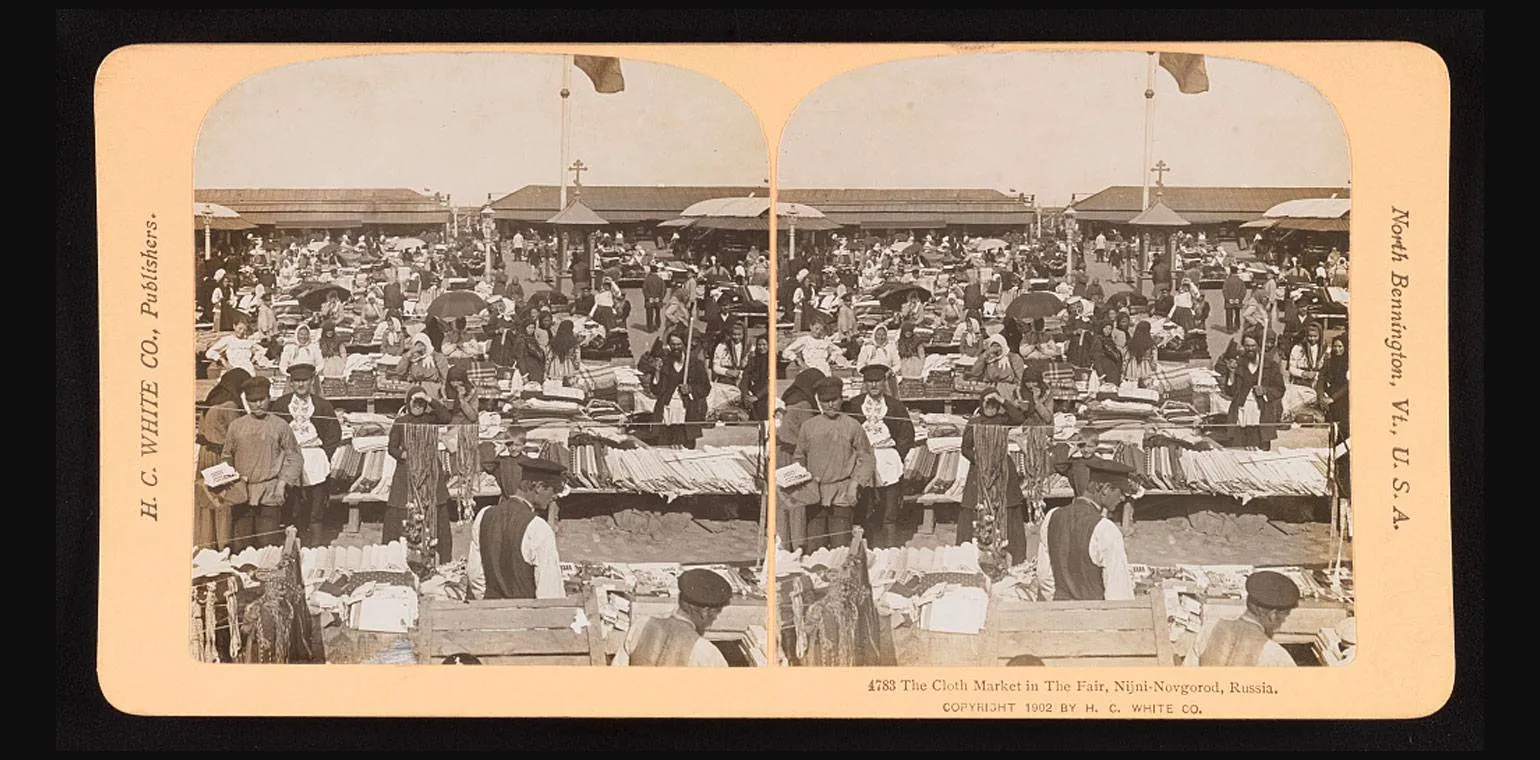
In the middle of the 19th century, in the area from From Balakhna to Gorodets, there were 225 villages actively engaged in lace making. By the 1870s, this craft had become widespread, contributing to the development of lacemaking as an important sector of the local economy and culture. Imagine a cylindrical cushion on which a design is placed. Weaving occurs across its surface, where needles secure threads wound onto bobbins. Balakhna lace is a complex, multi-pair technique in which craftswomen use up to 300 pairs of bobbins, equivalent to 600 bobbins in total. This unique lacemaking technique requires a high degree of skill and mastery, making each piece unique and valuable. Balakhna lace is renowned for its intricacy and elegance, attracting the attention of both amateur and professional lacemakers. The lace-making technique, adapted to the Balakhna style, allowed for the processing of Belgian and French lace, making it extremely popular. Most women in the Gorodets district of Balakhna were skilled in lace-making. By 1880, about half of the women in Balakhna, or nearly 2,000, were engaged in this activity. A striking example is Maxim Gorky's grandmother, Akulina Ivanovna Kashirina, who was a renowned lacemaker. Her skill was passed down from generation to generation, starting with her mother.
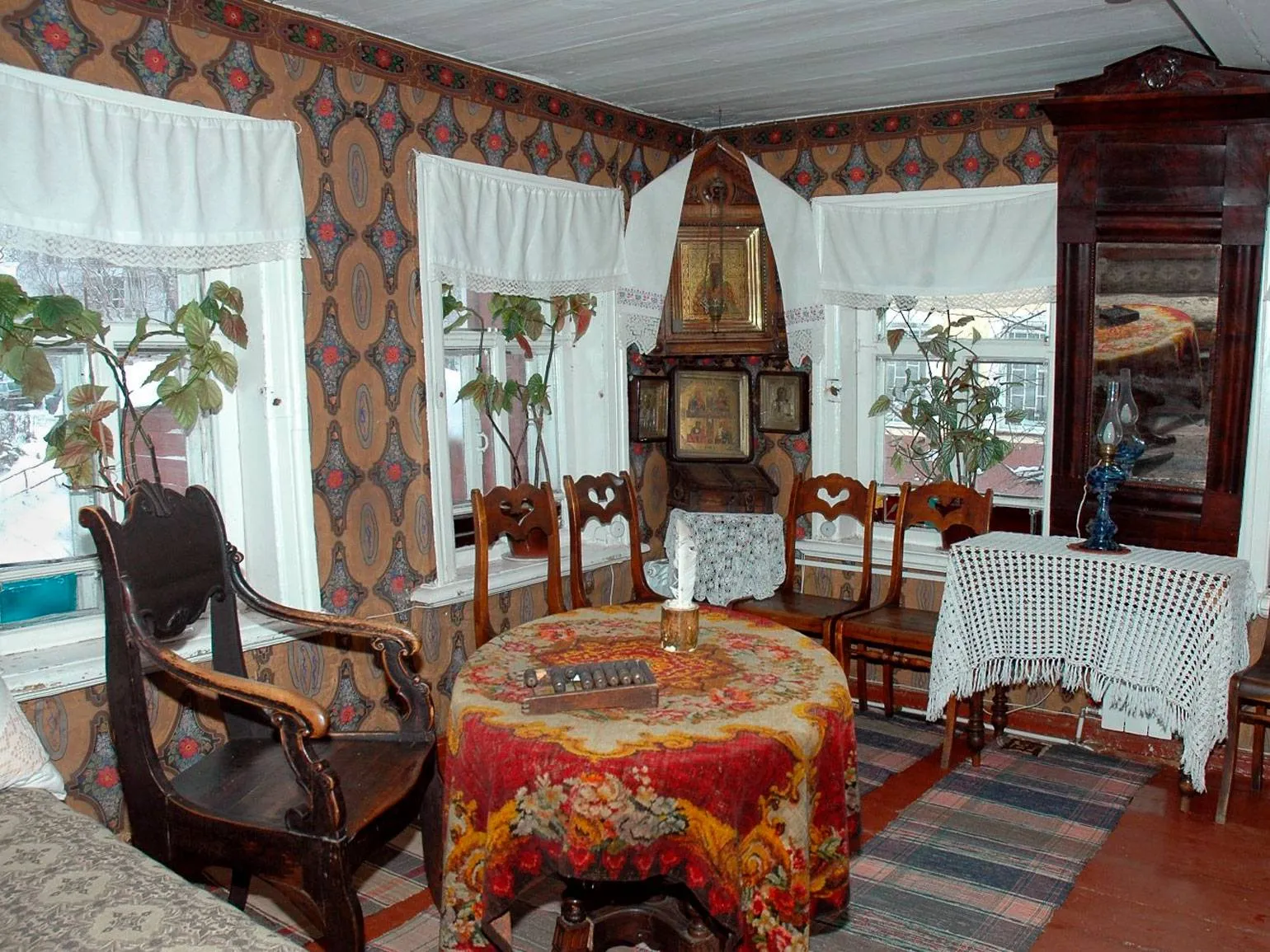
Women wove dimensional lace, scarves, kerchiefs, and various garments. This process required considerable effort and time, as a large three-meter Balakhna kerchief took about two years to make. In old age, lacemakers often needed glasses due to the high strain on their eyesight. Lace making not only demonstrated women's skills, but also became an important part of cultural heritage.
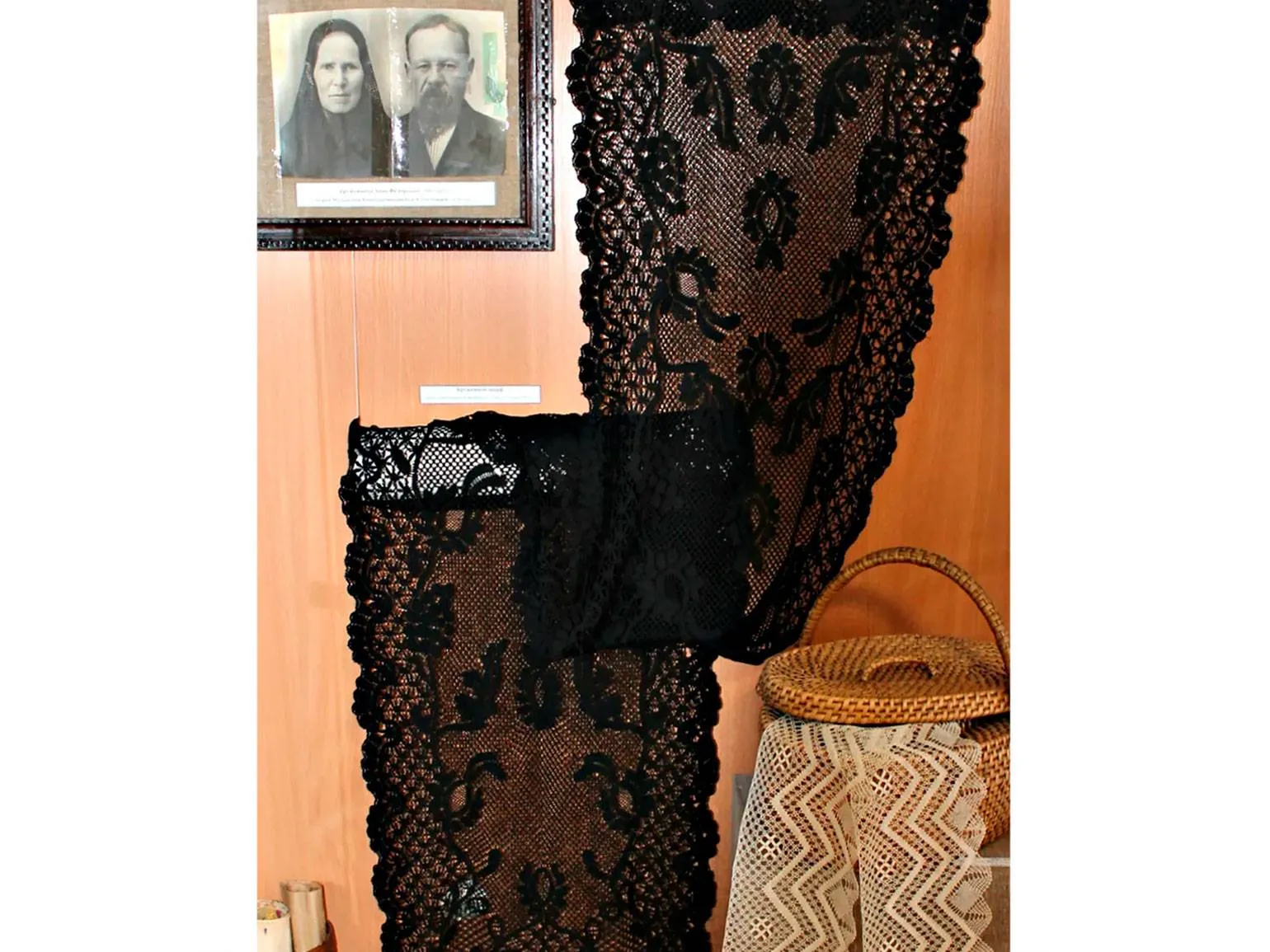
By the beginning of the 20th century, the production of Balakhna lace became economically It was impractical. Craftswomen were unable to travel to fairs to sell their wares, and buyers, who resold lace at a markup of two to three times, began to lower their prices. These prices did not reflect the labor-intensive nature of the work, leading to the gradual demise of this craft.
Balakhna lacemaking is a unique and ancient craft, preserved thanks to the efforts of dedicated enthusiasts. This traditional Russian craft attracts attention for its subtle aesthetics and the value of painstaking labor. Balakhna lacemaking represents not only an artistic expression but also an important element of Russia's cultural heritage. The preservation and popularization of this art contribute to its further development and perception in the modern market.
Chkalovsky guipure
If If weaving seems too complex, time-consuming, and expensive, let's consider imitation. Using imitation techniques allows you to achieve the desired result without requiring significant effort and resources. These approaches can save you time and money while providing an attractive appearance. Consider various materials and techniques that can help create the effect of natural weaving while remaining practical and affordable.
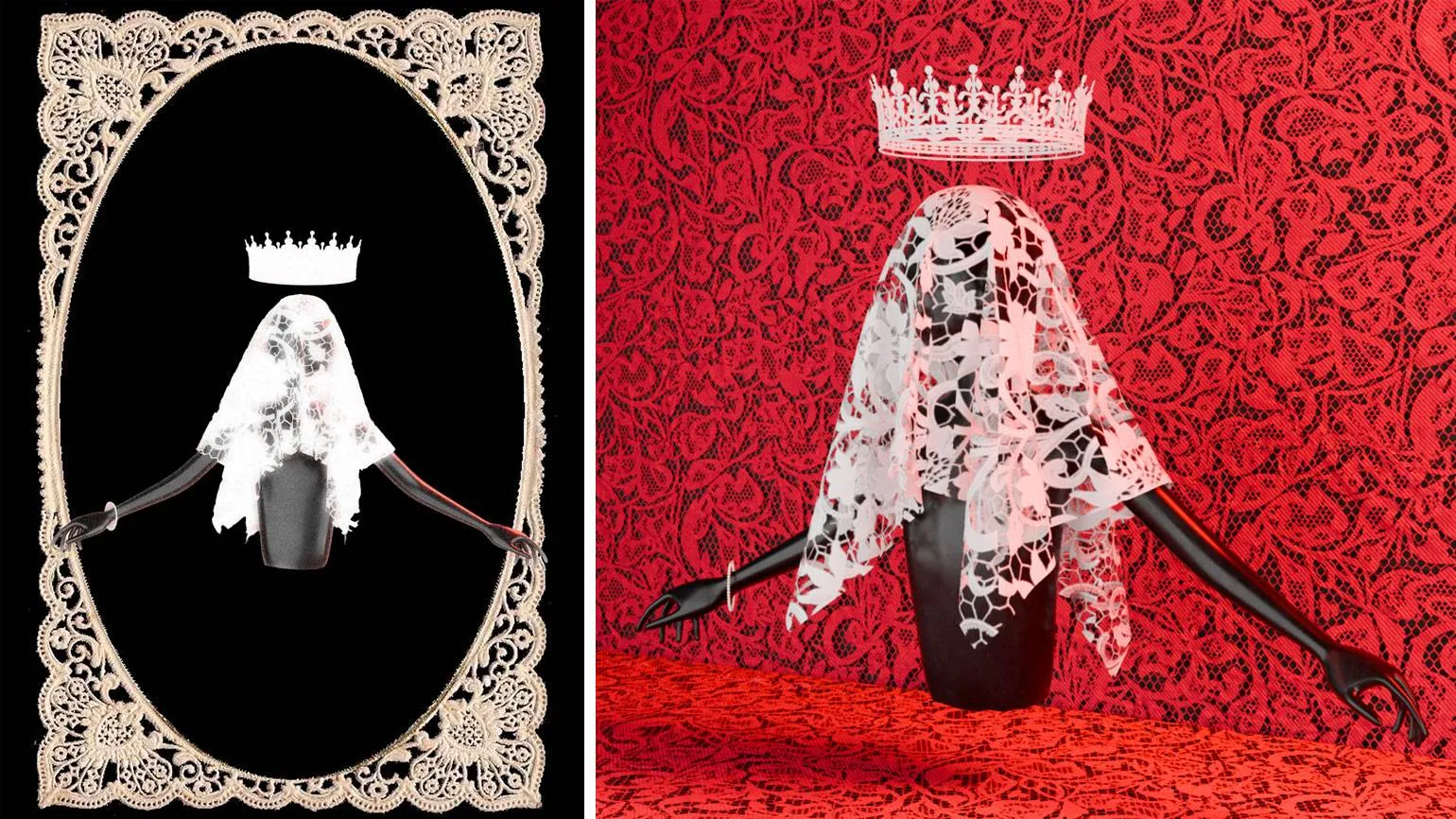
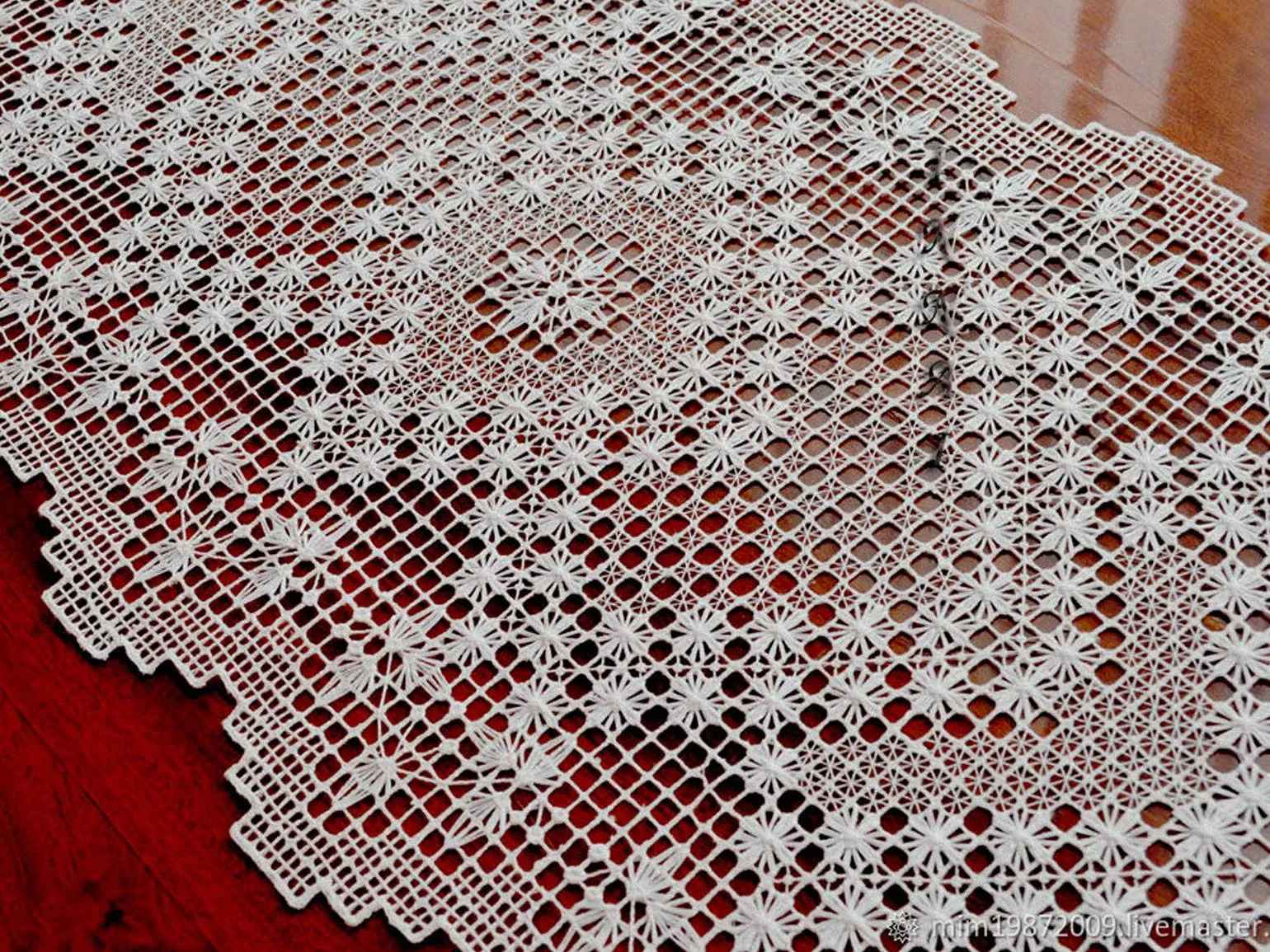
Pull-out embroidery has become a popular art form that involves removing threads from fabric, creating a mesh for embroidering lace-like patterns. This technique involves using threads of one color on a similarly shaded fabric, such as white on white or black on black. Designing and executing such patterns requires skill and attention to detail. Nizhny Novgorod guipure, known as Gorky in Soviet times, and now Chkalovsky and Katunkov guipure, are an example of this unique craft, which preserves the traditions of embroidery on sparse fabric.
For specialists in this field, this still represents a serious problem, but this type of activity has already begun to ensure higher profitability.
Read also:
Krestetsky stitching and Metlakh tiles: how architects brought the concept of an interior theater to life. This project uniquely combines elements of traditional architecture and modern design, creating the atmosphere of an artistic space. Krestetskaya stitching, known for its exquisite finish, lends a touch of sophistication to any space, while Metlakh tiles, with their durability and variety of patterns, add functionality and aesthetics. Architects masterfully used these materials to create a striking interior that is not only pleasing to the eye but also facilitates comfortable interaction between viewers and the artwork. This approach transforms an ordinary space into a living theater, where every event becomes memorable.
By the end of the 19th century, the craft flourished in 100 villages in the Nizhny Novgorod region. By 1905, 1,120 women worked in the Katunskaya volost, engaged in various stages of production: some were exclusively engaged in stitching, others in pulling and preparing the mesh. This marks the beginning of the division of labor and the formation of the first cooperative associations.
Mass production began in 1924. Sofia Nikolaevna Dubynina established the first cooperative in Katunki, followed by a similar cooperative in Vasilyeva Sloboda, which would later become the town of Chkalovsk. These cooperatives would serve as the foundation for the development of stitching and embroidery factories. At the initial stage of production, the main focus will be on linen and clothing, and later the range will be expanded to include tablecloths and curtains.
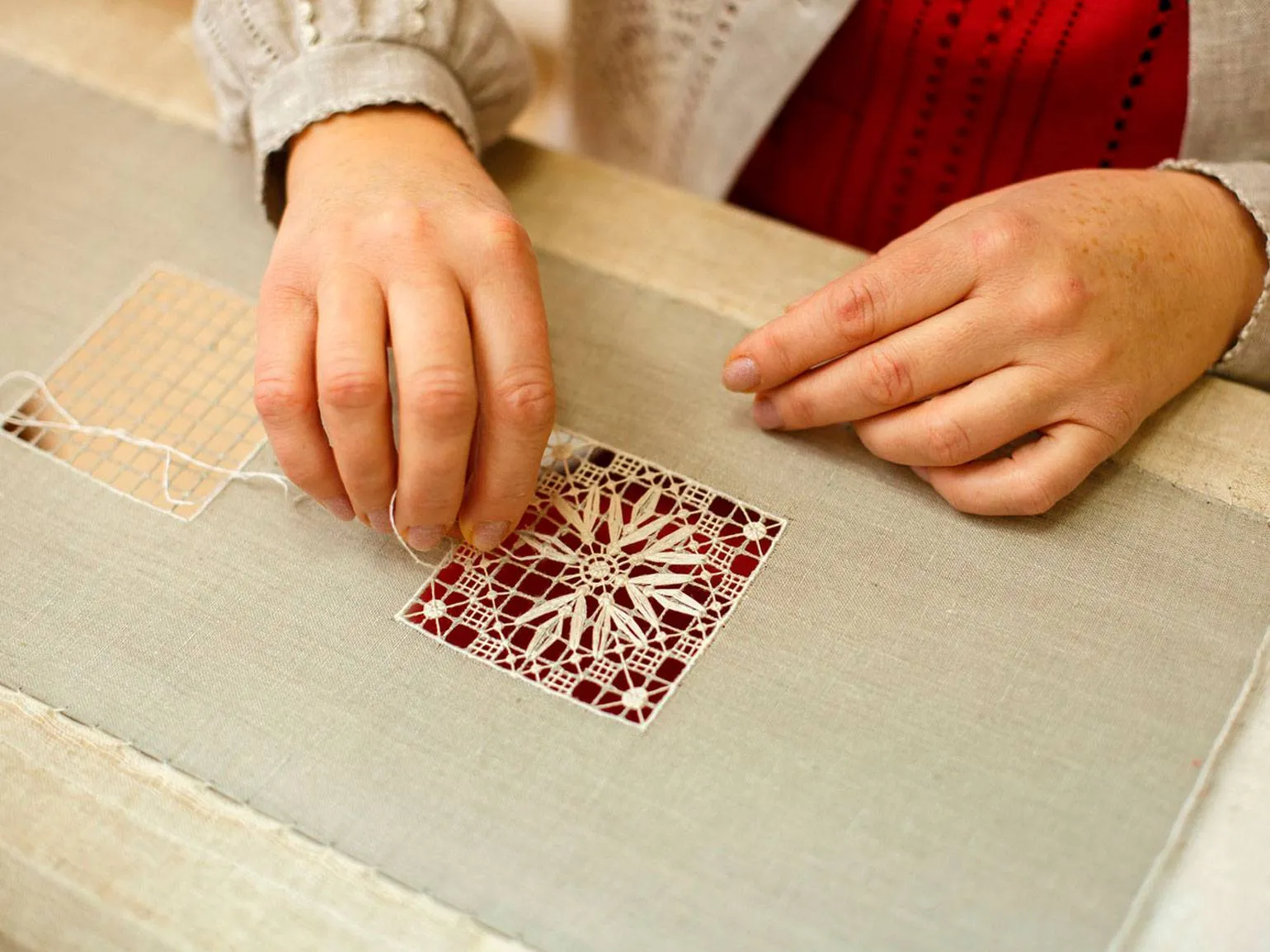
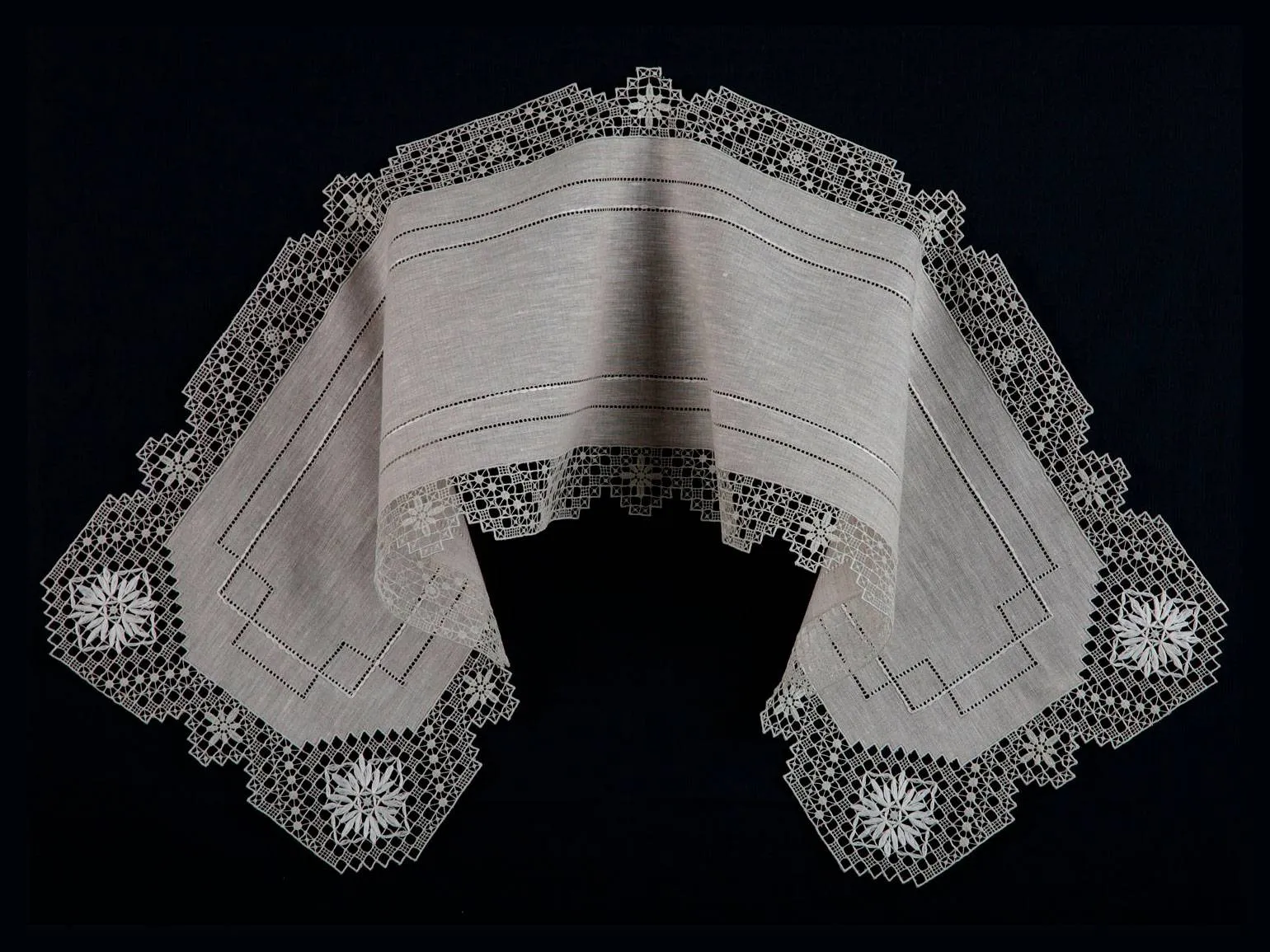
Chkalovsky guipure is still created in the classic tone-on-tone. However, in the production of "Katunka", thanks to a smaller volume and bold solutions, they allow themselves to experiment with color. So, on a green tablecloth, guipure can be made in red, black or gold colors. This approach has already been used in tablecloth orders for the Moscow Kremlin, where the combination of different shades emphasizes the elegance and uniqueness of the piece.
Chkalov guipure is a unique piece, created not by mass-produced machines, but by hand, which gives it special value. This technique fits easily into modern fashion trends, allowing the embroidery to look contemporary and stylish, rather than like a museum piece or theatrical element. Choosing Chkalov guipure is a choice in favor of originality and quality, which emphasizes individuality and refined taste.
Gorodets Painting
Gorodets painting is a unique craft of the Nizhny Novgorod region, representing naive peasant art. The main theme of this type of painting is celebration, making it a vivid reflection of Russian folk culture. Gorodets painting is known for its rich colors, simple forms, and festive scenes that recreate an atmosphere of joy and merriment. This artistic style not only preserves traditions but also attracts the attention of art connoisseurs and tourists interested in Russia's cultural heritage.
Festivities, troika rides, and tea parties create a festive atmosphere. If it's a horse, then it's not just a workhorse, but the magical Sivka-Burka. If it's a bird, then not an ordinary chicken, but a bright peahen. If it's a house, then it symbolizes prosperity and a full cup. During Soviet times, Palekh painting included scenes depicting the joy of labor—girls reaping rye or mowers working in the fields. However, Gorodets painting did not adopt these motifs, preserving its unique traditions and imagery. Gorodets painting has deep historical roots, dating back to the decoration of distaffs, which were distinguished by their uniqueness. This form of folk art became a symbol of traditional Russian culture, bringing vibrant colors and original patterns to everyday objects. Gorodets painting served not only aesthetic but also practical purposes, imbuing items with individuality and character. As it developed, the painting was enriched with new motifs and techniques, allowing it to take its rightful place in the world of decorative and applied arts. A distaff is a traditional spinning tool consisting of two main parts: a comb, to which the tow is attached, and a base, on which the spinning wheel rests. In most regions, spinning wheels were single-piece constructions, but it was the comb that was the focus of artistic decoration. Yaroslavl, Kostroma, and Severodvinsk spinning wheels are renowned for their carved and painted combs, making them unique works of folk art. These decorative elements not only enhance the aesthetic value of the wheels but also reflect the cultural traditions and skill of the artisans.
Nizhny Novgorod craftsmen began creating spinning wheels with a split design, emphasizing the decoration of the base rather than the comb. This innovation allowed the comb to be removed after use, and the beautiful base used as a decorative element, thus establishing a unique piece of Russian folk art. These spinning wheels served both a functional and decorative role, highlighting the skill and creativity of the craftsmen.
The first spinning wheels, which marked the beginning of the Gorodets craft, date back to the late 18th century. At that time, they weren't painted, but decorated with carvings and inlays of bog oak. These items were made in villages such as Akhlebaikha, Repino, Savino, Kurtsevo, and Koskovo, located along the Uzoly River, surrounded by oak groves. As a result of natural processes, oak trees would sometimes fall into the water, and over decades, their wood would acquire a bog appearance, a beautiful black color. These unique spinning wheels not only served as functional objects but also became a symbol of the artistic skill of local artisans, reflecting the region's cultural heritage.
The spinning wheels were sold in Gorodets, which is where the name for this technique came from. Similarly, Khokhloma got its name from the village of Khokhloma, where it was not produced, but only sold.
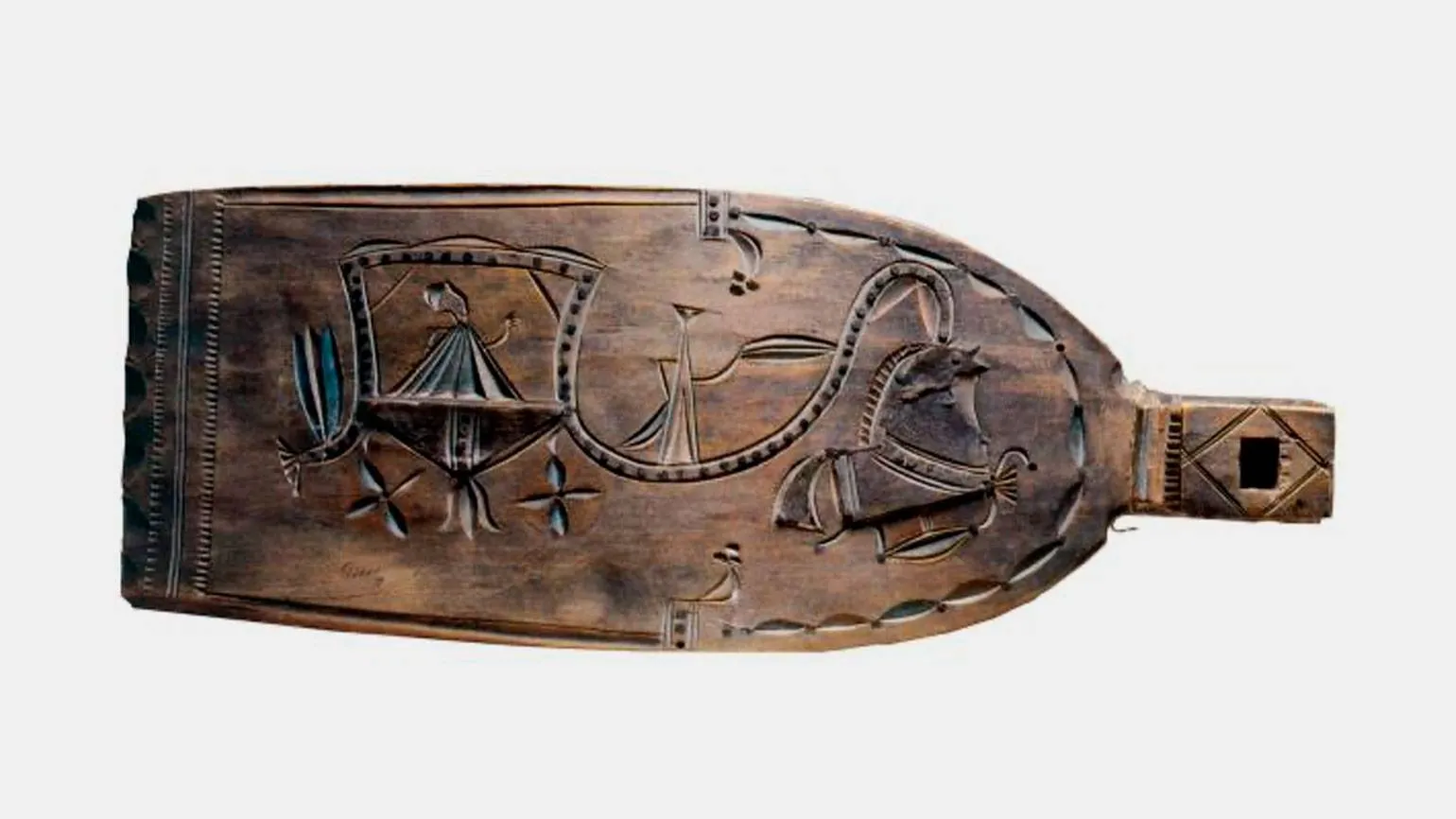
Inlay is an important element in Gorodets painting. Рисунки создаются с помощью контурной резьбы и дополнительно украшаются черными вставками из морёного дерева. Дуб, обладая высокой прочностью, затрудняет фигурную резку: он может раскалываться, что приводит к созданию условных изображений, таких как угловатый конёк или стилизованная птица. Для достижения большей выразительности фон росписи часто подкрашивают.
Во второй половине XIX века в этих сёлах произошла настоящая революция, связанная с приездом иконописца Огуречникова. Он стал наставником для местных мастеров, обучая их искусству живописи. Изначально в работах сочетались роспись и инкрустация, однако с 1860-х годов начала формироваться уникальная городецкая роспись, которая стала характерной для региона. Это искусство привлекло внимание и стало важной частью культурного наследия.
На начальном этапе мастера просто воспроизводили резные контуры, что отражалось и в росписи, сохраняя угловатость. Однако позже в промысел пришли мастера Мельниковы, которые начали использовать новый подход: их работы стали более декоративными и яркими, избавившись от прежней угловатости. Именно с этих мастеров начинается современное восприятие городецкой росписи.
Городецкая роспись, как форма крестьянского искусства, всегда оставалась динамичной и адаптивной. Мастера не замыкались в традициях, а активно реагировали на изменения в окружающем мире. Появление пароходов отразилось в их работах — на донцах можно увидеть не только русские, но и американские колёсные пароходы. В контексте исторических событий, таких как война с Турцией, художники изображали генерала Скобелева верхом на коне. В советское время, когда семья читает Конституцию с лозунгом «жить стало лучше, жить стало веселее», это также находило отражение в их творчестве. Мастера черпали вдохновение из жизни, что делало их работы любимыми, узнаваемыми и актуальными для своего времени.
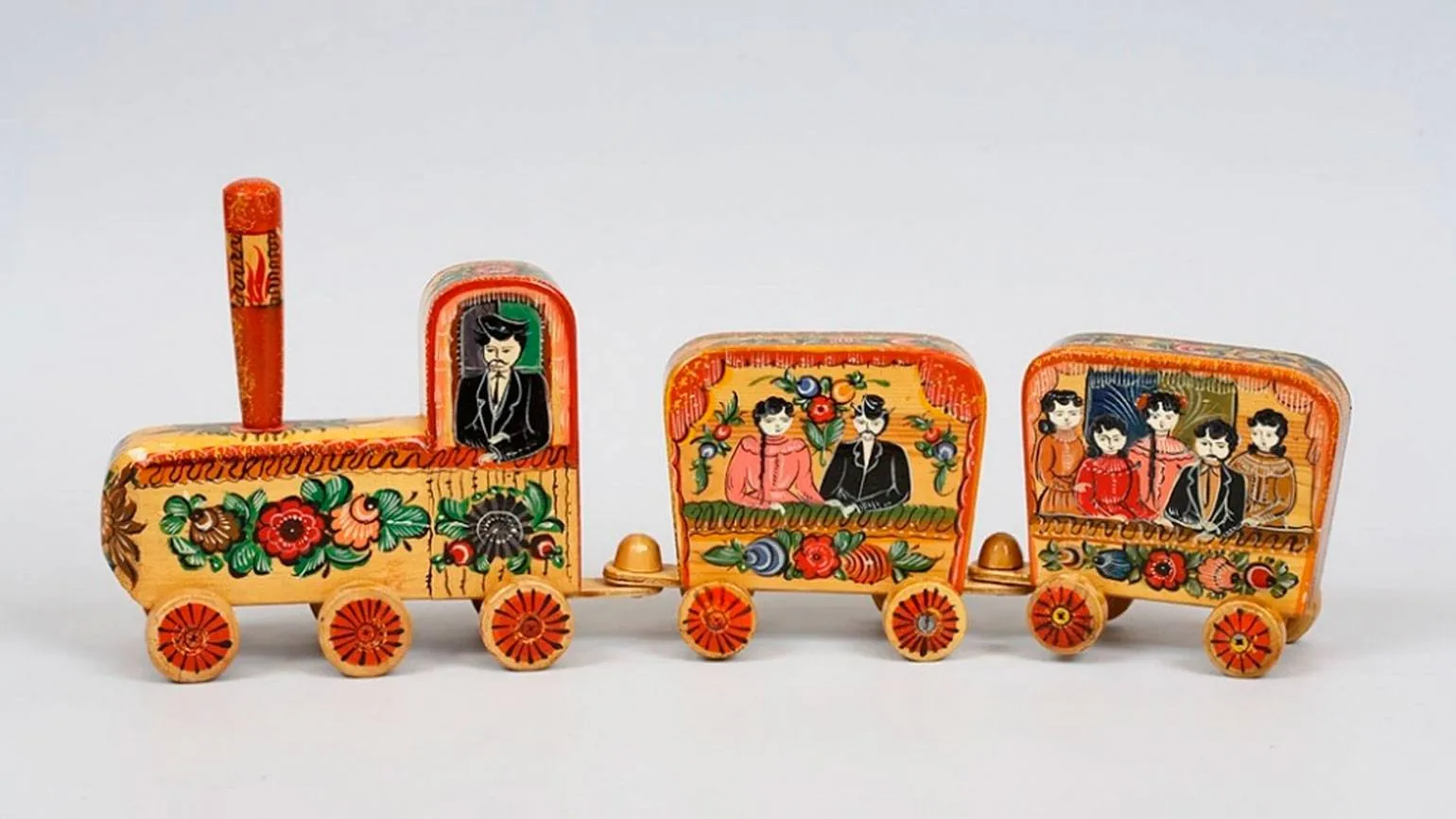
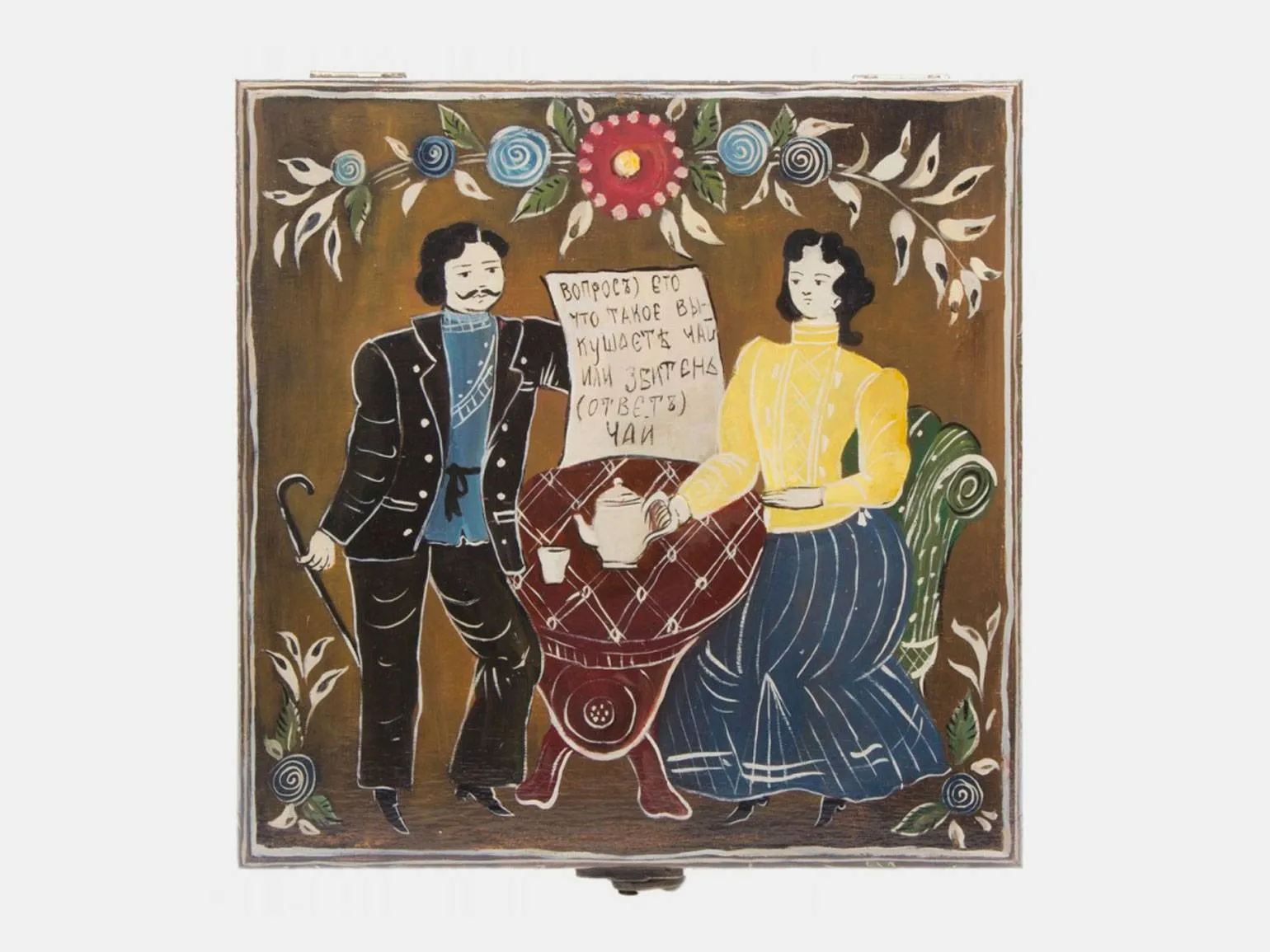
После революции росписью начали заниматься артели, а с 1960-х годов — фабрики. Несмотря на усилия сохранить традиции данного промысла, возникла проблема: фабрики работали по установленным образцам и ограниченному ассортименту. Это привело к тому, что роспись превратилась в художественную промышленность. Очарование ручной работы, основанное на свободе мастера в выборе сюжета, постепенно исчезало.
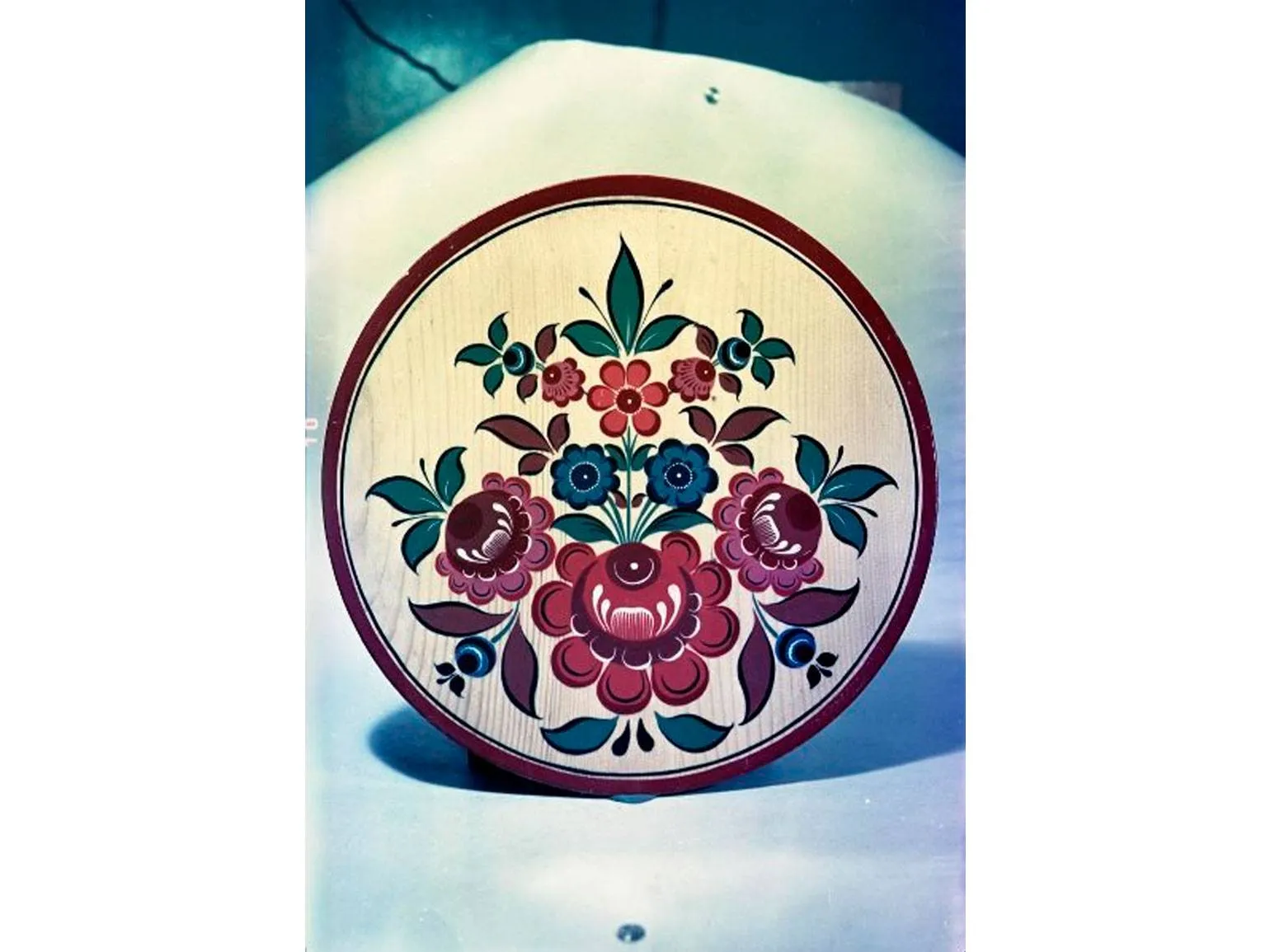
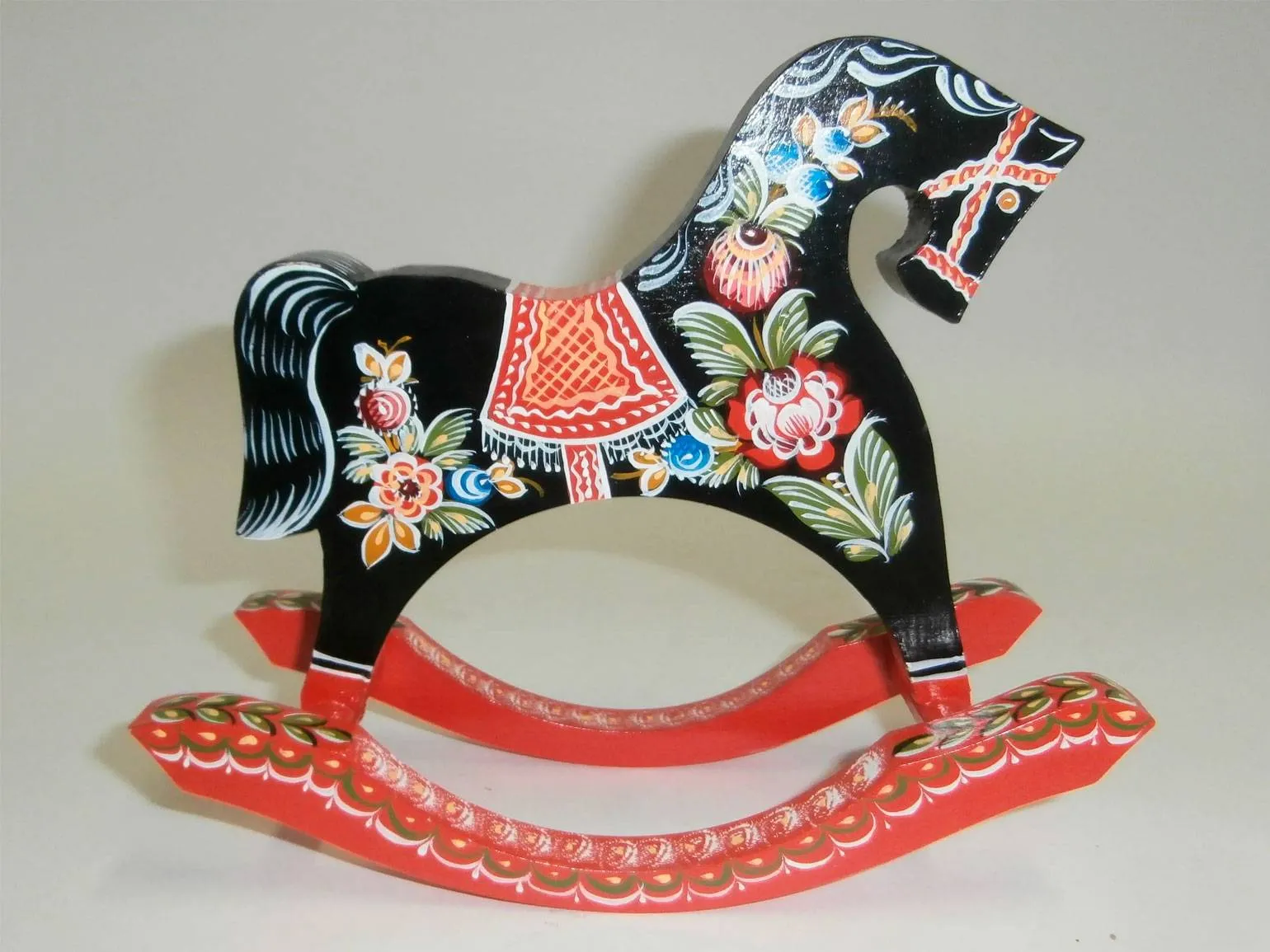
Russian naive art remains a poorly studied area. Gorodets painting, distinguished by its brightness, fantasy, and festive atmosphere, is one of the few examples of this unique cultural tradition. This art form not only reflects folk motifs but also preserves historical roots, making it a valuable object for study and appreciation.
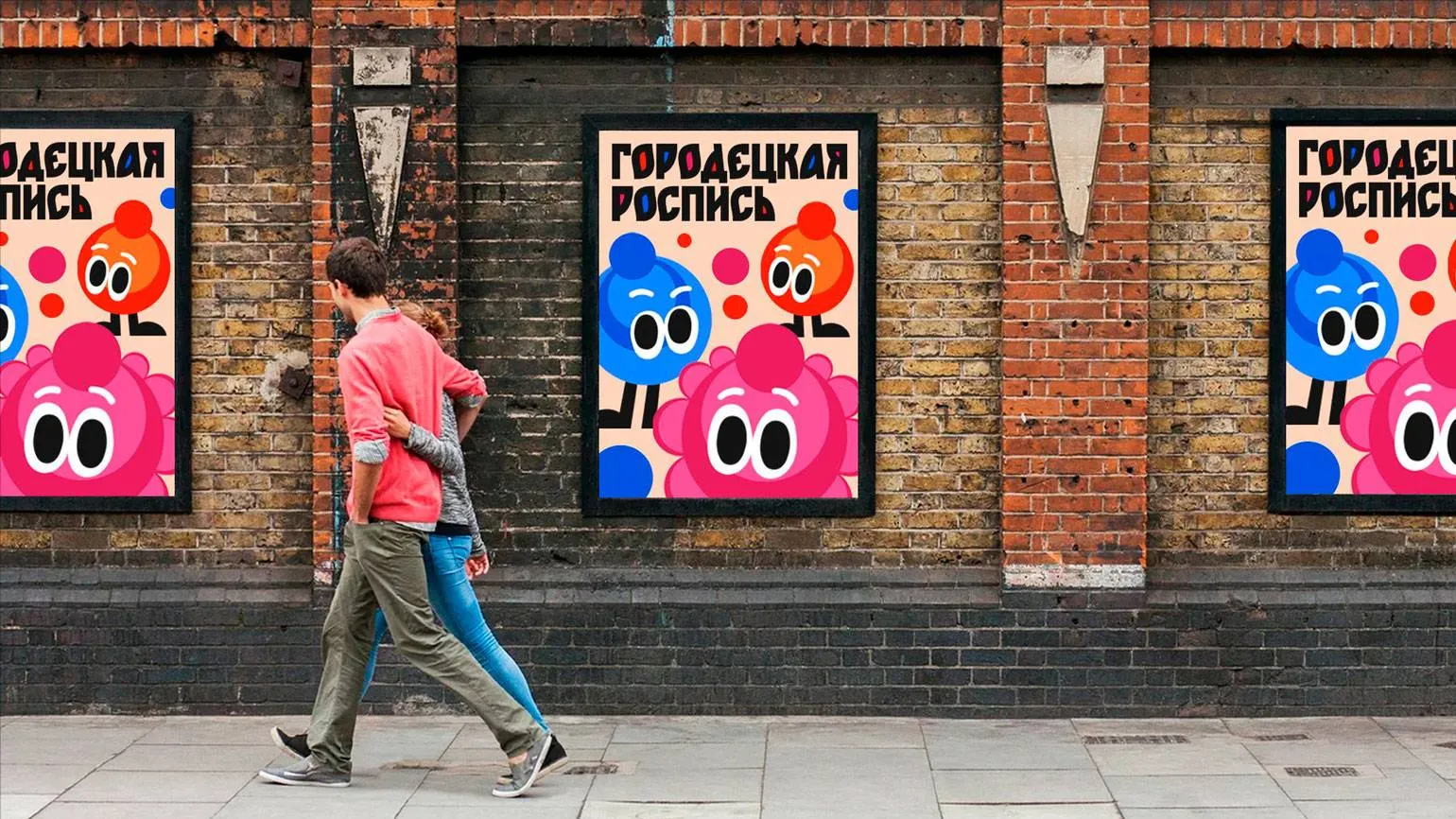
Gorodets painting is now finding its place in the current trends of "endorphin-inspired design." This style, inspiring with its brightness and emotionality, perfectly suits modern requirements for interior design and art objects. Gorodets painting brings warmth and joy to a space, making it attractive to those seeking unique and positive solutions. By incorporating elements of Gorodets painting into your design, you can create an atmosphere that promotes relaxation and improves your mood.
And yet Why crafts in modern times?
In today's globalized world, every culture actively accepts external influences. However, despite the desire for a unified global perception, collective identity remains an important distinguishing feature of each culture. This balance between borrowing and preserving uniqueness is a key aspect of cultural diversity and the diversity of identities.
Many traditional crafts have a relatively recent history, but they embody a deep understanding of beauty and aesthetics. Crafts serve as a safeguard against the negative impact of globalization. They preserve unique traditions and skills passed down from generation to generation, allowing us to appreciate and preserve the diversity of cultural heritage. Thus, crafts not only reflect artistic vision but also strengthen the identity of peoples, contributing to their cultural resilience.
Local crafts are going through difficult times, but they have the potential for revival and relevance. It is important to preserve their traditional foundations while weaving them into modern times. It's like a classic fairy tale: although modern adaptations update the plots, the original stories live on in memory and culture. Preserving and developing local crafts not only enriches cultural heritage but also facilitates their integration into modern life, attracting new generations of enthusiasts and connoisseurs.
Learn more about design by subscribing to our Telegram channel. Here you'll find current trends, tips, and inspiration for creating unique projects. Don't miss the opportunity to stay up-to-date with the latest news in the world of design. Join our community!
Reworked text:
Study additional materials:
Krestetskaya stitching and Metlakh tiles: how the architects created a unique theater interior. These elements became the basis for creating an expressive and functional space that harmoniously combines traditions and modern approaches to design. Architects used Krestetskaya stitching as a decorative accent, emphasizing the overall interior design concept, while Mettlach tiles added not only aesthetic value but also practicality, ensuring durability and ease of maintenance. By combining these materials, specialists created an atmosphere that immersed viewers in a world of art and culture.
By the end of the 19th century, there were 100 villages in the Nizhny Novgorod region where the craft was actively developing. By 1905, the number of women engaged in this activity in the Katunskaya volost reached 1,120. Some specialized in stitching, while others focused on pulling and preparing the mesh. This phenomenon signaled the beginning of the division of labor and became the first step toward the creation of artels.
Mass production began in 1924, when Sofia Nikolaevna Dubynina founded an artel in Katunki. Soon, a similar artel appeared in Vasilyeva Sloboda, which later became the city of Chkalovsk. These cooperatives formed the basis for the development of stitching and embroidery factories. Initially, production focused on linens and clothing, but over time, the product range expanded to include tablecloths and curtains. The development of the textile industry in this region has become an important stage in the economy and culture, contributing to the creation of jobs and the development of the local community.
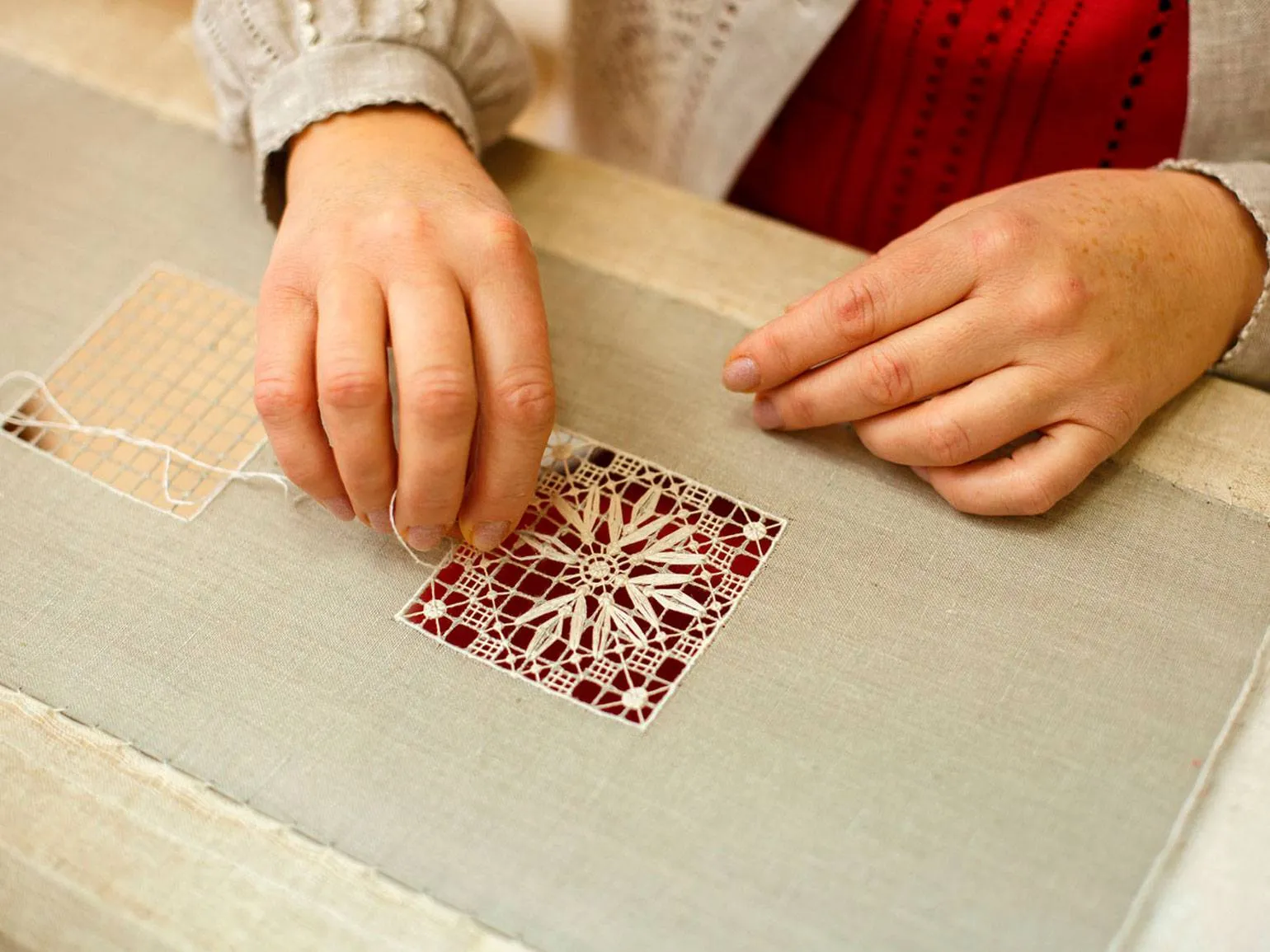
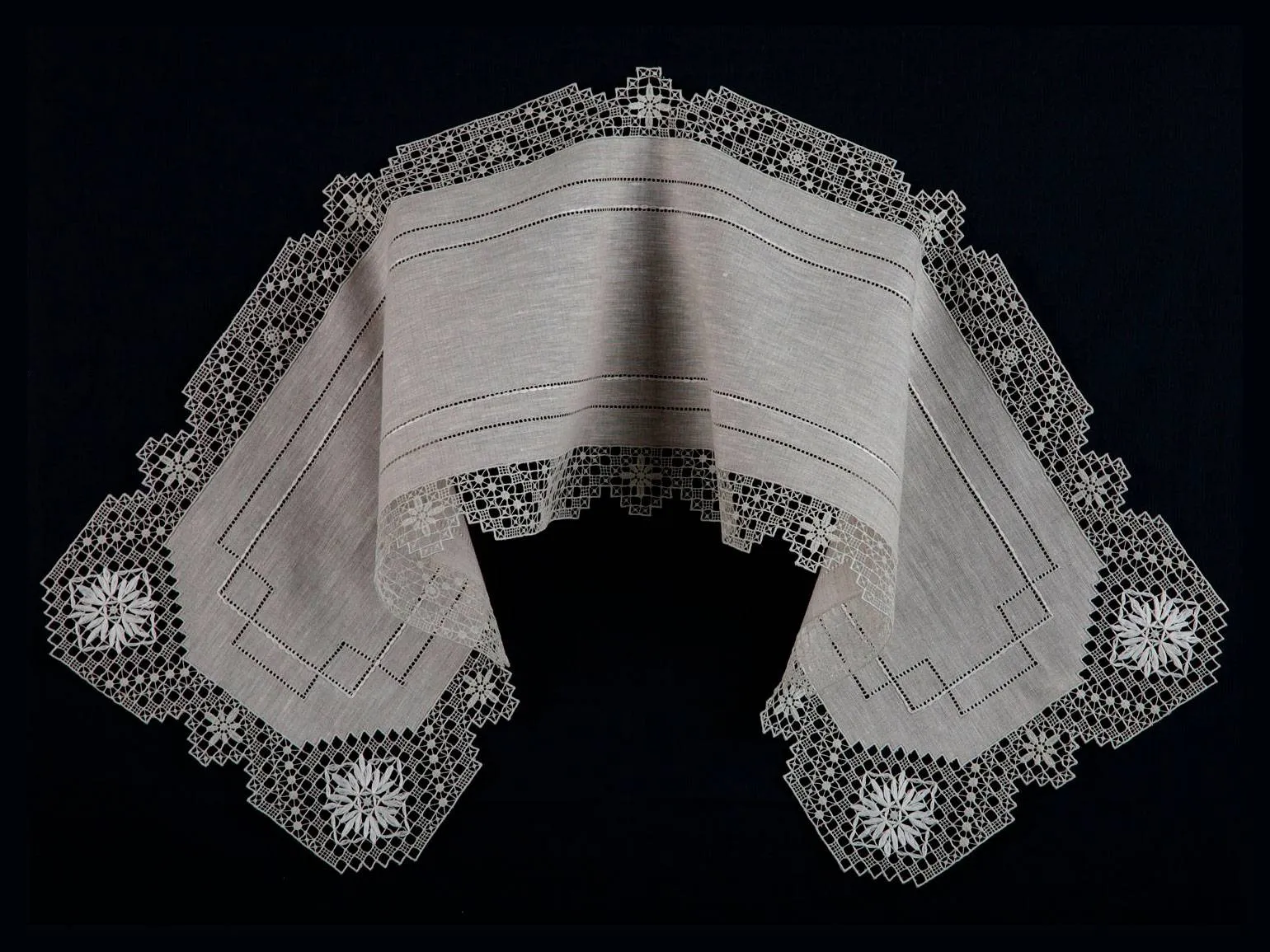
Chkalovsky guipure continues to be embroidered in tone, preserving traditions. However, in the production of Katunka, where the volumes are smaller, bolder experiments are allowed. On a green tablecloth, guipure can be red, black or gold. This approach was used, for example, when creating tablecloths for the Moscow Kremlin. Experimenting with colors and designs allows us to create unique pieces that attract attention and emphasize the individuality of any interior.
Chkalov guipure is a unique art form based on hand embroidery, making it particularly valuable in the world of textiles. This technique is distinguished by its high quality and individuality, allowing it to fit harmoniously into contemporary fashion. Chkalov guipure does not look dated or theatrical; on the contrary, it adds zest and style to modern outfits. This approach to manual labor emphasizes the uniqueness of each product and its author's character.
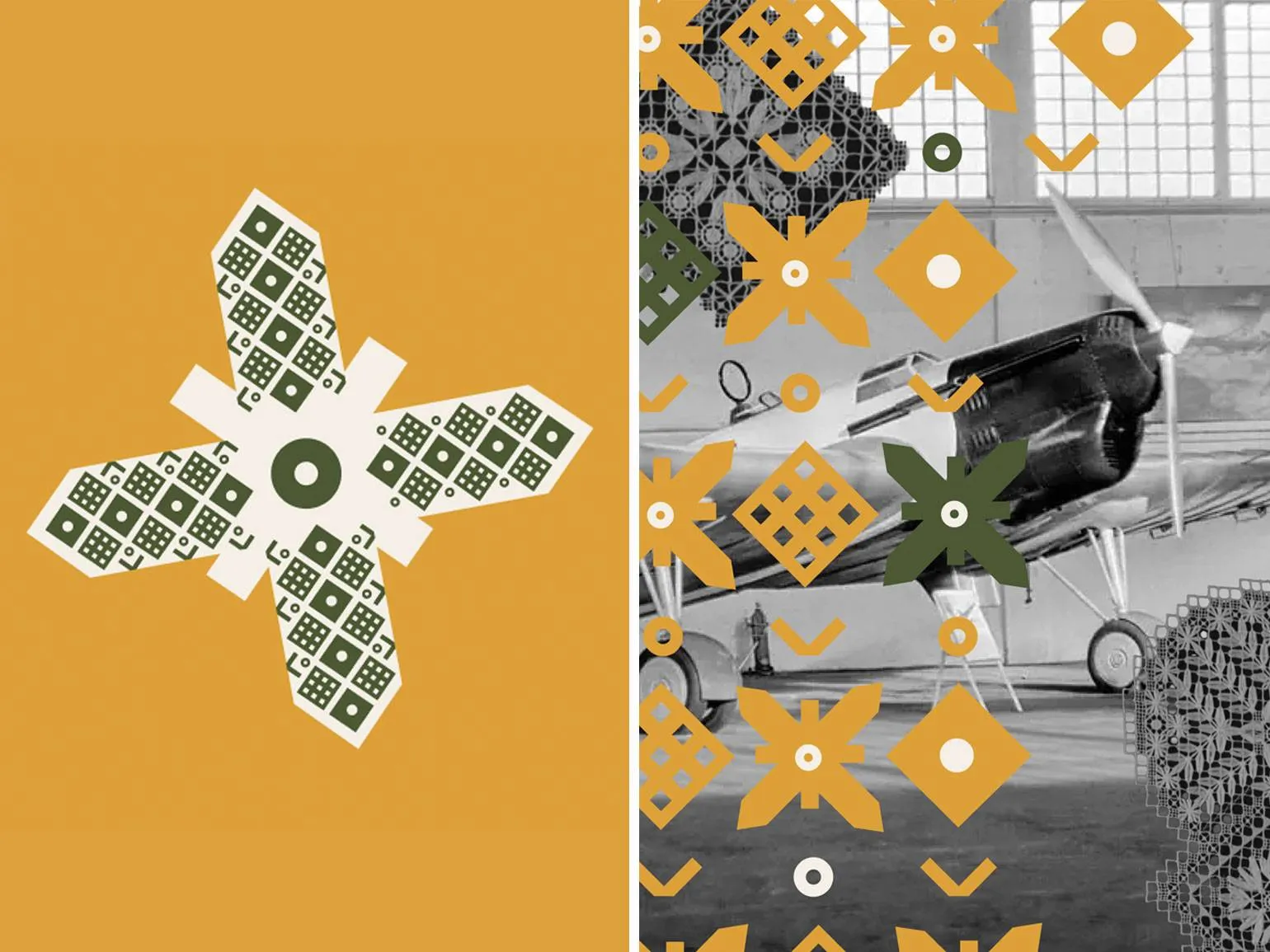
Gorodetskaya Gorodets painting is a unique craft characteristic of the Nizhny Novgorod region. It is a folk art that focuses on holidays and folk traditions. Gorodets painting is distinguished by its bright colors and simple yet expressive forms, making it recognizable and attractive. This art reflects the joyful moments of peasant life, preserving the region's rich cultural heritage. It is a time of fun, troika rides, and tea parties. If a horse is mentioned, it is not just a workhorse, but the magical Sivka-Burka. If a bird is mentioned, it is not an ordinary chicken, but a magnificent peahen. As for the home, it is filled with happiness and abundance. During the Soviet period, motifs reflecting the joy of labor began to appear in Palekh painting—girls reaping rye, and mowers going to the fields. However, Gorodets painting did not adopt these themes. Gorodets painting continues to preserve its unique traditions, focusing on depicting the celebration of life and the beauty of the surrounding world. Gorodets painting has its roots in the art of decorating spinning wheels, which possessed a unique aesthetic. This traditional artistic movement originated in Russia and became a symbol of folk art. Gorodets painting is distinguished by vibrant colors and original patterns that not only lend expressiveness to the pieces but also reflect the cultural characteristics of the region. The history of this craft is closely linked to folk traditions and everyday life, making it an important part of Russia's cultural heritage. A spinning wheel consists of two main elements: a comb, to which the tow is attached, and a base, on which the spinner rests. Unlike other regions, where spinning wheels were solid structures, in Russia, special attention was paid to the decoration of the comb. Yaroslavl, Kostroma, and Severodvinsk spinning wheels are known for their carved and painted combs, which lend them a unique artistic style and make them valuable pieces of folk art.
Nizhny Novgorod craftsmen began making spinning wheels with a detachable design, focusing attention not on the comb, but on the base. This allowed the comb to be stored away after use, while the beautiful base could be hung on the wall. Thus, Russian folk art introduced an item that served two functions: it served both as a work tool and as an interior decoration. This unique find combines practicality and aesthetics, making it an important part of the region's cultural heritage.
The first spinning wheels, which marked the beginning of the town of Gorodets, date back to the late 18th century. At that time, they were not painted, but decorated with carvings and bog oak inlays. These items were made in the villages of Akhlebaikha, Repino, Savino, Kurtsevo, and Koskovo, located along the Uzoly River, where oak groves grow. Periodically, oak trees fell into the water, and over time, their wood became bog-like, acquiring a deep black color. This wood treatment gave the spinning wheels a unique and attractive appearance, contributing to their popularity and the preservation of craft traditions in the region. The spinning wheels were sold in Gorodets, which is where the name for this technique came from. Similarly, Khokhloma derives its name from the village of Khokhloma, which was not involved in manufacturing, but only in trade. Names associated with geographical regions emphasize the importance of local traditions and crafts, as well as their influence on culture and art.
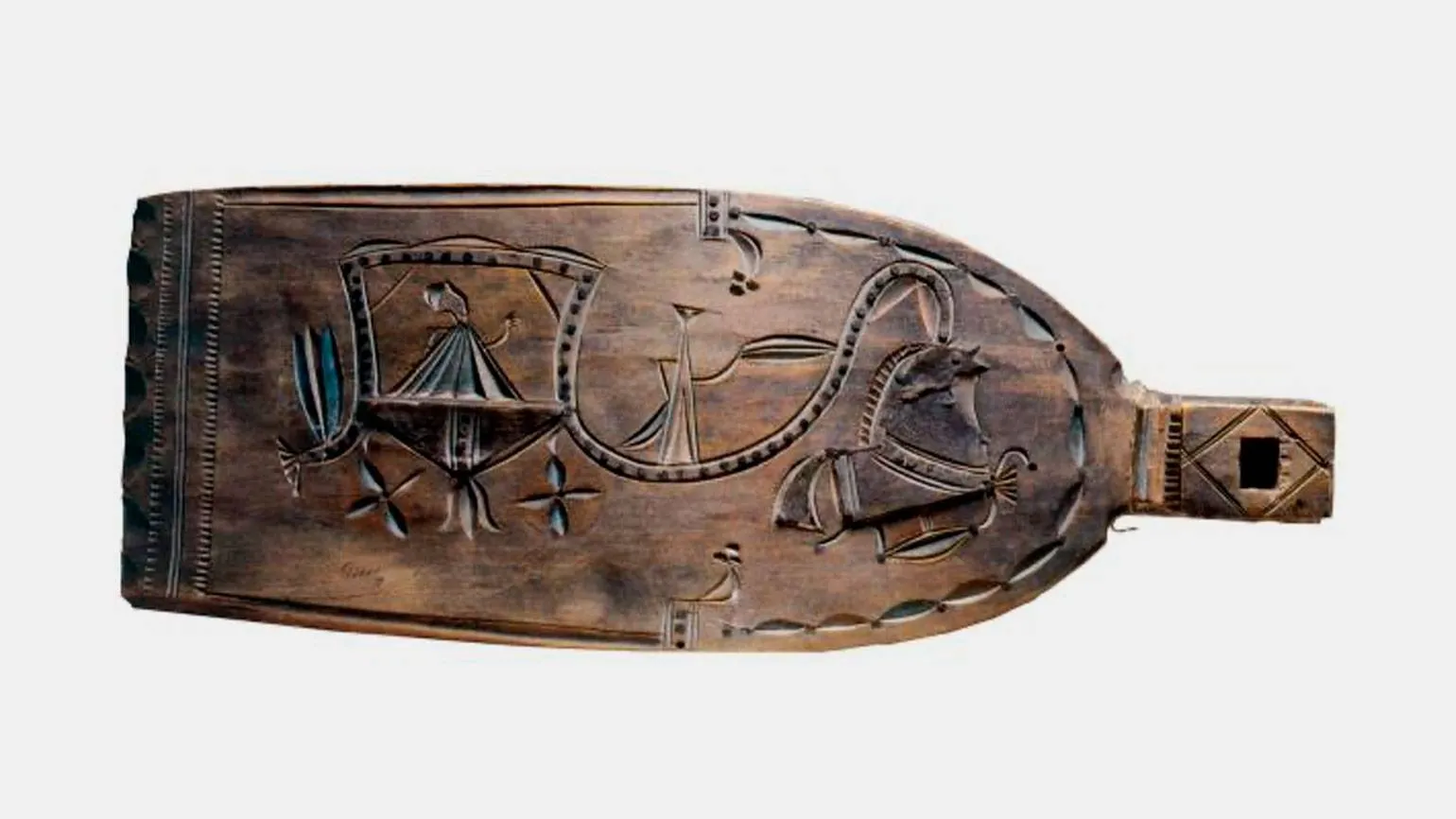
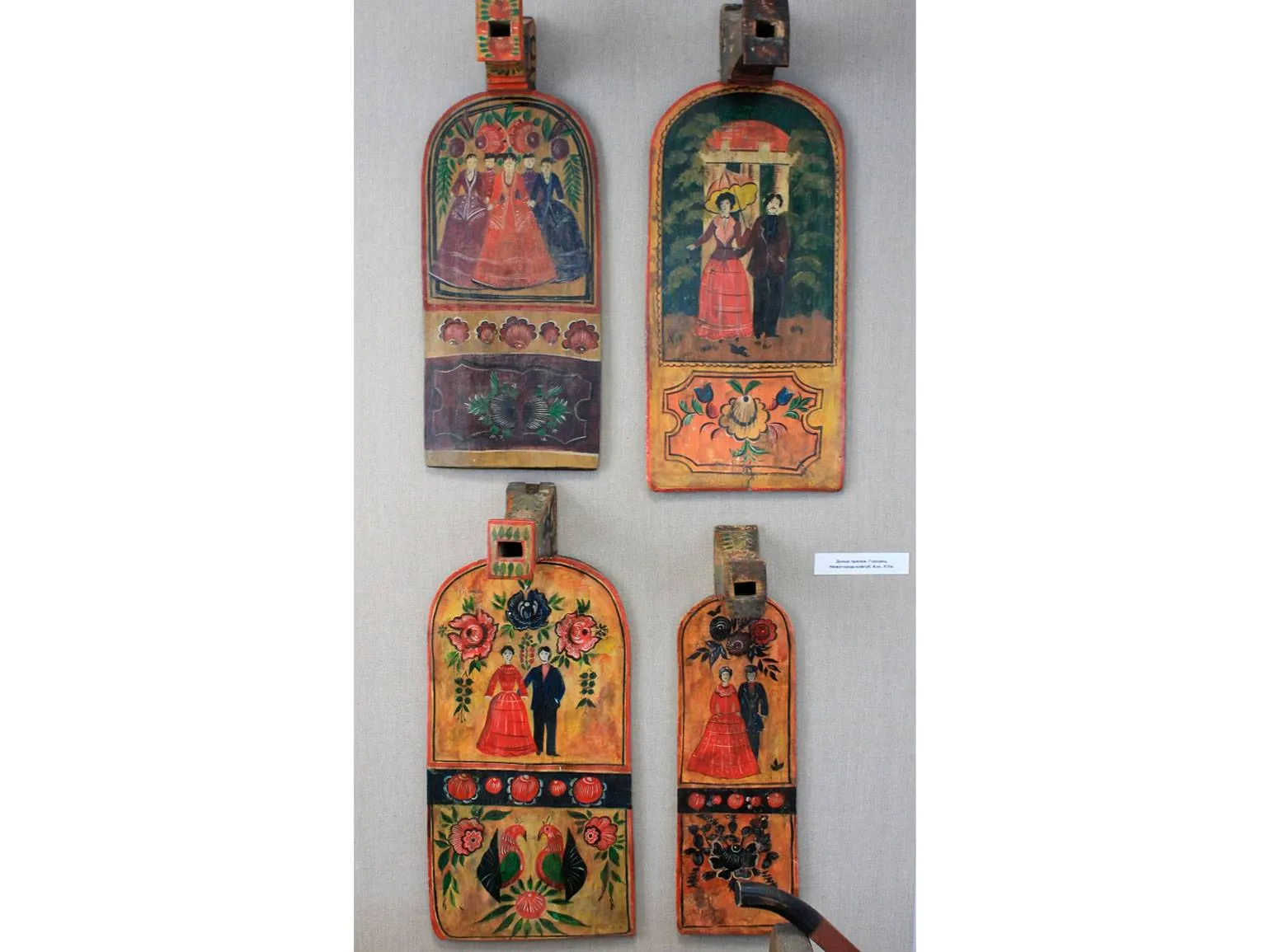
Inlay plays a key role in Gorodets painting. The designs are created using contour carving and decorated with black inlays of stained wood. The high strength of oak makes figurative carving challenging, resulting in conventional images such as an angular horse or a stylized bird. To enhance expression, the background is often painted, lending additional impact and depth to the works. Gorodets painting remains a unique example of folk art, preserving tradition while incorporating elements of modernity.
In the second half of the 19th century, these villages underwent a significant cultural transformation with the arrival of the icon painter Ogurechnikov. He became a mentor to local artisans, teaching them the art of painting. Initially, these works combined painting and inlay, but from the 1860s onward, a unique style—Gorodets painting—emerged, becoming an important part of the local artistic heritage. This style continues to attract attention thanks to its vibrant colors and distinctive motifs, making it a significant element of Russian culture.
At first, artists primarily recreated carved contours, which gave the painting an angular appearance. However, over time, the Melnikov masters entered the craft and began creating new styles: their works were distinguished by bright colors and decorativeness, freeing themselves from the previous angularity. It is with these masters that the history of Gorodets painting in its modern form begins.
Gorodets painting, as a form of peasant art, has always been dynamic and changeable. The artists creating their works constantly drew inspiration from the surrounding reality. With the advent of steamships, they began to depict them on the Donets, including even American paddlewheel models. At historical moments, such as the war with Turkey, General Skobelev on horseback appeared on the Donets. During the Soviet era, artists reflected the realities of life, depicting families reading the Constitution with the phrase "life has become better, life has become more joyful." This approach to creativity allowed these artists to remain relevant and beloved, as they always reflected modernity in their works. Gorodets painting is a living tradition that continues to amaze and inspire.
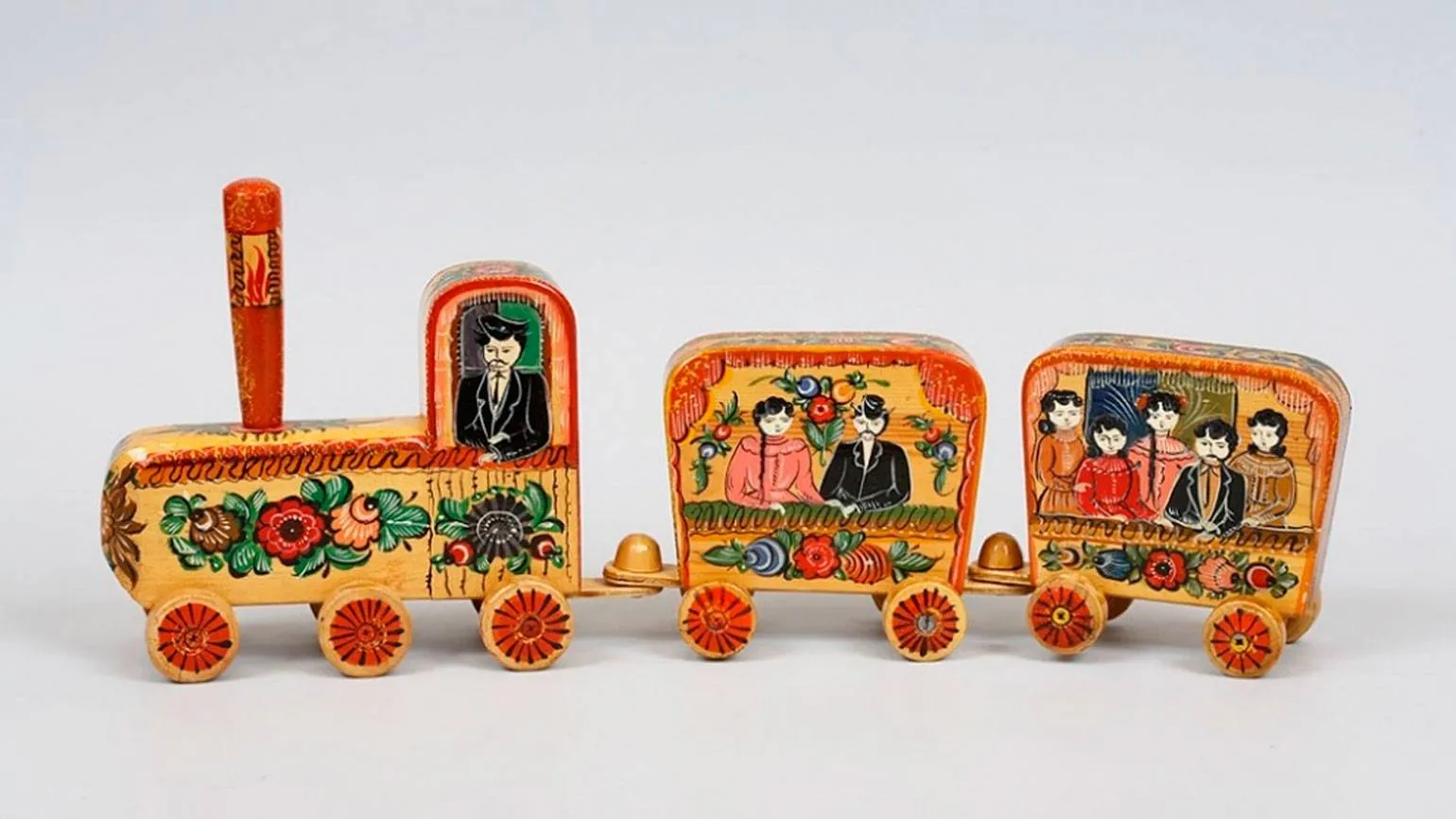
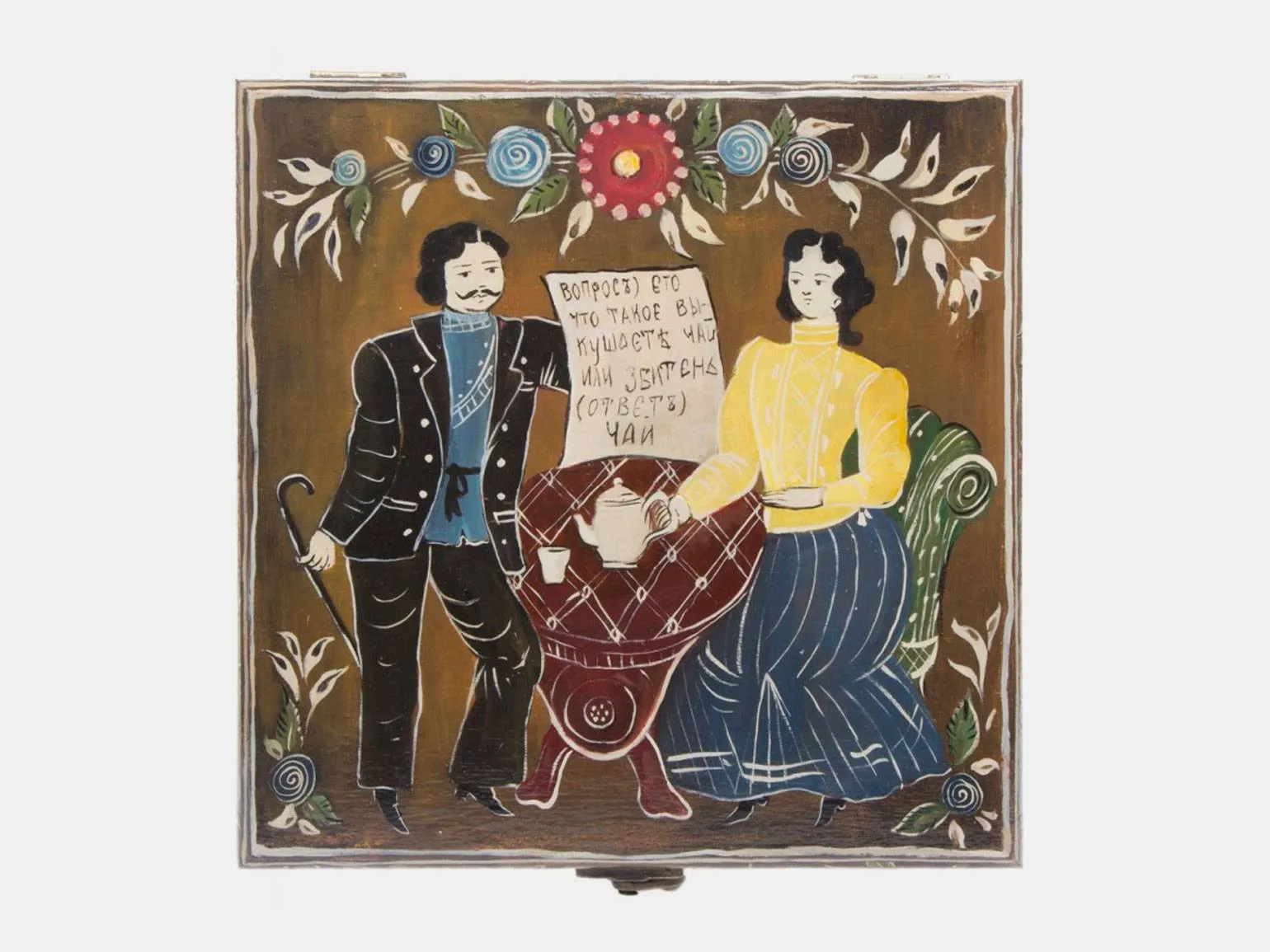
After the revolution, painting was carried out by artels, and since the 1960s - by factories. Despite efforts to preserve traditions, a problem arose: factories worked according to approved samples with a fixed assortment. This transformed the craft into an art industry, which negatively impacted the uniqueness of handcrafted work. The charm, based on the artist's freedom to choose a subject, began to fade. Thus, the importance of maintaining an individual approach to painting is becoming a pressing task for modern artists and craftsmen.
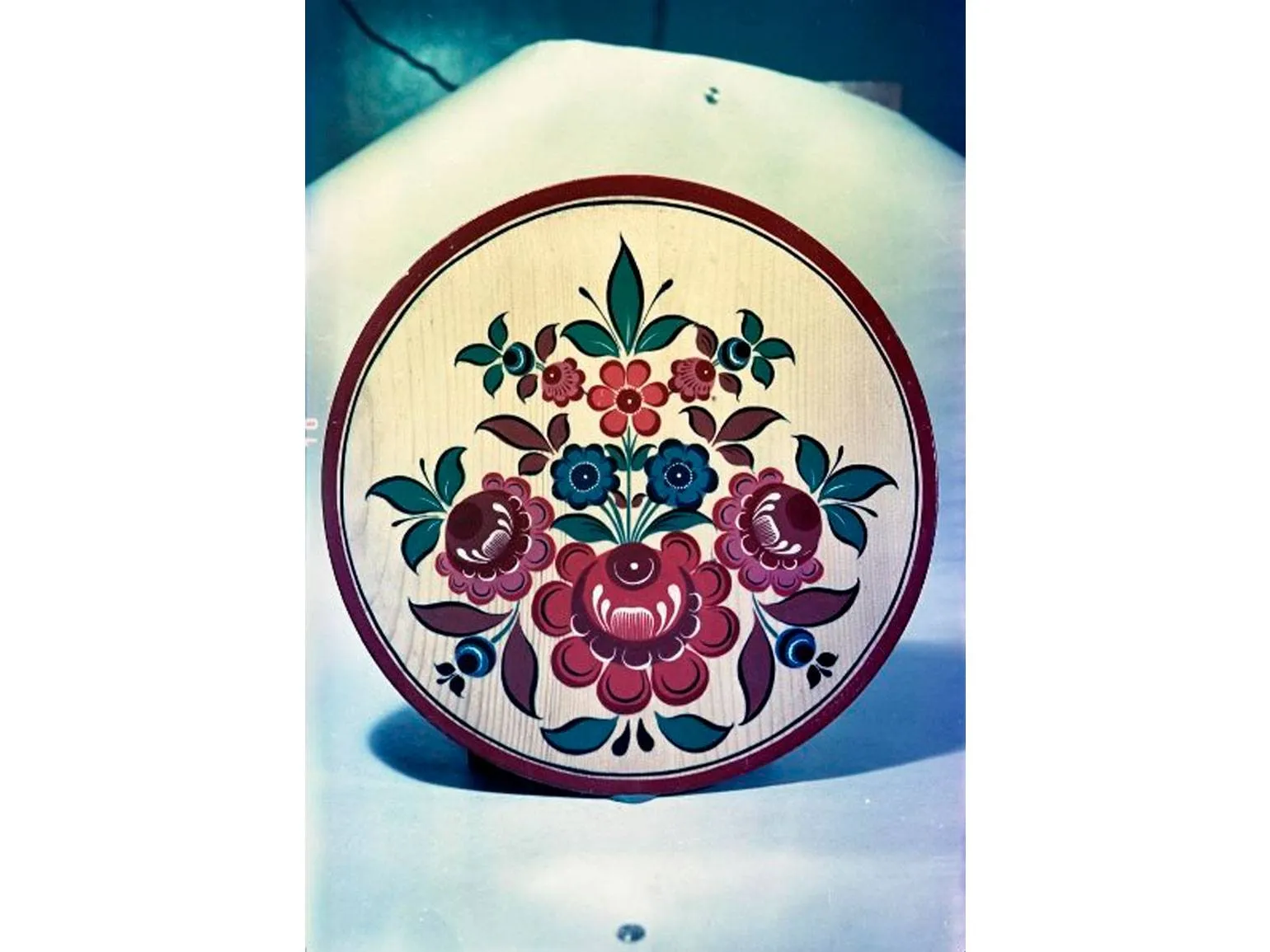
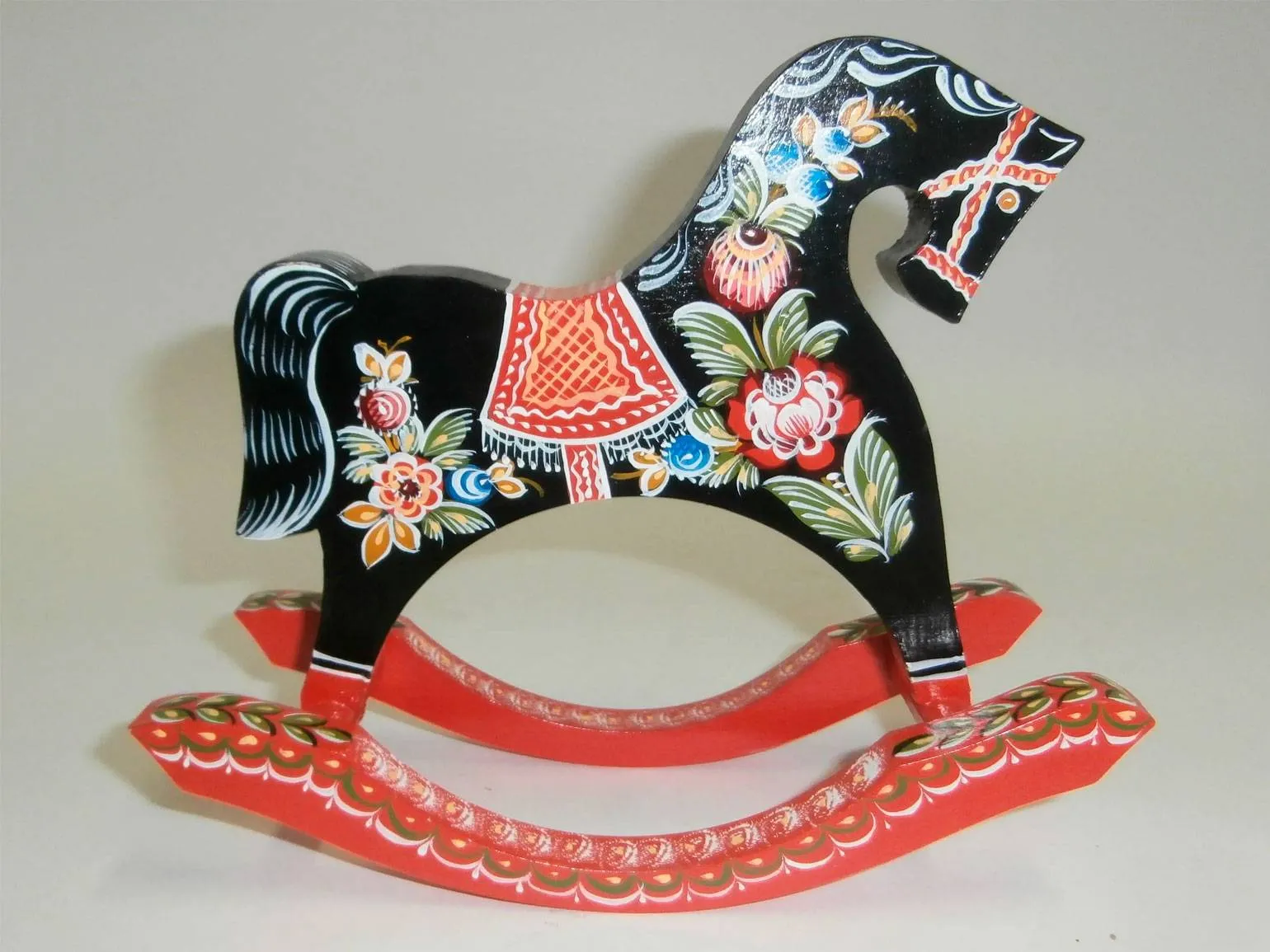
Russian naive art is represented by a limited number of trends, and Gorodets painting stands out among them for its brightness, fantasy and festivity. This unique style is one of the few corners of Russian culture where one can appreciate the expressiveness and originality of Russian folk art.
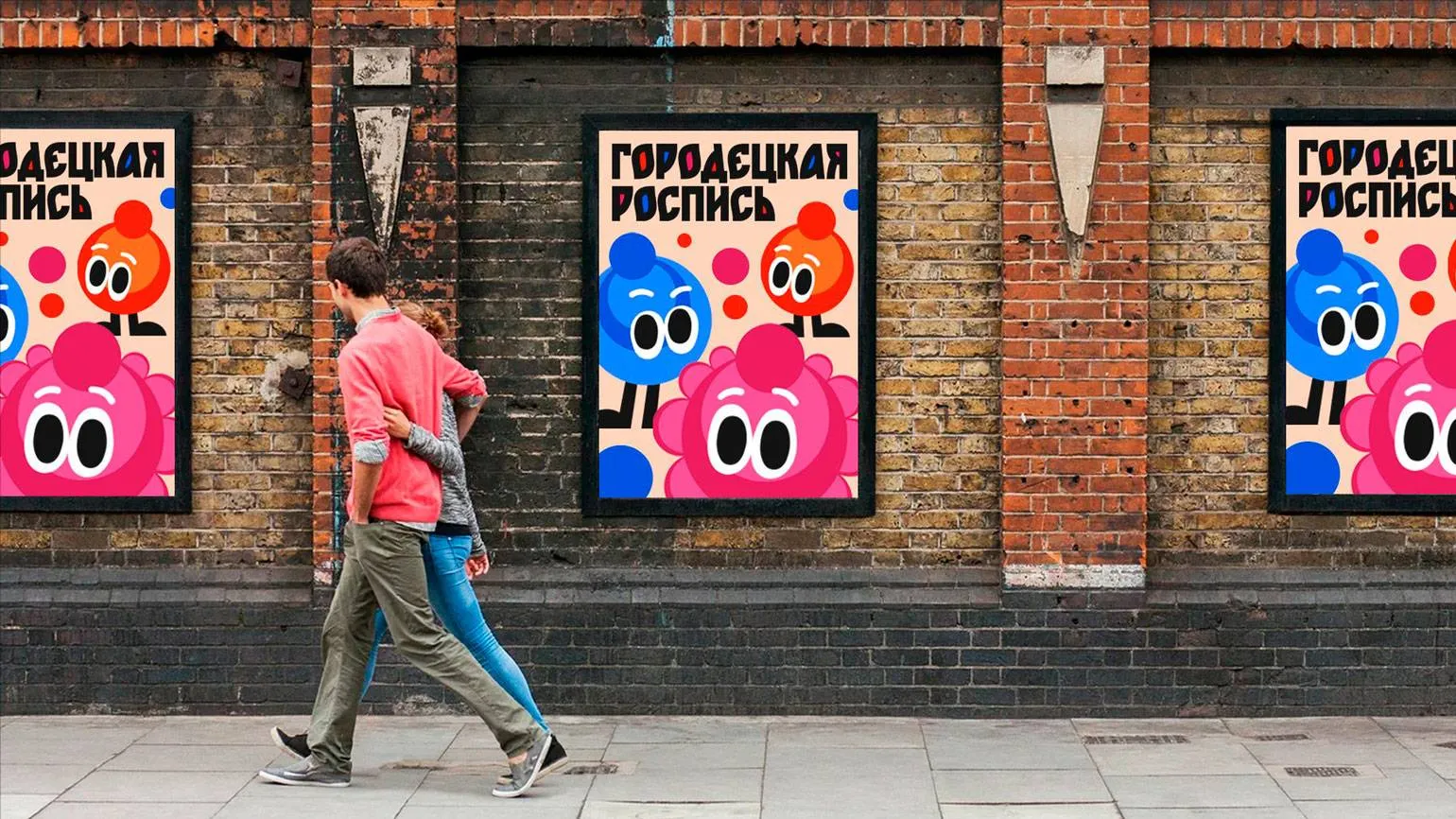
Gorodets painting is relevant today and corresponds to modern trends in "endorphin design." This style attracts attention with its vibrant colors and unique patterns, creating a positive atmosphere. Gorodets painting not only decorates the interior, but also helps to improve the mood, which makes it an ideal choice for decorating residential and public spaces.
And всё-таки зачем в современности промыслы?
В условиях глобализации каждая культура стремится интегрировать внешние влияния. Однако, несмотря на это стремление к единообразию, коллективная идентичность остается ключевым отличием, подчеркивающим уникальность каждой культуры. Сохранение и развитие этих идентичностей играет важную роль в формировании культурного многообразия на планете.
Многие промыслы имеют относительно короткую историю, но они сохраняют глубокое понимание красоты и эстетики. В этом контексте промысел становится важным элементом, который помогает противостоять негативным последствиям глобализации и защищает уникальные культурные особенности. Сохранение традиционных ремесел и промыслов играет ключевую роль в формировании идентичности и культурного наследия, что делает их актуальными в современном мире.
Локальные промыслы сегодня переживают трудные времена, но их можно revitalizировать и сохранить для будущих поколений. Важно, чтобы они продолжали существовать не только в современном контексте, но и на основе традиционных, музейных практик. Это напоминает сказку: хотя в современном кино истории пересказываются по-новому, классические сказки сохраняют свою актуальность и魅力. Поддержка и развитие локальных промыслов помогут сохранить культурное наследие и обогатить современное общество.
Профессия Графический дизайнер PRO
Вы научитесь создавать элементы фирменного стиля и графику для бизнеса. Соберёте портфолио, которое отразит ваш стиль и подтвердит навыки дизайнера. Сможете начать карьеру в студии или на фрилансе.
Узнать подробнее