Contents:
Interior designer: 7 steps to a successful career
Find out moreThe history of the Braun brand: from the first devices to famous design
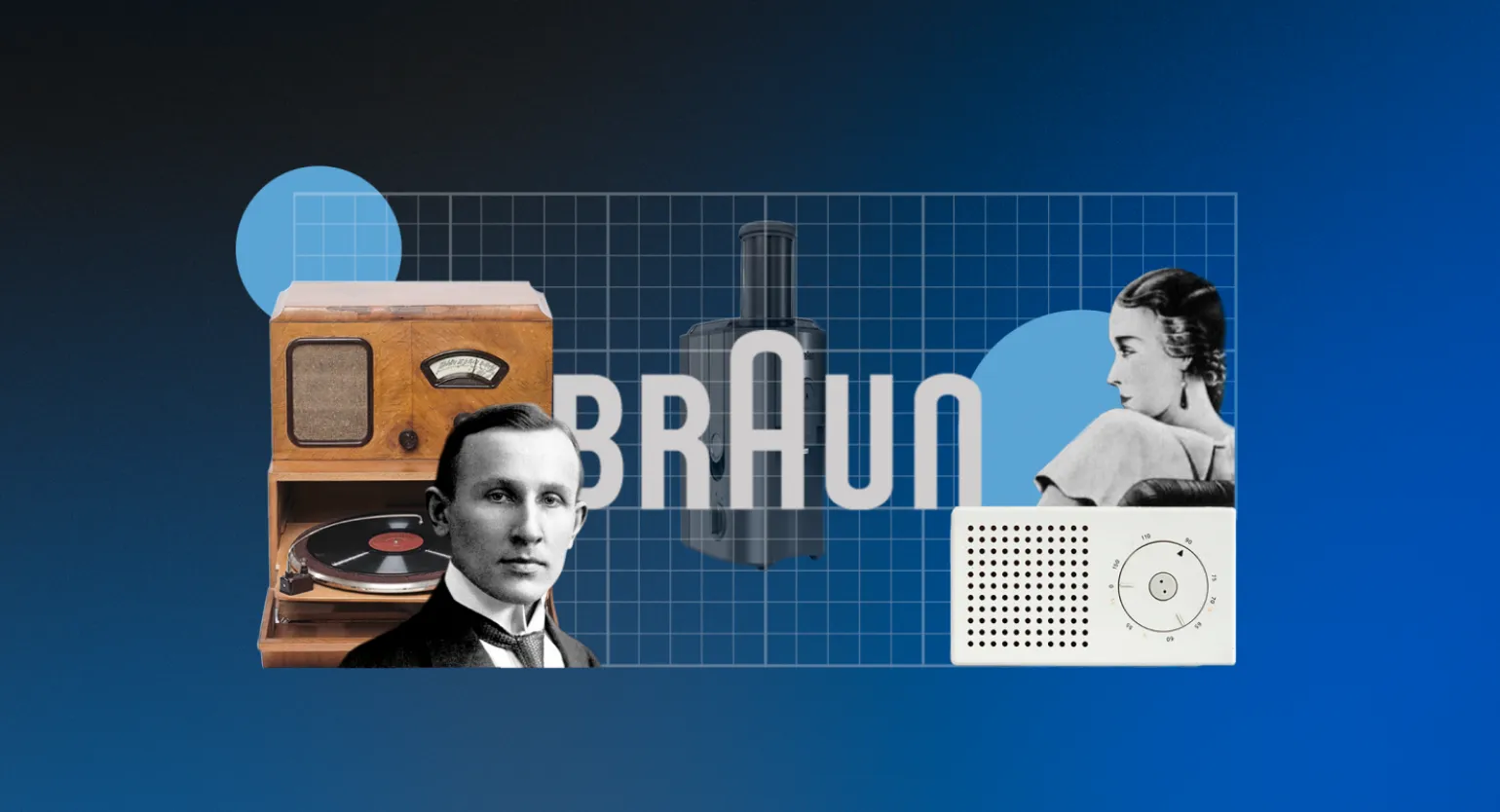
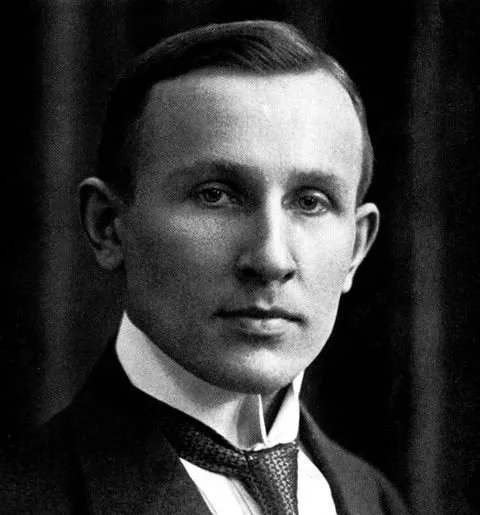
In 1921, engineer Max Braun opened a small radio store in Frankfurt am Main, which marked the beginning of a long and successful history of the brand. Two years later, he began producing components for radio equipment, which laid the foundation for the further development of the company. This decision opened up new horizons and allowed the company to take a leading position in the field of radio technology, which became an important milestone in its evolution.
Max Braun, the founder and designer of Braun, developed a number of successful products from 1921 to 1951, among which the famous razor stands out. His innovative approach and commitment to quality became the foundation for the development of household appliances, setting high standards in this field. Braun products created under Max's leadership are rightfully considered a symbol of reliability and functionality, which influenced many other manufacturers and changed the market.
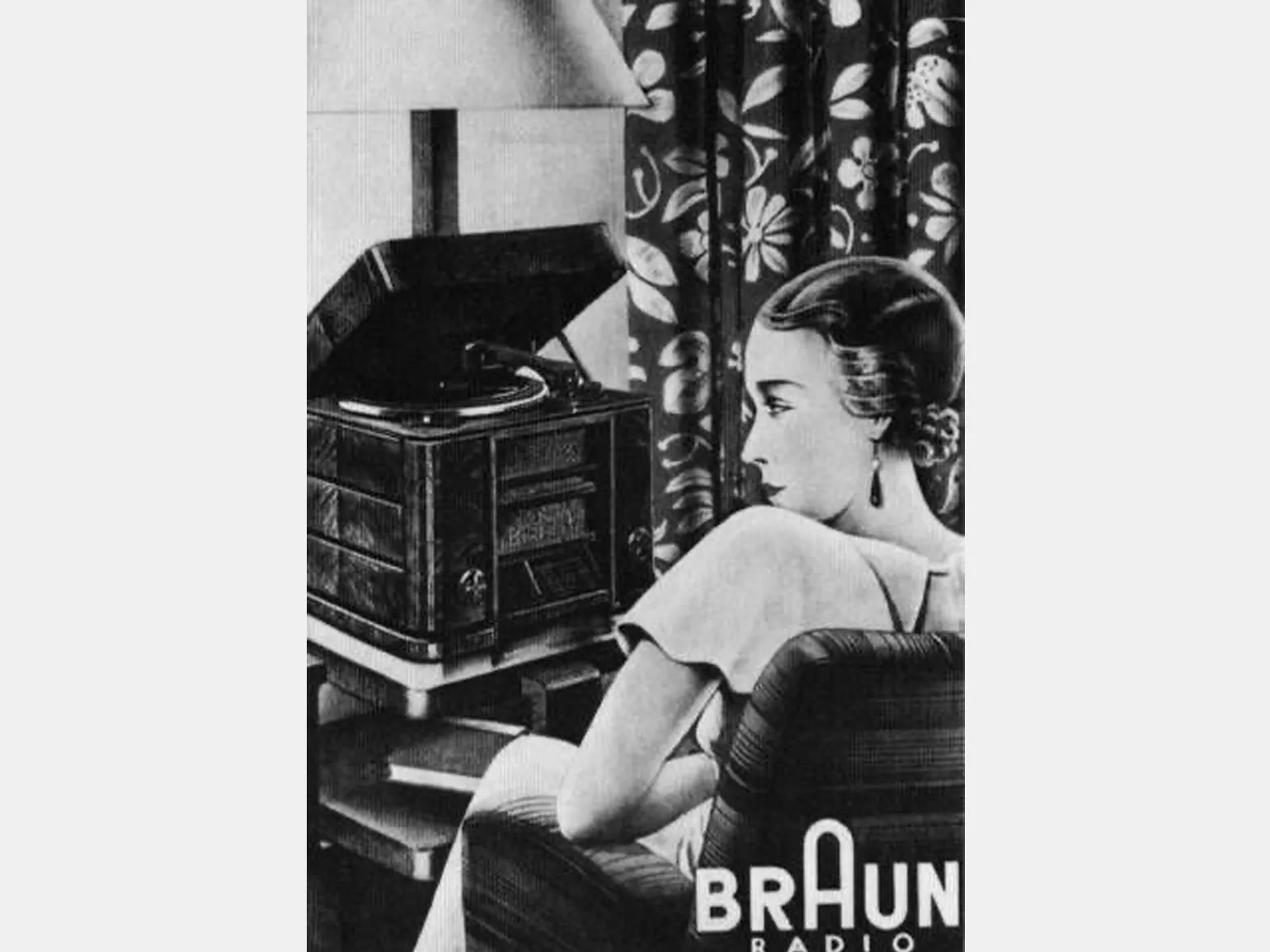
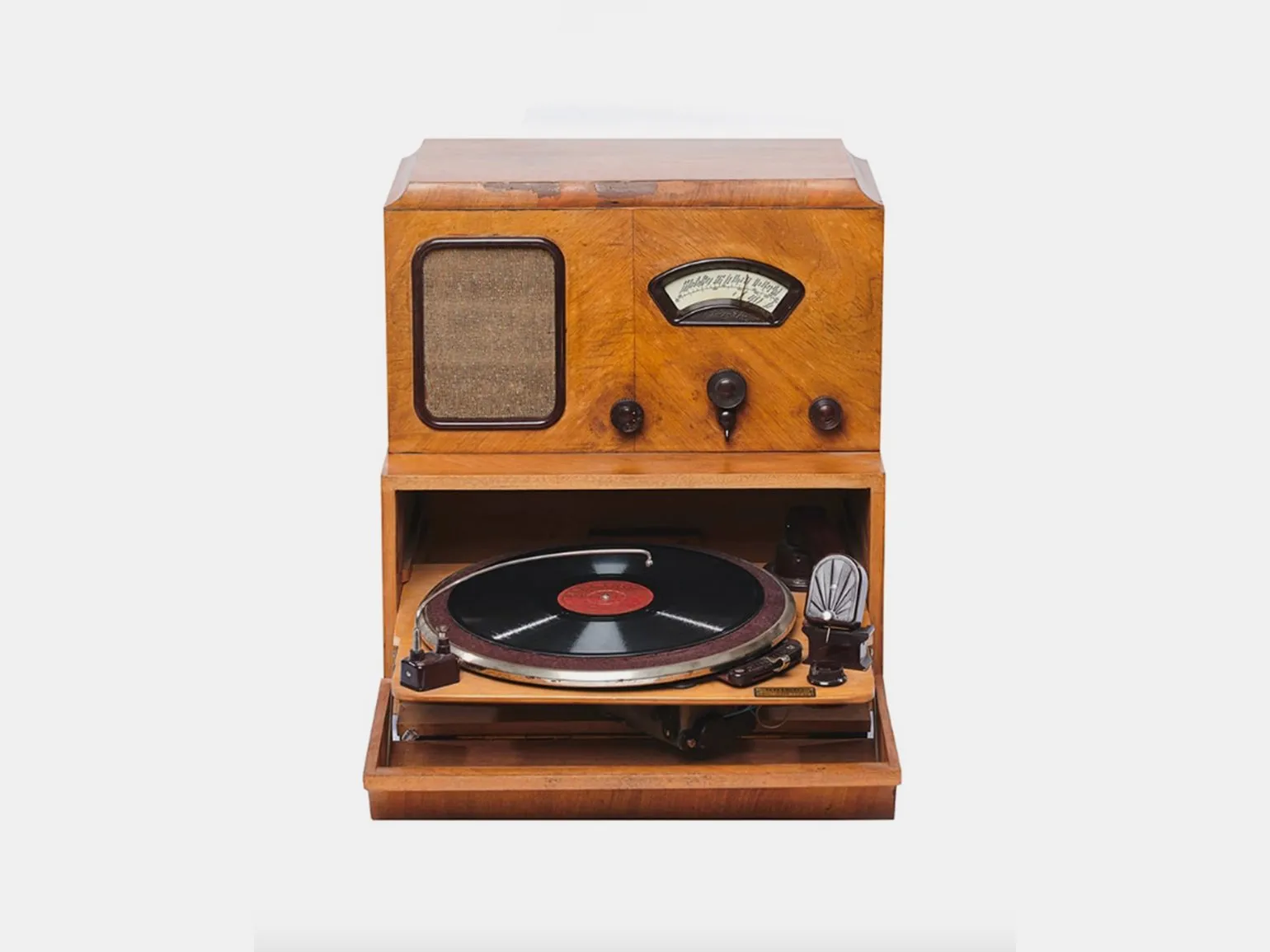
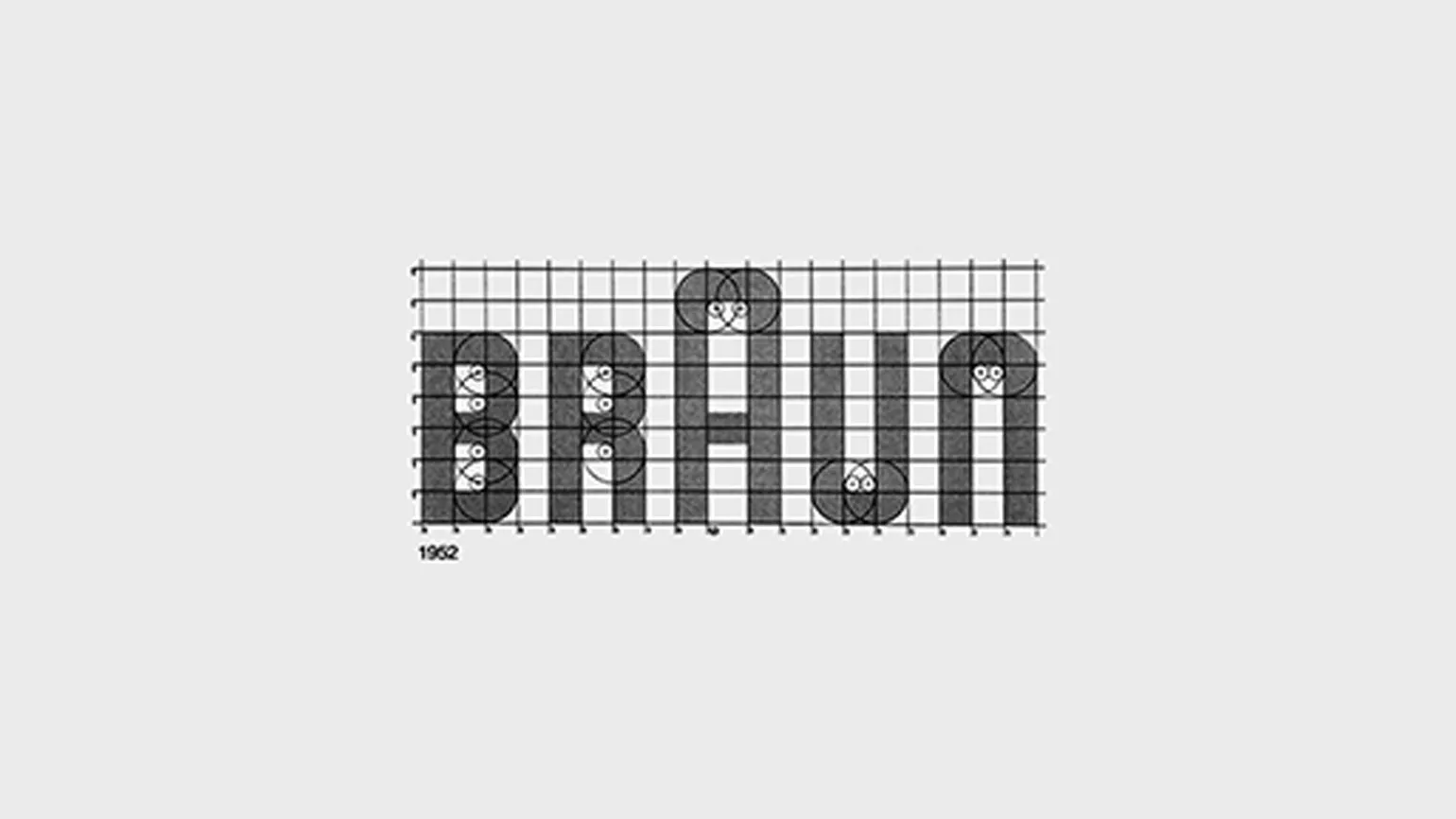
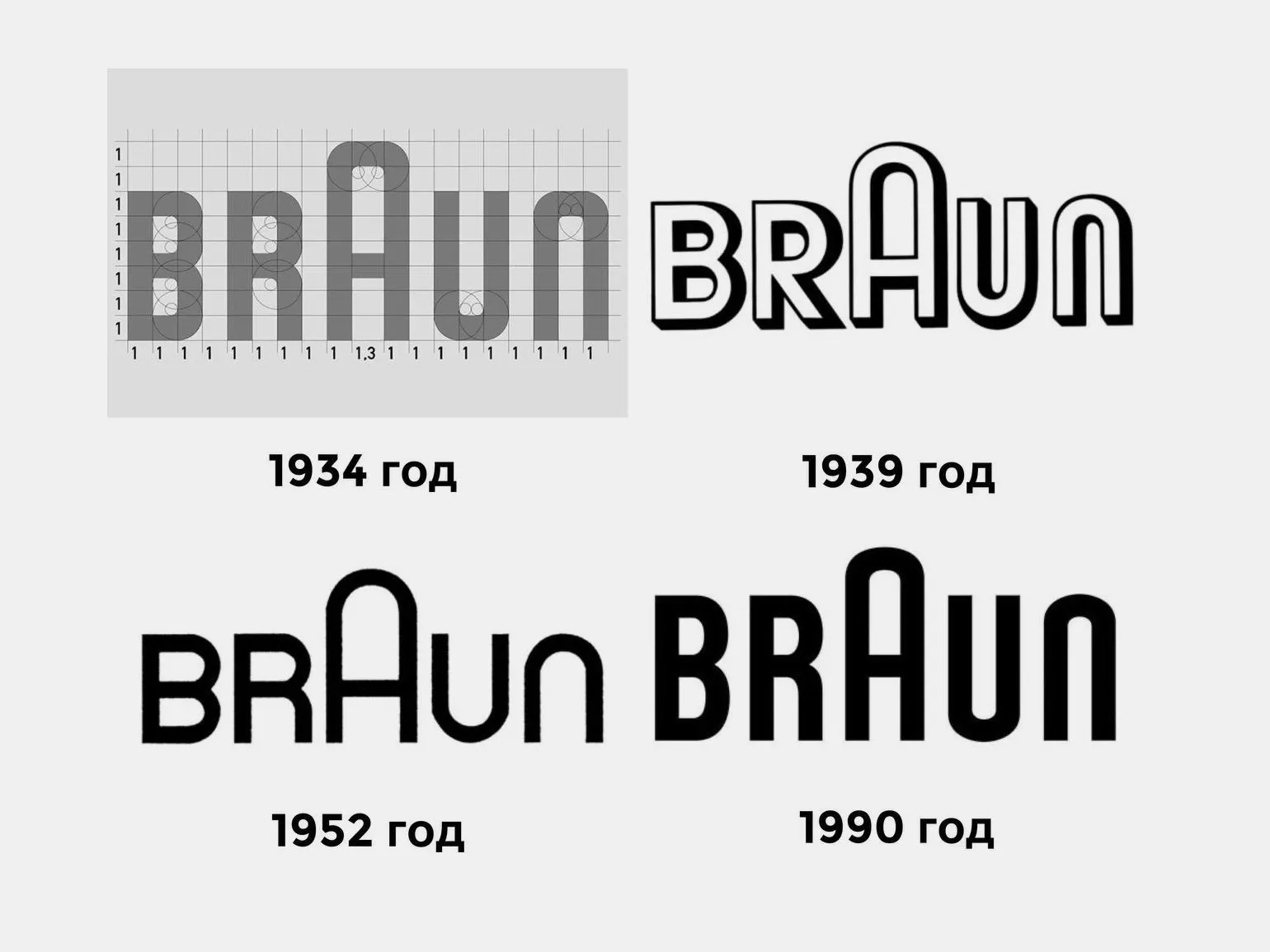
By 1929, despite limited resources for organizing full-scale production, Braun began hand-assembling radios. It was one of the first to integrate a record player and a radio receiver into a single device. Since 1934, this unique product has been sold under the Braun brand, with a logo created by Will Munich, which has contributed to increasing brand recognition and strengthening its position in the market.
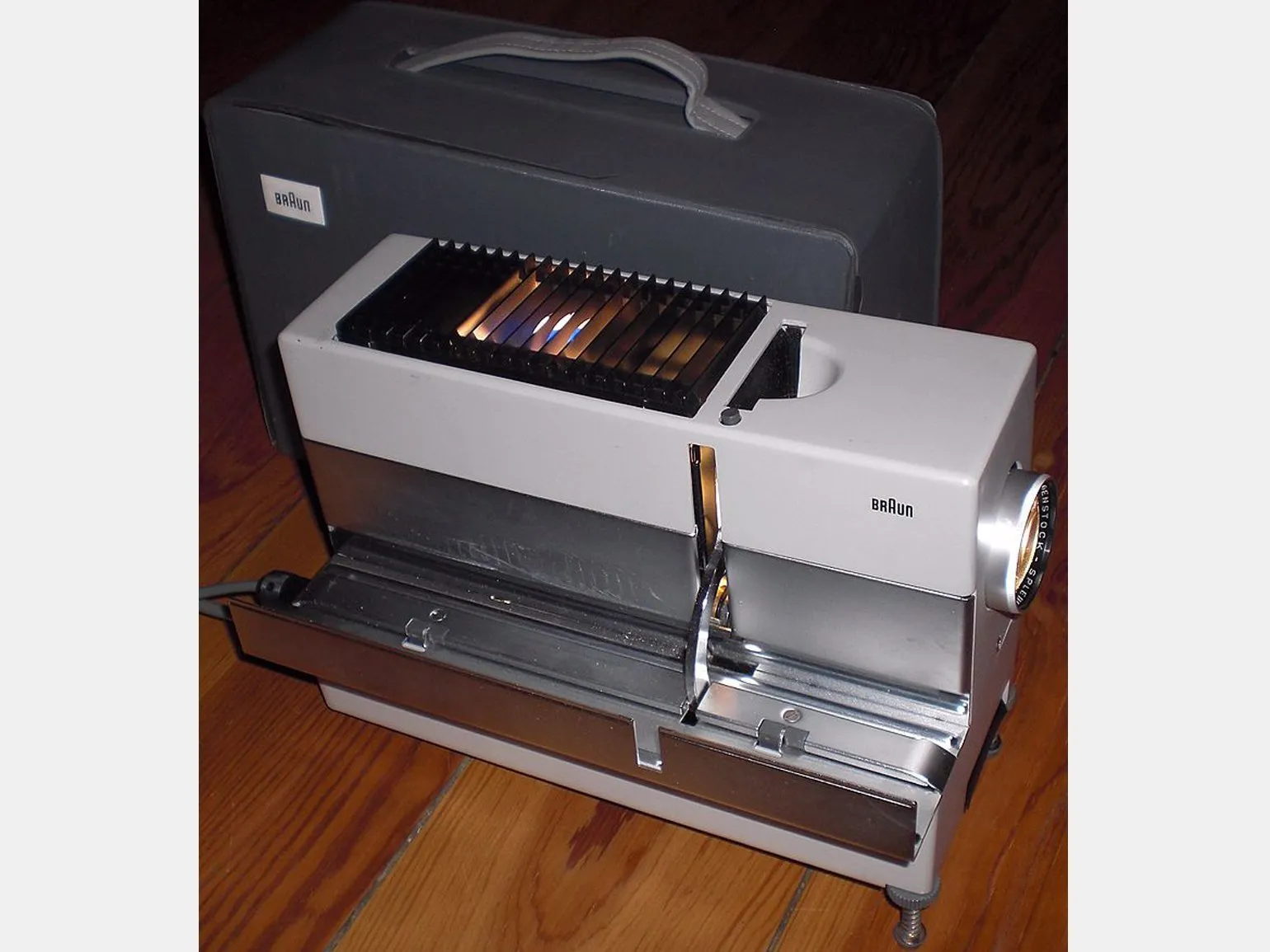
One of the key achievements of its time was the world's first fully automatic slide projector, created under the Braun brand. This innovative product changed the approach to slide showing, providing users with convenience and high image quality. The development of the automatic slide projector significantly simplified the presentation process, making it accessible to a wider audience. Braun continues to be a symbol of reliability and innovation in the field of visual technology.
Max Braun, having achieved success in radio engineering, sought innovation and expanded his company's product range. In this direction, he began developing razors, which became the symbol of the Braun brand and brought the company popularity after his death. These razors were distinguished by their high quality and modern technology, which contributed to their wide recognition in the market. Innovations in the design and functionality of razors have strengthened Braun's position as a leader in personal hygiene.
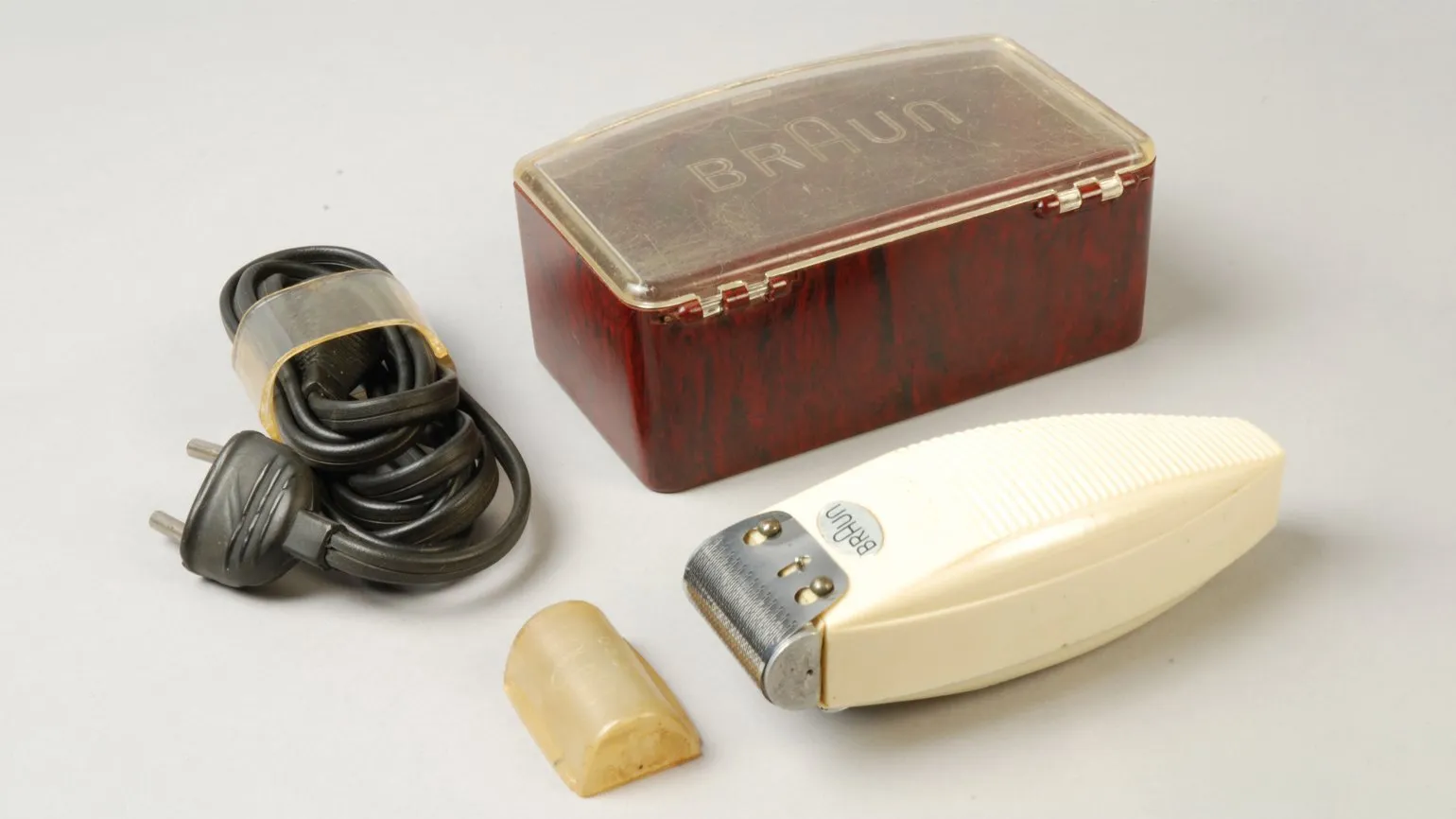
Design Revolution: Braun and His Style
After Max Braun's death in 1951, management of the company fell into the hands of his sons, Arthur and Erwin. The brothers' primary task was to update the brand, which significantly changed the approach to household appliance design. They introduced innovative solutions and modern technologies, which allowed the company to take a leading position in the market.
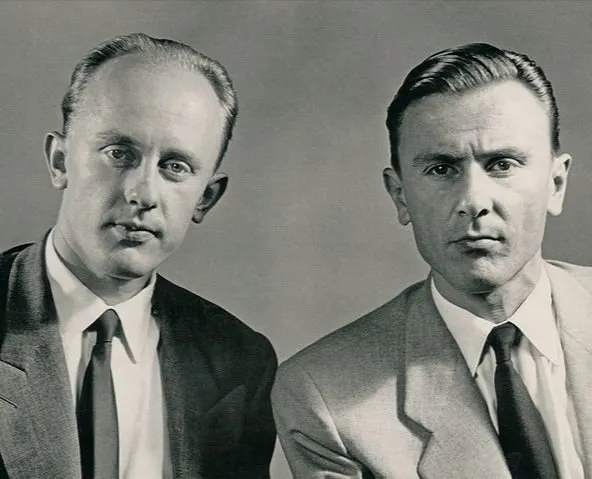
Erwin and Arthur, the heirs of the company's founder, managed its activities from 1951 to 1961. During this time, they attracted experts from the Ulm School of Design, which marked the beginning of a new corporate philosophy. This integration of modern design and functionality had a significant impact on the company's development and defined its future strategy.
At the time the Browns began working, technology was only accessible to a limited number of people, and interiors were often designed with bulky devices in mind. For example, users would first buy kettles and then look for matching tables. This approach limited the design and functionality of spaces. The Browns sought to change this situation by offering more elegant and compact solutions that fit harmoniously into any interior, making technology accessible and convenient for everyday use.
Inspired by Bauhaus principles, Arthur and Erwin designed a unique work environment for their employees, reminiscent of modern office spaces such as Google campuses. These innovative working conditions fostered increased creativity and efficiency, creating an atmosphere in which employees could develop their ideas and achieve new heights.
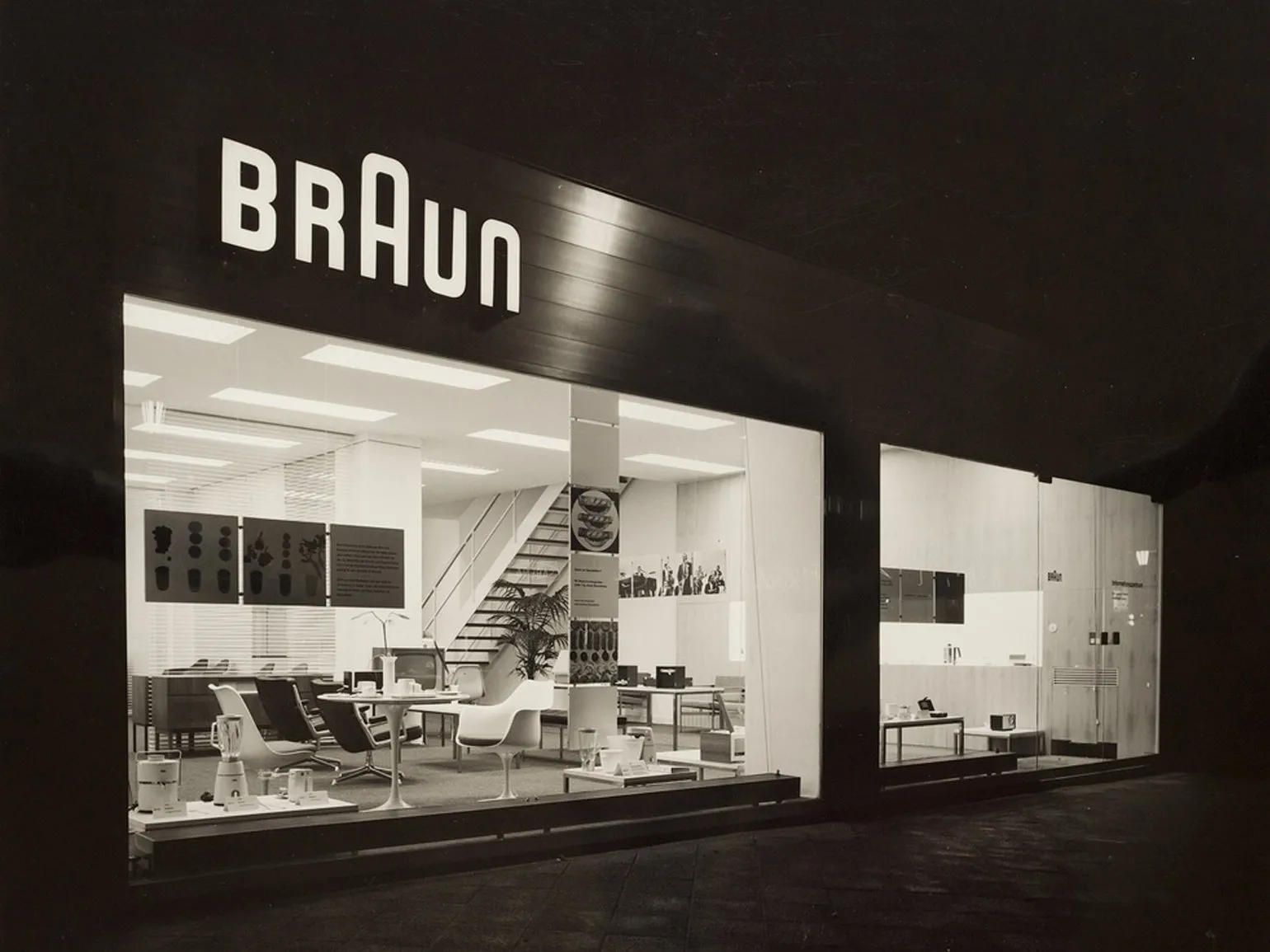
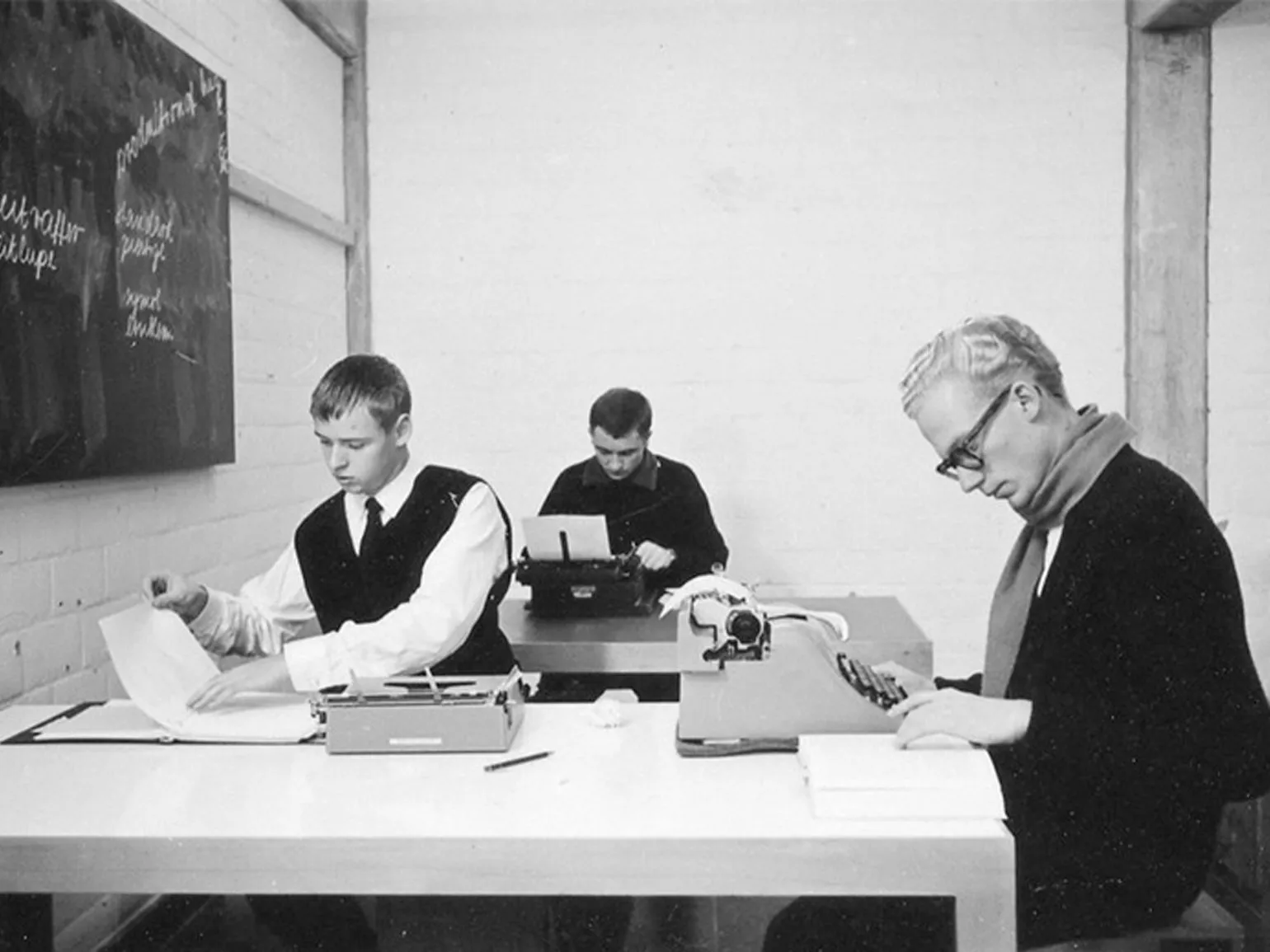
Until 1951, Braun's products were not significantly different from those of its competitors. The bulky appliances were at odds with the minimalist design that was typical of German apartments at the time.
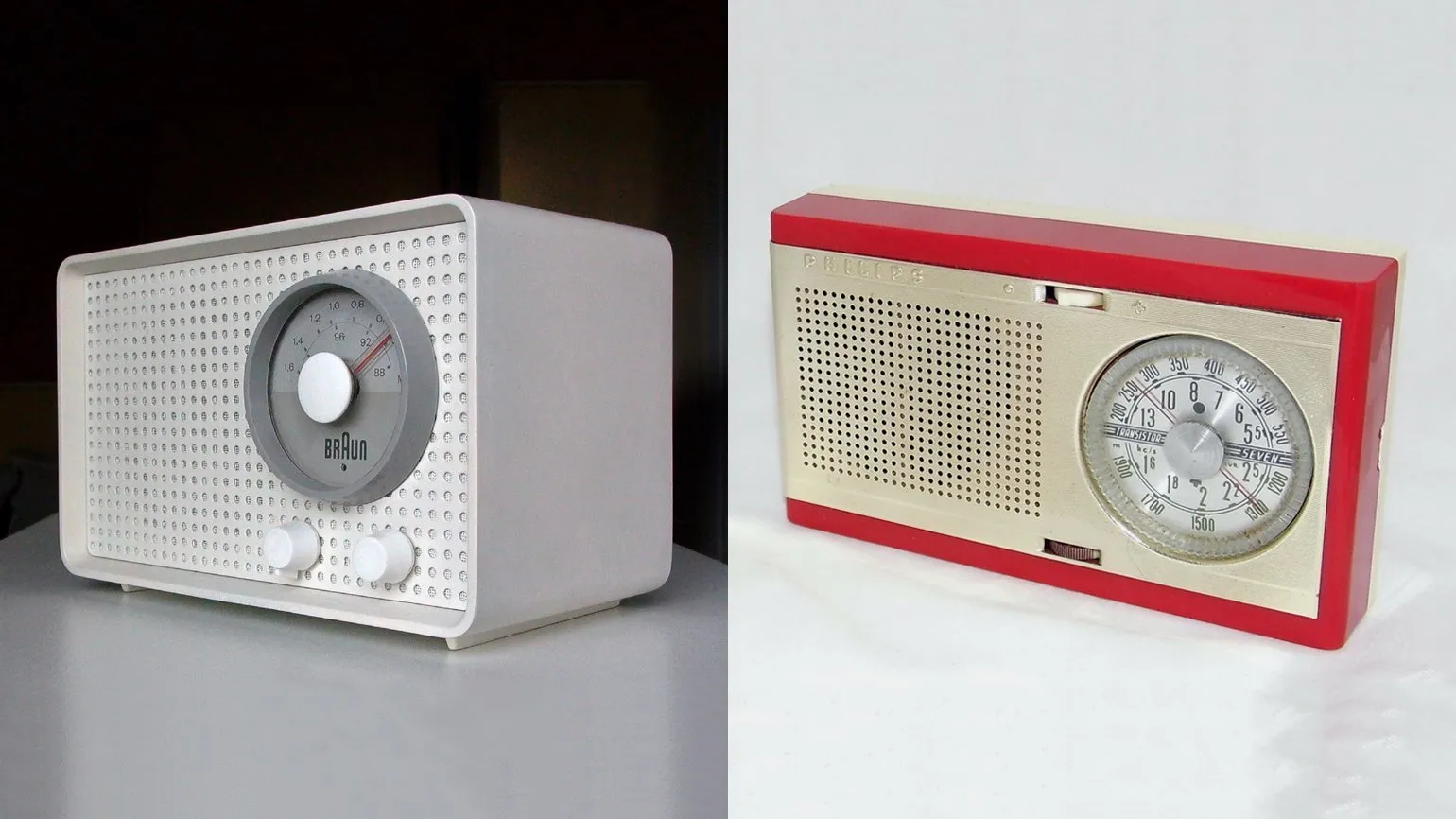
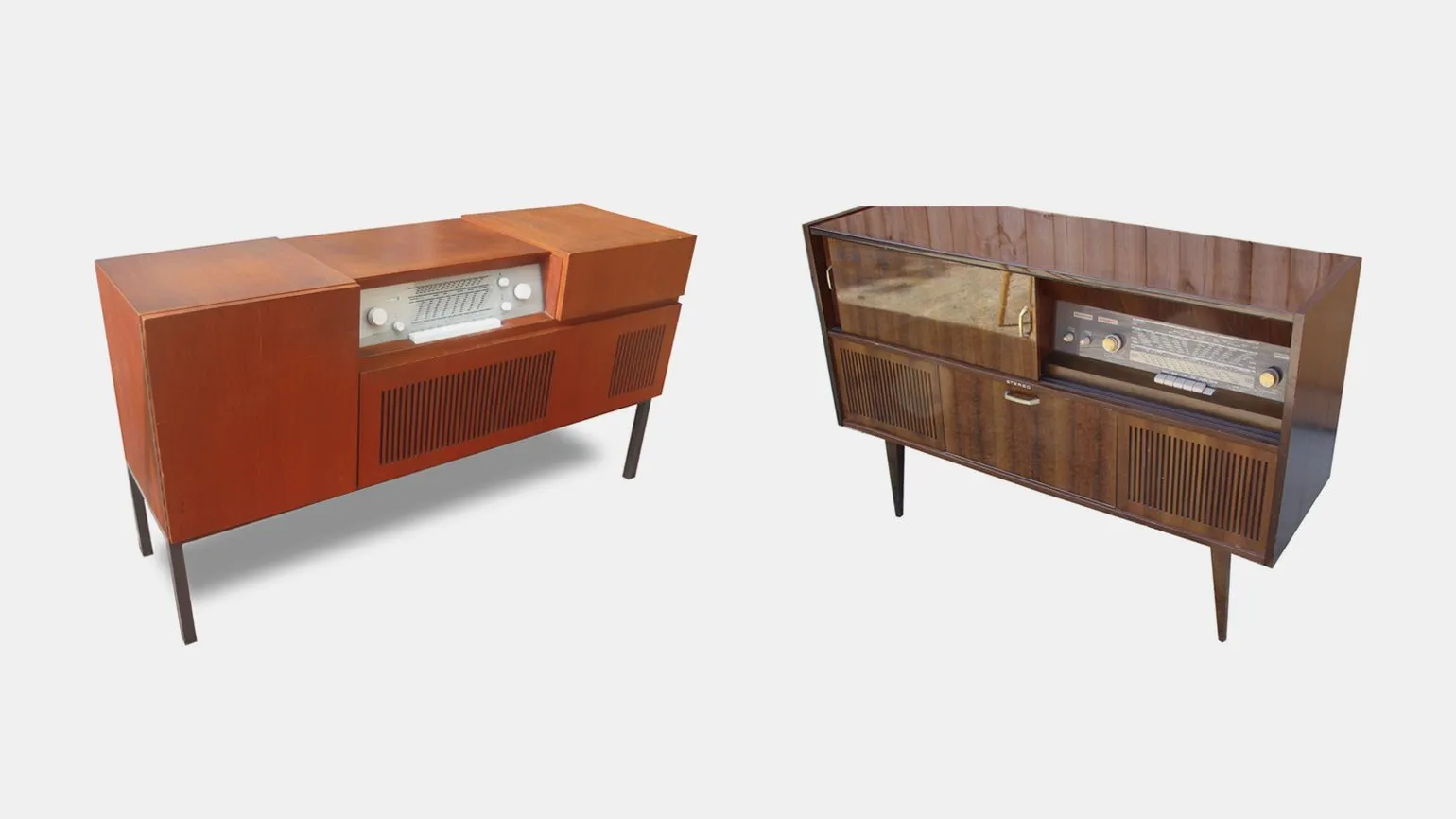
Fritz Eichler, Braun's lead designer, and Dieter Rams conducted a detailed target audience analysis. During the study, they identified a group of intelligent people who are looking for products that are fast, functional, and fit their lifestyle. Their ideal technology should be quiet and unnoticeable in everyday life. These characteristics make the products attractive and user-friendly, meeting the demands of today's sophisticated consumers.

From 1951 to 1961, Eichler worked for Braun, making significant contributions to the development of new radio and audio products. His innovative designs and technologies became the basis for many modern audio devices. Some of his work is housed in the Museum of Modern Art in New York, highlighting the importance of his contribution to the development of the audio industry and design.
Photo: Braun
The Braun brand is known for its high-quality consumer electronics products. Its range includes devices ranging from shavers and epilators to kitchen appliances. Each Braun product combines advanced technology and contemporary design, making them popular among consumers. Thanks to innovative solutions and attention to detail, Braun has become synonymous with reliability and efficiency. By choosing products from this brand, you can be sure of their durability and excellent performance.
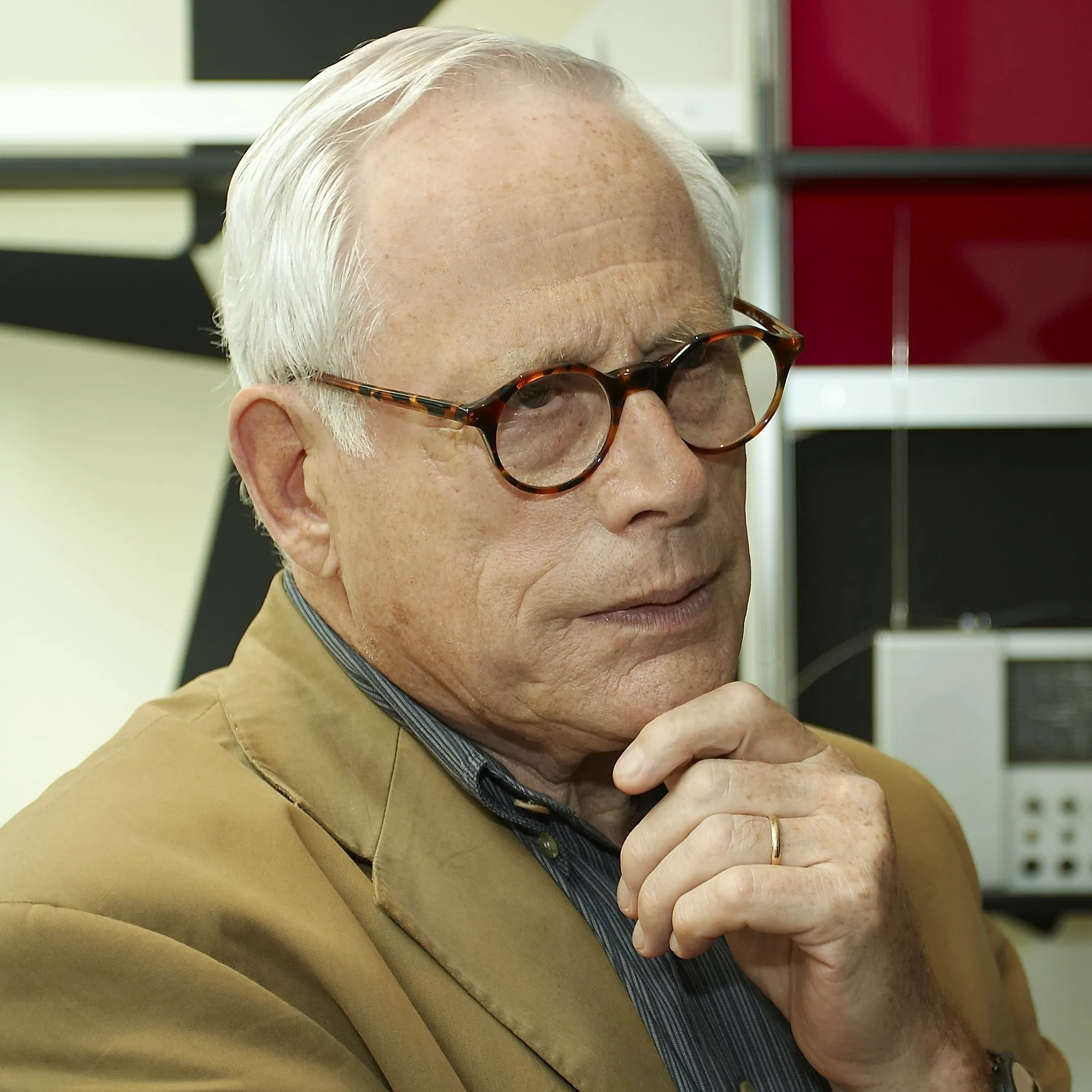
The designer, who worked for Braun from 1961 to 1995, made significant changes to the appearance of the brand's products, marking the transition to minimalist design in the field of household appliances. His approach to device design became the foundation for the creation of stylish and functional products that continue to inspire modern designers.
Visuals such as photographs play an important role in content, especially when it comes to attracting attention and improving information comprehension. One reliable source of images is Wikimedia Commons. This resource offers a wide selection of photographs that can be used for a variety of purposes, including educational projects, articles, and blogs. Using high-quality images from Wikimedia Commons not only enriches content but also helps improve SEO rankings by increasing the time users spend on the page. It is important to adhere to image licenses to avoid potential legal issues.
Designers of the Ulm School revolutionized the design of household appliances such as razors, watches, hair dryers, and food processors. Their innovative approaches to aesthetics and functionality made Braun products an iconic example of neofunctionalism. The new models attracted the attention of the market and became the standard of modern design, combining simplicity of form and high efficiency.
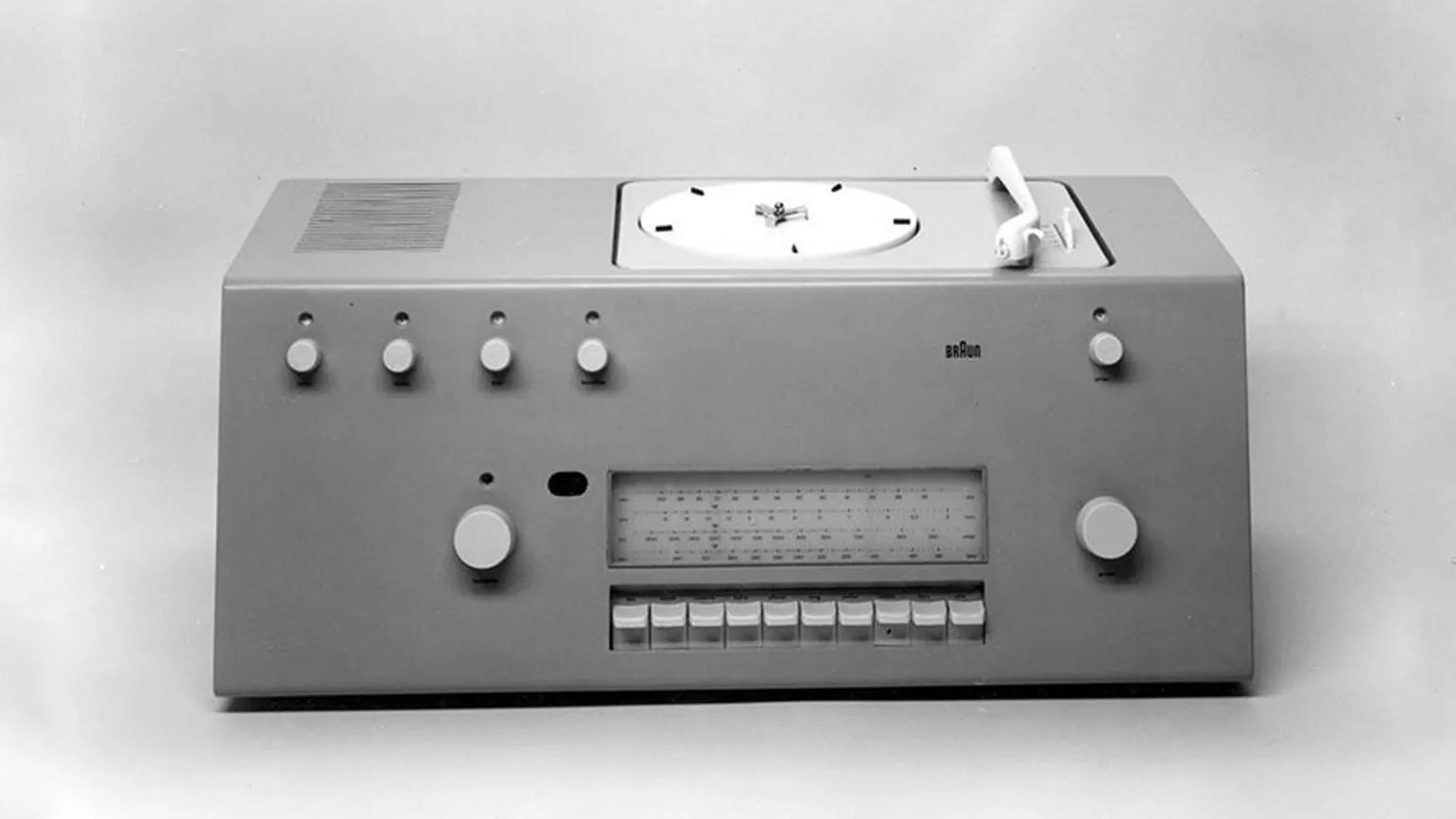
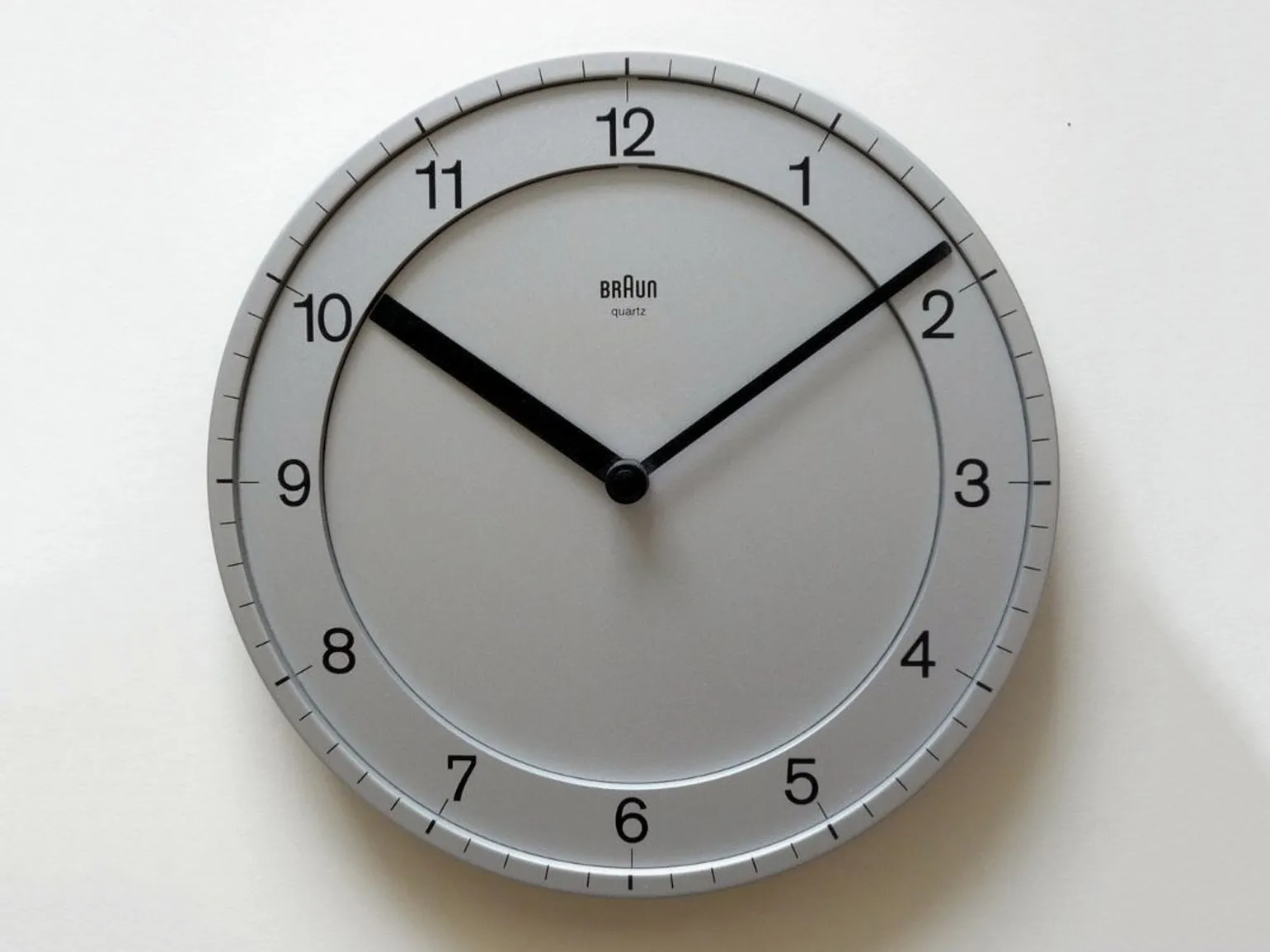

Since the mid-20th century, the Braun style has come to represent a new design direction characterized by minimalism, functionality, and innovative solutions. Braun products were distinguished by clean lines, simple forms, and an emphasis on ergonomics. This style not only changed the approach to household appliance design but also had a significant influence on many other fields, including industrial and graphic design. The visual aesthetics and high functionality of Braun products made them popular and in demand, allowing the brand to establish a strong position in the market. The Braun style has become an example of how design can combine beauty and practicality, continuing to inspire modern design solutions.
- absence of unnecessary decoration
- maximum laconicism of forms
- restraint in color scheme
The economical style, also known as functional, arose in response to modern demands and society's needs. This approach emphasizes simplicity, convenience, and efficiency, making it relevant in a rapidly changing world. The economical style is ideal for those who value minimalism and practicality, without sacrificing aesthetic appeal. Its popularity continues to grow as people strive for more rational and meaningful consumption.
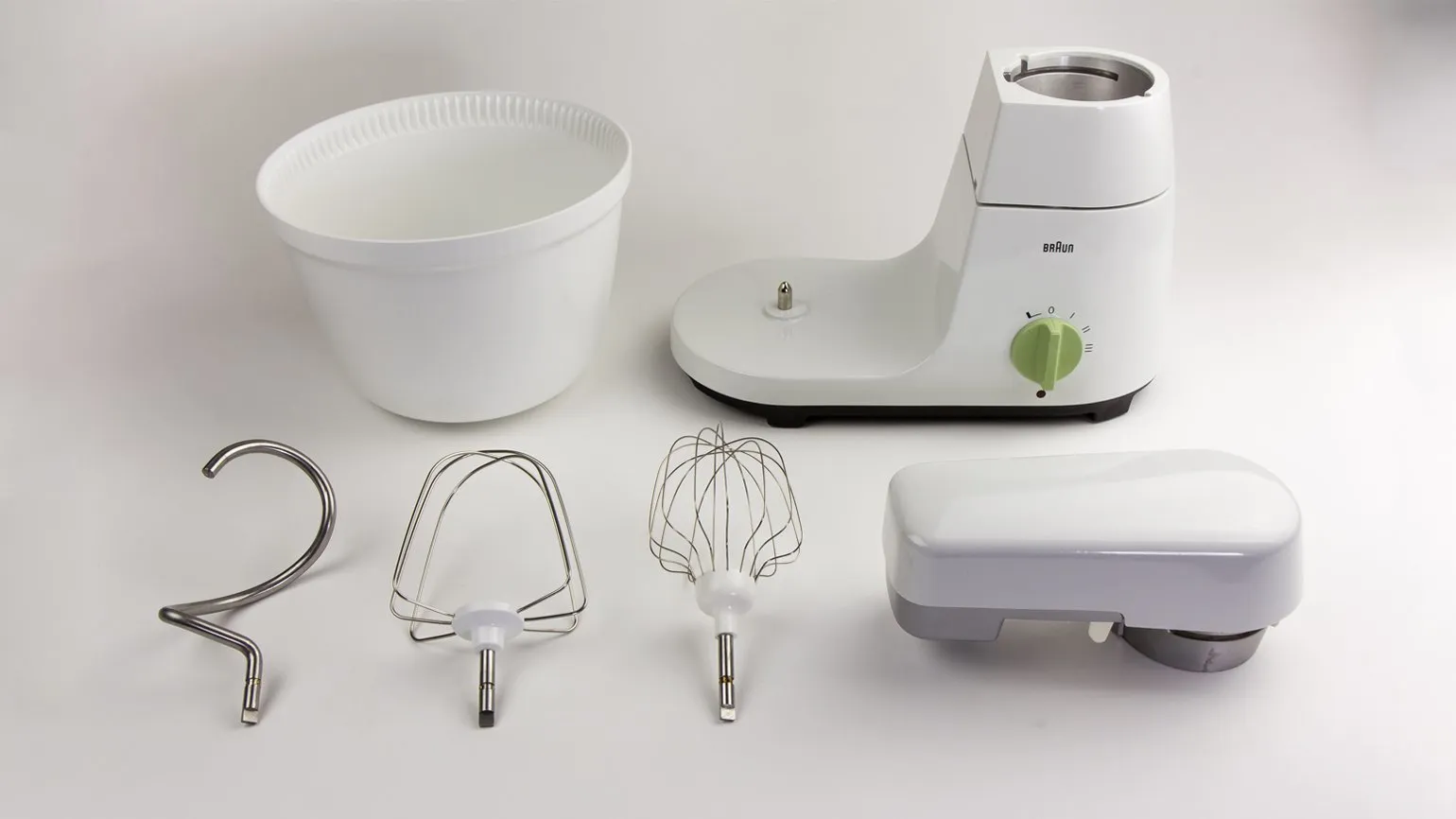
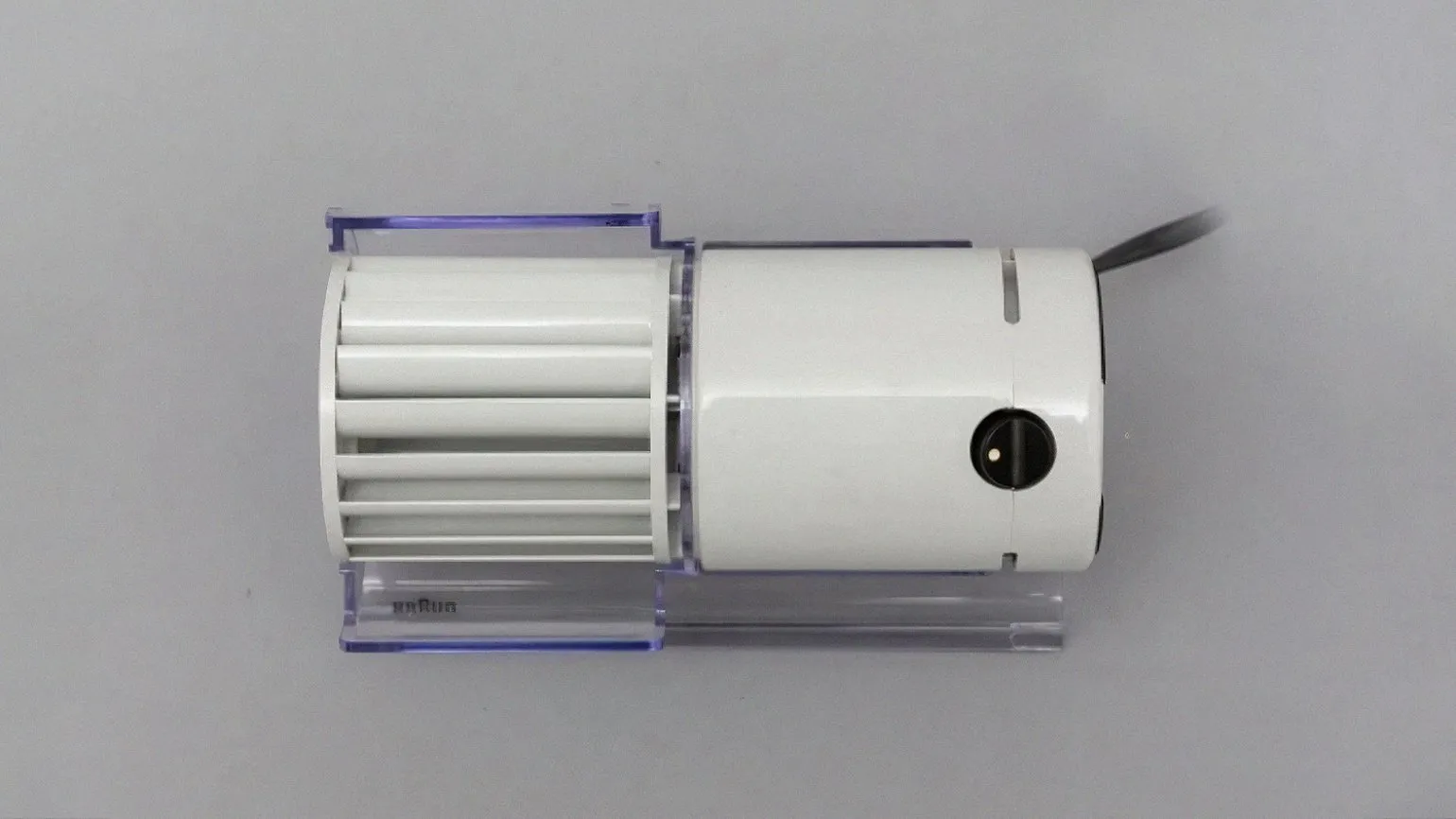
The success of the new products was due to the outdated Nizzoli style, which was characterized by complex shapes and color combinations. Amid a growing demand for simplicity and conciseness, the Braun brand gained popularity not only among a general audience, but also among intellectuals. Simplicity of design and functionality of products became key factors contributing to the growing interest in the brand.
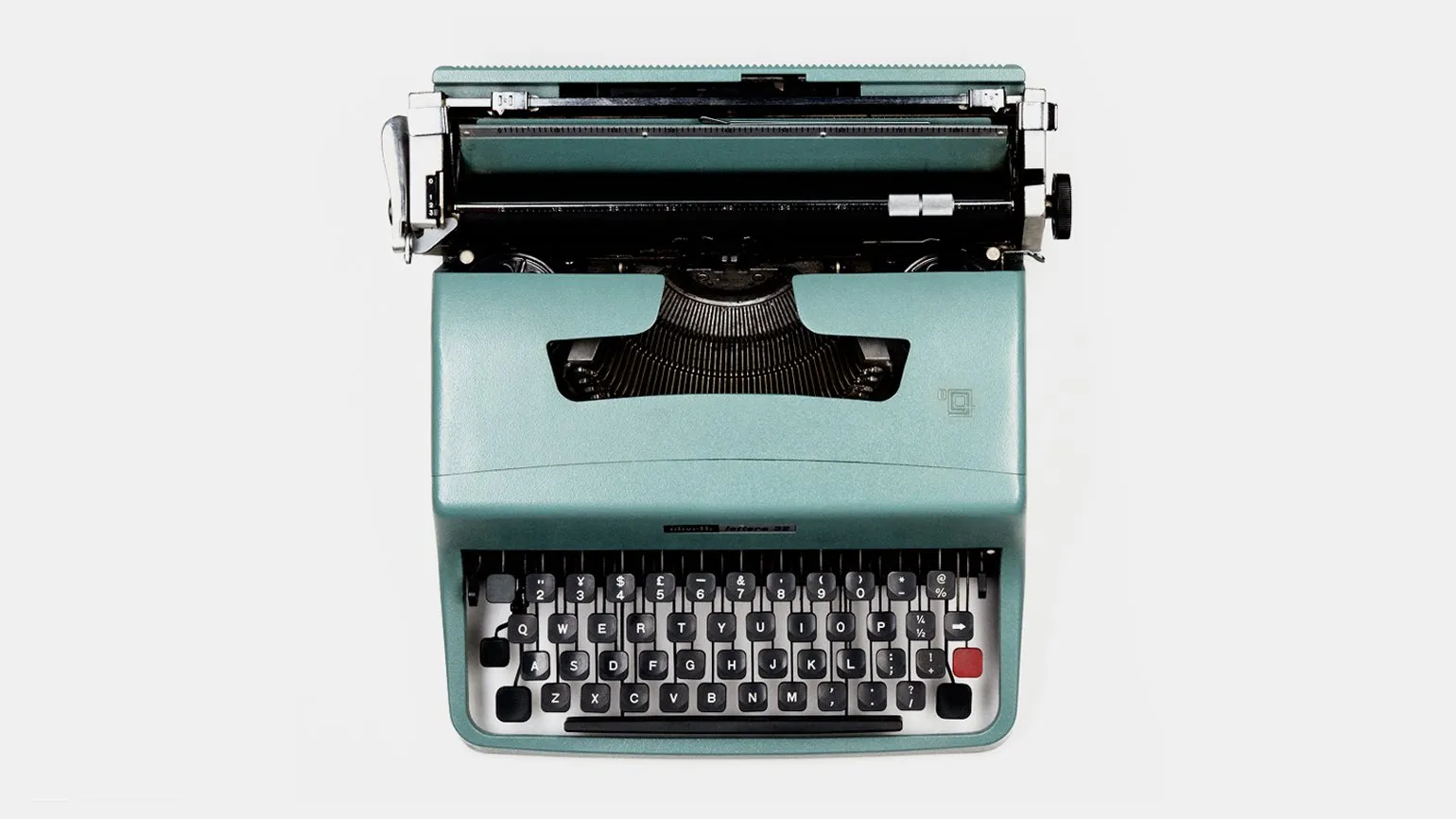
By the end of the 1950s, Braun products, developed under the direction of designer Dieter Rams, were included in prestigious collections Museum of Modern Art in New York. These products continue to inspire admiration and are on display in museums around the world. The design and functionality of Braun products have become an integral part of the history of modern design, confirming their significance in the cultural context.
The evolution of the Braun brand: from tradition to modernity
Since the 1960s, Braun has undergone important transformations. In 1984, it became part of the American holding company Gillette, which opened up new horizons and opportunities for its further development. This merger allowed Braun to expand its innovative technologies and improve product quality, strengthening its position in the global market.
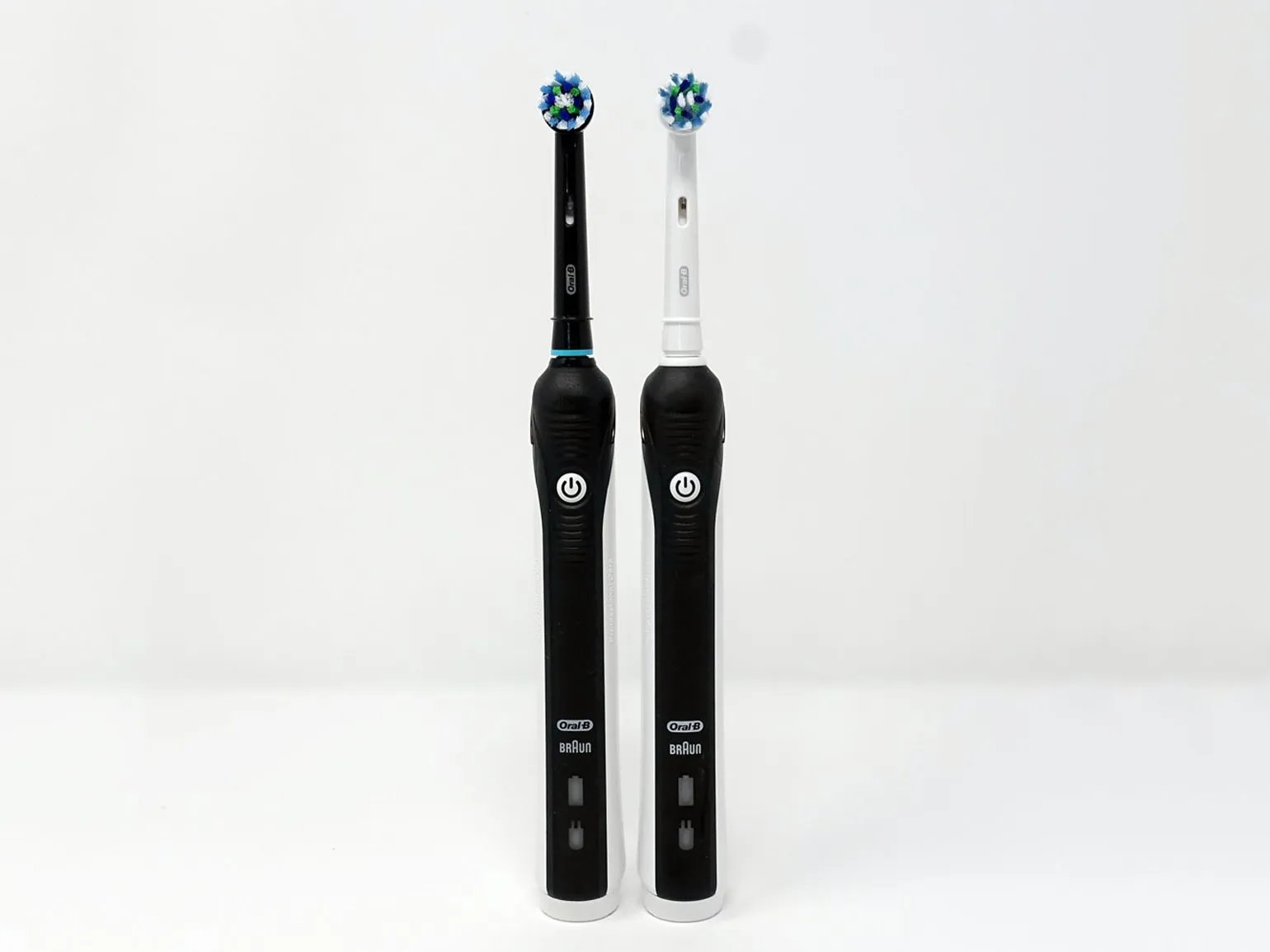
Braun's product range continues to evolve. The brand decided to discontinue the production of audio equipment and focus on the development of household goods. Braun's new focus areas include coffee makers, food processors, juicers and electric toothbrushes, created in collaboration with Oral-B. This strategic change is aimed at strengthening the company's position in the consumer electronics segment and improving the quality of life of consumers.
Under the leadership of new designer Peter Schneider, the company aims to update its image. Schneider, who succeeded Dieter Rams, actively experimented with form and style. However, the final changes were minimal, emphasizing the preservation of Rams's founding ideas. This strategy aims to maintain the company's traditions while adapting them to modern trends. From 1995 to 2008, Schneider was Braun's chief designer. His commitment to innovation and departure from Rams's strict traditions led to a refreshed visual style for the logo. This change symbolized the brand's commitment to modernity and adaptation to new design trends. Under Schneider's leadership, Braun was able to strengthen its position in the market, bringing fresh ideas and a modern approach to its products.
In the early 2000s, the Braun brand became part of the Procter & Gamble, which marked a significant step in its development. Professor Oliver Grabes was appointed Chief Designer, bringing fresh ideas to product design. His concept, dubbed "The Power of Cleanliness," harmoniously blends traditional Braun brand elements with modern design trends. This approach has resulted in the creation of unique and stylish products that continue to earn consumer trust thanks to their quality and elegance.
Since 2009, Grabes has been developing products that combine classic Braun style with modern trends. A primary focus is functionality and aesthetics, ensuring that consumers' expectations are not only met but also exceeded. An innovative approach and a commitment to excellence make Grabes' products unique on the market, offering users high quality and stylish design.
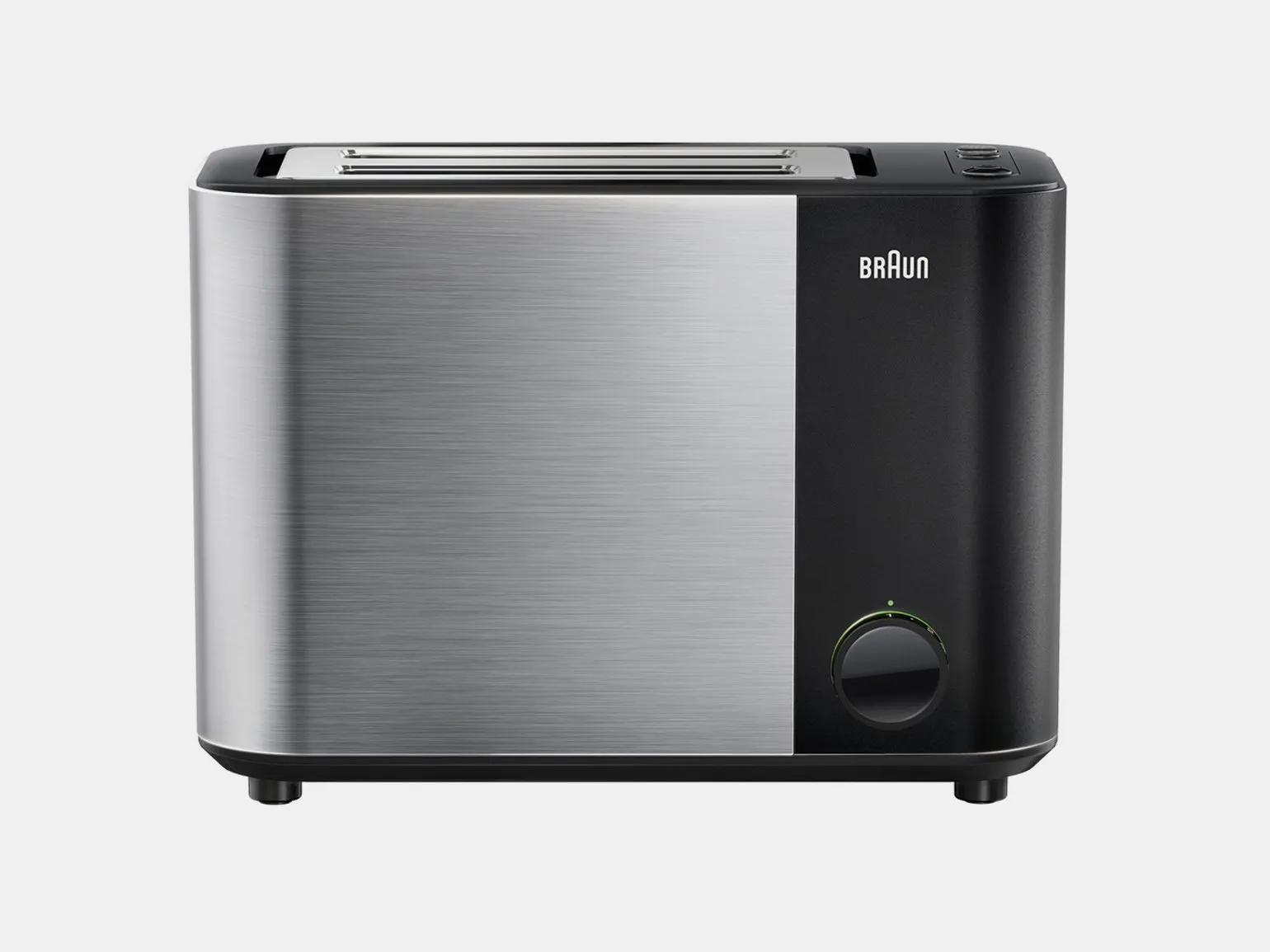
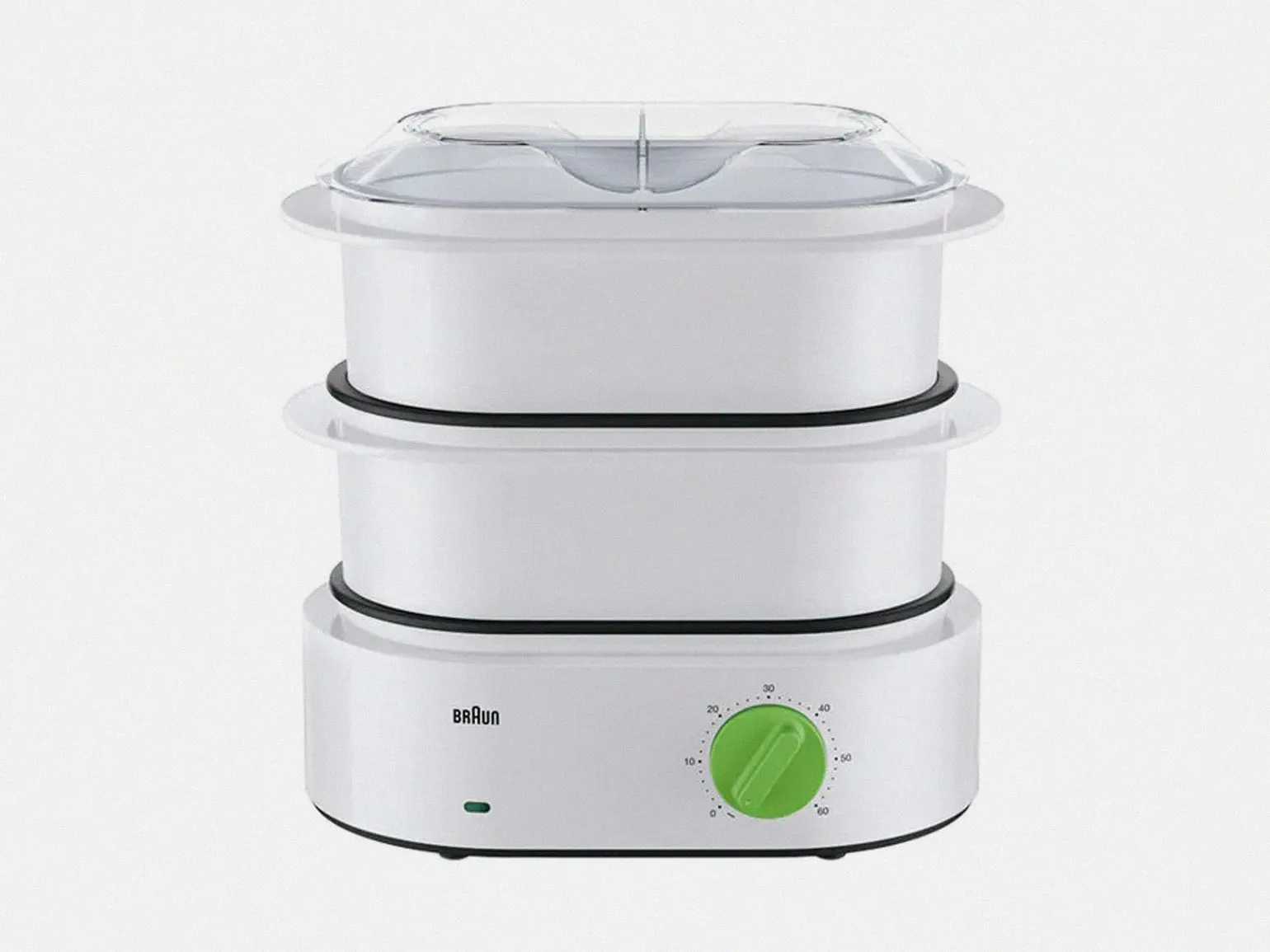
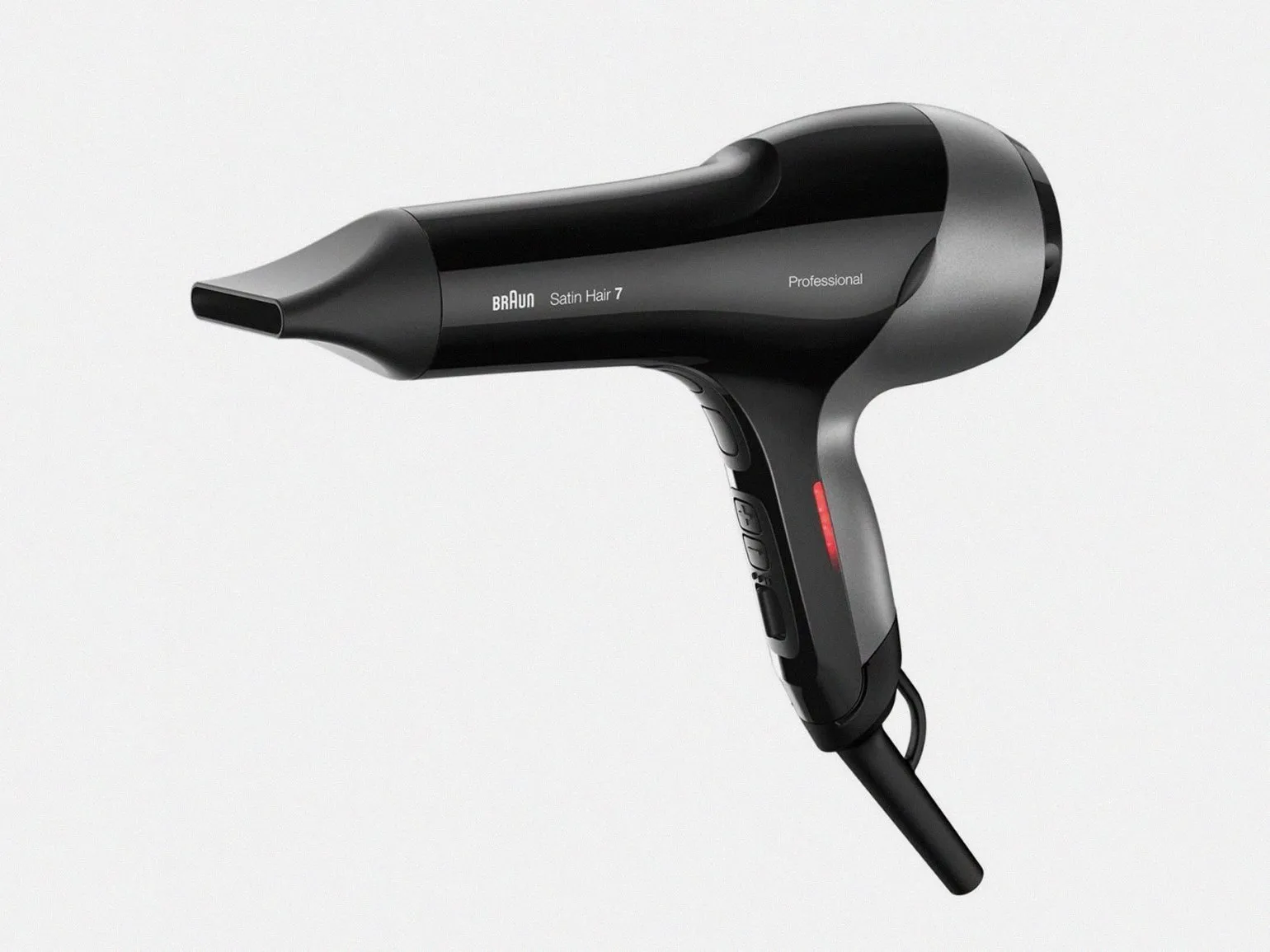
Modern Braun products offer a variety, including electric shavers, epilators, blenders, irons, hair dryers and electric toothbrushes Oral-B brand toothbrushes. However, in each kitchen appliance category, there are only one or two key models that showcase the brand's key benefits and technologies. This narrow specialization allows Braun to focus on quality and innovation, which makes their products in demand among consumers.
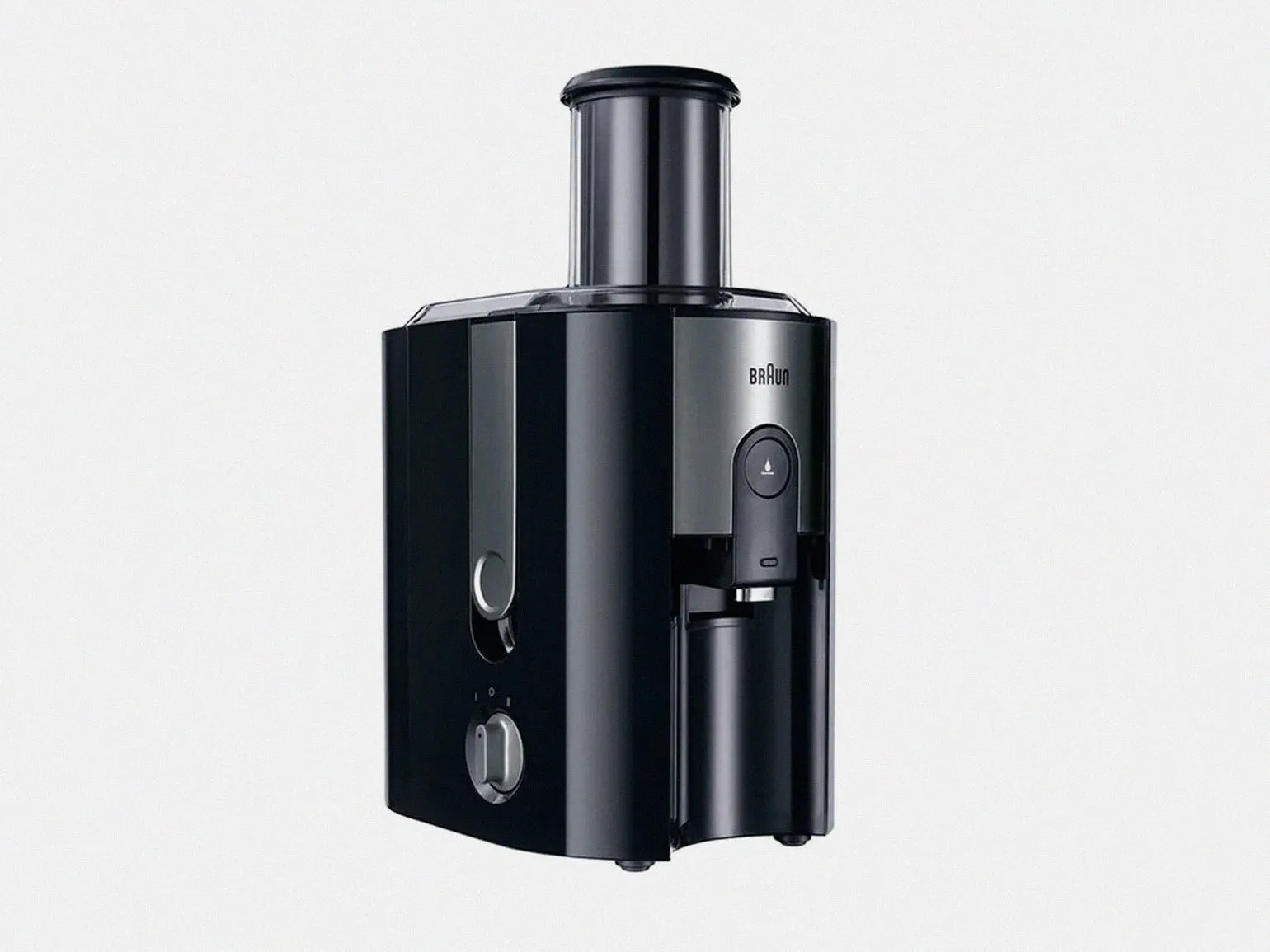
The design of the products is characterized by strict minimalism, which emphasizes their functionality and high recognition. Many models are available in classic colors: silver, white and black, which creates a premium feel. In some cases, products are available in other noble shades, such as deep red and turquoise green, which adds variety and uniqueness.
Fundamentals of Industrial Design: The Legacy of Dieter Rams
Today's home appliance designers continue to find inspiration in the work of Dieter Rams, one of the most significant figures in the field. His design principles serve as a reliable guide for creating stylish and functional devices that fit perfectly into home and office environments. Rams's work emphasizes simplicity, convenience, and durability, making his ideas relevant and in demand in today's environment. Designers strive to combine aesthetics and practicality, following his legacy to create innovative solutions for everyday needs.
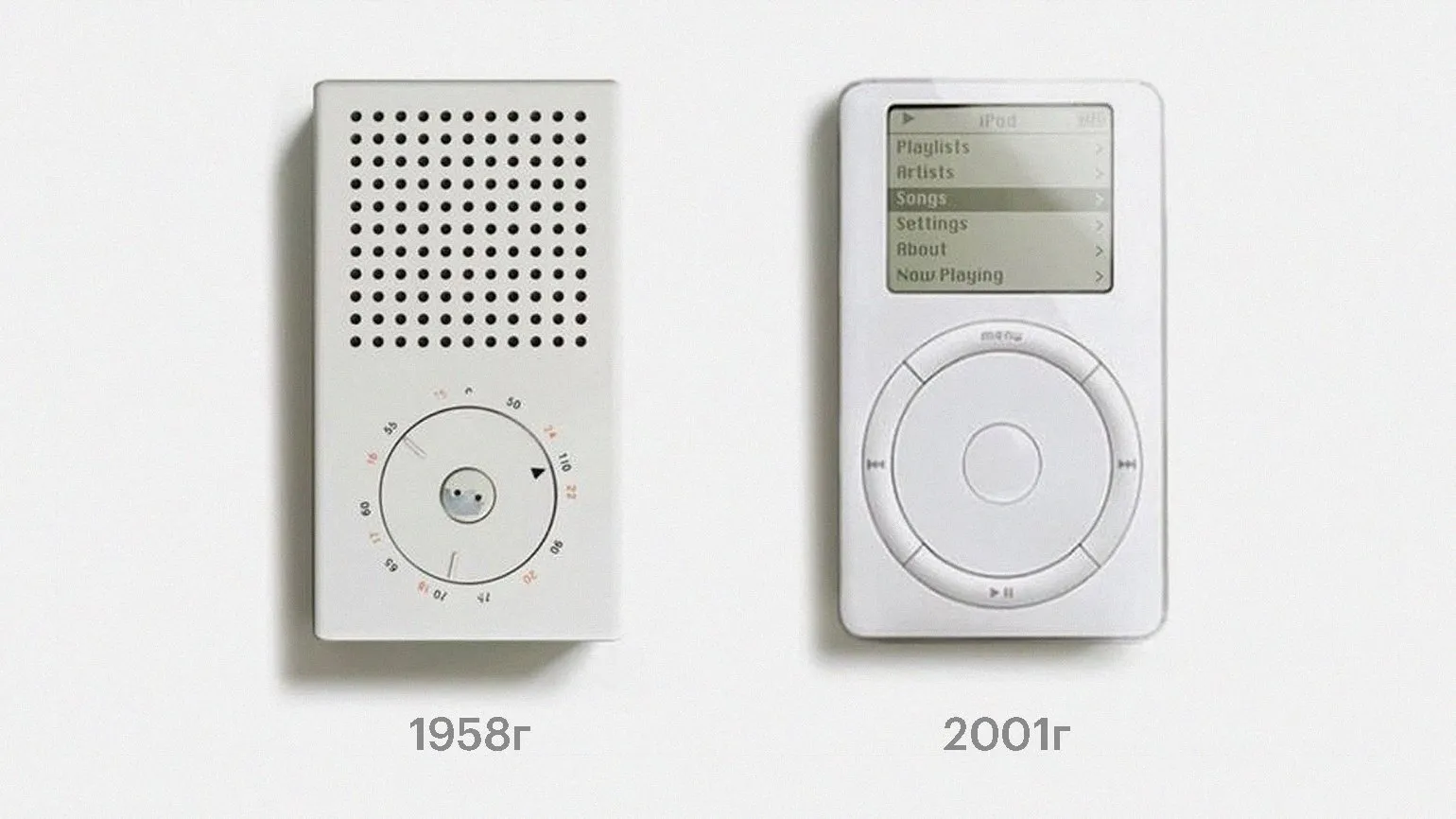
The Braun T3 pocket radio, introduced in 1958, became an iconic device thanks to its simple, understated design. This model had a significant impact on the development of technology and design, and experts believe it inspired Apple to create the iPod in 2001. Designer Dieter Rams, who was behind the development of the Braun T3, left a deep mark on the history of industrial design, shaping aesthetic and functional standards for future generations.
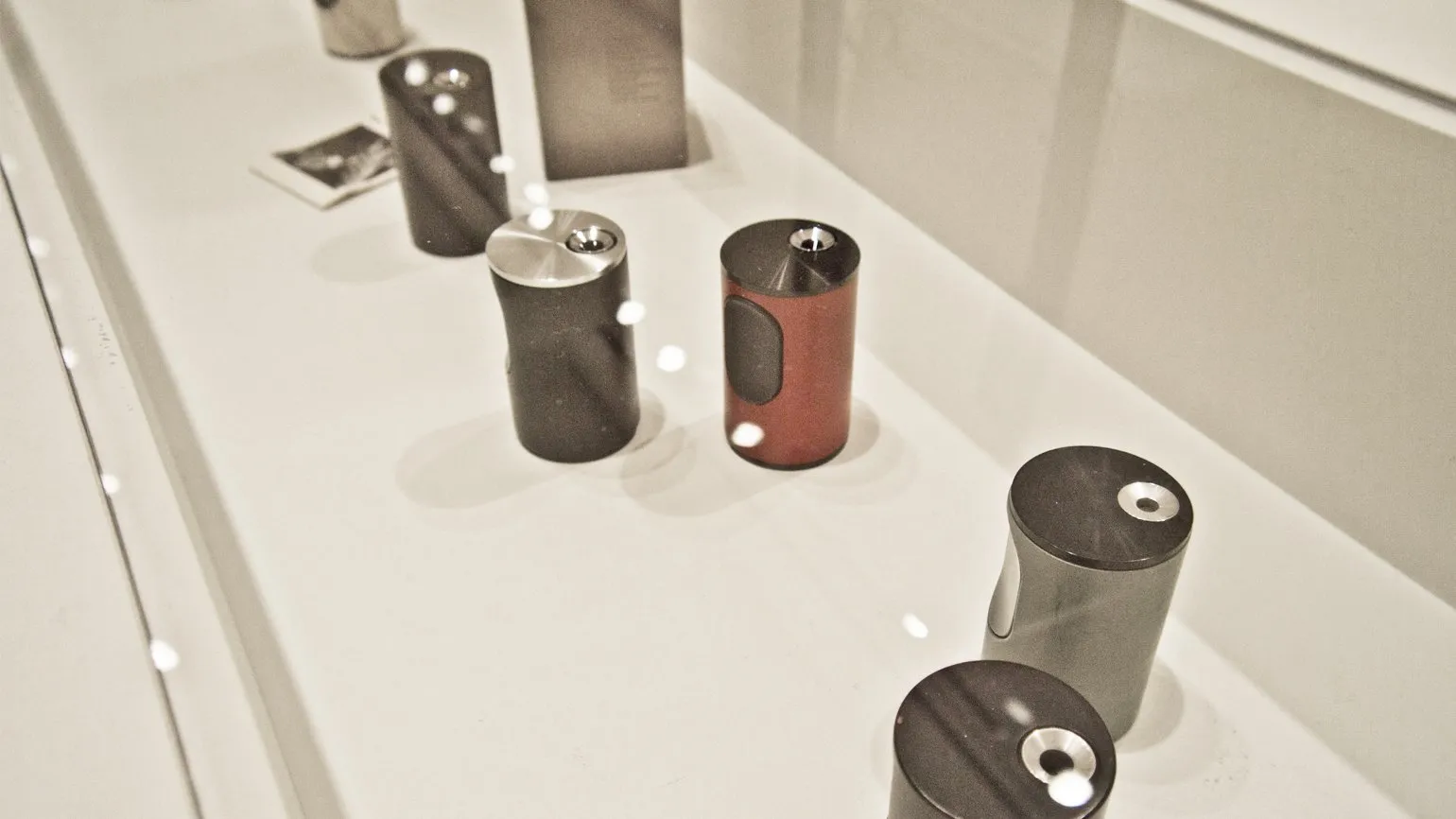
Dieter Rams wanted to design a lighter that would stand out on store shelves. The result of his efforts was the Braun T2 – a true masterpiece that can be compared to a "small sculpture." This lighter is the perfect combination of minimalism and functionality, making it not only a stylish accessory but also a convenient tool for everyday use. The Braun T2 combines high-quality materials and thoughtful design, which ensures durability and aesthetic appeal.
Consumer trust in a brand is formed only when the products meet high quality standards. Even the most attractive design can't hide the flaws of a product that doesn't live up to expectations. Quality and reliability remain key factors in building a positive brand image. Consumers value honesty and transparency, so it's important that products meet their stated specifications and standards. This approach not only builds trust but also fosters long-term customer relationships.
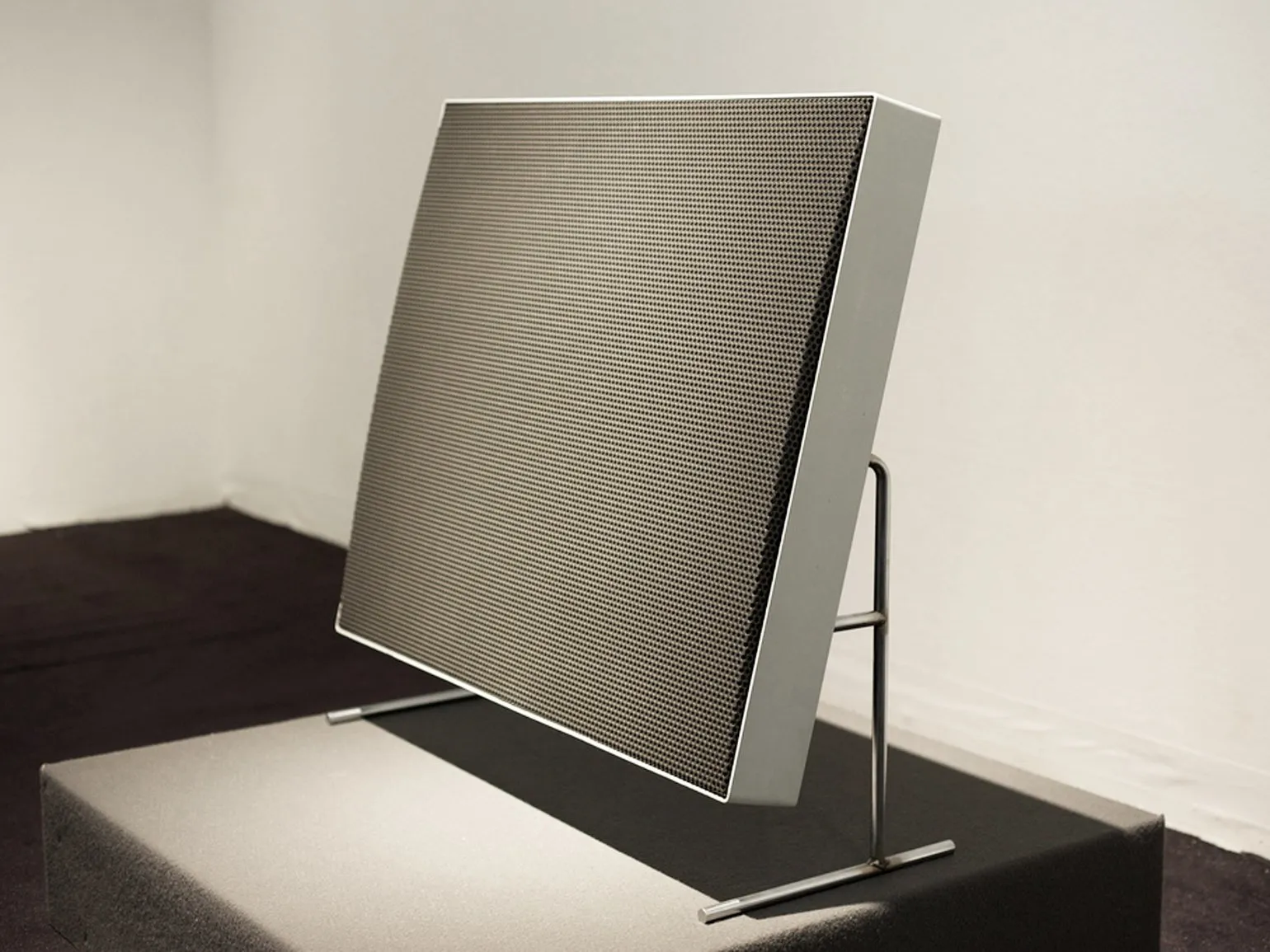
The Braun LE1 electrostatic speaker, released in 1959, became a landmark product in the world of audio equipment. It combined elegant design and innovative technology to deliver outstanding sound quality. The speaker's lightweight membranes contributed to high sensitivity and accurate reproduction, making the Braun LE1 a coveted choice for true music connoisseurs. This speaker not only changed the idea of the sound systems of its time, but also left a significant mark on the history of audio engineering.
Additional study materials will help deepen your knowledge and broaden your understanding of the topic. Use a variety of sources, including books, articles, videos, and online courses, to gain a more comprehensive understanding. Consider authoritative resources and current research to help you stay up to date with the latest trends and developments in your field. Don't forget the opportunity to discuss materials with like-minded people, which can facilitate better assimilation of information.
Dieter Rams: Ten Principles of Effective Design, Illustrated by His Work. Dieter Rams, a prominent designer, is known for his principles of good design, which serve as a foundation for creating functional and aesthetically pleasing products. His ten rules encompass aspects such as simplicity, durability, and intuitiveness, making his approach relevant today. Rams's works, from household appliances to furniture, serve as vivid examples of these principles in action, demonstrating how good design can improve everyday life. Studying these principles will help not only designers but also anyone who strives to create more harmonious and convenient solutions in their work.
A product should not be just a decorative element, but a harmonious combination of aesthetics and functionality. It is important for the designer to focus on the needs of users, minimizing unnecessary functions and focusing on practicality and convenience. This approach will create a more effective and in-demand product that meets real consumer needs.
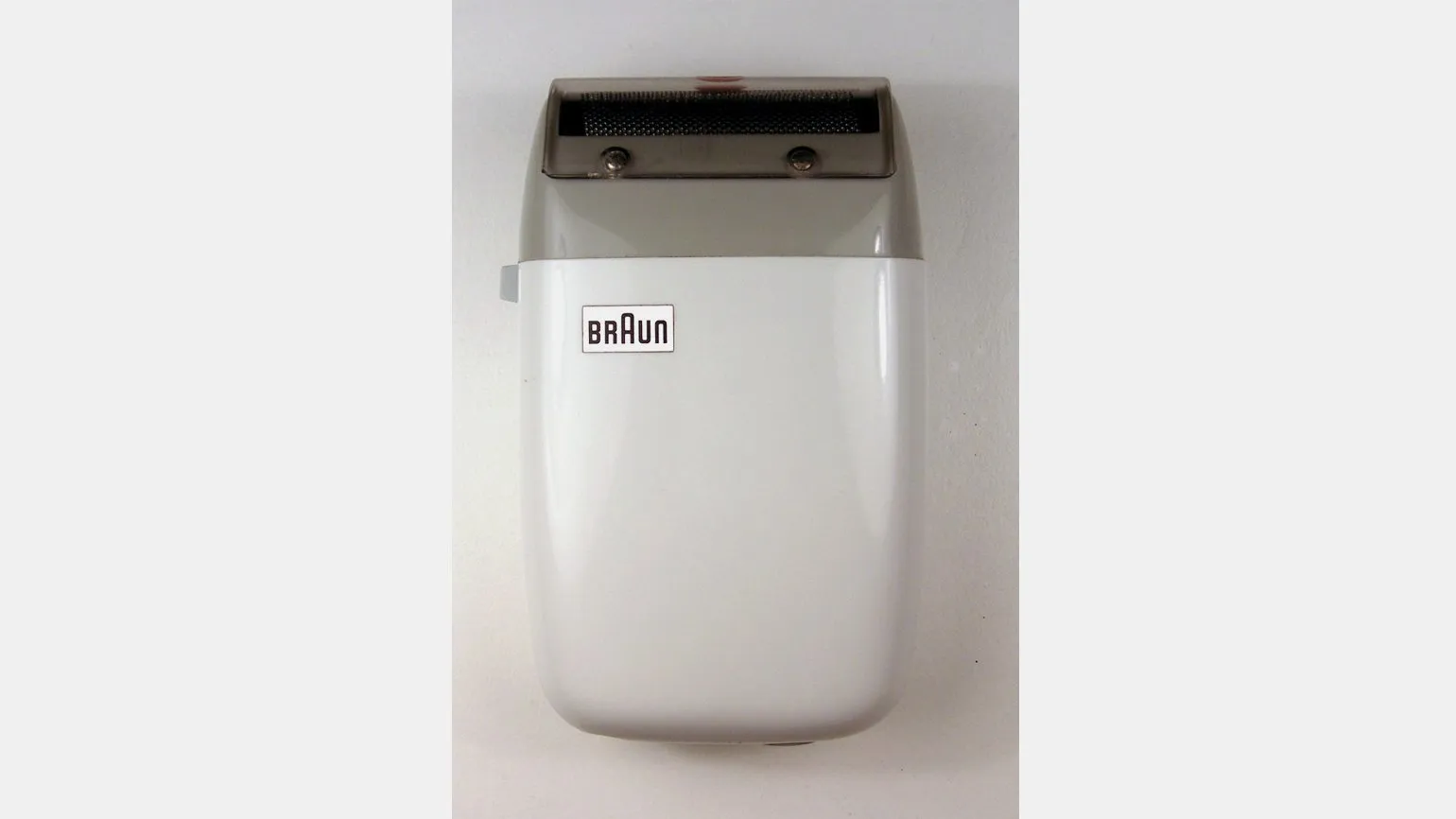
The Braun Combi DL5 razor, released in 1957, is the perfect combination of convenience and style. Equipped with a fixed trimmer, it provides maximum precision when grooming your beard and moustache. Its elegant chrome finish and smooth lines make this model not only functional but also aesthetically pleasing. The Braun Combi DL5 shaver is an outstanding product that combines classic design with modern technology, allowing it to remain relevant and in demand.
Explore the history of design with our educational resources. We offer you a unique opportunity to delve into the evolution of design solutions, exploring key stages and influential movements in this field. Learn about significant figures, their works, and their influence on contemporary design. Each material is developed with current trends and user needs in mind to enrich your understanding of the history of design and help you create your own unique projects.
- The Company That Changed the Face of Design: The History of Adobe
- The Memphis Group: A Postmodern Turn in Design
- Reinforced Concrete, Le Corbusier's Church, and Glass Walls: A History of French Architects
Interior Designer: 5 Key Skills for Success
Want to become an interior designer? Learn 5 important skills for a successful career in this field!
Learn more