Contents:
- Innovative technologies: kangaroo crane, piping systems and the use of ice in concrete
- The foundation of the Burj Khalifa: 50-meter wells and innovative polymer resin
- Asymmetrical architecture: secrets of combating wind loads
- Features of washing the windows of the Burj Khalifa
- How the Burj Khalifa uses environmentally friendly technologies to heat water: 140 thousand liters per day
- Efficient use of thermal panels in the Burj Khalifa to minimize greenhouse gases effect
- Elegant air conditioning system with a unique aroma from Armani
- 40 million liters of water per year: Innovative condensate collection system in the Burj Khalifa
- 57 elevators and 2909 steps: how to climb to the top of the Burj Khalifa
- Effective safety and evacuation strategies in modern skyscrapers
- Relevance of solutions: The example of the Burj Khalifa
- Infographics: the largest skyscrapers in the world

Landscape Designer: 7 Steps to a Successful Profession
Learn MoreInnovative Technologies: Kangaroo Cranes, Piping Systems, and the Use of Ice in Concrete
Construction of the Burj Khalifa, the tallest building in the world, began in 2004 and required a massive effort. Up to 12,000 workers were working on the site at any one time, allowing for the construction of one to two floors per week. To maintain this rapid pace, an innovative assembly concept was implemented, which involved the use of prefabricated elements. This significantly simplified and accelerated the construction process, making the Burj Khalifa not only an architectural achievement, but also an example of effective construction technologies.
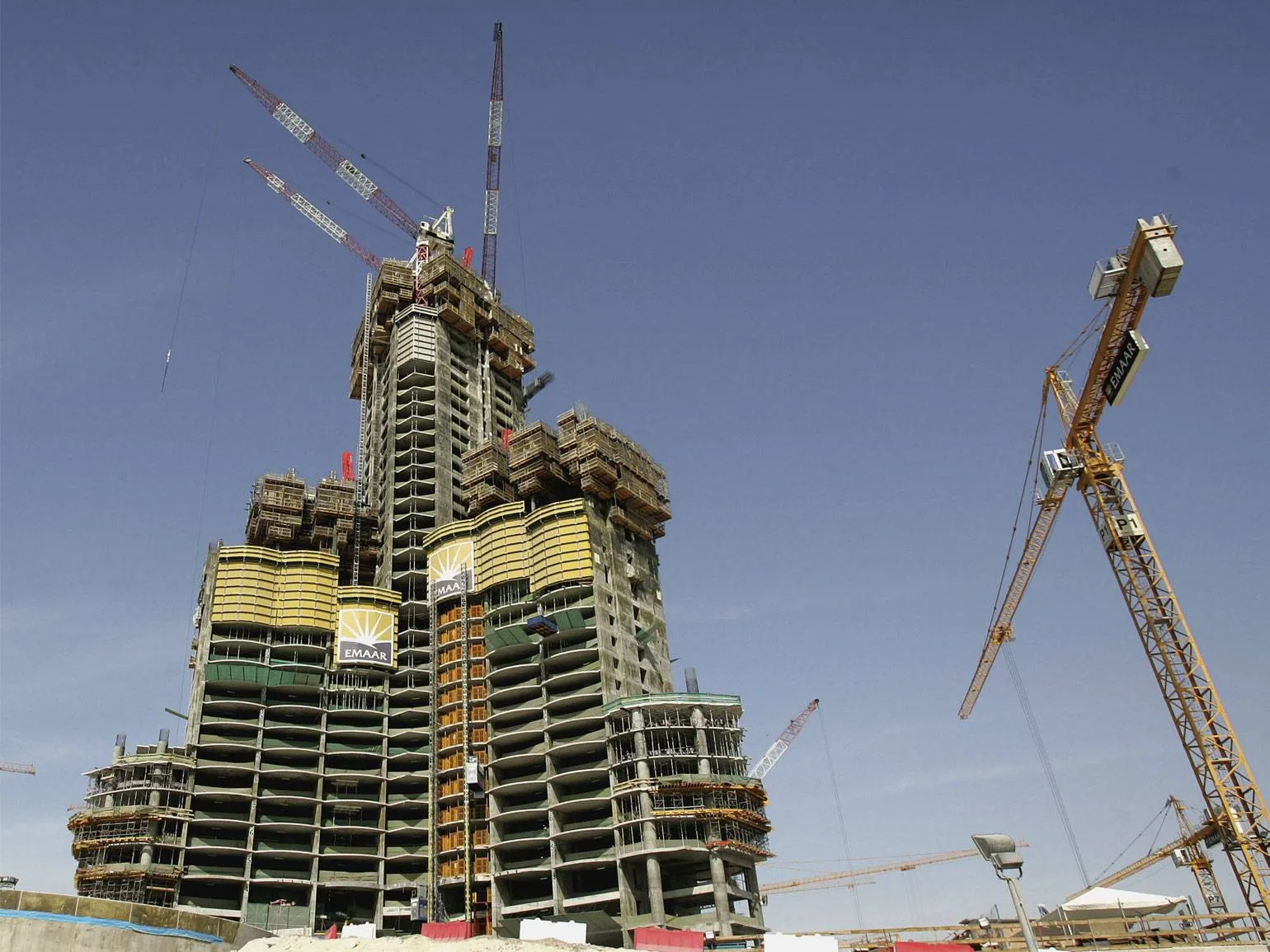
A unique pipeline system was used to deliver concrete, Providing a concrete pumping rate of up to 630 liters per second, this innovative process set a new world record: the concrete was pumped 601 meters high, surpassing the previous record, held by the Taipei 101 skyscraper, which stands at 449.2 meters. This technology demonstrates cutting-edge achievements in construction and opens new horizons for high-rise construction. Working with concrete mixture presents a number of challenges. It's crucial to select the right consistency: too-thin concrete can harden during the process, while too thick a mixture can clog pipes. Dubai's hot summers exacerbated these problems, so concrete work was mostly carried out at night. To improve the concrete's properties, ice was added to its composition, which allowed for temperature control and prevented negative consequences associated with high ambient temperatures.
Burj Khalifa Foundation: 50-Meter Boreholes and Innovative Polymer Resin
Before construction began on the Burj Khalifa in the United Arab Emirates, engineers faced unique geological conditions. The rock at the construction site was not only brittle but also cracked, a common problem in the region. These factors complicated the foundation stabilization process, which differs from standard methods used for most skyscrapers worldwide. Solving this problem required an innovative approach and the use of modern technologies, which ultimately contributed to the successful completion of one of the tallest buildings in the world.
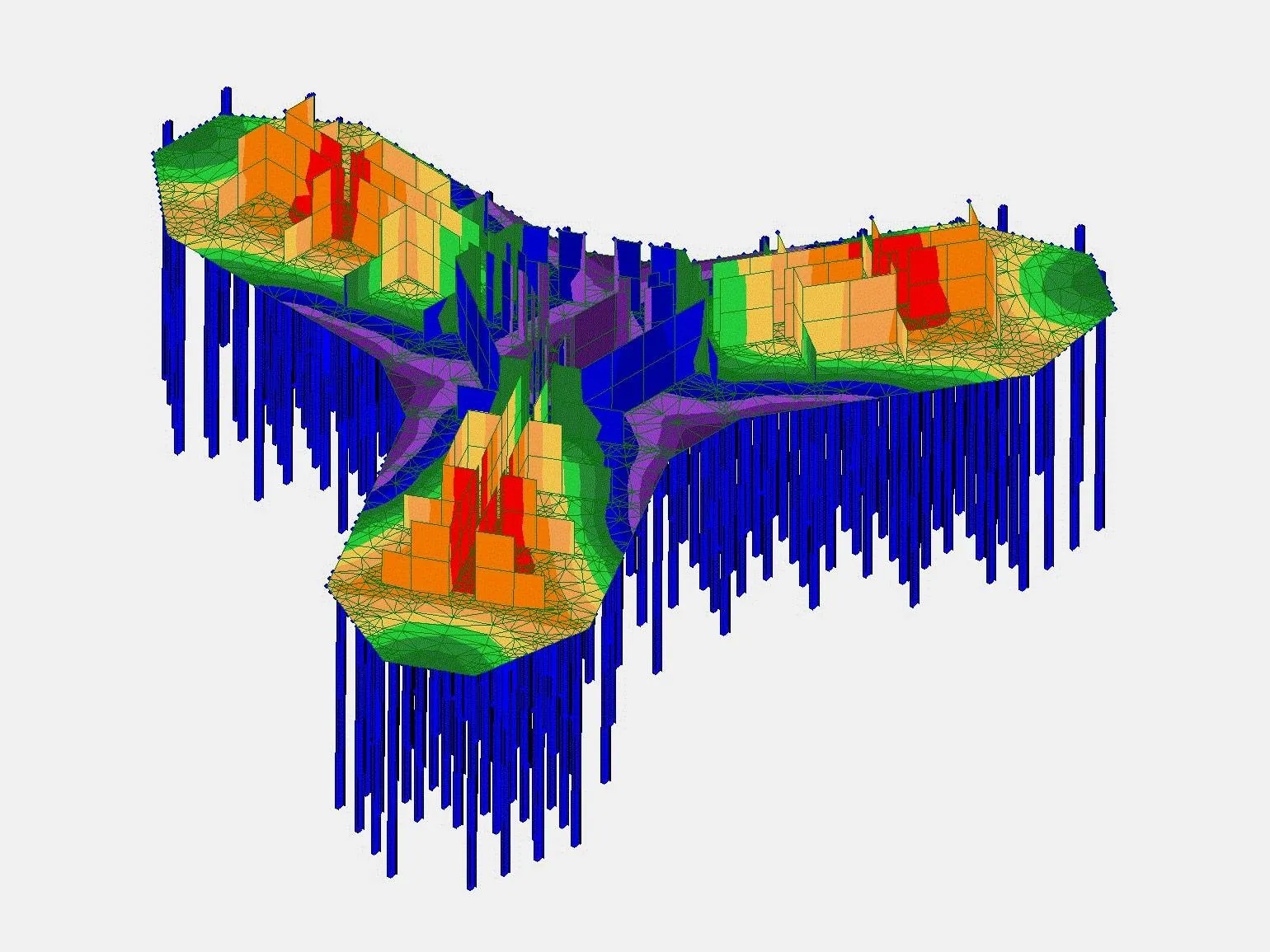
To solve this problem, 50-meter boreholes were drilled, but the fragility of the rock and the presence of groundwater created a risk of collapse. To prevent this, the boreholes were filled with a special polymer resin, which displaced the water and provided strength by holding the rock fragments. Concrete was then poured into the boreholes, displacing the resin and, upon hardening, forming strong foundation piles. This approach ensures the reliability and durability of the structure, preventing possible deformation and collapse.
The foundation of the Burj Khalifa is a monolithic slab approximately 4 meters thick, which rests on 200 piles with a diameter of 1.5 meters. This design ensures the building's high reliability and resistance to various natural and artificial influences. Such engineering solutions have become key factors in the success of the Burj Khalifa as one of the tallest buildings in the world. A stable foundation plays a vital role in ensuring the durability and safety of a skyscraper, making it an outstanding example of modern construction art and engineering.
Asymmetrical architecture: secrets of fighting wind As buildings grow taller, so do the wind forces acting on their structures. When designing the Burj Khalifa, architect Adrian Smith used an asymmetrical form not only to create a visual effect but also to increase resistance to wind loads. This innovative architectural strategy allows the building to effectively withstand strong winds, which is especially important for skyscrapers. Resistance to wind effects is becoming a key factor in the design of high-rise buildings, ensuring the safety and durability of structures.
The stalactite-like structure was designed to minimize the impact of vortices arising from air currents around the skyscraper. The lower floors of the building are crucial for ensuring the strength and stability of the structure, which significantly improves its resistance to wind loads. This approach to architecture contributes not only to safety but also to the durability of the building, making it more efficient in operation.
Burj Khalifa Window Cleaning Features
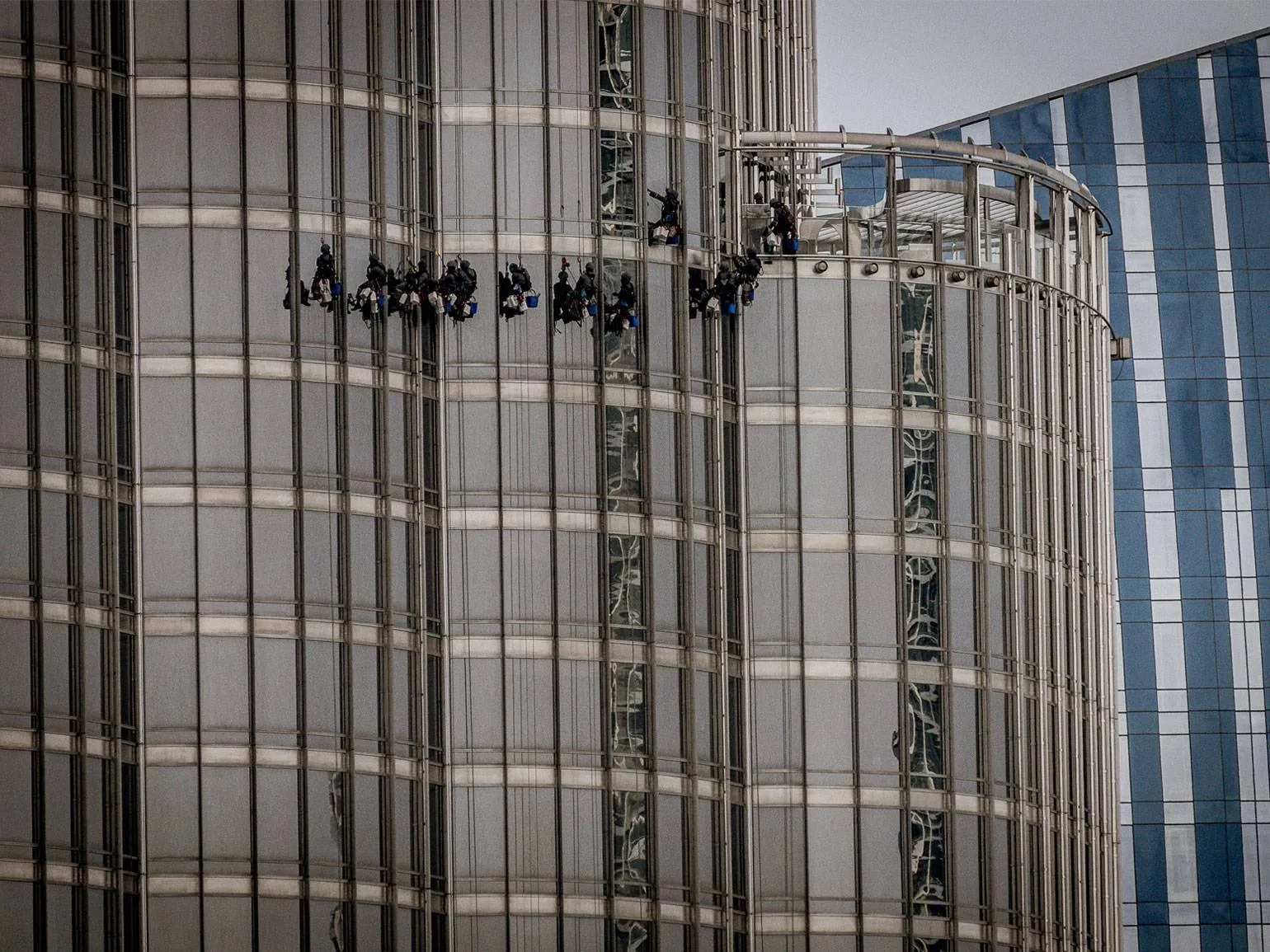
Burj Khalifa, the tallest skyscraper in the world, was built in record time and completed in January 2009. The building's exterior cladding was completed by September of the same year. Behind this monumental construction effort lies an equally impressive task—regular window cleaning, the total area of which is comparable to 17 football fields. This complex operation requires highly qualified specialists and modern technology to maintain the impeccable appearance of Dubai's most famous symbol.
Burj Khalifa window cleaning is carried out according to a strictly set schedule. The building's glass surfaces are cleaned four times a year, and each session takes three to four months. This testifies to the ongoing work to maintain the cleanliness and impeccable appearance of one of the tallest buildings in the world. Professional teams use specialized technology and equipment to ensure the windows are in perfect condition and the entire process is safe. Skyscraper cleaning is performed by professional climbers using suspended cabins that move along built-in rails. A specially designed robot is used to clean the building's top 27 floors and spire, significantly increasing the efficiency and safety of the process. The use of such technologies allows us to minimize risks for employees and guarantees a high-quality washing result.
How the Burj Khalifa uses environmentally friendly technologies to heat water: 140 thousand liters per day
Providing high-rise buildings, Providing buildings like the Burj Khalifa with essential resources, including electricity, hot and cold water, and fresh air, presents a complex challenge. During peak periods, the iconic skyscraper consumes up to 50 megawatts of electricity per day, highlighting the importance of efficient resource management to ensure the comfort and safety of residents. Efficient energy and water supply systems play a key role in maintaining the functionality and sustainability of modern megastructures.
To reduce energy consumption, flat-plate solar collectors have been installed on the Burj Khalifa extension. These devices convert solar radiation into heat, heating a coolant. The resulting heat is then transferred to the water through a heat exchanger, ensuring efficient heating of the water for the water supply system. The use of solar collectors not only contributes to energy savings, but also reduces the carbon footprint, making the building more environmentally friendly and energy efficient.
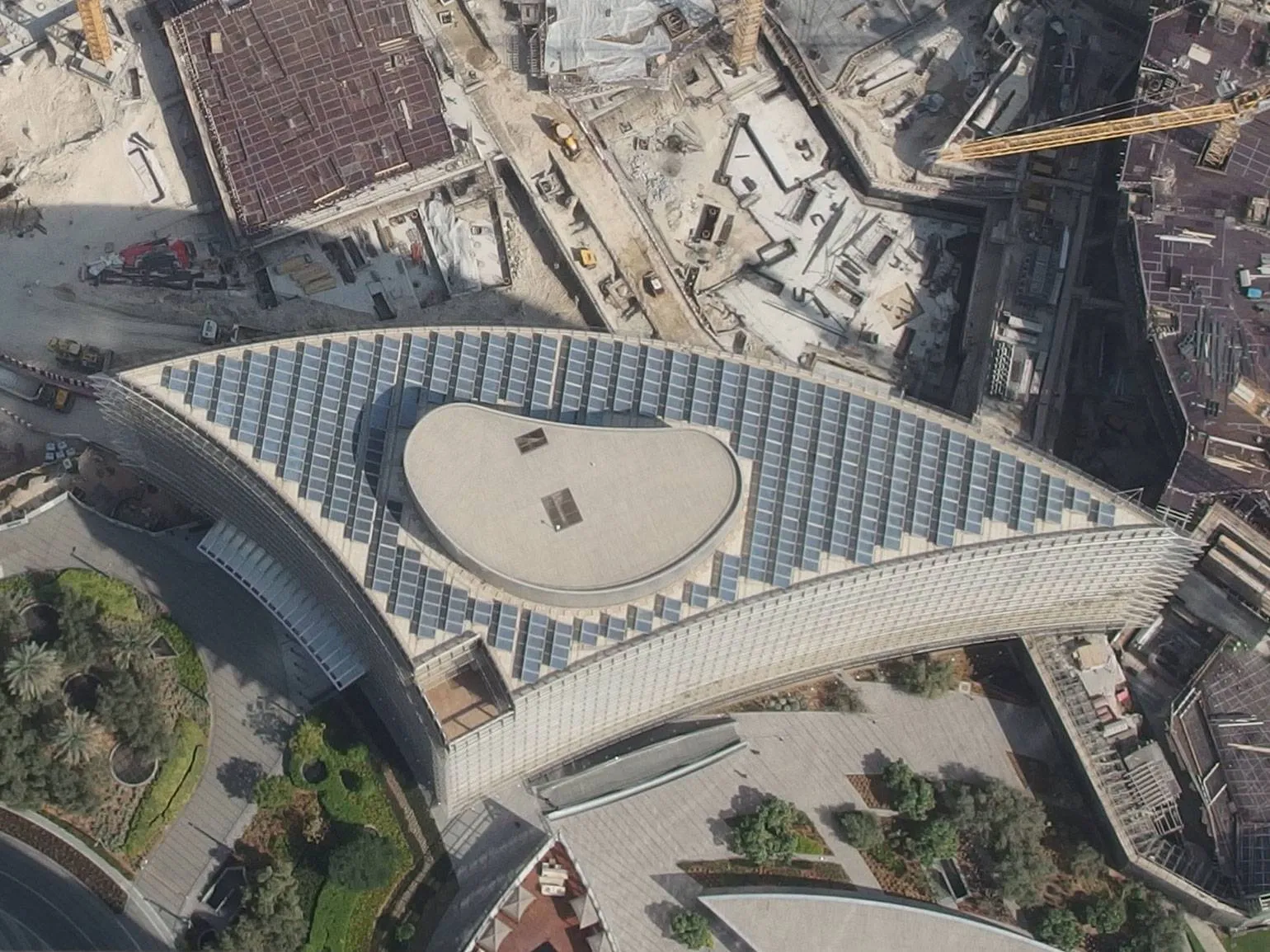
The solar technology used in the Burj Khalifa can heat 140,000 liters of water in seven hours of sunlight, saving more than 3 megawatts of electricity per day. For comparison, the water supply system of this skyscraper produces an average of 946,000 liters of water daily, which highlights the importance of every drop. Efficient use of solar energy on such a scale not only reduces energy consumption, but also contributes to sustainable development and environmental protection.
Efficient use of thermal panels in the Burj Khalifa to minimize the greenhouse effect
Dubai, one of the hottest cities in the world, is known for its extreme climate conditions. It has more than 355 sunny days a year, and the average temperature is around 28 degrees Celsius. Designing buildings in such conditions requires a special approach to climate control systems and glazing. Proper glazing technologies and efficient air conditioning systems play a key role in ensuring comfort and energy efficiency for residents and visitors. Given Dubai's climate, architects and engineers are developing innovative solutions that help minimize the impact of high temperatures on building interiors. During the construction of the Burj Khalifa, the tallest skyscraper in the world, approximately 30,000 bifacial thermal panels were installed. Standard glass structures would not have provided the necessary cooling efficiency, even with powerful air conditioners. Specially designed thermal panels reflect ultraviolet rays from the outside and infrared rays from the inside, significantly reducing the load on cooling systems by up to 50%. This solution not only improves the building's energy efficiency, but also helps create a comfortable microclimate inside the Burj Khalifa.
An elegant air conditioning system with a unique fragrance by Armani
The Burj Khalifa, the tallest skyscraper in the world, uses an innovative air conditioning system based on seawater. The refrigeration center, located in a separate building, ensures high cooling efficiency. Although this method can increase energy costs, the priority is to create a comfortable microclimate for all visitors. Using seawater for air conditioning not only improves air quality but also demonstrates a commitment to sustainable technologies in architecture.
The Burj Khalifa system has a unique feature - an exclusive fragrance developed by the famous Armani brand. Visitors to this majestic building are greeted not only by fresh air, but also by the refined scent of juniper, which comes through membranes in the supply ventilation systems. This aroma fills the public areas, creating an atmosphere of luxury and comfort, making a visit to the Burj Khalifa an unforgettable experience.
40 million liters of water per year: Innovative condensate collection system in the Burj Khalifa
Using rainwater to irrigate plants has become a common practice in various countries. However, in Dubai, where the average annual rainfall is only 50 mm, this solution is ineffective. For comparison, in Moscow this figure reaches 650 mm. Nevertheless, the unique climate of the United Arab Emirates opens up opportunities for condensate collection, which is an important step towards rational and sustainable use of water resources. Developing technologies for the efficient collection and use of condensate can significantly increase irrigation levels and contribute to the prosperity of agriculture in this region.
The Burj Khalifa, a symbol of architectural innovation, was the first building to implement a unique system for collecting condensate from air conditioners. Condensate generated during the cooling process is piped to an underground reservoir. The collected water is then used to irrigate the complex's green spaces. This allows the building to save up to 40 million liters of water annually, positively impacting the environment and improving the city's quality of life. Burj Khalifa's innovative technologies highlight the importance of sustainability in modern construction.
57 elevators and 2,909 steps: how to climb to the top of the Burj Khalifa
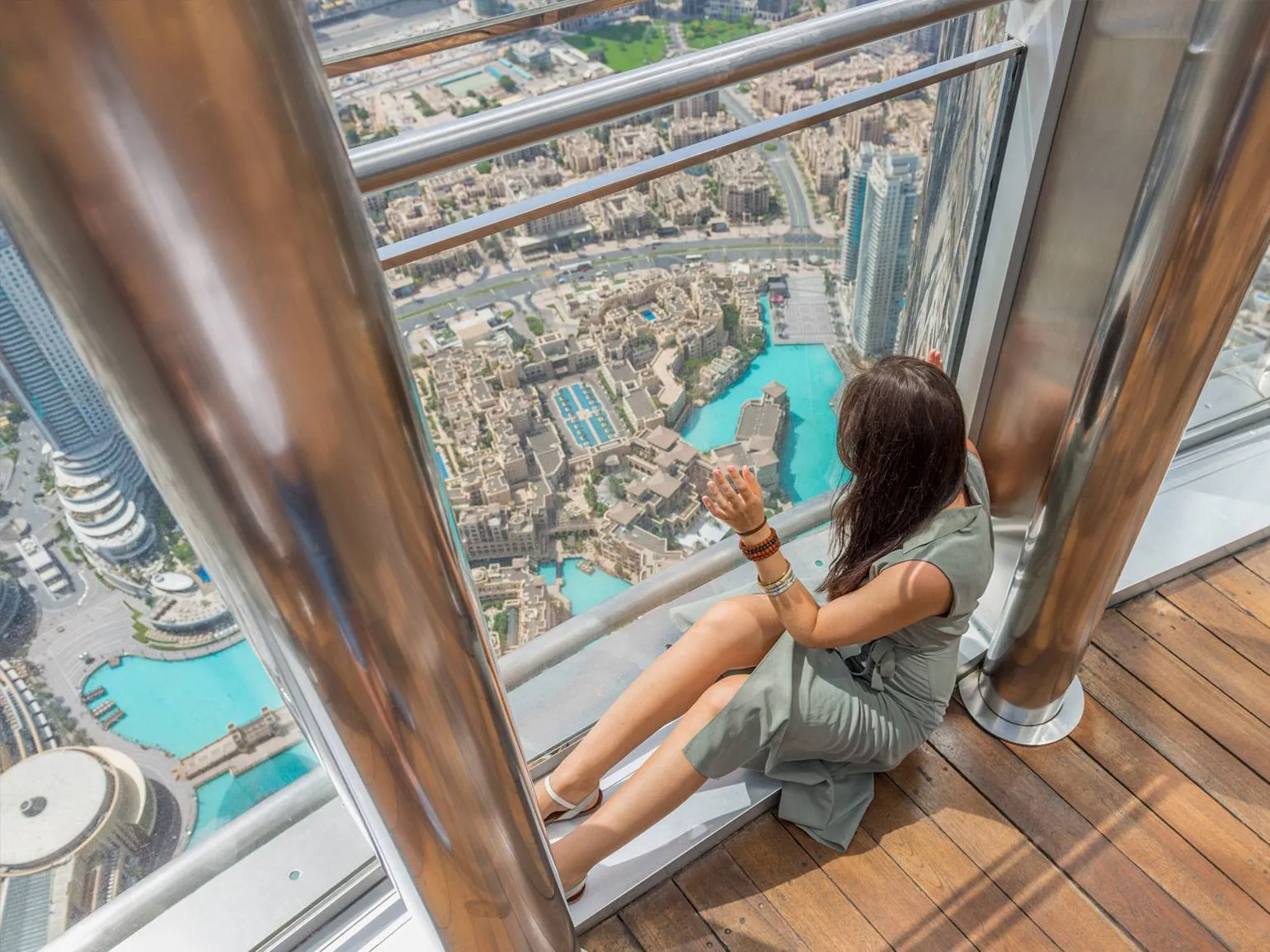
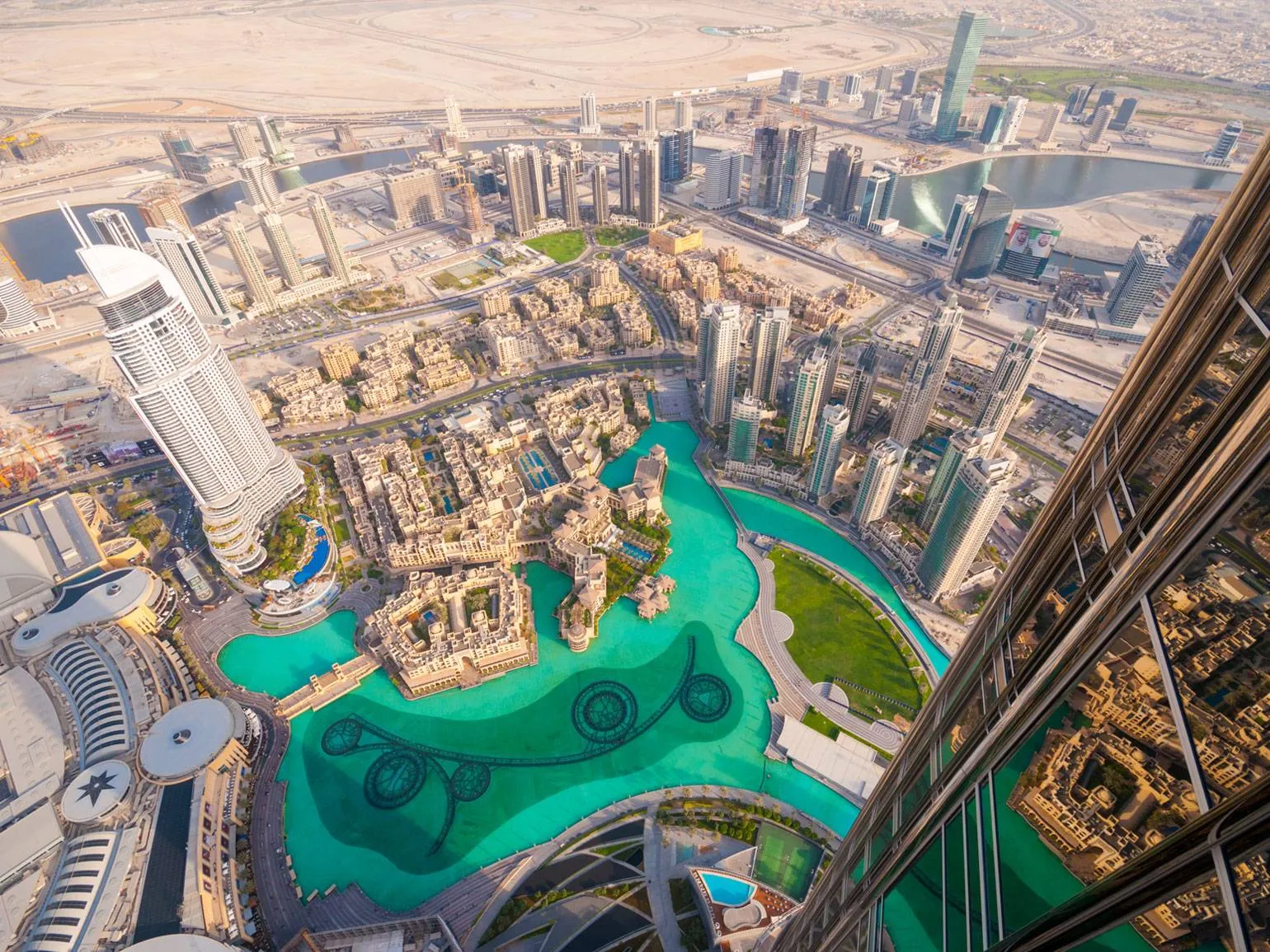
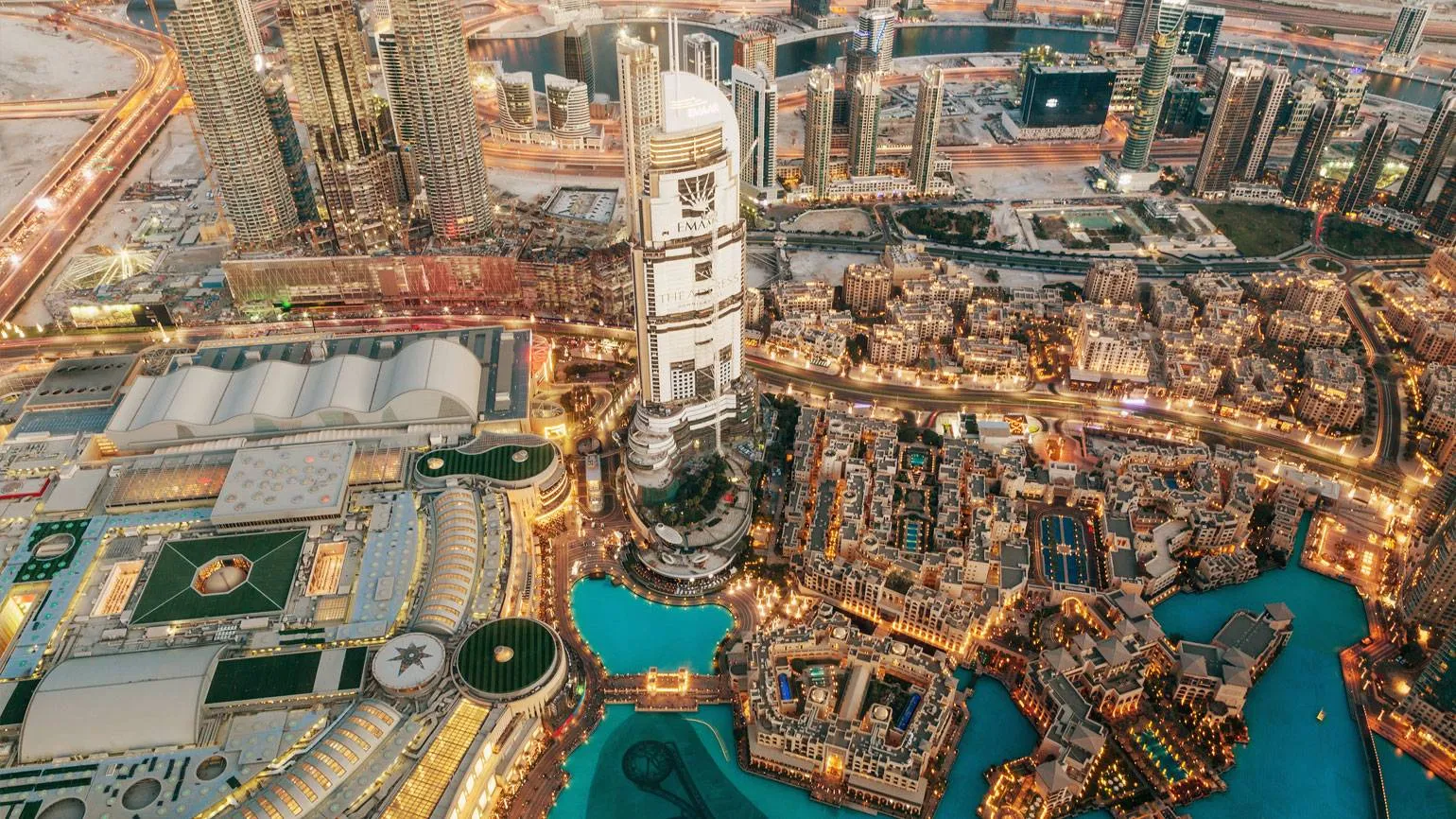
The Burj Khalifa is not just the tallest building in the world, but an outstanding work of architecture and engineering. This skyscraper can accommodate about 35,000 people at a time. To ensure comfort and speed of movement, 57 high-speed elevators are provided, capable of reaching speeds of up to 10 meters per second. However, to reach the observation decks on the upper floors, visitors will need to change, as the elevator serving the ground floors is intended exclusively for building employees. The Burj Khalifa is a symbol of Dubai and attracts tourists from all over the world thanks to its unique features and breathtaking views.
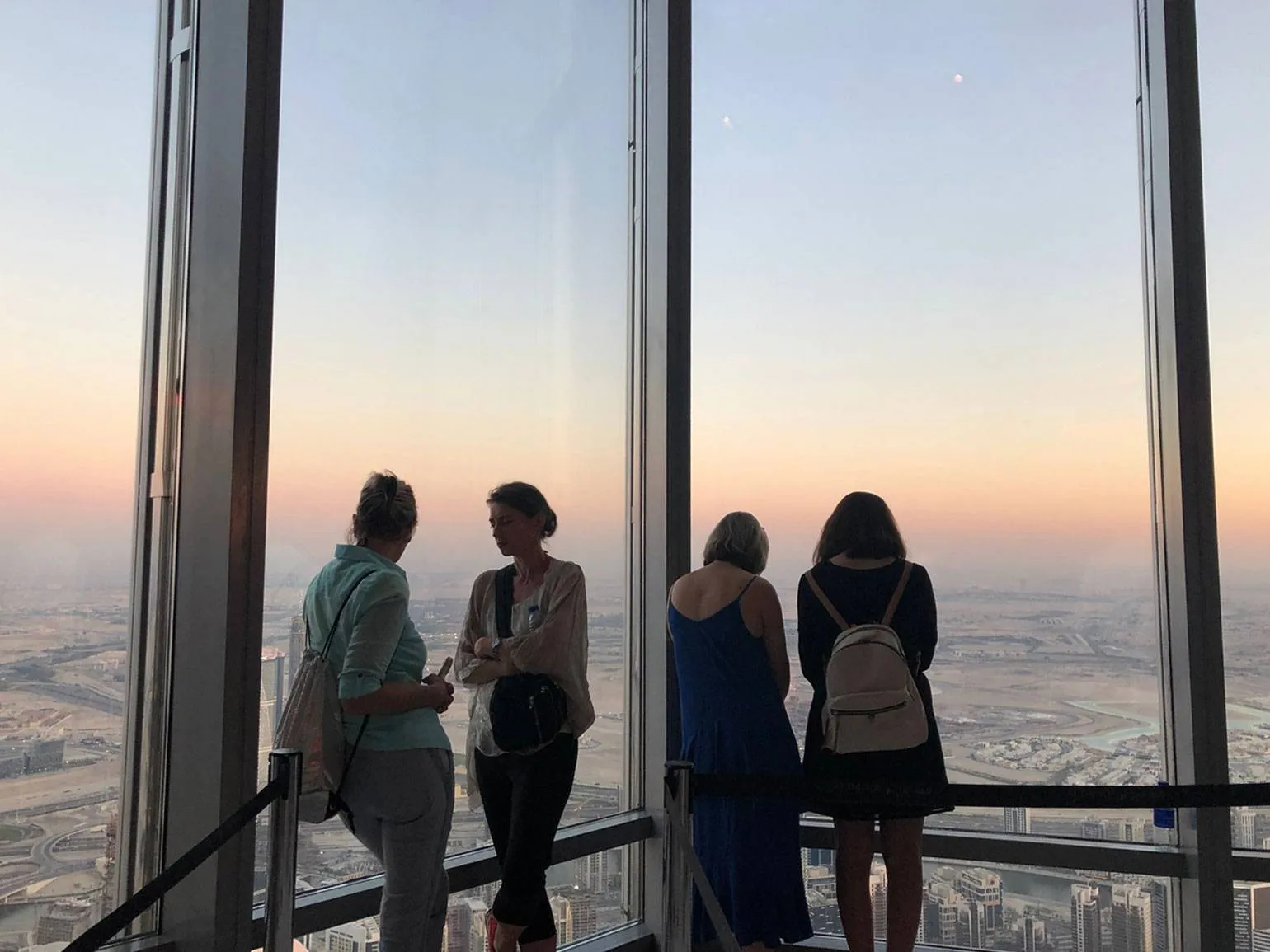
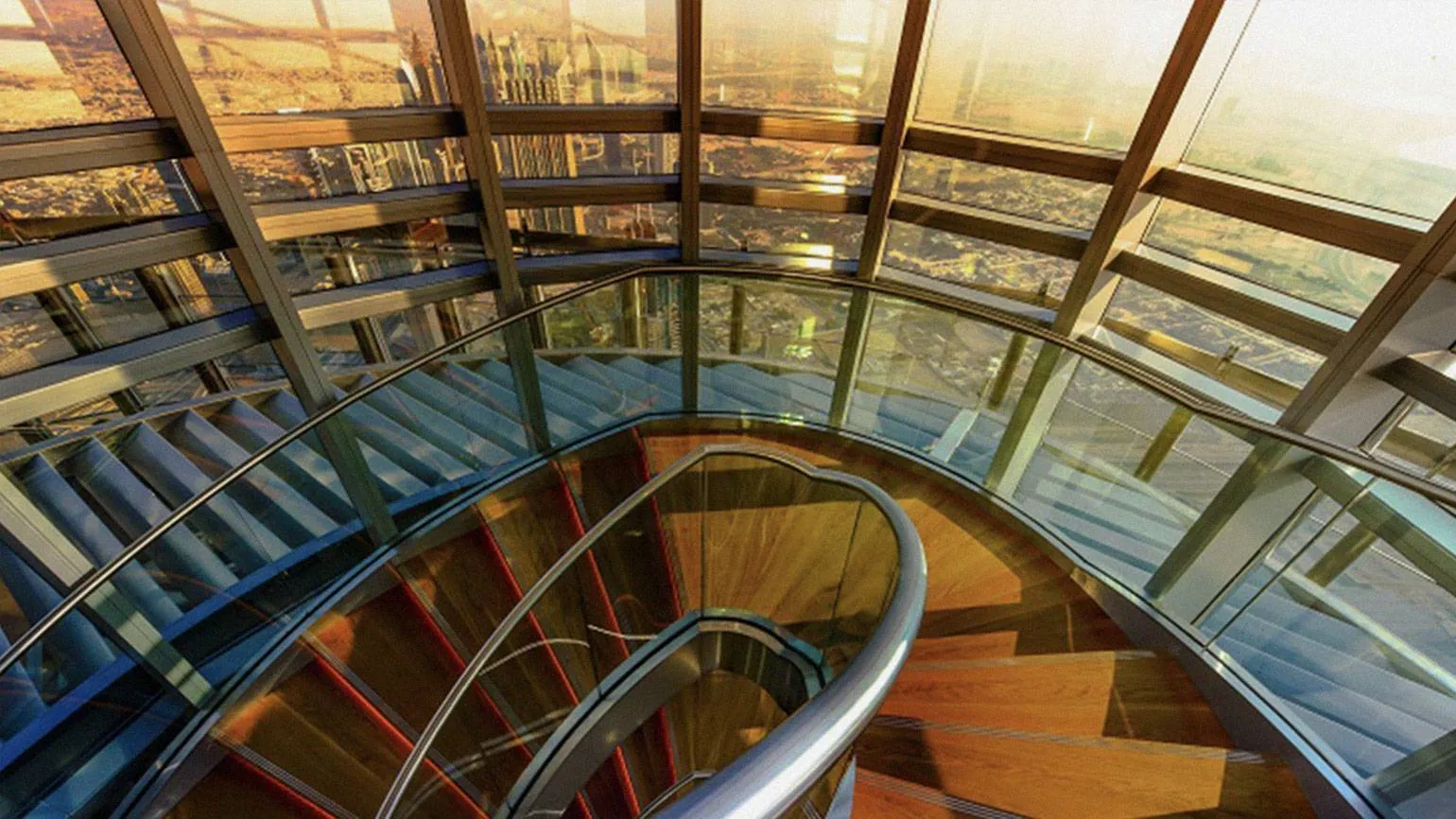
For lovers of active recreation, a spiral staircase with 2,909 steps is offered. Completing the entire journey is no easy task, but taking a break in the elevator to enjoy the stunning views of Dubai through the panoramic windows is a wonderful option. This experience will not only strengthen your physical fitness but also allow you to enjoy the unique scenery, making your time in the city unforgettable.
Effective Safety and Evacuation Strategies in Modern Skyscrapers
When designing high-rise buildings, such as the Burj Khalifa, it is important to consider the risks associated with natural disasters such as fires and earthquakes. This Dubai skyscraper exemplifies advanced safety technologies, as its design is capable of withstanding earthquakes up to six on the Richter scale. Resistance to such natural phenomena ensures not only the safety of people but also the durability of the building itself, making it a model for future high-rise construction projects.
Ashley Davis, an architect and strategic consultant at Real Estate Bees, notes that the Burj Khalifa is a model for other buildings in terms of safety and evacuation. The skyscraper's interior structures include fire-resistant floors and specialized stairways that provide protection from fire and smoke, making it one of the safest buildings in the world.
On every 30th floor of the building, there are reinforced concrete shelters equipped with a fireproof coating and a highly efficient ventilation system. These shelters are designed to withstand extreme temperatures and fire exposure for several hours, ensuring reliable safety for occupants until they can be evacuated. Thanks to thoughtful design and modern materials, the shelters guarantee protection and comfort in critical situations, making the building safe for occupants.
In the event of a fire, the ventilation system is automatically activated, supplying fresh air through fire-resistant ducts, effectively displacing smoke from the stairwells. This significantly simplifies the evacuation process, allowing safe exit from the building both via the stairs and using the fire elevator, which is designed to transport up to 60 people. The presence of such a system is critical to ensuring the safety of people in emergency situations and minimizing the risks associated with smoke.
Relevance of solutions: The example of Burj Khalifa

Founder and methodologist of the architectural bureau "Parametrica". He specializes in developing innovative architectural solutions using modern technologies and design methods. His experience in architecture and design allows him to create unique projects that meet client requirements and current trends. Parametrika Bureau focuses on integrating functionality and aesthetics, making his work highly sought after. When deciding to build a skyscraper, one of the most important aspects is choosing its location. The optimal option is considered to be a combination of three key factors: high land costs, challenging climatic conditions, and thoughtful urban planning. A striking example of this approach is the Burj Khalifa, which has become a symbol of architectural achievement and efficient use of space in a metropolitan environment. High-rise construction significantly reduces the cost of utility networks, which is especially important for the Emirates, where the problem of fresh water shortages is becoming increasingly pressing. Compact development fosters a comfortable urban environment: high population density reduces landscaping costs, opening up opportunities for more expensive but aesthetically pleasing solutions, such as using natural stone instead of paving stones. This not only improves the appearance of urban infrastructure but also enhances its durability and functionality. Incorporating such approaches into architecture and urban planning helps create sustainable and modern cities that meet the needs of residents and provide a high quality of life.
Dubai is renowned for its pedestrian comfort, but this comfort is only available during limited periods of the year. During the hot months, residents need shelter from the scorching heat. Skyscrapers in this city should be viewed not only as residential buildings but also as multifunctional complexes where all elements interact harmoniously. An example of this approach is the Burj Khalifa, which successfully combines residential, commercial, and entertainment spaces, creating a comfortable environment for residents and tourists.
There are many situations in our lives when we act based on more than just rational considerations. For example, we are willing to pay more for a dinner at a restaurant when celebrating an important event. The Burj Khalifa, a striking building in Dubai, not only attracts attention with its architectural design but also creates a unique urban landscape. It has become a symbol of Dubai and is associated with it by millions of tourists, undoubtedly contributing to the development of tourism and the city's economy.
The construction of skyscrapers requires significantly greater investment and effort than conventional high-rise buildings. This is due to the need to comply with strict fire safety regulations and increased safety requirements. Designing elevator systems, taking wind loads into account, and the complexity of utility systems also contribute to the complexity of this process. Skyscrapers must ensure not only the comfort but also the safety of their occupants, which requires highly qualified specialists and modern technologies.
Despite the existing difficulties, the feasibility of implementing such projects can justify the associated costs. Many companies and architectural firms with many years of experience in the design and construction of high-rise buildings operate in the market. These organizations are able to offer innovative solutions and high-quality services, making them reliable partners for the implementation of complex projects. Selecting experienced specialists in this field helps minimize risks and improve construction efficiency.
In the future, significant changes are expected in the concept of skyscrapers, which will be transformed into multifunctional complexes with an emphasis on office space. The pandemic has demonstrated the feasibility of remote work, but in-person meetings and interactions will remain essential. This will create strong demand for properties that combine office, retail, and residential areas, providing comfortable spaces for work and leisure. Innovative technologies and sustainable construction will play a key role in shaping new standards for skyscrapers, making them attractive to tenants and investors.
Infographics: The World's Largest Skyscrapers
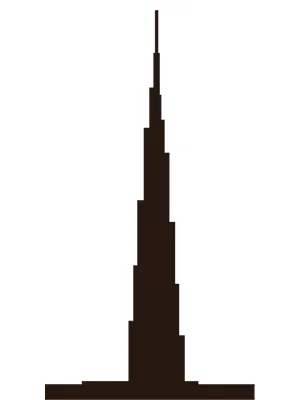
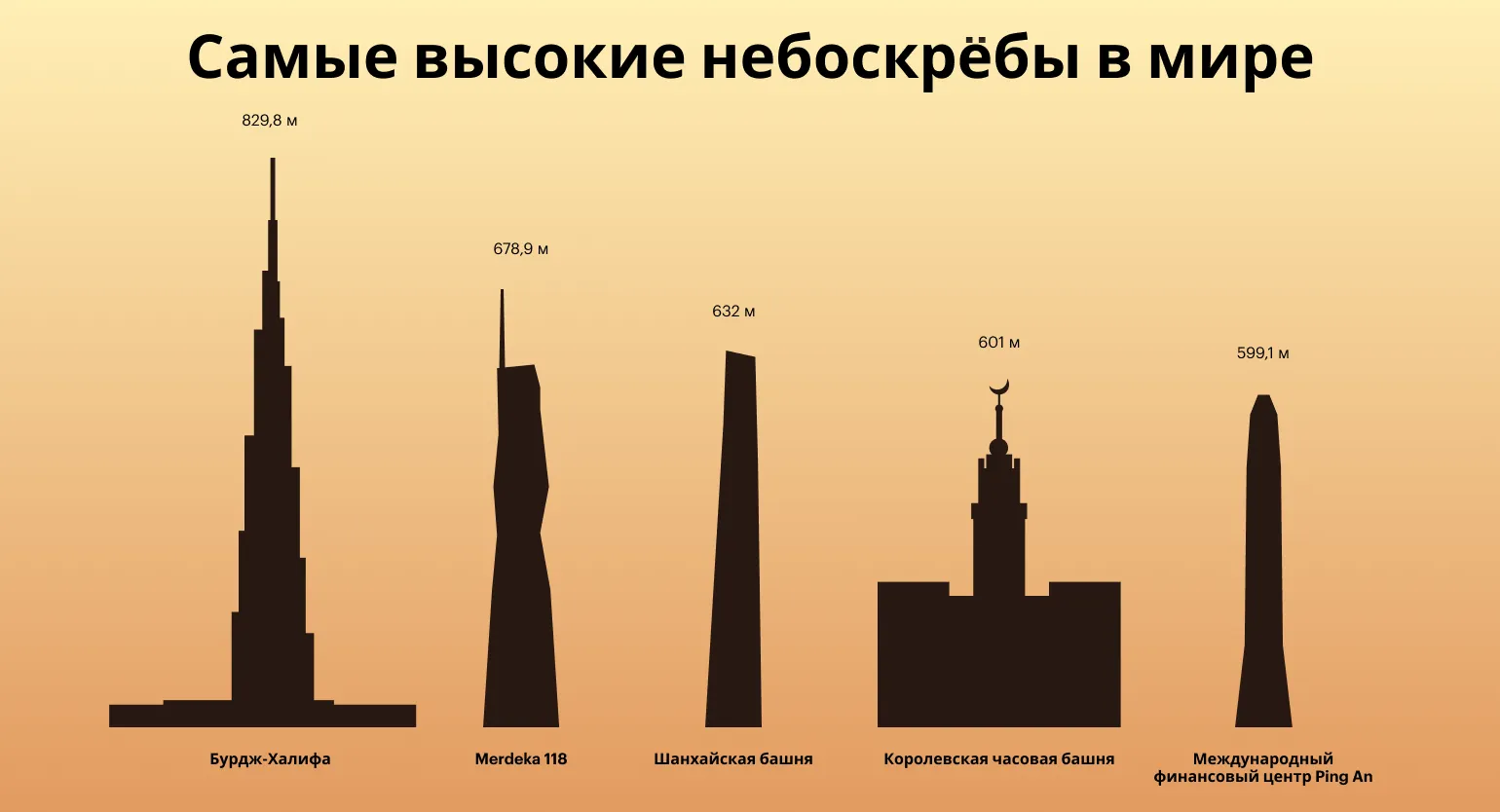
The Burj Khalifa in Dubai is the tallest skyscraper in the world, with 163 floors. This architectural marvel attracts tourists from all over the world thanks to its unique design and impressive heights. The Burj Khalifa is not only a symbol of Dubai but also an outstanding example of modern engineering.
Completed in 2009, this impressive skyscraper remains the tallest building in the world. Its unique architecture and height attract tourists and architects from all over the world, making it a significant landmark.
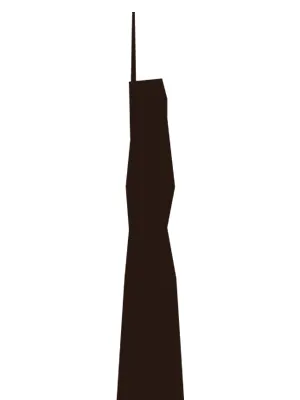
The next object in our review is Merdeka 118, located in Kuala Lumpur. This impressive tower reaches a height of 644 meters and has 118 floors. Merdeka 118 is not only the tallest building in Malaysia but also the second tallest in the world. The tower's architectural design combines modernity and traditional elements, making it a significant part of the cityscape. The construction of Merdeka 118 symbolizes Malaysia's economic development and progress, attracting the attention of both locals and tourists.
This skyscraper was designed to allow visitors to enjoy panoramic views of the historic Merdeka Stadium. The building's architecture blends harmoniously with the cityscape, creating a unique visual experience. Thanks to its high floors and well-designed observation decks, guests will be able to appreciate the beauty of both the stadium itself and the surrounding infrastructure.

The Shanghai Tower, reaching a height of 632 meters and consisting of 128 floors, is known as the home of the highest observation deck in the world. This platform is located at a height of 561 meters and offers breathtaking views of the city of Shanghai. The tower is not only an architectural masterpiece, but also a popular tourist attraction, attracting many visitors wishing to enjoy panoramic views.

The Royal Clock Tower in Mecca reaches a height of 601 meters and consists of 120 floors. Its impressive clock, with a diameter of 43 meters, makes this structure one of the city's most famous and iconic landmarks. The tower not only serves as a landmark for pilgrims but is also an important symbol of Mecca's modern development.
The dial of London's famous Big Ben is only 7 meters in diameter. This makes it one of the most recognizable clocks in the world, yet compared to other famous clockworks, its dimensions may seem modest. Big Ben, despite its small size, attracts many tourists and is a symbol of British culture.
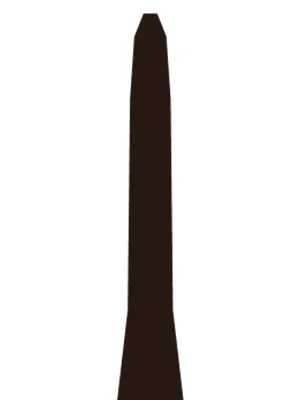
Located in Shenzhen, the Ping An International Finance Center is one of the tallest buildings in the world with a height of 599.1 meters and 115 floors. This skyscraper not only impresses with its architecture but also plays a key role in the region's financial and economic development. The center offers modern office space, hotel services, and retail space, attracting investors and tourists from around the world.
The designers originally envisioned this structure to surpass the Shanghai Tower in height. However, the antenna's height of 60 meters became a limiting factor in achieving the project's stated height ambitions.
Landscape Designer: 5 Steps to a Successful Career
Want to become a landscape designer? Learn 5 key skills for a successful start! Read the article.
Find out more