
Contents:

Course with employment: "Profession Commercial Illustrator"
Learn MoreEvery illustrator and designer has a unique style and working method, making the character creation process individual. Therefore, there is no universal plan or strict rules to follow. However, there are key stages to consider when developing a detailed and complete character. These stages will help you structure your work and achieve the desired result, regardless of your style or approach.
Understand the purpose of creating a character
Starting with an answer to this question is essential, as goals determine both the characteristics and appearance of your character. It is important to consider the following points:
- what is the character for;
- what problems should it solve;
- how many times, where, and how will it be used;
- will the character be depicted in one pose or will they change;
- do you need to animate the illustration.
The answers to these questions will help determine how deeply the character needs to be developed. This will allow you to understand whether basic poses and a minimum number of details will be enough or whether a more detailed approach to its creation is required.
If you need to create a static character for a website, logo, or brochure, you can do without depicting it in motion and without detailed elaboration of facial expressions and emotions. However, if the character is planned for animation in a video, a much more careful development of poses and movements will be required. A character for a comic book also requires careful elaboration of dynamic elements, and for a video game, it is important to pay attention not only to animation, but also to the details of the costume. Getting these aspects right will ensure high-quality visual content and will grab the audience's attention.
Assess Character Importance
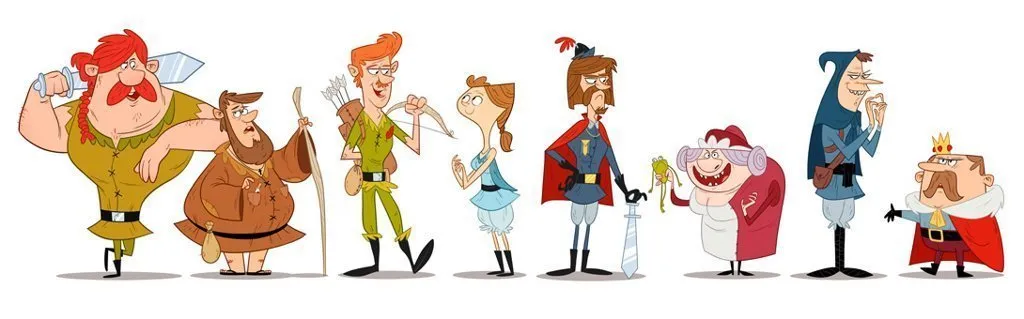
This aspect is important if your goal is to create a story with multiple characters. It is important to clearly define the role of each character: which ones are the main ones, and which ones play supporting roles. Perhaps all the characters are of equal importance and should not be singled out. These nuances will also influence the structure and design of your narrative. Proper distribution of roles will help make the plot more engaging and understandable for readers.
Each character has their own unique traits and characteristics that make them memorable. It is important to explore their motivations, goals, and development throughout the plot. Understanding the inner world of the characters helps you delve deeper into the story and appreciate its multi-layered nature. By analyzing the interactions of characters with each other, you can notice how they influence the overall course of events and the revelation of the themes of the work. Pay attention to their emotional states and the changes that occur within them, as this emphasizes the depth and realism of their images. Studying characters is the key to a more complete perception of a work and its significance.
- is he major or minor;
- positive or negative;
- part of a group or a loner.
Develop a Character's Story
Creating a believable character requires a well-developed story. Every character, like any living being, has a past, present, and future. The past shapes their character and motivations, the present determines their actions and decisions, and the future opens up new horizons for development. Thus, a character's story becomes the foundation of their uniqueness and appeal to the audience.
At first glance, it may seem that a character's biography is unimportant, especially if they're intended for the homepage of a website or app. However, it's important to understand that characters without a story are dull and unrealistic. The lack of a biography deprives them of depth and personality, making them less memorable to users. A character's story adds uniqueness and helps create an emotional connection with the audience, making them more appealing and engaging. Therefore, carefully crafting a biography is key to developing a character that can effectively engage users and increase interest in the product.
Imagine an elderly artist who has dedicated his entire life to creativity in Paris. Now imagine a young programmer who grew up in Russia and works at Google abroad. The images you conjure up are undoubtedly different. These two people represent different eras and cultures, each with their own unique stories and experiences. The artist represents traditional art and self-expression, while the programmer symbolizes technological progress and innovation. These contrasting destinies highlight how the diversity of life's paths shapes our perception of the world and inspires new achievements.
Details such as nationality, place of residence, profession, and age play a key role in creating a character's image. These elements, even if fictional, can be effectively reflected in the hero's visual appearance. By using these characteristics, you can create a deeper and more compelling character that will grab attention and allow the viewer or reader to better understand the character.

Details that will help to develop your character deeper:
- age;
- education;
- occupation;
- interests;
- nationality and place of residence;
- place of work.
This is just the start - the number of details can increase, and their variety can be any.
History plays a role not only for people, but also for animals, and for any animated objects. Each creature and object can have its own unique stories that enrich our understanding of the world. Studying these stories helps us better understand the interactions between different life forms and objects, as well as their impact on culture and society. Therefore, it's important to consider the historical significance of not only human characters, but also all the creatures and objects that surround us.
Describe what the character looks like
At this stage, illustrators begin sketching, as they already have a sufficient amount of information. Now it's time to detail the physical characteristics of your character. This includes working out proportions, facial features, and other visual aspects that will help make the character more realistic and memorable. Clarifying these details plays a key role in the further development of the concept and in the creation of an original artistic image.
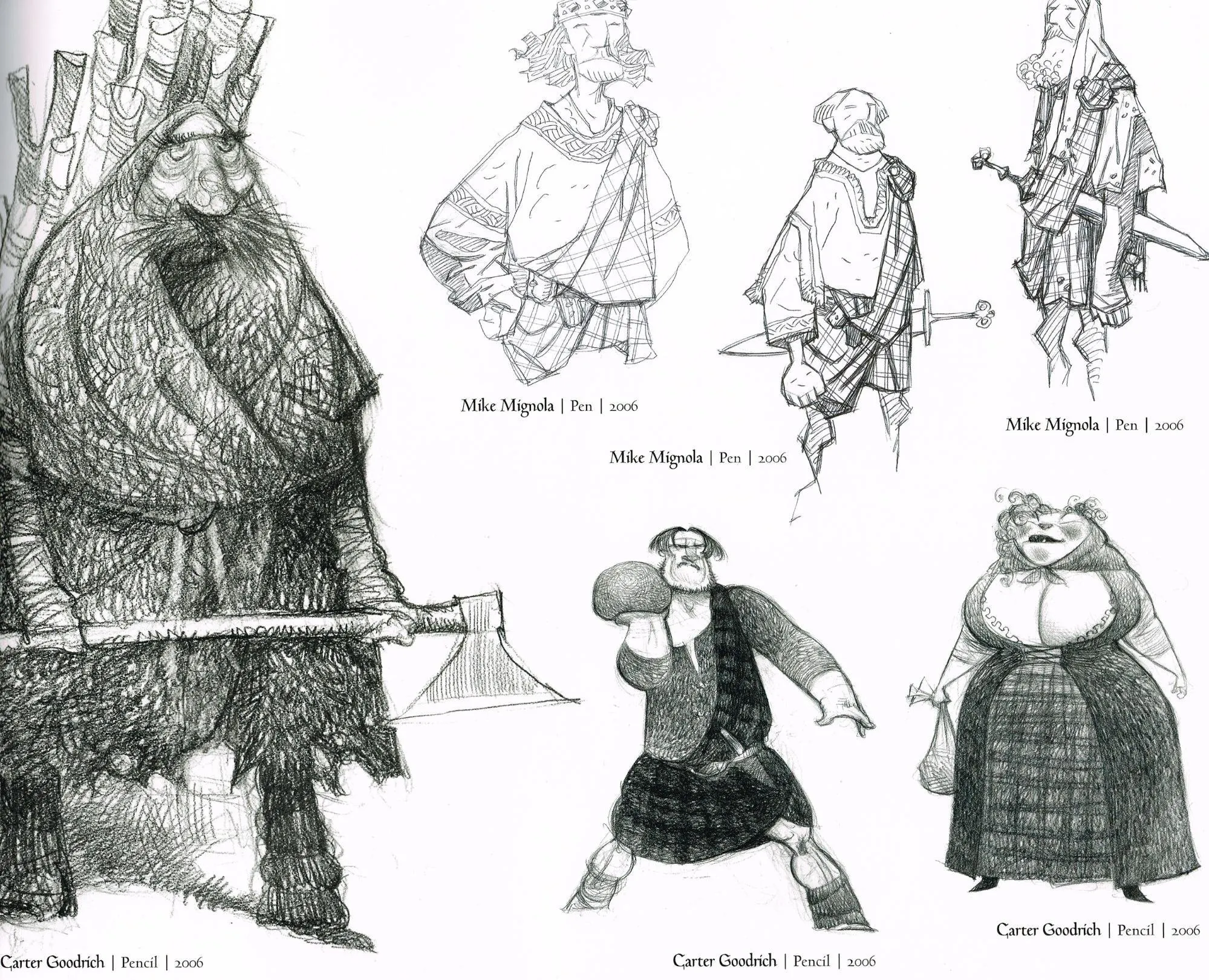
It can be large and even plump, with a noticeable nose and protruding mustache.

Your character may be thin or tall. It's important to consider their body proportions to create a harmonious image. You may want to emphasize certain features, such as long legs, a prominent nose, or unusually shaped ears. These features will help make the character more memorable and unique.
Beyond physical characteristics, it's also important to pay attention to a character's clothing and hairstyle. These elements play a significant role in creating their image, highlighting their individuality and character. Choosing the right clothing and hairstyle can help convey a character's personality, habits, and social status, making them more memorable to the audience.
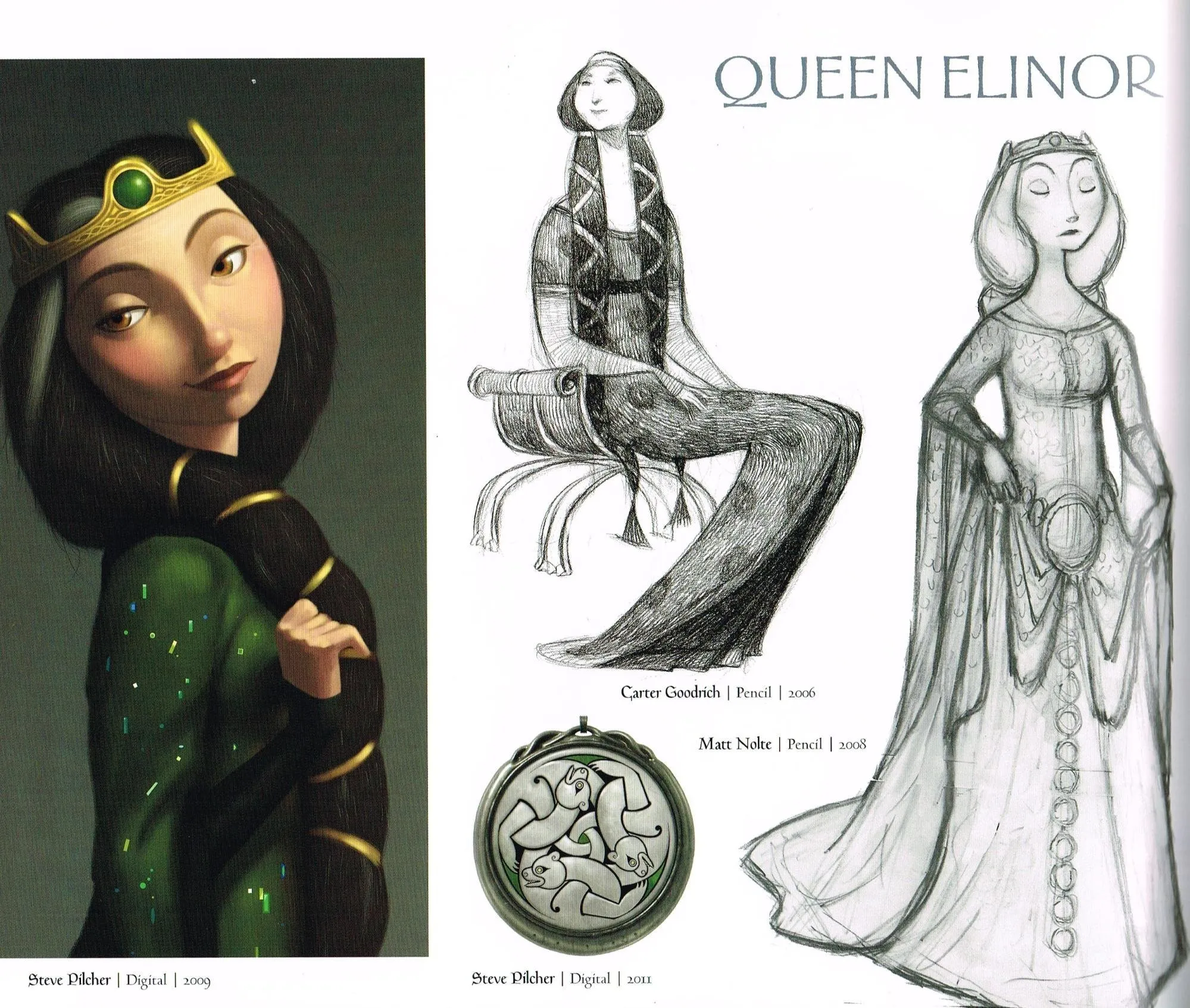
There are several key aspects to a character's appearance that help create their image and make them memorable. First and foremost, appearance should match the character's personality and role in the story. This includes the choice of clothing, hairstyle, and accessories that can highlight their individuality.
The color palette and style of clothing also play a significant role. Bright and unusual outfits can indicate a character's eccentricity, while subdued and simple pieces can speak of their modesty or seriousness. It is also important to consider details such as tattoos, scars, or other physical features that can reveal information about the character's past and life experiences.
Facial expressions and gestures are equally important, helping to convey the character's emotions and moods. These elements can significantly enrich their image and make it more realistic. As a result, a carefully designed character's appearance not only attracts attention but also helps to better understand his inner world and motivation.
- facial features and body shape;
- proportions;
- clothing;
- hairstyle.
Thinking Through the Character
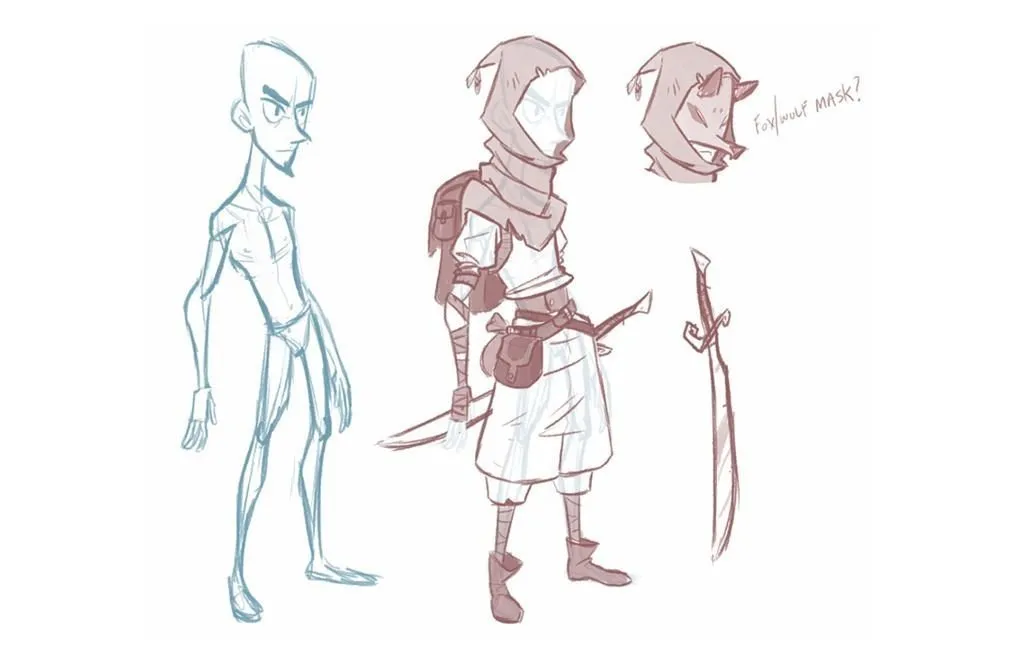
During the initial character sketches, a character's personality begins to emerge. Sometimes this can happen even earlier, but by this point, you should already have a clear idea of your character and their characteristics. If you haven't yet decided on their characteristics, now is the time to delve deeper into their inner world and motivations. This will help make the character more realistic and memorable for readers, and will also improve the overall perception of your story.
A character's personality is always reflected in their appearance. For example, if you want to emphasize your hero's intelligence and erudition, you should add glasses and a book in their hands. In cases where you need to convey frivolity and airiness, it is appropriate to depict them with a wide, slightly ridiculous smile. Knowing your character in detail will allow you to use more original elements that will convey their character more deeply and make the image unique. Smoothness and femininity can be conveyed even in an image that may at first glance appear awkward, such as a bear. It's important to use soft lines and harmonious shapes to create a sense of grace. A well-chosen color palette will also help highlight these qualities. Regardless of the chosen object, an emphasis on smooth movements and delicate details will make your work more attractive and expressive.
Highlighting Character Features
This step is a continuation of the previous two. It is necessary for introducing new details into the image that may arise after developing the appearance and character. This allows you to make the image more complete and expressive, adding elements that emphasize individuality and uniqueness.
Each character should have unique features that set them apart from others. These can range from unusual clothing styles, unique movements, or a unique hairstyle. A character can also be strikingly disproportionate: for example, their head might be significantly larger than their torso, and their legs might be too thin, creating the impression that they're struggling to support their weight. Such features help to create a memorable image and make the character more interesting for the audience.
Consider Character Movement
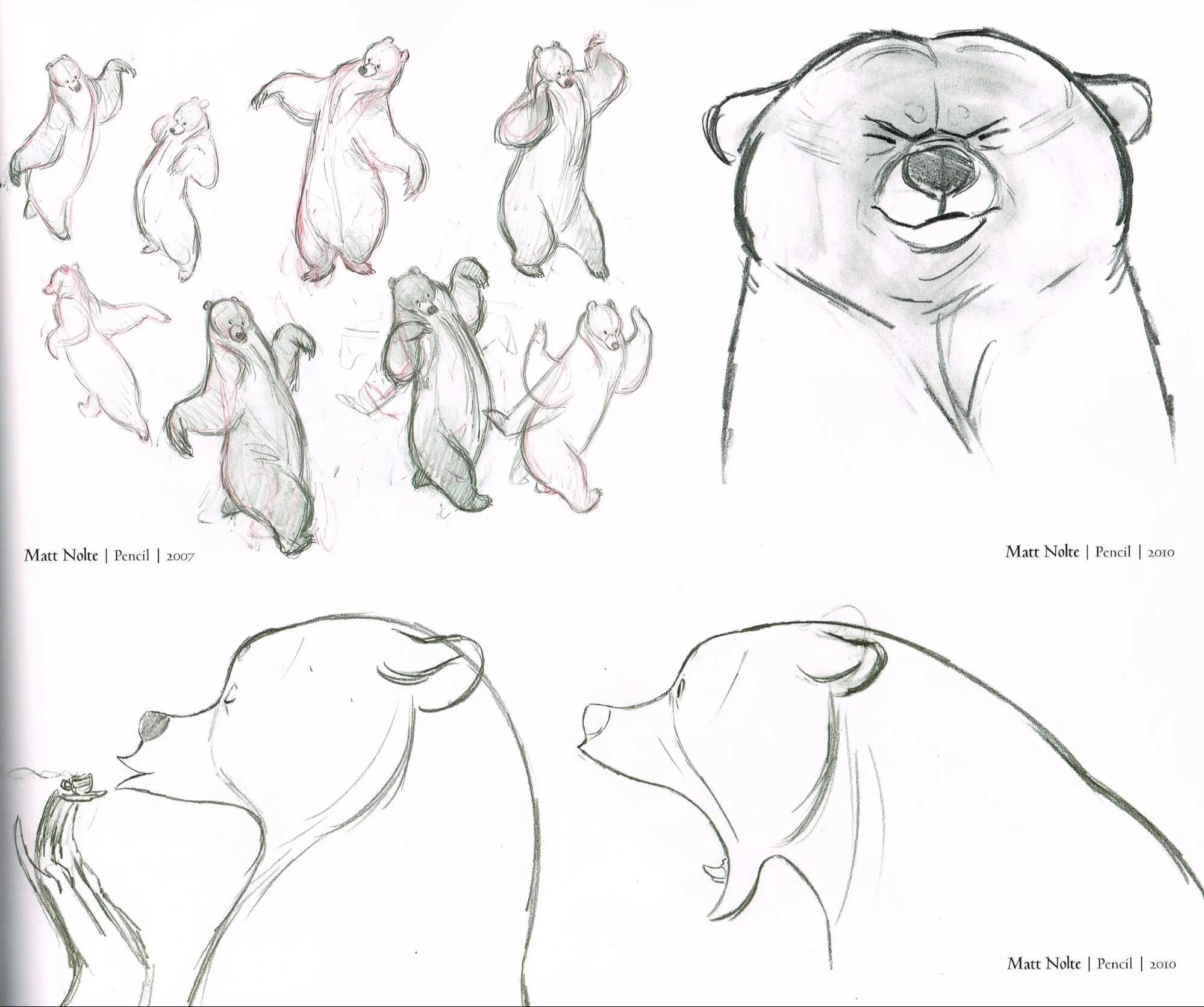
Once you've mastered your character's emotions and facial expressions, it's important to pay attention to their movements. Even if you're not planning on animation, it's worth drawing a few key poses to create a more lively and believable image. The right movements will help convey the character's personality and individuality, making them more realistic and engaging to the viewer. It is necessary to take into account the anatomical features and dynamics of movements, which will allow you to create a harmonious and memorable image.
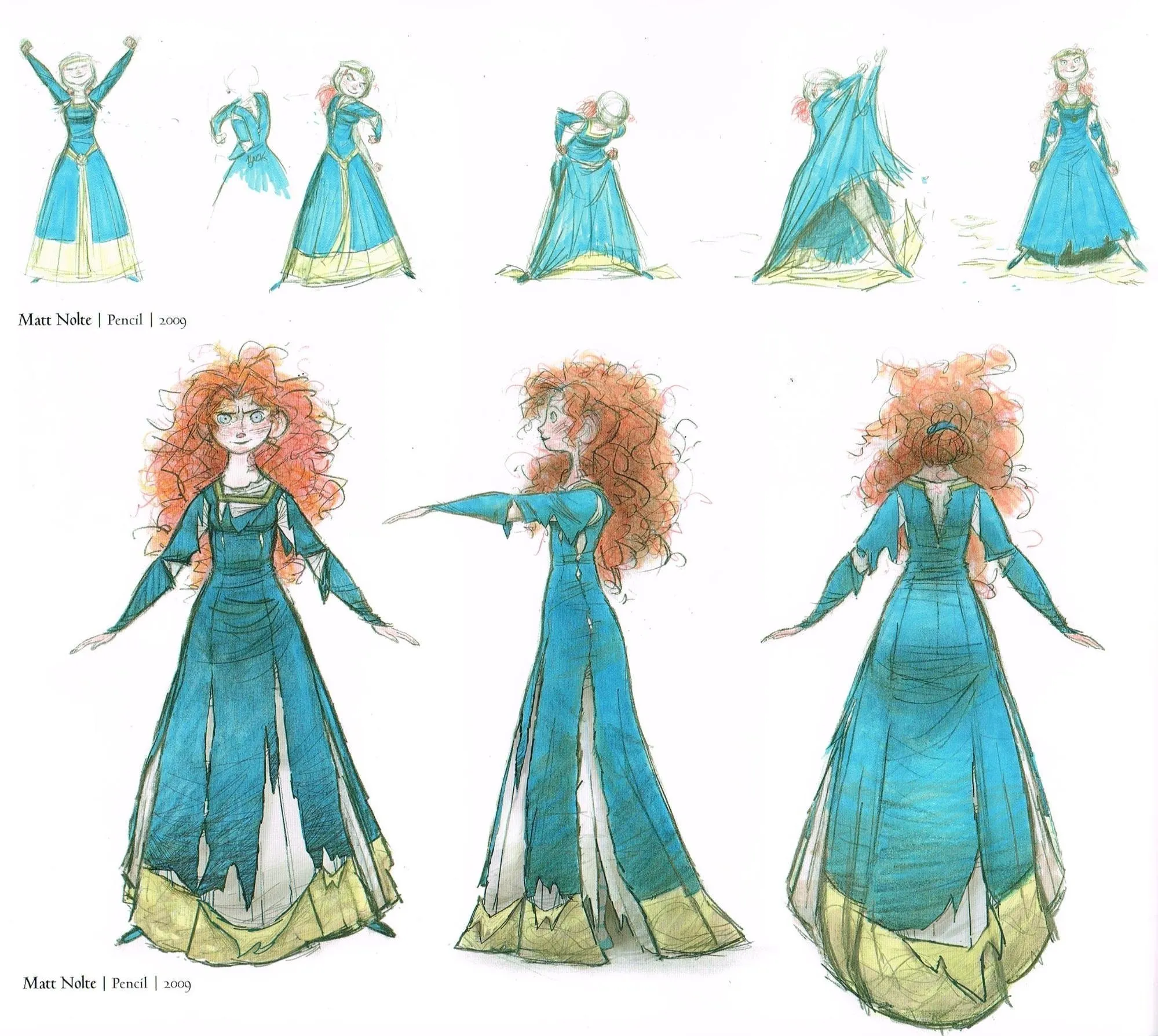
The character should not be perceived as a static image; he must have vital dynamics. Movement is key, helping to convey their behavior in various situations. To achieve this, illustrators create spreads with five to six poses, demonstrating how the character walks, runs, falls, or sits. This approach allows for a deeper understanding of the character's personality and emotional state, making them more realistic and appealing to viewers.
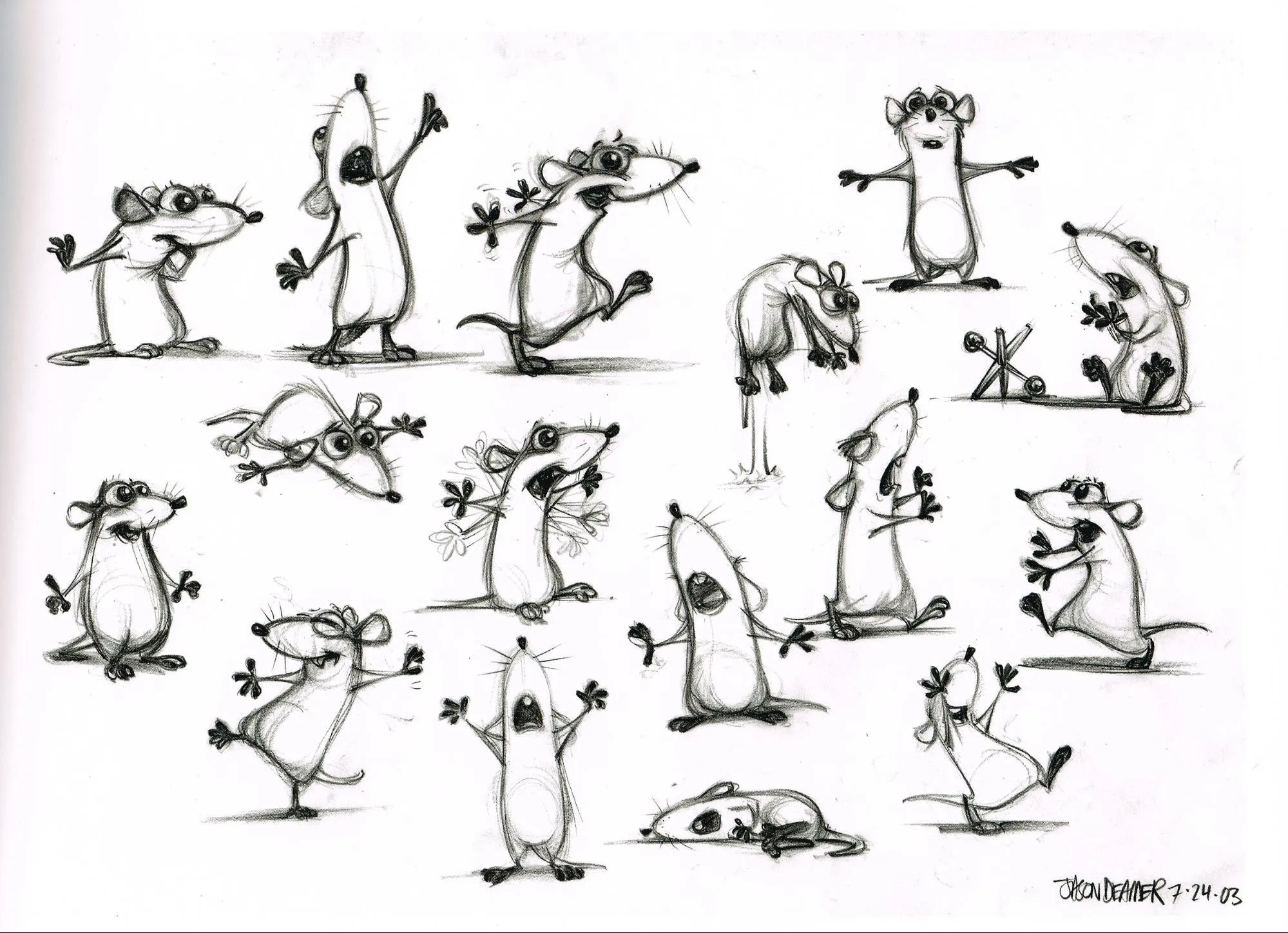
If the illustrator isn't clear on how the character will move, it's best to start by creating silhouettes and sketching simple geometric shapes that will serve as the basis for the poses. Once the basic shapes are defined, they can move on to drawing in the details. This approach helps to better understand the dynamics of movement and improve the overall composition of the character.

Commercial Illustrator Profession
You will learn to professionally create commercial illustrations, characters, and animation. Choose a specialization and prepare a portfolio. Learn how to promote your personal brand and make illustration your main source of income.
Find out more