Contents:
Course with employment: "Profession Graphic Designer PRO"
Find out moreConsistency in design is the consistency of all visual elements, which is the basis of brand recognition. Thanks to this consistency, the audience remembers the company faster, and communication becomes more understandable and effective. Consistent design fosters a positive image and builds customer trust, which in turn increases loyalty and drives business growth.
Anastasia Ivanova, Head of Brand Design at Flowwow, shares the fundamentals of visual consistency and its importance for brands. She explains how rebranding can strengthen a company's visual identity and increase brand recognition. The importance of a consistent visual style should not be underestimated, as it helps build customer trust and loyalty. Rebranding provides an opportunity to update and strengthen visual elements, which can lead to more effective interaction with the target audience.

With over eight years of experience in design, I have worked my way up from working in agencies to in-house. Currently, I hold a position related to brand design at Flowwow, a marketplace for flowers and gifts. My experience spans various aspects of design, allowing me to effectively develop and maintain a brand's visual identity.
Consistency is not a trend, but a foundation
Flowwow has always strived for consistency in design. We actively experimented, searching for our own unique rules and patterns, but weren't always able to follow them 100%. This is because the creative concept of the newsbreak has always been a priority for us over analytics and basic brand constants.
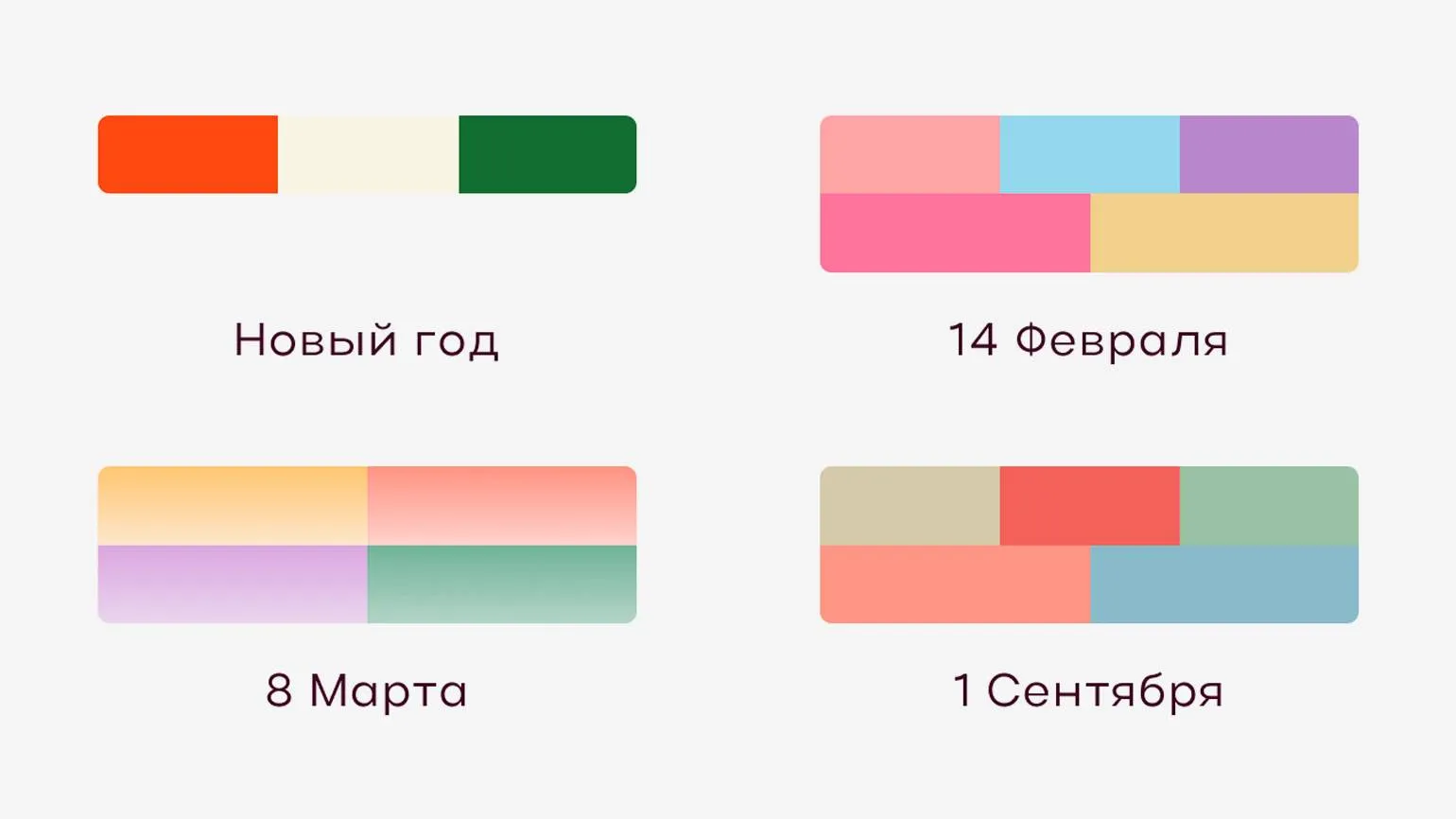
In promotional materials, we emphasized striking visual ideas, but didn't always adhere to a single set of brand attributes. For example, although we used common graphics in visual solutions, the color scheme varied with each new campaign. This could create a sense of inconsistency in brand perception. To achieve more effective results, it is important to ensure consistency in the use of brand elements, as this helps strengthen the brand and increase its recognition. Therefore, it is worth considering the possibility of fixing the color palette and other attributes, which will allow you to create more harmonious and memorable materials for promotional campaigns.
As the company grew, our work became more complex. We implemented many new marketing tools, such as email and influencer marketing, display advertising, affiliate marketing, and special projects. This led to an increase in the number of visual concepts that needed to be developed and adapted.
Developing such solutions has become complex and expensive, which negatively impacts promotion.
Maintaining consistency is critical for large brands. To effectively stand out from the competition, it is not enough to simply be creative; you also need to develop easily perceived visual images in your design. This not only strengthens the brand but also creates a lasting connection with the audience, which in turn contributes to increased customer loyalty.
To achieve a unified visual style, it is necessary to use consistent fonts, logo, and color palette across all channels of interaction with the audience. This will help create a cohesive brand image and increase its recognition.
Brand recognition is an important aspect of a successful business. It fosters trust among consumers and helps differentiate a brand from competitors. The higher the level of brand awareness, the easier it is to attract new customers and retain existing ones. Effective marketing strategies and high-quality content play a key role in increasing this awareness, which in turn impacts the company's overall profitability.
Furthermore, it significantly reduces the time required for approval.
Strengthening a company's image and increasing audience trust are key aspects of a successful business. Creating a positive image helps build lasting relationships with customers and partners, which, in turn, increases loyalty and satisfaction. Furthermore, audience trust plays a crucial role in attracting new customers and retaining existing ones. Companies that actively work on their image are able to stand out from the competition and take a leading position in their industry.
Reading is an important part of our lives and has many benefits. It develops thinking, expands vocabulary and deepens understanding of the world. Books, articles and other sources of information enrich us with new knowledge and ideas. In addition, reading helps improve concentration and attention, which in turn has a positive effect on mental activity.
Research shows that regular reading can reduce stress levels and improve emotional well-being. This allows you to not only develop personal qualities but also find inspiration for creativity. To achieve the maximum benefit from reading, it is recommended to choose a variety of genres and topics, which will help create a more complete understanding of the world.
Thus, reading not only enriches knowledge but also contributes to the development of critical thinking and an improved quality of life.
Refuel, enjoy, demand: what is behind coffee branding
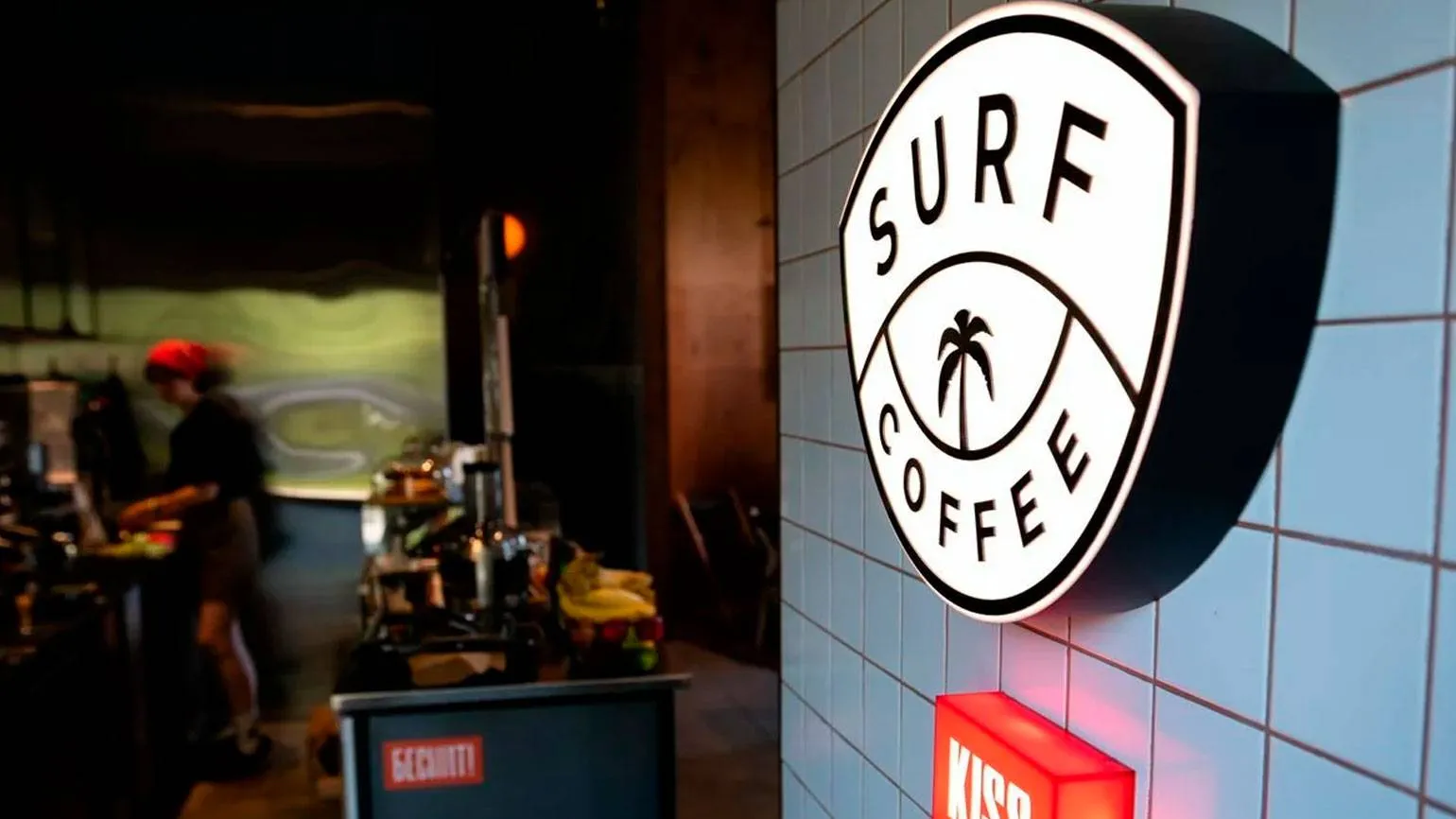
Coffee branding plays a key role in shaping the perception of this popular drink. It not only creates a unique image of the product but also forms an emotional connection with consumers. Coffee brands strive to stand out in the market using various strategies, including packaging, advertising, and marketing campaigns.
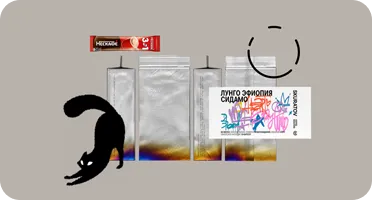
Coffee quality and its origin are becoming the main aspects that influence customer choice. Ethical practices, such as fair trade and organic products, are also becoming important priorities for modern consumers. Coffee packaging often tells the story of its origin, helping to create a unique brand image and attract attention to the product.
With effective branding, companies can not only attract new customers but also retain existing ones, creating an entire culture around coffee. As a result, coffee becomes not just a drink, but a way of life that is appreciated and discussed.
To achieve visual unity, we streamlined the design, eliminating unnecessary elements and implementing key instructions. In the fall of 2024, with the launch of our rebrand, we took our processes to the next level. This was made possible by improving the user experience, simplifying navigation, and increasing the effectiveness of interaction with our content. Rebranding allowed us not only to update our visual style, but also to strengthen our position in the market, ensuring the integrity and modernity of our brand.
- collected analytics;
- studied the audience;
- developed a brand platform;
- and attracted a design bureau, whose team developed a corporate identity.

We recommend you familiarize yourself with additional materials:
Turing Gardens: Flowwow identity by Shchuka Bureau
Turing Gardens is a unique project based on the concept of harmony between nature and technology. Shchuka Bureau developed the identity for the Flowwow brand, which has become a symbol of a modern approach to greening and improvement of the urban environment.
The identity includes a logo, color palette, and fonts that reflect the company's philosophy. The main focus is on sustainability and innovation, which is emphasized in the visual design. Flowwow strives to create an atmosphere in which nature and urban life coexist in harmony.
The Turing Gardens project emphasizes the importance of sustainable development and environmental protection. In working on the identity, Shchuka Bureau focuses on how visual elements can influence the perception of the brand and its mission. Thus, Flowwow not only offers landscaping services but also becomes a conduit for sustainable development and harmony with nature.
Our creatives are now based on research results, allowing us to formulate ideas based on real data. This method facilitates the creation of clear processes, ensures a clear understanding of the goals of each project, and ensures that visual materials are consistent with brand values. This increases the efficiency of our work and helps achieve better results in communicating with the audience.
How We Built Consistency in Design
We were able to provide structure and consistency to our work by following three key stages.
The design department actively worked to ensure consistency even before the rebranding process began. At this stage, we aimed to synchronize all previously completed projects. We created design systems, optimized the template library, eliminating unnecessary elements, and developed guidelines for the use of visual components. This allowed us to improve the interaction between projects and increase the overall efficiency of the design.
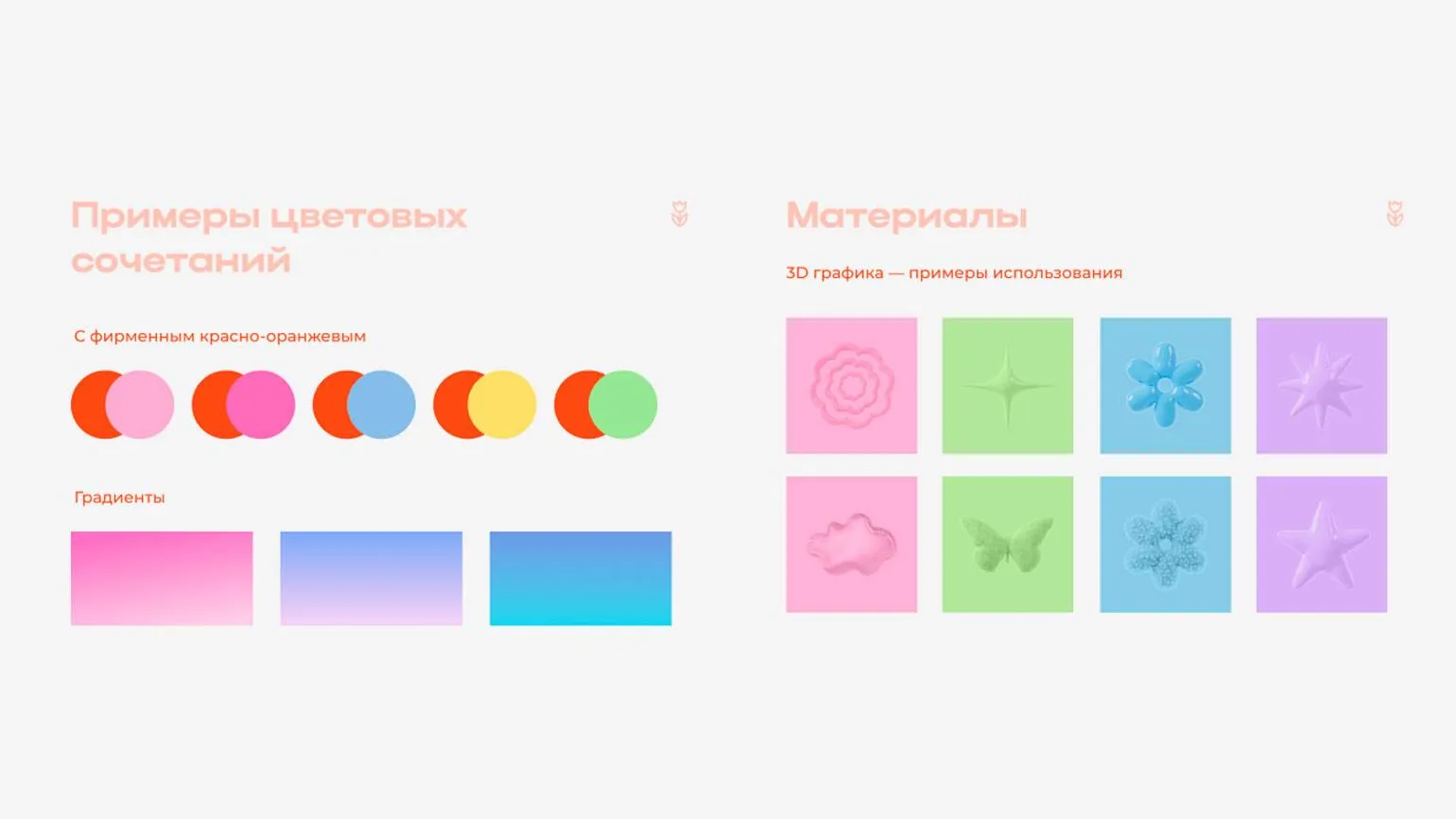
We tested these instructions, excluding ineffective elements, and launched a 3D graphics library with A unified visual system that incorporates light, textures, and proportions. We no longer create projects from scratch for urgent creative needs, but use ready-made models, adapting them to specific tasks. This significantly speeds up the development process and improves the quality of the final product.
3D graphics are an important element of modern design, contributing to the harmonious unification of all its aspects. They not only attract attention but also create a unique visual experience that distinguishes a brand from its competitors. Using 3D graphics in design helps improve information comprehension and makes content more interactive and memorable. Such technologies are actively used in various fields, including web design, advertising and animation, which confirms their importance in the creation of modern visual content.
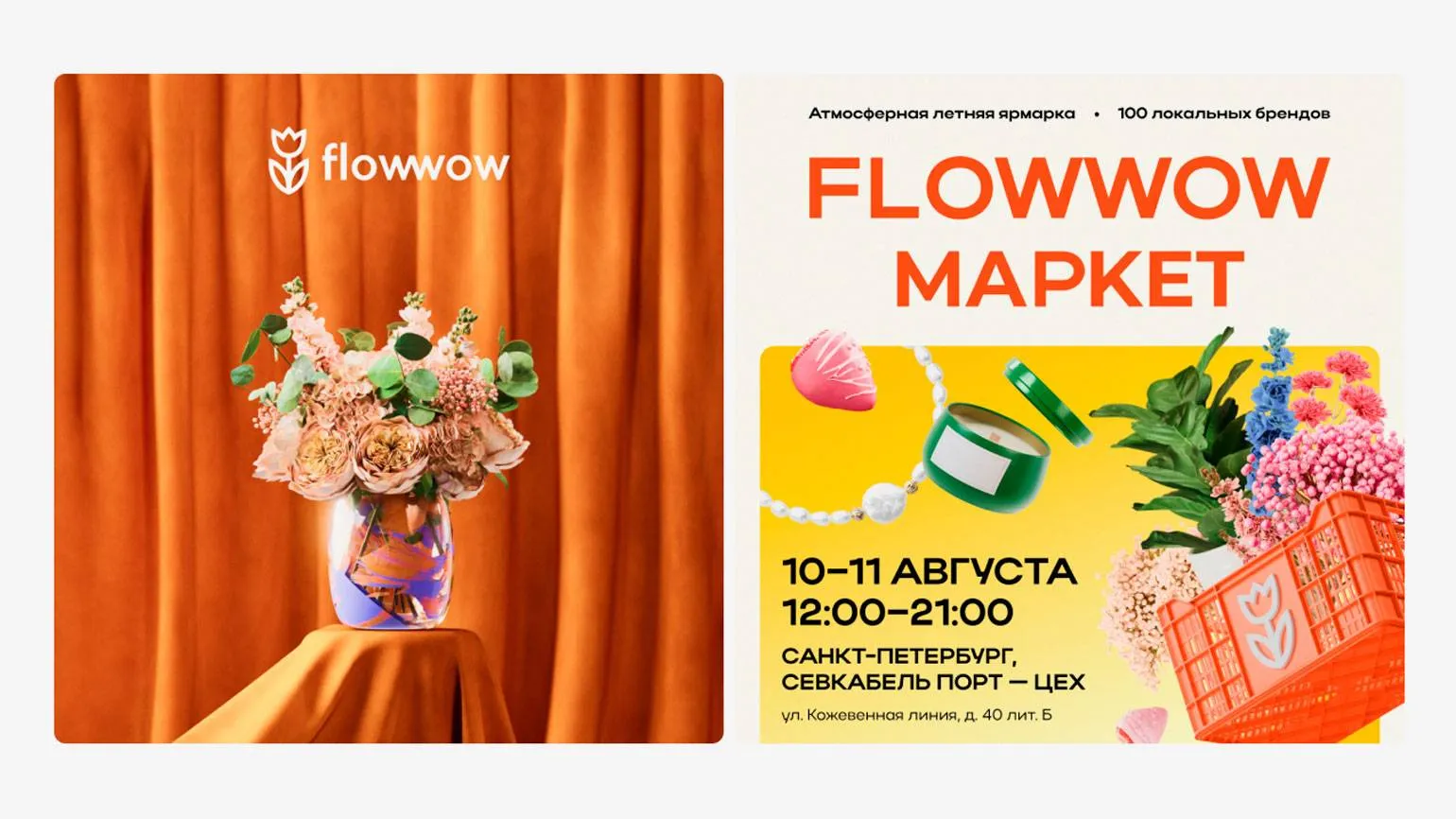
We have started the process Rebranding.
While the design bureau was finalizing the development of our corporate identity, we began testing the effectiveness of new solutions internally in various areas. This allowed us to evaluate functionality and aesthetics, as well as identify potential improvements for successful implementation in our project.
The designers adapted the new style for various media, ensuring its harmonious perception and functionality. This allows for the effective use of the style in various formats, such as web design, print products, and mobile applications. Adapting the style to different media improves the user experience and creates a unified visual representation of the brand.
In digital marketing, we adapted visual elements to the post grid on social media.
In media, we tested animation capabilities. We studied various animation techniques and methods, their impact on content perception and user interaction. This allows us to create more attractive and interactive materials, which contributes to an improved user experience and increased audience engagement. Animation in media is becoming an important tool for conveying information and attracting attention.
During the packaging design development process, we evaluated mockups on various dessert box designs. This analysis revealed the most effective combinations of packaging formats and graphic elements, which contributes to the creation of an attractive and functional design. The correct choice of mockups ensures better product perception and increases its competitiveness in the market.
Considering the specific features of each channel, we developed clear rules for creating visual solutions. For example, for advertising banners, we chose a solid background, which helps focus attention on the product. The dessert packaging is designed in light colors with minimalist illustrations that harmoniously complement, without overshadowing, the vibrant colors of the chocolate-covered strawberries and bento cakes.
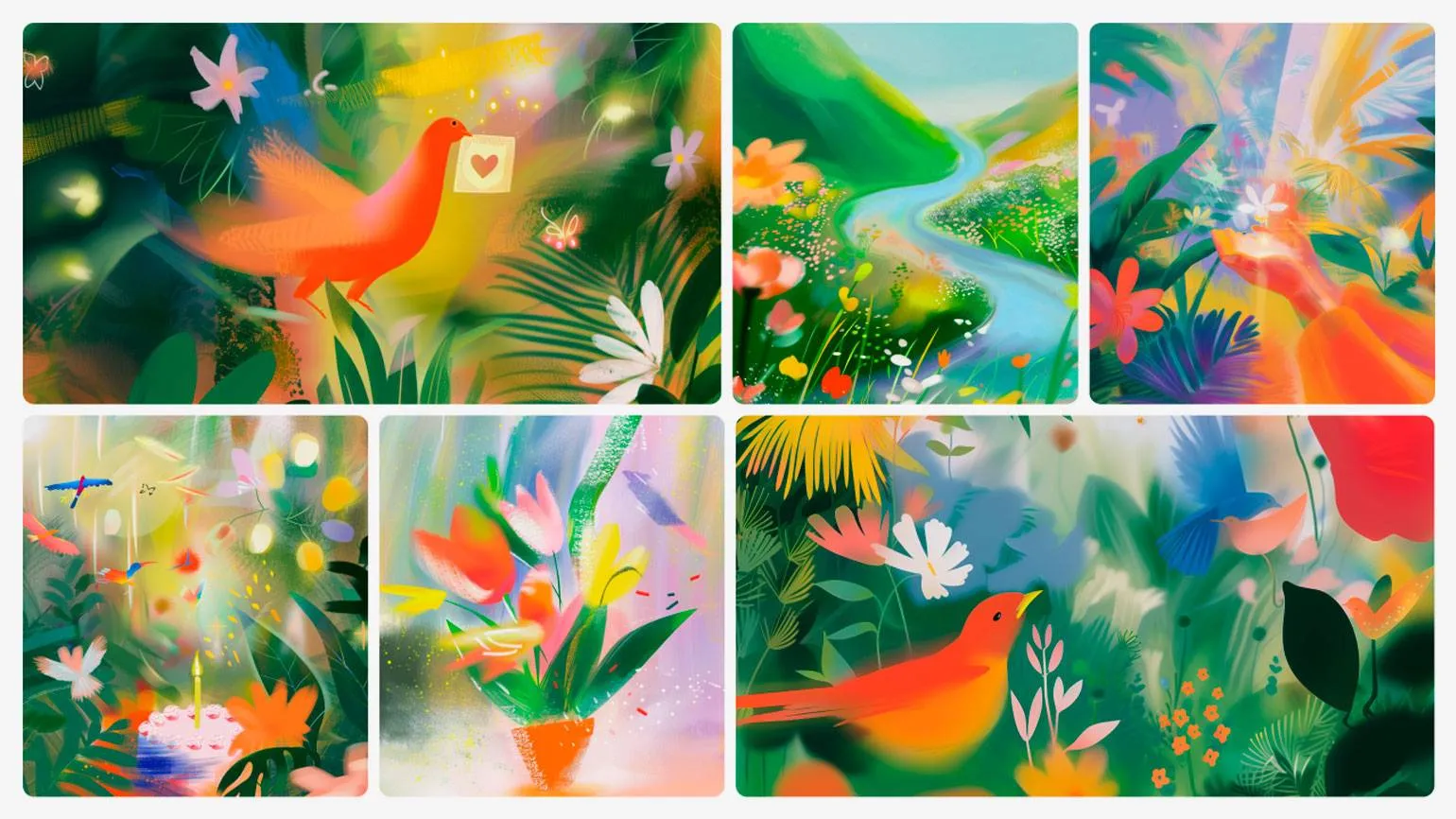
The design bureau developed a prompt for artificial intelligence, which significantly simplified the process of creating illustrations in a uniform style. With its help, we created a library of generative images that are consistent with the Flowwow brand and united by common visual elements. This allows us to maintain brand integrity and improves visual communication with our audience.
Immediately after agreeing on the details of the rebranding, we developed a brand book - a detailed 98-page guide, in which The guidelines for using brand elements are outlined. Key solutions from the brand book have been integrated into our internal design system to ensure consistency and effectiveness in the use of corporate identity. A brand book, while an important tool for shaping a company's identity, is not a one-size-fits-all solution. No matter how carefully we develop it, it cannot answer all the questions designers may have. Over time, new projects and challenges will arise that cannot be foreseen in advance. It is important to remember that a brand book should serve not only as a guide but also as a foundation for adapting and developing the brand in response to changing market conditions and demands.
To simplify the brand book's comprehension, we've divided it into several structured sections. This eliminates information overload and facilitates document navigation while preserving all the key elements necessary for understanding the brand's identity.
Design libraries are collections of key components used by specialists in their daily work. Having a ready-made library significantly simplifies the selection process, allowing you to quickly find the desired logo or design element, instead of referring to the brand book each time. This not only saves time but also ensures consistency in the brand's visual presentation. Using design libraries contributes to increased efficiency and improves the quality of the final product.
We've developed unique collections focused on various projects and sub-brands, as well as individual elements, including realistic generations and 2D and 3D illustrations. These collections will help you find the necessary visual solutions for any task, from commercial to artistic. Our products are suitable for both design professionals and amateurs striving for high-quality content.
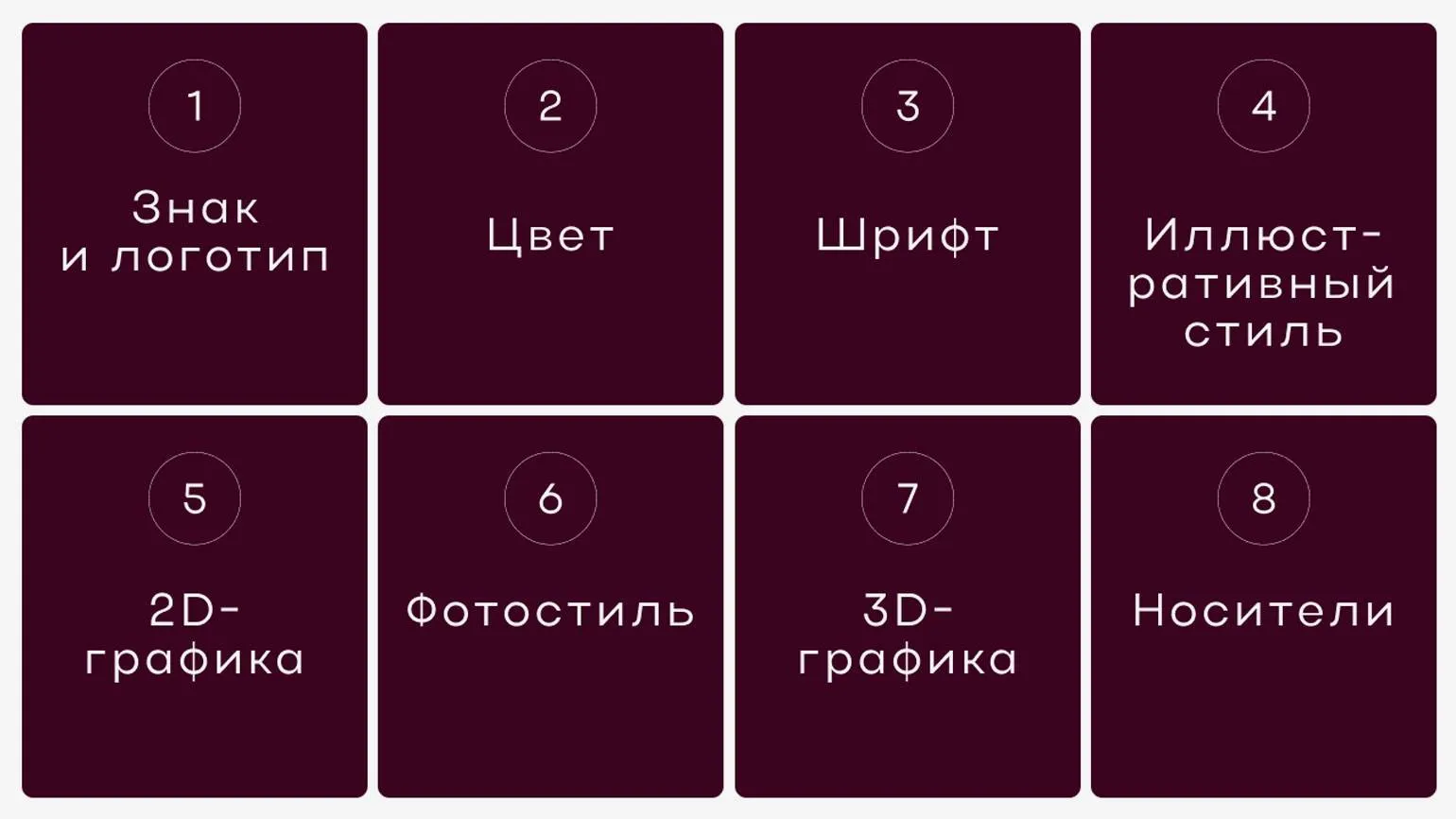
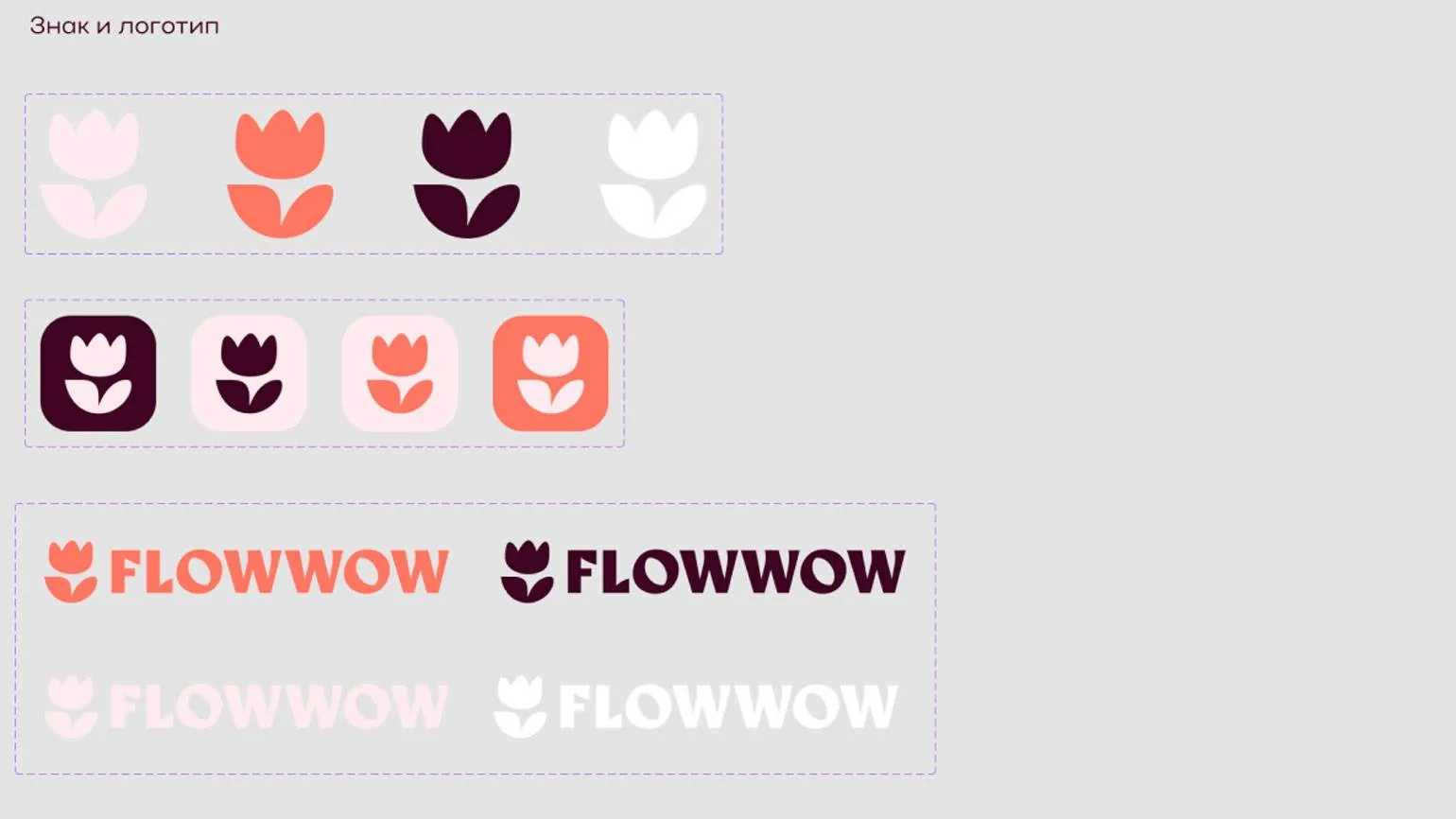
Guides for advertising partners. We develop specialized files with brand attributes for collaborations and integrations. These materials will help your colleagues in creating effective visual solutions that match the image of our brand.
We strive to create universal guidelines for similar projects. For example, we have a separate folder with rules and subtitles for video production contractors. In some cases, we develop customized reports for major partners with whom we plan long-term collaboration. These customized summaries help us better understand our partners' needs and preferences, which contributes to more effective collaboration and successful projects.
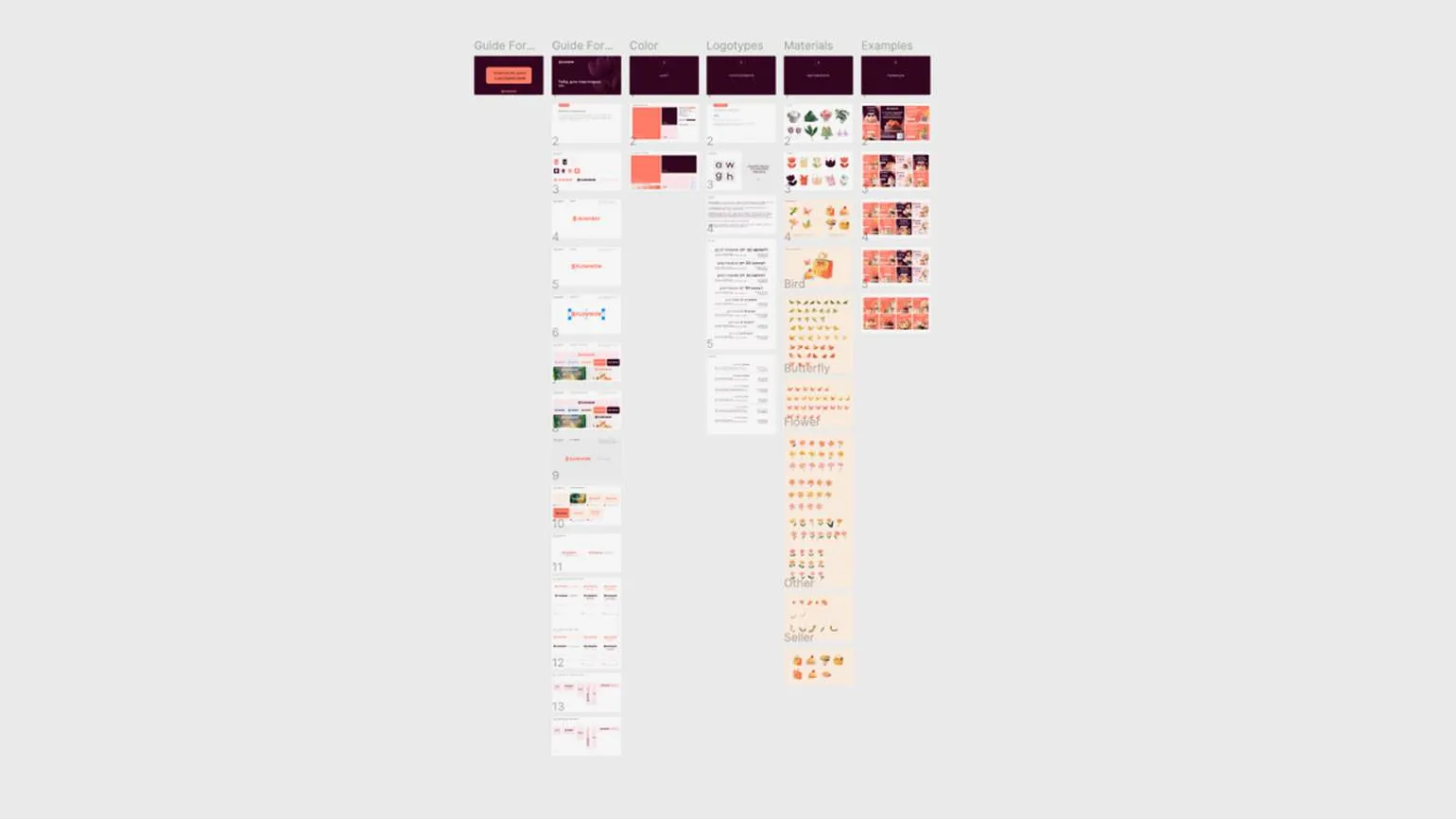

Templates. We create universal solutions for presentations, infographics, and advertising creatives that can be quickly adapted to specific projects. For example, the employee presentation template we developed allows for the effective and efficient presentation of information, improving visual perception and simplifying the process of preparing materials.
This makes the work of employees easier, while ensuring consistency in brand presentation. Our employees regularly participate in conferences, which is an important opportunity to interact with external audiences and strengthen the company's image.
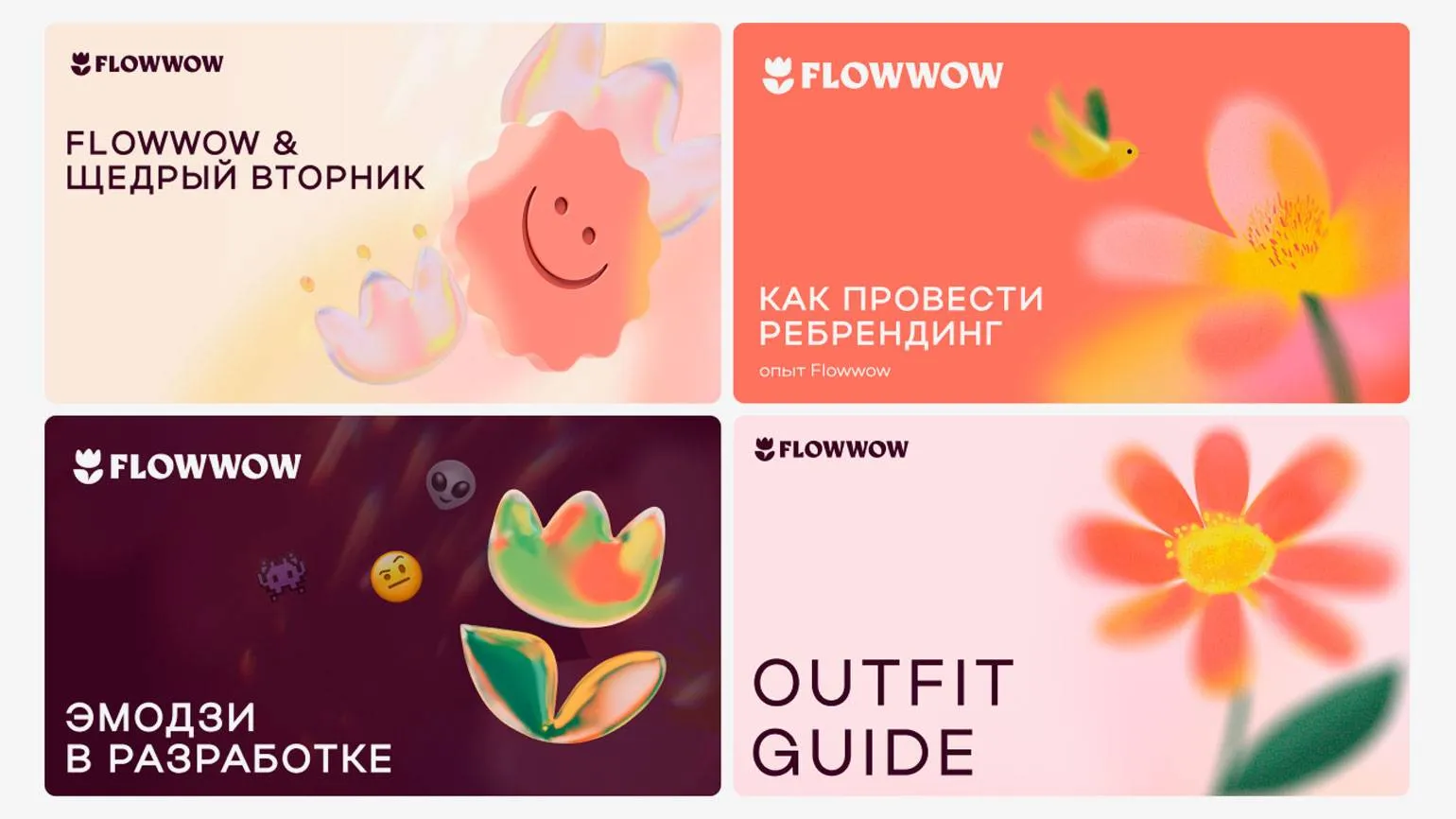
While it may seem like we've achieved significant results in a month, In fact, working on consistency is a long and systematic process.
Mistakes are inevitable
After the rebranding, an intermediate version of the new logo was used for some time in posters and banners. Although it did not have significant differences, it disrupted the integrity of visual communication and could confuse the target audience. It is important that all brand elements are consistent and reflect a single concept, which helps strengthen the image and increase customer trust.
During the process, we encountered a situation where an incorrect element was accidentally copied. We quickly identified the error and notified the team, but to fix the problem, we had to manually review all the folders in search of the incorrect file. The human factor remains inevitable, and we recognize that similar situations may recur. To minimize risks and improve the quality of our work, we plan to implement additional control and verification measures.
Getting used to generative illustrations was an important step for designers. We weren't always able to achieve the desired style, and images often didn't meet brand book requirements. This highlights the importance of carefully customizing generative tools to achieve high-quality visuals that meet corporate standards. Designers must pay attention to detail and consider unique brand characteristics to minimize discrepancies and ensure a harmonious perception of visual content.
An internal guide significantly improved the onboarding process. We detailed the rules for working with prompts and provided examples of successful AI illustrations. Importantly, we also included anti-examples, which provide a better understanding of the logic behind image creation. Our designer, the custodian of illustrations, is responsible for the generative images and can always be contacted for help or advice on using this tool.

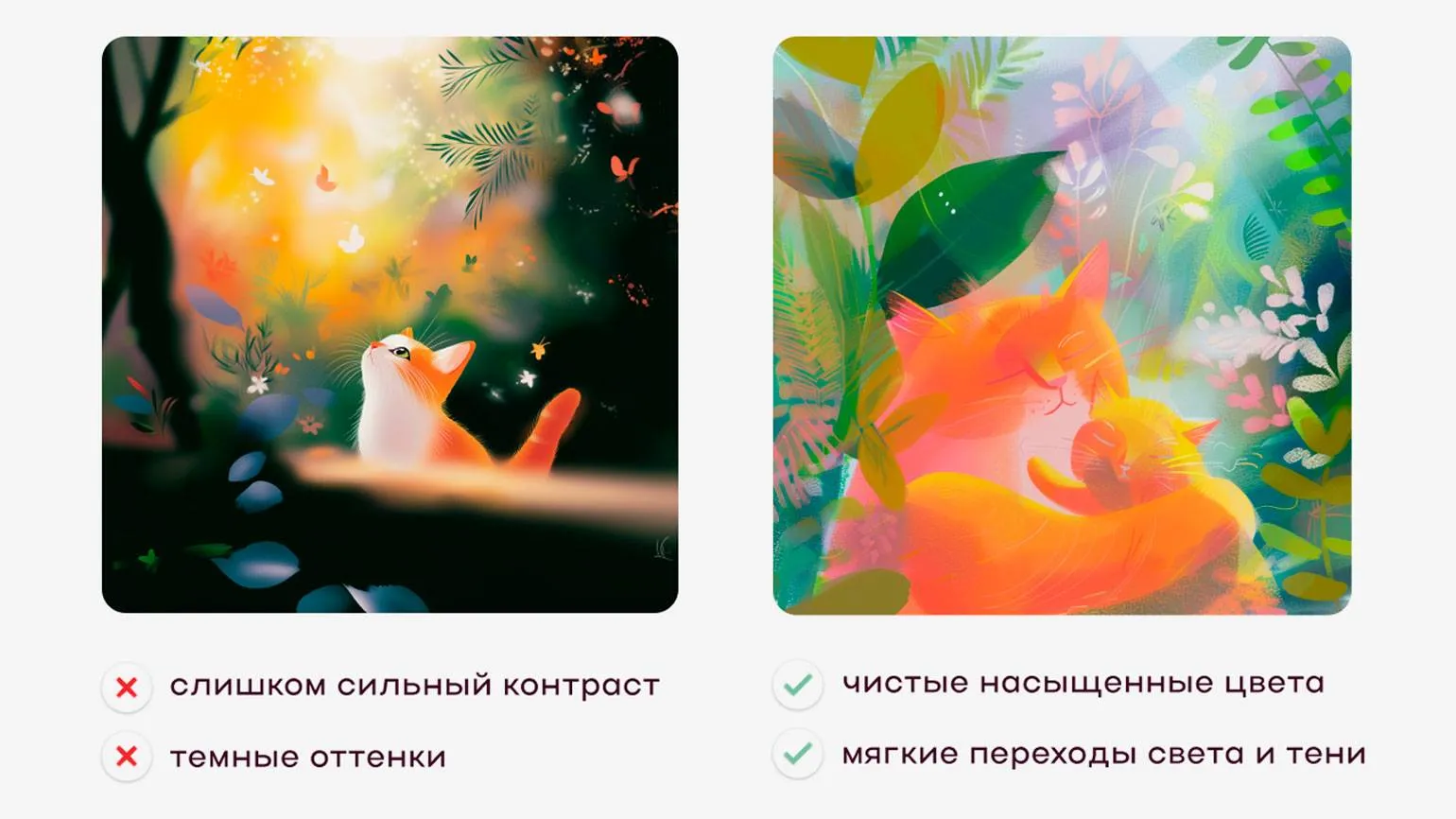
Over time, designers adapt to changes and begin to notice inconsistencies, such as incorrect letter spacing or shades that don't match the corporate palette. This allows them to work on projects more effectively and maintain the visual integrity of the brand. It is important for designers to develop their skills in attention to detail, which contributes to the creation of high-quality and harmonious designs.
There are effective methods that can significantly reduce the number of errors in the work process. Firstly, the implementation of systematic quality control allows for the early detection of defects. Secondly, regular employee training helps improve their skills and reduce the likelihood of errors. Thirdly, the use of modern technologies and software automates routine tasks, minimizing the human factor. Furthermore, analyzing previous errors and implementing changes based on the obtained data helps create more reliable processes. These measures ensure high quality work and increase the overall efficiency of the team.
- The list of corporate constants is limited. It includes the logo, fonts, and colors.
- Regular reviews are conducted with the entire department to assess the consistency of the visuals across different channels.
- Library managers are assigned. They constantly monitor changes and notify the team.
Designers create unique working methods and life hacks, so we regularly encourage the team to share their findings and solutions. This promotes the constant updating and enrichment of our brand system with new ideas and innovations. Sharing knowledge helps us achieve high design standards and improve the quality of our work.
Consistency ≠ Uniformity
Unity in all design elements is important, but don't shy away from experimenting with unconventional solutions. Deviating from templates can lead to the creation of a unique and memorable visual style. It's important to find a balance between the harmony of elements and the ability to introduce innovative approaches that will help distinguish your project from competitors. Don't be afraid to explore new ideas and combinations to achieve originality in design and improve user experience.
To achieve consistency, it is necessary to preserve the brand core and its key attributes on which the design is based. At the same time, a variety of techniques and tools should be used to help update the company's visual appearance. These changes will help attract the attention of your target audience and highlight the uniqueness of your brand.
We update our library of generative images and test brand illustrations in unique angles and compositions, as well as on various media. This allows us to create fresh and engaging visual content that effectively conveys the brand message and attracts audience attention. We strive to innovate and experiment with new formats to ensure the high quality and originality of our illustrations.
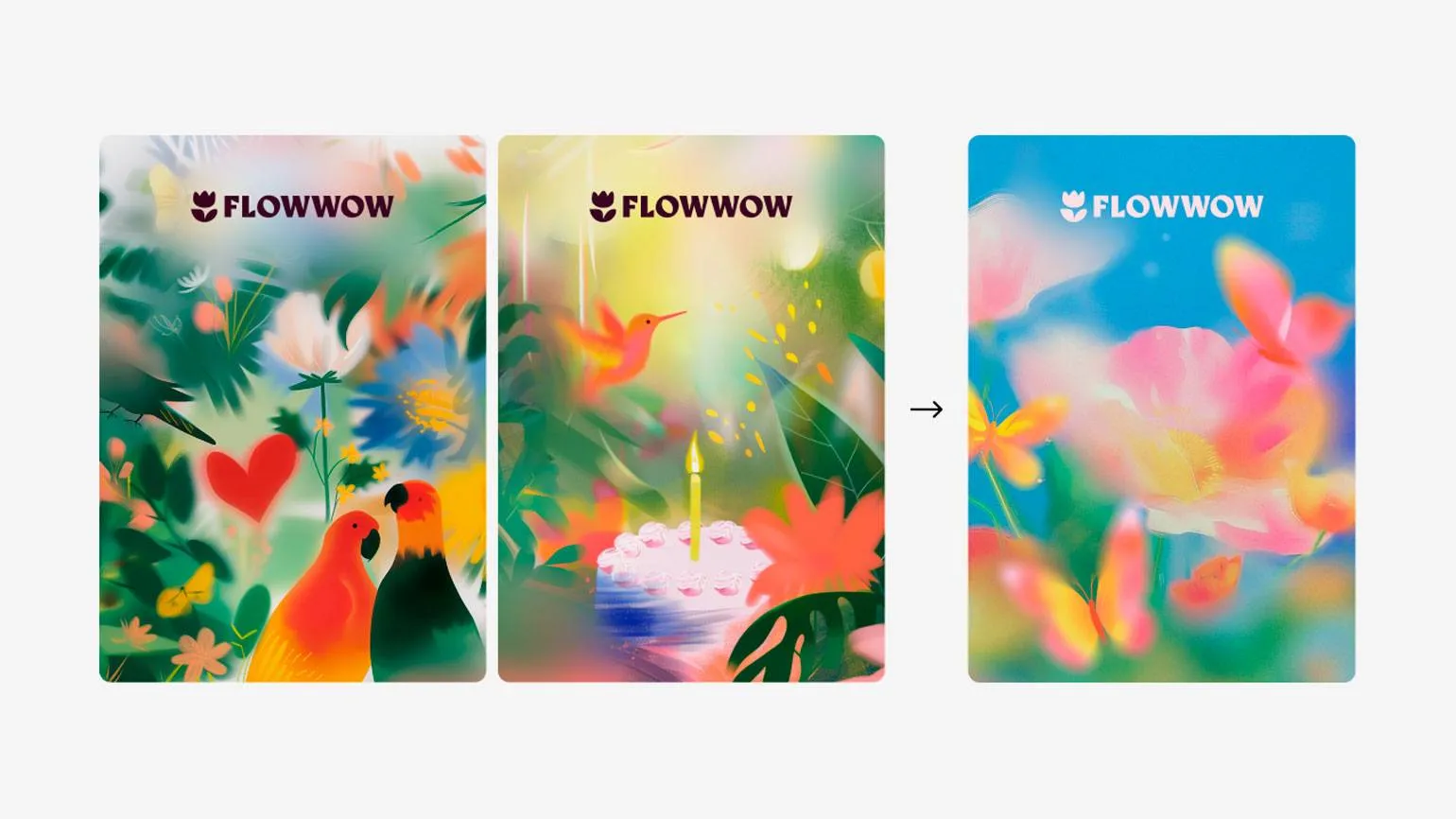
When developing new solutions, it's important not only to follow the requirements of the brand book or guidelines but also to consider whether the given layout aligns with the brand philosophy. This will allow you to create more harmonious and holistic products that reflect the company's values and uniqueness. By considering the brand philosophy, you can not only improve visual perception but also strengthen the connection with the target audience, which in turn will increase customer loyalty and the effectiveness of marketing efforts.
Sometimes, even when all technical requirements are met, a design may lack emotional expressiveness. In such situations, we seek support from colleagues and conduct internal reviews to improve visual perception and add the necessary emotional component. This allows us to create more attractive and memorable projects.
Rebranding is not a mandatory step, but it significantly simplifies the process of updating a company's image and attracting a new audience. Rebranding allows you to refresh brand perception, adapt to changing market conditions, and strengthen your position among competitors. A properly executed rebranding helps increase recognition, improve customer relationships, and create new opportunities for growth.
Achieving brand consistency does not necessarily require developing a new corporate identity. Unless there is a compelling reason for major changes, existing elements can be effectively utilized. In this case, you should focus on the following key steps:
Defining the core elements of a corporate identity is crucial for building brand recognition. Important components include the logo, font, and color palette. A logo serves as a visual symbol of the company, which helps create brand associations. A well-chosen font helps convey the uniqueness and distinctive features of the business, while a color palette enhances emotional perception and creates a holistic image. These brand constants must be consistent and harmonious to effectively represent the company in the marketplace and attract the attention of the target audience.
Collect and analyze visual materials from the past few years to sift through redundancies and identify key patterns. This process will allow you to better understand changes in visual trends and help you make informed decisions for future projects. Analyzing current visual data is an important step in optimizing content and increasing its appeal to the target audience.
Key design formats include 3D graphics and illustrations created with artificial intelligence. 3D graphics allow for the creation of three-dimensional and realistic images, opening up new horizons for visualizing ideas and concepts. AI illustrations, in turn, use algorithms to generate unique content, significantly accelerating the development process and expanding the creative capabilities of designers. Both of these formats play a key role in modern design practices, offering innovative solutions for a variety of projects.
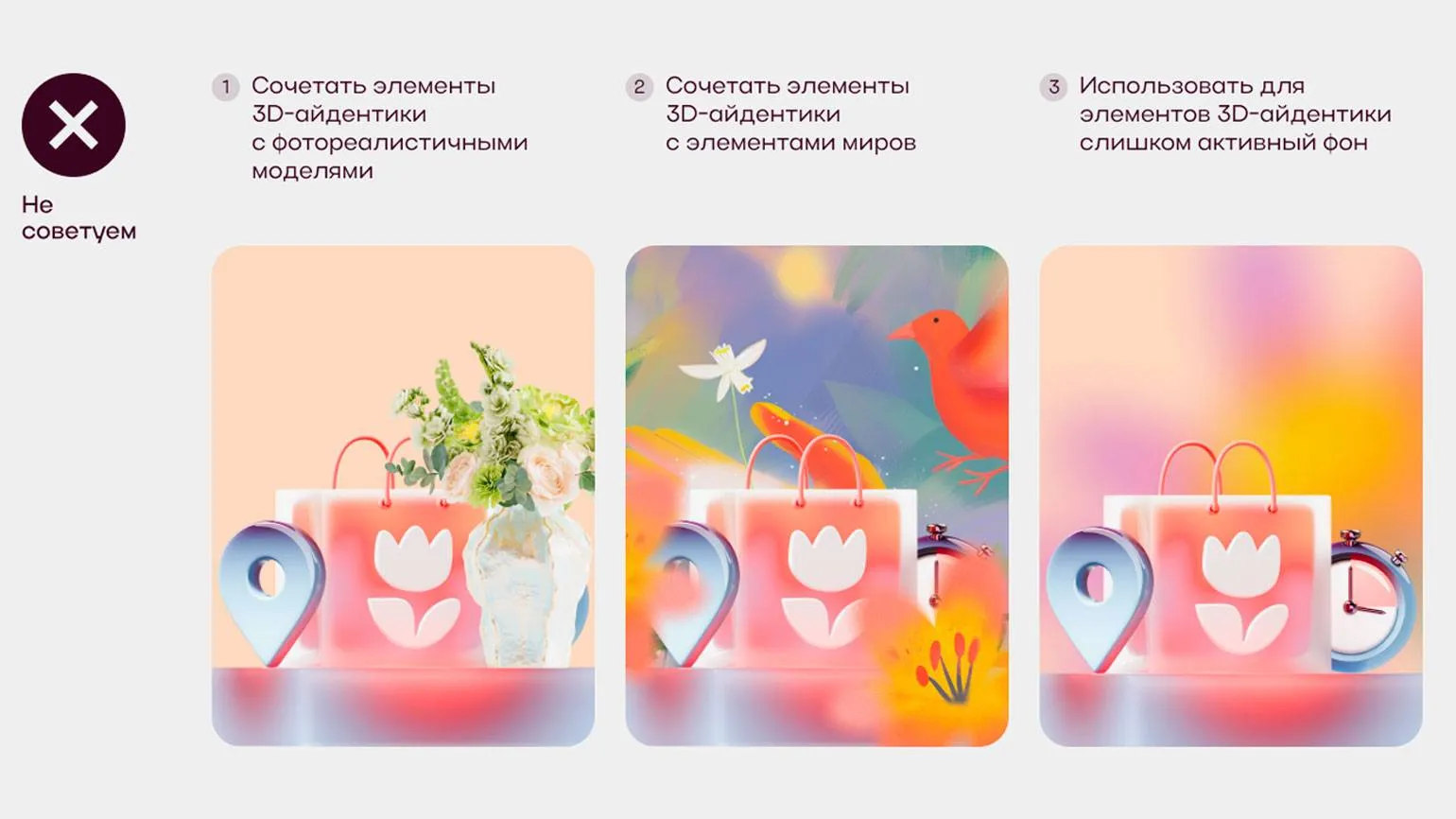
Create clear rules and examples in your brand book and guides that demonstrate the correct and incorrect use of key attributes. This will help ensure consistency and quality of content and improve SEO rankings. Ensure that examples include current practices so users can easily navigate requirements and avoid common mistakes.
The brand development process can be complex, and sometimes it will be necessary to forego certain decisions to avoid unnecessary communication complexity. Marketing research is an essential step in this direction, as it will help you gain a deeper understanding of your target audience and market. Based on the data obtained, you should create a brand platform that will serve as the foundation for the consistency of your design. This will ensure that all elements of your brand will work harmoniously together and effectively communicate its values and mission.
Learn more about design by subscribing to our Telegram channel. We share the latest news, helpful tips, and inspiring ideas in the design field. Don't miss the opportunity to expand your knowledge and improve your design skills. Subscribe!
Read also:
- From form to meaning: why a designer needs product thinking
- Podcast covers: how they are made
- Concept in a day: how to be creative on a tight deadline
- Paths in design: from complex meanings to simple images
- Consumers of the future - who are they?
Graphic Designer PRO Profession
You'll learn how to create branding elements and graphics for your business. You'll build a portfolio that reflects your style and demonstrates your design skills. You can start a career in a studio or as a freelancer.
Find out more