
Try it 4 Top Design Professions. Free ➞ In 5 days, you'll get acquainted with illustration, UX/UI, web, and graphic design. Add 4 compelling case studies to your portfolio and decide which direction to take next.
Learn moreWorld-class street art is inextricably linked with the name of Banksy, a British anonymous artist. His works are distinguished by a vivid social message and encourage viewers to reflect on pressing contemporary issues such as gender inequality, propaganda, and violence. Banksy skillfully uses graffiti and street art to draw attention to crucial social issues, inspiring discussion and provoking change.
There are many artists who use their art to express protest and change public perceptions of current processes. Some have achieved worldwide fame and sell their works for millions, while others prefer to remain anonymous. These creators make a significant contribution to public debate and draw attention to important social issues through their artwork.
In this article, we will look at famous street artists who create graffiti not only for entertainment but also to convey social and political messages. These artists use street art as a platform for self-expression and drawing attention to important contemporary issues. Their works generate interest and sometimes controversy, highlighting the significance of street art in the cultural and social context.
Sam3
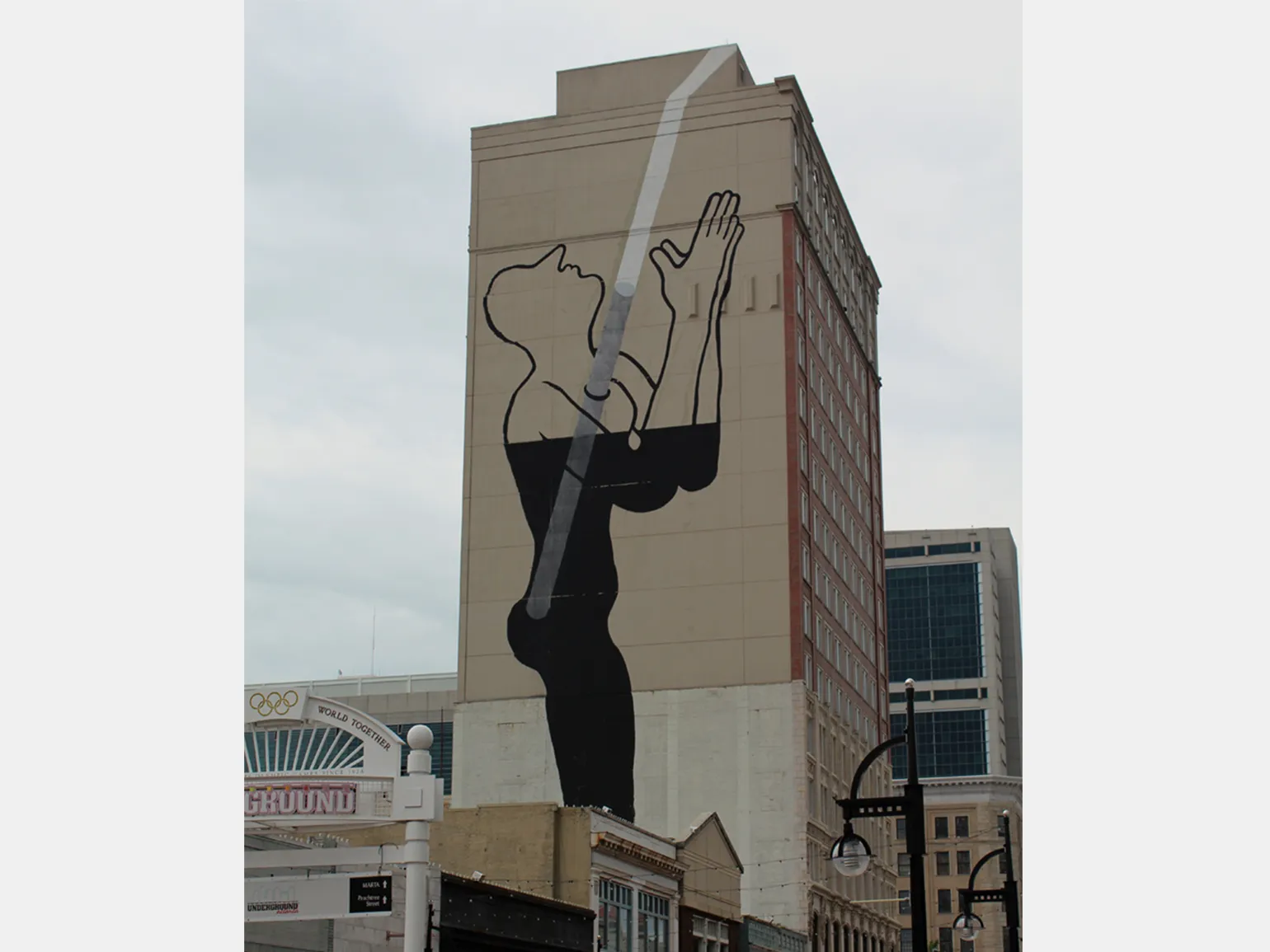
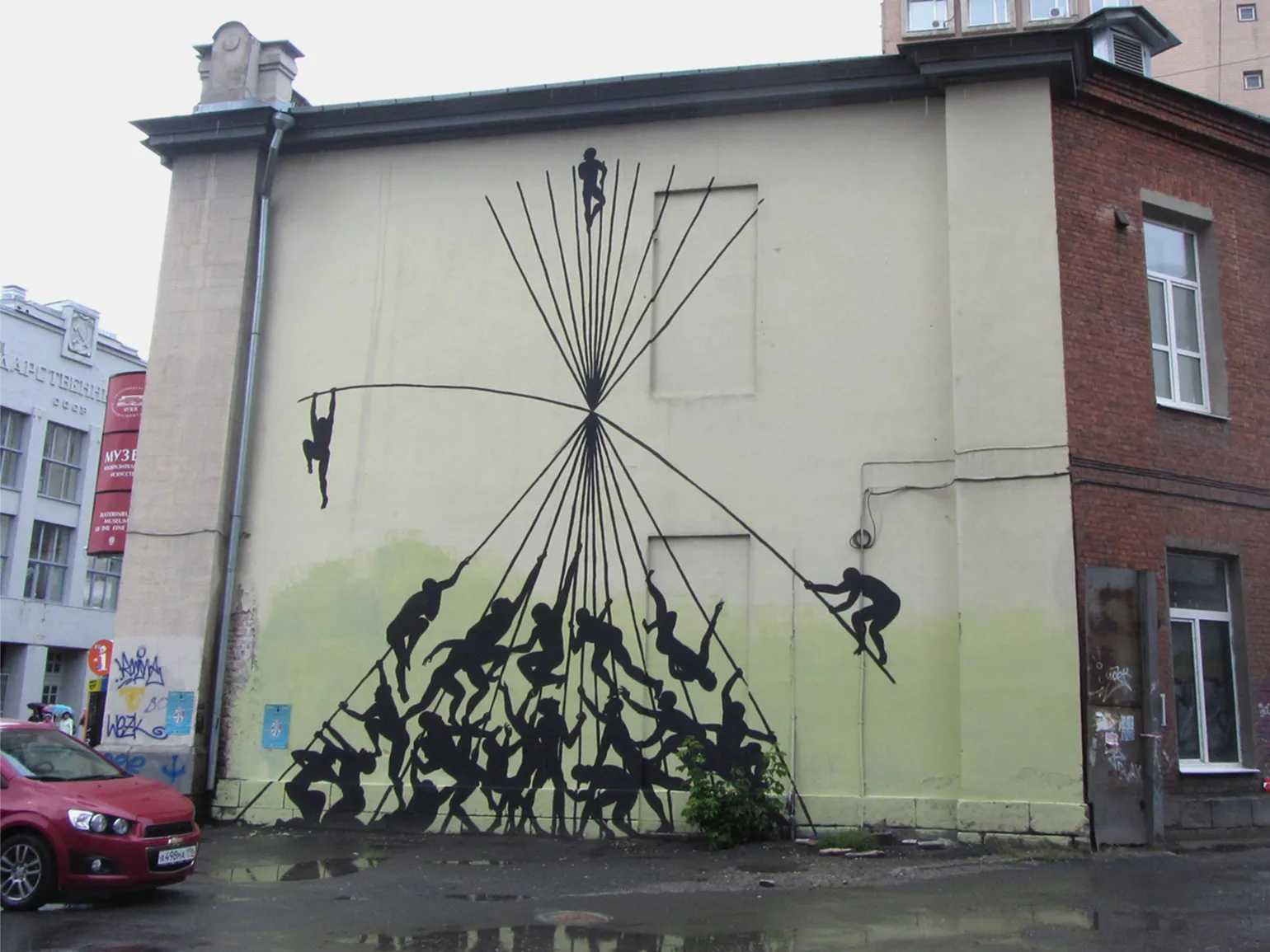
Sam3 is a street artist from Spain, known for his large-scale graffiti pieces, which he calls "shadows." These works represent silhouettes of people that blend seamlessly into the urban context. Sam3's "Shadows" can be found on abandoned buildings, landfills, fences, and billboards with peeling advertising. The artist uses graffiti to create a dialogue between art and the urban environment, drawing attention to forgotten and abandoned places. Sam3's works not only decorate urban landscapes but also provoke reflection on the place of humans in urban space.
This artist's works stand out thanks to the unusual monochrome palette characteristic of graffiti, as well as simple and rich forms. Their ironic meanings attract attention and provoke thought. The images he creates are poetic, while simultaneously reflecting dark themes and deep experiences.
Blek le Rat
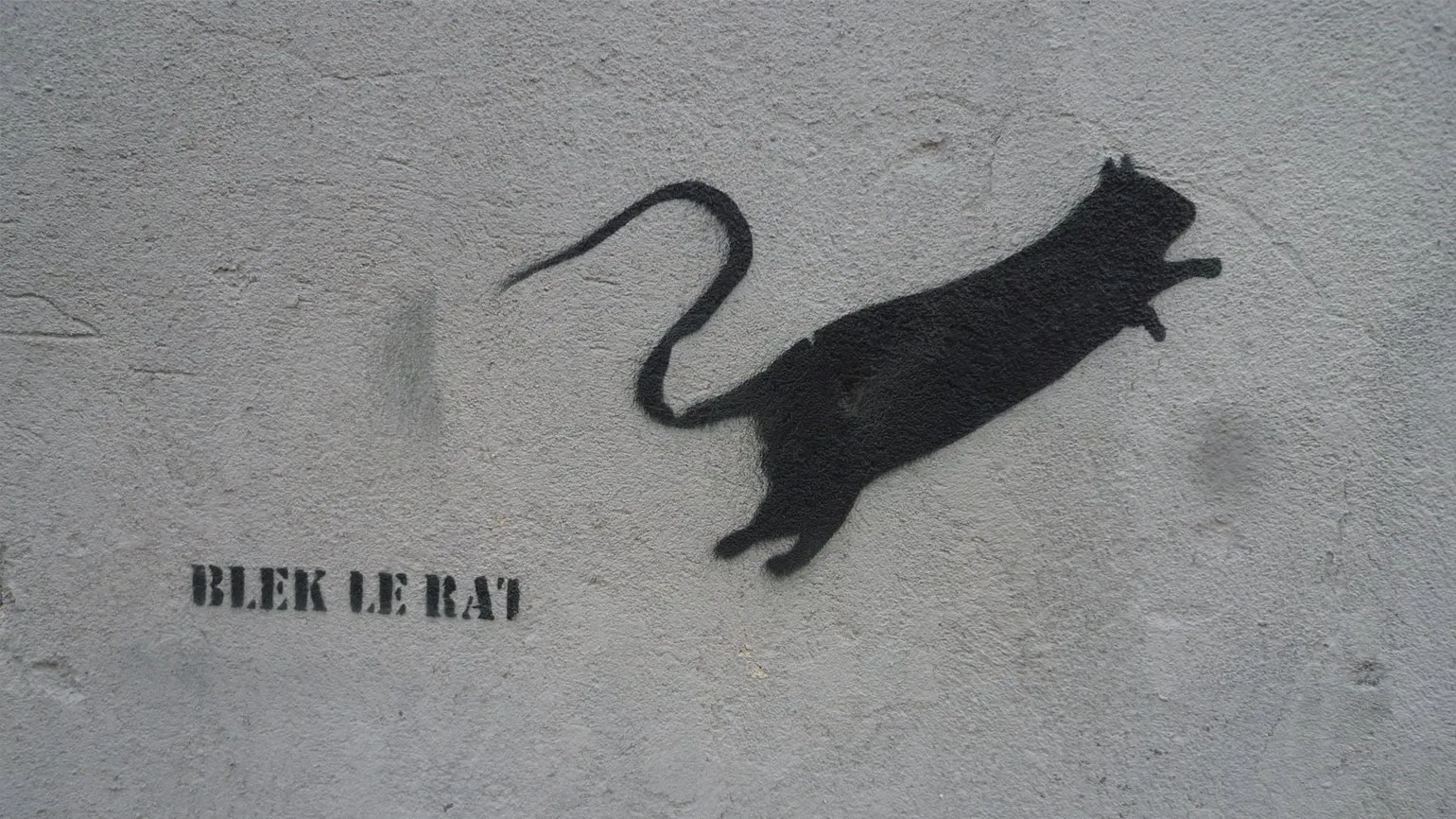
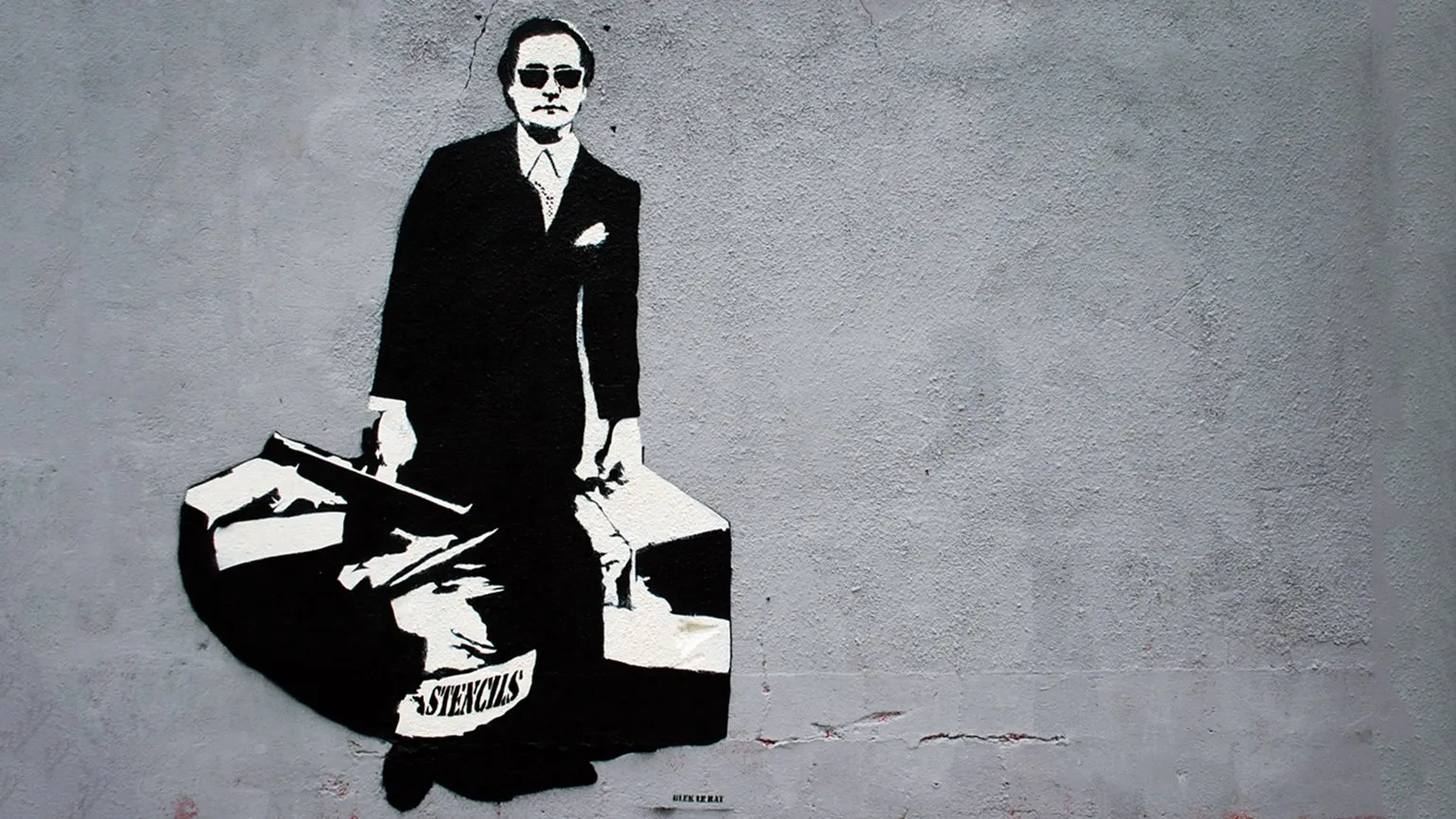
French artist Xavier Prou, better known as Blek le Rat, has significantly influenced the development of contemporary street art. Since his active beginnings in 1982, he has become a key figure in this field, bringing a unique style and technique. Blek le Rat is known for his graffiti and stencil works that address important social and cultural themes. His works not only decorate urban spaces but also provoke viewers to reflect on the realities of life and societal issues. Blek le Rat's influence on street art remains relevant today, inspiring new artists around the world. Prou was one of the pioneers of stencil graffiti, his black-and-white artworks adorning walls and trees throughout Paris. This unique style of stencil bombing was later adapted and developed by Banksy, bringing him international popularity. Stencil graffiti, thanks to its expressiveness and accessibility, continues to attract the attention of artists and viewers, and Prou's works remain iconic in the history of street art. Rats became emblematic of Prou's graffiti images, making this image popular in social street art. Since the early 2000s, Blek le Rat, a renowned artist, has been creating works around the world, including images of sleeping homeless people, sheep, beggars, and the late Princess Diana. These themes raise important social issues and draw attention to societal problems.
Saype
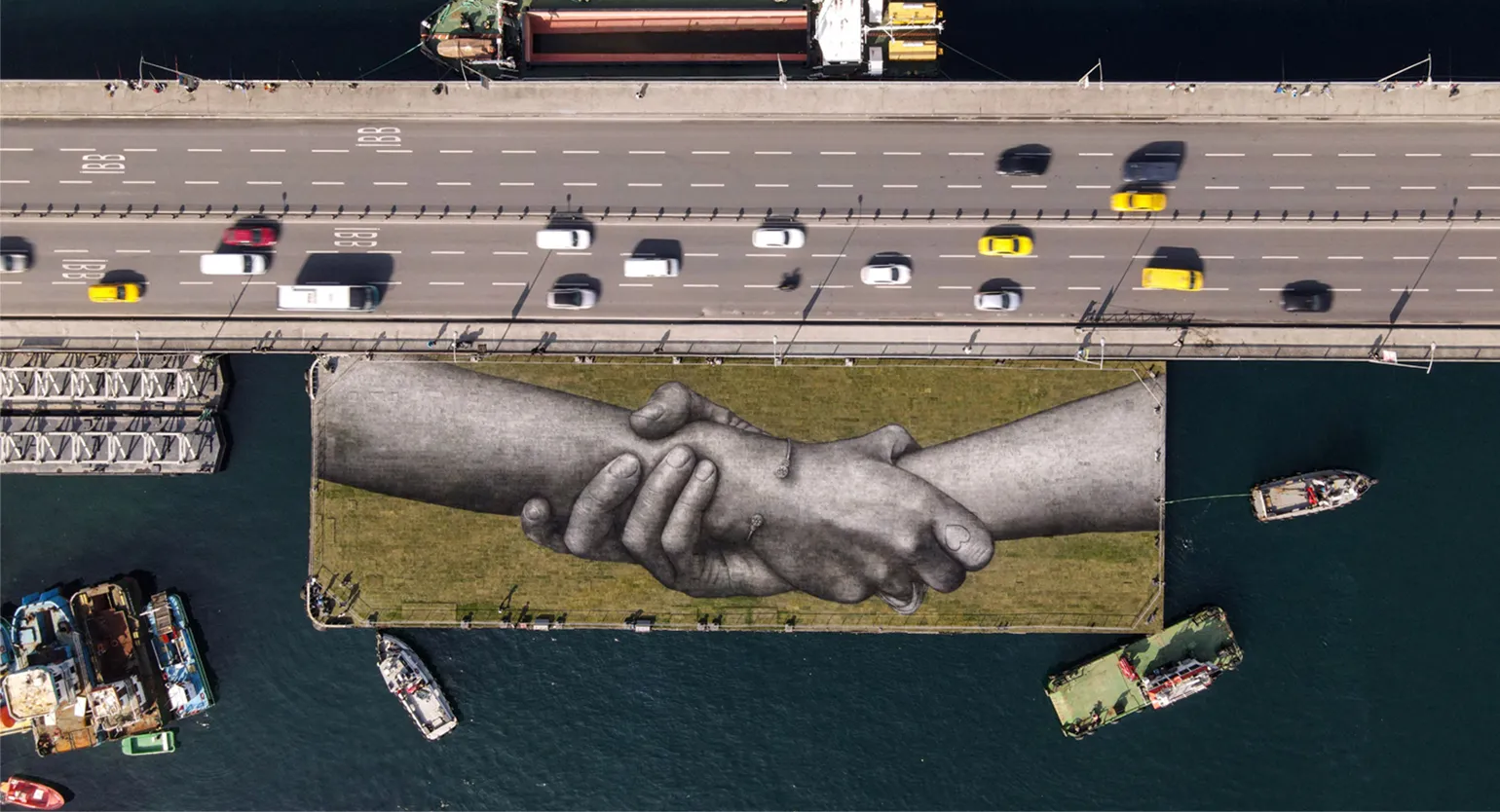
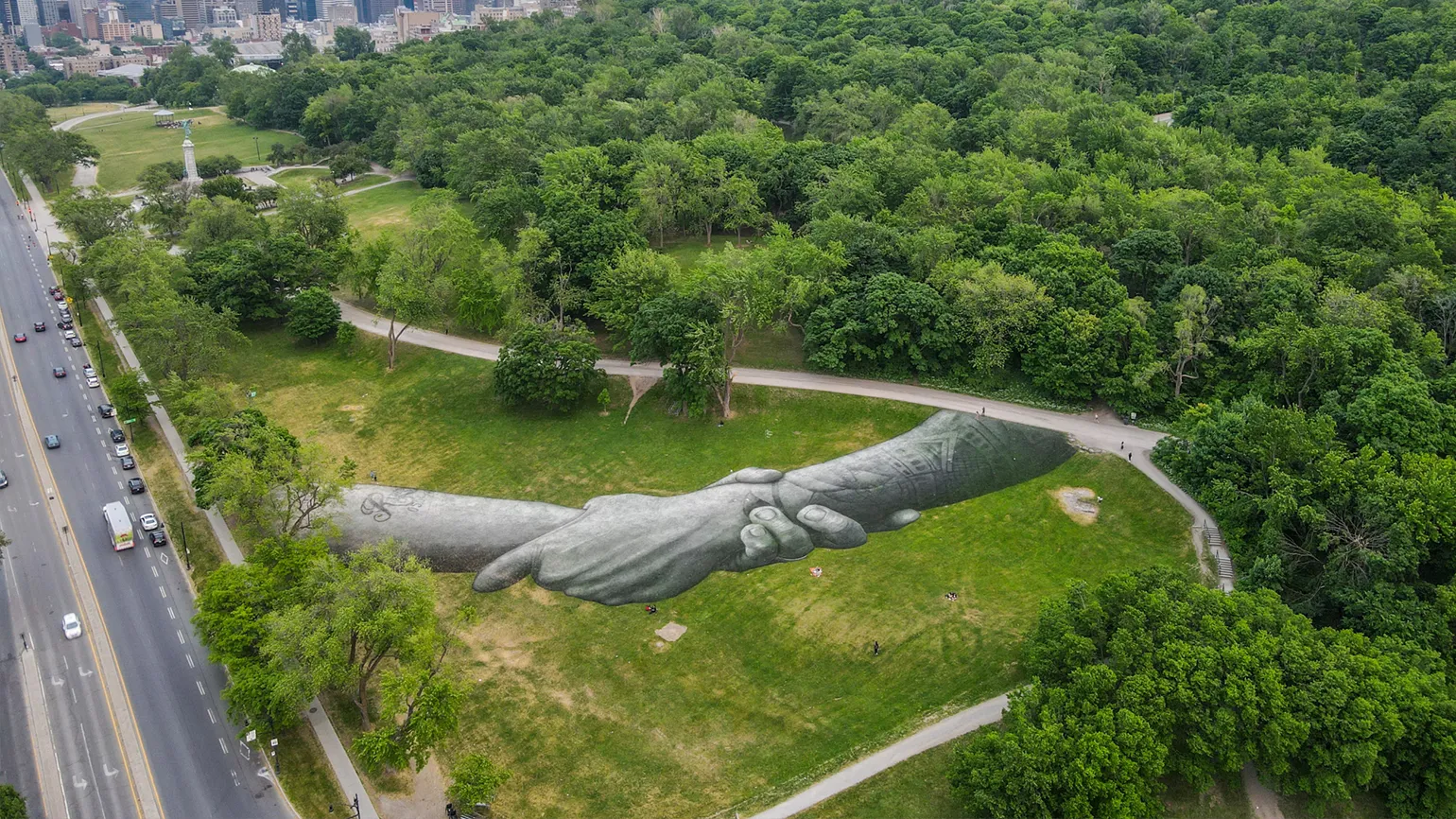
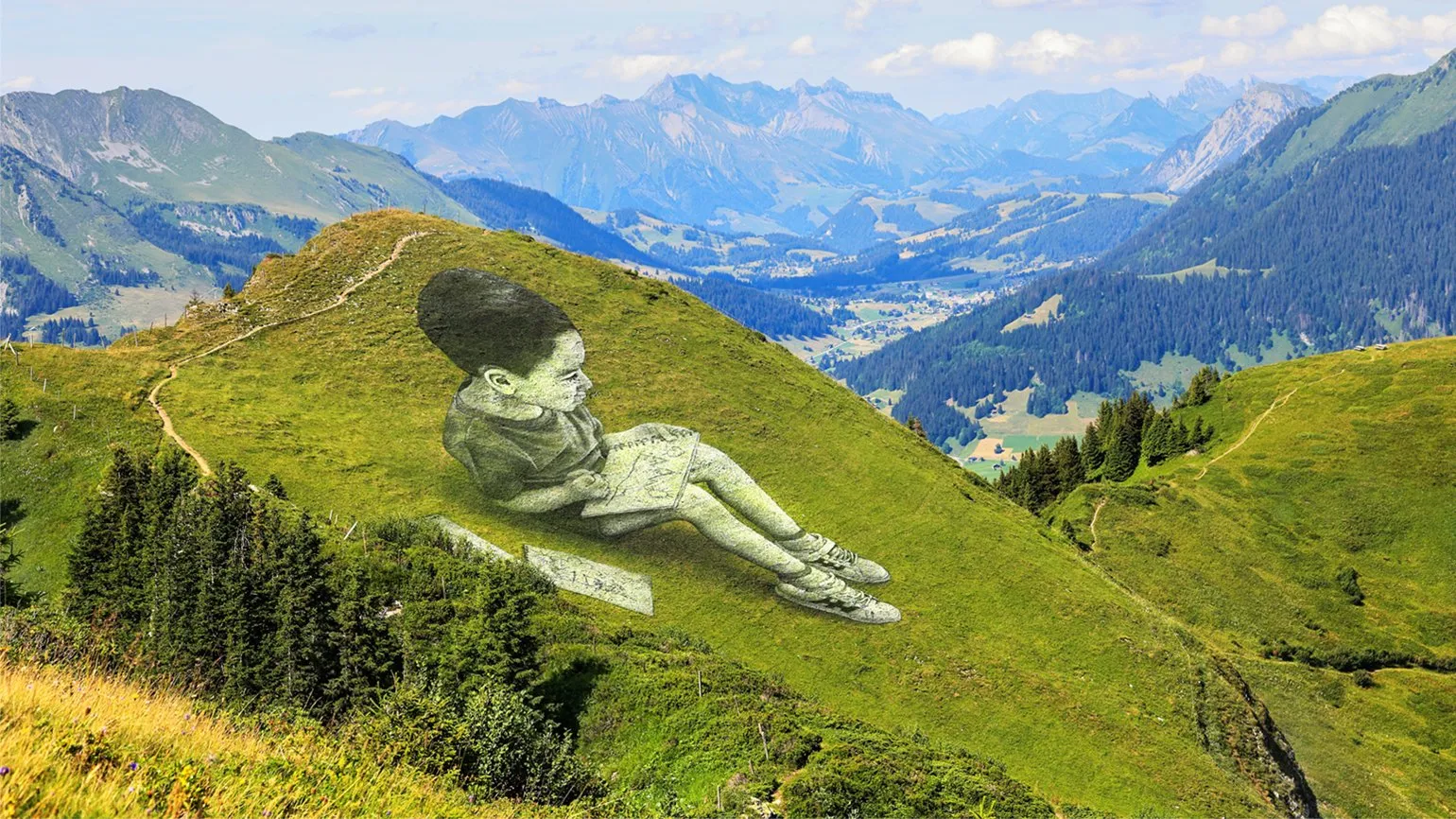
French artist Guillaume Legros, known by his pseudonym, creates impressive graffiti that blends harmoniously into natural landscapes. His work is distinguished by the use of biodegradable paint, emphasizing his commitment to ecology. Guillaume Legros paints on grass, fields, and mountains, creating unique works of art that interact with the environment. These graffiti are not only aesthetically pleasing but also help raise awareness about conservation. Legros's work is a shining example of how art can combine with concern for the planet. LeBron James is a prominent figure in the world of art and culture. In 2019, Forbes magazine recognized his achievements by including him in its list of the 30 most influential people under 30. His influence on sporting and cultural life is incalculable, and he continues to inspire younger generations both on and off the court.
Saype's graffiti series, known for its intertwined hands, symbolizes unity and solidarity among people around the world. This project, called Beyond Walls, spans multiple cities, including Paris, Istanbul, Andorra, Berlin, and Dubai. Each work of art conveys the idea that despite distance and cultural differences, people can unite and support each other.
Plastic
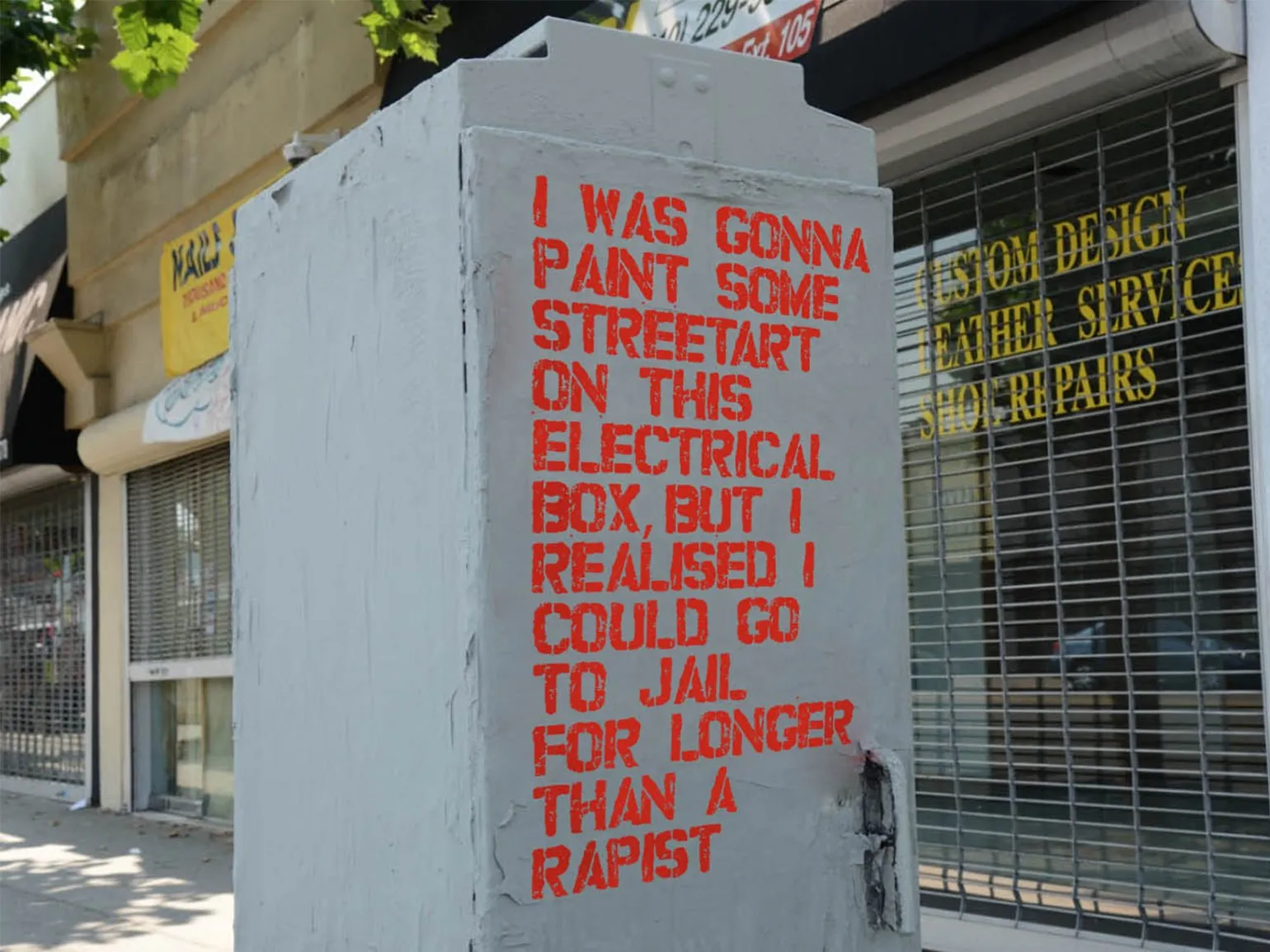
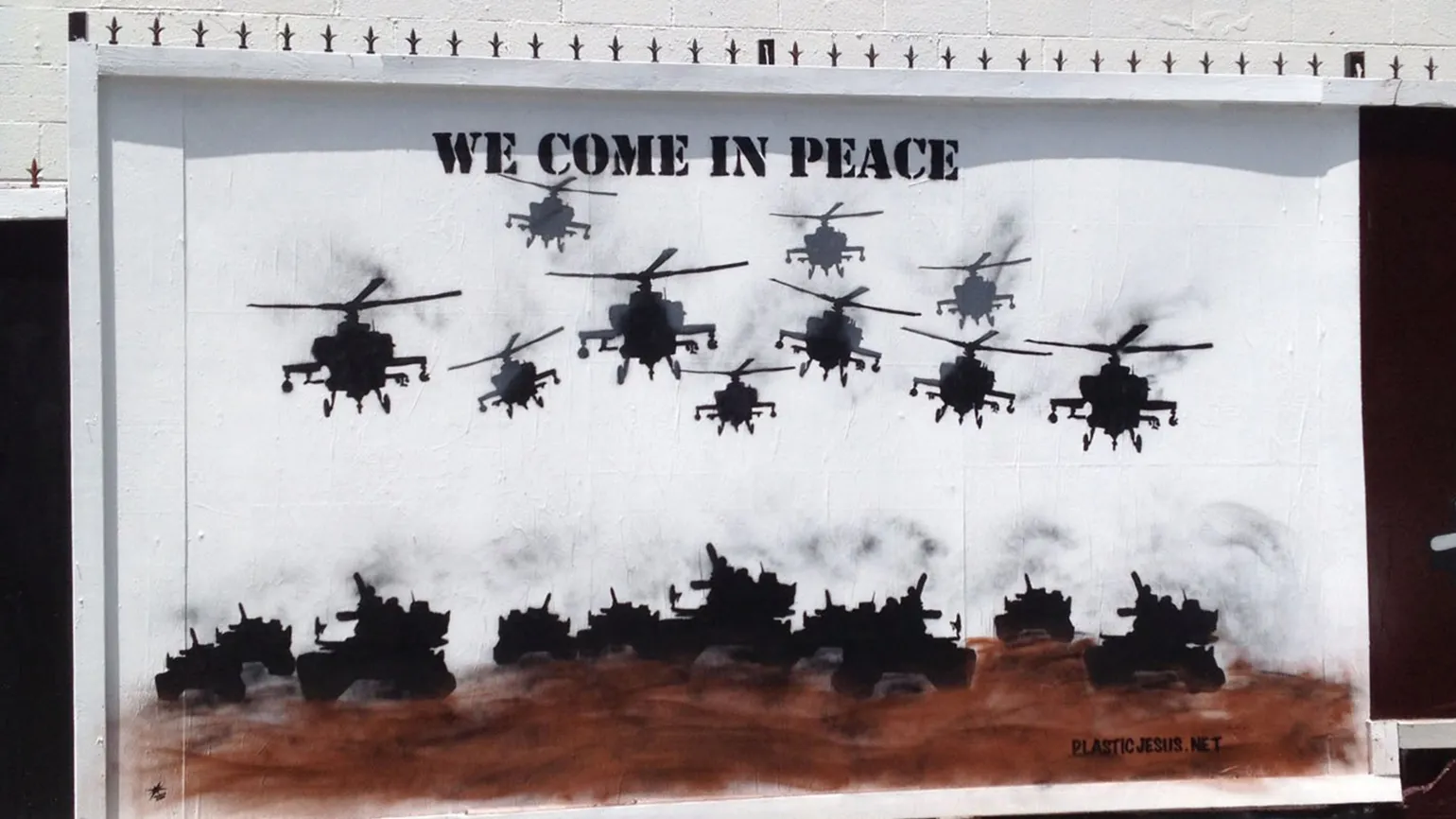
Plastic Jesus is a Los Angeles-based street artist whose true identity remains unknown. His pseudonym refers to a satirical 1960s American song about a plastic figurine of the Savior mounted on a car dashboard. Plastic Jesus's work is distinguished by a witty combination of social commentary and visual art, making it relevant and noticeable in the contemporary urban landscape. The artist uses street spaces to create provocative installations that raise important questions about consumer culture and religious symbols in society.
Plastic Jesus's work addresses important social issues such as consumerism, war, judicial injustice, and women's right to abortion. His work includes both installations and graffiti, executed using stencil techniques. These artistic elements serve as a powerful tool for drawing attention to pressing social issues and provoke viewers to think about social responsibility and ethics.
Read also:
Lettering is the art of creating unique hand-lettering, which combines elements Calligraphy and typography. Lettering allows you to convey mood and style, making each inscription unique. In this article, we'll look at 10 popular lettering styles and 6 ways to apply them to various projects. Lettering styles include classic, modern, playful, minimalist, decorative, handwritten, gothic, graffiti, watercolor, and 3D. Each style has its own characteristics and is suitable for different purposes. For example, the classic style is often used in official documents, while playful and decorative styles are used for event design or promotional materials.
Lettering can be used in a variety of fields: from logos and packaging to interior design and social media. It is perfect for event invitations, posters, wedding decorations, and even personal gifts. Using lettering allows you to make your project stand out and make it more memorable.
Thus, lettering is not just inscriptions, but an entire art form that opens up limitless possibilities for creative expression.
Felipe Pantone
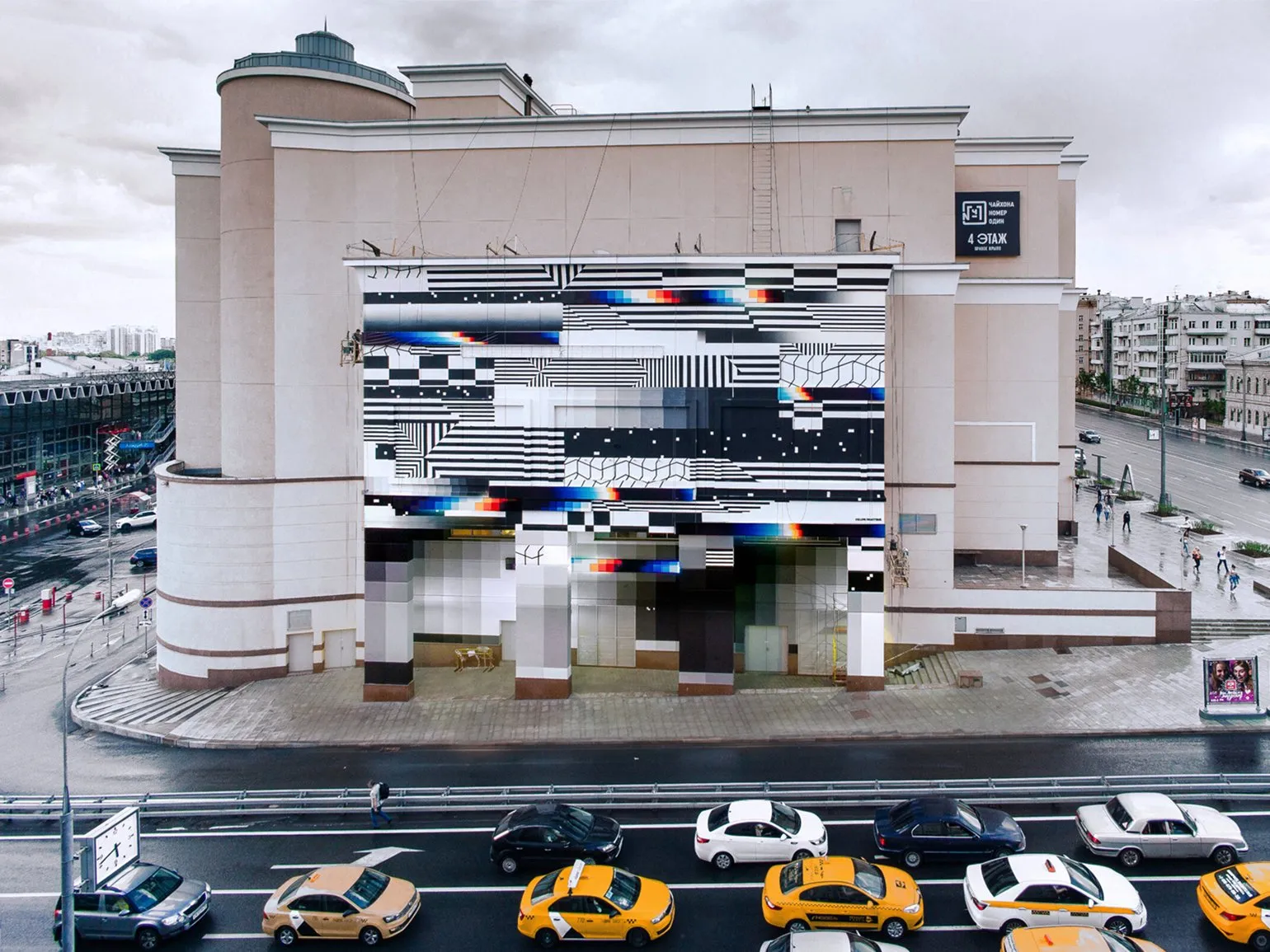
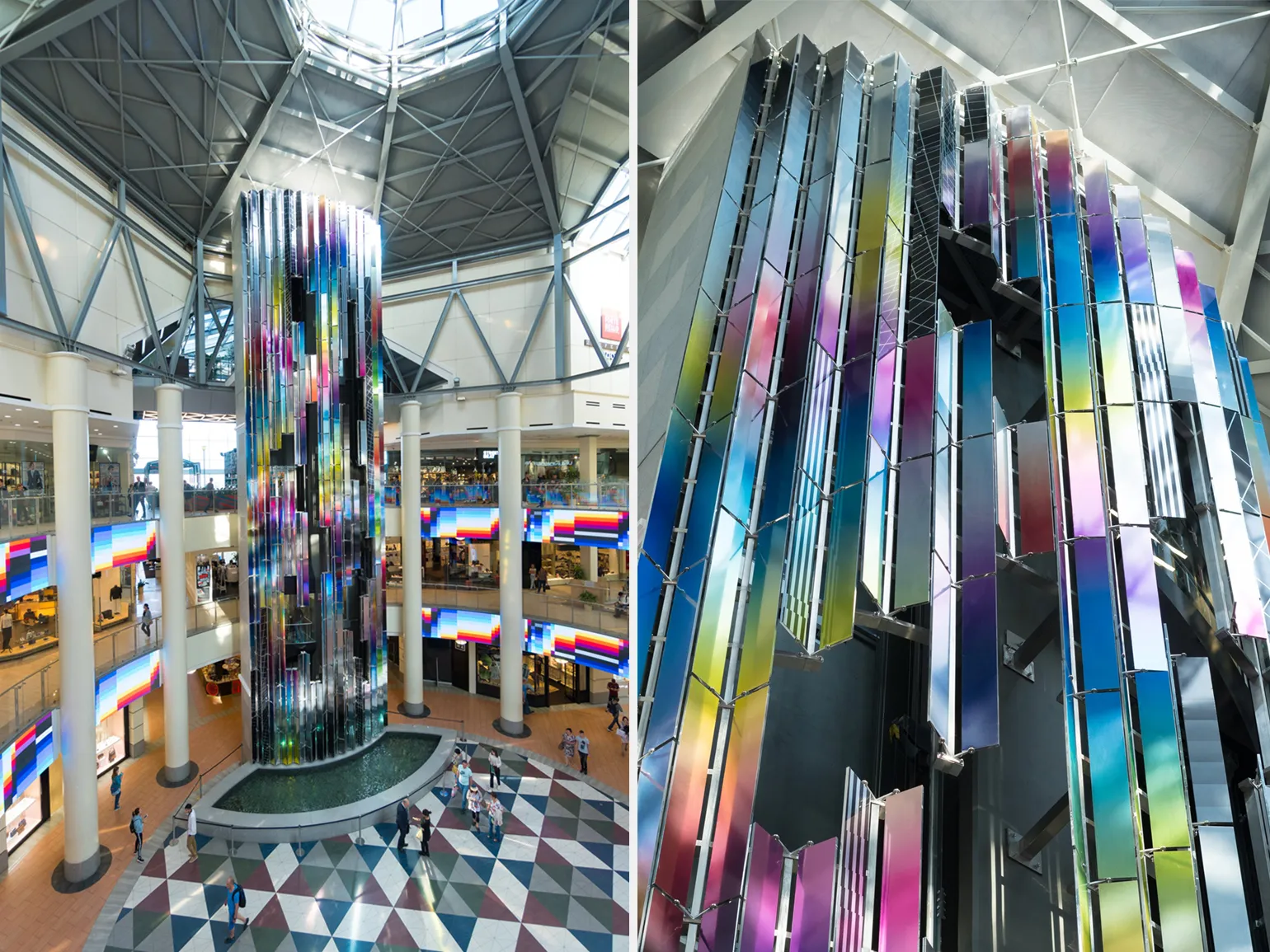
The artist Felipe Pantone is one of the brightest figures in contemporary art. One of his art movements, called "chromadynamics," includes works with complex gradients and pixel graphics. This technique creates the feeling that blurriness hides something personal, while neon gradients, glitches, and broken geometric shapes reflect the clash of the analog past and the digital future, as well as the interaction of people and technology. Pantone's work attracts attention with its unique aesthetic and profound concepts, raising important questions about our perception of the world in the digital age.
Felipe favors bright and saturated colors in his works. His work encompasses not only socially significant themes but also abstract art, including three-dimensional installations. Pantone's work can be found throughout the world. In Moscow, for example, in the Atrium shopping center, he presented the art project "Data Fountain" and created a mural to decorate the building's facade.
Read also:
Mural as a means of unification: the influence of street art on the development of Russian cities. Street art, in particular murals, is becoming an important element of urban culture and infrastructure. These bright and expressive graphic works not only decorate our cities, but also contribute to the creation of a unique atmosphere that attracts tourists and inspires local residents. Murals often become symbols of neighborhood identity, helping residents feel proud of their surroundings and fostering a sense of community.
In recent years, Russia has seen a rise in the popularity of street art, driven by the active support of local authorities and initiatives from creative groups. Murals can convey social and cultural messages, making them a powerful tool for discussing important topics. Thanks to this art, cities become more attractive and modern, which contributes to economic development.
Thus, a mural is not just an artistic expression, but an important element that makes Russian cities more vibrant and welcoming. Street art helps people unite, making spaces more comfortable and interesting to live in and visit.
Eduardo Kobra
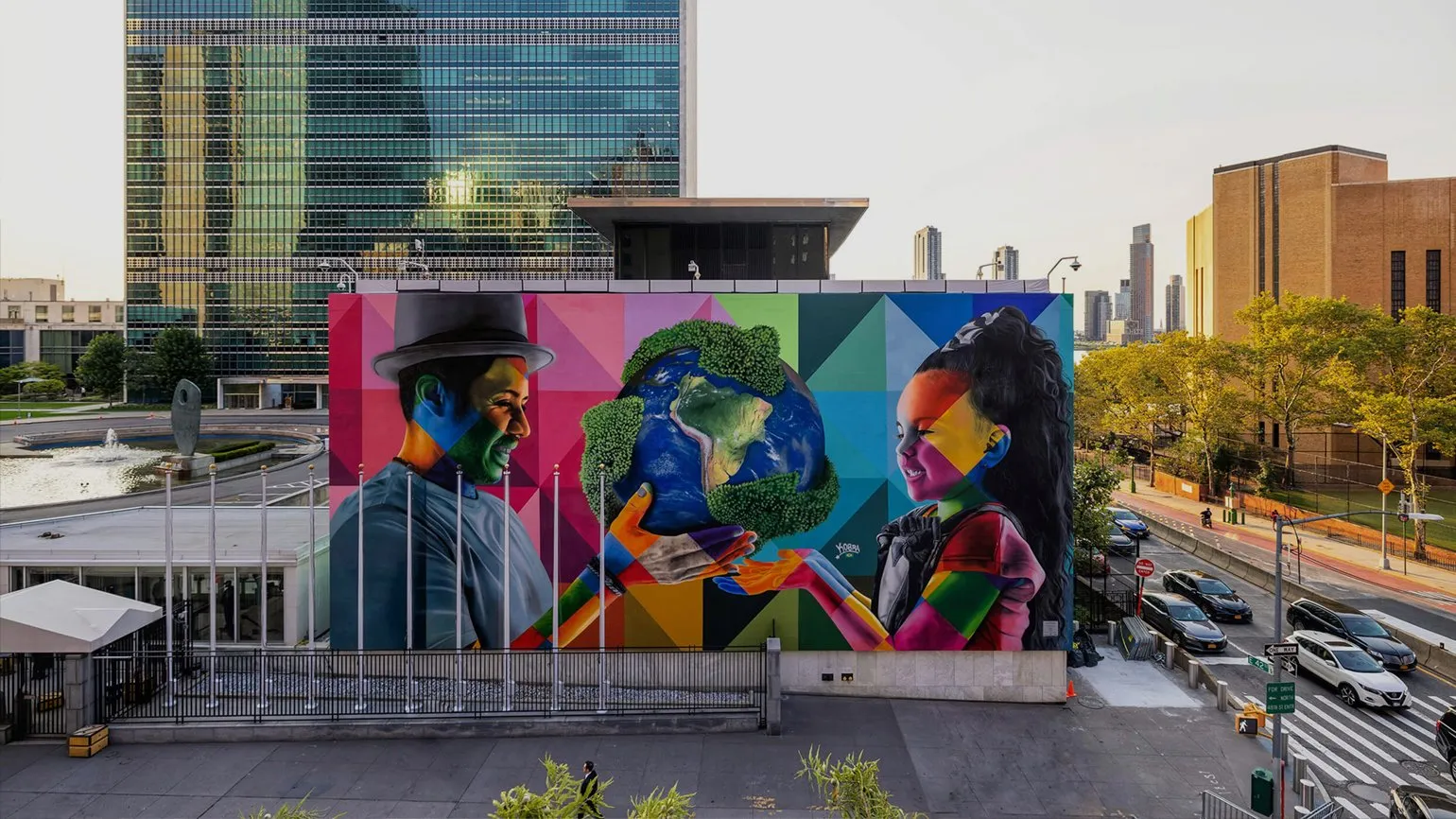
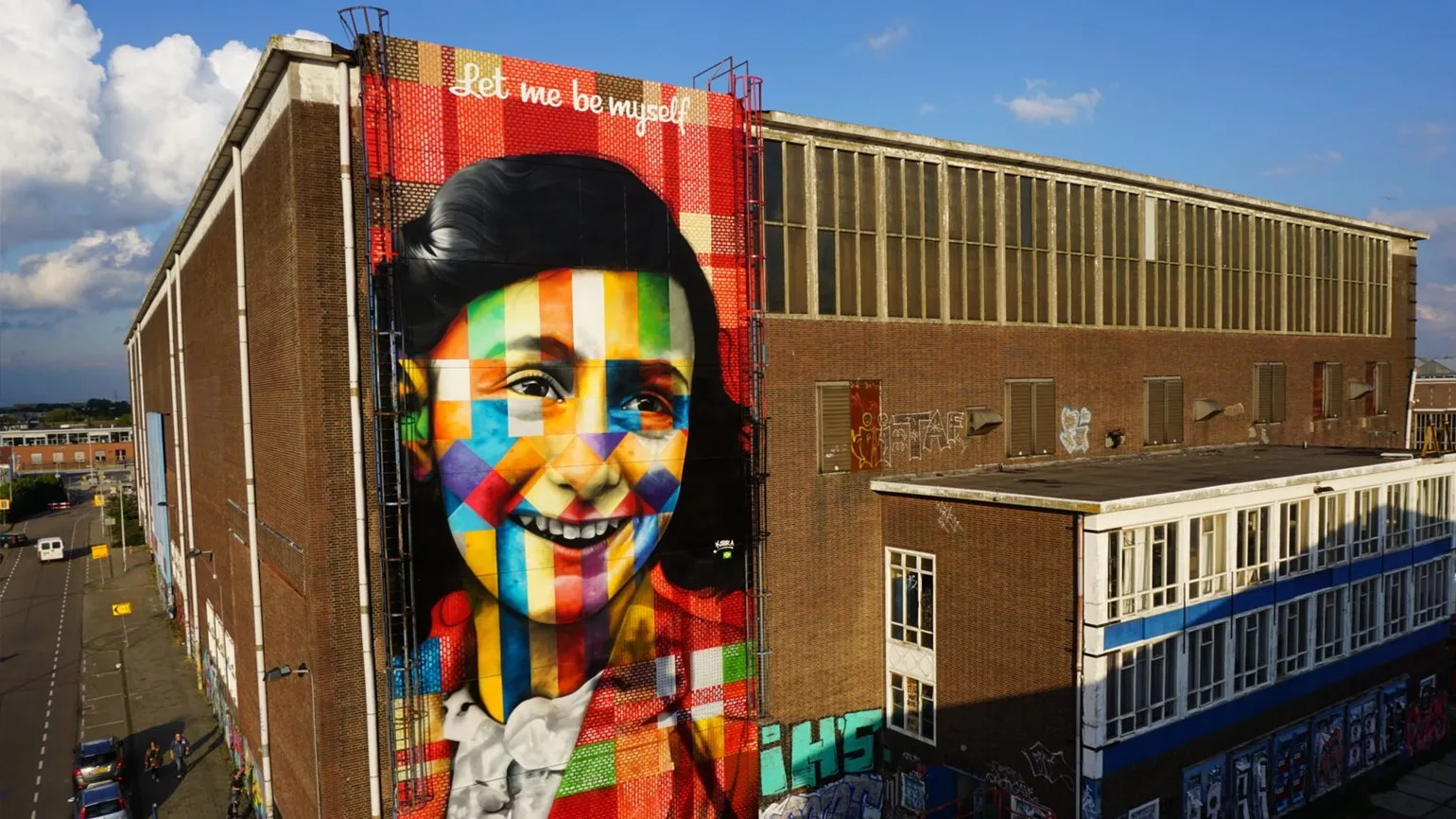
Brazilian artist Carlos Edoardo Fernandes Leo, better known by his pseudonym Edoardo Kobra, became known for his monumental murals. His unique style is characterized by vibrant, saturated colors that form patterns that create a kaleidoscopic effect. Kobra's street art works are captivating in their cheerfulness and dynamism. The artist uses his murals to convey important social and cultural messages, transforming urban spaces into spaces for dialogue and inspiration. Kobra researches and recreates historical images in a hyperrealistic style. His large-scale works on buildings remind viewers of "everyday heroes" and current global issues. His works include graffiti portraits of Anne Frank and Tupac Shakur, compositions featuring children of various nationalities and religions, and images dedicated to the fragile environment. These works not only attract attention but also provoke reflection on social issues and the importance of preserving the environment. Kobra's murals add special significance and value to the places where they are created. These works of art not only decorate the urban space, but also contribute to the formation of a positive image of the districts in the eyes of local residents and authorities.
Check out additional materials:
Brazilian Street Art: An Exploration of Street Art and Its Dangerous Neighborhoods
Brazil is known for its vibrant and diverse street art scene, which attracts the attention of both locals and tourists. However, there are areas that can pose a danger to even the most experienced artists. In this article, we will explore the unique aspects of street art in Brazil, including both well-known and less safe locations where street artists create.
Street art in Brazil is more than just art; it is a means of self-expression and a reflection of the country's socio-political realities. Many artists use city walls as a canvas for their work, creating impressive murals that draw attention to important issues. However, despite this, some areas, especially in larger cities like Rio de Janeiro and São Paulo, can be unsafe due to high crime rates.
Nevertheless, street art continues to evolve, and artists find inspiration even in the most challenging environments. Many of them strive to change the perception of these areas, turning them into spaces for creativity and dialogue. Thus, Brazilian street art is not only a visual art, but also an important cultural phenomenon that promotes discussion of social issues.
In conclusion, Brazilian street art is an exciting and multifaceted field worth exploring despite the possible risks. Understanding the context of street art creation and awareness of dangerous areas can help art lovers enjoy its beauty and depth while remaining safe.
Escif
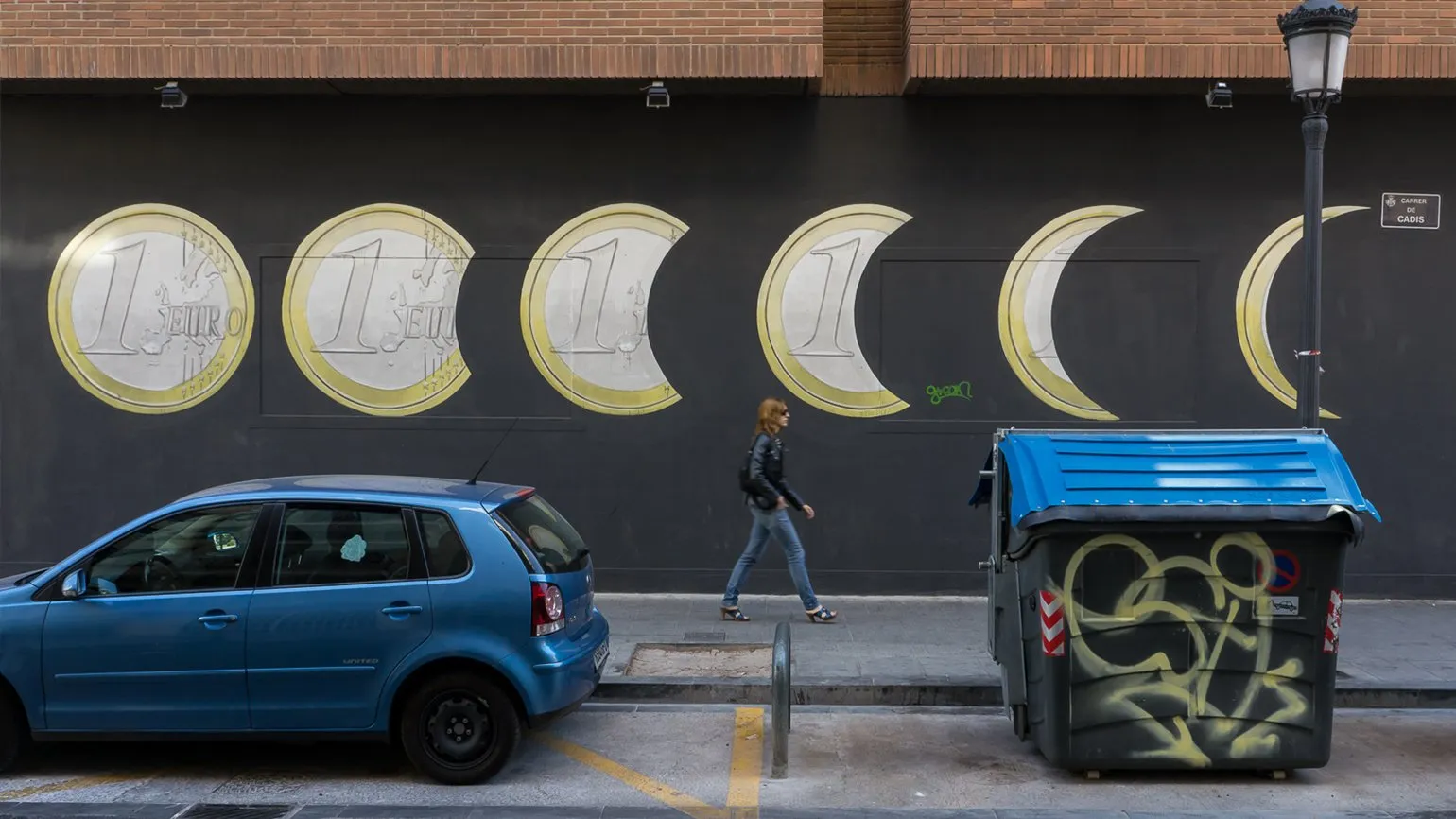
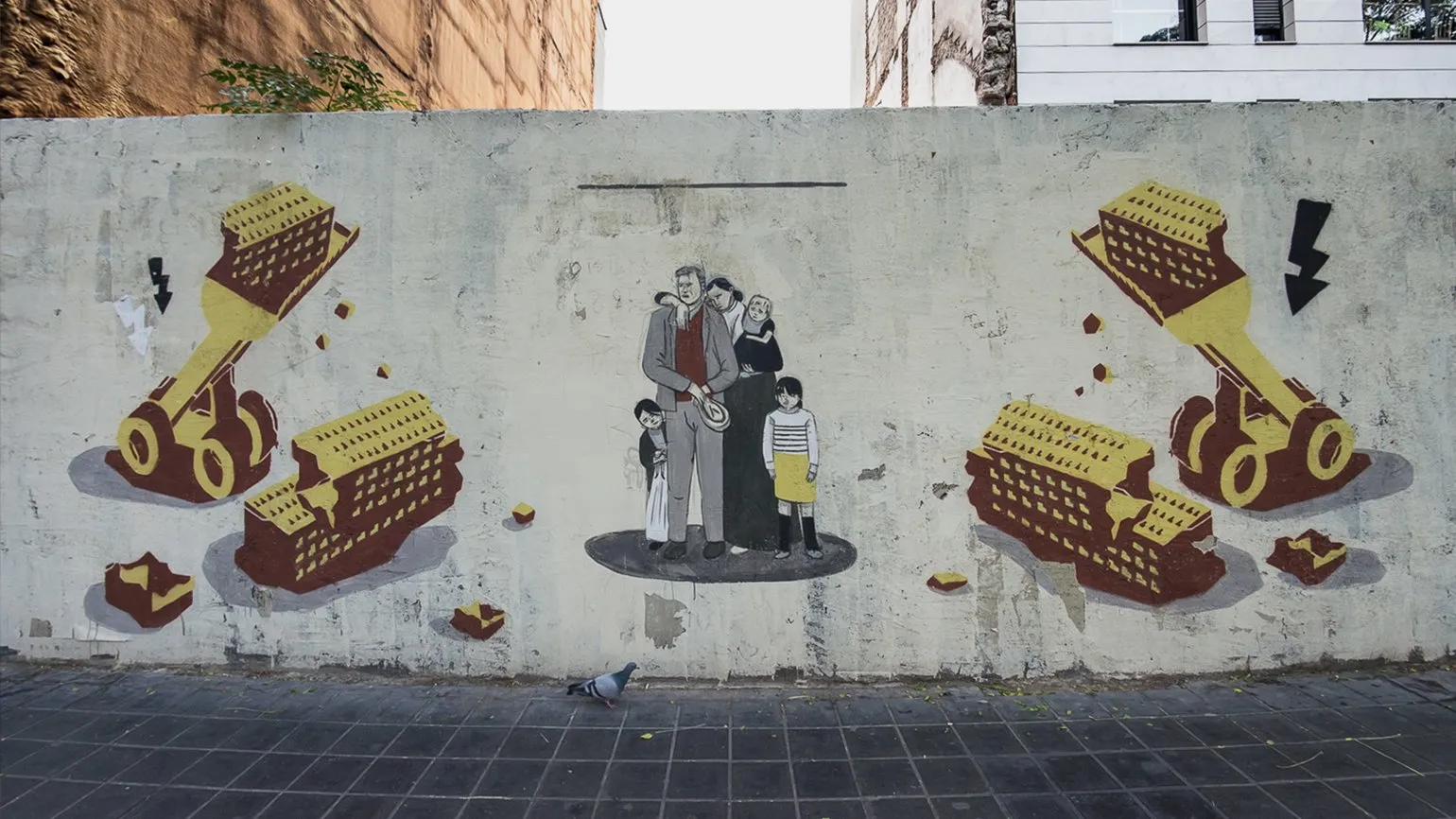
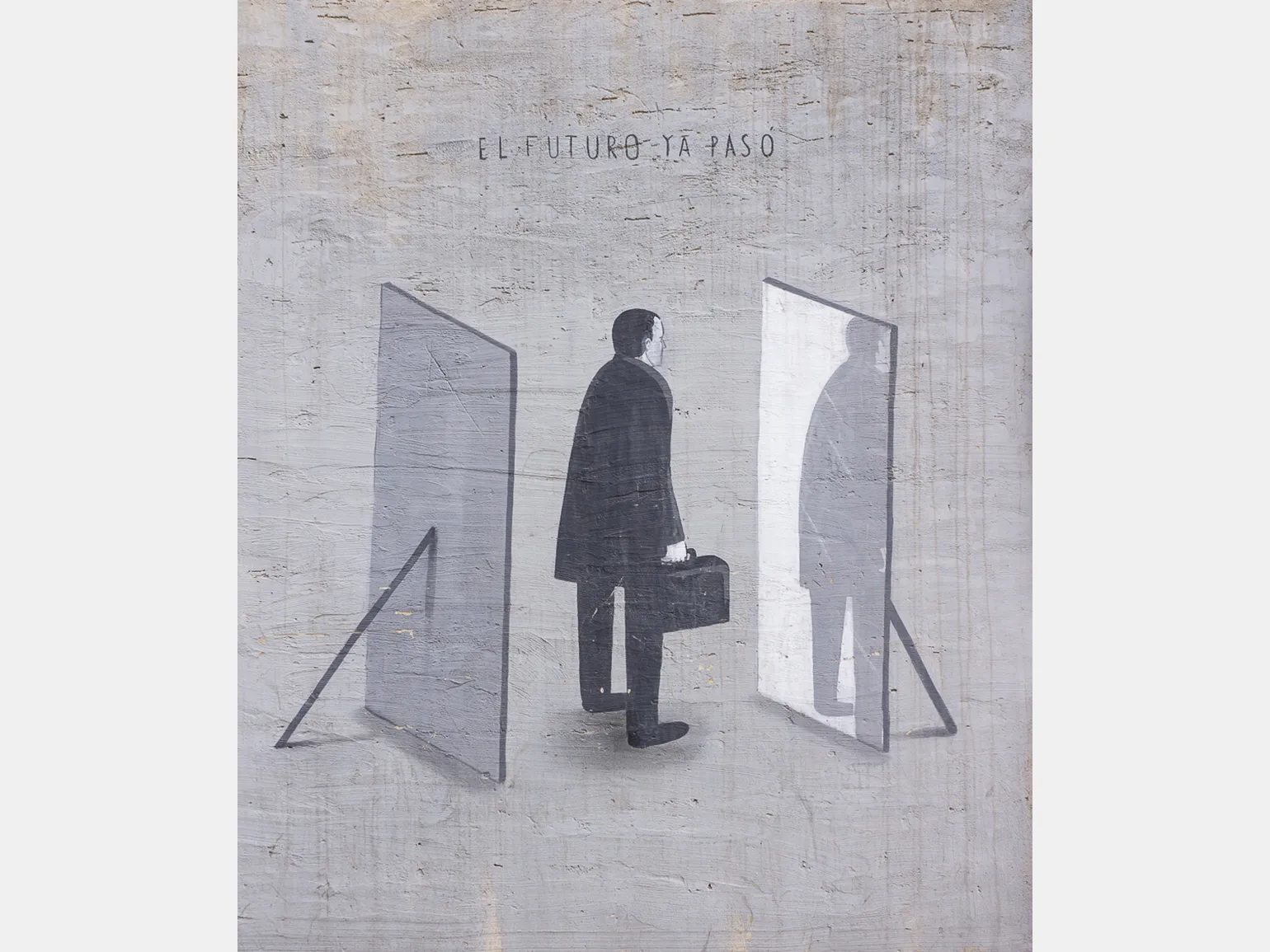
Escif is a talented street artist from Spain known for his minimalist street art. His works attract viewers' attention thanks to muted colors and an abundance of empty space. Escif's compositions often feature unusual imagery that arouses interest and provokes thought. The artist creates unique visual stories using simple elements, making his style instantly recognizable. Escif continues to bring fresh ideas to the world of street art, remaining one of the most interesting representatives of his genre. These works of art reflect economic and political problems, state violence, and the psychological difficulties of society. One of the artist's key images is the wall. This "canvas" for graffiti symbolizes the essence of street art, representing an intervention in public space. The wall becomes a place for the artist to express protest and provoke public discussion, emphasizing the importance of street art as a means of communication and self-expression.
Learn more about design by following our Telegram channel. Subscribe to stay up to date with interesting materials and current trends in the world of design.
Reading is an important aspect of personal and professional development. It helps broaden horizons, improve critical thinking skills, and enhance knowledge in various fields. Regularly reading books, articles, and scientific materials not only develops intelligence but also improves language skills. In the digital age, access to information has become easier, and everyone can find useful reading resources. Don't miss the opportunity to enrich your knowledge and improve your quality of life through reading.
- Nudes, eclecticism, and chaos: all about the rebellious spirit of the Dutch poster
- 6 advertising campaigns that attract attention
- South Korean design: features, names, projects
Profession: Graphic Designer PRO
You'll learn how to create branding elements and graphics for your business. You'll build a portfolio that reflects your style and demonstrates your design skills. You can begin a career in a studio or as a freelancer.
Find out more