Contents:
Learn: The Fashion Designer Profession
Learn MoreThe first half of the 2020s has seen a multitude of fashion trends and their variations, rapidly replacing one another. The acceleration of information transfer has led to changes in fashion itself. Coats and accessories now serve not only as a visual expression of mood or status, but also as a message carrying specific content. The industrial and digital revolutions have radically changed the way people define styles, choose clothes, and perceive them as a whole. Fashion has become more accessible and multifaceted, and its meaning goes beyond simple appearance, reflecting the individuality and values of each person.
We explore how fashion styles are formed and what key trends in fashion remain the foundation of modern fashion. Understanding these aspects will help you better navigate the fashion world and choose your unique style. Contemporary fashion trends such as minimalism, street style, and retro continue to influence designers and consumers. Consider how these trends are interconnected and how they reflect current social and cultural trends. Immersing yourself in a variety of fashion styles will not only help you create a harmonious look but also express your individuality through your clothing.
Styles, Trends, and Tendencies: What's the Difference?
The words "fashion," "styles," and "trends" often cause confusion, so let's start with the basic definition of each. Fashion is a temporary phenomenon that reflects society's preferences in clothing, accessories, and lifestyle that change over time. Styles represent individual modes of expression that can combine elements of fashion and personal preference. Trends, in turn, denote current directions and changes in fashion that can form the basis for the formation of a new style. Understanding these terms will help you better navigate the world of the fashion industry and keep up with current changes.
The term "fashion" in English has two main meanings. The first is associated with fashion as an art form, encompassing the style of clothing, accessories, and lifestyle. This concept includes the latest trends, designer collections, and the influence of cultural events on clothing choices. The second meaning refers to a broader concept of a stylish approach in various areas of life, including architecture, graphic design, and even everyday behavior. Fashion as a cultural phenomenon is constantly evolving, reflecting changes in society and people's preferences.
- It is the field of design and production of clothing, accessories, and other items. They can be utilitarian and useless, "beautiful" and strange, "fashionable" or outdated. The key here is that fashion is a sector of industry and the economy.
- It is the dominant set of popular visual attributes in a specific period of time.
In the context of fashion, the trends of the 2000s are often discussed. This period became significant for the formation of a unique style that continues to influence modern fashion. Those years saw a rapid rise in the popularity of bright colors, extravagant accessories, and large logos. Fashion of the 2000s reflected the spirit of the times, combining elements of street style and high fashion. Trends of that time, such as low-cut jeans, tops, and sneakers, are returning to the catwalks and everyday wardrobes, confirming the cyclical nature of fashion trends.

Reading is an important part of our lives, enriching our inner world and broadening our horizons. It helps develop thinking, deepen knowledge, and improve communication skills. In today's world, where information is available in any format, reading books, articles, and other materials has become especially relevant. Not only does it promote personal growth, but it also helps maintain mental alertness. Regular reading also improves concentration and memory. It's important to choose a variety of sources to gain the most comprehensive understanding of the world. Read literature that inspires you and discover new horizons. Y2K: Fashion, Graphic Design, Interfaces, Interiors, and Objects Y2K refers to a style that emerged in the late 1990s and early 2000s. This period is characterized by a unique combination of fashion, graphic design, interfaces, and interiors, creating an atmosphere of optimism and technological progress. Y2K fashion is dominated by bright colors, unusual silhouettes, and bold accessories that reflect the spirit of the times. Graphics from that period are characterized by the use of neon colors, abstract shapes, and digital elements, creating visually appealing works. Interfaces designed during the Y2K era often featured bright and playful elements that emphasized the accessibility of technology and innovative solutions. Interiors also reflected this aesthetic, combining futuristic details with pop culture elements. Objects created during this period have become symbols of the time and still evoke nostalgia. Y2K continues to influence modern design and fashion, inspiring new generations to create unique and memorable solutions. Understanding this style allows us to deepen our knowledge of the cultural trends and aesthetic preferences that shape our perception of the world. The word "style" has two main meanings. First, style can refer to the aesthetic characteristics that determine the appearance and design of various objects, whether clothing, interiors, or art. Second, style can denote an individual approach or manner of expression characteristic of a particular person or group. Understanding these two aspects of style allows us to more deeply appreciate its influence on culture and society, as well as on personal perception and self-expression. Style shapes not only visual images, but also creates a unique atmosphere, reflecting personal preferences and trends of the time.
- As an individual way of self-expression, behavior, and human choice. For example, "Cardi B style."
- As an aesthetic direction in fashion that combines several visual aspects in clothing and how a group of people wear it. In this sense, we can say this: "The Style of the Golden Era of Hollywood."
A trend is a noticeable change in visual elements that spans a certain time. Unlike styles, trends have a shorter lifespan and less large-scale influence, but it is from their combination that significant fashion directions of an era are formed. Trends play a key role in shaping current preferences and determine the vector of development of design and art.
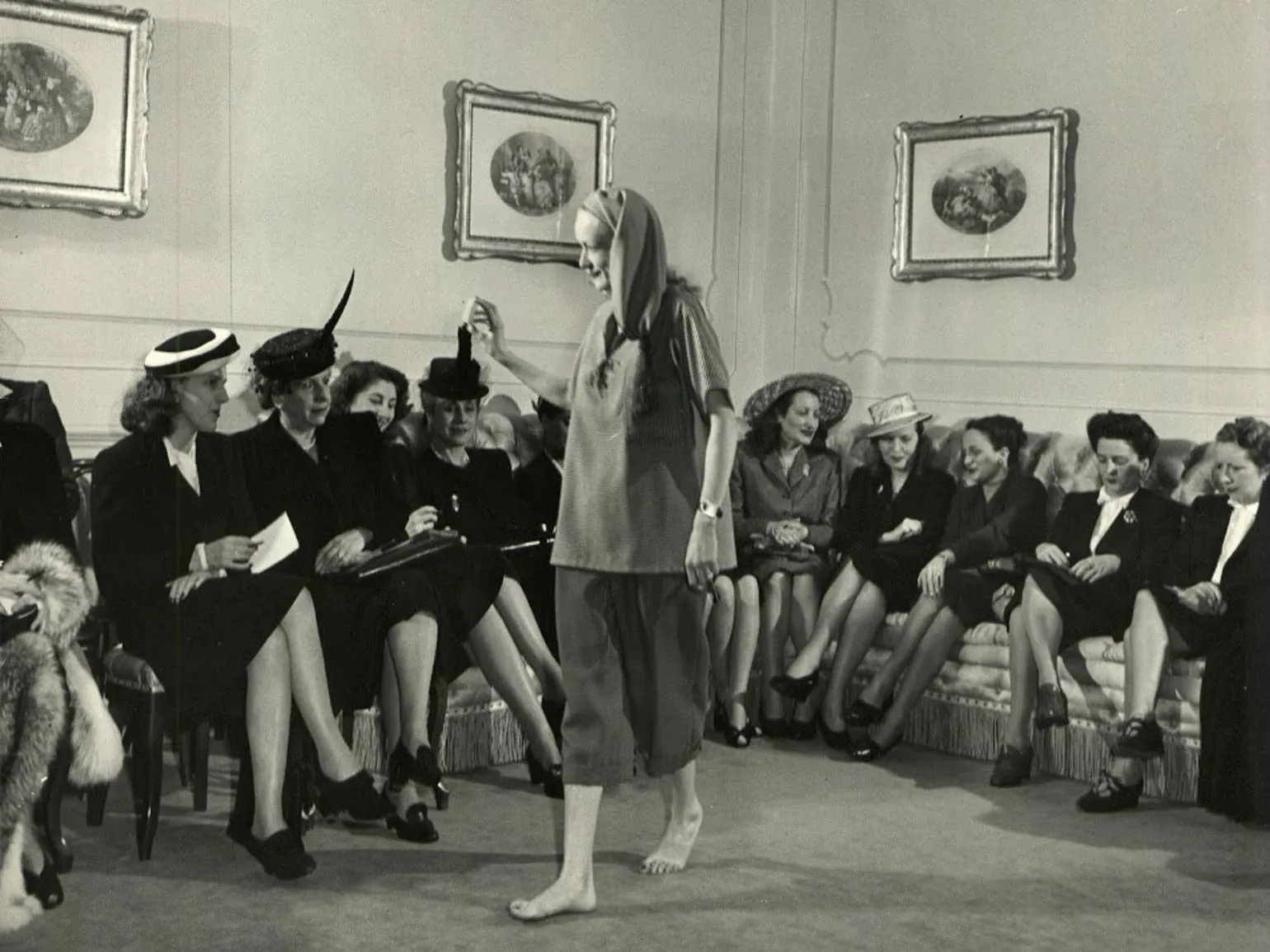
In the late 19th and 20th centuries, fashion was determined by several houses, and trends persisted for many years. Today, trends are formed and spread worldwide in just a few days. They are no longer confined to brands' fashion labs or the work of famous couturiers. Trends can emerge not only from films but also from the influence of bloggers, who have a significant impact on audience fashion preferences. Bloggers are becoming the new curators of style, creating and popularizing trends that quickly gain popularity among the general public.
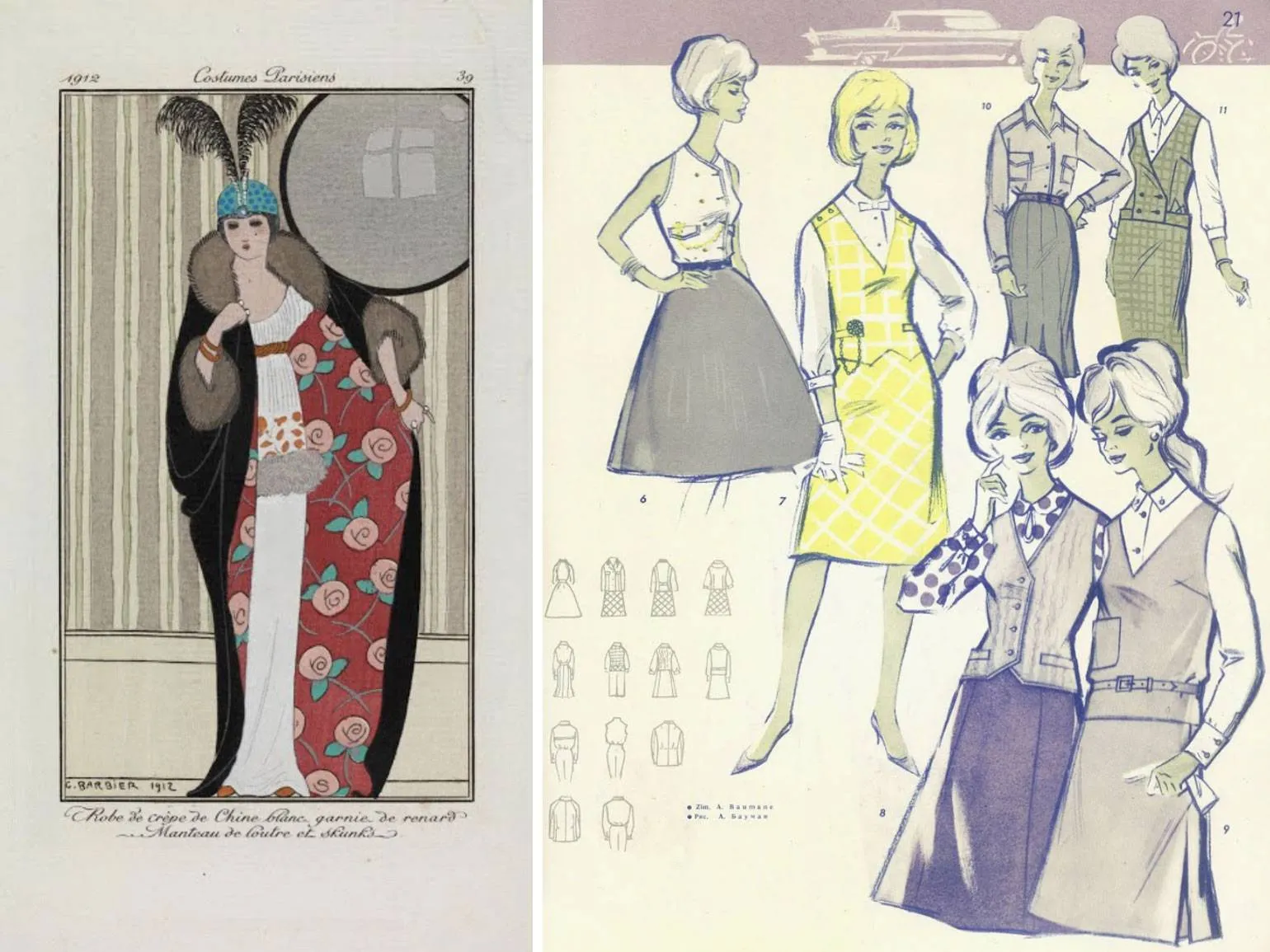
Fashion trends often have economic and technological roots. Popularity primarily depends on the decisions of fashion brands operating in the mass and mid-market segments. These companies select specific materials, patterns, and decorative elements based on suppliers and factories. Thus, current trends are shaped not only by consumer preferences but also by production capabilities, highlighting the interconnectedness between economics and fashion.
Social media content serves as an important source of new aesthetic solutions and images that spread quickly, bypassing traditional channels of influence such as famous designers and fashion magazines. As a result, social media becomes a platform for the formation of current trends and styles, influencing the perception of fashion and design. This phenomenon highlights the importance of social media in the modern world, where every user can become a creator and distributor of unique content capable of challenging accepted norms and perceptions of beauty.
Microtrends are fleeting fashion fads that emerge with astonishing speed and can disappear just as quickly as they appear. These trends form various aesthetics known as core (e.g., normcore, gorpcore, clean girl aesthetics). These aesthetics reflect the cultural and role preferences of small groups, but typically only interest those who actively follow fashion, consumer trends, or specific influencers, such as Hailey Bieber. Microtrends play a significant role in the dynamics of the fashion industry, creating new directions and influencing the general perception of style.

Rework the text, preserving its core content and focusing on SEO optimization. Do not add unnecessary elements, such as emoticons or extra characters. Avoid dividing information into points.
Read also:
Resources for stylists: how to follow trends and find inspiration
Stylists are constantly looking for new ideas and current trends in the fashion world. Various resources exist to help them stay up-to-date with the latest news and find inspiration for creating unique looks. In this context, it's important to consider both online and offline platforms.
Social networks such as Instagram and Pinterest are excellent sources of inspiration. On Instagram, you can follow fashion bloggers, designers, and brands who regularly post new collections and style ideas. Pinterest allows you to create visual boards, collecting ideas and finding unique combinations.
Fashion magazines and blogs also play an important role in shaping stylistic trends. Publications such as Vogue, Harper's Bazaar, and The Business of Fashion offer analysis, collection reviews, and designer interviews, helping stylists stay on top of the latest trends.
Online learning platforms such as Coursera and MasterClass offer courses on fashion styling and stylistics, allowing you to deepen your knowledge and develop your skills. Specialized forums and communities are also worth checking out, where stylists can share experiences and get advice from peers.
Don't forget about exhibitions and fashion events, which are a great opportunity to see new collections and network with industry professionals. Attending such events helps broaden your horizons and gain inspiration.
Therefore, it is important for stylists to use a variety of resources to stay on trend and draw inspiration for their work.
Professional designers and brands actively use rapidly changing fashion trends to increase interest in their products. Microtrends are current trends that are currently attracting the maximum attention of the audience. By leveraging these trends, companies can not only keep their collections relevant but also increase consumer engagement, which drives sales growth and strengthens their market position.

Researching this topic offers many interesting aspects to consider. It is important to delve deeper into the subject to gain a complete understanding. Don't miss the opportunity to check out additional materials that will help expand your horizons and enrich your knowledge. Maintain interest in the topic to stay up-to-date with current events and innovations. Read also:
The future, imagined through the lens of retrofuturism, is a fascinating design trend. Retrofuturism combines elements of the past and visions of the future, creating a unique style that attracts attention and evokes nostalgia. This approach allows designers to experiment with shapes, colors, and technologies inspired by both historical and fantastical concepts.
Retrofuturist visuals often include bright colors, unusual shapes, and elements associated with science fiction. This trend not only reflects dreams of the future but also challenges traditional notions of design and aesthetics. Retrofuturism in design is becoming increasingly popular, as it allows for an atmosphere full of creativity and innovation while maintaining a connection to history.
Modern designers use retrofuturistic elements in architecture, graphic design, fashion, and even web design. This makes retrofuturism a relevant trend that inspires new generations of creators. Designing in the spirit of retrofuturism opens new horizons for self-expression and allows for the creation of unique spaces that inspire and surprise.
A trend is a broader and more long-term phenomenon than a fad. It can be less obvious and is not always associated solely with the preferences of fashion leaders or new technologies. Behind trends lie complex and long-term social and political processes. A trend is a lasting change that, although not always immediately apparent in the public consciousness, over time begins to have a significant impact on certain areas or society as a whole. Trend analysis allows for a deeper understanding of the dynamics of change and predicts the future development of various fields.
The growing interest in environmentally friendly and recycled materials, the transition to conscious consumption, and a fascination with outdoor aesthetics are trends that have been developing over many years. These trends reflect society's desire for sustainable development and care for nature. Eco-design and the use of natural resources are becoming increasingly popular, contributing to improved quality of life and environmental conservation. Conscious consumption also encourages people to choose products that minimize their negative impact on the environment, which in turn influences the market and producers. Outdoor-эстетика, вдохновленная природой, находит свое отражение в интерьере и моде, создавая гармоничное пространство для жизни и отдыха.
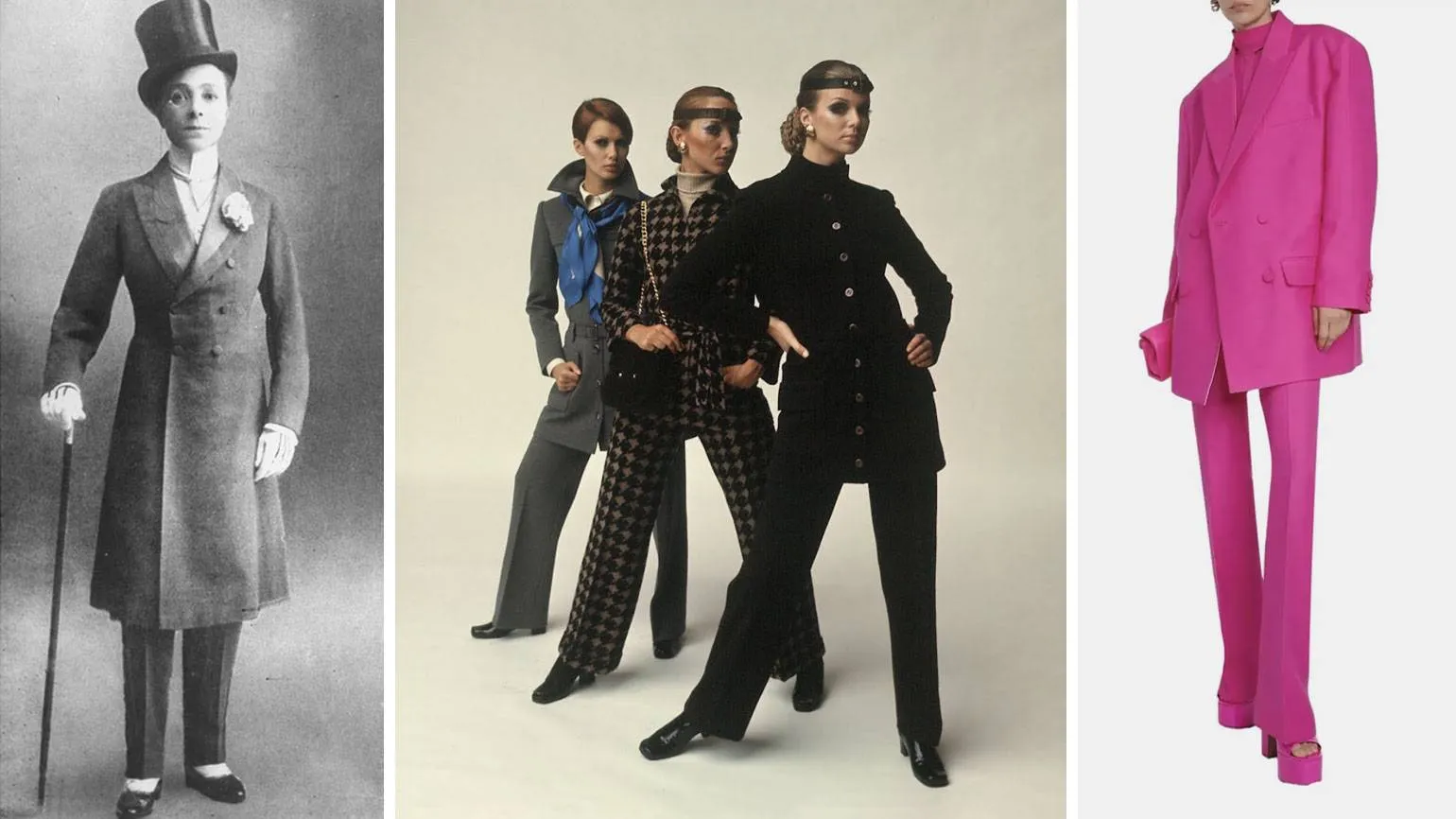
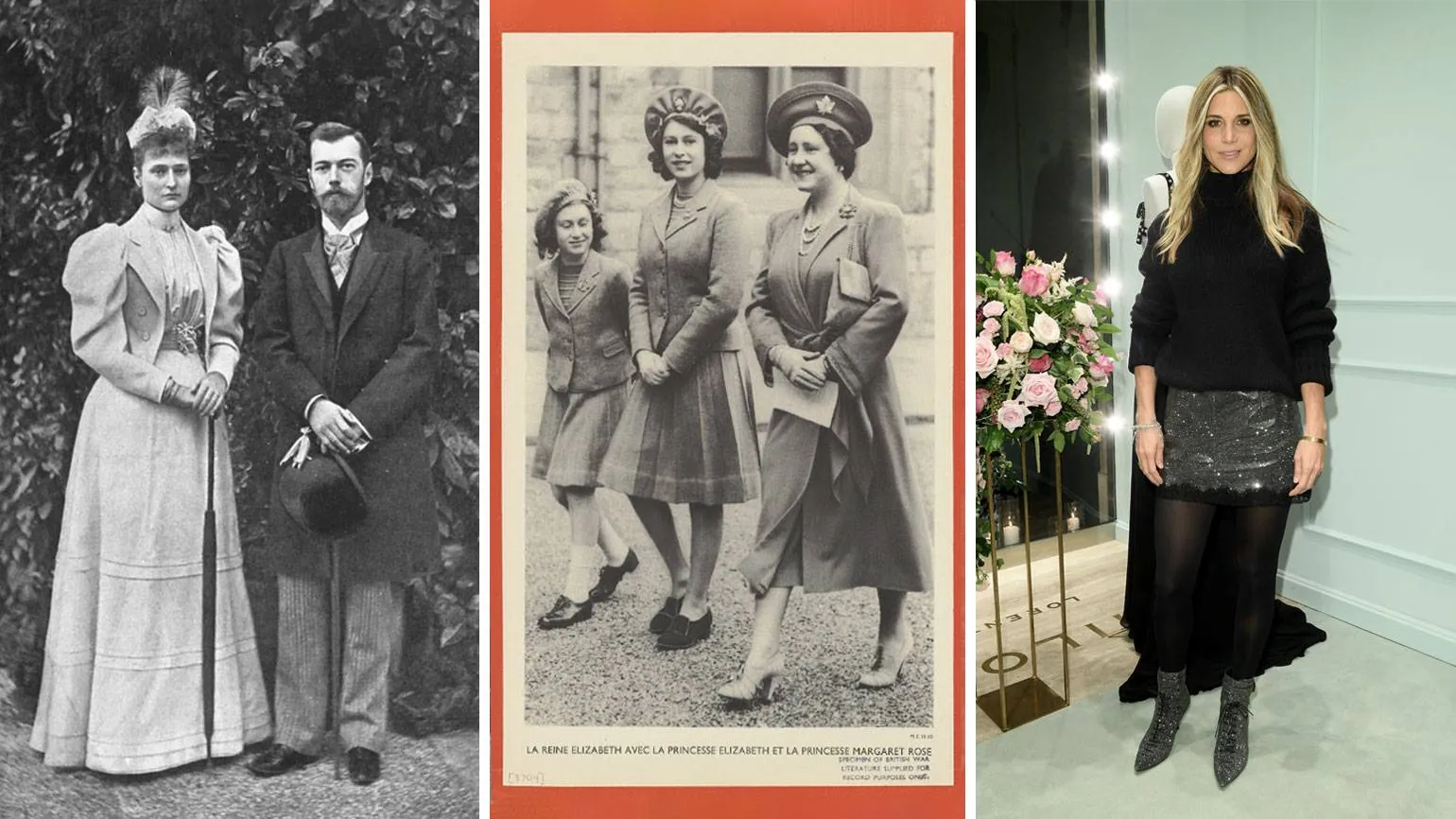
Несмотря на постоянные изменения в моде, существуют универсальные основы, которые остаются актуальными на протяжении многих лет. Эти стили, сформировавшись, продолжают привлекать внимание и вдохновлять. Производители модной одежды адаптируют их под актуальные условия, что часто происходит благодаря влиянию микротрендов. Таким образом, классические элементы моды обогащаются новыми интерпретациями, сохраняя свою востребованность и актуальность.
Basic styles are the foundation of fashion. There are many styles, but we will highlight nine of the most interesting and significant. These styles not only determine current trends, but also influence the choice of clothing and accessories. Let's take a closer look at them to understand how they shape modern style and what elements make them unique.
- classic,
- casual,
- preppy,
- romantic,
- doll,
- ethnic,
- minimalism,
- avant-garde,
- sport.
Classic and Old Money
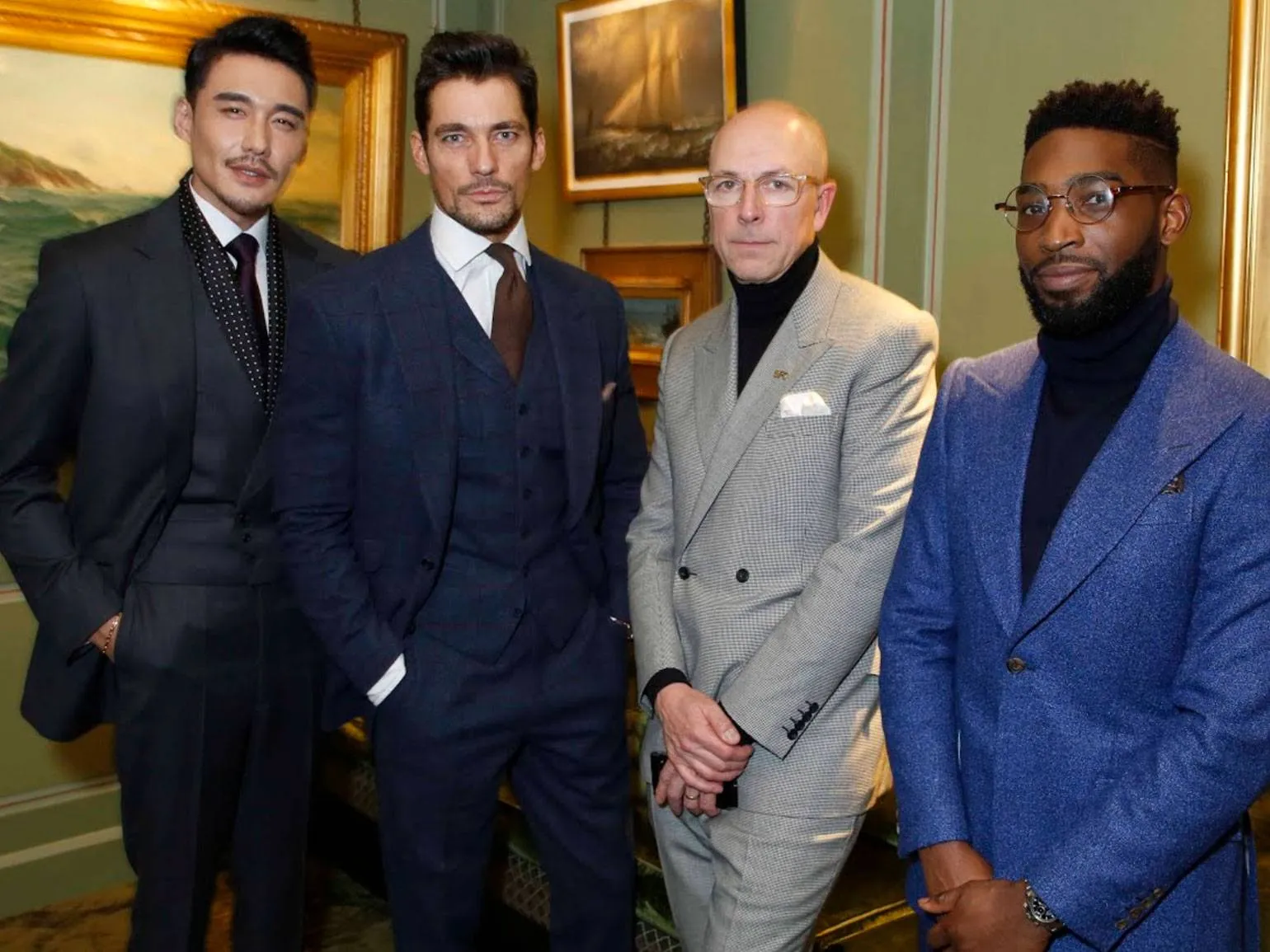
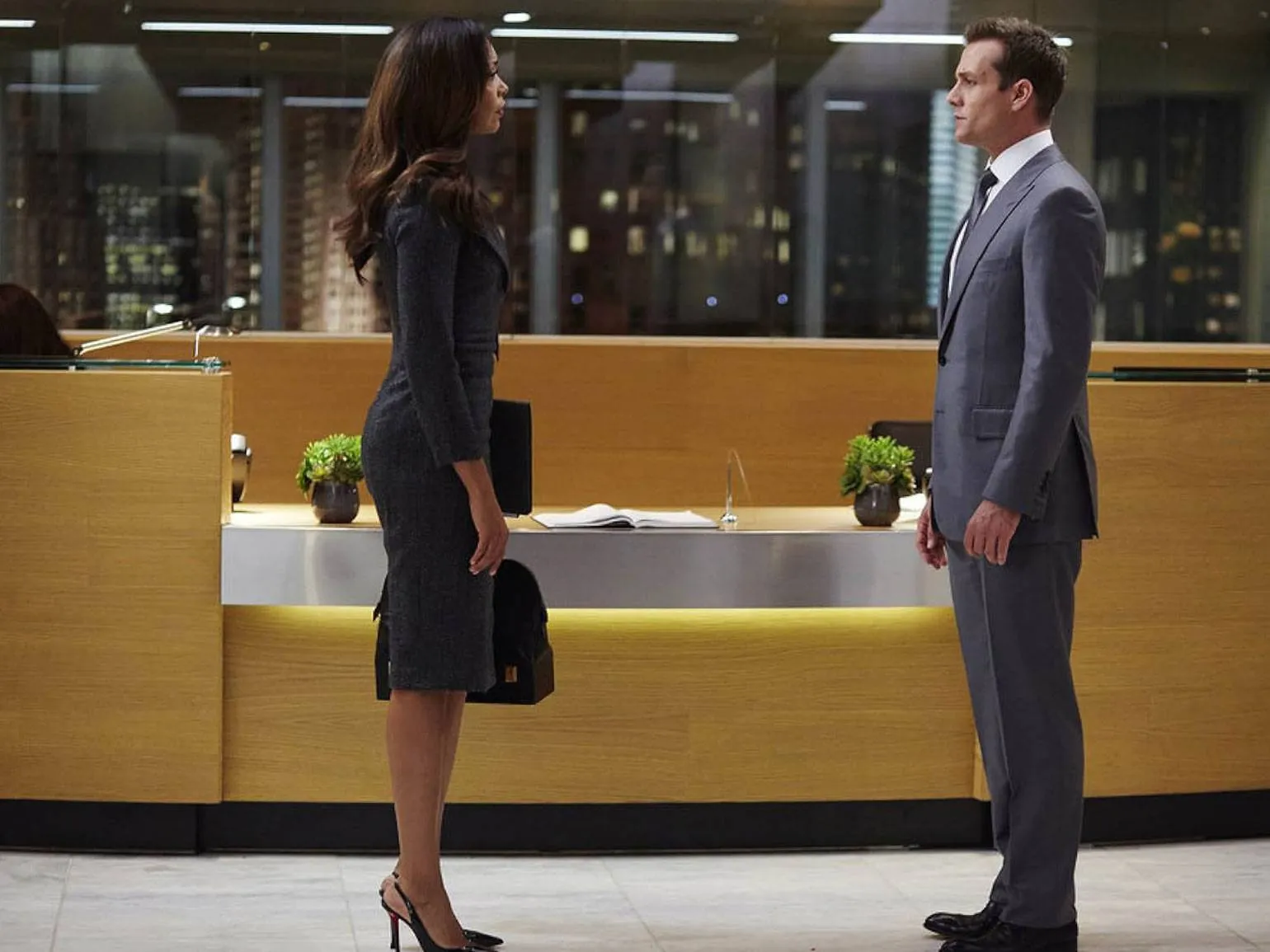
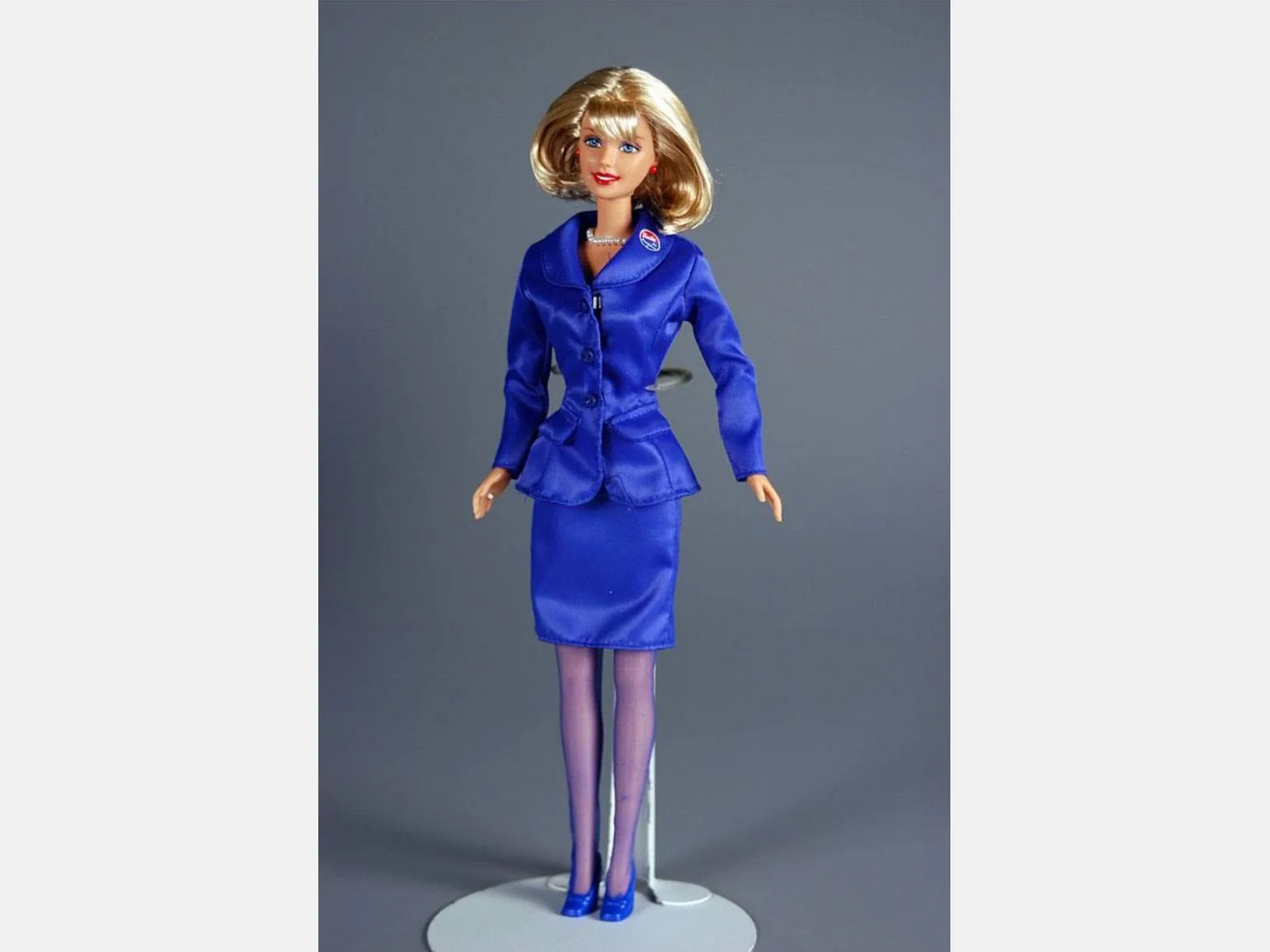
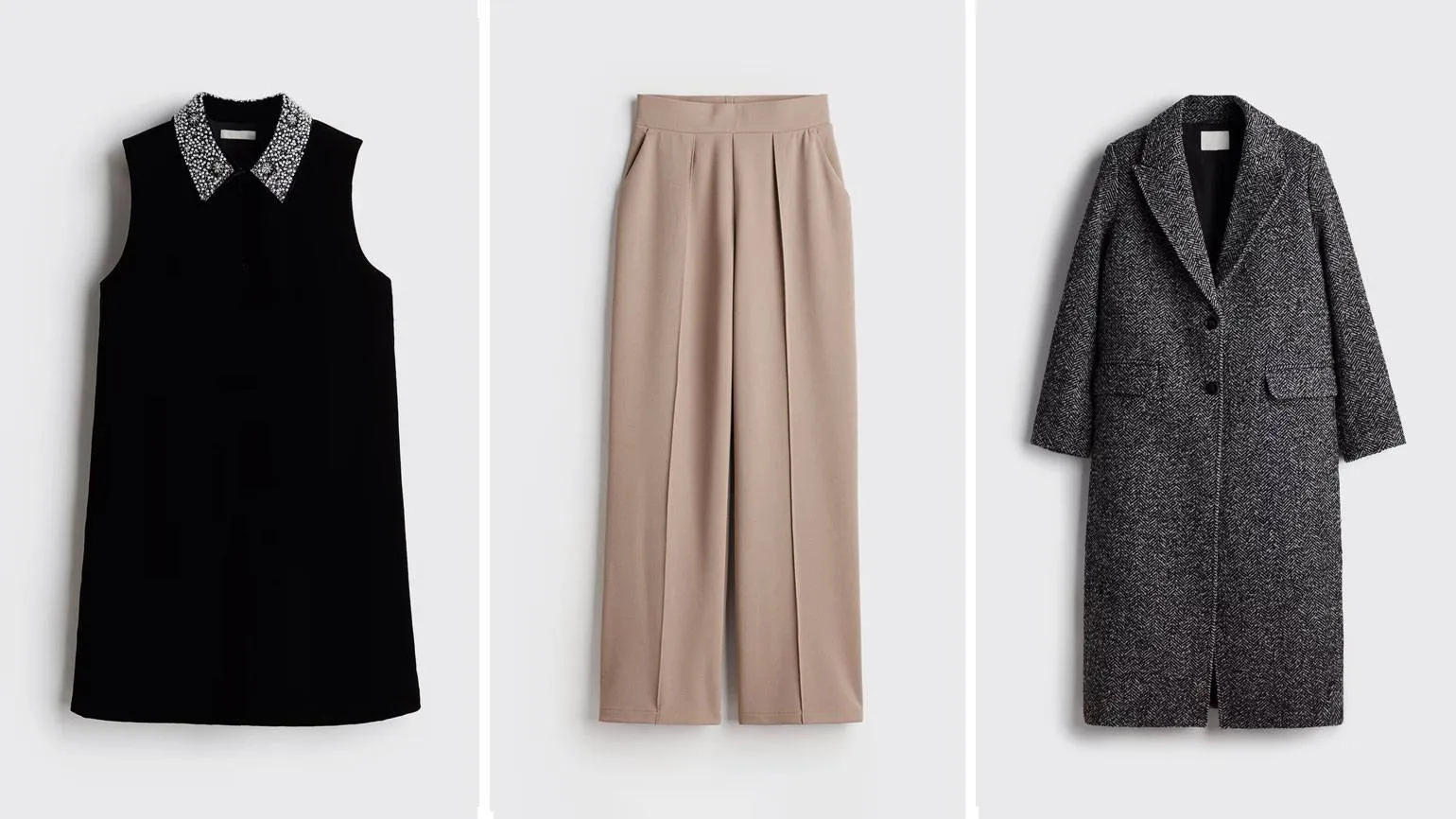
The classic style is one of the most stable trends in fashion of the 20th and 21st centuries. It is characterized by such key elements as strict lines, high-quality materials and thoughtful cut. This style is dominated by neutral colors, classic cuts, and minimalist details, making it versatile and suitable for a variety of occasions. The classic style is always relevant, it is not subject to timeless trends, and emphasizes elegance and restraint. Maintaining its popularity, the classics continue to inspire designers and fashionistas, remaining the basis for creating a stylish and sophisticated look.
- formal suits,
- straight coats in neutral colors,
- beige trench coats,
- light shirts and dark trousers,
- mid-length skirts and dresses,
- smooth knit sweaters.
Clothing design should be such that items remain relevant for many years. Therefore, a basic wardrobe is often formed on the basis of the classic style. Classics allow you to create universal looks that are easy to combine and adapt to various situations. The choice of classic wardrobe elements contributes to the creation of a timeless style that is not subject to timeless trends. Investing in quality clothing with a classic design ensures durability and style, making such pieces indispensable in any wardrobe.
Read also:
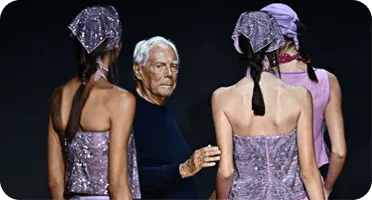
Giorgio Armani: History of the Fashion House
Giorgio Armani is not just a brand, but a symbol of elegance and sophisticated style in the fashion world. Founded in 1975, the House of Armani quickly gained recognition for its innovative approaches to clothing and accessory design. Often called the Lord of Design, he pioneered relaxed yet elegant tailoring that revolutionized men's and women's fashion.
Since its inception, Armani has launched numerous successful collections, notably the Armani Privé, Emporio Armani, and Armani Jeans lines. Each reflects the brand's unique style and philosophy, which aims to create high-quality yet accessible clothing for a wide audience.
Attention to detail and the use of high-quality materials are key to the fashion house's success. Armani constantly experiments with textures and colors, allowing it to remain at the forefront of fashion trends.
Furthermore, Giorgio Armani actively supports sustainable development in the fashion industry. The brand embraces eco-friendly technologies and practices, making it more appealing to conscious consumers.
Armani's influence on fashion is incalculable. Its work has inspired countless designers and shaped the concept of modern style. The fashion house continues to be a leader, offering unique solutions and high-quality products, making it one of the most respected names in the fashion world.
The trend of recent years, known as "quiet luxury," has become a kind of parody of itself and is rooted in classic pieces. To create a look that will look expensive and elegant, it is enough to have a few key elements in your wardrobe. These could include a sand-colored trench coat from Burberry, a modest cashmere sweater from Loro Piana, and stylish earrings from Chanel, as well as their more affordable counterparts. Properly selected items will help to emphasize your individual style and create an impression of sophistication.
Casual, or everyday style
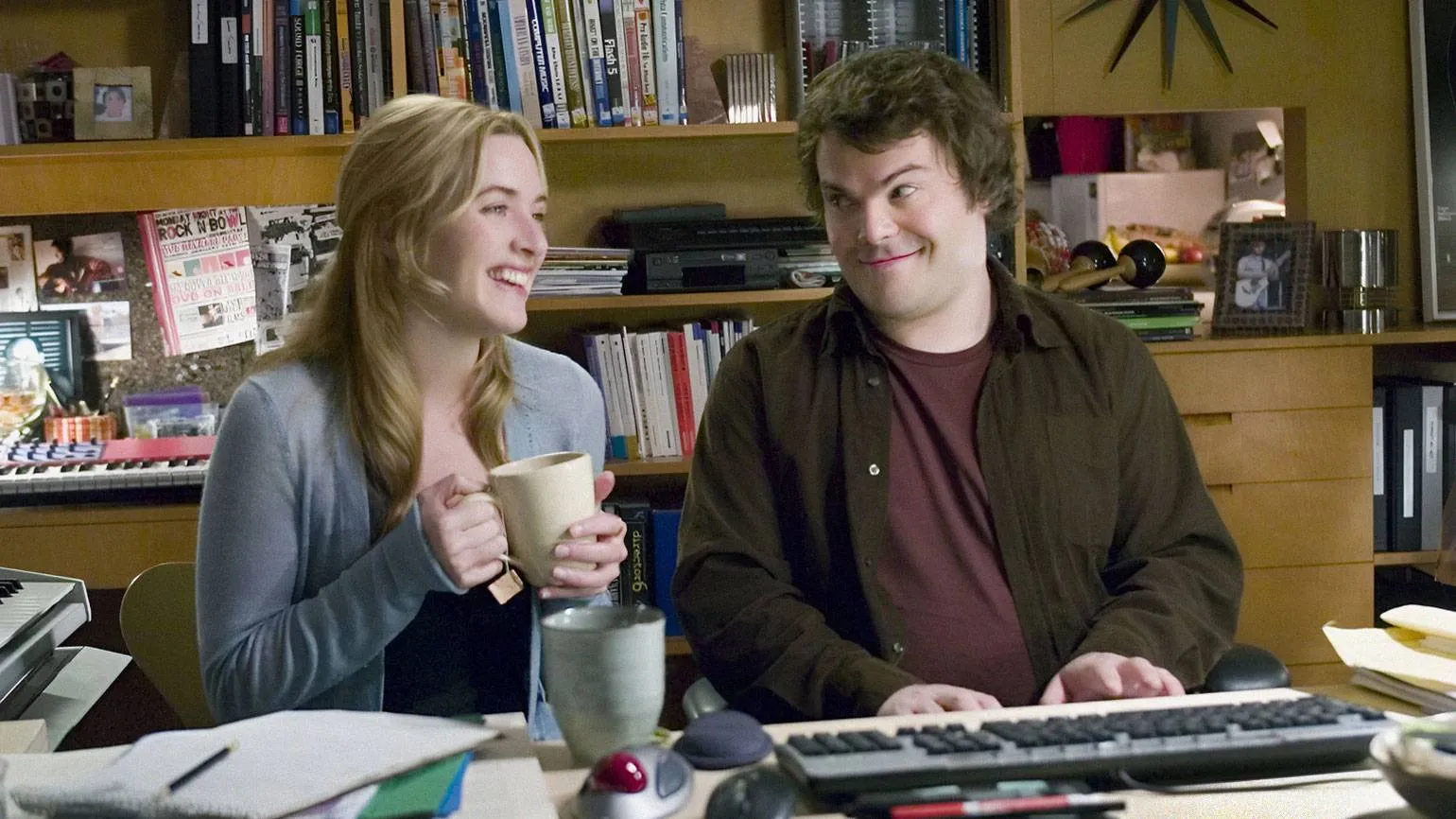
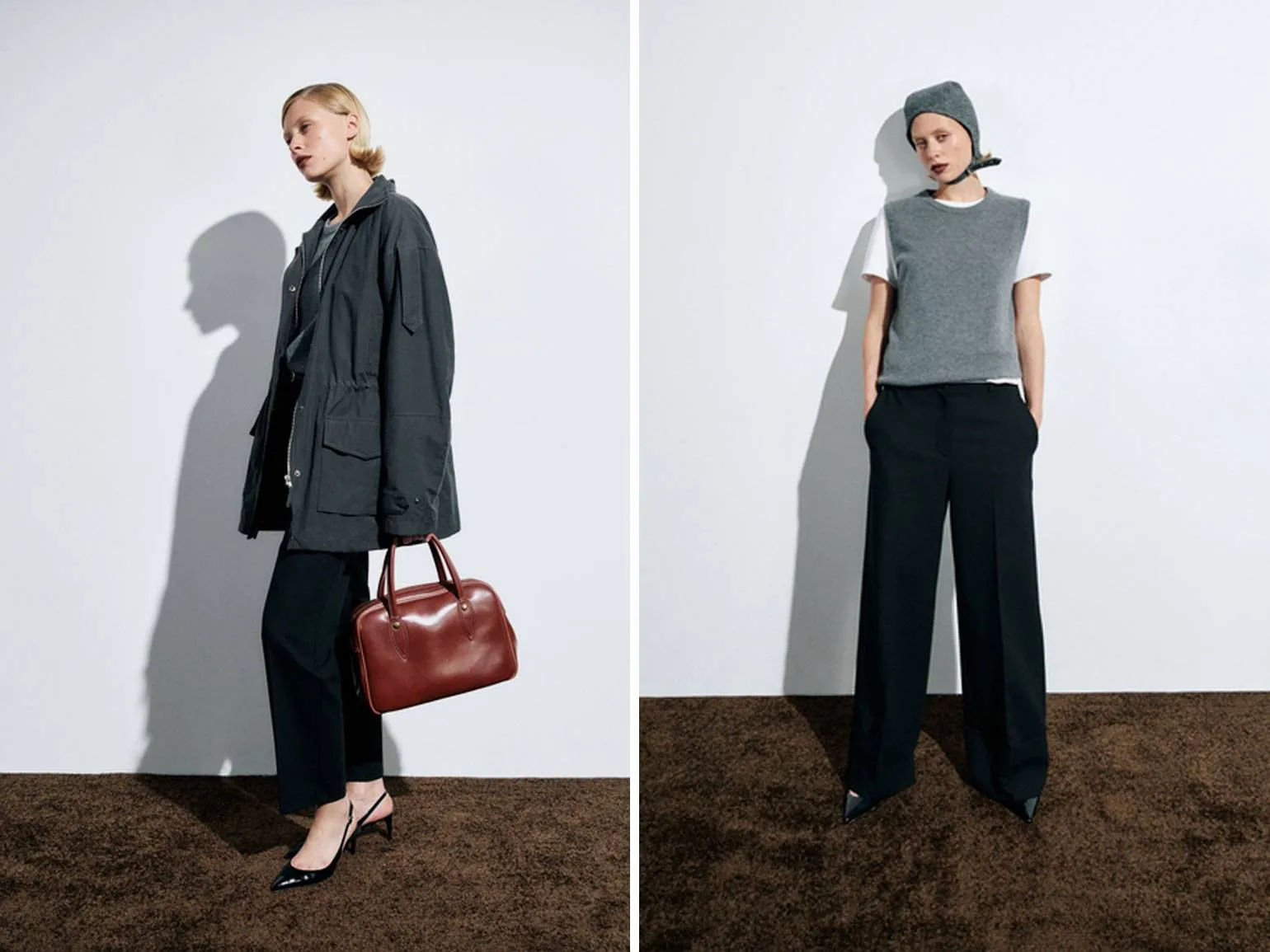
Casual is translated as "informal". This style is closely related to the classic style, as casual pieces can be easily combined with each other and elements of other styles. However, its main difference from the classic style is its emphasis on simplicity and practicality. In a casual wardrobe, it's best to avoid formal and overly fashionable details, emphasizing comfort and versatility. Casual style is characterized by simplicity and versatility. It addresses the need for comfortable yet stylish work attire, where there are no strict dress codes or uniforms. This style combines comfort and presentability, making it an ideal choice for both the office and everyday life. Casual clothing is suitable for a variety of situations, allowing you to look stylish without extra effort.
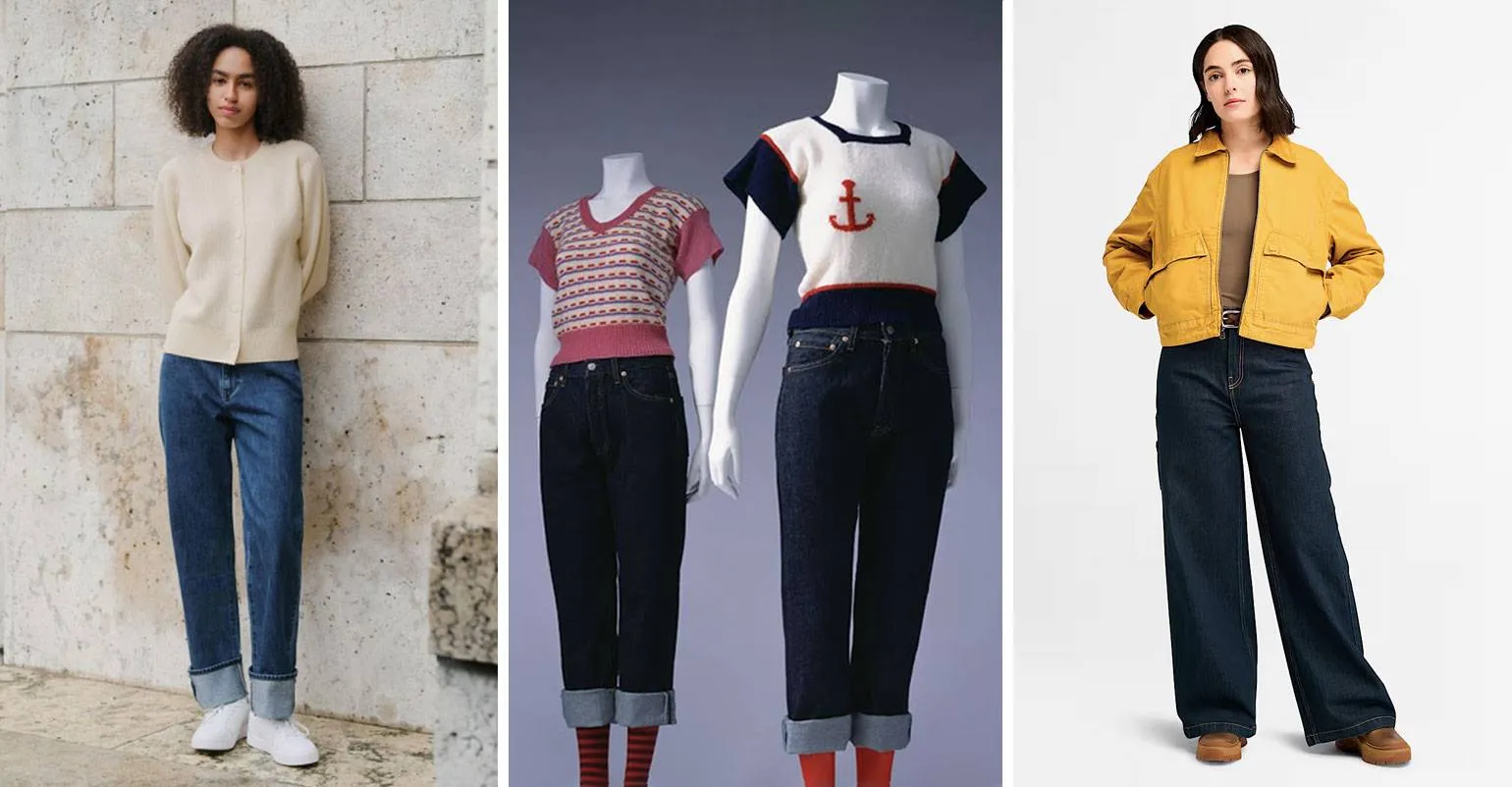
Comfort and functionality are central to everyday fashion. A cardigan, classic jeans, and understated shoes are the foundation of a stylish wardrobe, which certainly corresponds to the casual style. These elements are not only comfortable but also versatile, allowing you to easily create stylish looks for a variety of situations.
Preppy
Preppy style combines elements of formality inherent in classic fashion with the comfort of casual wear. This style is characterized by a unique aesthetic, inspired by the uniforms of elite schools and Ivy League universities. It is based on clothing designed for such expensive sports as tennis, golf, and sailing. Preppy style emphasizes the quality of materials and meticulous finishing, making it a symbol of status and sophisticated taste.
Preppy is a style that combines academic rigor and the casual elegance of tailored clothing. This fashion trend is characterized by high-quality materials and classic silhouettes, making it an ideal choice for those who value sophistication and comfort. Preppy style clothing typically includes elements such as collared shirts, sweaters, dress pants, and shoes made from natural materials. Preppy style is suitable for both school and everyday life, creating a look that is stylish and appropriate in any situation.
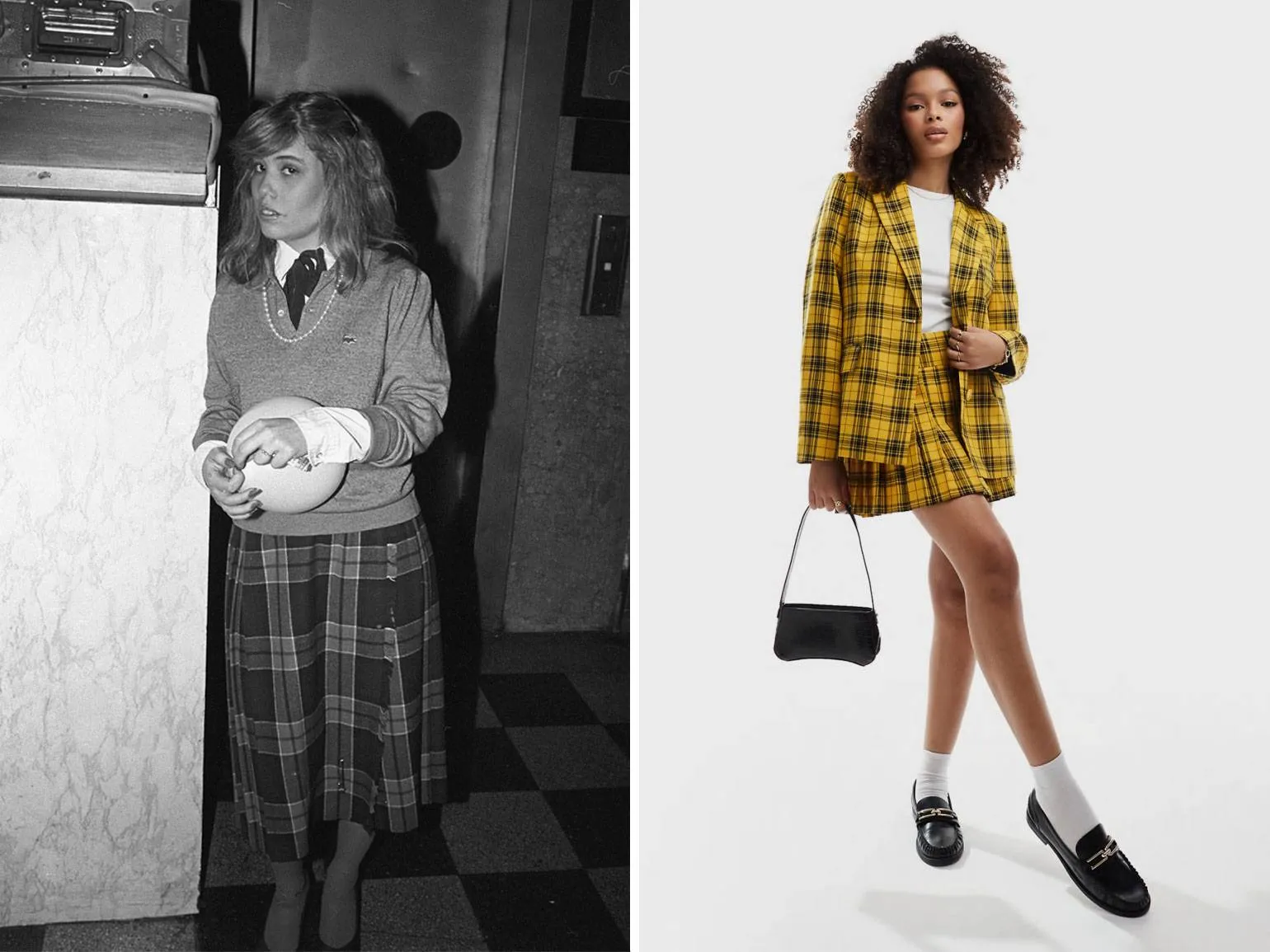
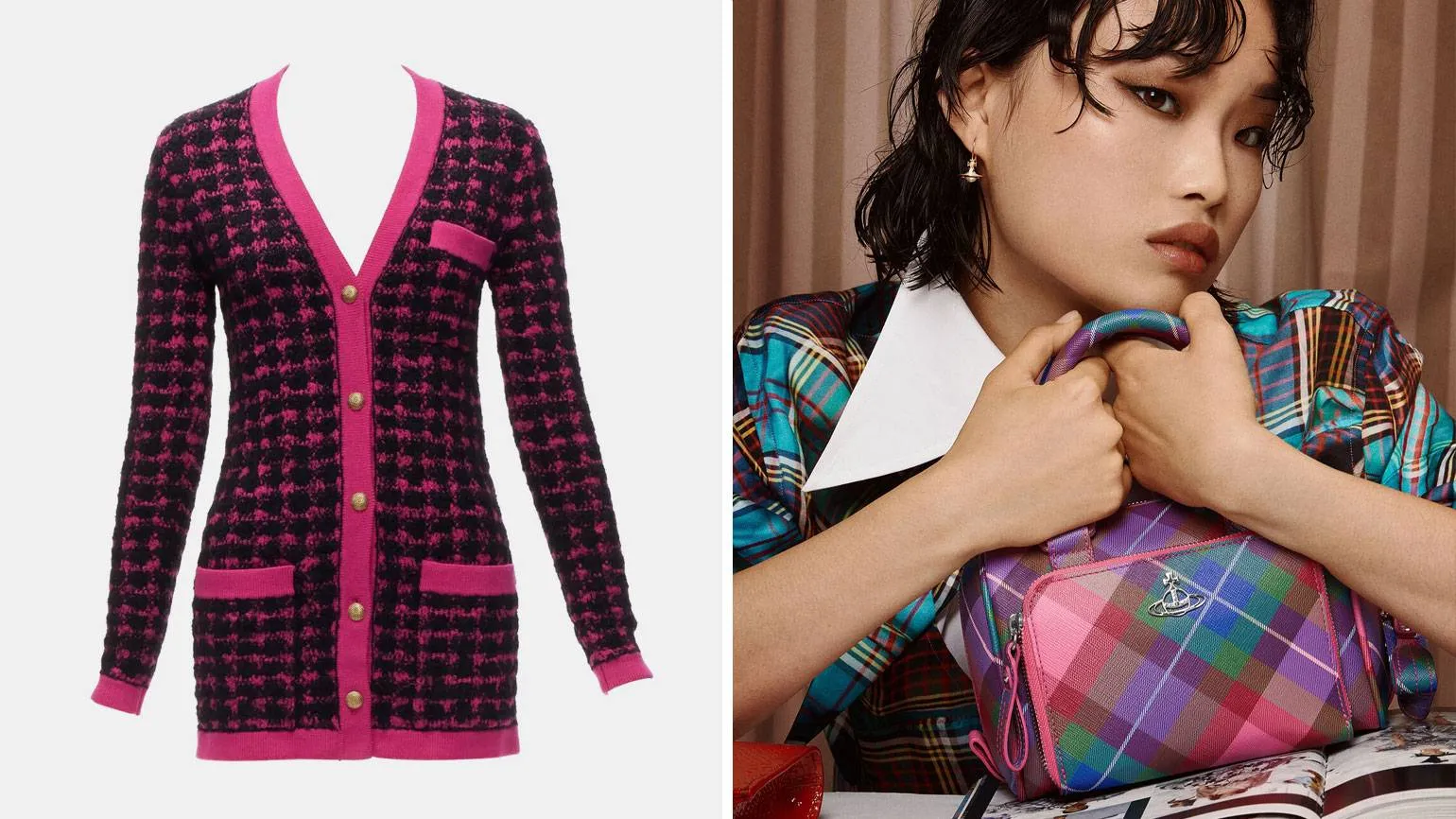
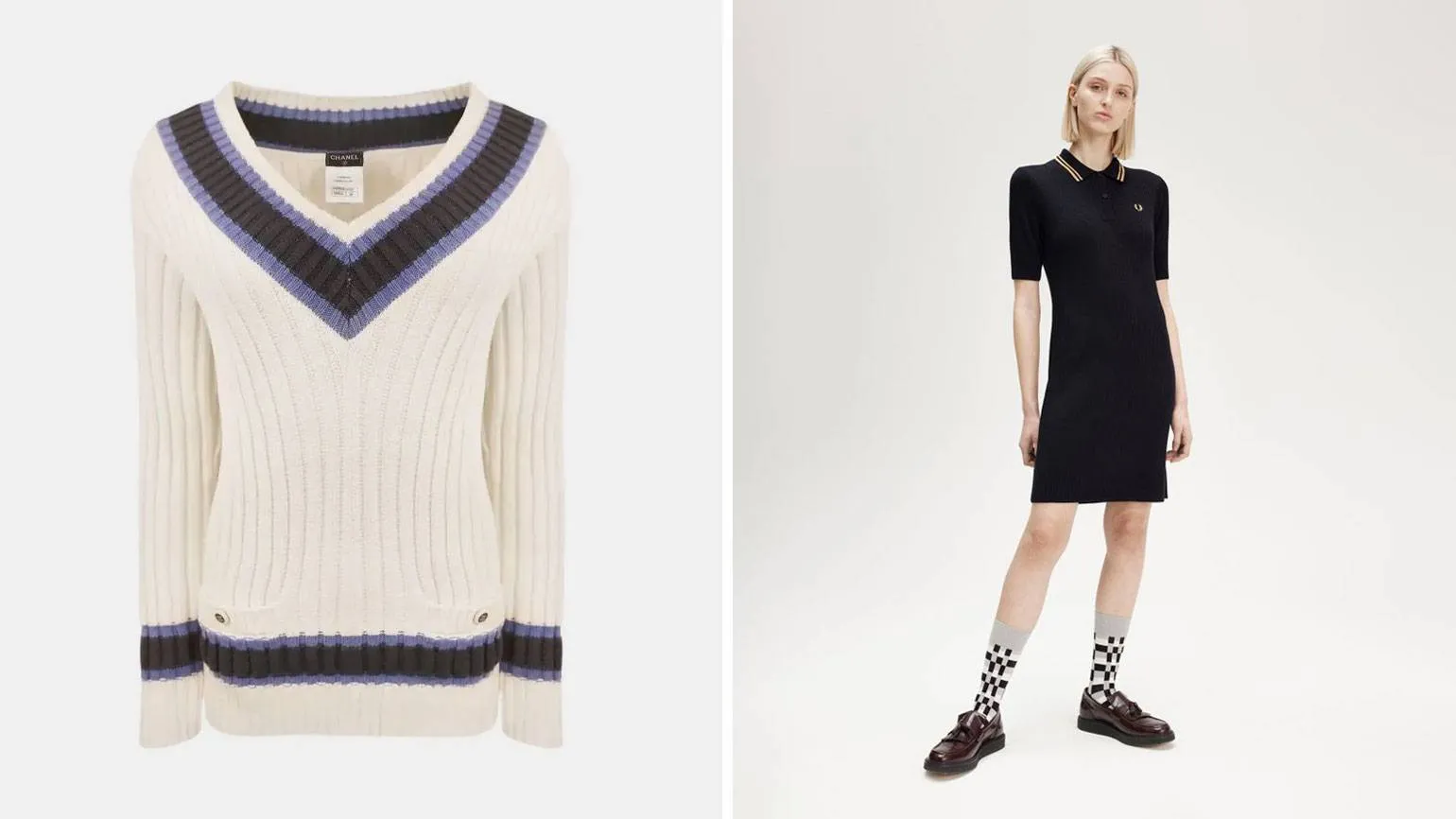
To create a preppy look, you need the following elements. First, consider classic wardrobe items such as collared shirts, V-neck sweaters, and blazers. For the bottom half, chinos or classic trousers are suitable. Shoes should be elegant, preferably loafers or oxfords. Don't forget about accessories: unique ties, belts, and watches will add the finishing touch to your look. The preppy color palette typically includes pastels and bright colors, with checks and stripes as popular prints. When creating an image, it is important to remember the combination of styles and high-quality materials, which will give your appearance sophistication and elegance.
- blazers,
- chinos,
- polo shirts,
- suits with trousers or a pleated skirt,
- varsity jumpers.

Find out more:
Choosing clothes depending on the occasion: 100 universal items for any style and budget. The right choice of outfit can significantly affect your mood and the impression you make on others. It's important to be able to adapt your style to different occasions, whether it's a business meeting, an evening out, or a casual stroll. We offer 100 wardrobe items that are suitable for any occasion and will allow you to create a stylish and trendy look without breaking the bank. Everyone will find suitable items, regardless of their taste and budget. Properly chosen clothes will highlight your individuality and help you feel confident in any setting.
Romantic Style
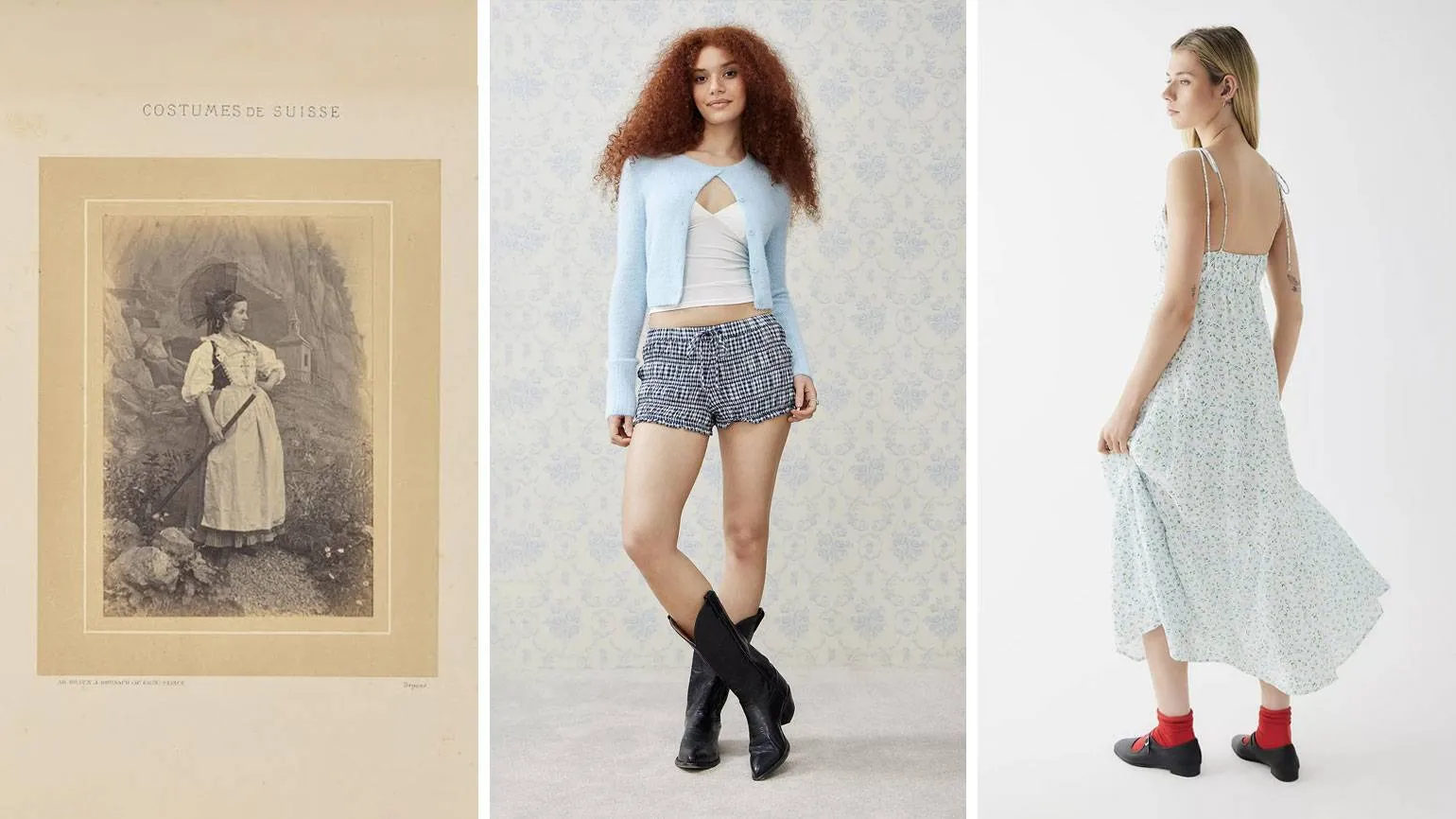
The Romantic style emerged in Europe at the turn of the 18th and 19th centuries, when Romanticism as an artistic movement had a significant influence on fashion. At this time, heavy dresses with frames gave way to lighter, flowing forms inspired by antique silhouettes. The new style became a symbol of freedom and expressiveness, reflecting the spirit of the era and the desire for individuality. The romantic style of clothing emphasized femininity and elegance, which made it popular among representatives of high society and the creative intelligentsia.
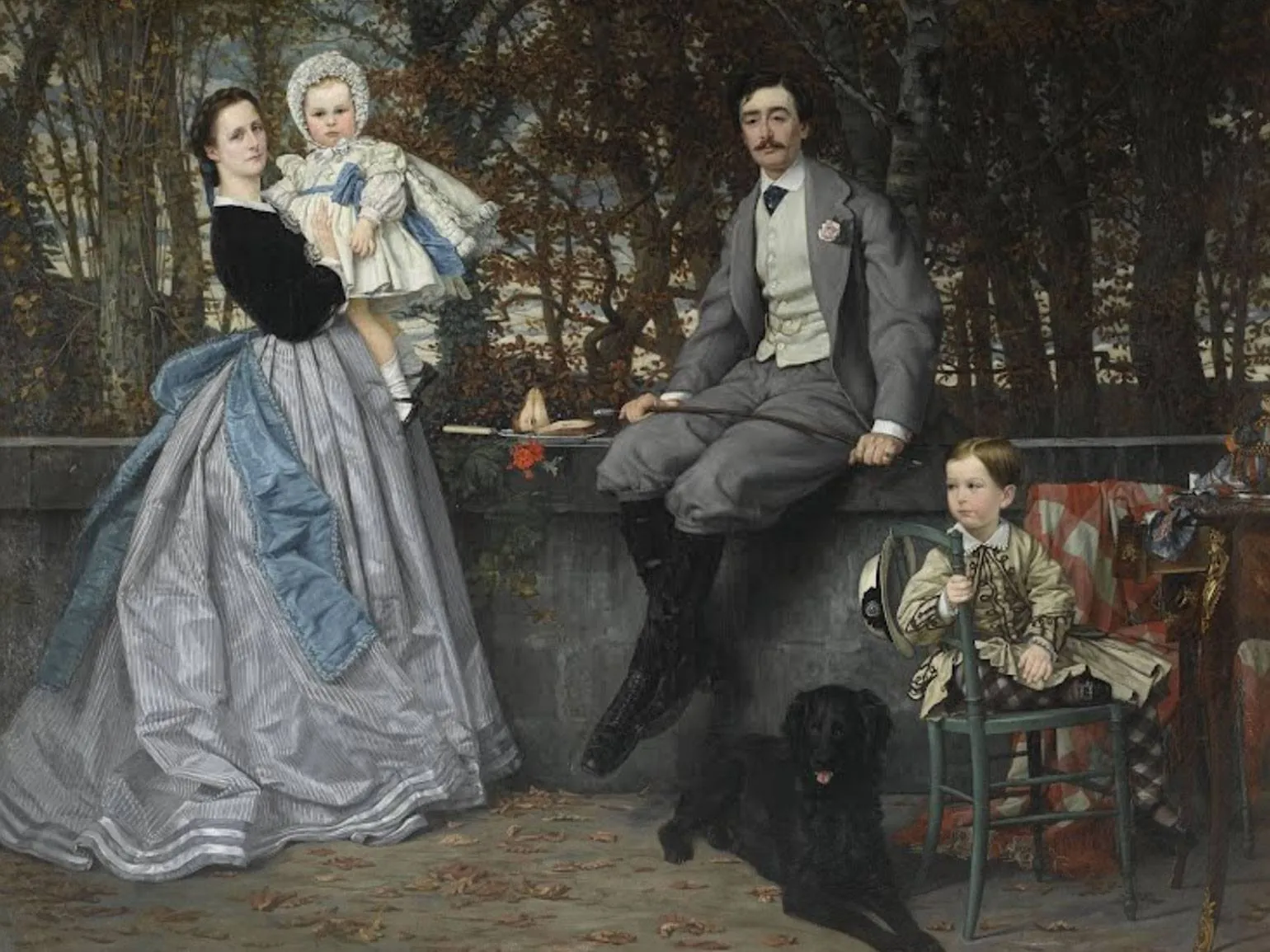
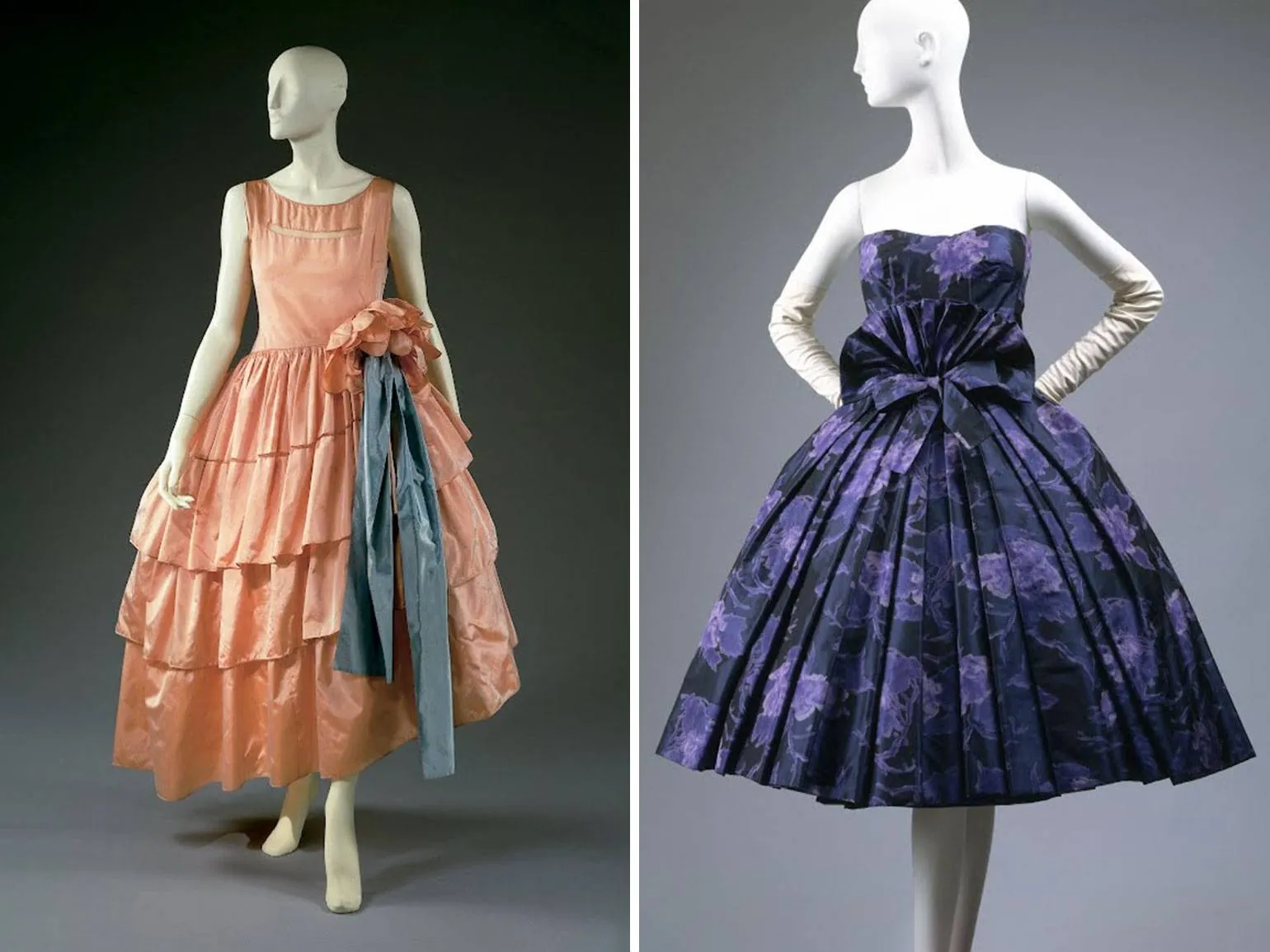
Authentic 19th-century gowns are a thing of the past, yet many elements of this era continue to influence modern fashion. Ruffles, flounces, lace, puff sleeves, pastel shades, and high-waisted silhouettes regularly appear in designer collections. Some brands have actively used these elements for years, creating their own unique styles based on the Romantic movement. These brands include Chloé, Valentino, Giambattista Valli, and Self-Portrait, which emphasize refined aesthetics and exquisite details. As a result, 21st-century fashion maintains a connection with the past, bringing notes of romanticism and elegance into everyday wardrobe.
Text reworked for SEO:
Also study:
The Dior fashion house: the history of Christian Dior and his dresses for princesses
The Dior fashion house, founded by Christian Dior in 1946, became a symbol of elegance and luxury. Dior revolutionized the fashion world when he presented his famous "New Look" collection in 1947. This collection, with an emphasis on feminine silhouettes and exquisite fabrics, quickly gained popularity among women around the world, including royalty and aristocrats.
Christian Dior created not just clothes, but entire works of art that emphasized the individuality and style of their owners. His princess dresses were distinguished by their exquisite cut, refined details, and high-quality materials. Thanks to this, Dior became the favorite designer of many famous women, including celebrities such as Grace Kelly and Elizabeth Taylor.
The history of the Dior fashion house is not only the success of Christian Dior, but also his legacy, which continues to inspire modern designers. After his death in 1957, talented couturiers such as Yves Saint Laurent and John Galliano continued to develop Dior's concepts, preserving the spirit of the fashion house and its commitment to excellence.
Today, Dior remains one of the leading brands in the fashion world, offering not only exquisite dresses but also accessories, perfumes, and cosmetics. Each new collection continues the traditions established by Christian Dior, confirming the brand's status as one of the most influential in the fashion industry.
Cottage Core has become one of the top trends on Pinterest in recent years, representing a style that romanticizes a pastoral and rustic lifestyle. This style, however, is rather idealized, as the village in question is fictitious. Clothing in this style is reminiscent of outfits for aristocratic picnics with picnic baskets. Ярким примером служит образ Марии-Антуанетты из фильма Софии Копполы, где королева, вдохновленная трудами Руссо, переехала в идиллическую деревню, созданную специально для неё в Версале. Cottage Core предлагает нам не только эстетическое наслаждение, но и возможность уйти от городской суеты, погрузившись в атмосферу спокойствия и простоты.
Визуальные элементы коттеджного стиля имеют много общего с романтизмом в моде, однако коттеджный стиль акцентирует внимание на простоте и деревенском очаровании. В отличие от этого, романтический стиль склонен к драматизму и изысканной роскоши. Коттеджный стиль представляет собой уютный и теплый подход к оформлению, который подчеркивает естественные материалы и комфорт. Романтический стиль, в свою очередь, часто включает в себя элементы театральности и богатые текстуры. Таким образом, хотя оба стиля могут пересекаться в некоторых визуальных аспектах, их основная философия и эстетическое восприятие значительно различаются.
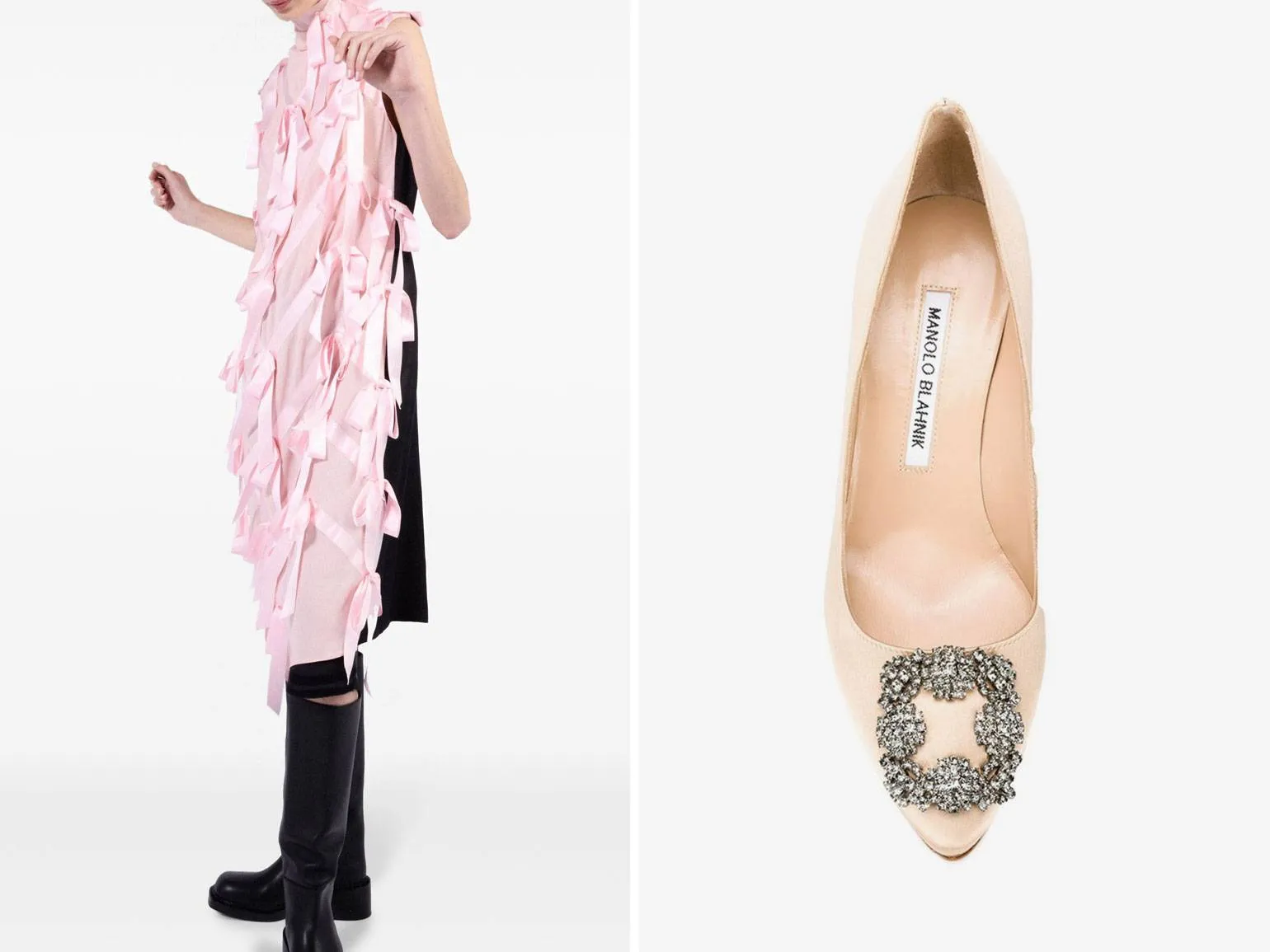
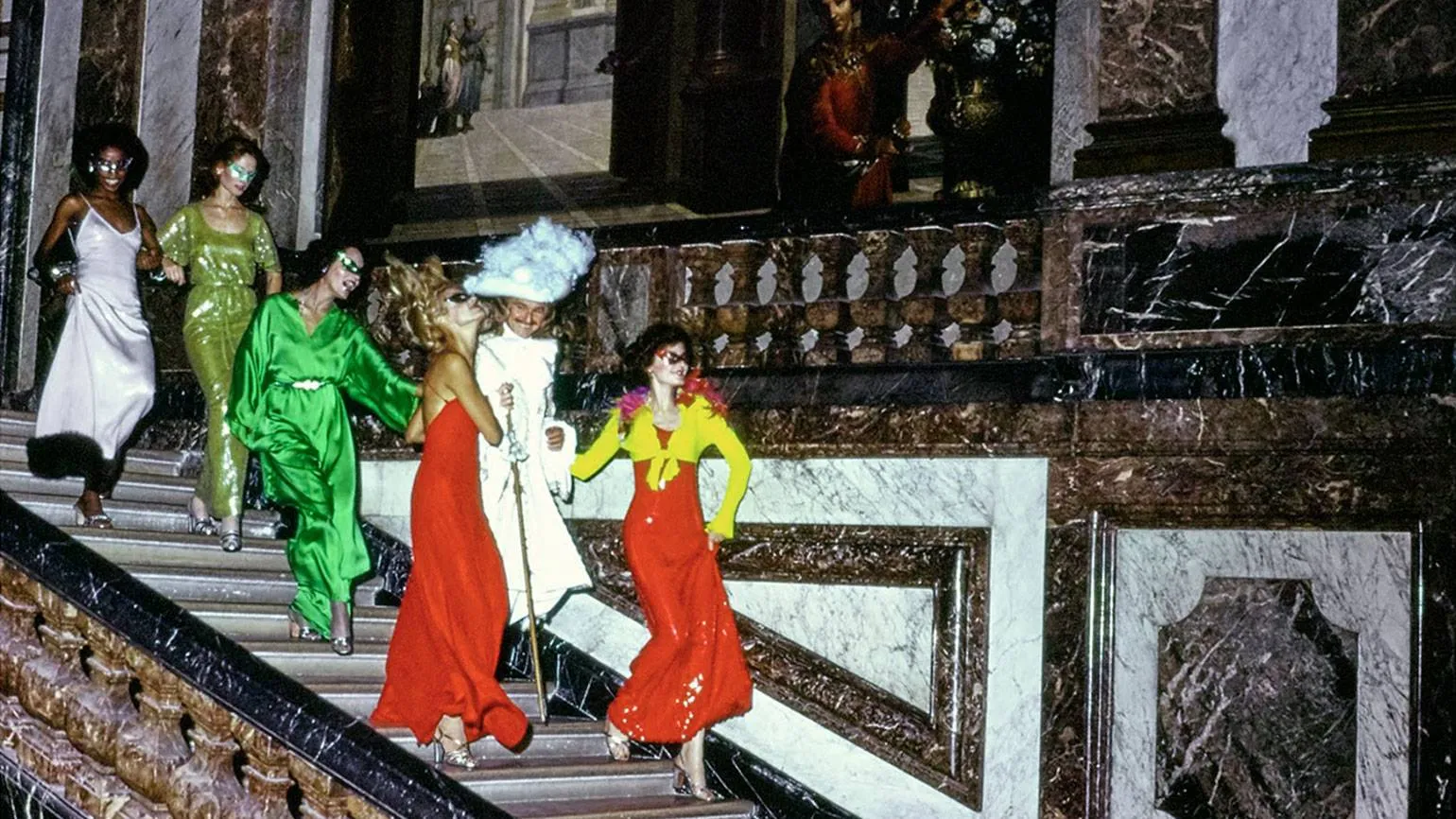
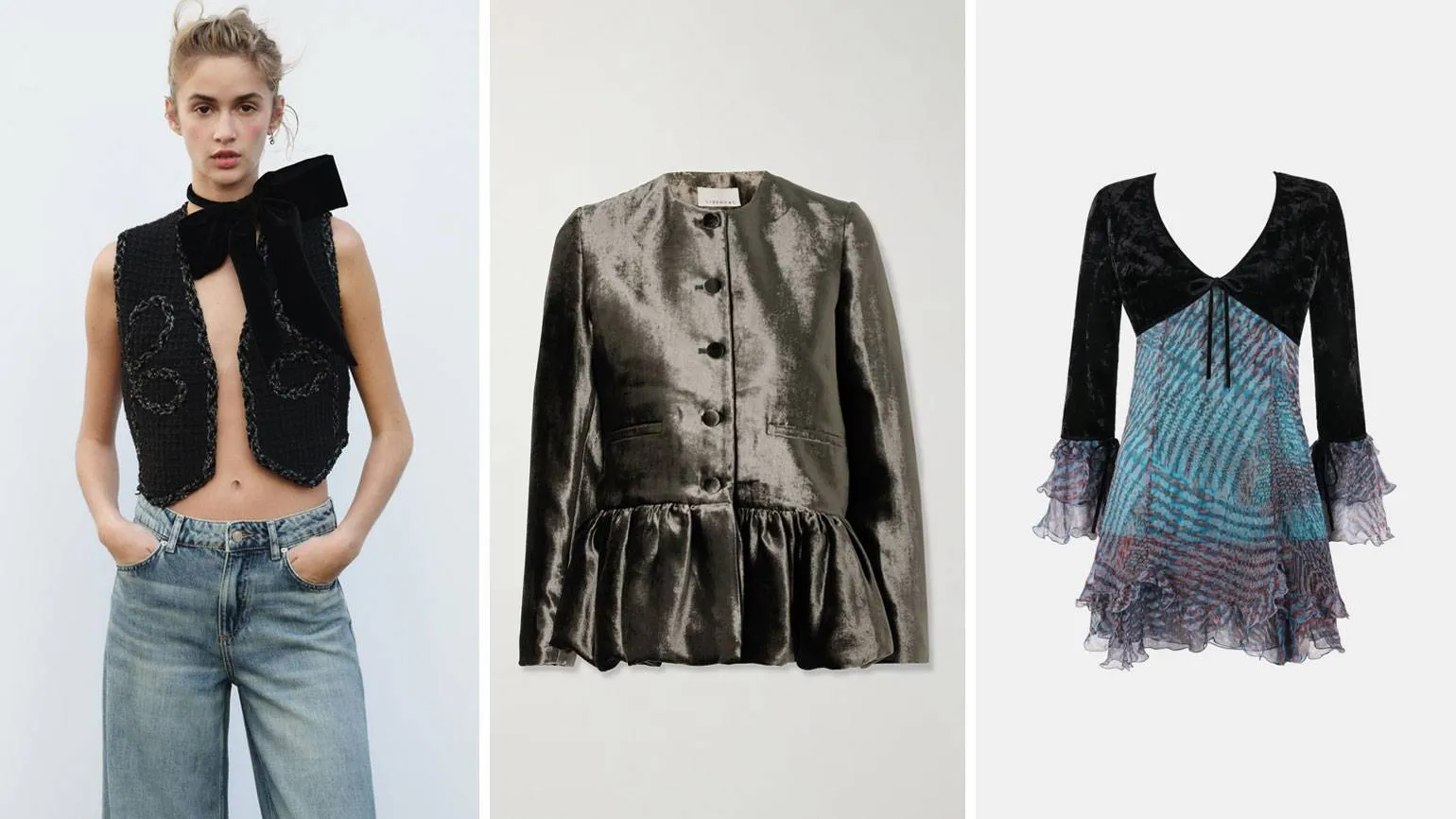
There are darker offshoots of Romanticism, such as Gothic Lolita, witchcore, and the new Whimsy Goth movement. These styles have their roots in the gothic-vampire movement, which draws heavily on the aesthetics of dark Victorian romanticism. Visual elements characteristic of these styles include velvet, satin, poetic white and black shirts with wide sleeves, corset lacing, lace, long dresses, and dramatic necklines. These trends reflect a unique combination of romance and darkness, creating an atmosphere of mystery and charm.

Reading is also an important aspect of personal and professional development. Regular reading helps expand your horizons, improve your vocabulary, and increase your level of knowledge in various fields. It is a great way to stay abreast of the latest trends and discoveries. In addition, reading promotes the development of critical thinking and analytical skills, which is especially important in today's world, where information is available in abundance. Incorporate reading into your daily practice to enrich your mind and reach new heights in life and career.
Unsaint McQueen's Day: The designer who sincerely praised women. Alexander McQueen, a seminal fashion designer, left an indelible mark on the fashion world with his unique aesthetic and deep respect for women. His work not only surprised audiences but also raised important questions about beauty, strength, and vulnerability. McQueen used his collections as a platform to explore female identity, turning each show into a powerful statement. He drew inspiration from history, art, and culture, creating looks that reflected the inner strength and complexity of women. His legacy continues to influence contemporary trends, inspiring new designers and emphasizing the importance of the female image in fashion.
Babydoll and Kidcore
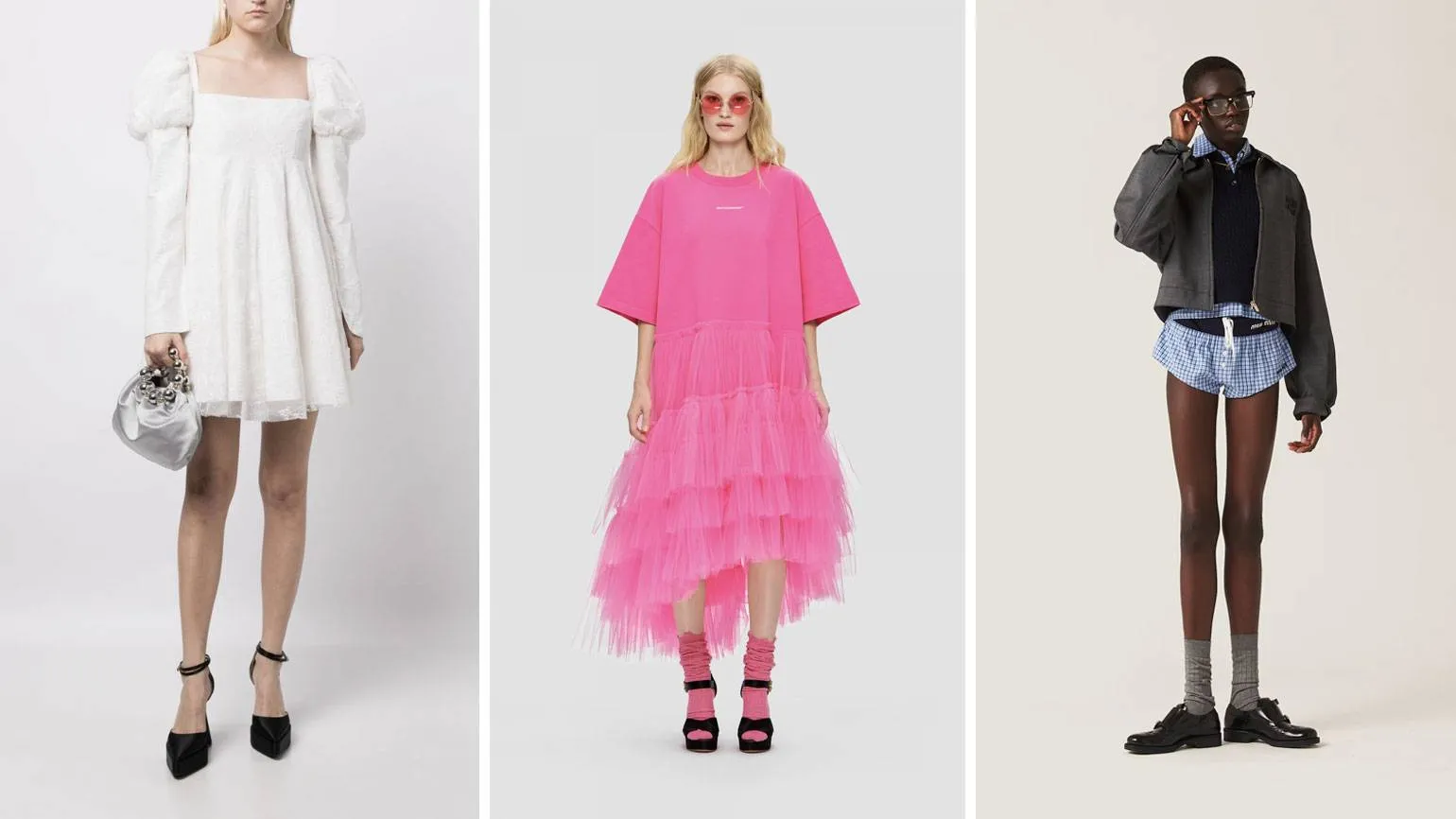
Babydoll is a style that clearly echoes romanticism, but is distinguished by its playful and artificial aesthetic. Light, airy fabrics, ruffles, frills, and pastel shades in this style harmoniously combine with doll motifs and childish silhouettes. The babydoll dress brings a touch of innocence and romance to fashion, creating a look that's both sweet and seductive. This style is perfect for creating cozy and delicate looks, suitable for both everyday wear and special occasions. A short, fluffy A-line dress with puff sleeves is a classic fashion staple. This stylish outfit regularly appears in the collections of both luxury and mass-market brands. The A-line dress attracts attention with its versatile cut and romantic look, making it an ideal choice for a variety of events. This season, such dresses can be found in a variety of colors and fabrics, which allows every woman to choose an option that matches her personal style.
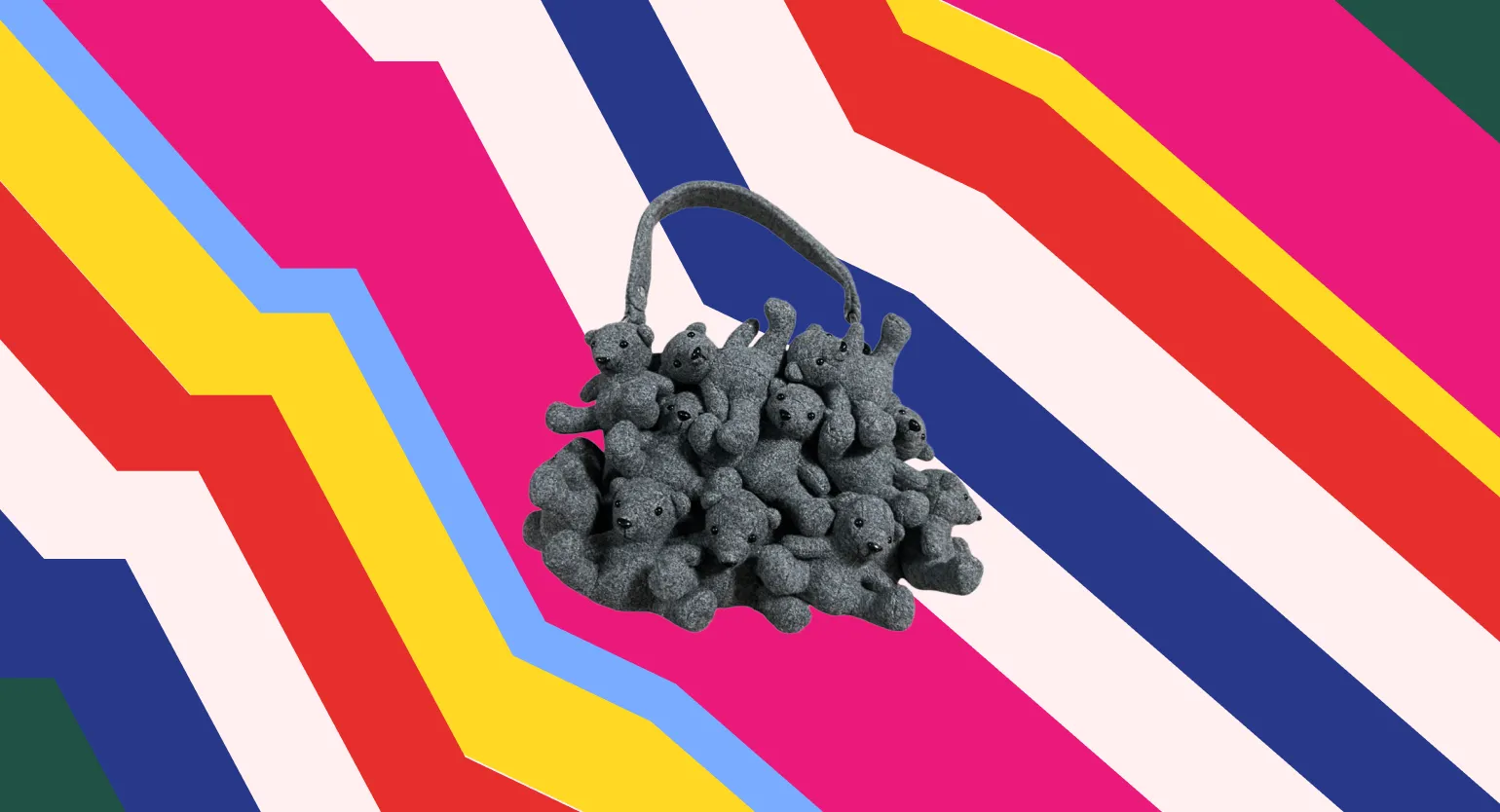
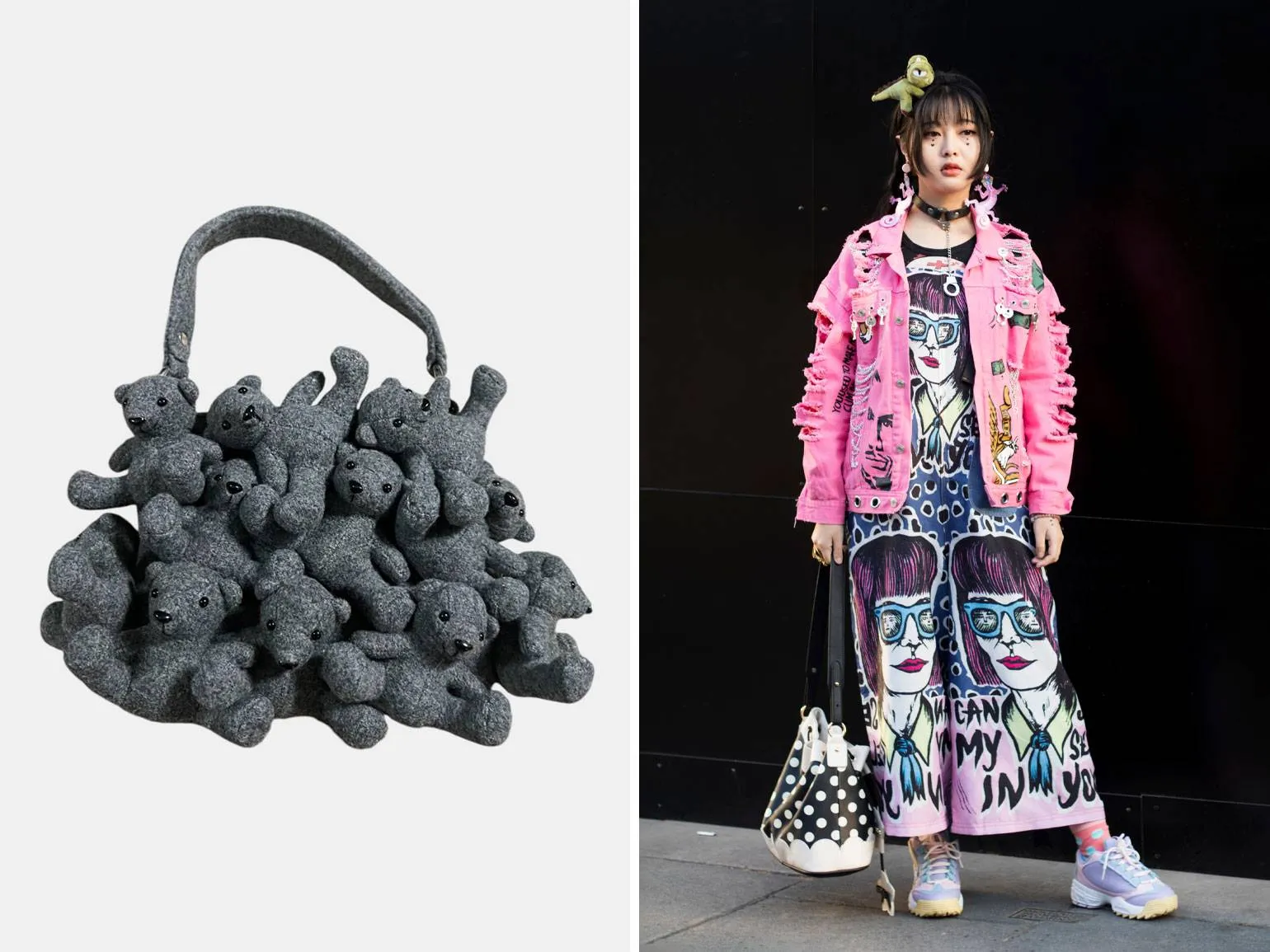
Aesthetics Kidcore is a unique fashion trend that combines elements of children's style with a wry approach. This style can be described as "grown-up kids": it features bright and playful pieces with original prints, loose, oversized silhouettes, and deliberately cropped tops. Kidcore also includes a variety of accessories from children's collections or stylized elements from famous brands, such as bright hair clips, headbands, gummy bear pendants, lollipop pendants, and hats with ears. The most important features of this style are freedom of expression and uniqueness, which makes kidcore popular among young people who want to stand out and bring elements of carefree childhood joy into their wardrobe.
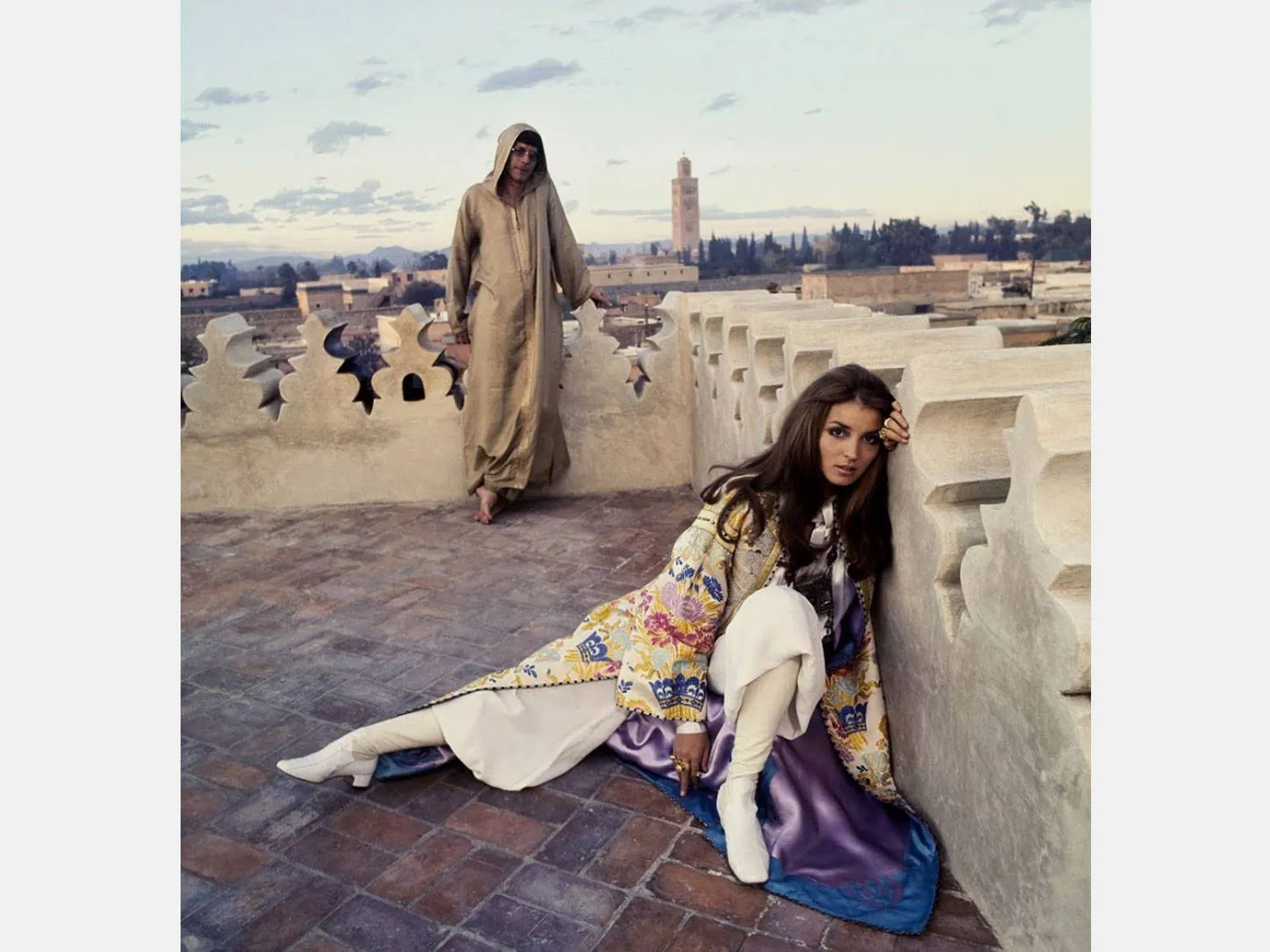
Ethnic style continues to exist and inspire Designers are inspired to create new interpretations of patterns, designs, and forms. Its unique characteristics and rich heritage serve as a source of creative ideas and original solutions in contemporary design. Elements of ethnic style add vibrancy and variety to projects, making them appealing to a wide audience. Designers actively use ethnic motifs to create unique collections and interiors, thereby enriching contemporary art and fashion with new meanings and visual effects.
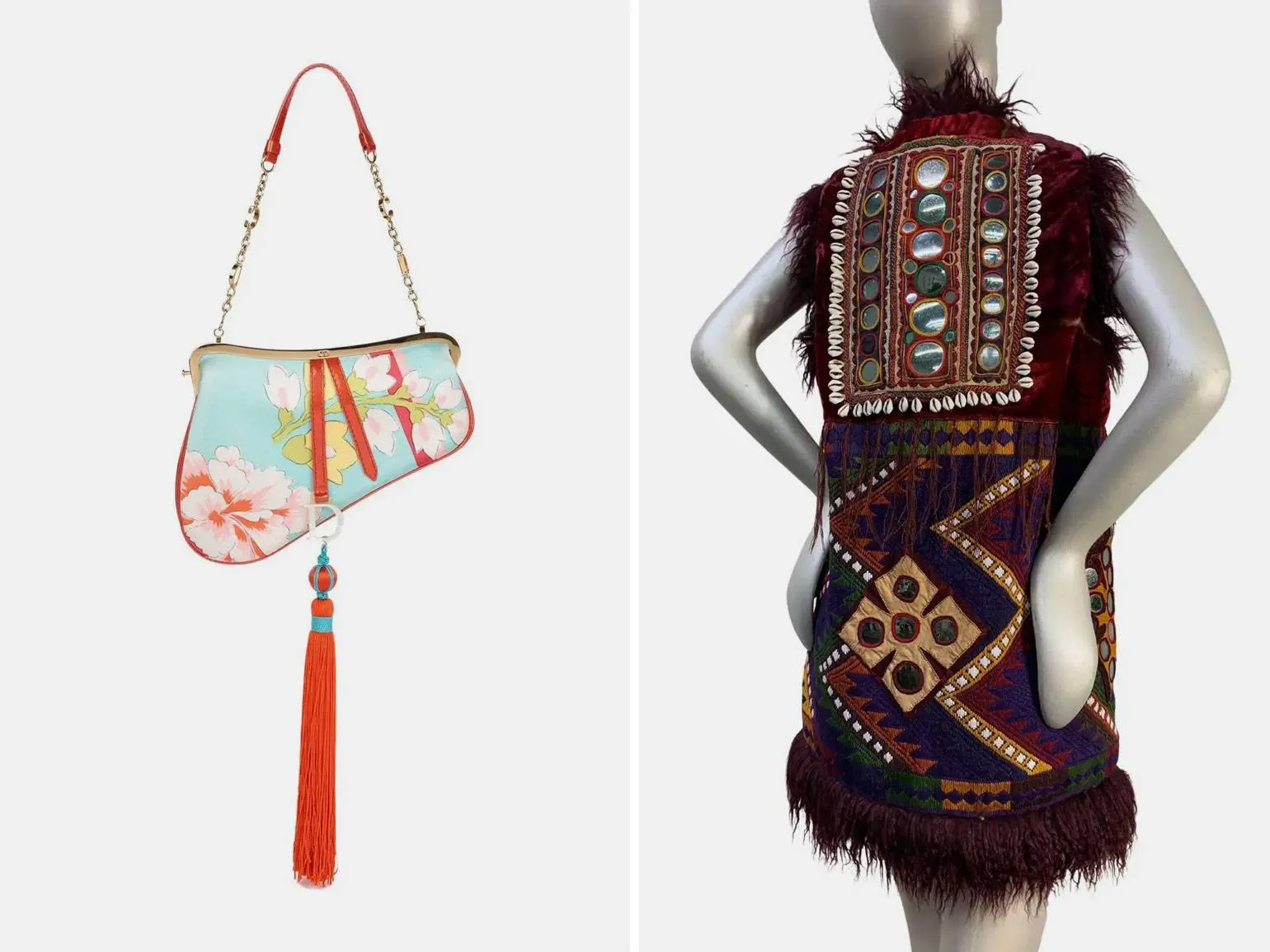
The history of the boho style and its interpretations were discussed in detail in our extensive article. In it, we highlight the key moments in the development of this unique style, its influence on modern fashion and interior design. Boho style, born as a reflection of free spirit and creativity, continues to inspire designers and art lovers around the world. Discover how boho has adapted over time and what elements make it truly unique. For a deeper understanding, we recommend that you read our material.
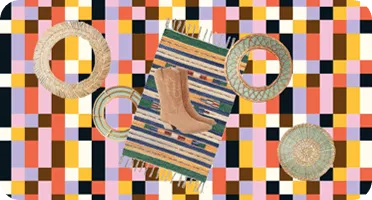
In our blog, you will find many interesting and useful articles. We offer relevant materials that will help you understand various topics. Please note that our content is optimized for ease of perception and search. We strive to provide information that will be useful and relevant to our readers. Don't miss the opportunity to read new publications and expand your knowledge.
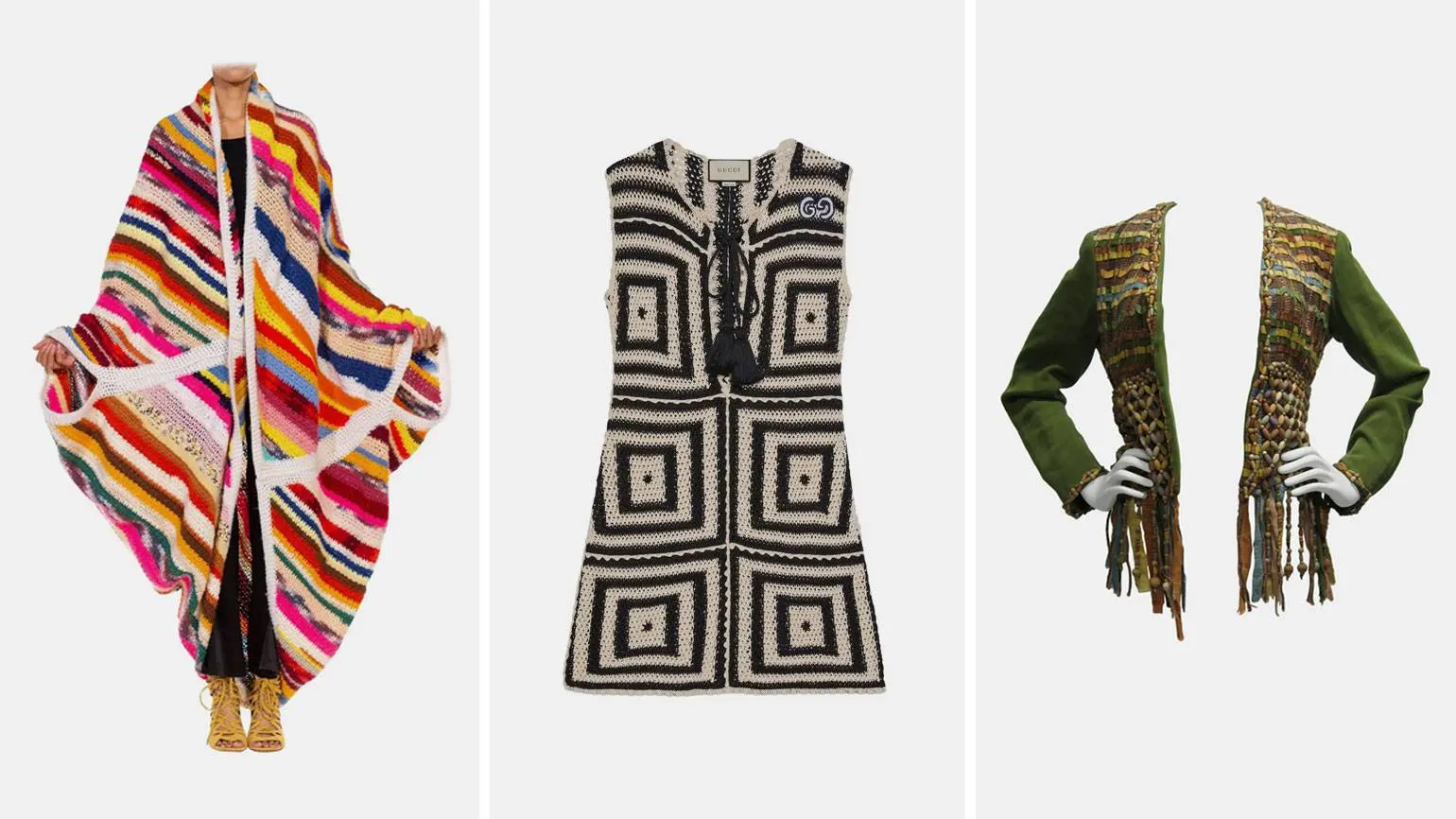
Boho style, or bohemian style, is a unique combination of eclecticism and freedom of expression in both interior design and fashion. It is characterized by the use of bright colors, textures, and varied patterns, creating an atmosphere of comfort and creativity. In interior design, boho style incorporates elements such as natural materials, vintage furniture, ethnic accents, and a variety of plants. These elements help create a harmonious and relaxing space that reflects the owner's personality.
In fashion, boho style is manifested in loose silhouettes, layering, and a combination of different fabrics. Clothing in this style is often decorated with embroidery, fringe, and bright prints, which adds uniqueness and originality to the look. Boho style is ideal for those who value comfort and individuality in their style. The choice of accessories, such as large jewelry and hats, also plays an important role in creating a complete look.
Therefore, the boho style in interior design and fashion is not just a trend, but a way of life that allows you to express your individuality and create an atmosphere of freedom and creativity.
Modern boho style is characterized by bright and rich colors, the use of natural fabrics, and a variety of textures. It incorporates ethnic motifs and an abundance of accessories, creating a unique atmosphere and individuality in the interior and clothing. This style is ideal for those who value comfort and freedom of expression.
Boho style opens up opportunities for experimentation, allowing you to combine elements of different cultures and eras in a single look. The key aspect of this style is true ease and relaxation, which should be felt in every element. When creating a boho look, it's important not only to have a visual design, but also to ensure that all the details harmonize so that they fit seamlessly into the overall concept.
Minimalism
In the 1990s, minimalism became a significant trend in visual culture, reflecting a shift toward simplicity and restraint. This movement was a response to the excessive and flamboyant styles that dominated the 1980s. Minimalism emphasized functionality and clean lines, which helped create harmonious and aesthetically pleasing spaces. The rejection of excess and luxury contributed to the formation of a new approach to design, where conciseness and sophistication became the main principles. As a result, minimalism influenced various fields, including architecture, graphic design, and fashion, setting new standards for visual perception.
By the early 2000s, fashion had once again embraced luxury and glamour, but minimalism firmly established itself as a timeless fashion trend. This style remains relevant, emphasizing simplicity, elegance, and functionality. Minimalism in fashion is attractive for its ability to combine quality and style, making it a versatile choice for the season.
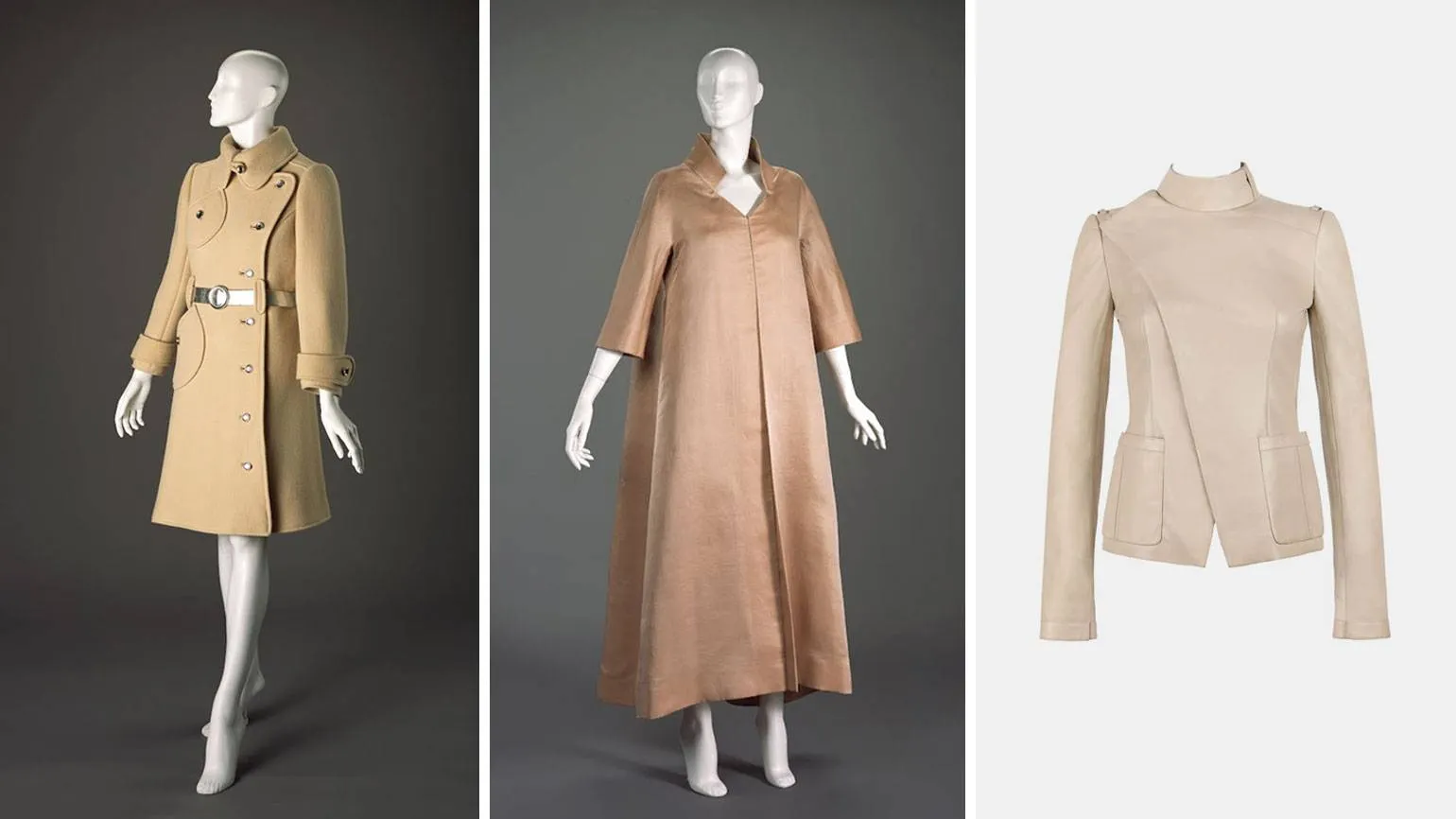
Minimalism emphasizes clean lines, functionality, and sophisticated simplicity. This style is distinguished by its focus on high-quality construction. Despite the laconic appearance, the cut contains interesting details that are not immediately noticeable. These nuances give the pieces a sophistication and intelligence, which is highly valued in the collections of brands such as Jil Sander, Helmut Lang, The Row, Lemaire, Celine (during the Phoebe Philo era), and COS. A minimalist approach allows you to create universal and stylish looks that highlight individuality and taste.
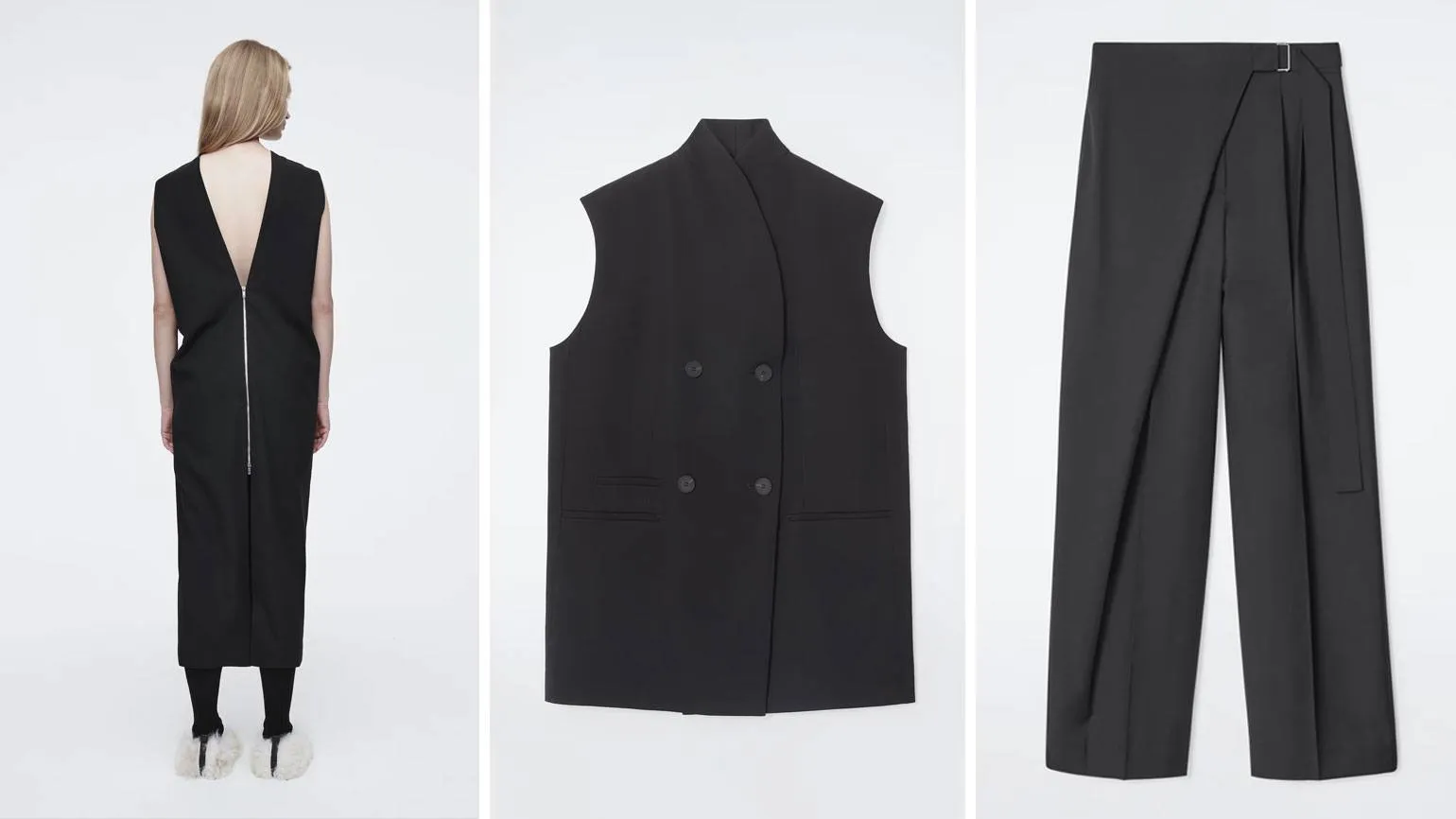
In minimalist fashion, designers focus not on decoration, but on silhouettes and designs that have Simplicity of appearance and functional complexity. A vibrant palette, including monochrome shades and color blocking, effectively emphasizes the simplicity of forms. This approach creates stylish and modern designs that attract attention with their understated elegance and sophisticated design. Minimalism in fashion allows for achieving harmony between simplicity and expressiveness, making it a relevant choice for those who value quality and aesthetics in clothing.
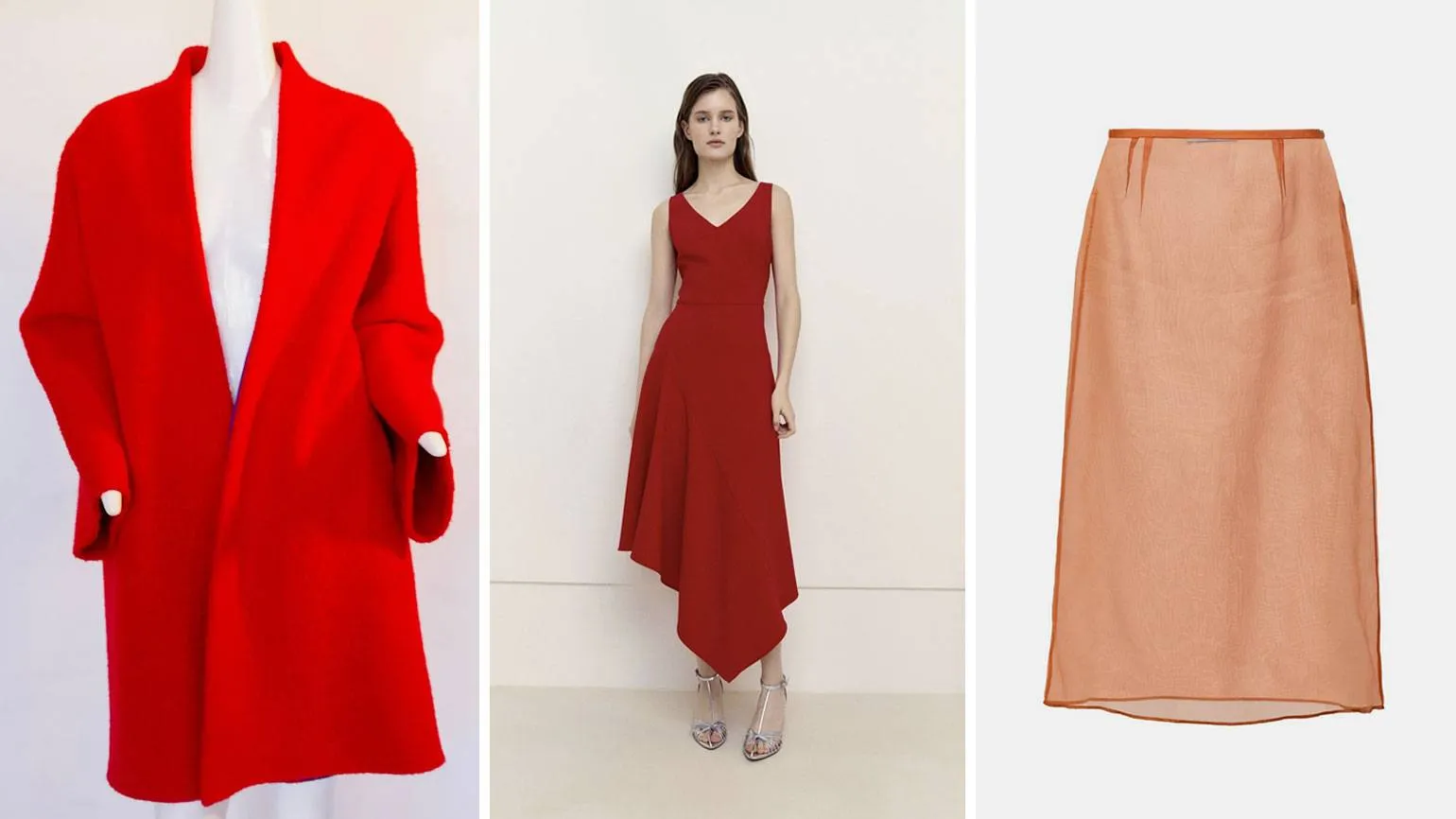
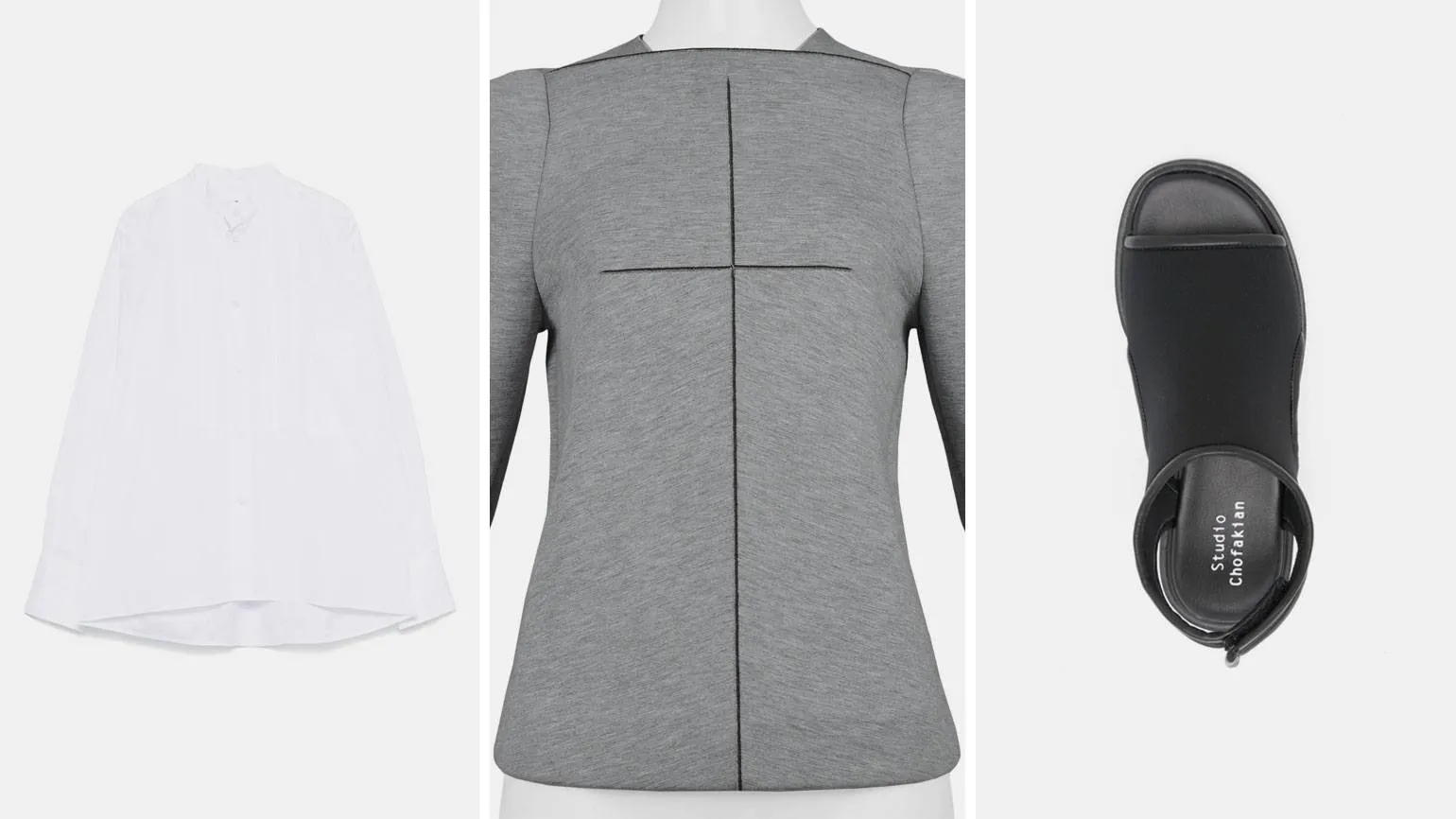
Fabrics can have unconventional characteristics and appear more complex than the cut itself. Minimalist styles allow for the use of materials such as neoprene, microfiber, patent leather, ripstop nylon, and even Gore-Tex. These fabrics can be used not only for everyday wear but also for more sophisticated pieces intended for special occasions. The use of innovative materials allows us to create unique and stylish products that emphasize individuality and a modern approach to fashion.
Avant-garde
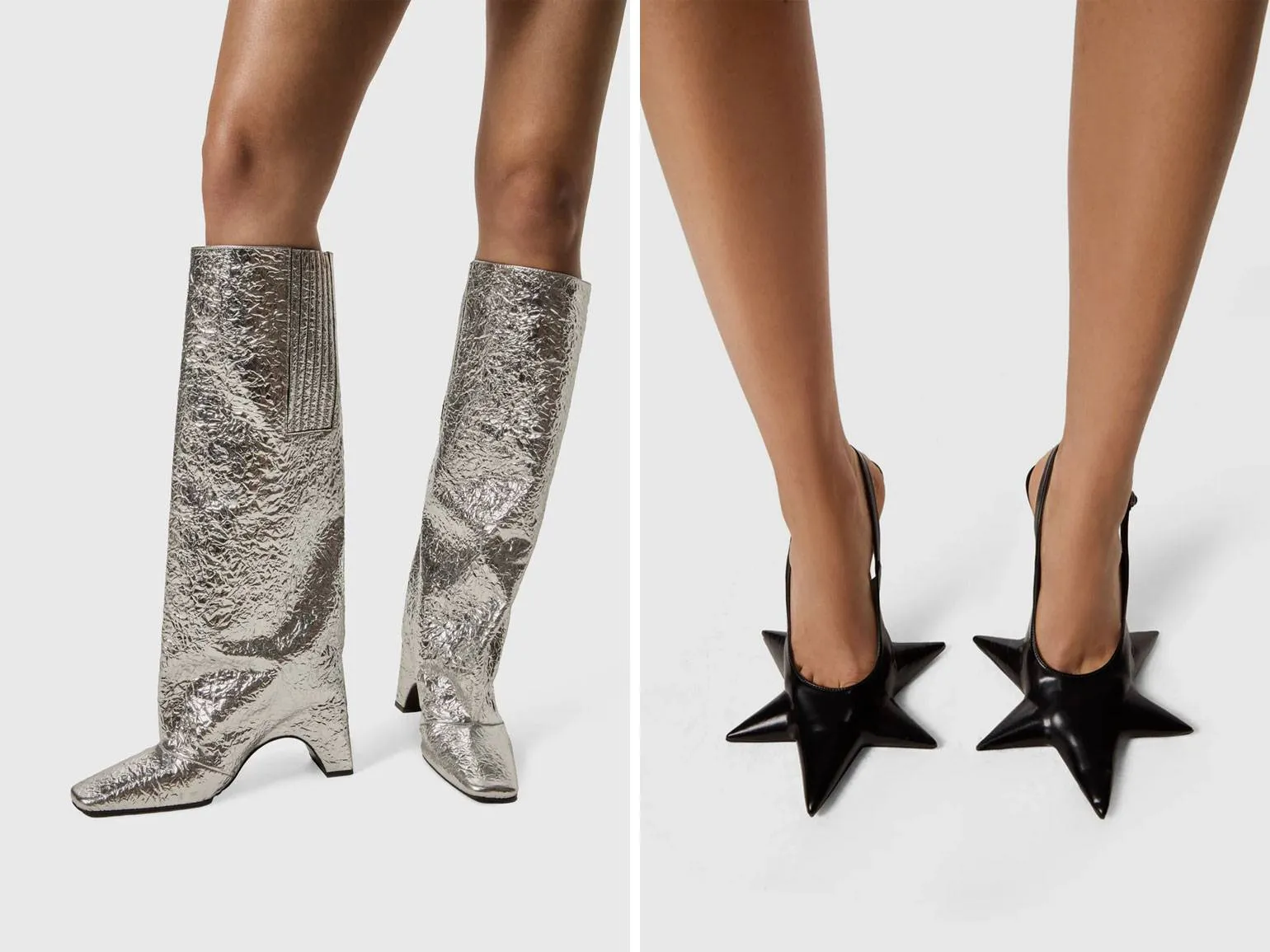
It is difficult to cover all the fashion artists who have influenced the modern perception of the avant-garde, as well as those who are actively creating in this genre today. Each of them makes a unique contribution to the development of the fashion industry, shaping new trends and ideas. Contemporary avant-garde designers explore the boundaries of traditional fashion perception, combining original forms, textures, and materials. Their works become not only items of clothing, but also works of art, reflecting current social and cultural trends. This creates a unique dialogue between fashion and art, enriching the cultural space and inspiring a new generation of creators.
The history of the style dates back to the early 20th century, when visionary designers began actively experimenting with forms, materials, and concepts, questioning traditional ideas about the beauty and functionality of clothing. Одним из пионеров этого направления была Эльза Скиапарелли, которая в 1920–1930-х годах создавала эксцентричные и необычные вещи, меняя представление о моде. Ее работы стали символом инноваций и смелости в дизайне, открывая новые горизонты для будущих поколений модельеров. Эльза Скиапарелли продемонстрировала, как мода может быть не только одеждой, но и искусством, вдохновляя многих на создание уникальных и оригинальных коллекций.
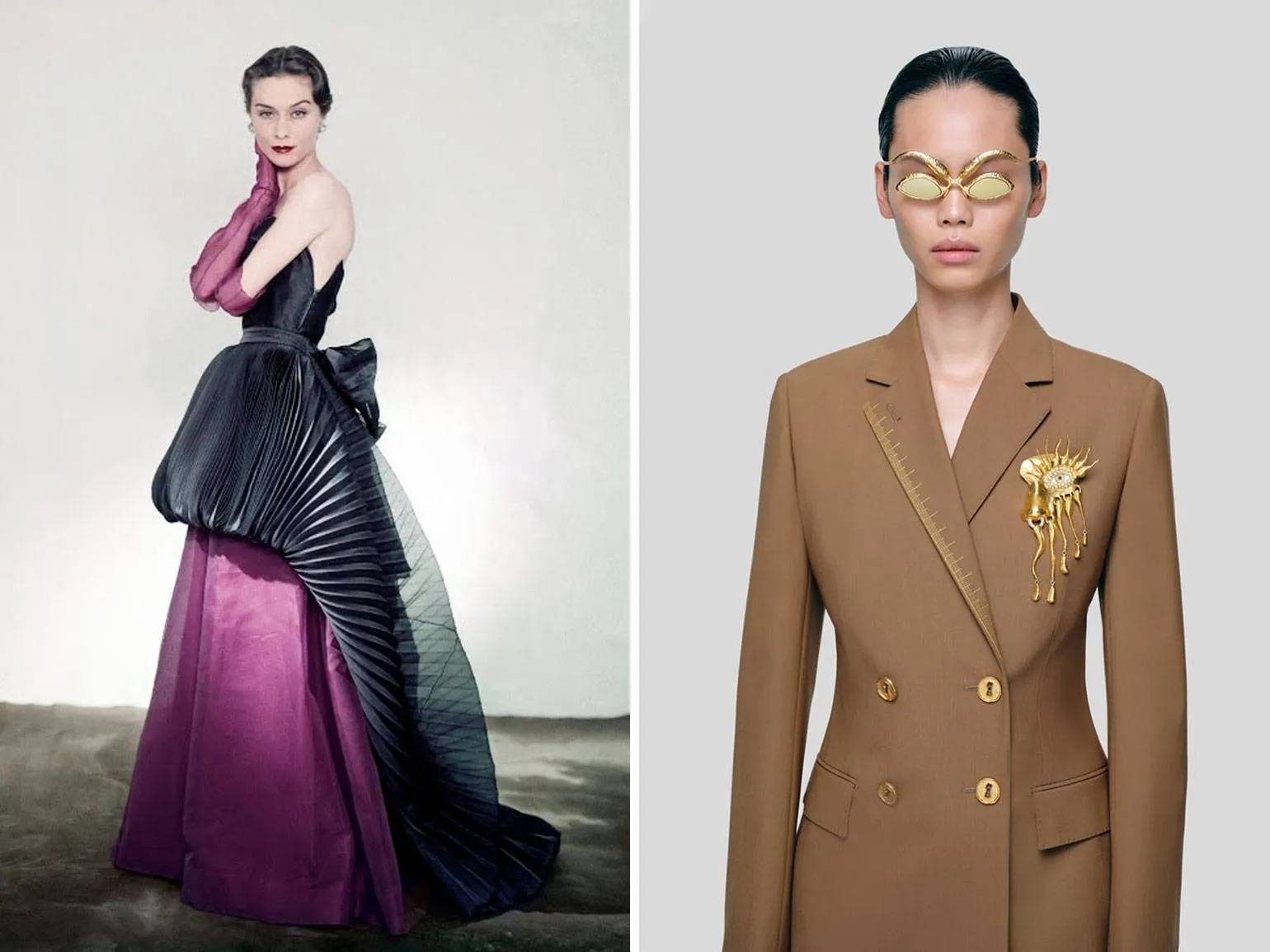
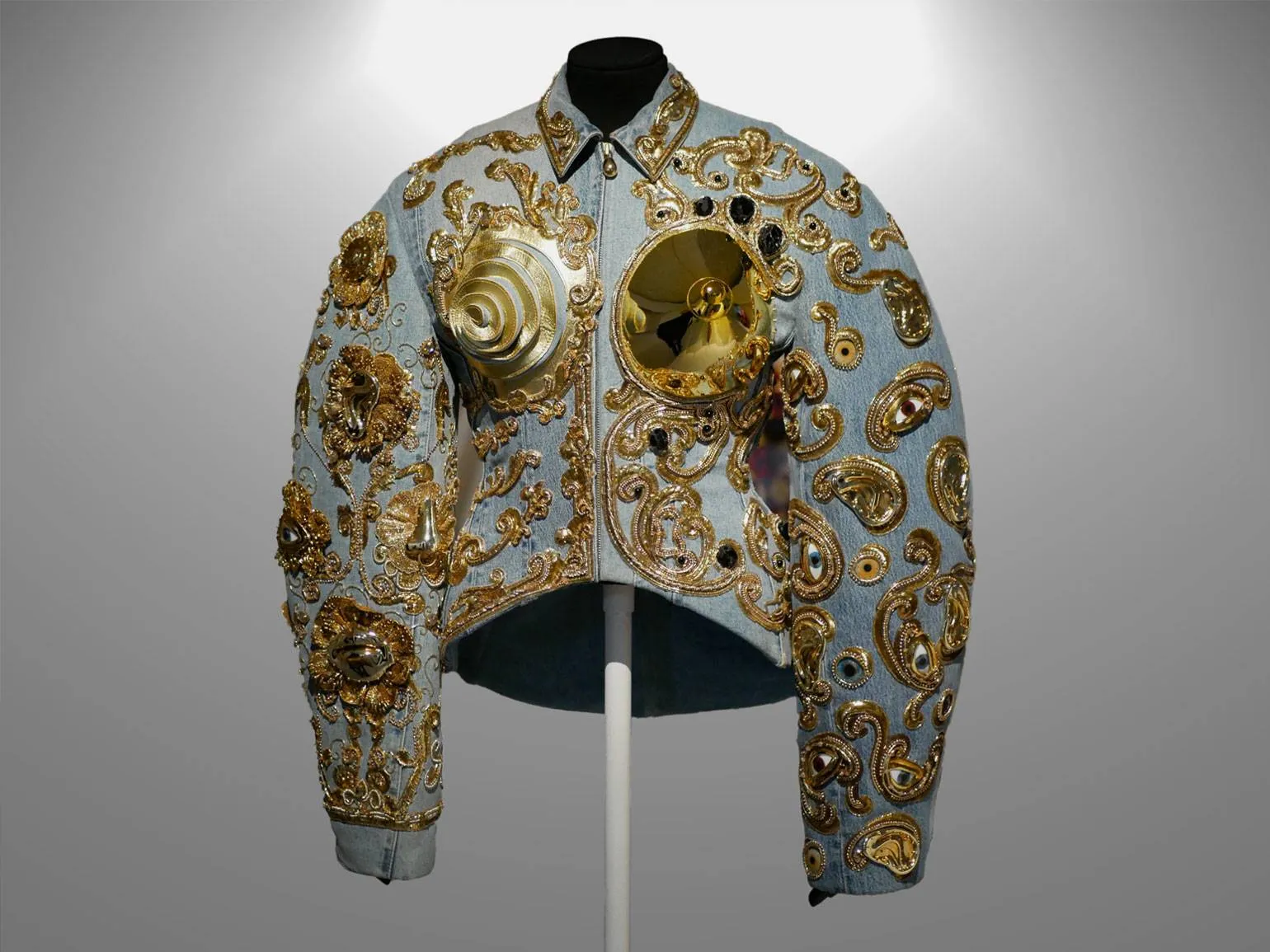
She collaborated with various artists, including the legendary surrealist Salvador Dalí, and her work shocked the public. A boot-shaped hat, eye earrings, and lobsters on dresses—all these elements became symbols of her innovative approach to fashion. Speaking about the influence of the avant-garde on everyday style, it is worth noting that many of these motifs have become firmly entrenched in modern fashion and pop culture. Earrings in the shape of eyes and lips today no longer produce the same effect as in the 1930s, and have become part of the everyday life in the fashion world.
Read also:
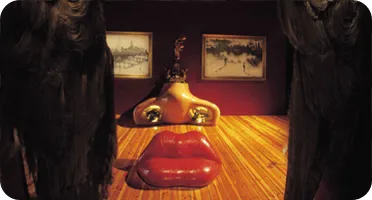
The Lips Sofa, created by Salvador Dalí, is a unique example of design that combines art and functionality. This sofa has become a symbol of surrealism and reflects Dalí's own eccentric style. Its lip-like shape not only attracts attention but also evokes associations with sensuality and romance.
Created in 1936, the Lips Sofa embodies Dalí's ideas about how art can influence everyday life. This piece of furniture has become more than just a piece of furniture, but a true work of art that continues to inspire designers and art lovers.
Salvador Dali's Lips Sofa is a striking example of how creative ideas can transform ordinary objects. It became an icon of 20th-century design and remains relevant to this day, attracting the attention of both collectors and lovers of unique interiors.
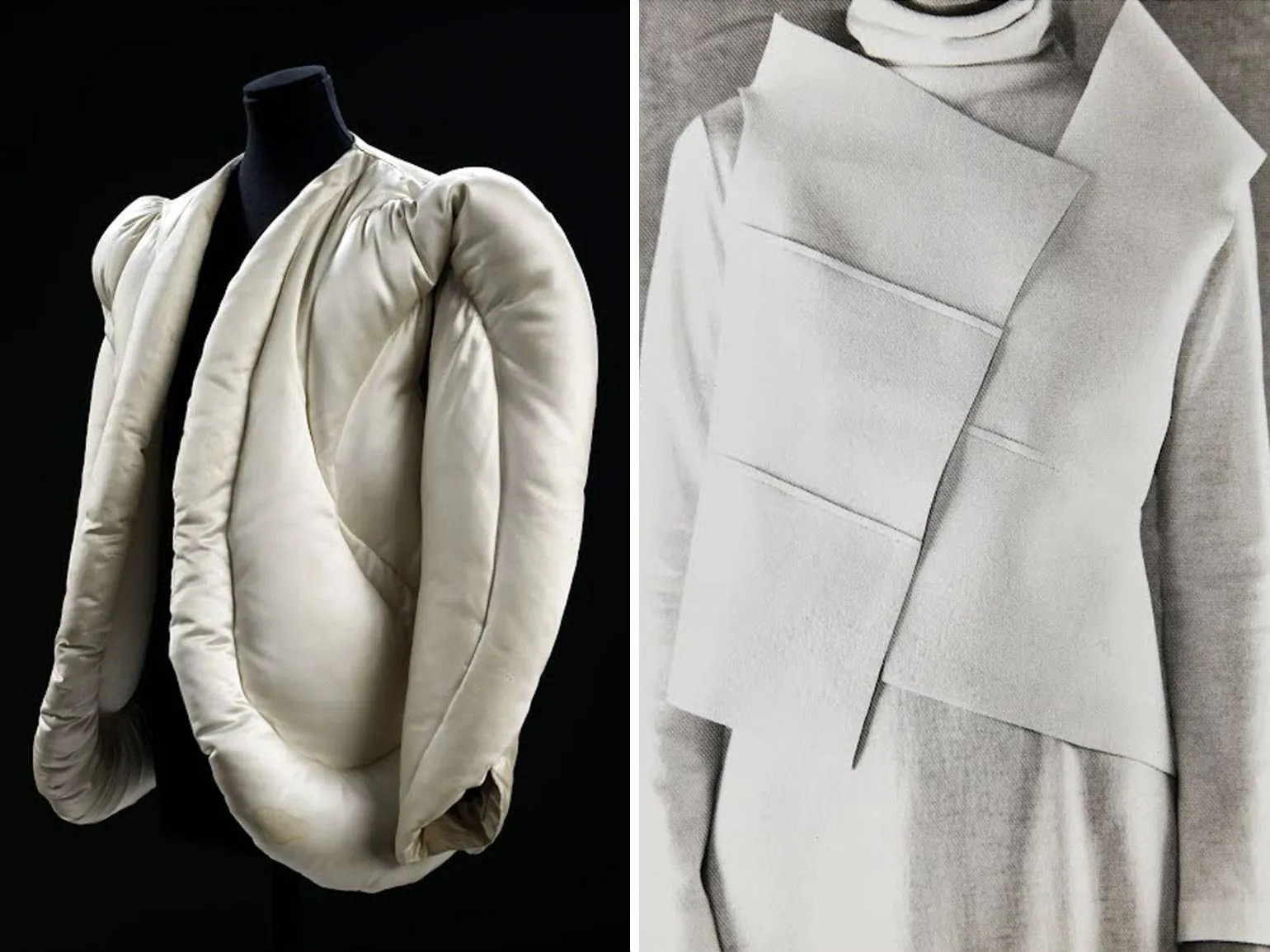
In the 1960s, a new wave of designers emerged on the fashion scene, including Pierre Cardin, André Courrèges, Paco Rabanne, and Rudi Gernreich. These creators actively experimented with futuristic forms and modern materials, drawing inspiration from the space race and advanced technology. Their works used materials such as vinyl, metal, plastic, and even paper. This period also saw the emergence of provocative unisex looks and miniskirts, which were perceived as too progressive for their time. These innovations not only changed perceptions of fashion but also had a significant impact on cultural and social norms. Designers of the 1960s pioneered clothing that captured the spirit of the era, fostering a new perspective on fashion and self-expression.
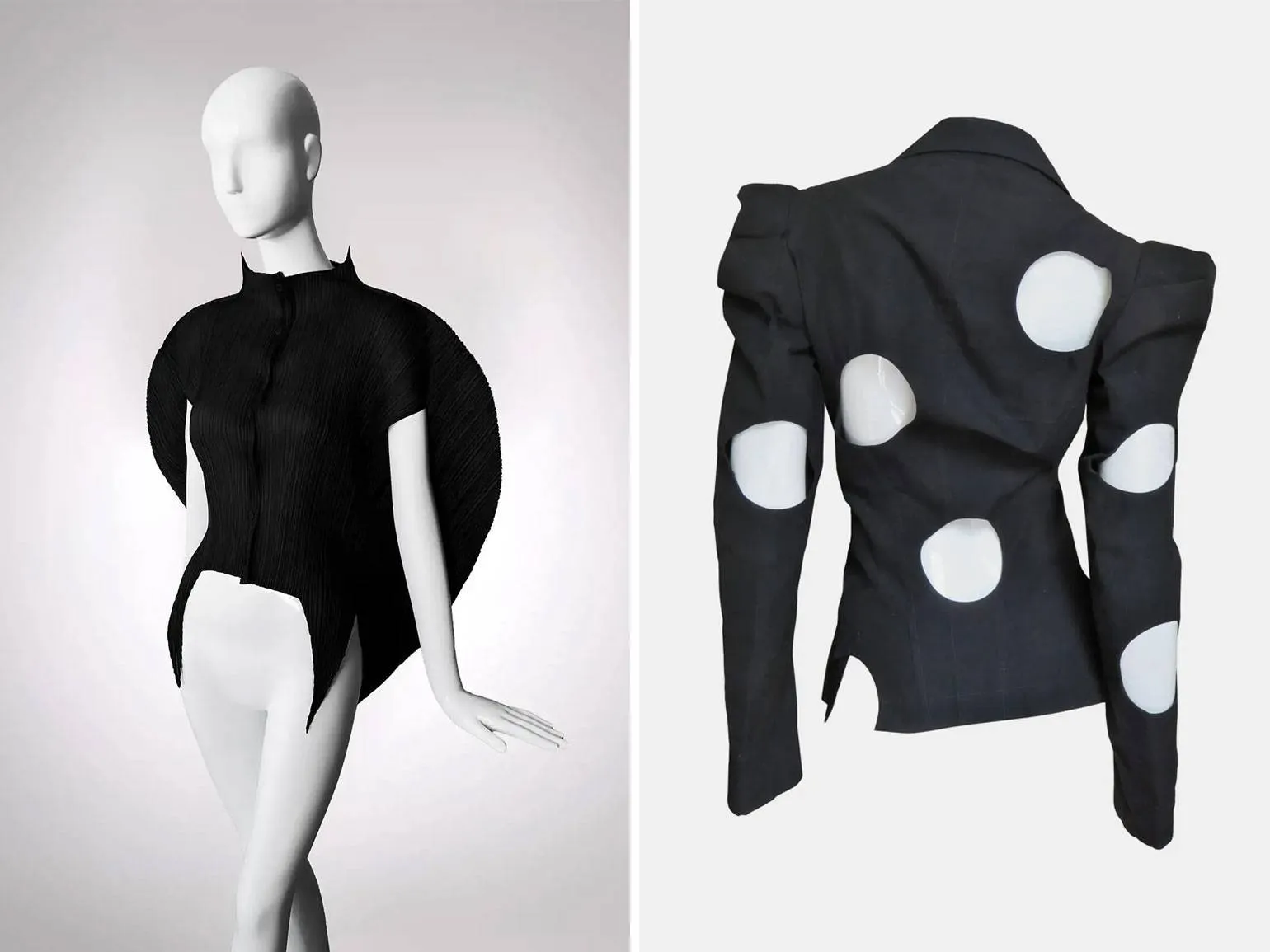
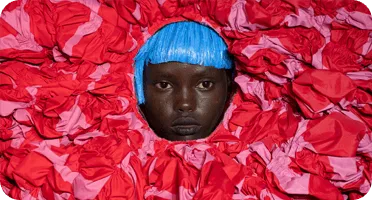
In the 1970s, avant-garde fashion actively explored countercultural movements, shaping new trends. Japan began to exert a significant influence on the global fashion market. Issey Miyake utilized traditional Eastern techniques and experimented with fabrics, creating unique textures and silhouettes. Later, Rei Kawakubo completely reimagined modern clothing, radically altering proportions, textures, and gender aspects of clothing. These innovations not only challenge traditional norms but also open up new horizons for self-expression in fashion.
Read also:
The history of fashion is inextricably linked with the name of Rei Kawakubo and her brand Comme des Garçons. Founded in 1969, Comme des Garçons has become a symbol of Japanese fashion and an innovative approach to design. Rei Kawakubo has revolutionized womenswear, offering unconventional silhouettes and subverting traditional conventions. Her collections often provoke and spark debate, making the brand relevant and in-demand.
Kawakubo is known for her experimentation with shapes and textures, using deconstruction as a method of creating clothing. This allows her to create unique pieces that depart from the standards of the fashion industry. Her influence is felt not only in Japan but also internationally, where Comme des Garçons sets trends and inspires other designers.
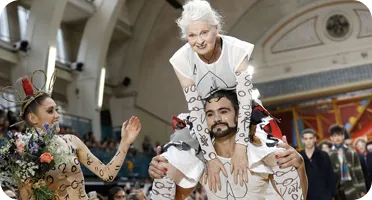
The brand also actively collaborates with other brands and artists, expanding fashion's horizons and attracting the attention of a new audience. Comme des Garçons doesn't just produce clothes; it's a phenomenon that challenges conventional notions of beauty and functionality. Rei Kawakubo and her Comme des Garçons brand thus remain an important part of fashion history, inspiring new generations of designers and art lovers. Meanwhile, in Britain, Vivienne Westwood occupies a central place in the punk fashion movement. Her use of torn fabrics and anarchic symbols sparks widespread interest among the fashion audience. The English avant-garde becomes a vehicle for political protest and the desire for freedom, reflecting the spirit of the times and the socialization of youth. Fashion becomes a powerful means of self-expression, where every detail of clothing has meaning and carries a profound significance. Vivienne Westwood not only shapes style, but also asks important questions about freedom and identity, which makes her influence on the world of fashion undeniably significant.
Explore additional materials:
The world of fashion has always been an arena for self-expression and protest. A striking example of this is the history of the fashion house Vivienne Westwood. Founded in 1971, the brand has become a symbol of rebellion and disobedience. Vivienne Westwood, the brand's founder, used fashion as a means of expressing social commentary and critiquing political systems. Her work combined elements of punk culture with high-quality materials and unique designs.
Vivienne Westwood not only creates clothes but also provokes discussions on important topics such as climate change, human rights, and social justice. The brand has become known for its provocative collections that challenge traditional notions of fashion and beauty.
Today, Vivienne Westwood continues to inspire a new generation of designers and fashionistas while remaining true to its ideals. The fashion house is actively involved in social and environmental initiatives, emphasizing the importance of a sustainable approach in the fashion industry. The story of Vivienne Westwood is not just a story about fashion, but also about how art can influence society and culture.
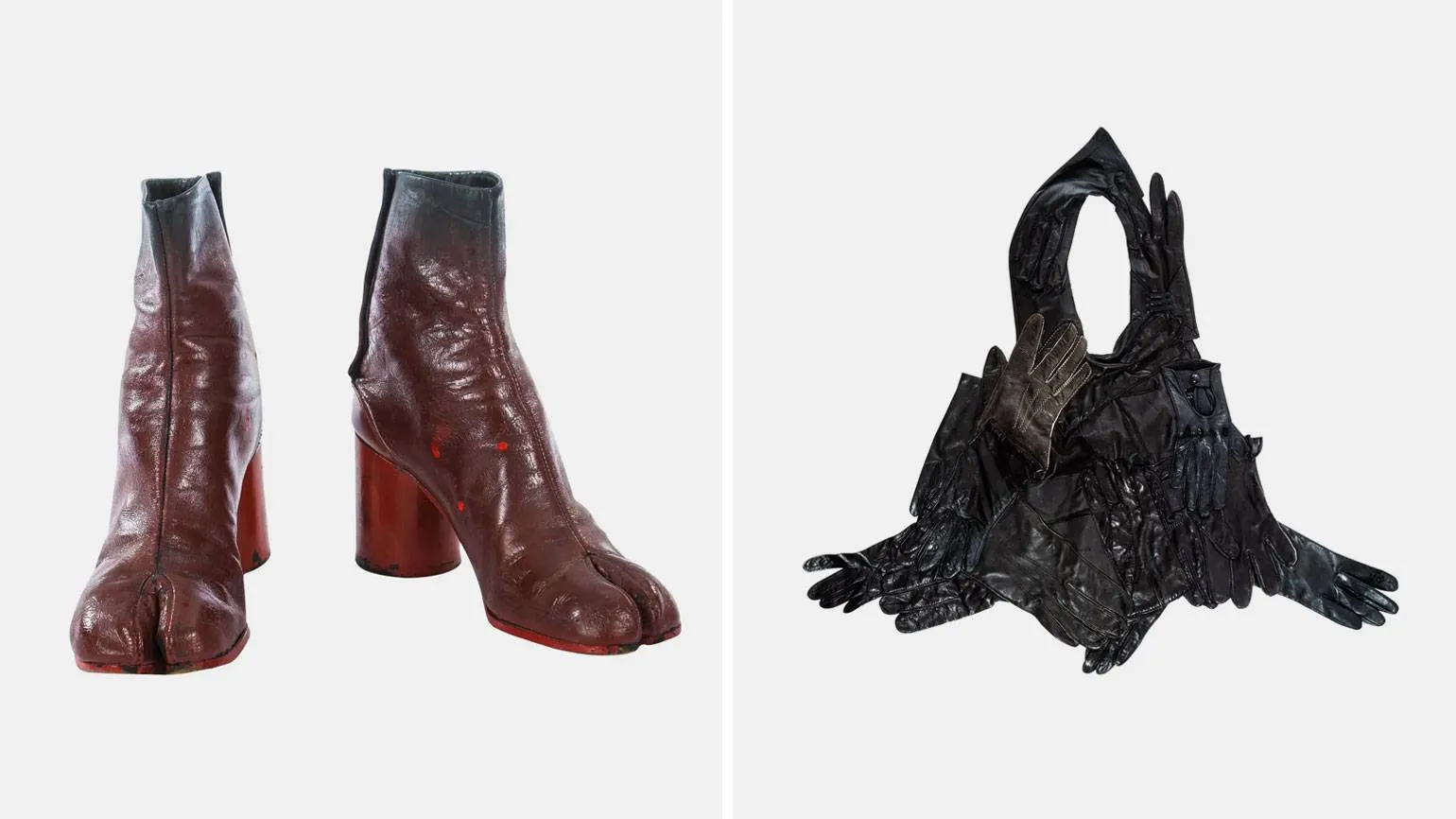
Martin Margiela is a key figure who has had a significant influence on modern avant-garde style, including its street interpretations. Unlike the complex designs of other avant-garde designers, Margiela's pieces easily integrate into everyday wardrobes. Many of his innovative approaches, such as careful deconstruction, oversized pieces, and the use of distressed materials, are now considered standard. Particularly noteworthy are the tabi—a round-heeled, split-toe boot that mimics the shape of traditional Japanese socks. These boots have become an iconic element and a bestseller for the brand, emphasizing the uniqueness and originality of Margiela's approach to fashion.
Today, the avant-garde has lost its original meaning as a purely innovative and visionary artistic format not intended for everyday life. By the mid-2020s, tolerance for unusual clothing styles, especially in large cities, has increased significantly compared to the previous century. This change reflects the evolution of social norms and the perception of individuality in fashion, allowing avant-garde ideas to be integrated into everyday style. The trend for eccentric clothing choices fosters creativity and self-expression, making the avant-garde more accessible and relevant to a wider audience.
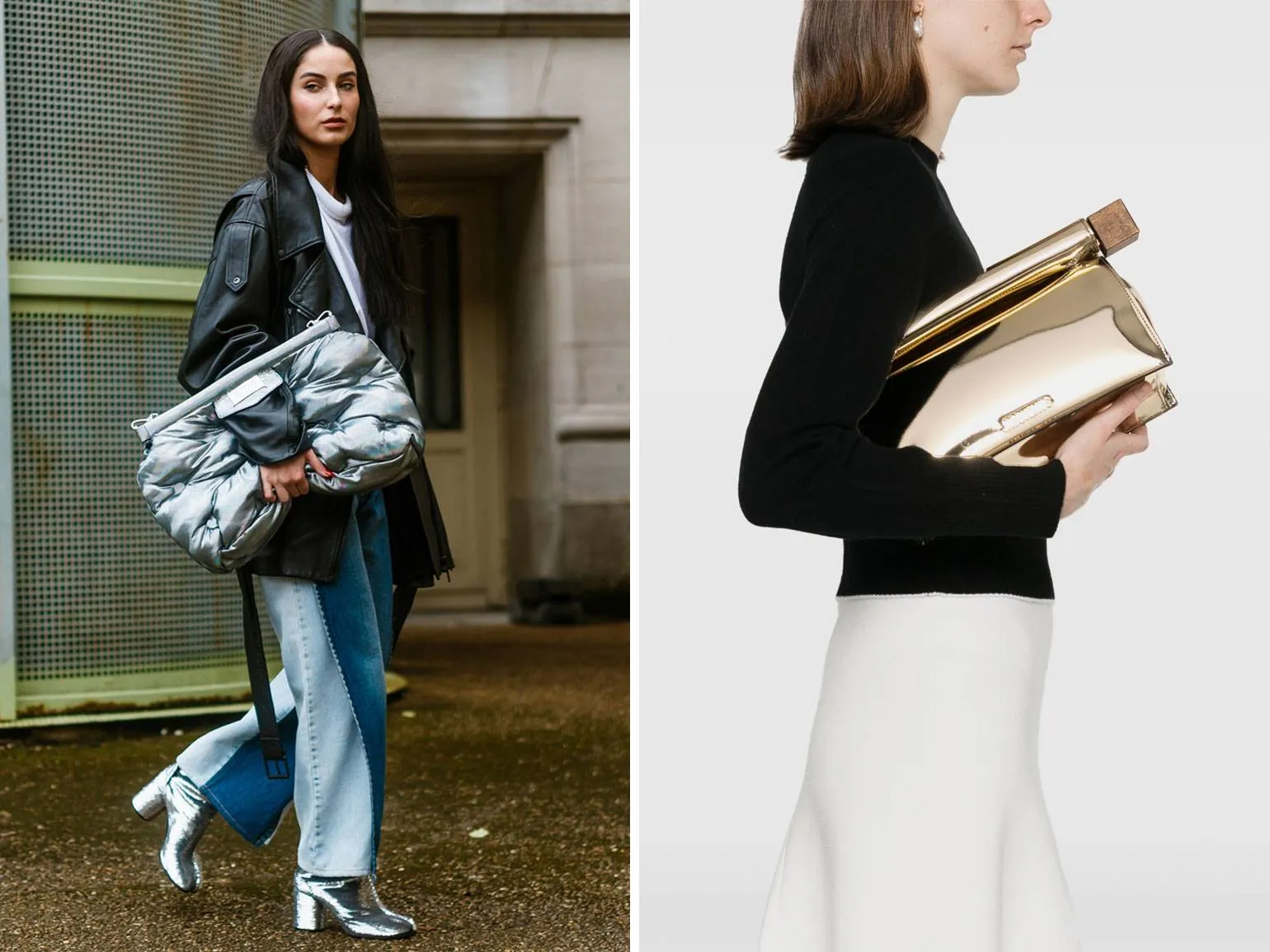
Sportswear and Gorpcore
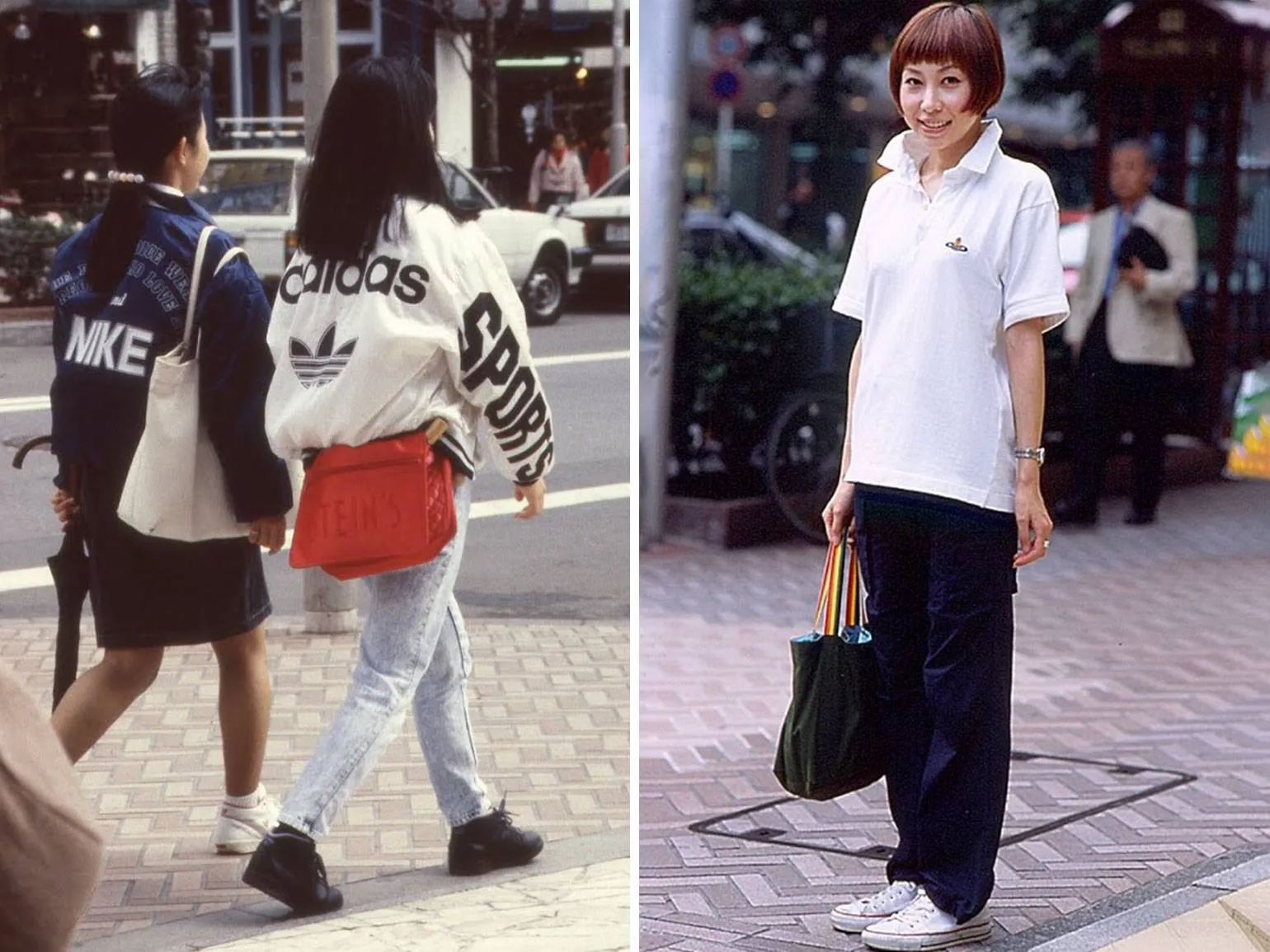
Sportswear occupies a unique place in the fashion world, combining functionality and style. It is not only used in gyms and on treadmills, but is also actively integrating into everyday life and onto fashion runways. This process has become possible thanks to the influence of subcultures such as rap and skateboarding, as well as thanks to the popularity among celebrities and the creativity of designers. Thus, sportswear has become an integral part of the modern wardrobe, combining comfort and current trends.
Over the past 5-10 years, the athleisure market, which combines sportswear and casual clothing, has undergone significant changes. This trend is not new, but it has become more noticeable in recent years. According to Grand View Research, the global sportswear market was valued at $155.2 billion in 2018, with a projected annual growth rate of 6.9% from 2019 to 2025. This growth demonstrates growing consumer interest in comfortable and functional clothing suitable for both active recreation and everyday wear. This confirms that athleisure is becoming an essential part of the modern wardrobe, as people strive for comfort and style in any situation. Brands like Patagonia, The North Face, Columbia, Arc'teryx, and Solomon have seen significant sales increases not only among outdoor enthusiasts but also among urban dwellers. According to NPD Group, sales of outdoor apparel and footwear increased by 14% in 2020 compared to the previous year. This indicates a growing interest in the outdoor lifestyle and active outdoor activities, which opens up new opportunities for brands to expand their target audiences.
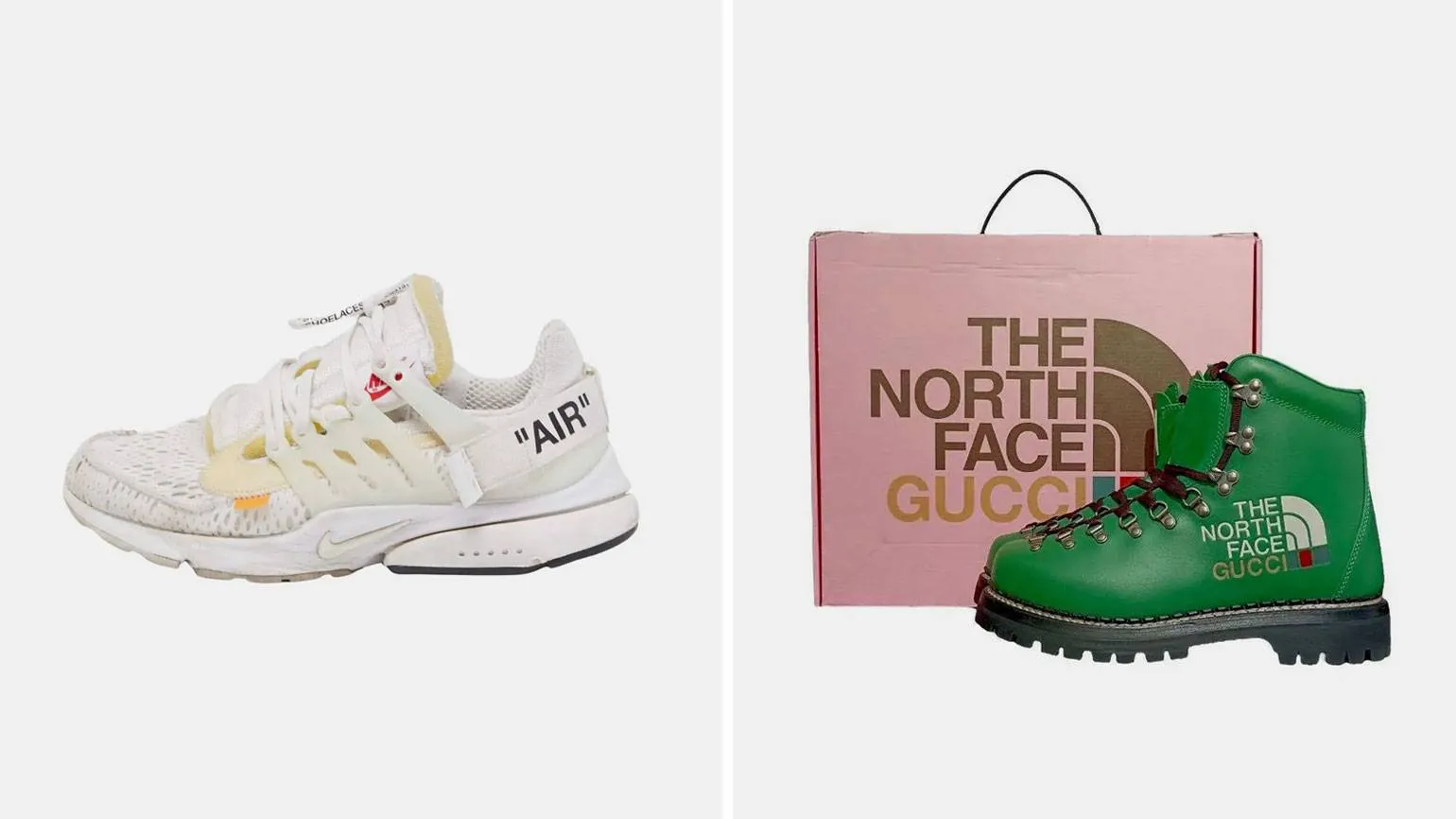
Current trends in sportswear are actively shaped by collaborations between luxury and athletic brands. While five years ago such collaborations were mainly limited to the creation of branded sneakers, today they encompass entire capsule clothing collections. Examples of successful alliances include The North Face x Gucci, Nike x Sacai, Puma x Balmain, and Fila x Fendi. These partnerships not only expand the range but also highlight the fusion of style and function, making sportswear more appealing and relevant to a wider audience.
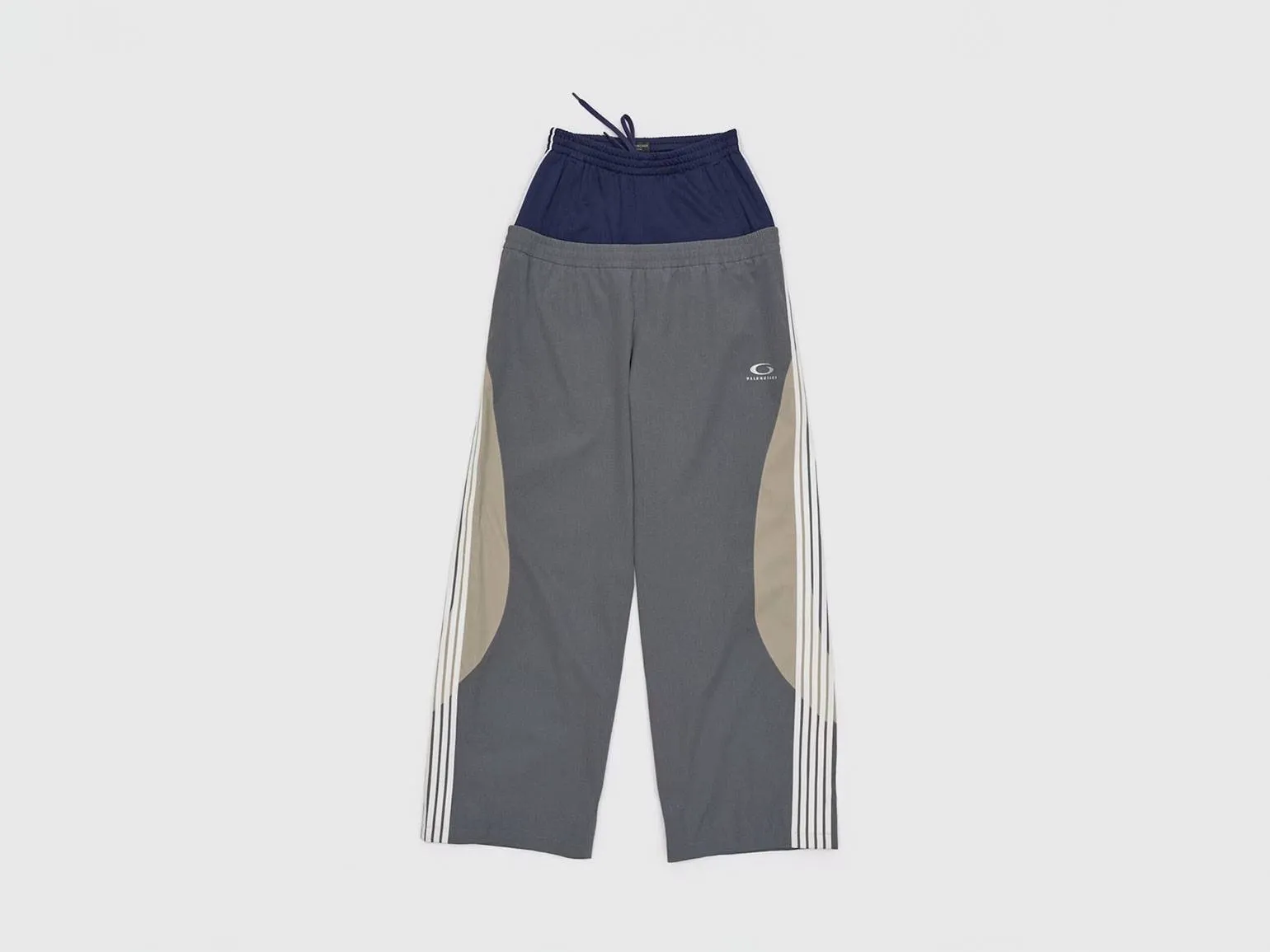
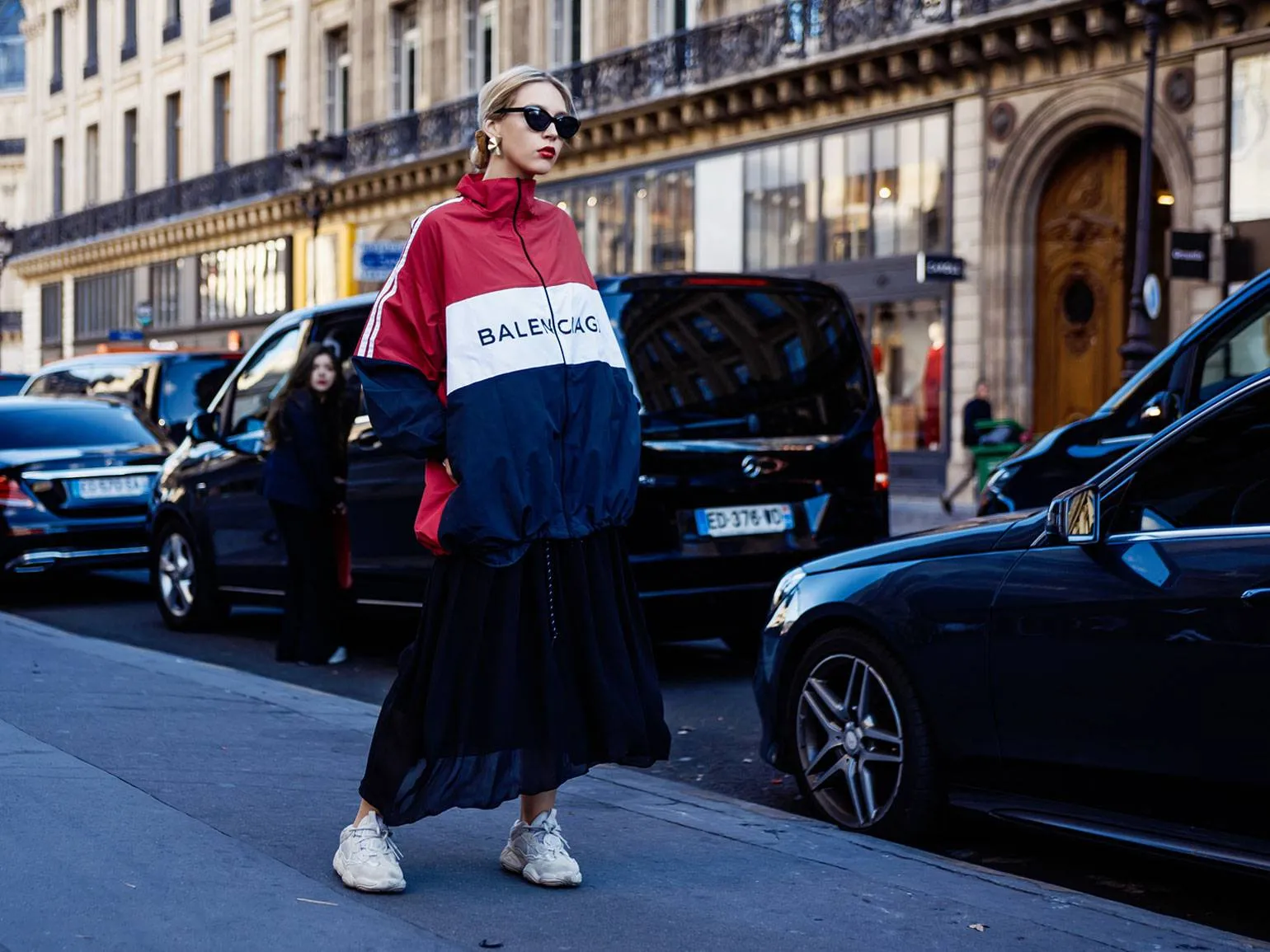
There are other approaches to reimagining sportswear. In his collections for Vetements and Balenciaga, Demna Gvasalia explores this style through the prism of deconstructivism and post-irony, focusing on the aesthetics of Eastern Europe during the collapse of the USSR. The tracksuits used in these collections are not borrowed from athleisure catalogs, but rather evoke the imagery of 1990s criminal gangs. This unexpected approach has managed to attract the attention of fashionistas around the world.
In recent years, the fashion world has seen growing interest in a new style called gorpcore. This word comes from the abbreviation GORP, which stands for "Good Ol' Raisins and Peanuts" - a slang name for a mixture of nuts and dried fruits used by tourists. Gorpcore is a unique combination of functional and technical activewear for urban use. This style features shell jackets, hiking boots, fleece sweatshirts, and various outdoor accessories. The main advantage of gorpcore is that these items can be worn not only outdoors but also in everyday urban settings: to parties, raves, or even museums. This trend emphasizes comfort and practicality, focusing on an active lifestyle, which makes it especially attractive to young people and those who value comfort combined with style.
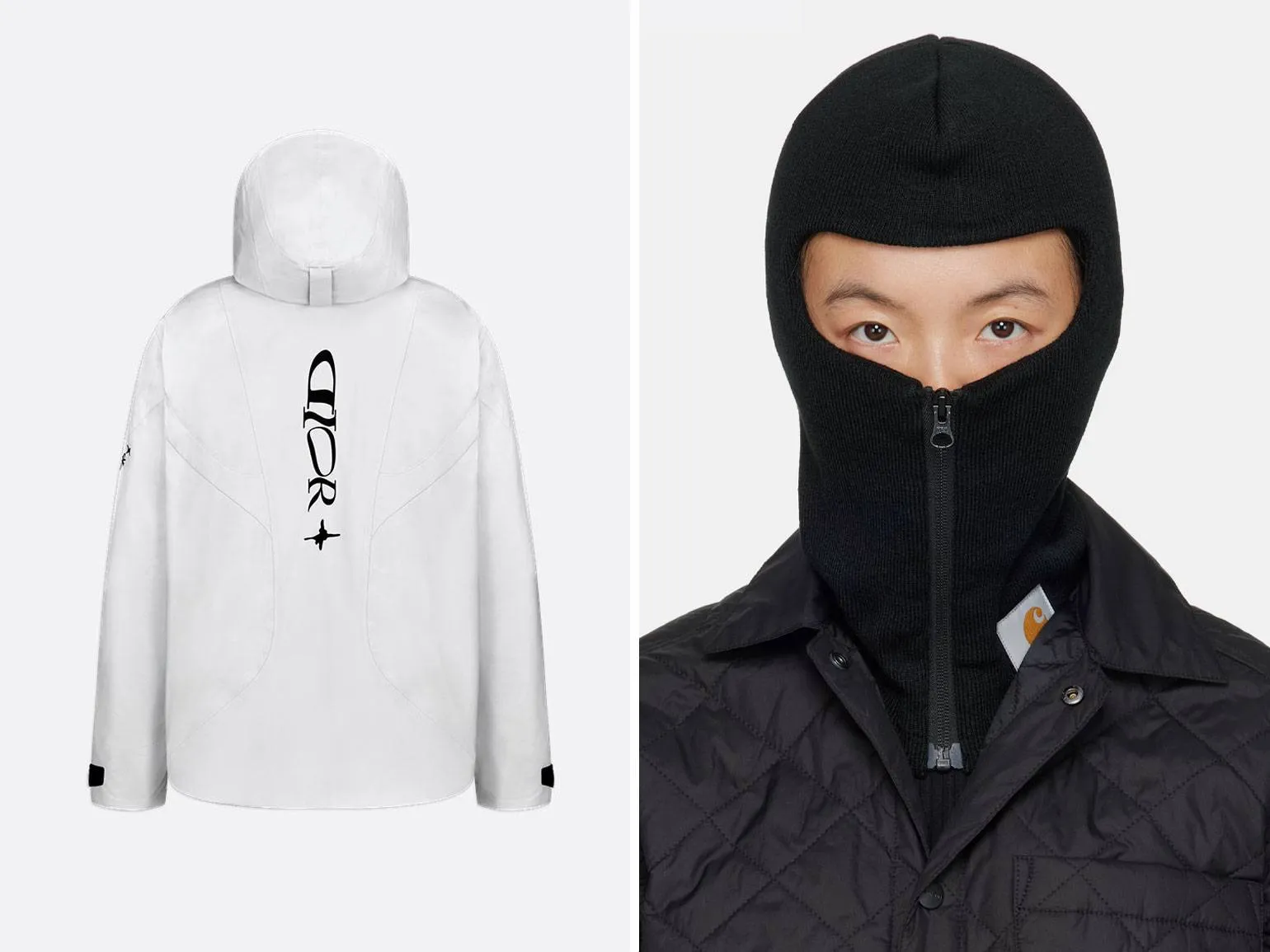
Gorpcore, reflecting the latest trends in fashion, focuses on Practicality, comfort, and sustainability. However, this athleisure-fashion trend has an element of fetishism. It's not just about any activewear, but specific brands that provide their wearers with access to a community of true fashionistas. Thus, gorpcore becomes not only a choice for comfort but also a way of self-expression through stylish, functional pieces that highlight individuality and a commitment to sustainable practices in the fashion industry. This is precisely how fashion functions. It reflects current trends and societal preferences, creating cycles of renewal and change. Each season brings new styles and ideas that influence clothing and accessory choices. It's a dynamic process that blends tradition and innovation, allowing fashion to constantly evolve. Thus, fashion becomes not only a means of self-expression, but also a mirror of cultural changes and social moods.
Learn more about design by subscribing to our Telegram channel. We regularly share interesting materials, new trends and useful tips in the field of design. Don't miss the opportunity to stay up to date with current news and get inspiration for your projects.
Also study:
- Main people in design
- The last big style: what is Art Nouveau
- From empire to empire. History of the fashion house Louis Vuitton
- 20 local Russian brands invented and created by women
- 20 local clothing brands: where to buy fashionable and high-quality
Fashion designer profession
You will learn everything a designer should be able to do: come up with original designs, create fashion sketches, work with production, and even sew with your own hands. Сможете выпустить свою первую коллекцию одежды, начать карьеру в индустрии моды или превратить хобби в прибыльный бизнес.
Узнать подробнее