
Contents:
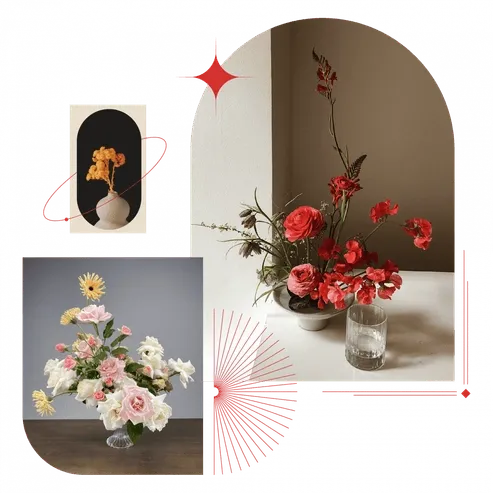
Course with employment: "Profession Florist PRO"
Find out moreThis is an expert in a unique field that combines product and spatial design - floristry. Floristry is the art of creating arrangements from live and dried plants, as well as the use of natural materials for interior and event decoration. Florists possess a deep knowledge of plants, their characteristics, and design approaches, allowing them to create harmonious and aesthetically pleasing spaces. Florists create unique floral arrangements using both live and artificial plants. They work with a variety of materials and decorative items to decorate interiors and create visual accents. Professional florists are able not only to decorate rooms, but also to emphasize the style and atmosphere of each space with carefully selected floral elements.
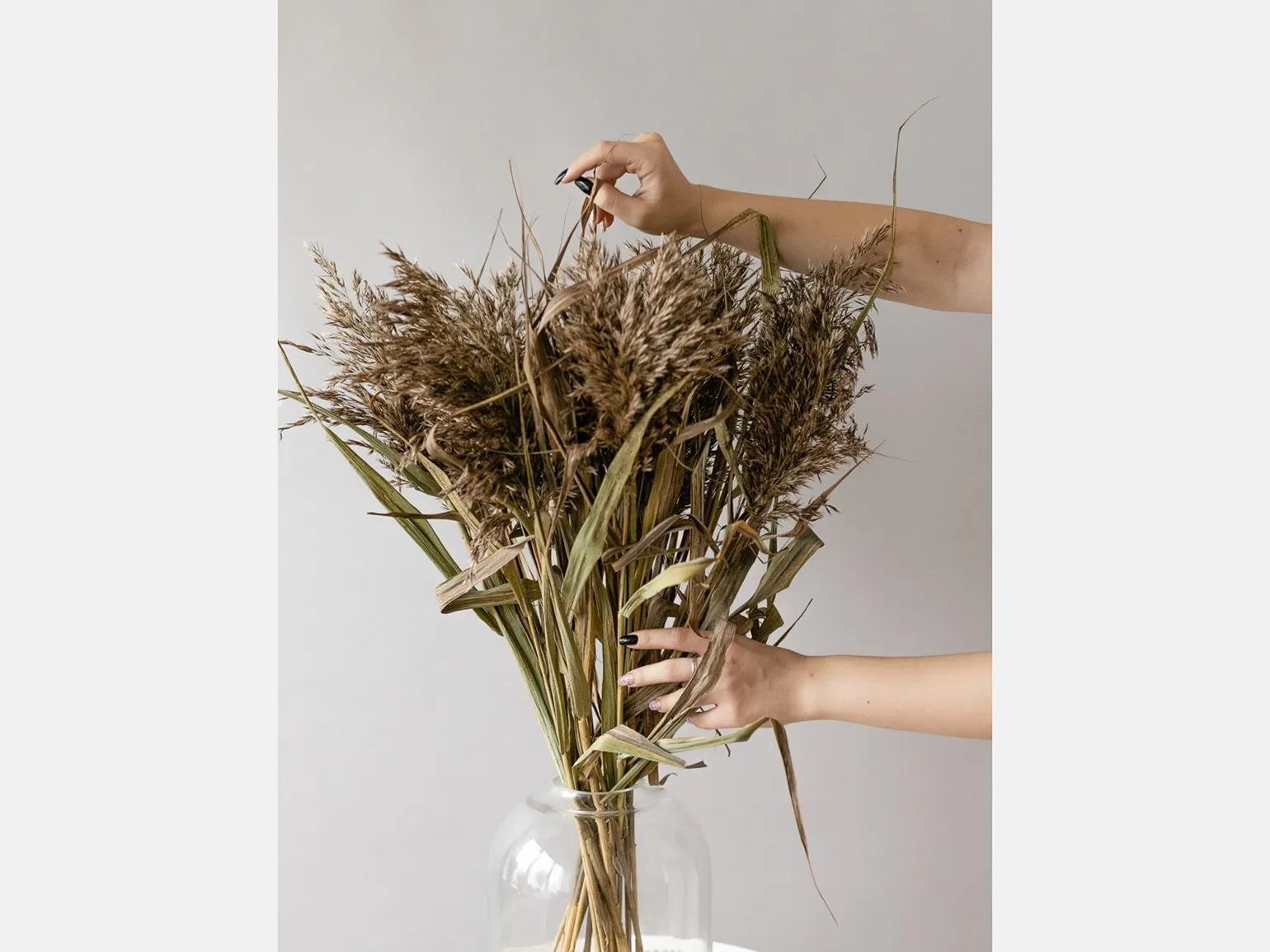
This is a professional in a unique Floristry is a field that combines product and space design. Florists create harmonious arrangements of flowers and plants, taking into account aesthetic and functional aspects. Their work encompasses not only interior and event design but also the use of flora to enhance the atmosphere and create a cozy space. Floristry requires extensive training and a creative approach, making specialists in this field indispensable for decorating various events and spaces. Florists work with both live and artificial plants, as well as various materials and decorative items. Their primary responsibilities include creating floral arrangements, decorating interiors with flowers, and placing visual accents to create a harmonious atmosphere. Professional florists use their knowledge of plants and design skills to bring unique ideas to life, providing an attractive look and mood in any space.
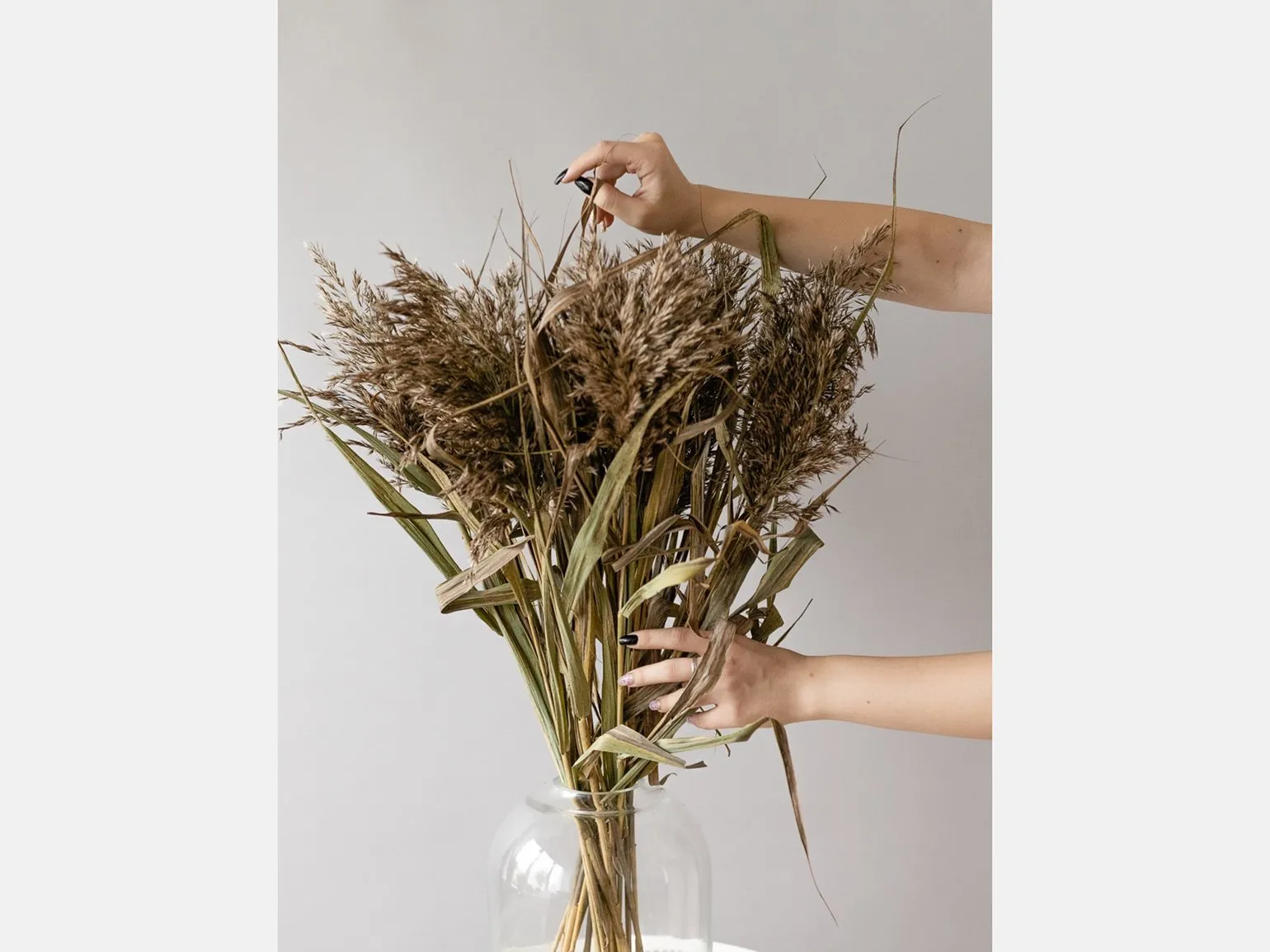
Flowers play a key role not only in festive bouquets but also in the design of various significant events. They are an essential element in creating the atmosphere at weddings, exhibitions, art gallery openings, and other events. Professional florists, along with designers and decorators, are in demand for developing aesthetic solutions that add uniqueness and appeal to any space. The right choice of floral arrangements can emphasize the style of an event and create an unforgettable experience for guests.
On hh.ru, you can find over 820 job openings for the search term "florist," approximately 750 for fashion designers, and approximately 550 for the keyword "illustration." This demonstrates the high demand for specialists in these fields. If you're looking for a job in floristry, fashion design, or illustration, hh.ru offers a variety of employment opportunities.

Are you interested in a career as a florist? Take a look at the course from Skillbox. This course is ideal for those who want to learn floristry from scratch and gain the necessary skills to succeed in this field. Develop your creativity and learn how to create unique arrangements that will delight people. Begin your journey into the world of floristry today.
Flowers play an important role not only in holiday bouquets but also in the design of significant events. They are an indispensable element at various events, from marriage registrations at the MFC to the opening of an art gallery. In the modern world, professional florists are in demand on par with designers, decorators, and other specialists involved in the aesthetic design of spaces. Their skill in creating floral arrangements helps emphasize the atmosphere of any event and make it unforgettable. The right choice of floral arrangements can transform any space, adding uniqueness and style.
On hh.ru, you can find over 820 job openings for "florist," approximately 750 for fashion designers, and approximately 550 for "illustration." These figures confirm the high demand for specialists in these fields, opening up numerous opportunities for job seekers. It's important to note that the job market in floristry, fashion design, and illustration is constantly evolving, and job openings may vary by region and season. Therefore, in order not to miss interesting offers, you should regularly check current vacancies on the platform.
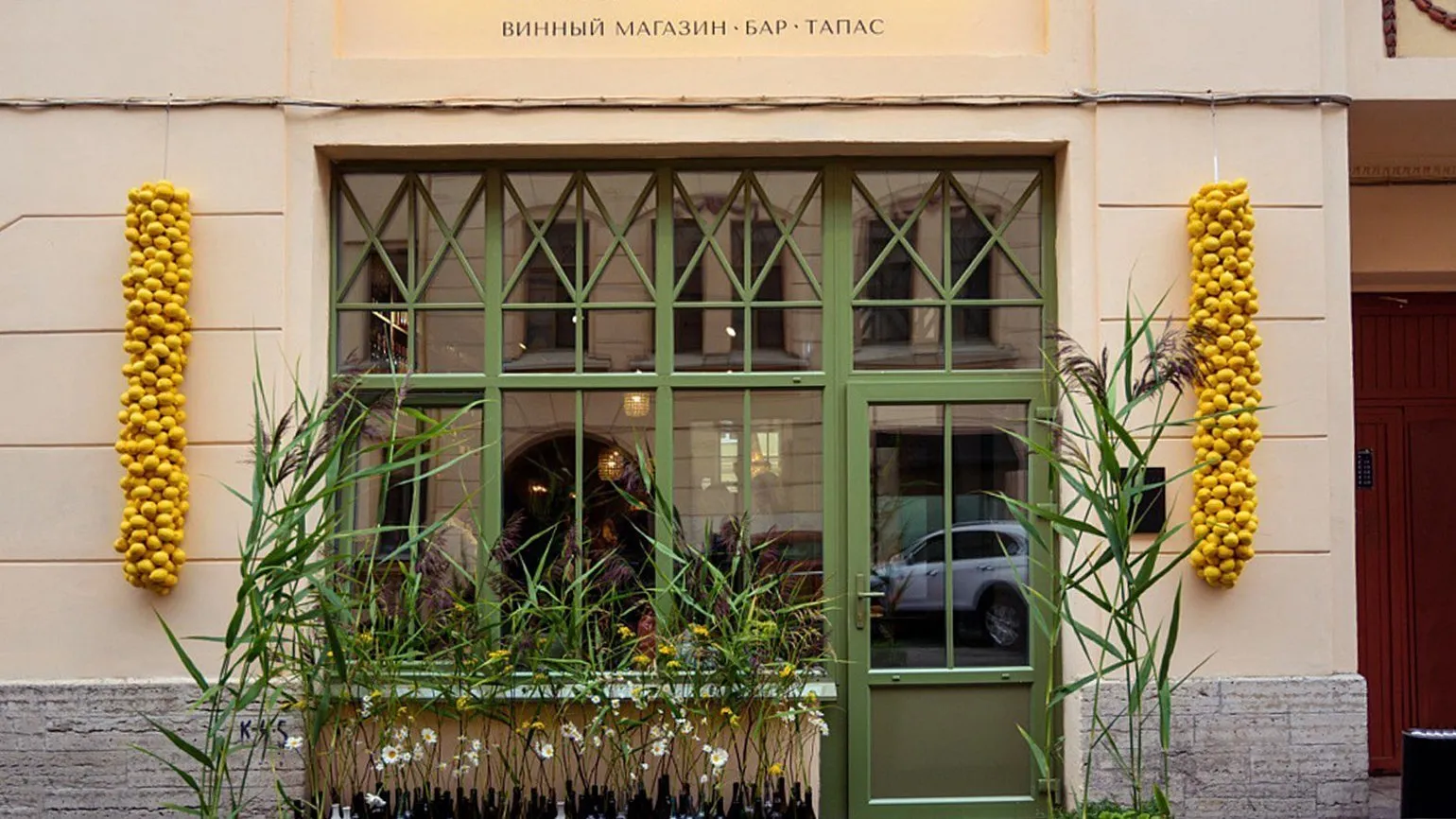
The profession of a florist may seem easy at first glance, but in fact, it requires deep knowledge in various fields and the ability to effectively apply this knowledge. A florist must have an understanding of botany, composition, color combinations, and plant care. The ability to work with clients and create unique floral solutions is also an important part of this profession. A good florist can not only create a beautiful bouquet but also take into account the client's wishes, as well as the specifics of the event for which the floral arrangement is being created.
A florist specialist needs certain knowledge and skills to successfully work in this field. Firstly, an understanding of the basics of botany and plant ecology is important, which allows you to correctly select flowers and plants for various arrangements. Secondly, artistic perception and creativity play a key role in creating unique floral works. Knowledge of color combinations and composition principles helps create harmonious bouquets and arrangements. It's also important to know how to use tools and materials, such as scissors, wire, and floral foam. The ability to communicate with clients and understand their needs is another essential aspect of a successful floristry business. In addition, knowledge of modern trends in design and floristry will help you stand out from the competition and attract more customers.
- coloristics and composition;
- materials science - knowledge of the physical properties of packaging and the ability to work with fabrics, foam, plaster, metal, polystyrene foam and their various forms;
- basic botany and gardening;
- flower care and selection of the right plants for the temperature and humidity in which they will be located;
- the ability to study the context and choose adequate visual solutions;
- creativity, attention to detail and accuracy;
- good communication and presentation skills;
- high-quality customer service - understanding how to build and develop it;
- basic sales and marketing, especially knowledge of how to work with the target audience.
Soft skills, known as soft skills, play as important a role as professional skills. A florist must not only know the techniques for creating arrangements but also be able to interact with clients to help them make informed choices. A florist must be able to analyze clients' desires and needs, empathize with them, and create arrangements that will suit their specific situation and expectations. These skills help build trust and improve the quality of service, which in turn affects the success of a floristry business.

Reading is an important aspect of our lives, contributing to the development of thinking, broadening horizons and improving communication skills. It helps us absorb new information, immerse ourselves in different cultures and enjoy fiction. Regularly reading books, articles, and other materials not only enriches our vocabulary but also develops analytical skills.
Today, there are numerous sources of information available online. This allows everyone to choose a format and topic that suits their interests. Reading scientific articles, blogs, fiction, or specialized publications helps you stay up to date with the latest trends and open new horizons.
Don't miss the opportunity to enrich your knowledge and improve your skills. Read regularly, and you will see how it will positively impact your life and career.
A Complete Analysis of Composition Rules: Theory and Examples
Composition is a key aspect in art and design, determining how elements interact with each other within a piece. Understanding the basic rules of composition allows you to create more harmonious and attractive works. In this text, we will examine the basic principles of composition and provide examples illustrating their application.
Among the basic rules of composition are the rule of thirds, balance, contrast, leading lines, and focus. The rule of thirds involves dividing an image into nine equal parts using two vertical and two horizontal lines. Important elements should be placed at the intersections of these lines, which helps create a more dynamic and interesting picture.
Compositional balance is achieved through the even distribution of the visual weight of the elements. This can be either symmetrical or asymmetrical balance. Symmetrical balance is created by an equal distribution of elements on both sides of the central axis, while asymmetrical balance is achieved by using elements of varying weight and size that nevertheless create a sense of balance.
Contrast in a composition helps highlight key elements and create visual interest. This can be achieved through the use of different colors, textures, shapes, and sizes. Leading lines direct the viewer's eye and help create depth and perspective. They can be straight or curved, but should always lead to the main subject of the composition.
Focus is the element on which the viewer should focus their attention. This can be achieved through the use of contrast, color, and the element's placement within the frame. Proper focal point allows the main message of the work to be effectively conveyed.
Learning the rules of composition not only improves visual content creation skills but also promotes a deeper understanding of art. By mastering these principles, artists and designers can create more expressive and memorable works.
Floristry represents a variety of disciplines, not just a single profession. There are many specializations within this field, each with its own characteristics and nuances. Florists can create bouquets for various events, design weddings, develop floral installations for events, and even care for plants. Each of these specializations requires specific skills and knowledge, making floristry a multifaceted and interesting field.
- Event floristry. This is the design of events—exhibitions, forums, presentations, client days, festivals, and concerts. They use not only cut fresh flowers, but also artificial ones, plants in pots and tubs, and a wide variety of decorative materials—paper, cotton wool, foamiran, and dried herbs. Event floristry often requires the ability to maintain a corporate style and create decor that matches the brand book. Typically, this work is one-time or project-based for florists. They do not work as full-time employees, but as contractors for the agency organizing the event.
- Interior floristry. To create a cozy atmosphere and a relaxed mood, the interiors of hotels, cafes, and shops are decorated with floral arrangements. Sometimes these are cut flowers, replaced with fresh ones every day, as in luxury boutiques and upscale hotels. Sometimes they are bouquets of dried flowers and other natural materials, as in trendy bistros. But most often, potted plants are used. The designer's task is to create a floral decor that will express and emphasize the concept of the place. In this niche, florists usually work with one client for a long time: they make seasonal decorations, update plants and flowers.
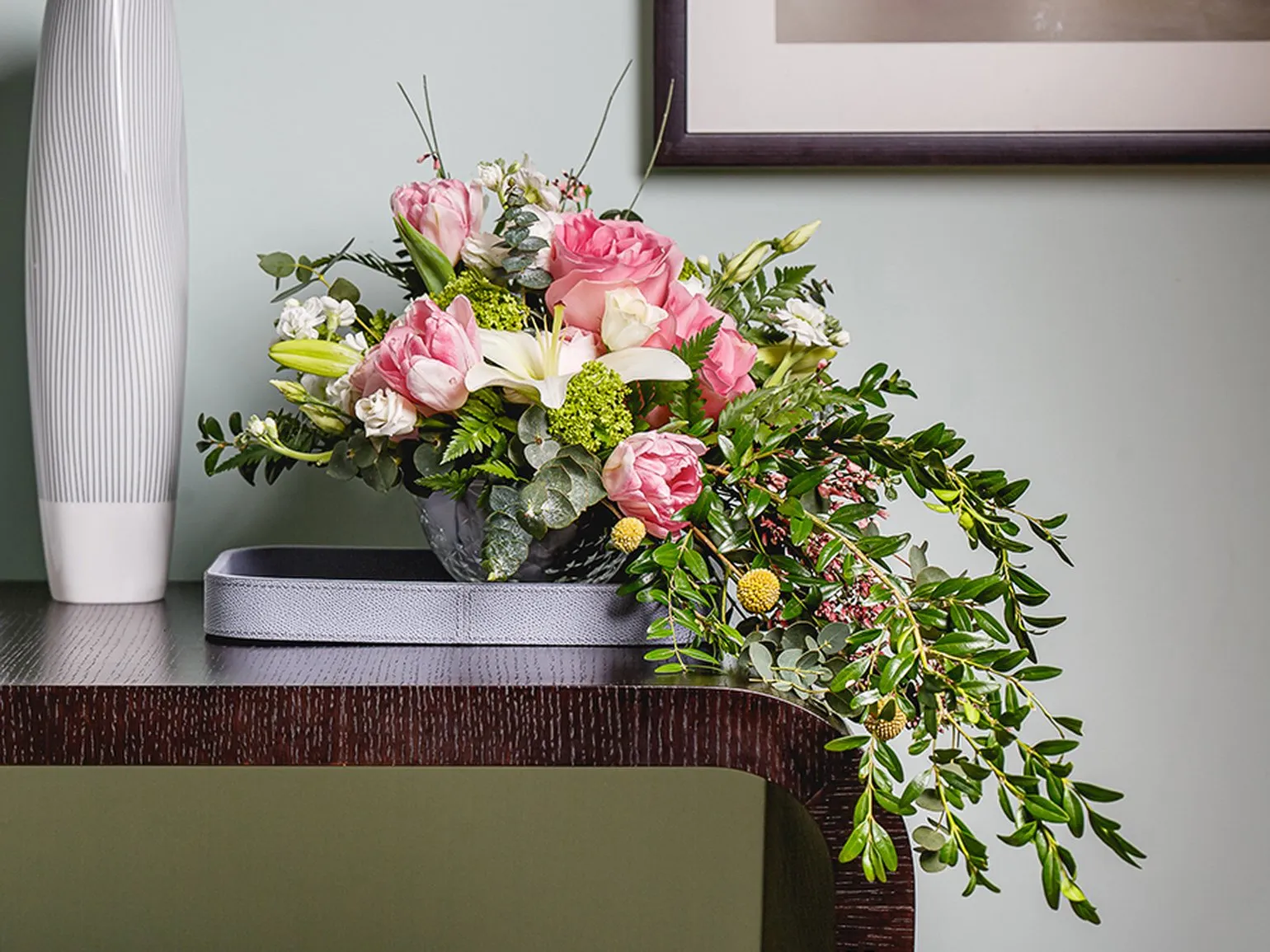
- Wedding floristry. In this area, the florist works in a team with the wedding planner: developing, approving, and implementing the concept for decorating halls and tables. But the special focus in wedding floristry is always on accessories: the groom's boutonniere and the bride's bouquet.
- Bouquet design. Composing bouquets for holidays, important personal events, or simply pleasant gestures is a specialty. A florist must be able to select the right combinations of plants for the occasion. And since flowers are most often a symbolic gesture, the florist must convey a certain idea or emotion in the design of a bouquet.
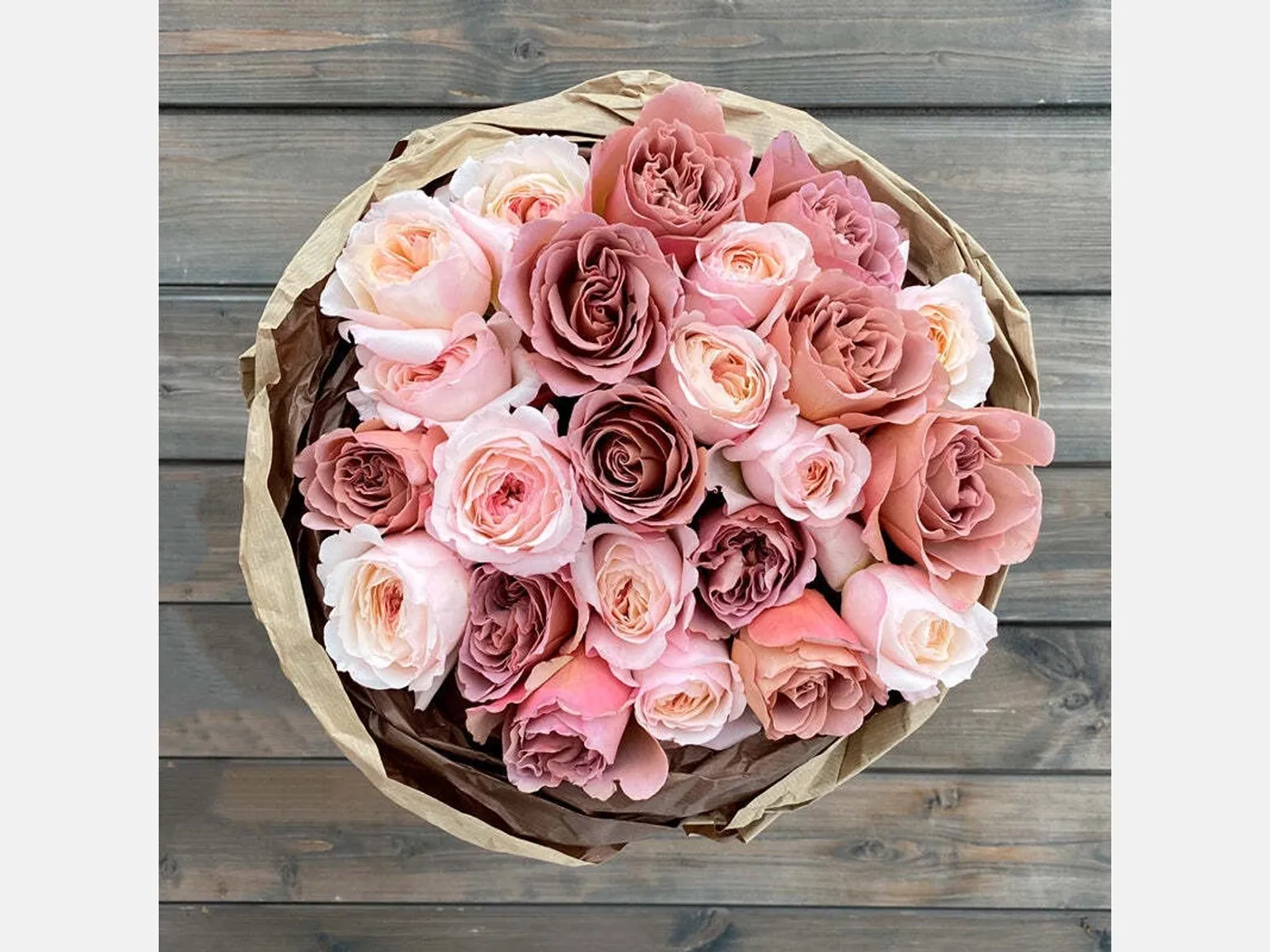
Floristry is a multifaceted field that encompasses various specializations. As with any profession, there are distinct areas, each requiring specific skills and knowledge. Florists may specialize in creating wedding bouquets, event design, developing floral arrangements for interiors and landscapes, or selling plants and accessories. Each of these specializations involves unique techniques and a creative approach, making floristry an exciting and diverse field.
- Event floristry. This involves decorating events such as exhibitions, forums, presentations, client days, festivals, and concerts. These events utilize not only cut flowers, but also artificial flowers, plants in pots and tubs, and a variety of decorative materials such as paper, cotton wool, foamiran, and dried herbs. Event floristry often requires the ability to maintain a corporate style and create decor that matches the brand book. Typically, such work is one-time or project-based. They are not employed by the company, but rather contracted by the agency organizing the event.
- Interior floristry. To create a cozy atmosphere and a relaxed mood, the interiors of hotels, cafes, and shops are decorated with floral arrangements. Sometimes these are cut flowers that are replaced with fresh ones every day—for example, in luxury boutiques and high-end hotels. Sometimes these are bouquets of dried flowers and other natural materials—as in trendy bistros. But most often, potted plants are used. The designer's task is to create a floral decor that will express and emphasize the concept of the place. In this niche, florists usually work with one client for a long time: they make seasonal decorations, update plants and flowers.
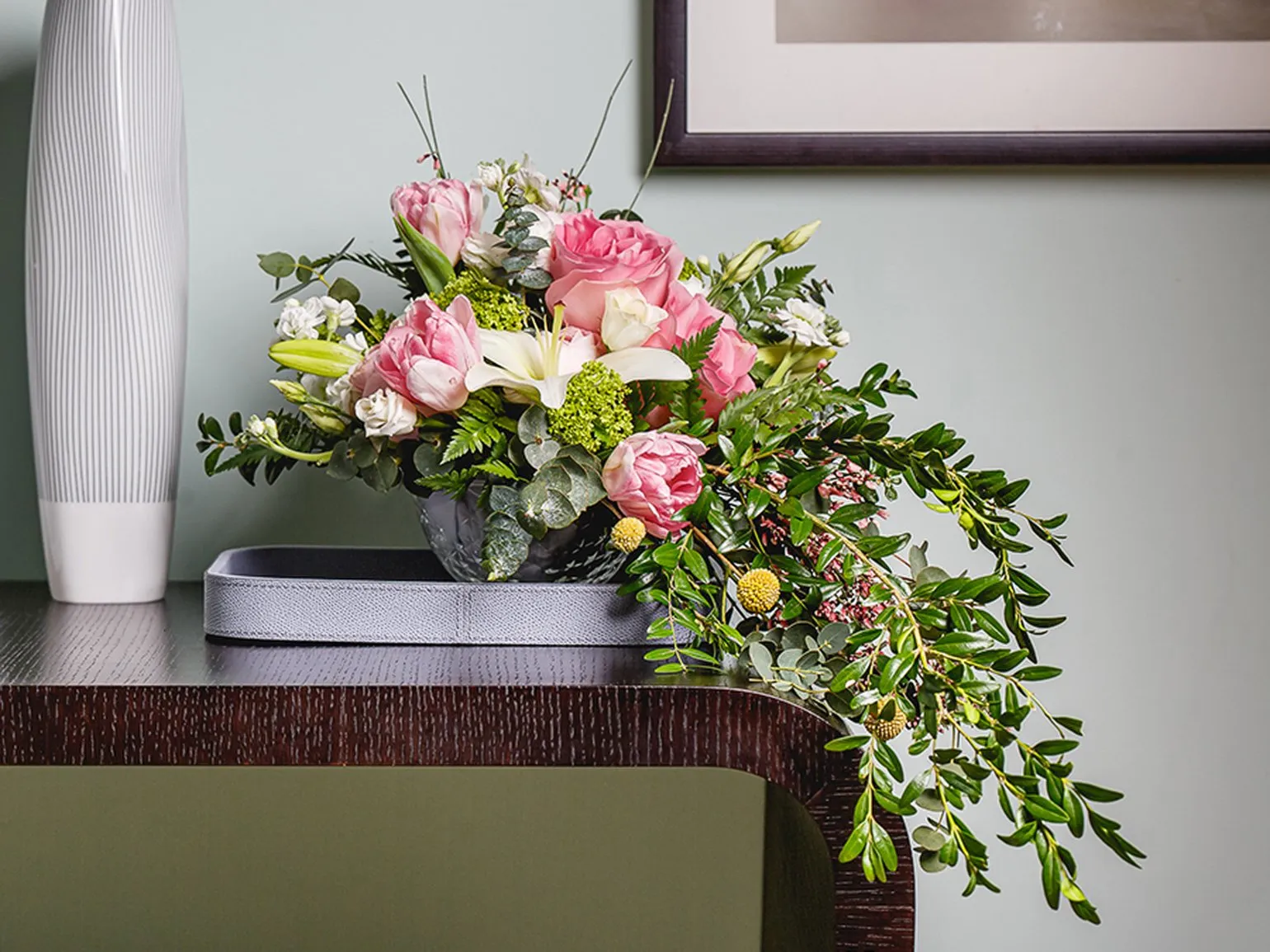
- Wedding floristry. In this area, the florist works in a team with the wedding planner: developing, approving, and implementing the concept for decorating halls and tables. But the special focus in wedding floristry is always on accessories: the groom's boutonniere and the bride's bouquet.
- Bouquet design. Composing bouquets for holidays, important personal events, or simply pleasant gestures is a specialty. A florist must be able to select the right combinations of plants for the occasion. And since flowers are most often a symbolic gesture, the florist must convey a certain idea or emotion in the design of a bouquet.
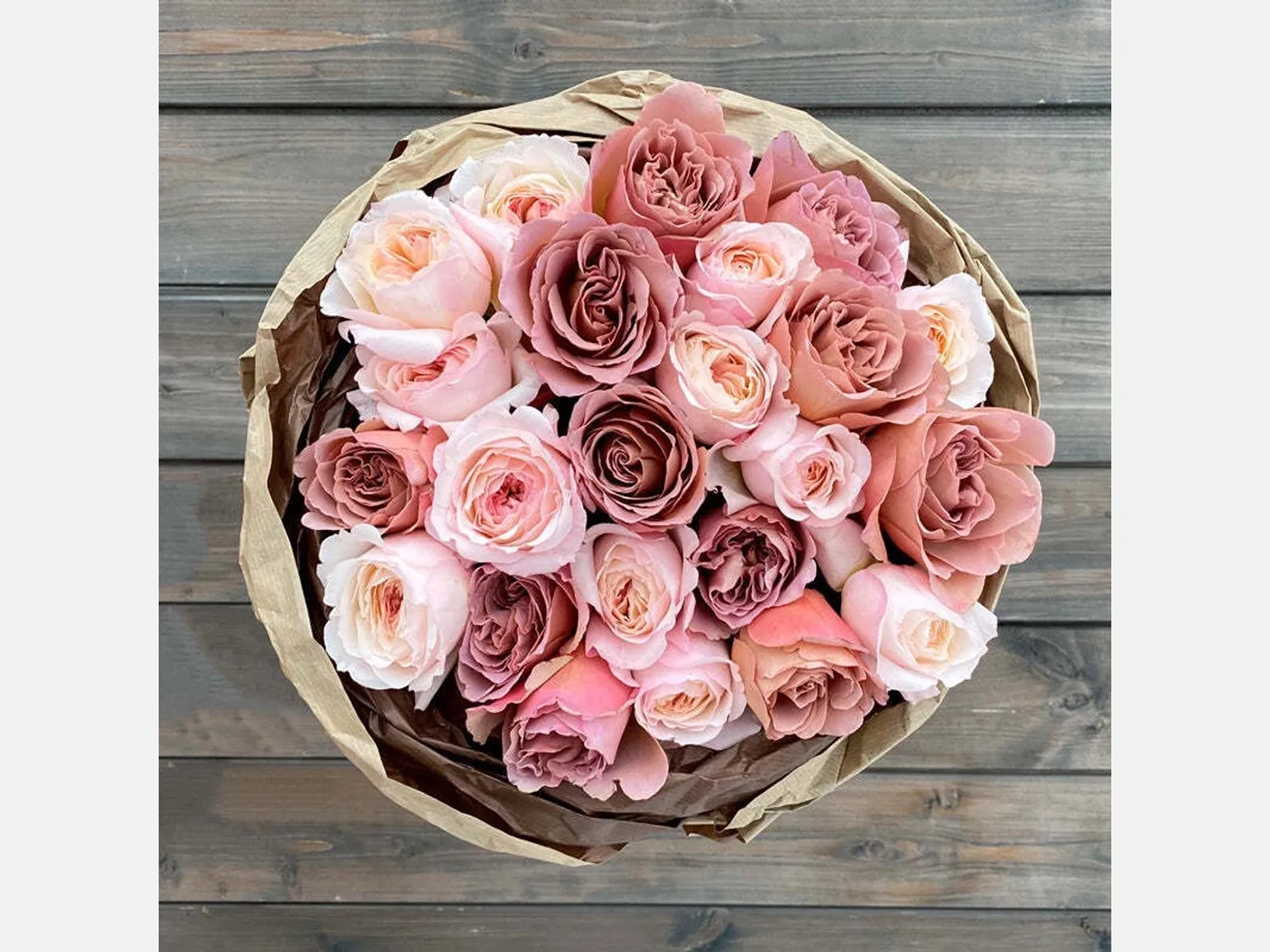
A florist has several areas of expertise within their profession. Let's look at the main ones.
- Flower shops. Customers need flowers every day; there are a huge number of flower shops, and each one requires a florist. Their responsibilities include creating bouquets for customers, caring for plants, and working with the cash register and suppliers.
- Interior design and decor studios. Some studios offer all-inclusive interior design projects: they rent out spaces to clients filled with household items and decor, including flower arrangements, ornamental grasses, and potted plants. They also create set designs for photographs, which always include flowers.
- Event agencies. These firms take on large orders for decorating wedding halls, special events, and exhibitions. They work not only with living plants, but sometimes even with complex engineering structures!
- Landscaping companies. Entire teams work here: designers, florists, engineers, and planners. They carry out orders for landscaping and decorating private areas, parks, and squares.
- Freelance. As a side job, you can take on one-off orders for holidays—for example, making special bouquets for Valentine's Day. For this type of work, you can post ads offering your services on Avito.

Read also:
A landscape designer is a specialist who develops and implements projects for the improvement of open spaces. Their work encompasses the creation of aesthetically pleasing and functional landscapes, including parks, gardens, courtyards, and public spaces.
A landscape designer's primary responsibilities include site analysis, plant selection, path and water feature design, and lighting and hardscape planning. An important part of their work is taking into account climate conditions, soil, and ecosystem features to create a harmonious space that will please the eye and provide comfort to people.
A landscape designer works closely with clients to understand their wishes and needs, and offers ideas for improving existing landscapes. Their work requires not only artistic taste but also technical knowledge, which allows them to successfully combine aesthetics and functionality.
Thus, a landscape designer plays a key role in creating attractive and sustainable natural spaces that enrich people's lives and contribute to the improvement of the environment.
The Florist PRO program will help you master the profession of a florist and create an attractive portfolio. You'll gain knowledge of working with cut and potted plants and learn how to create bouquets and arrangements using various techniques. You'll also master event design and interactions with suppliers and clients. Equally important is the ability to market your services, which will help you stand out in the market and attract more clients.
Learn more about the world of design by subscribing to our Telegram channel. Here you'll find the latest news, helpful tips, and inspiration for your projects. Stay up-to-date with the latest trends and improve your skills with us.
Also learn:
- A florist doesn't just arrange bouquets—they also clean flowers and wash refrigerators.
- "Creativity in floristry is about 40–45 percent, but there are also moments of true joy."
- Interview with florist Artem Salmin.
Profession Florist PRO
You will learn to create complex bouquets and work with potted plants. You will be able to decorate weddings or interiors. Master a creative profession, improve your florist skills, or start your own business.
Find out more