Contents:

Try 4 top design professions. Free ➞ In 5 days, you will get acquainted with illustration, UX/UI, web, and graphic design. Add four compelling case studies to your portfolio and decide on your next direction.
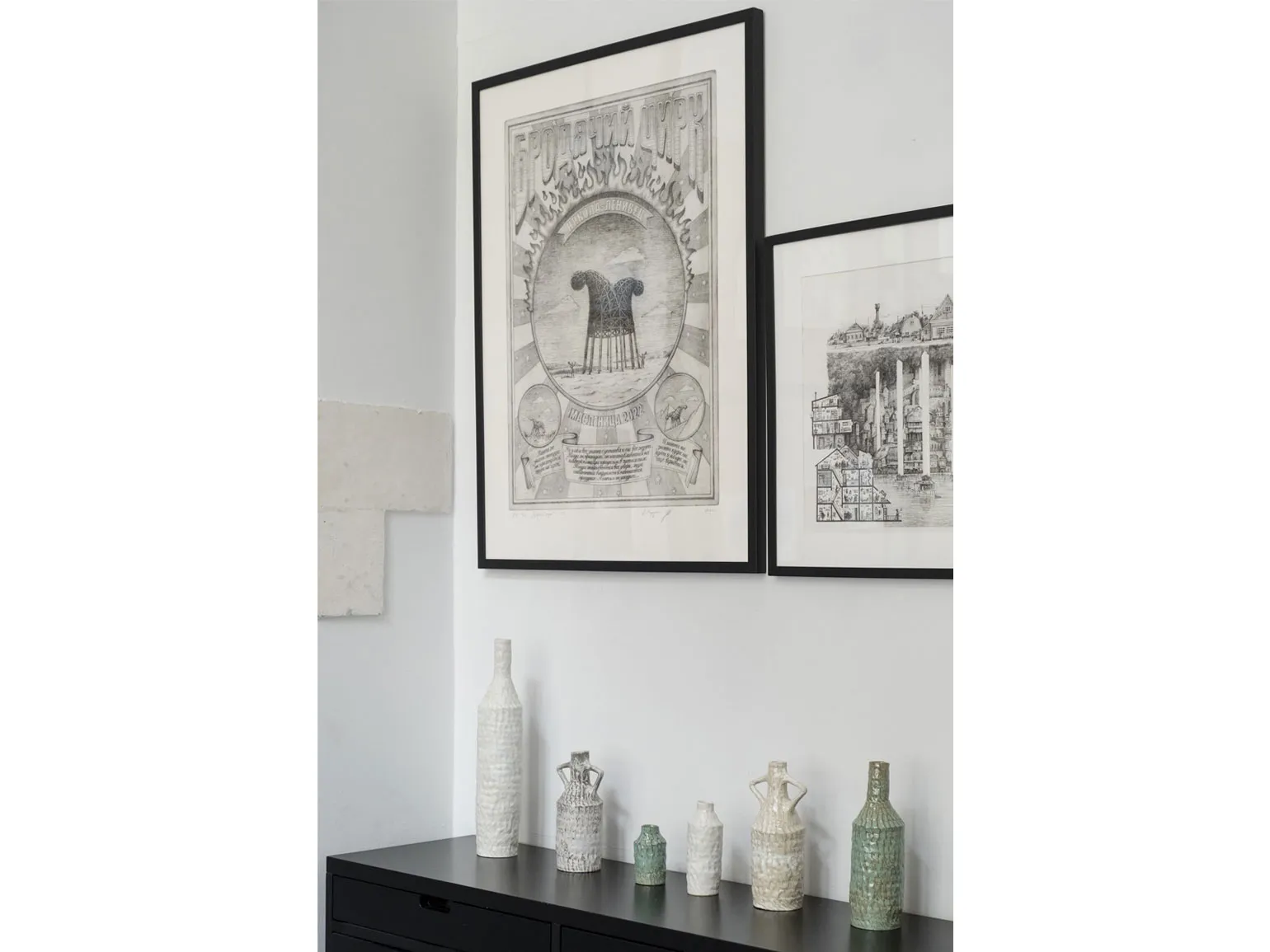
Learn moreThe Quattro Morpha exhibition is on view at Set Projects Gallery until April 30, 2025. This project focuses on the hidden skills of architects, presenting them as artists. The exhibition includes a variety of works: drawings, prints, photographs, and objects. These works depart from traditional architectural drawings and calculations, demonstrating freer and more creative formats. The Quattro Morpha exhibition provides a unique opportunity to see architectural thinking in a new light and appreciate the versatility of architects' professional skills.
We discussed important aspects of preserving and exhibiting graphics and prints with Anna Bryntsalova, the gallery's founder. She also shared tips for setting up an exhibition space that allows for the most effective conveyance of the unique characteristics of these artistic formats. Proper design and organization of an exhibition play a key role in the perception of works of art, and also contribute to their preservation.

Collector and director of the Set Projects gallery, which deals with contemporary art. His work focuses on promoting emerging artists and organizing exhibitions that foster cultural dialogue. Set Projects Gallery actively participates in art events and collaborates with various institutions, which helps draw attention to contemporary art and its significance in society.
The gallery space has an intimate atmosphere that harmoniously complements the works and graphics on display. Please tell us about the process of creating this unique space.
Set Projects Gallery has a narrow focus on graphic art. As a collector of graphic art, I strive to popularize this medium and attract more attention to it. Despite the limited space in Gostiny Dvor, we create conditions for a deep appreciation of graphic art, offering unique exhibitions and events that help viewers better understand and appreciate this art.
Initially, the space was conceived as a showroom; previously, it housed the Shaltai Editions gallery of printed graphics. We continued its work after the project ceased to exist, but part of the collection remained. It features works by renowned conceptual artists, including Andrei Monastyrsky and Viktor Pivovarov. These works remain in our collection, allowing us to preserve and develop our cultural heritage.
The space was designed for Shaltai Editions by the architectural firm Blockstudio, led by Natalia and Ivan Trofimov. Since launching under the Set Projects brand in June 2023, the gallery has significantly expanded its specialization to encompass all types of graphics. The concept of the space is fully consistent with its functions, offering ideal conditions for exhibiting printed sheets and graphic works.
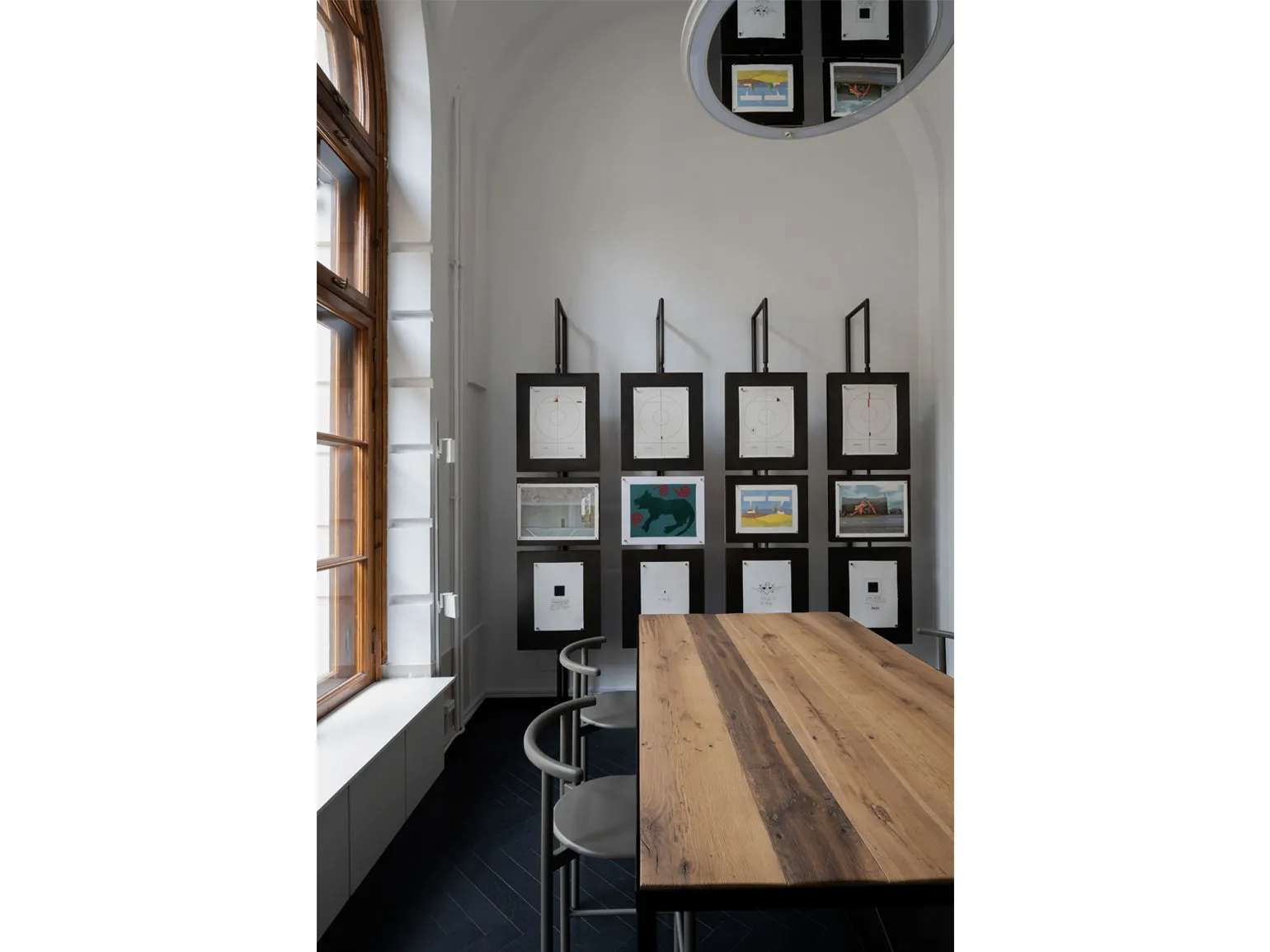
The rotating metal panels attract attention thanks to their unique double-sided design. This allows for easy changing of the display or the creation of two different layouts. The graphic elements on the panels are attached with magnets, ensuring ease and convenience of use. Such panels are ideal for interiors, adding style and dynamics to any space.
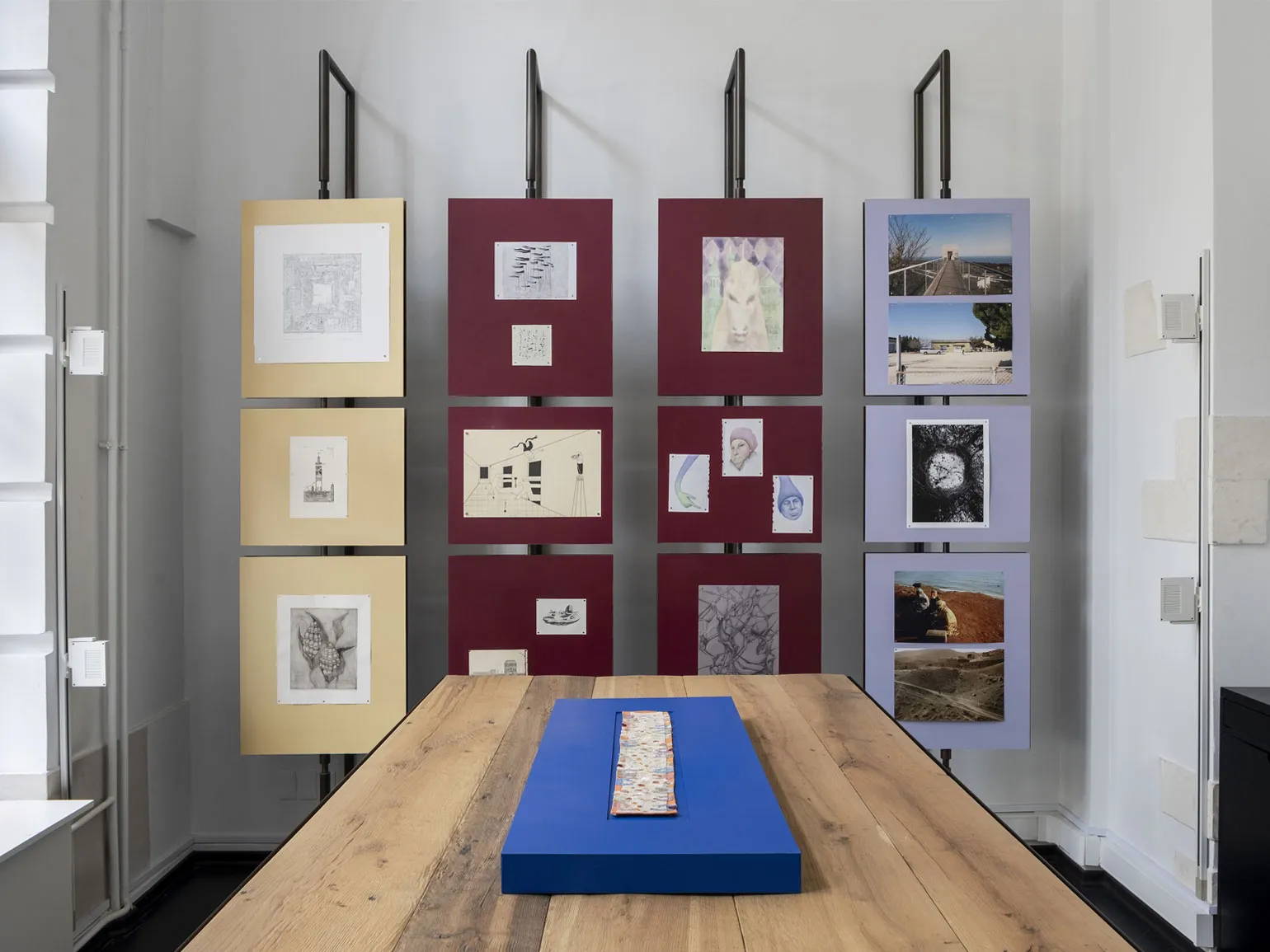
The graphics are presented as unique A medium that demands special attention. Its small scale encourages closer examination and personal interaction with the viewer. The ability to rotate the metal panels allows for a detailed examination of their details. The construction of these panels is reminiscent of early printing presses, establishing a connection with mass-produced graphics. This creates a sense of solidity and strength, emphasizing the metallic character of the works.
At our exhibition, we will present architects' graphics on panels, as well as their works in various formats. This will create a logical connection between the presented works and emphasize the diversity of the architects' creative approaches.
Choice The selection of curators is based on a thorough analysis of their professional experience and qualifications. The main criteria are relevant education, experience in the field, and a track record of successfully completed projects. We also consider recommendations and client reviews, which allow us to assess the reputation and competence of candidates. Furthermore, the curators' ability to work in a team and their approach to organizing the process are important. This approach ensures high-quality work and customer satisfaction.
Our gallery is small, and we do not have a permanent curator. Sometimes I independently organize exhibitions on topics that are close to my heart. One such exhibition was the group exhibition "Mycelium." I also invite curators with whom I would be interested in collaborating. This allows us to diversify our projects and bring new ideas to our exhibition practice.
The first project in our space after reopening as Set Projects in September 2023 was curated by Alexey Maslyaev. This step helped legitimize the rebranding, new name, and positioning. We sought to attract an experienced and established curator who could reimagine our collection and integrate the artists we plan to collaborate with in the future. This approach allows us to create a deeper connection between the project and its audience, as well as expand the horizons of our creative work.
For the current exhibition, I personally invited the curators, and we selected the artists through an open competition. Our goal was to attract architects of various ages and from different cities. We received over a hundred applications and, in collaboration with architects Petr Ivanov and Ksyusha Karavaeva, selected only practicing professionals, which became an important criterion for us. This made it possible to create a rich and diverse exhibition reflecting modern trends in architecture.
In I'm currently preparing for an important event. This could be exams, a conference, or an important meeting. I'm focused on learning the necessary information and practicing to achieve the best possible outcome. Preparation includes planning, research, and practice, allowing me to approach the challenges ahead with confidence.
How are things going with the gallery? In keeping with our name, Set Projects, where "projects" means project, and "set" means set and readiness for action, I always think in terms of projects. This exhibition is almost ready, and I'm already planning the next important project. We will be participating in the Kontur fair, dedicated to graphics.
In May, there will be a solo exhibition of the artist Polina Uvarova. We are already actively preparing for the event, and thoughts about the upcoming project are beginning to occupy our minds. It's important to note that in our gallery process, projects naturally overlap. This creates a dynamic atmosphere and allows us to offer viewers a variety of artistic initiatives. Polina Uvarova's exhibition will be an important step in our development and in attracting attention to contemporary art.
The gallery team consists of professionals passionate about art and culture. Each team member brings unique skills and experience, allowing us to create diverse and engaging exhibitions. We strive to collaborate with artists, curators, and art experts to ensure the high quality of the works presented and the events held. Our team actively works to develop the cultural space, organizing exhibitions, lectures, and master classes that attract a wide audience. We believe in the power of art as a means of communication and strive to make it accessible to everyone.
The gallery consists of a small team of three people, including myself. Our team includes our manager, Nastya, and Masha, who is responsible for SMM and designs. Our well-coordinated work allows us to effectively implement projects and successfully promote our services on social media.
We outsource an accountant and an installer. This allows us to focus on core business processes, ensuring high-quality services and cost optimization. Outsourcing our accounting department ensures professional accounting and compliance with all legal requirements, while a qualified installer ensures high-quality work. This approach allows us to increase our company's efficiency and improve customer service.
The latest artist to become a resident of our gallery is a talented master of contemporary art. His works are distinguished by a unique style and profound meaning, which attracts the attention of both professionals and art lovers. We are proud to present his work within our gallery and are confident that his pieces will become an important part of our collection.
At this stage, I do not enter into exclusive agreements with artists. However, we have excellent working relationships with some authors, and I am confident that this can lead to long-term collaboration.
This year, at Cosmoscow, we presented the works of the young artist Margarita Gushchenets as part of the circulation section. She specializes in hand-printing techniques and differs from many artists in that she completes all stages of the process herself. Margarita works with both linocuts and etchings, placing particular emphasis on the printing technique. For her, it is not simply a means of conveying an idea, but an integral part of her artistic message, making her works unique and expressive.
My interest in the intimate format of graphic art stems from its unique capabilities in conveying detail and texture. Intimate graphics allow me to create works that emphasize subtleties and nuances often unnoticeable in larger formats. This art requires careful attention to composition and lighting, which makes each work special. Furthermore, the intimate format creates an intimate atmosphere, allowing the viewer to delve deeper into the work and establish a closer connection with the artist. This style of graphic art is ideal for conveying emotions and meanings, making it extremely appealing to artists and viewers.
It happened by chance. However, looking back at my collection, I realize that 80% or even 90% of my work is graphic art. I value this format for its privacy and personal nature. Graphic art allows me to express my thoughts and feelings more intimately, creating a unique connection between the work and the viewer.
Graphics play a key role in the work of artists, representing not only a sketchy medium but also a full-fledged means of self-expression. For many artists, graphic art becomes an important stage in the process of creating art, allowing them to clearly convey their concept. The artist's individual style is clearly evident on the graphic sheet, making each work unique. Thus, graphic art is not just a preliminary step, but an important element of the artistic process, allowing for a deeper understanding of the creator's inner world and their ideas.
I prefer small-format art and do not see myself surrounded by huge canvases in my apartment. This format allows me to frequently update the exhibition, which adds variety to the interior and creates a unique atmosphere in the home. Small-format artworks easily adapt to any design style, making them an ideal choice for art lovers.

Be sure to check out additional materials on the topic.
Style: A Visual Guide to the Eras
Visual style is a reflection of the cultural and historical changes that occurred during different eras. Each era has its own distinctive features that manifest themselves in architecture, fashion, art, and design. Studying styles allows us to better understand how society and its values have transformed over time.
Classicism, Baroque, Romanticism, Art Nouveau, and Postmodernism—all these styles highlight the unique aspects of the times in which they arose. Classicism emphasizes harmony and proportion, while Baroque is characterized by drama and an abundance of detail. Romanticism, in turn, focuses on emotion and individualism, and Art Nouveau introduces new ideas, combining functionality with aesthetics.
Studying the visual styles of eras helps not only understand the origins of modern trends but also predict their future development. It is an essential tool for designers, historians, and anyone interested in culture. A visual guide to eras is becoming a useful resource for those seeking a deeper understanding of the connections between art, history, and society.
Some artists downplay their sketches and graphic works, considering only large oil or acrylic canvases to be true works. Does your gallery collect exclusively from artists for whom graphic art is their primary medium, or do you also consider purchasing sketches from artists who do not view them as serious works?
The graphic art market perceives graphic art differently than the artists themselves. Many creators do not exhibit their graphic works because they are more difficult to sell and have a lower value. Even if graphic art is not considered solely as a sketch, exhibiting it presents significant challenges. This is because graphic art is less durable than mediums such as canvas and oil.
In 2022, I worked as a manager for the renowned artist Valery Chtak, who became famous for his large, semi-installation canvases. We set ourselves the task of sorting through his archive, which included a large box of graphic works. Valera treated these pieces with great care, although he rarely displayed them publicly. We scanned the graphics in their entirety and saved all the materials on Yandex Disk. Although he did not consider these works suitable for exhibition, I am confident that this archive represents an important stage in his creative journey.
Recalling his work, I notice that the process of his thought process is clearly evident in them. Valera actively worked with text and words, which is clearly reflected in his graphics. His works display a variety of experiments with language, highlighting his unique style and creative approach.
Exposing graphics is an important aspect of visual art that can significantly influence the perception of the work. To achieve the best results, several key points should be considered. First, lighting plays a crucial role. It is optimal to use a soft, diffused light environment to avoid harsh shadows and glare. Secondly, it's important to choose the right exposure level to preserve detail in both the highlights and shadows of the image.
Also, pay attention to the angle of view. The right angle can emphasize the composition and make the graphics more appealing. Using various exposure devices, such as projectors or monitors, requires careful adjustment of brightness and contrast to achieve maximum effect.
Don't forget to choose a background design that harmonizes with the graphics and doesn't distract attention from the main image. Finally, experiment with different exposure methods to find the optimal solution for each specific work. This will help you create visually appealing and memorable works.
I've developed a professional deformation: I always pay attention to the frame. Frankly, I realize that high-quality frame can be quite expensive. Even a simple wooden frame is expensive. If we're talking about museum glass, the price is three times higher than ordinary glass. However, a good frame plays a key role in the overall aesthetic of a work of art.
I have a folder on my phone with examples of graphic framing. Designers are currently actively experimenting with new approaches. For example, instead of a traditional mat, they use a backing, which adds volume to the work. This helps emphasize uneven edges or the fact that the sheet looks like it was torn from an album. As a result, such works become not just two-dimensional but truly three-dimensional objects.
I am disconcerted when I encounter graphics made on plastic materials at fairs. Yes, this solution is more economical and easier to transport, since plastic does not break. However, it also loses the graphic sheet's value. The plastic surface has an unsightly glare and sometimes forms bubbles. While glass is certainly more expensive and may break during transit, I believe it's better to display graphics on magnets to ensure good visibility and highlight their artistic value.
I recently acquired the latest work for my personal collection. This piece of art caught my eye with its unique technique and depth of content. I always strive to expand my collection with works that are not only aesthetically pleasing but also have significant artistic significance. This latest purchase has become an important addition to my collection, reflecting my tastes and preferences in art.
I invest significant effort, attention, and resources into developing my gallery, so I have become less likely to acquire things for myself.
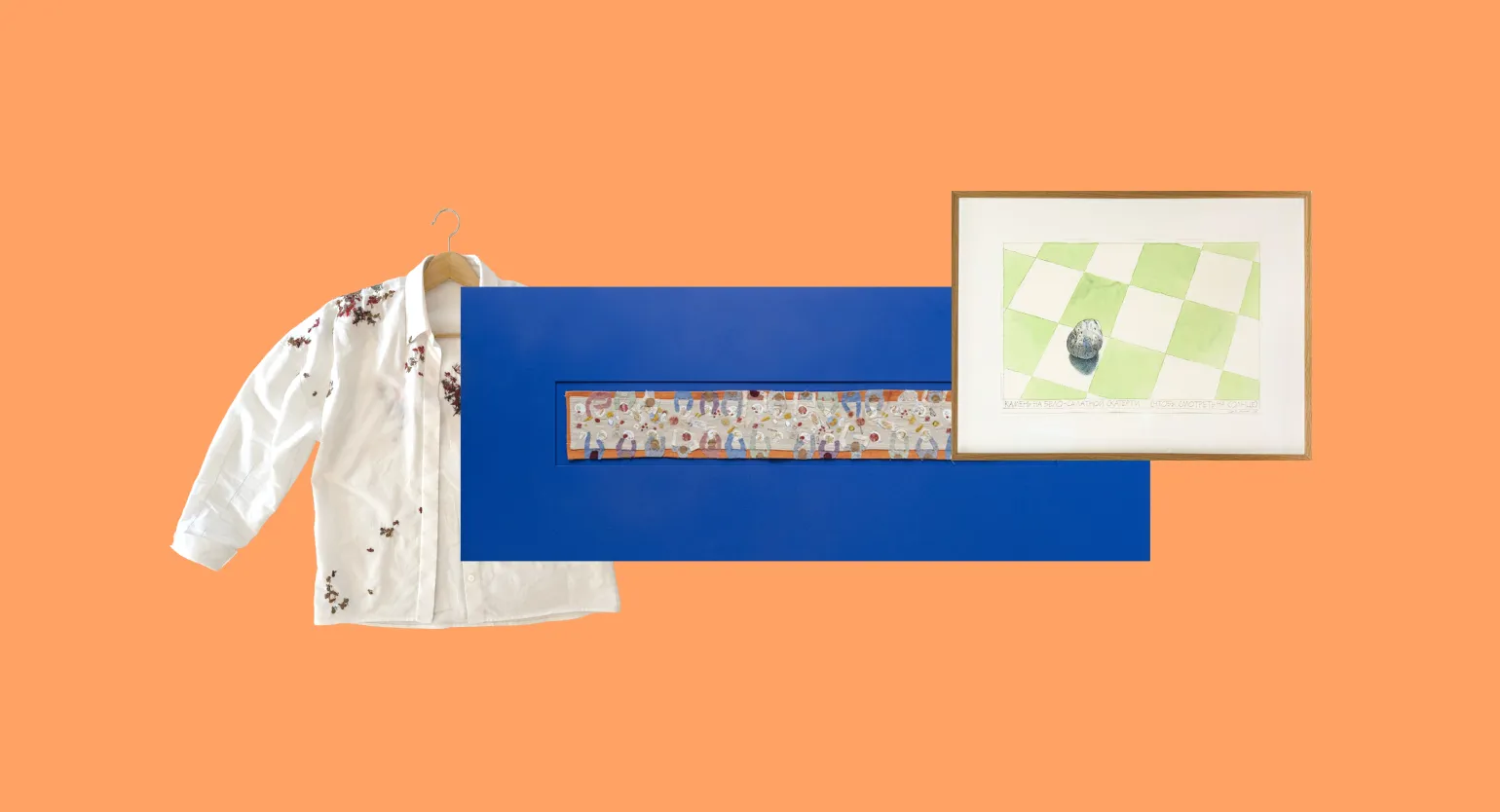
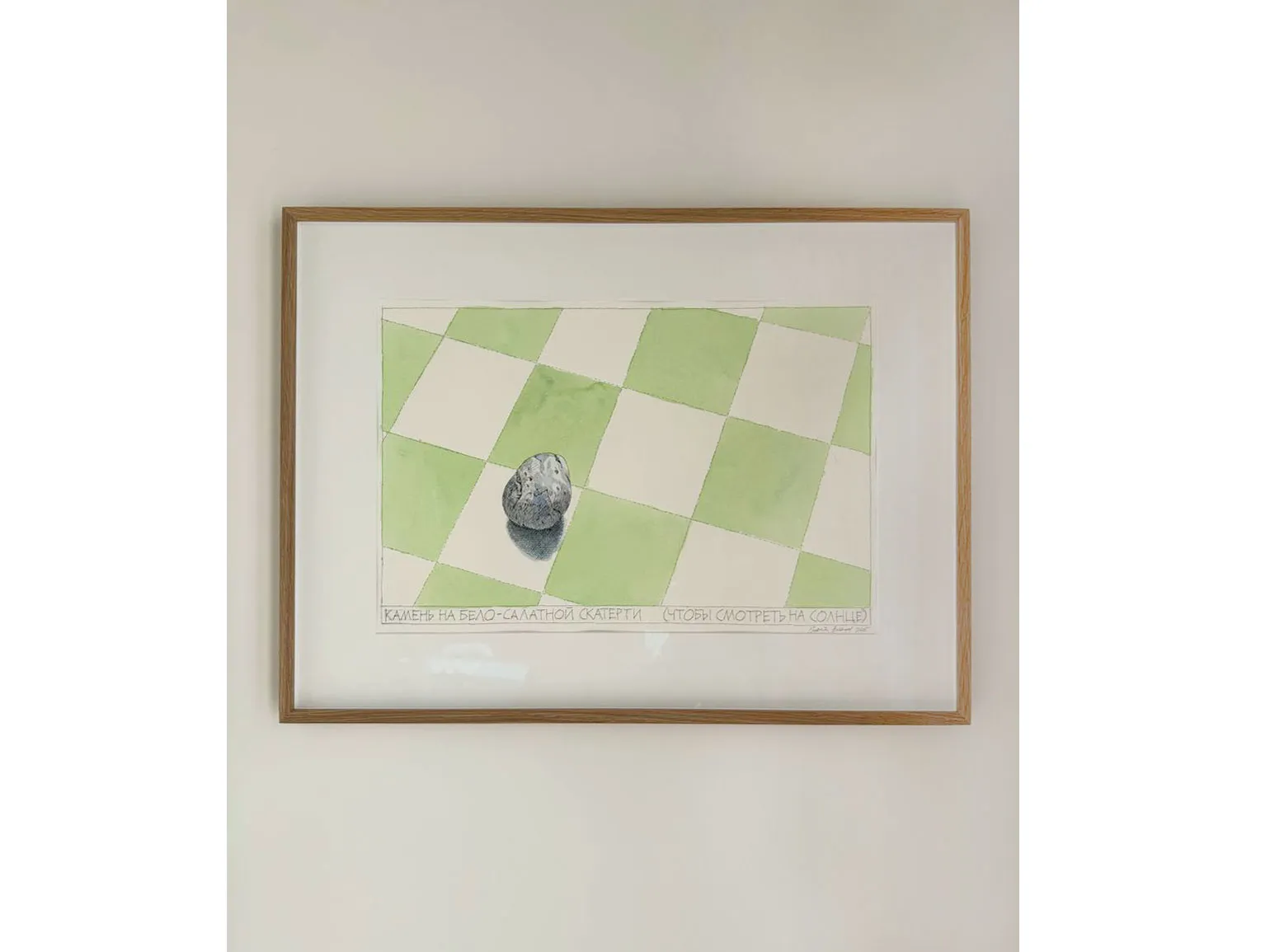
In 2024, I acquired a graphic work by Nikita Alexeev from the Iragui Gallery. The concept of this series is that different stones are arranged on different tablecloths, and each of them has its own unique purpose. I spent a long time choosing which stone was right for me.
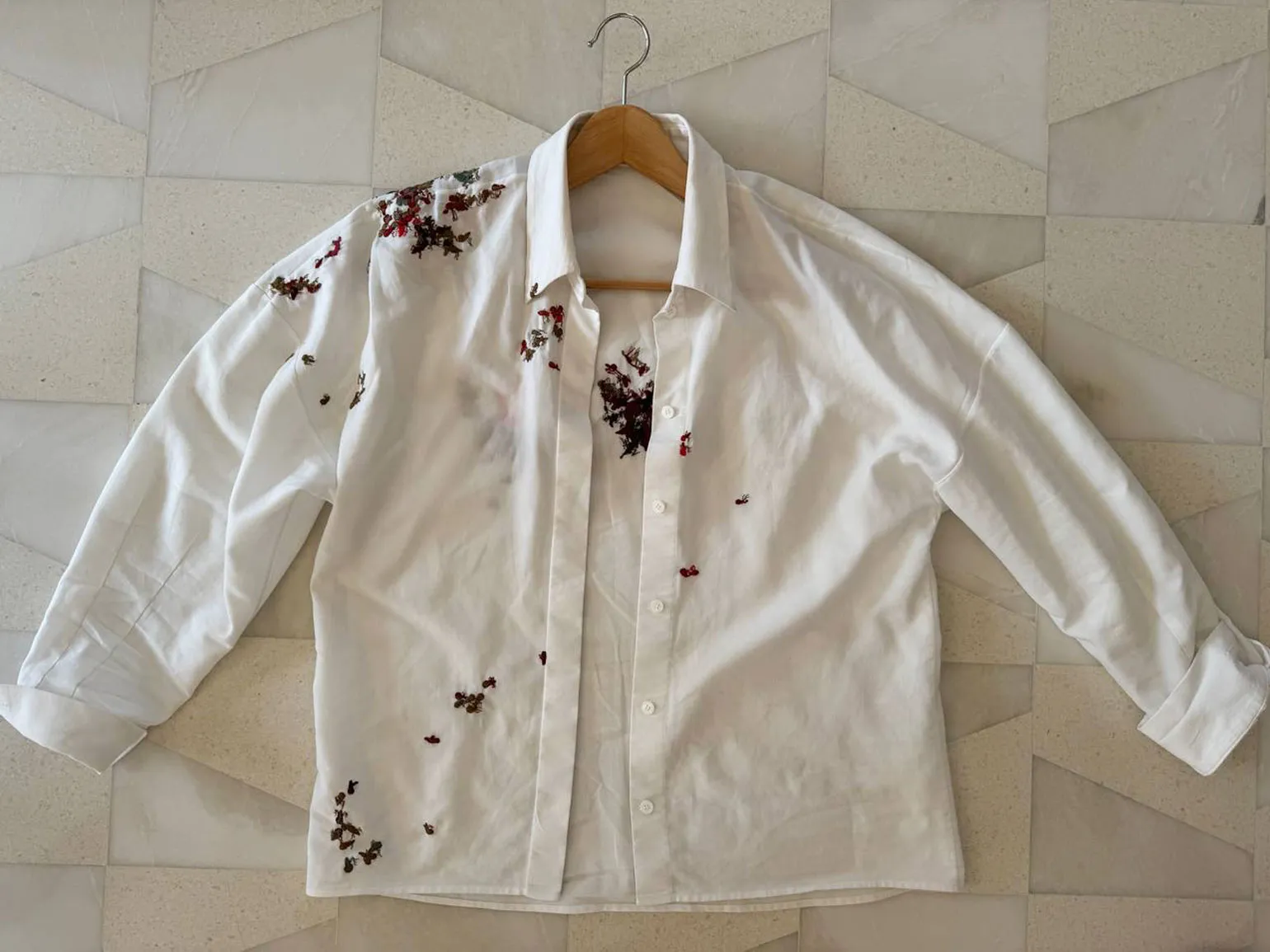
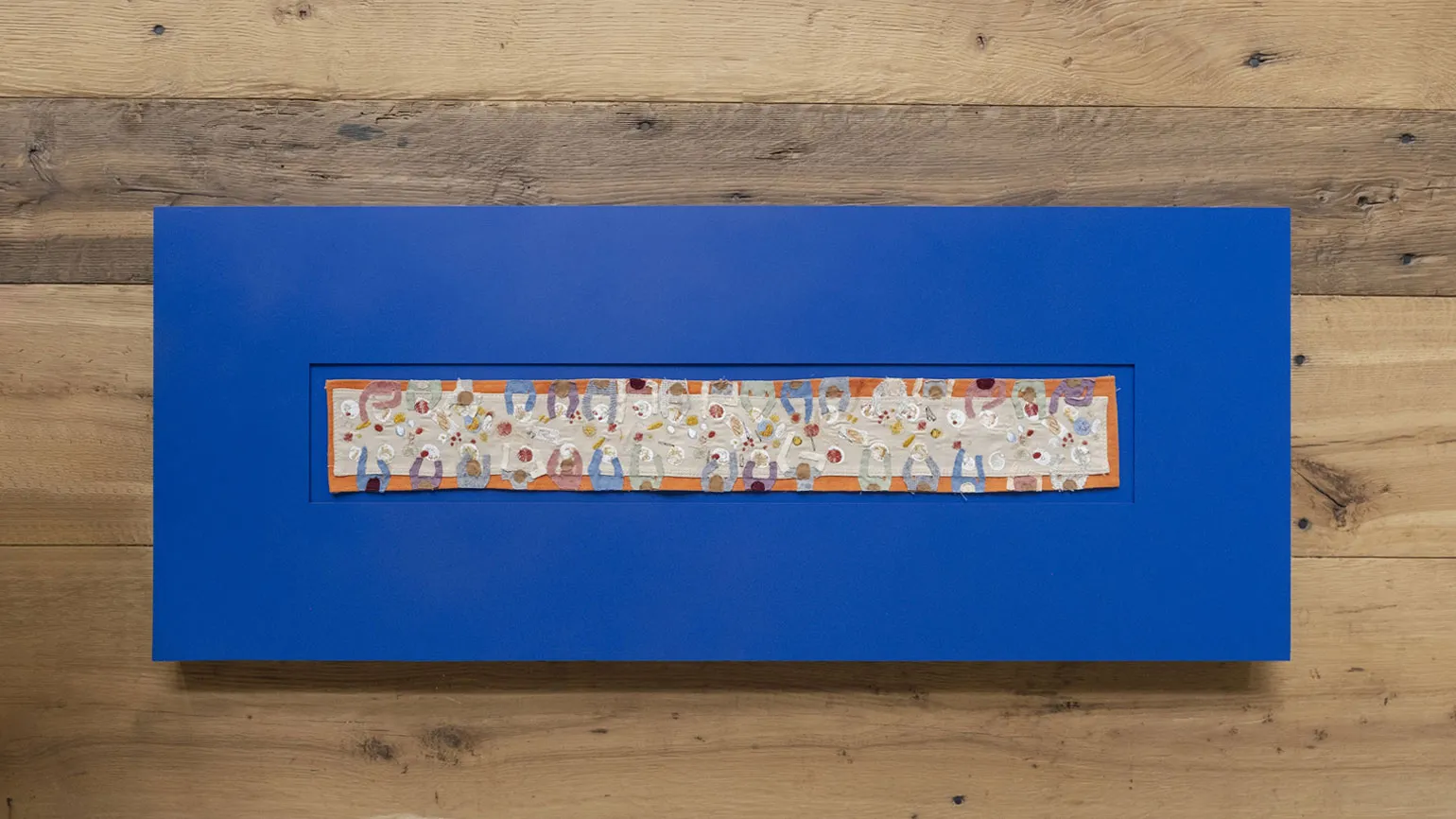
Recently I I approached Kazan artist Zukhra Salakhova to embroider a shirt in her unique style. She created a stunning design depicting an anthill with ants crawling across the fabric. Due to delivery delays, Zukhra decided to include her small piece in the package as a gift.
Preserving graphic works at home is an important aspect for artists and Designers. Several methods can be used for secure storage. One of the most effective is creating digital copies. Scanning or photographing your artwork allows you to preserve it in high quality and prevent physical deterioration.
Also, it's a good idea to organize your files on your computer by creating separate folders for different projects or categories of work. Don't forget to back up your data to cloud services or external drives to prevent loss of information.
If you prefer to store originals, use archival folders or special portfolios that protect the artwork from damage and moisture. Storing it vertically also helps prevent creases and folds. Make sure the storage location is protected from direct sunlight and temperature changes.
Therefore, proper storage of graphic works not only preserves their integrity but also makes it easy to find the necessary materials in the future.
There are several important rules for storing graphics that will help protect them from negative influences. It is recommended to store the artwork in a folder horizontally. Placing them vertically on a bookshelf can cause warping or deterioration of the paper. It's important to avoid exposing graphics to moisture and sunlight. The surrounding materials should be acid-free, as the acid in cardboard can cause oxidation of the sheets. Wrapping each sheet in tracing paper before folding is ideal. If you decide to frame your graphics, museum glass is best. It effectively blocks ultraviolet rays, which helps prevent fading and oxidation of the paper, preserving your works in perfect condition for a long time.
Most of my works are framed in regular glass, but I chose to frame Nikita Alekseev's work in museum glass. I also try to avoid placing graphics in direct sunlight. Sometimes I change the display, removing some works and hanging others. This is what I like about graphic art: there is no need to hire a framer to dismantle or rearrange large pieces. These are, perhaps, the main principles that I follow.
Learn more about design by subscribing to our Telegram channel. We share current news, helpful tips, and inspiring design ideas. Join our community and stay up to date with the latest trends.

Read also:
Printed graphics in design: methods for creating a unique style
Printed graphics play An important role in modern design, providing an opportunity to express individuality and creativity. There are many techniques that will help you find and develop your unique style in this field. Experimenting with different materials, colors, and shapes will allow you to create original works that reflect your personality.
One of the main techniques is the use of textures. Adding different textures to printed works can significantly enrich the visual perception and make the design more expressive. It is also worth paying attention to typography: the choice of fonts and their combinations can dramatically change the atmosphere of your project.
The color palette plays an equally important role in printed graphics. The right combination of colors can emphasize the uniqueness of your style and make your works more memorable. Explore different color schemes to find the one that best suits your vision.
Don't forget about composition. Effective organization of elements on the page allows you to create a harmonious and attractive visual work. Experiment with the arrangement of objects, scale, and proportions to achieve the desired effect.
The use of technology is also an important aspect. Digital tools can greatly simplify the process of creating printed graphics, allowing you to quickly make changes and try new ideas.
So, printed graphics are an endless field for creativity. By using various techniques and approaches, you can find your own unique style and create truly impressive works.
Read also:
- The Art of Collaboration: How Partnerships Between Artists, Brands, and Architects Are Transforming Cities
- Let's Hang It Here! An excerpt from the book "The Architecture of Impressions"
- Art in the City: How Art Objects Create New Meanings in the Urban Landscape
- Where to Go in Moscow in March and April: 11 Exhibitions

Profession Graphic Designer PRO
You will learn how to create corporate identity elements and graphics for business. You will put together a portfolio that reflects your style and confirms your design skills. You can start a career in a studio or as a freelancer.
Find out more