Contents:

Try 4 top design professions. Free ➞ In 5 days, you will get acquainted with illustration, UX/UI, web, and graphic design. Add 4 great cases to your portfolio and decide which direction to take next.
Learn moreParametric Architecture
The development of digital technologies in design has become the basis for the emergence of parametric architecture, which is one of the key trends in modern architectural design. The use of programs such as Grasshopper, released in 2007 as a plugin for Rhinoceros 3D, opened up new possibilities for designers. With their help, it became possible to create objects whose forms depend on mathematical functions. This led to the emergence of buildings and structures that were previously impossible to implement. Parametric architecture not only allows for experimentation with forms but also significantly optimizes the design process, which contributes to the creation of unique and innovative architectural solutions.
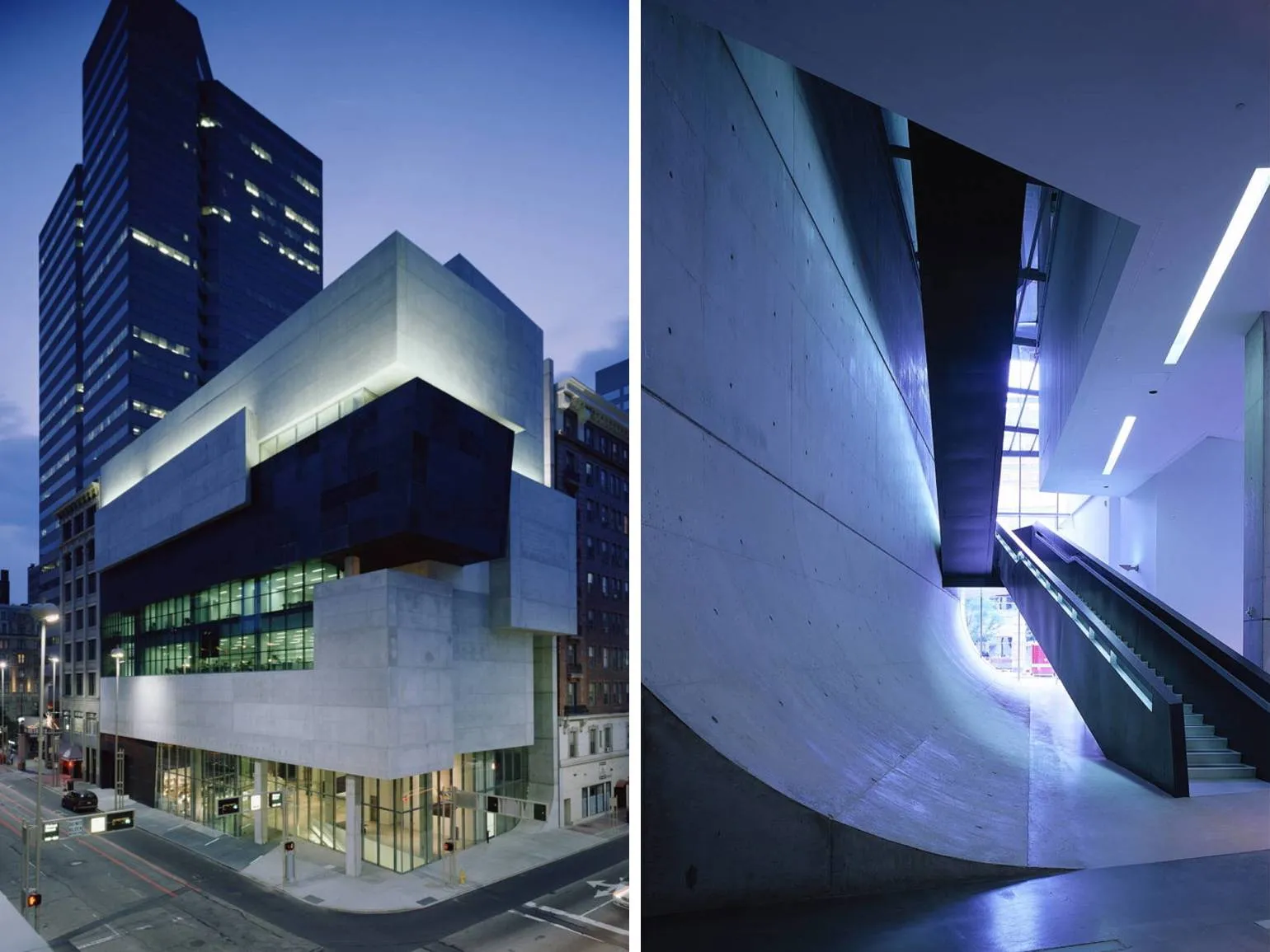
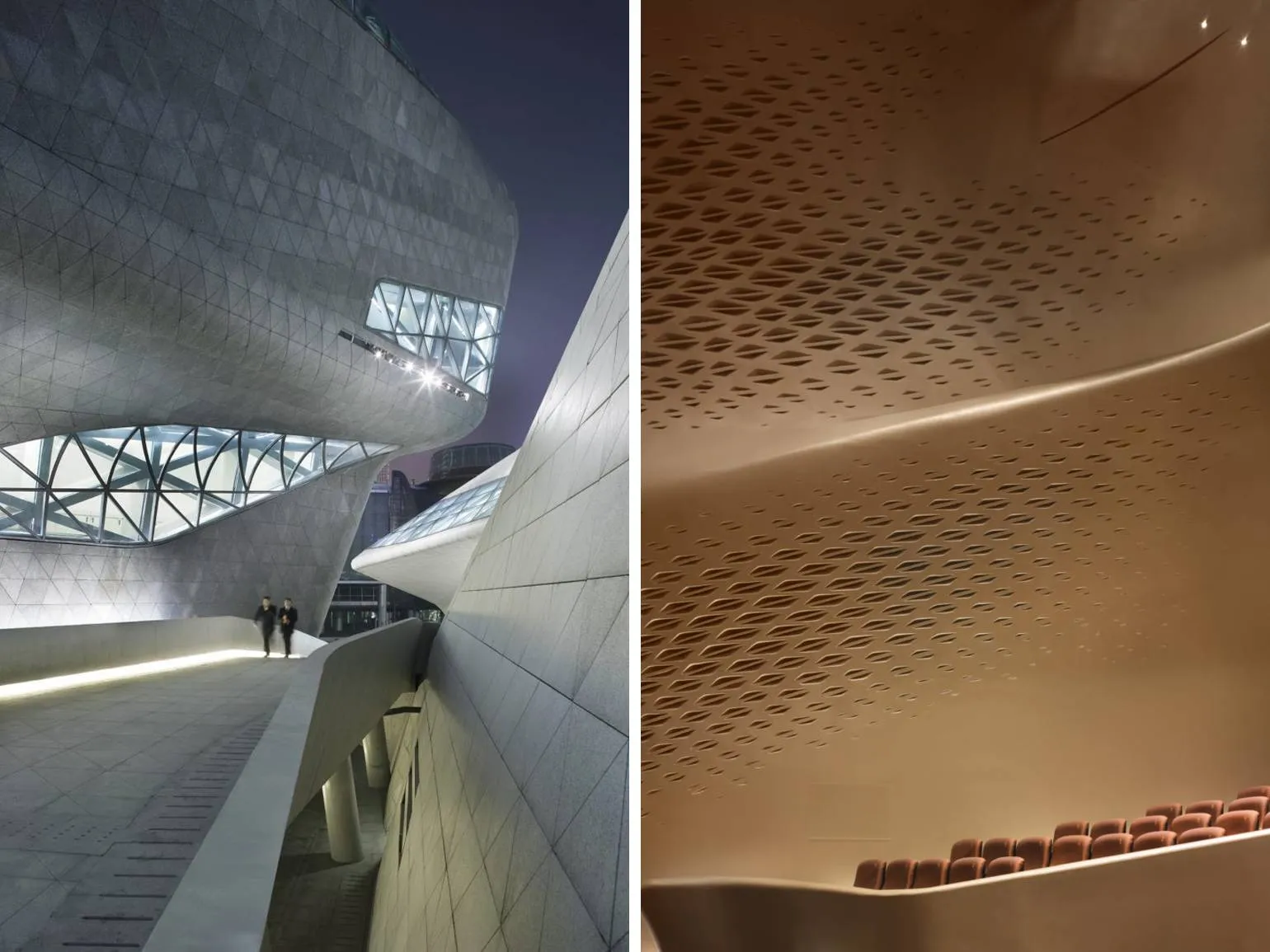
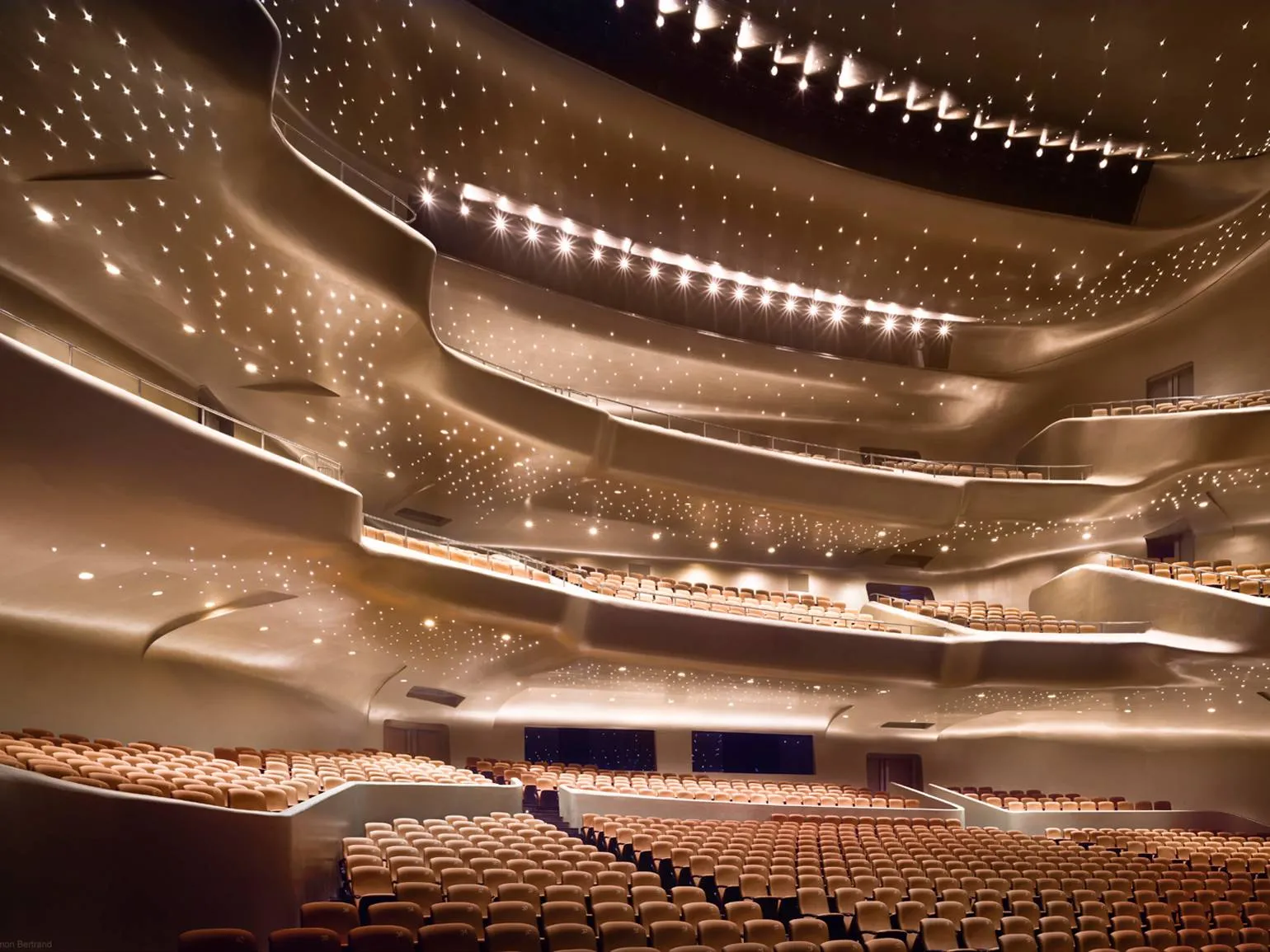
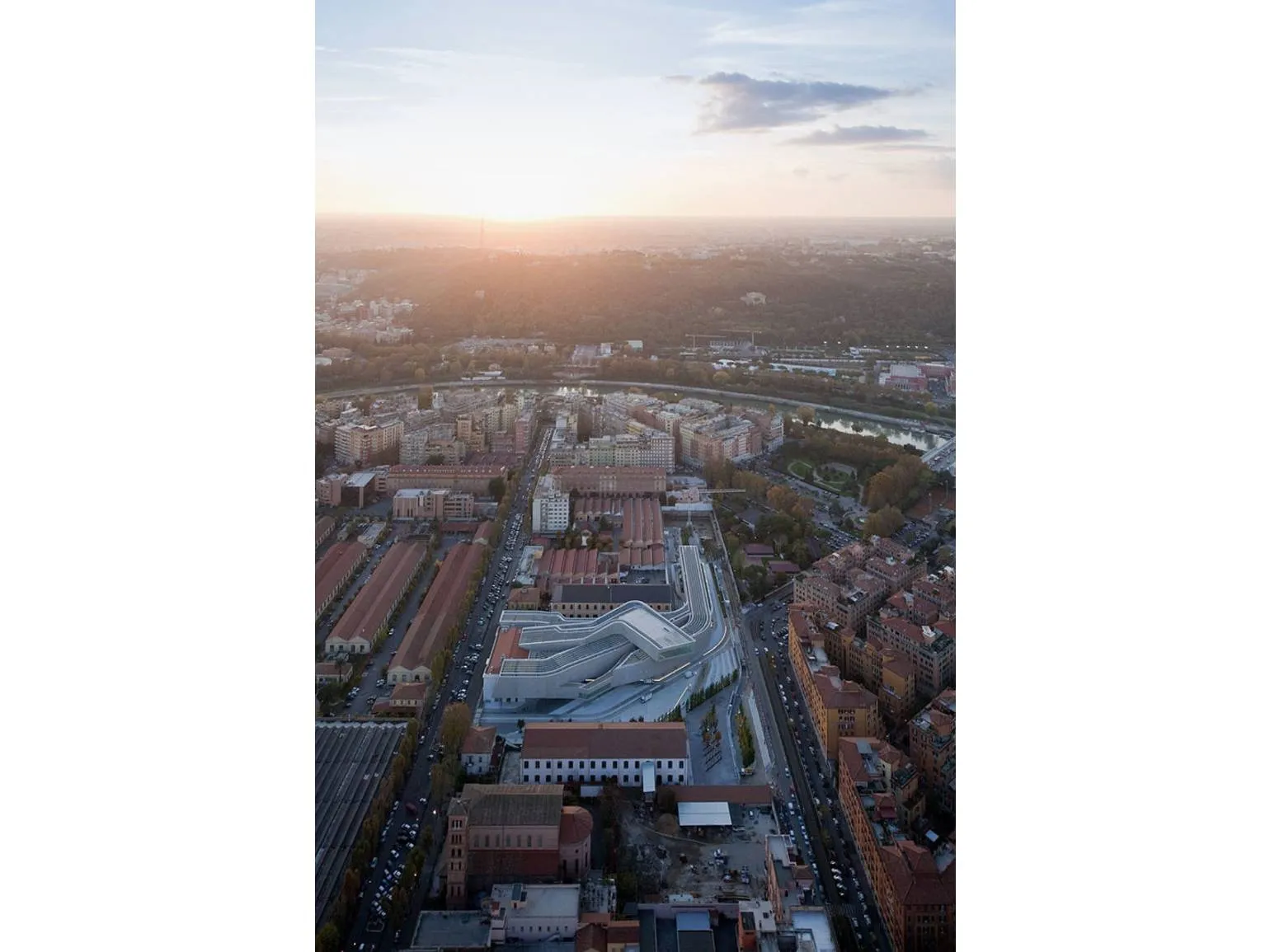
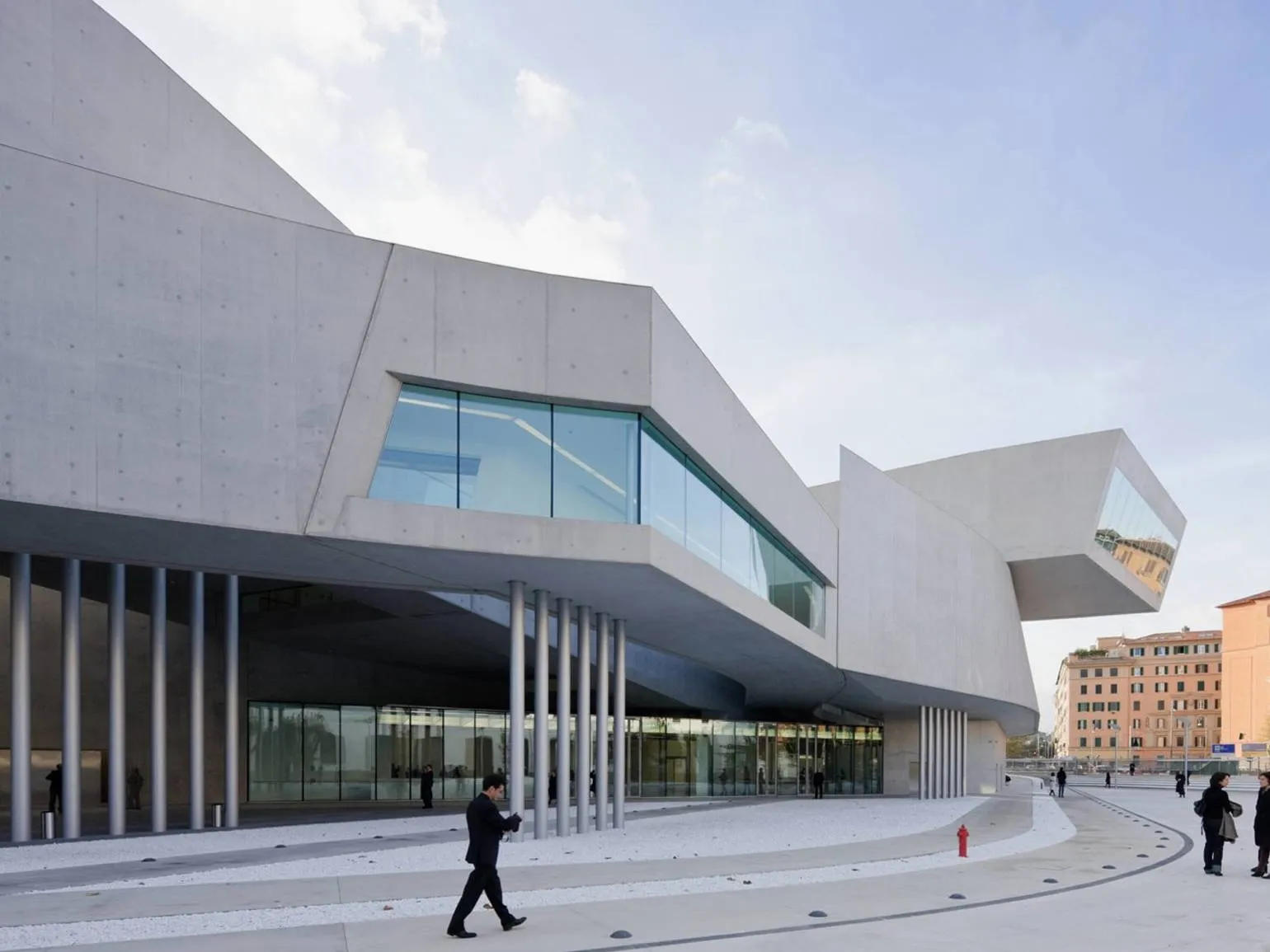
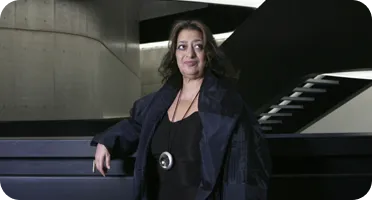
Zaha Hadid is one of the most influential architects in the field of parametric architecture. Her unique buildings, characterized by fluid and organic forms, include such iconic projects as the Cincinnati Contemporary Arts Center (2003), the Guangzhou Opera House (2003–2010), and the National Museum of 21st Century Arts in Rome (1998–2009). Hadid's work not only demonstrates innovative approaches to design, but also influences the perception of modern architectural space.
Reading is an important part of our lives and plays a key role in personal development. It helps to expand our horizons, improve communication skills and critical thinking. Regular reading helps us absorb new information, develops imagination and creativity. In addition, books can serve as a source of inspiration and motivation, which is especially relevant in the modern world. It's important to explore a variety of genres and authors to gain a more complete understanding of the world and different perspectives. Read to enrich your inner world and make your life more fulfilling.
Zaha Hadid: Avant-garde architecture and concrete spaceships
Zaha Hadid is an outstanding architect whose work has become a symbol of avant-garde architecture of the 21st century. Her projects are distinguished by bold forms and innovative approaches to the use of space. Hadid has created a unique style that has been compared to spaceships made of concrete.
Each of her creations is not just a building, but an entire world where functionality and aesthetics are organically combined. Using modern technologies and materials, Zaha Hadid has transcended the boundaries of traditional architecture, making her projects truly revolutionary.
Hadid's most famous works include the London Aquatics Centre and the Museum of Contemporary Art in Rome. These buildings are not only impressive in appearance but also become important cultural centers, attracting the attention of tourists and locals.
Zaha Hadid's architectural designs inspire many architects around the world, and her legacy lives on in new projects that strive for innovation and harmony with the environment. Zaha Hadid's contribution to contemporary architecture cannot be overestimated.
Sustainable Architecture
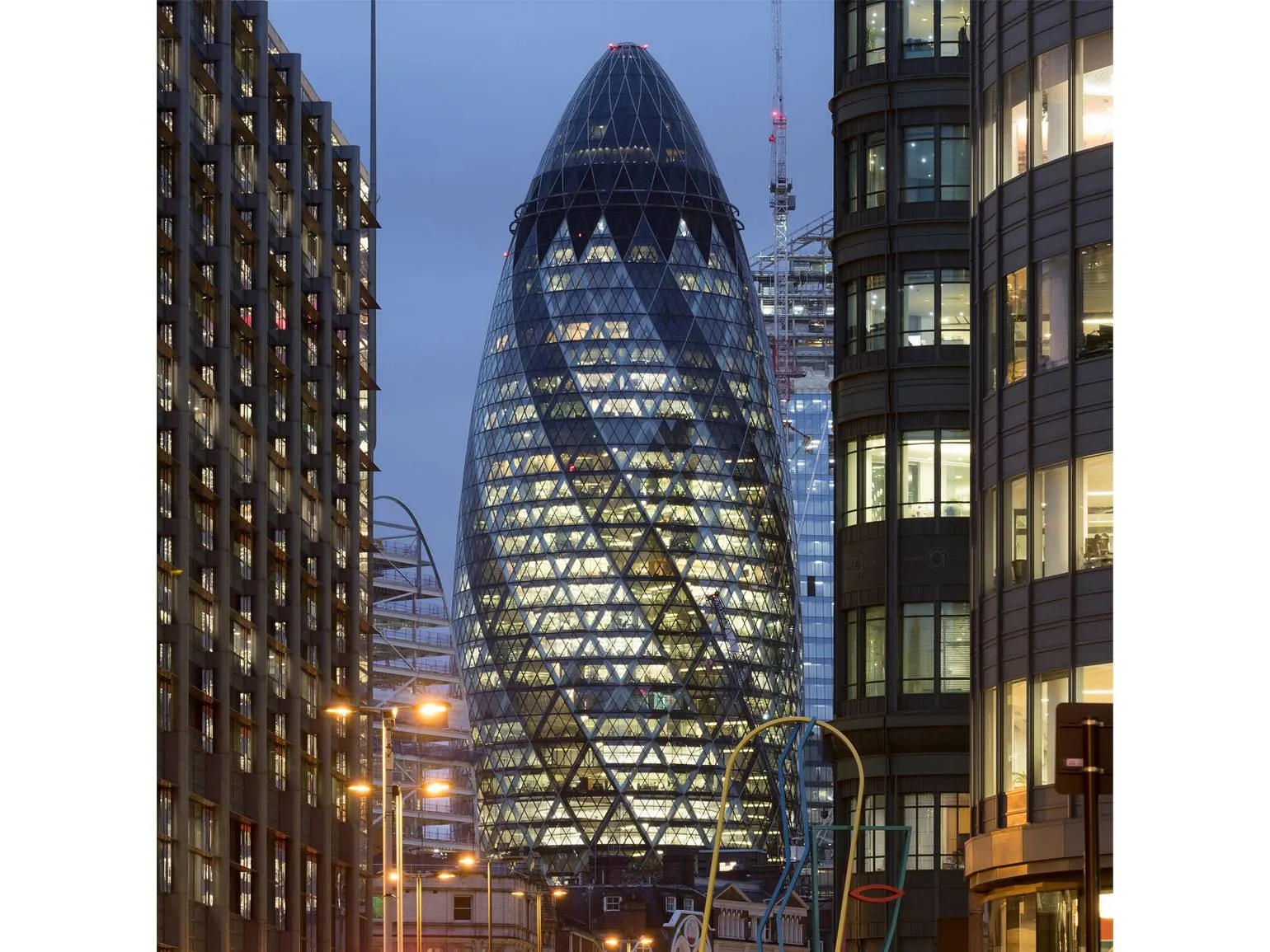
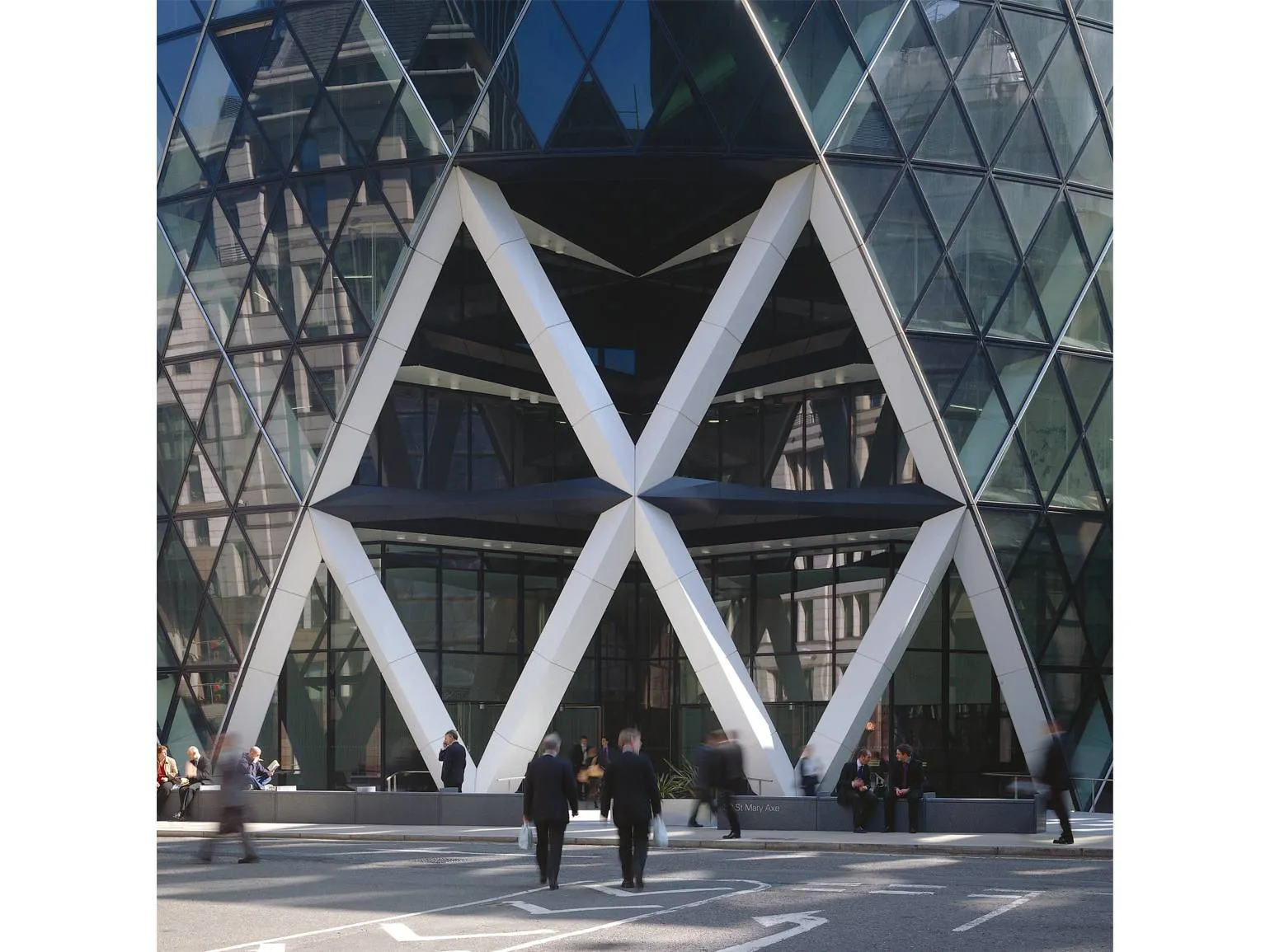
In the early 2000s, issues of environmental responsibility became key in architectural and design practice. The emergence of influential certification systems such as LEED (Leadership in Energy and Environmental Design) and BREEAM (Building Research Establishment Environmental Assessment Method) set new standards for green construction. These systems aim to promote sustainable practices by evaluating energy efficiency, use of natural resources, and minimizing environmental impact. Architects and designers are increasingly integrating sustainability principles into their projects, contributing to healthier and safer urban environments. Norman Foster actively incorporates environmental principles into his architectural projects. The 30 St Mary Axe tower in London, also known as the "Gherkin," was built between 2001 and 2003 and was one of the first highly energy-efficient skyscrapers. Its design and construction utilized advanced engineering solutions that significantly reduced energy consumption. This project demonstrates how modern technologies can be combined with environmental requirements, creating not only functional but also sustainable buildings.
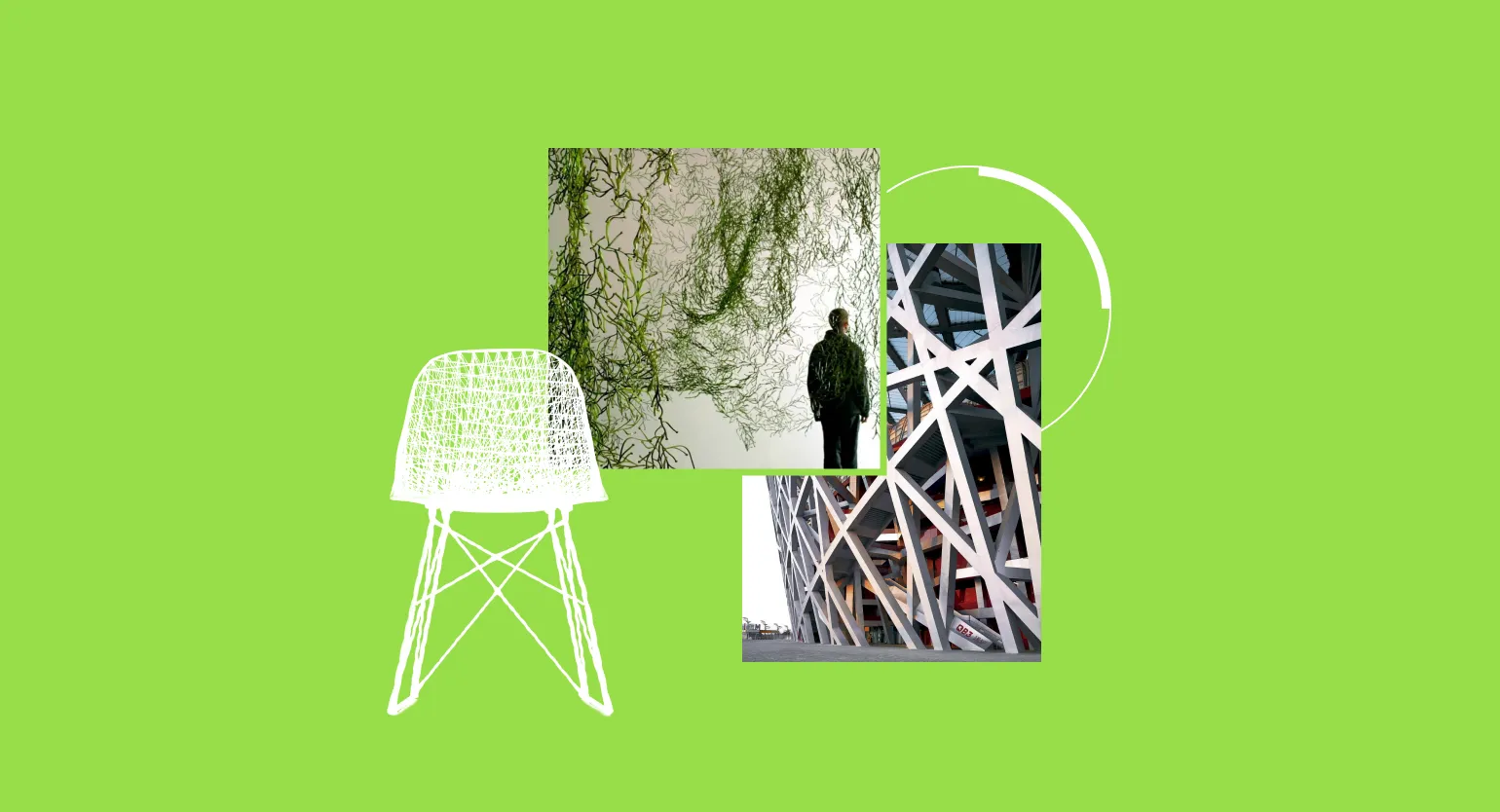
Ken Young became a pioneer of bioclimatic architecture, actively introducing the concept of vertical gardens into high-rise buildings. His approach was to integrate living greenery and natural systems into the urban environment, thereby improving the ecology and quality of life. As a result of his work, vertical gardens have become a popular element of architectural design, allowing for the creation of harmonious and sustainable spaces in modern cities.

Read also:
A journey through the eras is a unique opportunity to immerse yourself in various historical periods and understand how they influenced modern times. Each era has its own characteristic features, cultural achievements, and significant events that shaped the course of history.
From ancient times to the present day, we can observe how social structures, arts, technologies, and philosophical views have changed. Antiquity, with its great civilizations such as Greece and Rome, laid the foundations of Western culture and science. The Middle Ages, with its feudal systems and religious conflicts, shaped new social and political realities.
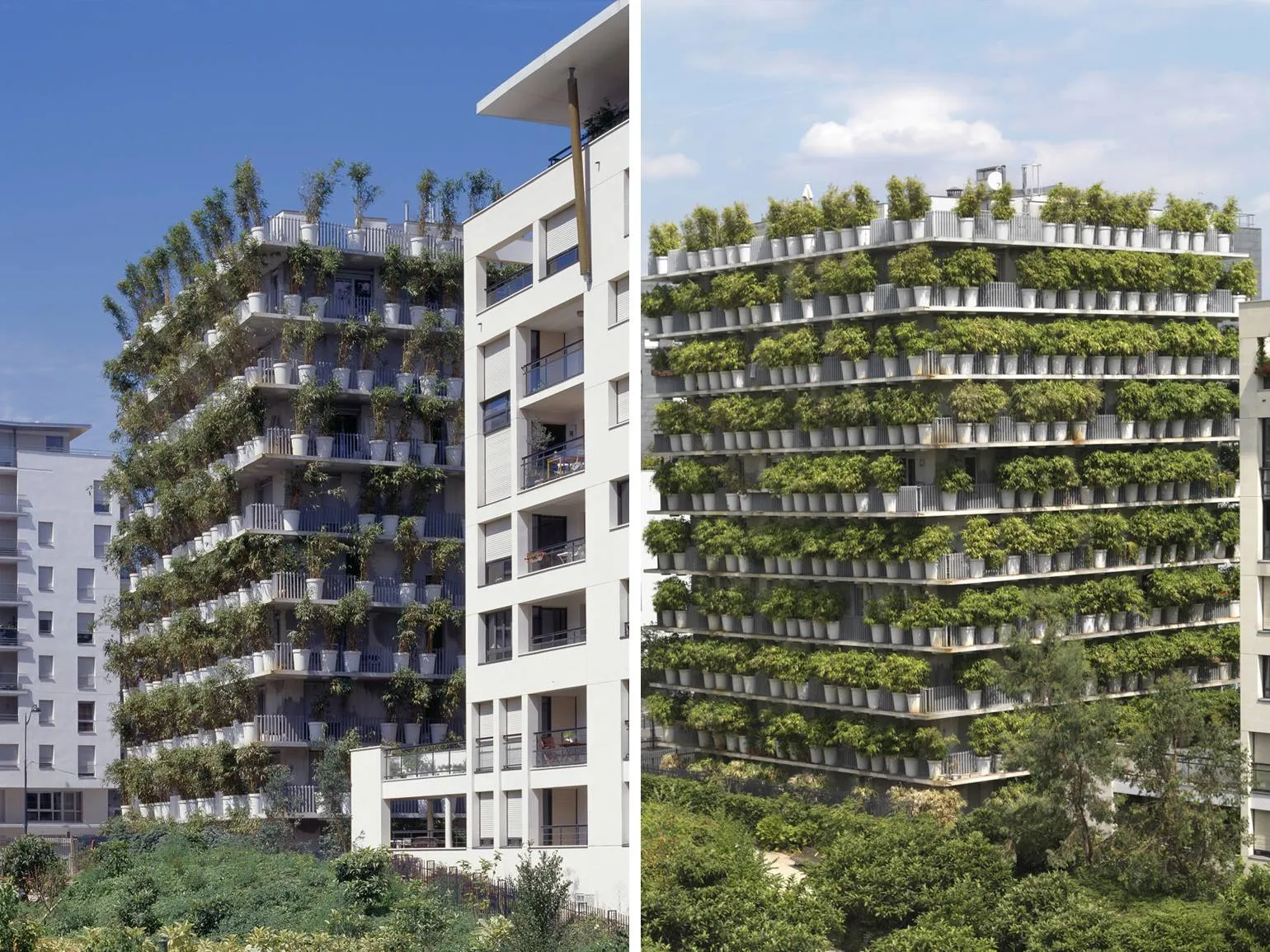
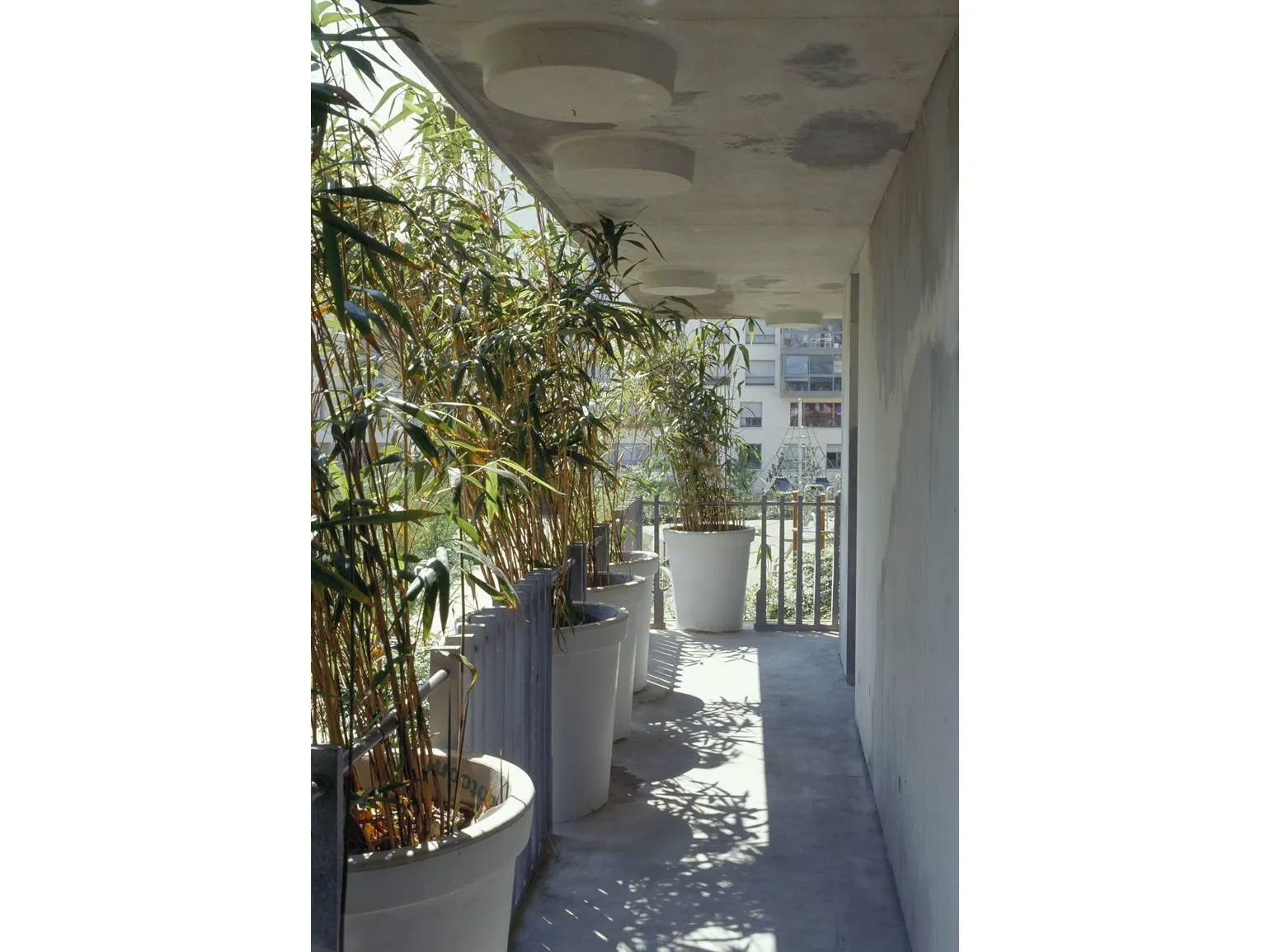
The Renaissance opened new horizons for art and science, and the Enlightenment was an important stage in the development of thought and democracy. The Industrial Revolution changed the very nature of production and labor, leading to the rapid development of cities and technology. Finally, the modern era, with its globalization and digitalization, presents humanity with new challenges and opportunities. By studying each era, we can better understand not only our past but also how it shapes our future. This guide to the eras is an essential tool for researchers, students, and anyone who appreciates history and culture. In 2004, architect Édouard François unveiled the Flower Tower in Paris. The façade of this unique building features 380 large flower pots, inspired by traditional Parisian window planters. The potted plants serve several functions: they not only filter sunlight and create cozy shade, but also reduce noise from nearby railway lines and highways. Bamboo planted in pots often grows beyond the floors and extends beyond the balconies, lending an element of chaos and naturalness to the architectural design. Flower Tower has become not only an architectural object, but also an example of a harmonious combination of nature and the urban environment, emphasizing the importance of green spaces in megacities.
Cultural icons and "spectacle architecture"
At the beginning of the 21st century, architects created buildings that became not only as city symbols but also as important cultural sites. One striking example of this phenomenon is the "Bilbao Effect"—the economic and cultural boost triggered by the opening of the Guggenheim Museum Bilbao, designed by Frank Gehry in 1997. This museum not only transformed the urban landscape but also attracted numerous tourists, boosting the local economy and increasing interest in contemporary art. Thus, architecture began to play a key role in shaping the identity of cities and their cultural image.
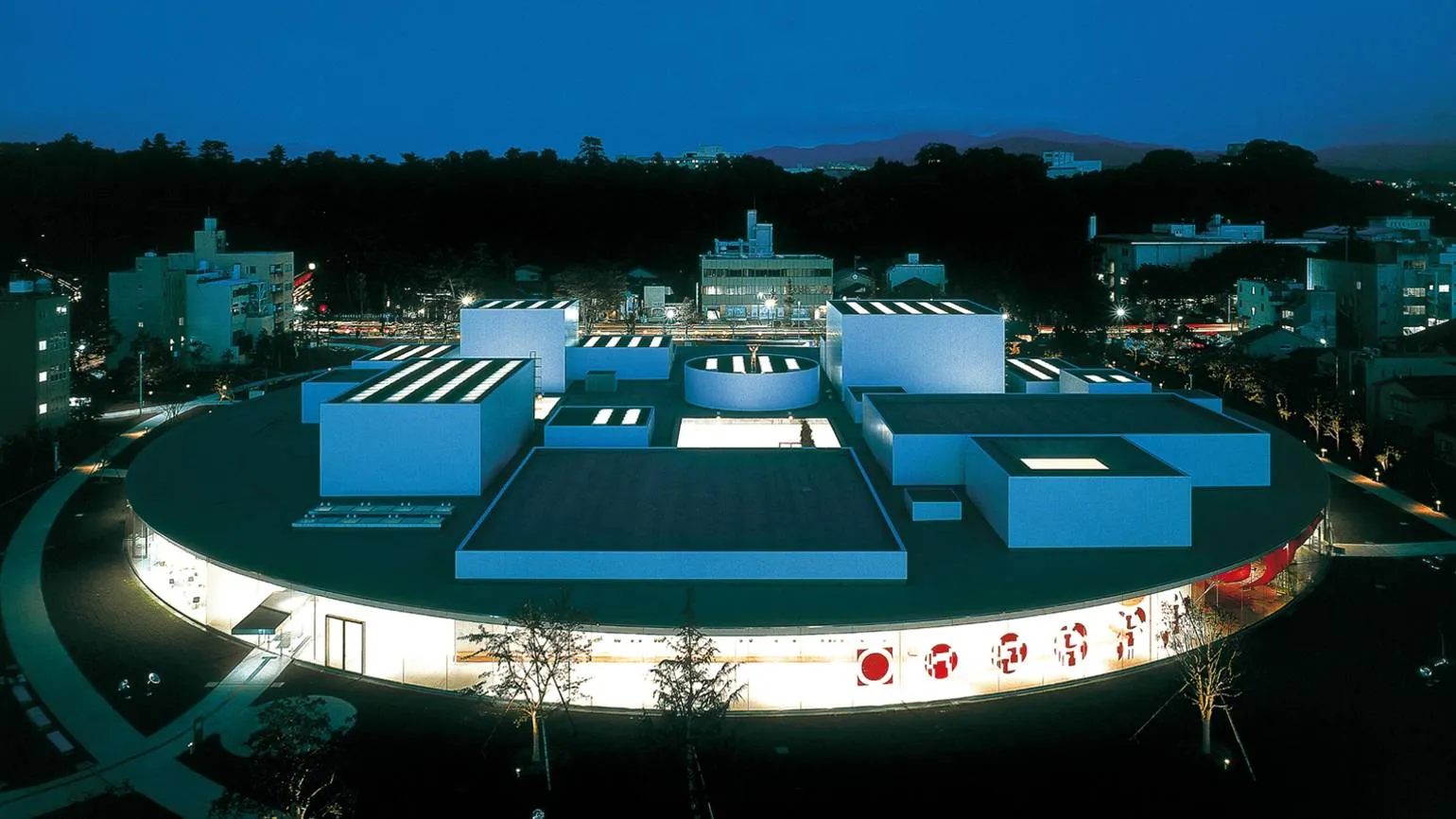
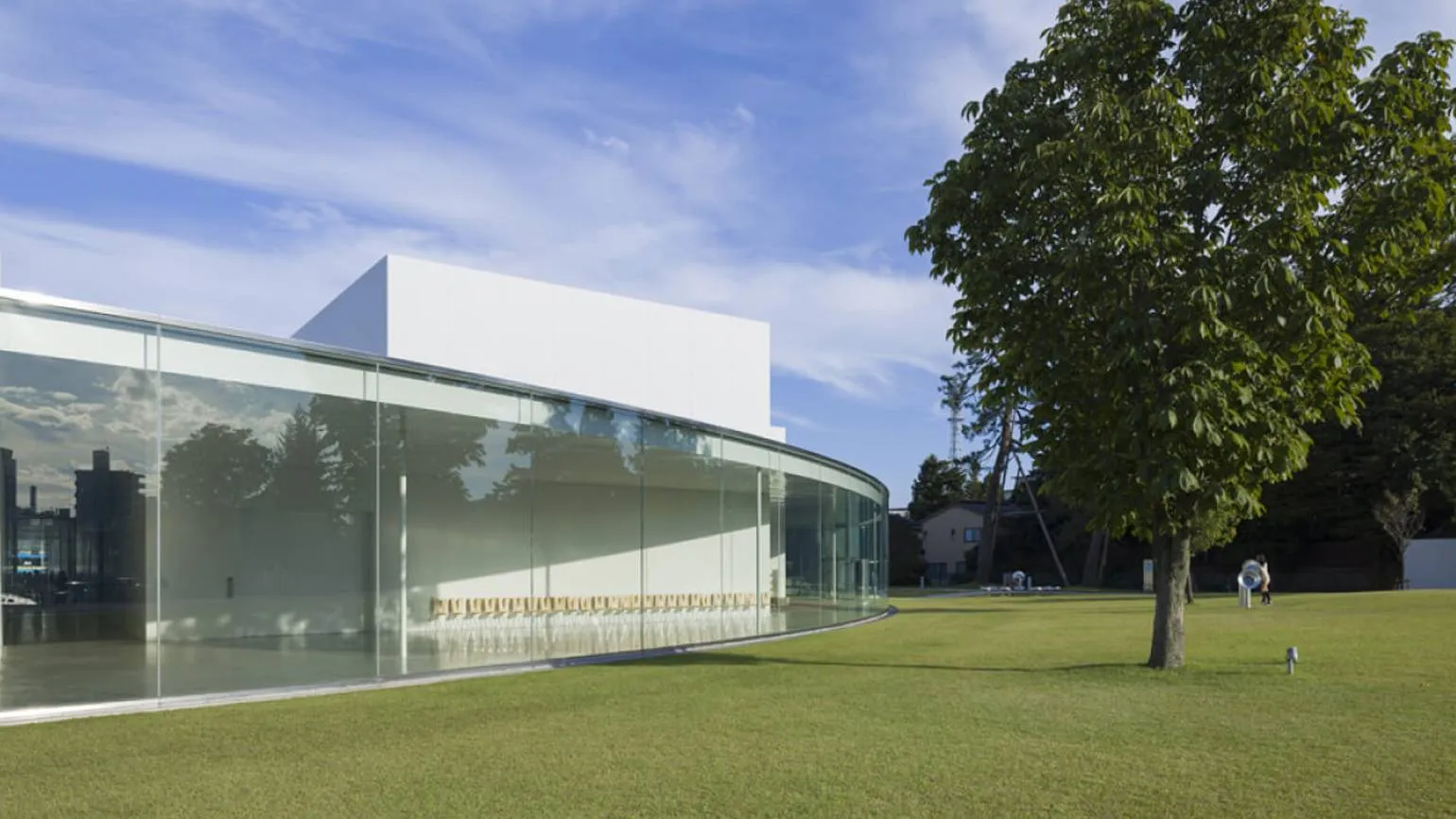
The 21st Century Museum of Contemporary Art in Kanazawa, designed by the architectural firm SANAA in 2004, is an innovative museum space harmoniously integrated into the urban environment. A glass dome, 112.5 meters in diameter, houses both public and museum areas, facilitating interaction between different visitor groups. This solution creates a unique atmosphere where art becomes accessible and intimate for everyone. The museum not only displays contemporary works of art but also serves as a platform for cultural events, facilitating the exchange of ideas and impressions among citizens and tourists.
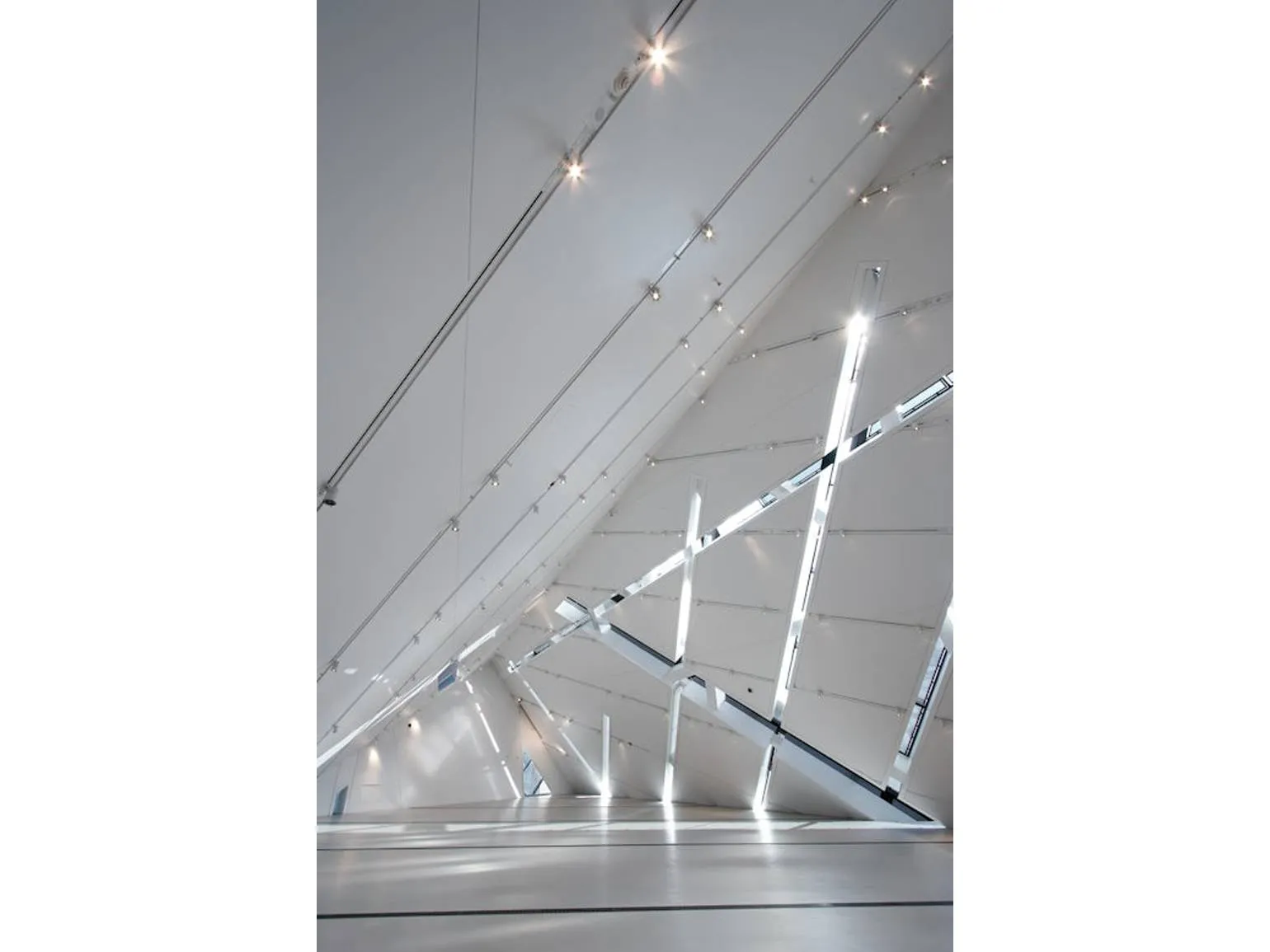
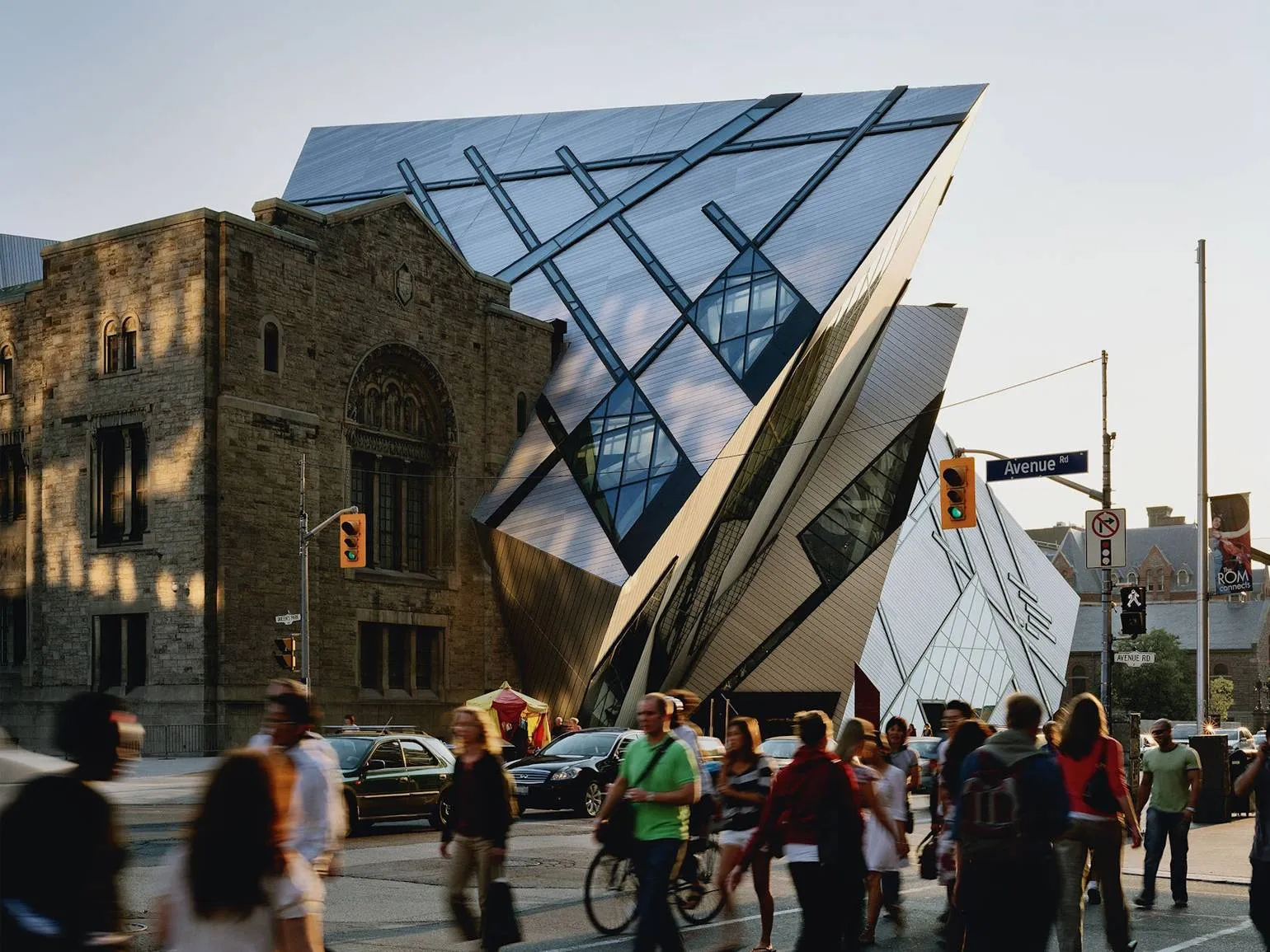
In 2007, the Royal Ontario Museum in Toronto opened a new wing, designed by architect Daniel Libeskind. Its unique design includes crystal-shaped rooms that fit harmoniously into the existing museum space. This architectural solution not only attracts attention, but also creates new opportunities for the exhibition and visitor interaction with art and history.
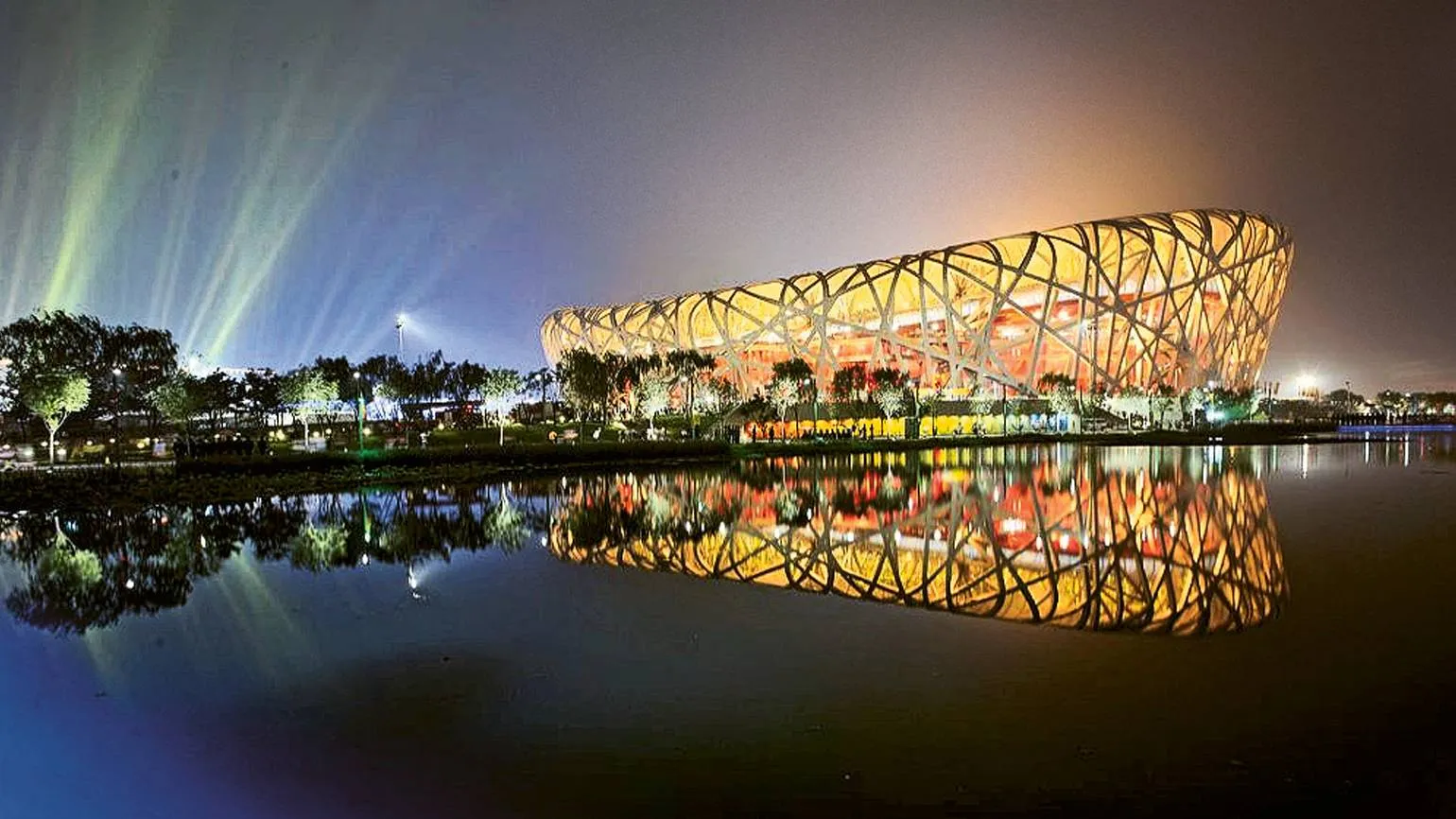
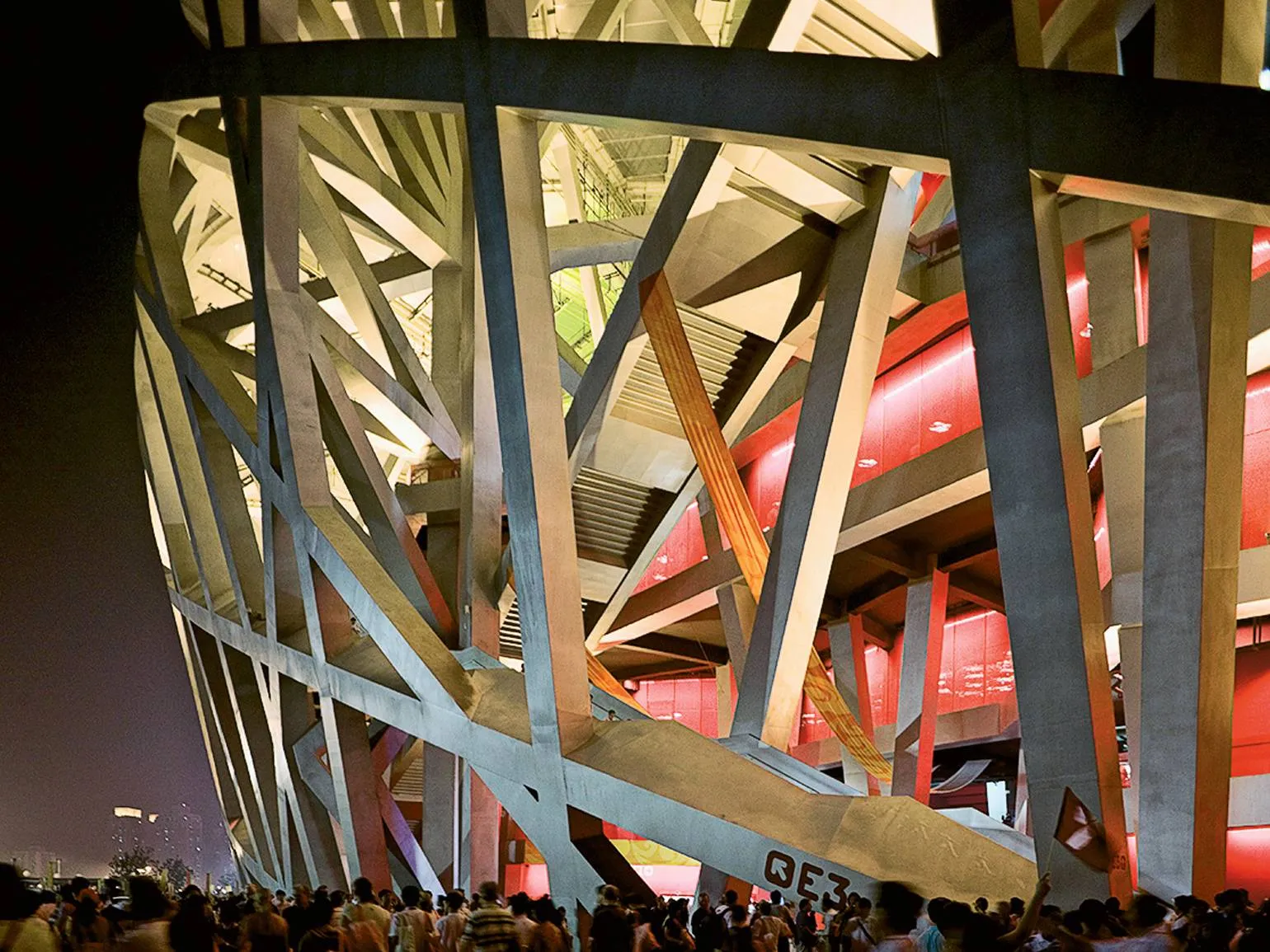
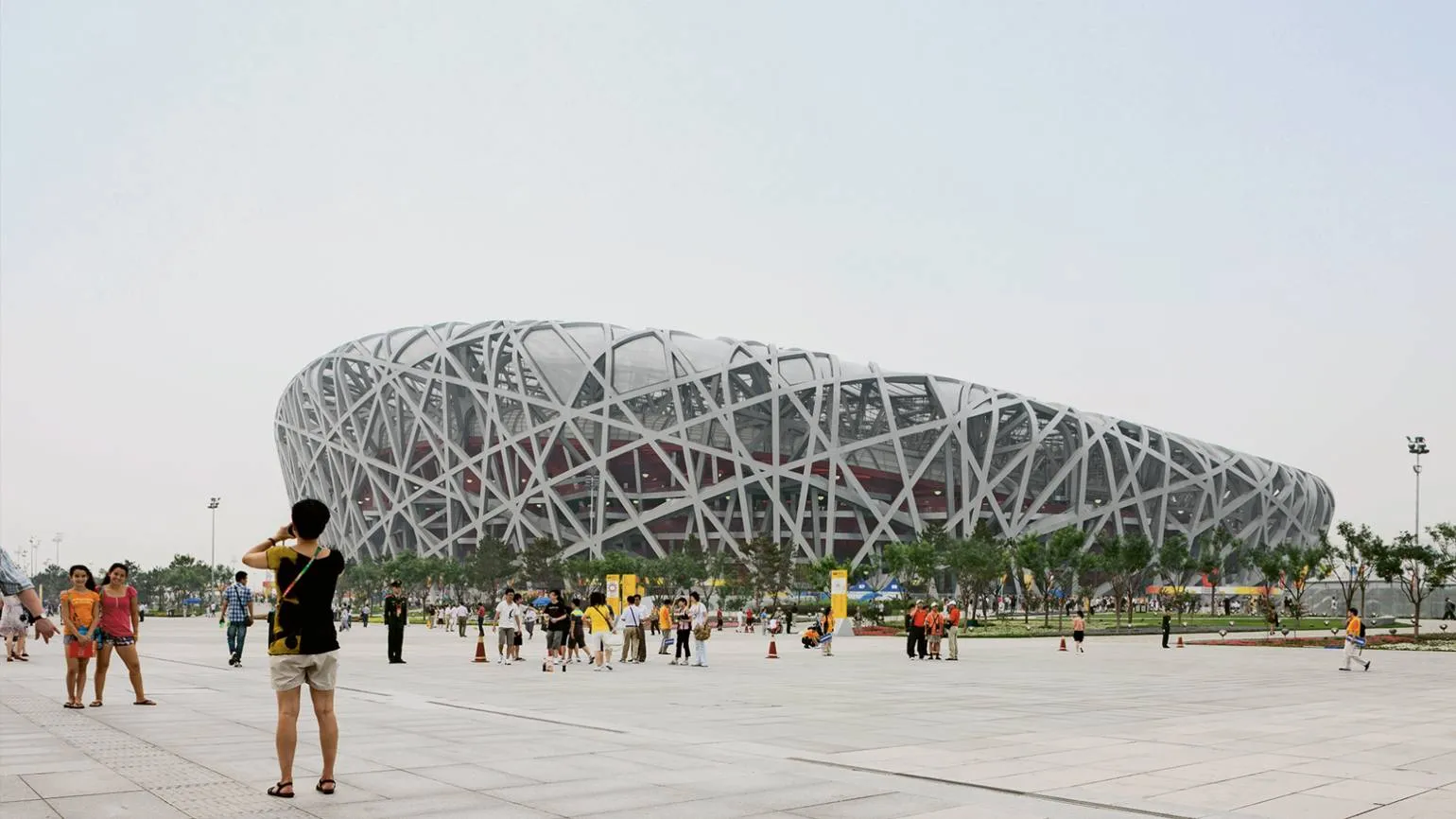
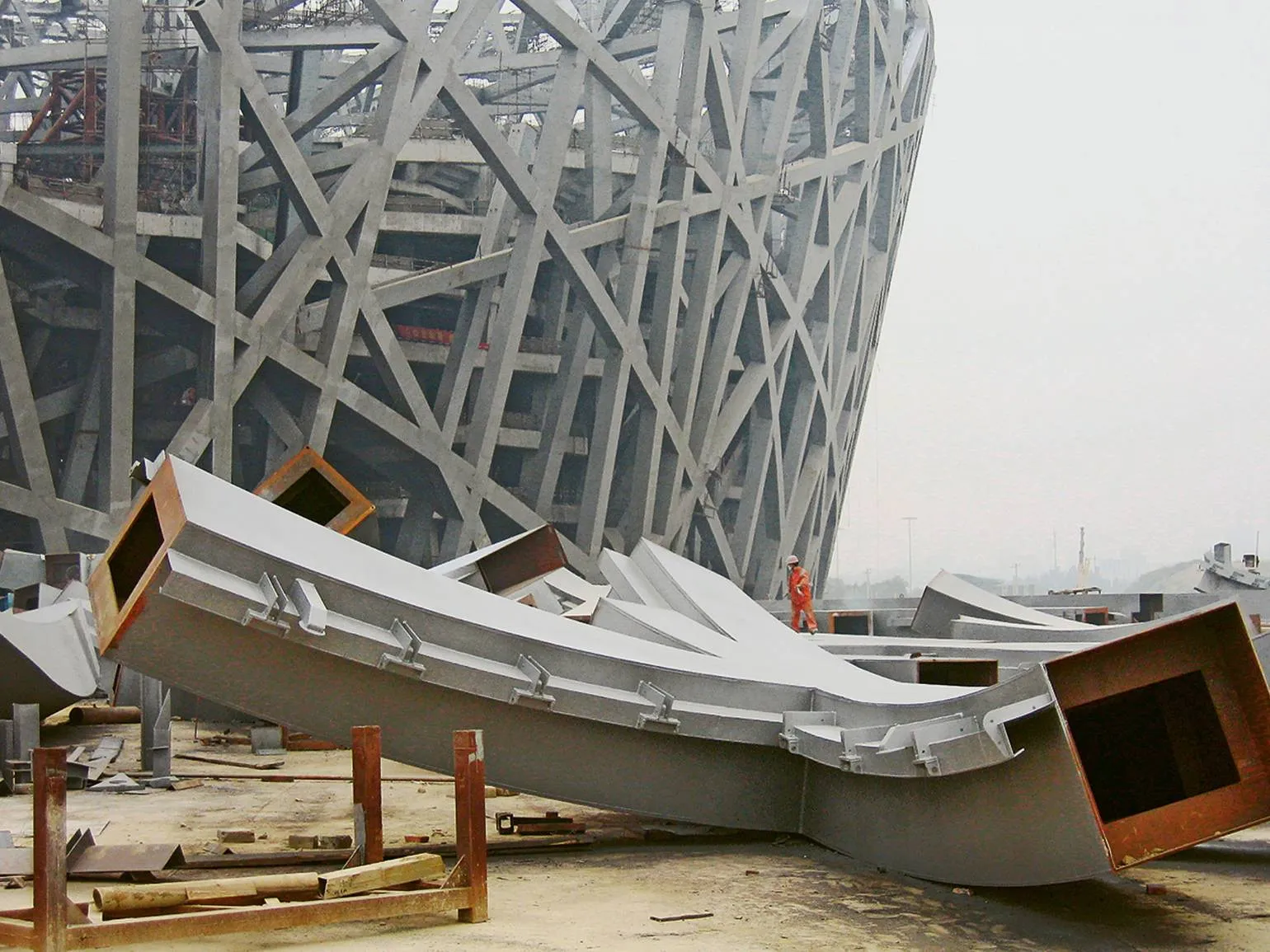
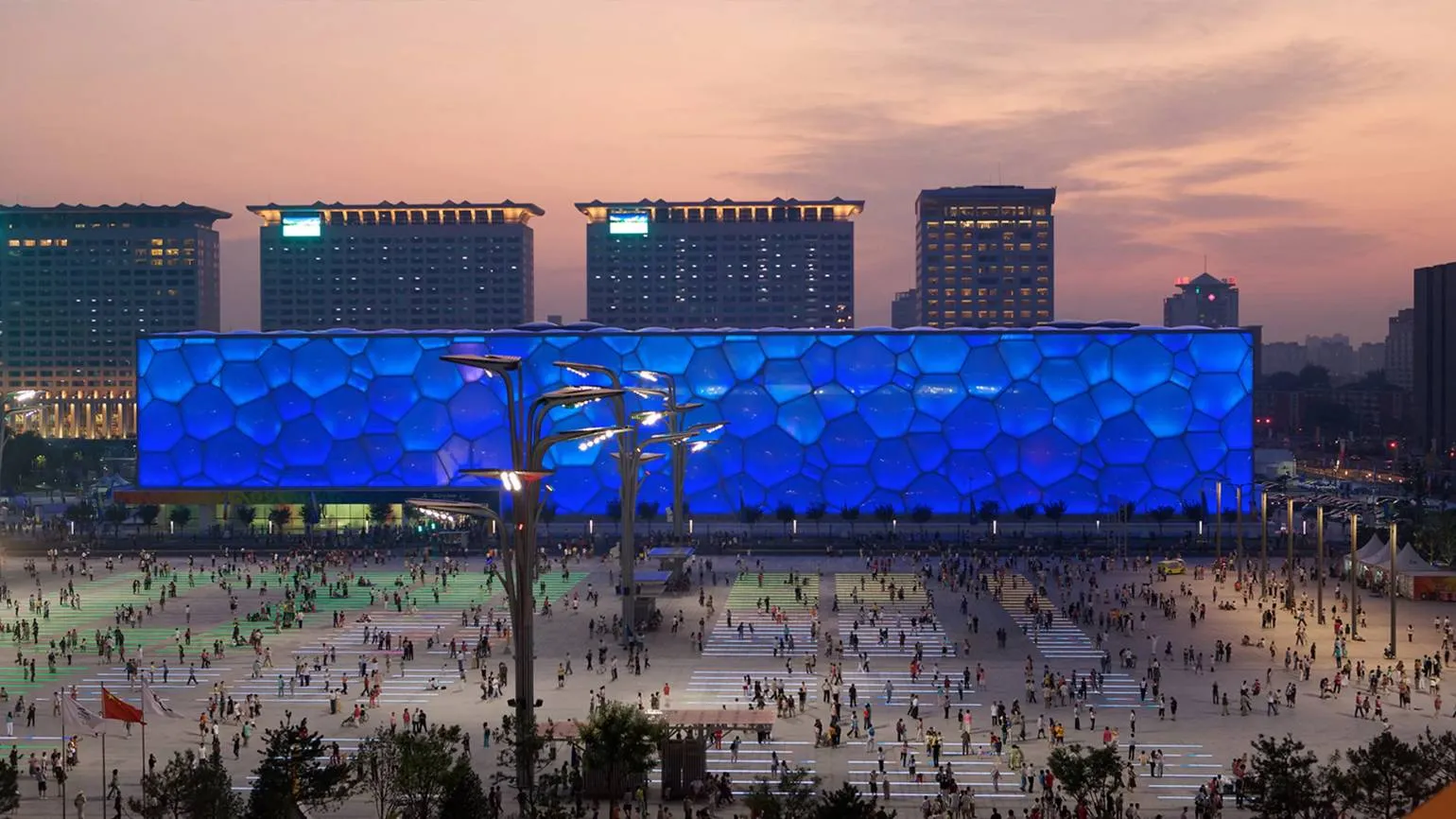
The 2008 Olympics in Beijing became a landmark event not only in the sports field, but also in architecture, presenting Two outstanding structures: the Bird's Nest Stadium by Herzog & de Meuron and the Water Cube aquatics center by PTW Architects. These unique structures have become symbols of modern design and innovative technologies, attracting the attention of both local residents and tourists from all over the world. The Bird's Nest Stadium is known for its original design and aesthetics, while the Water Cube impresses with its aquatic design and functionality. Both facilities have become an integral part of the Olympic legacy and continue to be used for various events, highlighting the significance of the 2008 Olympics in the history of architecture and sport.
The stadium, designed by the Swiss architectural firm Herzog & de Meuron, was created not only as a sports arena, but also as a dynamic urban space. Its concept envisages active use after the conclusion of the Olympics, turning it into a hub for social life and cultural events. This approach makes the stadium an important element of urban infrastructure, providing multifunctionality and attractiveness for residents and tourists.
The water sports center was designed by PTW Architects. The building is based on a geometric model developed by Vira and Filan, which includes 14- and 12-sided faces. This model allowed for the creation of a visually appealing form reminiscent of soap suds, which, despite its apparent randomness, is the result of meticulous mathematical calculations. This design approach not only distinguishes the center from other structures but also makes it functional and aesthetically harmonious.
The center's façade consists of 22,000 steel beams and over a thousand ETFE cushions—a modern polymer known for its excellent thermal insulation properties. These cushions create a greenhouse effect, trapping solar heat inside and thereby warming the space and pools. In warm weather, the air is released outside, providing natural ventilation. At night, the building is illuminated by built-in LEDs, giving it a unique look.
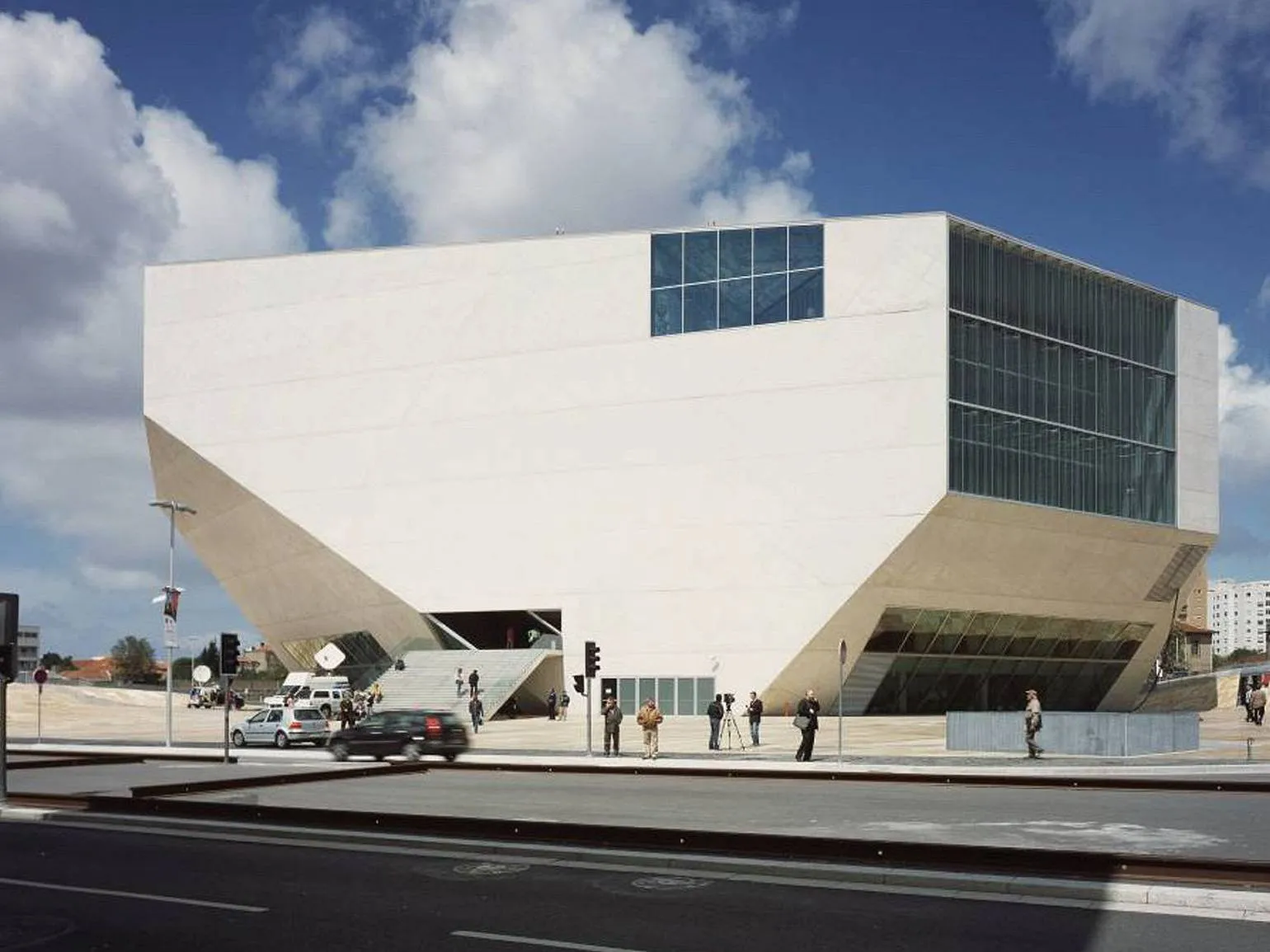
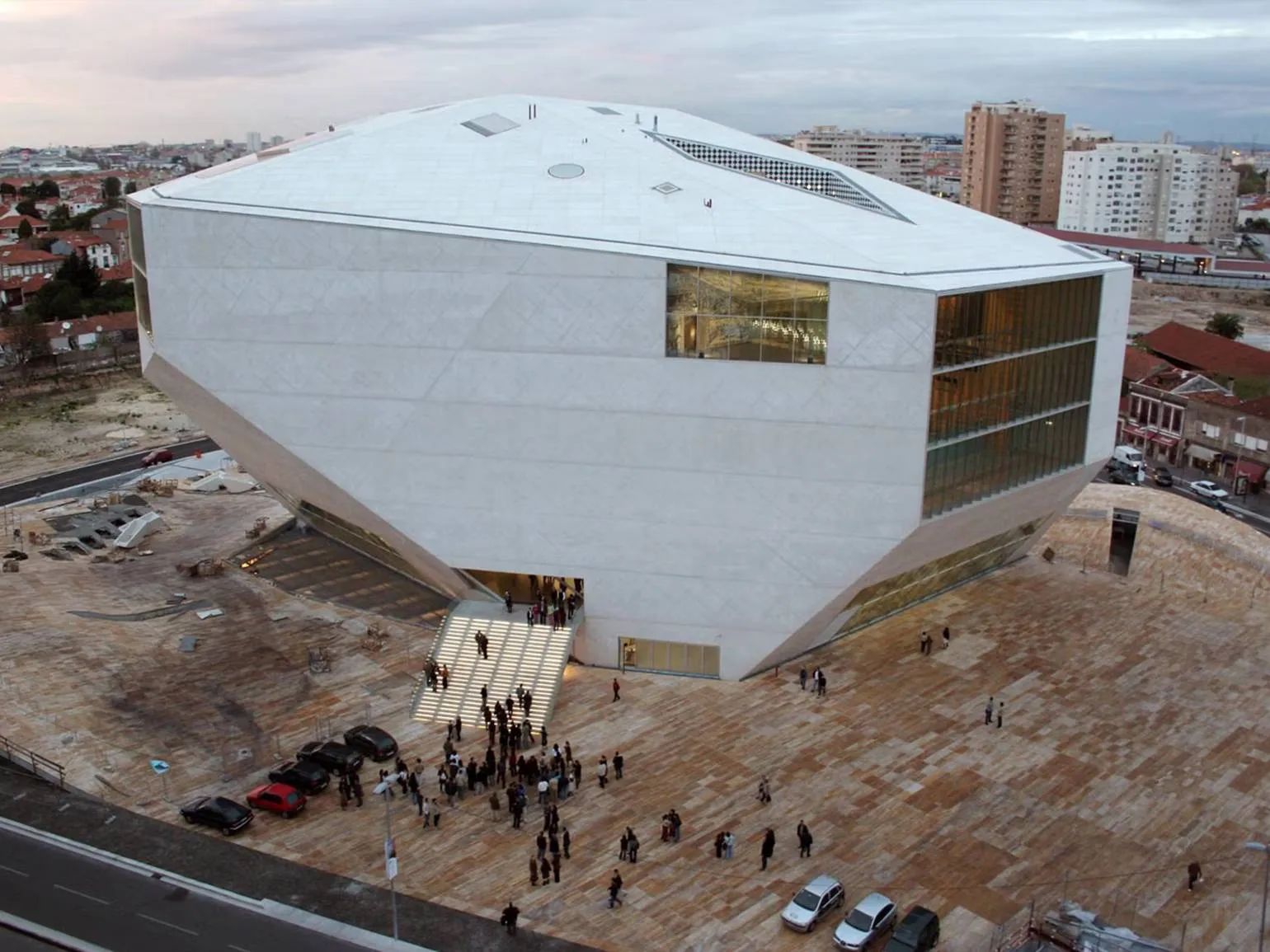
New Urbanism
In the 2000s, there was a significant There has been growing interest in the quality of the urban environment and public spaces. Authorities have begun actively improving pedestrian infrastructure, developing bicycle paths, and landscaping parks and squares. These changes have contributed to the creation of a more comfortable and safe urban environment, which in turn has improved the quality of life for residents and drawn attention to issues of sustainable urban development.
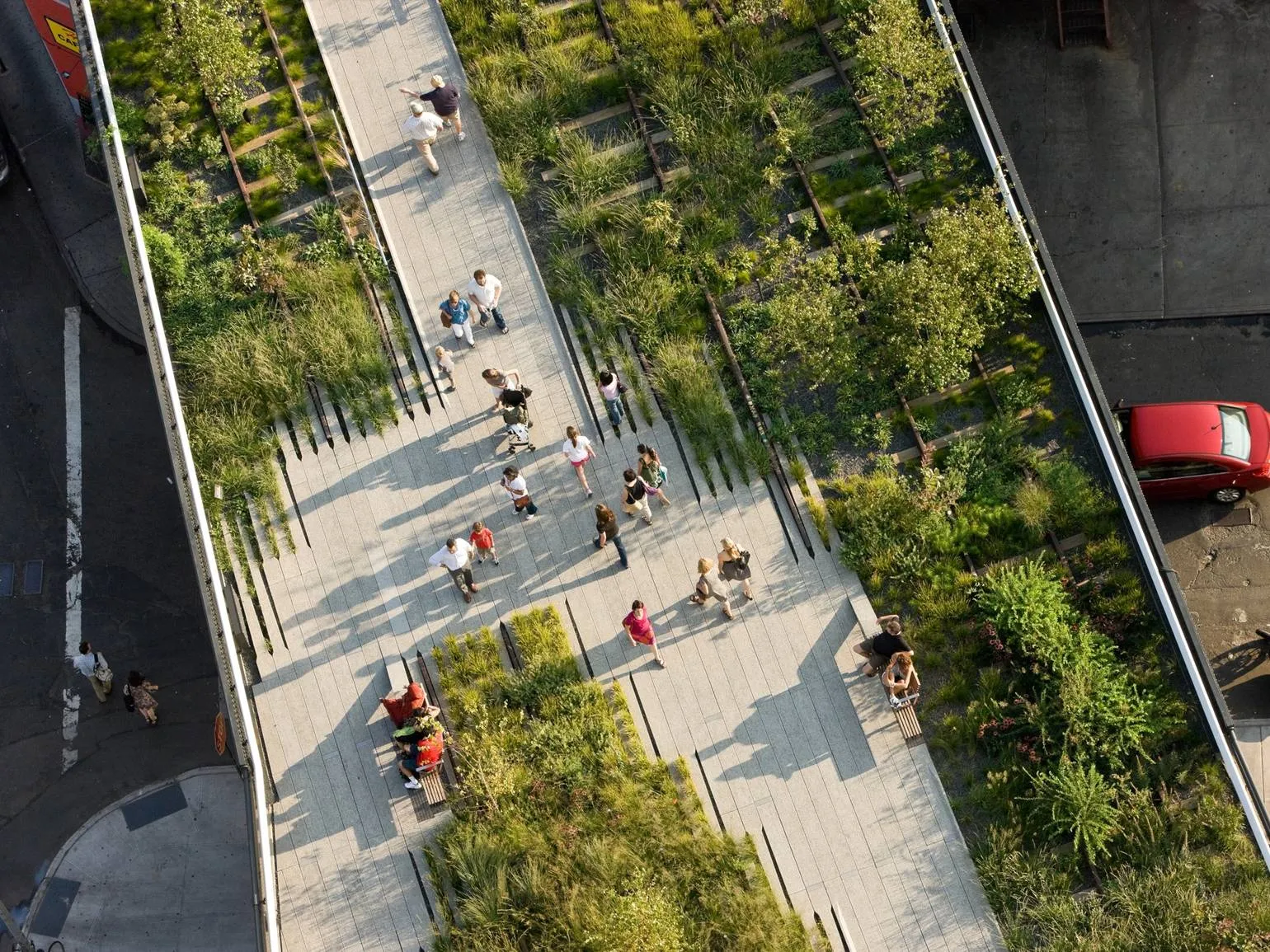
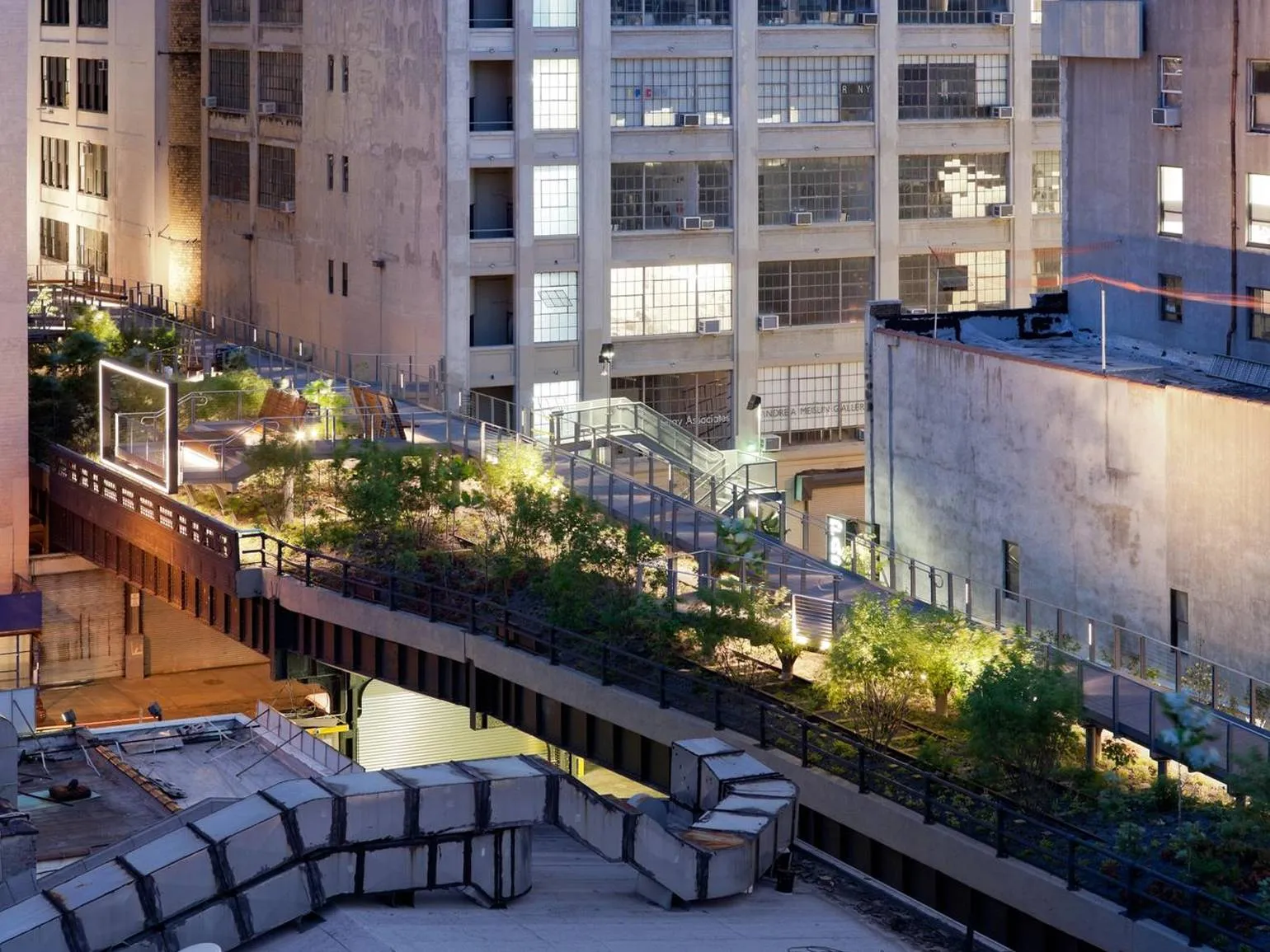
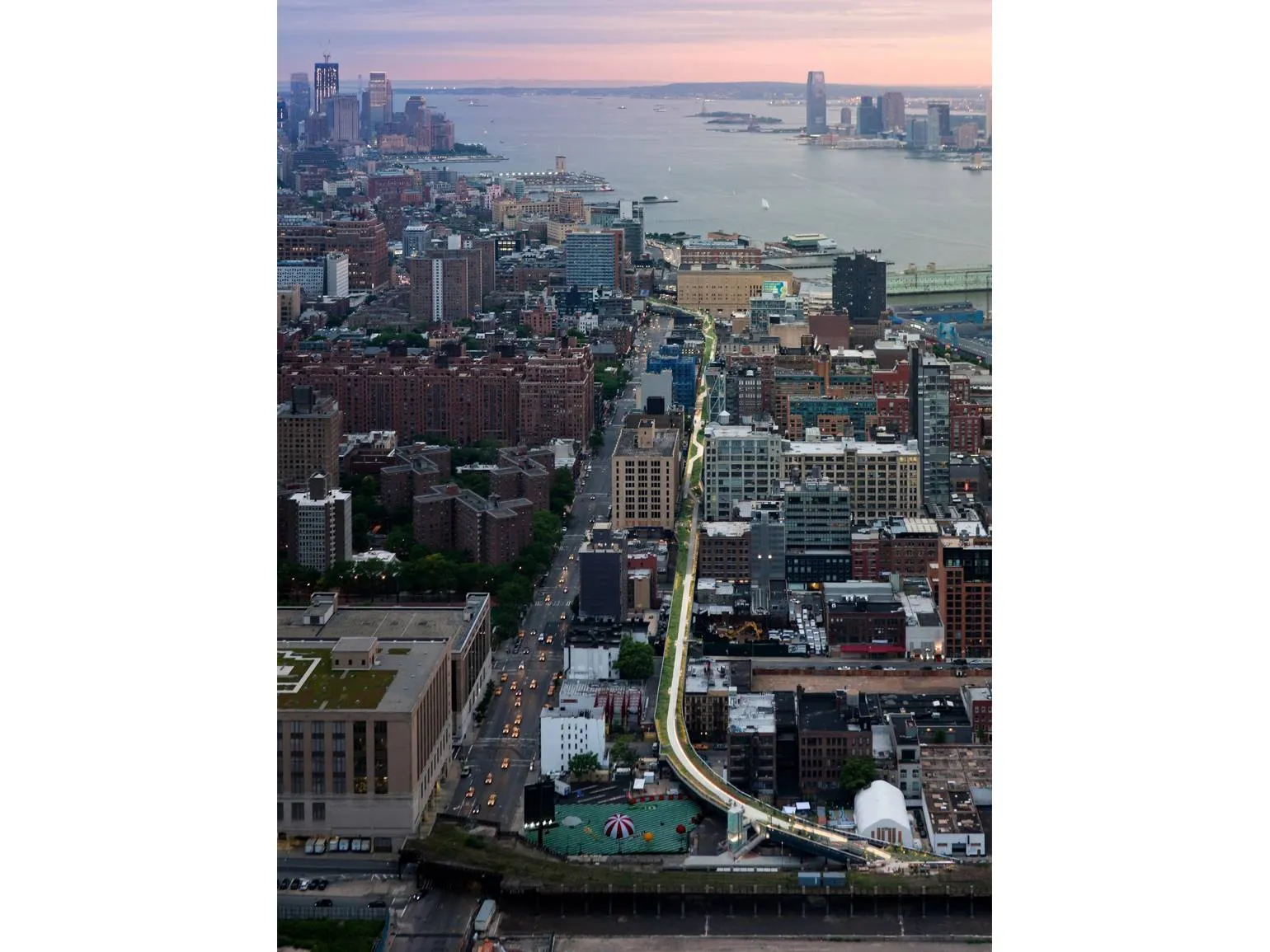
One striking example of the transformation of urban space is the High Line project in New York City. An abandoned railway overpass was transformed into a linear park thanks to the efforts of the architectural firms James Corner, Field Operations, Diller Scofidio + Renfro, and Piet Oudolf. This innovative project not only revitalized abandoned infrastructure but also became a catalyst for the development of the entire area, attracting tourists and promoting increased interest in the urban environment. The High Line demonstrates how the clever use of abandoned sites can improve the quality of life in a city and inspire further transformation.
Jan Gehl, a Danish architect and urban planning consultant, played a key role in shaping the concept of a "city for people". His research and projects have changed the way urban spaces are designed, emphasizing human scale, pedestrian comfort, and improving the quality of public life. Gale emphasizes the importance of creating urban environments that promote human interaction, improve accessibility, and provide safe and convenient routes for pedestrians. Thanks to his contributions, many cities have begun to rethink their spaces, making them more welcoming and functional for residents.
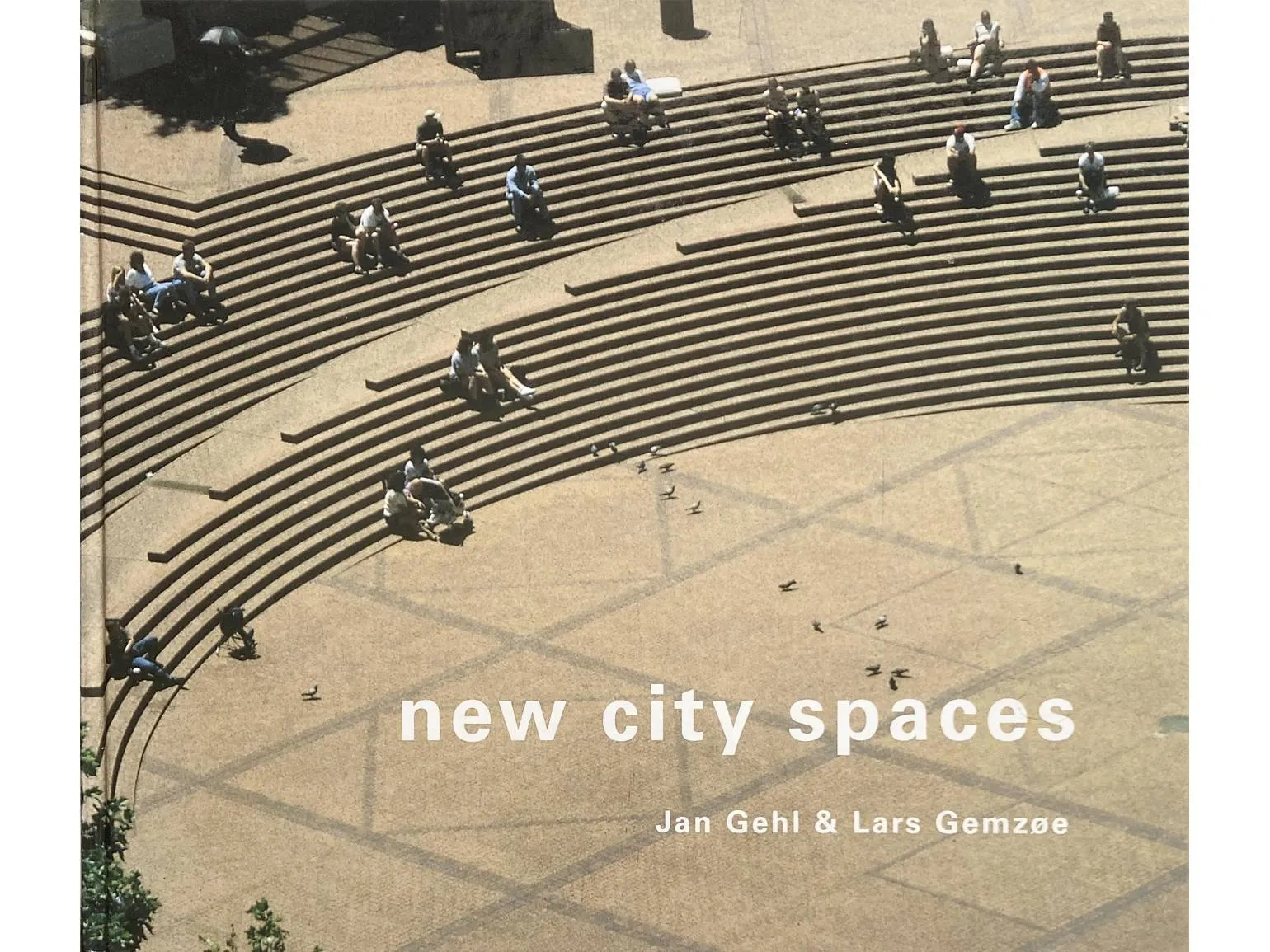
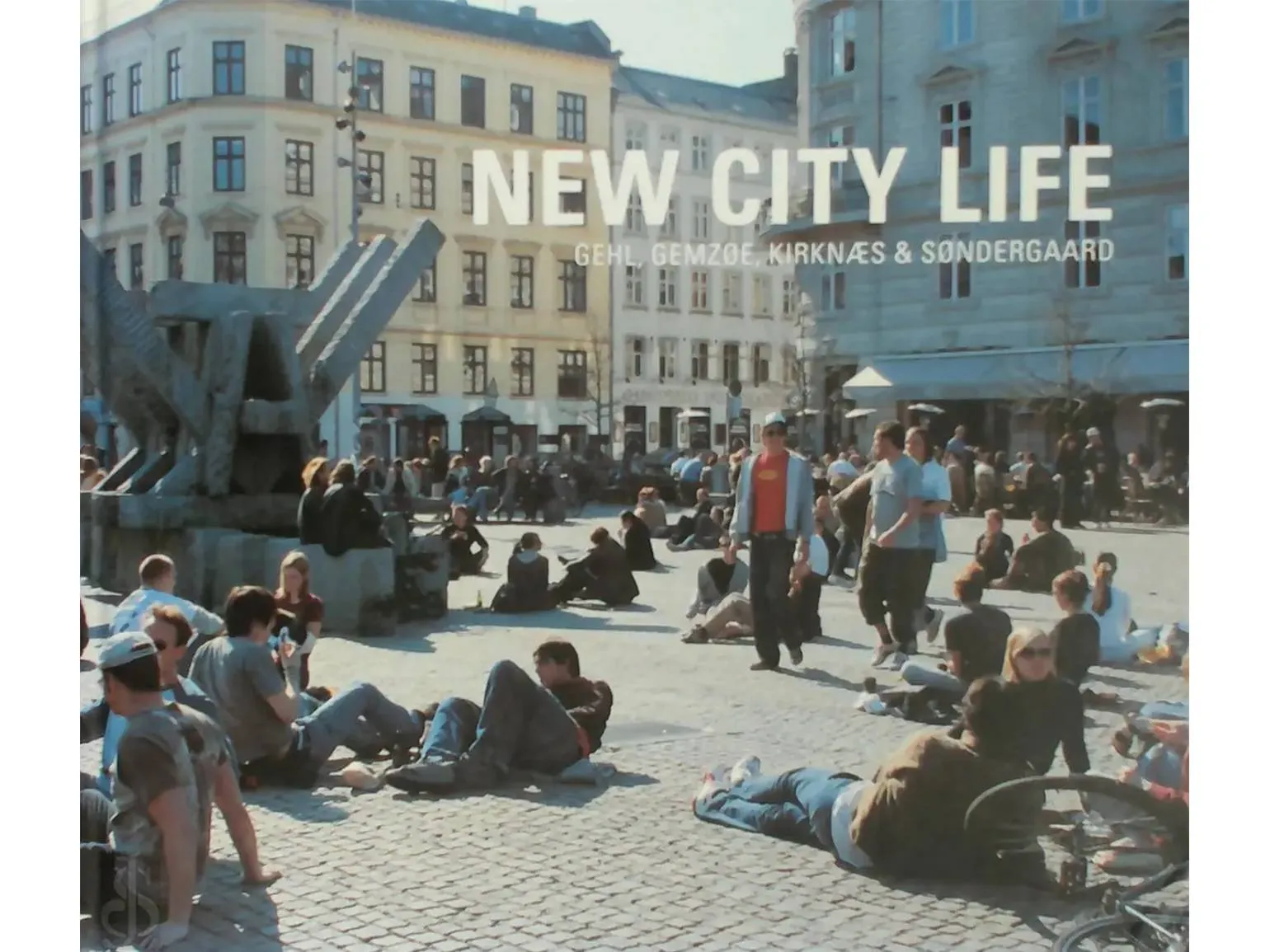
Gale's book "New City Spaces" (2000) analyzes changes in the planning and use of public spaces in cities around the world. The publication examines nine cities and thirty-nine projects that demonstrate how a high-quality urban environment impacts the daily lives of residents. The work highlights the importance of creating functional and attractive public spaces to improve quality of life and promote social activity.
"Smart" Simplicity
The early 2000s saw a return to minimalist aesthetics, but with a new approach. In contrast to the strict minimalism of previous decades, the design of the new millennium emphasized tactile sensations, the quality of materials, and meticulous attention to detail. This trend allowed for the creation of more inviting and attractive interiors, where minimalism combines comfort and functionality. The use of natural materials and textures became an important aspect, emphasizing the individuality of each project.
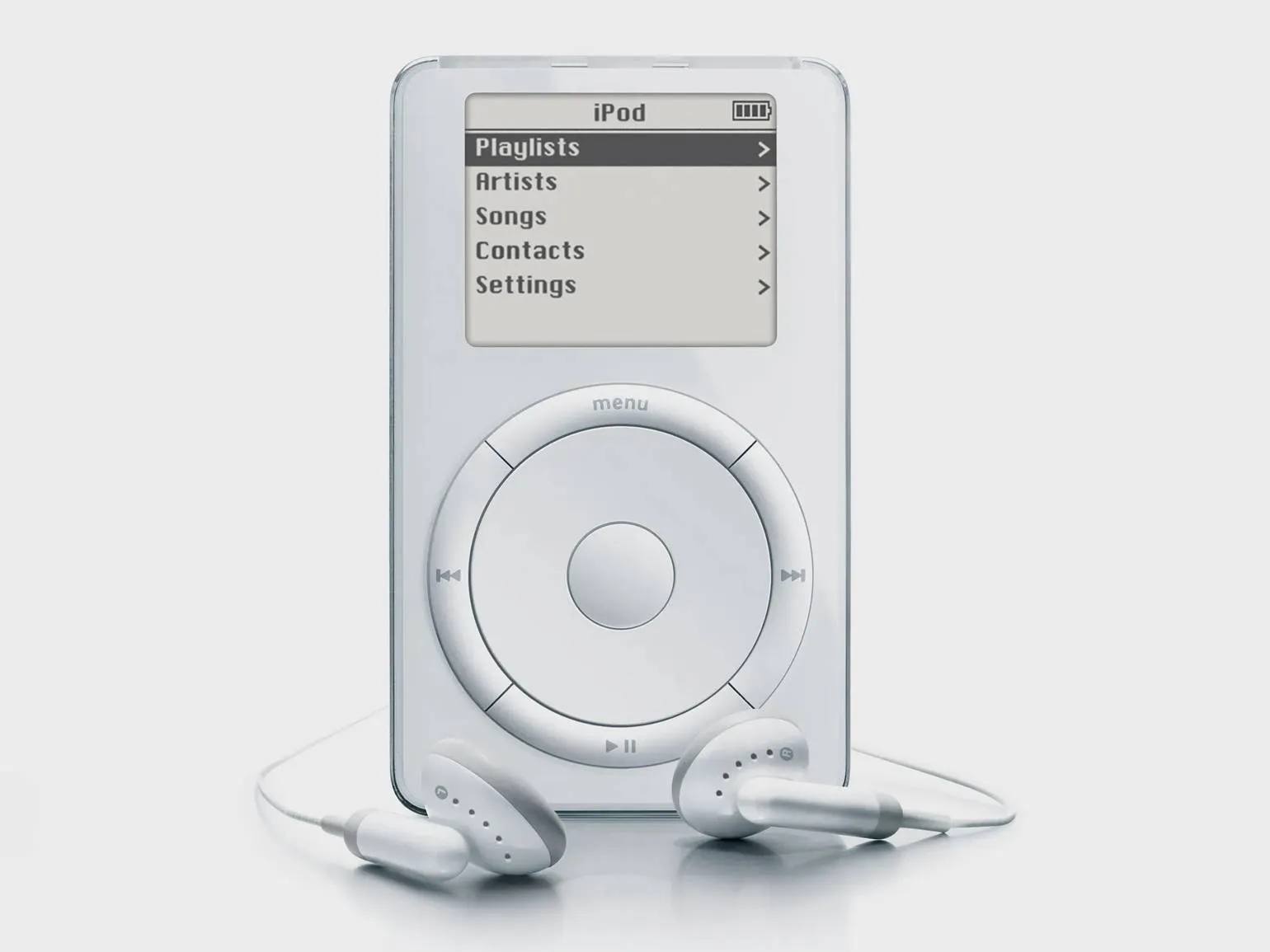
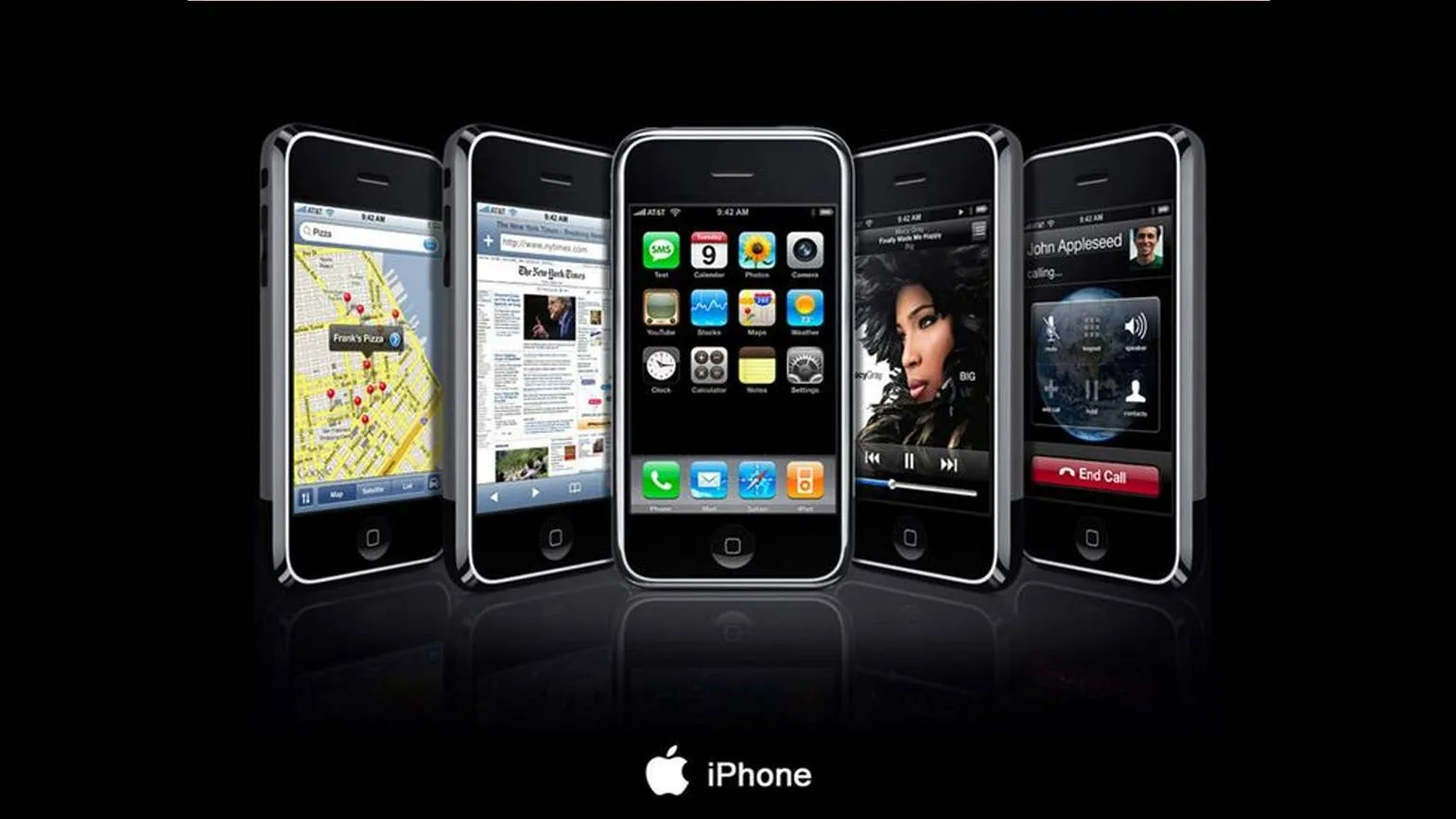
Jonathan Ive's work for Apple significantly influenced the development of minimalist design. The iPod, introduced in 2001 with its elegant form and revolutionary Click Wheel, became an icon of this style. In 2007, the iPhone continued this tradition, cementing minimalist aesthetics as a key design direction for electronic devices. These devices not only changed the perception of technology, but also set new standards in the field of industrial design, influencing many other brands and products.
Learning new topics and receiving information from various sources is an important aspect of our development. It's important not only to read but also to analyze, which allows for a deeper understanding of the material. In this context, I recommend paying attention to additional resources that can enrich your experience. This will help you expand your knowledge and improve your skills in the area of interest to you. Remember that quality information is the key to successful learning and personal growth.
iPhone: Design Evolution
Since its introduction in 2007, the iPhone has become a symbol of innovation and elegant design in the world of mobile technology. Each new model line demonstrates significant changes in the aesthetics and functionality of the device. The first iPhone models were distinguished by a simple and concise design, with an emphasis on ease of use and an intuitive interface.
Over time, Apple began to introduce new materials and technologies, which made the iPhone more stylish and durable. The advent of glass and aluminum cases, as well as improved display quality, significantly increased the appeal of the device. Models like the iPhone 6 and iPhone X showcased bold design approaches, including thin bezels and edge-to-edge displays to maximize display space.
In recent years, Apple has continued to experiment with colors and textures, adding new finishes that have become popular with users. Each new iPhone release not only reflects current design trends but also sets standards for the entire smartphone market.
The evolution of iPhone design is not simply a change in the device's visual characteristics, but also a constant search for the perfect balance between aesthetics, functionality, and user experience. Each new iPhone continues to inspire designers and tech companies around the world, remaining an icon of modern style and progress.

In furniture design, this approach is expressed in the works of contemporary designers. Their work demonstrates a harmonious combination of functionality and aesthetics, which allows them to create unique and practical interior items. Furniture made in accordance with modern trends meets user needs and emphasizes the individuality of the space. An important aspect of such work is the use of high-quality materials and innovative technologies, which ensure durability and ease of use. Designers strive to create not just pieces of furniture, but entire concepts that shape the atmosphere and style of spaces.
- Jasper Morrison with his pursuit of "supernormality";
- Naoto Fukasawa, who developed the concept of "seamless" design;
- Konstantin Grcic, whose pieces combined geometric rigor with technological innovation.
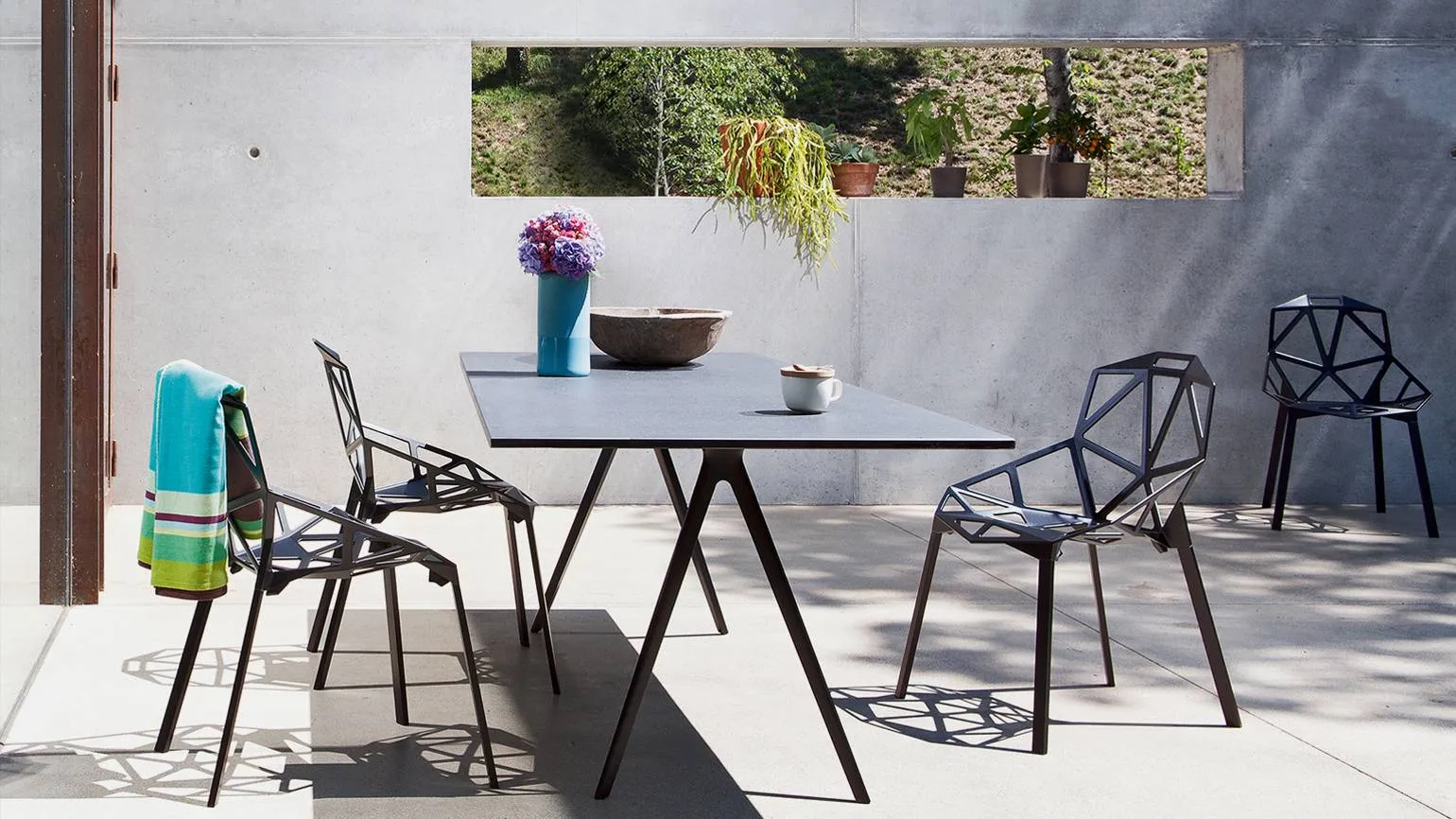
Chair One, created in 2003 by Grcic for Magis, is an outstanding example of contemporary design. Its geometric aluminum structure has become a style icon, emphasizing how simplicity of form can create unique effects of light and shadow. This chair is not only functional but also aesthetically pleasing, making it an ideal addition to interiors striving for modern minimalism. With Chair One, you can create a stylish space where every design element will attract attention and generate interest.
Materials and Textures: Tactility in the Digital Age
In the modern era of virtualization and digital technology, designers are increasingly paying attention to the tactile qualities of objects, actively experimenting with both traditional and new, innovative materials. This desire to explore textures and sensations adds value to products and creates a unique user experience. The importance of tactility in design not only emphasizes the aesthetic component but also helps create an emotional connection between the user and the object.
There is a trend towards a return to natural materials such as wood, glass, ceramics, and textiles, harmoniously combining them with modern processing technologies. At the same time, new composites and "smart" materials are actively developing, opening up new possibilities for design and construction. The combination of traditional materials with innovative solutions allows for the creation of unique and functional products that meet modern requirements.
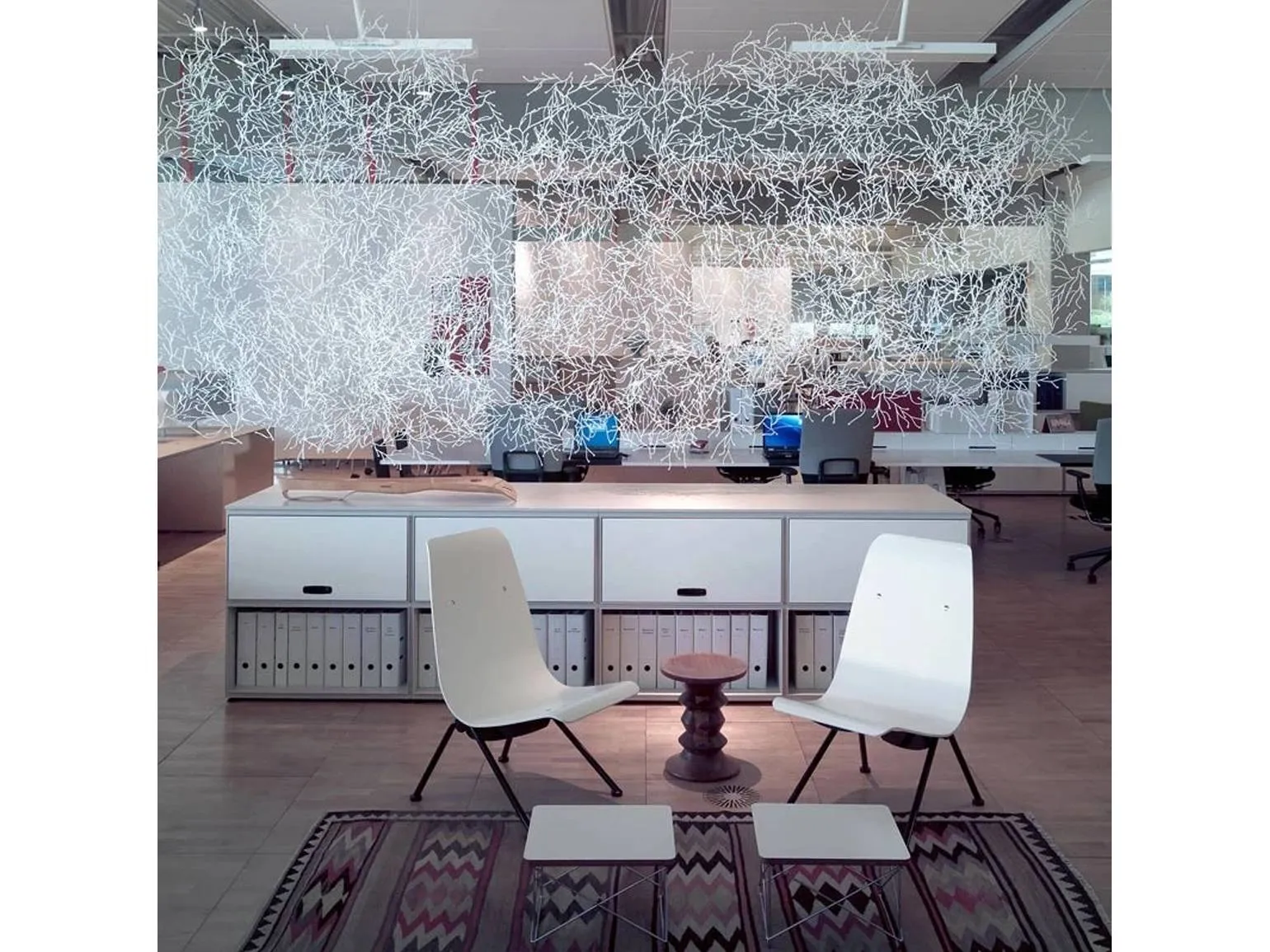
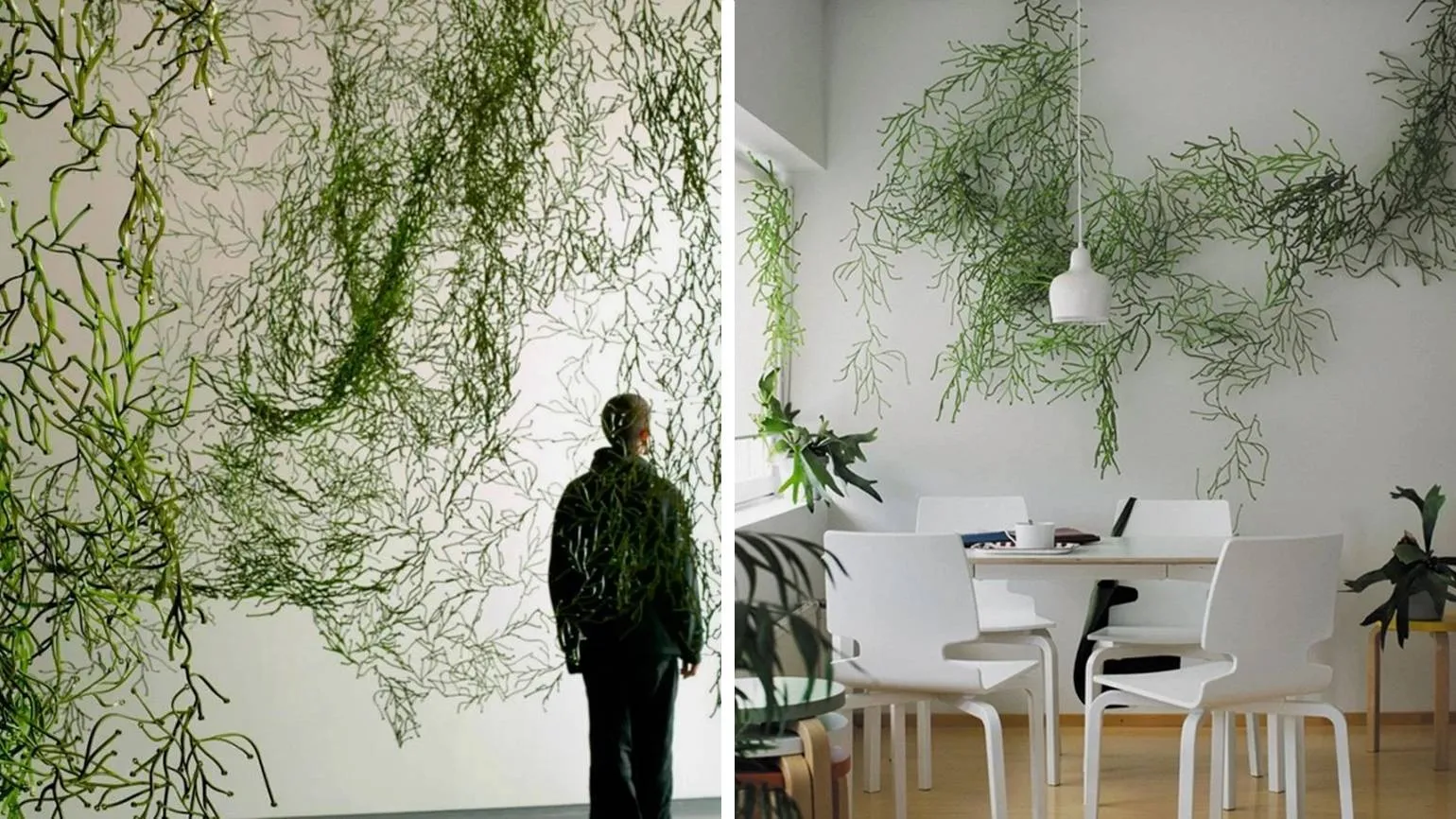
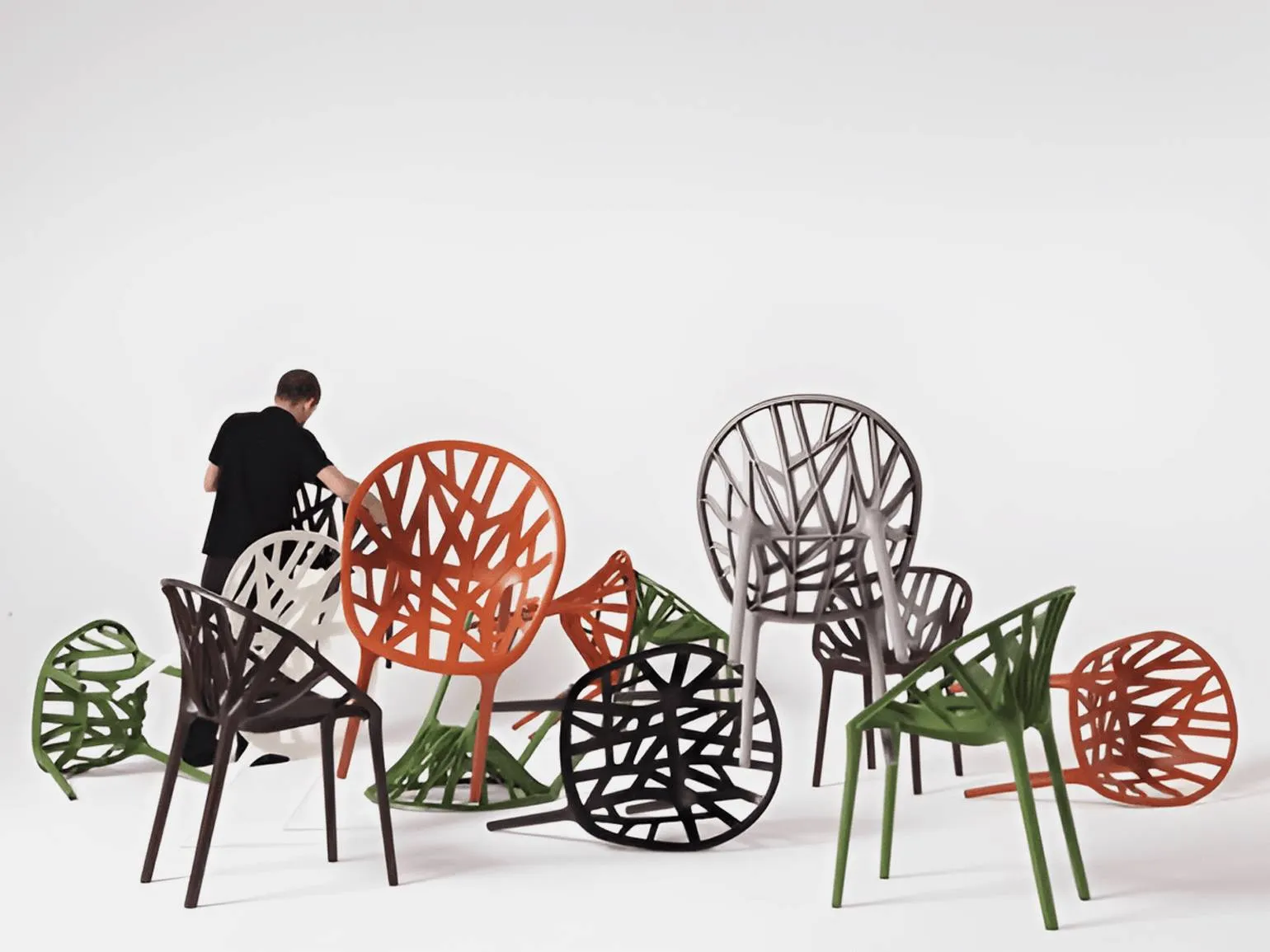
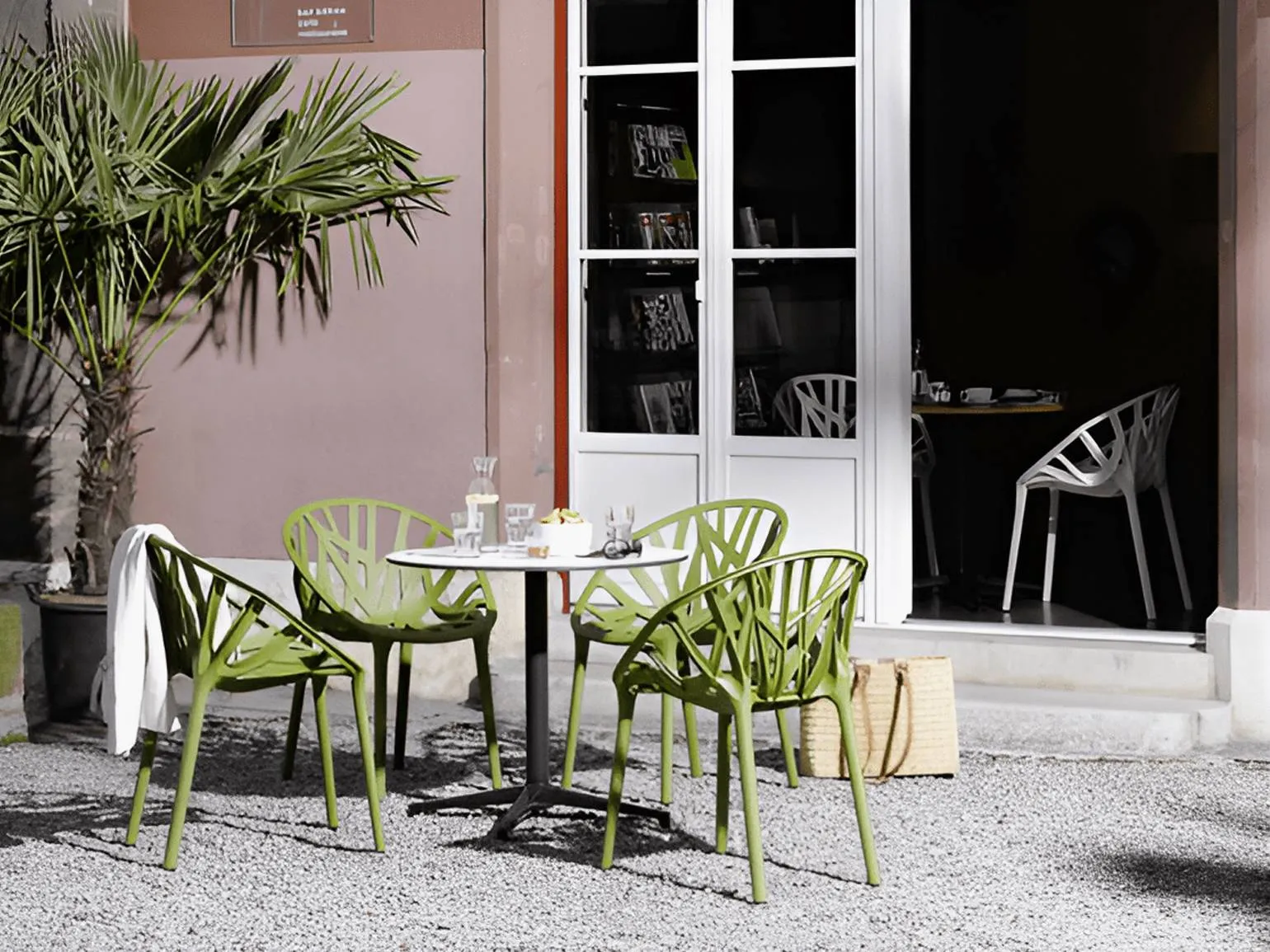
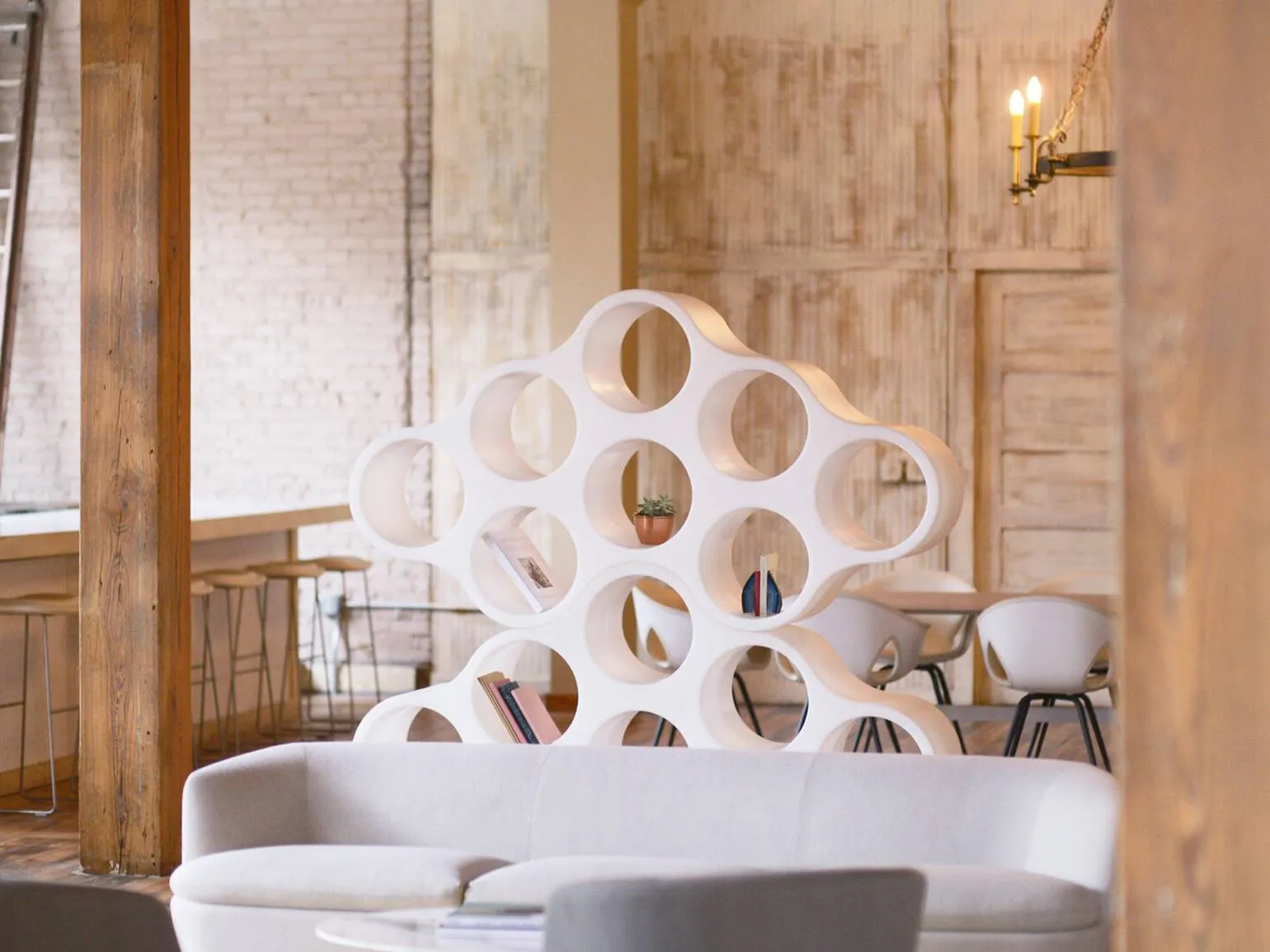
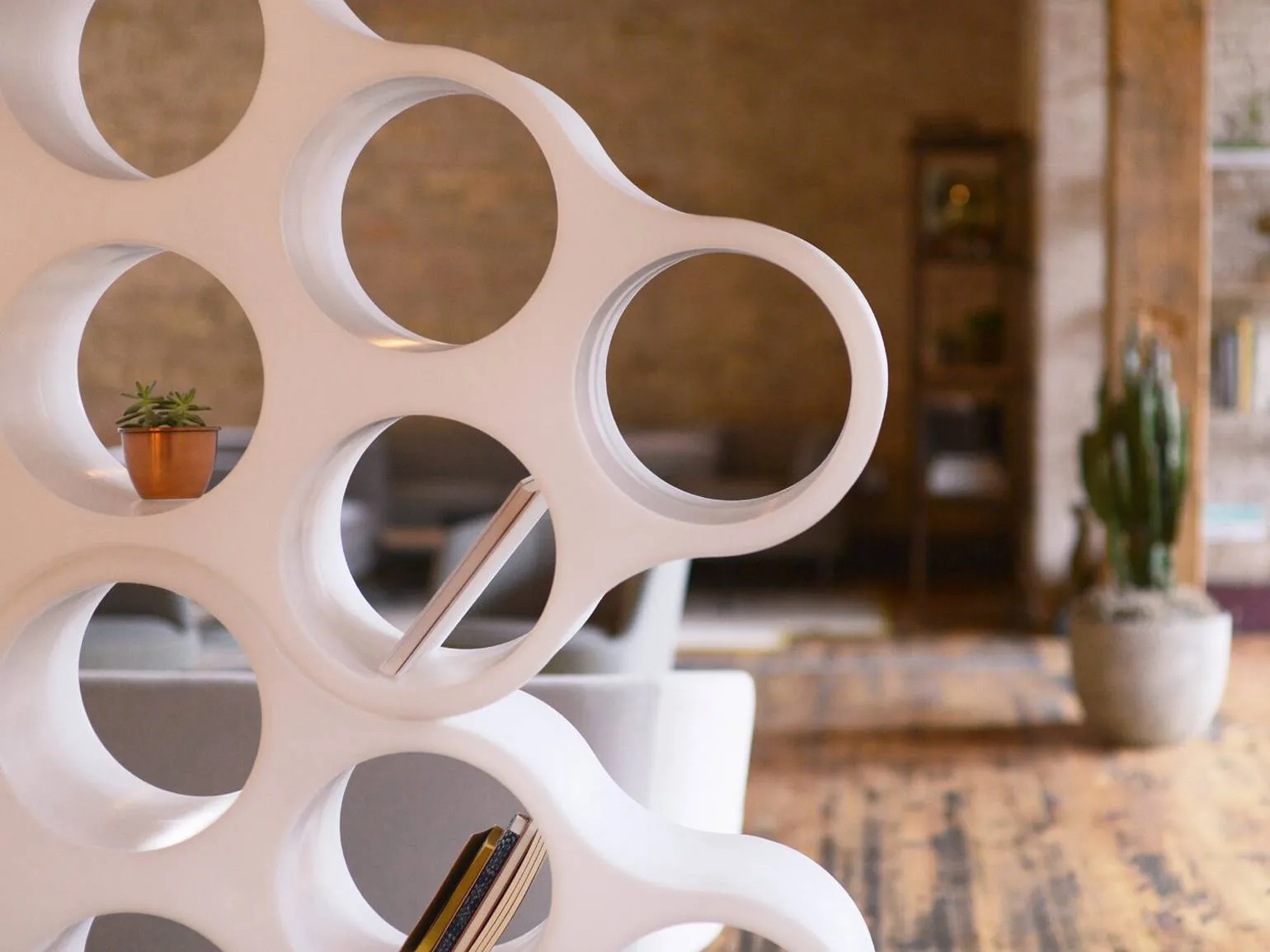
The brothers Ronan and Erwan Bouroullec have gained popularity thanks to their innovative experiments with materials and forms. Their projects, such as the Algues modular system for Vitra (2004), feature plastic elements reminiscent of seaweed. The Vegetal chair (2009) for Vitra features an organic form inspired by the natural structures of plants. Cloud Bookshelf (2004) for Cappellini is a modular bookcase that creates the effect of floating in space. These works not only demonstrate original design solutions, but also emphasize the importance of human interaction with the environment.
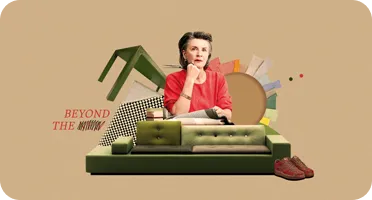
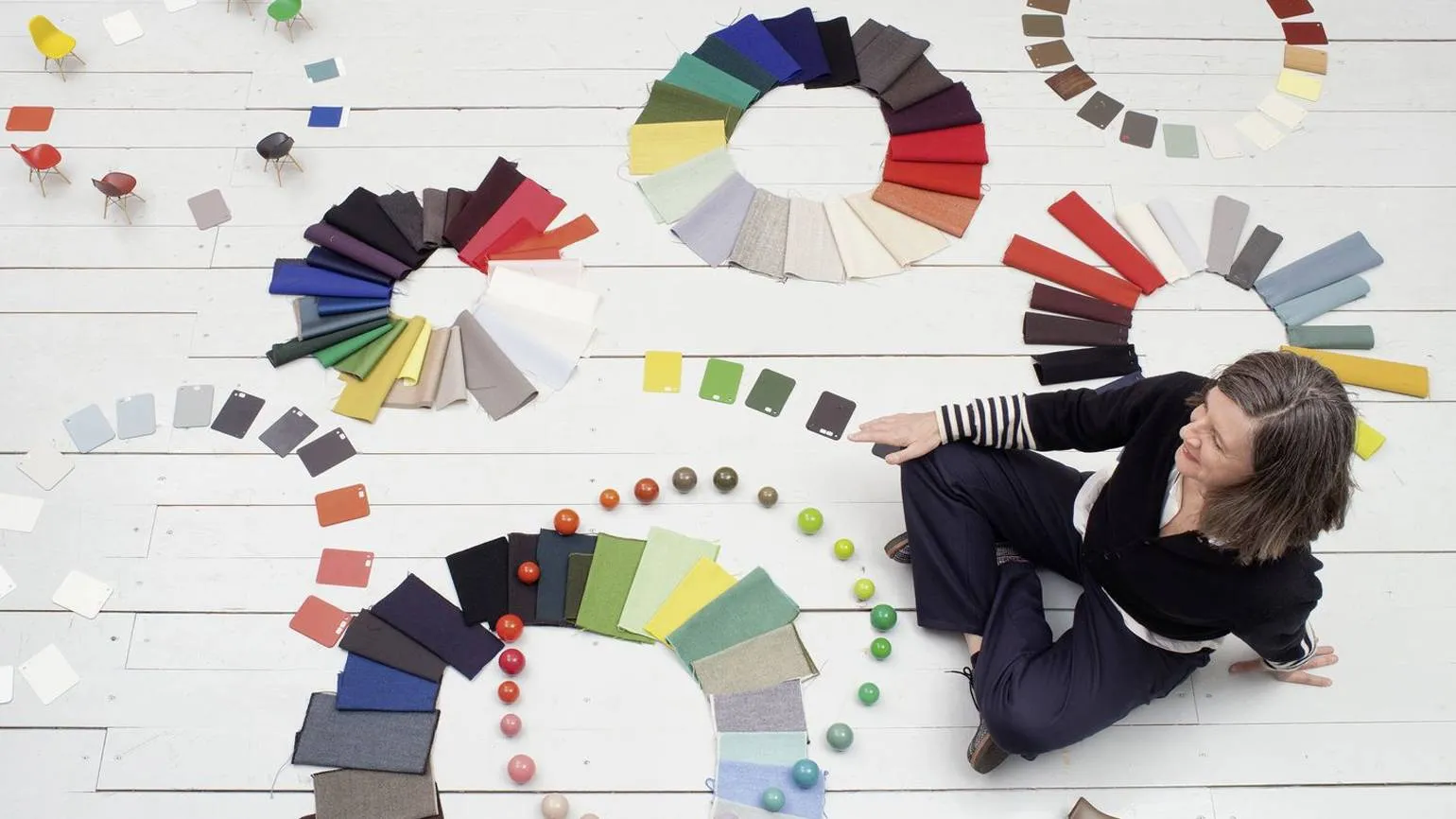
Hella Jongerius works at the intersection of industrial design and craft traditions. Her work for companies such as Vitra and Maharam is distinguished by its attention to texture, color, and detailed handcrafting integrated into mass production. The designer creates items that are not only functional but also have a unique aesthetic, making them in demand on the market. Hella Jongerius continues to explore the possibilities of combining modern technology and traditional craftsmanship, which allows her to develop innovative and long-lasting design solutions.
Check out additional materials:
Hella Jongerius: Amazing Experiments with Color and Form
Hella Jongerius is a prominent designer known for her bold and innovative approaches to color and form. Her works harmoniously combine functionality and aesthetics, making them unique in the world of contemporary design. Jongerius actively explores new possibilities of materials and technologies, allowing her to create objects that are not only pleasing to the eye but also have practical application.
Her experiments with color attract attention and engage a wide audience. Each work is not just an object, but an entire story told through shades and textures. Jongerius strives to change the perception of familiar forms using innovative methods and approaches. She is inspired by nature, culture, and everyday life, which is reflected in each of her works.
One of the key aspects of Hella's work is the interaction of design with the environment. Her projects often focus on sustainability, making her work relevant in the face of modern challenges. Through his design work, Jongerius not only creates aesthetically pleasing objects but also contributes to environmental awareness.
Thus, Hella Jongerius continues to amaze the world with her experiments with color and form, bringing fresh ideas to contemporary design and inspiring a new generation of creators.
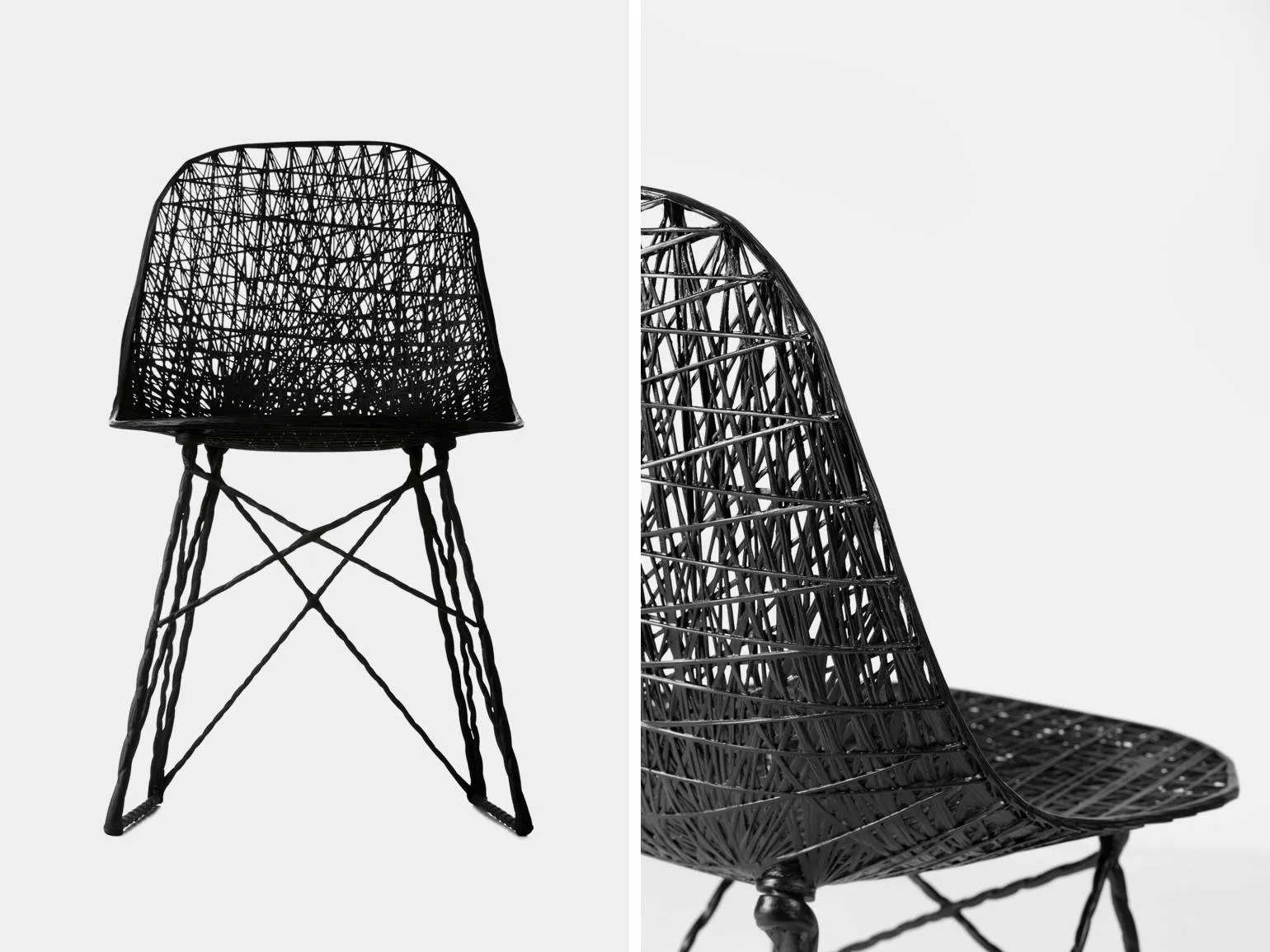
Carbon fiber has become popular in furniture design due to its lightness and high strength. The Carbon Chair, designed by Marcel Wanders for Moooi in 2004, clearly illustrates the potential of this high-tech material for creating elegant and durable structures. The use of carbon fiber in furniture opens up new horizons for designers, allowing them to create stylish and functional interior items that are durable and aesthetically pleasing.
Bioplastics and eco-friendly polymers are being created as a sustainable alternative to traditional petroleum-based plastic materials. Designers are actively exploring the use of renewable resources such as corn starch, plant fibers, and recycled waste. These innovative materials not only reduce the negative impact on the environment but also contribute to the development of sustainable production. The use of bioplastics can significantly reduce pollution levels, as well as decrease dependence on fossil resources, making them an important step towards a sustainable future.
Democratization of Design: Quality for Everyone
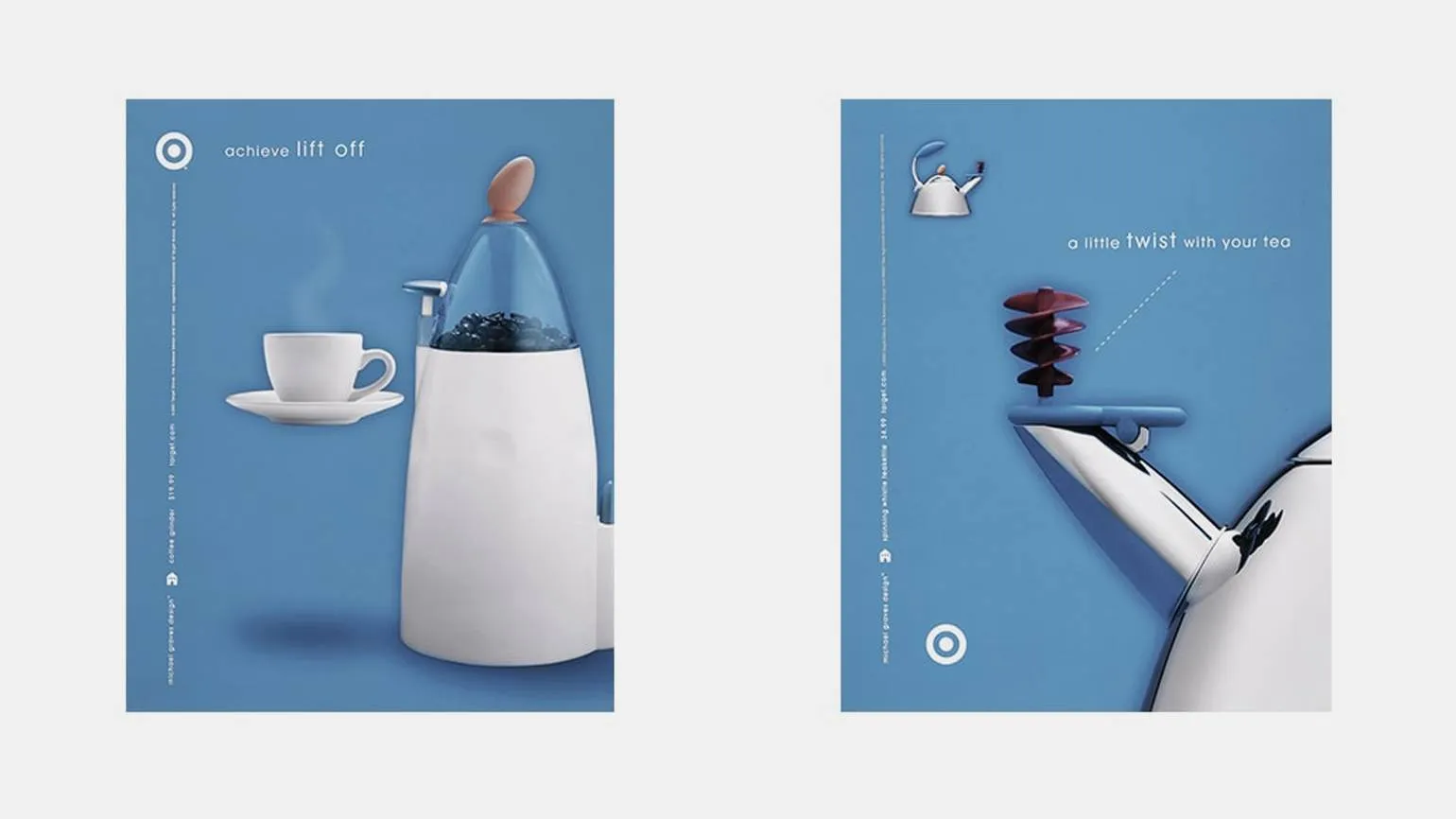
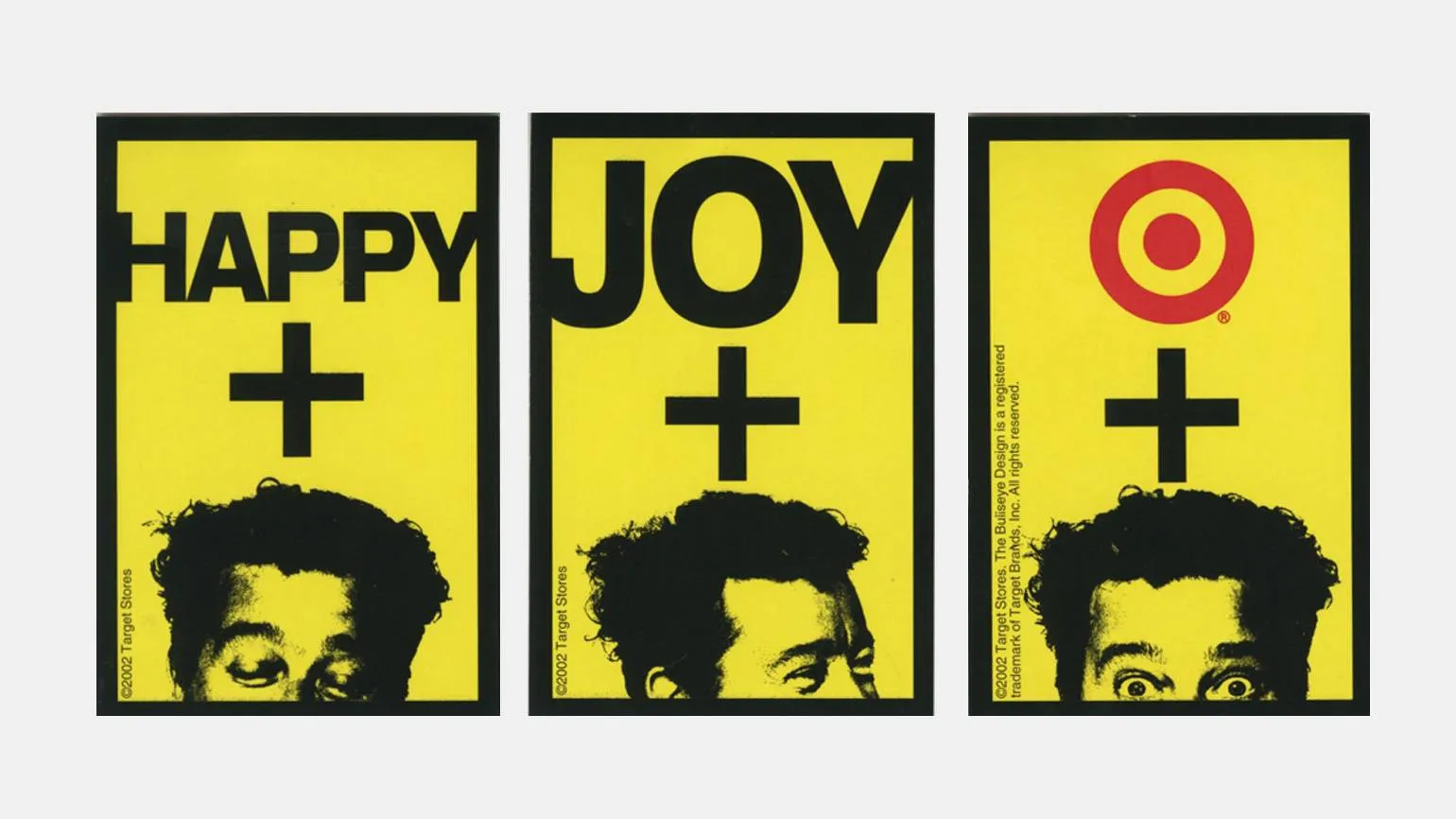
The 2000s marked the era of accessible design, when high-quality design solutions were no longer exclusive to the elite. During this period, mass brands became platforms for creative experiments by famous designers, which made stylish and modern solutions accessible to a wider audience. Accessibility of design has fueled a growing interest in fashion and style, changing the perception of what good design is and who can create it.
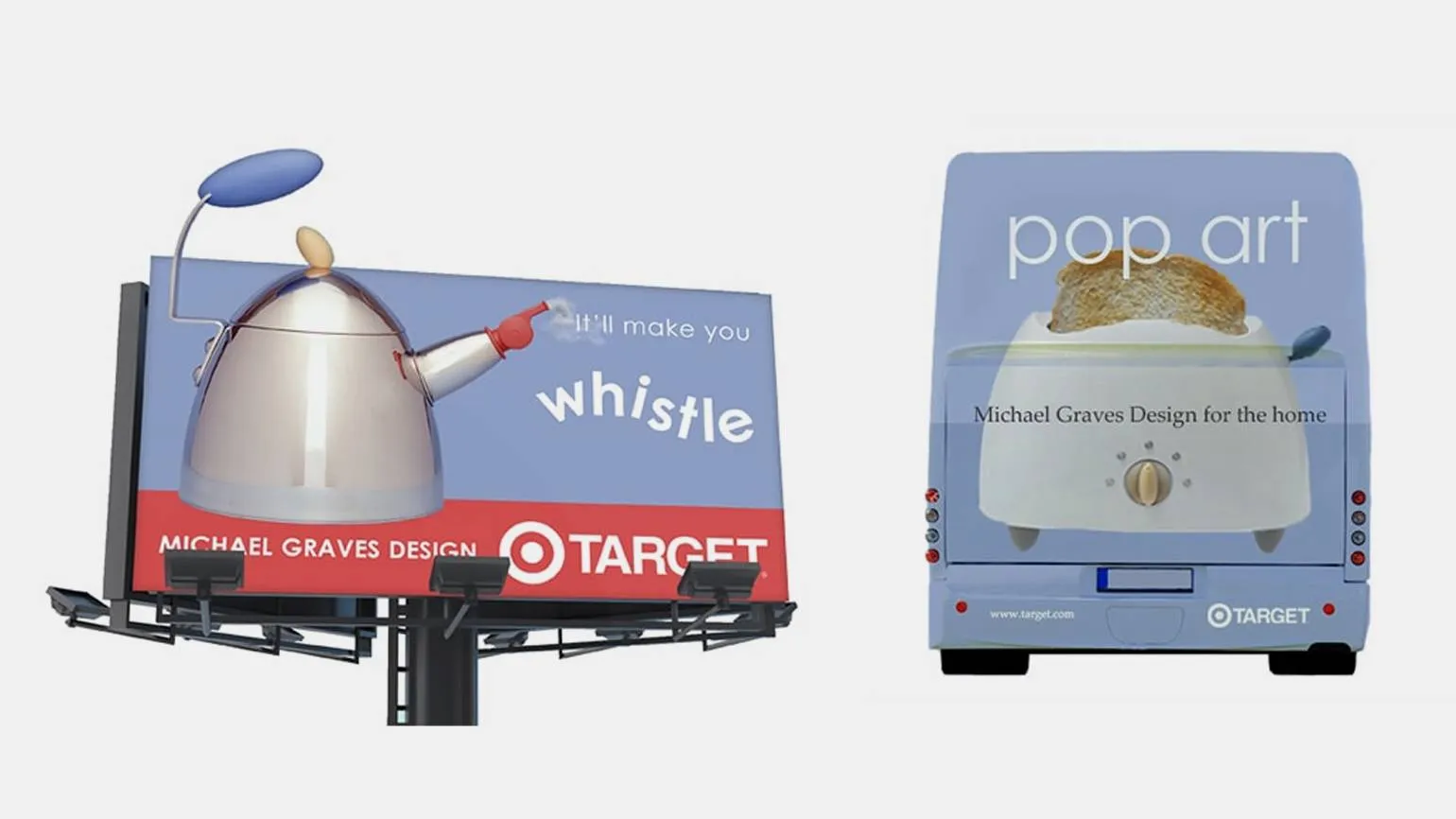
The company's collaboration with Michael Graves has resulted in the creation of over 2,000 affordable items, including the Pop Art Toaster and the Whistling Bird Kettle. This kettle is a more affordable version of the famous Alessi 9093 model, which Graves also designed in 1985.
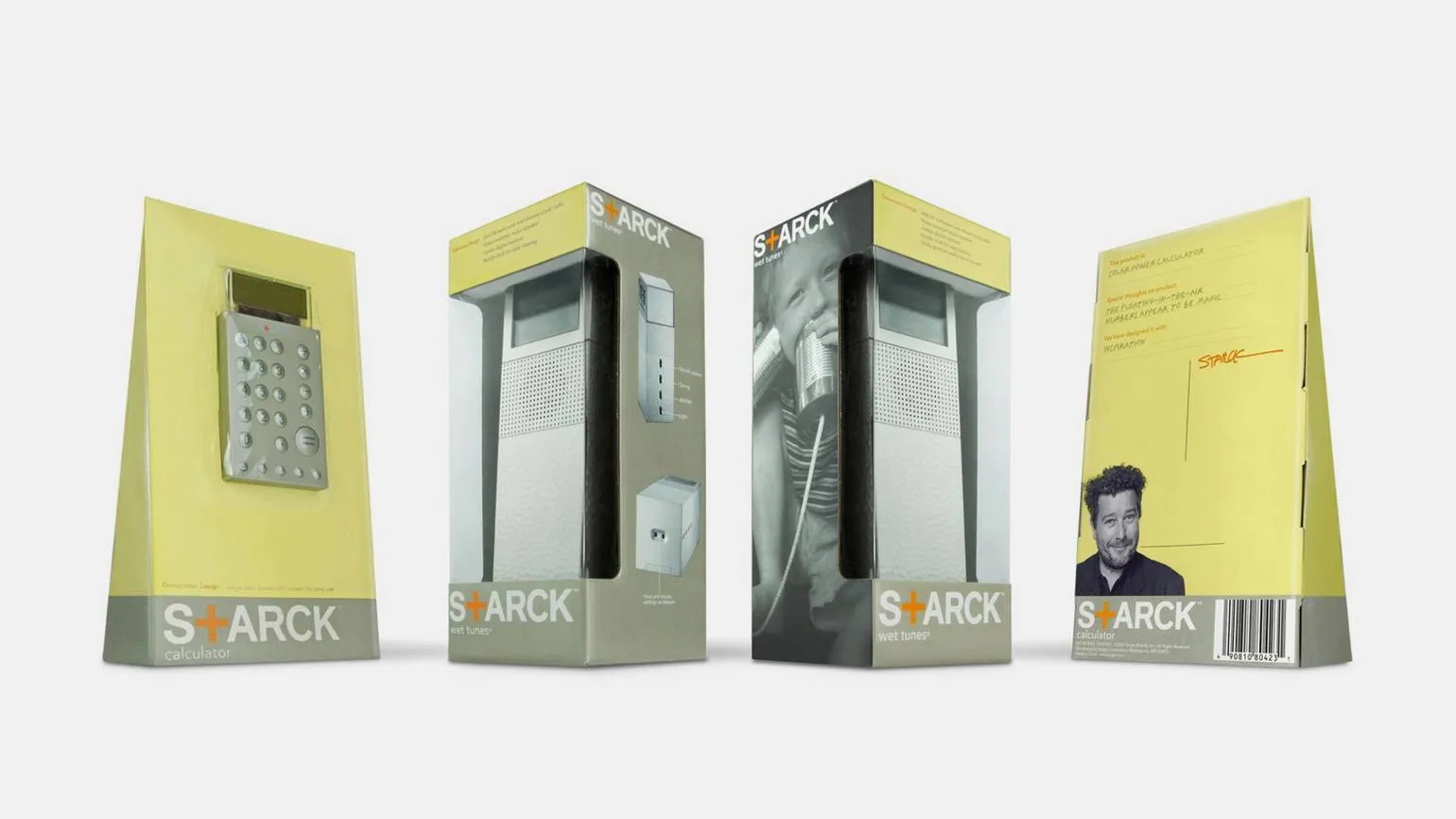
The Starck Reality collection by Philippe Starck, created as part of the Design for All program, includes more than 50 unique items. The range includes baby monitors, coffee tables, letter organizers, tape dispensers, bathroom scales, and even a children's playhouse. Interestingly, the packaging of each product tells the story of its creation, emphasizing the individuality and functionality of each item in the collection.

Check out additional materials:
Philippe Starck is a famous designer and architect, whose projects left a bright mark in the world of contemporary design. His works are distinguished by their unique style and innovative approaches. Let's look at five of Philippe Starck's most significant projects.
The first project is the famous "Juicy Salif" chair, created for Alessi. This lemonade stand has become an icon of contemporary design and embodies a combination of functionality and artistic expression.
The second project is the "Mama Shelter" hotel in Paris. This unique hotel combines a creative approach to interiors and an atmosphere of comfort, attracting tourists with its original style and modern amenities.
The third project is the "Ghost Chair" for Kartell. This transparent plastic chair has become a symbol of contemporary design thanks to its minimalist and elegant appearance.
The fourth project is the "Bunny" chandelier for Flos. This lamp is distinguished by its playful design and original shape, making it a true work of art in the interior.
The fifth project is "Ship" for Vitra. This project is a shining example of an unconventional approach to design and demonstrates Philippe Starck's ability to combine form and function in a single object.
Each of these projects highlights Philippe Starck's unique style and his contribution to contemporary design.
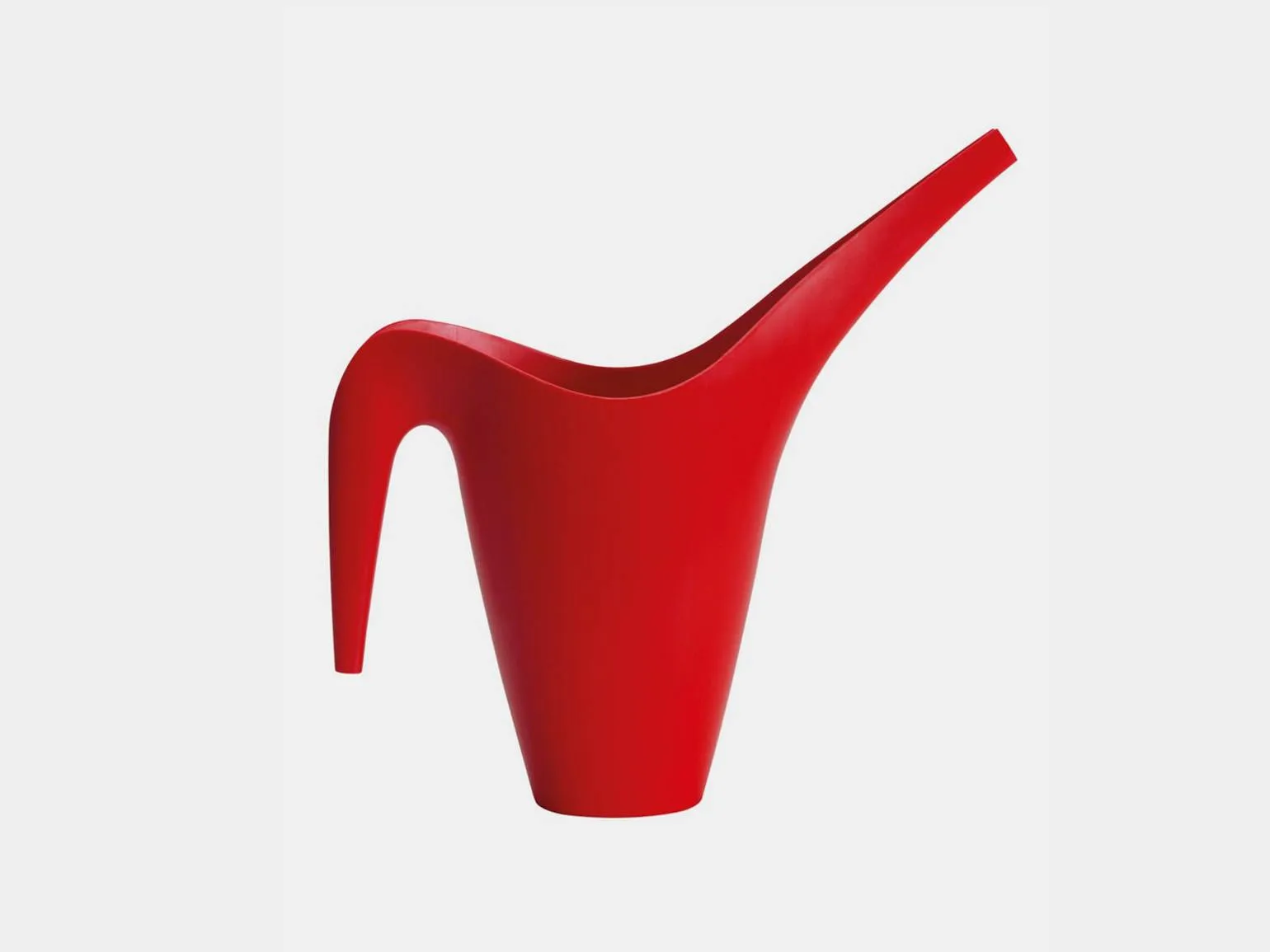
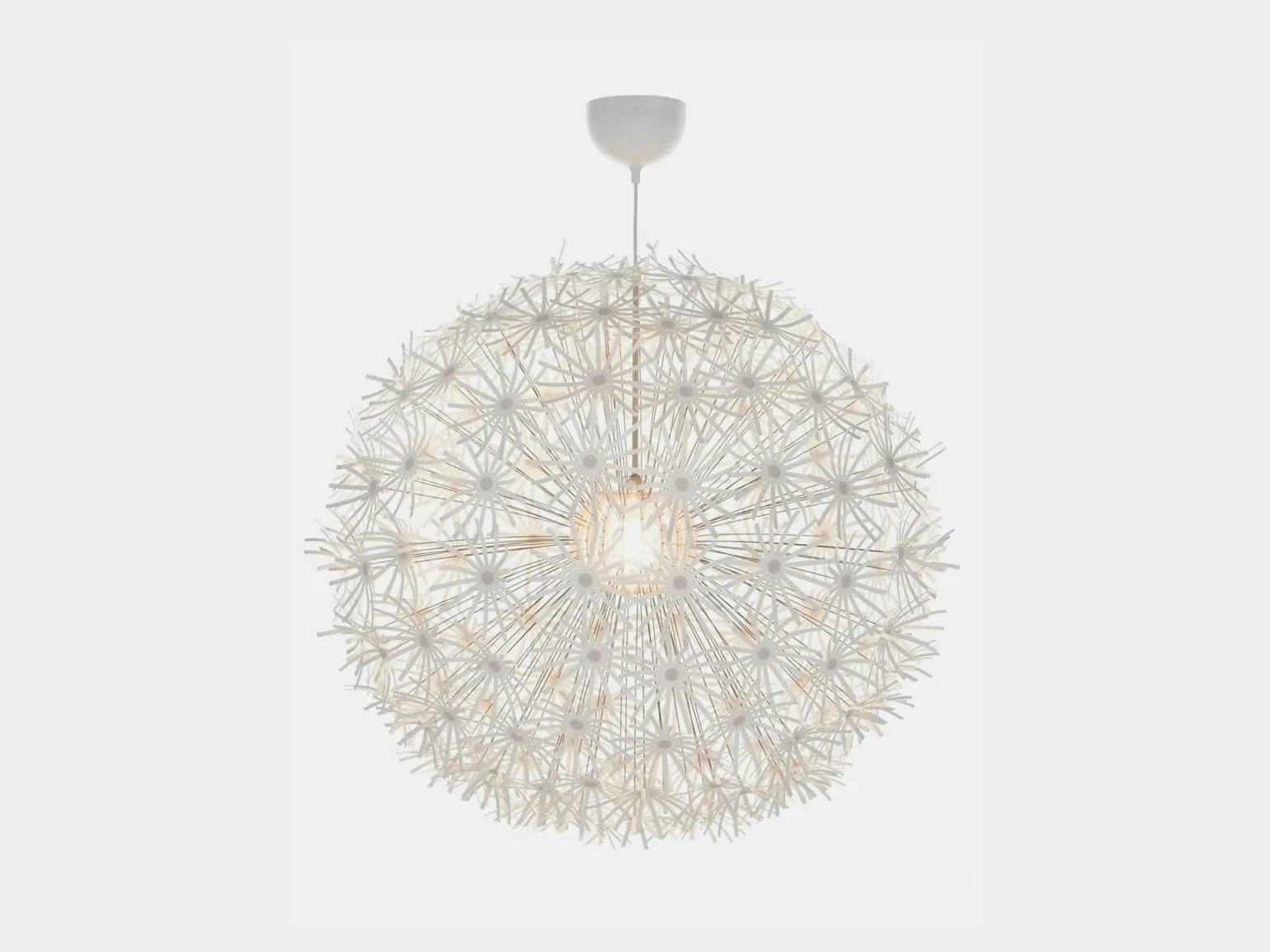
IKEA PS collection introduced in 1995 In the 2000s, the IKEA PS line evolved into a true laboratory of innovation, combining functionality, affordability, and aesthetics. This line of furniture and accessories is distinguished by its contemporary design and high quality, allowing it to remain relevant and in demand in the market. IKEA PS offers unique solutions for arranging spaces, meeting the needs of modern users and their desire for style and convenience. Created by Monica Mulder in 2002, the Vållö watering can is a striking example of minimalist design and continues to be part of the IKEA range. This product combines simplicity of form and functionality, making it a popular choice among customers who value style and practicality. Inspired by modern trends, the Vållö watering can is ideal for those looking for elegant solutions for their home.
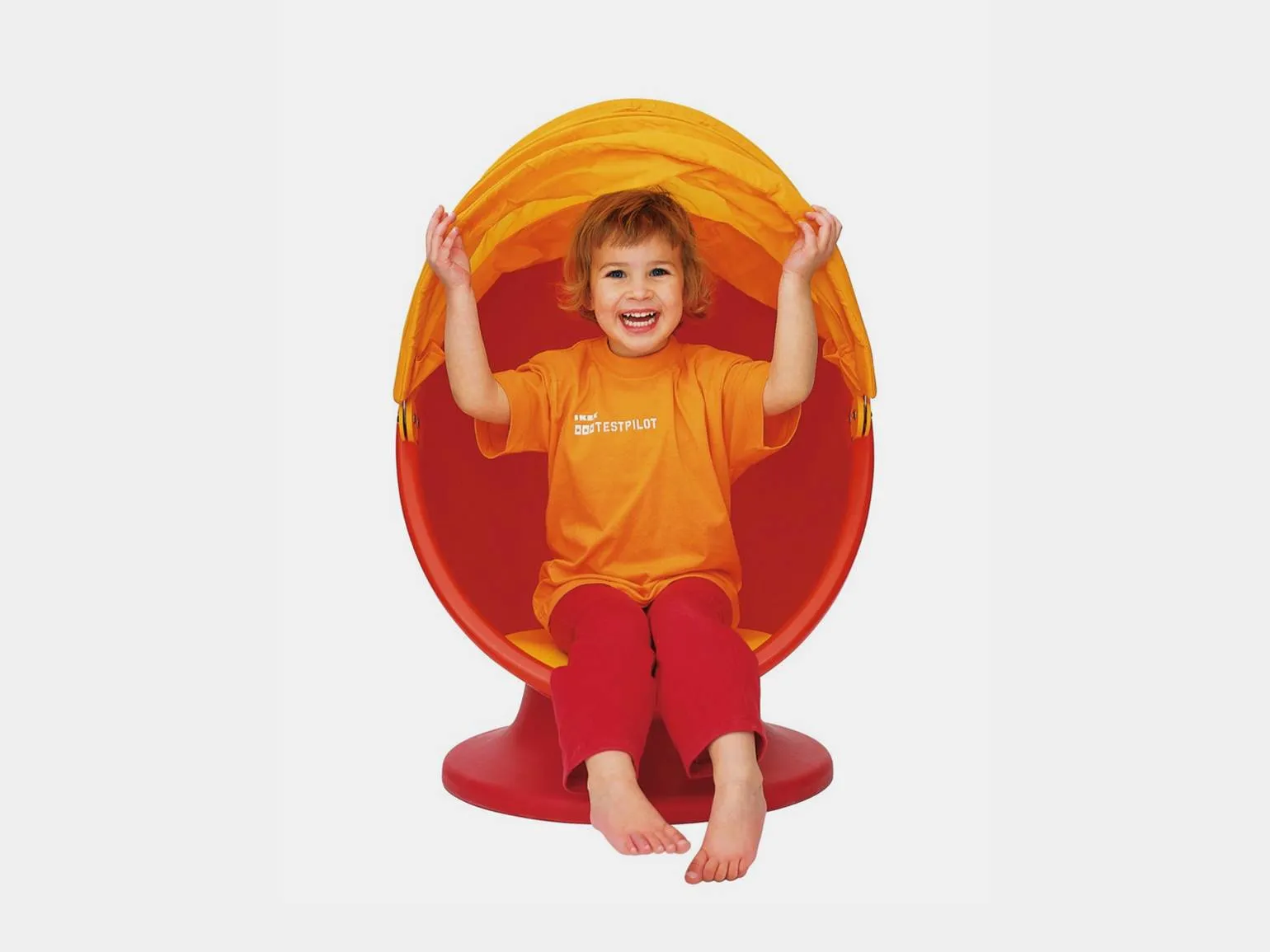
The Lömsk chair, designed by Monika Mulder in 2003, is a unique piece of furniture that reimagines the idea of private space for children. It creates an atmosphere of privacy, transforming it into an engaging play space. This chair is ideal for creating a comfortable and safe environment in which children can develop their imagination and engage in creative activities.
The Decade in Review: What's Stayed With Us
Four key inventions of this period continue to have a significant impact on our daily lives. These innovations changed the way people interact, transformed business, and even the very nature of society. Each invention laid the foundation for further technological advances and continues to shape our world, providing convenience and efficiency. Their influence is felt in a variety of fields, from communications to medicine, and they remain relevant in modern society.
- Digital design. What began as an experiment for a select few has now become a common tool for any designer. Parametric modeling makes it possible to create buildings and objects of incredible complexity.
- Sustainability. Caring for nature is no longer just a fashionable topic. Now it is a basic requirement for any project – from a skyscraper to a cup.
- "Smart" technologies. The first steps toward interactive spaces and objects, taken in the 2000s, led us to modern homes where technology understands us instantly.
- The importance of public spaces. Cities have begun to actively develop parks, squares, and pedestrian areas, making them the centers of urban life.
The main achievement of recent years has been finding harmony between opposites: digital technology and human interaction, global trends and local traditions, technological progress and the warmth of handcrafted work. This balance has become the foundation of contemporary design, which we see everywhere. Combining innovative solutions with traditional approaches allows us to create unique and functional products that reflect the current needs of society and respect for cultural heritage.
Profession Graphic Designer PRO
You will learn how to create corporate identity elements and graphics for business. Create a portfolio that reflects your style and demonstrates your design skills. Start your career in a studio or as a freelancer.
Learn more