Contents:
Course with employment: "The profession of a Fashion designer"
Find out morePower dressing and the financial crisis
In the second half of the 1970s, a serious situation arose in the United States: the country was experiencing the most significant crisis since the Great Depression. During this challenging time, Jimmy Carter, a Democratic presidential candidate who actively advocated for women's and black rights, was president. In 1975, two key laws concerning equality were passed: the Equal Pay Act and the Sex Discrimination Act. These measures were an important step towards social justice and equality in American society.
As a result of these events, the number of women in American offices has increased significantly, including leadership positions. These are not just secretaries or assistants, but qualified professionals who require appropriate professional attire. This is why the demand for the power suit among women in business has increased.
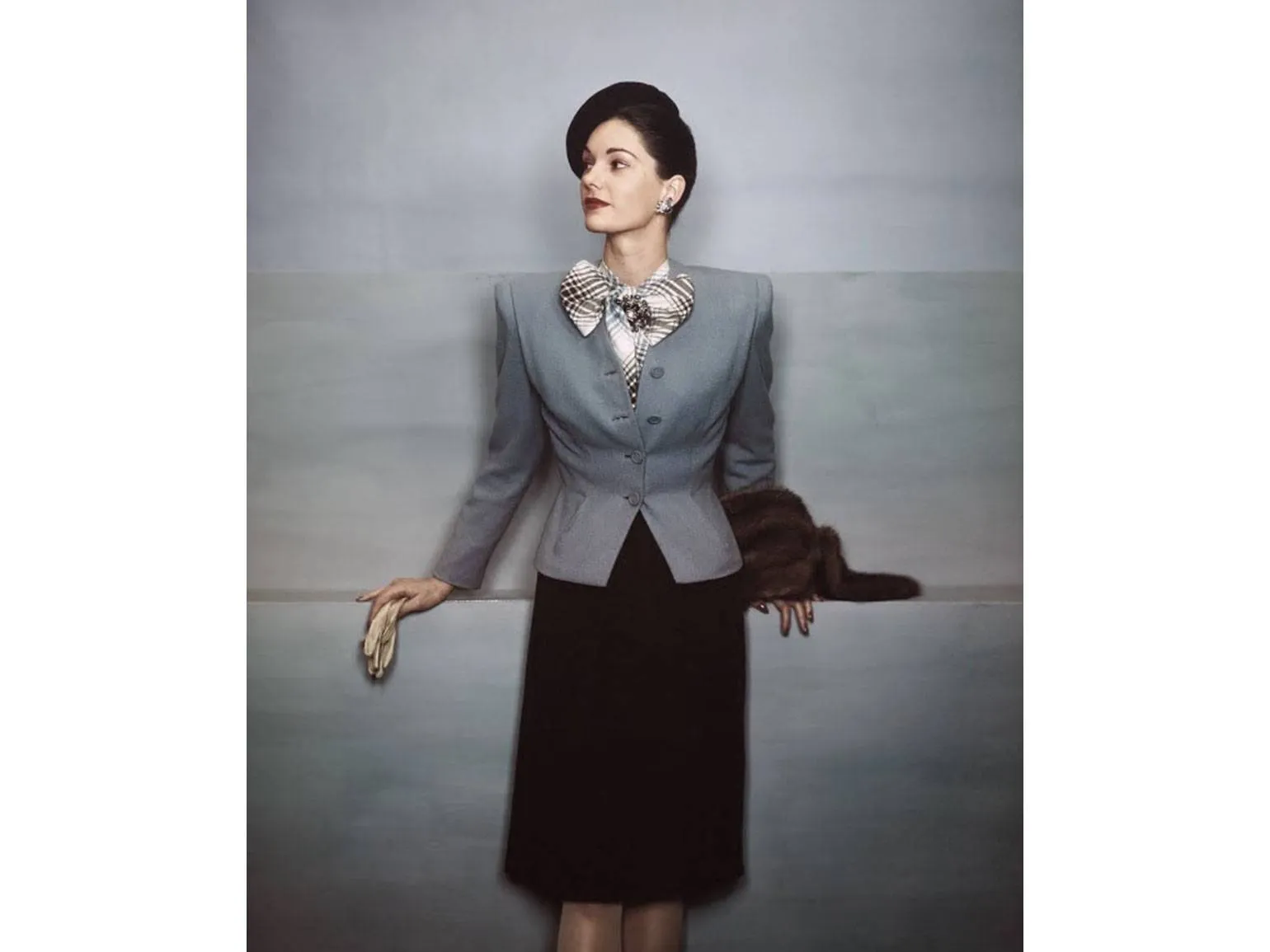
A power suit is a stylish women's suit that includes a jacket with wide shoulders, often complemented by shoulder pads, and a pencil skirt or culottes. A thin blouse, turtleneck, or shirt is usually worn under the jacket, creating an elegant look. This cut visually elongates the silhouette, giving women a slimmer, taller appearance. The power suit has become a symbol of confidence and professionalism, ideal for business meetings and formal events.
How the silhouette of women's clothing has changed
The appearance of the power suit is associated with Changes in women's roles in society and the evolution of fashion. In the early 1930s, the female silhouette underwent a significant transformation: dresses with broad shoulders came into fashion, leading to the development of the "inverted triangle" figure, with broad shoulders and narrow hips. This reflected women's desire for a more confident and active role in society, which, in turn, influenced clothing style and design. The power suit became a symbol of strength and independence, combining elegance and functionality, making it relevant today.
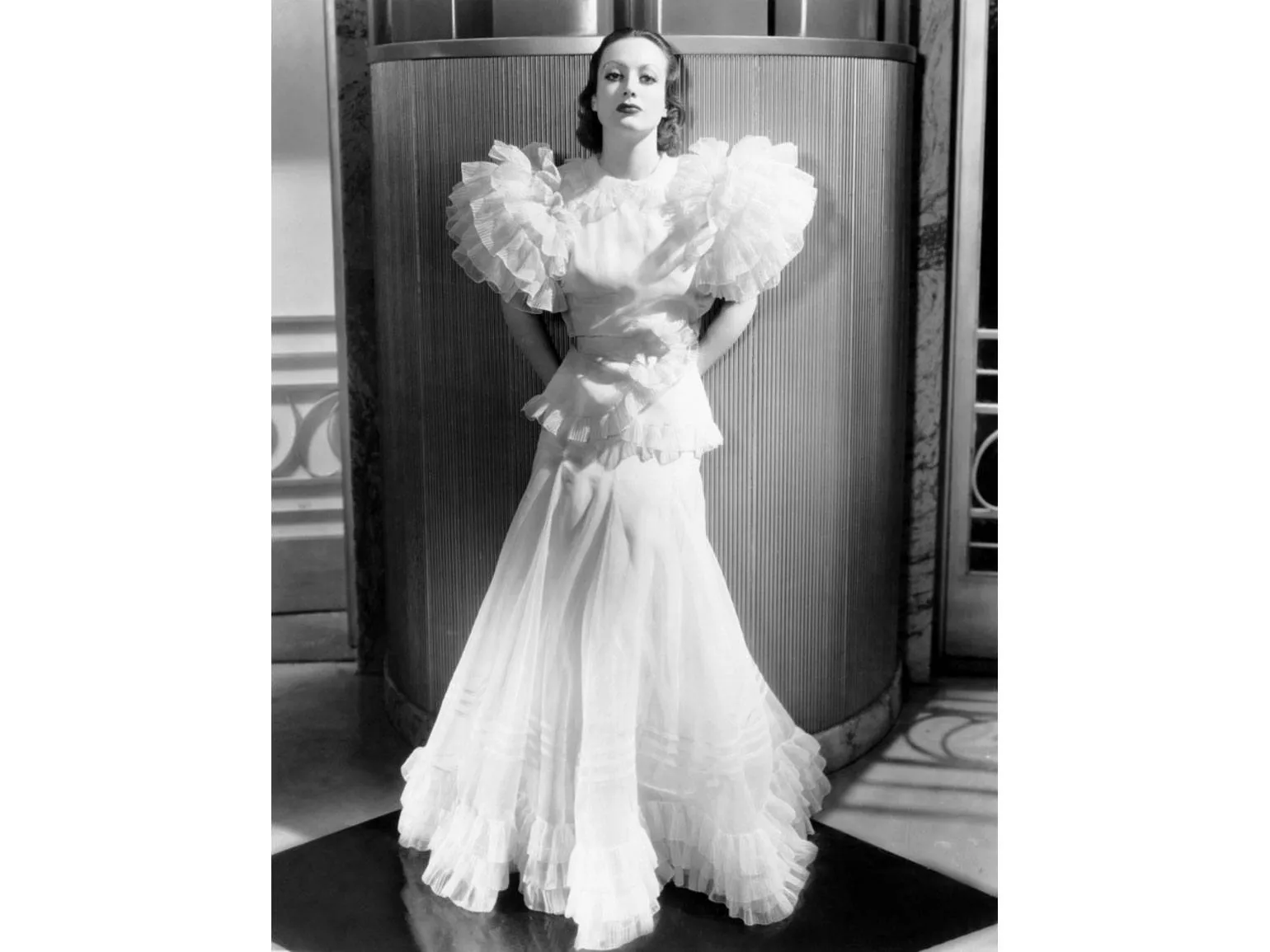
The power suit style was popularized by renowned Hollywood costume designer Adrian Greenberg, better known as Adrian. He created the famous dress for actress Joan Crawford, which became a fashion icon and started the trend for similar silhouettes. This unique design had a significant impact on women's fashion, making voluminous shoulders a symbol of elegance and power.
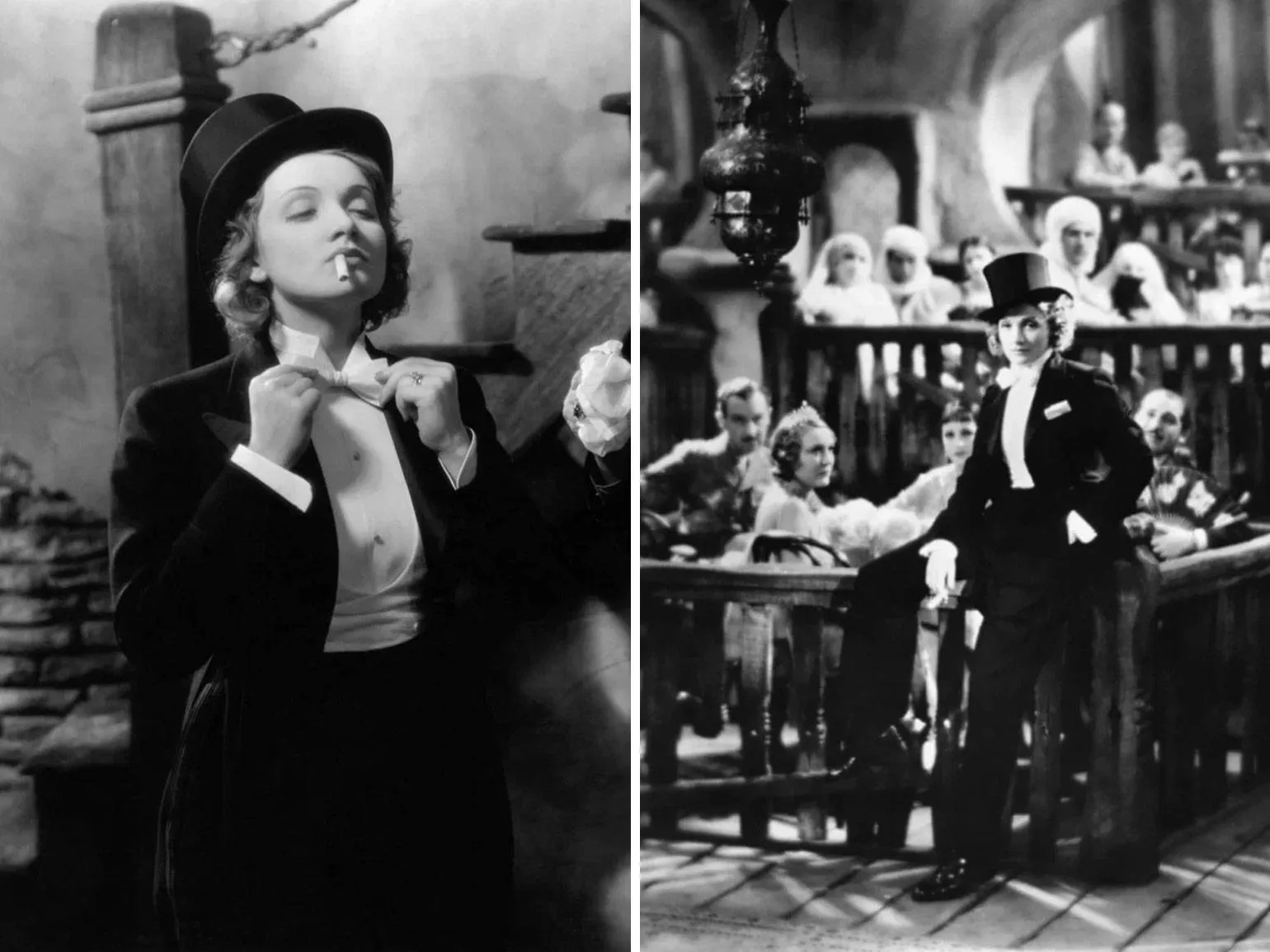
In the 1930s, women began to actively introduce men's-cut suits into their wardrobes, one of the first examples of which was Marlene Dietrich. In the film "Morocco" (1930), she caused a real sensation by appearing on screen in a tailcoat, making her look iconic. Marlene continued this trend, choosing Coco Chanel pantsuits for everyday wear. This style became a symbol of emancipation and freedom, opening new horizons for women's fashion and self-expression.
In parallel with Coco Chanel, fashion designer Elsa Schiaparelli also made a significant contribution to the creation comfortable suits for women. She designed pantsuits with wide shoulders, worn by American stars such as Katharine Hepburn, Lauren Bacall, and Mae West. These styles became a symbol of elegance and style, emphasizing the femininity and strength of their wearers. Schiaparelli's influence on fashion cannot be overestimated, as she played a key role in shaping new standards of women's clothing.
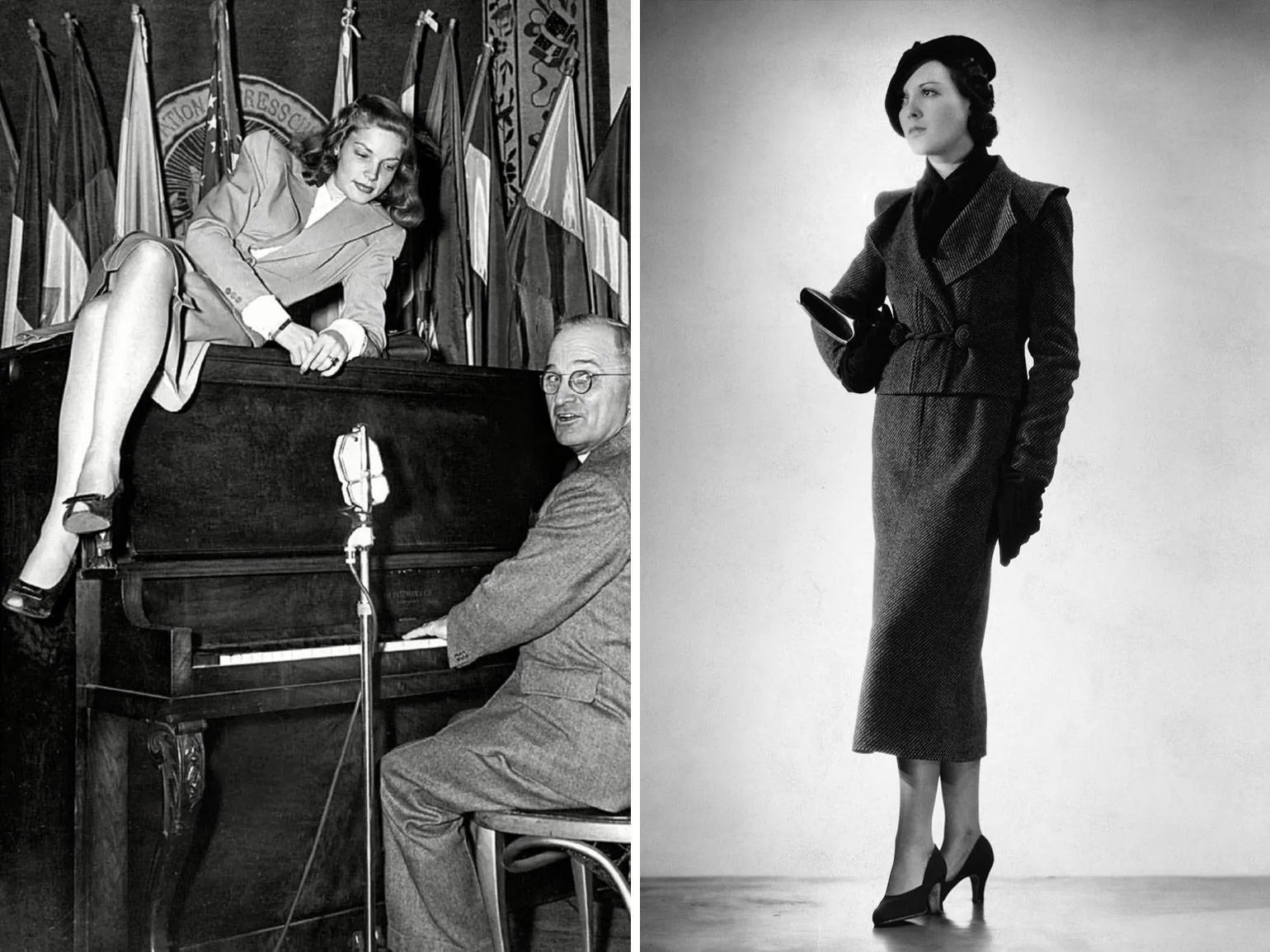
The impact of war on women's daily lives was a significant factor in changing fashion. During World War II, women actively participated in military operations alongside men, which contributed to the incorporation of elements of military uniform into their wardrobes. This led to a simplification of clothing silhouettes, reflecting the new realities and role of women in society. The fashion of that time became a symbol of strength and independence, emphasizing the changing social roles and requirements for women's clothing.
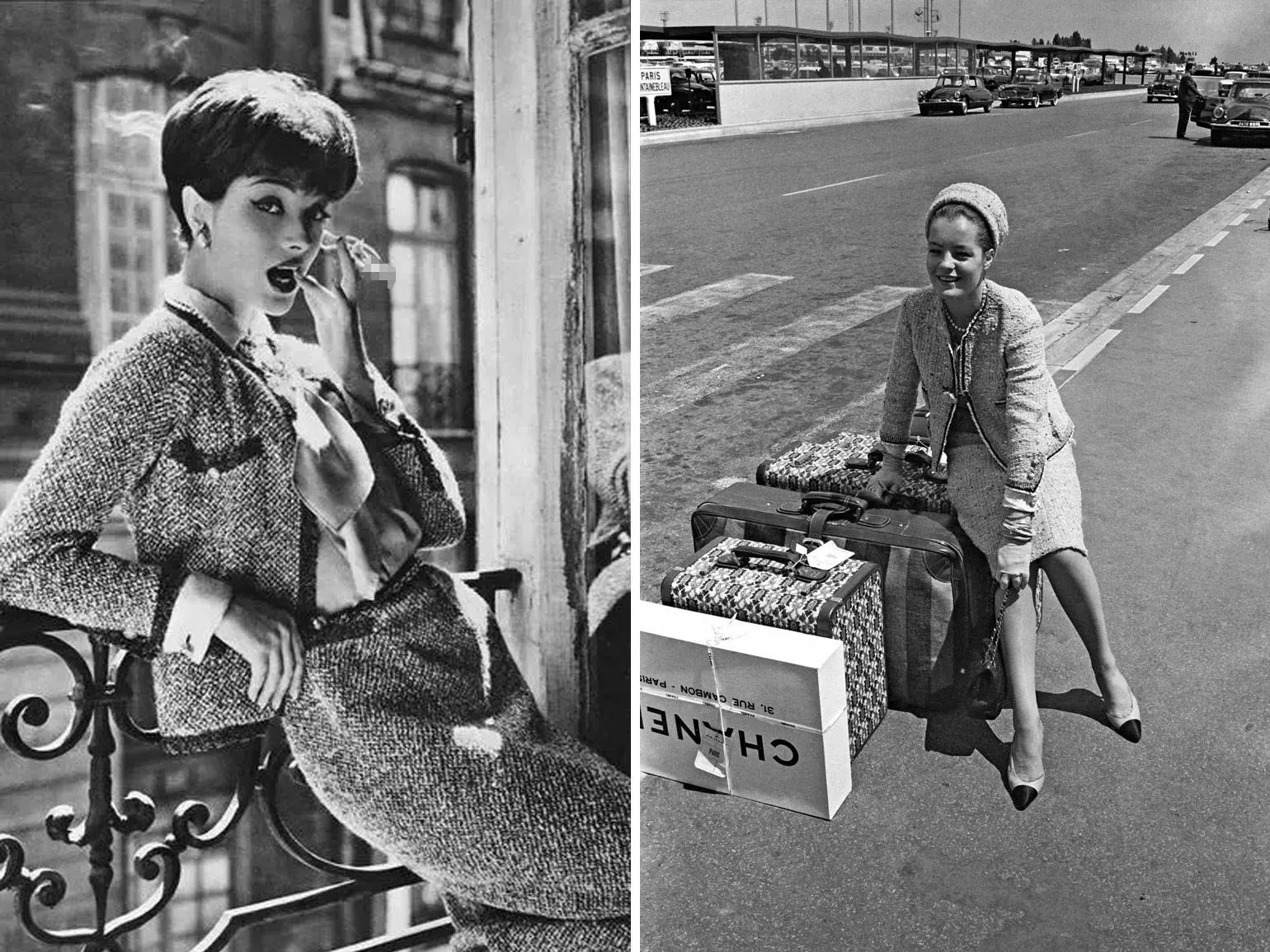
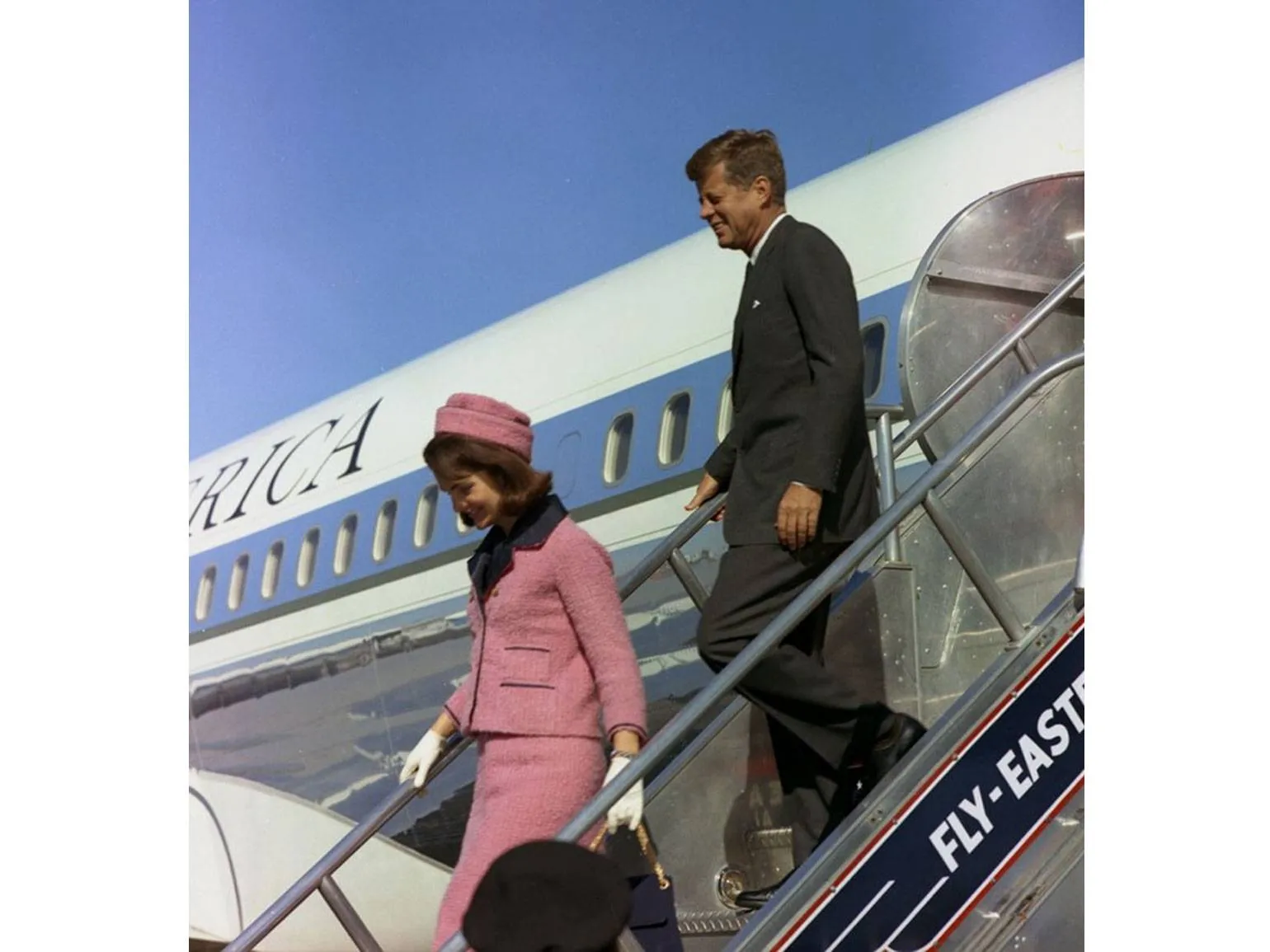
In 1954, Coco Chanel, at the age of seventy, introduced the world to the famous tweed suit, which became a symbol of elegance and style. This suit included a fitted jacket without a collar and lapels, complemented by a knee-length skirt. Thanks to its durability and versatility, tweed quickly earned a place in women's wardrobes. In the 1960s, tweed two-piece suits became popular among style icons like Audrey Hepburn and Jacqueline Kennedy, further cementing its status in the fashion world. Tweed remains a relevant and sought-after material, symbolizing classic style and impeccable quality.
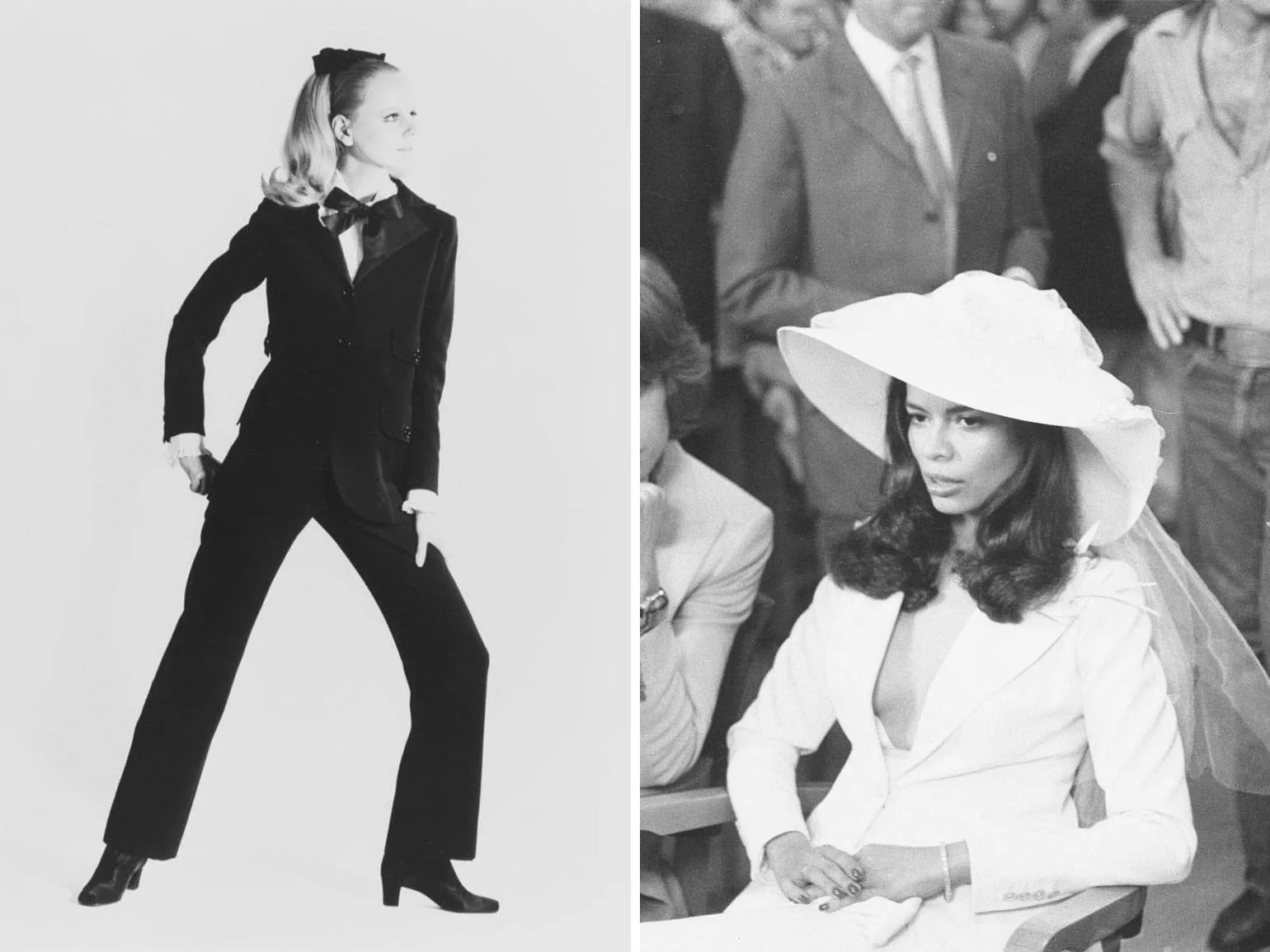
In 1966, Yves Saint Laurent presented the Pop Art collection, which included an iconic item - Le Smoking tuxedo, designed specifically for women. The tuxedo became a symbol of female emancipation in fashion. In 1971, Bianca Jagger made a splash by wearing a white Le Smoking by Saint Laurent to her wedding to Mick Jagger, a landmark moment in fashion history that highlighted a new era in womenswear. The creation of Le Smoking changed the perception of womenswear, making the tuxedo not only stylish but also a symbol of freedom and independence. The designer emphasized the uniqueness of his collection, stating: "Whether it's a tuxedo, a blazer, or an officer's uniform, a woman dressed in a masculine style must remain supremely feminine to resist a suit that doesn't belong to her." This approach underscores the idea that femininity and masculine style can harmoniously coexist, creating a unique and memorable look. This collection emphasizes silhouettes that flatter the female figure, combining elements of a classic men's wardrobe with elegance and charm. This creates a new perspective on fashion, where traditional gender boundaries are erased, and style becomes a means of self-expression.
The Rise of Power
Immersion in office life has created a number of requirements for office attire. Modern office style should combine both professionalism and comfort. The main requirements are comfort, stylish design, and compliance with corporate standards. Office attire should be made of high-quality materials that ensure freedom of movement and durability. It's also important to consider the color scheme and cut to emphasize individuality and align with a professional image. A well-chosen office suit not only creates an impression of confidence but also contributes to increased productivity at work.
- It should be comfortable, not tight, and not restrict movement.
- It should not sexualize a woman - no tight silhouettes or very short skirts.
- It should give women confidence in the same workspace with men.
Many famous designers responded to this request, including such fashion titans as Saint Laurent, Giorgio Armani, Ralph Lauren, Donna Karan, Claude Montana, Thierry Mugler, and Gianni Versace. These couturiers brought unique styles and innovative solutions, which made their names synonymous with quality and elegance in the fashion world. Their work continues to influence modern trends, shaping images and collections that remain relevant and in demand.
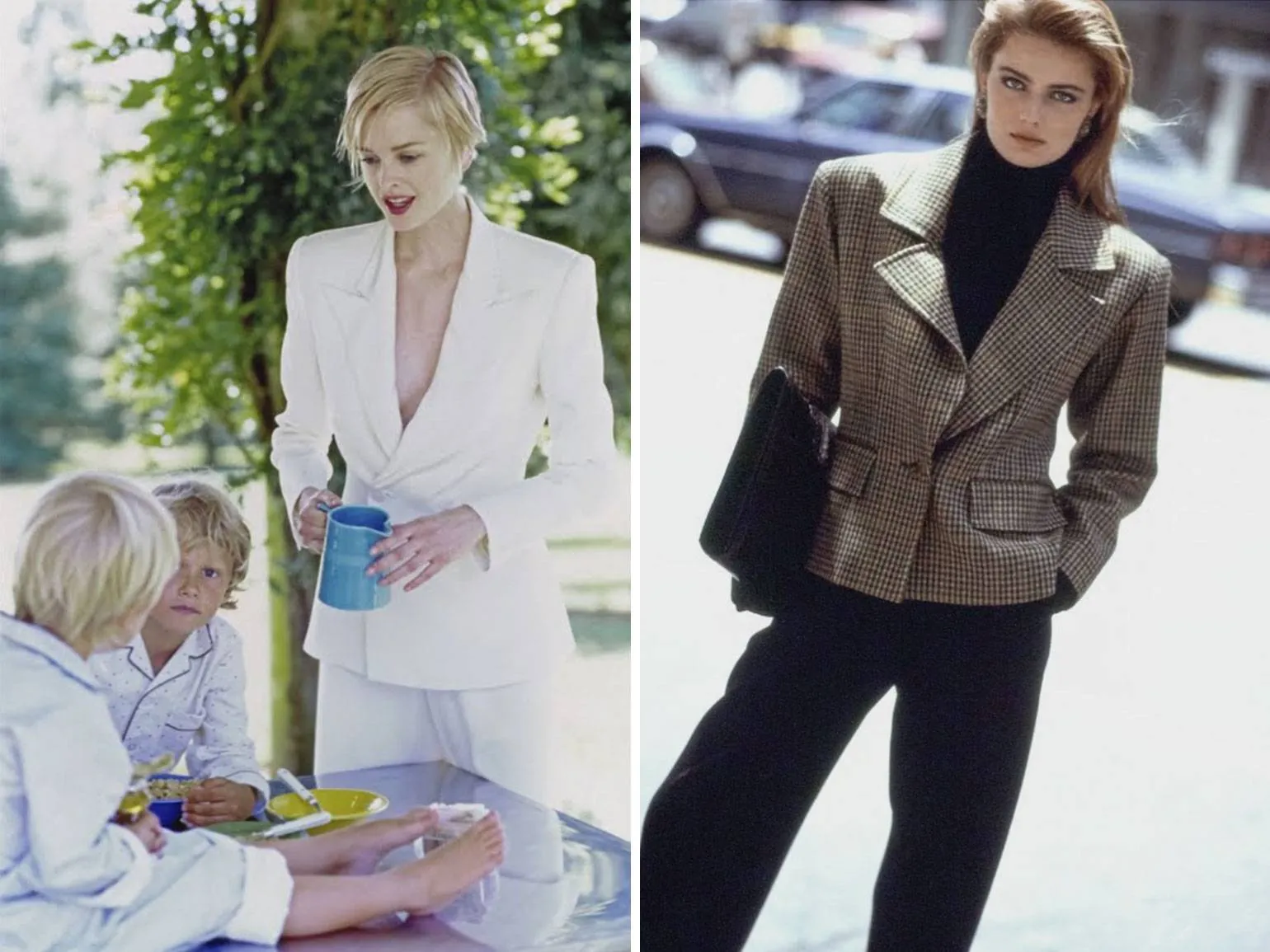
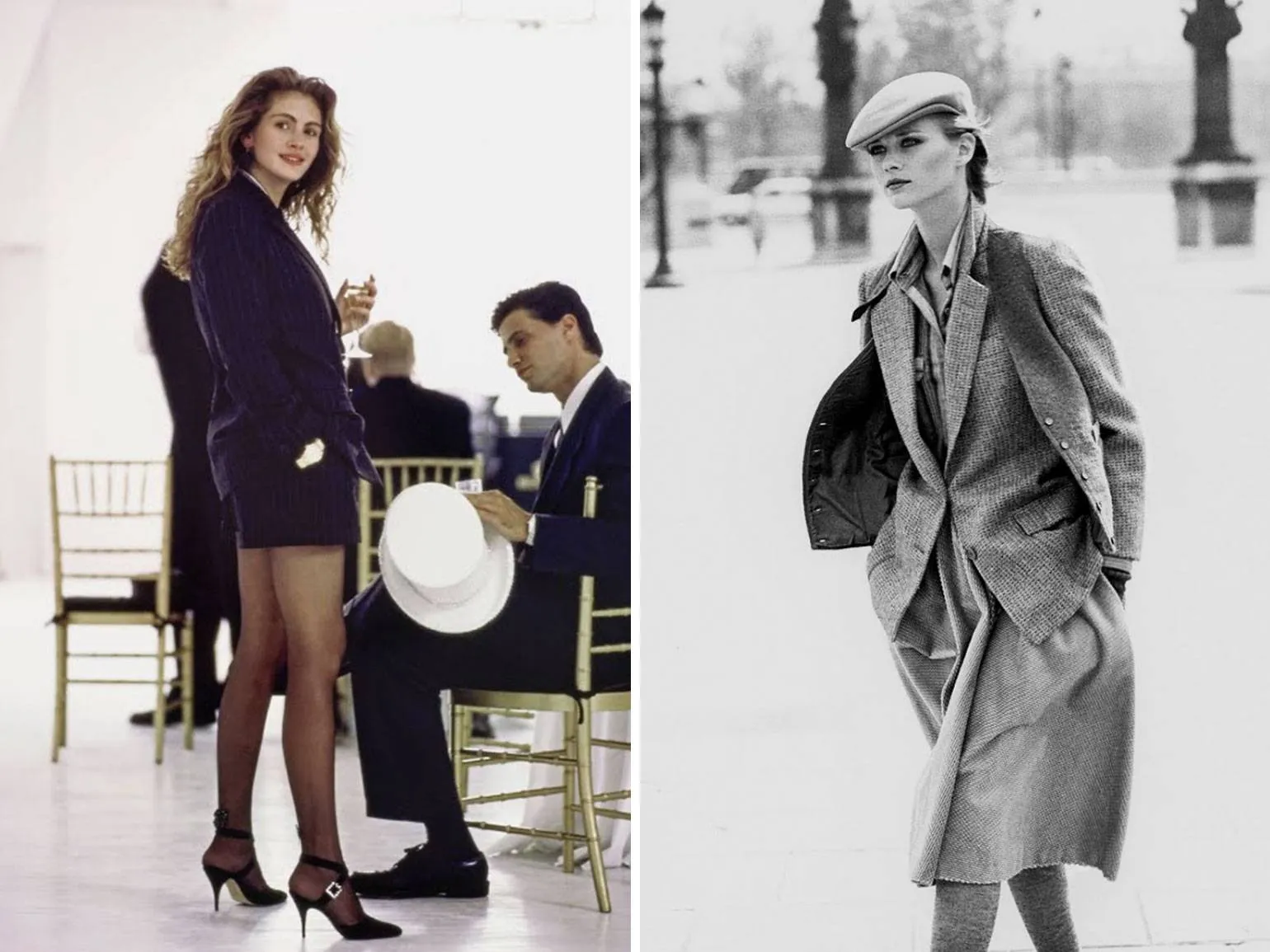
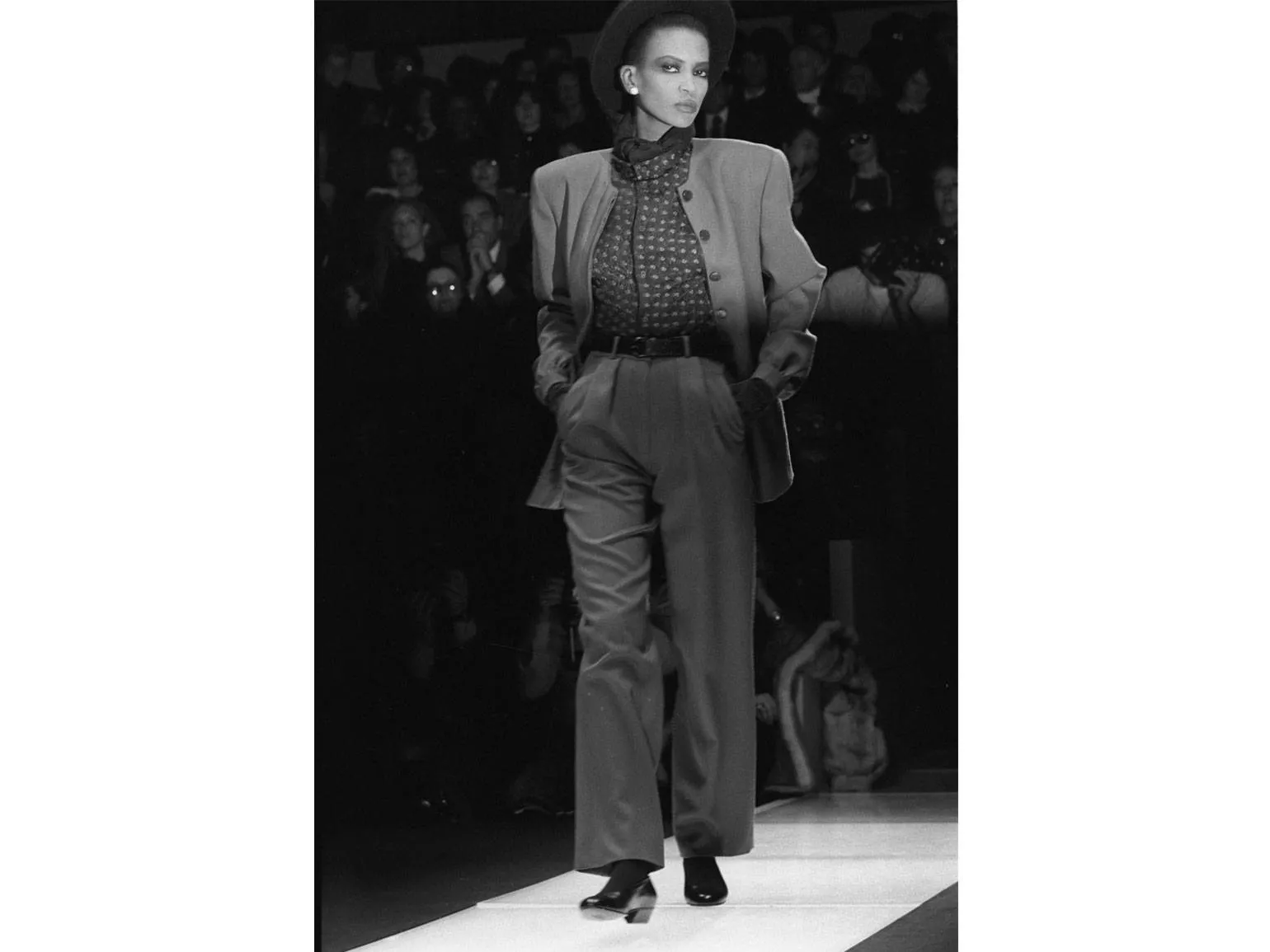
In the 1980s, Armani suits became a symbol of classic, yet understated and relaxed luxury. This style encompassed both men's and women's fashion, emphasizing elegance and sophistication. Armani suits were distinguished by high-quality materials and sophisticated silhouettes, which made them popular among fashion connoisseurs. As a result, the brand established itself as a leader in the world of haute couture, setting trends for many years to come.
Armani claimed that the popularity of the power suit was primarily due to the desire for comfort in everyday wear, rather than the feminist views of female customers.
His goal was to emphasize the individuality and strength of women by creating comfortable suits with a striking cut. Such outfits not only highlight style, but also provide comfort, which allows every woman to feel confident and attractive.
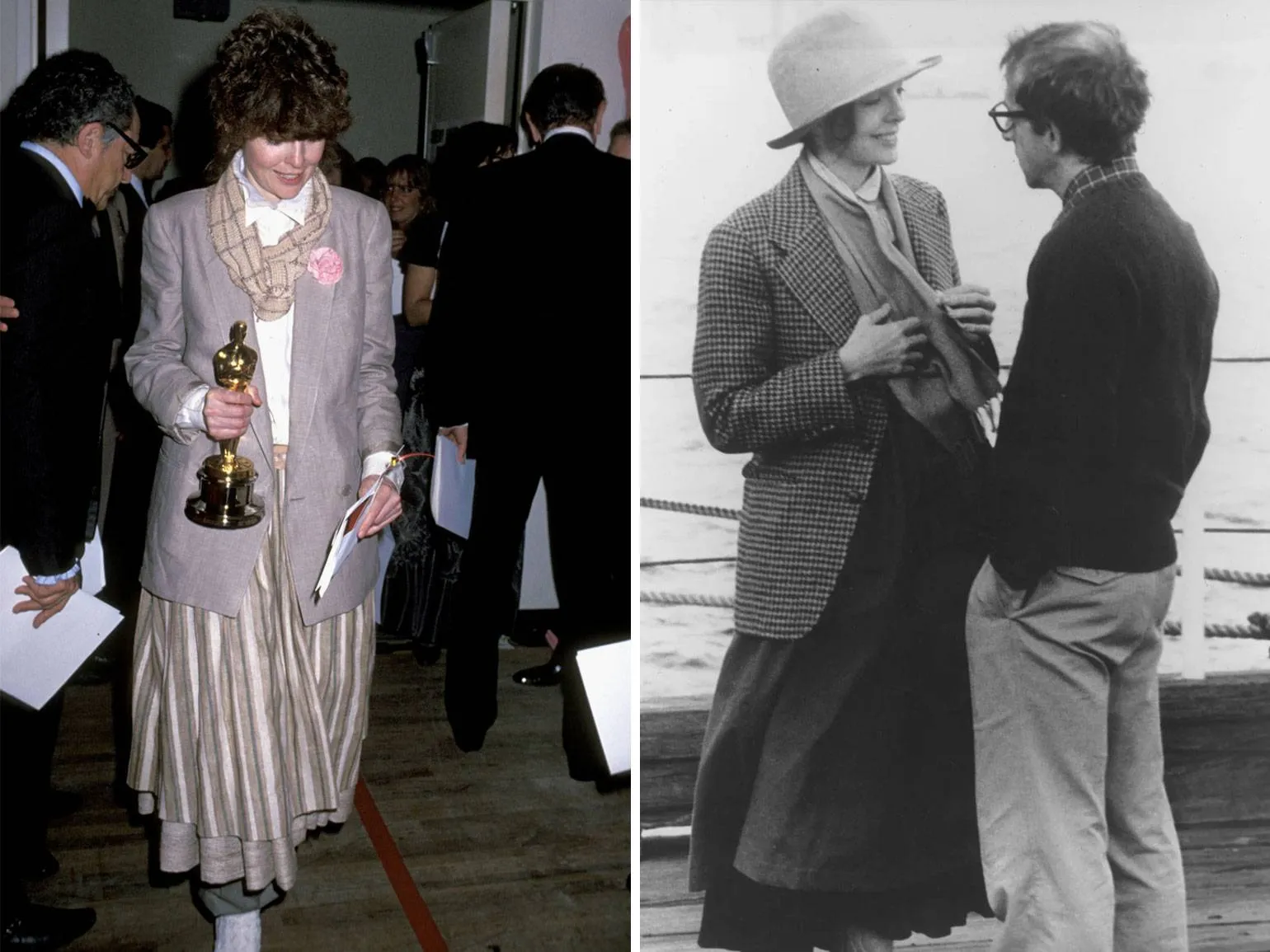
In 1978, Diane Keaton made a real She caused a sensation at the Oscars by appearing in an Armani suit instead of a traditional evening gown. She was nominated for her leading role in Woody Allen's Annie Hall. Interestingly, in the film itself, the actress wore suits from her own wardrobe, including men's clothing, which emphasized her unique style and brought elements of feminism to the fashion of the time. This choice of clothing became a symbol of boldness and innovation in the world of film and fashion, and also influenced the subsequent generation of actresses and fashion designers.
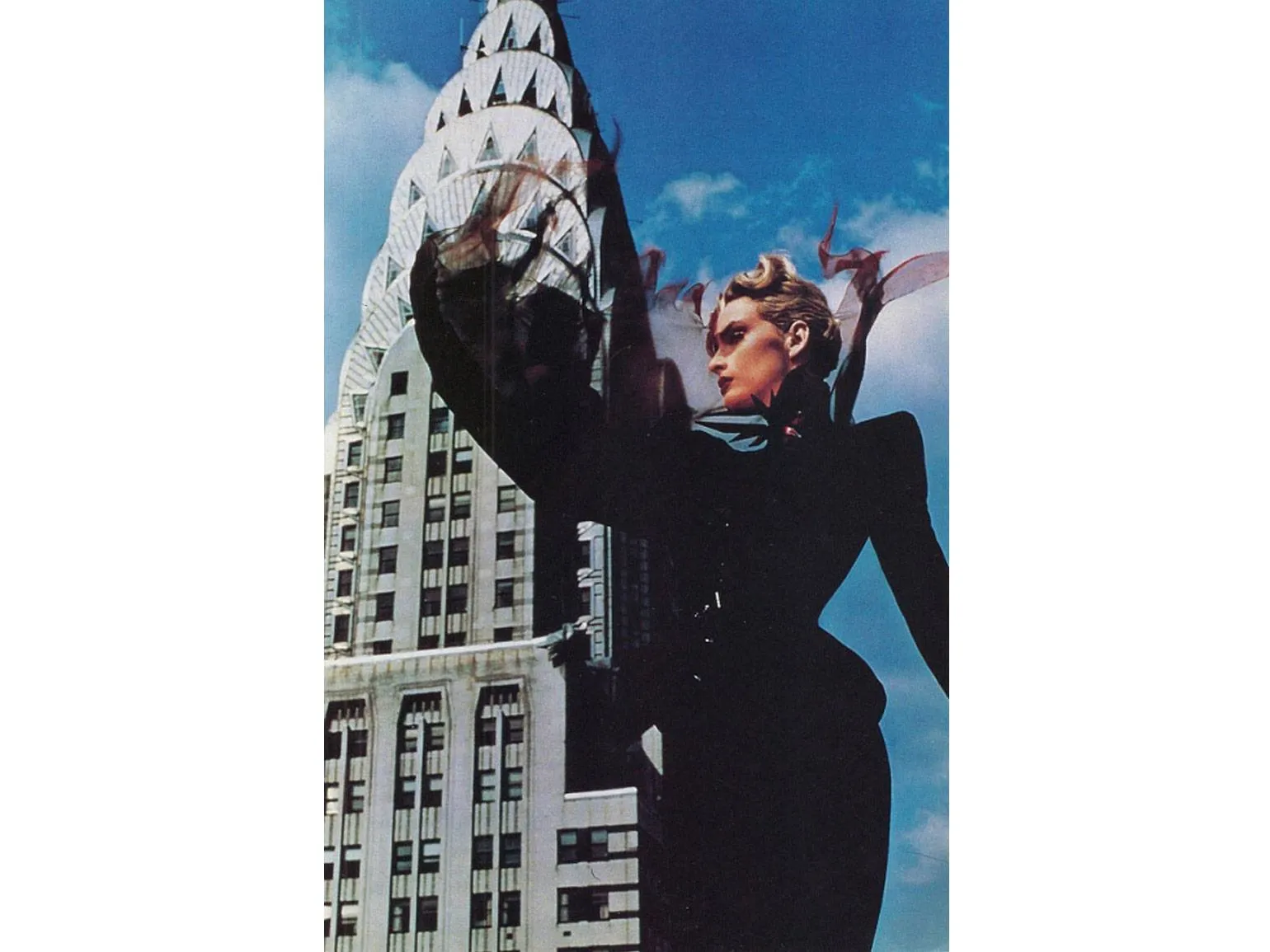
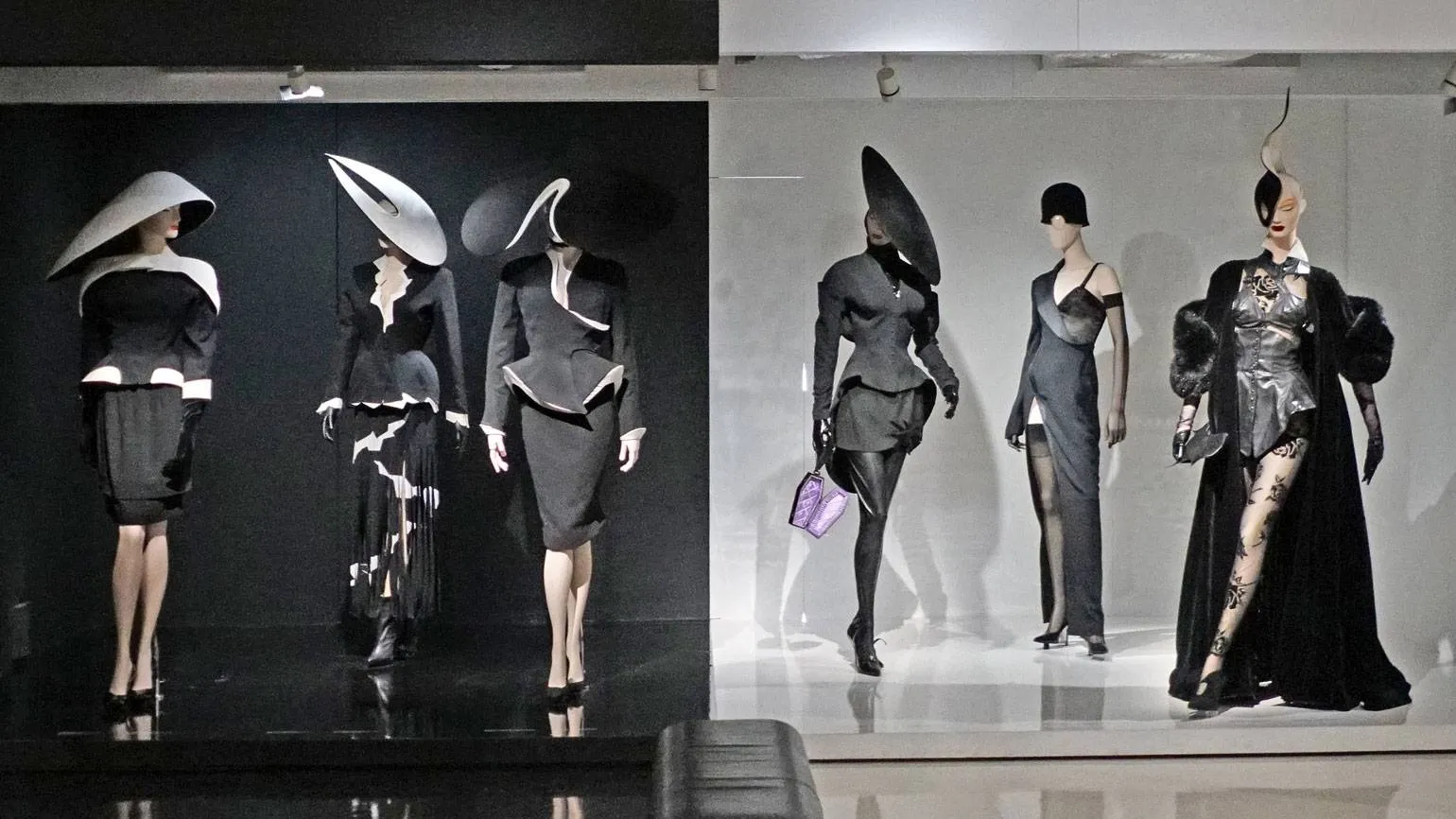
Thierry Mugler, one of the leading revolutionaries of the power dressing concept, actively promoted the inverted triangle silhouette. His unique approach combined futuristic motifs with elements of stylistic eclecticism, including the use of latex, leather, metal, and feathers. Mugler also introduced a variety of headwear that enhanced the effect of his clothes. As a result of his work, power suits have gained new life, becoming a symbol of strength and confidence in the modern fashion world.
Reading is an important aspect of personal and professional development. It helps expand horizons, improve communication skills, and increase knowledge. Whether you are interested in fiction, scientific research, or self-improvement, each genre offers unique opportunities for learning and growth. Regular reading promotes critical thinking and increases creativity. Don't miss the chance to discover new ideas and inspiration that can change your life.
The House of Mugler: A Cosmic Drama in the Fashion World
Founded by Thierry Mugler in 1973, the House of Mugler has become a symbol of the fashion industry's unique blend of cosmic aesthetics and theatrical drama. From its earliest days, the brand attracted attention with its vibrant and provocative collections that challenged traditional standards of beauty and style.
Each Mugler collection is more than just clothing; it is a complete work of art, reflecting high technology and an innovative approach to design. Mugler used unconventional materials and shapes, creating silhouettes that emphasized individuality and confidence. His work inspired not only fashion critics but also celebrities, who eagerly wore his creations on the red carpet.
Over time, Mugler became known for his memorable shows and spectacular presentations that brought a theatrical element to fashion. Dramatic hairstyles, vibrant makeup, and unusual accessories complemented the models' looks, creating a unique atmosphere on the catwalk.
Today, the Mugler fashion house continues to remain relevant, bringing new ideas to the world of fashion while maintaining its originality and distinctive style. The brand inspires a new generation of designers and fashionistas, confirming that space and drama will always be important elements in the art of fashion.
Each of his shows was not just a demonstration of clothes, but a conceptual presentation reflecting different aspects of feminine power. Mugler managed to avoid sexualization and objectification of his models, focusing on the inner potential and individuality of women. His work emphasized strength and independence, emphasizing that female beauty lies not only in appearance, but also in confidence and self-expression.
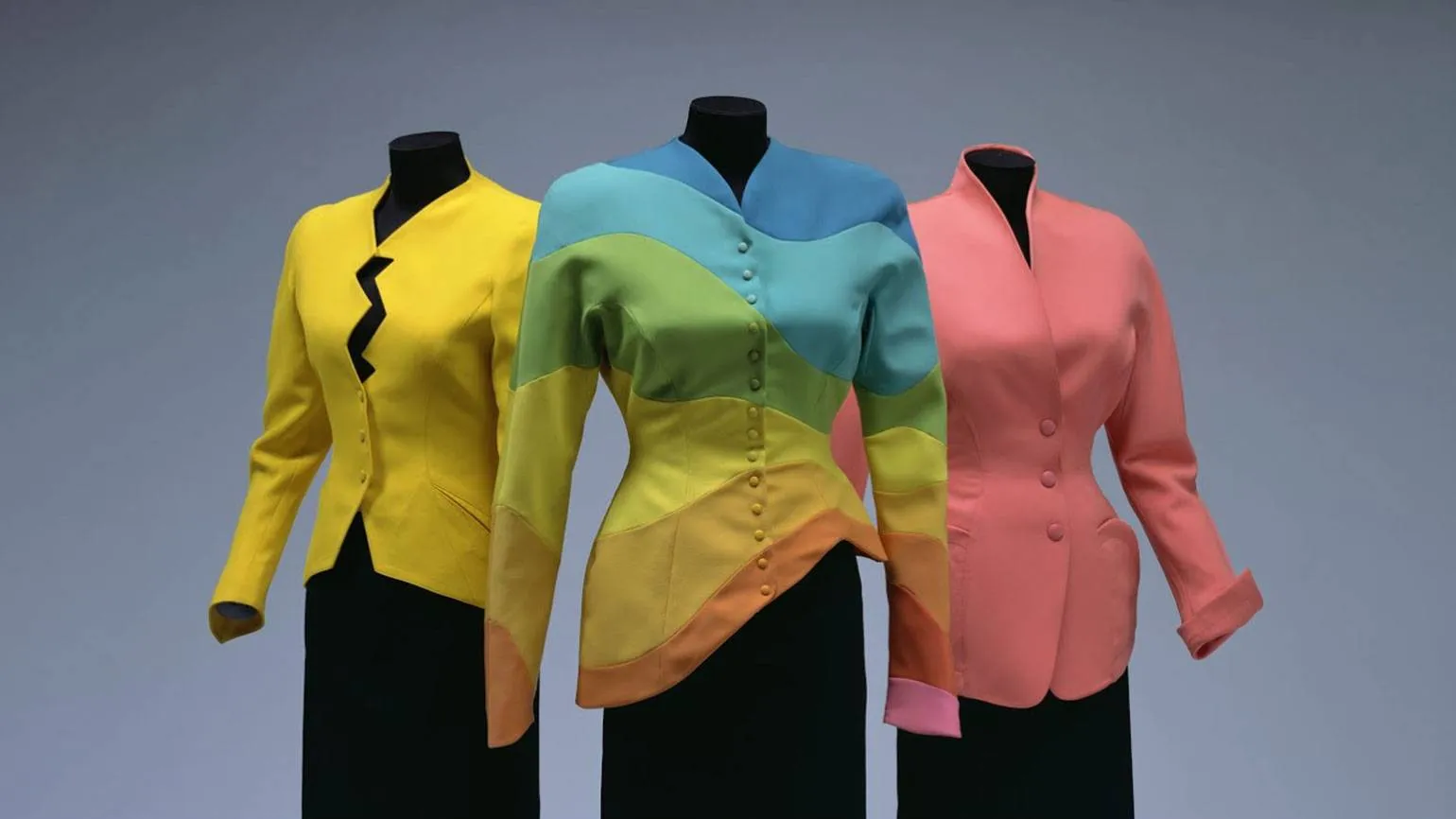
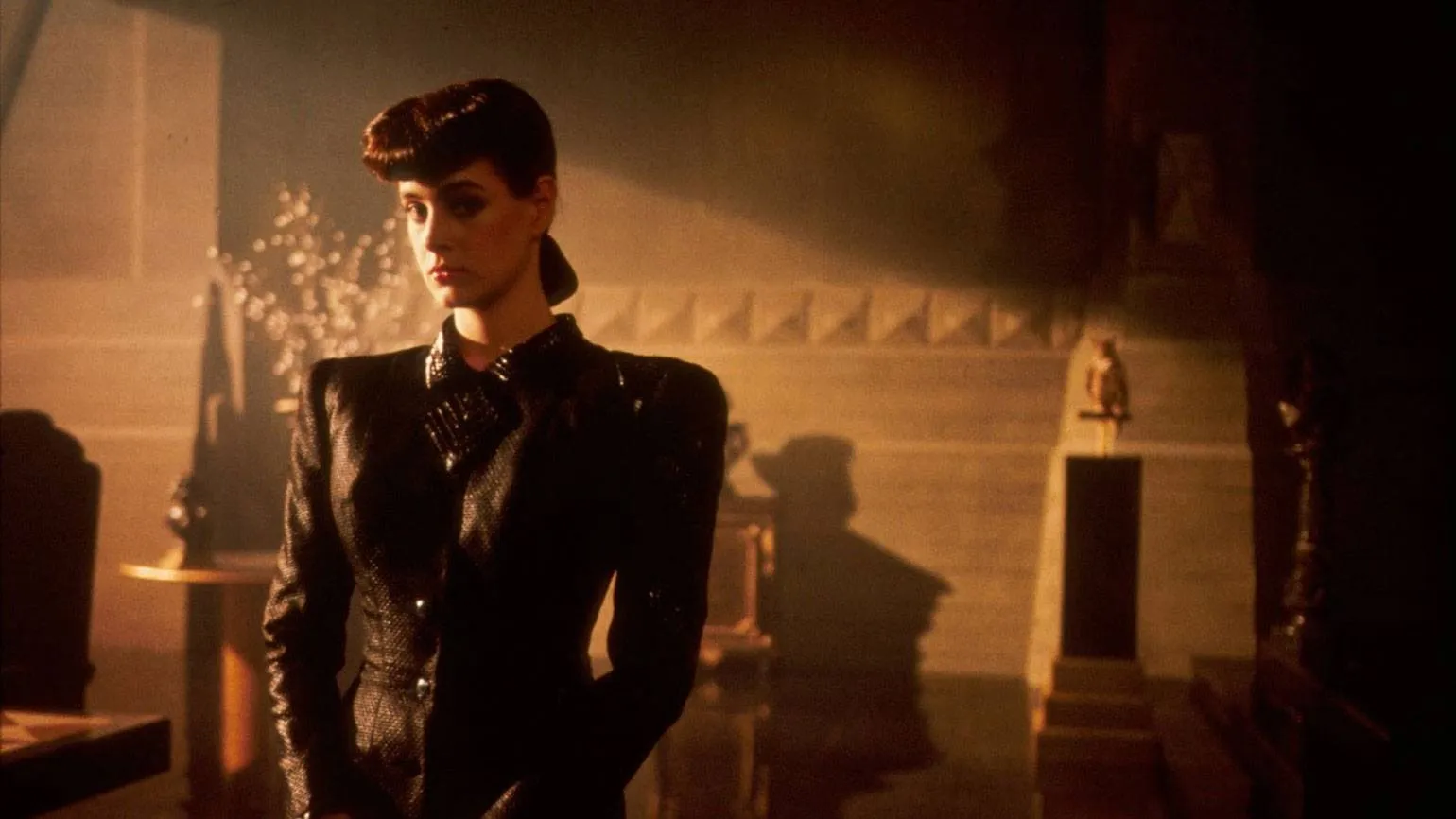
Mugler's futuristic aesthetic is reflected in the cult film "Blade Runner" from 1982. In this film, the main character Rachel, who is possibly an android, wears a jacket with shoulder pads. This piece of clothing not only references the film noir aesthetic of the 1940s and 1950s, but also corresponds to contemporary trends in power suits. The images created by Mugler and the visual world of the film emphasize the relationship between the past and the future in fashion and cinema.
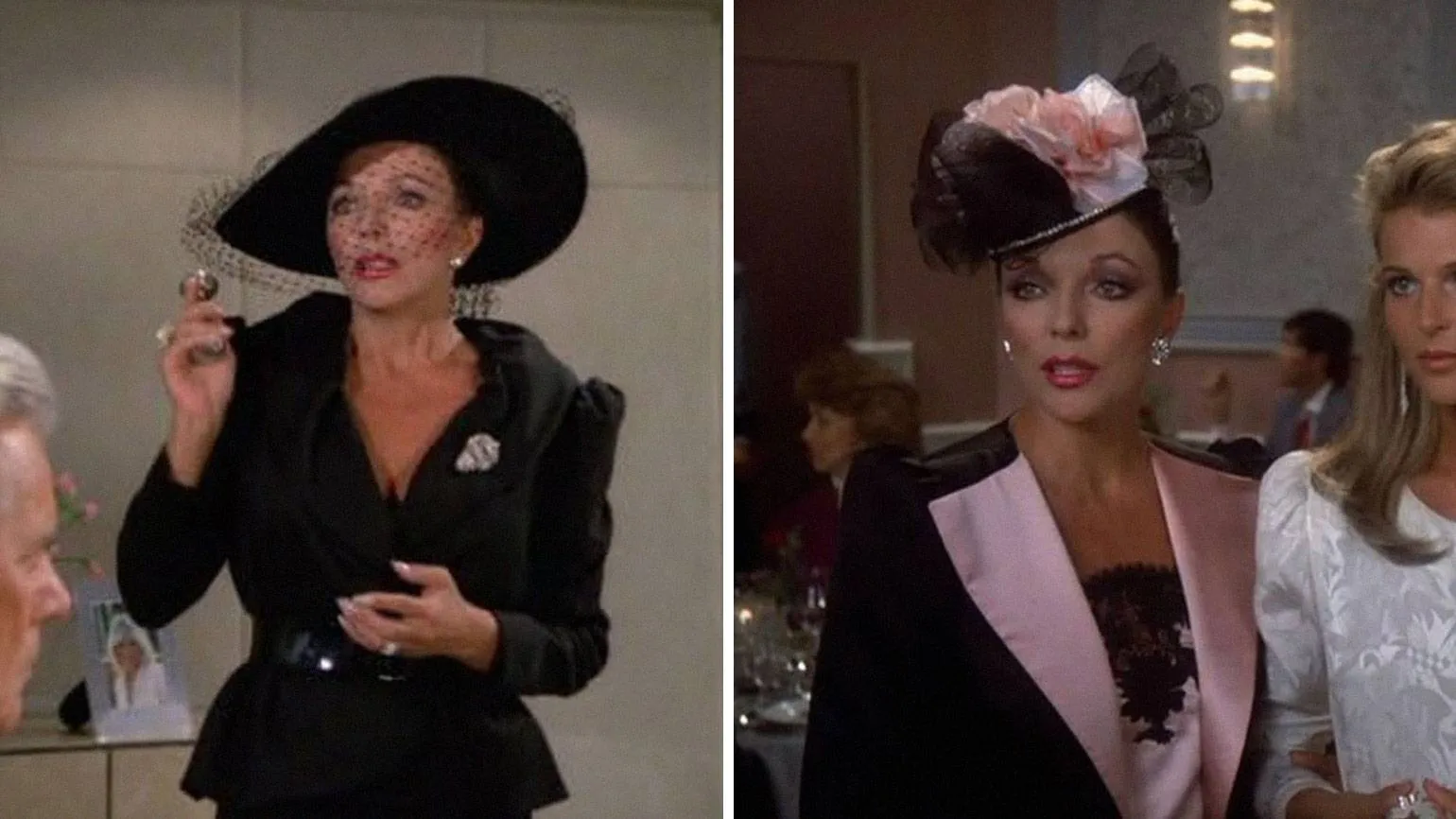
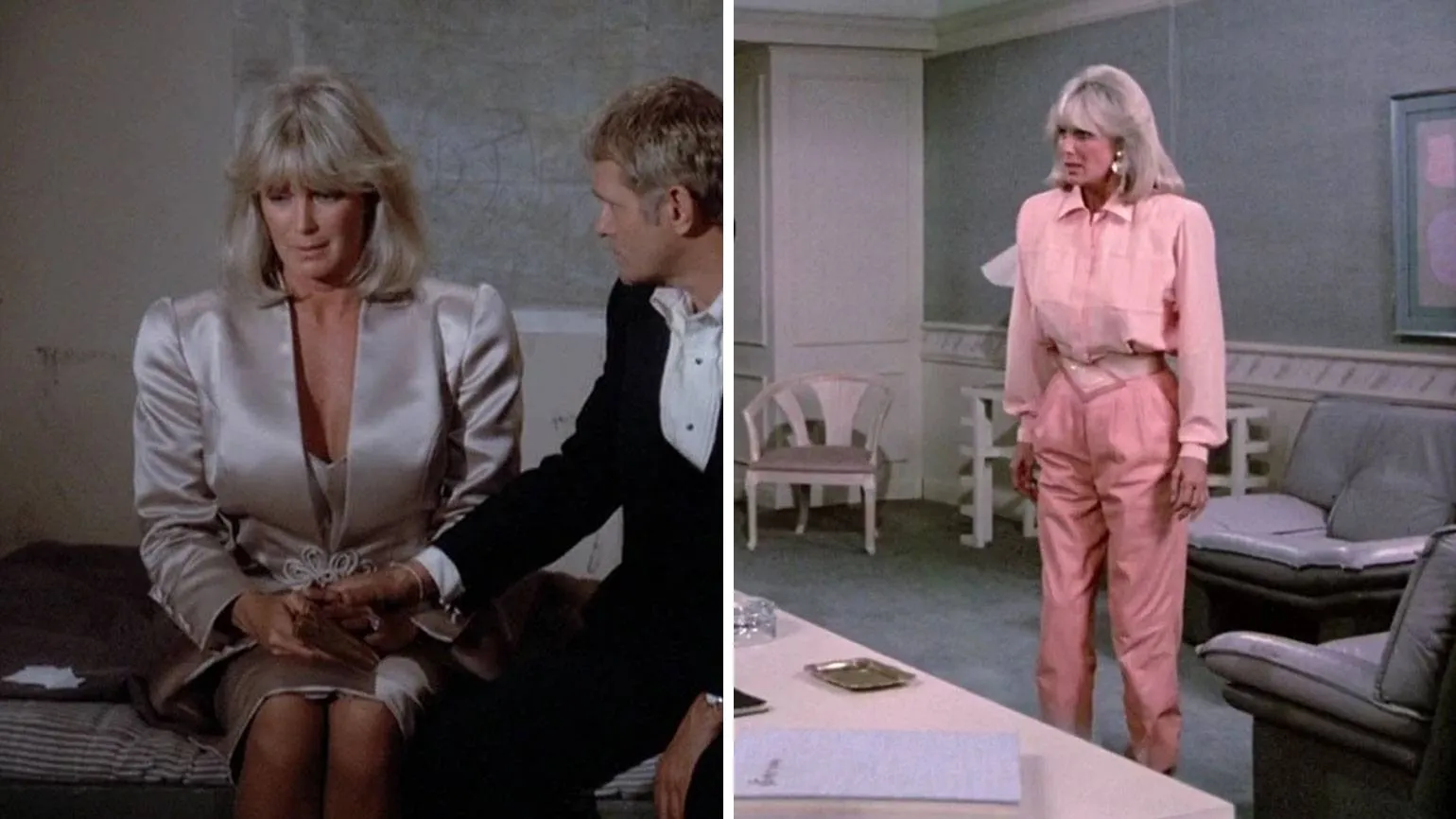
One of the key popularizers of the power dressing style in the 1980s was the cult series "Dynasty." This American television project, aired from 1981 to 1989, became a symbol of fashion trends of the entire decade. The series not only defined the standards of business style, but also influenced the perception of female strength and power in society. The aesthetics of "Dynasty" continue to inspire modern fashion trends, emphasizing the importance of image and self-confidence.
Costume designer Nolan Miller received seven Emmy nominations for his work on the series, winning one. The heroines Joan Collins and Linda Evans are symbols of a new era, dressed in suits with shoulder pads and a plunging neckline, which emphasize the sexuality of a strong and confident woman. These striking images became style icons and had a significant influence on fashion and the idea of femininity on television.
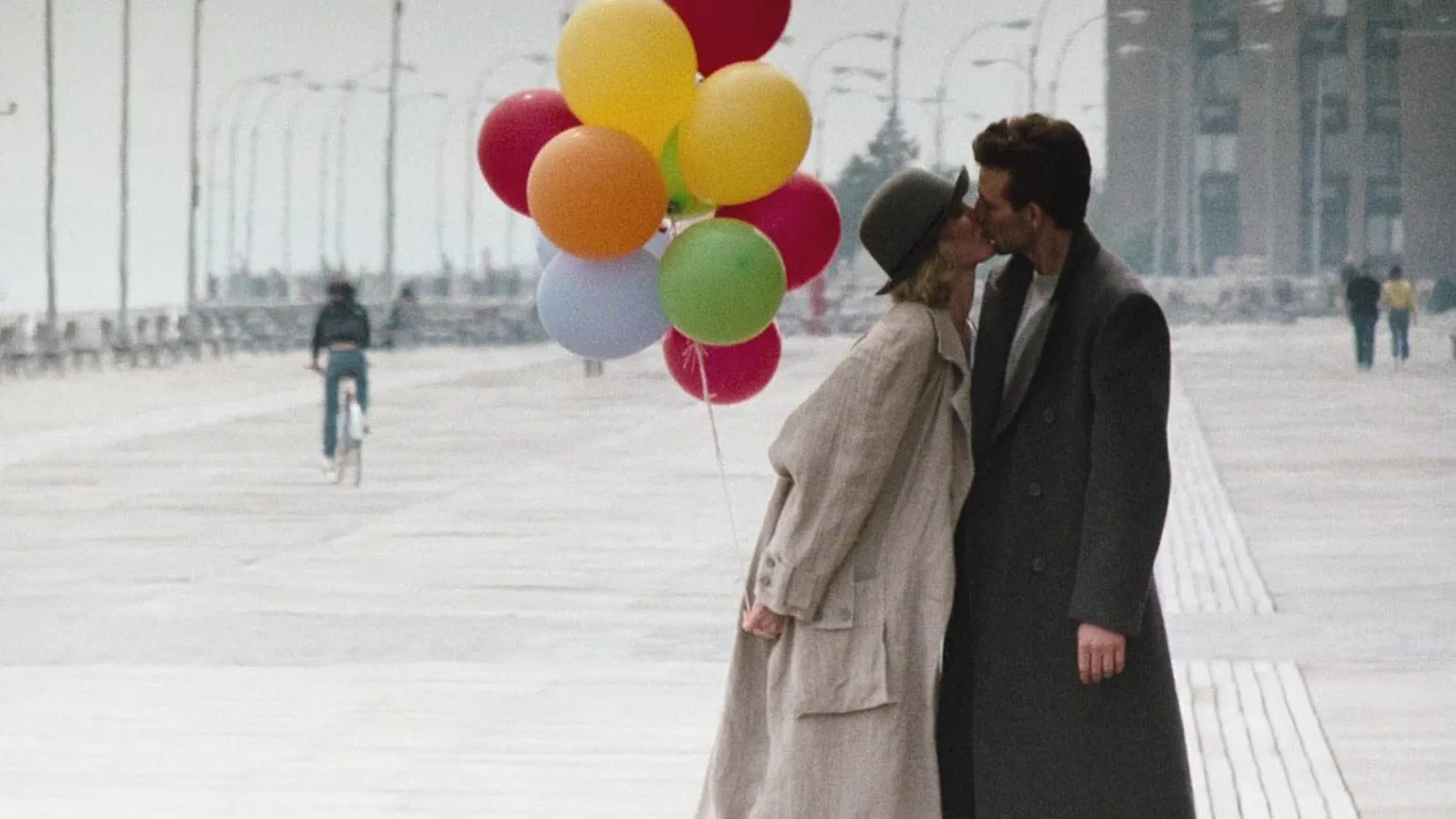
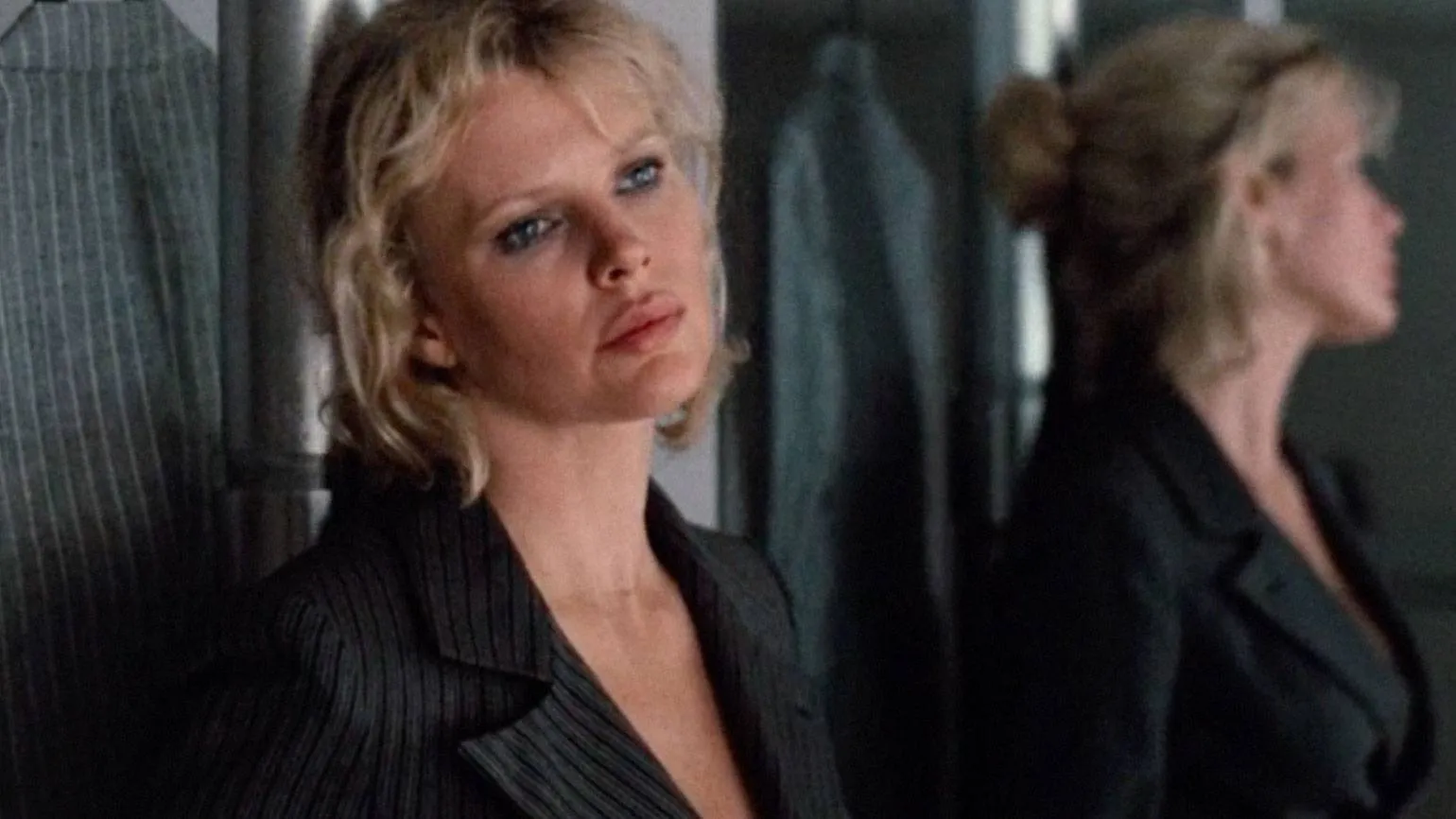
A key film of the mid-1980s is the erotic melodrama "Nine and a Half Weeks." This film vividly demonstrates the transformation of the style of the heroine, played by Kim Basinger, as she gets closer to the character of Mickey Rourke, a big businessman. She transitions from light, soft colors to a dark, sharp-cut office suit, symbolizing the changes in her life and relationships. This evolution of her look highlights not only the character's development but also the overall atmosphere of the film, which became iconic for its time.
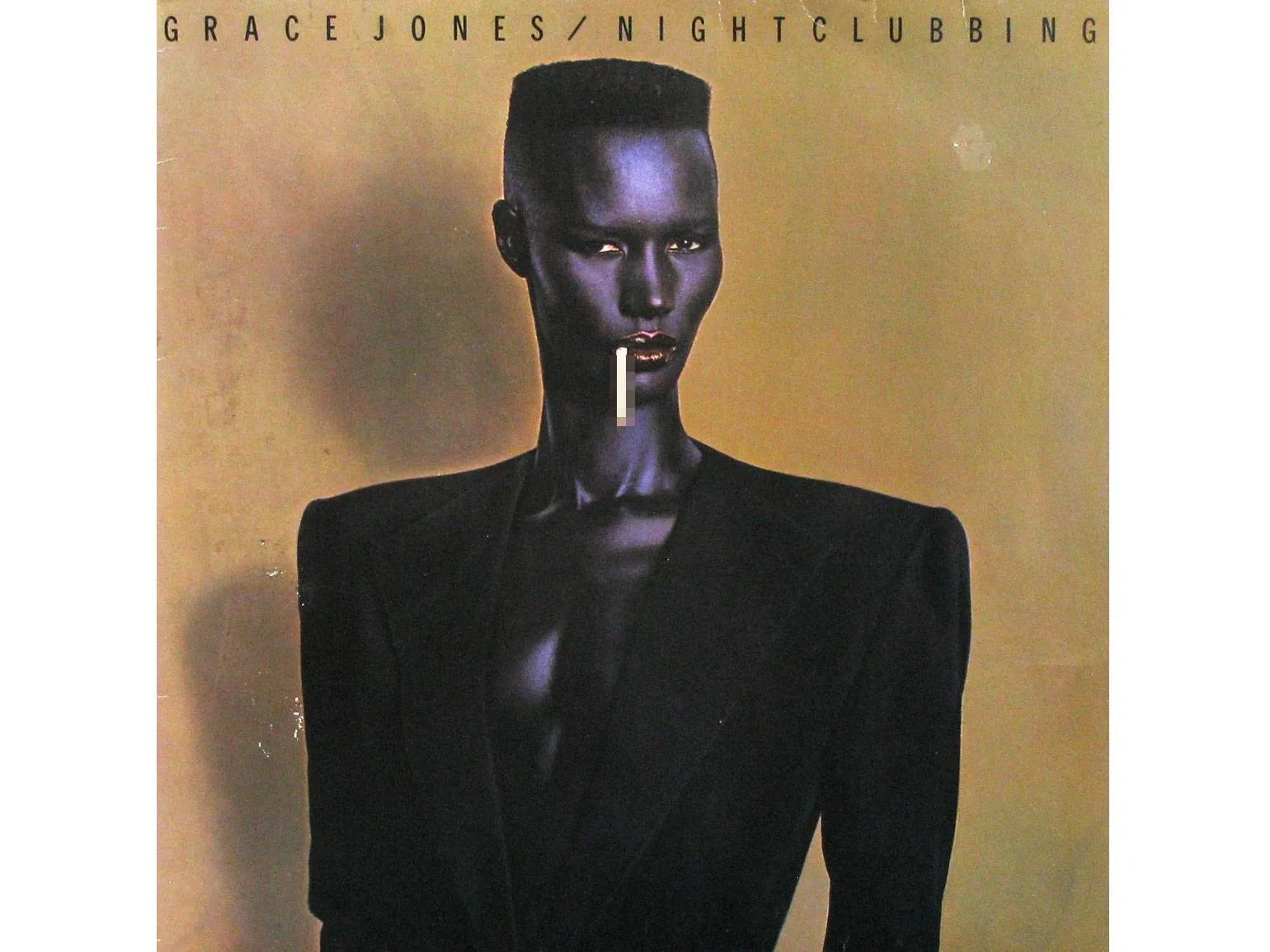
In the 1980s, "power suits" became popular among actresses, singers, and politicians. The cover of Grace Jones's album "Nightclubbing", released in 1981, became iconic. It shows her wearing an Armani jacket with sharply broadened shoulders and a cigarette in her mouth. This image symbolizes not only the style of the time, but also the power of femininity in a traditionally male-dominated world.
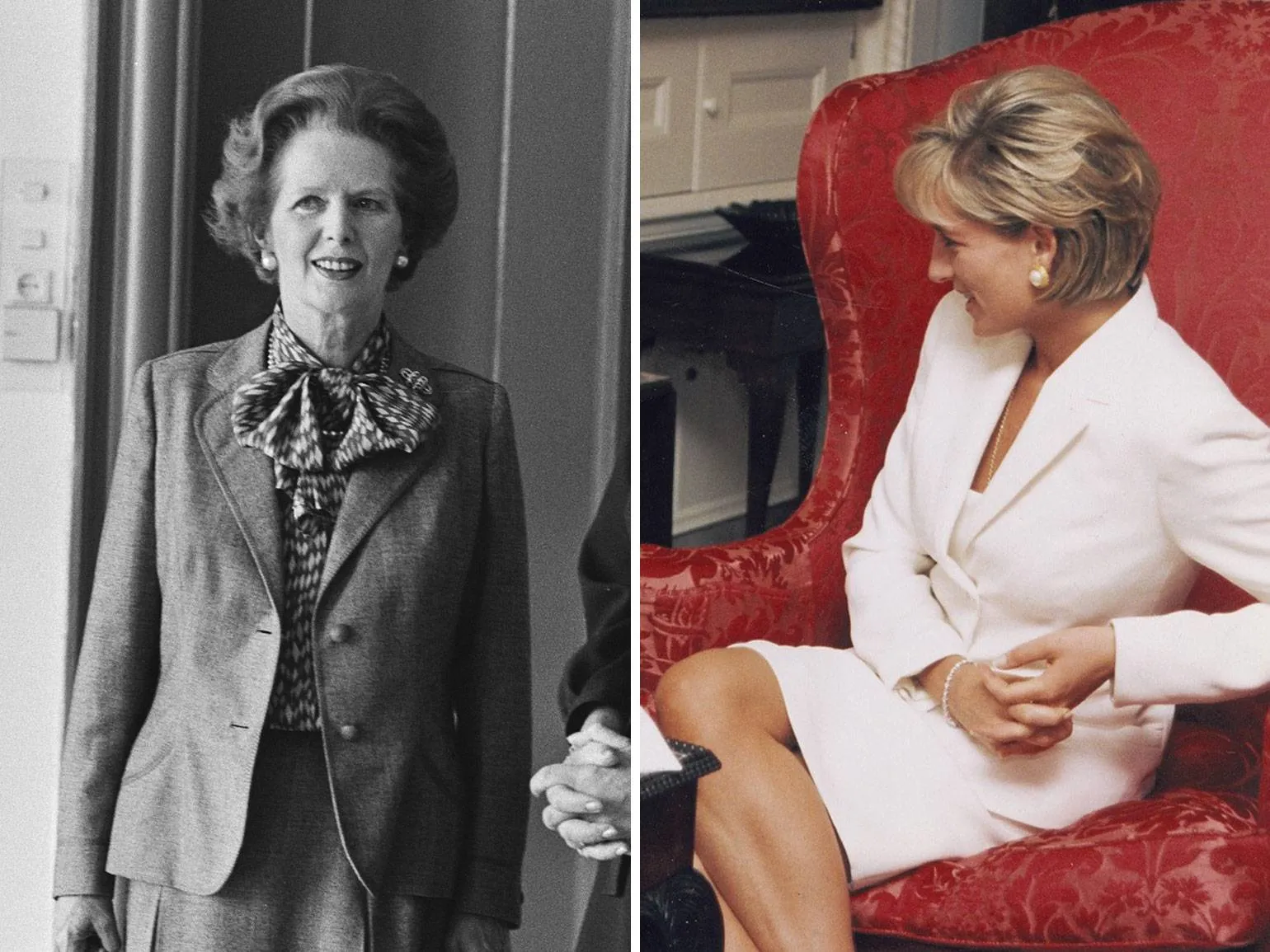
In Europe, the concept of power dressing received an additional boost thanks to Princess Diana and Margaret Thatcher, known as the "Iron Lady." The understated business suits Thatcher wore became an important part of her public image, emphasizing her authority and leadership qualities. Diana, in turn, used suits to enhance her image, helping to emphasize her serious intentions, especially in the 1980s, when she was actively involved in charity work. The style of both women became a symbol of strength and confidence, inspiring many to create their own successful image in the business world.
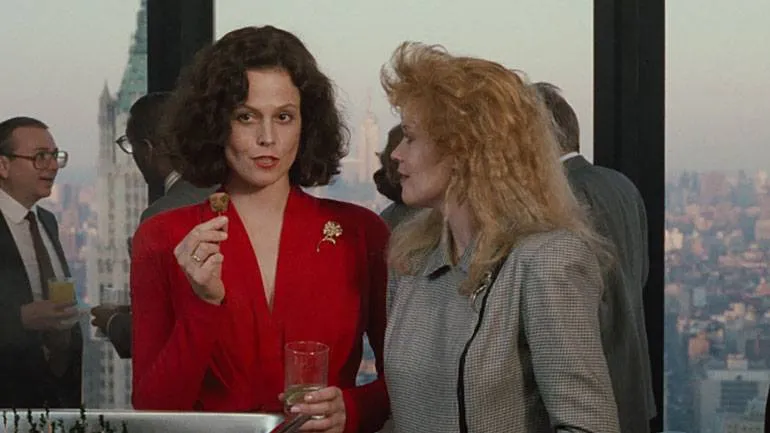
In 1988, The film "Working Girl" was released, satirically addressing workplace discrimination. The film received six Oscar nominations and forever changed society's perception of working women. In this film, the two main characters, with their distinct clothing styles, become striking symbols of 1980s aesthetics, demonstrating how fashion and self-expression influence professional identity. The film not only entertains, but also raises important social issues, remaining relevant in the modern context.
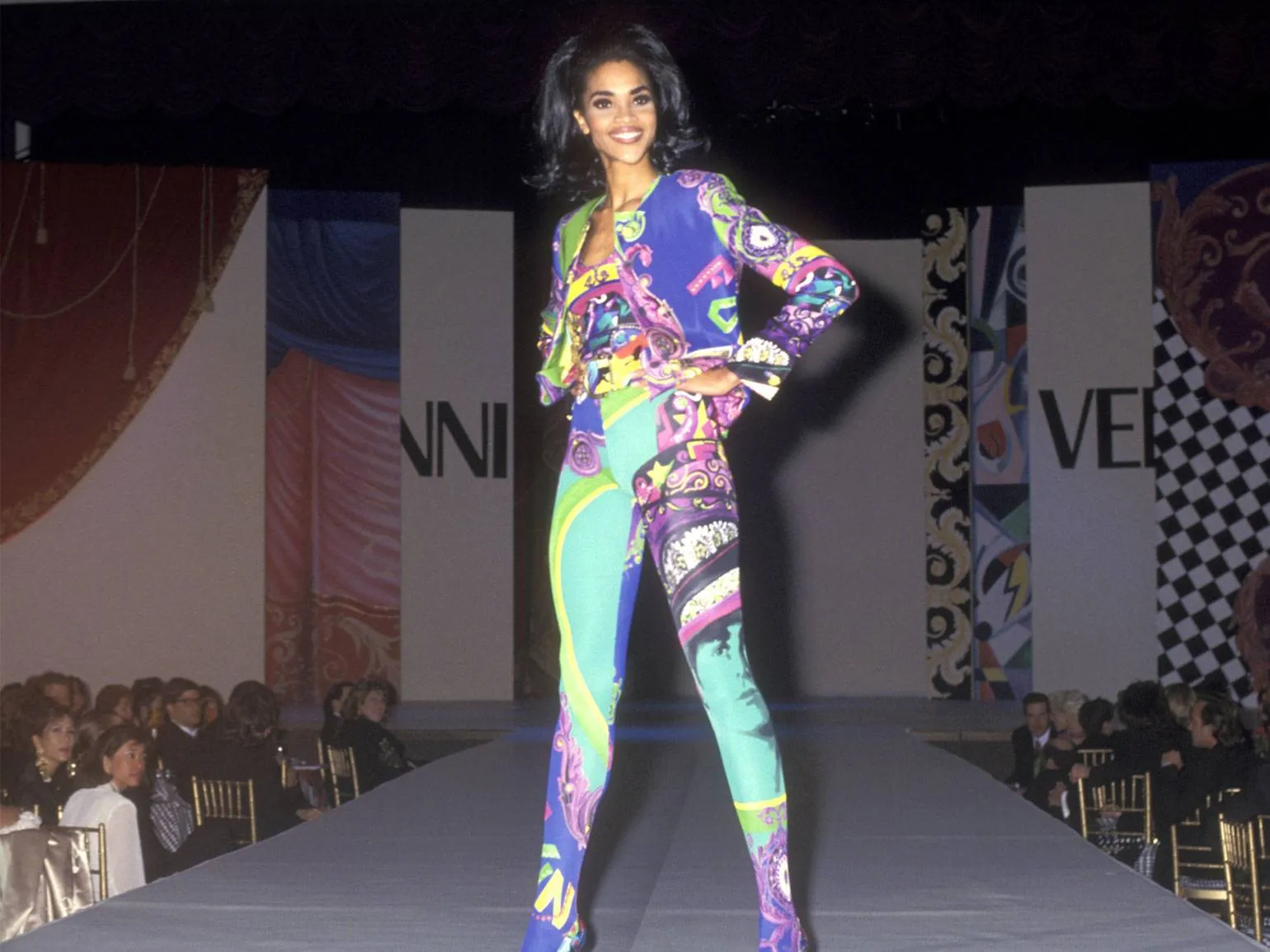
In his 1991 collection, Gianni Versace combined the brightness of tracksuits with classic power suit silhouette. He presented striking monochrome looks, where jackets were paired with richly colored leggings. This innovative interpretation of fashion created unique stylish solutions that still inspire designers and fashionistas around the world.
In the next ten years, the power suit will change: the shoulders will become less pronounced, and the silhouette will acquire more feminine lines. Successful women in their careers are no longer the exception and are becoming part of everyday reality. American women no longer need to actively compete with men for their positions and achievements. They confidently take their places, demonstrating that style and professionalism can coexist. Phoebe Philo left a noticeable mark on fashion in the 2000s and 2010s, creating outstanding looks for women in her collections for Chloe and Celine. The main distinction of her work is that it is designed for modern, intelligent, and strong women who do not seek to compete with men or try to imitate them. These women choose clothes based on their own comfort and style, emphasizing individuality and self-expression. Thus, Philo not only reimagined women's fashion but also encouraged women to embrace themselves and their clothing preferences.
Criticism of Power Dressing
Power dressing has been criticized for the fact that women following this trend often chose outfits that did not reflect their true selves, but sought to imitate men's styles. Nevertheless, this fashion trend had a significant influence on cultural changes in the second half of the 20th century and remains relevant today. Fashion catwalks regularly feature models in power suits, which range from the exaggerated shoulders of Balenciaga and the loose silhouettes of Marc Jacobs to the understated elegance of Jil Sander and the fitted, cropped jackets of Chanel. Thus, power dressing continues to inspire designers and women around the world, emphasizing strength and self-confidence. Power dressing is a style that remains relevant, just like confident, strong, and independent women. This approach to fashion emphasizes individuality and strength, allowing women to express their personality and confidence through clothing. In today's world, power dressing plays a vital role in shaping the image of a successful woman who strives for high achievement and self-realization. Choosing the right clothes can not only boost your confidence but also create a positive impression on others, which is especially important in a professional environment.
Fashion designer profession
You will learn everything a designer should be able to do: come up with original designs, create fashion sketches, work with production, and even sew with your own hands. You can release your first clothing collection, start a career in the fashion industry, or turn a hobby into a profitable business.
Find out more