Contents:

Try 4 top professions in design. Free ➞ In 5 days, you'll get acquainted with illustration, UX/UI, web, and graphic design. Add 4 compelling case studies to your portfolio and decide which direction to take next.
Learn moreAir: Three Centuries of Peace
The air of Japan during the Edo period changed forever in 1603, when Ieyasu Tokugawa completed the unification of the country after a century of bloody wars between small principalities. He became shogun, ushering in a long period of peace and stability that lasted until 1868, when the Meiji Restoration began and the Tokugawa clan fell from power. This historical moment became the foundation for the formation of the modern Japanese state and had a significant impact on its culture, economy, and social structure. The Edo period is known not only for its political changes but also for the flourishing of the arts, trade, and urban population, making it an important stage in the development of Japan.
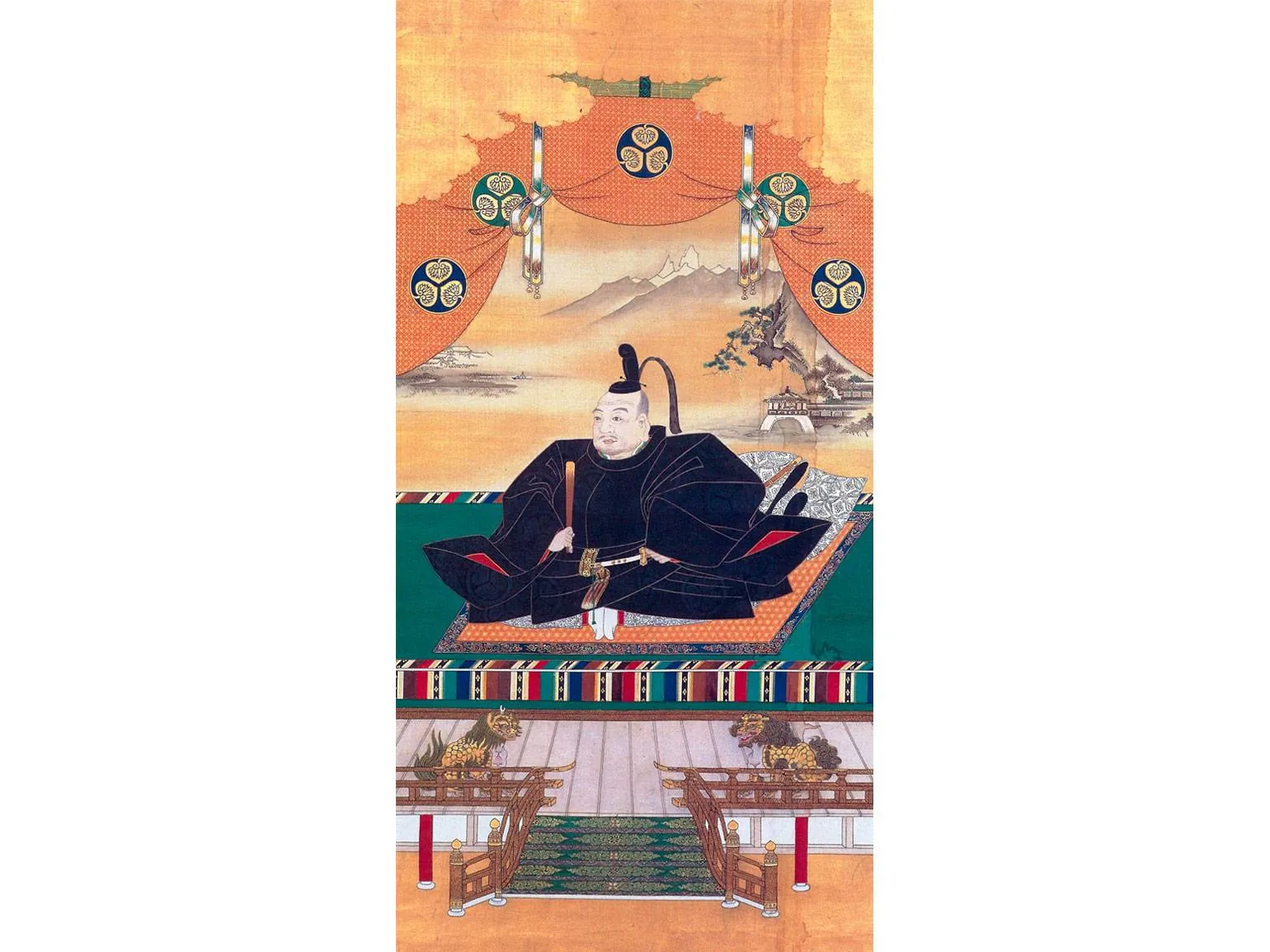
Following the collapse of previous dynasties due to political intrigue, Ieyasu Tokugawa took strategic measures to limit the influence of the imperial court, temples, and monasteries. He transferred real power to 250 daimyo—military feudal lords who independently ruled 80% of Japan's territory. To maintain control over them, Tokugawa employed an effective mechanism: each daimyo was required to maintain an estate in Edo, modern-day Tokyo, where his close relatives were always present, serving as potential hostages. This ensured stability and order in the country, reducing the risk of riots and uprisings.

The network of five new roads leading to Edo significantly improved control over the daimyo's movements and contributed to the rapid urbanization of the capital, which became the center of Japan's cultural life. This development of culture was also linked to the desire of the new aristocracy, represented by the samurai, to strengthen their position through art. The military class brought elements of asceticism and discipline to the cultural sphere, while simultaneously adapting a more refined and aesthetic way of life. This interaction between samurai traditions and cultural innovations contributed to the formation of Edo's unique cultural environment, making the city an important center for the development of Japanese culture and art.
The peace and cultural orientation of the new elite contributed to the spread of literacy, the opening of educational institutions, and the development of new directions in art. The education of the population was strengthened under the influence of Confucianism. At the same time, the degradation of moral standards in Buddhist institutions, along with the flourishing of urban culture, led to the emergence of many worldly entertainments. These changes were reflected in painting, opening up new horizons for artists and introducing elements of everyday life and cultural diversity into art.
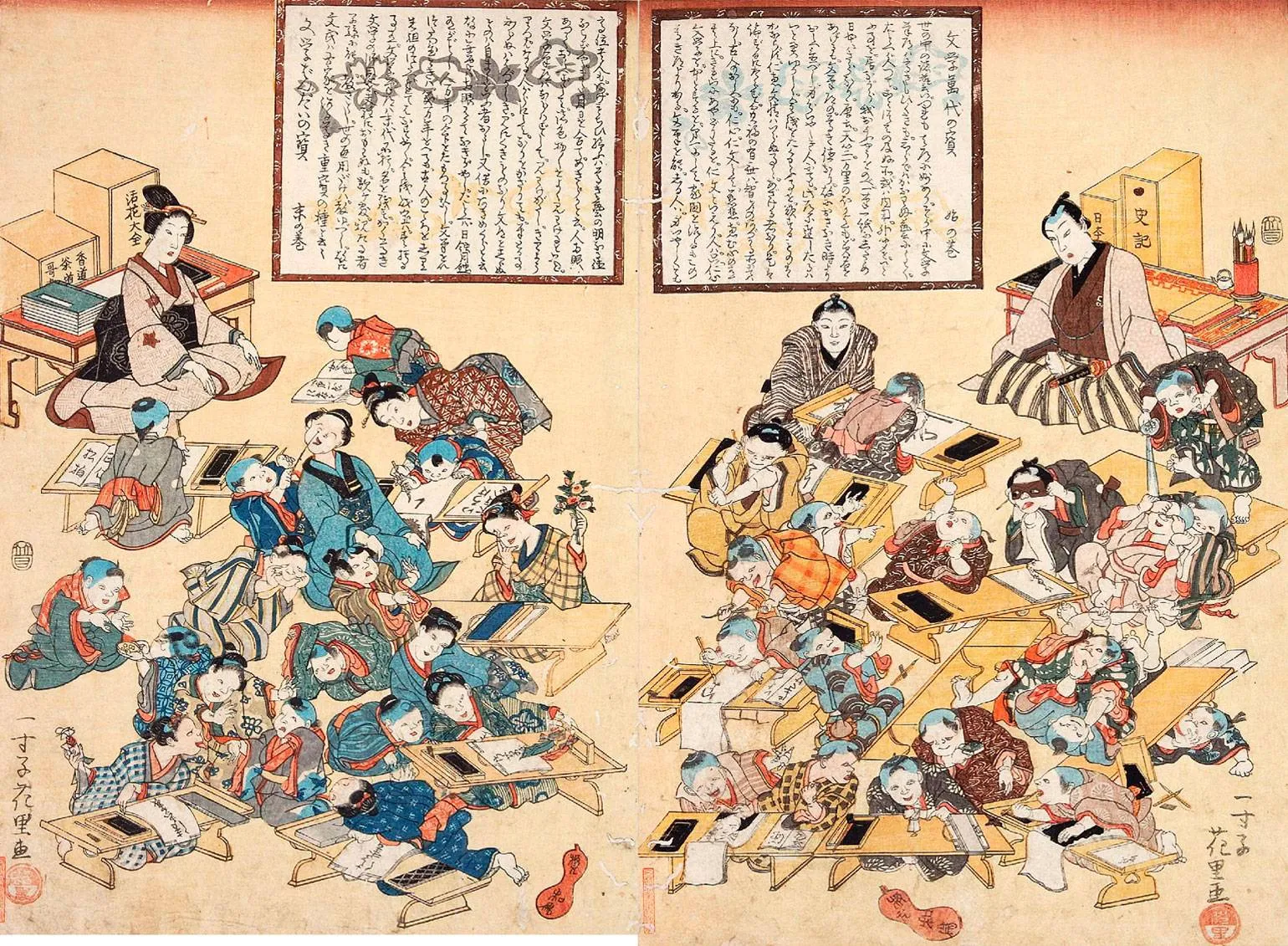
Edo did not immediately become a cultural center, but by the second half of the 18th century, when Hokusai was born, the capital already occupied a leading position in art, crafts, literature, trade, and religion, displacing Kyoto and Osaka. At this time, Edo represented an ideal environment for the development of artistic talent, and Hokusai had the opportunity to display his genius in the very center of cultural life of peaceful Japan. The energy and diversity of the creative environment contributed to his development as an artist, which allowed him to leave a significant mark on the history of Japanese art.
Fire: Terms of New Art
Words, like tongues of flame, attract the reader's attention, especially if s/he is unfamiliar with their meaning. Fortunately, it takes very little time to understand Hokusai's work. His art, rich in profound symbols and vivid images, inspires and captivates. Immerse yourself in his work and discover a world full of emotion and unique artistic techniques that continue to influence contemporary art. Hokusai not only created masterpieces but also became a symbol of Japanese culture, making his work relevant today. Woodcut is an artistic technique that involves the process of creating woodblock prints. It involves cutting an image into a wooden surface, which then produces a print made using this technique. Woodcuts have deep historical roots and have been widely used in art for illustrations and printed materials. This technique allows for expressive textures and unique artistic effects, making woodcuts sought after by artists and printers. Ukiyo-e is a unique movement in Japanese painting that emerged during the Edo period, focusing on the momentary pleasures of life. This artistic style encompasses a variety of themes, from portraits of urban beauties to expressive landscapes. The term "ukiyo" translates as "floating world," reflecting an artistic philosophy that emphasizes the fleeting nature and beauty of everyday life. Ukiyo-e has become an important part of Japanese culture and continues to inspire artists and collectors worldwide. Manga is a genre of Japanese art that traces its roots to the Edo period, where it referred to quick sketches from life. The literal translation of the term "manga" means "drawings from the top of the head." This art form became the basis for modern Japanese comics and animation, captivating audiences worldwide. Historically, manga reflects the cultural and social aspects of its time, making it a significant part of Japanese heritage. Surimono is a woodblock print accompanied by poetic text and often given as a gift. This art form combines visual and literary expression, making it unique and valuable for gifting. Surimono are often crafted by master craftsmen, and each work reflects their individual style and artistic vision. These works can be used for both personal and formal gifts, emphasizing important moments or expressing sentiments. Kyōka is a genre of satirical poetry that is a type of tanka. It reached its peak popularity between 1780 and 1890. The name "kyōka" translates as "mad song," reflecting the genre's characteristic blend of humor and irony. Kyōka often uses a light and playful style to discuss serious topics and satirize the social and cultural phenomena of its time. This genre continues to attract the attention of researchers and lovers of poetry, maintaining its relevance in the modern context.
Earth: The Life of Katsushika Hokusai
Katsushika Hokusai, born October 31, 1760, showed an inclination for art from an early age. At the age of three, he was given to the family of a hereditary mirror polisher, where he took his first steps in creativity. Hokusai began drawing at the age of six, and his talent soon attracted attention. As a teenager, he became an apprentice to a woodblock carver, which became an important stage in his career and contributed to his further development in the field of woodblock printing, where Hokusai subsequently achieved outstanding results.
In 1777, at the age of 16, the young artist began to master the art of ukiyo-e, becoming a student of the famous master Katsukawa Shunsho. This talented artist specialized in depicting beautiful women and actors, which had a significant influence on Hokusai's work. Under the pseudonym Shunro, he created his first works, following in the footsteps of his mentor. Hokusai studied with Shunshō for 16 years, until the master's death in 1793. After this event, the artist was expelled from the workshop, and the reasons for this remain unknown.
In the mid-1790s, Hokusai's work began to attract the attention of researchers again when he returned to the artistic scene. During this period, the artist became acquainted with kyōka poets and actively illustrated their works. Hokusai also worked in surimono woodblock prints, which became a stable source of income thanks to private commissions. During this time, he used the pseudonym Sori, which he later passed on to his student, a common practice in his era.
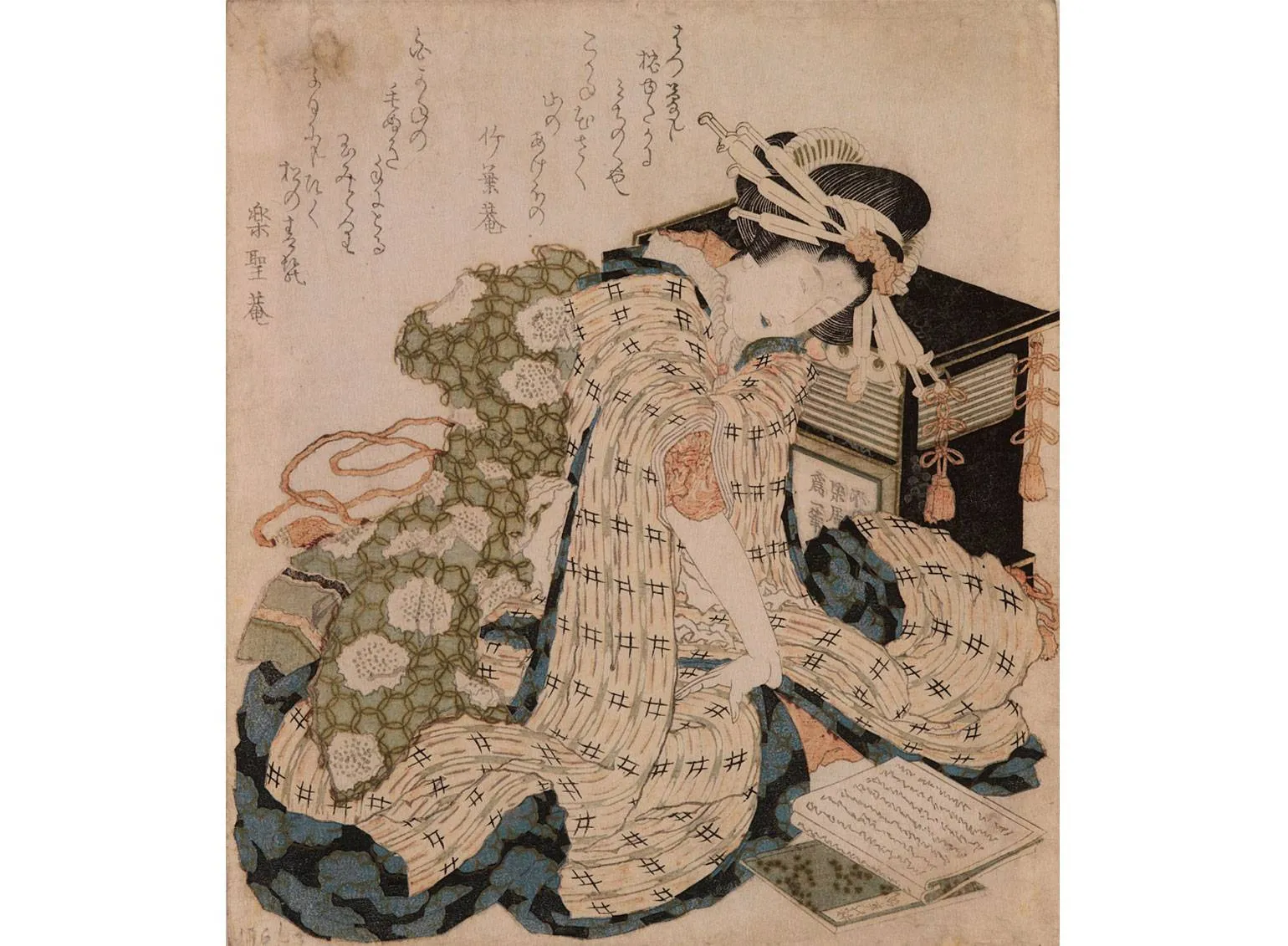
Hokusai is gradually gaining popularity. At the beginning of the 19th century, from 1800 to 1810, as Europe experienced the Napoleonic Wars, the artist continued his work in temples, creating large-scale paintings based on significant Buddhist themes. His work became accessible to a wider audience, and he repeatedly painted in the presence of spectators, including the shogun.
At this time, Hokusai began collaborating with the renowned writer Kyokutei Bakin. Their creative collaboration became particularly successful, and for several years Hokusai illustrated Bakin's works, among which the famous "Strange Tales of the Moonlit Ice" stands out. This collaboration not only enriched the artistic legacy of both masters but also had a significant influence on the development of Japanese literature and art in general.
In 1807, the artist Katsushika Hokusai began signing his works with his own name for the first time. This event marked an important moment in his career and symbolized the recognition of his work. Hokusai, renowned for his outstanding prints and paintings, left a significant mark on the history of Japanese art. His unique style and innovative approaches inspired many subsequent artists and made him one of the most renowned figures in the art world.
In 1812, the Japanese artist Hokusai published his self-instruction manual, "Ryakuga Haya-oshi," which brought him widespread renown throughout Japan. This book quickly gained popularity and became the basis for numerous collections of Hokusai's quick sketches. Over time, these works formed a fifteen-volume collection known as the "Hokusai Manga," which exerted a significant influence on Japanese art and culture.
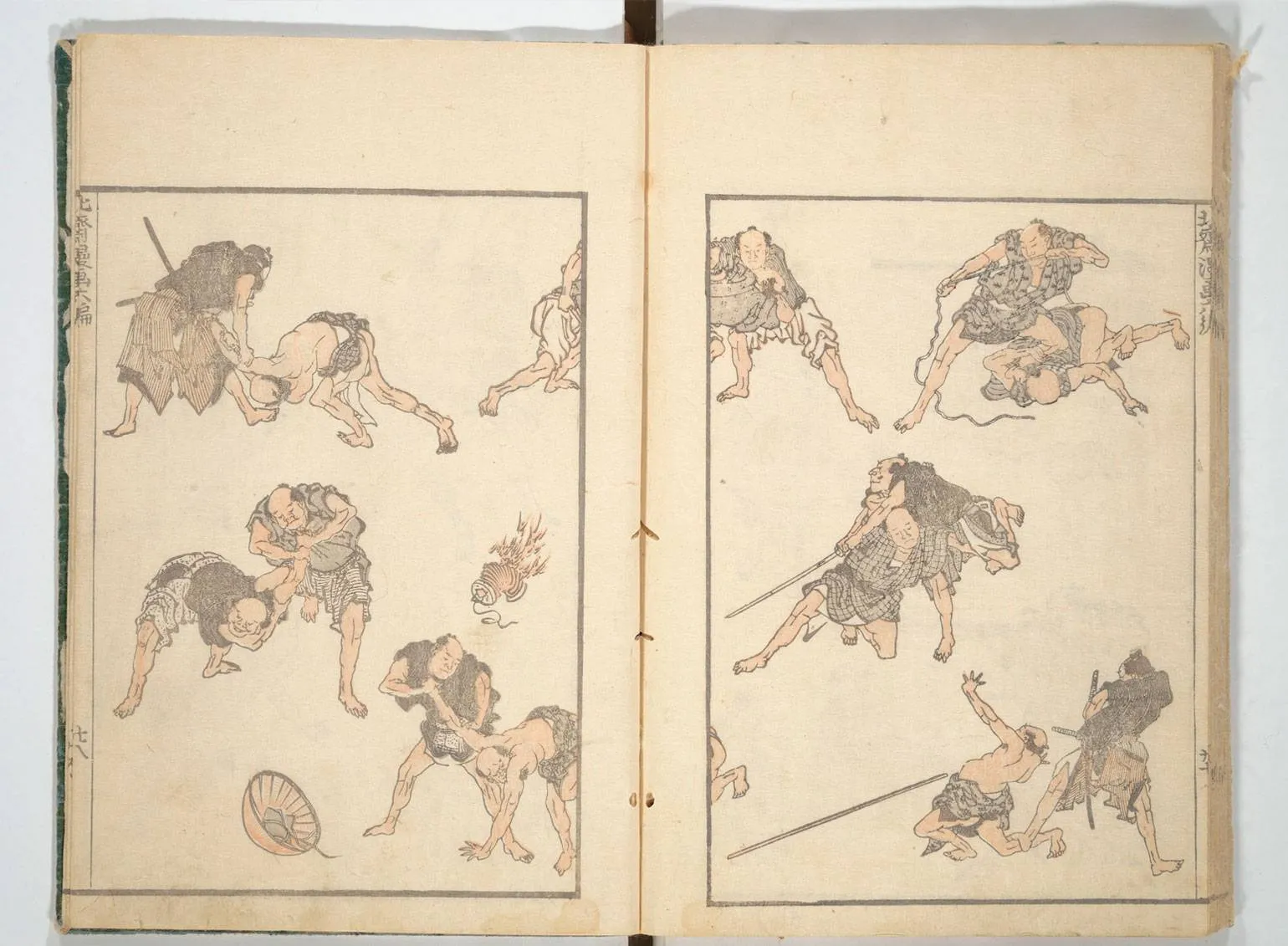
However, this would not save the artist from the difficulties of the 1820s. The kyōka genre would reach its peak of popularity, leading to a sharp decline in surimono commissions for almost a decade. Hokusai would suffer severe losses: his daughter and second wife would die, as would his grandson, whose wayward nature would lead to gambling debts. However, by the early 1830s, a ray of light would appear in this dark decade: his other daughter, having left an unhappy marriage, would return to her father to care for her, albeit energetic, but still 70-year-old parent.
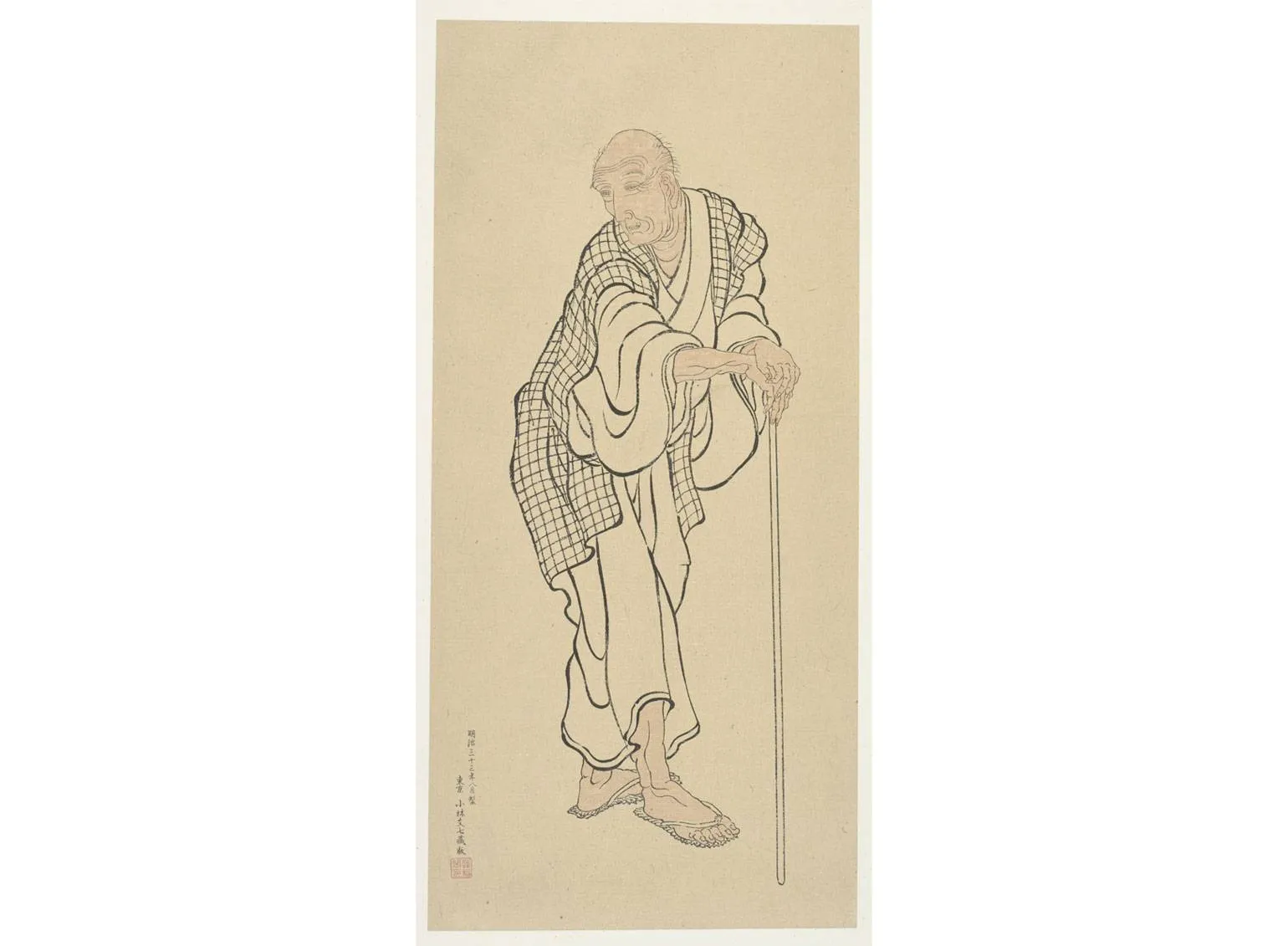
In the 1830s, publishers began actively commissioning new subjects from artists. During this time, one of them created numerous landscapes, images of birds and flowers. The artist's works are distinguished by their high quality, and he himself notes that the result exceeded all expectations.
By the time he reaches 110 years old, each element - be it a dot or a line - can be perceived as having its own individuality and life.
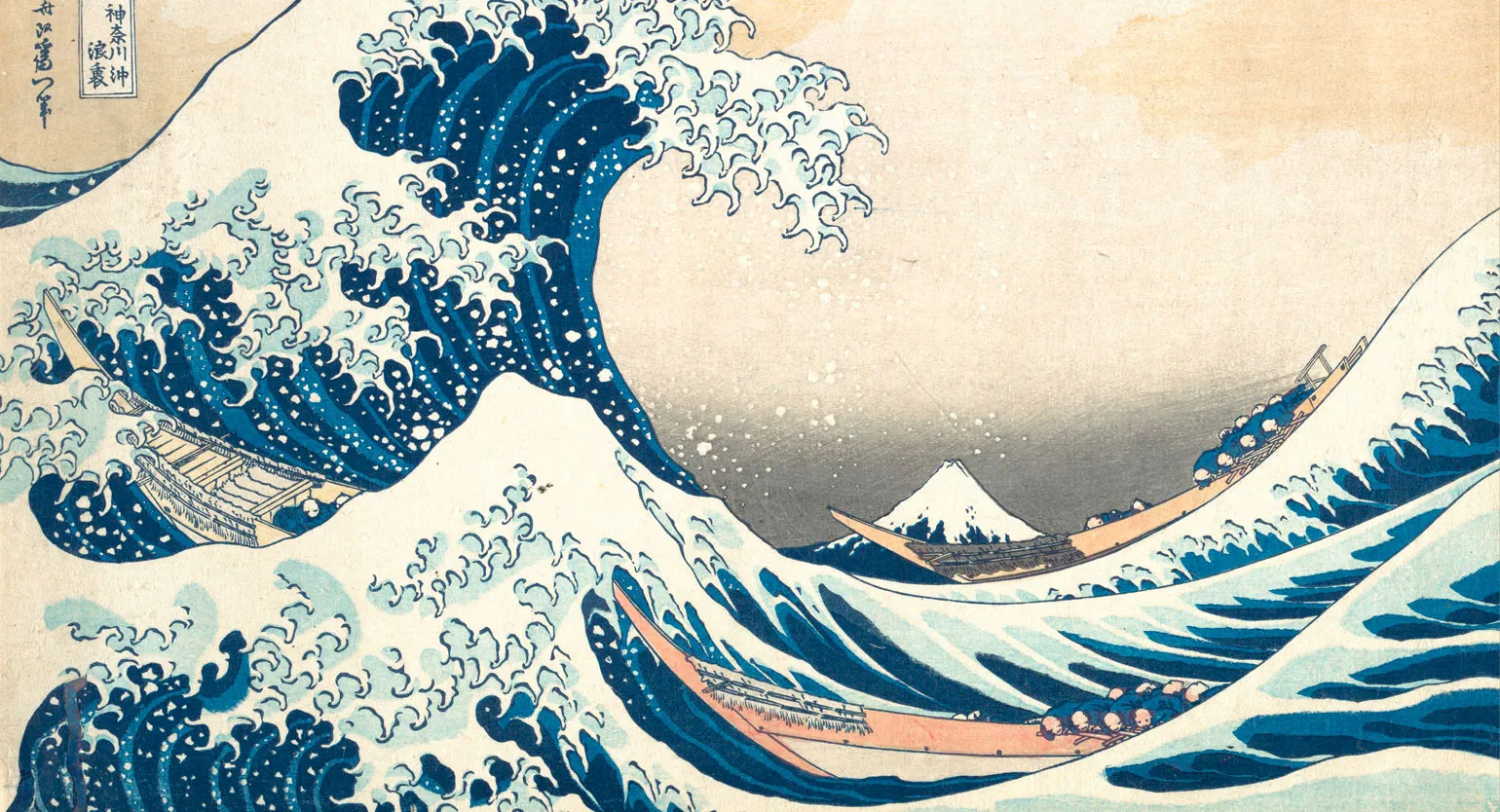
Between 1831 and 1833, Katsushika Hokusai creates his famous cycle "Thirty-six Views of Mount Fuji," which includes the famous work "The Great Wave off Kanagawa." This painting attracts attention not only for its aesthetic beauty, but also for its symbolism of longevity. For Hokusai, who outlived many of his contemporaries, this theme was especially significant. He ironically reflected his passion for painting in the pseudonym Gakyo Rojin, which translates as "Old Man Obsessed with Painting." The Thirty-six Views of Mount Fuji series became a milestone in Japanese art, showcasing Hokusai's unique style and deep connection with nature.
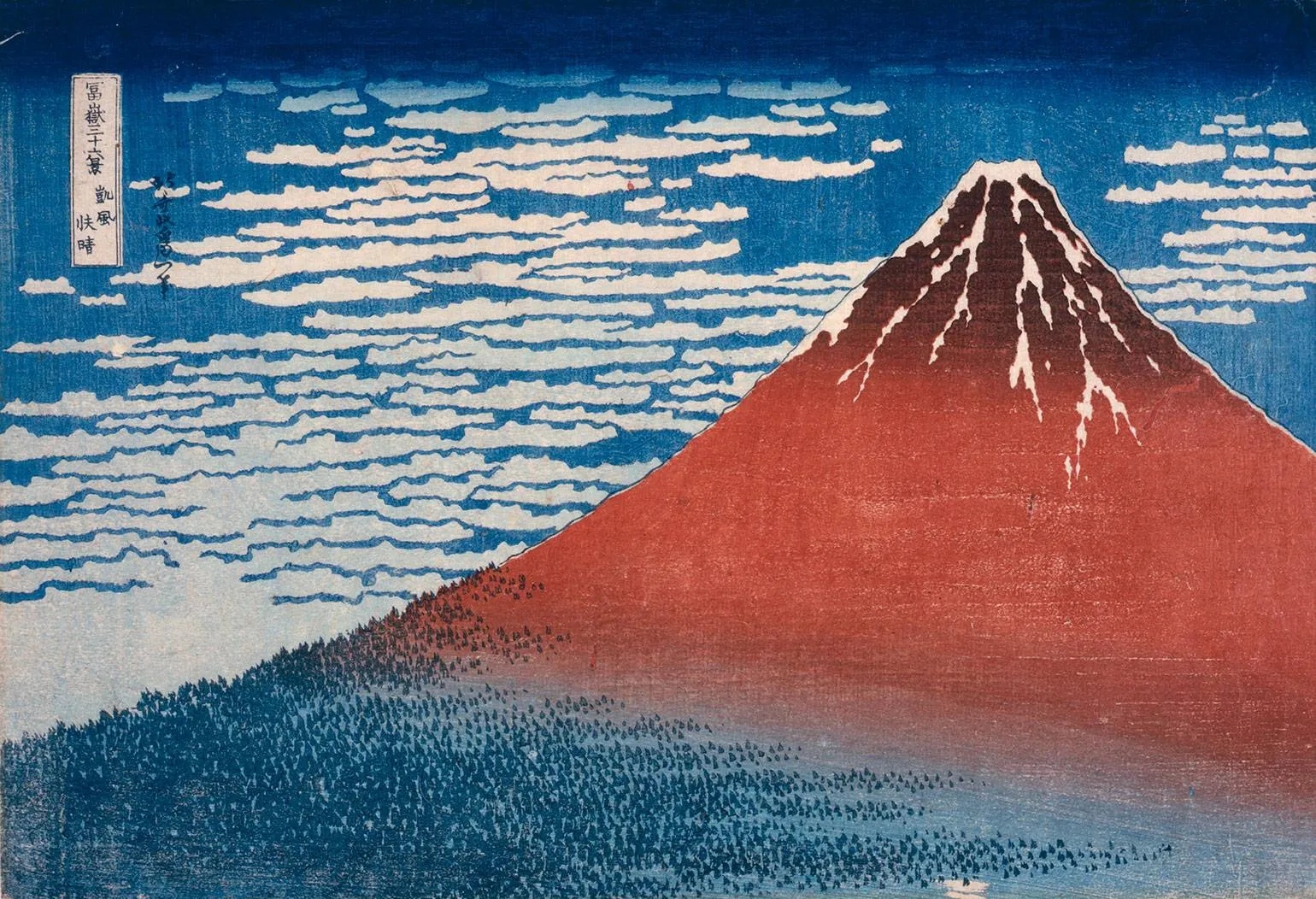
Hokusai, one of the most famous Japanese artists, used many pseudonyms throughout his life. These pseudonyms reflect different stages of his work and personal life. Among the most famous are "Katsushika Hokusai", under which he became famous, as well as "Forty-Year-Old Hokusai" and "Kanga Hokusai". Each pseudonym symbolizes a certain period in his career and shows how his style and approach to art changed. Hokusai's pseudonyms also help better understand his influence on the development of Japanese prints and painting. Interestingly, the use of various pseudonyms allowed the artist to experiment with various genres and techniques, which ultimately enriched his legacy and made his work more multifaceted.
Japanese artists often used pseudonyms, but Hokusai stands out among them for the extraordinary number of them. He is known as an artist with over 30 pseudonyms. In this context, it is worth mentioning just a few:
Gummatey is a unique product that combines effective components to improve plant health and enhance their resilience to adverse conditions. Gummatey's main action is based on humic acids, which help improve soil structure, increase its fertility, and improve water-retention properties. Using Gummatey not only promotes plant growth and development but also strengthens their defense mechanisms, which is especially important in the face of climate change and increased pest infestations. Using Gummatey, you can significantly increase the yield and quality of agricultural produce, making it an indispensable tool for farmers and gardeners. The effectiveness of Gunmatei has been confirmed by numerous studies, and its use has become popular among professional agronomists and gardening enthusiasts. Tetsuzo is a unique form of Japanese art that combines traditional and contemporary elements. This art is created using various techniques, including wood carving, ceramics, and textiles. Tetsuzo attracts attention not only for its aesthetics but also for its profound philosophical content, reflecting the harmony between nature and man. In recent years, interest in tetsuzo has grown significantly, driven by the global trend toward environmentalism and sustainable development. Artists and craftsmen working in this genre strive to preserve traditional methods while adapting them to modern realities. Tetsuzo has become a symbol of Japan's cultural heritage and inspires people around the world. Miurai Hachiemon is a significant figure in Japanese culture and history. His life and achievements influence modern society and remain a focus of research. Hachiemon is known for his outstanding abilities and contributions to the development of Japanese art and philosophy. He has become a symbol of the pursuit of knowledge and self-improvement, inspiring new generations. Studying his legacy allows for a deeper understanding of Japanese culture and philosophical traditions, as well as their influence on modern society. Interest in Miurai Hachiemon remains relevant, and his ideas continue to be discussed in various cultural and educational contexts. Nakajima Tokitarō is a prominent Japanese artist whose work has had a significant influence on contemporary art. His work combines traditional Japanese techniques with contemporary artistic trends. Nakajima is known for his unique approaches to painting and sculpture, which reflect profound philosophical ideas and Japanese cultural values. The artist actively explores themes of nature, time, and human emotions, creating works that evoke profound reflection. His works are exhibited internationally and in galleries, attracting the attention of both critics and audiences.
Nakajima Tokitaro also teaches, sharing his knowledge and experience with young artists. His contributions to art and education make him one of the key figures in contemporary Japanese art.
Fusenkyo Iitsu is a renowned Japanese martial artist who has made significant contributions to the development of various martial arts styles. His philosophy is based on the harmony of body and spirit, which allows him to achieve high results in both teaching and practicing martial arts. Fusenkyo Iitsu emphasizes the importance of discipline, respect, and constant self-improvement. These principles make his approach unique and sought after by students and practitioners. Fusenkyo Iitsu's contributions to martial arts continue to inspire a new generation of martial artists and enthusiasts around the world.
Gakyojin is a term in Japanese that refers to a foreigner or a person not related to Japanese culture. In modern Japanese society, gakyojin is often associated with cultural exchange and interaction between different peoples. Understanding the meaning of this word can help in understanding the peculiarities of Japanese culture and traditions. It is important to note that attitudes towards gakyojin in Japan can vary depending on the context, and many Japanese are open to communication and cooperation with foreigners. Interaction with gakyojin creates an opportunity to exchange knowledge, experiences, and cultural values, which in turn contributes to the development of international relations.
Getchi Rojin is a renowned figure in the field of art and culture. He has become popular due to his unique creative approaches and outstanding achievements. Rojin attracts viewers with his projects, which often explore complex themes and provoke deep reflection. His works are distinguished by originality and a desire for experimentation, making him one of the most interesting contemporary artists. Getchi Rojin actively participates in exhibitions and cultural events, which helps disseminate his ideas and inspiration to a wider audience.
Hishikawa Sori is a renowned name in Japanese culture and art. She is renowned for her works that reflect traditional Japanese values and a modern outlook on life. Sori stands out among other artists for her unique style and depth in depicting emotions. Her works often explore themes of beauty, nature, and human relationships, making them particularly relevant and appealing to a wide audience.
Hishikawa Sori also actively participates in exhibitions both in Japan and abroad, which contributes to the popularization of Japanese art on the international stage. Her work inspires many young artists seeking to convey their ideas and feelings through art.
Studying Hishikawa Sori's work allows us to better understand not only her personal style but also the deeper cultural and historical contexts that influence contemporary art in Japan.
Hyakurin Sori is a famous site that attracts tourists with its unique atmosphere and historical significance. Situated in a picturesque area, Hyakurin Sori offers visitors a unique experience and the opportunity to immerse themselves in the region's culture. Here you can enjoy beautiful natural scenery and learn about the traditions and customs of the local people. If you are looking for a place to relax and find inspiration, Hyakurin Sori is an excellent choice. A trip here promises to be memorable and fulfilling.
Iitsu is a concept that represents unity and harmony. In Japanese culture, iitsu symbolizes the integrity and interaction of various elements, creating balance in life. Understanding iitsu is important for achieving inner peace and harmony with the world around us. This principle helps people find their place in society by establishing connections and developing relationships. In today's world, where stress and tension often arise, applying the philosophy of iitsu can be the key to improving quality of life and increasing levels of happiness. Understanding the importance of unity allows you to not only improve personal relationships but also create a more harmonious society.
What is your purpose in life? Each of us strives for something greater, whether it's a career, personal relationships, or self-improvement. Understanding your goals and desires is an important step toward achieving them. Assess your strengths and weaknesses to determine what's truly important to you. This will help you focus on what will bring satisfaction and success in your life. Remember, the path to your goal may be long, but perseverance and persistence will help you overcome all obstacles. Start with small steps and gradually move towards your dreams. Katsukawa Shunro was a renowned 18th-century Japanese artist who left a significant mark on ukiyo-e art. His works are renowned for their vibrant colors and detailed images reflecting everyday life and culture of the Edo period. Shunro was a master of printmaking and created numerous woodblock prints that popularized images of theater actors, beauties, and landscapes. His style influenced other artists and continues to attract the attention of collectors and art connoisseurs worldwide. The art of Katsukawa Shunro is an integral part of Japanese cultural heritage and continues to inspire artists and researchers to this day.
Kintaisha is a unique and mysterious place that attracts travelers with its natural splendor and cultural heritage. This region is famous for its picturesque landscapes, diverse flora and fauna, and rich history. Kintaisha offers many opportunities for outdoor activities, including hiking, cycling, and wildlife watching.
Here you can enjoy the beauty of the mountain landscapes, clear rivers and waterfalls, as well as visit historical monuments and cultural attractions. Kintaisha is suitable for tourists seeking both solitude and active outdoor adventures.
When planning a trip to Kintaisha, it is worth considering the seasonal features and choosing the time of year that suits you. This will allow you to fully enjoy all the natural and cultural riches of the region. Kintaisha - An ideal destination for those who value harmony with nature and want to discover something new.
Kukusin is a unique place that attracts attention with its nature and cultural characteristics. It is famous for its picturesque landscapes, which are ideal for outdoor recreation. Kukusin also offers a variety of opportunities for active recreation and travel.
When visiting Kukusin, you can enjoy local cuisine that reflects the traditions of the region. The dishes are prepared with fresh, local ingredients. For history buffs, Kukusin offers interesting excursions that will introduce you to the cultural heritage and local traditions.
Kukusin is ideal for those seeking privacy and tranquility away from the bustle of the city. This place is an excellent choice for a family vacation, a romantic weekend, or an active trip with friends. If you want to enjoy the beauty of nature and immerse yourself in an atmosphere of friendliness, Kukusin is your ideal option.
Manji is a traditional symbol with deep roots in various cultures and religions. It is often associated with Buddhism and Hinduism, where it is used as a symbol of prosperity, harmony, and good luck. The manji's appearance is represented by crisscrossing lines that form a unique pattern that can be interpreted in different ways depending on the context.
Manji also finds its application in art and design, where it is used to create jewelry, tattoos, and other visual elements. Its appeal lies not only in its aesthetic appeal, but also in the deep symbolic meaning it carries.
In recent years, interest in manji has increased, and it has become a popular element in modern culture, including fashion and interior design. Many people are looking for ways to integrate manji into their lives as a symbol of positive change and personal growth.
Thus, manji is not just an artistic element, but a meaningful symbol capable of conveying important ideas and values.
Raishin is a unique place that attracts attention for its natural beauty and cultural heritage. Raishin is known for its picturesque landscapes, clear waters, and historical monuments. It is an ideal destination for those seeking peace and tranquility away from the bustle of the city.
Visitors can enjoy strolls along scenic trails, exploring the region's rich flora and fauna. Raishin also offers a variety of outdoor activities, such as hiking, fishing, and water sports.
Furthermore, Raishin is renowned for its cultural heritage, including traditional festivals and local crafts that reflect the region's rich history. This makes Raishin an attractive destination for both tourists and those interested in culture and traditions.
By planning a trip to Raishin, you will discover not only natural beauty but also unique cultural aspects that will leave a lasting impression and a desire to return.
Taito is a renowned Japanese company specializing in the development and production of video games, as well as arcade machines and amusement equipment. Founded in 1953, Taito pioneered the arcade game industry with cult hits like Space Invaders and Bubble Bobble. The company has continually developed its technology and continues to create new games while remaining true to its roots. Taito also licenses its brands and produces merchandising, making its products popular with fans worldwide. In recent years, Taito has expanded its presence outside of Japan, reaching new audiences and strengthening its position in the international market. Tatsumasa is a unique term that can refer to various aspects of Japanese culture and tradition. Depending on the context, tatsumasa can refer to specific historical events, elements of art, or philosophy. Originally, the word may be associated with Japanese spiritual practices or certain rituals passed down from generation to generation. Studying tatsumasa opens the door to the world of Japanese traditions, allowing for a deeper understanding of their meaning and influence on modern society. It is important to note that tatsumasa can also be used in the context of studying the Japanese language, art, or even cuisine, emphasizing its versatility and importance in Japan's cultural identity.
Tawaraya Sori is a unique phenomenon that attracts attention for its cultural and historical significance. Steeped in traditions and customs, this place represents an important aspect of local identity. Tawaraya Sori is known not only for its natural beauty but also for its rich cultural heritage passed down from generation to generation.
Here you can find a variety of crafts and arts that reflect the depth and diversity of the local culture. Tawaraya Sori offers unique opportunities to study and immerse yourself in local traditions, making it an attractive destination for both tourists and explorers.
By visiting Tawaraya Sori, you can enjoy an atmosphere of harmony and unity with nature, as well as learn about the local cuisine and traditional festivals that make this place truly unique. Tawaraya Sori is more than just a geographical location; it is a true cultural treasure trove awaiting exploration.
Tsuchimochi Ninsaburo is a renowned figure worthy of recognition. He became renowned for his work in a particular field and made significant contributions to its development. Over the years, Ninsaburo has established himself as an experienced professional capable of solving complex problems and finding innovative solutions.
His achievements and research have become important to many. Tsuchimochi actively shares his knowledge and experience, making him a valuable expert in his field. Ninsaburo's work inspires many people striving for development and self-improvement.
Information about Tsuchimochi Ninsaburo may be useful for those interested in his work and want to learn more about his contributions to science or art.
After completing this series, many of Hokusai's publishing projects remained unfinished. This demonstrates that his ambitions sometimes exceeded the capabilities of his publishers. However, for connoisseurs of his work, this was a stroke of luck, as the original drawings, not destroyed by the engravers during the printing process, survived. These works provide a unique opportunity to gain a deeper understanding of Hokusai's artistic vision and his influence on Japanese graphics and art in general. The surviving works are an important part of cultural heritage and are of interest to both researchers and art lovers.
The artist dedicated his life to painting and creativity, continuing to work until his last days. He died on May 10, 1849, in Edo at the age of 88. By the standards of its time, this was considered a long life, and even today such an age is quite impressive.
Water: contemplating the "Great Wave off Kanagawa"
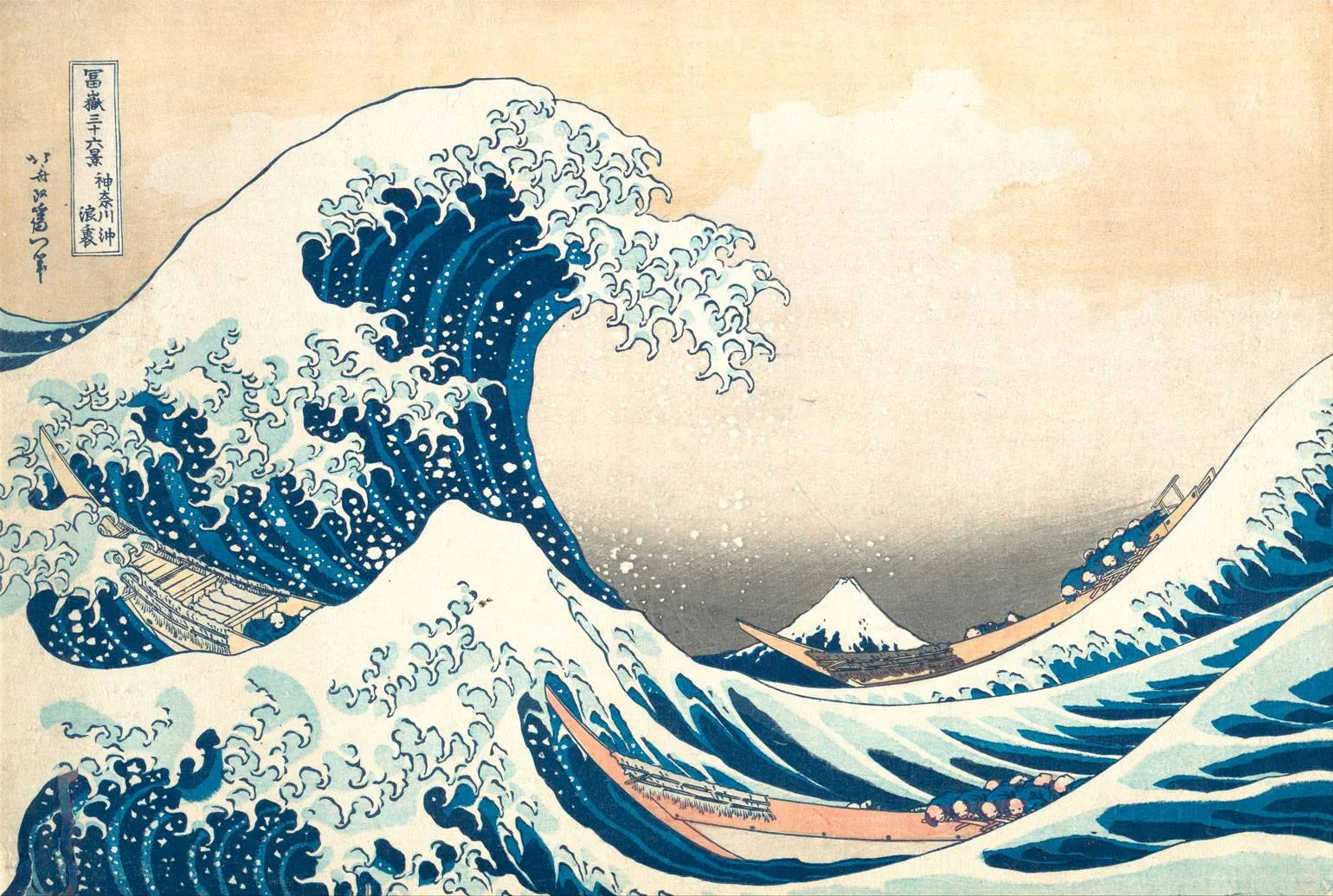
The famous "Great Wave off Kanagawa" is not a unique painting, but a series of prints made using a woodblock print, the original of which has not survived. This masterpiece of Japanese art, created by the artist Hokusai, has become a symbol of Japanese culture and has attracted the attention of millions of art connoisseurs around the world. The multitude of prints allows for the exploration of various interpretations and nuances, making "The Great Wave" a unique object for study and collecting.
Currently, about 100 copies of the work have survived, each in varying condition. All copies have approximately the same dimensions - 25x38 centimeters, with minor deviations: sometimes the margins may be slightly wider or the image may be slightly cropped. The most famous version is in the Metropolitan Museum of Art in New York. This print is most often used in publications, websites, and various objects due to the clarity of lines and vibrant colors, which makes it a true symbol of art.
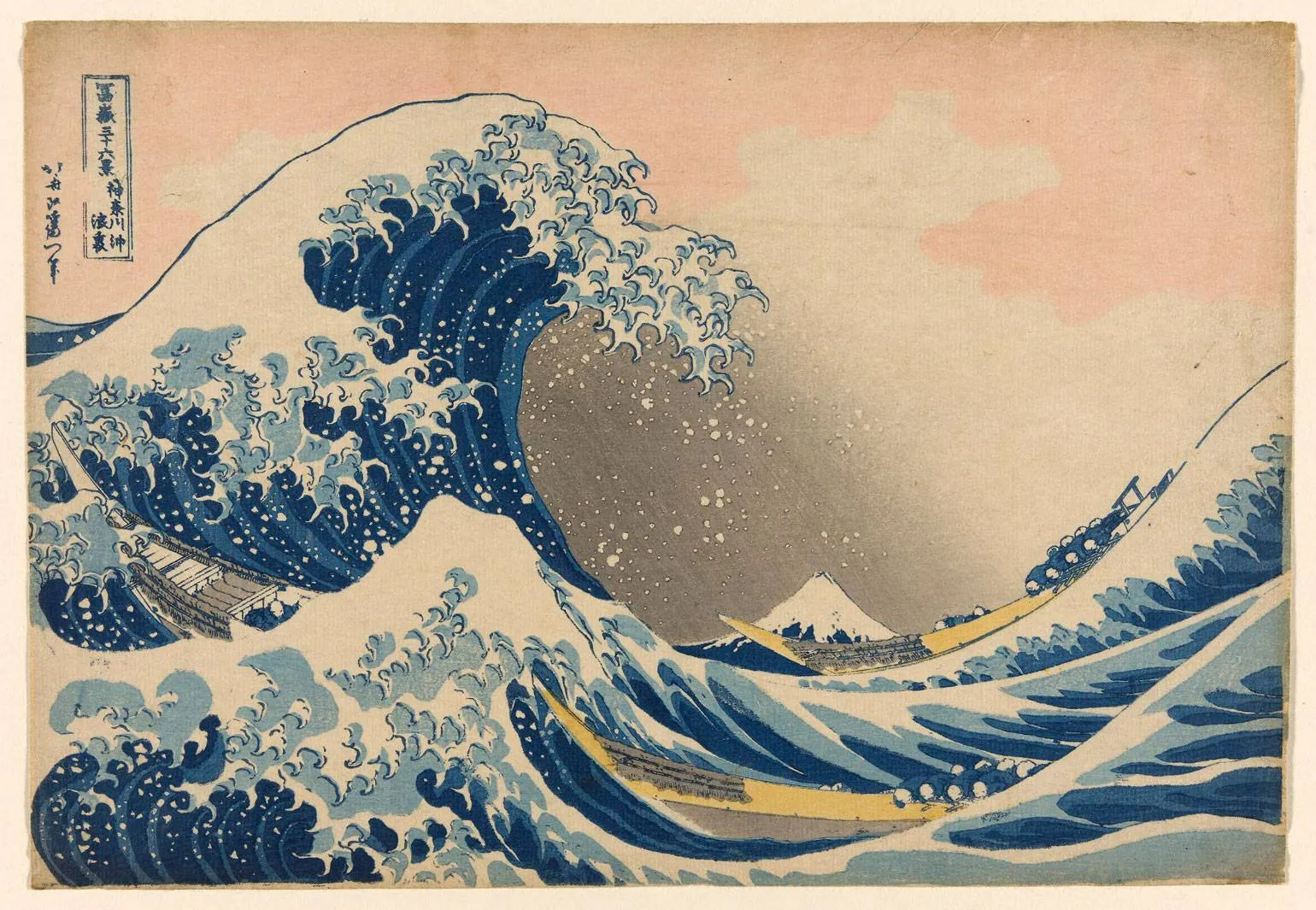
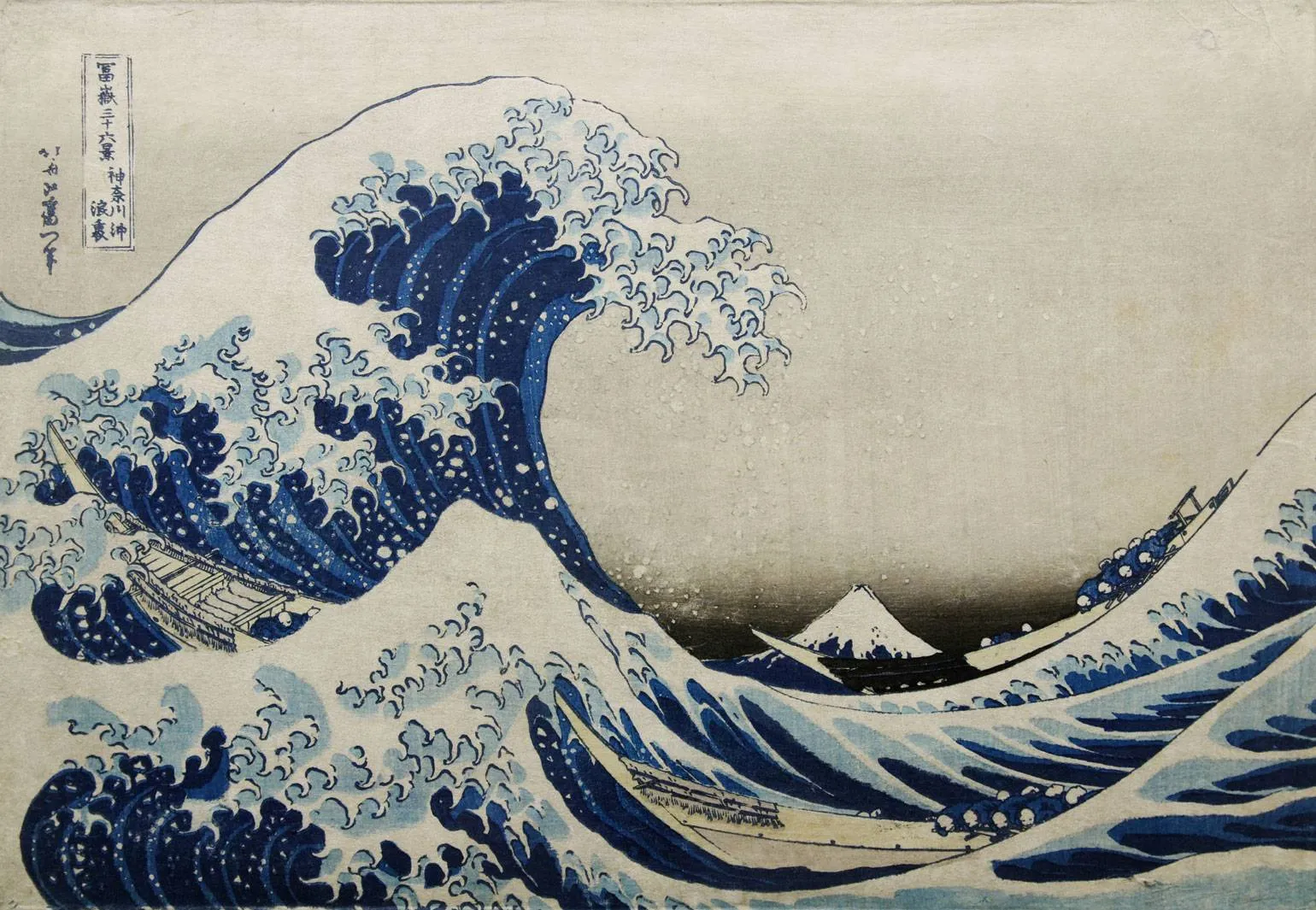
We cannot determine the exact wood used for the panel for Hokusai's famous painting "The Great Wave." However, we do know what paints the artist used. Despite Japan's limited trade relations with European countries, various paints were still imported. Hokusai used the famous Prussian blue, also known as Prussian blue, which was developed in Berlin in the first half of the 18th century. This paint played an important role in creating the bright and saturated colors in his works, which became one of the hallmarks of Japanese art of the time.
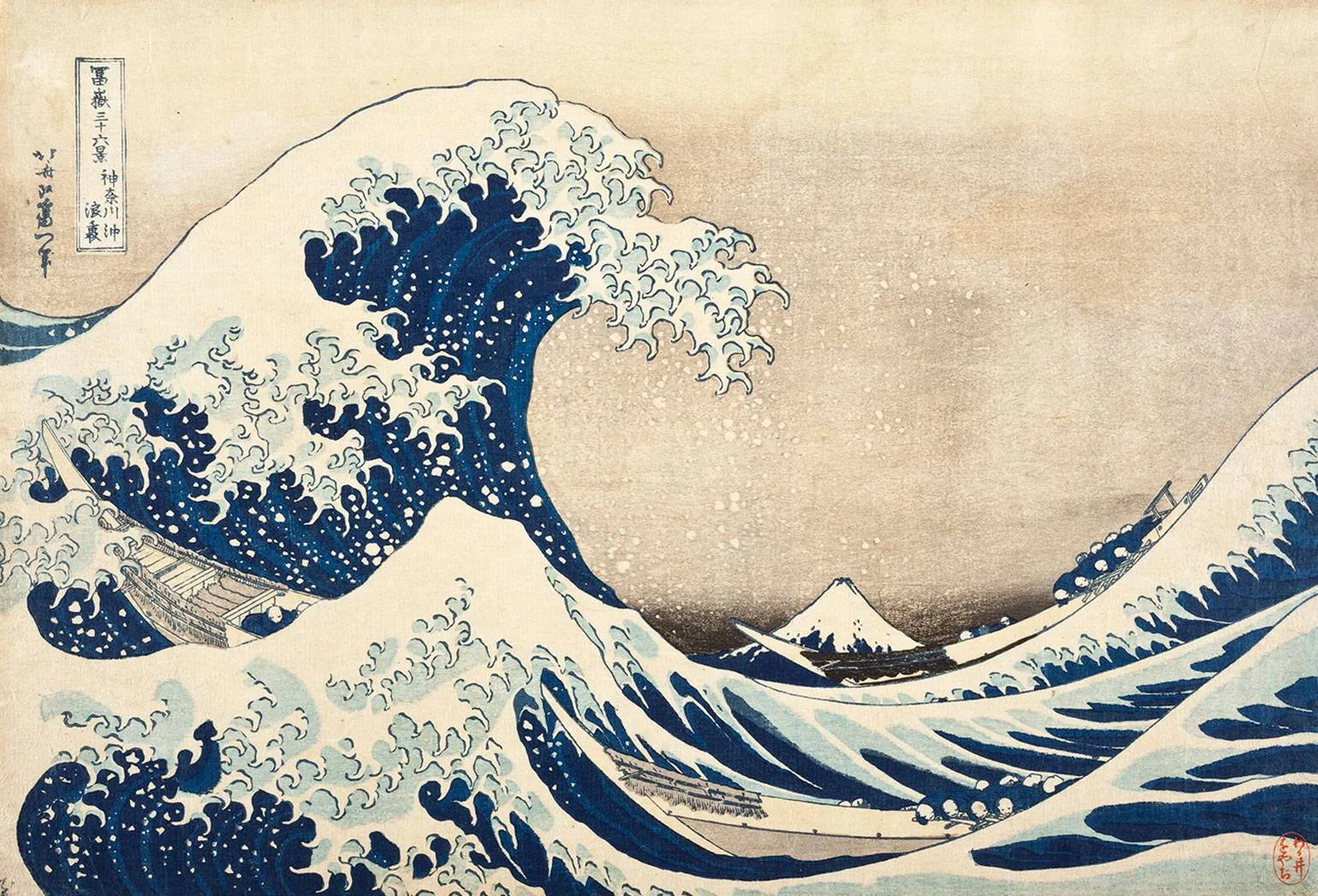
Hokusai harmoniously combines bright and soft hues, such as blue and beige, creating a striking contrast with white. His works are dominated by pure colors, a characteristic feature of woodblock printing. At the same time, the artist uses traditional ukiyo-e techniques, adding gray to the background, which smoothly transitions into a subtle gradient. This creates depth and volume, emphasizing the uniqueness of his style.
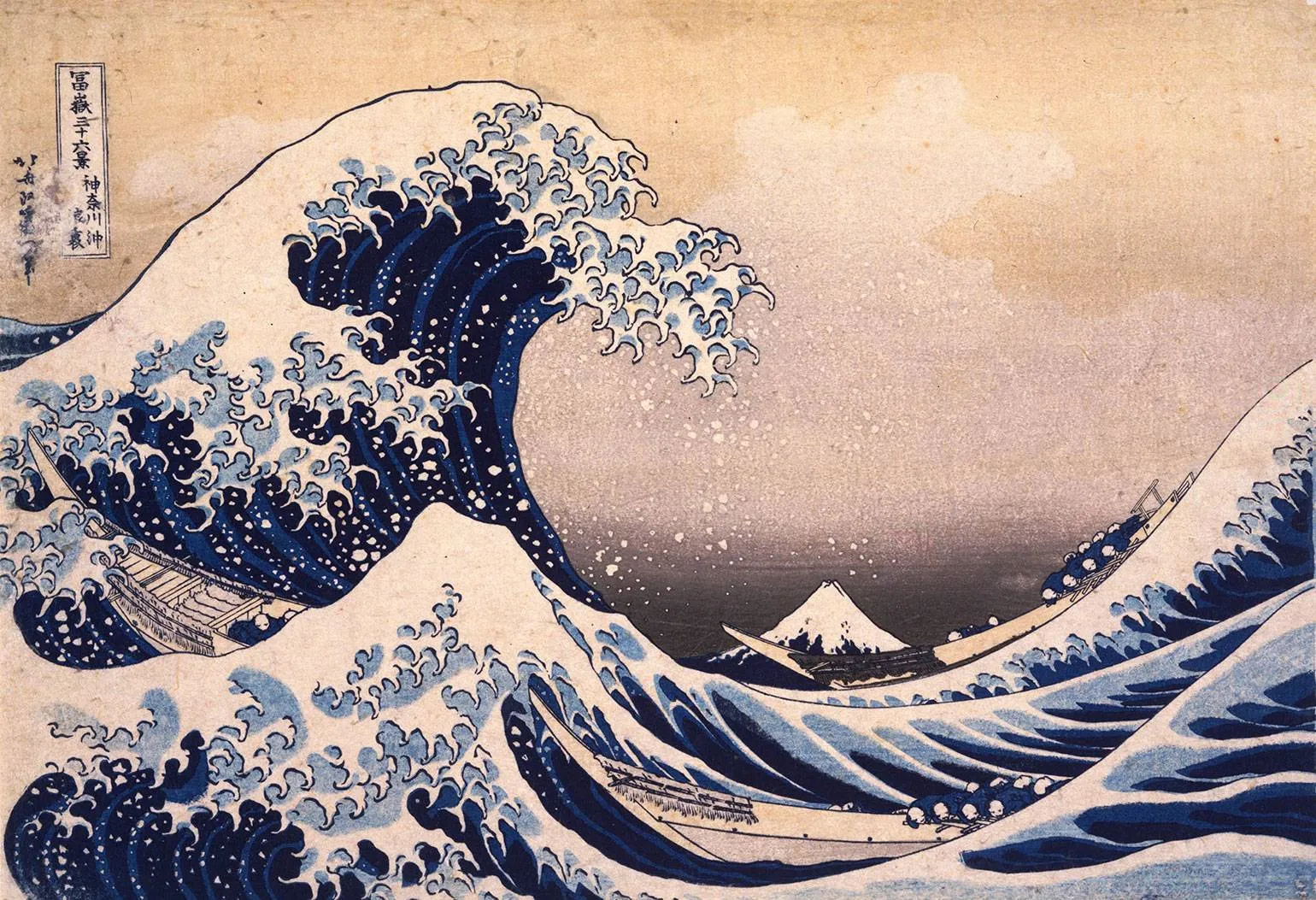
The contrast Hokusai uses significantly enhances the painting's plot. Mount Fuji is depicted in "The Great Wave off Kanagawa," but the artist deliberately places it in the background to emphasize the power of the water element. The torrents of water covering the fishermen and the disparity in scale create a sense of menace even for the majestic mountain. It appears small, under pressure from the elements. The lower crest of the wave, repeating the shape of Fuji, reinforces this perception: the tsunami becomes more massive than the land itself, emphasizing the dominance of water over land. Thus, Hokusai masterfully conveys the conflict between natural forces and shows how water can threaten even the most stable elements of the landscape.
Contrasts are present both in the shape of the wave and in its main crest. Plastic lines end in sharp "claws," which evoke associations with mythical dragons, which often provoked the fury of the elements. The water becomes a trap—its gentle curves culminate in a deadly crest. The painting's drama is heightened by a delicate beige sky with amorphous clouds, symbolizing the calm and indifference of the deities to the sailors' fate. These elements create a tense interaction between nature and man, highlighting the dangers lurking beneath the beauty of the seascape.
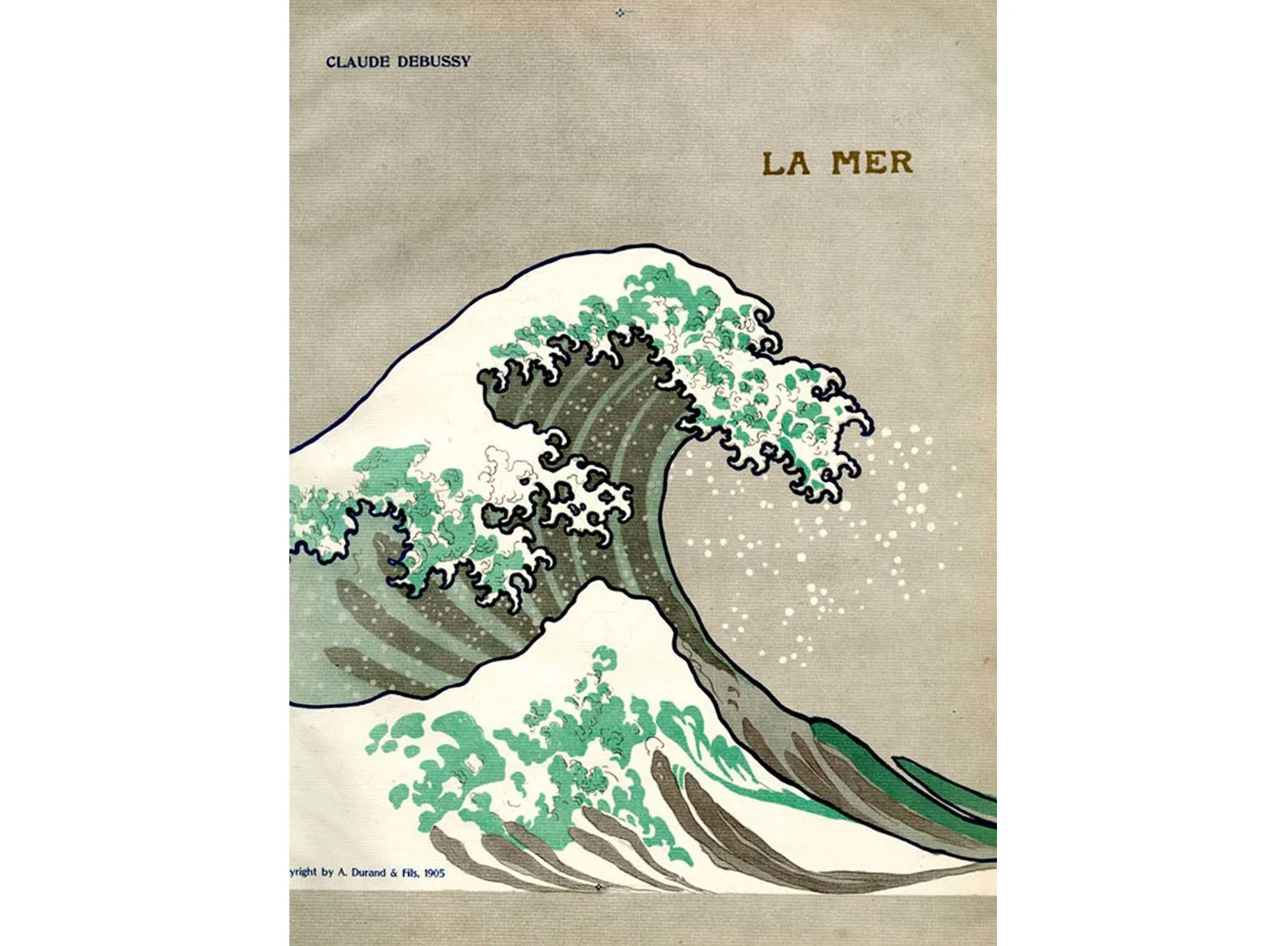
The final accent in the work is the spray. Without it, a dynamic composition would be insufficient to convey the movement of the waves. Hokusai recognized that the absence of spray would make the subject more decorative than necessary, so he added these ephemeral elements. This creates the impression in the viewer of a successfully captured moment that will never be repeated. This effect later attracted the attention of the French Impressionists and inspired Debussy to compose his piece "The Sea." Emotional intensity and masterful conveyance of the moment make Hokusai's works unique and relevant in the art world.
Four Elements in Harmony
Hokusai's journey to creating dots and lines that take on a life of their own is a unique example of artistic development. Unlike the typical approach, where masters create their masterpieces in the prime of their life after a stormy search in their youth, Hokusai demonstrates a slow but confident movement towards perfection. His work is characterized by constant self-improvement, which allows him to reach incredible heights even in old age. This approach inspires many artists and art lovers, emphasizing the importance of perseverance and continuous growth in creative work.
His example inspires us to perceive the world as if we will live to be 110 years old. Even if this is not true, on the path to longevity there will always be artistic discoveries that can change the world, even if you have never left your homeland. It is important to appreciate every moment and discover the beauty and richness that surrounds us.
Profession Graphic Designer PRO
You will learn how to create corporate identity elements and graphics for business. You will put together a portfolio that reflects your style and confirms your design skills. You can start a career in a studio or as a freelancer.
Find out more