Table of Contents:
Learn: Game Designer Profession from Scratch to PRO
Learn MoreIf you are reading these lines, it means that you have had the idea of creating your own game. Perhaps you have already tried to do this, but, faced with the interface of the game engine, decided that it was too complicated. As a result, you closed the engine and never returned to this idea. Creating a game can seem daunting, but with the right approach and resources, you can overcome the initial challenges and bring your ideas to life. Game engines offer a wealth of tools to aid your development, as well as extensive communities ready to support you at every stage. Don't be afraid to experiment and learn, because every attempt brings you closer to your goal—creating a unique game that will capture players' attention.
In fact, creating games isn't as difficult as it might seem at first glance. In this article, we'll explain how to overcome anxiety and embrace the process of game development. Diving into the world of game design opens up countless opportunities for self-expression and creativity. The secret is to view game creation as an exciting adventure, not a source of stress. Start with simple projects, learn the basics, and gradually increase the complexity of the tasks. This will help you gain confidence and enjoy the process. Don't be afraid to experiment and learn from your mistakes. Ultimately, your love for creating games will be your best ally along the way.
Tip #1: Don't Strive for Perfection
Don't repeat the mistakes of those who strive to create a perfect game from the start. On the path to creating a successful game project, it is important to go through several stages, from concept to testing. Focus on developing the core of the game and gradually improve it, making changes based on user feedback and your own observations. This approach will help you avoid disappointment and achieve better results in the final product.
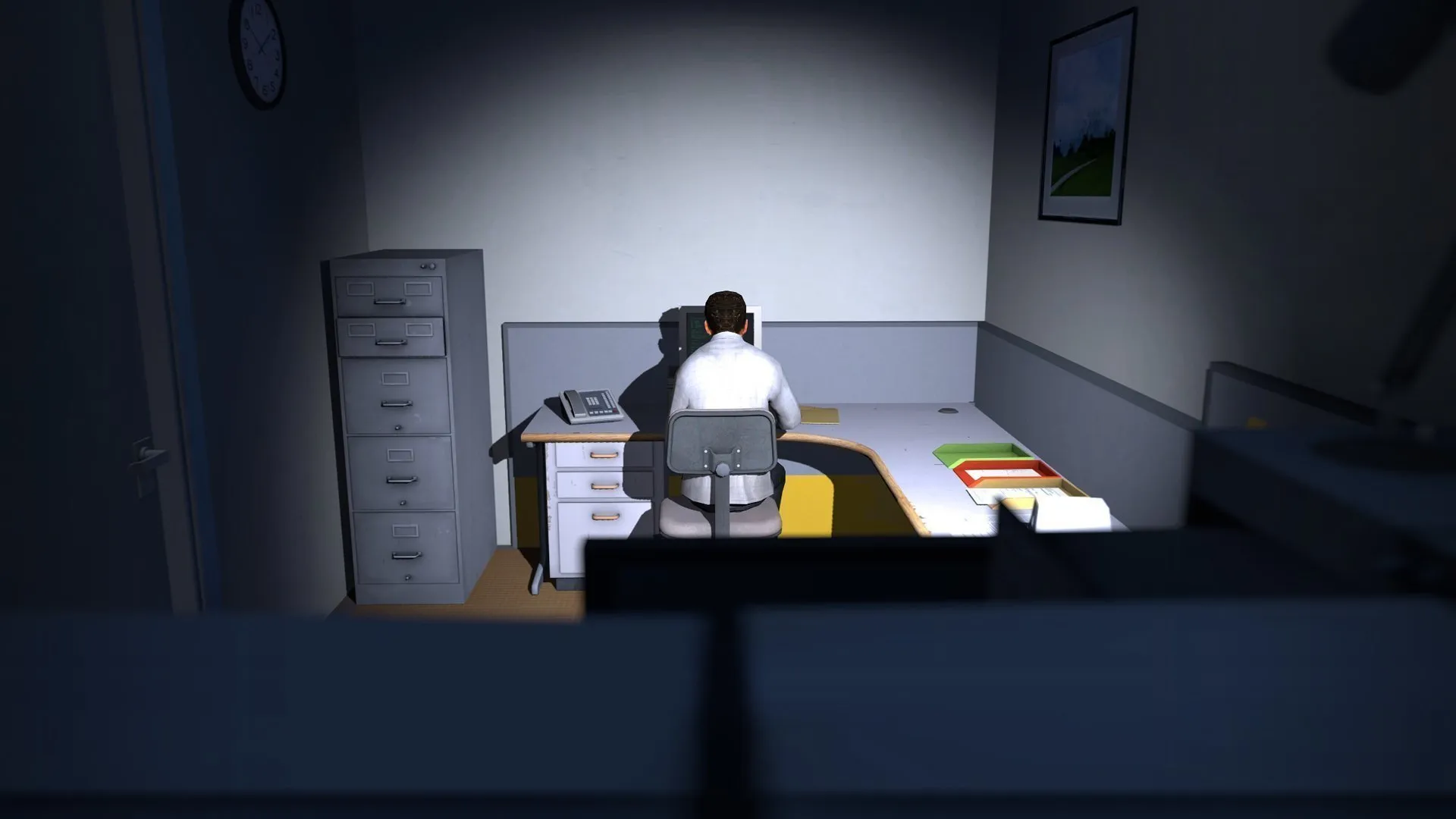
Many developers begin their journey with the hope of realizing unique ideas. Sometimes newcomers manage to create successful projects, such as The Stanley Parable. However, more often than not, their ideas do not reach the final stage, getting lost in the early stages of development under the weight of high expectations and ambitions. Creating a game requires not only creativity but also the ability to navigate the real-world challenges that may arise along the way. Don't let a lack of talent be an obstacle. Successful project execution requires experience, knowledge, and, especially for larger games, a team of professionals. When you're starting out, focus not on creating the perfect product, but on developing something that can be quickly assembled and tested. This will allow you to gain valuable experience and make necessary improvements early in development.
Consider your first projects as important learning exercises. They provide a unique opportunity to gain practical experience and develop your skills. Each project allows you to deepen your knowledge, learn to solve real-world problems, and identify areas for improvement. Don't be afraid to experiment and make mistakes, because they are the foundation of your future professional development.
Tip #3. Build a prototype and show it to your friends. Kirill Zolovkin advises: "Don't put off the practical part until later." Once you've mastered the basics of the game engine, it's time to create a prototype. A prototype is a model of your future game, designed to test game mechanics. This stage is key for identifying the strengths and weaknesses of your project, as well as evaluating gameplay and user interaction. The sooner you start working on a prototype, the faster you can make the necessary changes and improvements. This will allow you to optimize development and make the game more engaging and interesting for players. Use the skills you gained while studying the game engine to avoid difficulties. Start by creating small projects, such as a level in a platformer or a track for a racing game. The main thing is to make it playable and interesting. This approach will help you improve your skills and better understand the structure of game projects. src="//cdn.embedly.com/widgets/media.html?src=https%3A%2F%2Fwww.youtube.com%2Fembed%2Fz06QR-tz1_o%3Ffeature%3Doembed&display_name=YouTube&url=https%3A%2F%2Fwww.youtube.com% 2Fwatch%3Fv%3Dz06QR-tz1_o&image=https%3A%2F%2Fi.ytimg.com%2Fvi%2Fz06QR-tz1_o%2Fhqdefau lt.jpg&key=8d3909c69dfb4ee29c710191d8dd756a&type=text%2Fhtml&schema=youtube" width="854" height="480" scrolling="no" frameborder="0" allow="autoplay; fullscreen; encrypted-media; picture-in-picture;" allowfullscreen="true">
Self-restraint will allow you to create a prototype worth showing to your friends within one or two weeks. This will help you get valuable feedback and improve the project.
Be prepared for the fact that your creation may not be properly received. After all, it will not compare to the big-budget games that players are accustomed to. However, any reaction is valuable. Firstly, your friends will provide you with feedback that will help you avoid mistakes in the future. Secondly, it will save you from the feeling that you are creating games into the void. Feedback from others is key to developing your project and improving your game development skills.
Tip #4: Follow the principle "To each according to his abilities"
Have you had a chance to test your prototypes on friends? Are you able to create entire levels without messing up the engine? It's time to start developing a full-fledged game. It's important not to get lost in the ocean of your own ambitions and focus on achieving clearly defined goals.
In the gaming industry, as in other fields, a key concept is the minimum viable product. This means that for a successful launch, it is necessary to implement a basic set of mechanics. For a shooter, for example, gunplay is the foundation. Other elements, such as stealth, cutscenes, and destructibility, can be implemented at later stages of development. This approach allows us to save time and resources by focusing our efforts on the core aspects of the game, which in turn facilitates more efficient testing and improvements to the final product.
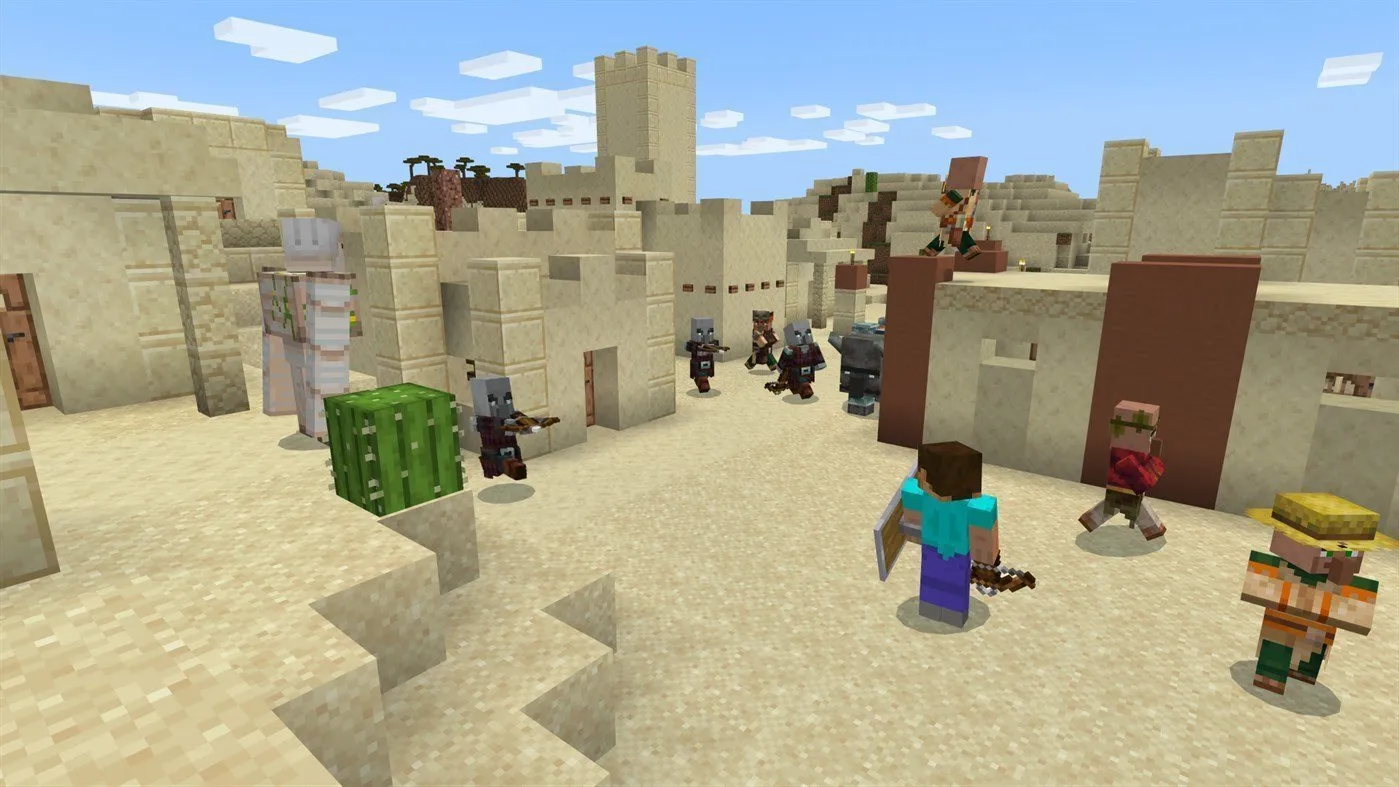
Don't try to do everything at once. Minecraft started out as a simple virtual construction game, but over time, it's become much more.
Game designer and Extra Credits host James Portnow advises focusing on your strengths. If you're good at drawing, create a game with a unique visual style. If your skills lie in programming, develop a project that emphasizes game mechanics. Taking into account your talents, you will be able to create a higher quality and more interesting product that will stand out from other games.
Tip #5. Participate in Game Jams
Game jams are unique events where developers, designers, and artists come together to create new games under a time limit. Participants are typically given 48 hours to develop a game prototype. The jam theme and terms are announced at the beginning of the event, which encourages creativity and innovation. Game jams foster a community of developers and serve as an excellent platform for exchanging ideas, skills, and experiences, making them an important aspect of the gaming industry.
Yulia Kozhemyako emphasizes the importance of hackathons, explaining that they have a limited time frame. This allows participants to avoid lengthy waits for results and see their achievements in just two or three days. Participating in a jam demonstrates what a person is capable of, even working in a team. Furthermore, in a hackathon environment, there is no room for procrastination, which promotes full focus on the project. These events not only develop skills but also facilitate the creation of innovative solutions in a short timeframe.
The same principles apply to game jams as when showcasing games to friends. Jams provide an opportunity not only to showcase your creativity but also to present it to a wider audience, including industry professionals. Participation in such events facilitates the establishment of new connections that can lead to future joint projects. For example, Yulia Kozhemyako first met Ilya Kononenko, co-author of the game The Tender Cut, inspired by the film "Un Chien Andalou," at one of the jams.
A successful prototype created during development can become the basis for a full-fledged game. Examples of such games include SUPERHOT, Mini Metro, and Hollow Knight, which all began their journeys as experimental versions. These projects demonstrate how ideas born from exercises and testing can be realized into successful game products.
Tip #6: Create a Development Schedule
Completing a game can seem like a daunting task. To simplify the process, divide it into key stages, such as creating levels and writing dialogue. Then, break these stages into smaller tasks that can be completed within a week. This approach will allow you to effectively manage time and resources, as well as track the progress of the game's development.
Deadlines are important even for freelance artists. Creating a schedule helps track progress and avoid feeling stuck. Established deadlines promote more productive work and help focus on creative tasks, allowing you to realize your ideas on time.
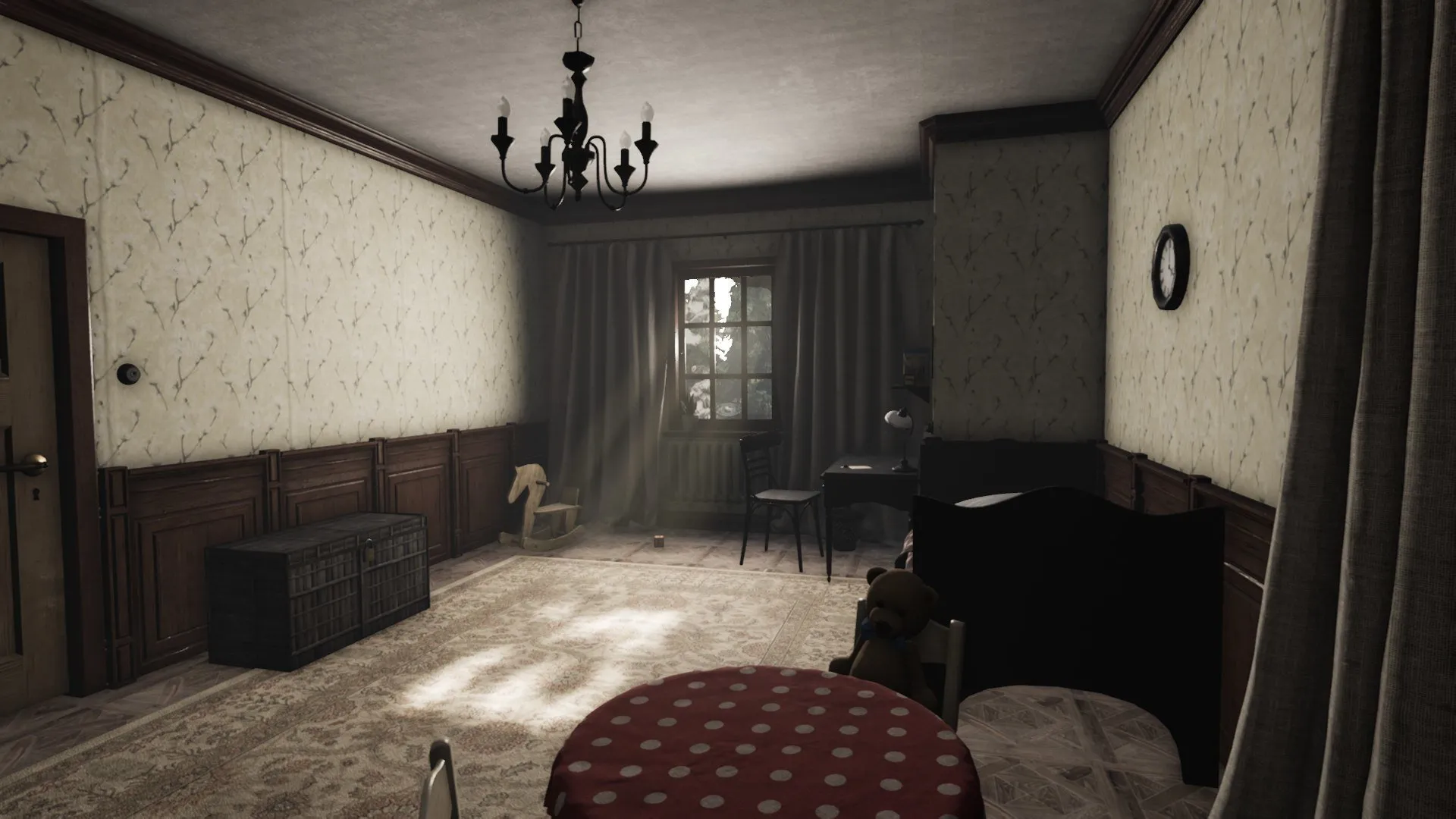
In a post about the development of the game Never Again, Valentin Shchekin shares important advice on creating a work schedule. He claims that there is an unspoken rule among developers: the time planned for a project should be multiplied by two. However, he cautions that in reality this time should be multiplied by four. This advice emphasizes the importance of realistic deadlines during the development process, which can significantly impact the final quality of the product and team satisfaction. Proper planning and time estimation are key factors in the successful delivery of projects in the gaming industry.
If you are a month behind schedule, it may be worth revising your schedule to allow more time to complete the project. However, if the delay has been going on for two months, you most likely overestimated your capabilities. In such a situation, it is advisable to reduce the scope of the project by eliminating nonessential levels and mechanics, or consider starting a new, more compact project.
Tip #7. Work Regularly
The old adage goes, "Fast is slow without breaks." This rule is also true for game design. Consistency and consistency in approach are essential in game development. Gradual but steady project development allows you to create a high-quality product that will engage players. Successful game design requires time and patience, as well as regular process analysis and adjustments to achieve the best results.
Consistency is key in game development. Avoid long breaks and set aside at least an hour a day to work on the project. This will help you develop a habit and avoid feeling stagnate. Gradually moving towards your goal will foster your creative growth and improve your skills. Moreover, constant practice will help you maintain motivation and inspiration to complete the game.
Alexey Malorossiyanov emphasizes that learning programming can be challenging and requires a specific approach. However, when you begin to achieve success, a sense of satisfaction arises from the results achieved. It is important not to give up and to devote time daily to developing and learning software. Progressive efforts will inevitably lead to success.
Yulia Kozhemyako emphasizes the importance of patience in game development: "You might not see any noticeable progress for several months, and it might seem like you're not moving forward. However, over time, changes will become apparent. The main thing is systematic work and persistence."
The Game Designer Profession from Scratch to PRO
A game designer creates the structure of a game. He thinks through the idea, rules, gameplay and decides what emotions the plot will evoke in players. You'll master game design principles from scratch and learn how to work with popular engines like Unity and Unreal Engine. You'll learn how to retain player interest and monetize your games. We'll help you launch a career in the gaming industry.
Find out more