Contents:

Graphic Designer PRO: Course with Employment for Success
Find out moreElevation Differences in Architecture
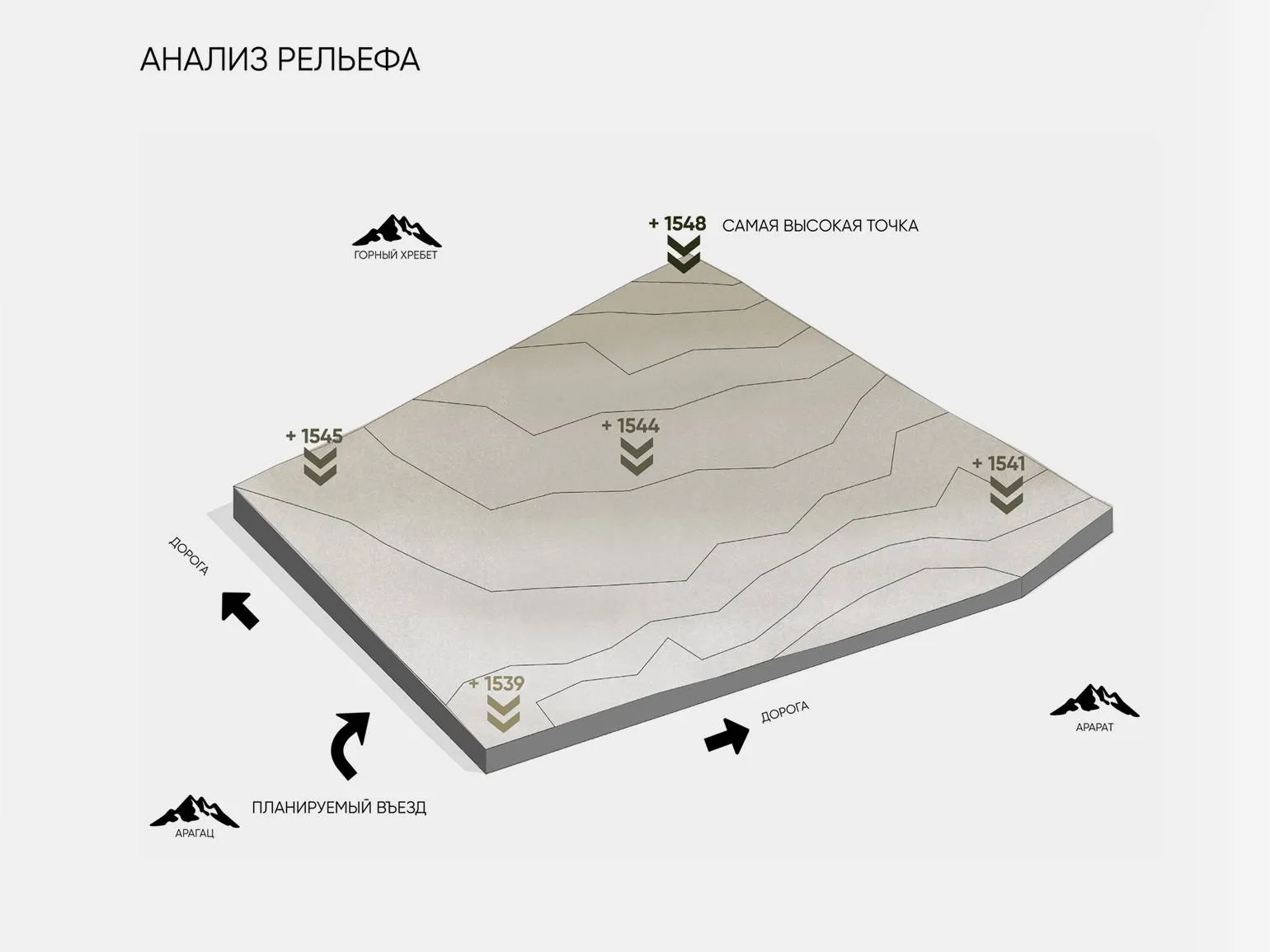
The terrain selected for construction significantly affects the design and organization of infrastructure. The elevation difference is 9 meters, which creates unique conditions for the placement of objects. The lower part contains the entrance area, shops and commercial areas, while the higher areas contain the most prestigious and expensive houses, which offer magnificent views of the surrounding landscape. This approach to planning creates a harmonious combination of functionality and aesthetics, which attracts the attention of potential buyers and investors.
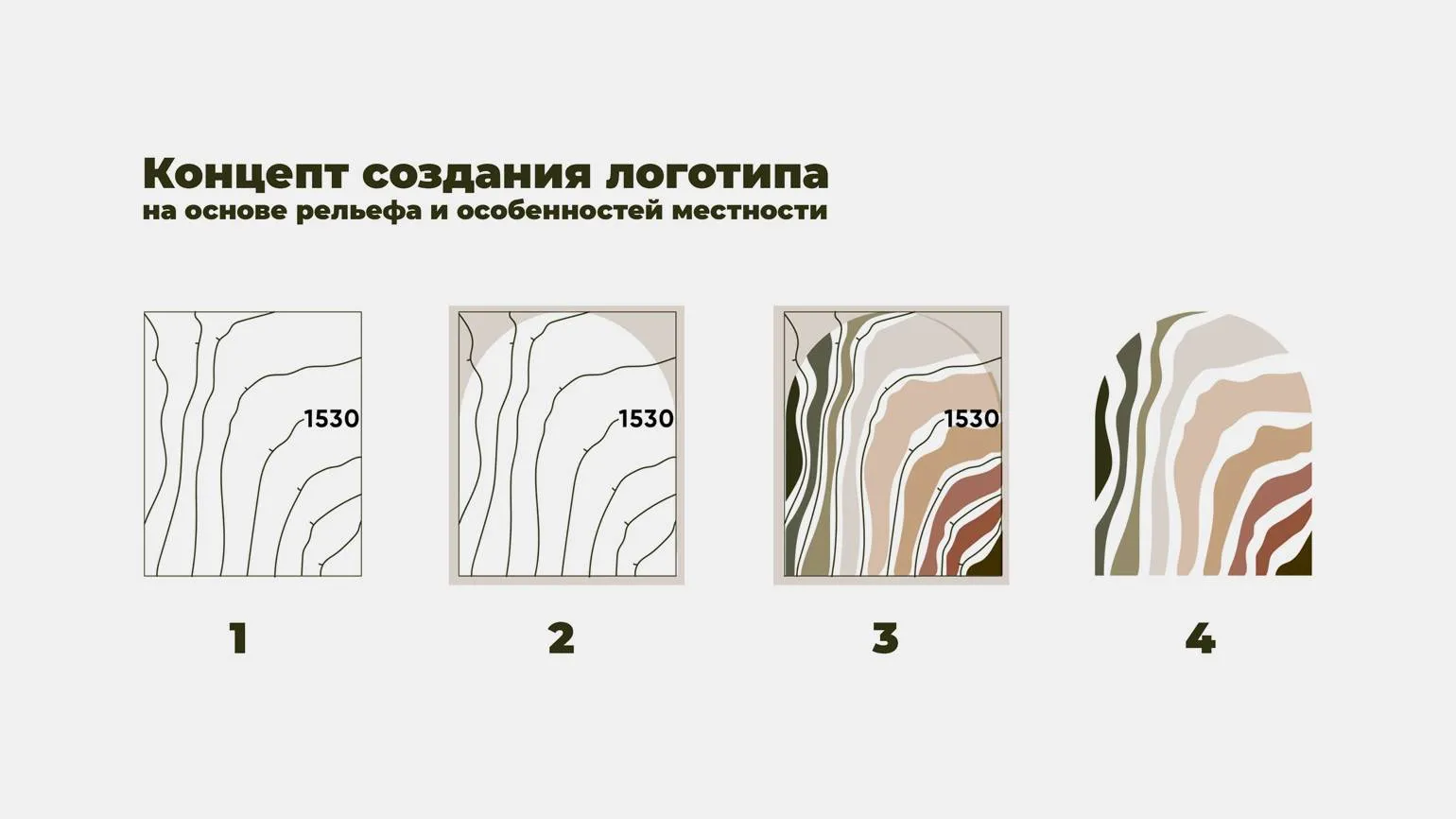
The logo of the village was created taking into account the topographic map of the site, which clearly shows the differences in elevation. This allows us not only to reflect the unique natural features of the area, but also to emphasize the individuality of the village. This approach to logo development contributes to a deeper perception of the brand and its connection with the surrounding landscape.
Tamanyan Arches: Heritage and Modernity
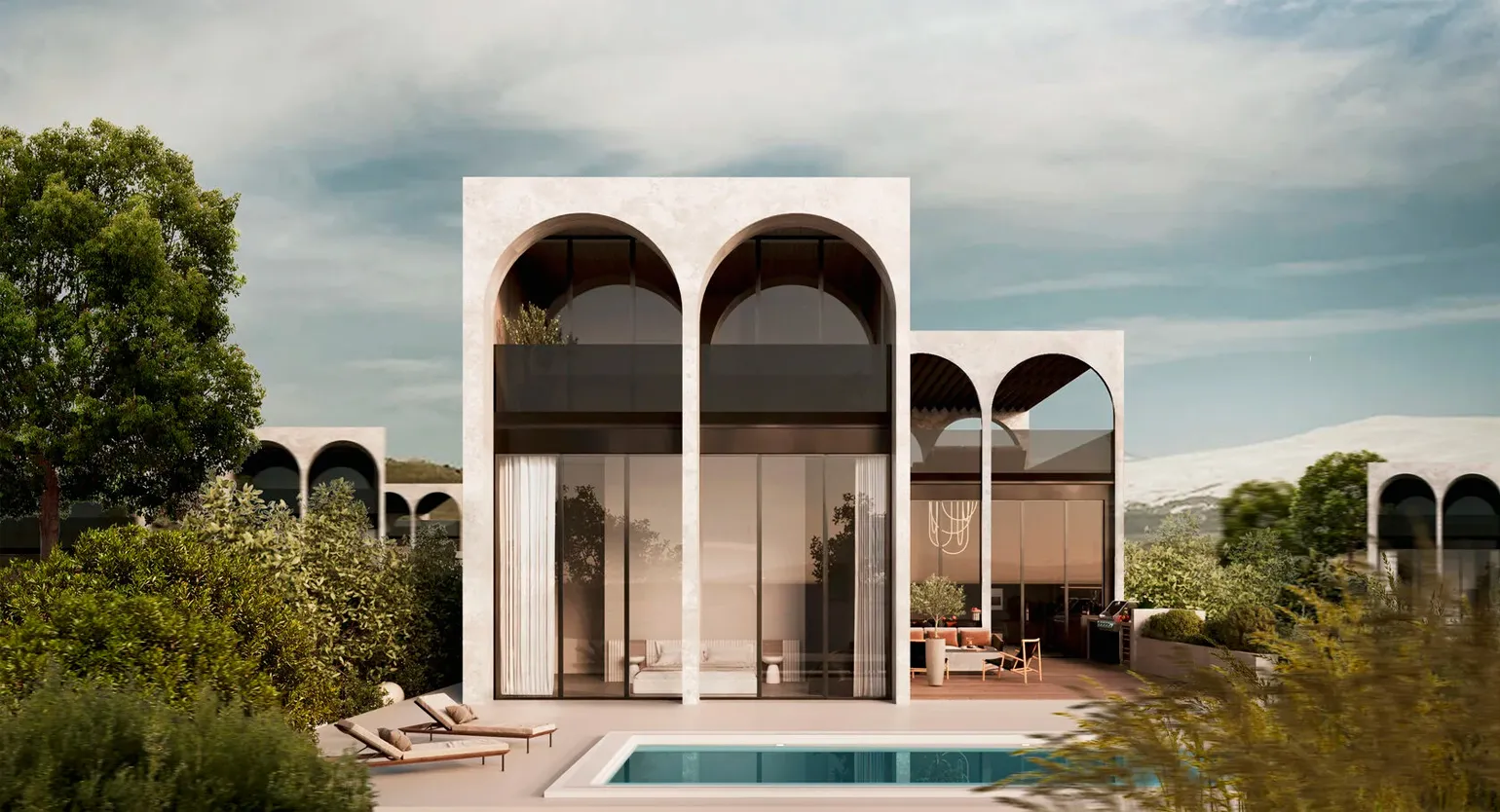
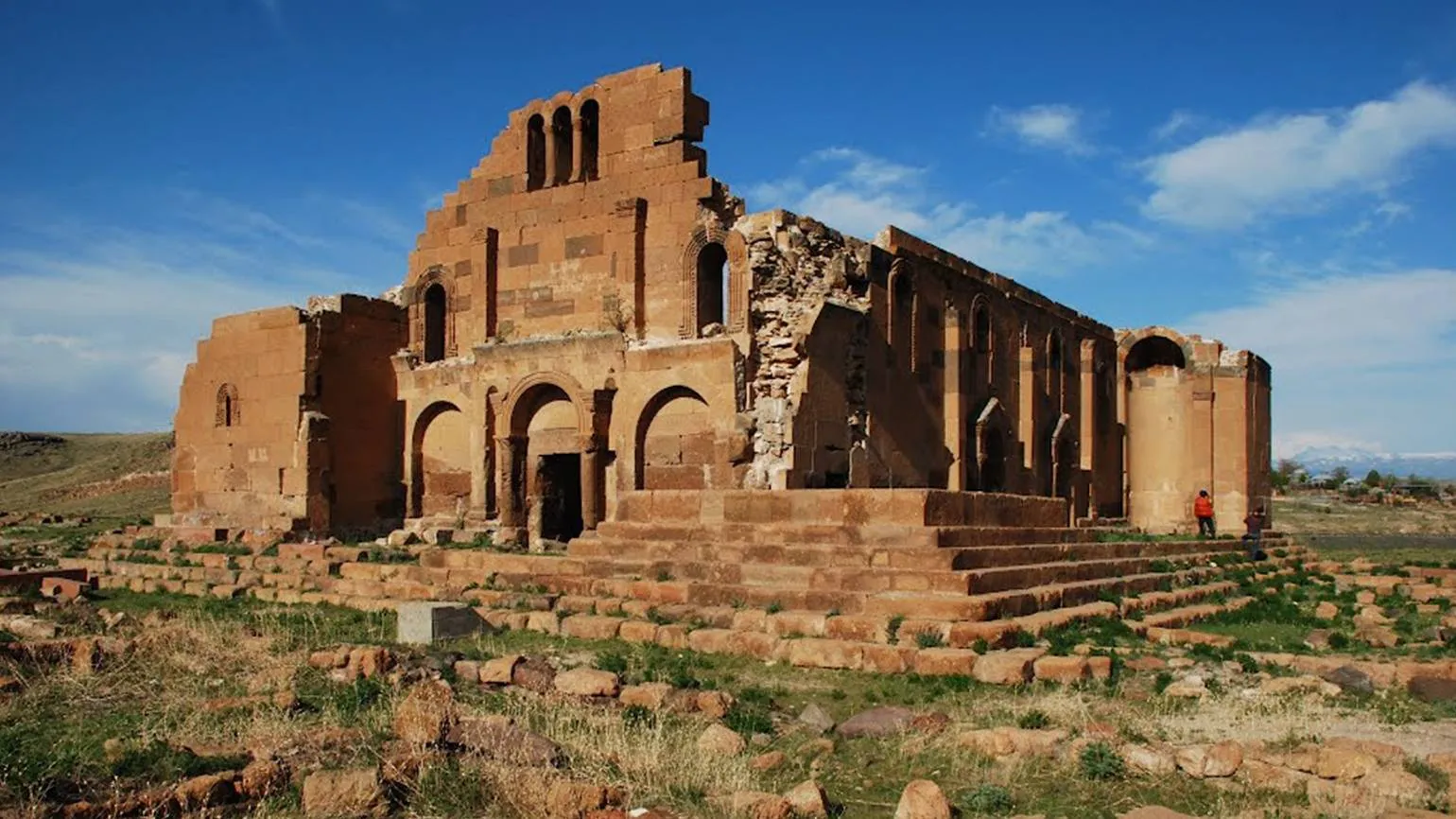
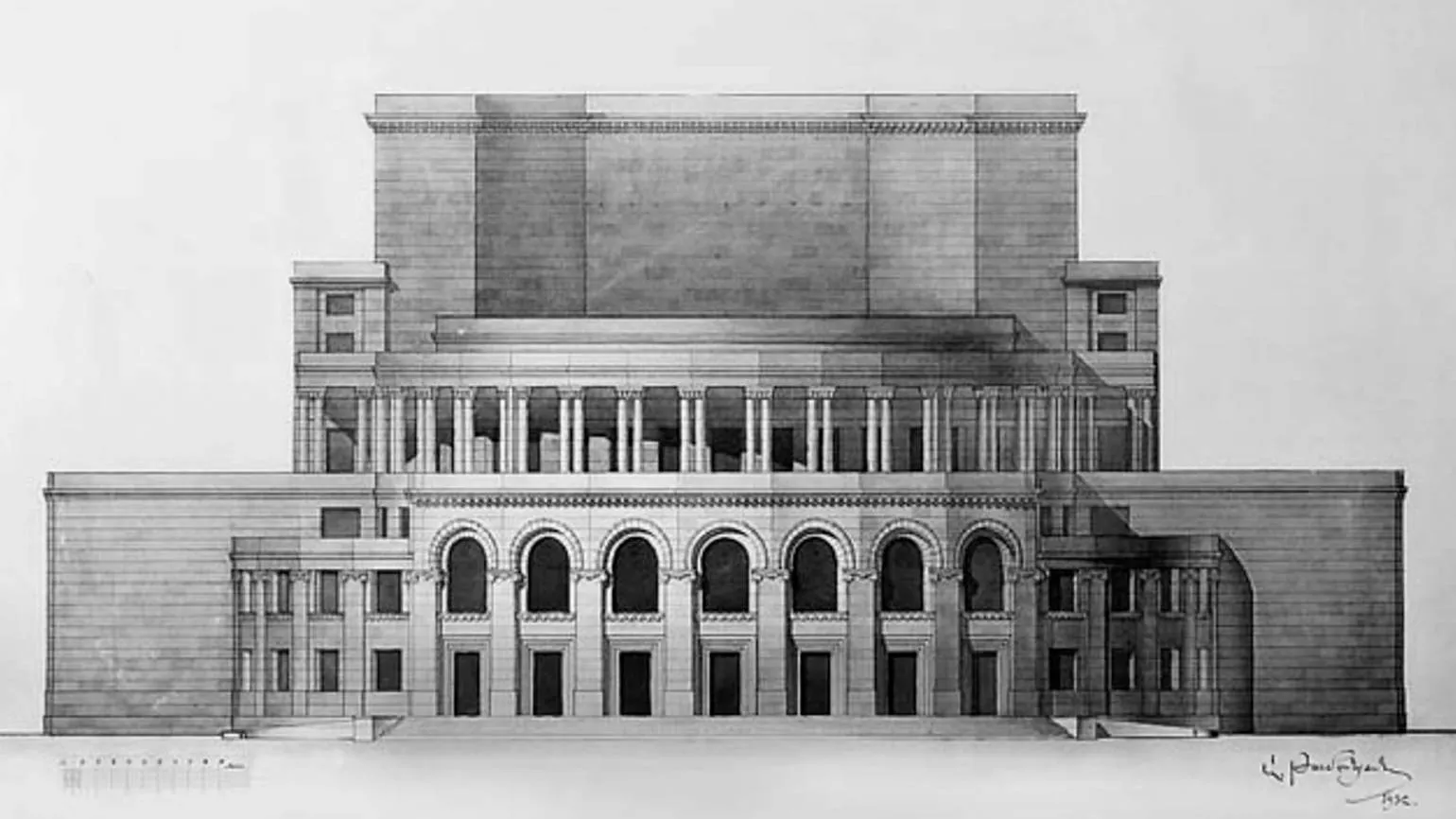
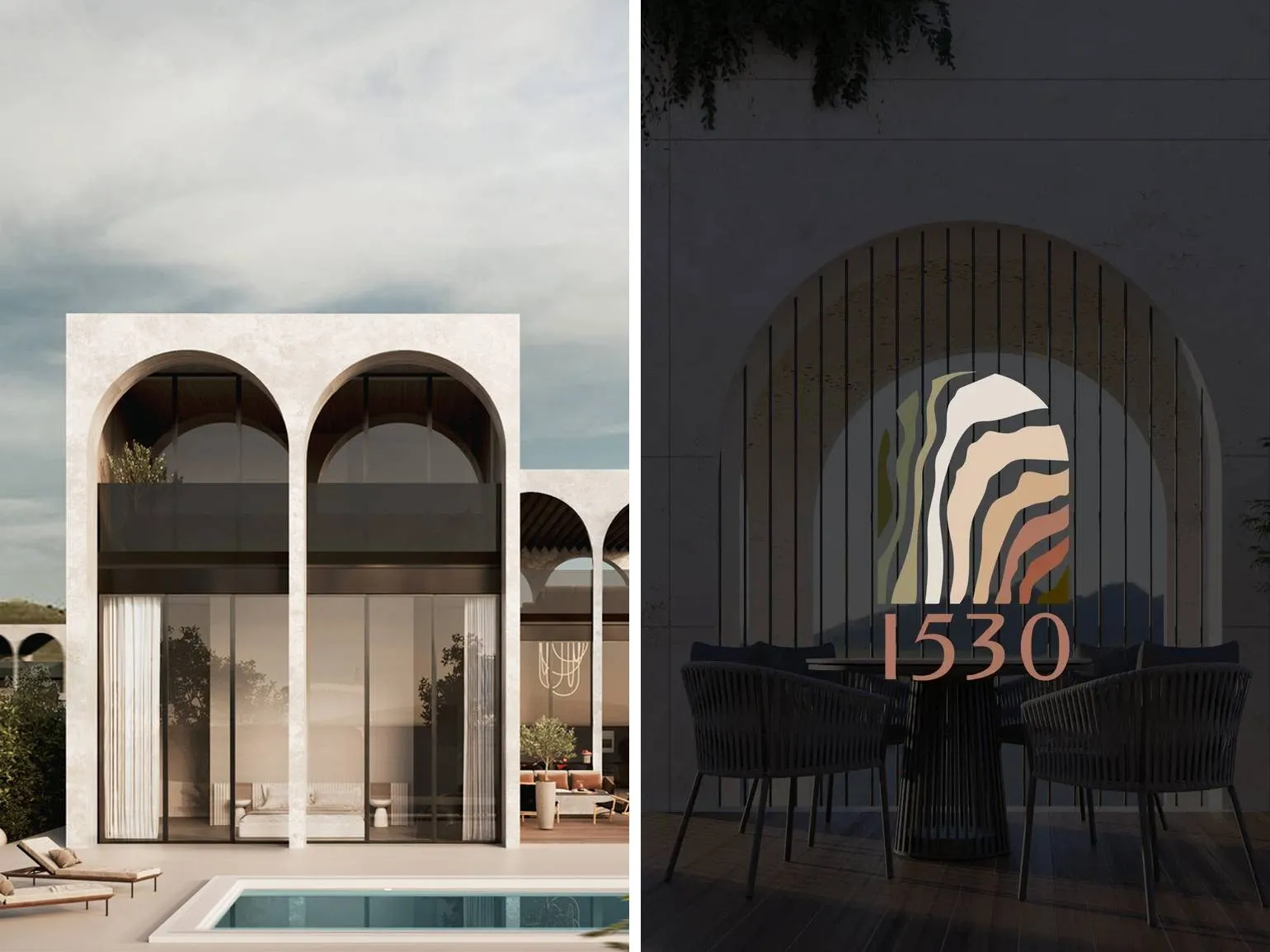
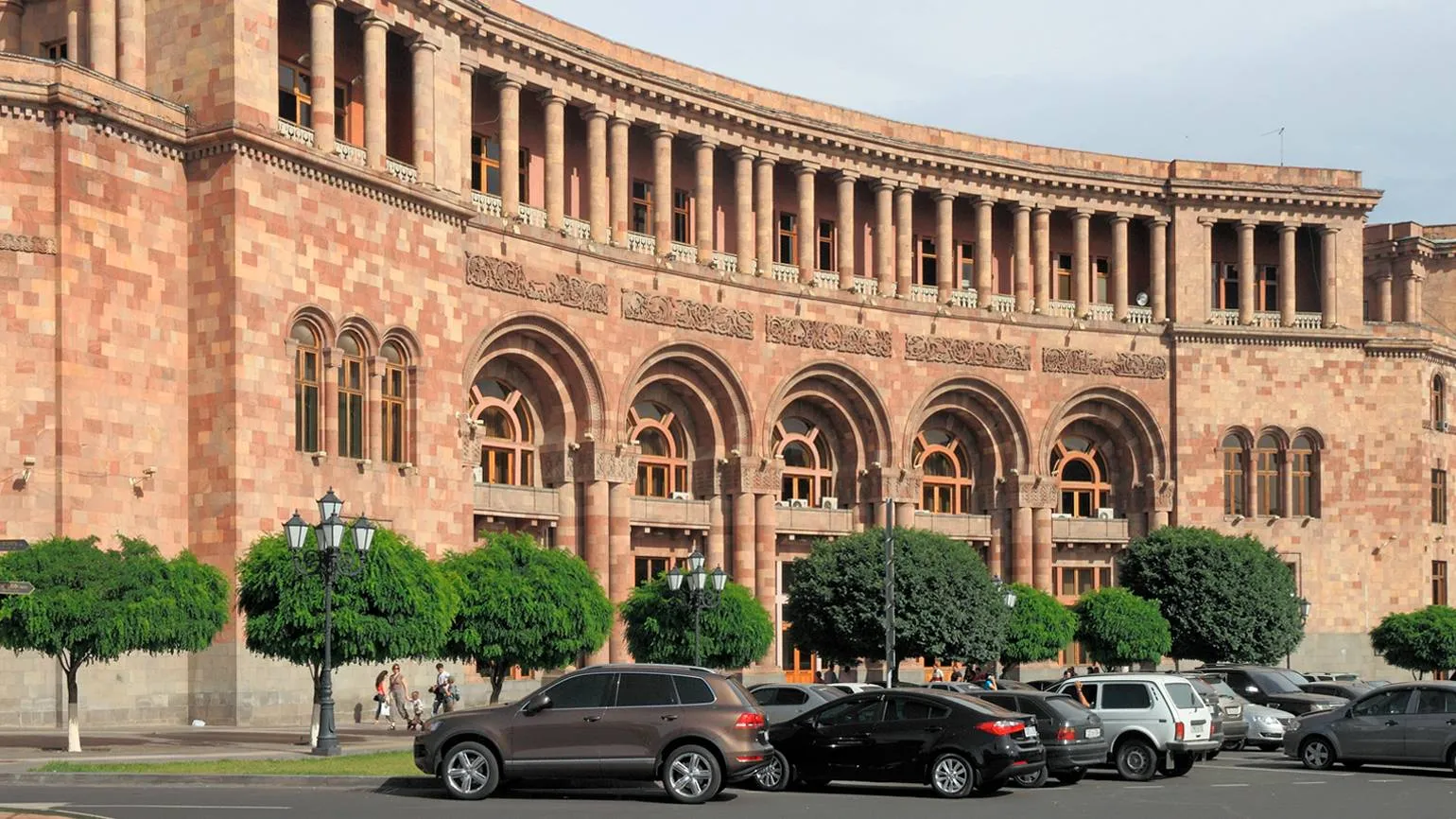
The architectural solutions of the ARM1530 houses stand out Characteristic arched facades that pay homage to the legacy of the outstanding urban planner Alexander Tamanyan. The arched elements used in these projects have become a symbol of Armenian architecture, harmoniously combining ancient traditions and modern trends. ARM1530 houses not only attract attention with their unique design but also provide comfortable and functional living spaces, reflecting cultural roots and innovative approaches to construction. Alexander Ovanesovich Tamanyan, born in 1878 in Yekaterinodar, became a prominent architect of the 20th century. He completed his studies in 1904 at the Imperial Academy of Arts in St. Petersburg and actively worked on projects related to the historical heritage of Central Russia. In 1923, Tamanyan moved to Yerevan, where he led large-scale construction projects and developed master plans for Yerevan and other cities. His architectural style harmoniously blends academic neoclassicism with national elements, giving his works a unique and distinctive character. Tamanyan left a significant legacy in architecture, and his designs continue to inspire modern generations of architects and art lovers.
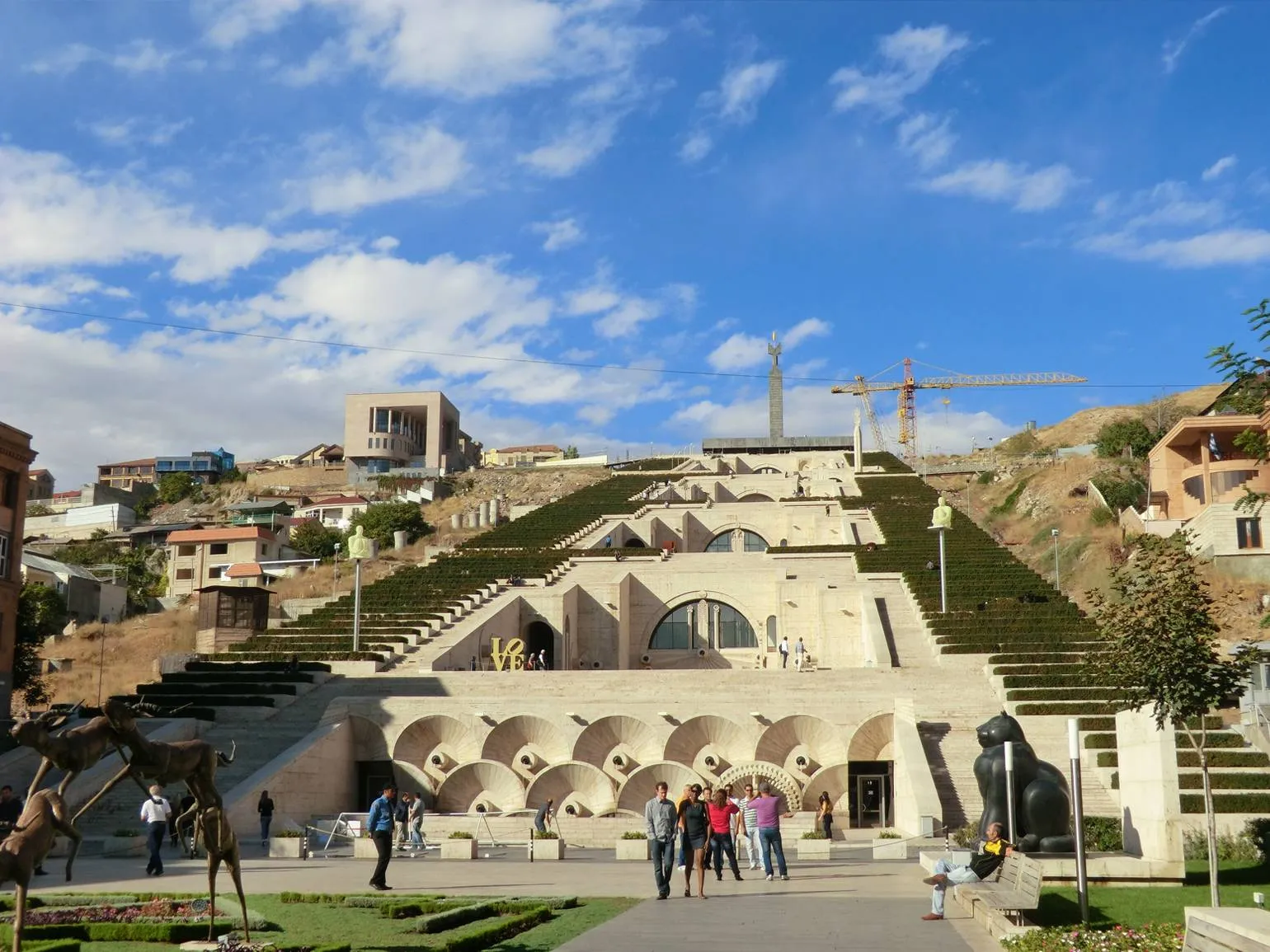
Tamanyan's projects significantly transformed Yerevan, making it not only the cultural capital of Armenia, but also a model for many modern cities. This city became known as the "city of the sun", offering comfortable living conditions and a harmonious combination of historical heritage and modern achievements.

Reworked text:
Follow our updates.
Style: A visual guide to the eras
Each era in human history has a unique style, reflecting the cultural, social and artistic changes of its time. This visual guide to eras offers a deeper understanding of how different styles have formed and evolved over the centuries. From antiquity to modern times, each movement in art, architecture, and design has contributed to the common heritage of humanity.
From ancient times, when harmony and proportion were fundamental, to the Middle Ages with its Gothic forms and symbolism, each era has left its mark. The Renaissance saw a renewed interest in classical ideals, while the Baroque and Rococo periods brought grace and drama to art.
The Industrial Revolution transformed approaches to design and architecture, and modernism in the 20th century emphasized functionality and simplicity. Postmodernism, in turn, was a reaction to the strict rules of previous styles, opening the door to eclecticism and individuality.
Studying the styles of different eras not only enriches our understanding of art, but also inspires the creation of new forms and ideas. This visual guide to the eras serves as a valuable resource for anyone interested in culture and history, allowing them to see how the past continues to influence the present day.
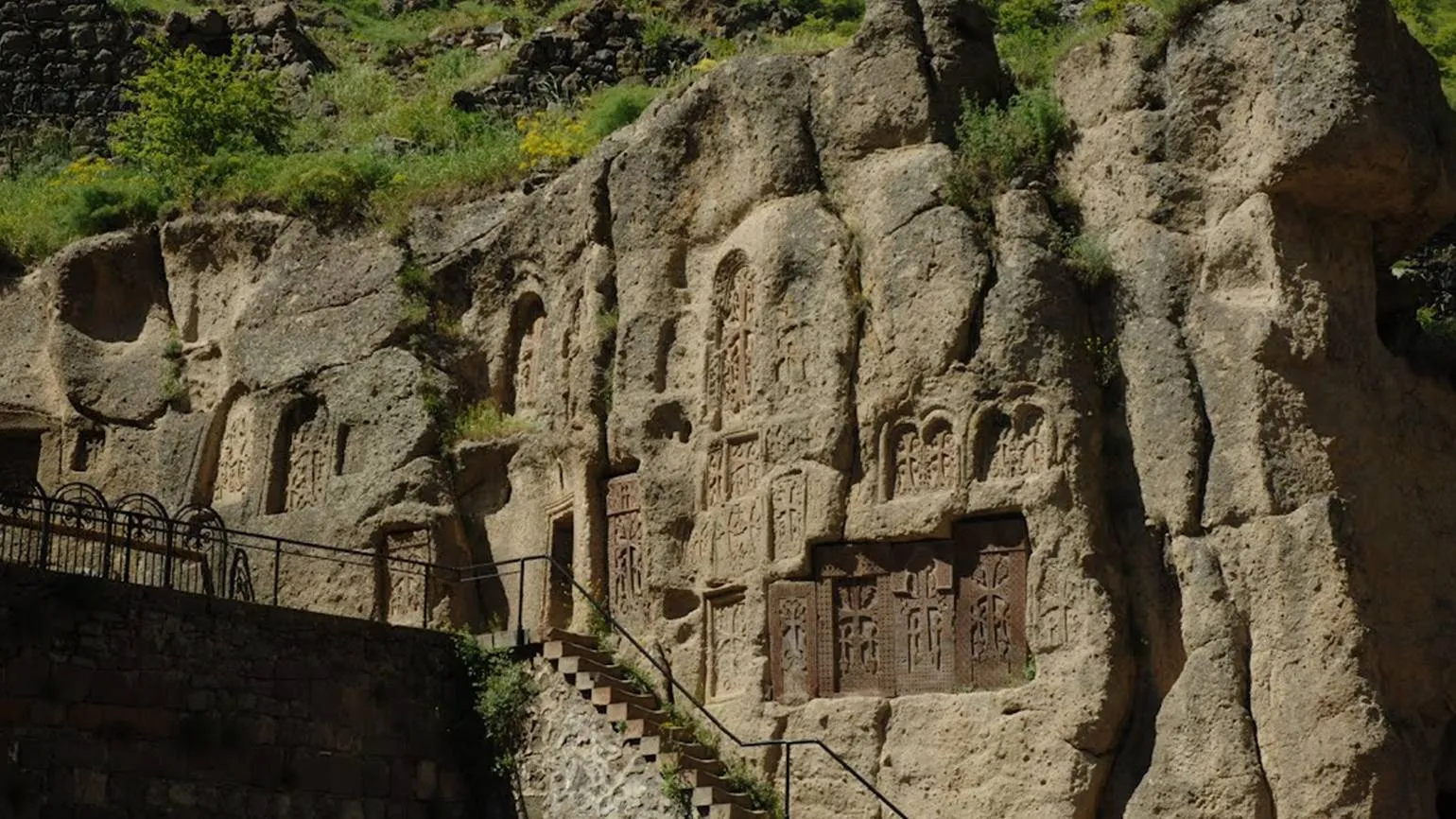
Elements of arches formed the basis of the logo design, which emphasizes the unique architectural identity of this region. The use of arched shapes in the logo symbolizes the connection with history and cultural heritage, making it visually attractive and easy to remember. This design approach helps create a striking image that will stand out from the competition and be associated with the distinctive features of local architecture.
Tuff Color: A Unique Material for Architecture
Tuff is not only a building material, but also an important part of Armenia's cultural heritage. Its diverse shades, ranging from black to orange, create a unique palette that reflects the beauty of nature and the architectural traditions of the region. Tuff is used in construction, which emphasizes its strength and durability. This material is also a symbol of Armenian identity and art, making it an integral part of the country's cultural landscape.
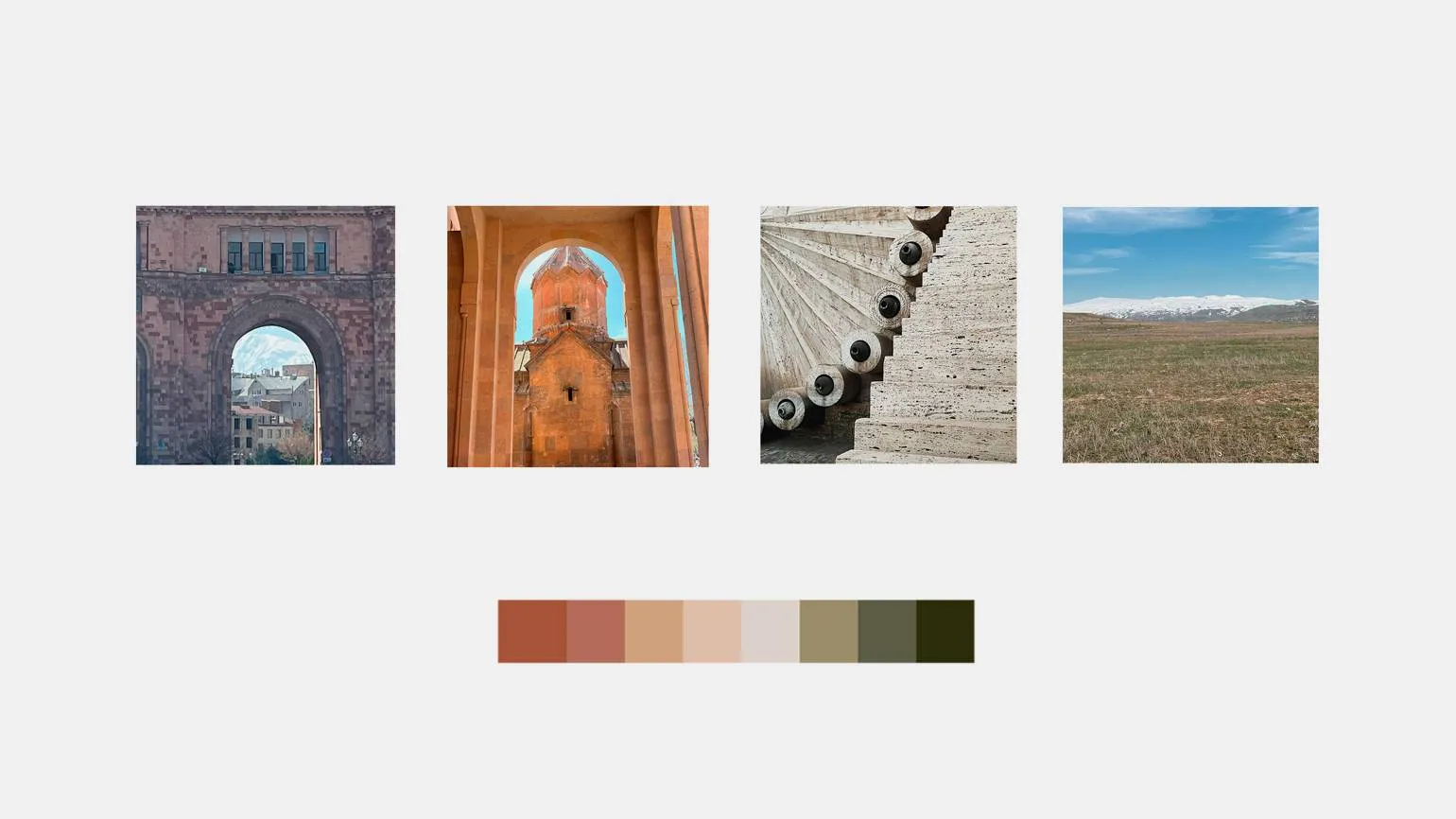
Armenian tuff is a volcanic rock that has become a staple building material due to its unique characteristics. Geologists claim that Armenia has some of the largest tufa deposits in the world, making this material an important element of Armenian architecture and cultural heritage. Its high strength, ease of processing, and aesthetic qualities contribute to its widespread use in construction and decoration. Armenian tufa not only emphasizes the uniqueness of architectural structures but also reflects the country's natural wealth.
According to Armenian legend, tufa was created by warriors whose blood, spilled in battle, coagulated and turned into this unique stone. This legend reflects tufa's deep connection with the history and cultural identity of the Armenian people. Tufa, as a natural material, not only symbolizes strength and courage but also serves as an important element in Armenian architecture and art, highlighting the country's rich heritage and traditions.
Tuff is not just a building material; it is an important visual element of Armenia, playing a key role in shaping the country's architectural identity. The variety of tuff shades inspires the creation of unique branding that conveys the region's atmosphere and culture. The use of tuff in architecture highlights Armenia's traditions and history, offering viewers a deeper understanding of the local flavor and heritage.
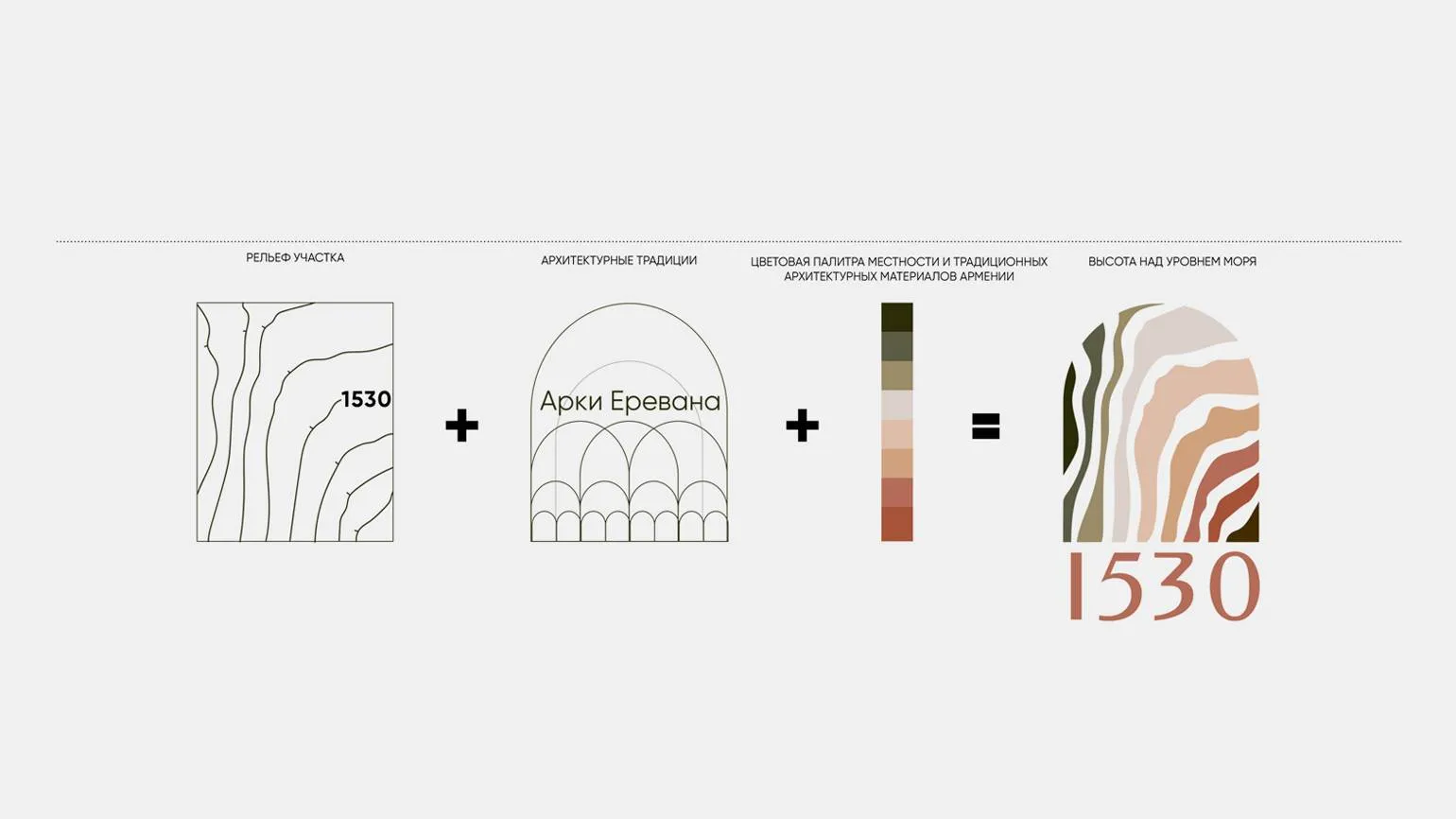
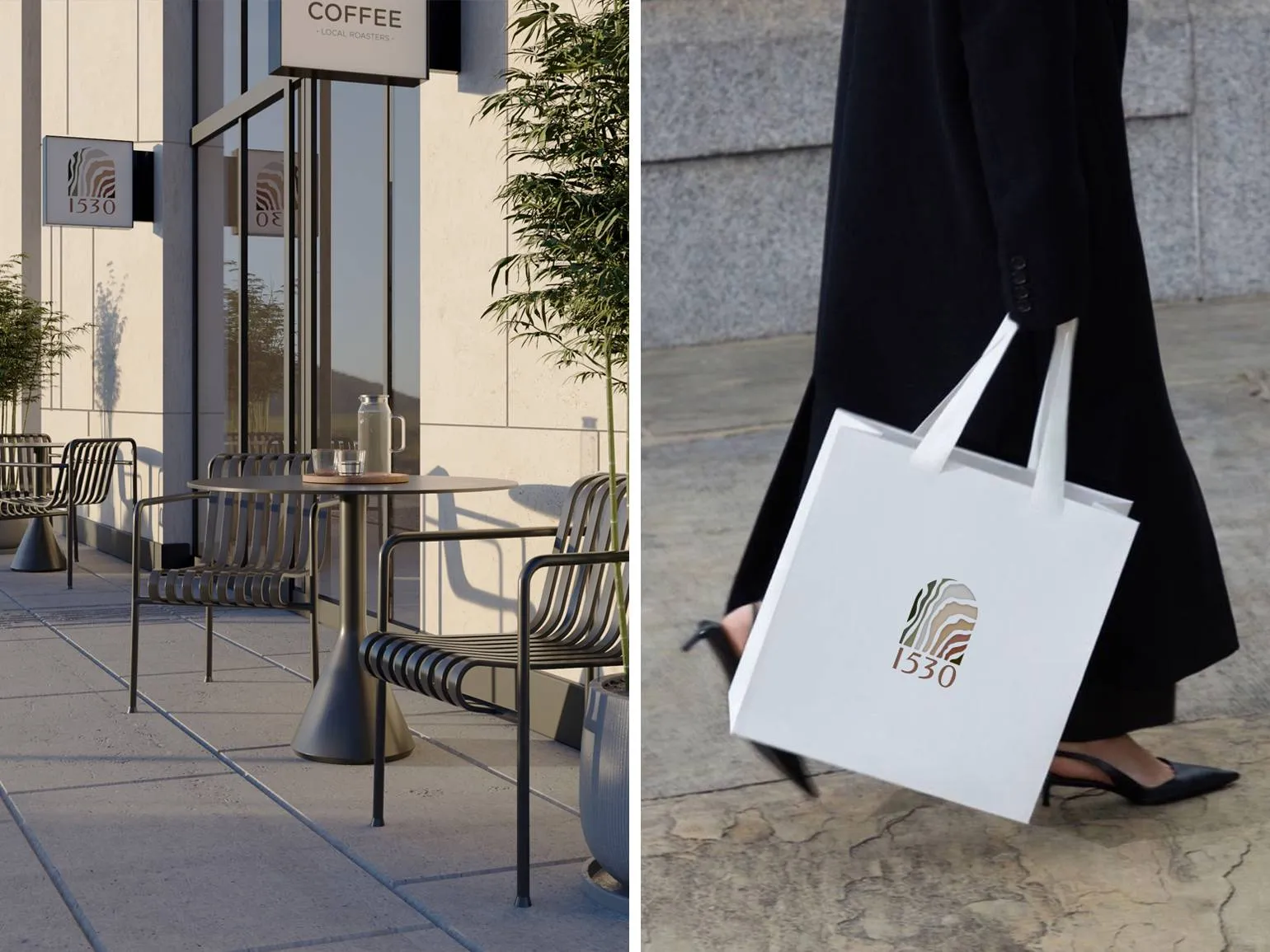
Designers and architects are faced with the challenge of creating a unique brand that accurately conveys the essence of the project. In this case, the key was to reflect architectural features and natural elements in a laconic logo, while avoiding intersections with the area of marketing. This approach allows not only to emphasize individuality but also to create a visual identity that will be remembered by the target audience. An effective logo should harmoniously combine design and architectural elements to create a holistic brand experience, which in turn enhances its recognition in the marketplace.
We created a minimalist and memorable logo that is easily adaptable for a variety of uses, including merch and advertising materials. Our goal is not only to develop a visual element but also to convey the unique atmosphere and spirit of a given location. The logo will serve as an effective tool for strengthening the brand and increasing its recognition.
Oksana Solodyankina, founder and chief architect of Plan Buro, confidently asserts that their logo successfully reflects local characteristics and architectural techniques. This makes the brand unique and memorable. Designing a logo with cultural context in mind not only emphasizes a company's individuality but also establishes an emotional connection with the target audience. Uniqueness and originality of design contribute to the creation of a lasting image, which is especially important in a competitive environment.
Graphic Designer PRO: 5 Steps to a Successful Career
Want to become a graphic designer? Learn 5 key steps to successfully start a career in design!
Learn more