
Contents:

Try 4 top professions in design. Free ➞ In 5 days, you'll get acquainted with illustration, UX/UI, web, and graphic design. Add 4 compelling case studies to your portfolio and decide on your next career direction.
Learn moreScientific Restoration
In the field of cultural heritage preservation, it is important to correctly use the terms "restoration," "recreation," and "reconstruction." Restoration involves restoring an object to its original state with minimal intervention, preserving its historical value. Recreation, on the other hand, refers to the creation of a new version of an object based on historical data when the original is lost or severely damaged. Restoration encompasses a broader range of activities, including both restoration and recreation, and is aimed at returning an object to a functional state. The correct use of these terms is important for accurately describing conservation processes and for effective communication between specialists.
Scientific restoration of art involves adding no more than 15% new elements to original works. This process aims to preserve the historical and cultural value of objects while minimizing interference with their authenticity. It is important that the new parts blend harmoniously with the original, ensuring its integrity and durability. This approach allows restorers to preserve the authenticity of works and also facilitates their further study and preservation for future generations.
This is an interesting fact, especially in light of the fact that objects containing significantly more than 15% new material are now often referred to as restoration. However, this percentage is not strictly fixed, as many additional factors influence its determination. These factors can both decrease and increase the proportion of original materials in the restored object. Restoration requires a meticulous approach and consideration of all nuances to preserve the historical value and authenticity of the object.
Each monument has a unique history and characteristics, making it difficult to formulate general restoration rules. According to the 1931 Athens Charter of Restorers, one of the fundamental documents in the field of cultural heritage protection, the maximum percentage of new elements that can be added by restorers is 15%. This principle preserves the integrity and authenticity of historical objects, ensuring a balance between preserving the original and the necessary restoration work.
There are various data restoration methods that adhere to the principles of a scientific approach. These approaches are based on rigorous analysis and systematic research, which allows for more in-depth results without violating scientific ethics.
There is a well-known legal loophole in urban planning: not only an individual building, but also an entire urban complex can be considered an architectural monument. In such cases, a single building in the square represents only a small part of this ensemble, often less than 15%. This opens up additional opportunities for the protection and preservation of the integrity of architectural heritage, allowing for the significance of the entire area to be considered, not just individual buildings.
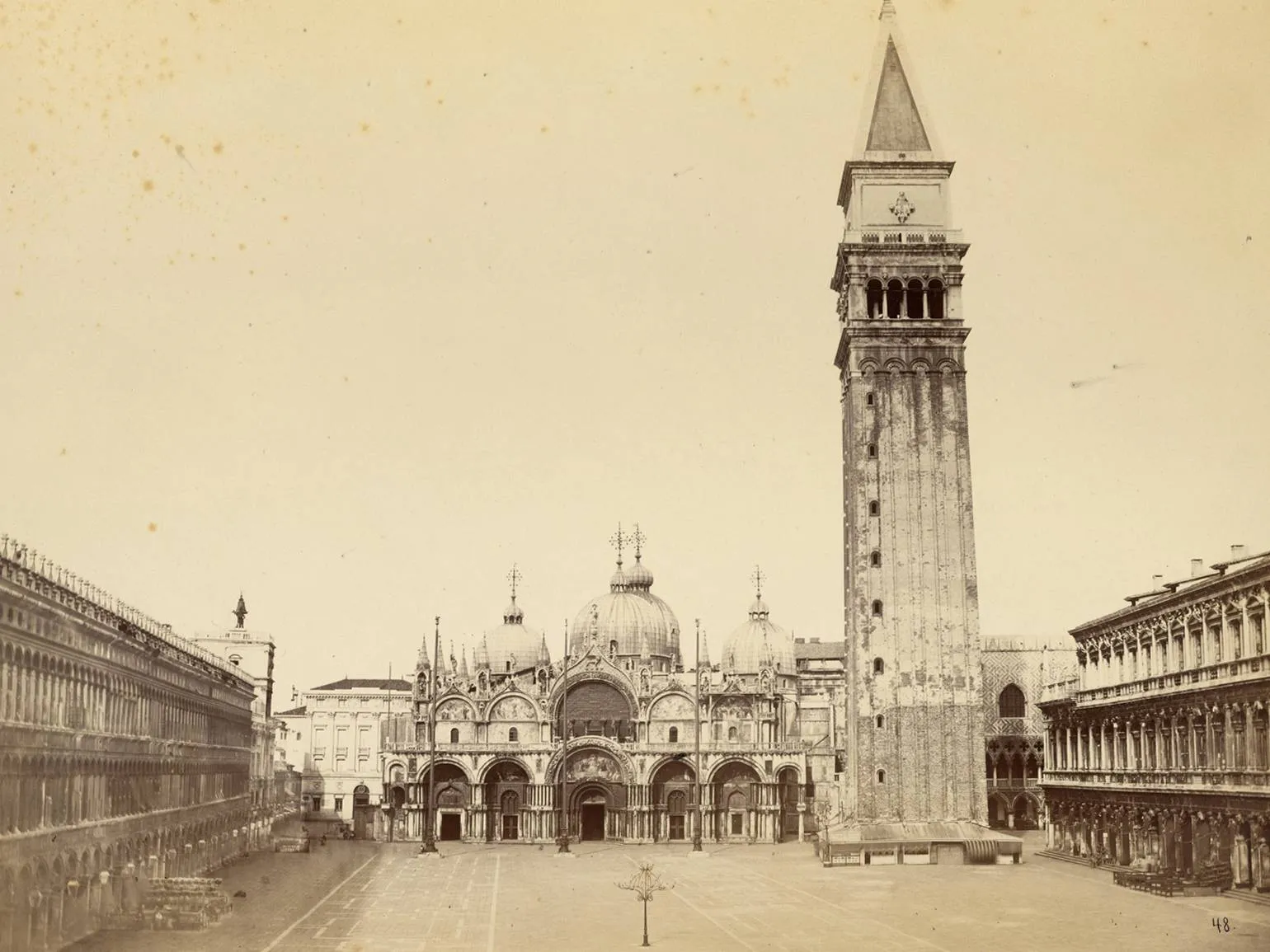
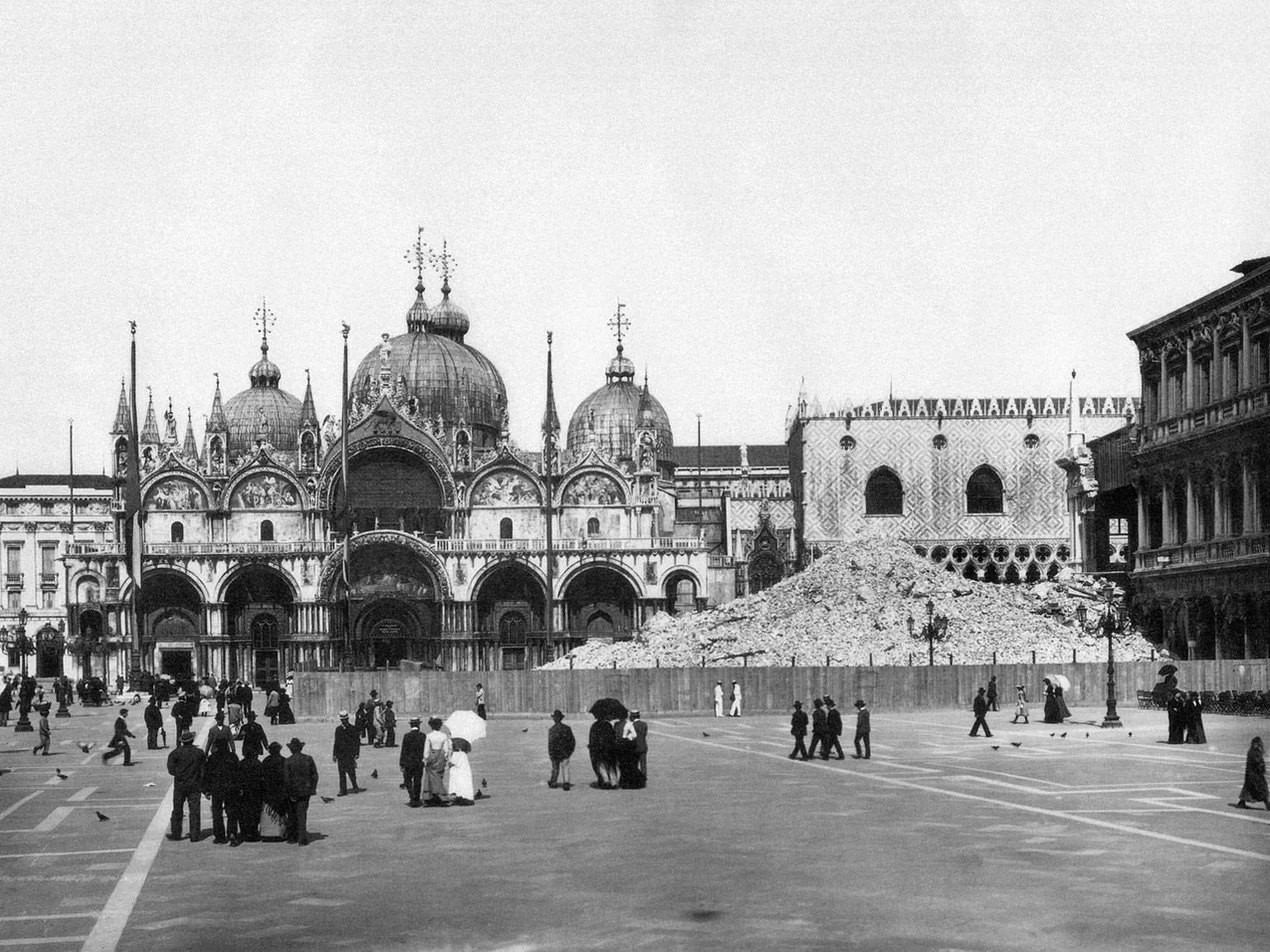
The construction of the bell tower in Piazza San Marco in Venice is a classic example of architectural heritage. In 1902, the bell tower collapsed, an event that significantly changed the appearance of the city. The absence of the bell tower resulted in the loss of the height it had provided and negatively impacted the visual perception of the square. The bell tower not only defined the architectural proportions of the area but also served as an important element emphasizing the beauty and uniqueness of Venice. The restoration of the bell tower became necessary to restore the historical appearance of Piazza San Marco and preserve the city's cultural heritage.
The bell tower was carefully measured in the 19th century and rebuilt based on the surviving parameters. This project included the restoration of the entire ensemble of Venice's central squares. Despite the fact that the bell tower is the result of a complete reconstruction, it retains its historical value, as it represents an important part of the square’s architectural ensemble. The restoration of the bell tower demonstrates high standards of a scientific approach to the restoration of historical monuments, which allows preserving the cultural heritage of Venice for future generations.
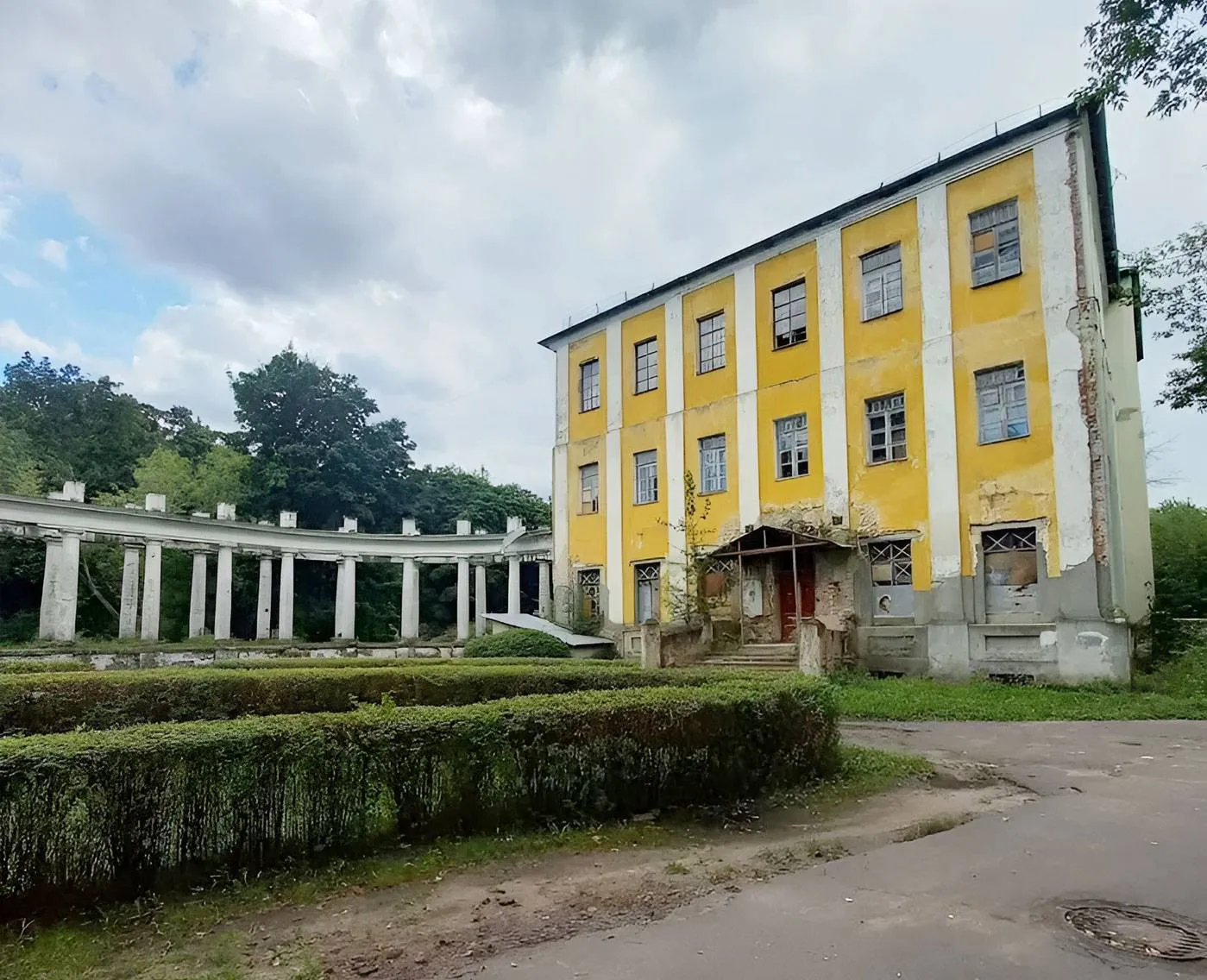
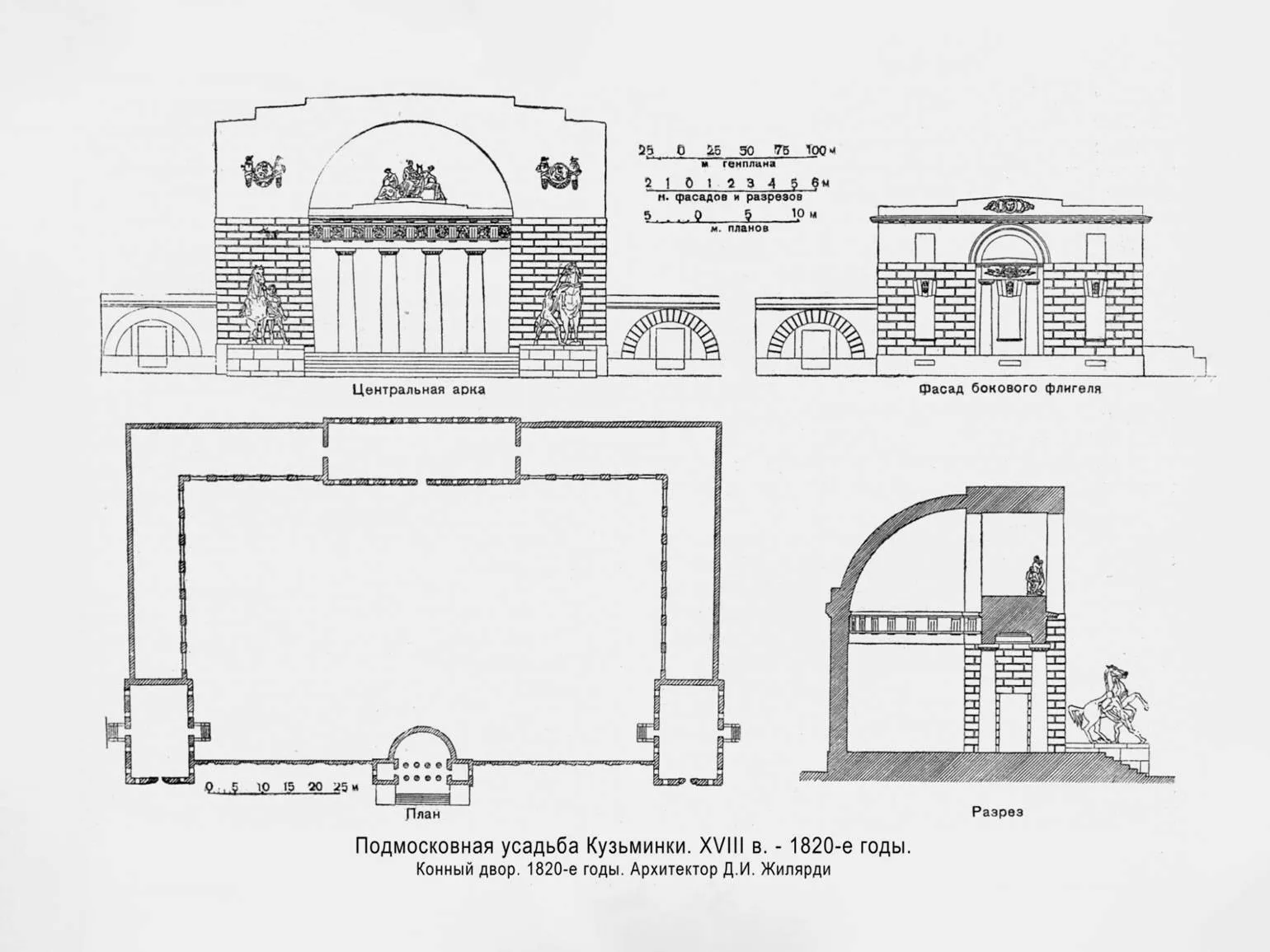
We, a group of architects led by E. A. Vorontsova, carried out the restoration of the Kuzminki estate ensemble in Moscow. Our team focused on restoring the historical value and architectural heritage of this unique object. The restoration of the Kuzminki estate has become an important step in preserving the capital's cultural heritage, allowing us not only to preserve but also to enhance its value for future generations.
Each pavilion burned down, and now only the foundations remain. When recreating these structures, we speak of restoration, as the object of restoration is the entire complex, not individual pavilions. By restoring historical value, we strive to restore lost elements and preserve the architectural heritage in its entirety.
This allowed us to conduct archaeological research to find authentic details, rather than simply constructing a new building that resembles the original. It is important to note that the construction of such new buildings is prohibited in protected areas.
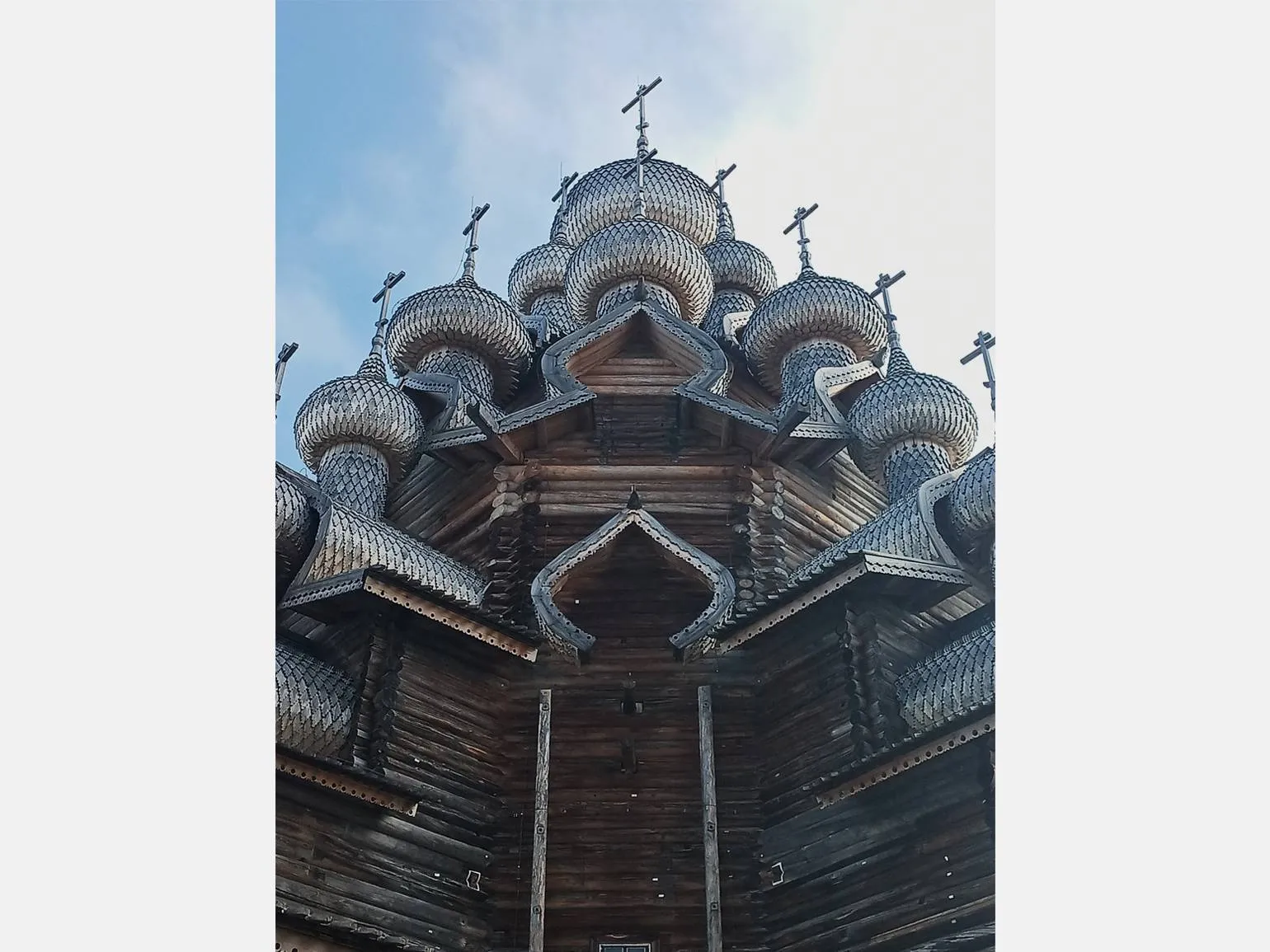
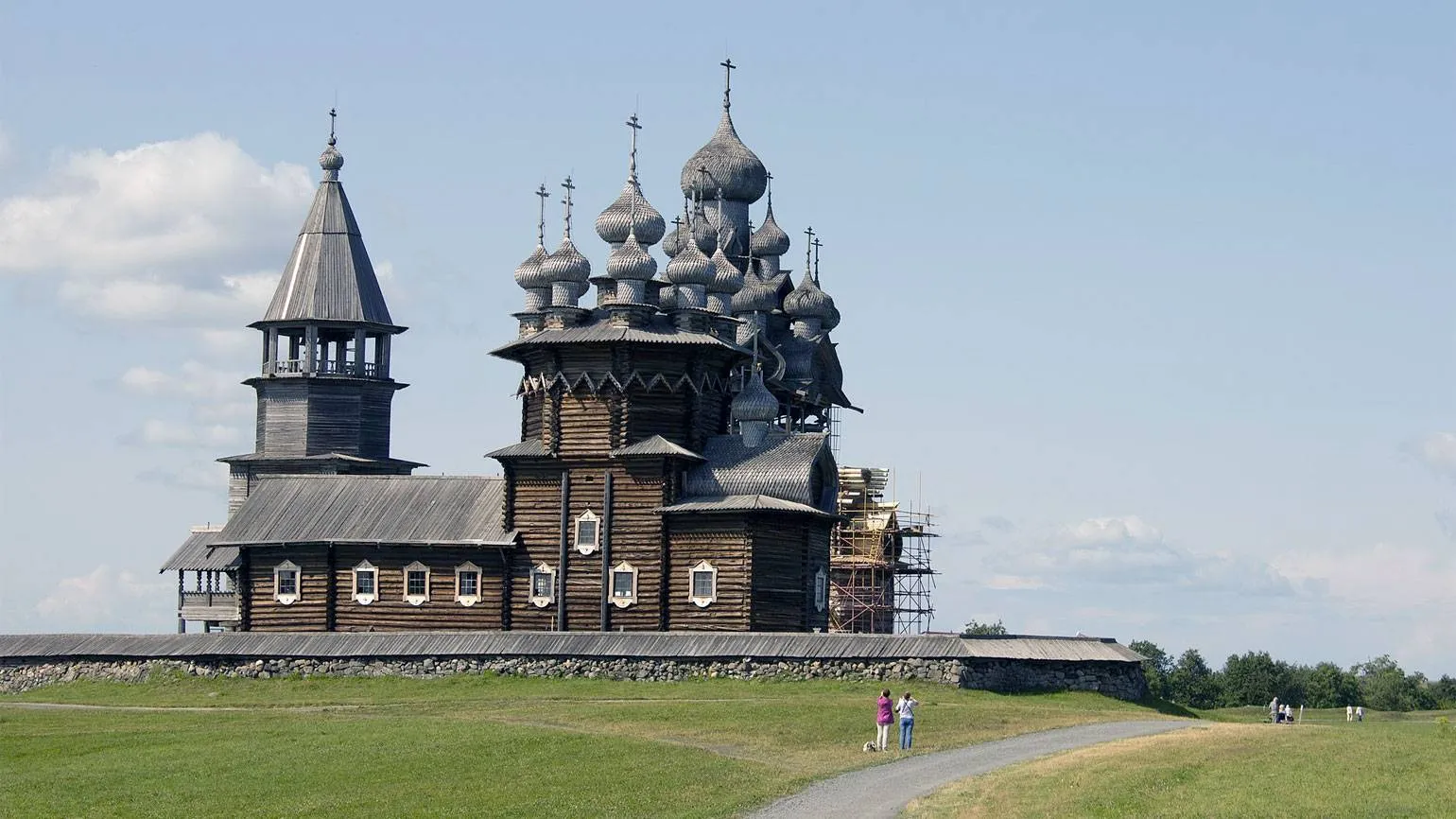
The Church of the Transfiguration of the Lord in Kizhi is an outstanding example of high-quality restoration. Although approximately 30% of its components were replaced with new ones, the restoration process was carried out in compliance with all scientific standards. This allowed the building's historical value to be preserved despite the challenges posed by the region's climatic conditions. The restoration was carried out with a thorough assessment of the church's condition, eliminating the possibility of leaving unfinished areas. The Church of the Transfiguration of the Lord not only attracts the attention of tourists, but also serves as an important object of cultural heritage of Russia, emphasizing the importance of careful attitude to historical monuments.
One of the alternatives to restoration is to place the original in a museum and then create a copy of it on the island. This approach is often used, but mainly for smaller-scale objects.
When scientific restoration turns into just If a building is undergoing restoration, but the additions exceed established standards, specialists prefer to avoid the term "scientific restoration." Instead, they use the more general term "restoration." This emphasizes that the project does not meet the strict criteria defining a scientific approach to restoring historic buildings.
There is no single definition of the percentage of original materials required for a process to be considered "restoration." However, for a successful restoration, it is important to preserve significant elements, not just the remaining foundation fragments. The main goal of the restoration is to restore the historical and cultural value of the object, which requires a careful approach to the selection of the parts to be preserved.
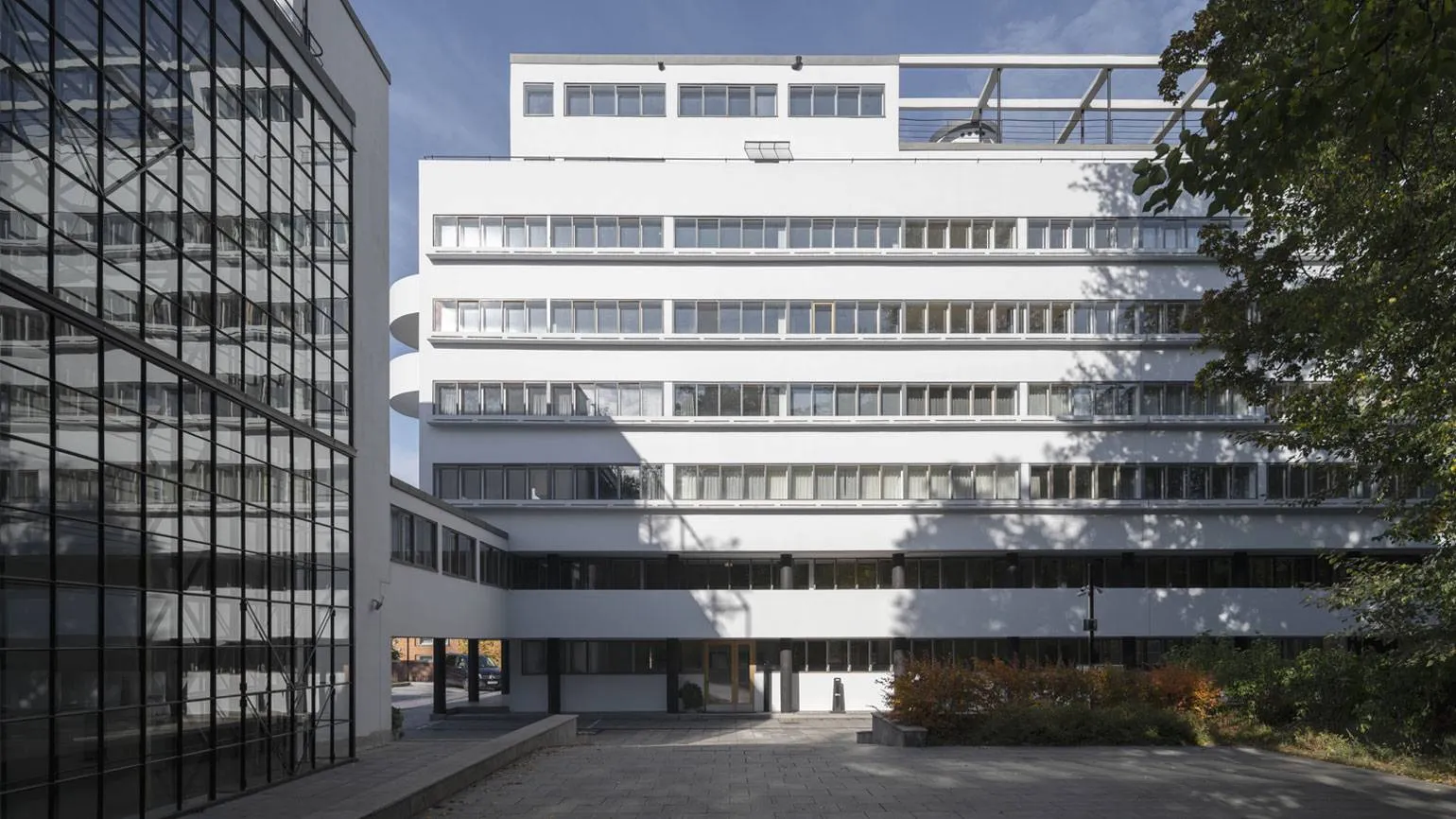
The Narkomfin Building is an exemplary example of successful restoration of architectural heritage. This historic building, built in 1928, has become a symbol of Soviet architecture and modern urban development. The restoration of the Narkomfin Building not only preserved its unique features but also returned it to its former glory, attracting the attention of architects and tourists from around the world. The restoration process incorporated modern technologies and materials, preserving its historical value and improving its functionality. The Narkomfin Building continues to serve as an example of how to harmoniously combine the preservation of cultural heritage with the demands of modernity.
Read also:
The Narkomfin Building: the history of an architectural utopia and its fate
The Narkomfin Building is an outstanding example of architectural An avant-garde building built in 1929 in Moscow. Designed by architect Moisei Ginzburg, this building became a symbol of a new approach to housing construction and socialist ideals. Its architectural design reflected the desire to create comfortable and functional housing for workers.
Over time, the fate of the Narkomfin Building has undergone significant changes. In the post-Soviet era, the building was subject to destruction and neglect, which threatened its unique architectural features. However, in recent years, efforts have begun to restore and preserve this historical legacy, which has renewed attention to its significance in the context of 20th-century architecture.
Contemporary architectural research and restoration projects for the Narkomfin Building aim to preserve its original concept, which allows not only to restore the utopian idea at its core but also to adapt the building to modern needs. This makes the Narkomfin Building an important object of study and discussion in the fields of architecture and urban planning.
Thus, the fate of the Narkomfin Building reflects the broader theme of preserving architectural heritage and finding a balance between history and modernity. This unique example of the architectural avant-garde continues to inspire and generate interest among professionals and architecture enthusiasts around the world.
Recreation, restoration, or what to call it?
When a building has been destroyed, for example, by demolition or fire, and it is rebuilt, the term "restoration" becomes inappropriate. In such cases, it is more correct to use the terms "recreation" or "restoration". This implies that the architects have recreated the building with precise adherence to the original details and characteristics.
The question is, how accurately should the original be reproduced? Are there high-quality measurements and photographs that can help with this? Is it possible to restore processes and technologies with a high degree of accuracy?
There is a method that emphasizes the detailed recreation of traditional tools and training in their use. This approach is most typical for restorers of wooden architecture, who strive to preserve the historical heritage and pass on their craft to future generations. This allows us not only to restore ancient objects but also to delve into the technology of their creation, which is an important part of preserving cultural identity.

Reading is an important aspect of learning and self-development. It helps expand your horizons, develop critical thinking, and improve your writing skills. It is important to choose a variety of information sources to gain a deeper understanding of the topics that interest you. Books, articles, blogs, and other materials can be a source of inspiration and new ideas. Regular reading also helps improve concentration and memory. Don't miss the opportunity to enrich your experience and knowledge through reading.
Style: A Visual Guide to the Eras
A Visual Guide to the Eras offers a unique way to explore various styles and movements in art and design. This approach allows for a deeper understanding of the evolution of aesthetic preferences, forms, and materials that defined each era. From ancient times to the present, each style has its own distinctive features and historical context.
Visual elements such as color palettes, textures, and shapes can convey the spirit of the times and reflect social and cultural changes. By studying these styles, one can see how artistic movements such as the Renaissance, Baroque, Art Nouveau, and Postmodernism influenced architecture, painting, fashion, and other aspects of life.
Furthermore, a visual approach helps not only in understanding styles but also in their application to contemporary design. Researching historical styles can inspire designers to create unique projects that combine elements of different eras. A visual guide to eras is not simply a study of history but also a search for new ideas for creativity and self-expression.
The primary practice in creating monuments lies at the intersection of tradition and modern technology. Craftsmen strive to use similar materials, but they also employ modern tools that significantly simplify the process. If the monument has no historical value, modern pigments are used instead of natural dyes, such as berry juice, resulting in a more durable and vibrant color. This combination of traditional methods and innovative solutions ensures high quality and durability of products.
There is a conflict of concepts and approaches between recreation and scientific restoration. One of the key principles of restoration is a clear distinction between the old and new parts of the structure, as achieved in Kizhi, where the new logs stand out clearly. Recreation, on the other hand, assumes that the building will look like the original, although in fact it is not. This creates an illusion for the viewer: the building appears as it was, but in practice, the differences may be imperceptible even to professionals. It is important to understand that such a practice can be misleading and does not always comply with the principles of preserving historical truth.
What should we call buildings that look new but have been restored or rebuilt?
Architects have developed a solution called a model. A model is an important tool in architectural design, allowing ideas and concepts to be visualized. It helps create a clear idea of the final result, facilitating communication between architects and clients. Using models significantly simplifies the design process and brings clarity to the perception of spatial solutions.
In Athens, I observed an interesting practice of calling such work a model. The Stoa of Attalos was restored there, a building constructed on the surviving old foundations using all available archaeological data. It is constructed from the same stone as the original. However, the restoration technologies were not entirely authentic; for example, the stone was delivered to the site not using traditional winch systems, but using modern equipment. This approach has led to controversy, causing public discontent, which believes that the new Stoa of Attalos is not authentic. Issues of authenticity and the preservation of historical heritage remain relevant in the fields of restoration and architecture, and it is important to find a balance between modern technology and historical accuracy.
A sign reading "Life-size Model of the Stoa of Attalos" was installed in front of the building, dispelling any doubts. This explanation was key, since the model may contain certain inaccuracies and is made of different materials.
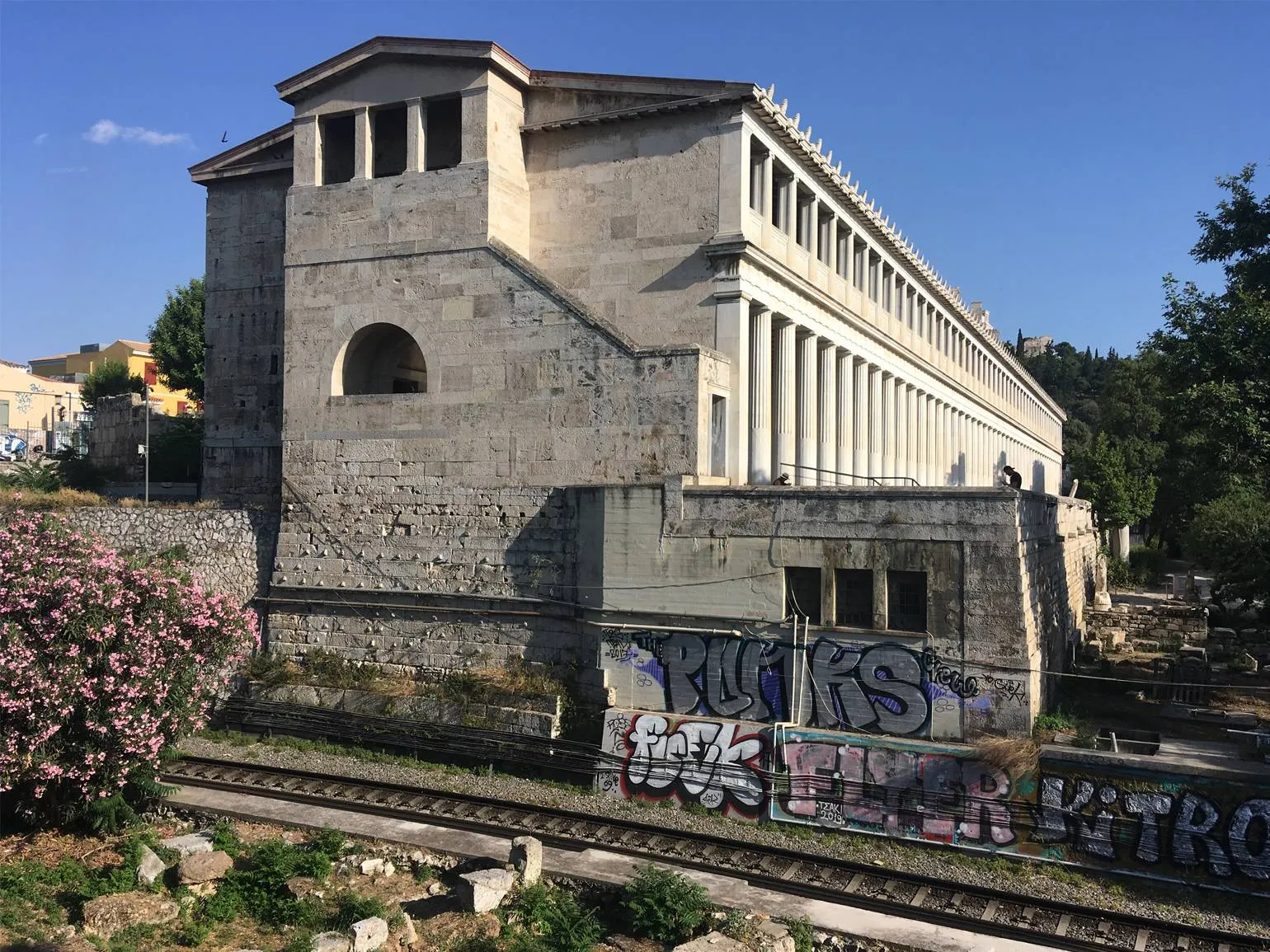
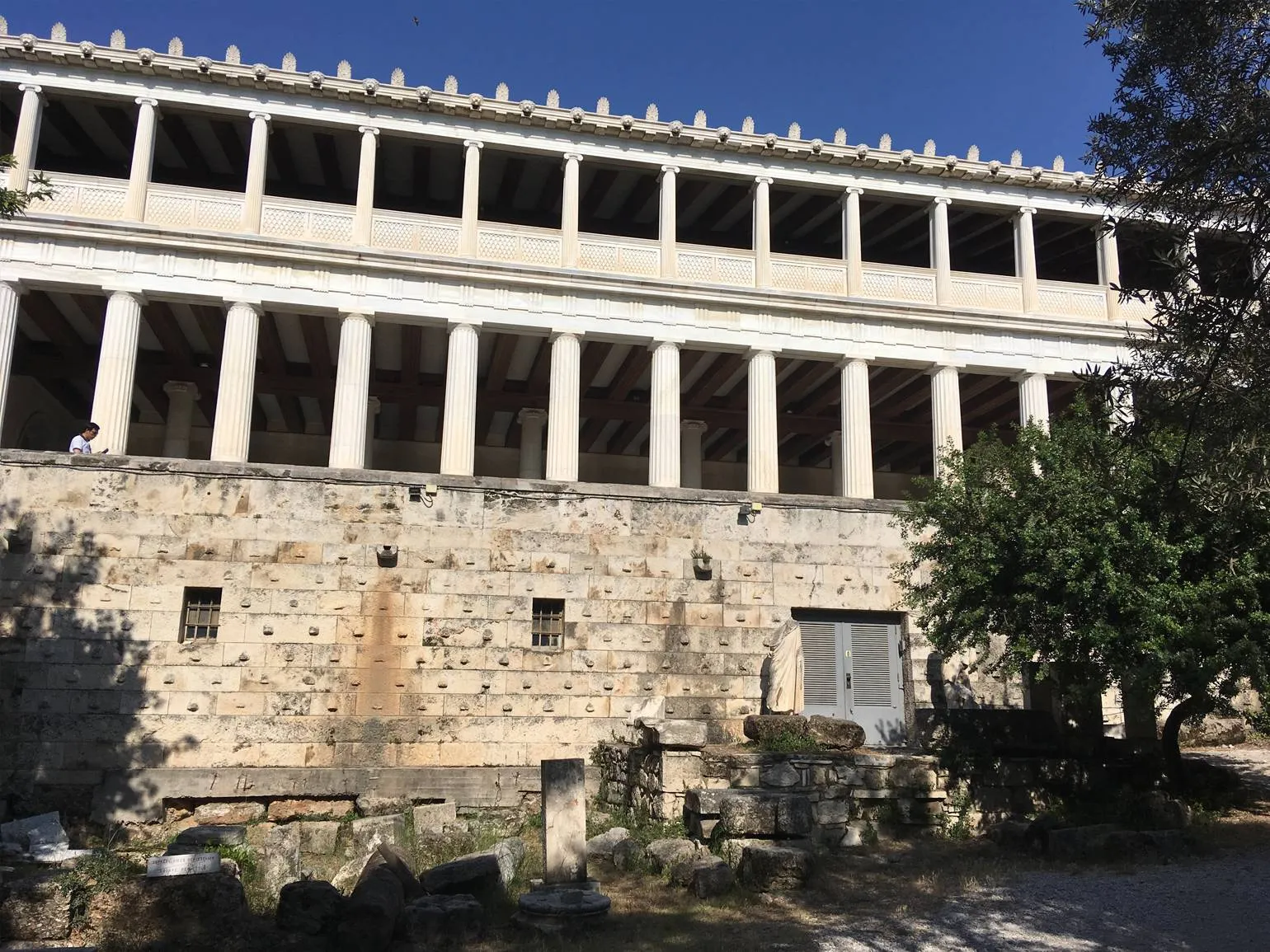
The life-size model of the Stoa of Attalos, located in the Athenian Forum, has become a significant achievement, representing more than just a model. Greek restorers have completed a huge amount of painstaking work, recreating the historical value and architectural details of this outstanding structure. The results of their work allow forum visitors to gain a deeper understanding of the cultural heritage of Ancient Greece and appreciate the skill of the architects of that era.
The genre of Alexei Mikhailovich's new palace in Kolomenskoye is difficult to categorize. It is not a restoration, as the structure lacks original parts. Nor can this project be called a recreation, as the technologies and materials used are merely sketchy. Furthermore, it cannot be called a restoration of the ensemble, as the original palace was located elsewhere. Thus, the new palace is a unique architectural object that combines elements of historical reconstruction and modern design, creating a new cultural context.
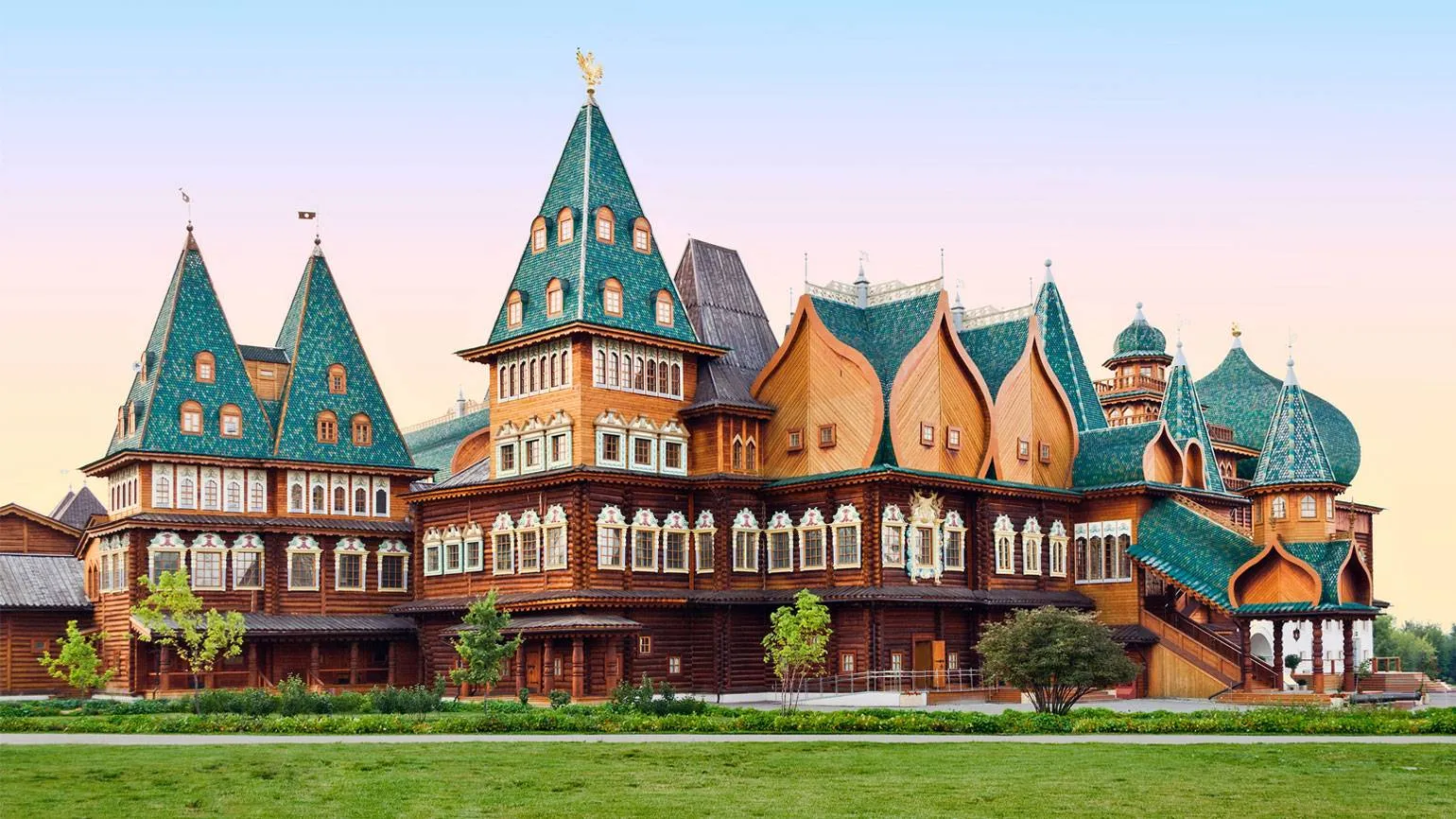
Instead of complaining about the unreliability of information, we can consider this a model. This model is an excellent example, providing a general idea of what the palace might have looked like.
The building has become a tourist attraction and an important element of cultural life. It has provided additional space for the museum, allowing for temporary exhibitions. It's worth noting that the model can be located anywhere, not just on the grounds of the original palace, opening up new possibilities for its use.
Models are most often installed on the site of the original building, as recreating a full-scale model is quite expensive. Installing a model in a historical context not only saves money but also restores the urban ensemble, contributing to a better understanding of the architectural heritage and history of the site. Thus, models become an important tool for attracting attention to cultural heritage and generating interest among visitors.
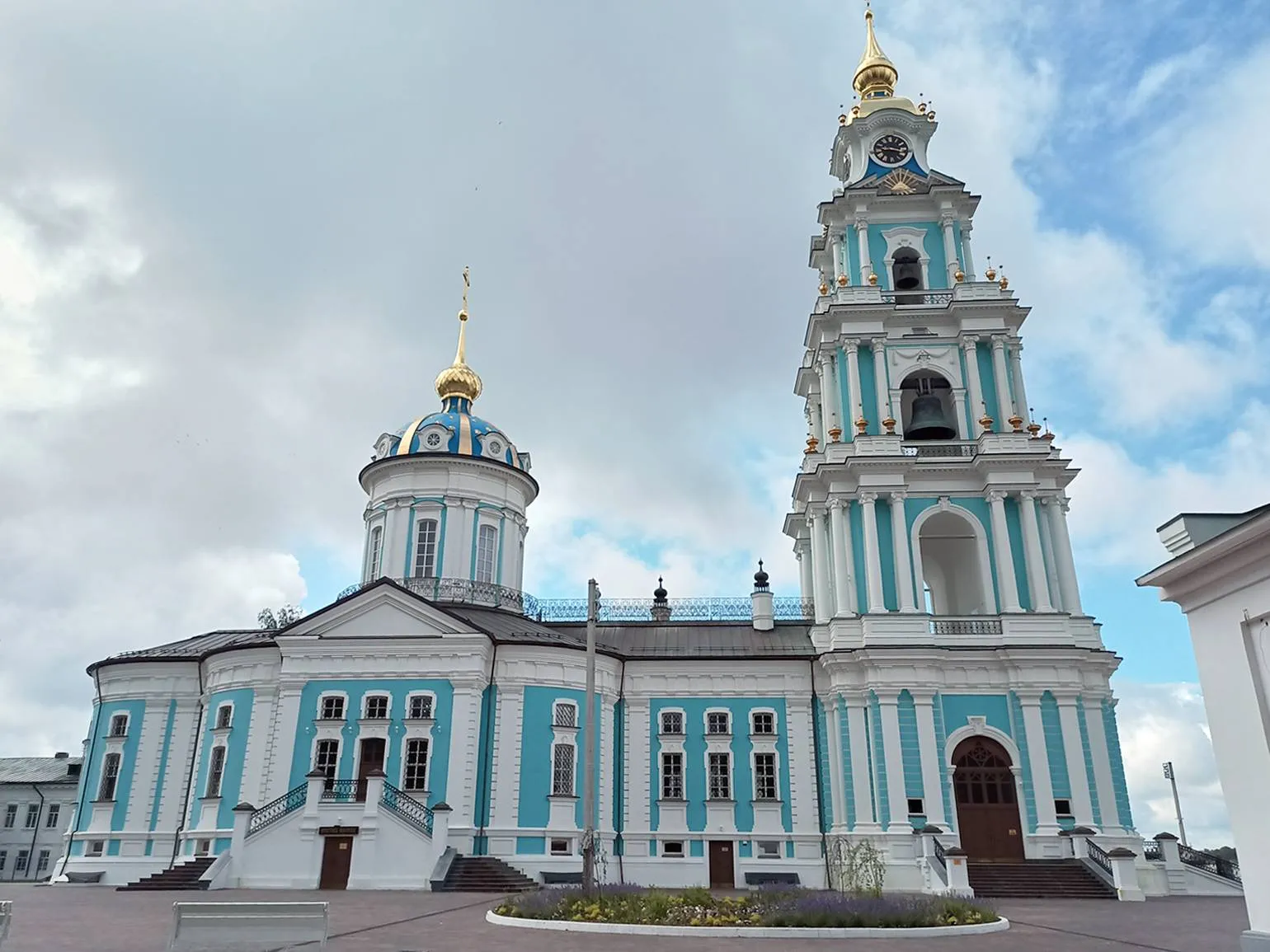
In 1932, the Kostroma Kremlin was destroyed: both the cathedral and the bell tower were demolished in its place. This event marked a significant milestone in the history of Kostroma's architectural heritage and resulted in the loss of unique historical sites that were an important part of the region's cultural landscape. The destruction of the Kremlin reflected changes in approaches to preserving historical monuments in the Soviet Union, which influenced the preservation of other significant architectural structures across the country.
Restoring the city's skyline, which is particularly impressive from the water, is an important task in creating a symbol of resilience and power. This process can be characterized as a recreation, but the question arises: should the Kremlin itself be restored, or should we consider creating something new? The primary goal is not simply to restore the historical appearance, but also to harmoniously blend tradition with modern architectural solutions. This approach will create a unique urban landscape that will reflect both cultural heritage and contemporary trends.
Comparing old photographs of Kostroma with modern city landscapes, one can see that the architectural changes have become noticeable. New buildings are constructed not from traditional stone, but from reinforced concrete, which is justified by modern construction technologies. The use of such modern materials allows for the creation of stronger and more durable structures, which is an important aspect in the development of urban infrastructure.
Modern building plans take into account current requirements, such as the availability of elevators, ramps, and restrooms. It is important to adapt to new fire safety standards to create comfortable conditions for users. Excessive formalism must be avoided when functionality and convenience can be improved. If a new building fits harmoniously into the architectural ensemble and fulfills its urban planning function, this indicates the correct approach to urban development.
The problem is that upon close inspection, a structure that appears old from a distance acquires new details, textures, and profiles absent from the original Kremlin. This is not marked or highlighted, which leads to the wrong perception in the average viewer, who believes that these elements have always been part of the old building.
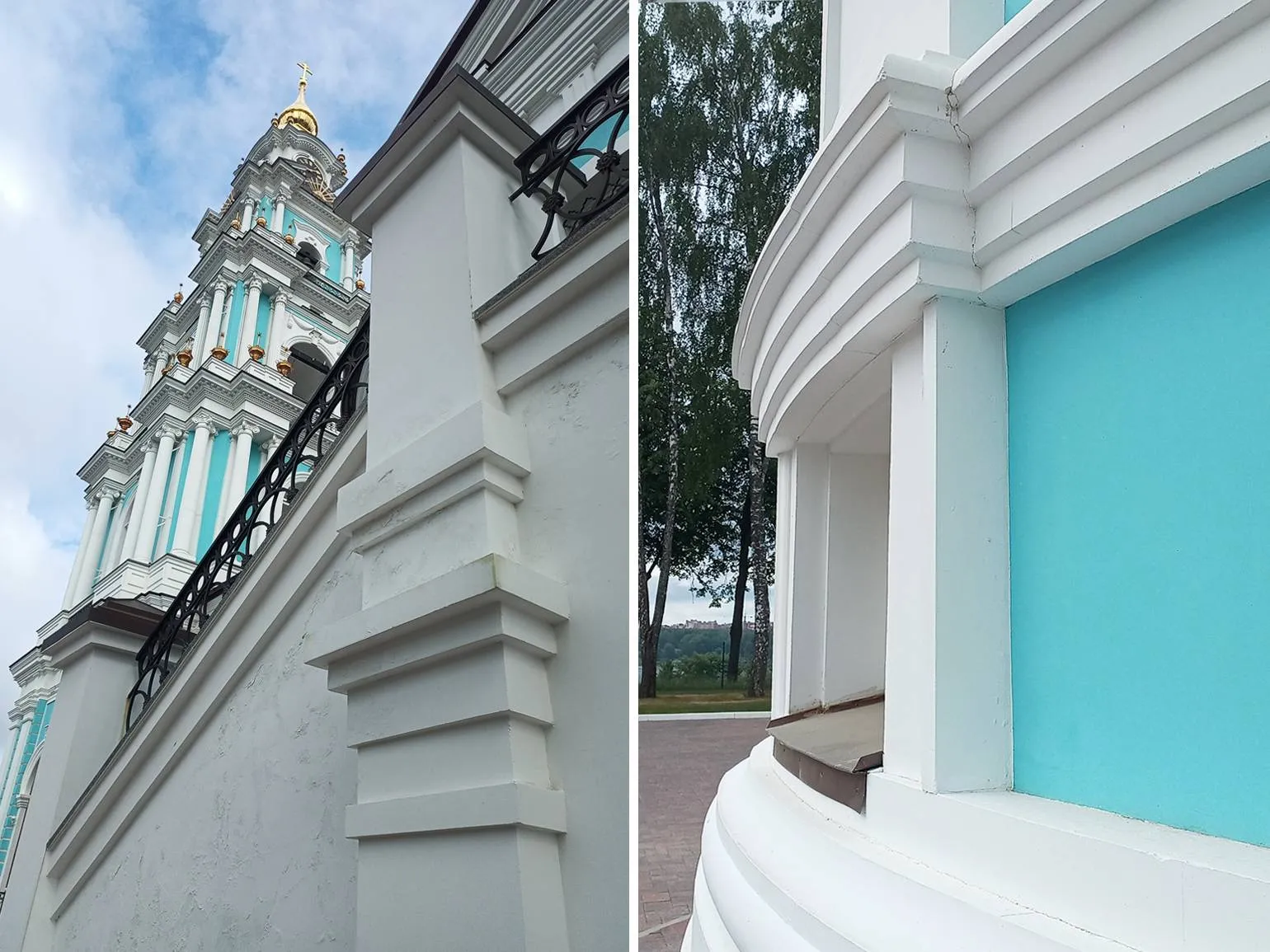
The problem lies not only in the differences between the profiles, but also in their low quality. These profiles are created without a deep understanding of their purpose and functionality.
Read also:
Drywall: myths and reality in architecture
Drywall has become an integral part of modern construction and interior design. However, there are many myths surrounding this material that require debunking. Many people believe that drywall is just a temporary solution or a low-quality material. In fact, drywall has many advantages, including lightness, ease of installation, and excellent soundproofing properties. Among the main advantages of drywall is its resistance to fire and moisture, making it an ideal choice for a variety of spaces. This material allows for the creation of complex architectural forms and structures, which is especially relevant in modern design. Drywall is also easy to process, allowing for the implementation of any ideas and customer preferences. Despite its popularity, it is important to remember that the quality of installation and the selection of the appropriate type of drywall play a decisive role in the final result. Proper use of this material contributes to the creation of durable and aesthetically pleasing interiors. Drywall is not just a building material, but a versatile solution that opens up new horizons in architecture and design. If precise data on pre-revolutionary architecture is lacking, it is sufficient to pay attention to the surrounding space. The city is home to numerous historic buildings, and their details can be studied. Researching the architectural elements of these structures can help recreate the unique style and character of pre-revolutionary architecture.
As a professional, I appreciate this process. It is clear where archaeologists discovered a profile and applied it when developing a model, and where it was created by new authors. However, the question arises: how many people out of the total number of passers-by are able to notice this?
The term "restoration of the historic center" is used in the description, but this concept is very vague in the urban planning context. More appropriate terms might be "recreation" or "restoration", but they do not convey the full accuracy of the situation. The materials used differ, the details are not the same, and the layouts have been significantly altered. This emphasizes the complexity and diversity of the process, which does not always correspond to traditional concepts of restoration.
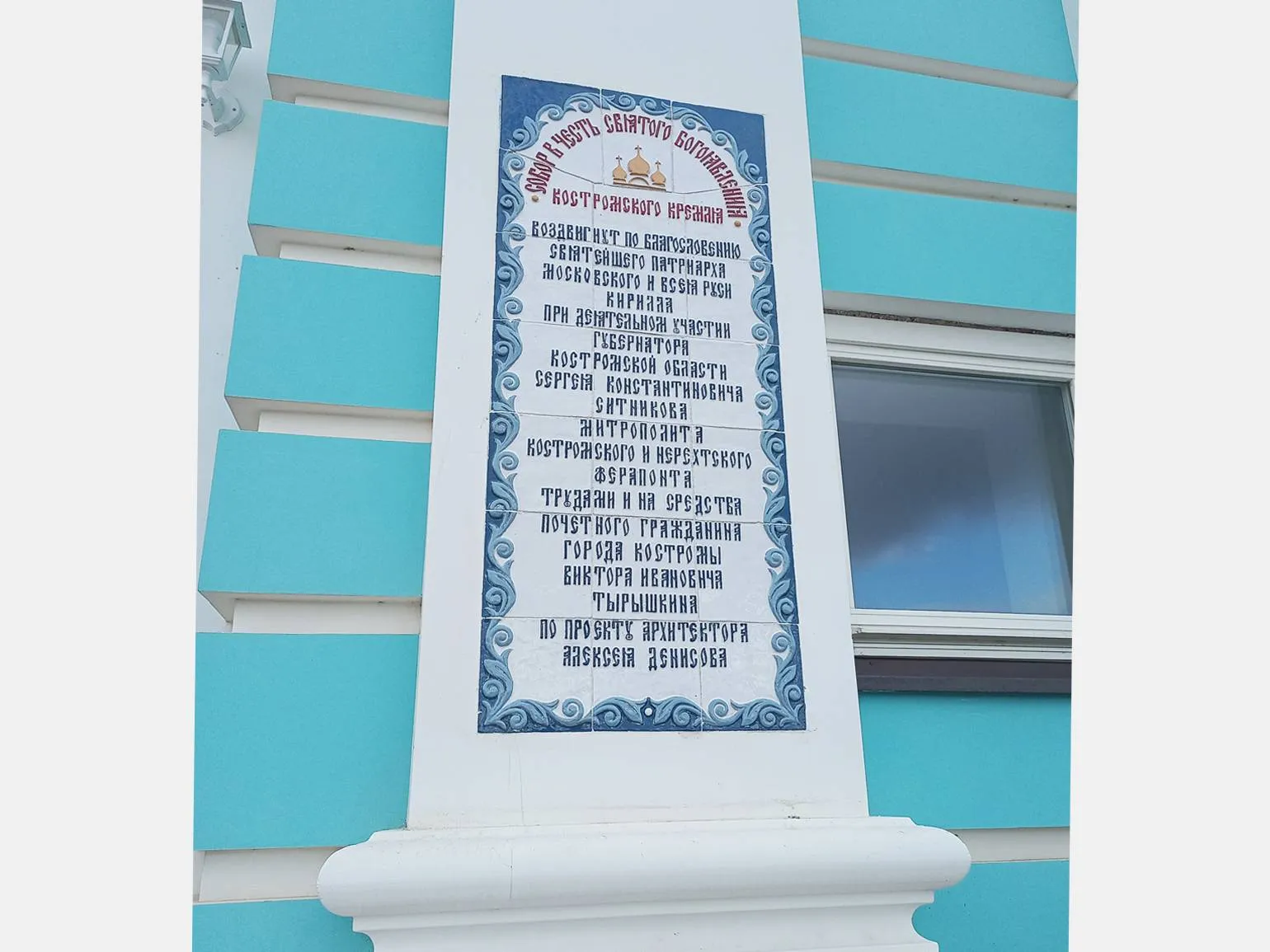
When visiting the bell tower, you can find a plaque stating that the cathedral was built according to the design of the architect A. Denisov in 2015. This architectural object attracts attention due to its unique design and historical significance.
Architect Stepan Vorotilov, who built the cathedral in the 18th century, mysteriously disappeared. It's interesting that his name has remained in history, although he himself would likely have avoided criticism for the shortcomings of his designs.
I fully support the construction of modern churches, constructed from modern materials and equipped with modern amenities. It is important that architectural solutions correspond to contemporary styles and avoid associations with the 18th century. Such churches should harmoniously fit into the urban landscape, demonstrating progress and respect for tradition. They can become not only places of worship but also cultural centers, attracting attention and creating new opportunities for communication and spiritual development. The construction of modern churches is a step towards updating and adapting religious architecture to the needs of modern society.
Unfortunately, modern architects are not yet able to offer solutions that would correspond to the historical context of the city center. This is not a problem, as over time we will be able to develop new ideas. In the current circumstances, it makes sense to use the designs of 18th-century architects as a basis for new buildings. This approach will preserve the city's historical identity while introducing modern elements that will fit harmoniously into the existing architectural landscape.
Let's frankly call this a model of an 18th-century cathedral. This model, created using modern technology, is a magnificent example. Its purpose is to provide an idea of what the historical center of Kostroma looked like, rather than to accurately reproduce every detail and material. Importantly, the model conveys a general perception of the architecture and aesthetics of the period, making it a valuable tool for studying the region's cultural heritage.
Creating a model is an important and honorable task. The word "model" does not have a negative connotation. Unfortunately, some buildings have been lost and cannot be restored or restored. In such cases, new structures must be erected. If you have a complete set of documents and all working drawings, there is no reason not to restore the building in its original location. This will not only preserve historical memory, but also allow modern architectural solutions to fit harmoniously into the existing urban landscape.
Optimizing text for SEO can significantly improve the visibility of your content in search engines. Make sure your text contains keywords related to the topic and provides valuable information for readers. Avoid redundancy and focus on clarity and understandability. Update content regularly to keep it relevant and interesting for users. It's also important to consider the structure of the text, making it readable and easy to understand. Use headings and subheadings to separate information and improve navigation.
Read also:
Through the Eyes of an Architect: Reasons for the Failure of the New Building of the Tretyakov Gallery on Kadashevskaya Embankment
The new building of the Tretyakov Gallery on Kadashevskaya Embankment is causing considerable controversy and criticism among professionals and art connoisseurs. The building's architectural design, its integration into the surrounding environment, and its functionality raise serious questions. The main problems are the new building's lack of harmony with the historical part of Moscow, as well as the inefficient organization of the interior space.
Architects point out that the building does not correspond to the spirit and aesthetics of the area, which is renowned for its cultural significance. Ill-conceived forms and materials create dissonance with the surrounding architecture. Furthermore, the functional layout does not meet the requirements of modern exhibition spaces, limiting the possibilities for organizing events and exhibits.
As a result, the new building of the Tretyakov Gallery on Kadashevskaya Embankment is perceived as an architectural failure that not only fails to improve the appearance of the city but also hinders the development of cultural life in this historically significant area.
Having a complete set of working documents is an important aspect for architects and restorers. This is especially relevant for buildings constructed in the 20th and 21st centuries, as well as for objects that were carefully measured and documented by restorers before their destruction. A complete set of documents allows for the preservation of historical value and facilitates the process of restoring architectural heritage.
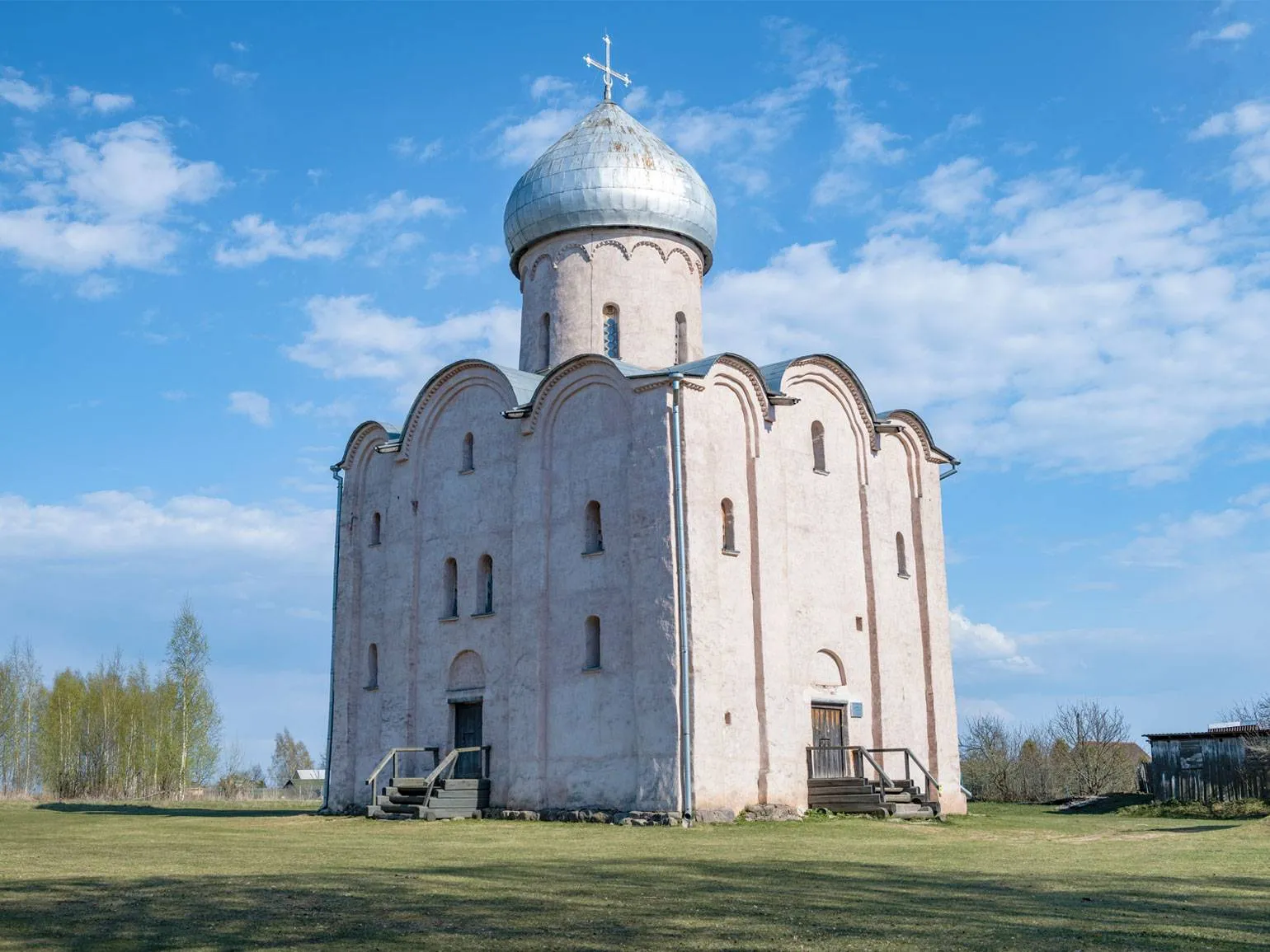
The Church of the Savior on Nereditsa underwent significant changes in the 20th century. At the beginning of the century, Pyotr Pokryshkin meticulously documented every detail of its architecture. This painstaking work played a key role in the restoration, allowing for the restoration of lost elements following the destruction caused by bombing during World War II. Thanks to his efforts, it was possible to restore the historical value and uniqueness of this architectural monument.
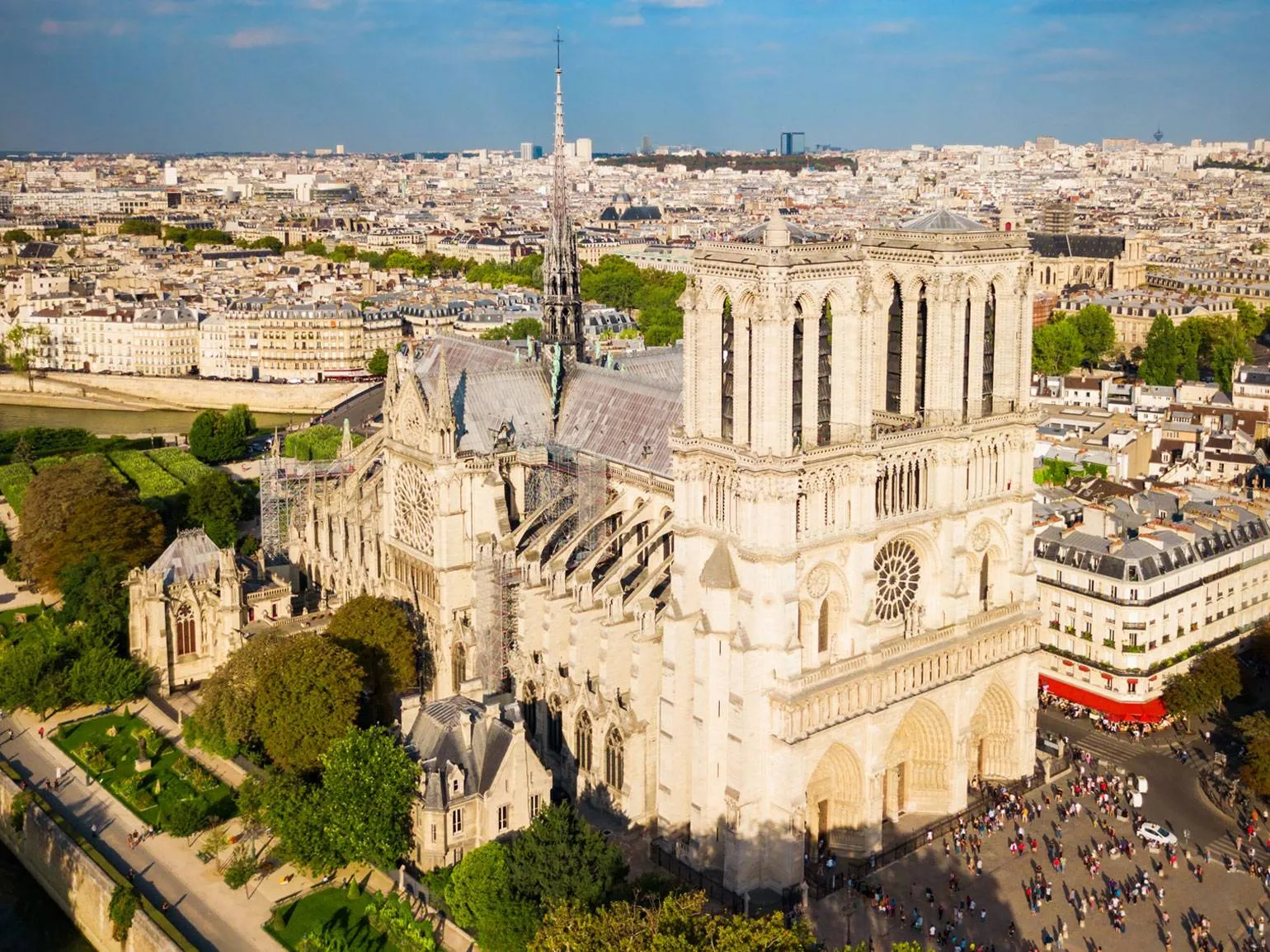
Following a major fire in 2019, the restoration of Notre Dame Cathedral began with the use of detailed documentation created during During the 19th-century restoration led by Viollet-le-Duc. However, such precise documentation is the exception, not the norm. In most cases, restoration of historical monuments is faced with a lack of information, which complicates the process. It is important to preserve the historical integrity of architectural objects, and the use of high-quality documentation plays a key role in this process.
Read also:
A sculpture of a golden rooster was installed on Notre Dame Cathedral. This unique work has become a symbol of rebirth after the tragic fire that occurred in 2019. The sculpture not only decorates the historical monument but also attracts the attention of tourists and city residents. The golden rooster, installed on the roof of the cathedral, symbolizes hope and renewal, emphasizing the importance of restoring cultural heritage. This work of art has become a striking accent against the architectural grandeur of the cathedral, confirming its status as one of the most significant religious and tourist sites in Paris. Dozens of specialists working with wood, stone, and metal were involved in the restoration of Notre-Dame. They conducted an in-depth study of the cathedral's surviving materials to recreate it with maximum accuracy. Experts carefully studied the composition of the mortar used to bind the stones and discovered that it was made from lime and sand extracted from the bottom of the River Seine. In addition, a special study was conducted on the cathedral's stones to identify the most authentic rocks, which helps guarantee the high quality and historical accuracy of the restoration work.
All events related to Notre-Dame de Paris can be seen as a process of recreation.
Once again about terminology
Scientific restoration is the process of working with original monuments. In this approach, new elements are added only when necessary and do not exceed 15% of the total volume of the object. This helps preserve the historical value and authenticity of the monument, ensuring its durability and safety for future generations. The main goal of scientific restoration is to reconstruct the historical appearance of the object with the highest possible accuracy, which requires in-depth knowledge of history, art, and technology.
Restoration is the process of reconstructing an original monument, during which new elements are introduced while observing reasonable limitations. The main thing in restoration is to preserve the historical value of the object, minimally interfering with its original structure. This approach not only allows for the return of lost details but also prolongs the life of historical monuments, ensuring their preservation for future generations. Restoration requires a thorough knowledge of history, architecture, and art, as well as a careful selection of materials to ensure a harmonious blend of old and new.
Recreation of a monument is the process of restoring its original appearance with maximum accuracy. This is possible with detailed documentation, preserved fragments of the original, and the use of technologies consistent with historical methods. This approach preserves the historical and cultural value of the monument, ensuring its accurate restoration and further preservation for future generations.
In most cases, it is more appropriate to use the term "model." This term avoids many controversies associated with the concepts of "restoration" and "recreation" and provides a clear idea of the degree of authenticity of the building. Moreover, "model" does not have a negative connotation, making it more appropriate to describe architectural projects.
It is important to remember that one should focus on creating new projects in construction, and not limit oneself to copying outdated models. Development in this area requires the implementation of innovative solutions and technologies that will ensure high-quality and modern construction. New approaches and ideas will not only help improve results but also attract customers, which in turn will have a positive impact on the company's reputation and success.
Profession Graphic Designer PRO
You will learn how to create corporate identity elements and graphics for business. Create a portfolio that reflects your style and demonstrates your design skills. You can start a career in a studio or as a freelancer.
Find out more