
Contents:

Try 4 top design professions. Free ➞ In 5 days, you will get acquainted with illustration, UX/UI, web, and graphic design. Add four compelling case studies to your portfolio and decide on your next direction.
Learn morePlanet9 Bureau has presented the book "Architecture of Experiences," dedicated to the history of exhibition design. With the bureau's consent, we are sharing an excerpt from the first part of the book, in which Zelfira Tregulova, former director of the Tretyakov Gallery, shares her experience collaborating with architects and exhibition designers. This material emphasizes the importance of the interaction between art and architecture in creating unique exhibition spaces.
Zelfira Tregulova, an art historian and curator, served as director of the Tretyakov Gallery from 2015 to 2023 and had a significant influence on the development of Russian museums and exhibition design. Having begun her career in the late 1980s organizing international art exhibitions, she completed an internship at the renowned Guggenheim Museum in New York. After working at the Moscow Kremlin Museum-Reserve and then as director of ROSIZO, Tregulova eventually became the head of the Tretyakov Gallery. Her professional opinion was valued not only in Russia but also abroad, making her a significant figure in the global museum community. Currently, Zelfira Ismailovna continues her work as an independent curator, creating exhibitions and introducing new ideas to exhibition design, making her opinions particularly relevant and interesting to specialists in this field.
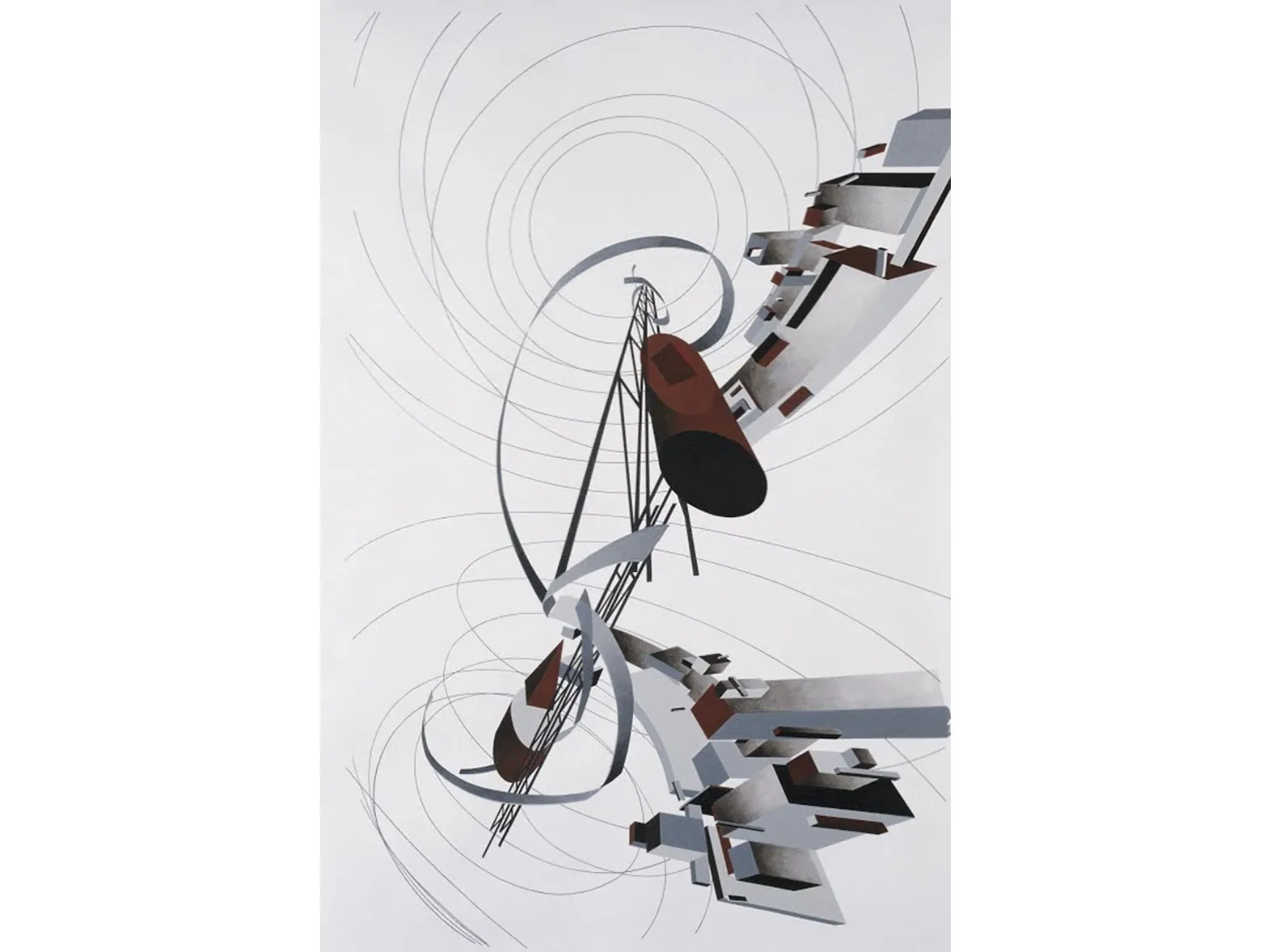
The exhibition "The Great Utopia: The Russian and Soviet Avant-Garde 1915–1932" (1992–1993) was a significant achievement in exhibition design. It featured 1,500 objects from 56 museums worldwide, excluding Africa. The exhibition opened at the Kunsthalle Frankfurt, then traveled to the Stedelijk Museum in Amsterdam, and finally to the Guggenheim Museum in New York. The scenography in the first two museums was interesting, but it could not compare to Zaha Hadid's proposal in New York. Her project became a landmark in museum design, distinguished by its scale and visionary approach, but, unfortunately, it was only partially realized. The exhibition left a deep mark on the history of art and design, drawing attention to the importance of innovative approaches to the presentation of cultural heritage.
Read also:
Zaha Hadid: avant-garde architecture and concrete spaceships
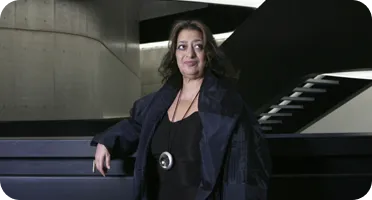
Zaha Hadid has become a symbol of avant-garde architecture, known for her bold and innovative projects. Her works are often compared to concrete spaceships, highlighting the uniqueness and futurism of her style. Hadid used complex geometric shapes and dynamic lines, creating buildings that appear like living organisms capable of interacting with their environment.
Zaha Hadid's architecture is not only visually striking but also addresses important functional challenges. Each of her buildings is carefully considered, considering not only aesthetics but also practical use. Hadid strived to create spaces that inspire and surprise, while providing comfort and convenience for users.
Zaha Hadid's projects, such as the London Aquatics Centre and the Rimini Museum of Contemporary Art, have become iconic examples of her approach to architecture. She has inspired a new generation of architects, pushing the boundaries of what is possible and discovering new horizons in design.
Zaha Hadid's work remains relevant and in demand, and her legacy lives on in every new project that strives for innovation and originality. Hadid's avant-garde architecture is more than just buildings; it is art that enriches the urban landscape and delights its viewers.
I visited the Guggenheim Museum a few months before its opening and watched as large packages of photographs were sent to Zaha Hadid's London office. I was told that the architect draws inspiration from the Russian avant-garde and constructivism, considering them the main stages of her work, and is preparing something impressive. As a result, the exhibition architecture harmoniously blends with the works themselves, creating a unique atmosphere and emphasizing the importance of art.
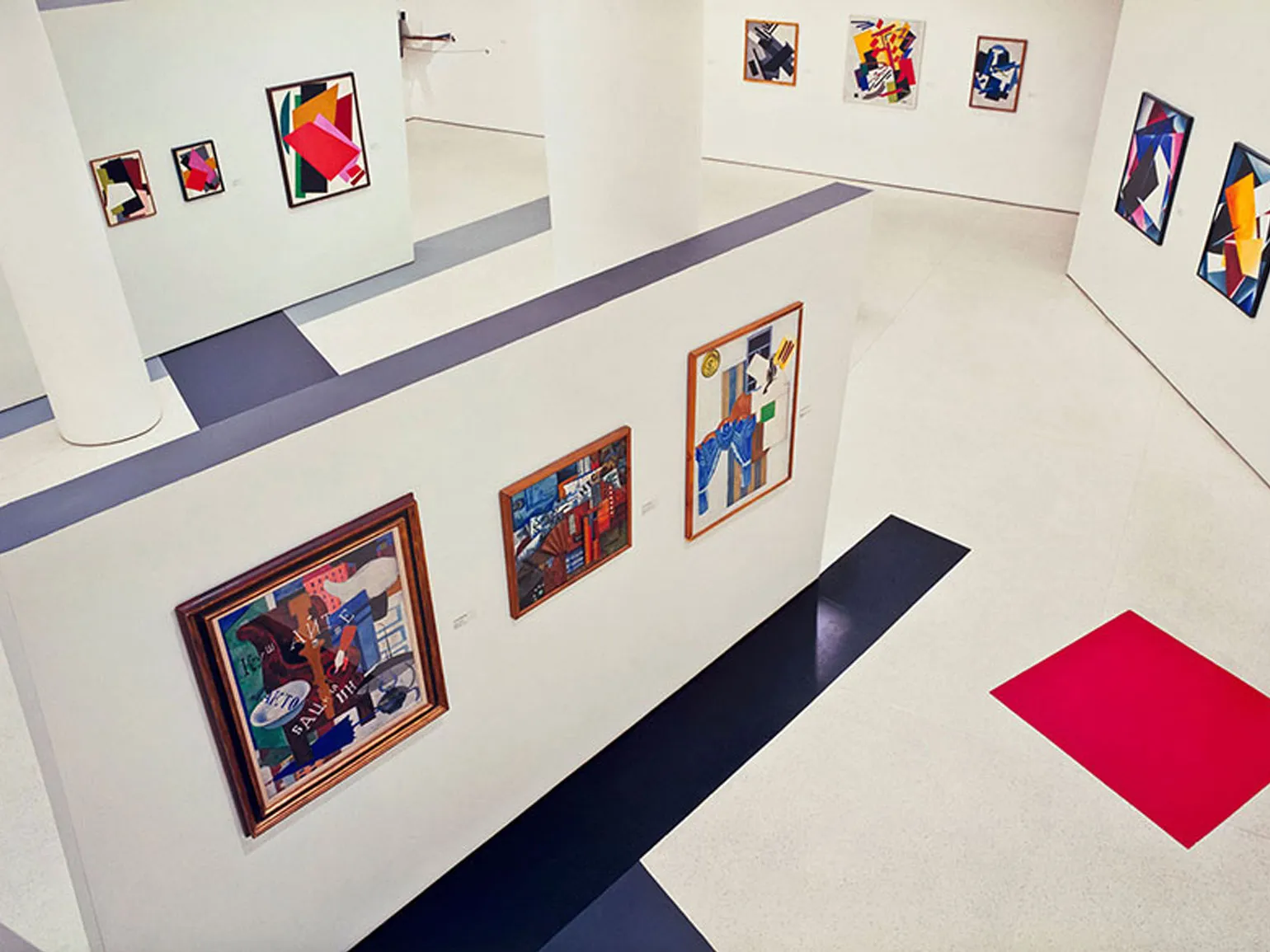
I visited the museum during the renovation of the exhibition halls. The work was carried out meticulously and slowly, and until the last moment, the outcome was unclear. Every day, I walked through a space painted white, where the boundaries between the floor, walls, and ceiling gradually blurred. In the center of this whiteness, a streamlined oval object was erected, reminiscent of half a giant eggshell. Alexander Rodchenko's mobile objects were eventually installed above this hemisphere. This hall was dedicated to the second OBMOKH exhibition (1921), which marked the beginning of the constructivist era. The exhibition drew attention to new forms of art and architecture, reflecting the desire for experimentation and innovation in the cultural environment of the time.
Zaha Hadid's set designs are distinguished by their diversity and uniqueness, which is evident in each of her works. In the "5x5 = 25" hall, works by artists such as Exter, Rodchenko, Popova, Stepanova, and Vesnin are mounted on transparent plexiglass. This creates the impression of them floating in mid-air, enhancing their visual impact. Hadid's artistic solutions highlight the versatility and innovation of each piece, making them the center of attention and interaction within the space.
Unfortunately, the architect's main idea—to create a gigantic installation dedicated to Tatlin's Tower—was never realized. Plans called for the installation to occupy the entire height of the museum, but there was neither time nor budget for this. A decision was also made to abandon the original layout for exhibiting Kazimir Malevich's Suprematist paintings, which was intended to reconstruct the 1915 "0.10" exhibition where the "Black Square" was first presented. Zaha Hadid's proposed layout proved risky, which taught me an important lesson: it is necessary to balance a set designer's ambitious concepts with the practical needs and safety of the exhibits.
"The Great Utopia" significantly changed the perception of the architect's role in exhibition design. Architects, along with curators, became co-authors of the projects, which allowed them to participate more actively in shaping the exhibition space and concept. This approach opened new horizons for the interaction between architecture and art, emphasizing the importance of co-creation in cultural initiatives.
Learn more about design by subscribing to our Telegram channel. We share relevant news, useful tips, and inspiring ideas in the field of design. Join us and stay up to date with the latest trends!
Read additional materials:
- To the USSR - with love. An excerpt from the book "Alexander Rodchenko. In Paris. From letters home"
- "The hooligans were outraged by the large black ones." An excerpt from the book "Man Cannot Live Without a Miracle"
- A dark room behind a cardboard wall. An excerpt from the book "Crossroads of the Russian Avant-garde"
Profession Graphic Designer PRO
You will learn how to create corporate identity elements and graphics for business. You will put together a portfolio that reflects your style and confirms your skills as a designer. You can start a career in a studio or as a freelancer.
Find out more