Contents:
Commercial Illustrator: 7 Steps to Success in the Profession
Learn MoreIllustrations for magazines and commercial projects today are created using not only traditional methods, such as watercolor or graphic tablets. In the modern world, artists are actively exploring various tools and techniques, combining them to create unique visual metaphors. This allows them to express their ideas and concepts more effectively, attracting the attention of the audience. Experimenting with new technologies, such as digital painting and collage, opens up new horizons for creativity and allows you to create original works that stand out from the crowd of traditional illustrations.
What is mixed media?
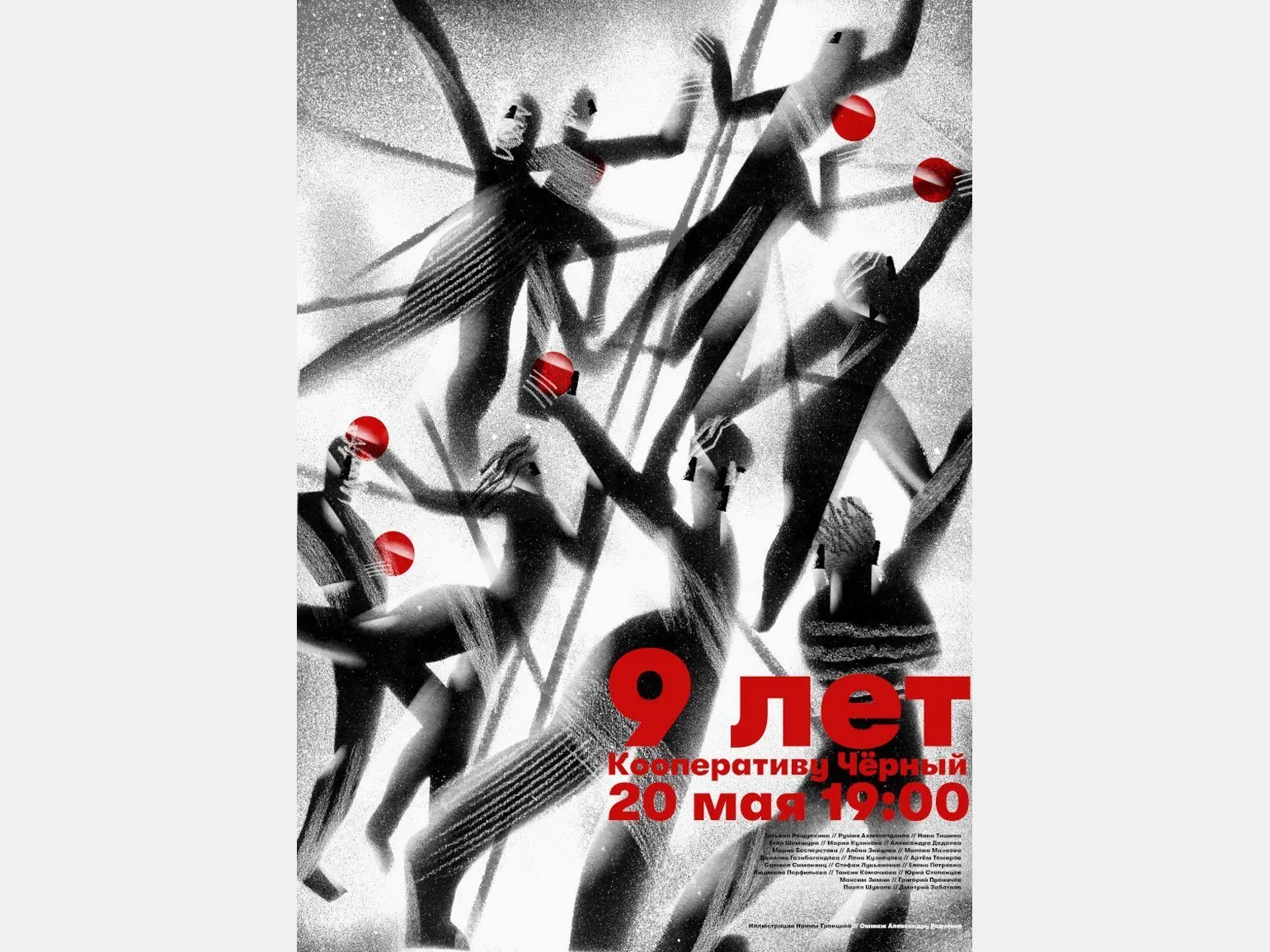
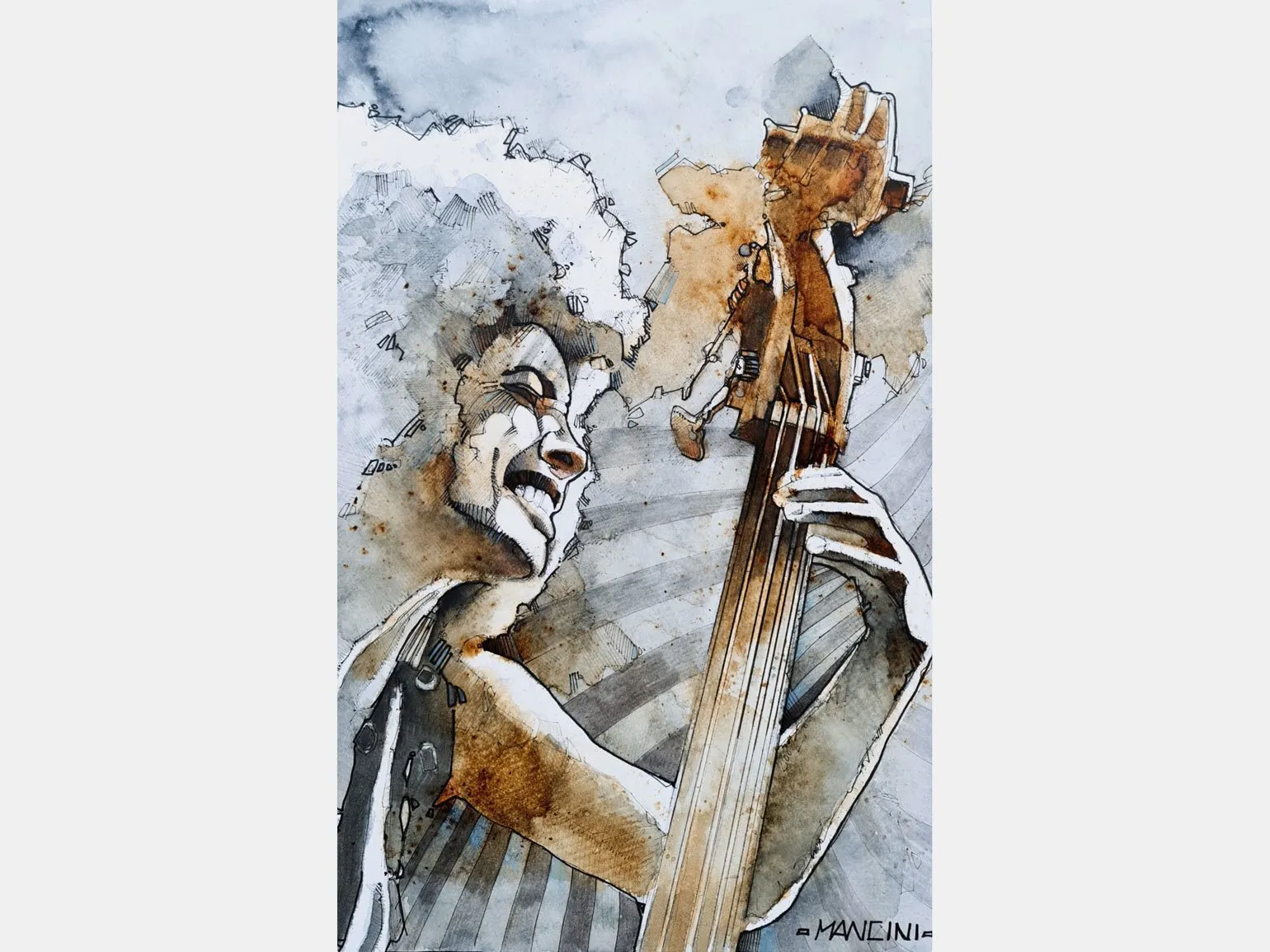
Mixed media in illustration is a unique approach that involves the use of multiple materials to create a single work of art. For example, if the outlines of an image are drawn with ink, and the chiaroscuro with watercolor, and then the work is animated using Adobe After Effects, then this work is considered an example of mixed media. This method allows artists to experiment with textures and effects, combining traditional and digital means to achieve an original visual result. Mixed media opens up new horizons for creativity and makes it possible to create unique and expressive illustrations.
The term "mixed media" in English refers to a movement in art that combines various materials and techniques. This allows artists to explore new horizons and create unique works that combine painting, collage, photography, and other forms of expression. The use of mixed media opens up opportunities for experimentation and the introduction of innovative ideas into creative work, making this approach increasingly popular among contemporary artists.
Why Use Mixed Media?
Mixed media in art gives illustrators the opportunity to transcend the boundaries of traditional drawing, creating deep and multi-layered works. By combining a variety of materials, artists are able to convey complex emotions and ideas, making their works more expressive and memorable. The use of mixed media not only enriches artistic perception but also opens up new horizons for creativity, allowing for the creation of unique visual stories. This approach attracts the viewer's attention and promotes a deeper understanding of the work's concept.
- Using paper and photograph collages to create unique textures.
- Combining digital and traditional techniques to achieve a new level of detail.
- Experimenting with acrylic paints and inks to create dynamic effects.
- Trying different styles, such as drawing and painting, in one work.
- Integrating animation to add movement and life to static images.

For a deep dive into mixed media, we recommend checking out our tips and helpful resources. This will significantly improve your skills and expand your knowledge in this field.
Explore 9 helpful resources for illustrators to help you develop your skills and find inspiration. These platforms provide valuable materials, courses, and ideas to promote professional growth and creative development. Use these resources to improve your illustrations and find new approaches to your work.
The Benefits of Mixed Media in Art
Mixed media in art is more than just a trend; it's a powerful tool for artists, allowing them to create unique pieces. Using different materials, such as charcoal for sketching and gold leaf for accents, significantly increases the expressiveness and depth of the image. Mixed media opens new horizons for creativity, allowing you to combine textures and colors, making each work unique. This art movement is popular due to its ability to attract attention and create an emotional response in viewers.
Limiting the use of a single technique or material can lead to a lack of expressiveness and depth of idea. The use of mixed media opens new horizons for experimentation, allowing you to combine various elements. This not only enriches artistic expression but also promotes creativity and the development of a unique artist's style. Mixed media is becoming an important tool for creating more multi-layered and expressive works of art. Experimenting with a variety of materials not only enriches the creative process but also helps strengthen professional skills. By creating unique solutions, artists develop their own individual style that sets them apart from other professionals. Such approaches are becoming increasingly relevant in contemporary artistic practices. Research confirms that artists who use mixed media are more likely to achieve recognition and success in their work. Using a variety of materials and methods allows you to expand your creative horizons and attract attention to your work, which is especially important in the highly competitive art market.

To expand your horizons and gain inspiration, be sure to check out materials about different drawing styles. Studying different techniques and art directions will help you develop your own style and improve your skills. Don't miss the opportunity to immerse yourself in the world of artistic creativity and discover new facets of your talent.
Explore 19 different drawing styles, spanning both academic traditions and modern experiments. This overview will help you better understand the diversity of artistic movements and find inspiration for your own work.
How to Combine Different Materials in Illustrations
Combining different graphic materials provides ample opportunities for creative expression. Each of these materials has its own unique physical properties, which allows you to effectively convey the mood and character of the illustrations. Bright acrylic paints are great for highlighting details, while pastels and charcoal can add depth and volume by creating shadows and highlights. Using different techniques and materials in a single work of art allows the artist to experiment with texture and color, which makes each work unique and expressive.
Modern technology makes it possible to create mixed-media illustrations digitally. Using various brushes and settings, you can create a layered effect that harmoniously combines elements of charcoal, acrylic, and markers. This opens up a wide range of possibilities for artists, allowing them to experiment with textures and styles. Digital tools make the illustration process more accessible and convenient, fostering creativity and self-expression.
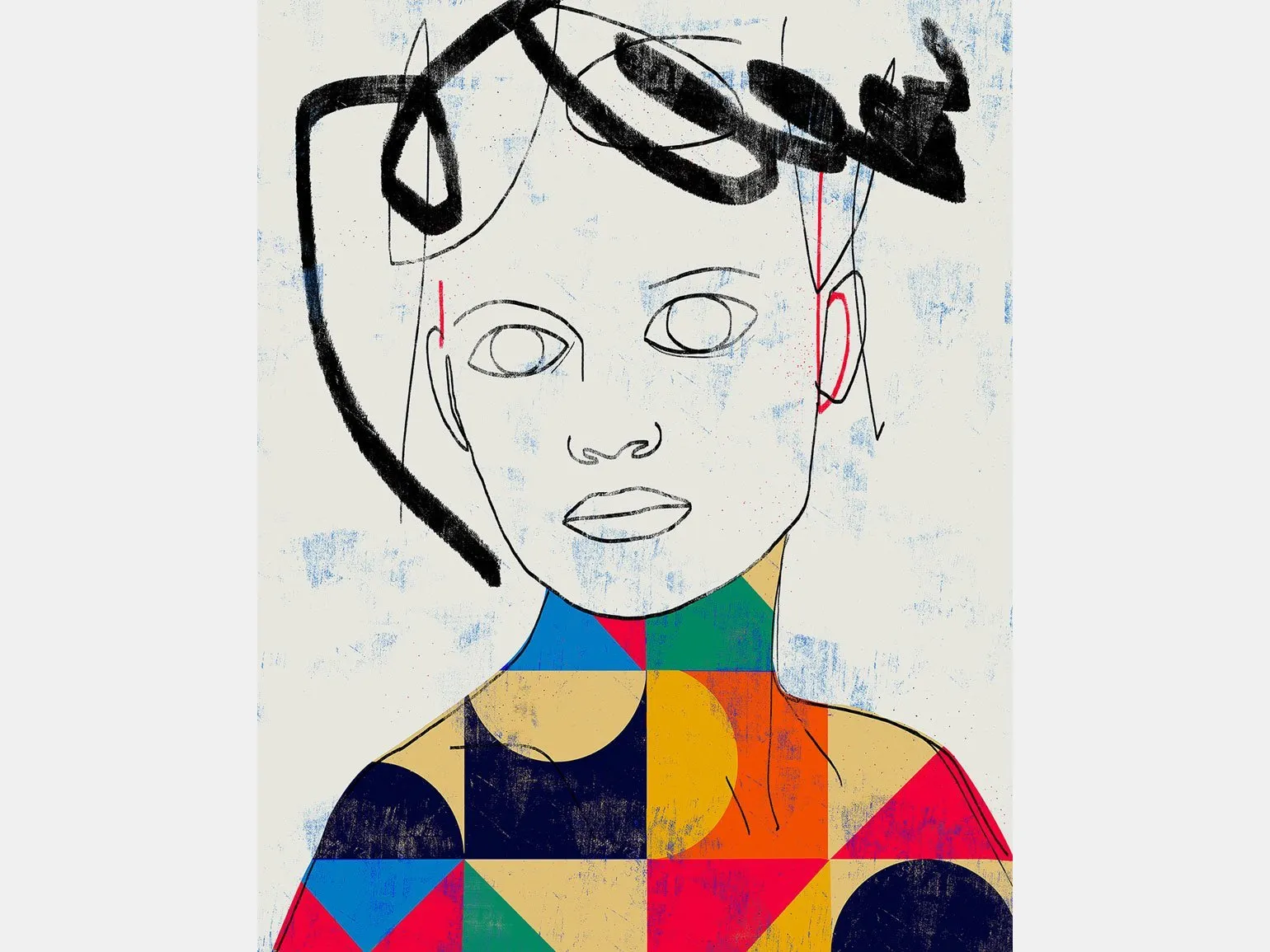
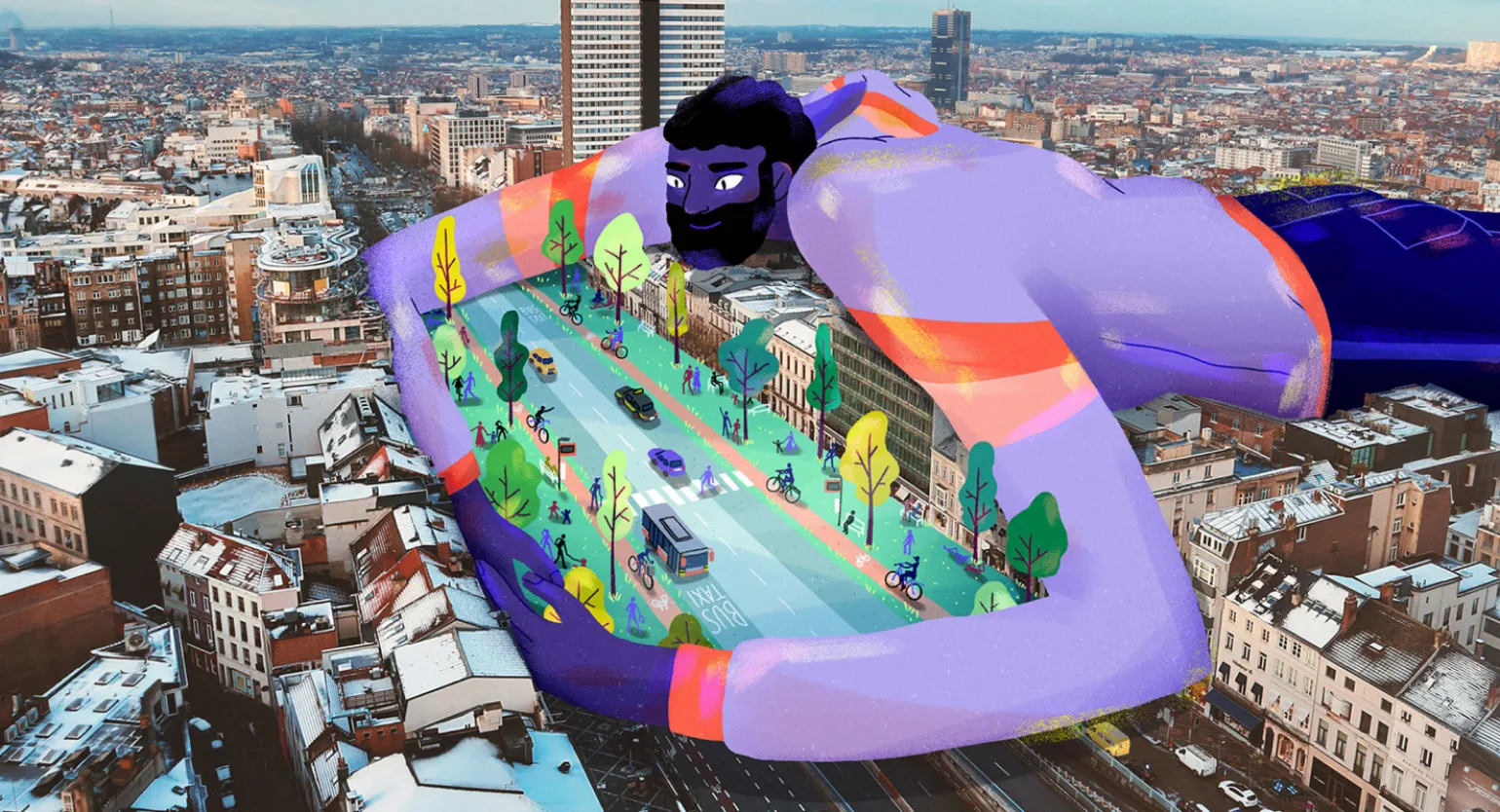
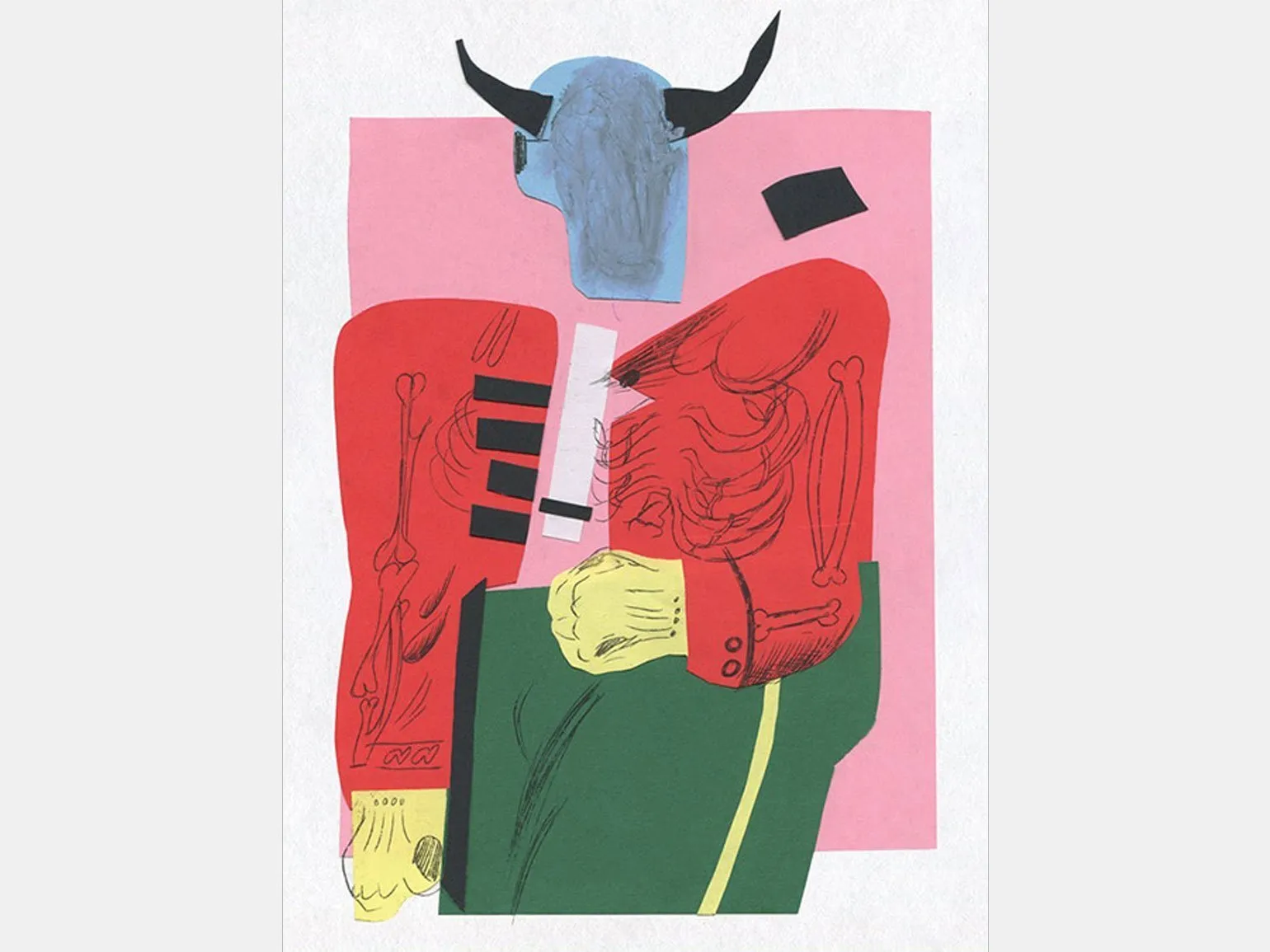
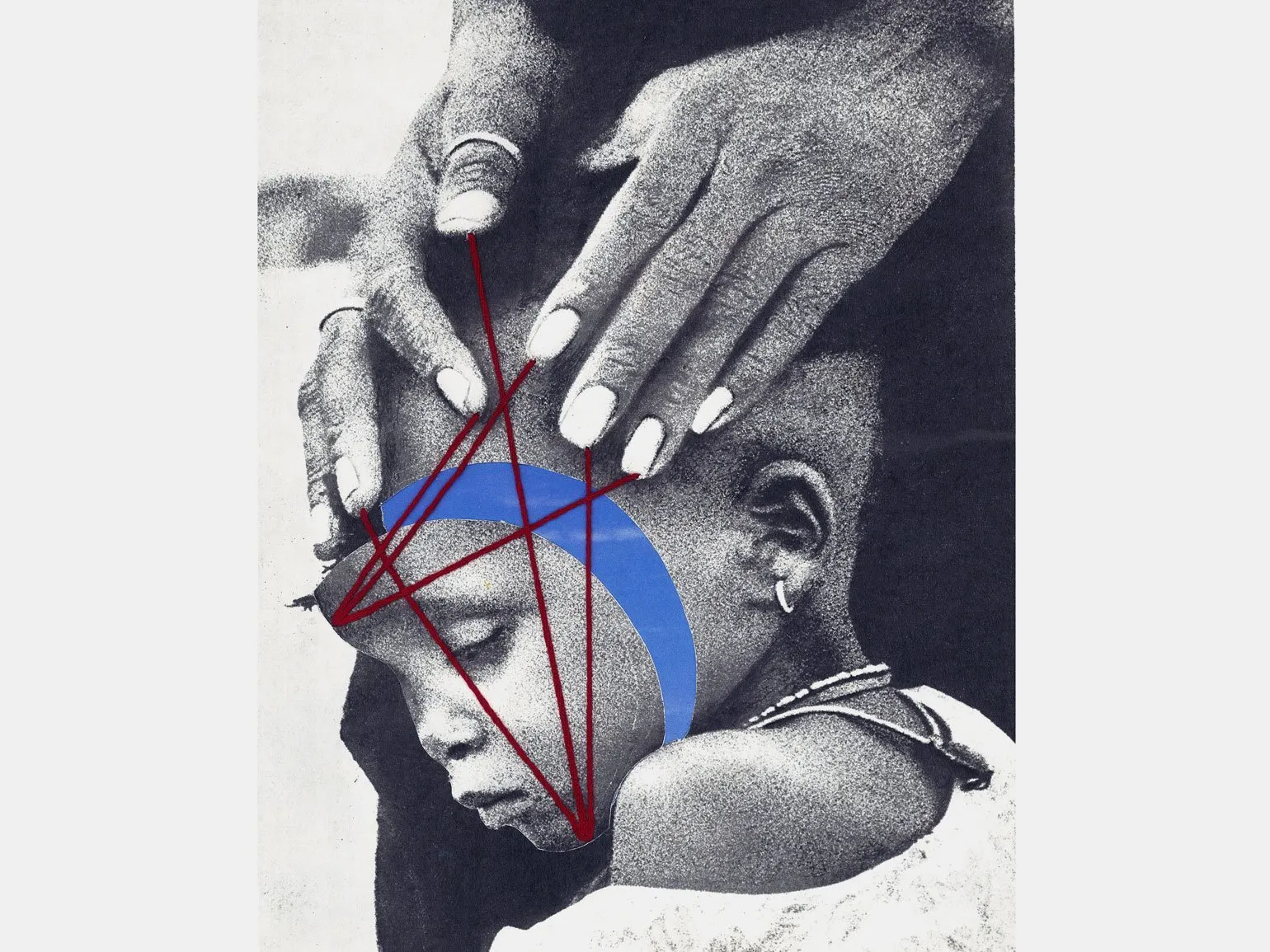
Collage is a powerful tool for designers and illustrators, allowing them to combine a variety of visual elements. This method allows you to create original compositions that effectively address specific visual needs. The integration of traditional graphic tools into the collage makes it a unique mixed-media illustration. This approach opens up new possibilities for creative expression and allows you to explore different styles and forms, attracting the audience's attention and enhancing the visual appeal of the project.
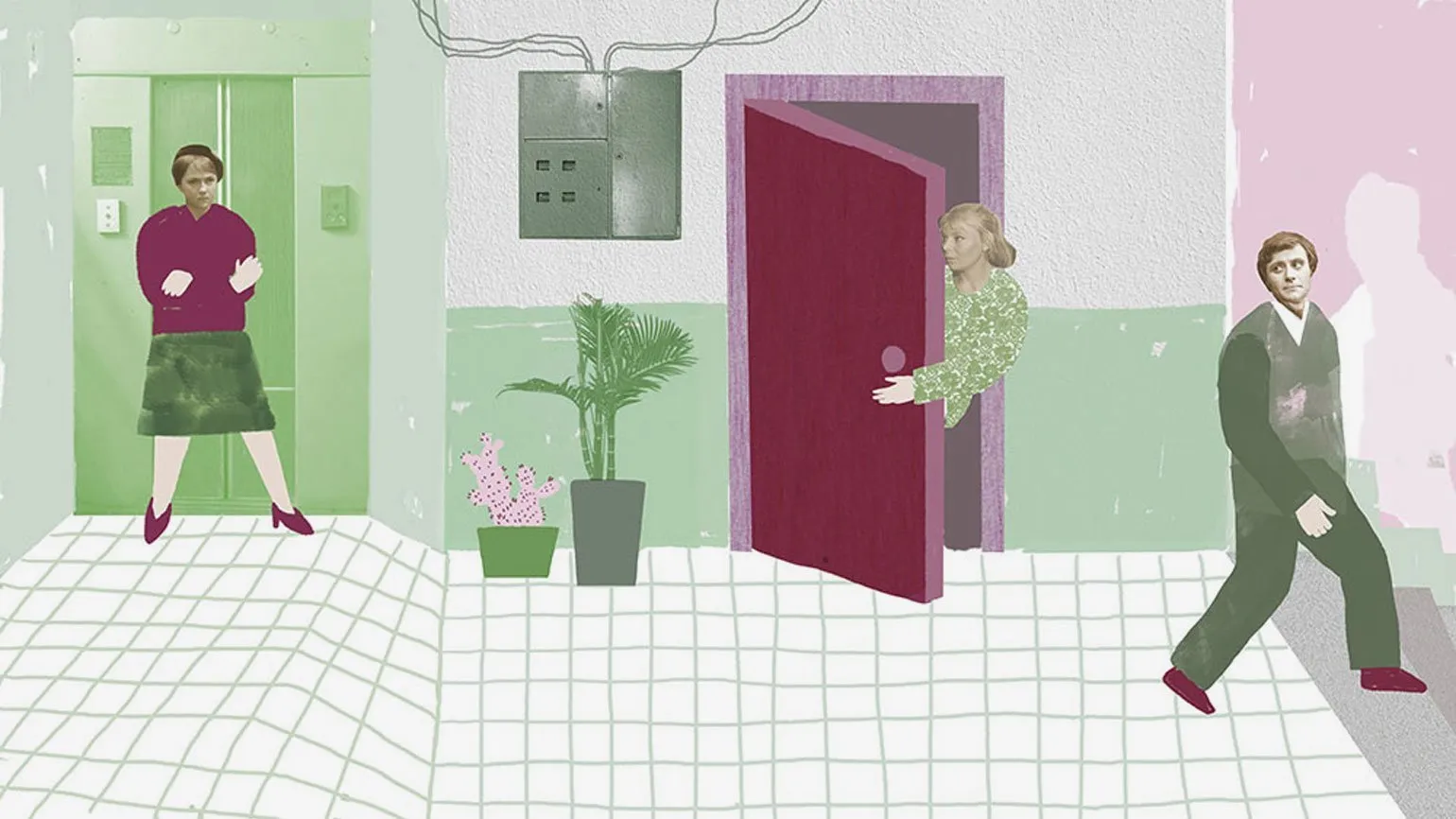
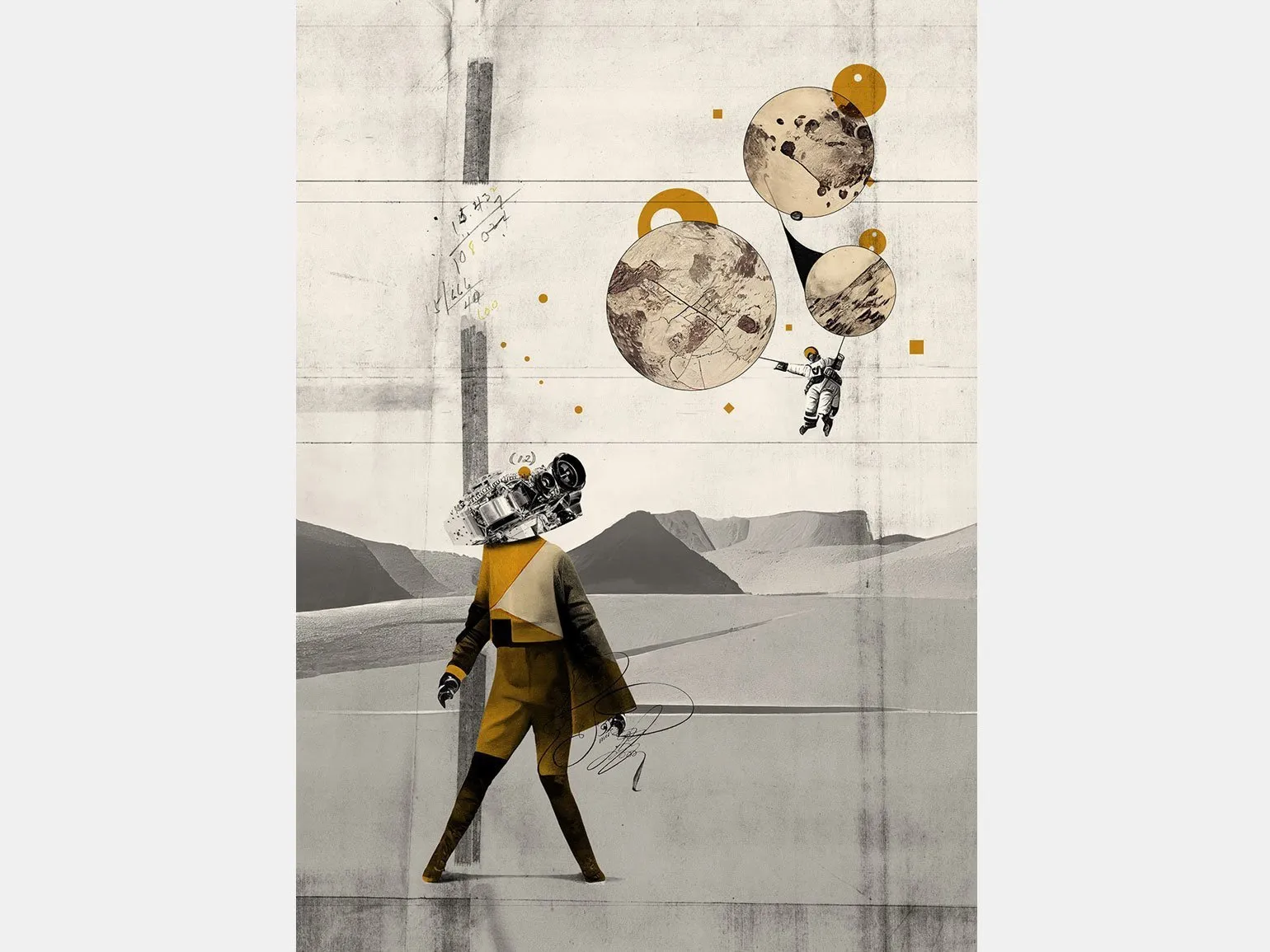
Photography is not only a background, but also a basis for creativity. By adding graphic elements to photographs, you can create unique and vibrant images that highlight details and convey mood. This approach allows you to transform simple images into works of art, captivating viewers and creating an emotional connection. Using graphics in photography opens up new horizons for self-expression and can be a powerful tool in the visual arts.
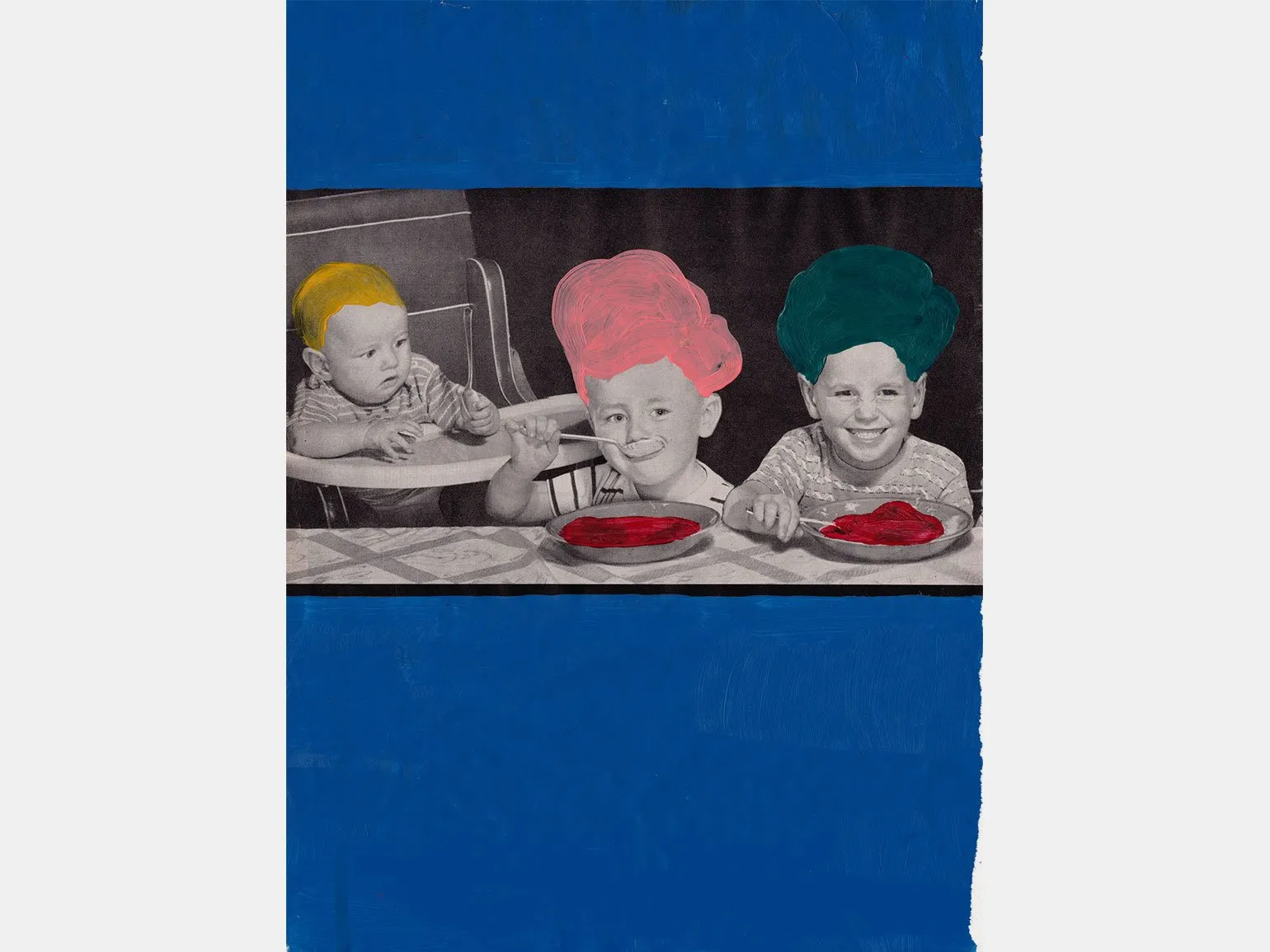
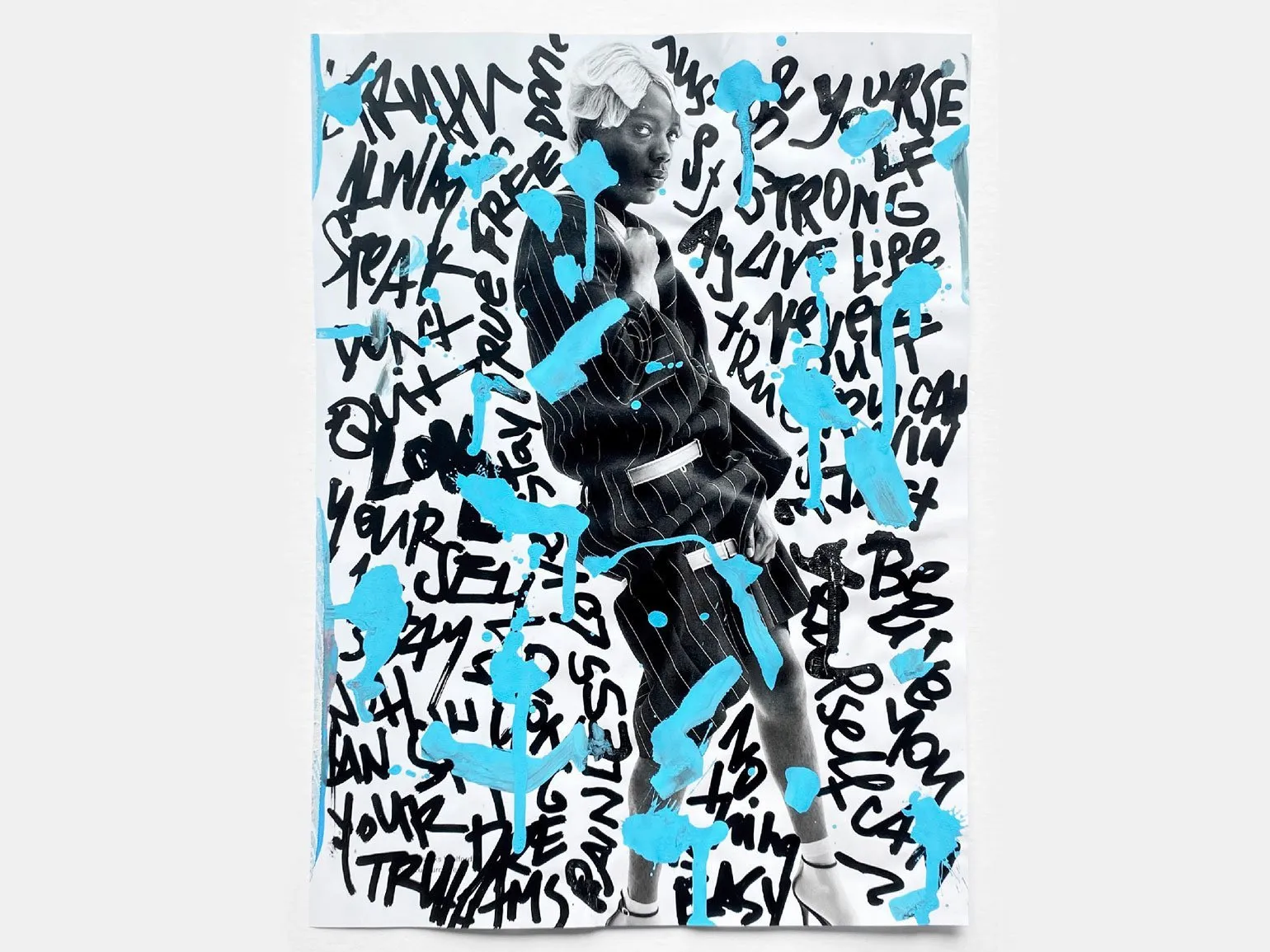
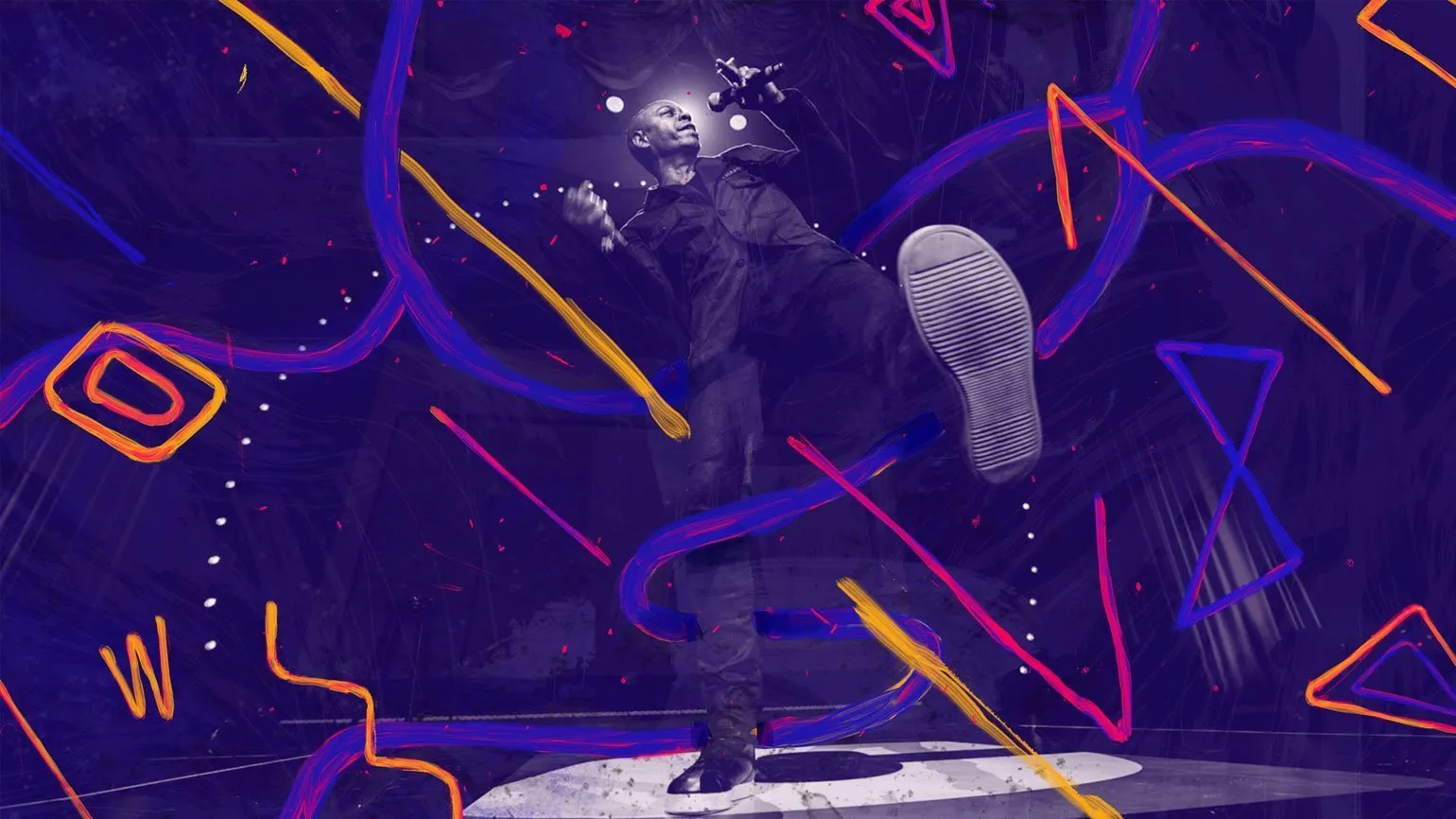
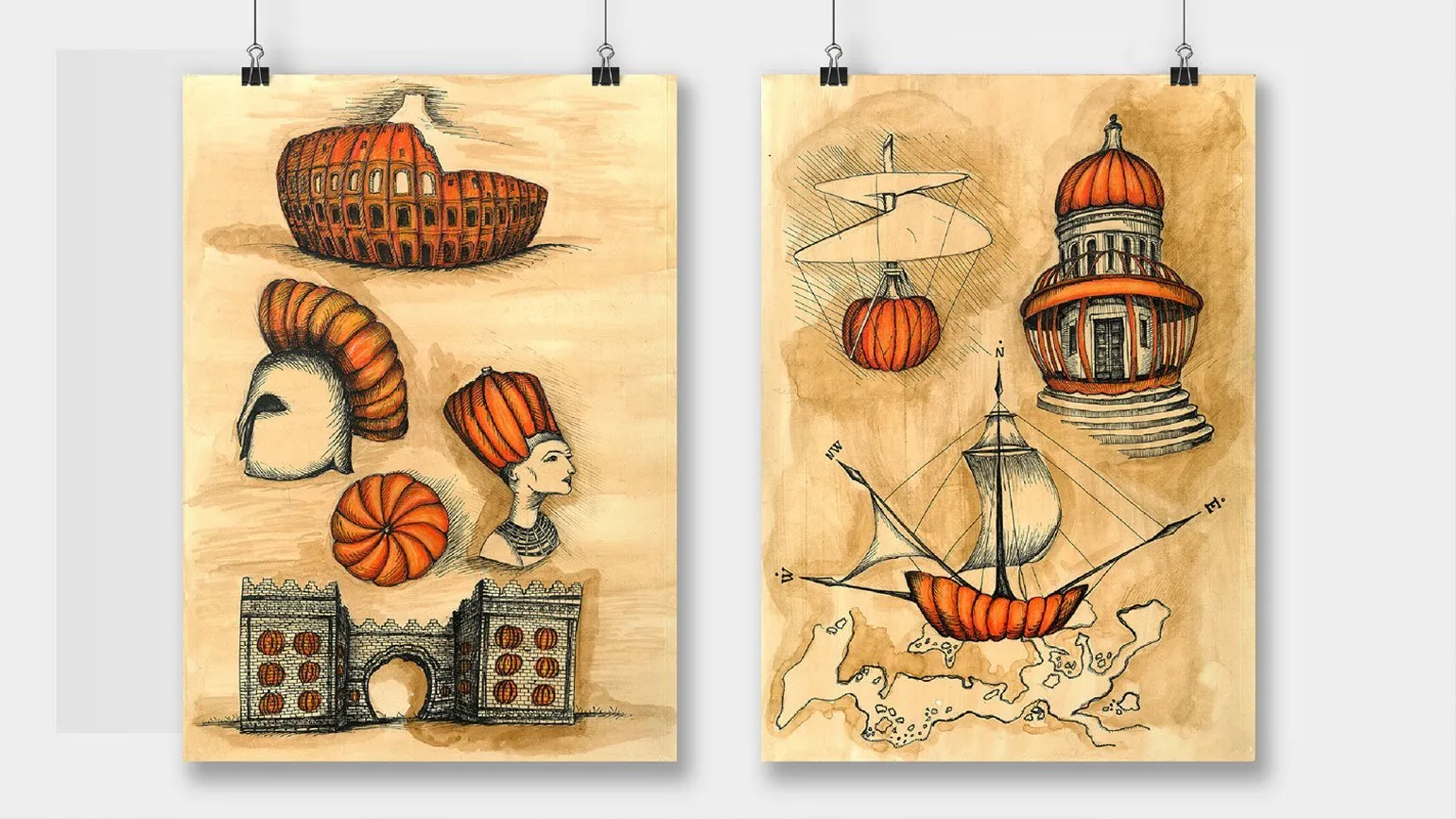
Mixed media in art opens up new horizons, allowing the creation of not only flat images but also the integration of three-dimensional physical objects. This approach fosters ironic and unique visual imagery, making each work unique. The use of mixed media allows artists to experiment with materials and forms, expanding the boundaries of traditional art. This engages viewers and creates new opportunities for self-expression.
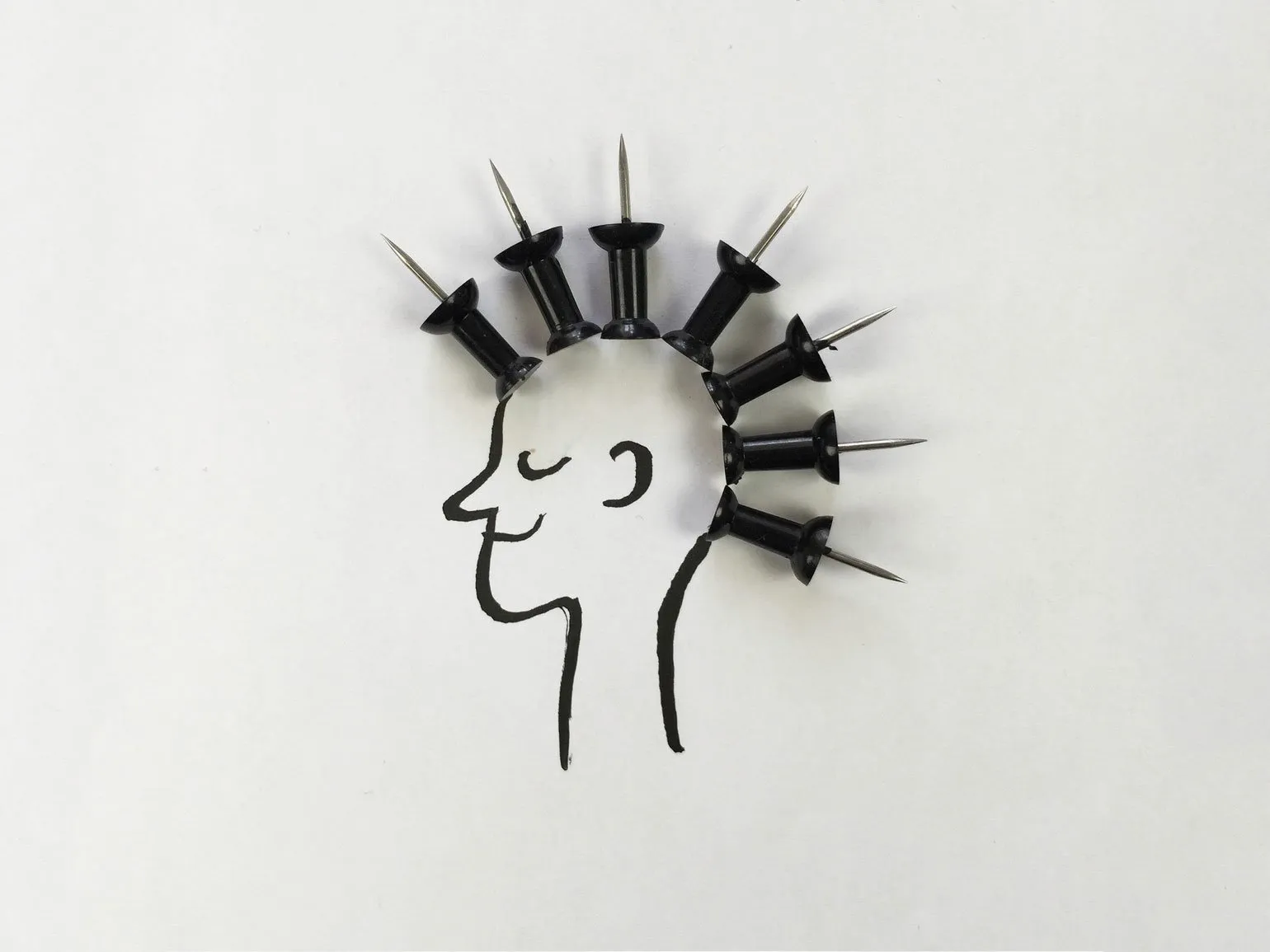
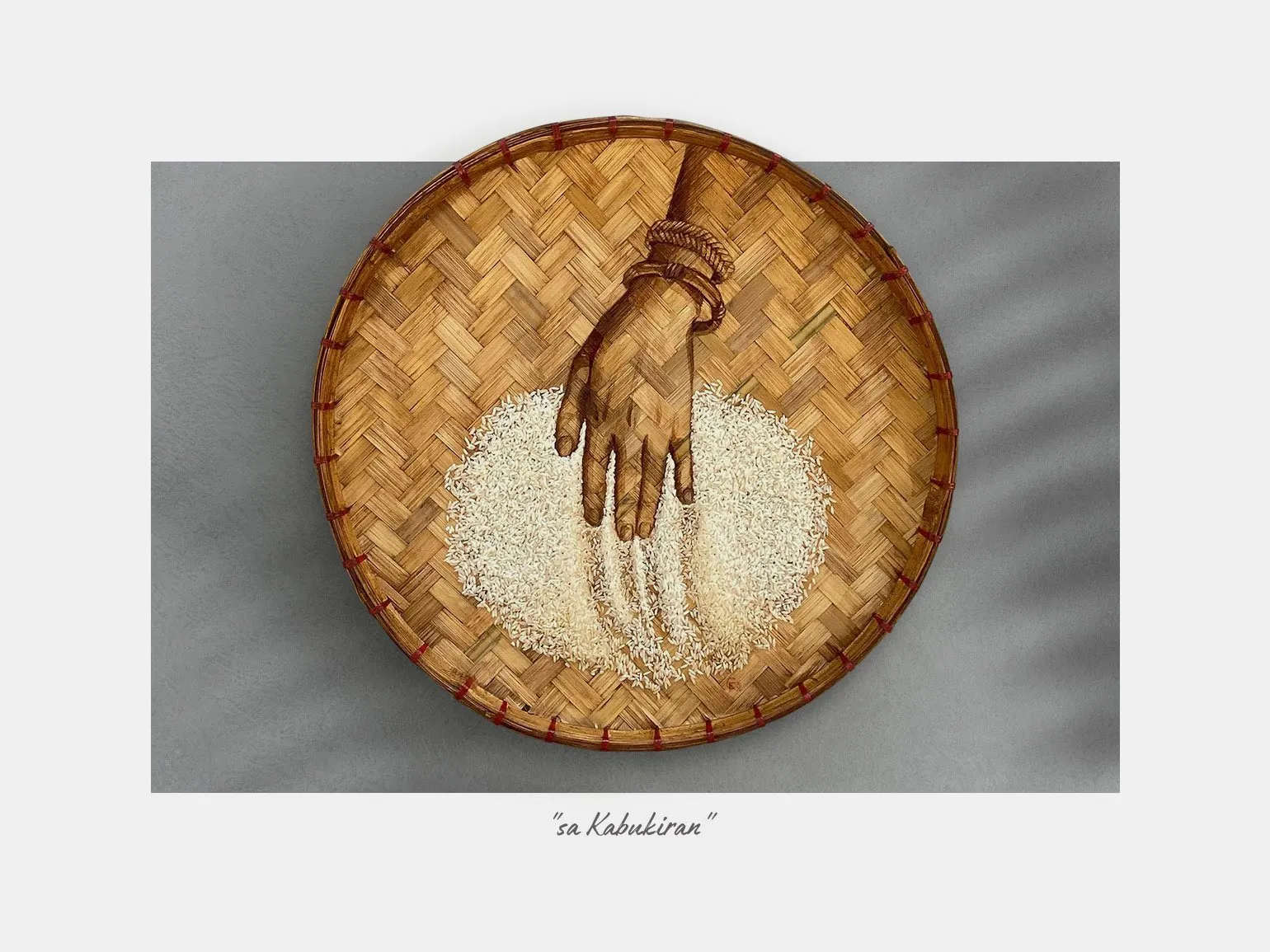
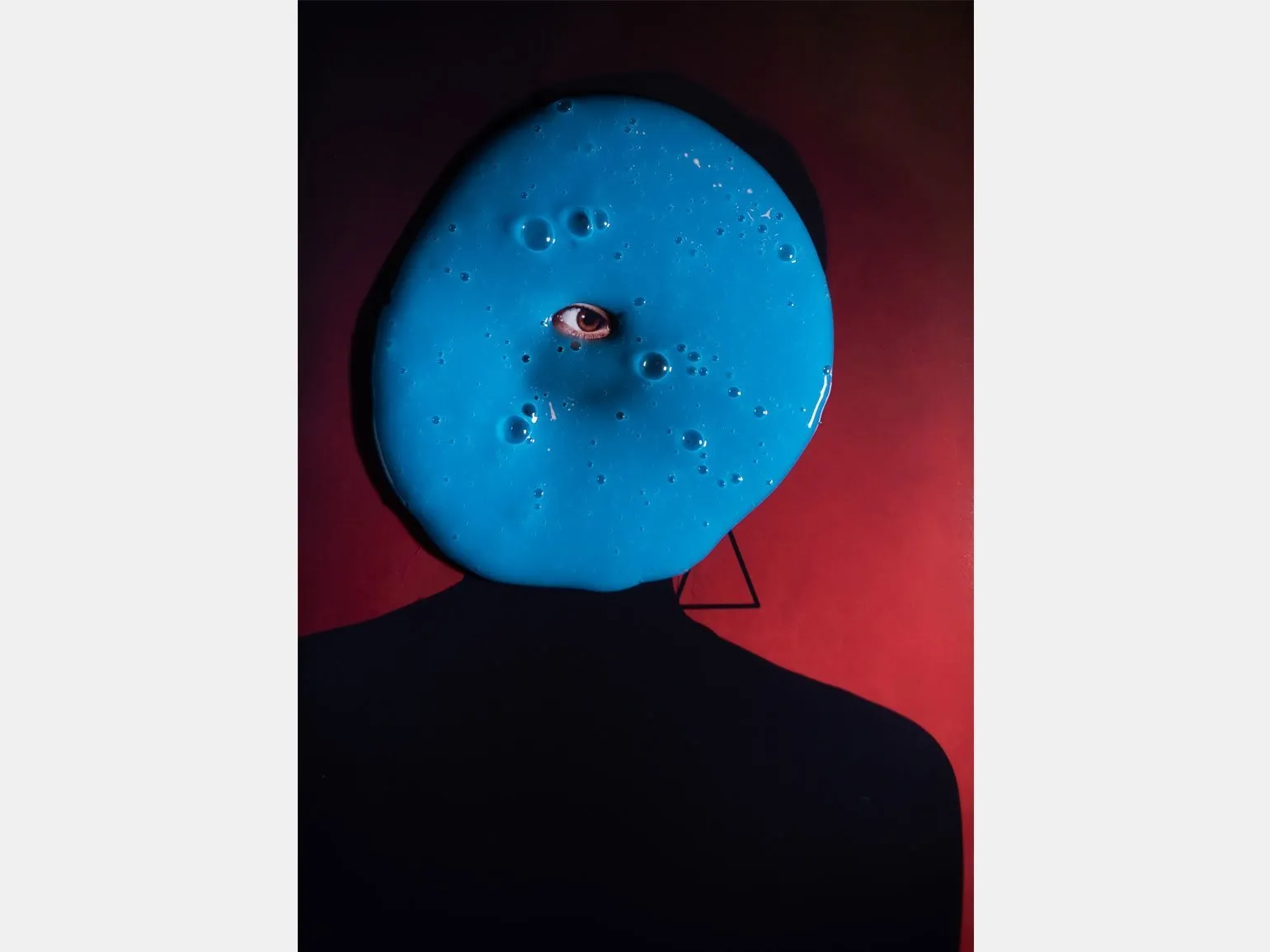
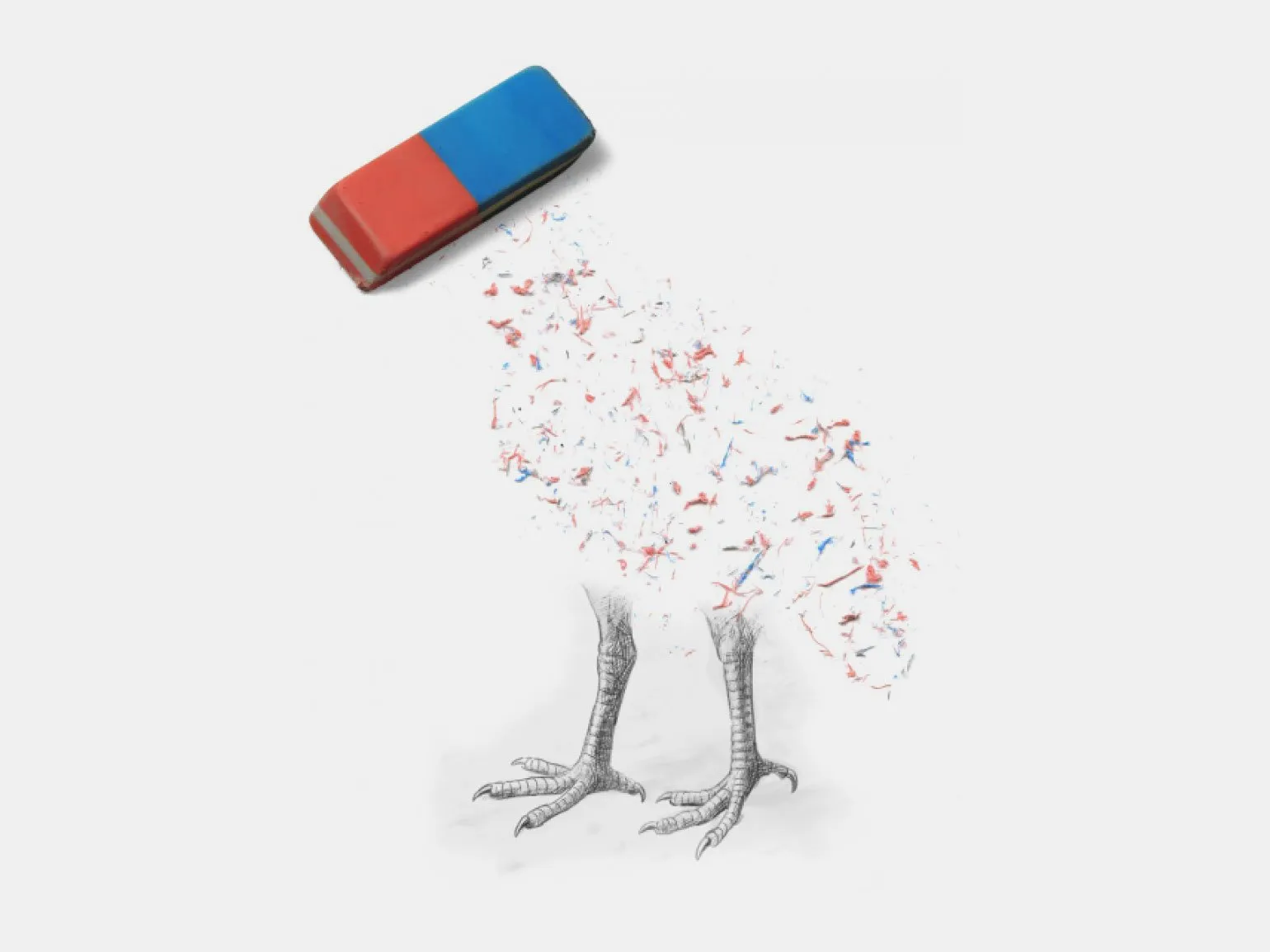
Experiments with mixed media open up new horizons for the use of unexpected materials. This can be anything at hand, including textures and elements unrelated to traditional graphic media. Such experiments bring a new dimension to visual metaphors, allowing artists to create unique works of art. Using a variety of materials and techniques expands creative possibilities and inspires the creation of original works that can attract viewers' attention and spark interest in new forms of self-expression.
We also recommend that you pay attention to the following materials:
- The best books on sketching and creative thinking
- How to choose the right graphics tablet
- Tips for freelance artists
- What is sketching and its importance for designers
- Basic rules of composition: a detailed analysis
Commercial Illustrator: 5 Steps to a Successful Career
Want to become a commercial illustrator? Learn 5 steps to creating a portfolio and promoting your brand!
Learn more