Contents:
- The Meaning of the Painting "Black Square"
- Why is the "Black Square" Important?
- Frequently Asked Questions
- Art: Beauty or Concept?
- Revolution in Art: The Legacy of Kazimir Malevich
- Has No One Thought of This Before?
- Contrast in Color Choice: Allais and Malevich
- Secrets Under the Black Square: What Have Scientists Discovered?
- The First Version of the "Black Square": Significance and Context
- Where can I see the original "Black Square"?
- The Influence of the "Black Square" on Contemporary Art
- Frequently Asked Questions about the "Black Square"
- The Origin of the Three Additional "Black Squares"
- Why Visit a Museum When Everything Is Available Online?
- Summary: The Genius of the "Black Square" as an Artistic Symbol

Commercial Illustrator: 5 Steps to a Successful Career
Learn MoreKazimir Malevich completed his iconic painting, "Black Square," on June 8, 1915. More than a century has passed since then, and the masterpiece continues to spark debate about its uniqueness and significance. Why does "Black Square" occupy a place of honor in museum collections around the world? Let's delve deeper.
"Black Square" became a symbol of the new artistic movement known as Suprematism, and represents a radical break with traditional art forms. More than just a black surface, this canvas is a philosophical statement about freedom, abstraction, and self-expression. The influence of "Black Square" on modern art cannot be overstated, and its influence continues to be felt in the work of many contemporary artists.
The piece has become an icon not only in the art world but also in popular culture, sparking interest and debate about the nature of art and its perception. Museums around the world value the Black Square as an important historical artifact that continues to inspire and provoke discussions about the role of art in society.
The Significance of the Black Square
The Black Square, created in 1915, is a symbol of the Russian avant-garde and ranks among the most influential works of the 20th century. At first glance, the painting depicts only a simple square. However, this work of art became the foundation of a new artistic reality, paving the way for abstractionism and new forms of artistic expression. The Black Square not only changed the perception of art, but also became the subject of numerous interpretations, discussions, and studies, which confirms its significance in the history of art.
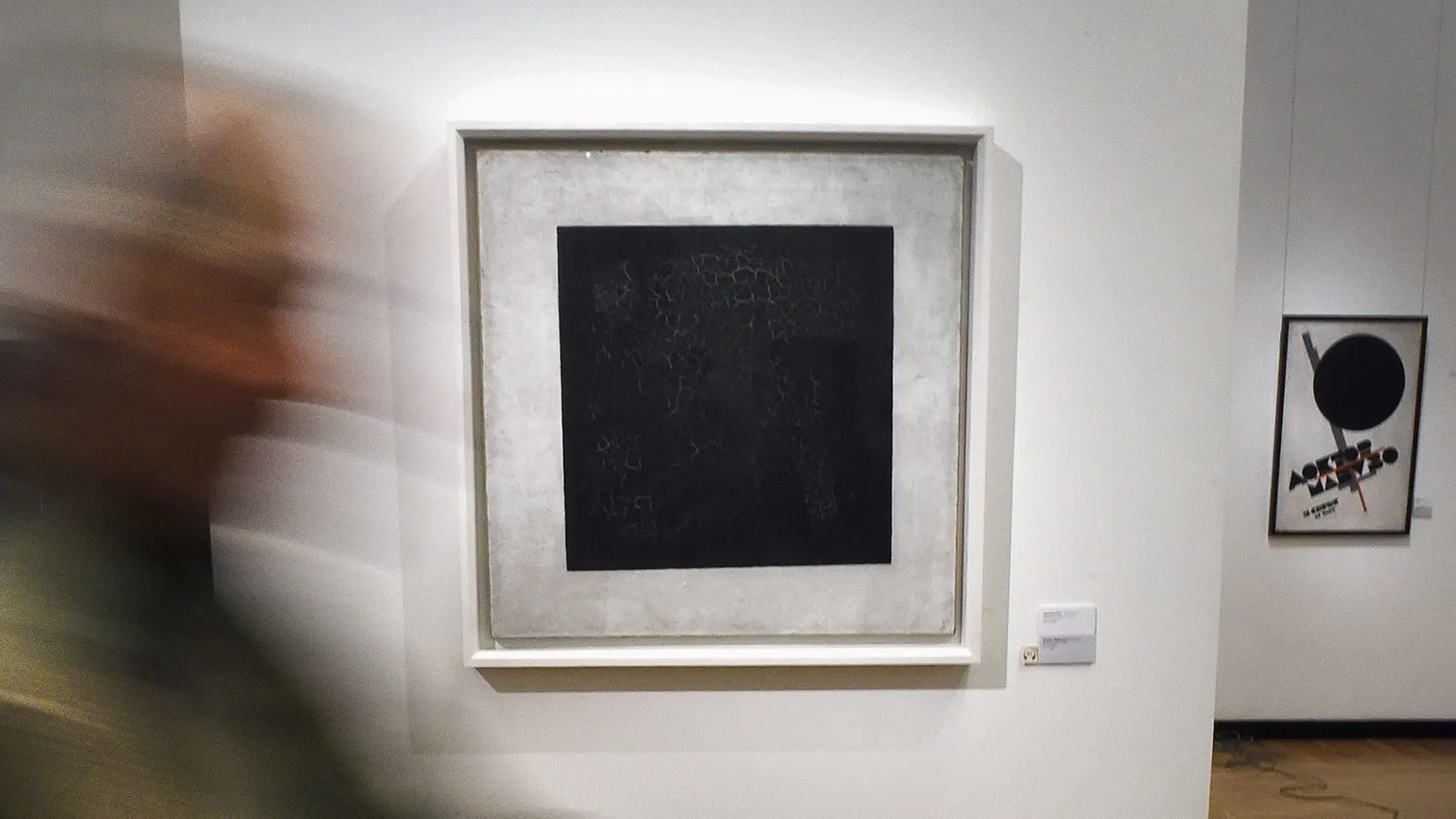
Malevich didn't just create a square; He introduced a new philosophy of art in which form and color become the primary tools of expression. The Black Square became a key element of Suprematism, a movement that emphasized the importance of abstract form and pure color. This work not only changed ideas about painting but also influenced the development of modern art, opening new horizons for creativity and self-expression. Suprematism, as a philosophy, calls for the liberation of art from its dependence on objects, which makes Malevich's works relevant to this day.
Why is the Black Square important?
Research in contemporary art shows that Kazimir Malevich's Black Square radically changed the perception of painting and became an iconic symbol of the revolution in art. This work influenced not only artists, but also philosophers, architects, and designers. The influence of Malevich's work continues today, inspiring new generations of creators and researchers. "Black Square" became the basis for further experiments in abstract art and opened new horizons in understanding visual aesthetics.
Frequently Asked Questions
Kazimir Malevich's "Black Square" occupies a special place in contemporary art. This painting, created in 1915, became a symbol of abstractionism and a radical rethinking of artistic forms. "Black Square" embodies a rejection of traditional notions of painting, emphasizing that art can exist beyond naturalistic forms and subjects.
Malevich's work provokes viewers to reflect on the essence of art, its functions, and boundaries. This work became the basis for the development of conceptual art and opened new horizons for experimentation with form and content. In the contemporary context, "The Black Square" continues to provoke discussions about the role of the artist and the perception of the viewer, becoming an important element of cultural and artistic dialogue.
Thus, "The Black Square" not only changed the approach to painting but also became a symbol of the search for new meanings in art, which makes it significant and relevant even today.
"The Black Square" is a pioneer of abstract art and continues to be at the center of discussions about the meaning of art in modern society. Its impact on the development of contemporary art is difficult to overestimate, and it remains a symbol of revolutionary changes in artistic practices.
Where can I see "The Black Square"?
"The Black Square" by Kazimir Malevich is one of the most famous paintings in the art world. For those wishing to become acquainted with this work, there are several places where they can see the original or its replicas. The main place where "The Black Square" is kept is the Tretyakov Gallery in Moscow. Reproductions and interpretations of the painting can also be found in modern art museums and art exhibitions around the world. Don't miss exhibitions dedicated to avant-garde art, which often feature works by Malevich and his contemporaries.
Works by Kazimir Malevich are housed in the State Russian Museum in St. Petersburg and the Tretyakov Gallery in Moscow. These art institutions are important cultural centers and a must-see for anyone interested in art and the history of painting. Exhibitions dedicated to Malevich offer a unique opportunity to discover his innovative contribution to art and understand the influence of Suprematism on contemporary painting.
Art: Beauty or Concept?
For centuries, art has been invariably associated with aesthetics and harmony. Since ancient times, artists have sought to create works that not only please the eye but also evoke admiration. However, by the 20th century, the concept of art underwent significant changes. During this period, experiments with form and content began, leading to new directions where the emphasis shifted from traditional ideas of beauty to deeper and more complex concepts. This change opened the door to various artistic movements that began to reflect the realities of the time and the inner world of man. Art became a means of self-expression and discussion of social, political, and cultural issues, which made it more multifaceted and relevant.
With the invention of photography in the 19th century, artists had a unique opportunity to abandon strict realism in their works. This event marked a significant milestone in the development of art, allowing creators to focus on expressing their emotions and perceiving the world around them. Art ceased to be a simple reflection of reality and began to explore the artist's inner feelings and experiences in depth. This shift opened new horizons for artists, allowing them to experiment with forms, colors, and compositions, which in turn contributed to the development of various artistic movements.
Art continues to evolve, creating new questions for researchers and artists. Questions about the essence of art, such as "What is art?" and "Where are its boundaries?", have become relevant in the artistic community. Experimentation in this area led to the creation of iconic works, such as Kazimir Malevich's "Black Square." This work became a symbol of a new approach to art, opening the way to abstraction and conceptual thinking. The exploration and rethinking of art continues to inspire new generations of creators and viewers, expanding the horizons of perception and understanding of artistic expression.
Many believe: "I can create this picture too." However, behind this seemingly simple idea lie profound concepts and an innovative approach to art. Creating a work of art requires not only technical skill but also an understanding of the context, emotions, and ideas the artist seeks to convey. Viewing art from this perspective, we understand that each work is the result of a complex creative process that combines both craftsmanship and philosophy.
A Revolution in Art: The Legacy of Kazimir Malevich
Malevich's work goes beyond the familiar, easily replicated form and focuses on the concept he presented. In his time, painting represented a traditional reflection of reality, including portraits, landscapes, and everyday scenes. Malevich opened a new era in art, proving that painting could serve not only as a reflection of the physical world but also as a means of expressing abstract ideas. His works marked the beginning of abstract art, changing the concept of what painting is.
In his famous work "Black Square," Kazimir Malevich emphasized that true art becomes possible only when the viewer frees itself from the habit of perceiving paintings as images of nature, religious scenes, or nude figures. This idea laid the foundations of abstract art and led to a new understanding of the role of painting. Malevich proposed viewing painting as an independent language capable of expressing emotions and ideas without being tied to reality. This radically changed the perception of art and opened new horizons for artists.
Malevich did not simply paint a square black; he introduced a new approach to perceiving art. His genius lay in the fact that he took painting beyond traditional concepts, demonstrating that art can be more than just an image. This innovation became the basis for many modern artistic movements, including minimalism and conceptual art. Malevich's works have redefined the roles of artist and viewer, opening new horizons for interpretation and expression in art.
Hasn't anyone thought of this before?
At first glance, it might seem that artistic experiments similar to Kazimir Malevich's "Black Square" have occurred before. In 1883, journalist and artist Alphonse Allais presented his work "Battle of Negroes in a Cave in the Dead of Night." This painting, a black rectangle, has sparked a wide range of questions and discussions in artistic circles. Interest in abstract art and its interpretation underscores the importance of such works in the context of the development of artistic thought. Works like Allais's open new horizons for the perception of art, challenging the viewer and prompting deep reflection on the meaning and significance of artistic forms.
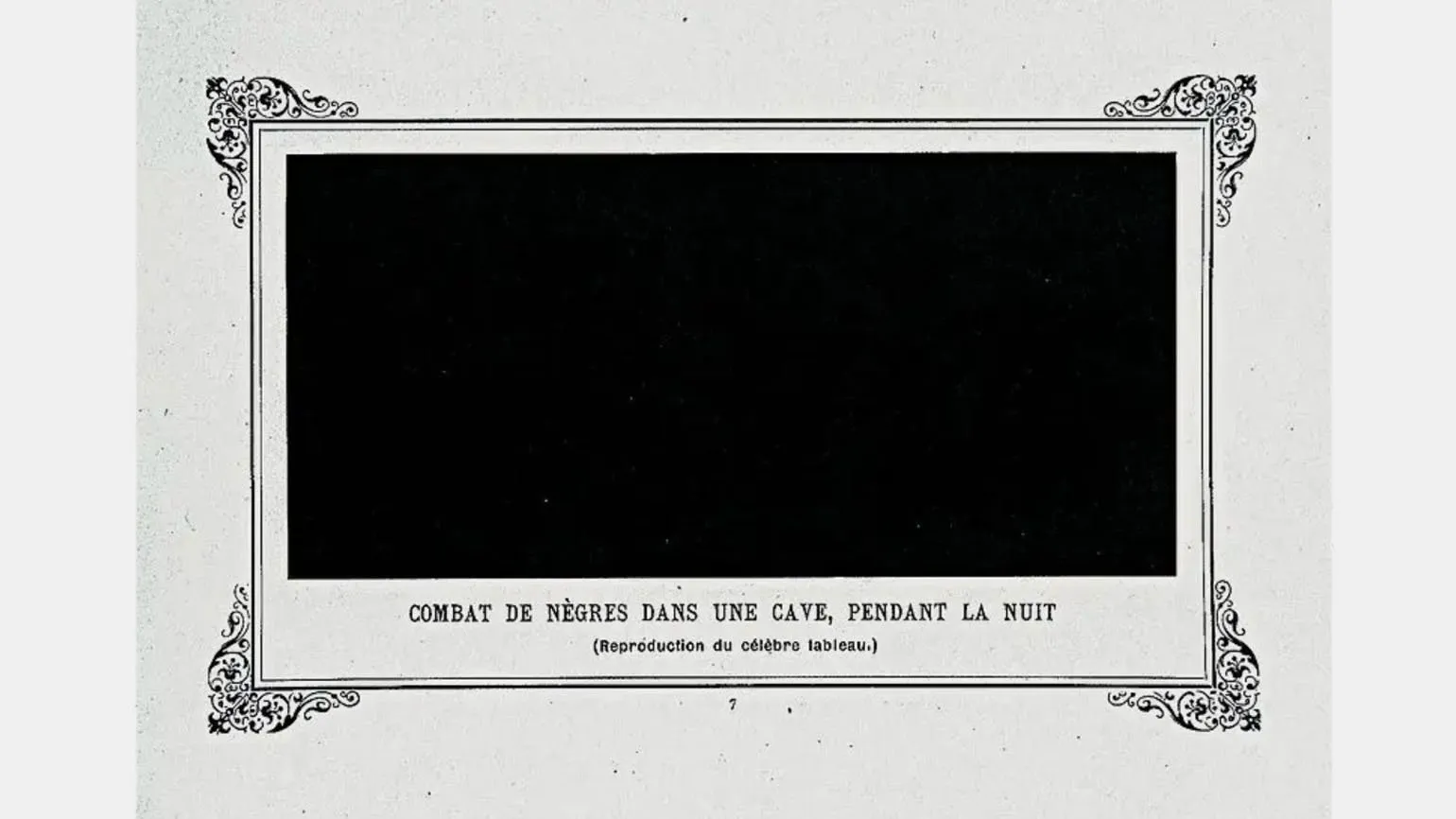
The works of Allais and Malevich do have superficial similarities, but upon closer analysis, significant differences can be revealed. Allais created a unique series consisting of seven paintings, among which the green one ("Pimps in their prime, lying on the grass and drinking absinthe") and the yellow one ("Fumbling with ochre of icteric cuckolds") stand out. These works, despite the lack of traditional images, have a clearly defined plot and offer the viewer the opportunity to play with perception. Both works demonstrate a deep conceptual nature, but the artists’ approaches to conveying the idea and emotional impact on the viewer differ.
Allais invites viewers to pay attention to hidden details, such as red cardinals against the background of a red sea, emphasizing their existence within the framework of the red plane. In contrast, Malevich approaches his work with a different depth. His work "Square" is devoid of characters and familiar visual elements - it contains only form and color: a black square. This contrast between their approaches opens new horizons in the perception of art, forcing viewers to reflect on the meaning of color and form in abstract expression.
It is unknown whether Malevich had any idea about Alla's work. However, a study conducted in 2015 by specialists at the Tretyakov Gallery revealed an inscription in the infrared spectrum of the corner of the painting that may indicate a connection with the French artist. The question of whether Malevich himself added this postscript or it happened later remains open.
Contrast in Color Choice: Alla and Malevich
The choice of color in painting is an important aspect that is often discussed in the context of the works of such masters as Kazimir Malevich and his contemporary Alla. Allais is known for his fascination with bright, saturated hues, which imbue his works with energy and dynamism. In contrast, Kazimir Malevich used more subdued and sometimes somber colors, lending his works a unique atmosphere and depth. The contrast between their approaches to color highlights the diversity of artistic expression and allows for a better understanding of the evolution of painting during their eras.
The primary reason for choosing black in "Black Square" is its profound symbolism. Black, the result of mixing all the colors of the spectrum, represents the absence of light in the context of painting. This makes Kazimir Malevich's work unique. "Black Square" represents the moment when painting loses its traditional essence and enters a new plane of artistic perception. This anti-painting opens new horizons for the viewer, forcing them to reflect on the nature of painting and its role in contemporary art.
A closer analysis of "Black Square" reveals many surprising nuances that highlight the artist's mastery. This work not only symbolizes a revolution in art but also invites the viewer into a world of profound reflection on perception and interpretation. Every element of the painting, including the texture and shades of black, reveals a richness of concept, prompting reflection on the meaning of abstraction in contemporary art. Thus, the "Black Square" becomes not just a work of art, but a true philosophical statement that continues to inspire and provoke discussion.
Malevich did not limit himself to the standard black color, but created a unique shade using a special mixture of pigments. The black was obtained from burnt bone, which replaced traditional soot, and also included black ocher and copper arsenide, a dark green pigment. To achieve depth and color saturation, he added chalk, which prevented unwanted glare and improved texture. This approach to creating black highlights Malevich's mastery and his commitment to innovation in art.
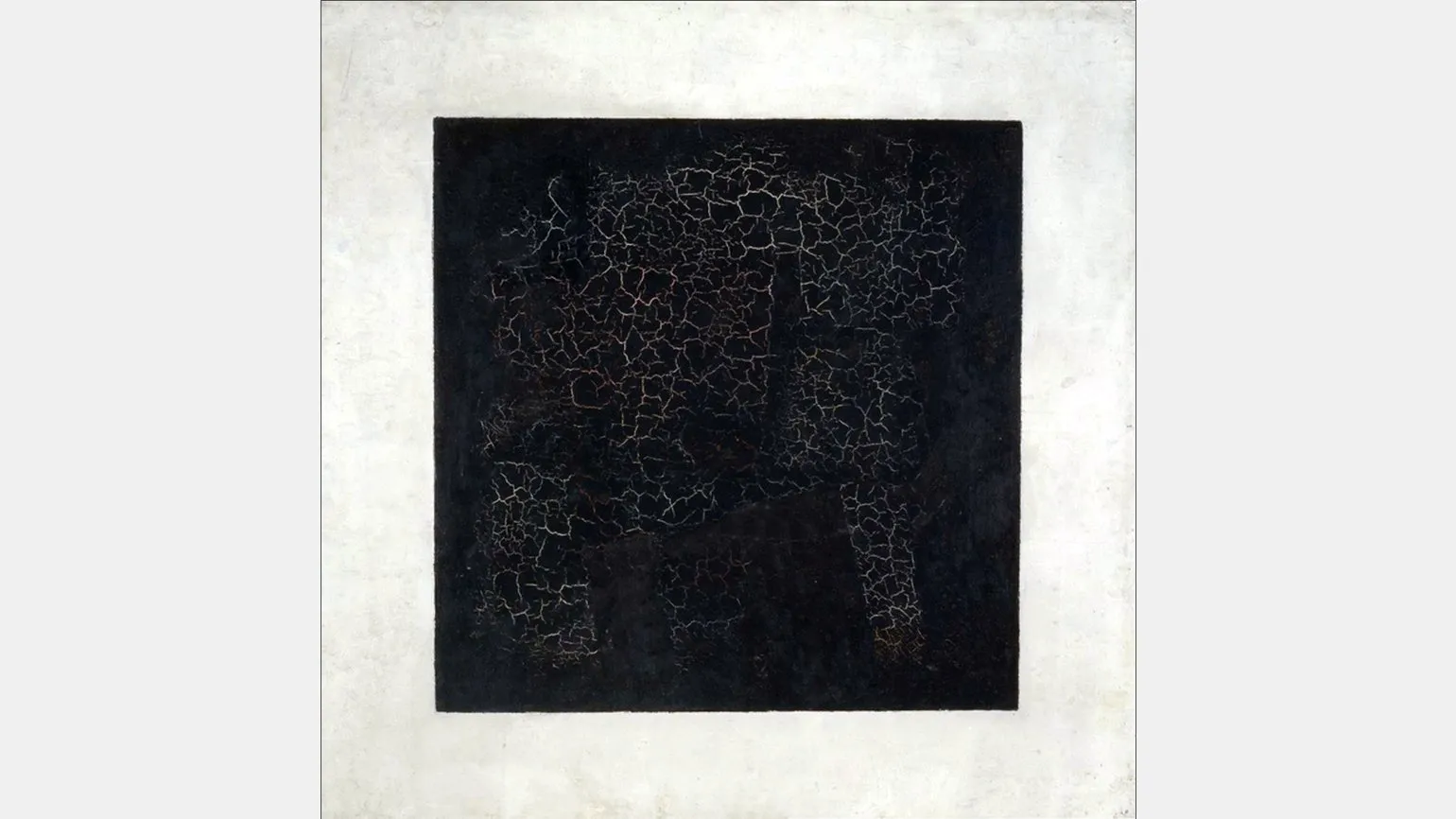
Secondly, upon close examination of the earliest of the "Black Squares," one can notice that its surface is riddled with cracks, known as craquelure. These cracks provide a glimpse behind the black surface, symbolizing hidden depths and secrets that may lie beyond the visible. This element of the work highlights the complexity and multi-layered nature of the artwork, inviting the viewer to deep analysis and reflection on what lies beneath the surface.
Secrets under the Black Square: What was discovered Scientists?
Recent research has marked an important milestone in the study of art. In 1915, Kazimir Malevich, experiencing financial difficulties, created his first "Black Square" on canvas previously used for other works. X-ray analysis conducted in 2015 revealed interesting details beneath this famous work. These findings open new perspectives for understanding Malevich's work and his influence on contemporary art.
"Black Square" consists of two paintings created in the avant-garde style. One is a Cubo-Futurist work, and the other is an early Suprematist work that did not satisfy the artist himself. These works highlight the diversity of Kazimir Malevich's work and his experimental approach to art, demonstrating the development of avant-garde movements in the early 20th century.
Suprematism is an artistic movement created by Kazimir Malevich that emphasizes simple geometric forms and vibrant colors. Suprematist works often lack traditional subject matter, allowing the viewer to focus on the emotional perception of color and form. Art historians argue that the first "Black Square" conceals one of Malevich's early experiments, which ultimately left him dissatisfied. Suprematism became an important milestone in the development of modern art, opening new horizons for abstraction and expressiveness.
Discoveries in the work of Kazimir Malevich not only deepen our understanding of his art but also highlight the importance of modern technology in the study of works of art. In-depth studies similar to those conducted in 2015 have the potential to uncover new secrets hidden beneath well-known masterpieces. Thus, the application of modern analytical methods in art criticism opens new horizons for the study and interpretation of Malevich's work, contributing to a deeper understanding of his contribution to art.
The First Version of the "Black Square": Significance and Context
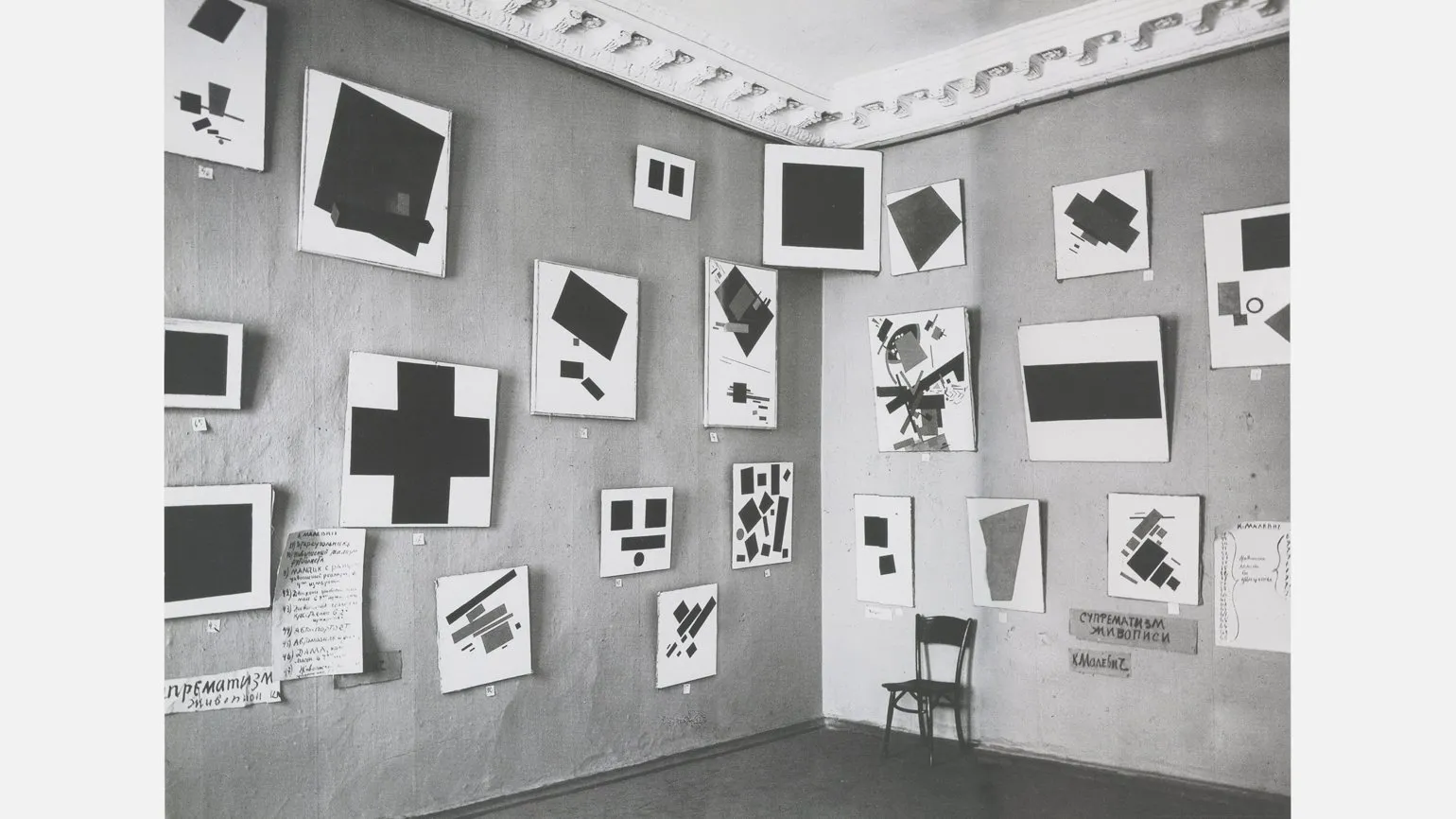
There are four versions of Kazimir Malevich's famous "Black Square," each representing an important element in art history. The first version was shown at the Futurist exhibition "0.10" in 1915. This event became a landmark moment in the development of the Russian avant-garde and had a significant influence on contemporary art. The "Black Square" became a symbol of revolutionary changes in the perception of painting and opened new horizons for abstract art.
The exhibition featured forty works by Kazimir Malevich, among which the square occupied a central place. The artist placed it similar to the way icons were hung in the "red corner" in traditional Russian homes, emphasizing its significance and symbolic meaning in the context of art. The square became not only the main element of the exhibition, but also a symbol of a new artistic paradigm, reflecting the ideas of Suprematism and rethinking the concepts of form and color.
Where can I see the original "Black Square"?
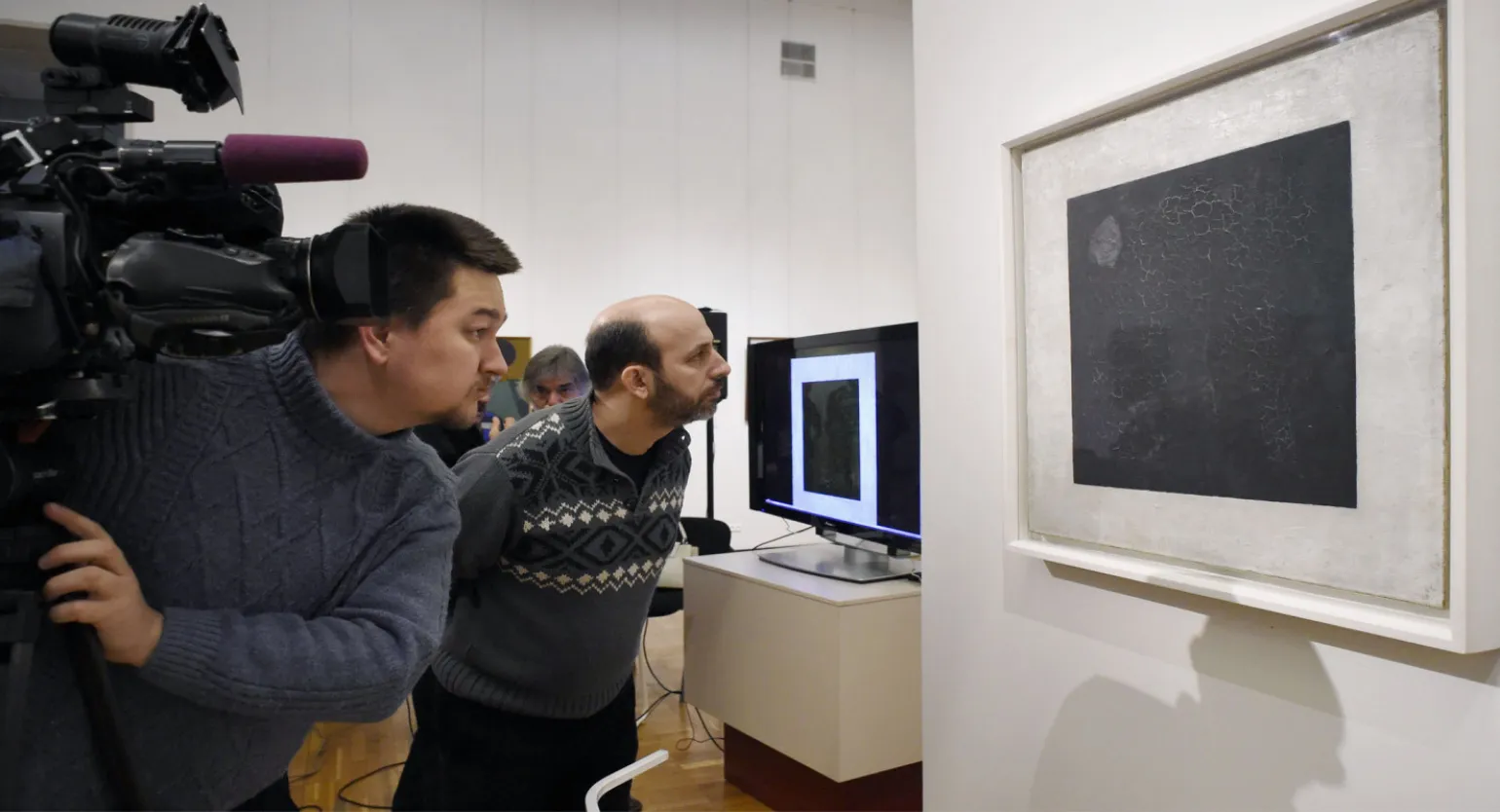
The first "Black Square" is in the Tretyakov Gallery in Moscow. Visitors have the opportunity to closely examine this work, appreciating not only its rich black color, but also the craquelures that have appeared over time. These details help to deeper understand the technique and materials used by the artist. The Tretyakov Gallery offers a unique atmosphere for perceiving art, allowing everyone to see and feel the importance of this iconic work in the context of contemporary art.
The Influence of the "Black Square" on Contemporary Art
The "Black Square" is not only an iconic work, but also an important symbol of the revolution in art, which opened new horizons for abstraction and conceptual art. This work has had a significant influence on numerous subsequent artists and artistic movements, including minimalism and postmodernism. "Black Square" became a starting point for rethinking the role of art in society, provoking discussions about the nature of creativity and perception. Its conceptual simplicity and profound meaning continue to inspire artists and researchers, emphasizing the importance of experimentation in contemporary art.
Frequently Asked Questions about the "Black Square"
What is the value of Kazimir Malevich's "Black Square"? Although this work is not for sale, it is considered priceless. "The Black Square" is an important milestone in the history of art and an integral part of cultural heritage. Its influence on contemporary art and the perception of abstraction cannot be overestimated, which makes its value exceptionally high.
Kazimir Malevich's "Black Square" is of great significance in art, personifying the transition from realism to abstraction. This work became fundamental for many subsequent artistic movements, such as Suprematism and Abstract Expressionism. "The Black Square" not only destroys traditional notions of painting but also opens new horizons for the perception of art. His influence is felt in contemporary art, where abstraction and minimalism continue to occupy an important place.
The Origin of Kazimir Malevich's Three Additional Black Squares
The history of Kazimir Malevich's three additional Black Squares adds depth and intrigue to his artistic legacy and to Suprematism as a whole. One of these squares is kept in the Russian Museum. Painted in 1923, it was part of a triptych presented at the International Exhibition in Venice, which showcased key elements of Suprematism, such as the Black Square, Black Circle, and Black Cross. This work was created in collaboration with Malevich's students, and many researchers believe that the artist did not complete it alone. Exploring these squares opens new horizons for understanding not only Malevich's work but also the influence of Suprematism on contemporary art.
The third "Black Square" was created in 1929 for a solo exhibition at the Tretyakov Gallery. This work is virtually identical to the "Black Square" painted in 1915. In 2019, both squares were exhibited together, which became a significant event for art lovers and admirers of Kazimir Malevich. The exhibition attracted attention and highlighted the importance of these works in the context of contemporary art and their influence on the development of abstraction.
The fourth "Black Square" has a fascinating history. This painting was created in 1931-1932 for the exhibition "Artists of the RSFSR over 15 Years," but its fate took an unexpected turn: it was forgotten for more than half a century. In 1993, the painting was accidentally discovered by a man who intended to sell it to a bank. It turned out that his wife was a distant descendant of Kazimir Malevich. As a result, the family donated several more works of art to the bank, and an examination by the Tretyakov Gallery confirmed the authenticity of this unique square. Since 2000, the painting has been exhibited at the State Hermitage Museum, allowing art lovers to see this masterpiece not only in Moscow but also in St. Petersburg. The fourth "Black Square" continues to attract attention and interest from viewers, confirming its significance in the history of the Russian avant-garde.
Why visit a museum when everything is available online?
The Internet truly offers a wealth of information. You can examine images of paintings and get a general idea of them. However, this is only a superficial perception of art. To understand the works more deeply, it is necessary to study their context, history of creation, and technique of execution. Only then can one appreciate the true value and meaning of art.
A visit to the museum housing Kazimir Malevich's "Black Square" allows one to immerse oneself in the depths of this work of art. The perception of a painting is formed not only through its content and color scheme, but also through such important aspects as the painting's size, the texture of the canvas, and the brushstroke technique. These elements can only be appreciated in situ, making the museum experience unique. Furthermore, museums reveal details that are not visible in digital reproductions, emphasizing the value of experiencing art in person.
Modern research confirms that interacting with art in real time promotes the development of critical thinking and emotional sensitivity. According to The Art Newspaper, visiting art exhibitions not only improves one's psycho-emotional state but also promotes creativity. Participating in cultural events such as exhibitions helps people better understand their emotions and expands their horizons of perception, which in turn has a positive impact on personal and professional growth. Thus, art plays a key role in the development of important skills needed in modern society.
Museums regularly host special events, lectures, and tours that promote an in-depth study of the artworks on display. These activities allow visitors to expand their knowledge and better understand the context of cultural heritage. Participation in such events enriches the perception of art and creates unique opportunities for personal and intellectual growth.
Results: The Genius of the "Black Square" as a Symbol of Art
Kazimir Malevich's "Black Square" is one of the most iconic works in modern art and painting. At first glance, its minimalist approach may seem simple, but this apparent simplicity conceals profound philosophical and cultural meanings. This work not only marks the transition to abstract art but also reflects the ideas of the avant-garde, anticipating many concepts that would later become fundamental in the artistic world. "Black Square" symbolizes not only the rejection of traditional forms but also the desire for a new perception of reality, making it relevant today.
This art object became a symbol of the avant-garde and an entire era, radically changing the perception of art. "Black Square" became not just a painting but a powerful manifesto that challenged traditional norms of artistic creativity. He opened new horizons for self-expression and inspired many artists to experiment with form and content, thereby determining the further development of contemporary art.
Commercial Illustrator: 5 Steps to Success in the Profession
Want to become a commercial illustrator? Learn 5 steps to creating a portfolio and promoting your personal brand!
Learn more