
Contents:
- What is sketching and its importance in art?
- What is a sketch: analysis of basic concepts
- Popular types of sketching: revealing secrets
- Why is sketching needed in the modern world?
- What tools are suitable for drawing sketches?
- What level of detail is needed for a sketch?
- Effective recommendations for beginner sketchers

Sketching on a tablet: 7 simple steps for Beginners
Learn moreWhat is sketching and its importance in art?
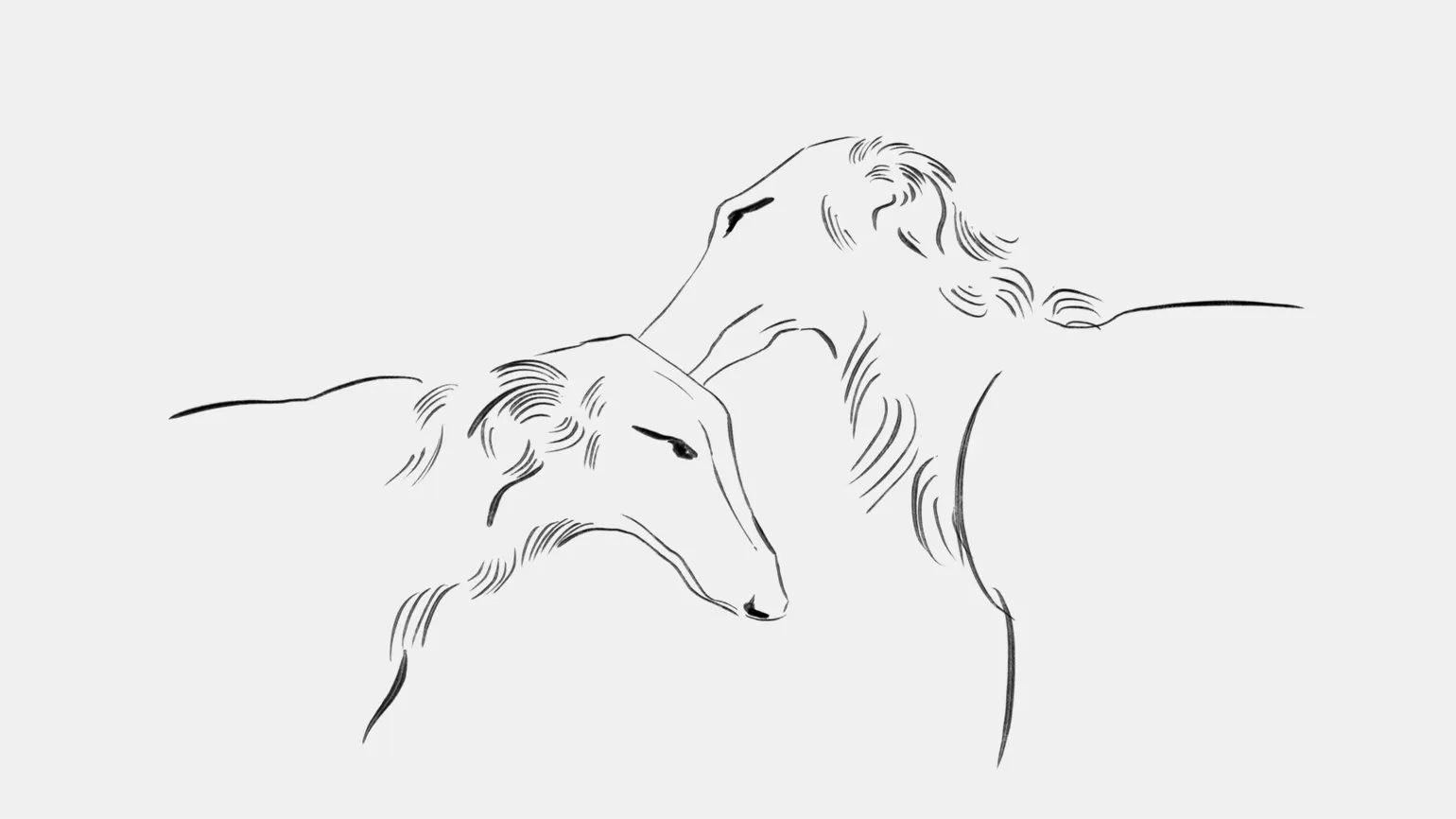
Sketching is a special quick drawing technique that allows artists to capture their ideas in the form of sketches. The word "sketch" is translated from English as "sketch" or "outline". In the classical sense, sketching serves as a preparatory stage before creating larger artistic works, such as paintings or sculptures. This technique helps develop drawing skills, improve the perception of forms and composition, and also serves as an excellent way to visualize concepts. Sketching can be used by both professional and amateur artists and is suitable for any style and technique. Sketching, despite its speed, is no less valuable. The main idea behind sketching is that artists create drawings spontaneously, using confident and bold lines. Mistakes may occur during the process, especially among beginning artists, but this does not diminish the value of their work. Sketches reflect the creative process and individual style, making each work unique. Sketching is an important tool for visualizing ideas and observations. These quick sketches form the basis for further artistic development and experimentation. Sketching is used in various fields, such as architecture, illustration, and design, allowing professionals to quickly capture concepts and develop them further. This approach not only helps improve the creative process, but also promotes more effective communication of ideas between professionals and clients.
What is a Sketch: Understanding the Basics
A sketch is not only an artistic outline but also an effective method of visually expressing ideas and concepts. It does not require high precision or flawless execution, making it accessible to a wide range of people. The main goal of a sketch is to convey the essence of an idea or mood, rather than to create a finished work of art. This approach allows you to quickly capture thoughts and images, which is especially useful during project development and presentations. Sketching makes it easy to visualize ideas and share them with others, which contributes to a more effective communication process.
Unlike classical drawing, sketching emphasizes functionality and practical application. This method allows you to effectively demonstrate product concepts, convey the atmosphere of a scene, or simplify the perception of complex techniques. Sketches serve as an essential tool in design and development, helping to visualize ideas and facilitate communication between teams. Using sketches in the design process facilitates a quicker and clearer understanding of goals and objectives, making them indispensable in the modern creative process.
In this article, we'll examine the differences between a sketch, a draft, and a rough draft, and discuss key aspects of these concepts in the context of art. Understanding these terms will help you better navigate artistic practice and evaluate artists' work. We will analyze the characteristics of each type of graphics, their functions and applications, which will allow us to deepen our knowledge in the field of artistic creativity.
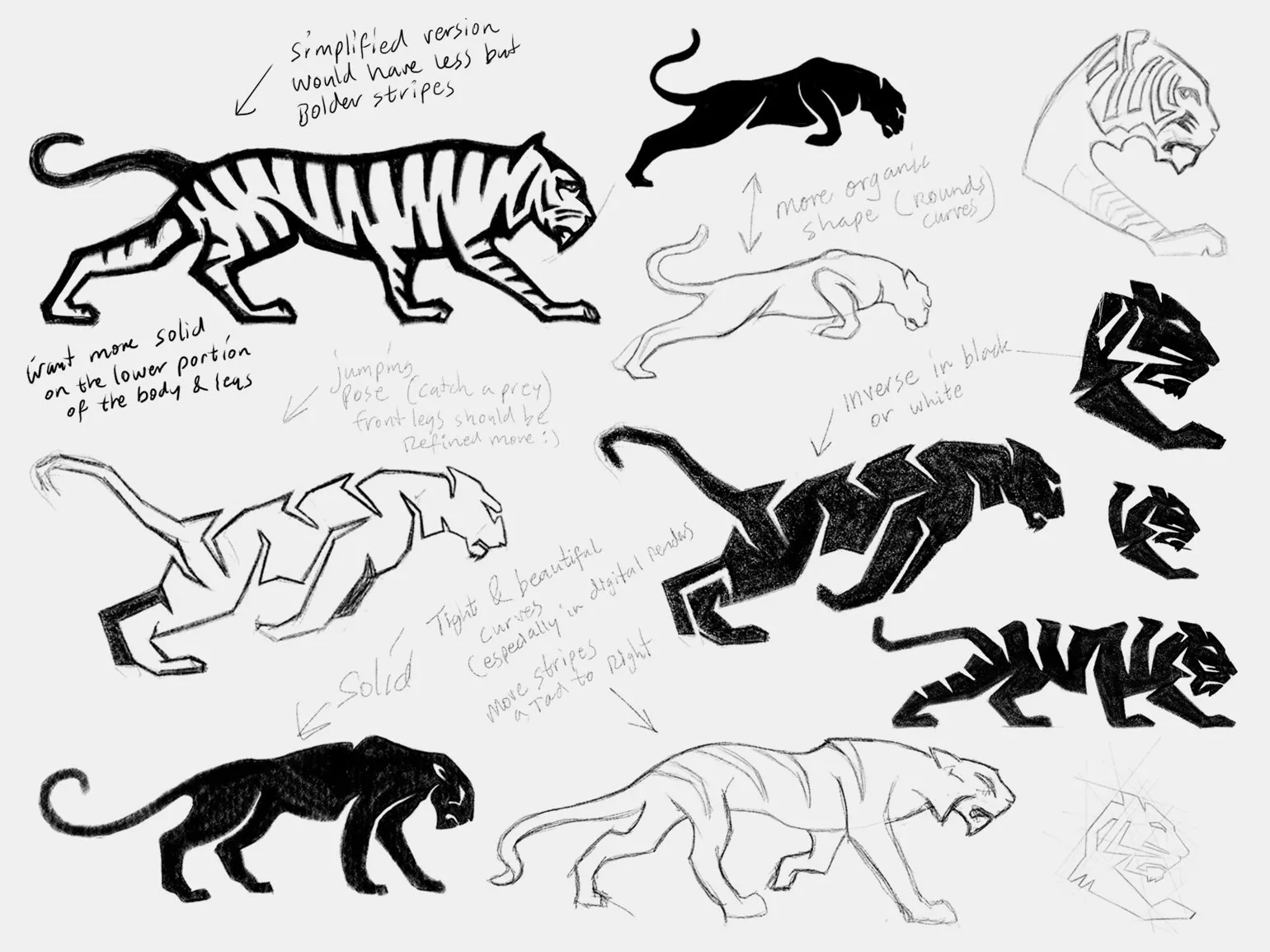
Sketching differs from mindless doodles and intuitive images. Sketching uses a rational approach that helps focus on a specific idea or object. This allows for the creation of clearer and more thoughtful visual representations that can serve as a basis for further work. Sketching not only develops artistic skills but also strengthens analytical thinking, making it a valuable tool for designers, architects, and artists.
If you are drawn to various drawing styles, such as doodles, abstraction, and other techniques, we recommend exploring our specialized material. In it, we describe each of these techniques in detail, which will help you expand your knowledge and skills in drawing.

Popular Types of Sketching: Secrets Revealed
Sketching, a free-form drawing, is not limited by strict frameworks and encompasses a variety of styles and directions. This gives artists the opportunity to combine various techniques on a single sheet of paper, resulting in the creation of unique and expressive compositions. However, it is useful for beginning artists to identify the main categories of sketching to more easily navigate this diversity and develop their skills. Studying various approaches and styles will help improve your drawing technique and provide an opportunity to develop your own artistic language.
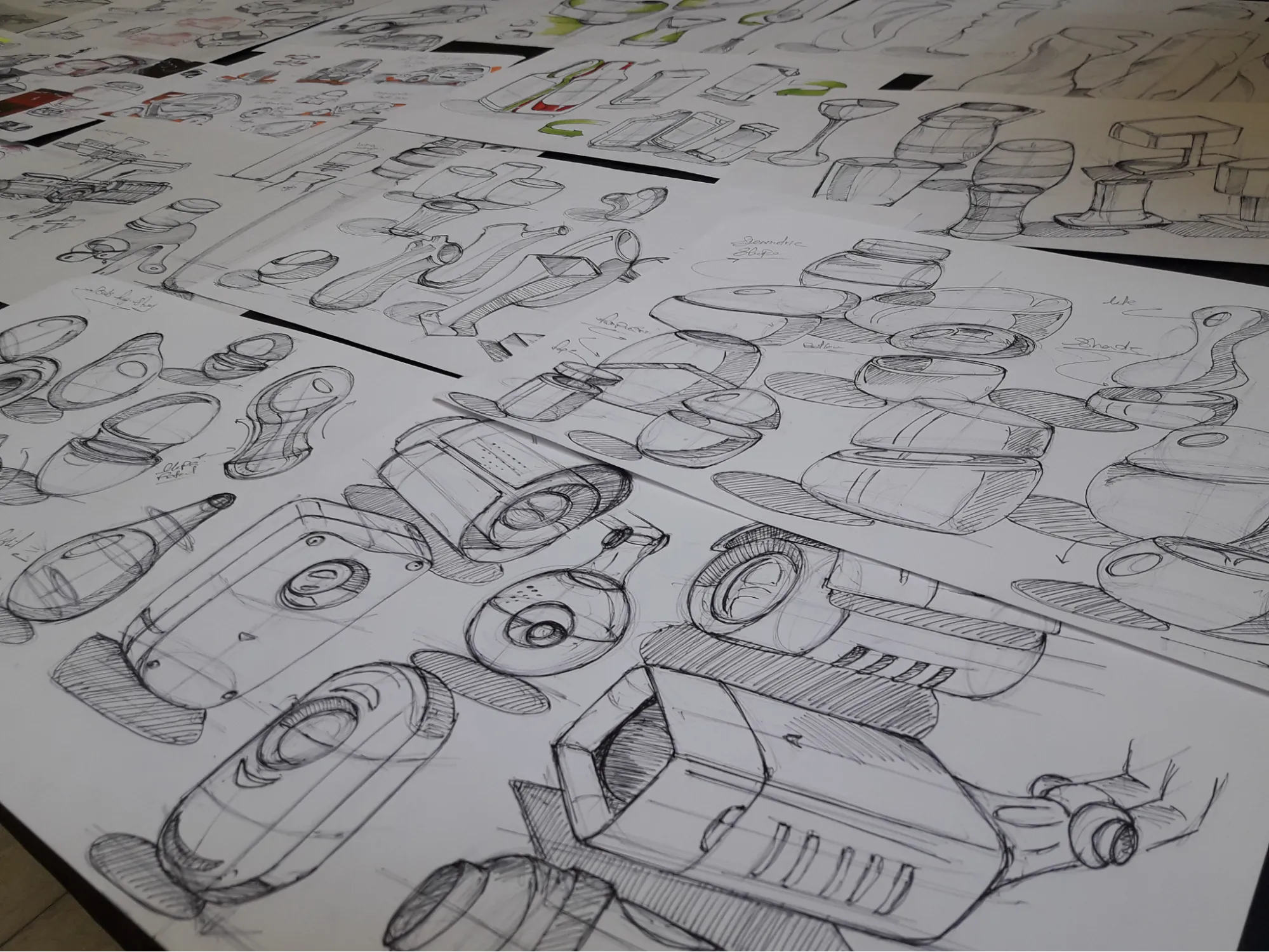
- Engineering and design sketching. These are working sketches of projects that can range from sketches of complex mechanisms to fashion concepts or web design layouts.
- Landscape sketching. This is the art of visualizing ideas for decorating spaces—from small gardens to large city parks.

- Architectural sketching. This is the initial stage of building design, where artists create rough sketches that can later be transformed into full-fledged architectural projects.

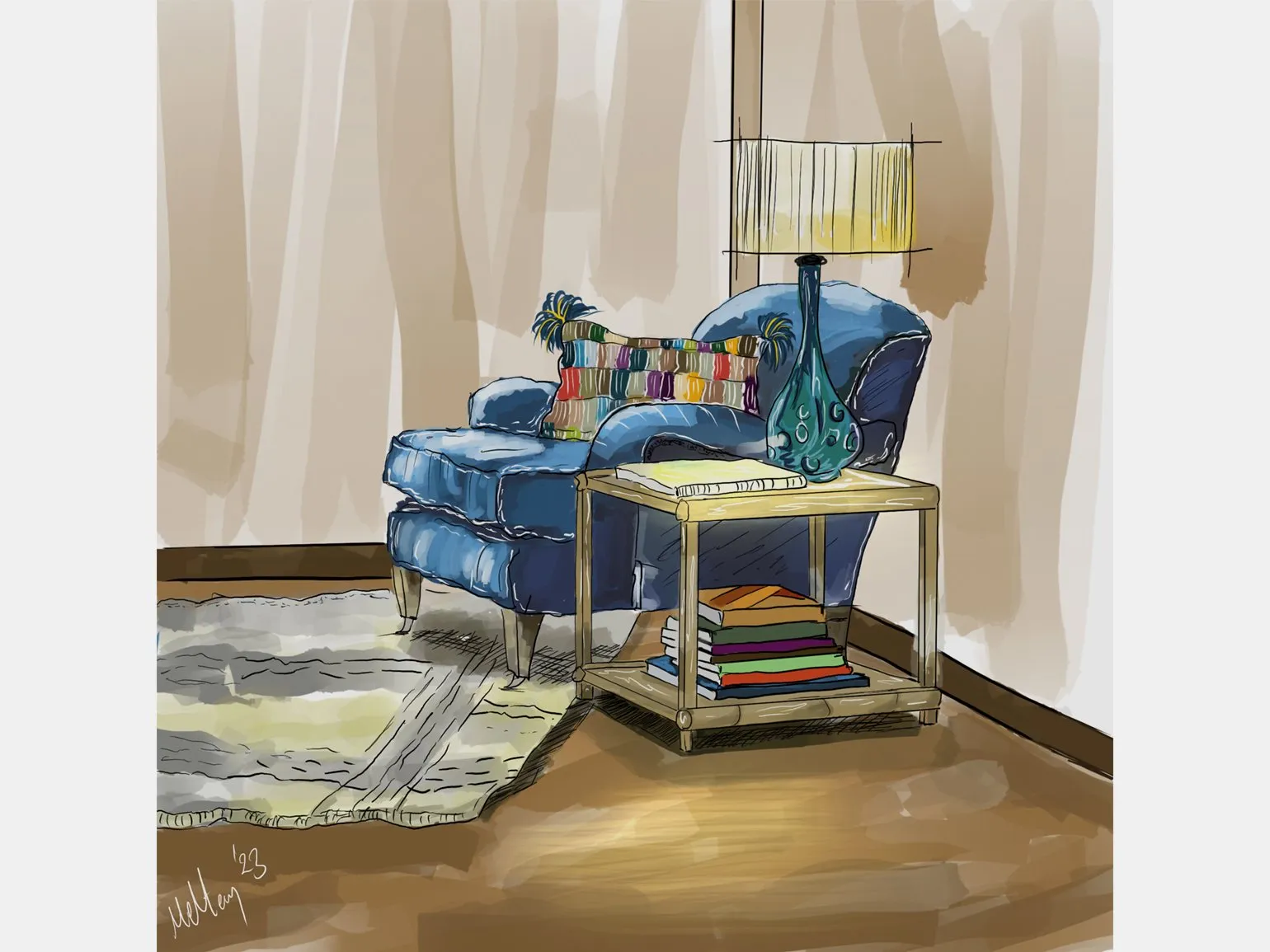
- Interior sketching. Designers use sketches to showcase their interior design ideas, capturing the atmosphere of a space more naturally than rendered images.
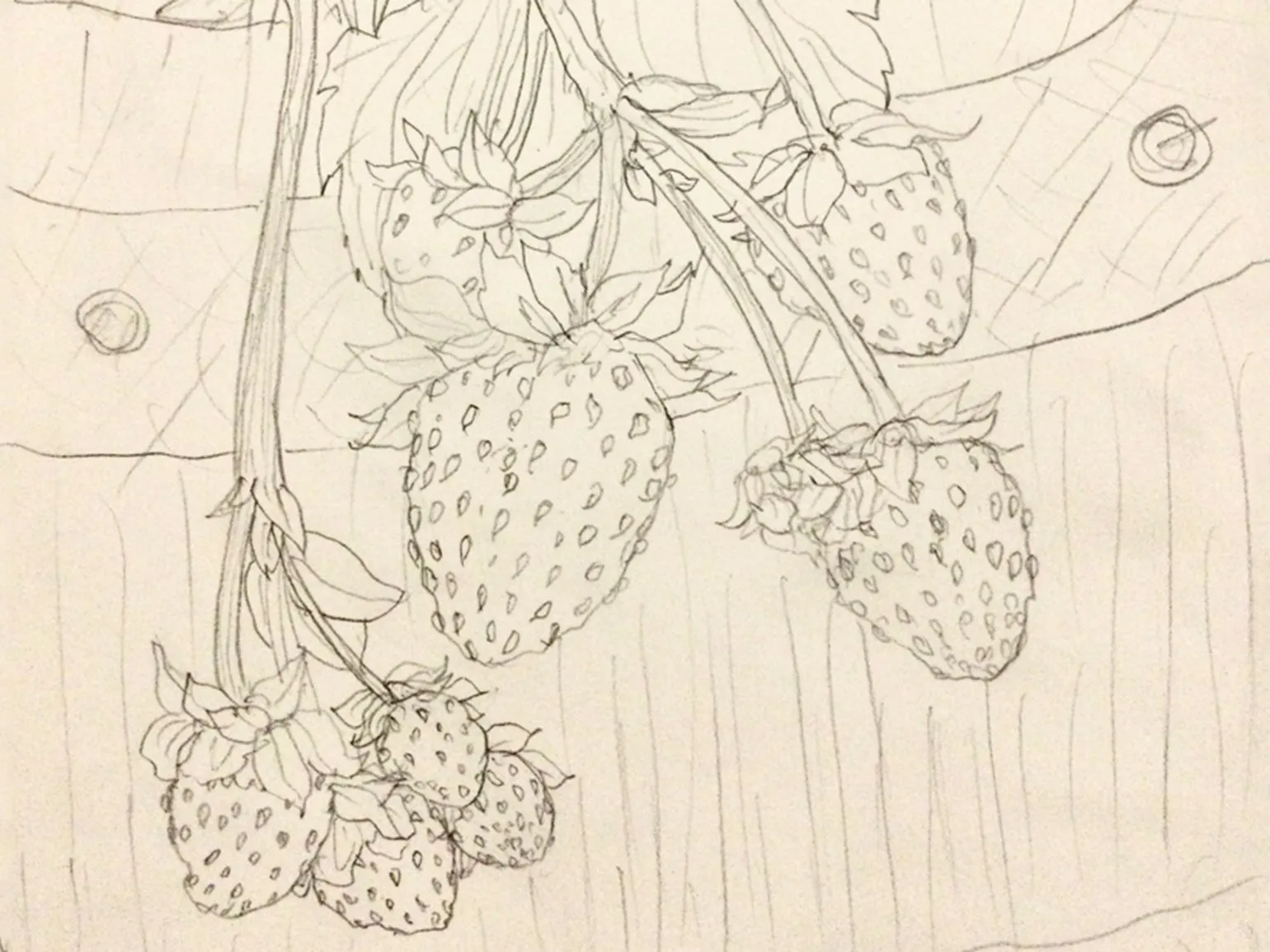
- Botanical Sketching. Quick sketches of plants that help capture their form and texture.
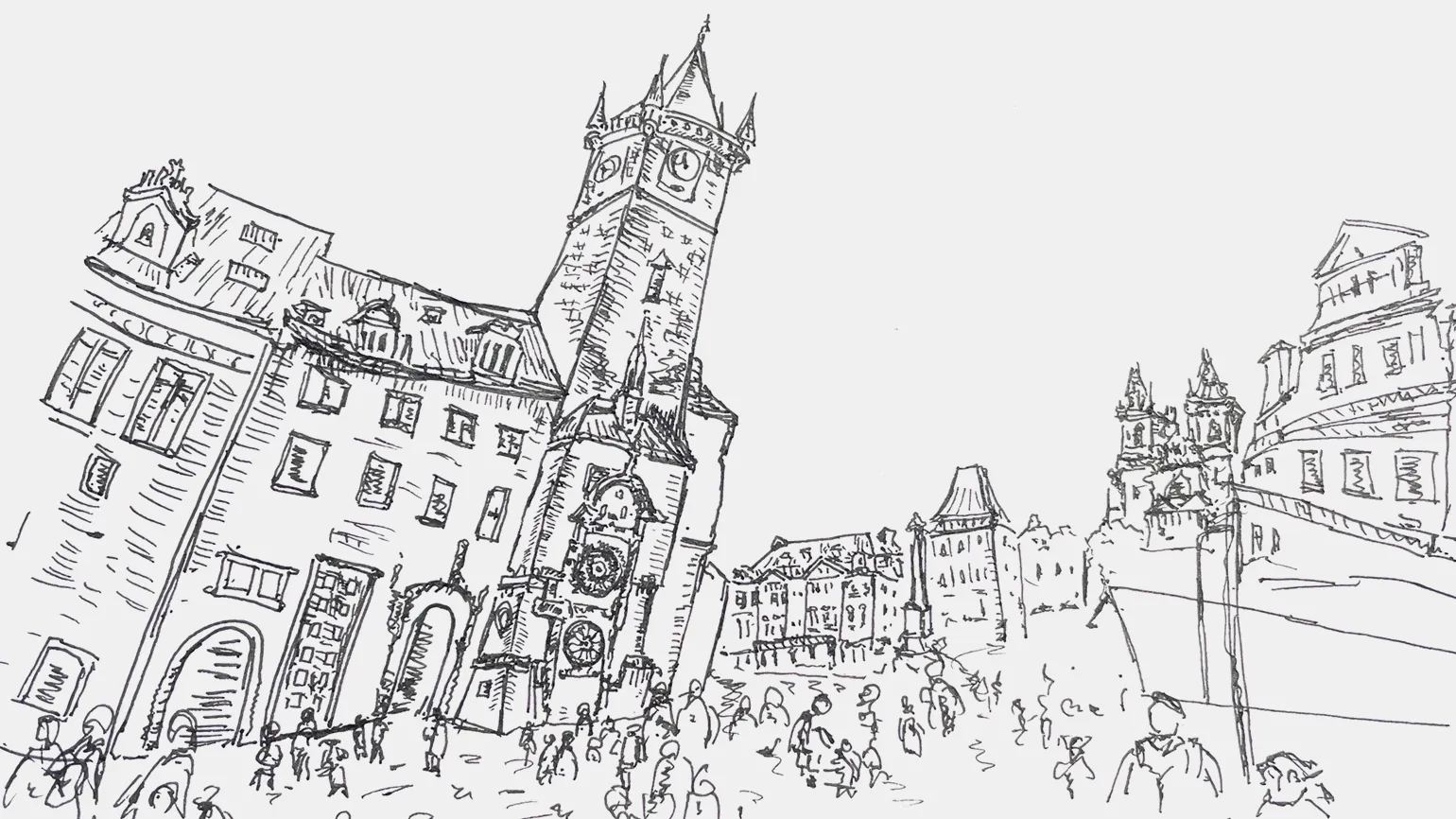
- Travel sketching. This genre allows you to capture the atmosphere of a place while traveling, replacing traditional photographs.
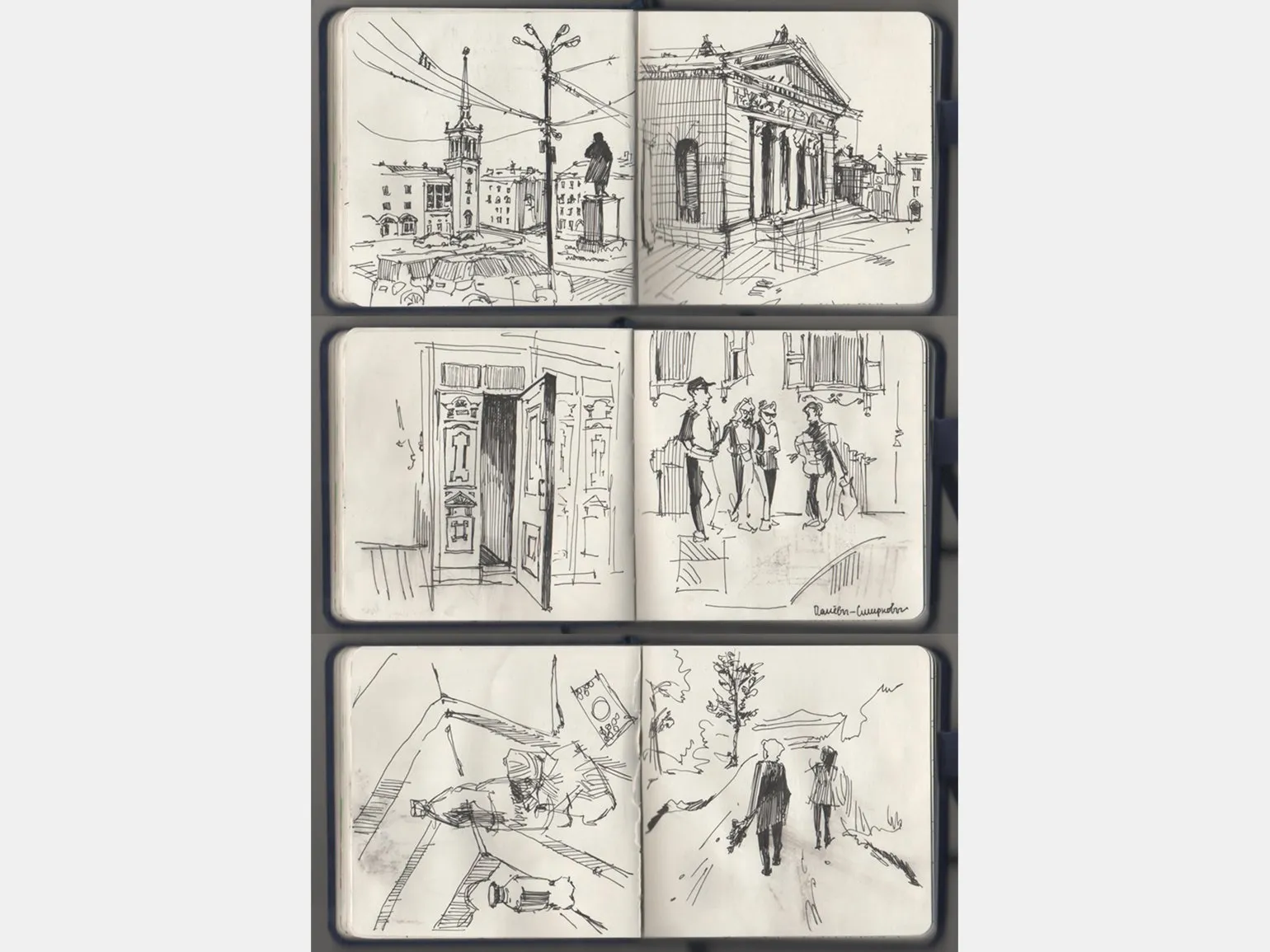
- Everyday sketching. These are sketches of everyday scenes that we see in our lives - from the streets to random passers-by.
- Sketch portraits. These are simple but expressive drawings of faces that convey character and mood.

- Sketch still lifes. This category includes sketches of food and other objects that create harmonious compositions.

Why sketching is needed in modern Sketching is an effective way to visually express ideas and concepts. This method allows you to quickly convey the main characteristics of an object or concept, facilitating their perception and understanding. Sketching allows you to quickly create visual images, making it an indispensable tool in design, marketing, and education. Sketching improves communication and helps you better convey your thoughts to your audience. Sketching serves as an important research tool, allowing you to analyze a topic in greater depth. The process of sketching provides the opportunity to find solutions to various problems and document important discoveries. It is an effective way to visualize ideas, formulate concepts, and improve understanding of the subject under study. Sketching promotes creative thinking and helps identify new approaches to problem solving.
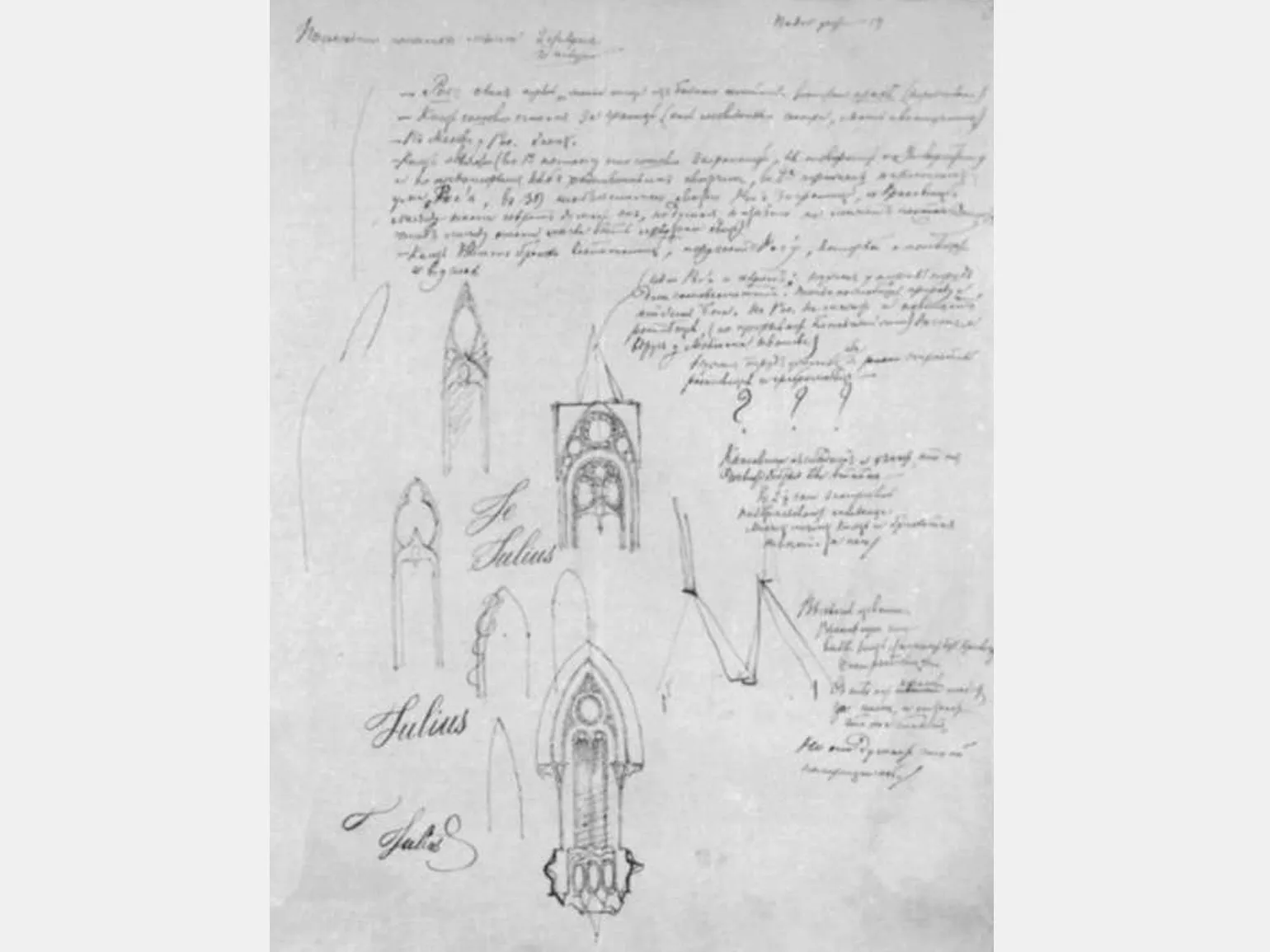
Sketching is an effective tool for developing creativity for both beginners and experienced artists. It allows you to capture vivid moments in life, conveying emotions and atmosphere, and also serves as an excellent alternative to photography while traveling. By practicing sketching, you not only improve your artistic skills but also develop your observation skills and the ability to express ideas visually. This makes sketching an important part of the creative process, facilitating self-expression and inspiration.
Regularly creating visual notes helps overcome creative blocks. Returning to old sketchbooks can be an important source of inspiration, especially when ideas are running dry. Visual notes not only capture ideas but also help develop creativity, allowing you to return to what you have already learned and find new approaches to familiar topics.
Sketching is a key tool in the field of design and engineering. This visualization method helps quickly and effectively communicate ideas, concepts, and project details. Sketching allows designers to experiment with shapes, colors, and composition, fostering deeper understanding and developing creative solutions. Sketching also serves as an excellent foundation for further work, allowing for easy changes and improvements early in the development process. This ultimately improves the quality of the final product and reduces the time it takes to create it.
- capture and develop ideas;
- visualize the user journey;
- find unexpected solutions;
- identify shortcomings early on;
- facilitate approval with clients;
- illustrate processes for better understanding.
Sketching plays a key role in UX/UI design as it allows for a deeper understanding of user needs and identification of their problems. This method provides a quick visual representation of ideas and concepts, which facilitates effective communication between designers and stakeholders. By using sketches, designers can quickly experiment with different solutions, identifying the most convenient and intuitive interface options. Thus, sketching not only speeds up the development process but also improves the quality of the final product, making it more user-focused.
- Product designers use sketches to design interfaces before creating wireframes;
- Graphic designers consider client wishes through visual solutions.
The question of whether a designer needs drawing experience is a source of much debate in the professional community. Experts argue that while drawing skills can be useful, they are not a requirement for a successful design career. It is important to understand that design encompasses many aspects, such as composition, color theory, and user interaction. These skills can be developed without deep artistic skills. In the modern design world, qualities such as creativity, analytical thinking, and the ability to adapt to new technologies are becoming increasingly important. Thus, drawing experience can be an additional plus, but is not a decisive factor for a successful designer.
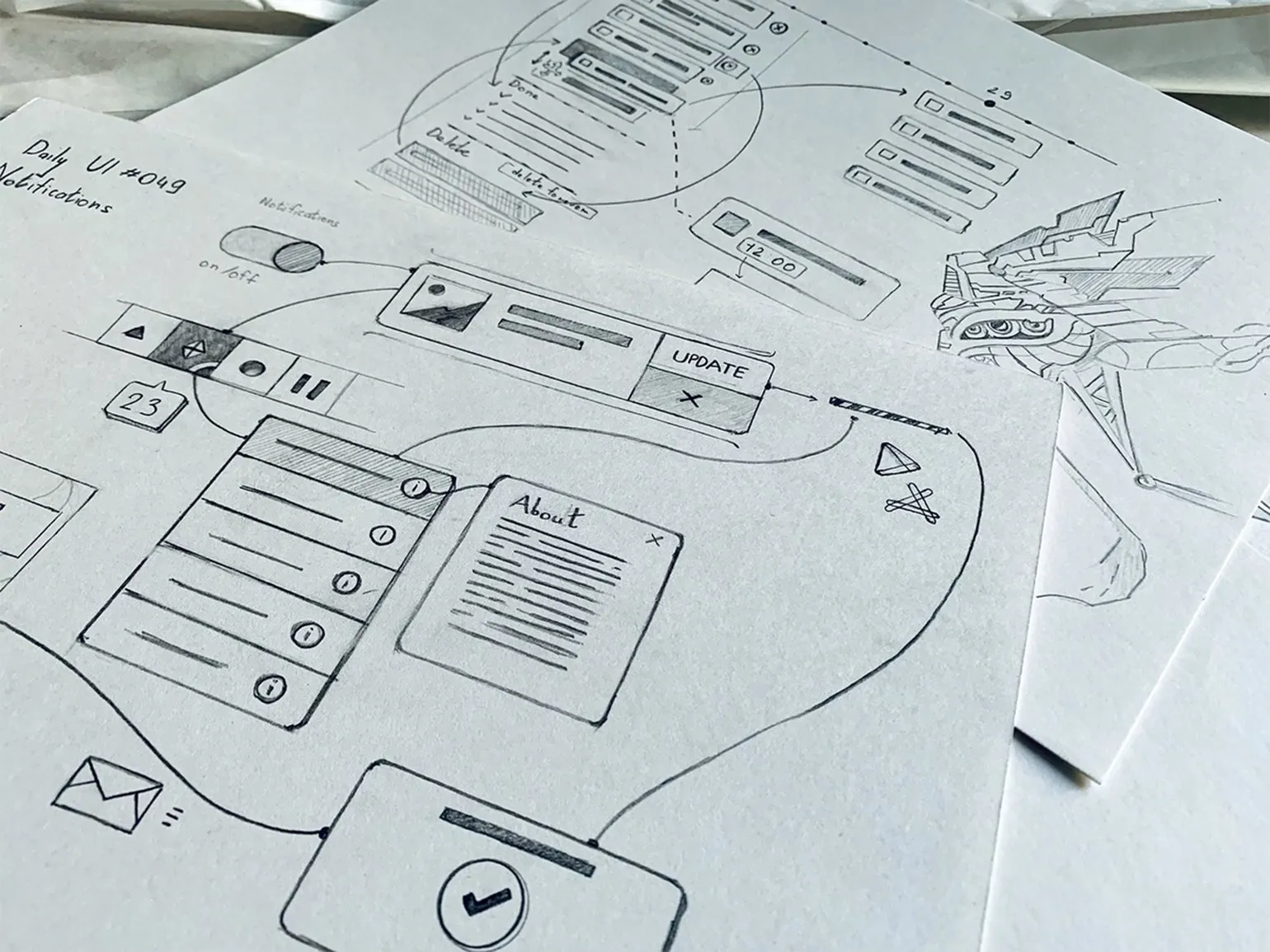
Sketches play an important role not only for designers but for professionals in all creative professions. They allow for quick visualization of ideas and concepts, which is especially helpful when time is limited. Examples of their use include sketching for advertising, developing illustrations for articles, and creating prototypes for web design and mobile apps. Using quick sketches helps communicate ideas effectively, improves brainstorming, and generates new creative solutions.
- Interior designers use sketches to select color schemes and furniture;
- Architects visualize designs using easy-to-understand drawings;
- Scriptwriters draw relationships between characters on a whiteboard;
- Engineers create sketches of devices before working out the details;
- Fashion designers use sketching at the initial stage of collection development;
- Managers draw process diagrams during meetings for better explanation;
- Illustrators can present sketches as finished works if they complement the text.
What tools are suitable for sketching?
Sketching is the art of quickly visually expressing ideas, which allows artists to effectively convey their ideas. A variety of tools are suitable for this. You can use traditional media such as colored and graphite pencils, pens, ink, and watercolor, as well as modern markers, including alcohol-based, acrylic, and watercolor markers. Combining different materials in a single sketch is not only allowed but encouraged, as this art form prioritizes conveying imagery and emotion over perfect aesthetics. Sketching helps develop creative skills and improves drawing technique, making it popular among artists and designers. The right drawing surface plays a crucial role in successful sketching. For architectural sketches, the best option is Whatman paper, which provides sufficient paper thickness and the ability to work with a variety of materials. For travel sketches, it is recommended to use special notebooks that are easy to carry and have a suitable texture. When creating visual concepts for corporate identity, A4 or A3 sketchbooks are often chosen, as they offer sufficient space for detailed images and allow for more fluid development of ideas. Choosing the right surface not only improves the quality of your work but also inspires new creative achievements.
Digital sketching is becoming increasingly popular among artists and designers. A graphics tablet and stylus are essential for creating high-quality work. In this article, we'll discuss how to choose the right graphics tablet and introduce six current models suitable for both professionals and beginners. Choosing the right device will help you realize your creative ideas most effectively and improve the quality of your digital illustrations.
Beginning artists should consider standard colored and graphite pencils, which are readily available in stores. Hard pencils are great for creating clear outlines, while soft pencils are ideal for color washes, allowing you to achieve richness and depth of color. Watercolor pencils can also significantly enhance your work, adding smooth transitions and vibrancy. Using these tools will help you develop your drawing skills and create unique works of art.
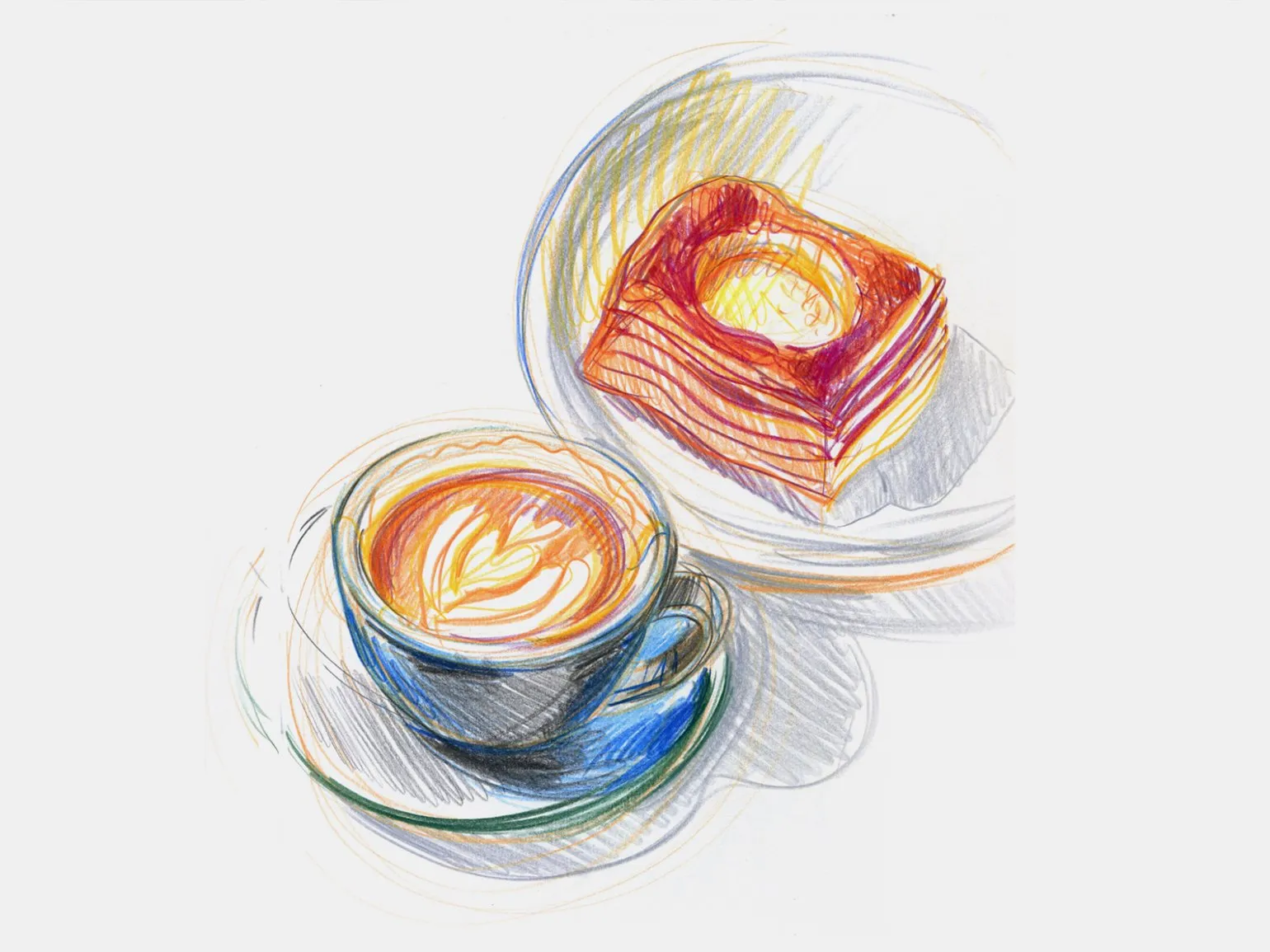
Markers and felt-tip pens are popular sketching tools. They allow for vibrant and expressive sketches, making them ideal for quickly communicating ideas. With a variety of shades and textures, markers and felt-tip pens allow artists and designers to easily experiment with color and style, making the creation process more engaging and effective. These tools are ideal for both professionals and beginners looking to develop their skills in drawing and visualizing ideas.

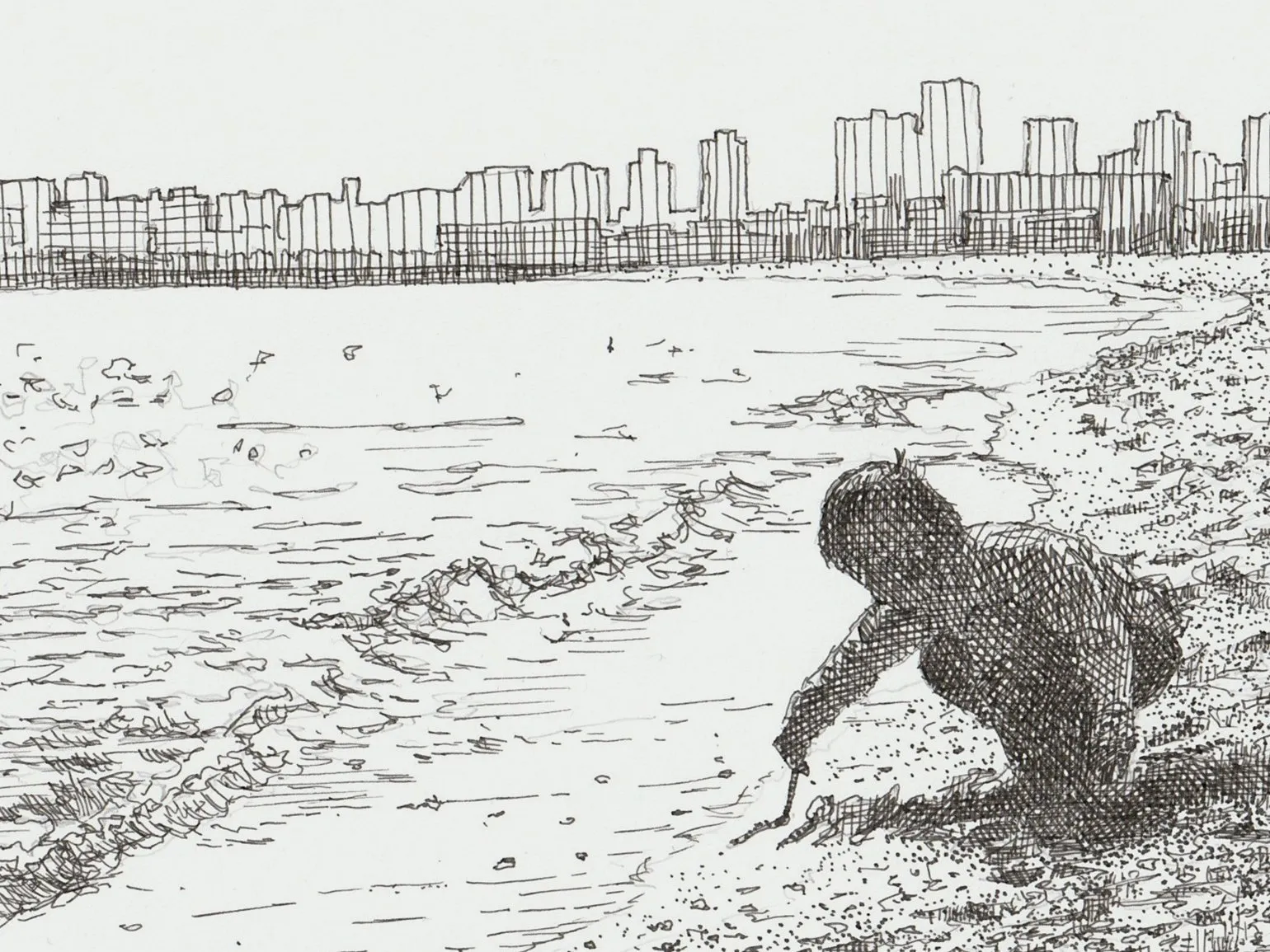
Liners are specialized pens designed to create Clear lines and experimentation with various hatching techniques are ideal for artists and designers who strive to create monochrome sketches. Liners provide high precision and allow for a variety of effects, making them indispensable in drawing and illustration. Using liners helps achieve a professional-quality work and unlock creative potential.
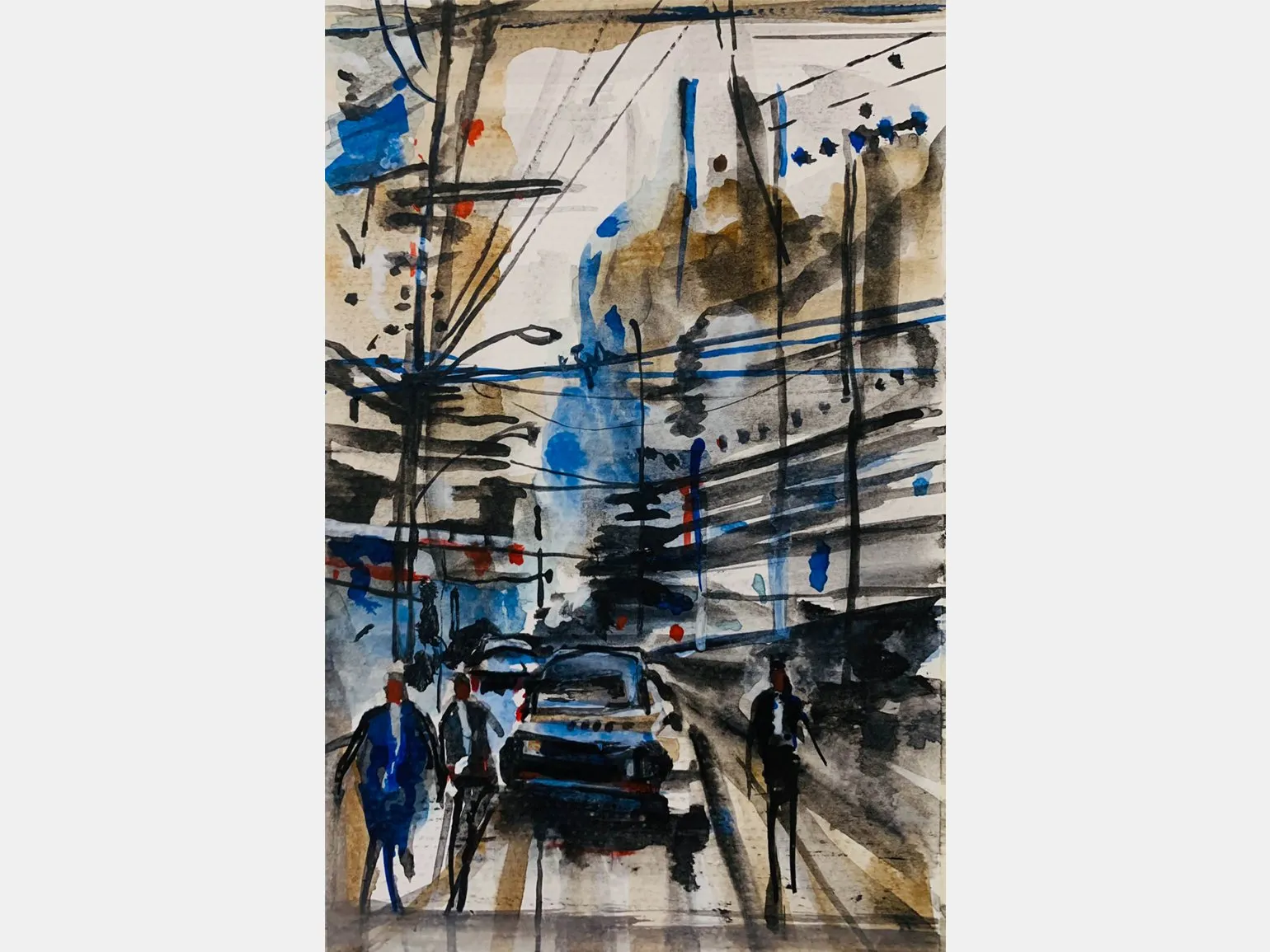
Watercolor sketches are artworks made using watercolor paints, including children's ones. This technique allows you to quickly create expressive images through the use of color spots. Watercolor sketches are ideal for artists who want to capture ideas and emotions in a light and airy manner. Using watercolors in sketches opens up opportunities for experimentation with colors and textures, making each work unique.
Pastel sketching is an artistic technique in A medium that uses soft chalks to create delicate, muted images. With its unique texture and palette, pastels allow artists to convey subtle nuances of light and shadow, creating atmospheric and expressive works. This technique is ideal for painting portraits, landscapes, and abstracts, as well as exploring color combinations and working with form. Pastel sketching opens up opportunities for self-expression and allows you to create works of art that impress with their softness and depth.

Working with ink provides the opportunity to create expressive monochrome sketches. However, this technique can be challenging for beginning artists, as it requires a high degree of precision and accuracy. Proper use of ink not only develops artistic skills but also helps develop a better understanding of light and shadow, which is key to creating three-dimensional and dynamic images. To successfully master ink drawing, it is important to pay attention to detail and practice constantly.

What level of detail is needed for a sketch?
Sketch Sketching is more than just an image; it's a powerful tool for visualizing ideas and concepts. Sketches emphasize the basic shapes and contours of objects, eliminating unnecessary detail. This technique allows the artist considerable freedom in style and execution, avoiding hyperrealism and strict academic norms. Sketching becomes an important stage in the development process, as it helps to quickly capture thoughts and ideas, facilitating further work on projects.
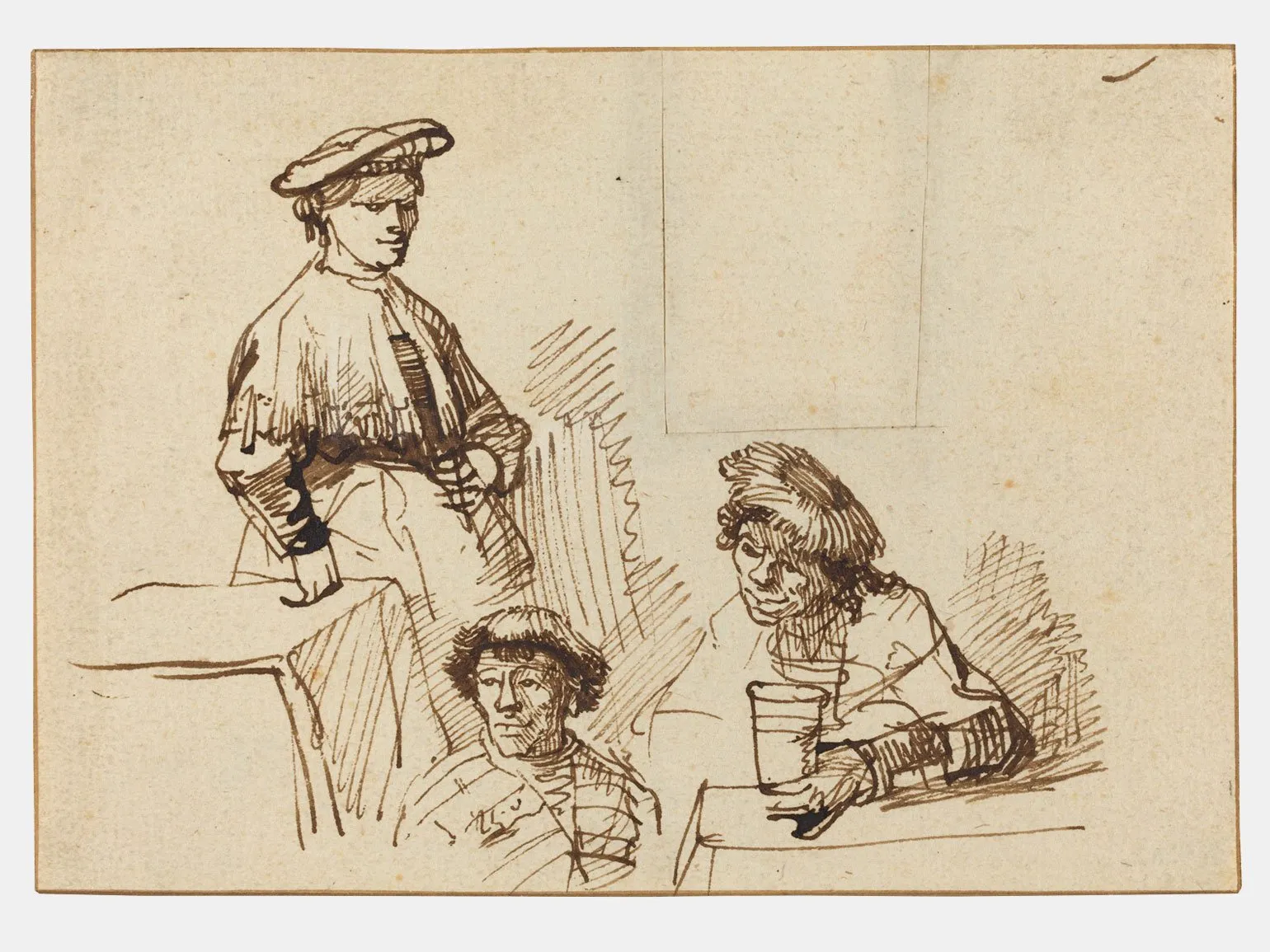
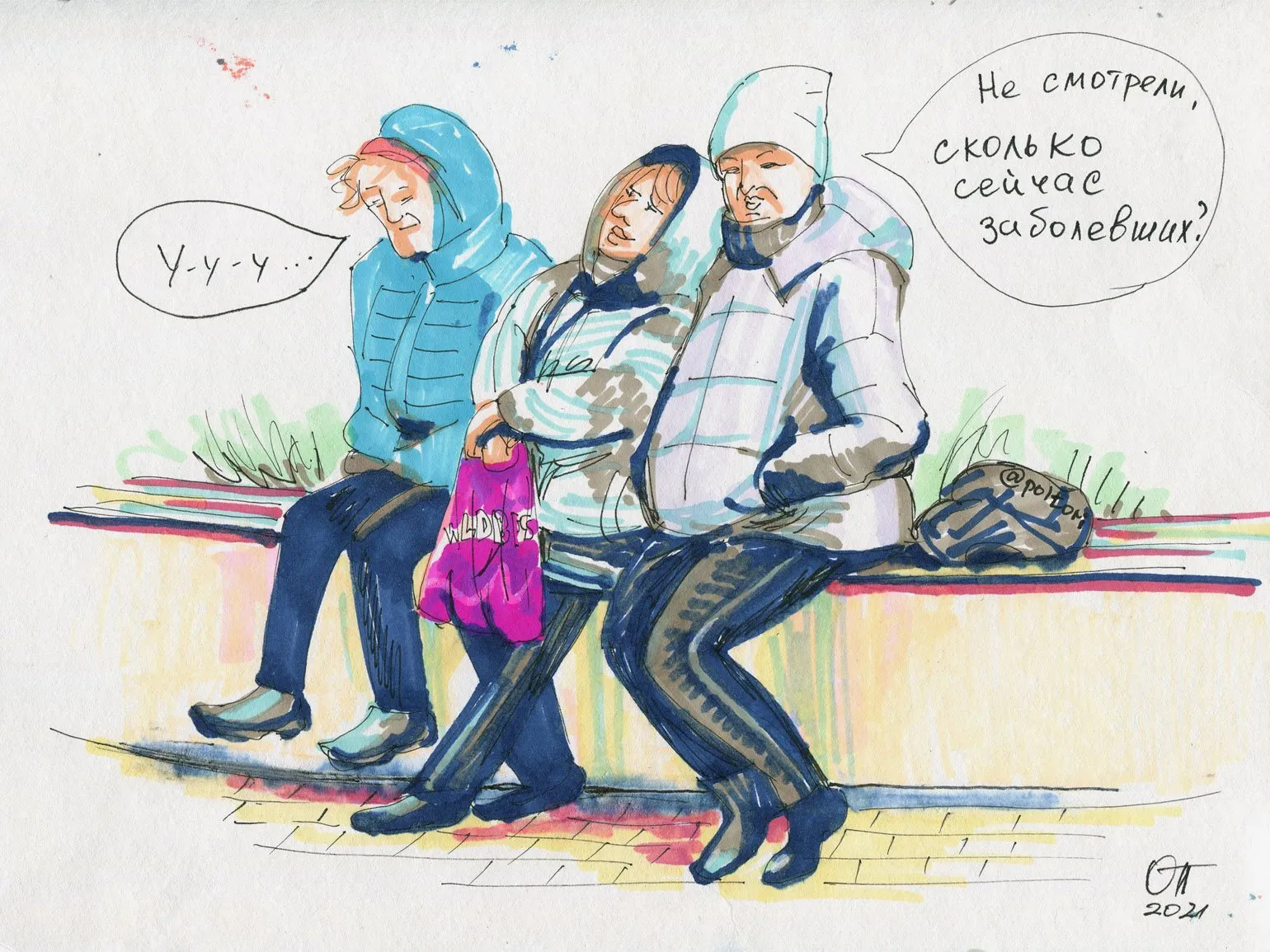
Sketches used as tools for research and idea generation are often accompanied by explanatory captions or questions. These additions provide the images with necessary context and can compensate for missing details. This approach makes the creative process more interactive and engaging, allowing for a deeper dive into ideas and concepts. Effective use of text in sketches promotes better understanding and perception, which ultimately improves the quality of the creative product.
Effective Tips for Beginner Sketchers
- Start with simple sketches of the interiors of familiar places, such as your room or your favorite cafe. This will help you overcome the fear of a blank sheet of paper.
- Choose a sketchbook with bound pages instead of a spring-bound one. This will allow you to use entire spreads to create larger-scale sketches.
- Sketching can be practiced anytime and anywhere. Sketch whenever you have the opportunity, as regular practice is the key to improving your skills.
- Sketching is not only an art form but also a way to socialize. Join a group of sketchers who meet outdoors or at a cafe to draw together. Even if you're just starting out, you can adopt useful techniques and expand your knowledge.
- Don't be afraid to start a sketch over. Remember that sketching is a free creative process, and if you don't like something, just turn the page.
- Review your old sketches regularly. A retrospective is a great way to evaluate your progress, identify successful techniques, and increase your self-confidence.
We recommend that you read our articles:
- What is UX/UI design and how to start a career in this field?
- The concept of design thinking and its application in modern projects.
- Test tasks for designers: types and their meaning.
- Top 9 platforms for creating a designer portfolio.
Sketching on a tablet: 5 simple steps to success
Want to master sketching on a tablet? Learn 5 easy steps to create stunning sketches!
Learn more