Table of Contents:

Who are you in the world of game development? Find out in this free course ➞ You'll experience three professions in action: game designer, 2D artist, and Unity developer. Create your first Mario-style game. Click here for details.
Learn moreKen Levine noted at the Gamelab Live conference last year that creating truly unique and original ideas requires going beyond the usual perceptions. In his opinion, creativity requires a certain amount of unconventionality and strangeness. Levine emphasized that it is precisely in search of unusual solutions and ideas that he has to delve into strange and unpredictable places. This idea underscores the importance of a creative approach in the gaming industry, where originality plays a key role in the success of projects.
Levine's methods yielded significant results, enabling him to create iconic games such as System Shock 2, BioShock, and BioShock Infinite. His works not only impressed with the complexity of gameplay and innovative technologies but also made a significant contribution to the recognition of video games as a fully-fledged art form. These projects became a model for how deep storytelling and developed characters can combine with engaging gameplay, setting new standards for the entire industry.
Levine's creative potential is certainly impressive, but it is precisely his "eccentricities" that lead to each of his projects being delayed and deteriorating into a long-term project. This negatively impacts the lives of his employees, causing constant crunch and emotional burnout. How did one of the most respected game designers also become known as one of the most problematic executives in the gaming industry?
"Don't Stop at Nothing"
In an autobiographical essay about starting a career in the gaming industry, Ken Levine described his first steps in game development. He shared his experiences that became the foundation for his later work and inspiration in game development. Levine emphasized the importance of creativity and perseverance, as well as how each project builds skills and market understanding. His thoughts on the process of game creation and interaction with players remain relevant today, serving as an example for new developers looking to make a mark in the world of video games.
Every great teacher I have had the opportunity to work with has had a significant influence on me. All the people involved in the creation of my plays, films, and games have left their mark on me. My parents taught me the value of hard work. However, it was the failures that had the greatest impact on me. Those were the days when I fell to my knees but rose again. They taught me resilience and a willingness to move forward despite difficulties. Failures became an important part of my journey, shaping my character and helping me develop perseverance.
In his essay "Getting In," published in 2016, Ken Levine explores important aspects of the college admissions process. The author analyzes how access to education affects the career prospects and personal development of young people. Levine emphasizes that successful admission requires not only academic knowledge but also a strategic approach, including choosing the right school and preparing for entrance exams. The essay also examines social and economic factors that can influence applicants' chances. Ken Levine calls for a more equitable system where everyone has equal opportunities to receive a quality education, regardless of their social status. The essay is a valuable resource for those seeking to understand the nuances of the admissions process and the importance of educational decisions in each person's life.
He began his journey in game development with the realization that he was a failure. This recognition became the starting point for his transformation and development in the games industry. Understanding his shortcomings and mistakes allowed him to focus on improving his skills and creating high-quality game content.
Levine was born on September 1, 1966, in Queens, New York, to a Jewish family. His father, a jewelry store manager, was distinguished by his hard-working nature: every morning he took the 3:30 bus into Manhattan and then made his way through Times Square in the dark to his workplace. It was from him that Levine learned the importance of dedication to one's craft.
As a child and teenager, Ken Levine was a shy geek who attracted the attention of bullies. He recalls how, in the seventh grade, a boy would punch him hard in the shoulder every morning before class. To escape this harsh reality, Levin immersed himself in the world of science fiction: the dystopian action film Logan's Run, Atari games, and X-Men comics became his escape. These hobbies not only distracted him from his problems but also shaped his interests and personality, leaving a deep mark on his future life.
In high school, Ken befriended several enthusiastic geeks with whom he became engrossed in playing Dungeons & Dragons. However, the real breakthrough in his life came at the age of 15, when he wrote and produced his own play for a talent show at summer camp. The play received a positive response from the audience, and Ken experienced his first taste of popularity. This experience became an important milestone in his creative journey and pushed him to further achievements in the arts and theater.
I always felt insecure about my abilities. Lacking athletic ability and struggling with speech, I never expected to discover a talent I never knew I possessed. When people began to respond to my writing, I felt a profound impact. It inspired me to write short stories and plays, and I haven't stopped creating since. Writing became not only a means of self-expression but also a way to connect with others.
Ken Levine, a renowned video game developer, shared his views on the industry and creative processes in a 2013 interview with Polygon. He discussed the importance of innovation in game design and the need to create unique gaming experiences. Levine emphasized that player interaction and feedback play a key role in game development. He also touched on topics related to the influence of technology on the gaming environment and the importance of atmosphere in creating engaging content. In his reflections, Levine emphasized that a successful game must evoke emotion and leave a deep impression. His ideas remain relevant today, inspiring new developers in search of original solutions in the world of video games.
Ken Levine, passionate about writing, enrolled in drama classes at Vassar College, graduating with honors in 1988. During his studies, he created six plays, numerous short stories, and eight screenplays. Levine has also been active in theater productions, collaborating with such talents as actress Kerri Green and director Noah Baumbach.
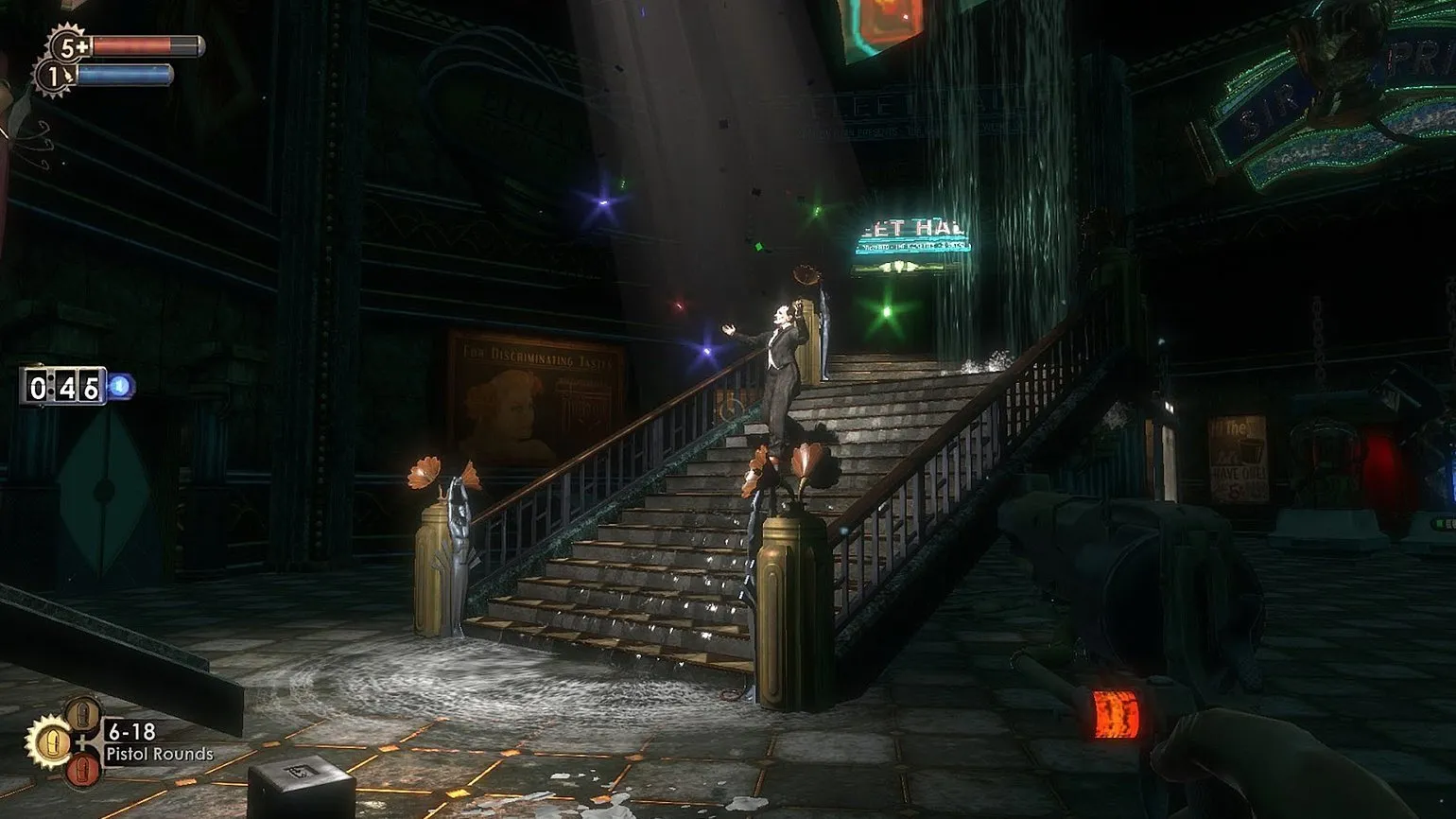
He developed his own unique recipe for success: "Don't stop at anything." This principle became the basis of his approach to achieving goals and overcoming difficulties. The desire to constantly move forward, despite obstacles, helps not only in the professional sphere, but also in his personal life. Perseverance and determination are the key factors that lead to success.
After completing his studies, Levine moved to Los Angeles, where he began working as a carpenter in a summer movie theater. There he met playwright Jon Robin Baitz and decided to show him one of his plays. Bates read Levine's work, liked it, and passed it on to his agent, thereby opening new horizons for the aspiring author.
Levine received his first commission for a film script, which was an important step in his career. After finishing the work, he quickly got into a car with a friend and drove overnight from Los Angeles to San Francisco to personally deliver the manuscript to the studio head. After reading the script, she did not return Levine's calls, leaving him awaiting her opinion.
He wrote four more scripts, which did not generate any interest. His agent changed jobs without notifying Ken. As Levine noted, he was "scraping pieces of wood together but could not ignite even the smallest spark." As a result, Ken Levine's work remained unnoticed, and his efforts did not produce the expected results.
I made the wrong decision. I gave up and forgot about writing. During this period, I focused on women, leisure, my social life, and trying to make money installing computers in homes and offices, which I was not very good at. There were occasional hobbies, though: I tried to create a board game under the guidance of my roommate, the talented Neil Sofja. But deep down, I knew I'd lost myself. I was no longer Ken Levine, the never-resting Ken Levine. I was Ken Levine, working a mediocre job in IT.
In his 2016 essay "Getting In," Ken Levine addresses important aspects of the college admissions process. He analyzes how various factors, such as academic performance, extracurricular activities, and personal qualities, influence applicants' chances. Levine emphasizes that successful admission requires not only good grades but also the ability to present oneself in the best possible light. The author invites readers to consider the importance of not only meeting the criteria set by universities but also developing unique qualities and skills that set a candidate apart from the crowd. The essay serves as a valuable guide for prospective students aspiring to a successful career in higher education.
For seven years, Levine lived a familiar, uneventful life, but shortly before his thirtieth birthday, panic gripped him. He realized that by remaining in his comfort zone, he could not change his destiny and make his life more fulfilling. "I was not a unique flower," Levine notes. This realization became the starting point for his desire for change and the search for special meaning in life.
What to do in this situation? The answer was obvious and always close at hand - create games. But where to begin this exciting process?
Ken Levine, working in computer technology, never passed up the opportunity to read the latest issues of his favorite gaming magazines. Even when finances were insufficient to purchase a new issue, he read them right on the store shelves. He discovered a job posting in one of these magazines and immediately began actively sending out his resumes and cover letters, seeking work in the video game industry.
The game designer shared his memories of the cover letters he sent while searching for work. He doesn't remember the exact content, but he is sure that his desperation was palpable. It is important that readers understand his persistence: "Give me a chance, and I will stop at nothing." This call to action underscores his willingness to overcome any obstacles on the path to success in the gaming industry.
In 1995, Levine joined Looking Glass Studios in Massachusetts. A few years earlier, the company had gained fame thanks to Ultima Underworld: The Stygian Abyss and System Shock, which pioneered the immersive sim genre. These games not only set the standard for subsequent projects but also inspired developers to create unique game worlds where players could immerse themselves in complex narratives and interact with their surroundings. Looking Glass's contribution to the video game industry remains significant and relevant, and their designs continue to influence modern games.
These projects successfully combined first-person action gameplay elements with the choice and depth of role-playing game mechanics. While other role-playing games continued to rely on numerical values and dice rolls, and shooters were limited to simply shooting enemies, immersive simulators offered players dynamic real-time combat, multiple paths, and even basic physics simulation. These approaches made them unique and attracted a wide audience eager to immerse themselves in rich, varied game worlds.
Doug Church, lead programmer on Ultima Underworld and game director on System Shock, became an important figure for Levine, serving as a mentor of sorts. Their collaboration on Dark Camelot led to the creation of Thief: Dark Project, one of the first and most influential stealth games in video game history. It had a significant impact on the genre and became a model for many subsequent games.
Doug taught me the value of failure. He showed me the importance of trying new ideas and investing in them over long periods of time—days, weeks, months. Ultimately, you have to have the courage to ask, "Is this really the best we can do?" And sometimes the answer is disappointing: months of work thrown into the trash. This experience became a crucial lesson in my life.
In his 2016 essay "Getting In," Ken Levine examines the college admissions process and its challenges. He focuses on the highly competitive environment in which applicants face pressure and expectations. Levine analyzes not only external factors, such as rankings and requirements, but also students' internal experiences. He emphasizes the importance of self-awareness and self-confidence during this stage of life. The essay encourages readers to consider how the education system influences individual paths and choices, and that true value lies not only in admissions but also in personal growth and development.
Levine will teach the same lesson to all his subordinates, which will result in a lot of gray hairs for them.
"Remember the Citadel"
In 1997, Ken Levine, along with colleagues Jonathan Chey and Robert Fermier, decided to leave Looking Glass Studios to create their own game studio. After lengthy discussions, they chose the name Irrational Games. This decision was a significant risk, since they did not have financial resources at the initial stage. However, their passion for creating unique game projects became the foundation for the studio's future success.
Acquiring office equipment was always accompanied by long reflection and discussions with partners, Levine noted. The need for a $100 fax machine sparked two-hour debates, ultimately resulting in a negative decision. This approach to purchasing allows for a thorough analysis of every expense, which is especially important for effective budget management. Irrational Games might have ceased to exist without releasing a single game if not for a call from Paul Neurath, head of Looking Glass. He proposed a collaboration, which became a turning point for the developers. The first idea the team came up with was System Shock 2. Thus, Levine continued the legacy of his mentor, Doug Church, marking a significant step in the development of the gaming industry. Collaboration with Looking Glass became the basis for the creation of innovative gaming solutions and deep narratives, which later became the hallmark of Irrational Games.
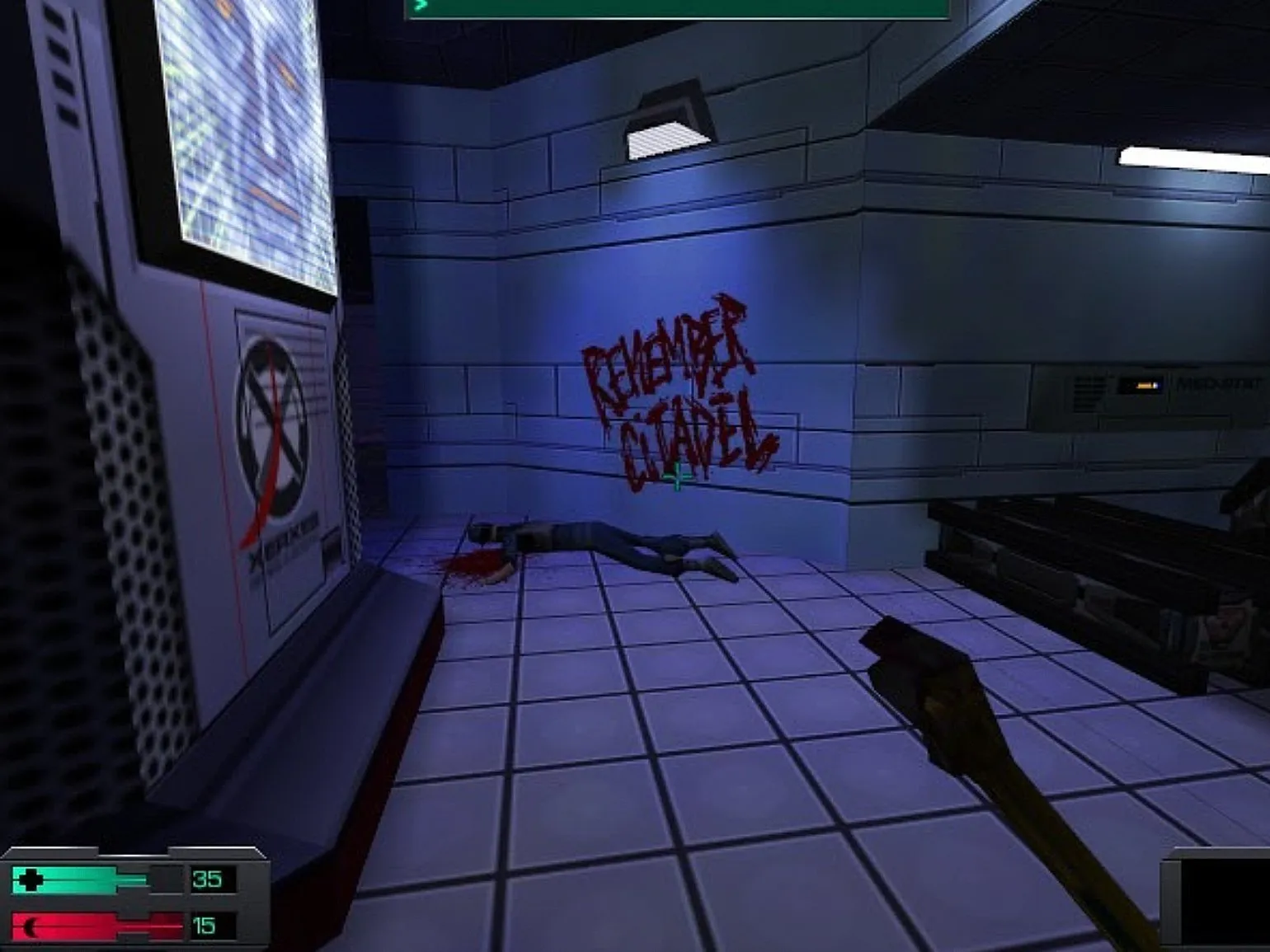
The plot of the sequel The story takes place 42 years after the supercomputer SHODAN captured the Citadel space station. This time, its attention is drawn to the interstellar ship Von Braun. Alien life forms appear in the story, and Russian businessman Anatoly Korenchkin plays a key role. Events unfold against the backdrop of a tense struggle for power and survival in the face of a cosmic threat.
Irrational Games' debut game was developed by a small team of about twenty people. This composition facilitated more effective communication and interaction between project participants. Dan Kaplan, a programmer who participated in the creation of System Shock 2 and BioShock, shares his memories of the development process. With a limited number of employees, each team member played an important role, which contributed to the creativity and high quality of the final product.
When someone comes up with a compelling idea, it quickly spreads throughout the company, and an active discussion begins. This creates a sense of achievement, even with the most minimal creative effort. A real sense of unity and a shared goal is formed within the company.
In his book «Rapture Leaked: The True Story Behind the Making of BioShock» (2016), Dan Kaplan examines in detail the creation of the cult video game BioShock. This project became a landmark in the industry due to its unique style, deep storyline, and innovative gameplay. Kaplan examines the developers' journey, highlighting the challenges and achievements they faced throughout the process. This book offers readers a unique behind-the-scenes look at the work that led to the creation of one of the most influential titles in video game history. It explores the key ideas and concepts that formed the foundation of BioShock, as well as the game's influence on the subsequent development of the genre. Working in unison, the team introduced a number of innovations to System Shock 2, continuing the design philosophy of the original System Shock and Ultima Underworld. These innovations not only enriched the gameplay but also deepened player interaction with the environment, while maintaining the spirit of the original. The developers focused on creating a captivating and immersive experience, making System Shock 2 a significant sequel to the iconic series. The game introduced a class system, significantly enriching the gameplay. The Marine receives bonuses to weapon use, the Naval Officer enhances repair and hacking skills, and the Psionic Special Agent acts as a magical character in a cyberpunk universe. Players can level up each skill tree as they progress, allowing them to customize their character and adapt them to their own playstyle. This adds variety and strategy, making the gaming experience more engaging and intense.
System Shock 2 is considered one of the scariest games in video game history. This is due to several key factors that create an atmosphere of fear and tension. First, the feeling of isolation when the player finds themselves in a confined space heightens the fear of the unknown. Second, the lack of resources, such as weapons and medicine, keeps the player in a constant state of anxiety. Third, the frightening sounds create an ominous atmosphere and heighten the tension. Finally, the monsters, which resemble mutated humans and animals, add an element of dread, making each encounter unpredictable. All these elements combined make System Shock 2 a standout example of the horror genre in video games.
Character stories are revealed through audio logs located on the Von Braun starship, as well as encounters with "ghosts"—psychic emanations of the deceased. These environmental interactions represent groundbreaking narrative devices for their time.
Released in August 1999, System Shock 2 was critically acclaimed, but its complexity and unique style made it difficult for a wider audience to access. At a time when games like Half-Life and Quake dominated with their simplicity, dynamism, and spectacularity, System Shock 2, while innovative and ahead of its time, failed to attract a sufficient number of players. As a result, the game was unfairly forgotten at the time of its release, although its impact on the genre later became clear and significant.
This fact significantly influenced Levine's career and personality.
The Weight of the Ocean on His Shoulders
During the development of the first BioShock game, the Irrational Games team was faced with the task of creating a demo for Game Informer magazine. At one of the developer meetings, a lively discussion arose about the best ways to showcase the artificial intelligence developed for the shooter. This aspect of the game played a key role in creating a unique experience for players, and the team sought to present it in the best light. The developers discussed various approaches and mechanics that could highlight innovative AI solutions to attract journalists and attract attention to the new game.
During a discussion about the project, someone brought up the cyborg assassins from System Shock 2. Ken Levine, expressing his displeasure, furiously declared, "I don't want to hear anything about cyborg assassins!" Paul Hellquist, lead level designer, tried to intervene, but Levine cut him off, shouting, "Shut up!" The incident highlights the intensity and passion the team brings to creating a unique gaming experience.
Everyone was frozen in anticipation, recalled Jean-Paul Le Breton, level designer on BioShock. At the time, he was new to Irrational and unsure how to react. The rest of the team looked upset, but it was clear this was not their first time. The situation highlights the complex emotions and tensions game developers face, especially when creating large-scale projects like BioShock.
Levine's aggression was partly driven by the financial investment in the project: Take-Two Interactive invested $25 million in the game's development. This significant expense required justification, and Levine became frustrated when reminded of the unsuccessful System Shock 2 project. Importantly, the pressure of financial expectations may have influenced his approach to development and interactions with the team, which ultimately affected the creation of the new game.
A year after the release of the second part of the game, the developer sent Electronic Arts a two-page document outlining the plot of the third part. However, the publisher declined to consider the proposal due to the low sales of System Shock 2. As a result, Irrational Games postponed the development of immersive simulators for several years and switched to creating simpler projects. Among them were the superhero game Freedom Force, the arcade shooter Tribes: Vengeance, and the tactical shooter SWAT 4.
Throughout, Levine strove to return to the freedom and depth of System Shock's gameplay. In 2002, the design team created a prototype showcasing three types of NPCs: Carriers containing valuable resources, Protectors who protected the Carriers, and Scavengers who attacked the Carriers. This prototype was an important step toward restoring the game's concept of providing the player with opportunities for strategic interaction with the world around them.
The modified mechanics of BioShock were retained in the final version, but the early concepts for the project differed significantly from the final product. Initially, the action was planned to take place in a sci-fi setting reminiscent of System Shock, or in a secret Nazi base. These early ideas did not capture the unique elements and atmosphere that made BioShock an iconic title in the world of video games.
This was not Rapture. Andrew Ryan didn't exist, just like Big Daddies and Little Sisters as you know them. It was really just a concept for a game system. It was based on this idea that Take-Two acquired our studio, and I can't say for sure why they made that decision. However, it was a testament to the company's clear vision.
Ken Levine, creator of Bioshock, spoke about the development process of this iconic project in 2012. Bioshock became a landmark in the world of video games thanks to its deep story, unique gameplay, and innovative approach to design. Levine describes how ideas about morality, choice, and consequence became the foundation for creating a captivating and tragic world that immerses players from the very first minute. A key aspect of the development was the attention to detail, which helped create an atmosphere that is memorable. BioShock not only changed the perception of video games but also raised questions about human nature and ethics that make it relevant to this day.
The birth of Rapture is one of the most iconic anecdotes in the gaming industry. The city's story began with game designer Levine's trip to Manhattan. Standing in the shadow of 30 Rockefeller Plaza, with its unique Art Deco architecture and the famous statue of Atlas holding the world on his shoulders, Levine felt inspired. He decided to recreate the building's aesthetic in his game, a significant step in the development of the gaming world. Rapture embodied elements of architecture and design that became a symbol of the interaction between art and games, captivating players and critics alike.

The skyscraper, financed by businessman John D. Rockefeller Jr., became a symbol of individualism and the free market—values highly valued by writer Ayn Rand. In her book, Atlas Shrugged, she argues that a great man acts primarily in his own interests, not in the interests of society, and this is precisely what allows him to achieve extraordinary results. This approach emphasizes the importance of personal responsibility and the desire to succeed in a competitive environment.

Ayn Rand's philosophy inspired the creation of Rapture, a society developed by billionaire Andrew Ryan. This city was envisioned as an underwater utopia where artists are free from censorship, scientists are unfettered by prudish norms, and strong individuals are not subservient to the weak. However, when we first enter the city in the early 1960s, we are confronted with a grim reality: corpses, aggressive mutants, and flooded interiors. Rapture, which initially had the potential to become a symbol of freedom and progress, fell into decline, demonstrating the consequences of ignoring humanistic values.
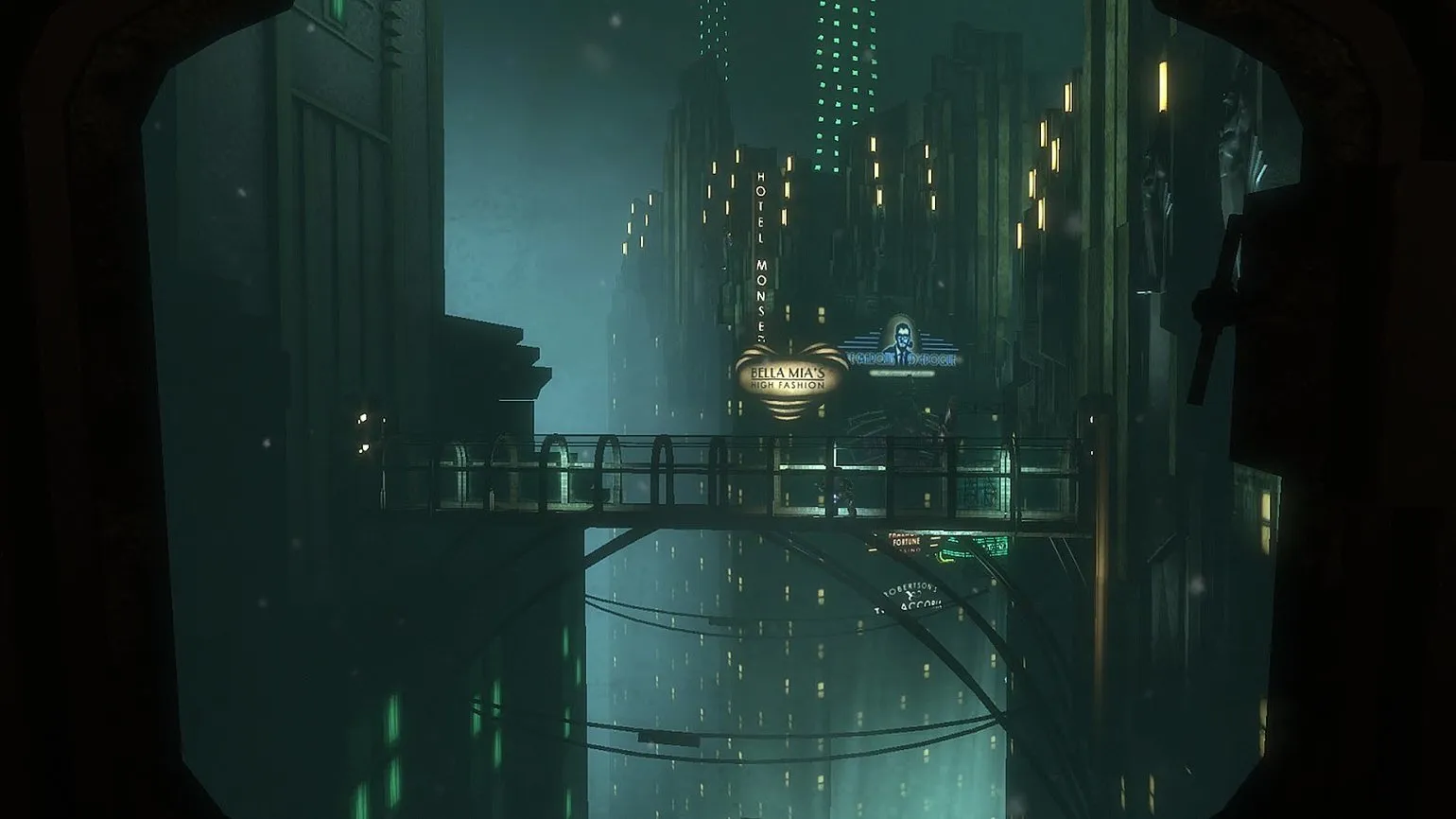
The ideals that formed Rapture led to a rebellion by the lower classes and the start of a civil war in which almost no one survived. The fall of the city contributed to the discovery of the substance ADAM, which has the ability to grant superpowers, but it also rewrites the host's DNA, gradually driving them mad. Andrew Ryan, once an inspiring leader, has become a tyrant who can only watch the destruction of his creation at the bottom of the ocean.
A critique of philosophical ideas in a first-person shooter format is an ambitious concept that stands out from traditional games. The project's launch in 2004, after signing a contract with Take-Two Interactive, was made possible by significant financial investments. However, with money comes high expectations, which poses the challenge for the developers not only to create an engaging gaming experience but also to ensure its commercial success. It's important to consider that the combination of deep philosophical themes with dynamic gameplay can attract the attention of both gamers and critics, which in turn affects the project's overall reputation and financial performance.
During the development of BioShock, the team faced conflicting goals: creating a spiritual successor to System Shock 2 while simultaneously developing a cross-platform shooter that would appeal to a wide audience. These ambitious expectations fueled Ken Levine's own concerns.
The game designer and creator of BioShock frankly admitted in an interview with Rolling Stone magazine: "I'm not a happy person. I suffer from crippling anxiety." His fears became reality the moment the game was first tested by regular players. The audience's reaction confirmed his fears and demonstrated how complex expectations and perceptions can be in the gaming industry. BioShock has become a symbol not only of success, but also of the pressure developers face to create a unique gaming experience.
Judgment Day
In January 2007, Ken Levine observed a focus group of ordinary gamers through one-way glass. He witnessed them critiquing and discussing his game.
Why is it so dark? Where should I go? Why are there zombies here? Wait, is this taking place underwater?
Sure, I'm happy to help with editing. Please provide the source text you wish to rework.
Product testing proved extremely frustrating. The focus group leader approached us afterwards, and his words were like a death sentence. He told us that the situation was critical, and that we had serious challenges to overcome. This candor left a feeling of hopelessness and forced us to consider the future of the project.
Ken Levine, creator of the video game Bioshock, in his work "The Making Of: Bioshock", published in 2012, details the development process of this iconic game. The book highlights the key moments, ideas, and concepts that formed the basis of the unique game world. Levine shares his experience creating a deep story and complex characters, and also emphasizes the importance of philosophical themes such as morality and freedom of choice that permeate the entire gameplay. This work is a valuable resource for game developers and Bioshock fans seeking a deeper understanding of how one of the most influential games of its time was created.
By the time development was completed, the project had already been undergoing a grueling process for five years. In late 2006, Levine decided to introduce a mandatory seven-day workweek, which provoked protests from producers Alice Finley and Joe Faulstick. This move was a pivotal moment that led to intense discussions within the team and called into question the effectiveness of the project's management.
Folstick shared with journalist Jason Schreier in his book "Press Reset" how they expanded their work schedule from a time when there were virtually no free hours. He noted that at that moment, the team made a decision: "Yes, come work on weekends." This decision reflects the pressure game developers face and highlights the importance of time management in the gaming industry.
Ken Levine found himself in a situation similar to his character, Andrew Ryan. His ambitious project was facing serious difficulties, and the team, exhausted by constant work, had only five months to prevent the game from failing. Publisher 2K Games later added an additional three months, giving the team additional time to complete the project. Under pressure and a tight deadline, Levin and his team had to find optimal solutions to achieve their vision and achieve success.
It was one of those moments when you have to make a choice: accept the opinions of others who call you a failure, or redouble your efforts and declare, "The battle is not over." This approach not only helps you overcome temporary difficulties but also strengthens your resolve. Whenever you face criticism, it's important to remember that true victories come to those who don't give up and continue to move forward despite obstacles. It's important to maintain faith in yourself and your abilities, because only then can you achieve the success you desire.
Ken Levine, creator of the BioShock series, shared his thoughts on the development process and the concepts behind the iconic franchise in 2016. He discussed how ideas about morality, choices, and consequences were integrated into the gameplay, creating a unique interaction between the player and the world. Levine noted that his goal was not only to create a fun game, but also to make players think about philosophical and ethical questions. The BioShock series is known for its deep stories, atmospheric graphics, and innovative game design, making it an important part of video game history.
Just like ten years ago, Levine once again showed perseverance and refused to give up. The next morning, a group of senior developers gathered around a table to find a solution to the problem.
The team made changes, adding a short scene on an airplane where the protagonist, Jack, lights a cigar and shares his thoughts about his destiny for greatness. The interface and controls were redesigned to improve the user experience. Against the design department's wishes, an arrow was added to indicate the direction to the goal. The lighting system was also improved, allowing the player to more closely examine both the beauty and horrors of the underwater city.
Confidence in the success of the BioShock project grew, and the developers, despite fatigue and conflicts, devoted themselves fully to their work. Senior level designer Jordan Thomas, who joined the Irrational team eight months before release, shared his impressions: “I remember feeling hungry. I came to the project late, but I felt an atmosphere of drive, like an animal sensing the approach of prey; everyone wanted to prove something.” This dedication and desire to create something outstanding were key factors in the game's successful launch.
A week before the release, Irrational Games released a demo of BioShock on Xbox Live, which was so popular that the servers were overwhelmed. On August 21, 2007, BioShock officially launched to critical acclaim, acclaimed as one of the greatest video games of all time. In its first year of release, BioShock achieved impressive sales, selling 2.2 million copies.
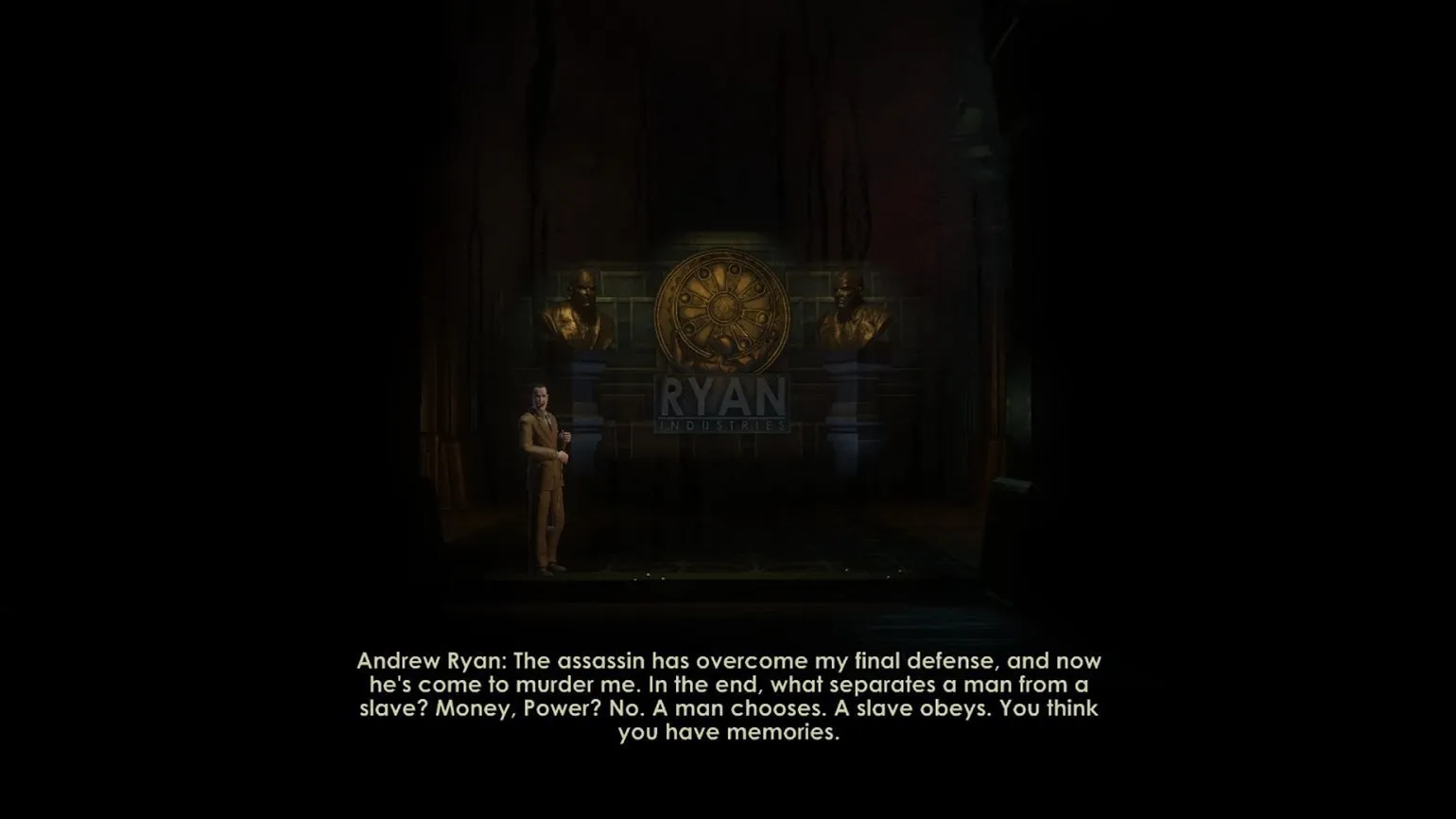
The exploration of the philosophy of Objectivism and the plot twist with the phrase "Would you kindly?" confirm that video games are a full-fledged art form, comparable to literature and film. Levine, commenting on this, noted: "BioShock became the kind of work that people can point to and say, 'See, Mom? This is serious!'" This approach emphasizes the importance of deep themes and philosophical questions that can be explored through interactive media. Video games not only entertain but also provoke thought, which makes them significant in a cultural context.
Bill Gardner, lead level designer on BioShock and BioShock Infinite, shared his reflections on the team's months in a state of shock. He noted that there's always a sense of urgency: "Okay, is this really happening?" This moment highlights the tension and emotional burden that developers face in the gaming industry. BioShock and BioShock Infinite were landmark games that set new standards in level design and storytelling, and the team's response to these changes illustrates the importance of having confidence in your decisions.
The catch was real, and it was: what to do next?
Ken Levine Studio
In an article dedicated to the final years of Irrational Games, journalist Chris Plant emphasizes that for the studio's employees, the personality of Ken Levine and Irrational itself were inextricably linked.
In 2002, Jonathan Chey became the head of 2K Australia, and Ken Levine became the sole leader of Irrational Games, which was renamed 2K Boston for the duration of BioShock's development. From that moment on, all processes at the studio were centered around him, which had a significant impact on the direction and quality of the projects developed by the team. BioShock became one of the most iconic games of its time, and thanks to Levine's leadership, the studio was able to achieve outstanding results in the gaming industry.
All the employees shared one important factor: they worked under the leadership of Ken Levine, as Plant notes.
Levine has the ability to charm people. Jean-Paul Le Breton, in an interview with Eurogamer, shared his memories of his first meeting with him: “I felt like I was in the presence of an idol. He was charismatic and eloquent, and his passions coincided with mine. We were going to work together to change the perception of video games. I was thrilled.” Levine truly inspires those around him and creates an atmosphere conducive to creativity and innovation in the video game industry.
Former colleagues of the game designer often note his unusual communication style. Bill Gardner, lead level designer on BioShock and BioShock Infinite, described this style as a combination of the style of a college professor and the charisma of the Joker. This unique form of expression is not only memorable but also reflects the designer's creative approach to his work in the video game industry.
The staff at Irrational Games soon began to realize that Alan Levine's personal life differed significantly from his professional persona. Outside of work, he displayed a completely different personality than he did during his duties.
Friendship with colleagues at work can be an important part of professional life. However, sometimes difficult decisions arise, such as turning down a promotion or suggesting a change in approach to a project someone has worked hard on. These moments can be frustrating, and it's important to understand that it's not always possible to please everyone. Worrying too much about how your actions will affect others' feelings can lead to compromises that diminish your value as a friend and colleague. It's important to maintain a balance between friendships and professional responsibilities to maintain the respect and trust of others.
Ken Levine, renowned game developer and creator of iconic titles like BioShock, shared his thoughts on the development of the gaming industry, the creative process, and the impact of technology on game development in a 2013 interview with Polygon. He discussed the importance of narrative and atmosphere in games, emphasizing that player interaction should evoke deep emotions and provoke thought. Levine noted that modern technology opens new horizons for developers, allowing them to create more complex and engaging worlds. In the interview, he also touched on independent studios and their role in the industry, emphasizing their ability to bring fresh ideas and innovation. Ken Levine continues to be a significant figure in the world of video games, and his views on creativity and technology continue to inspire many developers.
The CEO of Irrational Games, Ken Levine, is often described as a "genius" and a "complex" person. His approach to game development involves creating conceptual plans that serve as the foundation for the team's work. Levine grants his employees significant freedom to implement their ideas, but in return, he expects outstanding results and creative solutions. This balance between freedom and high demands makes his management style unique and productive for creating high-quality games.
The developers not only demonstrated their projects but also actively defended their ideas. If Levine didn't like something—for example, a door handle that didn't match the chosen era—it required immediate revision. This attention to detail emphasizes the importance of historical accuracy and aesthetics in their work.
In an interview, the game designer drew a parallel between himself and a sculptor, who first collects a mass of material and then molds it into a new game. Joe Faulstick offers a simpler and more understandable analogy. Game creation can be compared to the process of assembling a construction set, where every detail plays a vital role in the final result. This approach allows for a better understanding of how game designers work with ideas and assets to create engaging gaming experiences.
The producer expressed his opinion of Levine, noting that he believes he is a more effective editor than a writer. He emphasized that Levine struggles when working from a blank slate. In situations where he doesn't have a clear idea of what he wants to create, the collaboration process can be challenging.
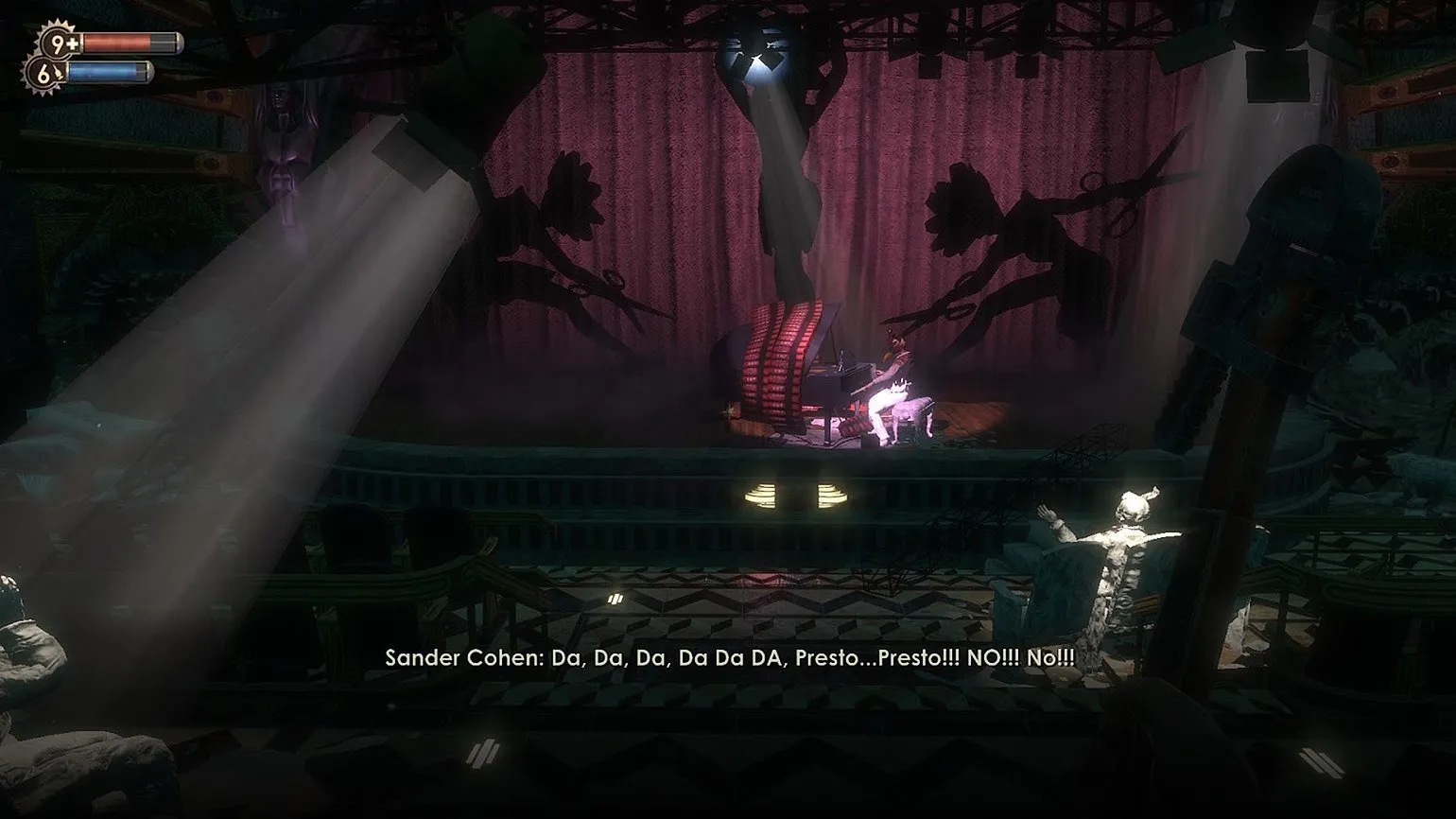
Former Irrational employees share memories of tense conflicts between Ken Levine and other executives. Levine often became aggressive toward subordinates when they failed to implement his ideas. Criticism from the game designer often crossed professional lines and became personal insults.
In the fall of 2007, a significant number of employees left Irrational Games, experiencing emotional burnout after a long period of intense work and dissatisfaction with Ken Levine's management style. Among those who left were Jordan Thomas and Jean-Paul Le Breton, who later founded the California-based studio 2K Marine. At the new studio, they began developing the sequel to the popular BioShock game, continuing to develop the unique universe and mechanics that had won the acclaim of players worldwide.
The Irrational Games employees who remained in the office began developing a new project. For some time, they worked on a shooter set in the X-COM universe, which 2K Australia had previously begun developing, but soon lost interest in this project. At the same time, dissatisfaction was growing among the team due to the fact that another studio was developing a sequel to their game.
The franchise continues to thrive without our participation, which, according to Bill Gardner, caused irritation among many. "We spent most of the year working on X-COM, and then we started talking about, 'Why don't we make our own sequel?'" This situation highlights the importance of independent creativity in the gaming industry and the desire of developers to realize their ideas.
By 2009, a plan was developed to bring back iconic games. The X-COM shooter was being developed at 2K Australia, while the Irrational Games team took on the creation of the third BioShock game. The new game was codenamed "Icarus", which emphasized the ambition and scale of the project.
If only they had known how predictable this name would become for their project and the studio itself, they could have foreseen the fate that awaited them, like the son of Daedalus, or even a Hungarian bus manufacturer.
City in the Sky
In March 2012, Irrational Games hired producer Don Roy to assist in the development of BioShock Infinite. Roy has extensive experience, having completed projects at companies such as Sony and Microsoft. However, even he was surprised by the state of Ken Levine's studio at that time. The challenges the team faced threatened the successful completion of one of the most anticipated projects in the gaming industry.
The producer told journalist Jason Schreier that despite the colossal amount of work completed, the project did not resemble a full-fledged game. He noted that he initially inquired about the possibility of playing a build, but was told that this was impossible. Instead, he was offered to test only fragments, since a full and functional version of the game was not available.
By the end of 2012, Irrational Games employed nearly two hundred people, including the 2K Marin and 2K Australia teams, as well as outsourcing partners. Despite this significant number of specialists, this team was unable to make significant progress over three years. All efforts to promote the BioShock Infinite project depended on one person – Ken Levine.
When Irrational began developing the game, 2K Games granted them complete creative freedom. The lack of time and budget constraints allowed the developers to conduct extensive experiments during pre-production, which played a key role in shaping the unique look of the new BioShock game.
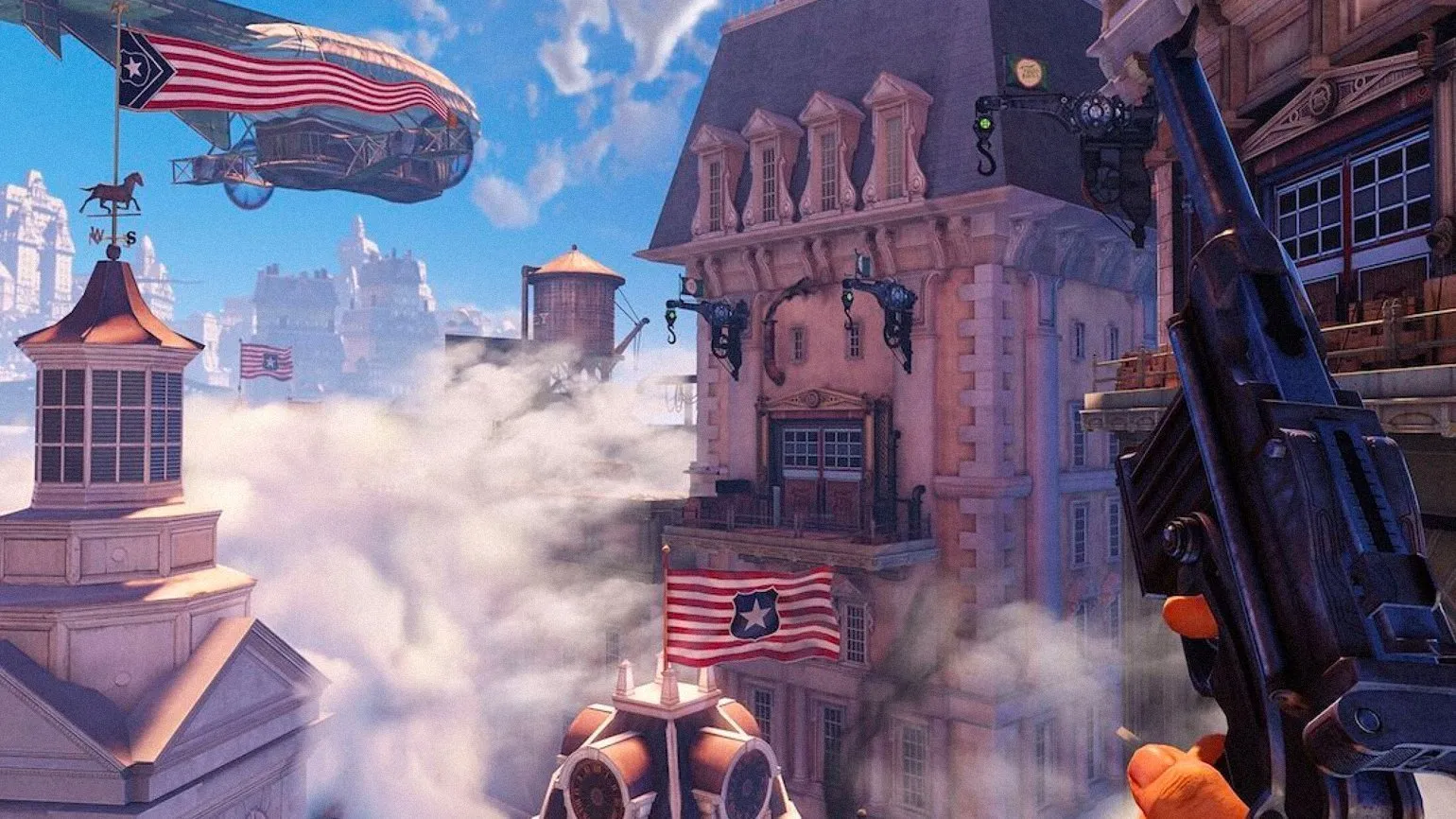
The concept of a floating city caught the team's attention, but other aspects of the project were constantly evolving. The developers experimented with various styles and historical eras: at one stage, Columbia resembled a utopian world, and then transformed into a 19th-century European city.
The idea for the game's plot was inspired by the book "The Devil in the White City," about the 1893 World's Columbian Exposition in Chicago. Based on real events, Erik Larson's novel tells two parallel stories: that of architect Daniel Burnham, who designed the fairground complex known as the White City, and that of Henry Holmes, the first recorded serial killer in US history. This contrast between the grandeur of the architectural achievement and the grim crimes of Holmes creates a unique atmosphere that serves as the basis for intriguing gameplay.

The architecture of the Columbian Exposition, designed to showcase the industrial and technological might of the United States, formed the basis for the aesthetics of the sky city. In this context, Levin discovered a new object of critique—the idea of American exceptionalism, which implies a belief in the unique position of the American people among other nations of the world. This concept raises questions about national identity and the role of the United States in a global context, which makes it relevant for discussion in modern society.
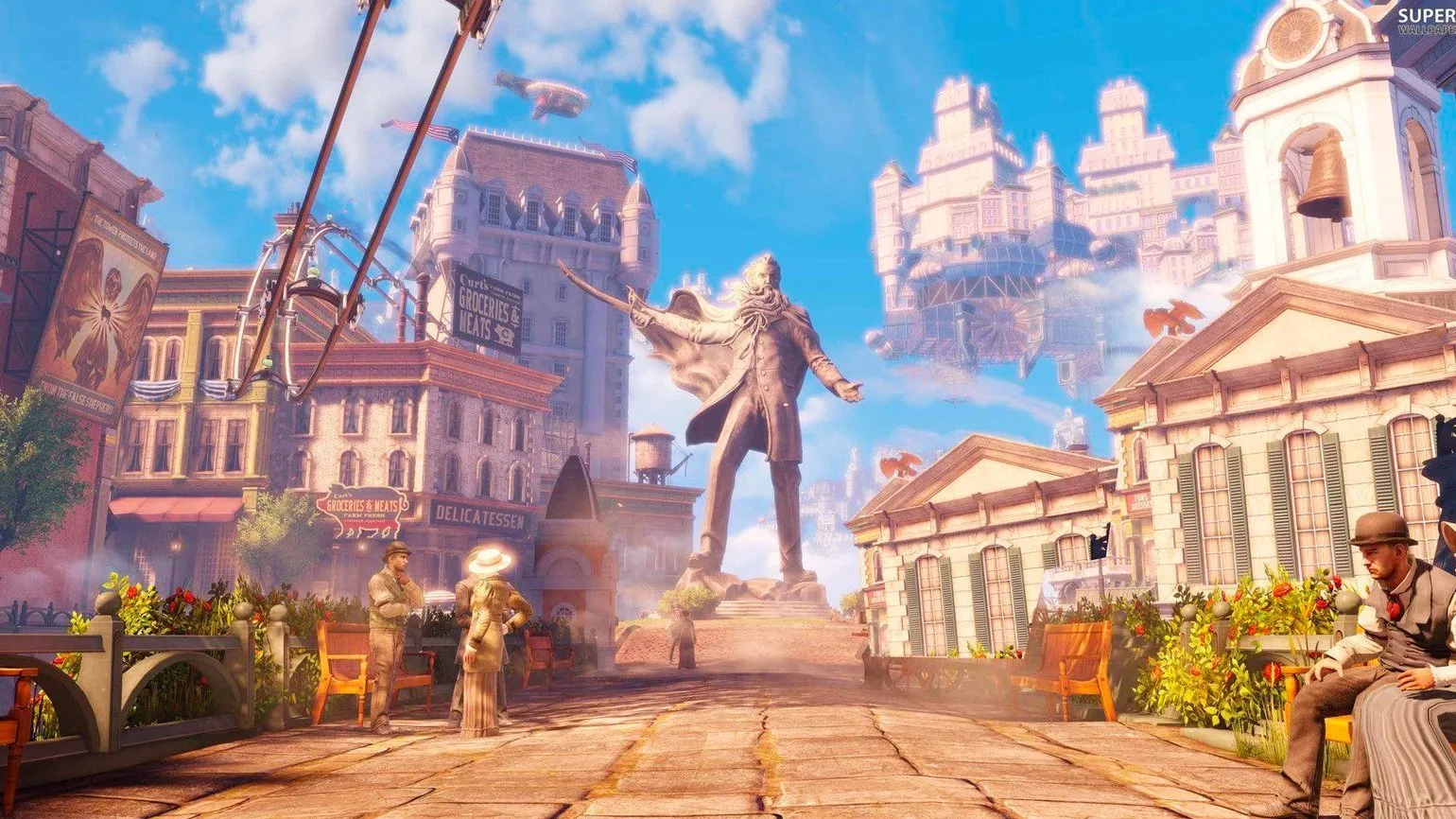
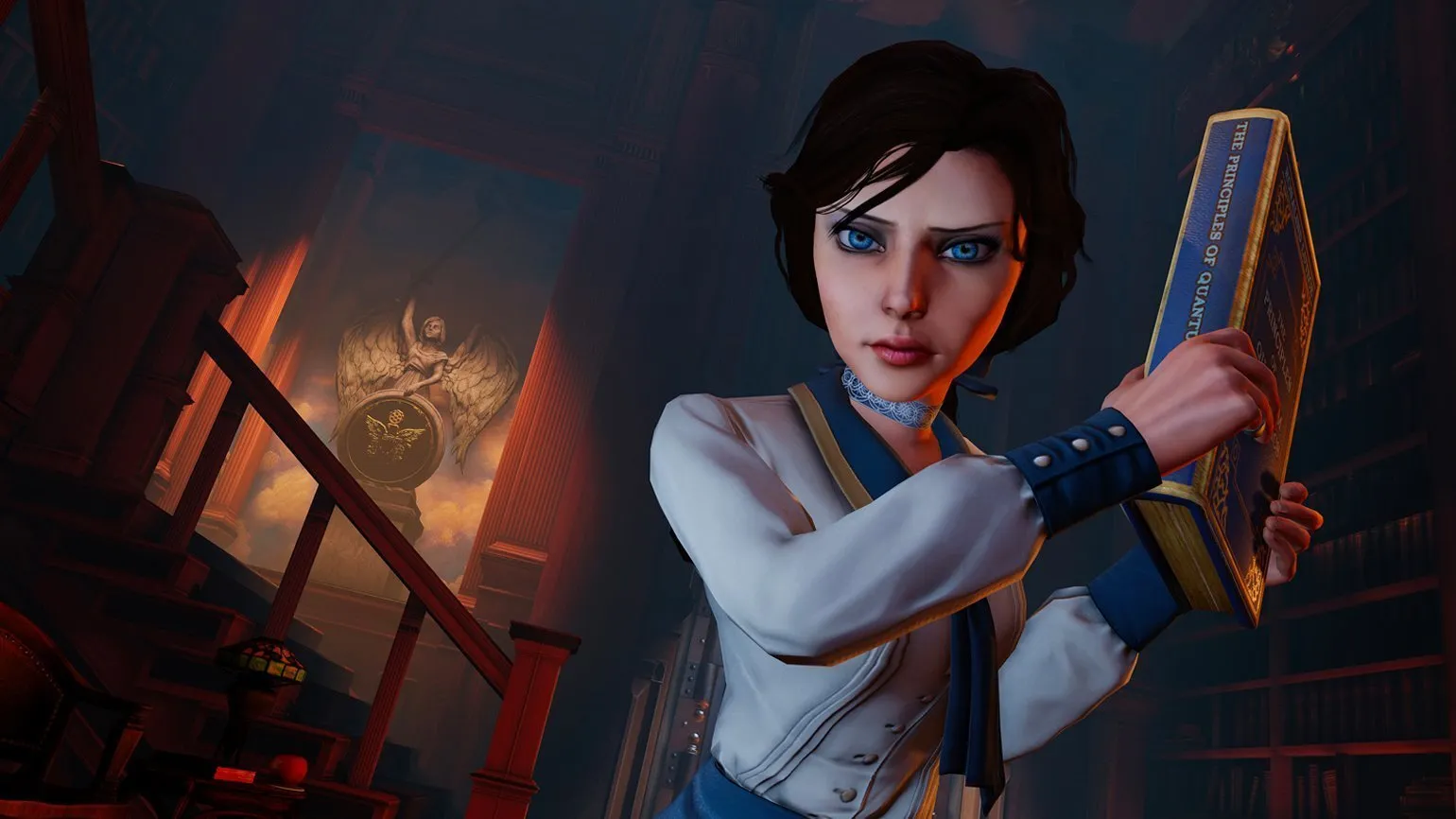
In BioShock Infinite, the protagonist, former Pinkerton agent Booker DeWitt, finds himself in Columbia, a stunning city with white buildings, bright skies, and bustling fairs that create the illusion of the American dream. However, beneath this attractive surface lie sinister secrets. As players explore the depths of the city with his companion, Elizabeth, they begin to uncover the darker aspects of Columbia: militarism, racial segregation, genocide of indigenous peoples, and religious fanaticism. These themes provide deep context for the story, highlighting the contradictions between ideals and reality. BioShock Infinite not only captivates with its exciting gameplay, but also makes you think about serious social and moral issues, which makes it one of the most significant games of its time.
The project's foundations continued to evolve even after the game's first trailer was released in August 2010, introducing Columbia, Booker, and Elizabeth. This process didn't stop Levine, who continually reworked various elements of the game, including the story, timeline, and gameplay. These changes reflected the developers' desire to create a unique and memorable gaming experience that would appeal to a wide audience.
Working in an environment of constant uncertainty is becoming the norm. It's important to learn to adapt to changes that can occur at any moment. Ultimately, it all comes down to one question: "Will this be fun and rewarding?" It's important not only to cope with difficulties, but also to find opportunities for growth and development in them.
Ken Levine, renowned game designer and founder of Irrational Games, shared his views on the development of the gaming industry in an interview with Gamasutra in 2011. He discussed the importance of narrative in video games and how story elements can influence gameplay. Levine emphasized that creating deep characters and engaging stories is a key aspect of a successful game. He also touched on the topic of technology and its impact on the development process, noting that new tools open up vast opportunities for the implementation of creative ideas. In the interview, Ken discussed the future of gaming and how new trends can change the approach to content creation. This discussion marked a significant milestone in understanding how video games can evolve into art that can address important themes and evoke emotional responses in players.
Don Roy shares memories of his former boss, who developed large sections of a game to understand what really worked and what didn't. He emphasizes the difference between theory and practice: creating concepts on paper is just the beginning, while interacting with real people, managing time, finances, emotions, and commitments is a significantly more complex process.
Large teams of programmers, artists, and designers created a significant amount of content, which often turned out to be unnecessary and consigned to the trash bin at the discretion of one person - Levine. This process emphasized that the final decisions at Irrational were made alone, but often proved only temporary. To operate effectively, the studio required outside help, which emphasized the need to bring fresh ideas and perspectives into the creative process.
Brilliant artist, terrible leader
In 2012, in addition to Don Roy, Jordan Thomas and Rod Ferguson joined the Irrational Games team. These two professionals played a key role in saving the BioShock Infinite project, bringing their experience and creative ideas to the game's development. Their contribution was essential to creating the unique gameplay and gripping story, which made BioShock Infinite one of the most significant games of its time.
Thomas, then the creative director of 2K Marin, shared Levine's ideas, but, unlike the head of Irrational, had experience in implementing them. The Infinite developers noted that Jordan was a real discovery for them: "No one worked harder or longer than him. He treated everyone with respect." This dedication and ability to inspire the team played a key role in the creation of a successful project.
In August 2012, the studio decided to hire producer Rod Ferguson, who had previously worked on the Gears of War series. Unlike many others, Ferguson was able to establish a productive relationship with Levine and earn his trust, which played a vital role in the development of the project.
A developer at Irrational Studios noted: "The game will not be released without the participation of Rod Ferguson."
The producer developed a detailed project roadmap with set deadlines. Every morning, he sent the team lists of current tasks and identified bugs, after which he held meetings with the leadership to discuss pressing issues in the development process. Thanks to the efforts of Ferguson and Thomas, the Irrational team was finally able to break the endless cycle of rework into which Ken Levine's perfectionism had trapped them. This allowed for a better workflow and significantly increased the efficiency of the project's development.
Mike Snaith, who participated in the development of the game Infinite, shared his opinion of Ken: "Ken is a true creative genius, and this brings both positive and negative consequences. His leadership skills leave much to be desired, and he himself admits it. Ken is an outstanding creator, but he is not an effective leader."
Levine has repeatedly acknowledged his shortcomings as a leader. He believes that the difficulties in running Irrational Games began in 2012, when Jonathan Chey left the studio. This departure had a significant impact on the team and subsequent processes within the company.
He and I represented two opposing sides of the same organization: creative and production. Creating Irrational for the first time was a real challenge. Now we had to rebuild the company from scratch while working on a large-scale sequel. I doubt that Irrational fully recovered after that split, and such a recovery was probably impossible. This put me in the difficult position of trying to combine both roles simultaneously, which turned out to be a difficult challenge for me.
In a 2016 interview with Rolling Stone, Ken Levine shared his views on the games industry, the creative process, and the influence of modern technology on the development of video games. He discussed how the perception of games as an art form is changing, as well as the importance of narrative in game projects. Levine noted that creating a unique gaming experience requires a deep understanding of both the mechanics of games and the emotions they evoke in players. He also touched on issues related to the development of indie games and their impact on the market, emphasizing that independent developers often bring fresh ideas and innovations to the industry. The interview with Ken Levine was an important contribution to the discussion of the role of video games in modern society and their cultural significance.
The developers of BioShock Infinite consider this project the most challenging of their careers. Due to time constraints, the team had to abandon some features, such as multiplayer and the ability to change control keys.
Bill Gardner reported that the team cut enough content for five or six games, which worries him. Production and advertising costs for the Infinite project amounted to approximately $200 million, although Levine refutes this information.
All the costs and five years of work turned out to be worth it. When BioShock Infinite released on March 26, 2013, it was met with a rapturous reception comparable to the first game. Journalists and players alike were captivated by the sky-high city and the enigmatic Elizabeth. Thrilling shootouts utilizing supernatural abilities left players completely enthralled. The final series of plot twists shocked audiences even more than the unexpected twist featuring Andrew Ryan in the first BioShock. BioShock Infinite continued the original's legacy while introducing new elements that made it a significant contribution to the gaming industry.
In its first year of release, 2K Games reported sales of 3.7 million copies. Irrational Games achieved considerable success, but the studio was closed shortly thereafter.
Ghost Stories
February 18 In 2014, Ken Levine, founder of Irrational Games, addressed the company's employees with an important announcement. With shaking hands, he read from a piece of paper the decision to close Irrational Games. This event became a significant moment in the video game industry, leaving many fans and employees in shock. Irrational Games is known for its innovative projects such as BioShock, and its closure symbolized the end of an era in game development.
The studio employees who remained after the release of Infinite were deeply confused. They had just released one of the most successful games of its generation, and now they were facing layoffs. The question arises: were they truly incompetent?
This move was planned in advance. During the development of Infinite, Levine realized that he was unable to effectively manage such a large team.
I realized that I was expected to create a new game in the BioShock series, one that would be even more impressive and of higher quality. However, I came to the conclusion that if I took on this project, it could fail. It could lead to a loss of inspiration and even problems in my personal life. Therefore, I decided to abandon the idea.
In a 2016 interview with Rolling Stone magazine, Ken Levine shared his thoughts on the current state of the music industry, as well as the impact of technology on creativity. He noted that modern music is undergoing significant changes, and artists must adapt to these new conditions to maintain their uniqueness and attract an audience. Levine emphasized the importance of interacting with fans and using social media to promote their work. He also discussed how his own experience in music and production helped him understand how to create a successful project in the current economy. This interview became an important contribution to the discussion of the development of music culture and innovative approaches to the creation and distribution of music.
The game designer soon informed the management of 2K Games of his intention to leave Irrational Games to create his own independent studio. 2K's management was not happy about the prospect of losing Levine, who had long been a symbol of the company. In response to his decision, they offered him the opportunity to form a new team within Take-Two Interactive, which would allow him to continue developing his ideas and projects under the auspices of a major publisher.
Initially, I informed the team of my intention to leave the company, explaining that I wanted to focus on a smaller, more experimental project. They asked me to stay, and I expected them to continue working on the next BioShock within Irrational. However, events unfolded quite differently.
In a 2016 interview with Rolling Stone, Ken Levine shared his thoughts on the impact of music on society and how creativity shapes our perception of the world. He discussed the importance of sincerity in art and the impact of technology on the music industry. Levine noted that modern music should reflect the reality we live in and be a means of expressing social issues. The interview has become an important contribution to the discussion of the role of music in modern culture and its ability to unite people.
While Irrational Games was developing the Clash in the Clouds expansion and the subsequent Burial at Sea episodes, which concluded the BioShock trilogy storyline, Ken Levine and Don Roy were actively searching for talented specialists. They approached developers and offered them the opportunity to join the new studio founded by Levine. This demonstrated a desire to build a team capable of developing unique ideas and approaches in the gaming industry.
The company's closure became known to everyone on February 18th, when seventy-five employees were left without jobs. This event caused significant resonance and concern among workers and their families.
Ken Levine, the creator of the first BioShock, confirmed his status as one of the leading developers in the gaming industry. Schreier notes that for fans, players, and 2K Games management, Levine and his studio Irrational were inextricably linked. The departure of a creative director at another company might have been an opportunity for someone to take his place, but for Irrational, this move marked the end of an era. BioShock and its deep narrative had a significant impact on gaming culture, and Levine's departure was a significant event for all fans of the game. Former employees of the company noted that the closure process was carried out with the human factor in mind: each developer was provided severance pay. Shortly after the closure, the studio's management organized a job fair attended by representatives of leading gaming companies. Ken Levine actively shared the portfolios and resumes of former employees on his Twitter page, helping them find new opportunities in the gaming industry. In 2017, Levine announced the creation of a new studio, Ghost Story Games. The company is currently developing a project that Levine describes as "narrative Lego." This inspiration is drawn from the Nemesis system used to generate orcs in the game Middle-Earth: Shadow of Mordor. The game designer aims to create a game in which an algorithm will generate unique stories for each player, providing a personalized experience and engagement.
Currently, information about the project from Ghost Story Games is scarce, as the studio has not yet made an official announcement. Don Roy left the company in the summer of 2017 after a conflict with director Ken Levine. In an interview with Schreier, he noted: "I felt like I was creating miracles for him, but he wasn't delivering on his promises." Remaining members of the team reported that the game's development has already been delayed several times.
Levine never takes easy decisions. Despite his disagreements with Rand's ideology, he certainly has much in common with characters like the tyrant Andrew Ryan and the eccentric artist Sander Cohen. Like them, Levine believes that creating something truly meaningful requires great sacrifice and profound suffering. This philosophy underscores his internal conflicts and pursuit of greatness, which always comes with challenges and trials.
In the history of video games, no great work has emerged by chance. Games like Half-Life, Minecraft, and Uncharted rely on immense effort, hard work, and sacrifice. Years of toil, research, and overcoming challenges were required to create these masterpieces. The stories of developers like Gabe Newell, Markus Persson, and Amy Hennig confirm that success in the gaming industry comes from persistence and dedication. The creative process requires not only talent but also a willingness to overcome challenges, making each game a unique work of art.
In his 2016 essay, "Getting In," Ken Levine explores important aspects of the college admissions process. He shares his observations on how psychological and social factors influence the choice of educational path. He emphasizes the increasingly intense competition for places at prestigious universities and emphasizes the need for a conscious approach to choosing an educational institution. Levin also considers the influence of external factors, such as rankings and public opinion, on the decision-making of students and their families. The essay raises questions regarding equal opportunity and fairness in the educational system, making it relevant for readers interested in education and career development.
Perhaps he's right. It really does take a spark of madness to create great work. Whatever his next project, it will certainly attract widespread attention. The only question that remains is: what price will all participants in this process have to pay?
Who are you in the world of game development? A mini-course for those who want to make games.
In this free mini-course, you'll try your hand at being a game designer, 2D artist, or Unity game developer, and choose the profession that's right for you.
Find out more