Contents:

Fashion designer: 7 steps to success in the fashion industry
Find out moreEvery woman should have a little black dress in her wardrobe - this principle has become the basis of the fashion world. In this article, we will tell you how this simple yet elegant item has gained recognition and become an indispensable element of everyday style. The little black dress is versatile and suitable for a variety of occasions, which makes it an important choice for every woman. We will also discuss how to properly combine this dress with accessories and shoes to create the perfect look for any event.
The History of the Little Black Dress
In October 1926, a sketch of the iconic dress by Coco Chanel was featured on the pages of Vogue. This design became a real revolution in the world of fashion, as the knee-length dress with a narrow shirt cut was conceived as everyday wear. Previously, black was used mainly for mourning or service uniforms, but thanks to Chanel, it acquired the status of elegance and style. This dress changed the idea of women's fashion and became a symbol of freedom and modernity in clothing.
Coco Chanel brought new meanings to the black dress, making it a symbol of elegance, confidence, and independence for many women. This garment became a way of self-expression, allowing women to declare their place in society. Chanel's black dress became not only a fashion trend but also an expression of feminine strength and style.
The dress's comfort and practicality perfectly suited the dynamic lifestyles of women of the period. Women could wear this outfit comfortably to work, dates, or social events. After World War I, when women began actively seeking financial independence, the need for versatile clothing arose. In this context, the little black dress became the ideal choice, combining style and functionality, making it a wardrobe essential.
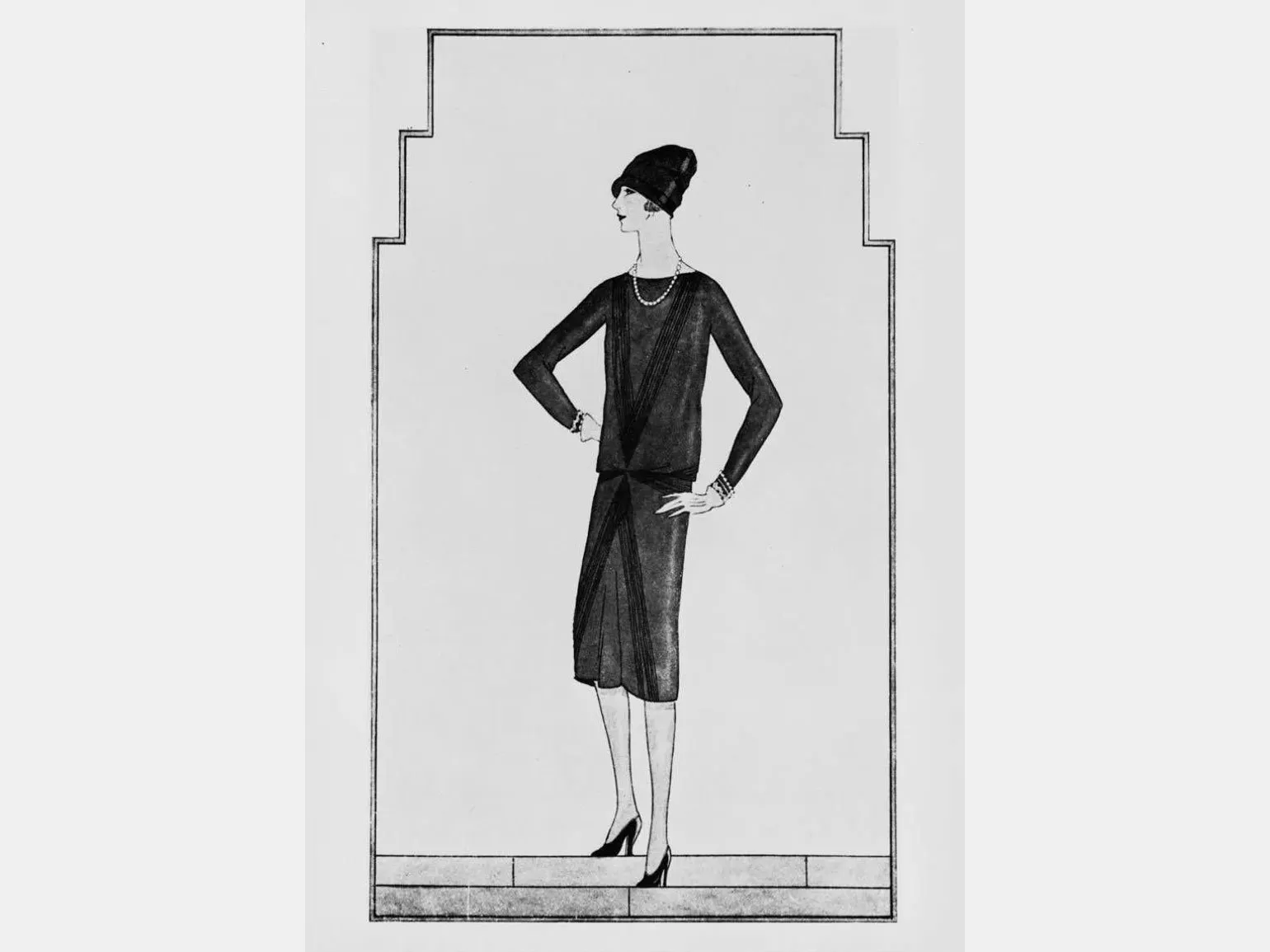
Coco Chanel wasn't the only designer to create the iconic dress. In the early 1920s, fashion houses like Jean Patou and Drecoll also designed similar styles. Their velvet, velour, and satin outfits ranged from luxurious to minimalist. However, it was Chanel who made this model truly iconic and introduced new accents into fashion that influenced the style of future generations. Chanel brought a unique combination of elegance and comfort to the fashion world, which made her works not only sought after, but also timeless.
Famous Black Dresses: A Symbol of Style and Elegance
When the "little black dress" is mentioned, most people imagine the classic model - short and form-fitting. However, in the fashion world, this concept is much broader. "Littleness" here is not limited to size; it also includes minimalism in design. In this article, we'll examine the most iconic black dresses that have significantly influenced fashion history and become style icons.
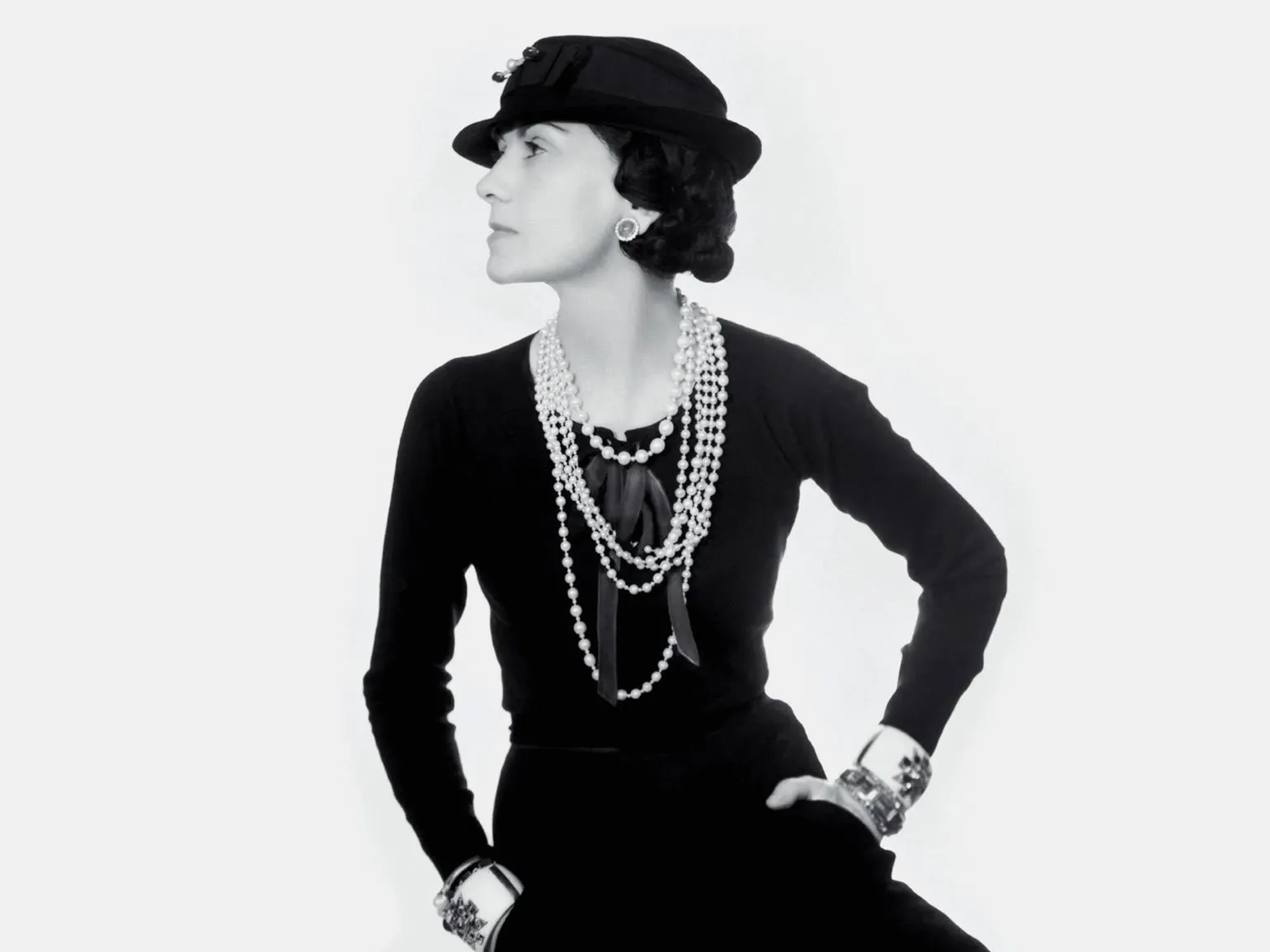
Coco Chanel's long-sleeved, dropped-waist dress became an icon of a new approach to women's fashion. Made of crepe—a blend of cotton and silk—it stands out for its simplicity and lack of unnecessary details like buttons and ruffles. The elegance of this outfit is accentuated only by accessories, such as a strand of pearls, making it a versatile choice for any occasion. This dress symbolizes sophistication and modernity, reflecting Chanel's philosophy of freedom and comfort in clothing.
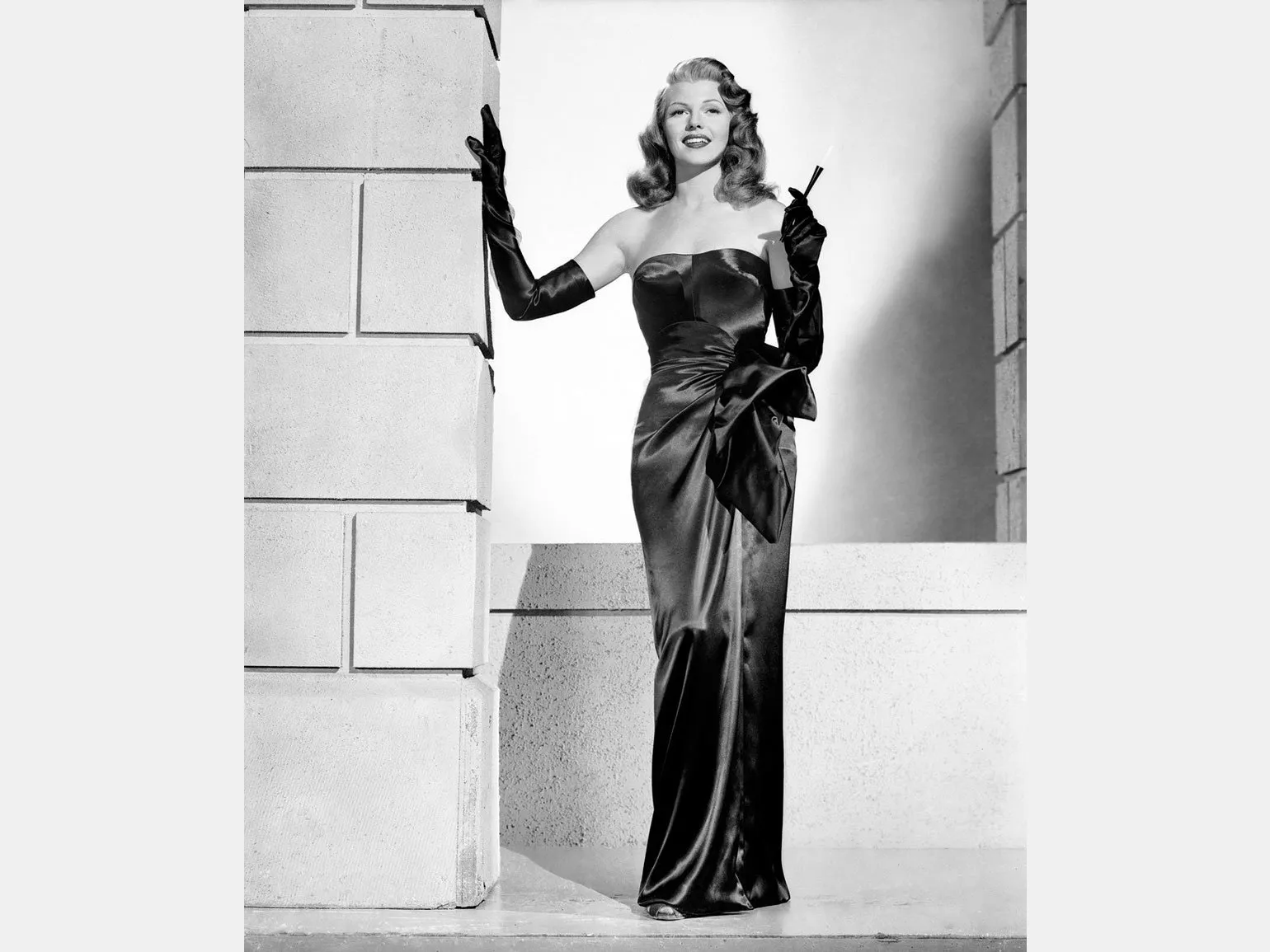
In 1946, for the film "Gilda," costume designer Jean Louis created an iconic high-slit dress, which is rightfully considered a symbol of the femme fatale style. The shiny black satin, off-the-shoulder dress perfectly accentuated Rita Hayworth's figure. Paired with long gloves and bright lipstick, this look became a red carpet style icon and continues to inspire generations. The dress from "Gilda" not only attracted the attention of audiences but also cemented its status as a classic outfit that embodies elegance and sexuality.
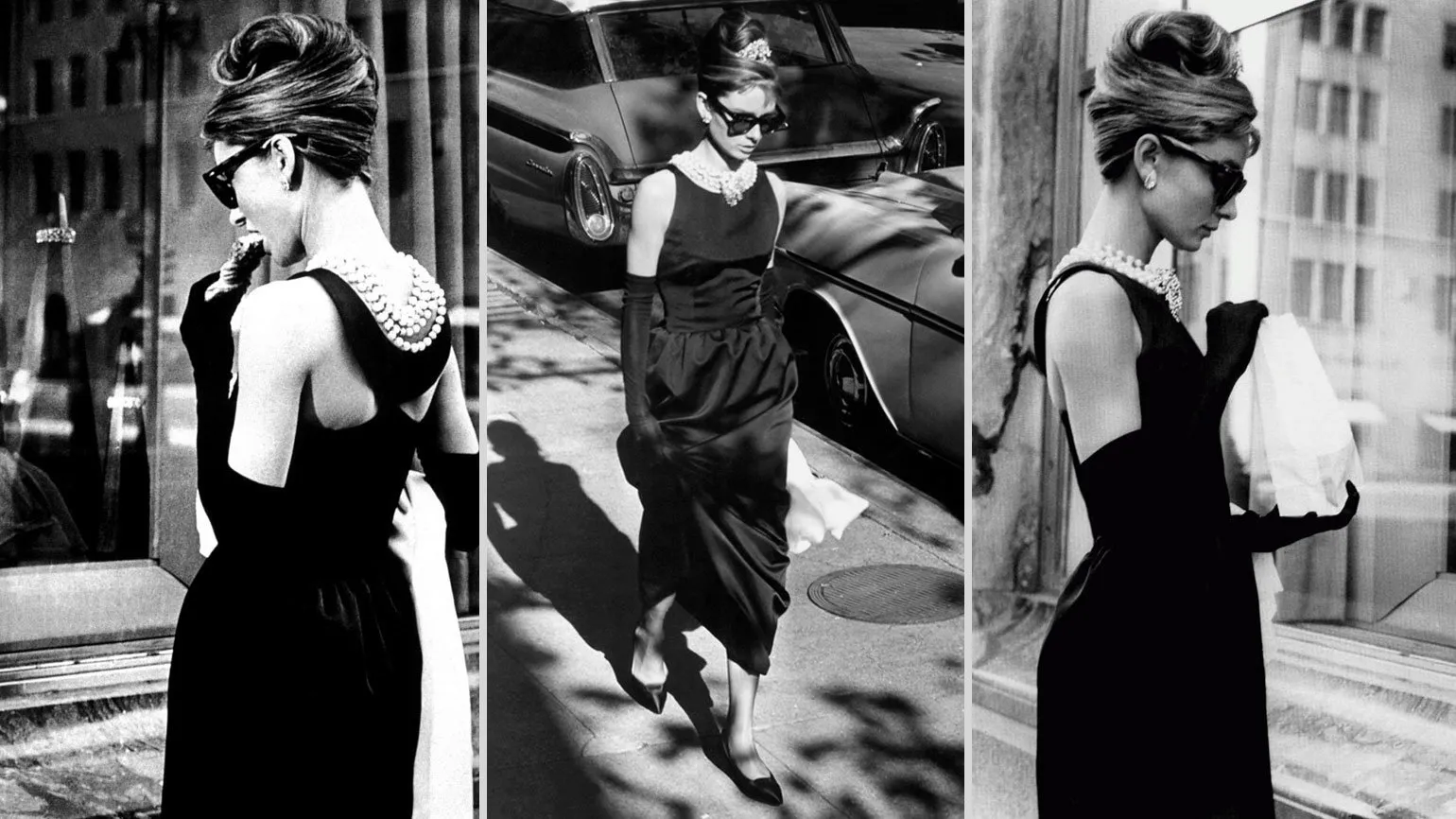
In 1961, Hubert de Givenchy created a dress for Audrey Hepburn, which became a real style icon thanks to the film "Breakfast at Tiffany's." This open-cut dress, featuring wide armholes and a fitted top, flowed seamlessly into a long skirt. The dress exuded elegance and grace, perfectly complemented by long black gloves. Hepburn's style in this outfit became a fashion symbol of its time, inspiring designers and fashion fans for many years.
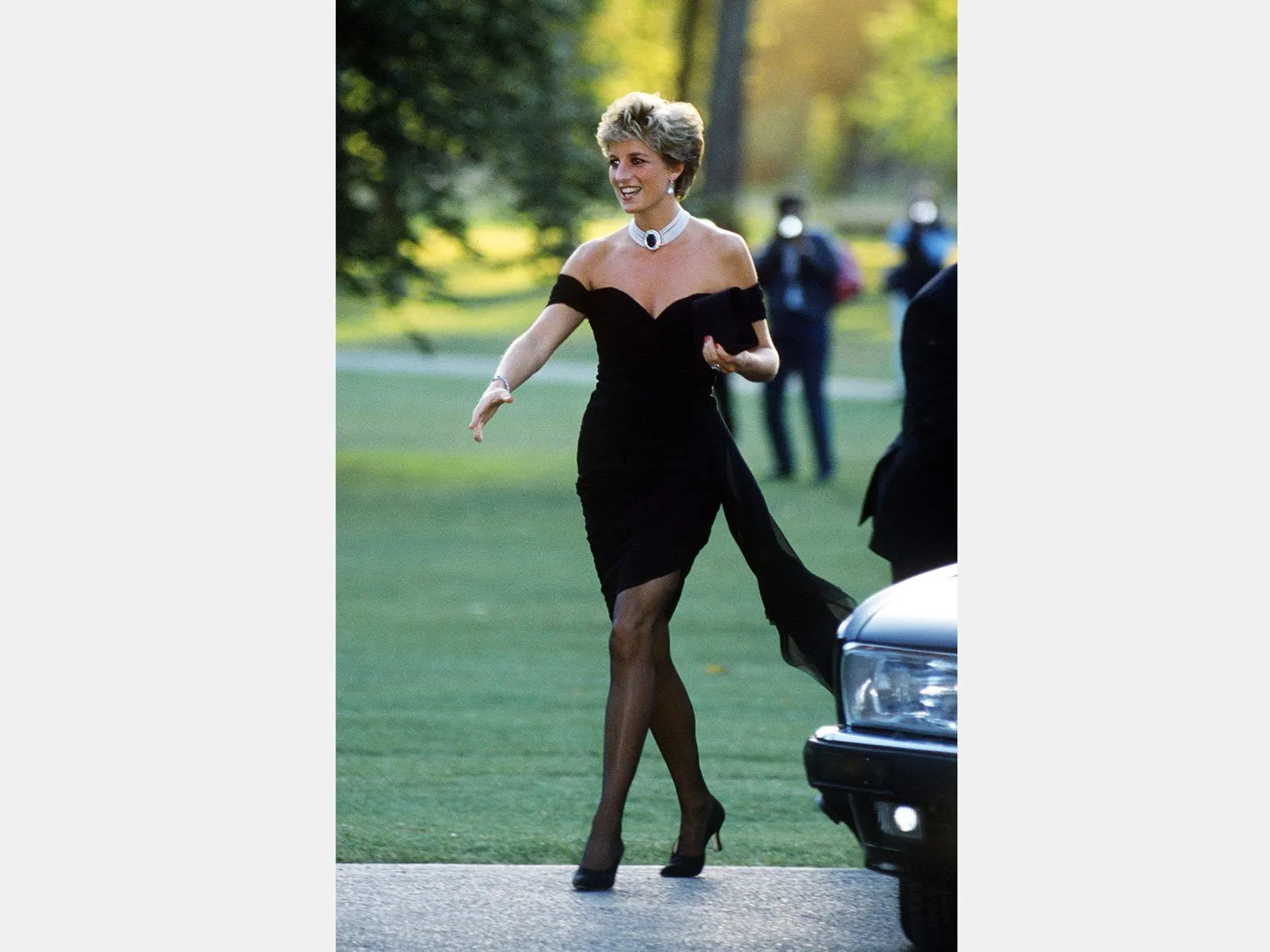
In 1994, Princess Diana made a splash at a social event, appearing in A provocative black off-the-shoulder dress with an asymmetrical hem, designed by Kristina Stambolyan, became a symbol of her independence and strength, especially in light of Prince Charles's official announcement of infidelity that same day. This historic moment highlighted her courage and desire to defy societal expectations, which made Diana one of the most memorable figures of her time.
The Relevance of the Little Black Dress in the Modern Fashion World
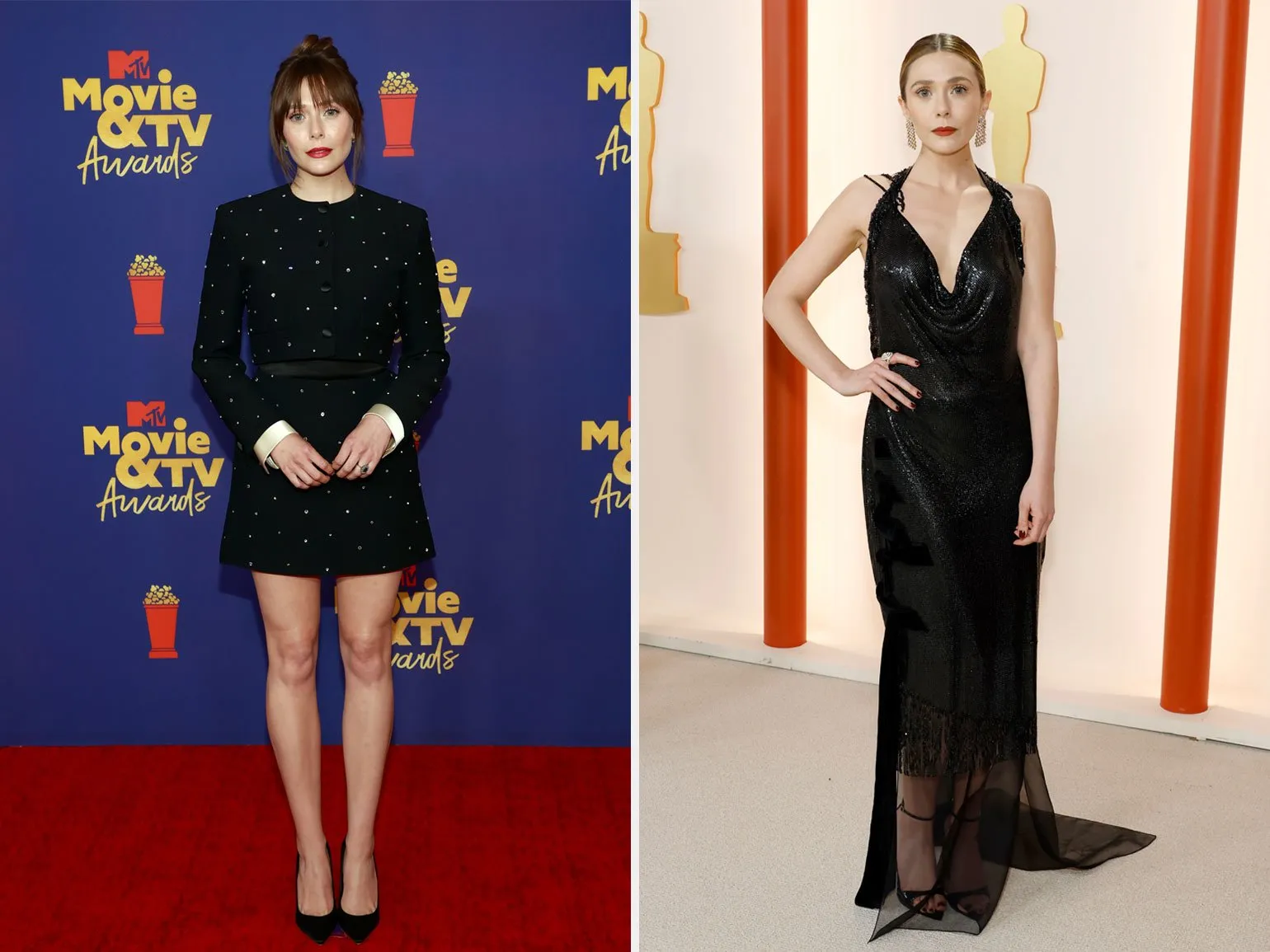
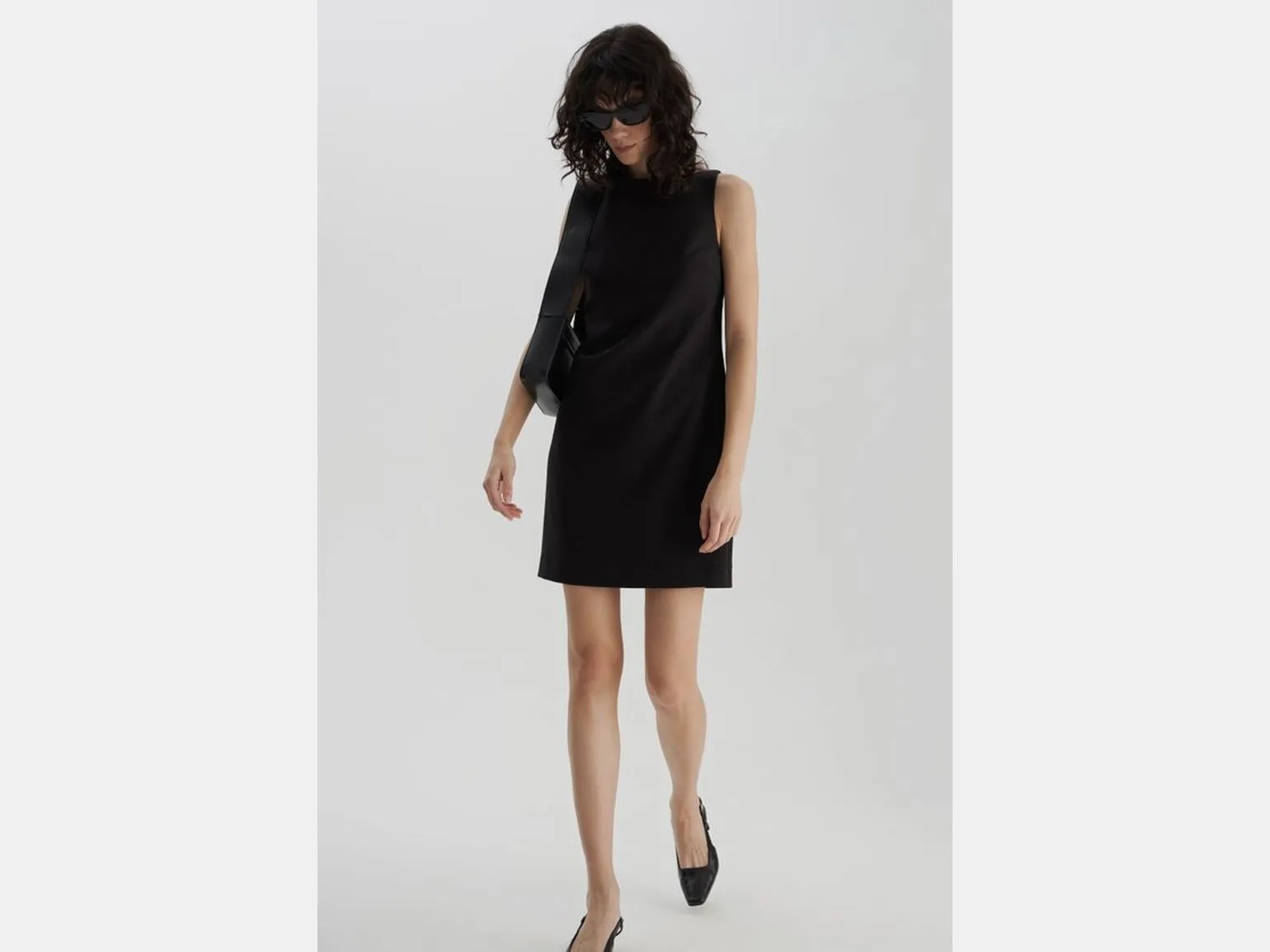
Over the past century, the little black dress The MCHP has become a symbol of women's fashion and a wardrobe staple. Designers around the world continue to create unique interpretations of this classic style, offering options ranging from elegant to extravagant. At the same time, mass-market options offer affordable versions that are found in most women's closets. The MCHP not only accentuates style but is also a versatile solution for a variety of occasions, from casual gatherings to evening events.
The modern fashion industry offers a variety of black dress options for every occasion: from office events to romantic dates and casual outings. Every woman, regardless of body type or style, can find the perfect dress, as the little black dress (LBD) concept is universal and flattering. It's becoming an essential wardrobe staple, allowing you to create stylish looks for a variety of occasions. A well-chosen black dress will highlight the advantages of your figure and become the basis for creating a unique style.
Additional interesting facts about the design are available in our Telegram channel. Subscribe to stay up-to-date on current fashion trends and get fresh ideas for your creative project. Our channel offers unique content that will help you become an expert in the world of design.
Don't forget to check out our recommendations.
- Design History: 1940s–1950s
- Make Your Own: 5 Russian Clothing Brands
- Go Unnoticed: 6 Creative Russian Clothing Brands
Fashion Designer: 7 Steps to a Successful Career in Fashion
Want to become a fashion designer? Learn 7 key skills for success in the fashion industry!
Learn more