Contents:
Learn: UX/UI Designer Profession
Learn MoreSuper apps, or superapps, are multifunctional services that offer users a wide range of services: from savings accounts to food delivery and travel booking. They create an ecosystem in which various functions are integrated into a single application, providing convenience and efficiency. Such applications allow users to save time and effort, since all the necessary services are available in one place. Super apps are becoming increasingly popular as they simplify everyday tasks and enhance user experience, making them an integral part of digital life.
In this article, we collaborate with professional designers to explore the reasons why brands are investing in creating super apps. We'll also consider how this influences user behavior and what trends are shaping the future of digital ecosystems. Discussing these aspects will help better understand how superapps are becoming an important element of brand strategy and how they are changing customer interactions in the rapidly evolving digital market.

Co-founder and art director of maryco studio.
Superapps can be viewed from two key perspectives: from a business perspective and from a user perspective. This duality makes superapps unique and multifunctional, capable of satisfying the diverse needs and expectations of both parties. From a business perspective, superapps offer new opportunities for monetization and customer base expansion, while users gain access to a variety of services and functionality in a single app, significantly simplifying their interactions and saving time. Businesses are faced with the need to find new sources of revenue. Companies are actively exploring the opportunities offered by third-party services, which often prove more profitable than their core business. New areas often logically follow from existing business models, allowing them to leverage existing resources and experience for their successful implementation. The Yandex ecosystem began its journey with a simple search service. Over time, it added features such as advertising, email, and news. At the very beginning, a marketplace platform was created that brought together products from various online stores. Recognizing that with the development of stores comes the need for financial instruments, Yandex also launched payment systems. Maps were then introduced, laying the foundation for the development of transportation services. The emergence of maps paved the way for taxis and navigation systems. The development of taxis, in turn, spurred the development of delivery services, further expanding the ecosystem and making it more user-friendly. During the pandemic, significant changes occurred in the delivery industry, and advances in maps and logistics became the basis for the creation of a new service, Lavka. At the same time, the company was actively developing artificial intelligence technologies, enabling the integration of AI into various services and the launch of a separate service featuring the voice assistant Alice. These steps not only improved the quality of service but also made delivery more efficient and accessible to users.
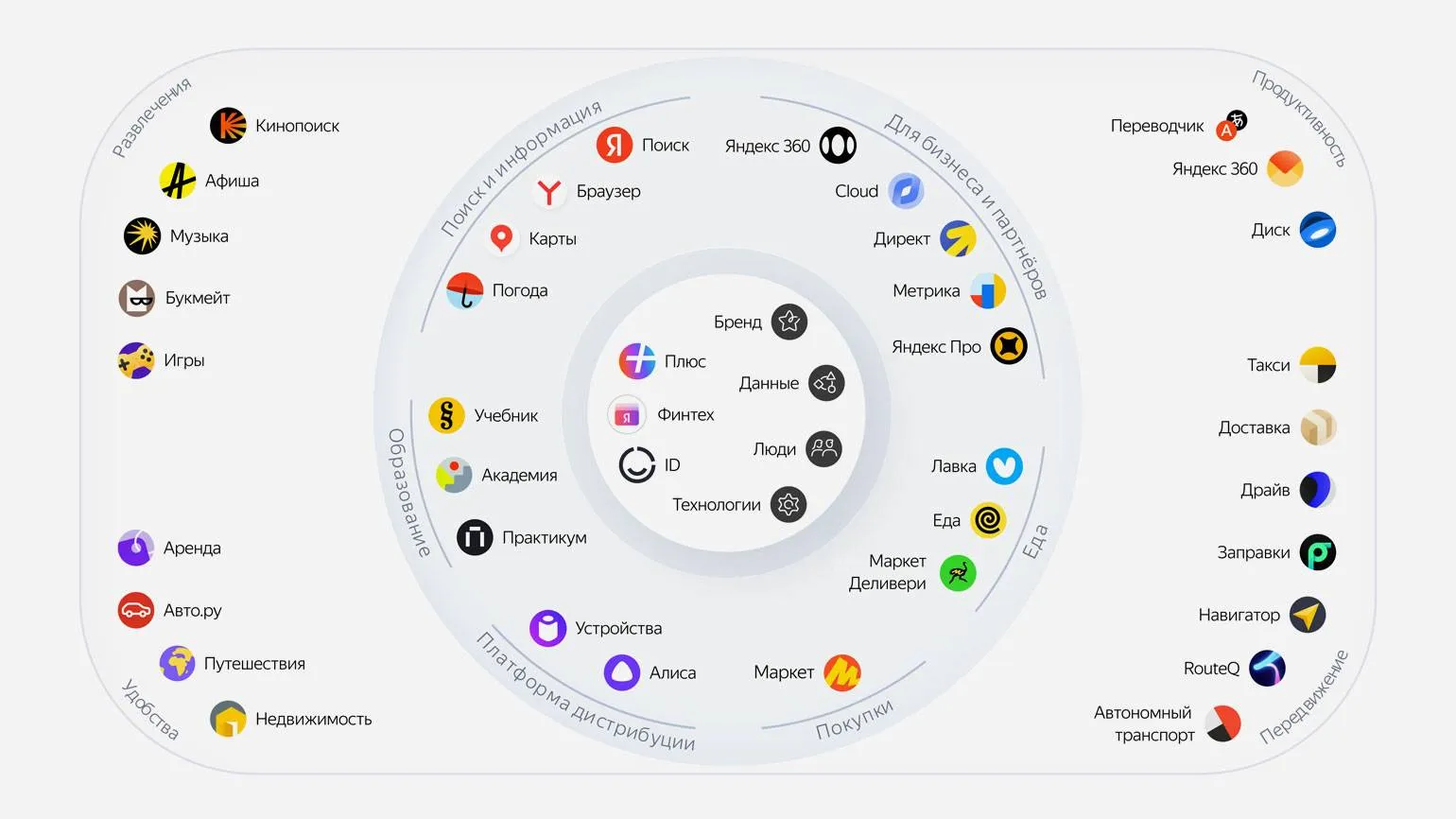
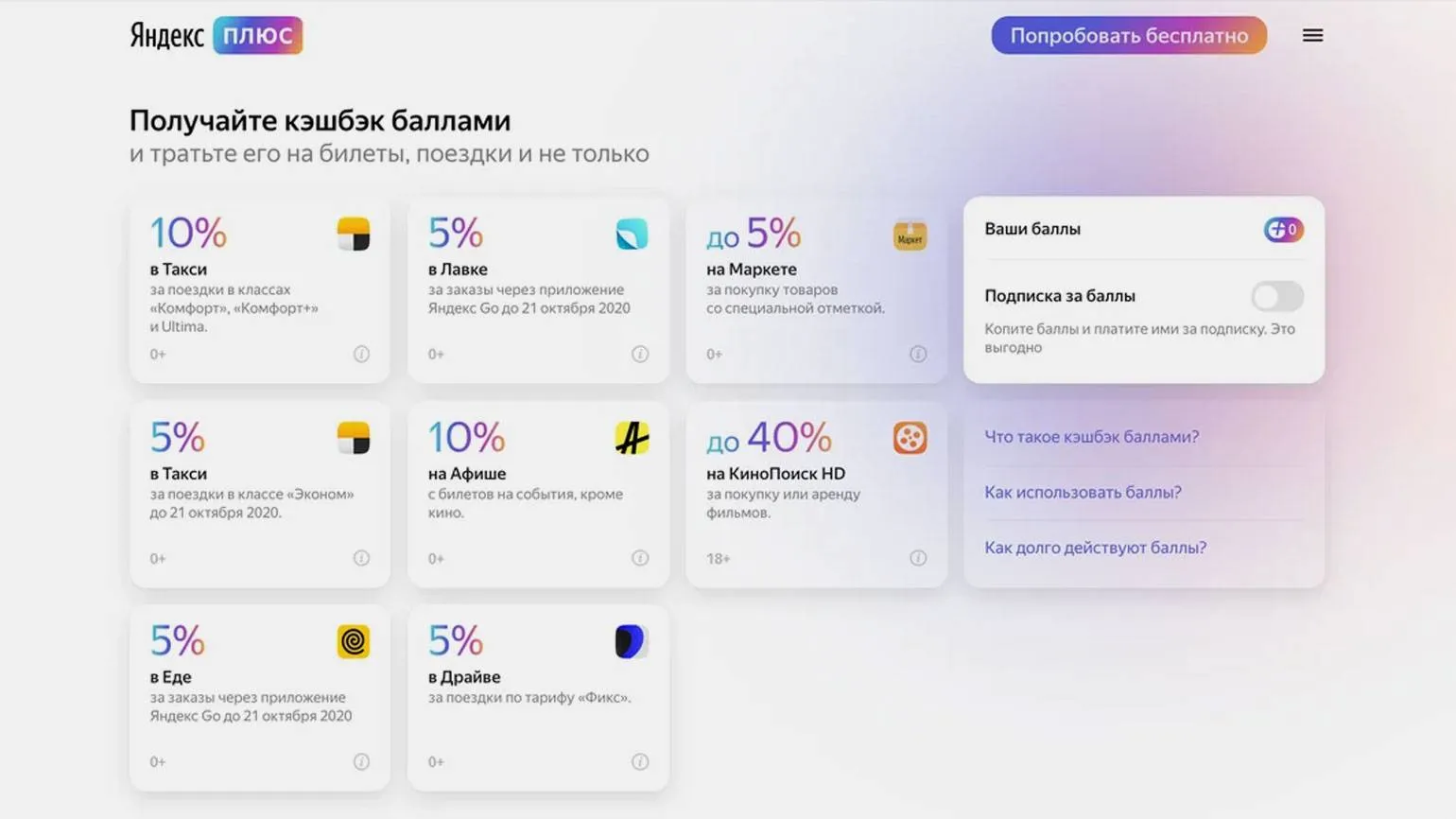
The more points of interaction a business has with its customers, the deeper it understands their needs. This allows it to offer customers comprehensive solutions with a variety of functions in a single application, which helps increase revenue. It's easier to sell additional services to an existing customer than to attract new users. User trust and the convenience of an ecosystem and super app play a key role in their appeal. Let's take Yandex as an example. As a customer, I pay for a single "Plus" plan, which gives me access to all ecosystem services. I can listen to music and watch movies on Kinopoisk, earning bonus points for this. These points can then be used for taxis, delivery, and online shopping. Thus, service integration creates a comfortable experience for users and strengthens their brand loyalty. I trust a company, especially if I've been using its services for a long time. The accumulated bonuses also encourage me to spend them within the ecosystem. This creates additional interest in the services and products offered by the company, which strengthens my commitment to it.
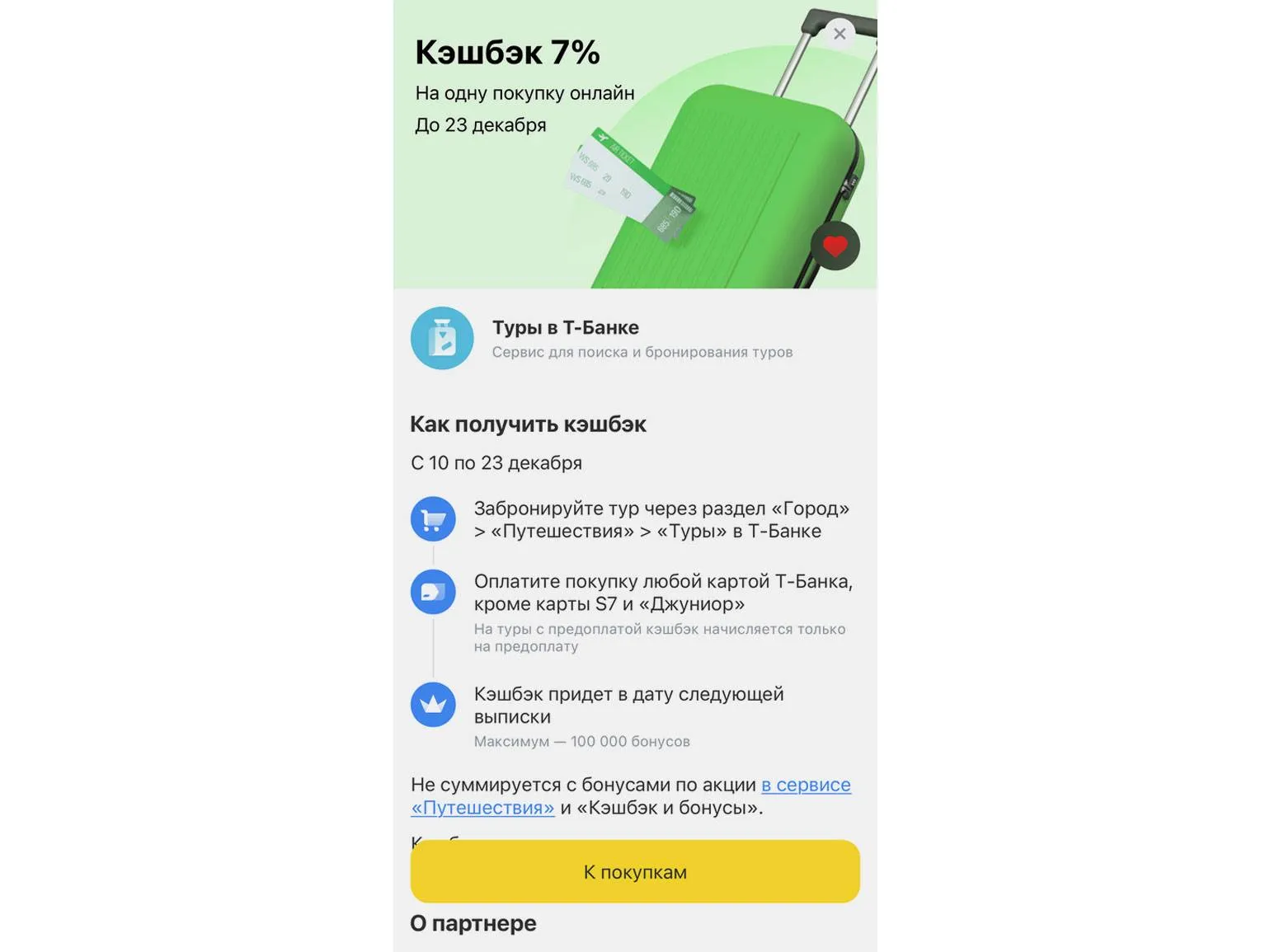
Working with banks has its own peculiarities. For example, I have a premium subscription with T-Bank, and when I need car or travel insurance, I go there. Why? I prefer not to get bogged down in details; I trust my bank and know that if I have any questions, I can get help via chat. The insurance process is simple and accessible. Even if T-Bank's insurance is slightly more expensive than competitors, I choose it because of the convenience and reliability of the service. An alternative option is buying travel packages. Sometimes I don't want to deal with a tour operator. If a bank offers this service, I prefer to use it because I'm confident that support will be available if I have any problems. An added bonus is cashback, which is always nice. From a girl math perspective, this kind of money feels like earned money.
Laziness, the desire for progress and the peculiarities of capitalist society affect our interaction with people around us. In the modern world, there is a tendency towards decreasing communication with real people, which gives rise to unique changes in various spheres of life. This situation highlights the importance of understanding the impact of technology on personal relationships and social contacts.

Digital product designer with experience working in startups and large companies in Russia, Great Britain and New Zealand. I have skills in developing an intuitive interface and creating user experience adapted to various markets. My experience spans the entire design spectrum, from initial concepts to final implementation, enabling effective problem-solving and goal achievement.
Stas has over eight years of experience designing and launching services that improve people's lives and effectively meet business needs. His experience enables him to create innovative solutions that facilitate the development and optimization of processes in various fields.
Companies strive to create their own ecosystems by developing internal products or acquiring third-party services. Having a large audience within a single core service allows them to integrate new services directly into the application, resulting in the creation of super apps. These approaches contribute to an improved user experience and increased customer engagement, which is an important aspect in modern business.
Users value the convenience provided by a brand they trust. The system analyzes their preferences and offers personalized offers, significantly improving customer interactions and increasing their satisfaction.
Creating super apps is a key goal for companies seeking to develop their ecosystems. Apple is a prime example of such an ecosystem: music plays through a speaker, the watch tracks health, the iPad is used for creativity, and the MacBook is for work. All devices are perfectly synchronized, eliminating the need for manual file transfers and repeated password entry. This provides users with convenience and efficiency in using the company's products, which in turn helps strengthen loyalty and increase overall satisfaction.
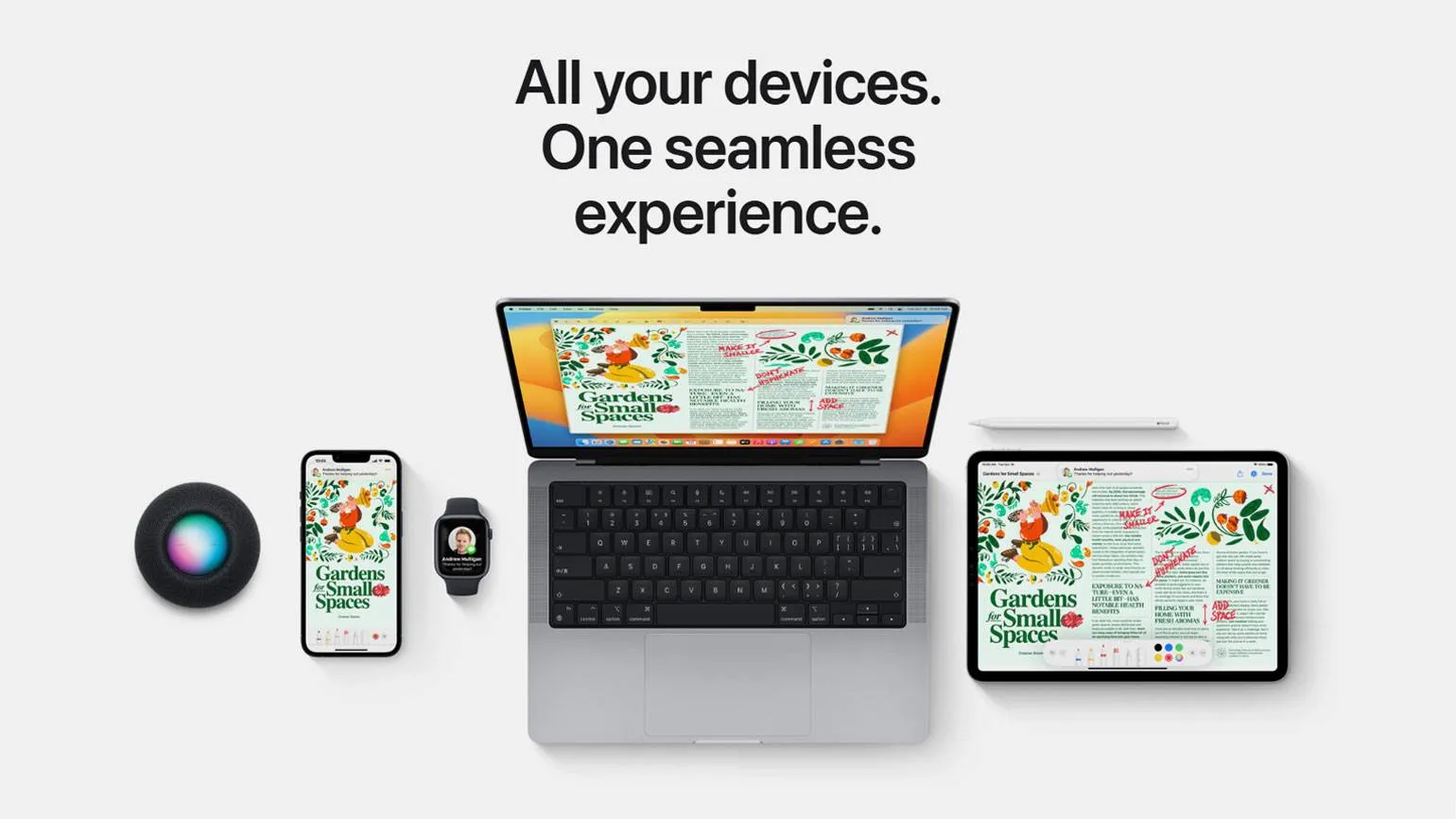
Superapps works on a similar principle: it is more convenient for the user to stay within the framework of one system than to download various applications, study their interfaces and create new accounts. This simplifies interaction, increases the efficiency of using services, and saves time on learning new technologies. As a result, superapps become an attractive solution for users seeking maximum convenience and the integration of various functions in a single application.
The main reason is analytics. The more services a superapp includes, the more data the company can collect. This allows it to better understand user needs, optimize offers, and improve the quality of service, which, in turn, contributes to business growth and increased competitiveness in the market.
Apple collects information about what you listen to during workouts, what time you use various devices, and what videos you watch. This data plays a key role in improving the company's products, generating personalized recommendations, and selling advertising. The more engaged a user is in the Apple ecosystem, the more difficult it is for them to abandon its services. This creates a closed loop that promotes continuous development and customer retention.
A superapp can be imagined as a multifunctional shopping center. For example, you came to buy equipment for a mountain hike. After purchasing it, you leave the store and see an ad for a new film about skiers. Your parking ticket already includes a discount on a ticket. After watching the film, you are offered an advertisement for an Alpine-style restaurant, which is only 100 meters away. Superapp combines not only shopping, but also entertainment, creating a unique experience for users.
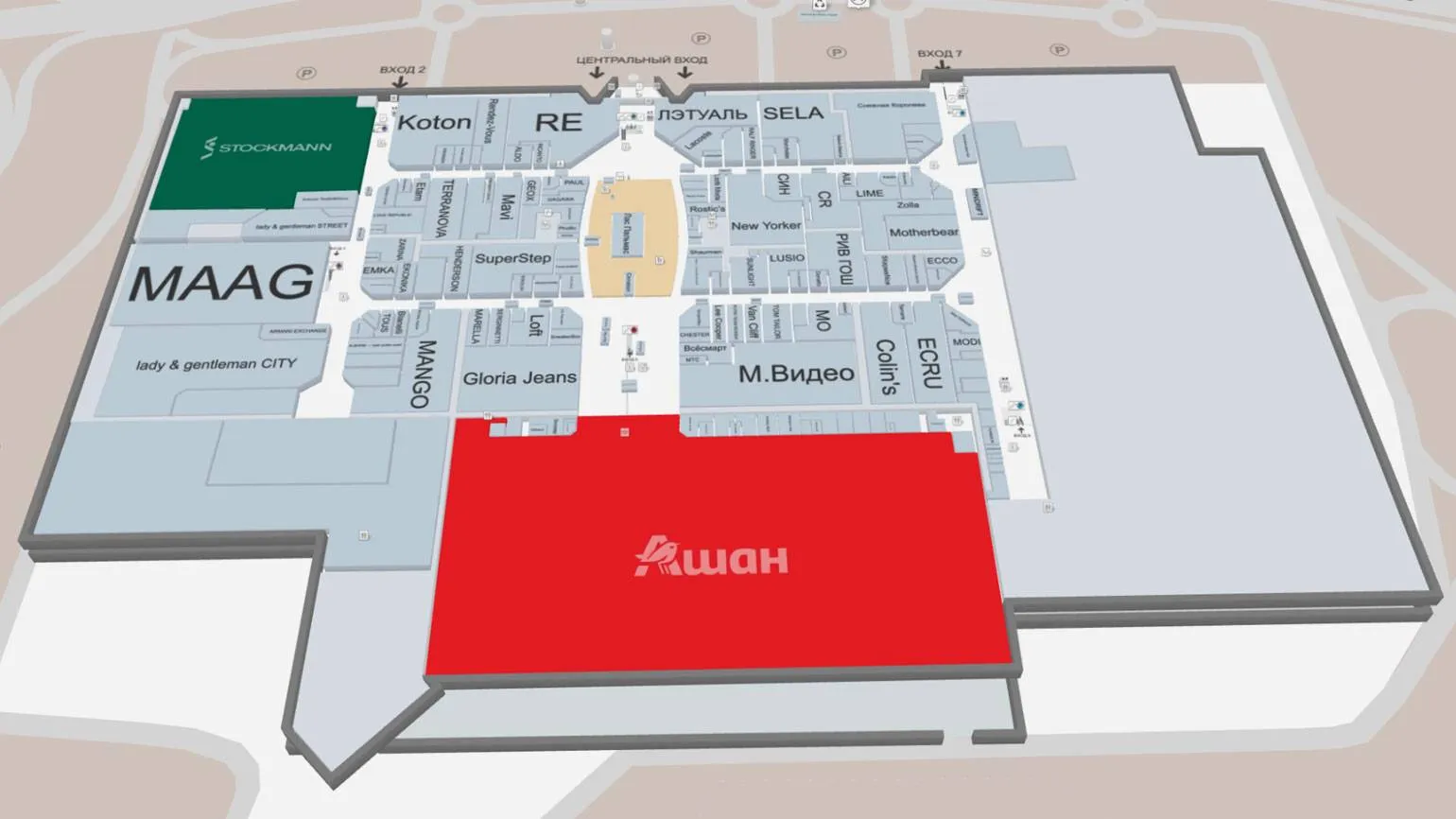
Your route is designed with a smooth transition between products in mind, allowing you to remain within the ecosystem.
Superapps are an effective tool for user retention. However, as the number of services within such apps increases, maintaining a consistent level of quality and convenience becomes challenging. This requires special attention to design, functionality, and user experience to ensure maximum user satisfaction.
In a superapp ecosystem, each part is managed by its own team, and their interaction must be as harmonious as in an orchestra. The quality of each service directly impacts the overall user experience. If one service is inconvenient or ineffective, it will negatively impact the perception of the entire superapp. A high degree of integration and attention to detail will help create a harmonious interaction, which in turn will increase user satisfaction and strengthen the product's reputation.

A multidisciplinary designer is a specialist with a wide range of skills in various areas of design. He combines competencies in graphic, web design, industrial design and other areas, which allows him to create unique and effective solutions for various projects. Such a designer is able to adapt to changing customer requirements and work with various formats, ensuring a harmonious interaction between visual aesthetics and functionality. A multidisciplinary approach to design enables the creation of innovative products and services that meet modern market demands.
Superapps are financial platforms carefully designed to retain users within the ecosystem. These applications offer a variety of services, allowing users to manage their finances, make purchases, and access various services without leaving the platform. As a result, superapps become not only convenient tools for everyday financial transactions but also effective means for companies seeking to increase their profits by attracting and retaining customers.
Businesses strive to maximize profits by creating an ecosystem within their application to retain customers, as this is less expensive than attracting new ones. At the same time, users have enough to worry about: work, meeting friends, and no desire to navigate multiple services. I understand this and don't judge.
Many people don't want to waste time searching and comparing different services; they just want to have dinner and enjoy watching a TV show. Super-ups offer convenient solutions, posing as a way to save time and effort.
I open the T-Bank app to check my balance and see a yellow bar with the message: "Zhenya, renew your MTPL insurance, we've calculated everything, now you just need to pay." I think: "The price isn't the best, but you can't drive without insurance. With another app, you'd have to fill out a bunch of forms—STS, PTS, MMS, SMS, OMS policy... But here, everything is already prepared." Ultimately, I decide to pay for the insurance so I won't forget about it in the future. My brain chose the simple and convenient "here and now" path, and businesses benefited from this choice. Everything happens in one app, which significantly simplifies the process for the user.
Some products don't care whether you spend money or not. It's important to remember that in some cases, you become the product itself. Here, your time is the bargaining chip, and advertisers pay for you. The longer you use the service, the more it earns. This explains the use of recommendations, gamification, and other mechanics aimed at keeping users in the app for as long as possible. Increasing the time spent with the product contributes to the company's revenue growth and improves the user experience.
Design is a key tool in attracting and retaining users. Professional designers know how to effectively interact with the audience, creating attractive and user-friendly interfaces. The more integrated and seamless the ecosystem, the less likely it is that users will switch to competitors. This increases the value of our app in the eyes of users. Superapps demonstrate a similar approach, combining multiple functions and services in one place, making them more attractive to users.
Yandex Go offers a wide range of services, including delivery, groceries, scooter rentals, and taxis. All these functions are interconnected, allowing users to perceive the yellow icon as an essential tool for solving various everyday tasks. Yandex Go makes it easy to organize your daily routine, making the app an indispensable assistant in the modern fast-paced world. Superapps aren't evil. I didn't intend to debunk them. While they can indeed be addictive, they also effectively solve many problems and save users significant time. It's important to maintain choice, even when choosing between different superapps. Having alternatives allows users to find optimal solutions that suit their needs and preferences. The ability to choose between different superapps promotes a deeper understanding of the functionality and increases user satisfaction.

Curator of the Communication Design and Art Direction programs at the HSE School of Design - Art Director Jami Lup. He leads the training of students, ensuring the high quality of the educational process and the relevance of knowledge in the field of design. Under his guidance, students develop the skills necessary for successful careers in communication design and art direction.
Today, many people face the problem of digital overload. We use numerous apps for various tasks, such as banking, food delivery, social media, and taxis. Each app requires a separate login, learning the interface, and constantly switching between them. This not only creates inconvenience but also leads to significant fatigue. Streamlining digital processes and using universal services can significantly simplify life, reducing the time spent interacting with technology and increasing overall efficiency.
Superapps are becoming increasingly popular, combining various services into a single ecosystem and making the smartphone a universal tool for solving everyday problems. For brands, this creates new opportunities, allowing them to effectively convey the value of their products in a limited space and highly competitive environment. The importance of superapps lies in their ability to improve user experience and simplify access to various services, which makes them attractive to both users and companies.
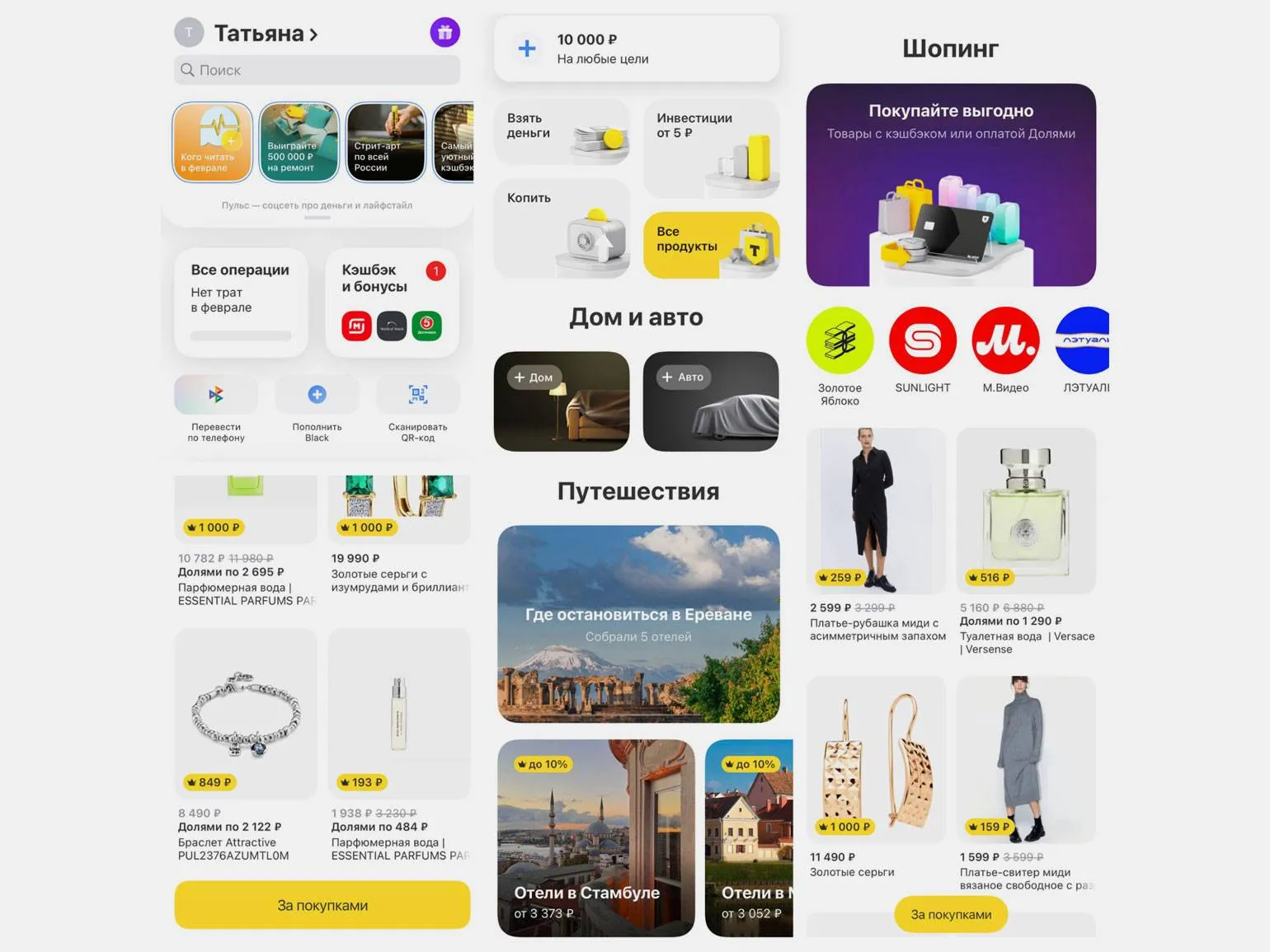
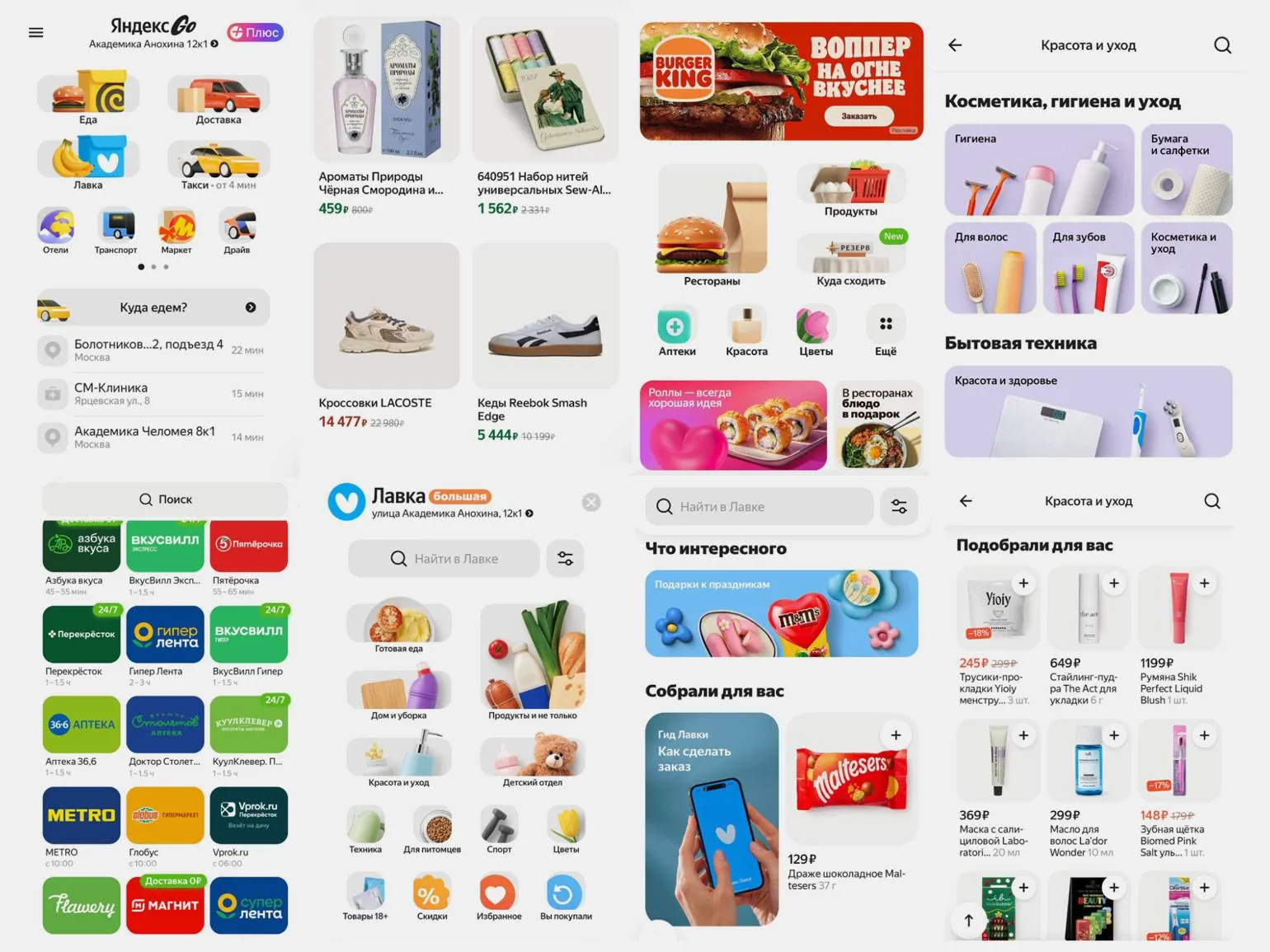
As an art director, I closely monitor how superapps are changing the user experience and how this affects the visual language of brands. These changes lead to a significant shift in design, where functionality and minimalism are at the center of attention. Brands now need to not only stand out but also seamlessly integrate into the unified super-up environment. Visual communication is becoming simpler, and the emphasis is shifting from emotional engagement to convenience and seamless user experience. This approach enables the creation of more effective and engaging interfaces that meet modern user demands and help brands remain relevant in a dynamically changing digital world.
The current trend in app design is toward unification, which is making the visual style of many brands similar. However, this also opens up new opportunities for personalization. By understanding user preferences, brands can tailor their offerings and visual style to their audience's individual needs. Thus, unification in design can coexist with a unique approach to each user, which strengthens customer engagement and loyalty.
The key question facing brand designers is what brand identity should be in today's environment. They must determine whether they should strive for maximum simplicity or, conversely, variability, adapting to different contexts and audience preferences. Choosing the right approach to creating a visual identity can significantly impact brand perception and its success in the market.

The design lead for the social networks of Pulse and T-Bank is a strategic approach to the visual design of content. The main objective is to create attractive and memorable graphic elements that reflect the uniqueness of the brands. Effective design helps strengthen the image of companies and increase audience engagement. Considering your target audience and adapting your style to their preferences is crucial to increasing reach and user engagement. The right choice of color palette, fonts, and compositions helps create a harmonious perception and increase brand recognition on social media.
Large tech companies have been building ecosystems around their products for seven years. This approach allows them to significantly increase revenue by targeting the same audience, while also reducing marketing and development costs. Ecosystems provide users with comprehensive solutions, which helps increase loyalty and retention.
Building ecosystems becomes profitable in mature and saturated markets where growth is slowing. In such conditions, acquiring new customers is very expensive. For companies with a significant customer base, it is much more effective to offer additional services or products to existing customers than to search for new ones. The more services a company uses, the better the company understands their needs and interests. This simplifies monetization. Furthermore, the more time a customer spends interacting with the company, the easier it is to maintain communication and offer relevant solutions. Thus, creating an ecosystem not only increases customer loyalty but also contributes to increased company revenue.
Ecosystems allow companies to significantly reduce the cost of developing new products by reusing existing components. This applies to elements such as payment systems, chats, and notifications. Using ready-made solutions not only speeds up the development process but also increases efficiency, allowing you to focus on creating new features and improving the user experience.
Superapps are ecosystems united in a single app. App stores offer numerous apps, but users' smartphones have limited space. Convincing someone to install a new app requires significant effort and investment in promotion. If a company already has a popular app that users regularly open and use, offering them additional services or products within that app is easier than getting them to install a new one.
The trend for superapps among large Russian companies is driven by current market trends. Superapps are universal apps that combine a variety of functions and services, making them attractive to users. In a highly competitive and rapidly evolving technology landscape, companies are striving to create platforms that provide convenient access to various services in one place. This not only improves user experience but also increases customer loyalty, which in turn facilitates business growth. Superapps are becoming an important tool for attracting and retaining audiences, making them relevant in today's marketplace. Learn more about design by subscribing to our Telegram channel. Here you'll find interesting materials, tips, and current trends in the world of design. Don't miss the opportunity to stay up-to-date with new developments and improve your skills. Join us! Explore additional resources on interface design. These materials will help you gain a deeper understanding of the principles and trends in this field. Learn about best practices, methods, and tools that help create user-friendly and attractive interfaces. Diving into various aspects of interface design will allow you to improve your skills and enhance the quality of your projects.
- 5 Successful Cases of Gamification in Virtual Services
- User Engagement: 5 Tools of a UX/UI Designer
- Logical Errors in Interfaces
- "A Mental Hospital in the Hands of Its Patients." How to design interfaces correctly
- Nielsen's heuristics: 10 usability principles for interface design
- Motion design in interfaces: why UX animation is needed and what effects are used in it