Contents:

Free test: which digital profession is right for you? Find out the answer in 15 minutes and try your hand at a new specialties.
Learn moreWhat is kindness
Kindness is an important character trait that manifests itself in the desire to benefit others and care about the well-being of others. From a psychological point of view, kindness is characterized by a warm attitude towards people, which is expressed both in emotions and in thoughts. This goodwill creates positive interactions in society and contributes to the formation of strong relationships. Kind deeds not only bring joy to others, but also help improve our own emotional state, making the world around us more harmonious.
There is no strict definition of the term "kindness" in science, but there is the concept of "socially approved behavior." This concept plays a key role in our ability to adapt to society and build harmonious relationships with others. In the public consciousness, a "kind person" is usually called a person who exhibits socially approved behavior, which implies his readiness to help, support and respect the interests of others. Thus, kindness becomes an important factor in the formation of positive social ties and strengthening social solidarity.

Read also:
A good person is one who shows kindness, honesty and responsiveness. Key qualities of a good person include compassion, respect for others, and the ability to listen and support. To become such a person, it's important to develop these qualities through self-reflection and personal growth. Start by empathizing with others and trying to understand their feelings and needs. Honesty and openness in communication build trust and help build strong relationships. It's also important to be able to listen and support others during difficult times, which helps create a positive environment around you. Self-development plays a key role in becoming a good person. Read books, educate yourself, and participate in discussions that will help you broaden your horizons and see the world from different perspectives. Regularly practicing kindness and volunteering will also help develop the necessary qualities.
Therefore, to become a good person, you need to be aware of your actions and strive to improve both your personal qualities and your relationships with others.
Kindness and humanity manifest themselves in each of us differently. For some, a simple act, such as buying a bun for a friend, is a symbol of true love and care. For others, showing kindness may involve more significant deeds, such as regularly donating part of your income to charity. It is important to understand that showing kindness is not only about large deeds but also about small gestures that can significantly impact the lives of others. Each of us can make a difference in the world by demonstrating humanity in our everyday lives.
Evaluating the scale of other people's kind acts is unethical and can lead to incorrect conclusions. Kindness requires various resources, such as money, time, and effort. Each person shows kindness according to their abilities and circumstances. It is important to understand that even small acts of kindness can have a big impact and influence others.
What determines the level of kindness
A person is a biopsychosocial being, and their personality traits are formed under the influence of three main factors: biological, psychological, and social. These elements interact with each other, influencing the development of individuality and behavior. Thus, understanding these factors is important for the study of humans and their place in society.
- The first factor: genetics. The degree of conscientiousness, extroversion, and agreeableness is partly embedded in us by nature.
- The second factor: culture and religion. In certain countries, people simply have more resources to help others. In some cultures, focusing on others' happiness and well-being is seen as weakness and "strangeness."
- The third factor: growing up and experience. Kindness is ingrained in us from early childhood, when we look at the adults around us and learn to be like them.
The process of developing empathy in children depends largely on the activity of mirror neurons. By observing how parents care for loved ones and wish them happiness, a child learns important values associated with compassion and kindness. Later, as an adult, a person will pass on these learned principles by demonstrating a kind attitude towards others. Thus, early experiences with loved ones form the foundation for emotional maturity and social skills later in life.
Revised text:
Also study:
Values are the basic principles and beliefs that guide a person's behavior and decisions. They shape our perception of the world and influence how we interact with others. Defining your values is a key step to living a more conscious life and feeling more in tune with yourself.
To define your values, begin with self-analysis. Ask yourself what's truly important to you, what moments in your life bring you satisfaction, and which ones cause you discomfort. Write down your reflections and identify key themes. Pay attention to events that you find significant and analyze the principles that underlie them.
Regularly review your values, as they can change over time depending on life circumstances and experiences. Understanding and accepting your values helps you make more informed decisions, find like-minded people, and build healthy relationships.
A person's life context, starting from early childhood, significantly influences their level of kindness. However, there are other factors that shape an individual's degree of kindness. Upbringing, social environment, and life circumstances play a key role in the development of these qualities. Furthermore, cultural and family traditions, as well as personal experiences, can significantly shape our perception of kindness and our capacity for empathy. These aspects are important for understanding how kindness develops in each person throughout their life.
Think back to your younger years. During this time, you probably rarely thought about the meaning of life or the significance of altruism. This is natural. Teenagers and young adults are most often focused on their own interests. Ren Anbar, MD, emphasizes that this period of life is characterized by selfishness and emotional callousness. It is important to understand that this self-focus is part of the natural process of maturation, which over time can lead to a deeper understanding of the world around us and the development of altruistic qualities.
Young people face important life questions: how to organize their lives, find a calling, choose a family status, and learn to be happy. In the pursuit of these significant goals, simple truths are sometimes forgotten, such as the need to treat others as they would like to be treated. It's important to remember that harmonious relationships with others play a key role in achieving personal happiness and successfully fulfilling one's plans.
With age, especially in late adulthood and old age, people have more time to think about others. This can lead to them becoming kinder and more compassionate. Understanding the importance of caring for others and the desire to help each other become core values in life. As a result, older adults often exhibit greater empathy and a desire to support others, which enriches their own lives and creates a more harmonious society.
Philosophy professor Berit Brogaard emphasizes that hostility is a sign of Peter Pan syndrome. This condition, which is not considered a diagnosis, characterizes adult behavior manifested by egoism, narcissism, and irresponsibility, reminiscent of childhood. Peter Pan syndrome can lead to difficulties in interpersonal relationships and social adaptation, as its sufferers often avoid the mature commitments and responsibilities inherent in adulthood.
Psychological maturity and wisdom reflect a deep understanding of the value of life, people, and relationships. For such people, kindness is not only a resource for helping others but also a means of personal growth and self-improvement. This understanding is largely formed by highly developed emotional intelligence, which promotes awareness of one's own emotions and the feelings of others. Emotional intelligence plays a key role in establishing harmonious relationships and creating a positive atmosphere in communication. As a result, mature individuals become not only more sensitive to the needs of others but also able to make more balanced and wiser decisions, which ultimately improves the quality of their lives and the lives of those around them. Natalia Vlasevskaya is a name associated with professionalism and a high level of competence in her field. She has extensive experience and knowledge, which allows her to successfully solve problems of varying complexity. Natalia actively participates in professional events and always strives to develop and improve her skills. Her work is highly valued by both colleagues and clients, a testament to her reliability and responsibility. Natalia Vlasevskaya is not only a specialist but also an opinion leader, capable of inspiring others to reach new heights. Understanding and accepting the diversity of human emotions contributes to the development of empathy. When we feel the pain of others, we desire to alleviate it, as if it were our own suffering. Empathy not only strengthens connections between people but also helps create a more caring society.

Learn also:
Emotional intelligence (EI) is the ability to recognize, understand, and manage your emotions and the emotions of others. Developing emotional intelligence can improve interpersonal relationships, increase self-awareness, and cope with stress more effectively.
To develop emotional intelligence, it's important to start with self-reflection. Become aware of your emotions and try to understand the situations that trigger them. Practice active listening to better understand the feelings of others. Empathy also plays a key role: try to put yourself in others' shoes to better understand their experiences.
Another important aspect is managing emotions. Learn to control your reactions to stressful situations and use relaxation techniques, such as breathing exercises or meditation. These approaches will help you remain calm and collected even in difficult circumstances.
Regularly practicing these skills not only improves your personal life but also increases your professional effectiveness. Emotional intelligence is becoming increasingly important in the modern world, where the ability to interact with people and manage emotions plays a key role in success. By developing emotional intelligence, you open up new horizons for personal growth and career advancement.
Even those who are most indifferent to the feelings of others sometimes surprise you with kind deeds. A person who seemed like a villain yesterday can become a true hero today if they have the right motivation. It's important to remember that change is possible, and everyone is capable of good deeds, regardless of their past.
What Kindness Is
A precise definition of kindness is difficult to formulate, as it is an abstract and individual concept. Each person perceives kindness differently. Scientific research also touches on the topic of classifying kindness. Doctor of Psychology Elena Ryaguzova identifies four main types of kindness.
- passive kindness, also known as latent kindness: a person helps, but mostly because it is customary;
- creative kindness (or socially prescribed proactive): a person is driven to good deeds by a sincere desire to ease the situation of another or simply to please others;
- empathetic, or affective-proactive kindness: this is special in that a person feels the emotions of others too sensitively, as if they were their own (for example, fear or sadness), and therefore strives to help;
- sympathetic, or affective-socially prescribed kindness: a person responds emotionally to the everyday difficult situation of loved ones.
In life, different personality types can manifest themselves through similar actions. This means that, regardless of their characteristic traits, people can perform the same actions in certain situations. Such behavior can depend on many factors, including the environment, emotional state, and circumstances. Understanding these mechanisms will help us better understand the motivations behind actions and interactions between people. By analyzing similar behaviors, we can uncover deeper psychological aspects, which can contribute to the development of interpersonal skills and improved relationships.
Two friends witness injustice on the street when they see a girl in a difficult situation. The first friend reacts to the situation, seeking to demonstrate his decency and compliance with social norms. The second intervenes out of an inner impulse, feeling deep pain from the injustice he sees before him. Both acts of kindness have their reasons, but the driving forces differ: one is guided by social expectations, the other by personal feelings.
Kindness is difficult to define and analyze scientifically, but in everyday life, recognizing a kind person is not difficult. Kindness is manifested in actions, consideration for others, and a sincere desire to help. This quality can be seen in small things: in a caring attitude toward loved ones, a willingness to support in difficult times, or a simple act of empathy. People with a kind heart tend to inspire trust and sympathy, creating an atmosphere of warmth and mutual support. Their good intentions and actions become an important example for others, inspiring kindness and compassion in society.
How kindness manifests itself in life
A kind person is focused on prosocial behavior. This implies empathy for others, concern for the well-being of others, and an emphasis on common interests, which are put above one's own. This approach contributes to the creation of a harmonious society where everyone feels supported and understood. Prosocial actions help strengthen social ties and develop trust between people.
Kindness plays a key role in the formation of a positive lifestyle. This fundamental character trait manifests itself differently in each person, which depends on both genetic factors and upbringing. Agreeableness encompasses a number of important qualities, such as empathy, tolerance, responsiveness, and a desire to help others. These qualities contribute to harmonious relationships with others and foster a positive worldview. As a result, agreeable people are more likely to experience life satisfaction and are able to overcome difficulties with fewer losses. Developing agreeableness can significantly improve quality of life and contribute to a kinder and more responsive social environment.
- empathy and respect for the interests of others;
- optimism;
- the ability to forgive and the ability to unite with others;
- patience and conscientiousness;
- virtue (for example, a desire to volunteer).
Read Also:
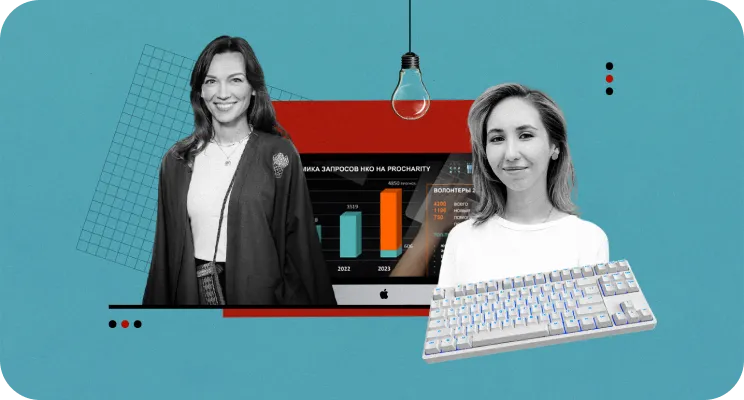
Intellectual volunteering is a form of voluntary assistance based on the use of professional skills and knowledge to solve social and public problems. This approach allows specialists in various fields, such as law, medicine, IT, marketing, and education, to share their experience and expertise with those in need. Intellectual volunteers can work with non-profit organizations, educational institutions, or local communities, providing consultations, training, or developing projects. This form of volunteering not only benefits society but also contributes to the personal and professional development of volunteers, allowing them to expand their horizons and strengthen their interaction skills. Intellectual volunteering is becoming increasingly popular, as it allows people to actively participate in the life of society and make a significant contribution to its development.
Despite their moral generosity, kind people do not expect anything in return. If everyone aspired to such ideals, humanity could move closer to a utopian world free of conflict and mutual resentment. However, in reality, selflessness sometimes leads to true kindness turning against those who show it. This emphasizes the importance of understanding boundaries and finding balance in kind acts to avoid negative consequences.
Of course, I am happy to help you with editing the text. Please provide the text itself that you wish to change.
A sincere desire to help others is sometimes exploited for selfish purposes. As a result, kind people, whether men or women, become victims of manipulation, which negatively affects their well-being. Therefore, it is important to remember that true kindness must have its limits. The ability to protect yourself and set boundaries are key aspects of healthy relationships and personal development.
Natalia Vlasevskaya is a professional in her field, possessing significant experience and deep knowledge. Her expert skills and commitment to excellence enable her to achieve high results in her work. Natalia is actively involved in various projects, demonstrating outstanding craftsmanship and an innovative approach. She stays up-to-date on the latest trends and technologies, which helps her remain competitive in the market. Natalia Vlasevskaya is a name associated with quality and reliability in her field.
Most people value kindness and caring attitudes, fearing the loss of these qualities. Kindness plays a vital role in our lives, creating an atmosphere of trust and support. That is why it is important to develop and maintain good relationships with others, as they contribute to a better quality of life and emotional well-being.
Why Kindness is Beneficial
The positive qualities of fairy tale characters have real meaning and can bring tangible benefits to our everyday lives. Kind deeds, performed without the use of magic, help improve relationships with others, creating an atmosphere of trust and mutual assistance. They inspire us to create a positive environment where honesty and compassion are valued. Furthermore, kindness and responsiveness shown in our lives strengthen inner well-being and promote personal growth. Thus, actions based on kindness become not only a role model, but also an important tool for improving the quality of life and maintaining harmony in society.
- strengthen interpersonal connections;
- maintain mental health;
- reduce stress levels;
- feel safe;
- be physically healthier (for example, lower blood pressure);
- feel happy.
The last point is closely related to chemical processes in the brain. When we show kindness, the level of oxytocin in our body increases. This hormone plays a key role in our social activity and desire to care for others.

Read also:
Oxytocin is a hormone that plays a key role in various physiological and psychological processes. It is produced by the hypothalamus and released into the blood through the pituitary gland. Oxytocin is often called the "love hormone" because of its effects on social bonds, attachment, and emotional intimacy between people.
This hormone is especially important during childbirth and breastfeeding, as it promotes uterine contractions and milk letdown. Oxytocin also influences stress levels and may help reduce anxiety and improve overall well-being.
Recent research has shown that oxytocin may play a role in trust, empathy, and social interactions. Its effects have been observed in both humans and animals, underscoring its importance in social behavior.
Thus, oxytocin is not only a hormone, but also an important regulator of social relationships and emotional state.
A kind attitude towards the world promotes love and improves health. The more good deeds we perform, the better we feel. However, it is important to be careful in this process. Kindness should be kept within reasonable limits to avoid degenerating into unhealthy altruism, which can negatively impact mental health. Creating a harmonious balance between kindness to others and self-care is the key to well-being and happiness. Olya is a person with a boundless supply of kindness and caring. She is always ready to help others, even in the most difficult moments. Olya is not afraid to sacrifice her time and resources to support loved ones, and often spends her last money on charity. Her selflessness and desire to help inspire everyone around her and create an atmosphere of warmth and support. Olya regularly completes reports for her colleagues every quarter, helps an unemployed relative with bills, and treats neighbors down the street to home-cooked dinners. Her care and kindness create an atmosphere of mutual assistance and support in the community. The situation is that there are many people in need of help, and Olya finds herself alone. Her desire to be "good" and put the interests of others above her own can lead to the development of savior syndrome or emotional burnout. As a result, she will not have the energy to provide truly needed help. Therefore, it is important to remember that kindness requires balance.
Reasonable kindness is a key element for achieving a calm and harmonious life. In a broad sense, humanity contributes to the progress of society, preventing its degradation and supporting moral foundations. It is important to note that kindness can be developed and strengthened independently, which makes it accessible to everyone. By developing kindness, we not only improve our lives, but also influence others, creating a more positive and responsive society.
How to become kinder
In order to sincerely help others, you must first take care of yourself. It is important to pay attention and show kindness from a state of internal resource, and not from a lack of energy, money, or time. If you lack financial and psychological stability, your kindness can turn into self-sacrifice, ultimately leading to destructive altruism. Take care of your well-being and peace of mind so that your desire to help is sincere and productive.The world doesn't always reward us with kindness and justice for our efforts. There's no guarantee that someone who shows kindness will always receive the same in return. It's important to remember this when you're ready to give your all to others. Each of us is human, and is it fair and responsible to be cruel to ourselves? Understanding this truth helps us maintain a balance between caring for others and paying attention to our own needs.

Please note the following materials:
Altruism is a selfless desire to help others without expectation of reward. This concept is based on an unselfish attitude towards others and a desire to improve their lives. Altruism manifests itself in both small and large actions that contribute to the well-being of society. Research shows that altruistic acts not only benefit others but also contribute to the altruist's own mental health, creating a sense of satisfaction and meaning in life. Altruism can take many forms, including volunteering, charitable work, and supporting loved ones. In today's world, where selfish interests often prevail, altruism is especially important for creating a harmonious society. Understanding and developing altruistic qualities can significantly impact the quality of life for both individuals and society as a whole. Natalia Vlasevskaya emphasizes the importance of understanding the true purpose of your good intentions. If you make decisions about helping based on the principle of "I'll be owed something," this indicates that your motivation is not sincere. This approach turns good intentions into profitable investments, and as a result, kindness cannot develop. True caring must come from a desire to help, not from the expectation of reciprocity.
Ph.D. Steven Stosny invites us to delve deeper into our understanding of what goodness means for each of us. Higher education leader Kent Keith has developed a list of counterintuitive commandments that he believes contribute to the development of a kinder version of ourselves. The author recommends following ten key rules to help you in this process. These rules will help you not only better understand yourself but also become a more compassionate and kind person in the eyes of others.
- People are illogical, unreasonable, and self-centered. But love them anyway.
- If you succeed, you will have false friends and real enemies. Succeed anyway.
- What you spend years building can be destroyed overnight. Build anyway.
- The biggest men and women with the biggest ideas can be eclipsed by the smallest men and women with the smallest brains. Think big anyway.
- People really need help, but they may attack you if you help them. Help people anyway.
- If you do good, people will accuse you of selfish motives. Do good anyway.
- Give the world all you have, and you will get kicked in the teeth. Give the world all you have anyway.
- The good you do today will be forgotten tomorrow. Do good anyway.
- People support underdogs, but follow only leaders. Fight for a few underdogs anyway.
- Honesty and candor make you vulnerable. In any case, be honest and open.

Read also:
Lying can bring temporary benefits, such as avoiding trouble or getting the desired result without effort. However, despite the short-term benefits, deception has negative consequences for your mental state. Honesty, in turn, promotes trusting relationships, strengthens self-esteem, and creates inner comfort. Research shows that people who practice honesty experience less stress and anxiety. Admitting the truth, even if it's unpleasant, helps avoid internal conflict and promotes mental health. Thus, although lying may seem beneficial, honesty is more beneficial for the psyche and overall well-being. Be part of a kind community. We tend to be drawn to positivity and attract it into our lives. Healthy altruism plays a vital role in our personal growth. The more intelligent and conscientious people come together, the more actively each of them develops. You can join a kind community by joining a volunteer group, which will not only enrich your experience but also help create a positive impact on the world around you. I recommend learning to enjoy kindness. It brings a feeling of security and love, especially when surrounded by kind people. Being kind isn't just a sign of generosity; it's also an opportunity to create a positive environment, which in turn strengthens connections with others. Treating people kindly makes the world a better place and makes you happier. Natalia Vlasevskaya is a professional in her field, possessing significant experience and knowledge. Her work is distinguished by its high quality and creative approach. Natalia actively develops her skills and constantly refines her work methods. She is results-oriented and always strives to fully satisfy her clients' needs. Vlasevskaya also shares her knowledge with colleagues and conducts master classes, making her an expert in her field. To successfully apply these tips in life, it is necessary to develop mindfulness and pay attention to your mental state. It is recommended to visit a psychologist and also study emotional intelligence in depth, for example, by taking kindness tests. Consciously developing the qualities inherent in a compassionate person will improve not only your personal well-being but also your relationships with others. Such practices promote a heightened level of awareness, which in turn leads to a more harmonious life and improved interactions with the world.
It is important to remember that even in a chaotic world, goodness always remains present. To strengthen this belief, pay attention to real examples of kindness around you. This could be a neighbor who is always ready to help, or inspiring projects of the World Kindness Movement. Such expressions of humanity remind us that even in difficult times, kindness can become the basis for change and support.
Kindness is an important quality that every person needs. It is not only an expression of humanity but also our responsibility to others. In a cruel world where resentment and mistrust become habitual, it is easy to lose the ability to be kind. However, it is important to realize that it is never too late to take responsibility for your life, deal with past traumas, and strive for kindness and self-improvement. Kindness not only enriches our lives, but also creates a positive climate in society, inspiring others to do the same.
Free test: which digital profession is right for you?
IT, design, marketing or management? Find out the answer in 15 minutes. And then try your hand at a new specialty for free.
Find out more