Contents:
- TeacherMade: A tool that simplifies homework preparation
- SoapBox: An assistant in teaching children to read
- Exact Path: An adaptive digital tutor
- Proximity Learning: A savior in the face of a teacher shortage
- Noni: A digital psychology consultant for teachers
- Futuclass: A VR lab for learning natural sciences
- Eduverse: A metaverse for schoolchildren
Learn: The Profession of a Methodologist from Scratch to PRO
Learn MoreSince 2010, this award has been awarded to outstanding educational technology solutions and is currently one of the largest international competitions in this field. Digital solutions are evaluated according to criteria such as effectiveness and results, pedagogical appropriateness, quality of customer support, clarity of educational content, its value, and potential for further development. This competition promotes innovation and improves the quality of education, emphasizing the importance of technology in the learning process.
In 2023, 76 nominations were submitted for the EdTech Awards. We've selected winners and finalists whose projects help schools and teachers effectively address challenges that are often underresourced. All of these digital tools are foreign-made and not available in Russian schools, making them illustrative examples of successful digitalization in education. These solutions are not aimed at replacing teachers or disrupting the traditional educational process, as is sometimes feared, but rather at relieving teachers of their workload and making learning more personalized. They adapt the educational process to the unique needs of each student, improving the quality of learning.
TeacherMade: A Tool that Simplifies Assignment Preparation
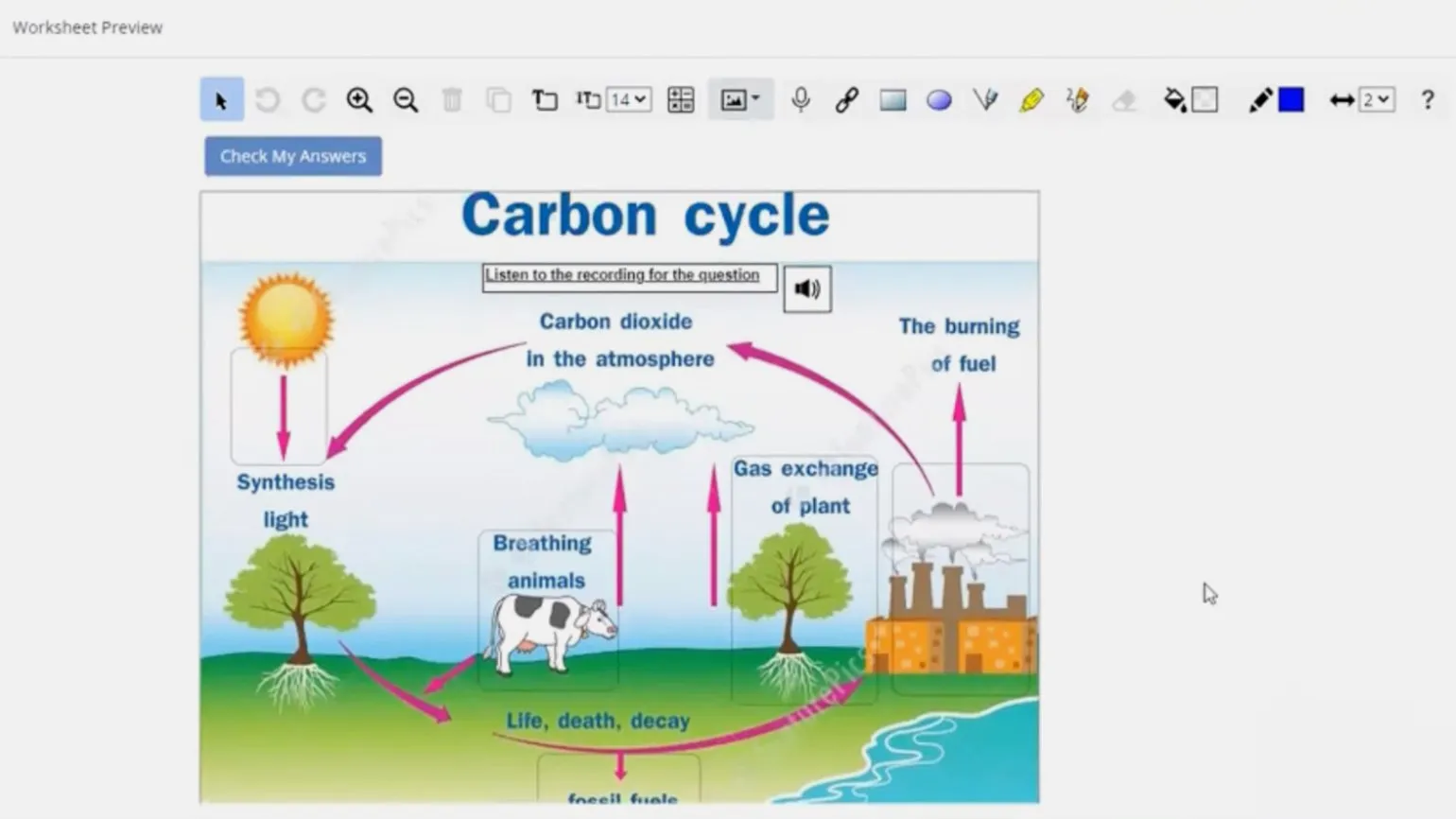
Creative teachers and tutors often develop assignments and tests for their students themselves. With the TeacherMade service, this process becomes significantly easier. Any PDF document can easily be converted into an interactive assignment. For example, if a PDF contains an explanation of a topic, simply upload it to the platform, after which you can add a variety of exercises. Students can fill in fields, select the correct answer, or indicate whether a statement is true. The service also supports math problems, giving users access to a built-in equation editor. This makes TeacherMade an indispensable tool for creating high-quality and effective educational materials.
The automatic answer checking feature allows students to receive instant feedback. Furthermore, you can add images to assignments, upload or record audio, and draw directly on the document. TeacherMade also supports uploaded presentations, making it a fully-fledged text-based mini-course creator. This solution is ideal for creating interactive educational content that can be easily adapted to different educational needs.
SoapBox: A Reading Assistant for Children
Modern methods of teaching children to read actively utilize digital solutions based on artificial intelligence. One such tool is SoapBox. This online platform and mobile app offer a simple and effective learning method. Letters, words, or sentences are displayed on the screen for the child to read aloud. The program analyzes pronunciation and evaluates whether the reading was performed correctly. If an error occurs, SoapBox highlights the problematic part, demonstrates how this fragment should sound, and invites the child to repeat the reading. This approach helps improve reading skills, helps children confidently handle text, and makes the learning process more interactive and engaging.
Using this program significantly simplifies the process of individual work with students, allowing teachers to focus on their unique challenges. This service is especially relevant for classes where students face language barriers if the language of instruction is not their native language. This promotes more effective learning and creates a comfortable learning environment for all students.
Exact Path: Adaptive Digital Tutor
It is difficult for a teacher to identify and address the knowledge gaps of each student in a class of 20-30 people. This requires developing individual lesson plans for each student to focus on topics that cause difficulties. In this context, digital adaptive learning platforms are becoming indispensable assistants. Their main task is to identify shortcomings in users' knowledge and, based on this data, create personalized learning programs. These solutions optimize the learning process, making it more effective and tailored to the needs of each student.
The Exact Path platform is an effective solution for improving student performance in subjects such as math, reading, and language arts. At the beginning of school, students take an entrance test to determine their level of knowledge. Based on the results, the program develops an individualized curriculum tailored to each child's needs. The platform also provides progress tracking, allowing students and parents to monitor achievement and adjust the learning process. Exact Path not only improves academic performance but also develops independence and confidence in learning.
The company claims that using their platform can improve academic performance with just 40 minutes of additional tutoring per subject per week. This solution can be considered a digital tutor. We previously described an experiment in an American school where group tutoring was supplemented with an adaptive digital platform, which led to significant improvements in student outcomes.
Proximity Learning: A Savior in the Face of a Teacher Shortage
Teacher shortages in schools are a serious problem that affects many countries, although the scale of the problem varies. The consequences are obvious: in regions with teacher shortages, students are not receiving a comprehensive education in key subjects. Replacing an absent teacher, for example, a physics teacher, with a history teacher does not solve the problem. At best, such a teacher will simply read a paragraph from a textbook, which does not ensure high-quality assimilation of the material. Effective teaching requires qualified specialists capable of not only imparting knowledge but also inspiring children to study the subject.
The developers of the Proximity Learning platform have proposed an effective solution to this problem. It doesn't require complex technical manipulation, but the key is the integration of the digital tool with administrative solutions and a clearly organized process. This optimizes learning and improves its quality, ensuring the availability of educational resources for all users.
Teachers from across the United States have the opportunity to conduct their lessons online on a specialized platform. These lessons are broadcast to schools that lack a qualified teacher in the relevant subject. Thus, the platform provides access to high-quality education and allows students to gain knowledge from the best specialists, regardless of their geographic location. This solution helps eliminate the teacher shortage and improves the educational process in regions with a lack of resources.
These are not simply online broadcasts of lessons taught by teachers to their students in schools. Teachers work purposefully with the class on the other side of the screen. In the classroom where children are present, the lesson is shown on a large screen, and each child is provided with a laptop, headphones, and a microphone. The teacher also sees the students on their screen and actively interacts with them. This learning format allows for the creation of a fully-fledged educational environment where children can participate in lessons, ask questions, and receive feedback in real time.
During distance learning, students are not left alone with a screen. A helper or tutor is always present in the classroom to support the learning process. This specialist not only maintains order but also actively assists children in mastering the material, ensuring more effective and productive learning.
Noni: A Digital Psychology Consultant for Teachers
A basic psychology course in teacher education is not enough to make a teacher a fully-fledged psychologist and enable them to professionally monitor the risks of children's destructive behavior or signs of psychological distress. Given limited time, teachers find it difficult to closely monitor the state of each student in the classroom. Nevertheless, they are expected to do so. In this context, digital solutions can significantly facilitate this task. One such solution is the Noni app, developed for primary school teachers, which helps effectively monitor the psychological state of students and identify potential problems.
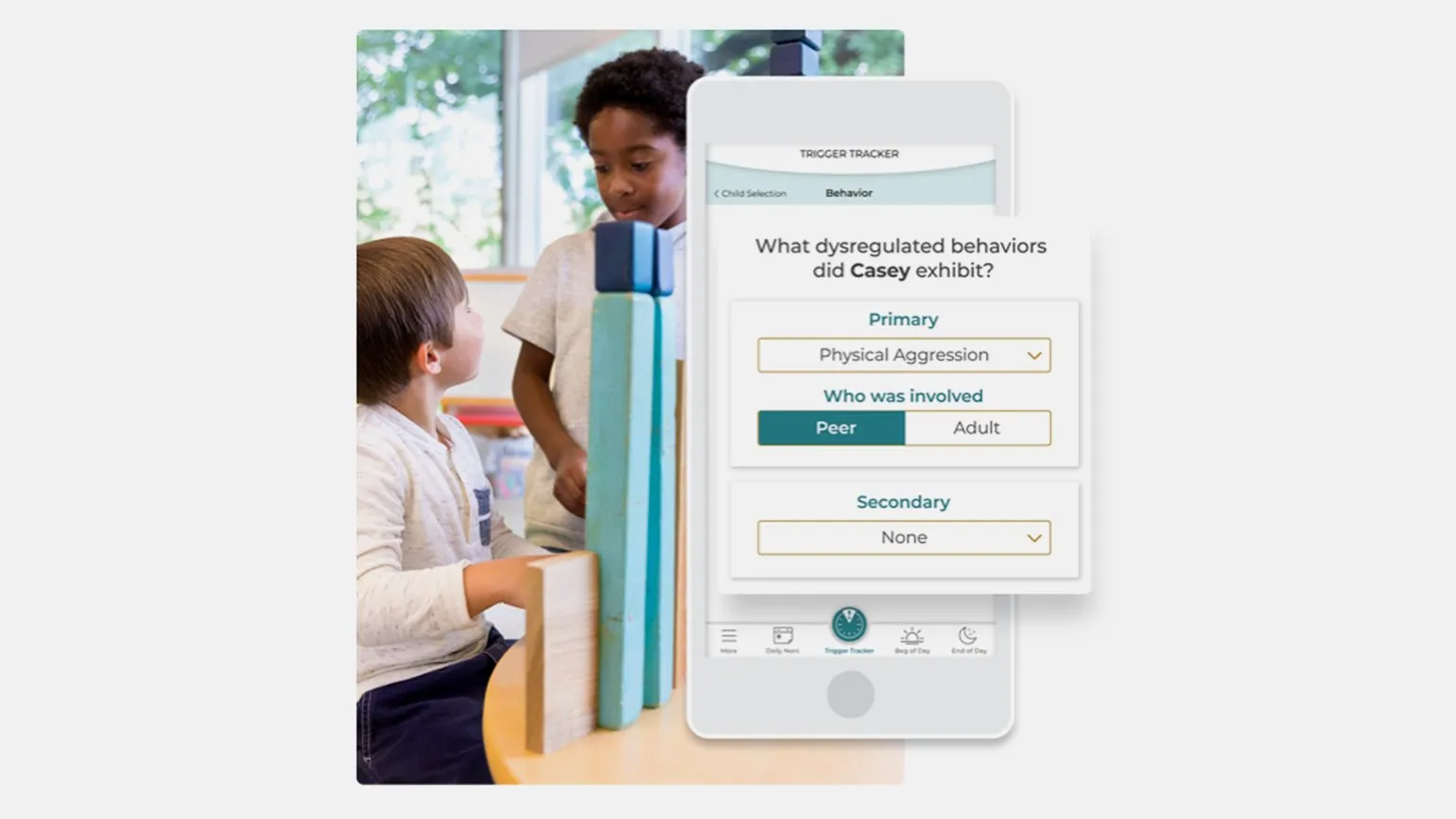
The app works as follows: the teacher periodically fills out special questionnaires. In these forms, they note the negative behavior of a specific student, indicate to whom this behavior was directed, and also describe the preceding events. Based on the entered data, the program provides teachers with recommendations for further action, which facilitates more effective problem-solving in the classroom and improves the learning atmosphere. Noni effectively tracks children's reactions to various triggers and identifies patterns in their behavior. The app helps teachers better understand their students and plan actions in advance, helping prevent destructive behavior. Specific Noni recommendations are based on the advice of professional psychologists, allowing them to choose the optimal course of action for each specific situation. A personalized plan is developed for each child in need of support, making the learning process more effective and focused. The app provides teachers with access to additional materials that help them better understand the impact on children's behavior. It also facilitates the development of effective strategies for interacting with parents. An important feature of the app is its ability to assess teachers' emotional state, allowing them to receive recommendations for caring for their own mental health. Noni is available on both smartphones and computers, ensuring convenience and accessibility for all users.
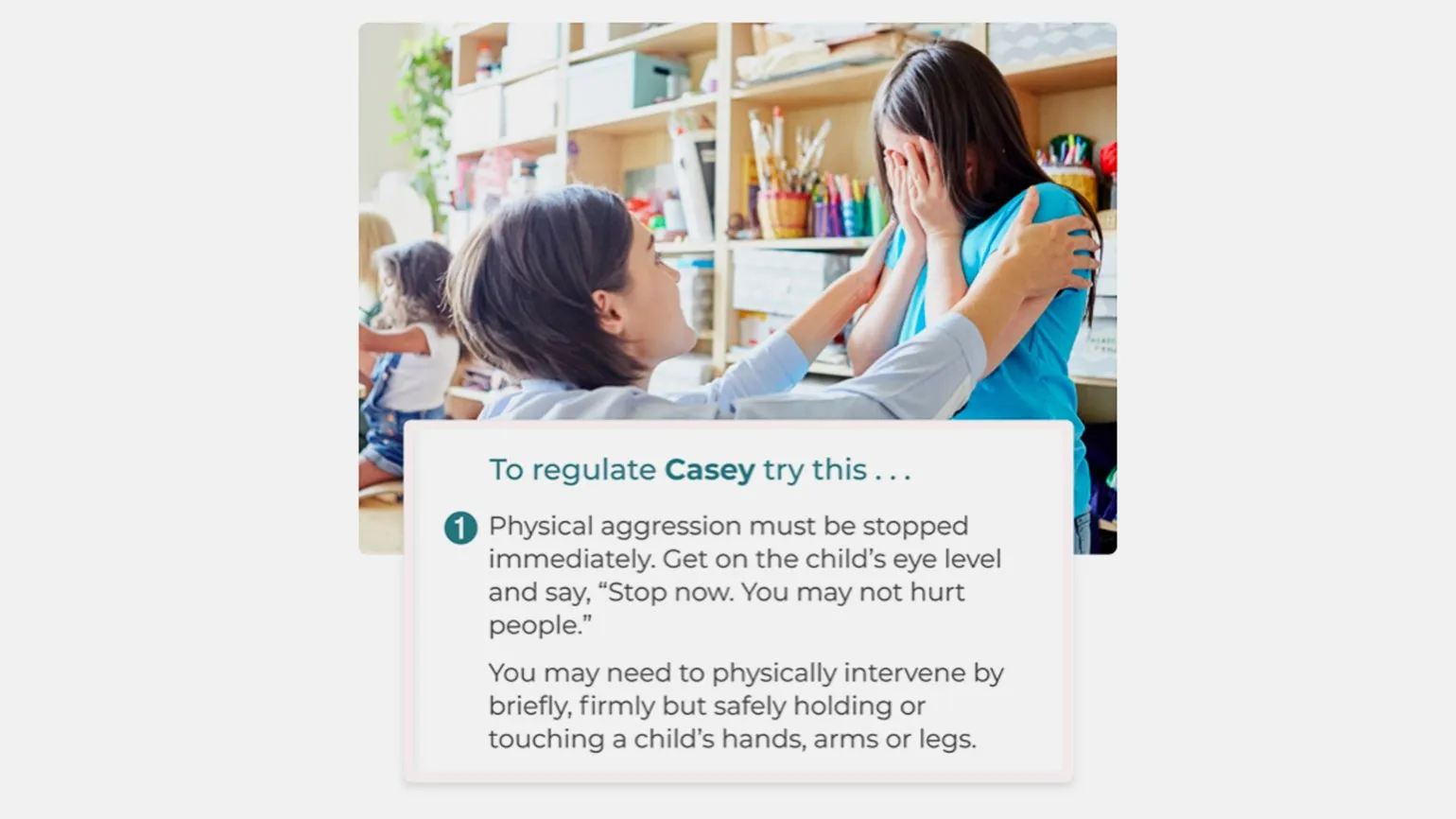
The screenshot below shows a fragment of the Noni questionnaire, in which the app asks the teacher for information about a student's behavior. In the section on physical aggression, the program prompts the teacher to indicate who the aggression was directed at—another child or an adult. The second screenshot demonstrates the program's recommendations for preventing such actions.
Futuclass: VR Lab for Learning Natural Sciences
Some experiments may be of interest to schoolchildren, but conducting them in the classroom is often unsafe. This limits the ability to clearly demonstrate a number of chemical and physical processes. Even permitted experiments require strict adherence to safety precautions, and therefore some teachers choose not to include them in the curriculum. Furthermore, not all educational institutions have the necessary conditions for laboratory work, which also impacts the quality of science education. Virtual reality technologies are an effective solution for modern educational challenges. Virtual laboratories are one of the key areas of their application in teaching. An example of such technology is Futuclass, which allows students in grades 7–9 to immerse themselves in the world of chemistry and physics through a virtual laboratory. Using a special headset, students can interact with various reagents and instruments necessary for conducting experiments in these subjects. All lessons are developed in collaboration with science teachers and educational institutions, ensuring high quality and compliance with the curriculum. The implementation of virtual laboratories promotes a deeper understanding of the educational material and fosters interest in scientific disciplines. A similar solution, called VR Chemistry Lab, exists in Russia. This project offers a unique opportunity to study chemistry in virtual reality. VR Chemistry Lab allows users to immerse themselves in the fascinating world of chemistry, conduct experiments, and learn the basic principles of science in an interactive and safe environment. This approach promotes a deeper understanding of the subject and makes learning more accessible and engaging.
Eduverse: A Metaverse for Schoolchildren
A modern educational problem is that children are often disengaged from lessons. Even the most engaging topics fail to capture students' interest. In this situation, metaverses can come to the rescue. They offer an interactive and engaging approach to learning, allowing children to immerse themselves in the subjects being studied. The use of metaverse technologies creates an opportunity for active participation, which helps increase student interest and engagement in the learning process. This opens up new horizons for educational content and creates a more dynamic learning atmosphere.
The Eduverse metaverse offers a unique way to overcome boredom and explore educational topics in depth. It allows students to immerse themselves in new virtual locations that match the lesson content. The platform includes an extensive library of visual materials that make the learning process more engaging and interactive. Eduverse not only helps students retain information better but also develops a passion for learning by offering innovative methods for understanding complex concepts.
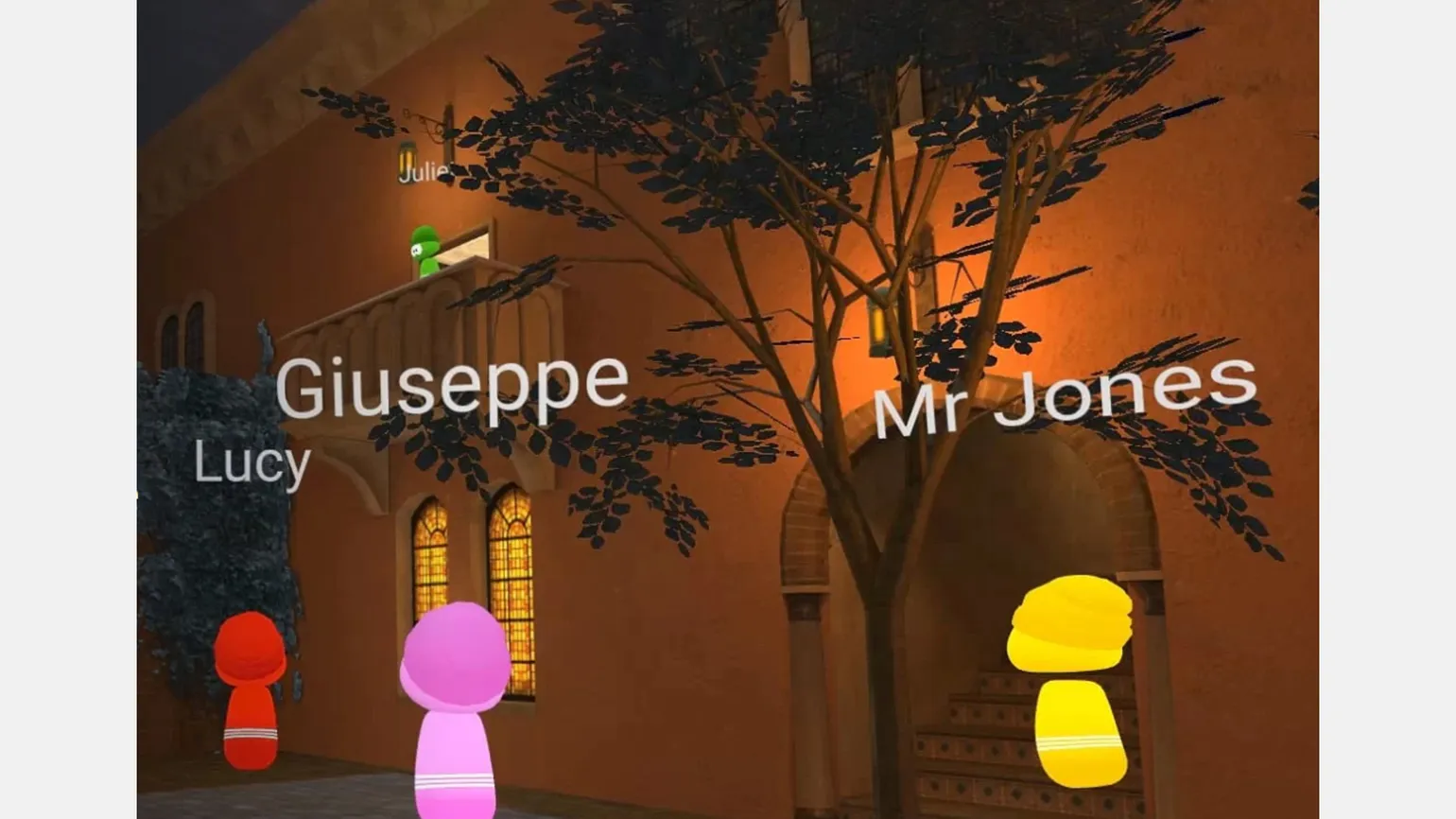
In the metaverse, each participant has their own avatar, which serves as a means of navigating the virtual space and interacting with other users. Teachers have complete control: they can monitor students' behavior in the metaverse and end the lesson at any time, closing the Eduverse environment for all participants. Participation in such a lesson requires an invitation, similar to invitation links for video conferences, which only the teacher can send. This ensures that unauthorized persons cannot access the children's communication, ensuring the security and confidentiality of the educational process.
Eduverse allows connection both through a VR headset and from any device equipped with a web browser. Users can also access the platform from interactive whiteboards, making it a versatile tool for learning and interaction.
In Japan, metaverses have recently begun to be used to teach students who, for various reasons, cannot attend in-person classes. This special platform is designed to help children feel less isolated from the educational process. Metaverses offer the opportunity to participate in lessons in a virtual space, promoting social integration and enhancing the learning experience. This technology is rapidly evolving, providing new opportunities for distance learning and interaction between students and teachers.
Learn more about education by joining our Telegram channel. Subscribe to the latest news, useful tips and interesting facts!
Learn more:
- What AI assistants have learned to do in education
- The best EdTech startups according to Product Hunt
- 7 global trends and risks in the development of EdTech technologies
- How to use ChatGPT and its analogues in education: a large review from experts
Profession Methodologist from scratch to PRO
You will improve your skills in developing curricula for online and offline courses. Master modern teaching practices, structure your experience, and become a more sought-after specialist.
Find out more