Contents:

Learn: Online Course Producer from Scratch to PRO
Learn MoreOnline course creators are constantly looking for ways to make learning more engaging and interactive for students. One interesting approach is to turn an ordinary lecturer into a famous personality, at least for a short time in each module. Imagine the impact on a student's motivation if complex and tedious topics were explained by a favorite actor, singer, or even politician. Such an unconventional approach could significantly increase interest in the material and promote deeper absorption of the information, which ultimately improves learning outcomes. Inviting a famous figure to participate in a video may prove prohibitively expensive. However, modern technology offers an alternative: deepfakes. Using neural networks, it's possible to replace a real lecturer's face with a celebrity's in a finished video. While creating a high-quality deepfake also requires significant investment, it may be a more affordable option than real-life filming with celebrities. It's important to note that the legality of using such technologies raises questions. We contacted lawyers to find out how legal the use of deepfakes is and what legal aspects need to be taken into account.
Who helped in analyzing the situation.
An intellectual property lawyer is a specialist who helps protect the rights to intellectual achievements, such as copyright Rights, trademarks, and patents. These professionals ensure the legal protection of ideas, innovations, and creative works, which is especially important in today's marketplace. Intellectual property lawyers advise clients on the registration and protection of their intellectual assets and represent them in litigation. Their expertise encompasses not only legal aspects but also issues of commercialization and licensing of intellectual property, making them indispensable in business and the creative industries. Contacting a lawyer in this area allows you to avoid legal risks and effectively manage intellectual assets.
The head of the Media Law practice at the Intellect law firm has deep knowledge and experience in the field of media law. He is responsible for the development and implementation of legal strategies related to the media industry, ensuring the protection of clients' interests in matters of copyright, licensing, and content regulation. Specializing in media law allows him to effectively resolve complex legal issues related to digital technologies and new media. Russian legislation lacks clear provisions regarding the legality of deepfakes. The term "deepfake" is derived from the words "deep learning," which refers to deep machine learning methods based on neural networks, and "fake," which translates as a counterfeit. Deepfakes use image and video processing algorithms to replace one person's face with another, using real photographs and videos. For example, in one video based on footage from the film "Joker," the face of actor Joaquin Phoenix was replaced with that of Jim Carrey using deepfake technology. The use of such technologies raises questions about legal aspects, copyright, and ethics, making the topic of deepfakes relevant for discussion in the context of modern legislation.
In this video, deepfake Bill Gates shares his memories of the turbulent 1990s. This period was significant not only for technology, but also for the global economy. Bill Gates, as one of the key players in the industry, talks about the challenges and opportunities that opened up during this time. He discusses how the development of software and the internet changed business and people's daily lives. This topic is relevant, as understanding the past helps to better understand current trends in technology and their impact on society.
It is important to note that copyright law protects the works on which deepfakes are based, including photographs and videos. If you plan to create a deepfake featuring a famous actor, you'll need film stills, video interviews, or other audiovisual materials featuring them, as well as their photographs. To legally use these materials, you must obtain the consent of copyright holders, such as film studios, production companies, or photographers. Furthermore, the law protects the image rights of any citizen, not just celebrities (Clause 1, Article 152.1 of the Civil Code). This means that without a person's consent, their image cannot be used, which should be taken into account when creating deepfakes. Respecting copyright and image rights is an important aspect to consider to avoid legal consequences.
A person's face may be considered personal data under Article 11 of the Law "On Personal Data." This means that consent from the individual must be obtained before such data can be processed and used. Consent to the use of personal data is an important aspect of legal compliance and protecting the rights of data subjects.
Creating a deepfake using real photos or videos of a specific person requires their permission. This is important from both an ethical and legal perspective. Using personal images without consent can lead to legal consequences. Therefore, before working with deepfakes, it is imperative to ensure the legality and ethics of the process, and respect the rights and privacy of the individual.
- permission to use the photo or video from the author or another copyright holder (these are objects of intellectual property);
- consent of the person whose image you want to use (under Article 152.1 of the Civil Code);
- consent of the same person to the processing and distribution of their personal data (under the Law "On Personal Data").
The Civil Code does contain exceptions, but this does not mean that they apply to your situation. In particular, consent is not required in the following cases:
- The image of a person is used in the state, public or other public interests. Here, we are only talking about use for the purposes of ensuring law and order, public safety, and other similar interests (paragraphs 25 and 44 of the Resolution of the Plenum of the Supreme Court of June 15, 2010, No. 16). For example, a photograph of a criminal may be published without their consent for the purpose of apprehending them.
- The image of the person was obtained during filming in places open to the public or at public events. That is, when filming, for example, a conference, and a person simply appears in the frame. But if the image of a specific person is the main object of use, that is, this person is specifically photographed at an event, although he did not pose and, perhaps, did not want to be filmed, then the exception does not apply (to use such a photo or video, you must obtain consent).
- The person posed for a fee.
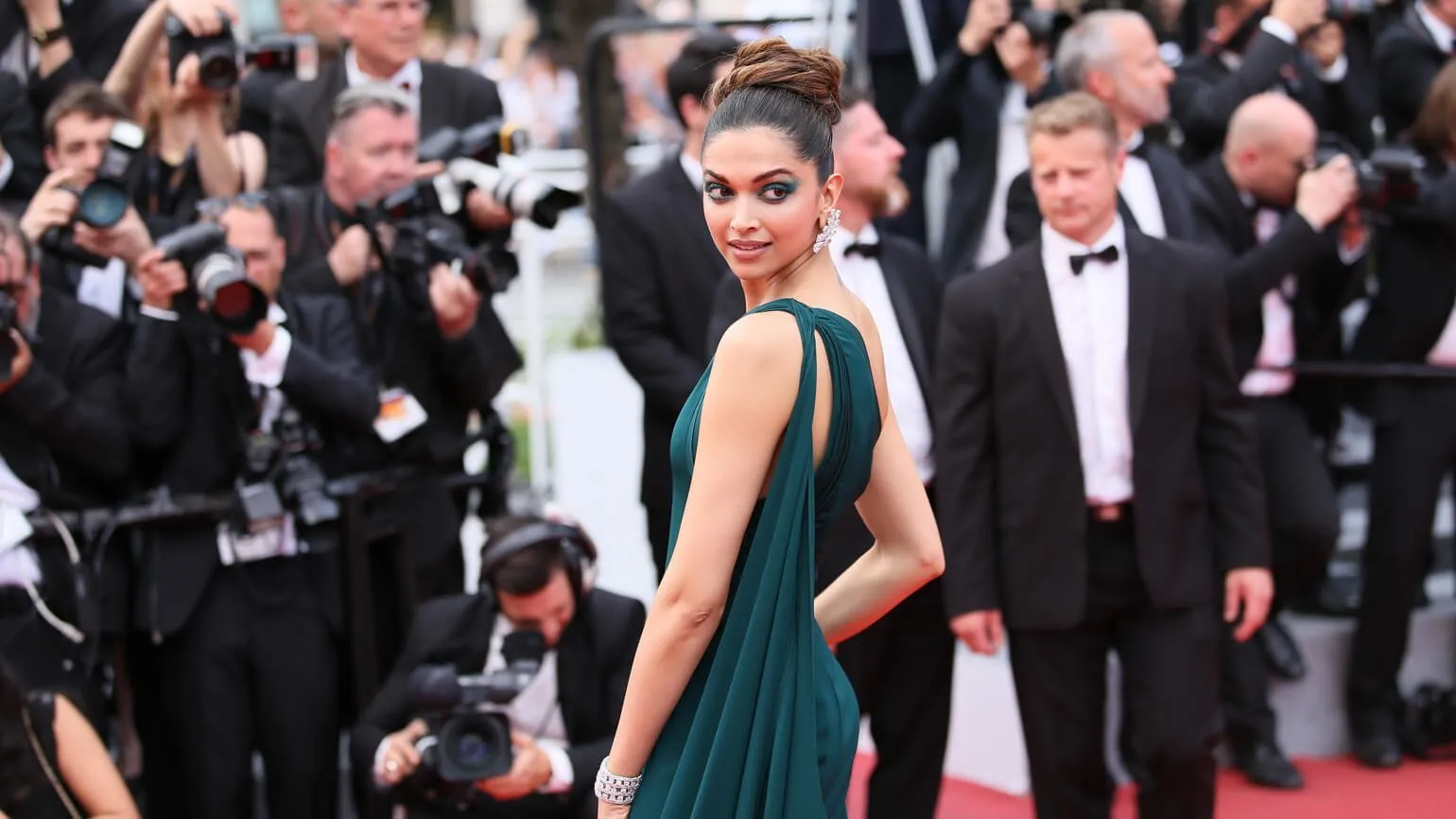
The use of deepfakes in paid video courses is subject to certain legal restrictions. If the purpose of publishing and using a person's image is to make a profit, it is necessary to obtain his or her consent. This provision is confirmed by paragraph 44 of the Resolution of the Plenum of the Supreme Court of June 23, 2015, No. 25. Therefore, it is important to consider the legal aspects when creating content using deepfake technologies in order to avoid possible legal consequences.
It is important to remember that even if a person has publicly posted their photos and videos on social media, this does not give others the right to freely use these materials without their consent. The use of such images, for example, to create deepfakes, is a violation of personal rights and may lead to legal consequences. Rules for the protection of copyright and personal data strictly regulate the use of content posted on the Internet. Therefore, you should always respect the privacy and rights of the content owner when requesting permission to use it.
The best option is to obtain consent to use celebrity images in accordance with the requirements of the Civil Code and the Law "On Personal Data." It is also important to own the rights to the videos and photographs used to create deepfakes. This will ensure the legality and protection of your interests when using such materials.
A company may be fined from 30,000 to 150,000 rubles. The director or other responsible person may be fined from 20,000 to 40,000 rubles. If the owner of a course or website hosting a deepfake course does not obtain the consent of the person whose image is used and is an individual, the fine will be from 6,000 to 10,000 rubles. These sanctions are provided for in Part 2 of Article 13.11 of the Code of Administrative Offenses.
Using an individual's image in a deepfake without their permission can lead to serious consequences. If this person learns about your course or someone informs them of it, they have the right to file a complaint with Roskomnadzor based on a violation of their personal data. As a result, the agency may initiate an investigation and issue a decision on the matter. Your task will be to prove that consent to use the image was obtained, since, according to paragraph 3 of Article 9 of the Law "On Personal Data," the burden of proof of consent lies with you, not Roskomnadzor, proving its absence. It is important to understand the risks associated with using other people's images and comply with personal data laws. There are several options. First, the person whose face is used in the deepfake can invoke Article 152.1 of the Civil Code. In this case, they have the right to demand that the website or course owner remove the content that infringes their image rights. It is important to understand that using a person's face without consent can lead to legal consequences for the deepfake creator. Protecting your personal rights in the digital space is becoming increasingly important, and knowing your rights can help you avoid unpleasant situations.
- delete the photo or video, including the entire video course;
- prohibit its distribution;
- compensate for damages (if any, of course);
- pay compensation for moral damages (if the fact of its infliction is proven).
Court practice shows that the amount of monetary compensation for moral damages paid to individuals usually does not exceed 5-10 thousand rubles. In cases where the plaintiff is a public figure, the amount of compensation may increase significantly, since the law does not set an upper limit. The specific amount will be determined by the court in each individual case.
The second option implies that persons holding the rights to the photographs or videos used to create a deepfake (for example, film studios, publishing houses or photographers) can file a claim based on Articles 1252 and 1301 of the Civil Code. In this case, they have the right to demand the removal of the deepfake and compensation for infringement of exclusive rights to the materials used, which can range from 10,000 to 5 million rubles. The specific amount of compensation will be determined by the court. However, the plaintiffs will need to provide evidence that their images were used to create the deepfake.

The copyright holder has the opportunity to recover Damages can vary significantly depending on the specific circumstances. There is no set upper limit for such compensation. For example, if a copyright holder loses an advertising contract due to the distribution of a deepfake, they can seek compensation for financial losses associated with this situation.
Regardless of whether you intend to commercially profit from the course or provide it only to a limited number of people, the use of a citizen's image and personal information, as well as the works (photos or videos) on which the deepfake is based, is still subject to legal provisions. This is important to consider, as infringement of image and personal information rights can have legal consequences. Even non-commercial projects should ensure compliance with privacy and copyright laws.
The question is whether there are exceptions that allow the use of citizens' images without permission, and whether you own the rights to the photos or videos you plan to use to create a deepfake.
It is unwise to take risks, as any employee could accidentally or intentionally publish a fragment of the course on social media. This will lead to the dissemination of information about the violation, which can negatively affect the company's reputation and lead to legal consequences. Therefore, it is important to ensure the confidentiality of materials and conduct regular training on compliance with the information security policy.
When using the image of a deceased citizen, it is necessary to obtain the consent of their heirs, if any. According to paragraph 1 of Article 152.1 of the Civil Code, after the death of a person, their image can be used only with the consent of their children and surviving spouse. If these heirs are absent, consent must be obtained from the parents. This rule is important to keep in mind for the purposes of image rights and privacy protection, which may also impact legal liability for the use of such images.
If an actor has no living relatives, such as a spouse, children, or parents, consent for the publication and use of their image is not required. This provision is enshrined in paragraph 49 of Resolution No. 25 of the Plenum of the Supreme Court of June 23, 2015.
There is an important aspect regarding the rights to photographs and videos used to create deepfakes. Old images, films, and television programs may still have copyright holders. Exclusive rights to works are valid for 70 years after the death of the author (Part 1 of Article 1281 of the Civil Code). For films produced before August 3, 1993, the rights of film studios expire 70 years after their publication (Article 6 of the Law "On the Introduction of Part Four of the Civil Code of the Russian Federation"). This must be taken into account when creating deepfakes to avoid copyright infringement and possible legal consequences.
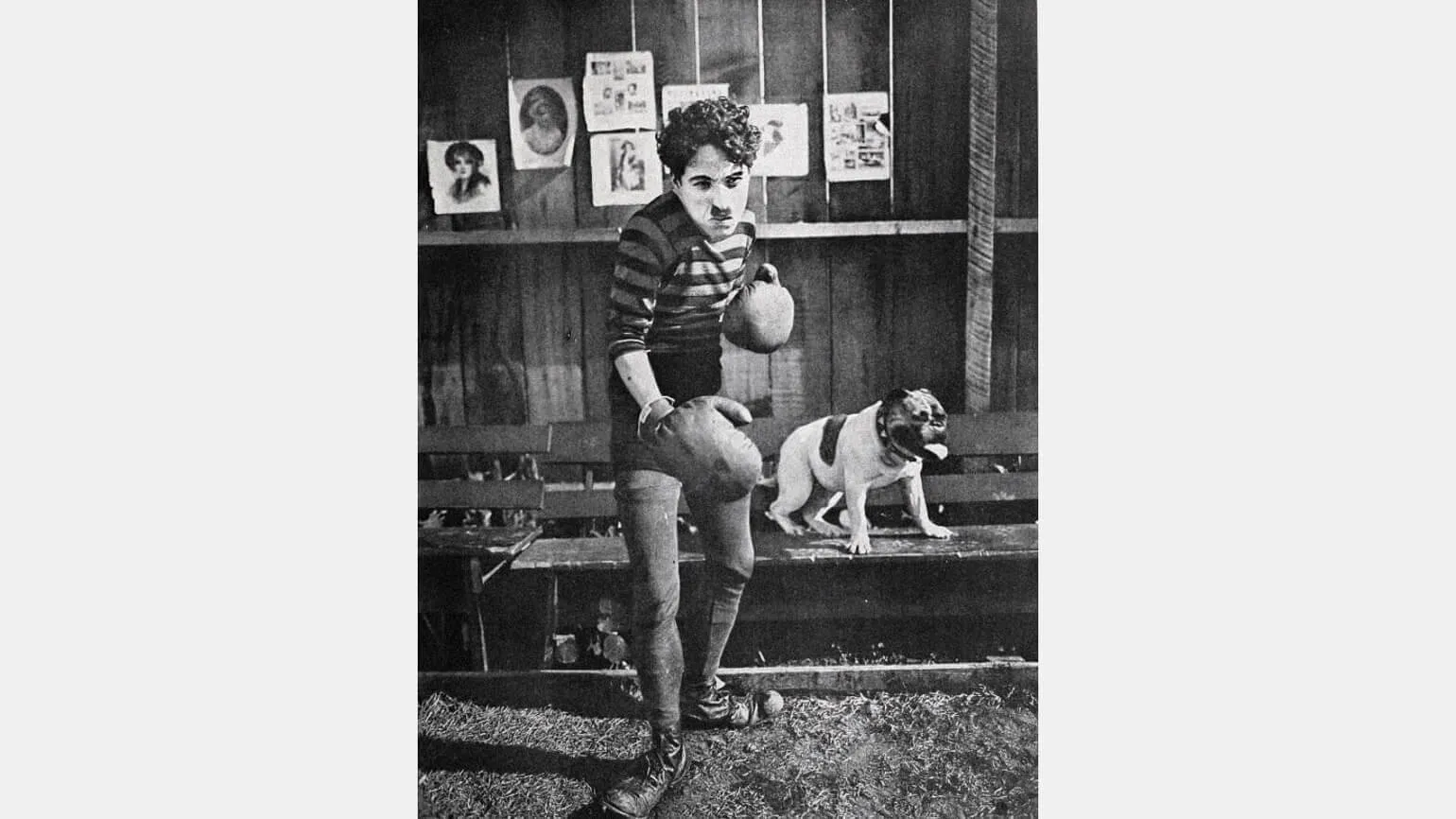
Using a foreign citizen's image in an online course without their consent can lead to legal consequences. If the foreign citizen or their representative learns of the unauthorized use of the image, they have the right to file a lawsuit in Russia. Therefore, it is important to consider the risks associated with using other people's images and always obtain the necessary permissions to avoid legal problems.
If you claim that your course is taught by a famous person, such as a popular actor or politician, but it is actually a deepfake, buyers who discover the deception may feel cheated. In this case, they have the right to demand a refund, citing Article 178 of the Civil Code and Article 12 of the Federal Law "On the Protection of Consumer Rights." Such actions can negatively impact the reputation of your course and lead to legal consequences. Therefore, it is important to be honest in your statements and provide accurate information about the instructors and the course.
Advertising for courses may be deemed false in accordance with Section 3 of Article 5 of the Law "On Advertising." This is subject to administrative fines: for organizations, the fine ranges from 100,000 to 500,000 rubles, and for individuals, from 2,000 to 2,500 rubles, according to Part 1 of Article 14.3 of the Code of Administrative Offenses. This emphasizes the importance of complying with the law when promoting educational programs.
It's important to note that using deepfakes to mislead people into believing the image actually depicts a famous person may be classified as fraud by law enforcement. This is because such manipulations can damage the reputation of the person whose image was used and have negative consequences for public perception. It's important to understand the legal risks and ethical aspects associated with the creation and distribution of deepfakes.
Before using a person's image to create a deepfake, you must obtain their consent and ensure the legality of the photos and videos. It's also important to avoid situations where course purchasers could be misled. Deepfakes should not be presented as real people to avoid distorting perceptions and damaging consumer trust.
Of course, following rules and guidelines is essential in any field. This helps avoid problems and achieve the desired results. By following established standards, you can improve the effectiveness of your actions and minimize risks. Therefore, it's important to ensure compliance with all necessary requirements.
In some cases, deepfake videos are perceived as parodies, leading to the belief that consent to the use of original photographs and videos is not required (Clause 4, Article 1274 of the Civil Code). However, this does not negate the requirements of Article 152.1 of the Civil Code, which requires a citizen's consent to the use of their image. Furthermore, the Law on Personal Data also requires consent to the processing of personal data. It's important to consider these legal aspects when creating and distributing deepfakes to avoid legal consequences.
In your case, we're not only talking about entertaining videos for social media, but also about using the content in an online course, which may be paid for, implying your commercial benefit. It's important to understand that in the event of a dispute, a court may not classify such a deepfake as a parody. This highlights the need for caution when using such content, especially in commercial projects.
Of course, please provide the text for revision.
Deepfakes are regulated differently in different countries. Some states are beginning to actively develop approaches to this problem. In particular, in the US, the state of California passed a law in 2019 that focuses on the distribution of political deepfakes in the context of presidential elections. Violation of this law entails criminal liability. This decision underscores the importance of protecting democratic processes from disinformation and manipulation, making the fight against deepfakes relevant today.
In 2023, the Parliament of Singapore passed a law prohibiting the publication of false information if its author knows or has reason to believe that the information is false. Such information may include deepfakes, especially if they are presented as real images of specific people. A new law aims to protect the public from manipulation and disinformation by ensuring higher standards of information veracity in the digital space.
Since 2020, China has required deepfakes to have a special mark. Publishing content using deepfake technology without this mark may result in criminal liability. This innovation is aimed at combating disinformation and protecting citizens' rights, as deepfakes can be used to manipulate public opinion and undermine trust in information.
The Civil Code does not provide protection for the use of the human voice in the same way as an image. Under current legislation, consent is not required to use a person's voice. This creates certain legal risks and issues regarding intellectual property rights. Users should be aware that their voice may be used without their knowledge or consent, which highlights the need to review the legislation in this area.
The voice can be considered biometric personal data, as it is unique to each person, similar to fingerprints. Today, technology makes it possible to identify a client at a bank by their voice, which makes it possible to obtain a loan. If the use of a voice is intended to identify a specific person, their consent to the processing of such personal data must be obtained. However, in practice, there have been no legal proceedings in Russia regarding the unlawful use of voice information. The situation with the use of voice deepfakes raises many questions both in Russia and abroad. In particular, in the United States, the YouTube channel Vocal Synthesis has published videos that use artificial intelligence technology to imitate the voices of famous politicians and musicians. One such example is a video in which rapper Jay-Z's voice is used to recite Hamlet's "To Be or Not to Be" in a rap style, as well as the lyrics to Billy Joel's "We Didn't Start the Fire." This prompted a response from Jay-Z's company, which demanded the video be removed and filed a copyright infringement lawsuit. Two of the four videos were initially removed, but they are now available again on the channel. Issues around copyright and the ethics of using celebrity voices are becoming increasingly relevant in the age of digital technology and artificial intelligence.
Online Course Producer from Scratch to PRO
You will learn how to launch profitable courses and webinars with minimal investment. You'll understand how to turn existing EdTech projects into profits and make money from online learning.
Learn more