
Contents:
- Why the translation of the concept of instructional design is inaccurate
- When did the origins of the key ideas of instructional design appear?
- How the systems approach developed
- How pedagogical design is connected with the origins of online learning
- What scientific discoveries about the work of the brain and the introduction of technology have brought to pedagogical design
- Instructional design in our time

Learn: Profession Methodist from scratch to PRO
Learn moreWhy the translation of the concept of instructional design is inaccurate
The term "instructional design" is a translation of the English term instructional design, but this translation poses certain difficulties. Firstly, the word instruction in the context of education is most often translated as "training" or "learning", and can also be associated with terms such as "instruction" and "program". However, this term does not include the concept of "pedagogy". Therefore, it is important to understand that instructional design covers a wider range of aspects related to the creation of effective educational materials and processes. This approach includes the planning, implementation, and evaluation of curricula, which makes it an important element of modern education.
Difficulties in understanding the term "design" arise largely due to its ambiguity. Instructional design is often equated with the visual design of educational materials, as in Russian the word "design" is most often associated with aesthetic aspects, such as landscape, interior, or graphic design. At the same time, in English, the term is often used to describe the design process in various fields, including engineering and architectural design. This difference in perception can create confusion and complicate the understanding of the goals and objectives of instructional design, which includes not only visual elements but also structuring the learning process, creating effective educational strategies, and using technology to enhance learning. The term "instructional design" refers to the process of creating effective educational programs. It is a systematic approach to learning development based on the methods and models of instructional design. Instead of randomly selecting materials and presenting them arbitrarily, we create a holistic system. This allows us to accurately assess the student's initial level of knowledge and establish desired outcomes. Based on this data, we select the most appropriate materials and tools for transmitting knowledge and developing the necessary skills. This method ensures maximum learning efficiency and promotes the achievement of educational goals.
When did the origins of key ideas of instructional design emerge?
The history of instructional design dates back to the 1940s, but the roots of this field go much deeper - to Antiquity. Even then, philosophers and scientists began to realize that certain conditions and approaches are necessary for effective learning. Instructional design as a field of knowledge has evolved, reflecting changes in the understanding of the processes of learning and education. From ancient Greek philosophy to modern theories of learning, this discipline has sought for centuries to determine how to optimize the educational process to achieve better results. Today, instructional design includes the use of technology, didactic methods, and psychological aspects, making it an integral part of modern education.
Socrates, Plato, and Aristotle actively used dialogues as a primary means of teaching, emphasizing their importance in the educational process. These ancient Greek philosophers, like modern researchers, sought to find effective methods for transmitting knowledge and developing critical thinking. Dialogues not only fostered a deep understanding of philosophical concepts but also developed analytical and argumentative skills, making them relevant to educational practices today.
In the 17th century, the Czech humanist Jan Amos Comenius became one of the first to develop a systemic approach to education. He formulated one of the key rules of didactics: "Nothing should be learned by heart until it is understood." Comenius emphasized that the most important elements of effective learning are visual materials, real-life examples, and sensory experience. In his book, The Great Didactic, published in 1657, he also emphasized the need for systemicity and consistency in the educational process. These ideas remain relevant today, emphasizing the importance of meaningful perception of information in learning.

At the turn of the 19th and 20th centuries, American psychologist and educator Edward Thorndike developed a theory of learning in which the "law of readiness" of the learner plays a key role. This law states that for the successful perception of new material, a prior level of knowledge and readiness to learn is necessary. Thorndike is considered the founder of behaviorism and the modern school of educational psychology; his work has had a significant influence on teaching methods and the understanding of the learning process. Understanding the learner's readiness to learn helps teachers effectively plan and deliver lessons, taking into account the individual characteristics of each student.
Modern research in neuroscience and behavioral science has refuted a number of Thorndike's assertions, but his core ideas remain relevant. In particular, target audience analysis in instructional design continues to rely heavily on the law of readiness. This emphasizes the importance of taking into account students' readiness to learn, which contributes to a more effective learning process and improves its quality.
Thorndike emphasized the importance of a pragmatic approach to teaching, which should be closely connected to real life. Students need to understand the practical value of the material they are learning. Although the educator lived before the advent of modern adaptive learning technologies, he argued that teachers are obliged to take into account the individual characteristics of each student and adapt the learning process according to these unique characteristics. This approach contributes to more effective assimilation of knowledge and the development of skills needed in everyday life.
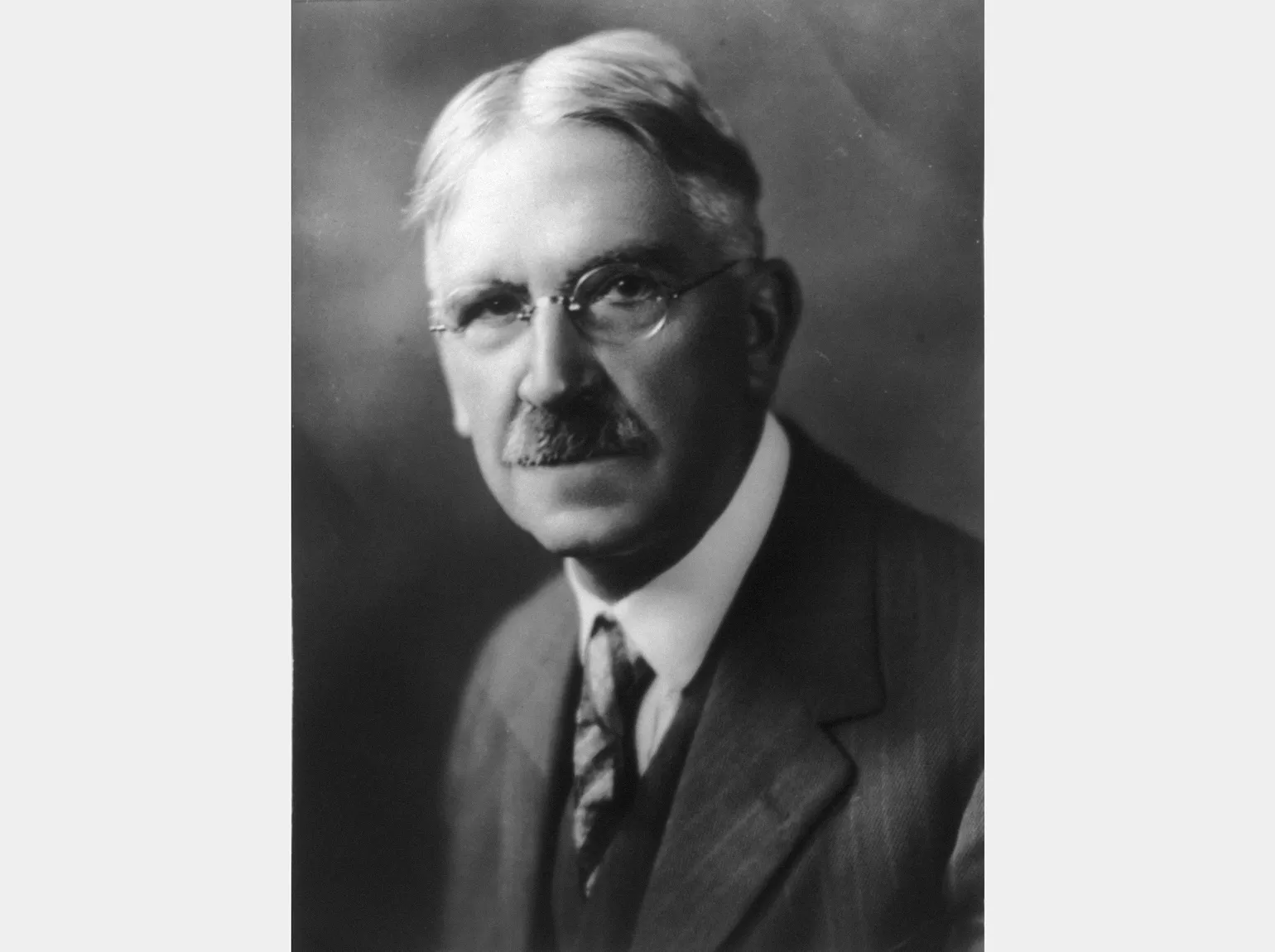
John Dewey, an American philosopher, psychologist, and educator, had a significant influence on the development of instructional design. He is one of the founders of pragmatism and progressive education. Dewey introduced the concept of learning through experience, known as "learning by doing", and also emphasized the importance of reflection in the educational process. Without reflection, students cannot fully comprehend and integrate the knowledge and experience they have acquired, which makes it a key element of effective learning. Dewey's contributions to instructional design remain relevant today, contributing to a deeper understanding of learning and education. Like Thorndike, Dewey emphasized the importance of connecting learning to real life. He believed that teachers should consider the needs and interests of their students, facilitating the development of their aspirations. John Dewey's work emphasizes an experimental approach to the educational process. He recommended that teachers use a variety of teaching methods and analyze their effectiveness in solving specific learning problems. This approach helps improve the quality of education and makes the learning process more relevant and meaningful for students.
It's important to note that all of the previously mentioned developments relate to the education of children. For a long time, education focused exclusively on the development of younger generations. Individuals were systematically trained in childhood and adolescence, and then continued to acquire the necessary knowledge and skills through professional activities, interacting with others, and reading. This approach ensured the development of personal and professional competencies, but the modern world requires a more flexible and diverse approach to education that takes into account changes in technology and societal needs.
In the 20th century, during a period of industrialization and rapid technological progress, the attention of educational researchers and practitioners began to focus on adult learning. It was realized that adults need systematic and organized learning, no less important than that for children. This learning helps adults more easily adapt to a rapidly changing world and cope with new challenges.
How the systems approach developed
History does not preserve precise data on who first began to systematize the knowledge accumulated by educators and thinkers in the field of education. However, by the mid-20th century, a number of key ideas had emerged that became the basis for the further development of educational processes. These ideas formed the basis of modern teaching and learning methods, contributing to the improvement of the quality of education and its adaptation to the needs of students.
- Learning should be practical, that is, the student should solve understandable, pressing, and relevant problems with its help.
- For the maximum effect from learning, it is necessary to know who exactly we are teaching. The current level of knowledge, preferences, and desires of students are very important.
- Learning should be adapted to the student as much as possible.
- Not all teaching methods will work equally well for different learning tasks; it is necessary to experiment and choose the most suitable for a particular situation.
American psychologist and educator Robert Gagné, during World War II, began his career at the training center of the US Army Air Corps. His main goal was to develop an effective approach to training that would ensure the rapid preparation of thousands of pilots for combat operations. Gagné focused on developing methods that would take into account the peculiarities of perception and assimilation of information, which significantly accelerated the learning process and improved its quality.
He was invited to this position because of an emerging problem: future pilots had to master a vast amount of disparate training materials, which did not produce the expected results. Students were perceived as devices on which information was simply to be recorded, which did not contribute to effective learning.
Gagné and his colleagues did not simply update the training materials; they developed a system based on the principles of learning and human behavior. Thirty to forty years later, this method would be known as instructional systems design. This approach allows for the effective organization of the learning process, taking into account the individual characteristics of students and creating optimal conditions for knowledge acquisition.
In the early 1950s, Robert Gagné, Leslie Briggs, and Arthur Melton, collaborating on training projects for the US Air Force, came to the important conclusion about the need for an integrated approach to training. They noted that to achieve highly effective learning, simply developing the learning system itself is not enough. Advance preparation for lessons is necessary, as well as a thorough analysis of the learner's work tasks and the specific actions they perform. Defining learning goals is also important, allowing for a more structured and effective process. This approach contributes to improved learning and the development of essential skills in students. Based on this analysis, the first instructional designers identified the necessary tools and conditions for learning. At the same time, Benjamin Bloom, leading a team of researchers at the University of Chicago, came to a similar conclusion: to assess student achievement, it is first necessary to clearly define what that outcome should be. In 1956, Bloom presented his taxonomy of educational goals, which became the basis for further research in pedagogy and educational design. This taxonomy has helped systematize approaches to teaching and assessment, which has contributed to a more effective learning process and the development of educational programs.
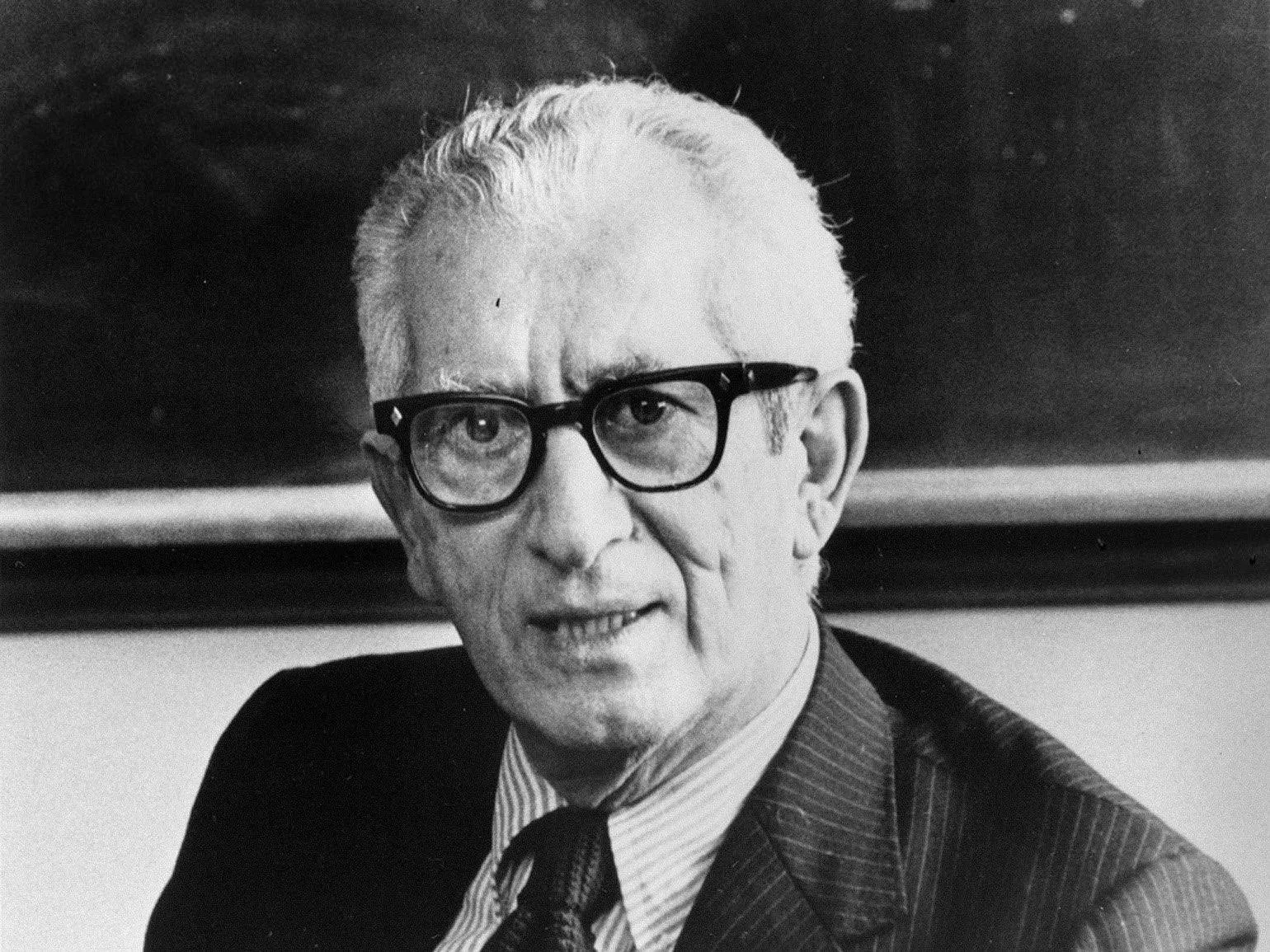
In 1962, psychologist Robert Meigher presented his paper, "Preparing Objectives for Programmed Instruction." In this article, he proposed a methodology for formulating learning objectives that takes into account the desired behavior of learners, the conditions under which learning takes place, and methods of assessment. This work played a key role in popularizing the concept of a learning objective in the field of educational program design. Formulating clear learning objectives not only helps structure the learning process but also increases its effectiveness by providing clarity for learners and teachers.
In 1965, Robert Gagné summarized his 25 years of professional work in the book, Conditions of Learning, in which he combined his experience with many concepts and methods developed by that time. Gagné identified five basic types of learning outcomes: verbal, intellectual, cognitive, attitudinal, and motor skills. Each of these types determines the methods of transmitting information and practicing skills. In the same work, Gagné introduced nine elements of the learning session, also known as the nine teaching events, which have gradually gained recognition among learning experts worldwide. These elements play a key role in organizing an effective learning process, helping teachers structure their lessons and achieve their educational goals. In the mid-20th century, educator Edgar Dale developed the concept of the "Cone of Experience," first presented in his book, "Audiovisual Methods of Teaching," published in 1954 and updated in the 1960s. Leslie Briggs noted that the Cone of Experience is one of the most effective tools for choosing a learning format. Over time, this method became known as the "Dale Pyramid," which has led to its misinterpretation. Dale's concept remains relevant for educators seeking to optimize the learning process and select the most appropriate methods for knowledge transfer.
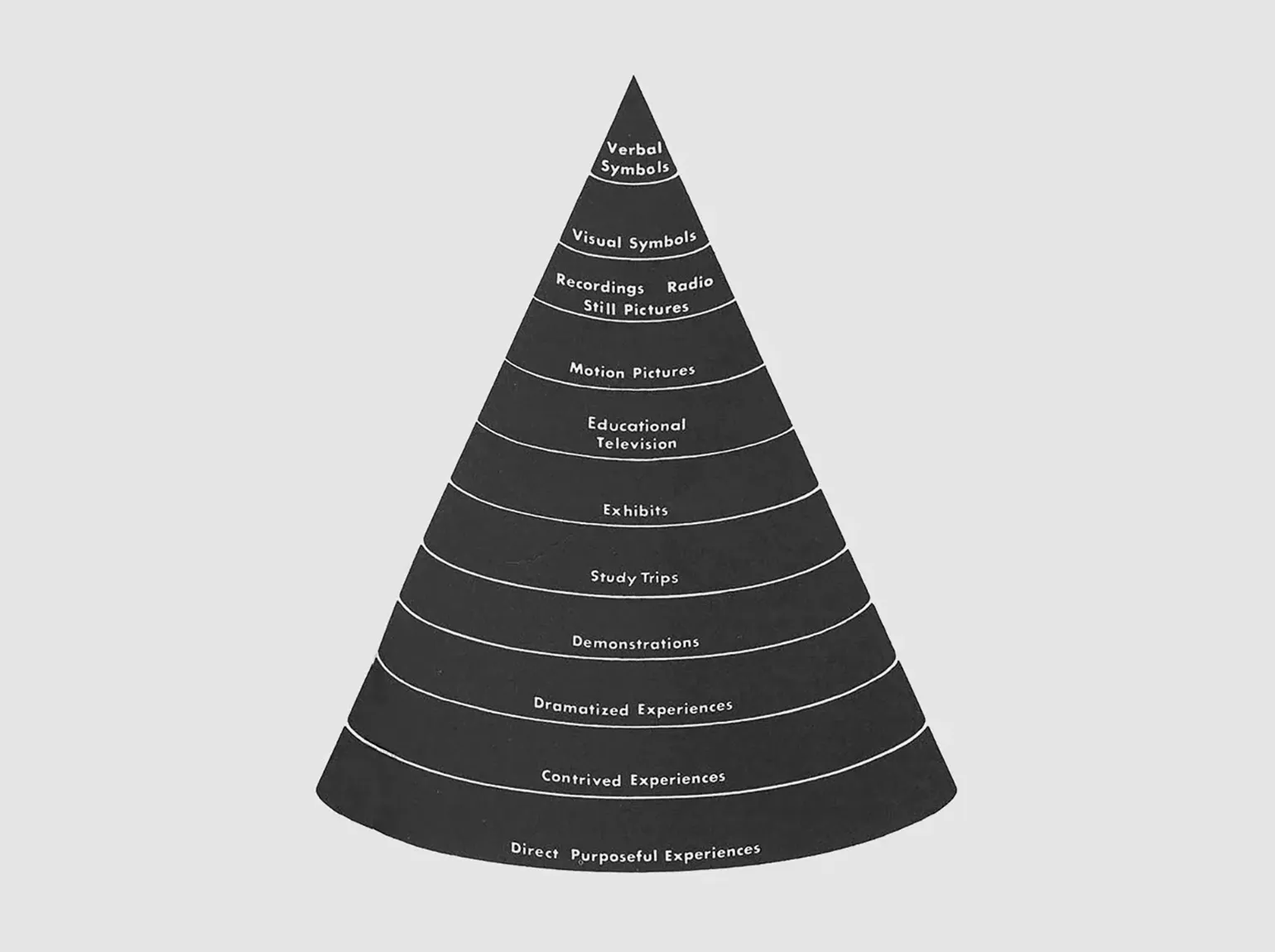
The author intended this diagram as a tool that displays educational formats in order from abstract to concrete. However, due to visualization problems and misquotation, it has evolved into a pyramid that claims that we remember only 10% of the information we read and 90% of the practical experience. This article analyzes the reasons why this understanding is erroneous.
In the modern educational process, we are seeing a shift from free creativity to a structured learning system. First, we define the target audience, study what and for what purpose we are teaching. Then we formulate learning objectives, check their achievability, and select appropriate tools for knowledge transfer. After the training begins, we analyze the results in accordance with the established objectives. This approach represents a full cycle of instructional design that allows us to optimize the learning process and increase its effectiveness.
How Instructional Design Is Connected to the Origins of Online Learning
In the 1970s, a new generation of psychologists, educators, and instructional design specialists emerged in the educational field. One of the key representatives of this generation was David Merrill. His research and developments had a significant impact on the development of instructional design and educational technologies. Merrill focused on creating effective learning programs, which contributed to the improvement of the learning process and the quality of education. His approaches are still used in modern educational practices, emphasizing the importance of integrating psychology and pedagogy into learning.
Merrill is considered one of the founders of the concept of computer-assisted learning, known as computer-based training (CBT). In 1983, he presented his component mapping theory, which was later developed into a new component design theory. This theory visualizes the learning process as a matrix with two axes. One axis represents various types of learning content, such as facts, concepts, procedures, and principles, while the other represents learning goals, including memorization, application, and discovery. Depending on the material being learned and the desired outcome, the theory suggests the use of specific learning strategies, making it an important tool for effective teaching and curriculum development.

Component mapping theory became the basis for developing lessons in the TICCIT interactive cable television system, one of the first EdTech projects in the United States, launched in the 1970s. This system allowed computers to broadcast educational materials directly to students' televisions. Students could control the content using home phone buttons, allowing them to choose the learning sequence, request hints, examples, and additional exercises. TICCIT demonstrated the potential of using technology in education, opening new horizons for interaction between students and educational content.
In the 1970s and 1980s, in addition to Merrill, many educational professionals began using computer technology. Although many of these developments seem outdated today, it is important to note that their creation required significant effort and a systematic approach. At that time, modern distance learning systems and user-friendly course development tools that we know today did not exist. These early experiments laid the foundation for later innovations in education and technology, advancing the idea of how computers could be effectively used for learning.

Please note the following recommendations:
To effectively promote your content in search engines, it is important to create a high-quality Text that matches the interests of your audience. Consider using keywords related to your topic to increase the visibility of the page. It is also helpful to add links to authoritative sources and other pages on your site to improve internal linking. Don't forget about the structure of the text; using subheadings and lists can significantly improve readability and comprehension of information.
Be sure to keep your content relevant and fresh, updating it when necessary. This will help retain user interest and increase the likelihood of appearing in the top search engine results.
Make sure your text is unique and informative, answering readers' questions and needs. This will build trust in your resource and increase its authority in the eyes of search engines.
Read also:
Computer-free chats and educational technologies the size of a five-story building: how the first EdTech solutions developed
At the beginning of the digital learning era, educational technologies (EdTech) looked completely different than they do today. The first solutions didn't require powerful computers or complex software. Instead, communication took place through text chats that could be used on simple mobile devices.
Educational platforms at that time were basic systems that provided access to educational materials and interaction between students and teachers. The emergence of EdTech addressed many issues related to access to quality education.
New technologies facilitated the creation of virtual classrooms where learning took place through text messages and graphical interfaces. The emphasis was on simplicity and accessibility, making the platforms usable even without powerful computers.
Over time, EdTech solutions have evolved significantly, incorporating multimedia elements, interactive tasks, and adaptive learning, making the learning process more effective and engaging. However, the roots of these solutions lie in the simple chats and educational platforms that became the foundation of modern digital education.
In the mid-1970s, staff at Florida State University developed an instructional design model for training personnel across all branches of the US military. This model covered the entire process of creating educational materials and activities, from audience analysis to evaluating learning effectiveness. In the 1980s, the model was refined and named ADDIE. Since then, it has become widely used by methodologists and methodologists around the world due to its versatility and effectiveness in the educational process.
The ADDIE model represents a logical, consistent, and universal structure, making it a fundamental tool for instructional designers today. Despite criticism and the emergence of new approaches to educational program design, ADDIE continues to be relevant. This model effectively assists in the development of curricula and materials, providing a systematic approach to learning and improving the educational process.
What scientific discoveries about the brain and the introduction of technology have brought to educational design
A scientist's ideas often begin to be perceived by a wider audience only after his death. This happened with the works of the Swiss psychologist Jean Piaget, who passed away in the 1980s. In the following decade, the concepts of constructivism gained popularity among instructional designers, and Piaget is considered one of its founders. His theory of cognitive development is closely linked to the work of Lev Vygotsky, and at its core is the key principle: knowledge is not transmitted, but created. This approach emphasizes the importance of the learner's active participation in the learning process, which makes Piaget's ideas relevant in the modern educational context.
A person cannot assimilate knowledge only through passive perception of information. Effective learning requires active student participation. This includes asking questions and seeking answers, making sense of new experiences, and interacting with others. Active engagement fosters a deeper understanding of the material and the formation of lasting knowledge.
In the 2000s, constructivist ideas began to be enriched by data from neuroscience and cognitive science. Instructional designers, drawing on new research on the functioning of the human brain, increasingly focused on the practical application of knowledge. This led to the creation of learning programs that emphasize real-world contexts and tasks, promoting deeper learning and developing critical thinking in students. As a result, teaching has become more focused and adapted to the needs of students, which has a positive impact on the effectiveness of the educational process.

Explore additional resources:
Cognitive learning theories: 4 key approaches for educators
Cognitive Theories play an important role in the educational process, helping to understand how students perceive, process, and remember information. For educators seeking to improve their teaching methods, it is important to consider these theories. Let's consider four main cognitive approaches that can be useful in teaching.
The first theory focuses on students' active participation in the learning process. Participation helps develop critical thinking and promotes a deep understanding of the material. The second theory emphasizes the importance of prior knowledge and context. If students have background knowledge, they can more easily assimilate new information.
The third cognitive theory emphasizes the importance of metacognition. Students who are aware of their learning strategies can more effectively manage their learning process. The fourth theory is related to the concept of self-regulation, which allows students to set goals, plan, and evaluate their achievements. By using these cognitive theories in their practice, teachers can significantly improve the quality of learning and help students achieve greater success. In 2002, David Merrill combined existing theories and models of learning to formulate the "first principles of learning," which focus on solving specific problems. These principles emphasize the importance of context and practical application of knowledge in the learning process. Merrill emphasizes that successful learning should be based on real-world problems, which allows students to better absorb information and develop the necessary skills. Thus, his approach is focused on creating effective educational programs that promote a deep understanding of the topic and its application to life.
- Activation — it is important to engage students in the learning process, using their prior knowledge and experience.
- Demonstration — it is necessary to clearly show students what exactly they are learning, how exactly this knowledge solves the stated problem (this applies to both information and practical actions).
- Application — students must apply what they have learned in practice.
- Integration — learning is effective when students analyze and discuss what they have learned, reflect on it, and use it in real-life situations, and not just in the educational context.
Merrill developed four levels of learning objectives that cover the entire learning process. At the first level, theoretical material is mastered, which serves as the basis for further study. At the second level, students begin to apply their knowledge in controlled conditions. The third level involves a deeper application of what they have learned, where students solve problems of increasing complexity. Finally, at the fourth level, students use their knowledge to solve real-world problems, which contributes to the development of practical skills and competencies. These levels allow for the structure of the learning process and the effective development of student skills.
At the beginning of the 21st century, the principles of adult learning developed by Malcolm Knowles in his 1973 book, "The Adult Learner," gained widespread recognition and scientific justification. Knowles was the first to coin the term "andragogy," which refers to the science of adult learning. He identified key characteristics of adult learners that distinguish them from children. Adult learners strive to understand the value of the knowledge they acquire, demonstrate independence and individuality, and apply what they have learned to solve real-life problems. These characteristics highlight the importance of adapting educational programs to the needs of adults, which makes the learning process more effective and purposeful.

Reading is an important aspect of our lives that helps us develop and gain new knowledge. It helps expand our horizons, improves vocabulary and develops critical thinking. Reading books, articles, and other materials allows you to deepen your understanding of various topics and improve your level of education. In today's world, access to information has become easier thanks to the internet, opening up new opportunities for learning. Regular reading not only enriches your inner world but also helps you better understand the world around you. Improve your skills by choosing quality sources of information and share your knowledge with others.
Cognitive psychology is a field of psychology that studies the processes of perception, thinking, memory, and learning. The importance of cognitive psychology in education cannot be overstated. It helps us understand how students process information, how their skills develop, and how they can be optimized to achieve the best learning outcomes.
By studying cognitive processes, educators can develop more effective teaching methods that take into account the individual characteristics of students. This allows us to create conditions for actively engaging students in the learning process, improving their ability to remember and think critically.
The application of cognitive psychology principles in educational practice promotes deeper learning and the development of creative abilities. As a result, students become more independent and motivated to learn, which has a positive impact on their academic performance and personal development.
Thus, cognitive psychology is a key tool for improving educational processes and preparing future specialists capable of adapting to the rapidly changing demands of the modern world.
Cognitive sciences have become a key area of instructional design since the early 2000s. An important aspect of this process is the integration of information technology into the educational process. This combination helps create more effective and adaptive teaching methods that take into account the peculiarities of students' perception and assimilation of information.
Richard Meyer's research plays a key role in understanding the impact of multimedia on the educational process. In 2001, he published Multimedia Learning, the first comprehensive and systematic work on the topic. His research emphasizes how multimedia materials can enhance learning by improving understanding and retention of information. Mayer's book has become a foundational work for educators and curriculum developers seeking to integrate multimedia technologies into the educational process. The author presents a theory that explains how to effectively combine various multimedia formats in learning, such as text, spoken language, and images. This combination helps improve perception and comprehension of educational material without overwhelming the student or distracting them from the main content. In 2020, the third edition of the book was published, incorporating the results of modern research, making it relevant and useful for educators and students.
Co-authored with colleague Ruth Clark, Mayer published the textbook "E-Learning and the Science of Instruction." This publication, based on an extensive evidence base, formulates principles of multimedia learning that remain relevant today. The textbook provides valuable guidance for e-course developers and educators seeking to improve the quality of learning using multimedia technologies. The principles outlined in the book help create effective educational materials that promote better assimilation of information and increase student engagement.

Read also:
Richard Meyer's theory of multimedia learning explains, How people absorb information through a combination of text, images, and audio elements. It is based on the principle that combining different forms of information presentation can significantly improve comprehension and retention of material. This theory is actively used in educational technologies, including online courses, multimedia presentations, and interactive applications. The use of multimedia in teaching allows for the creation of more engaging and effective educational resources, which contributes to increased student motivation and improved learning outcomes. Applying Mayer's theory helps educational content developers create structured and logically consistent materials, which in turn facilitates the learning process and makes it more accessible to various categories of learners.
Instructional Design Today
Modern instructional design is often reduced to the phrase: "Everything new is well forgotten old." It is not uncommon to encounter so-called new ideas and approaches that are in fact merely a repetition of previously developed concepts. This may be due to the lack of comprehensive training in instructional design that takes into account not only current trends but also historical foundations. Understanding and using historical context in instructional design can significantly enrich modern education and help develop effective educational solutions.
People do not change as quickly and significantly as it might seem at first glance. Jan Amos Komensky already identified the key aspects of learning 400 years ago: practical application, connection with real life, and attention to the individual characteristics of learners. The 1970s can be called the "golden decade" of instructional design, since many principles, models, and approaches were developed during this period that are still relevant in 2025. The basic logic of these methods is simple: for effective learning, it is necessary to understand who we are teaching, what, and for what purpose. Then, the appropriate tools must be selected. It is important that the learner is actively involved in the process, since learning is not just a transfer of knowledge, but an active process of self-knowledge and self-development.
The Profession of Methodologist from Scratch to PRO
You will improve your skills in developing curricula for online and offline courses. Master modern teaching practices, structure your experience, and become a more sought-after specialist.
Find out more