
Contents:
- Teach academic writing
- Moderate discussions
- Create online text courses
- Help master math as a tutor
- Create "Find the Errors" tasks
- Teach children to read
- Create tests and quizzes
- Transcribe audio to text
- Select relevant quotes
- Train people's soft skills
- Help them remember the material
- Answer the flow of typical questions from applicants and students
- Predict dangerous situations

Learn: The Profession of Project Manager in Online Education
Learn MoreTeach Academic Writing
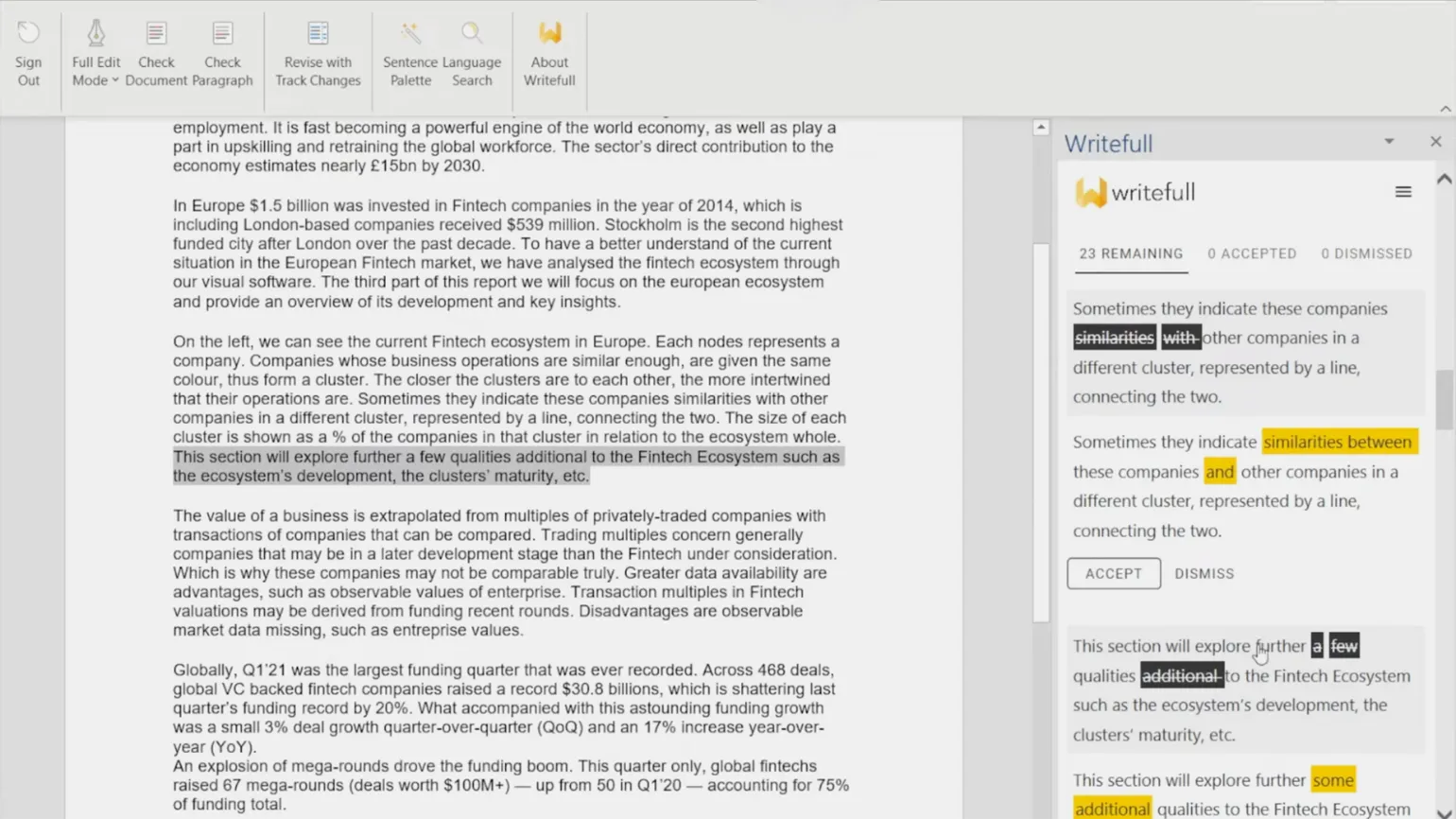
Neural networks can become valuable assistants in the process of writing scientific articles, term papers, theses, and other academic texts. It is important to note that we are talking not only about generating works using ChatGPT, but also about the opportunity to improve the skills of independently writing high-quality texts. Using neural networks, students and researchers can receive recommendations on the structure, style, and content of their work, thereby developing their writing skills and critical thinking. This makes neural networks an indispensable tool in the educational process, enabling the creation of deeper and more meaningful academic materials.
Writefull integrates directly with Microsoft Word and also offers the ability to upload documents to the web version. It not only identifies errors, typos, and repetitions but also suggests improvements to wording, making them more precise and compliant with academic standards. Writefull functions as an experienced editor, providing explanations for each correction. It helps structure text, rephrase individual sentences, and create relevant headings. Furthermore, users can consult an extensive database of scientific papers to explore how various terms have been used by other authors, which is useful for improving the quality and depth of analysis in your texts.
Packback Deep Dives is an interesting tool. It not only checks text for grammar and stylistic errors but also evaluates the credibility of sources. This system can also recognize texts created by artificial intelligence. Teachers can set their own criteria for grading written assignments, and Deep Dives will take them into account during analysis. This makes the tool relevant for educational institutions seeking to improve the quality of written work and student critical thinking.
The Skygrammar service, developed by Skyeng, uses a neural network to identify errors in English essays typical of Russian-speaking students. This tool also simplifies the grading process for teachers. In the future, Skyeng plans to expand the service's functionality by providing access to students and adding features such as plagiarism detection, wording suggestions, and feedback on translation errors.
Moderate discussions
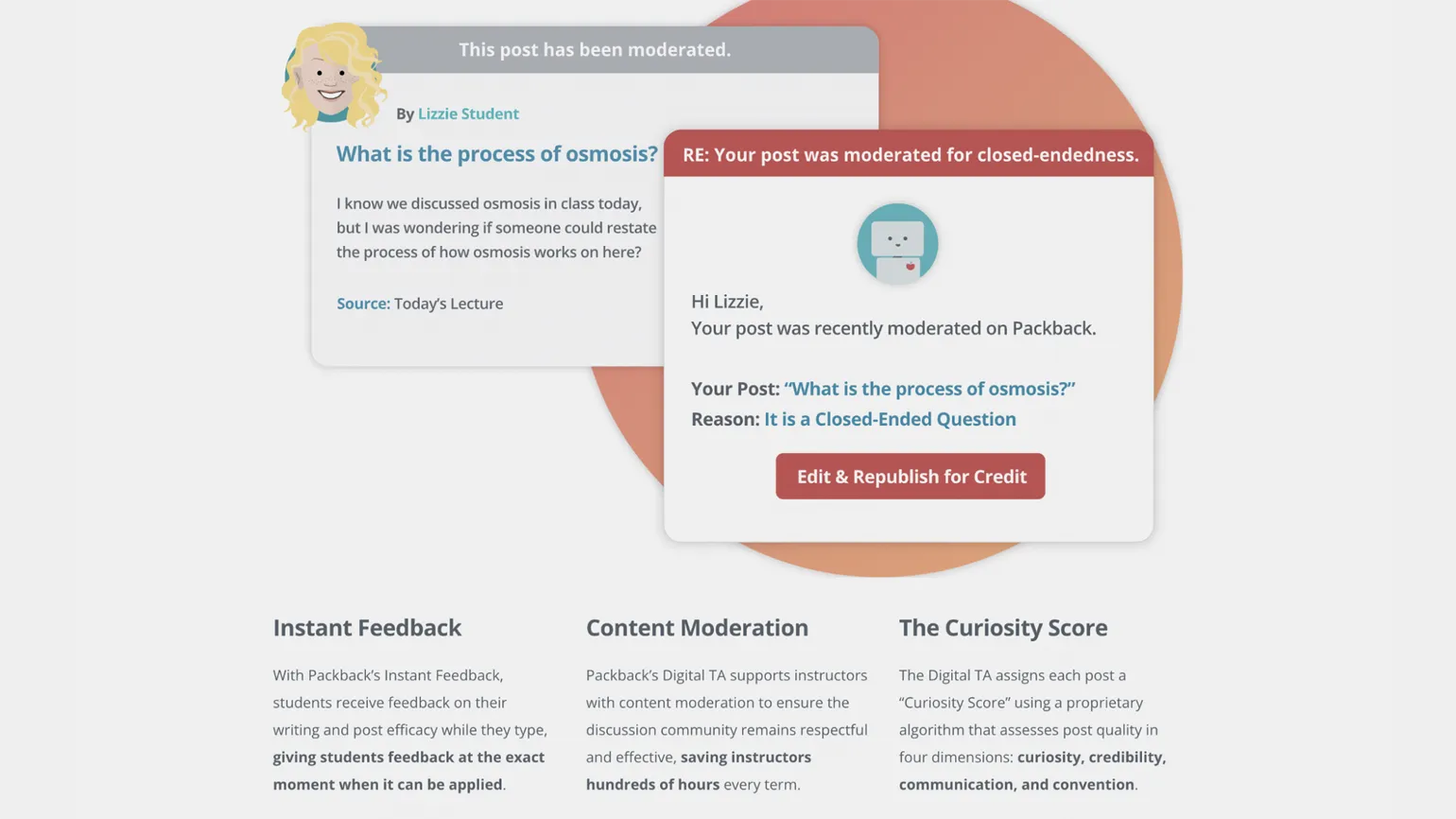
Packback offers an online discussion platform called Packback Questions. It is a unique virtual whiteboard for student and faculty collaboration. On this platform, students can formulate questions for discussion, such as "What are the ethical issues associated with the development of genetic engineering?" The platform's artificial intelligence filters questions, excluding organizational clarifications, such as "Will this topic be on a test?", and suggests improvements to the wording. Using Packback Questions promotes deeper analysis of topics and active student engagement in the learning process, making it a valuable tool for educational institutions.
After posting a question, students have the opportunity to respond to it and comment on answers, marking them as arguments "for" or "against." All such posts are moderated using artificial intelligence. Teachers can provide individualized feedback using two options: public "Praise" and private messages for "Coaching."
Create text-based online courses
Artificial intelligence is already demonstrating the potential for autonomous course creation in various formats. The most common technology for this task is the large-scale language model GPT. Services based on this model require only the course topic to be specified, although some additional parameters, such as educational level, may be required. The virtual assistant then selects relevant educational content and generates it as a text-based course. Thus, the use of AI in education opens new horizons for the development and adaptation of educational materials, ensuring accessibility and ease of learning.
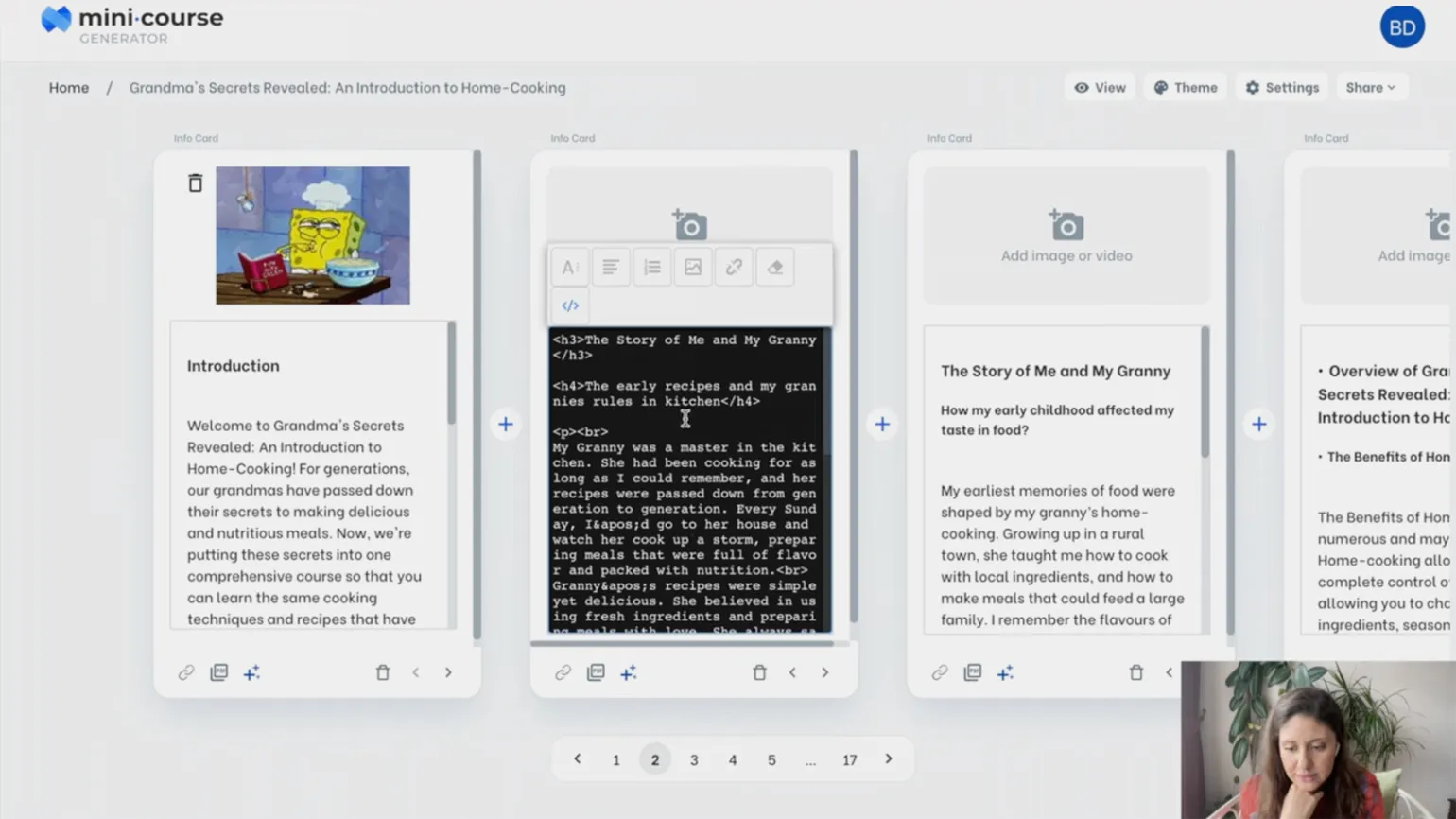
Mini Course Generator allows you to create mini-courses in the format of flashcards optimized for mobile devices. Users can edit the generated courses by adding images and videos, and then share the link with students. The service also functions as a traditional course builder, allowing you to create courses from scratch or use one of the available templates to fill them with content. This makes Mini Course Generator a versatile tool for educational institutions and individual instructors seeking to create high-quality educational materials. CourseAI is an innovative tool for generating long-form courses, offering users the ability to create structured and visually appealing learning materials. To create a course, simply enter a topic, click a button, and wait a few minutes. The completed course includes several modules, a practical section where students can, for example, write an essay, prepare a report, or lead a discussion on the topic, and a short quiz to assess their understanding of the material. CourseAI's ease of use includes the ability to share access to the course via a link or download it in SCORM format for uploading to distance learning systems (LMSs). However, it is worth noting that the service does not provide the ability to edit content, add images, videos or other media files, which may limit its functionality for some users.

Also study:
Creating online courses: an overview of designers for development and launch
In the modern world of online education, an important stage is the creation high-quality courses. There are numerous builders available that simplify the process of developing educational content. In this review, we'll explore the most popular platforms that allow you to create and launch online courses efficiently and cost-effectively.
These builders offer a variety of features, such as a user-friendly interface for creating lessons, the ability to add multimedia, assessment and feedback systems, and tools for marketing and promoting courses. Choosing the right builder depends on your goals, level of experience, and budget.
By using builders to create online courses, you can focus on the content and its quality, rather than wasting time on technical details. Choosing the right platform will help you attract an audience and make learning accessible to everyone.
Helping master math as a tutor
One of the significant advances associated with the use of artificial intelligence is adaptive learning. This process is based on the analysis of student successes and errors using a digital platform. Artificial intelligence allows the system to select tasks that best suit the individual needs and knowledge level of each student. Thanks to this approach, learning becomes personalized, which significantly increases its effectiveness and promotes deeper assimilation of the material. Adaptive learning opens new horizons in the educational process, allowing each student to achieve better results.
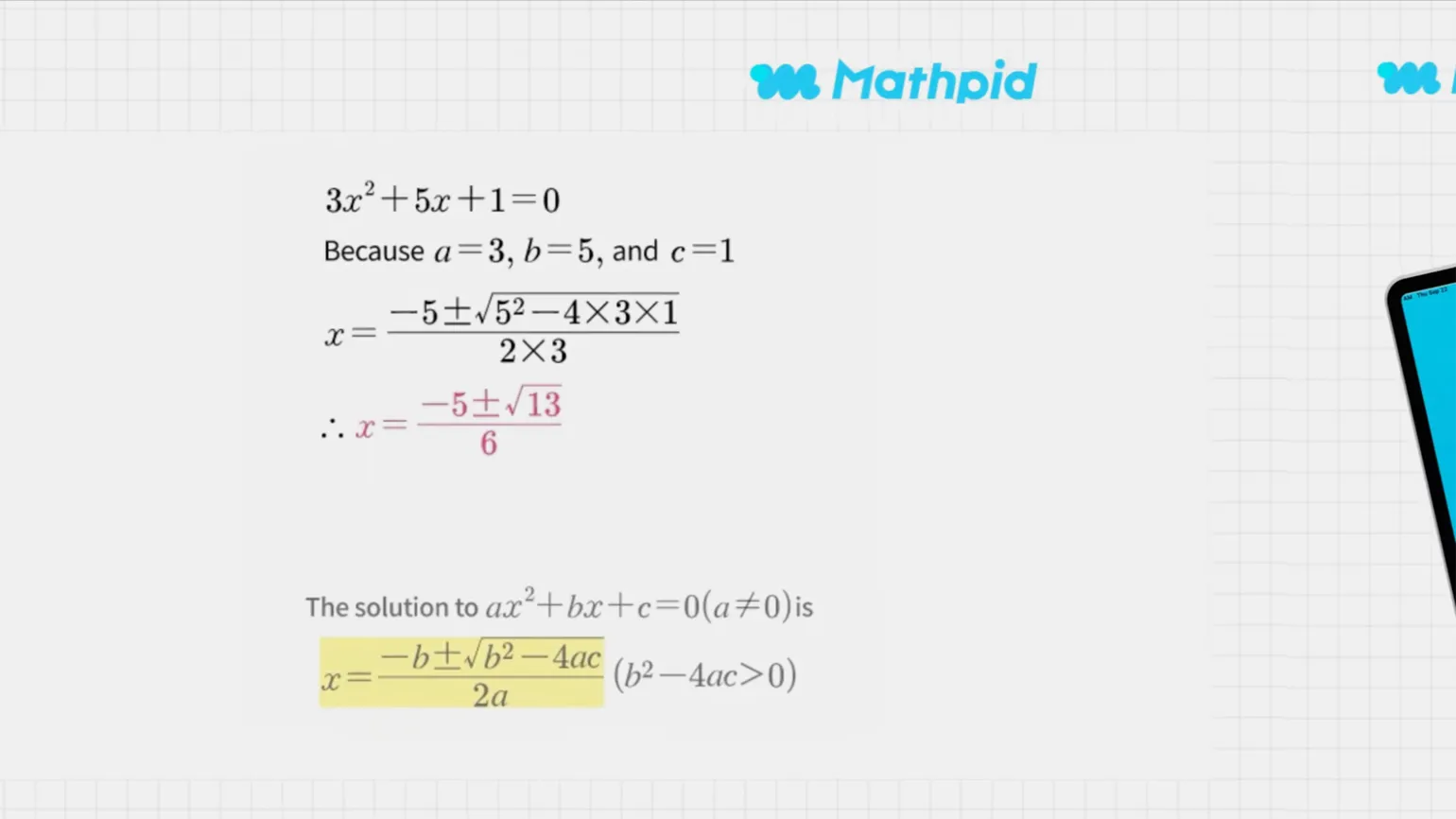
Modern digital solutions based on artificial intelligence actively help schoolchildren in learning mathematics. The Mathpid mobile app offers users a test, based on the results of which an individual lesson plan with elements of microlearning is created. This app is suitable for both preschoolers who are just beginning to learn the basics of counting, and high school students, for example, ninth-graders, for whom Mathpid helps master complex topics such as inequalities and trigonometric functions. With this app, students can effectively develop their math skills in a convenient and accessible format. An AI tutor explains new topics, demonstrates example solutions, and checks assignments, providing feedback. Using the technology, students can scan a math problem from a textbook or type it on the screen to obtain a solution and similar examples. Children are also offered games in which they can practice arithmetic operations, making learning more engaging and effective. The Russian platform "01Mathematics," based on modern artificial intelligence technologies, effectively analyzes each student's progress and individually adapts lessons and assignments. The platform includes materials from federal textbooks, making it an indispensable tool for preparing students for the OGE and USE in mathematics, at both the basic and advanced levels. Furthermore, "01Mathematics" offers hundreds of problems in geometry and probability theory, promoting a deep understanding of the subject. The platform not only serves as a tutor for students but also as a useful assistant for teachers. It allows you to easily create homework and tests on selected topics, as well as receive detailed reports on student progress. "01Mathematics" is a modern solution for improving the quality of mathematics education.
The Aleks educational platform is another shining example of the use of artificial intelligence to personalize learning. It adapts curricula to the needs of each student, effectively addressing knowledge gaps. Aleks offers a variety of courses covering a wide range of subjects—from mathematics to chemistry, physics, statistics, and accounting fundamentals. The platform is targeted at different age groups, from elementary school students to university students, making it a versatile learning tool.
The University of Chicago Education Lab conducted a study on the effectiveness of combining tutoring with lessons on the Aleks platform. The results of an experiment involving ninth-graders showed that their performance was comparable to that of students who studied exclusively with a tutor. This may indicate the possibility of optimizing tutoring costs by replacing some lessons with the Aleks platform. However, it's important to note that during the experiment, students did not use the platform entirely independently, but under the guidance of a teacher. Thus, to achieve maximum effectiveness, it is worth paying attention to the organization of the educational process and support from teachers.
Create tasks such as "Find the Mistakes"
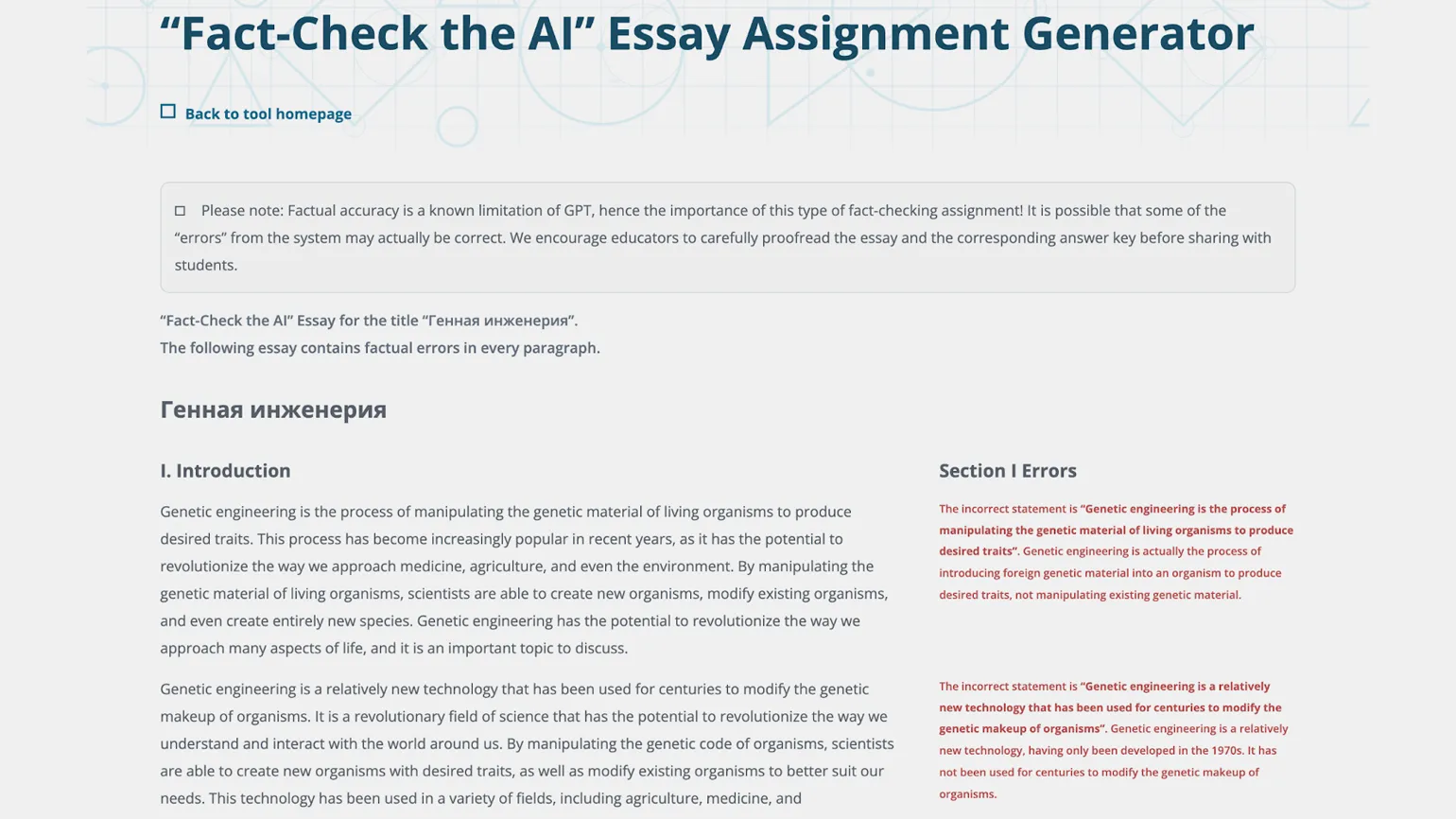
Packback has introduced an interesting tool—a task generator called Fact-Check the AI, which was a finalist for the EdTech Awards in the "AI Solutions" category. This generator is free to access, simply by entering your email address. The tool focuses on fact-checking and promotes critical thinking in users.
Based on the large-scale GPT language model, the service generates text on a given topic and highlights factual errors. This material can be used for educational purposes, challenging students to find and correct incorrect statements. However, the developers warn of some shortcomings of the neural network: it may fail to detect incorrect facts or, conversely, mistakenly mark correct statements as incorrect. Therefore, before providing the text to students, the teacher should carefully check it for errors.
Teaching Children to Read
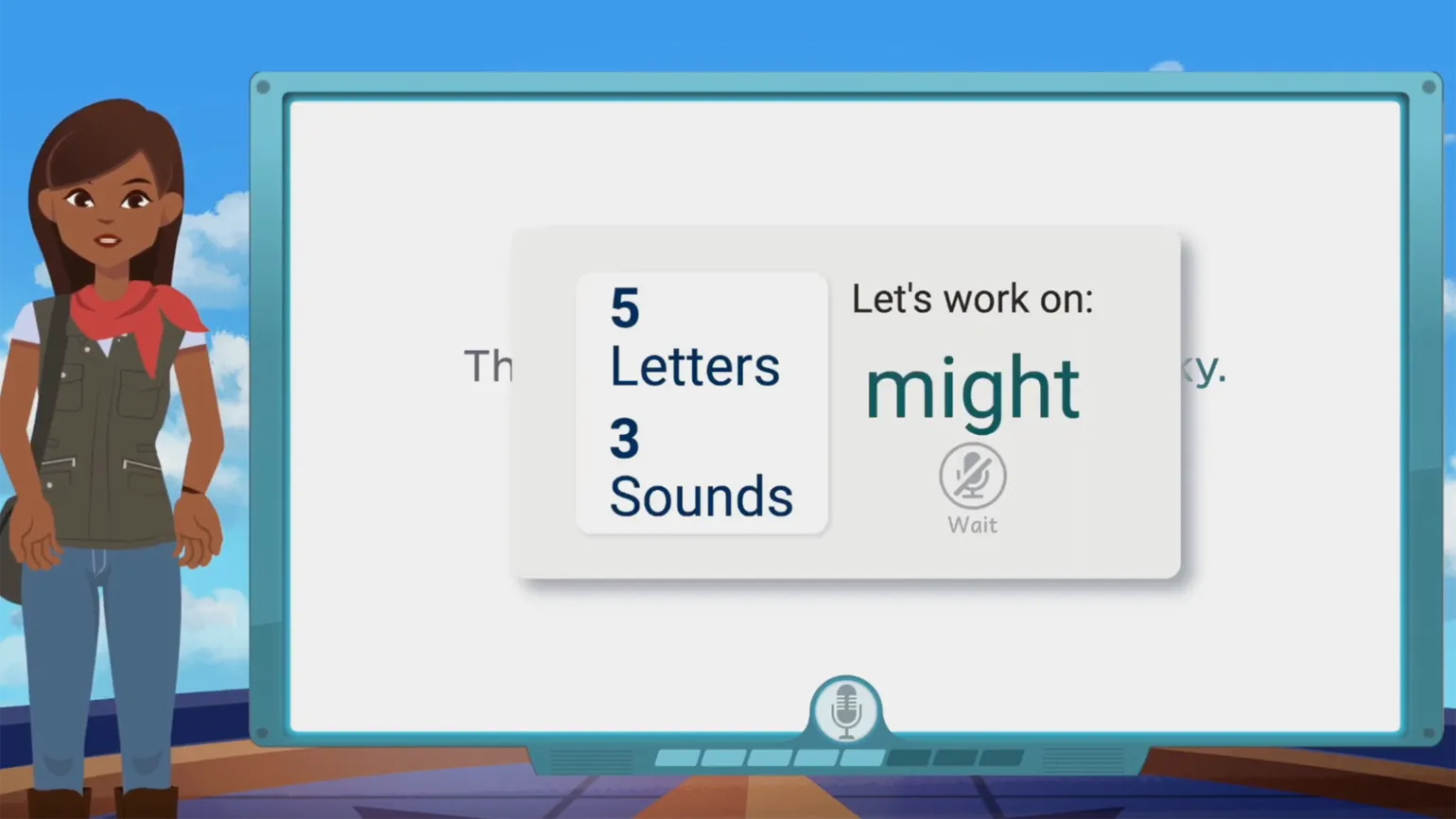
Young learners can also benefit from AI assistants. Several services that help children develop reading skills are already available in the educational technology (EdTech) market. These platforms operate on a similar principle: a child reads a text aloud, and the program recognizes speech and uses artificial intelligence to analyze and evaluate various aspects of reading, such as accuracy, fluency, rhythm, and speed of visual word recognition. It is important to note that such technologies do not replace a human teacher, as some critics of digitalization might believe. On the contrary, they serve as a support for educators, as a single teacher cannot adequately focus on the individual practice of each student in a class of 20-30. Thus, AI assistants are becoming an important tool in the educational process, allowing children to develop their reading skills more effectively.
The Dystech service focuses on diagnosing children's reading skills, helping teachers assess their level of development and identify individual difficulties, including dyslexia. It also allows for tracking student progress. The Amira Learning service focuses on reading skill training. When a child makes a mistake while reading, artificial intelligence suggests appropriate exercises to improve pronunciation and other aspects. All data on student achievements and difficulties is compiled into a detailed report for the teacher. For example, an elementary school in Alabama (USA) used Amira Learning in its second-grade classroom, and within two months of training, the students' reading speed doubled on average. Thus, both services play an important role in the development of reading skills, providing support for both teachers and students.
Create tests and quizzes
Artificial intelligence is actively helping develop learning activities, including creating tests and quizzes. One of the simplest tools on the market is Boom, based on ChatGPT technology. This service allows you to instantly generate tests on any given topic. It doesn't require complex settings, and the tests have a standard format—3-4 answer options, from which you must select the correct one. However, it should be noted that it is impossible to edit the generated tests, and the service does not collect statistics on completion. Nevertheless, this tool is quite suitable for quickly creating quizzes that will help engage students.
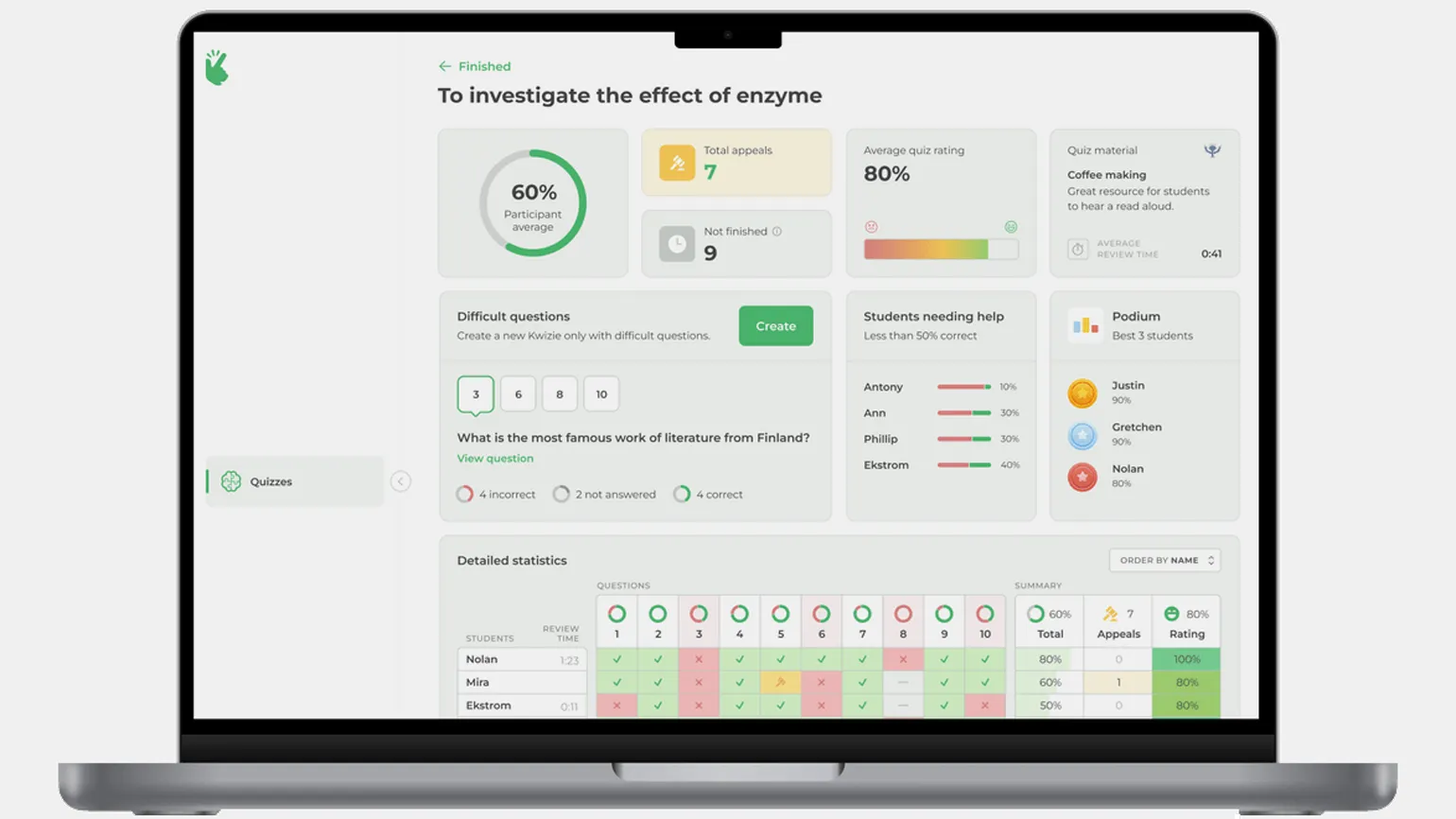
Kwizie offers advanced quiz creation capabilities. The platform allows you to generate quizzes based on YouTube content, Wikipedia articles, and even upload your own materials to create custom quizzes. Users can choose between two modes: open, where students can review the materials in advance, and closed, where access to texts or videos is restricted before taking the quiz. Synchronous quizzes are also available, making them ideal for classrooms and group activities. Kwizie is a convenient tool for educators that promotes effective learning and collaboration in the learning process.
Kwizie offers powerful analytics that help administrators track participant performance. Each user logs in with a unique code, allowing for data on both group and individual achievements. This feature helps identify questions that have become difficult for individual students, which in turn makes it possible to focus on their further learning and working through difficult topics.
Transcribe audio to text
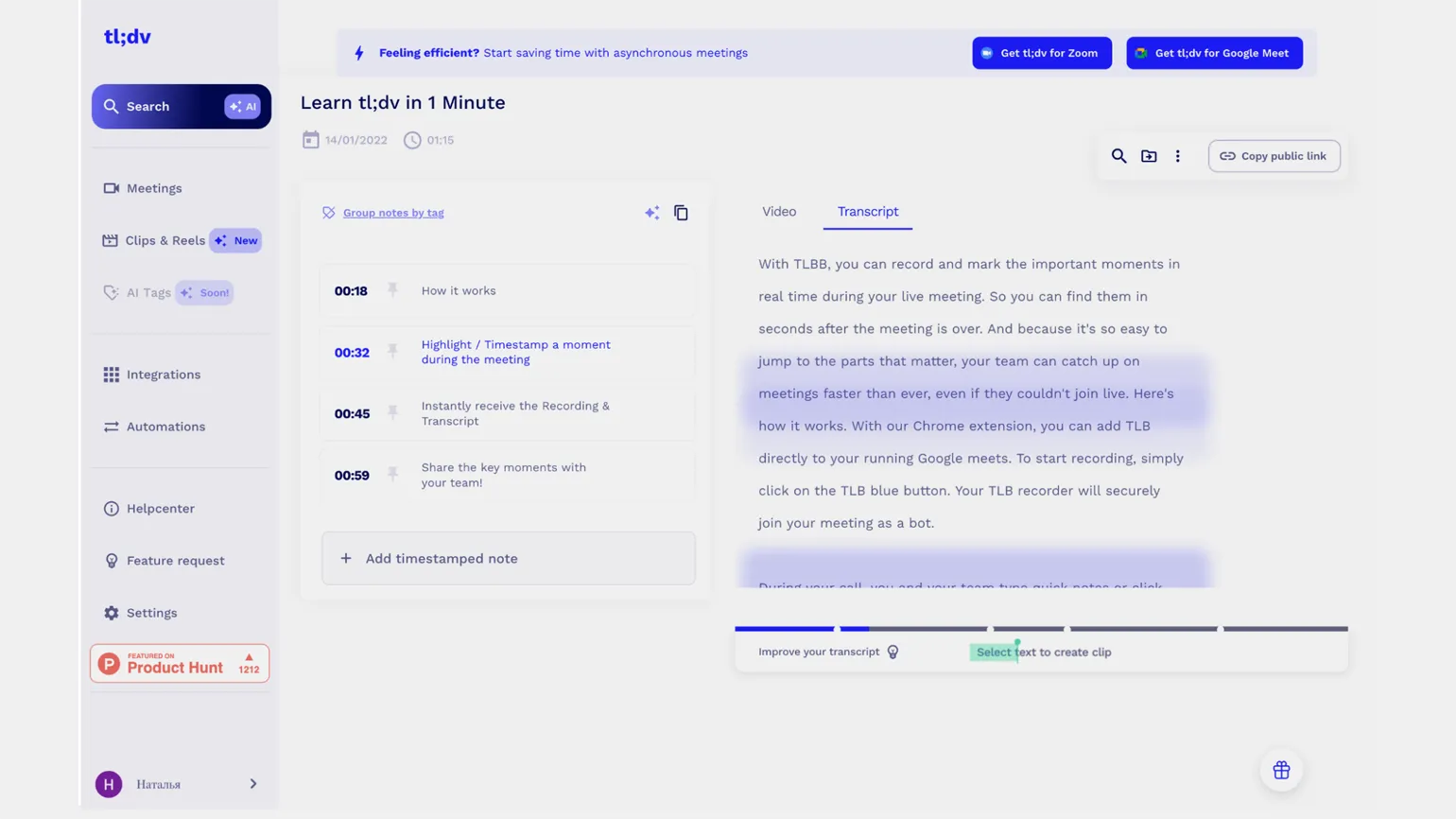
With the help of artificial intelligence, you can quickly create a transcript of an online lecture or other synchronous event and send it to students. This makes it easy to return to the material and find the fragments you need without having to rewatch the entire video. Automatic transcription of audio will also be useful for methodologists who communicate with experts, as well as information product marketers, allowing them to use the webinar text for preparing social media posts. Effective use of AI for transcription significantly simplifies the learning process and promotes better assimilation of the material.
There are several solutions on the market that offer similar features and integrate with video conferencing services such as Zoom and Google Meet. Such services include Otter.ai, Fireflies.ai, and tl;dv. These platforms have different features and pricing plans, but tl;dv stands out among them. This service provides free and unlimited video and audio recording and transcription, as well as convenient tools for creating timecodes with key moments and automatic generation of meeting summaries using a neural network. tl;dv supports more than 30 languages, including Russian, making it a universal tool for users around the world.
Select relevant quotes
Imagine a situation where you need to find a suitable quote for a course or research paper but can't remember the right words. Or you're developing a lecture outline and want to add a clever quote. Searching online can be time-consuming, especially if you don't know the exact author or the wording. In such cases, it's important to know how to effectively search for quotes and use specialized resources to quickly find the information you need. This will save time and make your work more professional.
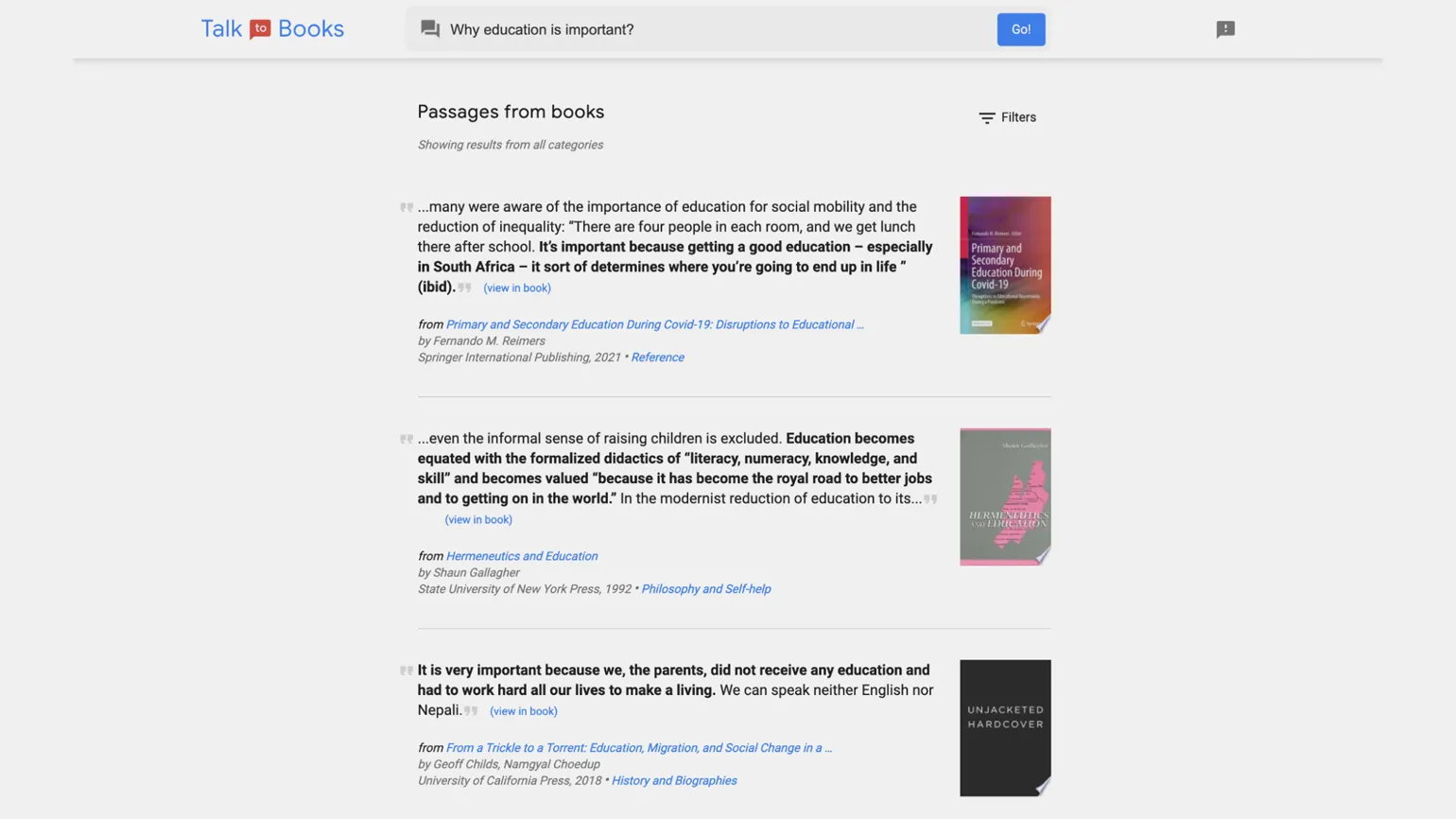
Google's Talk to Books service can quickly and efficiently find relevant quotes from books. Using artificial intelligence, it analyzes search queries and selects matching fragments of text from an extensive database of over 100,000 English-language publications. Unlike traditional search engines, Talk to Books doesn't just look for word matches; it interprets the meaning of queries. For example, the query "Why is it important to study?" will return quotes directly related to the topic, making the search more targeted and informative.
Results can be filtered, allowing you to retrieve quotes exclusively from fiction or nonfiction. However, the developers note that this service is more of a creative tool than a means for finding specific answers. Additional filters, such as sorting by author and year of publication, are needed to fully utilize Talk to Books for research purposes. It is also worth noting that the service does not search for quotes from Russian-language books, and its analogues in Russian currently do not exist, at least we could not find them.
Train people's soft skills

Interactive training and game simulators for developing communication and other "soft" skills are becoming increasingly popular in corporate training. One of the most popular types of such simulators are dialogue simulators, which are often developed in the form of chatbots. These tools help employees improve their communication, conflict management, and teamwork skills, which in turn contributes to increased team effectiveness. The introduction of dialogue simulators into educational programs allows companies to adapt to modern market demands and develop the key competencies of their employees.
The developers of the Skillgym game simulator emphasize the use of artificial intelligence and achieving maximum realism. This simulator provides a variety of scenarios for practicing sales skills, problem solving, conflict management, and teamwork. The adaptive training program is designed to identify and address each user's communication gaps and reinforce the required behaviors. Skillgym provides effective skill development, making it an indispensable tool for professional growth and increased business productivity. The simulator invites users to participate in realistic video dialogues where they can apply and develop their skills. Professional actors play the roles of interlocutors—managers, colleagues, subordinates, and clients—allowing them to create realistic work situations. Users are able to perceive information not only through speech but also through the nonverbal communication of their "interlocutor." Artificial intelligence provides variability in the simulation, selecting the continuation of each dialogue based on the user's responses. Classes take only 30 minutes a week, and the catalog of training sessions is updated quarterly, which helps maintain relevance and diversity of topics.

Read also:
Creating an interactive simulator for developing soft skills requires careful planning and understanding the target audience. The first step is to identify key skills that need to be developed, such as communication, teamwork, creative thinking, and time management. Next, analyze existing methods and technologies that can effectively teach these skills.
It's important to develop interaction scenarios that will engage users and motivate them to learn. Using game elements such as points, levels, and achievements can significantly increase engagement with the training device. It's also worth considering the possibility of feedback, which will help users track their progress and adjust their actions.
The technical implementation of an interactive simulator may include the use of web technologies such as HTML, CSS, and JavaScript, ensuring accessibility across a variety of devices. An intuitive interface and easy navigation are also essential.
During the development process, it is important to collect user feedback to continuously improve the product and adapt it to their needs. Thus, the creation of an interactive simulator for the development of soft skills will become an effective tool for improving personal and professional competence.
Help remember the material
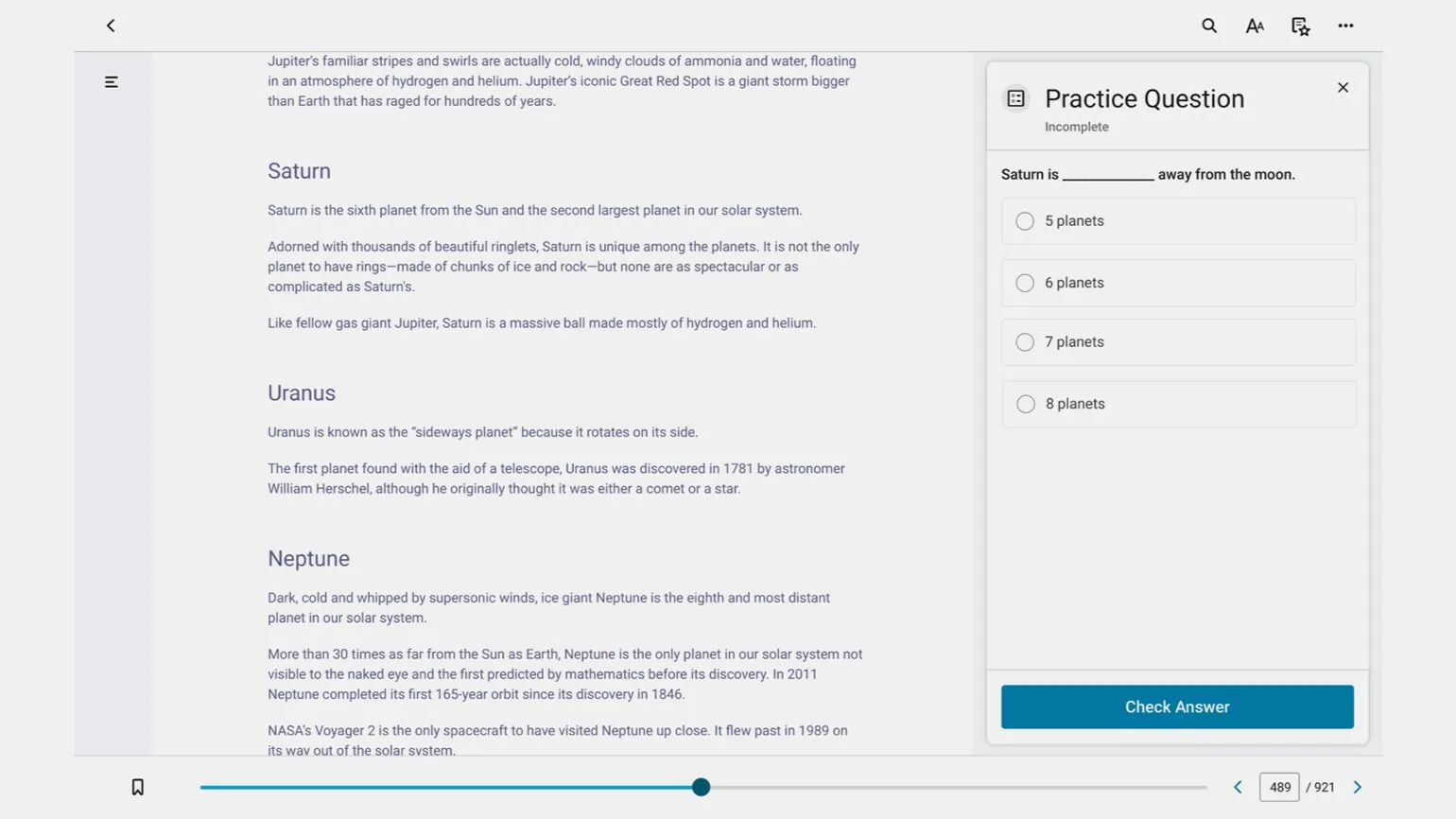
Artificial intelligence can transform standard e-textbooks into interactive resources. VitalSource offers this innovation through its Bookshelf service—an e-library with a user-friendly reading app designed specifically for students and learners. By integrating artificial intelligence, users can receive personalized recommendations, interactive assignments, and enhanced interaction with the course material, making the learning process more effective and engaging.
Bookshelf provides convenient note-taking tools and includes an audio-guided reading mode that allows you to simultaneously read and listen to the text. While these features are not revolutionary, the new CoachMe feature significantly improves the learning process. It includes automatic question generation in the margins and at the end of chapters, allowing students to immediately test their knowledge. These questions are generated by artificial intelligence, helping students better focus on reading, retain information, and effectively review material if they are having difficulty answering them. This feature makes learning more interactive and helps achieve better results.
Answer the flow of typical questions from applicants and students
To inform students about various organizational matters, departments and deans' offices typically post announcements on the university website, in specialized chats, or communicate information through class monitors. However, these methods are not always effective, and students often have unresolved questions. The situation is even more complex for applicants: the inconvenient design of most university websites makes it difficult to find answers to their questions. As a result, admissions office phones are overloaded during the summer, and it is not always possible to respond to all interested parties. Improving student and applicant information is a crucial task for universities, requiring the development of more convenient and accessible communication methods.
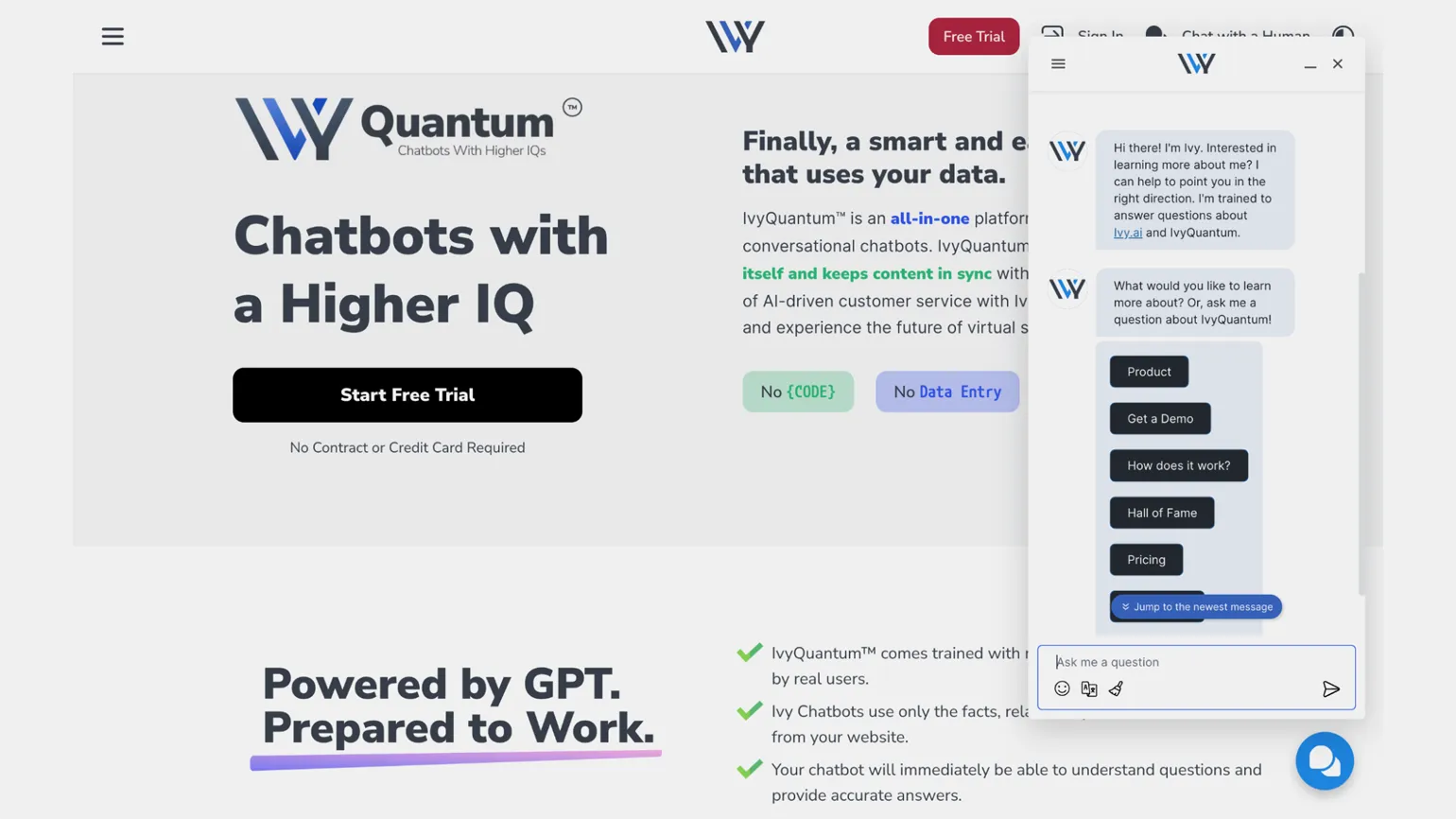
Chatbots powered by artificial intelligence are becoming an essential tool for educational institutions, providing access to essential information. Ivy.ai offers universities custom-designed virtual assistants based on ChatGPT technology. These bots assist students and faculty with various tasks, simplifying the process of obtaining information. In Russia, there are also developers of similar solutions that offer effective tools for automating interactions in the educational process. These chatbots operate by processing user requests, providing relevant answers and resources. The bot seamlessly integrates with the educational institution's website and synchronizes data with the content published on the resource. Students and applicants can ask questions in the chat, and thanks to artificial intelligence, the bot analyzes their meaning, providing accurate answers based on the information on the website. According to the company, the use of Ivy.ai bots has led to a 10% increase in applicants at the University of Oklahoma and a 50% decrease in phone call volume at Temple University. Furthermore, the bot successfully responded to 17,000 student inquiries at Ozark Technical Community College during off-hours. The use of such technologies significantly increases the effectiveness of interaction with potential and current students, improving the overall level of service and the availability of information.
Predict dangerous situations
Every time a tragedy occurs involving an armed student attacking teachers and classmates, a new wave of discussions arises about the causes of antisocial behavior and methods for preventing similar incidents in the future. Solutions such as introducing armed security guards in schools can prove ineffective, and school psychologists are not always able to analyze the behavior of each of hundreds of students and identify suspicious signs. Educators also face limitations in this area. Experts believe that the problem of teenage violence is multifaceted, and the approach to solving it must be systemic. This includes tracking risk factors and providing timely assistance to vulnerable groups. Modern digital solutions based on artificial intelligence can significantly assist in monitoring the situation, allowing for more effective identification and prevention of violence in the educational environment.
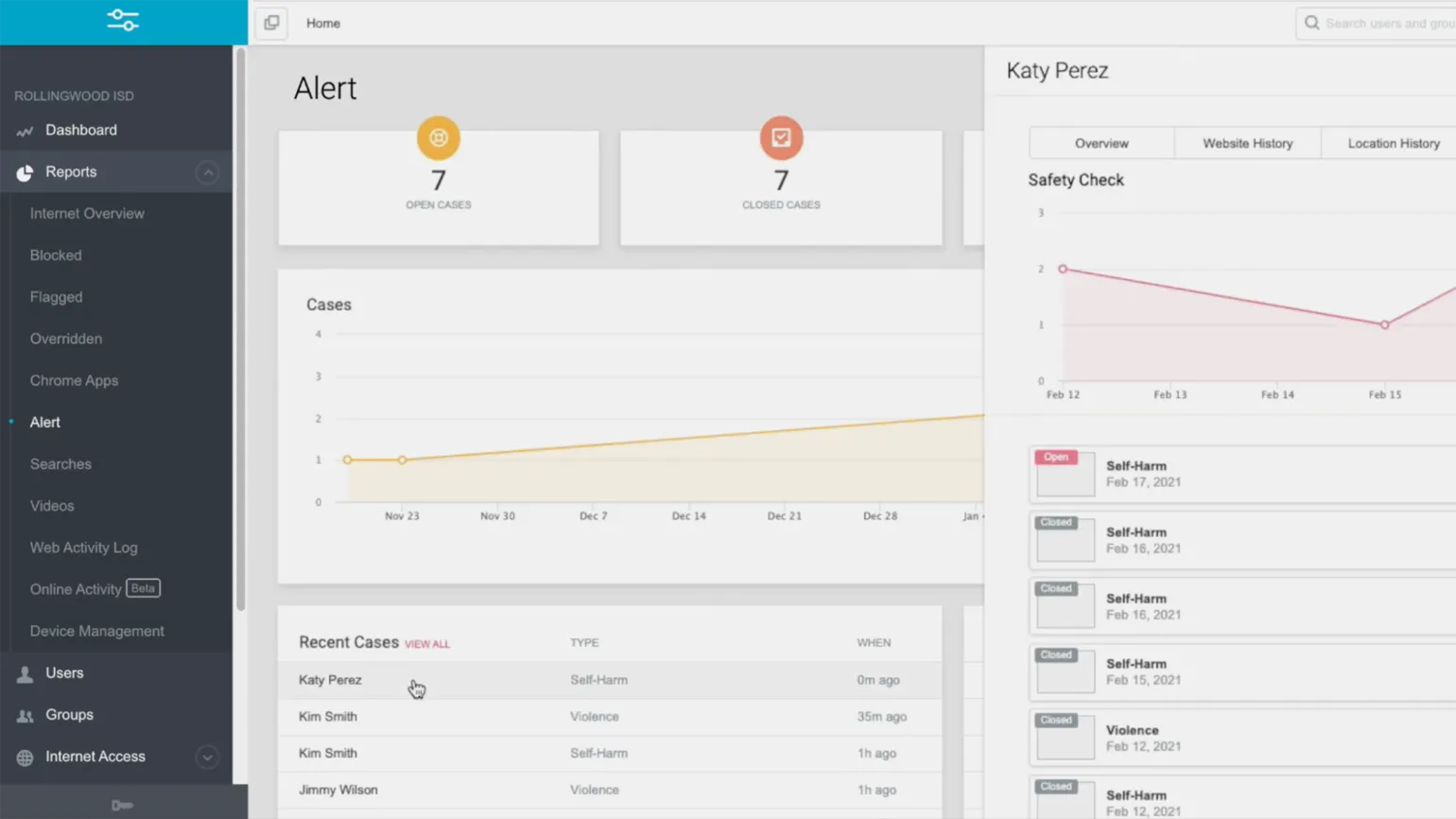
The Lightspeed Alert system, developed by Lightspeed Systems, monitors student behavior online. It analyzes social media posts, chat and email messages, as well as web search history and YouTube views. The system's artificial intelligence identifies signs indicating a potential risk of suicide, instances of bullying, and a tendency toward violence. If alarming signals are detected, the system notifies a staff member, who assesses the situation and sends a request to specialists such as teachers, psychologists, and law enforcement. These professionals assess the level of risk and, if necessary, inform the educational institution of the need to take action.
Tests of a security system designed to analyze images from video cameras in schools have been conducted in Russia. This system can detect suspicious changes in students' moods and promptly notify teachers. The results of the system's testing have not yet been made public.
Learn more about the world of education by subscribing to our Telegram channel. We share useful information, current news, and interesting materials related to learning and development. Join our community to stay up to date with the latest trends in education.
Read also:
- Analytics: How educational organizations are implementing AI solutions
- Neural networks in education: experts explain how to use them
- A selection of designers that allow you to create your own online course
- 10 free online whiteboards for distance learning and collaboration
- How to use ChatGPT and its analogues in education: a comprehensive overview
Profession Project Manager in Online Education
You will learn how to manage projects, assemble a team, produce courses and build a financial model. You can find a job with a high salary or open your own online school.
Find out more