
Contents:

Learn: Online Course Producer from Scratch to PRO
Learn MoreHow Online Schools Work and How Many Are There
In recent years, there has been a significant increase in the number of online education projects. According to research, from 2020 to 2022, the number of such projects increased by 10-15% annually, and in 2023, this growth will almost double. Thus, 12.4% of respondents stated that their projects were launched in 2020, while in 2023, 27.2% of survey participants noted that their online schools began their activities this year. This trend highlights the growing interest in online education and its importance in modern learning.
Projects are most often driven by small teams, and in more than a third of cases they consist of just two or three people (37.7%). Many founders lead the entire work alone (25.2%). Overall, the size of teams among respondents does not exceed 100 people, while the number of companies with 100 employees in the market is less than 1%. This highlights the trend towards creating compact and efficient teams, which allows for quick adaptation to change and process optimization.
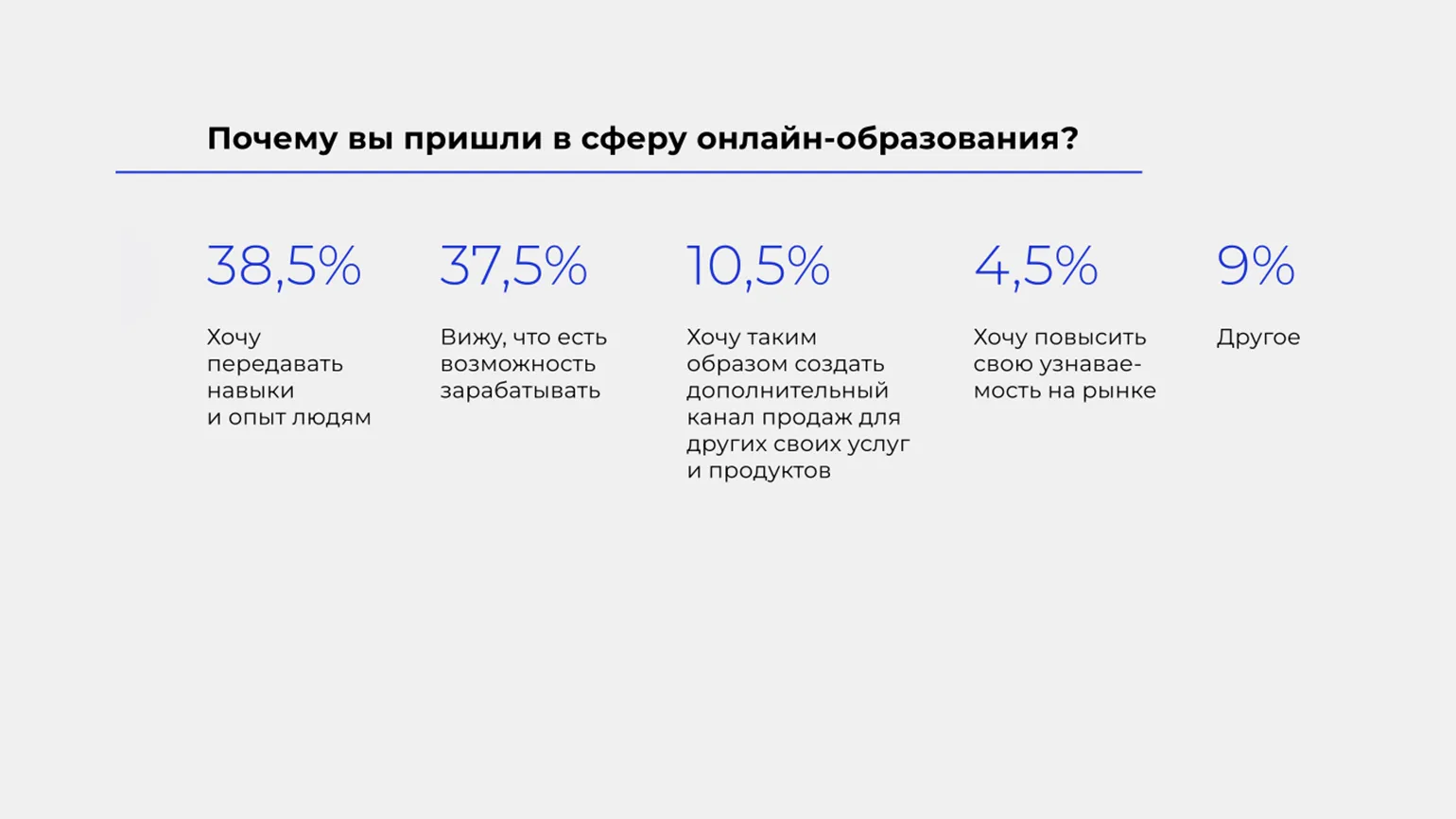
According to the study, about half of the specialists surveyed began their careers in online education based on experience gained in related fields, such as education, self-development (including coaching and business training), and the media industry. The remaining respondents came from completely different fields. Notably, more than 55.7% of study participants had previously worked for hire. The study's authors also highlighted the negative side of this trend: many people start their own online learning projects, believing it to be an easy way to make money, even though it requires significant effort and skill.
Given the small number of employees in their teams, many online schools prefer to outsource certain tasks. This particularly applies to legal and accounting services, which was noted by 18.2% of respondents. A significant portion of respondents, namely 17.1%, also outsource traffic generation, and 15.4% highlight content creation, including video filming and editing. This approach allows for streamlining work processes and focusing on key aspects of the business, which is especially important in the competitive online education environment.
According to the study, 27.3% of companies do not outsource tasks on a regular basis. Reasons for this approach may include the availability of a qualified in-house team, a lack of resources, and concerns about the competence of contractors. Furthermore, many companies prefer to maintain control over processes and are distrustful of external specialists. This highlights the importance of building trusting relationships between clients and outsourcing partners, as well as the need to carefully select contractors to achieve effective results.
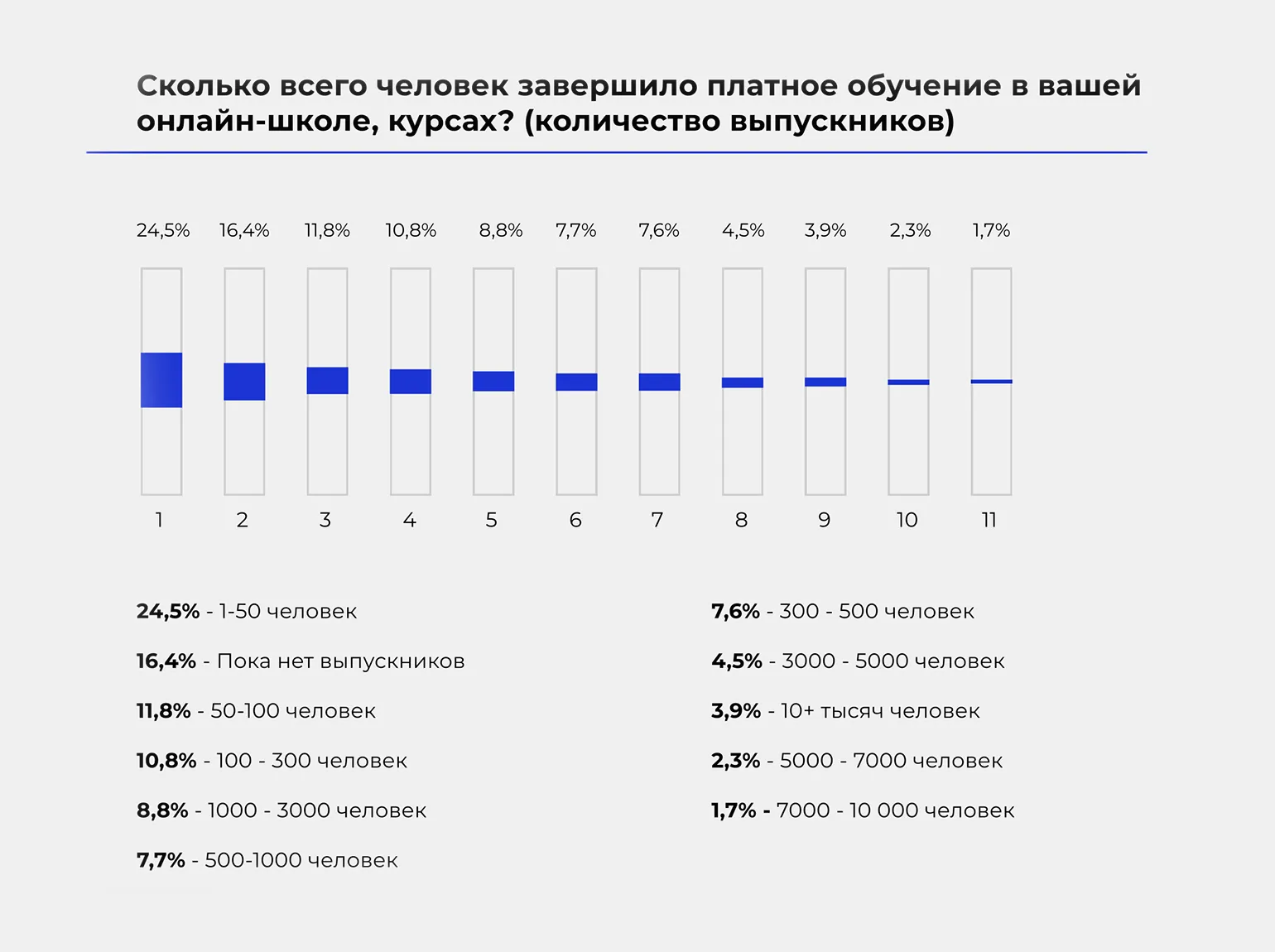
The survey revealed that 52.7% of schools participating in the study have fewer than 100 paid graduates. This suggests that these institutions are either new projects or have small student enrollments and conduct infrequent training sessions. At the same time, only 21.2% of surveyed schools have more than 1,000 graduates. Such data underscores the importance of analyzing the educational market and identifying trends in the development of paid education.
Currently, the majority of study participants have fewer than 100 active students, representing 60.8%. Only 5.1% of organizations have surpassed the 1,000 active student threshold.
What products does the infobusiness offer and what is their profitability?
Most online schools focus on providing educational services to private students, which corresponds to the B2C segment and accounts for 71.9% of the total. Moreover, 22.9% of schools simultaneously focus on both the B2C and B2B segments. Only a small number of educational institutions operate exclusively in the B2B and B2G segments - 4.4% and 0.8%, respectively. Thus, it can be noted that the online education market is mainly aimed at individual clients, while the corporate and government segments remain less developed.
According to research, 94.6% of educational content developers focus on creating materials for adults. In 2019, only 42% of the content was aimed at an adult audience, while children's content predominantly occupied the market. This significant shift toward adult users highlights the changing needs and interests in the educational sector.
The most common niches identified in the study include:
- "Business" - 16.2%;
- "Professions" - 15.6%;
- "Psychology and Esoterics" - 14.2%;
- "Earnings" - 13%;
- "Mentoring" - 11.7%.
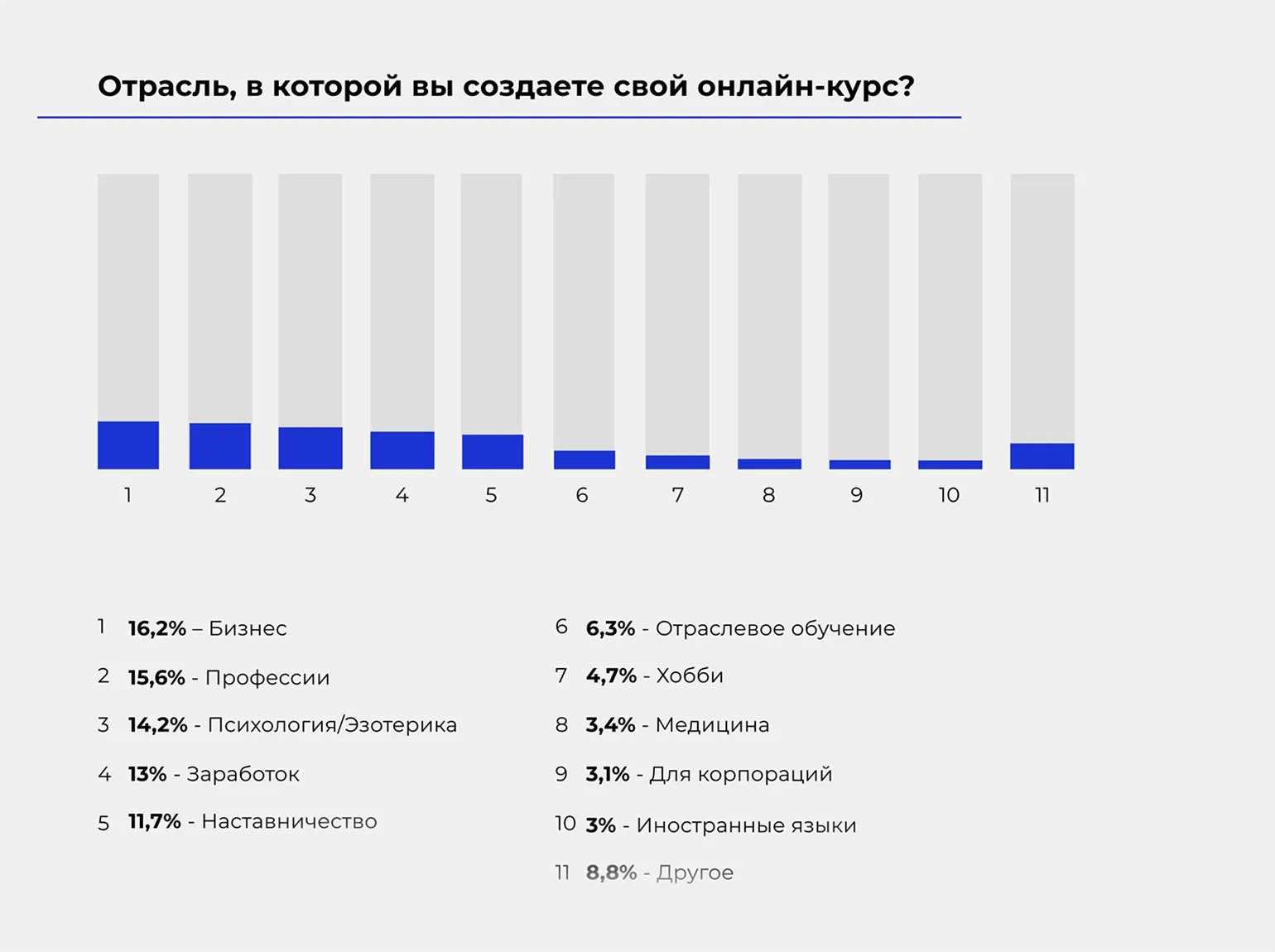
The authors of the study note that in the "Other" category, respondents often mention niches related to health and exam preparation. These areas of interest highlight the importance of a healthy lifestyle and educational preparation in modern society. Study participants emphasize the importance of health as a factor influencing academic and personal success, making these areas relevant for further study and development.
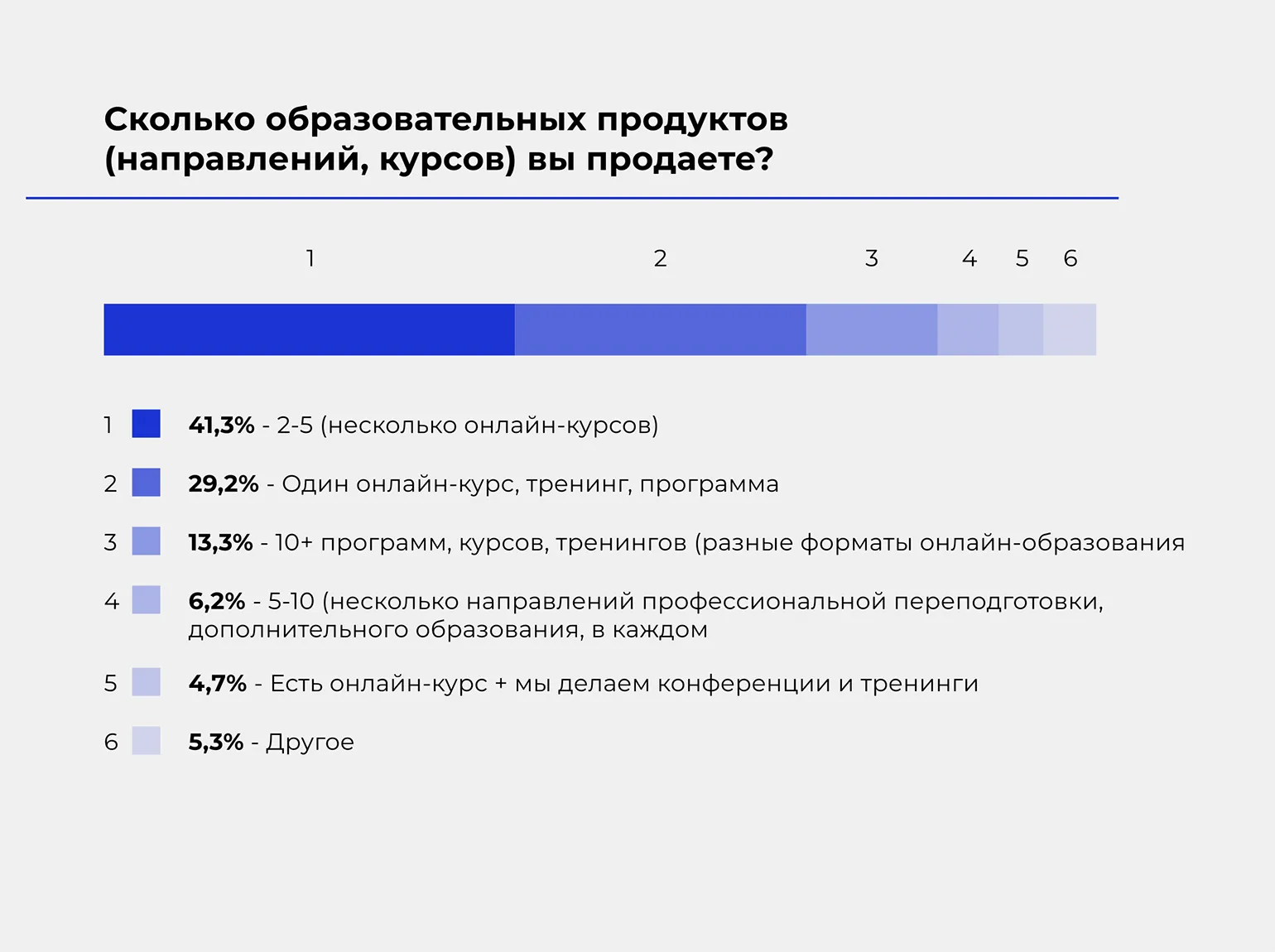
According to the survey results, 70.5% of respondents noted that schools most often offer no more than five educational products. This indicates limited choice, which can impact the educational process and student satisfaction. Diversity of educational programs is a key factor in developing students' skills and competencies.
Currently, training courses vary in duration, with the majority lasting from 1 to 3 months, accounting for 45.2% of all programs. Second in popularity are courses lasting 3 to 6 months, with a 12.1% share. Short trainings, lasting from one day to a week, round out the top three, accounting for 7.7%. The remaining duration options account for only 2.7 to 6.7% of the educational program market. This change is a key trend observed since 2019: previously, long-term online programs, lasting from nine months to a year, dominated the market. This shift in student preferences indicates a growing interest in shorter, more intensive learning formats.
The study's authors identified two key aspects related to the specialization of online schools with more than a thousand students, making them the most widespread.
- Companies with between one and ten thousand students currently enrolled primarily offer programs lasting one to three months and operate in niches such as Business, Professions, Earnings, Corporate Training, Foreign Language Learning, and Psychology;
- Those with more than 10,000 students more often offer programs lasting six months to a year and operate in areas related to mastering the school curriculum and exam preparation.
According to the survey, 30.5% of participants noted that the completion rate for courses at their educational institutions is 70–100%. This figure increased by 10.5% compared to 2019. This indicates positive changes in the educational system and increased student interest in learning.
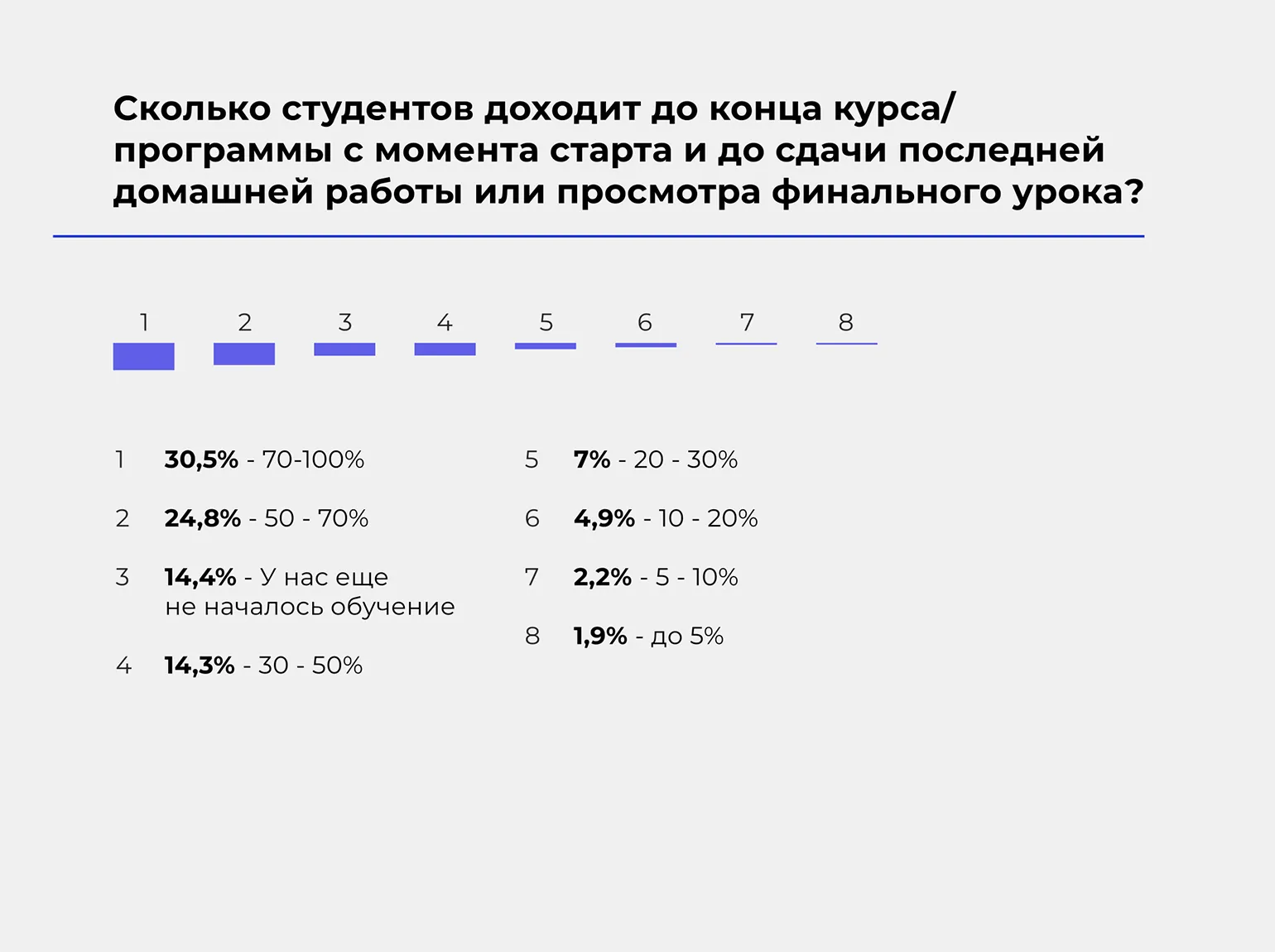
75.5% of educational institution representatives report actively working to improve this indicator. This demonstrates schools' commitment to enhancing their effectiveness and the quality of the educational process. Such initiatives may include the introduction of modern teaching methods, infrastructure development, and advanced training for teaching staff. Thus, schools not only record current indicators but also take steps to improve them.

Reading is an important part of our lives. It not only develops thinking, but also enriches our inner world. Books, articles, and blogs provide us with the opportunity to learn something new, immerse ourselves in different cultures and views. In the digital age, access to information has become easier, and anyone can find material on topics of interest. Reading improves concentration and memory, and helps develop analytical skills. Regular reading can also be a great way to relax and relieve stress. So, make time for reading, choose quality sources, and expand your horizons. Read and develop yourself—it's an investment in your future. Yandex Praktikum provides important insights into course completion rates and student willingness to recommend the program. Research shows that high course completion rates demonstrate the effectiveness of the educational process and participants' interest in gaining knowledge. Students note that the courses are well-structured and offer relevant content, which contributes to their engagement. Furthermore, positive reviews of the program and a high willingness to recommend it to others indicate a high level of satisfaction. These factors highlight the quality of training offered by Yandex Praktikum and its importance in the online education sector.
What's the income situation?
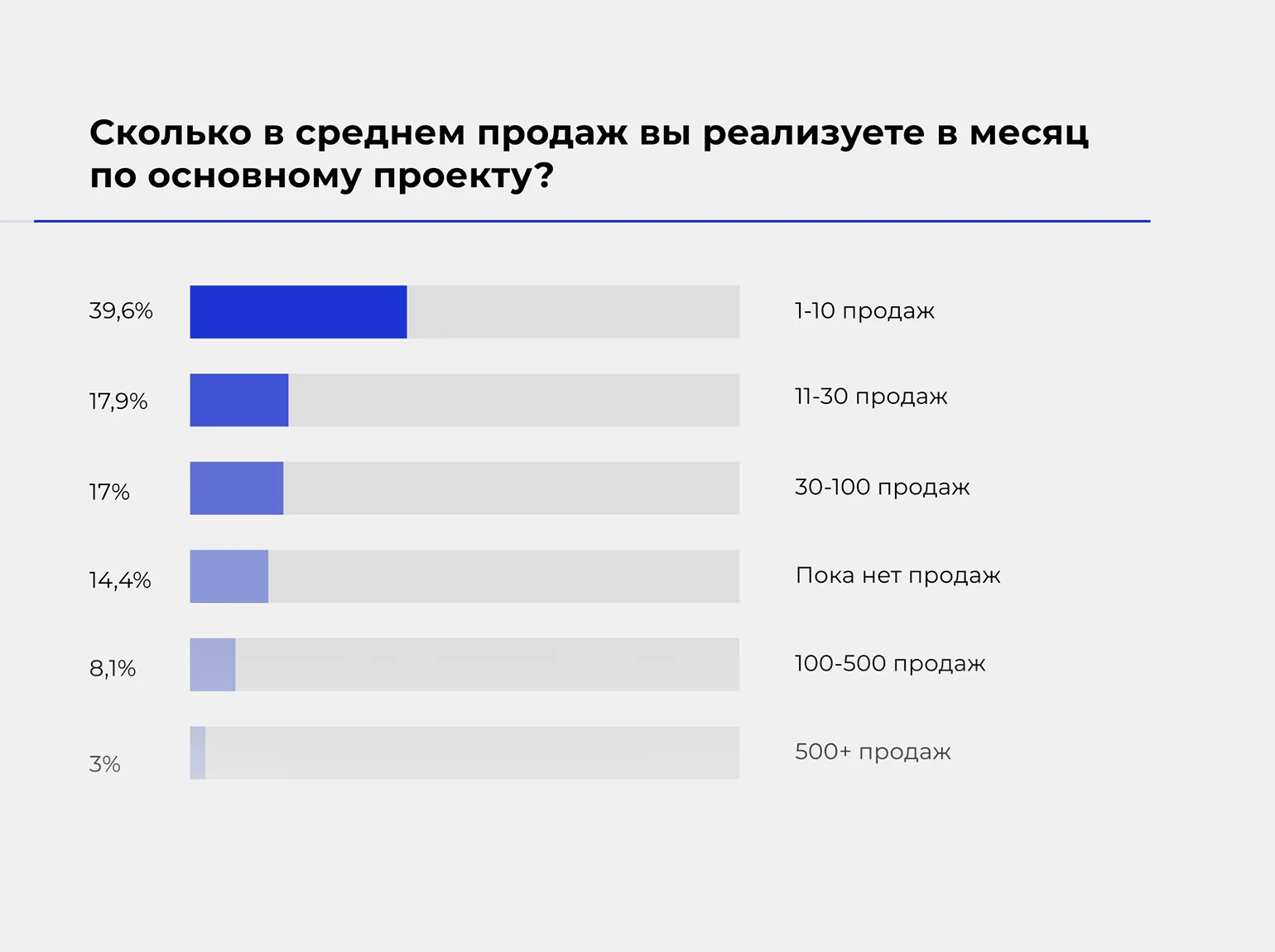
Most online schools have fewer than a thousand graduates, and half of them don't even reach a hundred. This explains why many of them fail to generate a stable income. Only 45.5% of schools generate regular income, while 33.5% record sales only periodically, and 21% survive from one launched stream to the next. For a significant number of online school founders, this business is not their primary source of income. It is their primary source of income for 64.4% of respondents, and 57% consider it their primary line of business. At the same time, 26.5% have another business, and 13.2% combine it with their paid employment. This demonstrates that successful online schools require not only student recruitment but also a strategic approach to business management and development. The average number of sales per month typically does not exceed ten, which is observed at 39.6% of companies. Meanwhile, 11.1% of companies exceed one hundred sales. This information highlights the diversity in sales volumes and the importance of data analysis for optimizing business processes.
The average order value for educational products, particularly online courses, ranges from 1,000 to 50,000 rubles, as indicated by 66.5% of respondents. At the same time, there has been a significant increase in the share of average orders over 70,000 rubles: since 2019, this figure has increased from 7% to 27.7%. At the same time, the segment of online schools offering courses up to 10,000 rubles has almost halved, falling from 54% to 25.1%. These changes highlight the trend towards increasing prices for educational products, which may be due to the growing demand for high-quality education and unique offerings.
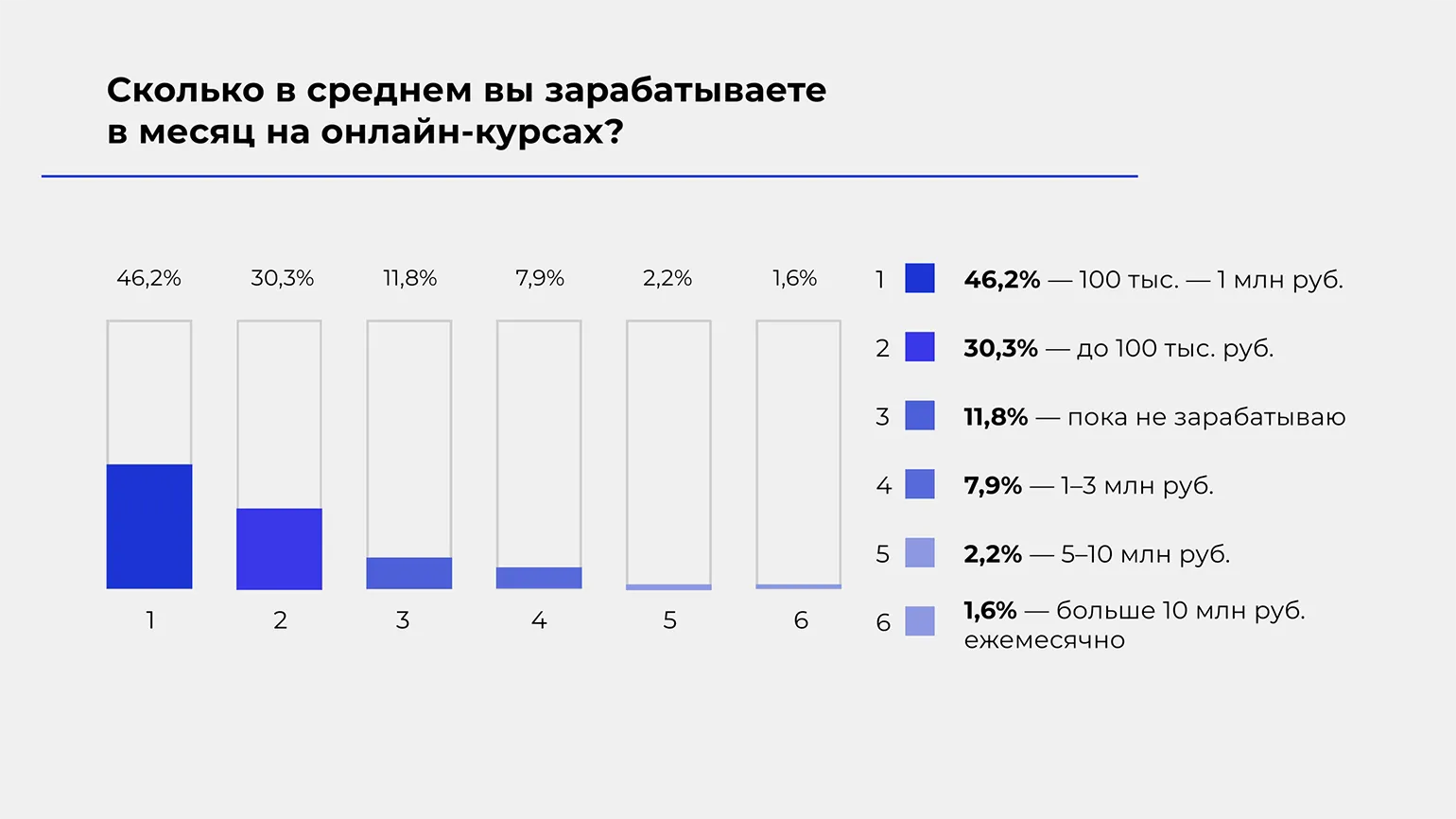
According to the study, respondents with an average order value of 150,000 to 300,000 rubles primarily focus on the B2C segment, accounting for 60.6%. At the same time, only 13.5% of them operate in the B2B market. It's important to note that none of these educational schools develop content aimed at schoolchildren, parents, or professionals in specific fields. The team sizes of these schools often range from 2 to 10 people, accounting for 59.6% of the total. Analyzing this data helps better understand current trends in education and the needs of the target audience. Earnings from online courses can vary significantly. According to data presented by Alexandra Dorofeeva at the presentation, almost 50% of respondents earn between 100,000 and 1 million rubles per month. About 30.3% of participants earn up to 100,000 rubles, while 7.9% of respondents report incomes between 1 and 3 million rubles. The share of people with higher incomes remains insignificant. These figures highlight the potential of online education as a source of income, as well as the variety of possible financial outcomes for course creators.
How Online Schools Promote Their Products
The survey found that online schools use a variety of strategies to promote their services. These methods include social media, content marketing, SEO optimization, email marketing, and paid advertising. Each of these strategies helps attract a target audience and increase student enrollment. Effective promotion of an online school requires a comprehensive approach that takes into account market characteristics and the preferences of potential clients.
- managing school accounts on social networks — 18.4%;
- personal blog of an expert — 12.9%;
- landing pages — 12.2%;
- sales funnel — 10.1%;
- targeted advertising on social networks — 9.9%;
- webinars — 9.6%;
- email newsletters — 8.2%;
- live presentations at events — 5.7%;
- contextual advertising — 5.2%;
- affiliate newsletters — 3.8%;
- referral marketing — 3%;
- other — 1%.
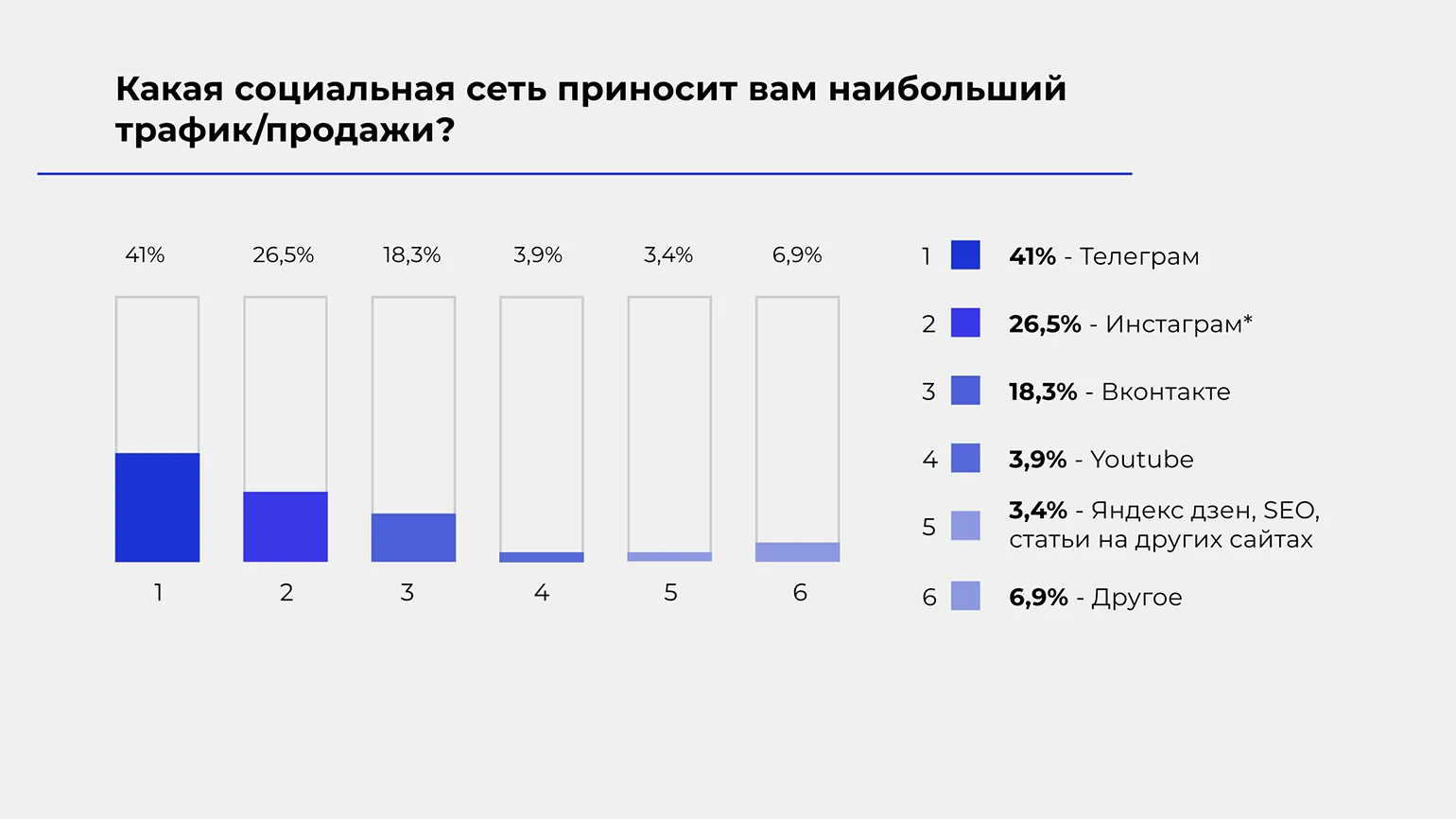
Tools such as advertising with bloggers, SEO optimization and newsletters via chatbots were in the “Other” category. which demonstrated the least popularity. This category also includes automated dialing, YouTube, Avito ads, media publications, and other promotional methods. Despite their low popularity, these tools can play an important role in marketing strategies, providing a variety of approaches to engaging audiences and increasing brand awareness. Telegram leads the way in attracting traffic through messengers and social media, as indicated by the opinion of 41% of respondents. At the research presentation, Alexandra Dorofeeva noted that online schools with monthly turnover exceeding 50 million rubles actively use Telegram as one of their primary customer acquisition channels. In 2019, Instagram held the top spot; although it has not lost its importance, it now ranks second with 26.5% of votes. Meanwhile, only 18.3% of respondents named VKontakte as their primary source of traffic or sales. Thus, Telegram is rapidly growing in popularity among businesses, which underscores its importance in modern digital marketing strategies.
The most common sales mechanisms are generating warm-up content, which accounts for 43.5% of the market, conducting diagnostic consultations (14.5%), and organizing free events such as expert presentations, webinars, and marathons (12%). In addition, 7.3% of respondents noted that sales are achieved through customer recommendations, indicating the effectiveness of referral marketing. Automated sales funnels without live broadcasts account for 6.5%. These data highlight the importance of diversifying sales approaches to achieving successful results.
The majority of study participants confirmed the use of free promotion methods. The most popular of these were blogs with valuable content, used by 30.6% of respondents. Sales webinars rank second with 23.4%, and mailing useful materials accounts for 21%. These methods allow you to effectively engage your audience and increase brand awareness without significant financial costs.
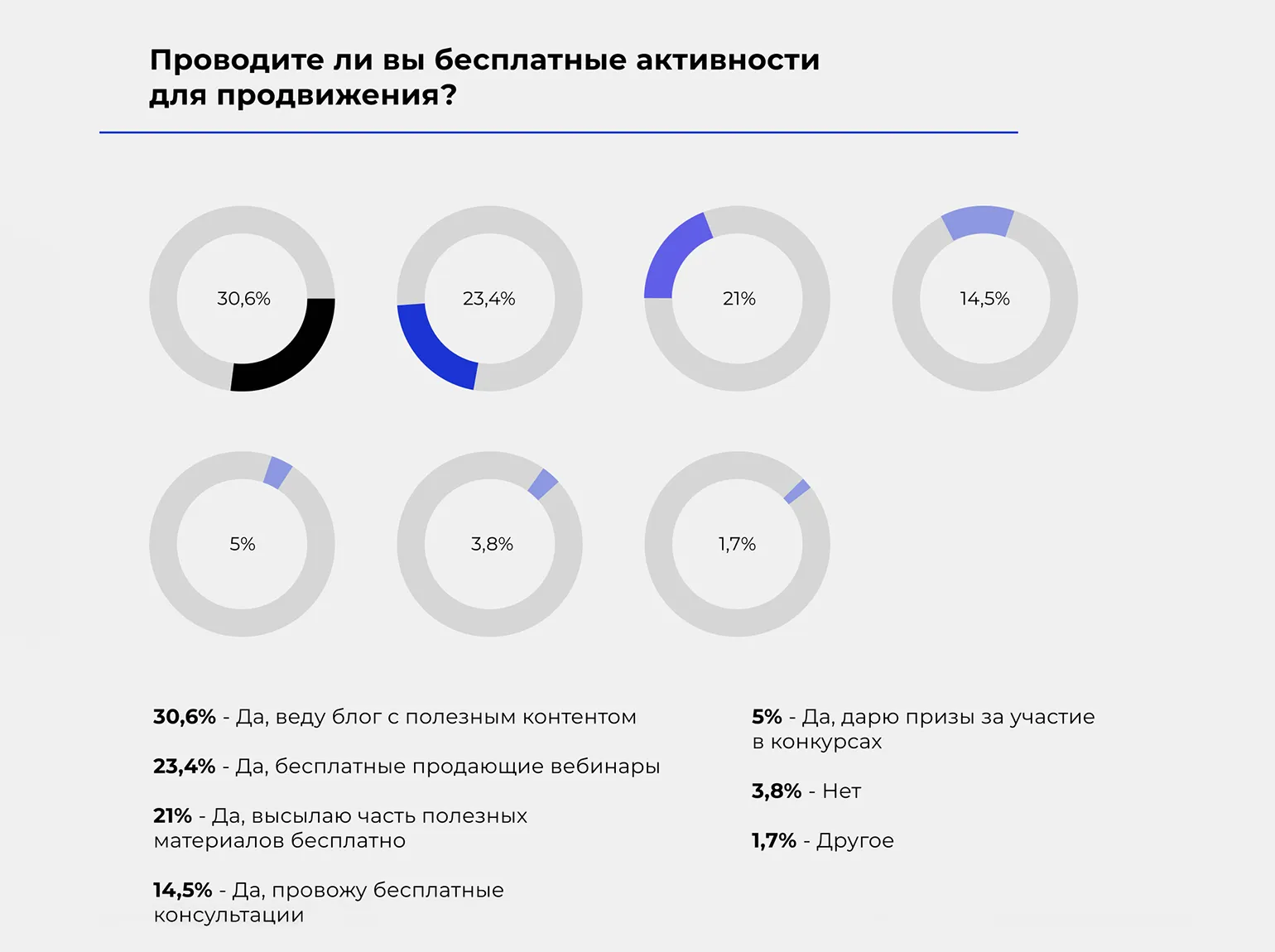
According to the survey, only 3.8% of participants do not distribute free content. This indicates that most educational institutions successfully use free materials to attract customers who subsequently convert to paid products. This approach helps to expand the customer base and increase trust in the school, which in turn leads to increased sales and a stronger reputation.
Online course producer from scratch to PRO
You will learn how to launch profitable courses and webinars with minimal investment. You'll understand how to turn existing EdTech projects into profits and make money from online learning.
Learn more