Contents:
- School education was not compulsory
- There was no unified school system
- There was no unified system for training teachers either
- Many schools operated on a voluntary basis
- Secondary education was fee-based
- The class system was different than it is today
- The length of the school year varied
- You could get a profession at school
- The grading system was simultaneously similar and different from the modern one
- The discipline was not just strict, but sometimes cruel.

Learn: The Profession of a Methodologist from Scratch to PRO
Find out moreSchool education was not compulsory
By the end of the 19th century, in Russia, unlike a number of leading European countries, the USA and Japan, universal compulsory education had not been introduced. This concerned both secondary and primary education. Despite numerous plans and discussions on this issue, no real steps were taken towards implementation. As a result, a significant portion of the population remained without access to basic knowledge and skills, which negatively impacted literacy rates and the overall development of society. Between 1901 and 1903, the Russian Ministry of Public Education began actively funding zemstvo schools, which had previously been funded solely by local governments. This funding contributed to a significant increase in the number of schools. However, despite these changes, by 1914 only 30% of children aged 8 to 11 had access to schooling. In cities, this figure was 46.6%, and in rural areas, only 28.3%. Among the adult population, especially among peasants, literacy rates remained low. In 1913, only about 40% of Russia's population could consider themselves literate, and in some regions this figure was even lower. The problem of illiteracy remained pressing and required further efforts to improve the educational situation in the country.
In 1907, a bill "On the Introduction of Universal Primary Education" was introduced. This project envisaged increasing government spending on education over a ten-year period and creating a network of schools located no more than three versts (3.2 kilometers) from the homes of potential students. The bill was discussed in the State Duma but was never adopted. The reasons for its failure included the dissolution of the Duma, disagreements with the State Council, and the outbreak of World War I. The bill was an important step towards ensuring accessible education, but the circumstances of the time prevented its implementation.
The decree on universal primary education was adopted in the Soviet Union in 1925. This step became an important stage in the history of education in the country, as the 1920s marked the beginning of an active fight against illiteracy. The introduction of universal primary education contributed to an increase in literacy rates and provided access to knowledge for wide sections of society.
Read also:
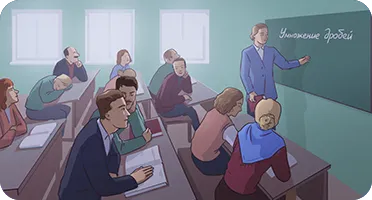
Big change on Zarechnaya Street: adult education in Soviet schools
Soviet schools offered unique conditions for adult education. Zarechnaya Street hosted not only classes for children but also courses for adults, allowing people of all ages to gain new knowledge and skills. During this time, educational institutions adapted to the needs of the population, offering a variety of programs that helped adults master new professions and improve their skills. Classes for adults were held at convenient times, allowing them to combine study with work. The program included both theoretical and practical lessons, promoting deep learning. An important aspect of the training was creating a comfortable atmosphere where everyone could freely ask questions and share experiences. Thus, the big break on Zarechnaya Street became a symbol of the desire for education and self-improvement for people of all ages. This experience shows the importance of creating accessible learning opportunities, which is still relevant in the modern world.
There was no unified school system
When it comes to pre-revolutionary schools, people most often mean classical gymnasiums, but they were only part of a broader educational system, which was far from the most widespread. In reality, the school system of the Russian Empire was diverse and complex. Educational institutions can be conditionally divided into four types. The first type is the primary school, which, in turn, also had different options, programs, and duration of study. In primary schools, students could master basic skills such as reading, writing, and arithmetic, as well as study the Law of God and, in some cases, additional subjects. This diverse education system reflected the cultural and social realities of the time.
The second type is a simple secondary school, which is aimed at general segments of the population. In such educational institutions, in addition to acquiring general knowledge, students have the opportunity to acquire professional skills. These schools play an important role in preparing young people for the working world, providing an accessible education and laying the foundation for further study or professional development.
The third type of educational institution is the advanced secondary school. Graduation from such a school opened the door to admission to higher education institutions. Formally, it was considered universal, but in practice, only a few poor individuals from the lower classes had a realistic chance of admission. Nevertheless, opportunities for admission existed, albeit limited. This type of educational institutions includes gymnasiums and real schools, which provided advanced education and prepared students for further study at universities.

The fourth type of school was created for the children of the clergy. These educational institutions trained future priests, but a significant portion of graduates of theological schools chose secular careers. This testifies to the diversity of paths taken by young people who received a religious education.
During the period in question, schools were under the control of various departments and received funding from a variety of sources. The majority of primary and secondary educational institutions were under the control of the Ministry of Public Education and the Holy Synod. However, there were also other types of schools, such as cadet corps, which were under the jurisdiction of the Ministry of War, as well as educational institutions funded by the ministries of the interior, finance, and even the railway department, which opened schools for the children of its employees. There were also specialized educational institutions subordinate to the Department of Institutions of Empress Maria and other similar organizations. It is important to note that schools also operated in factories, due to the widespread practice of child labor. Legislation at the time required industrialists to provide education for underage workers, emphasizing the importance of education even in conditions of labor exploitation. The curricula of different types of schools varied significantly. In primary education, the main institutions were primary schools, which were indeed called by that name. These included zemstvo, parochial, rural "ministerial," and public schools, reflecting their funding sources. There were also literacy schools, orphanages run by the Department of Institutions of Empress Maria, and schools for non-Russians. These educational institutions played an important role in the formation of primary education in Russia, providing access to knowledge for various segments of the population.
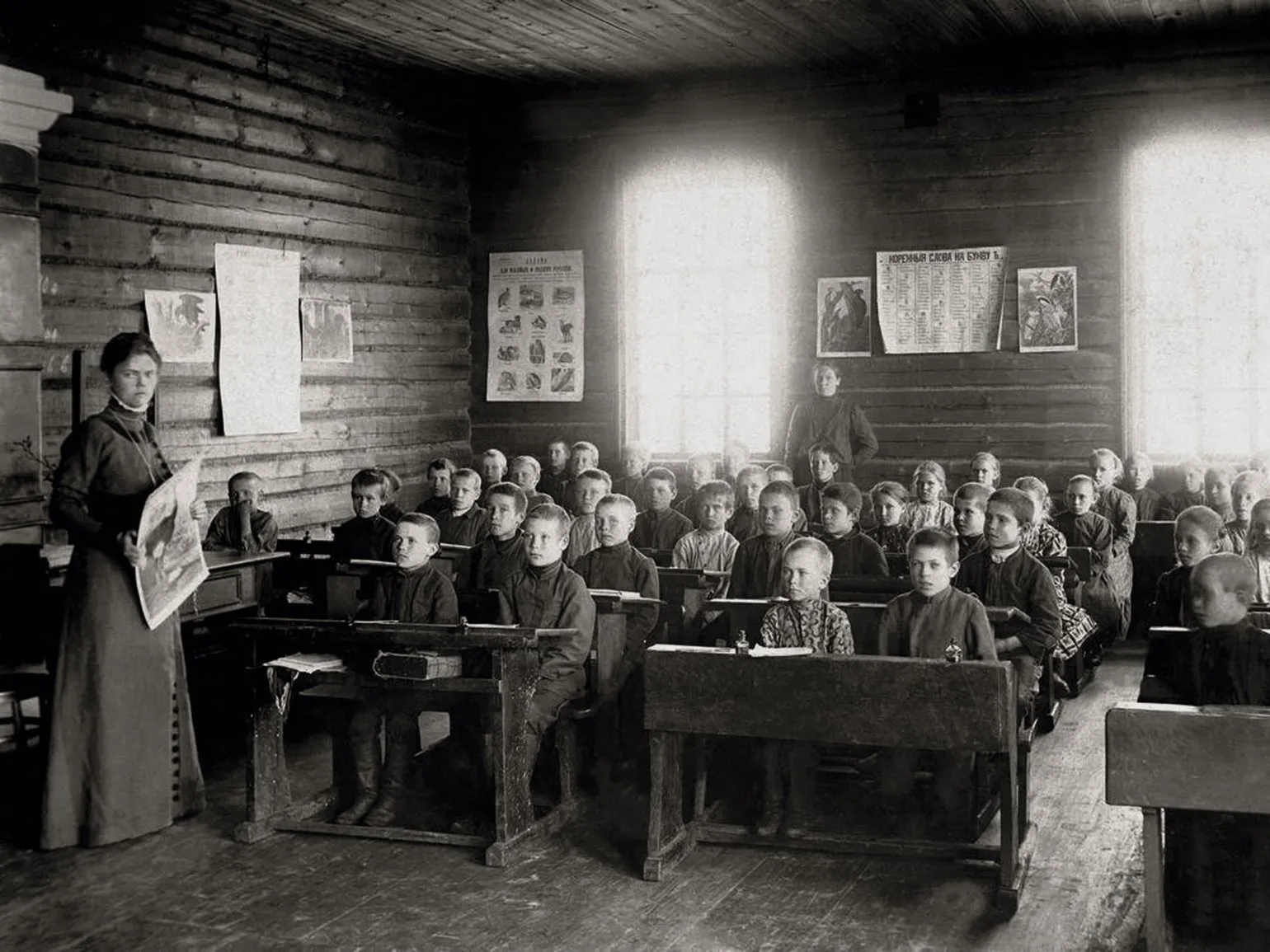
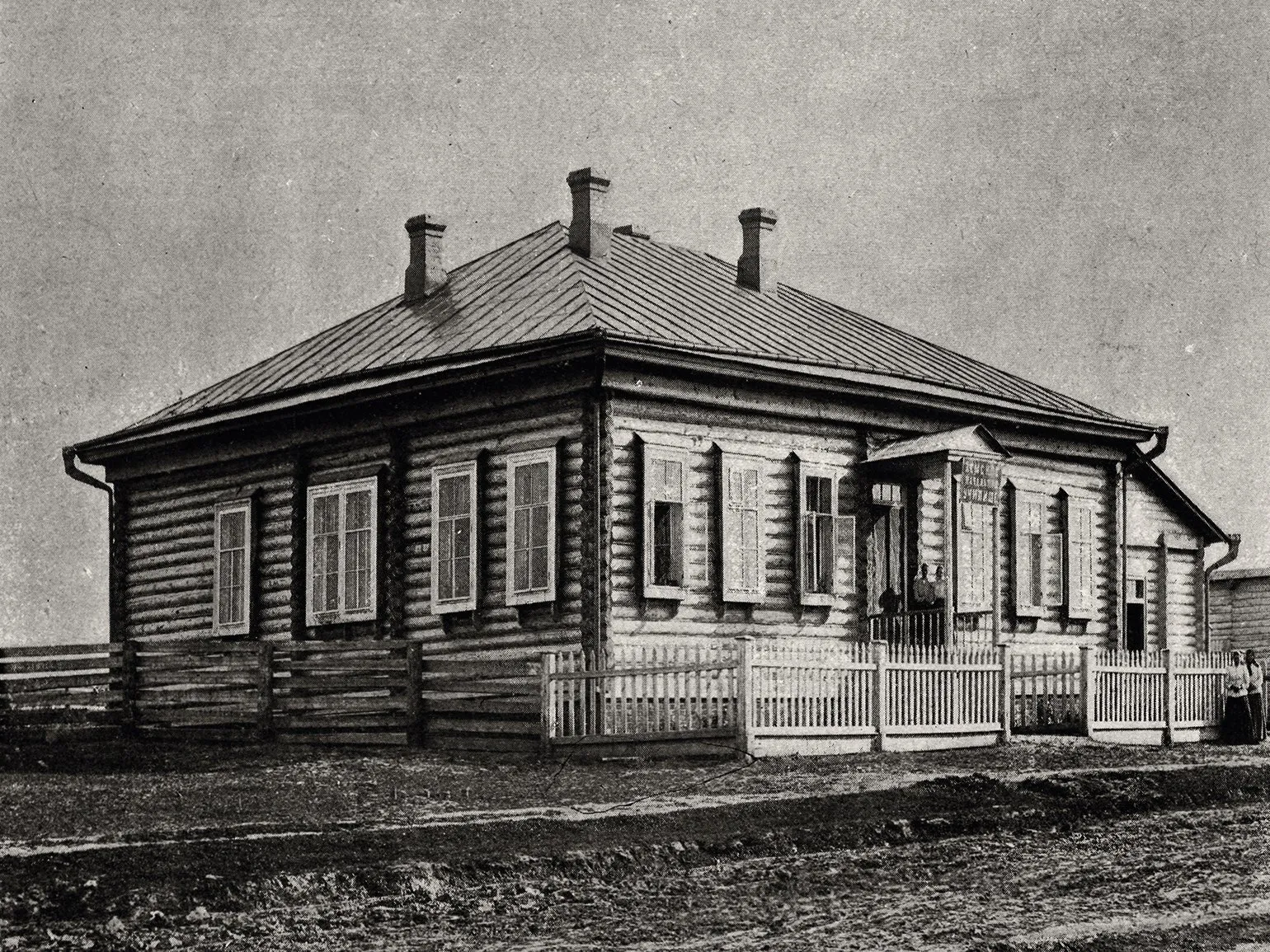

In addition to standard primary schools, there were also "advanced" schools, known as higher schools (district or city). Their curriculum, in addition to reading, writing, arithmetic, and the Law of God, included geography, history, the basics of geometry, drawing, and natural science. These institutions effectively served as junior high schools, although they were formally classified as primary schools. A similar situation was observed in Jewish schools.

In secular secondary schools, the main types were Men's gymnasiums, men's realschule (real schools), and women's gymnasiums. Men's gymnasiums, with a focus on the study of ancient languages, provided a classical education that paved the way for university entrance. Men's realschule (real schools) emphasized the natural sciences, providing access to specialized institutes, including technical and medical faculties. Women's gymnasiums offered an education for girls that, while less in-depth than men's gymnasiums, still provided a basic understanding but did not include Latin. These three types of institutions formed the foundation of the educational system of the time, providing various pathways for further education and professional training.

Read also:
Long before the appearance of the Unified State Exam: the history of exams for admission to universities in Tsarist Russia
Admission to universities in Tsarist Russia had its own characteristics and traditions. The entrance exams were complex and multi-stage. They included not only oral but also written tasks that tested applicants' knowledge in various subjects, from classical literature to the exact sciences.
The emphasis was on a deep understanding of the subject, so candidates often prepared for the exams for several years. The admissions process was organized so that exams were held in several stages, and only those who successfully passed each could hope to receive the coveted diploma.
Candidates faced high demands on knowledge and skills, which instilled discipline and a desire for self-improvement. The examination system in Tsarist Russia became the foundation for the formation of future educational standards and played a significant role in the development of higher education.
Studying the history of the examination system helps us understand how approaches to education changed and what values were important to society. This knowledge remains relevant today as we continue to search for optimal formats for assessing students' knowledge and skills. Incomplete secondary education, covering the lower grades of gymnasiums, was available in male and female progymnasiums. These educational institutions provided students with the opportunity to receive a basic education, preparing them for further study at gymnasiums and other educational institutions. Progymnasiums played an important role in the educational system, providing a foundation for the development of knowledge and skills in children. Girls had the opportunity to study at diocesan schools for girls, Mariinsky gymnasiums, and institutes for noble maidens. These educational institutions provided a high-quality education and contributed to the development of skills necessary for later life. Education in such institutions played a significant role in the development of female education and the enhancement of women's status in society. For the children of the clergy, there was a specialized system of educational institutions, including theological schools (parish and district) and theological seminaries. These institutions taught church rules and theology alongside general subjects. Since 1863, seminarians were given the opportunity to enroll in universities, and many actively took advantage of this opportunity. Thus, a seminary education became almost equivalent to a gymnasium, while also being more affordable. A diverse range of specialized lower and secondary educational institutions existed, including technical, vocational, commercial, railway, and art schools. These institutions combined general education with vocational training. Unlike modern colleges, admission to such schools was possible immediately after completing primary school. This allowed young people to acquire the necessary skills and knowledge for future professional activities at an early stage.
This applies not only to state educational institutions, but also to private educational institutions.
There was also no unified system for teacher training.
School types in the past varied, and this was reflected in the level of education, salaries, and status of teachers. A gymnasium teacher with a university education received a decent salary and was highly respected. At the same time, a teacher at a literacy school or primary school might not have any higher education, limiting themselves to only a high school education, and often experienced financial difficulties. Teachers of city schools occupied an intermediate position between these two types of educators, having a higher status than primary school teachers, but inferior to gymnasium teachers in education and salary.
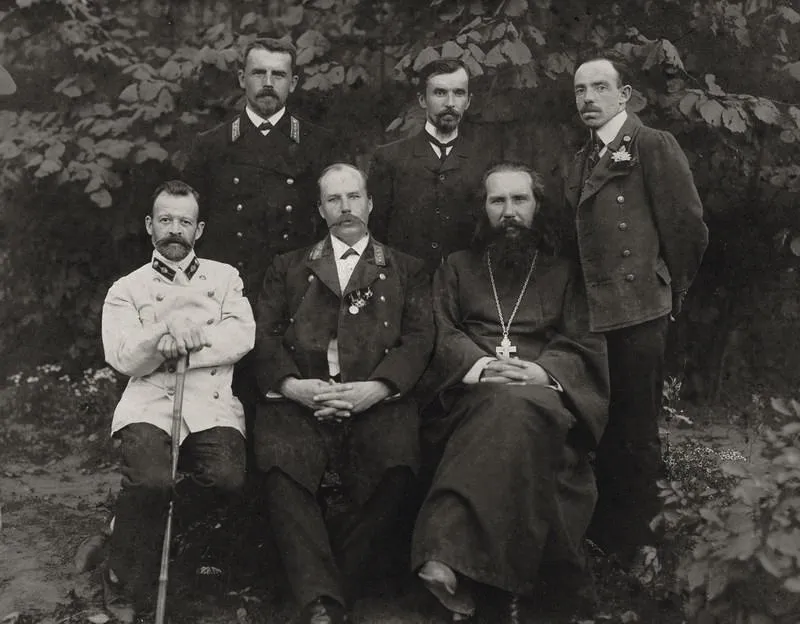
In the early 1900s, the growth in the number of schools directly required an increase in the number of teachers. However, it was difficult to count on highly qualified specialists, since less than half of the population had even basic literacy. Moreover, teachers in ordinary schools, especially in primary and rural schools, received extremely low compensation, which made the profession unattractive for people with a university education. Thus, only a few chose this career for ideological reasons, striving to educate society.
At the beginning of the 20th century, women made up the overwhelming majority of primary school teachers. This phenomenon was explained not by the successes of emancipation, but by the low social status of the profession. Teaching became the most widespread intellectual profession, and many chose it simply due to the lack of other employment opportunities. As a result, despite the high importance of education, the teaching profession was not respected and was considered less prestigious. Becoming a teacher was possible through completion of specialized teacher training seminaries, pedagogical institutes, as well as one-year courses and specialized senior classes in secondary schools, such as gymnasiums and colleges. Graduates of theological seminaries had the right to teach in parochial schools and literacy schools. Sextons often served as teachers in village schools, a common occurrence. Completion of a city school allowed one to teach in the simplest educational institutions—literacy schools, and completion of specialized senior classes in a parochial school gave the right to teach in similar educational institutions. This path to the teaching profession highlights the importance of qualifications and training to ensure quality education.

Anyone, regardless of educational level, had the opportunity to pass special exams to obtain the title of people's teacher and teach in primary schools. An example of this approach is the life of Konstantin Tsiolkovsky, who did not complete formal education but independently acquired the necessary knowledge and became a teacher. This practice emphasizes the accessibility of education and opportunities for self-development, which allows people to realize their potential in the field of teaching.
Nikolay Shubkin, a teacher of literature and Russian in gymnasiums and secondary schools in Barnaul from 1907 to 1937, left a valuable diary in which he detailed his observations of the examination processes. He expressed dissatisfaction with the fact that the study of pedagogical methods was not required to obtain the title of people's teacher. Shubkin also criticized the examination system, which included gymnasium teachers with no knowledge of primary education. In his diary, he noted that the lack of practical experience and school experience among such candidates made this system abnormal. His entries emphasize the importance of professional training and experience for successful teaching, which remains relevant today.
According to the 1911 census, 20.8% of male and 16.5% of female primary school teachers had only a primary or home education. This indicates that a significant portion of teachers lacked sufficient knowledge of pedagogy.
Many schools operated on a voluntary basis.
The state played an important role in financing primary education, but did not cover all of the schools' expenses. By 1911, primary schools received only 38.6% of their budget from the state treasury. Additionally, 22.5% of funding came from zemstvos, 13.3% from city governments, and 10.9% from village, volost, and stanitsa societies, meaning that peasants and Cossacks jointly financed the maintenance of local schools. Interestingly, a small but still significant share of the primary school budget—7.3%—came from donations from philanthropists. This underscores the importance of both public and private funding in the development of the educational system at that time.
Some educational institutions were founded solely through the financial support of patrons, including manufacturers, bankers, and merchants. These philanthropists played a key role in the development of educational infrastructure, providing the necessary resources and opportunities for learning. Their contributions contributed not only to the opening of new schools but also to improving the quality of education, which in turn contributed to the development of society as a whole.
The second half of the 19th century was characterized by the Russian intelligentsia's active desire to "go to the people," one of the most common forms of which was literacy training for both children and adults. Schools were established through the initiative of enthusiasts, where teachers, often students or educated individuals, worked unpaid, driven by the idea of enlightenment. This form of activity contributed to an increase in literacy in society and the development of cultural values. Educational institutions opened in rural areas and small towns played an important role in expanding access to knowledge and shaping a new generation capable of independent thinking and critical perception of reality.

Check out our materials:
Diaries of a pre-revolutionary teacher Schools for low-literacy adults provide a unique source of information about the educational system of the time. These entries reflect not only teaching methods but also the social conditions in which the students found themselves. The teacher shared her experiences, describing the difficulties and successes of working with adults who were striving for knowledge despite their limited skills. An important aspect of these diaries is how they demonstrate a desire for education, a desire to change their lives, and to improve literacy. Thus, the diaries become valuable historical evidence that allows for a deeper understanding of the problems of education and social adaptation in pre-revolutionary Russia.
Secondary education was fee-based
In primary schools, education was generally free, including the provision of textbooks. However, this depended on the type of educational institution. In particular, literacy schools were often established and financed by the peasants themselves using public funds. Schools under the control of the Ministry of Education and with a status higher than primary school generally required tuition. Parents' donations for their children's education went into special funds. These funds were used to pay teachers' salaries, purchase classroom equipment, and provide financial assistance to the neediest students.
Parents often face the need to pay for their children's boarding schools due to the underdeveloped school network. In most cases, suitable educational institutions are located far from where they live, making boarding school the only option for receiving a quality education.
Some students were able to receive tuition benefits. At state-run schools, students from low-income families were exempt from tuition fees: at realschule (real schools), no more than one in seven students could qualify for this exemption, and at gymnasiums, no more than one in ten. Scholarships funded by charities and government agencies also existed for students from disadvantaged backgrounds. In case of receiving a state scholarship, graduates were obliged to work a certain number of years in the civil service, which effectively meant targeted training with a guarantee of employment.
The class system was different than today
The curricula in different types of schools varied significantly, which also affected the duration of the educational process. In elementary schools, the term of study could vary from two to five years. In gymnasiums, the term of study was 7-8 years, and this does not include the primary grades, which explains why some young people completed their studies at the age of 20-21. In less prestigious schools, education was usually shorter, and a total of 7-8 years, including the primary grades. The diversity of educational institutions and their programs reflects different approaches to the education and upbringing of children.
Historical documents of that time contain references to one-class and two-class schools. These terms refer not to the number of years of schooling, but to the number of student groups. A one-grade school had one teacher, responsible for teaching all students in all subjects except the Law of God. A two-grade school had two teachers. Thus, children of different ages and levels of learning were taught in the same room. These forms of primary education were the most widespread during that period.
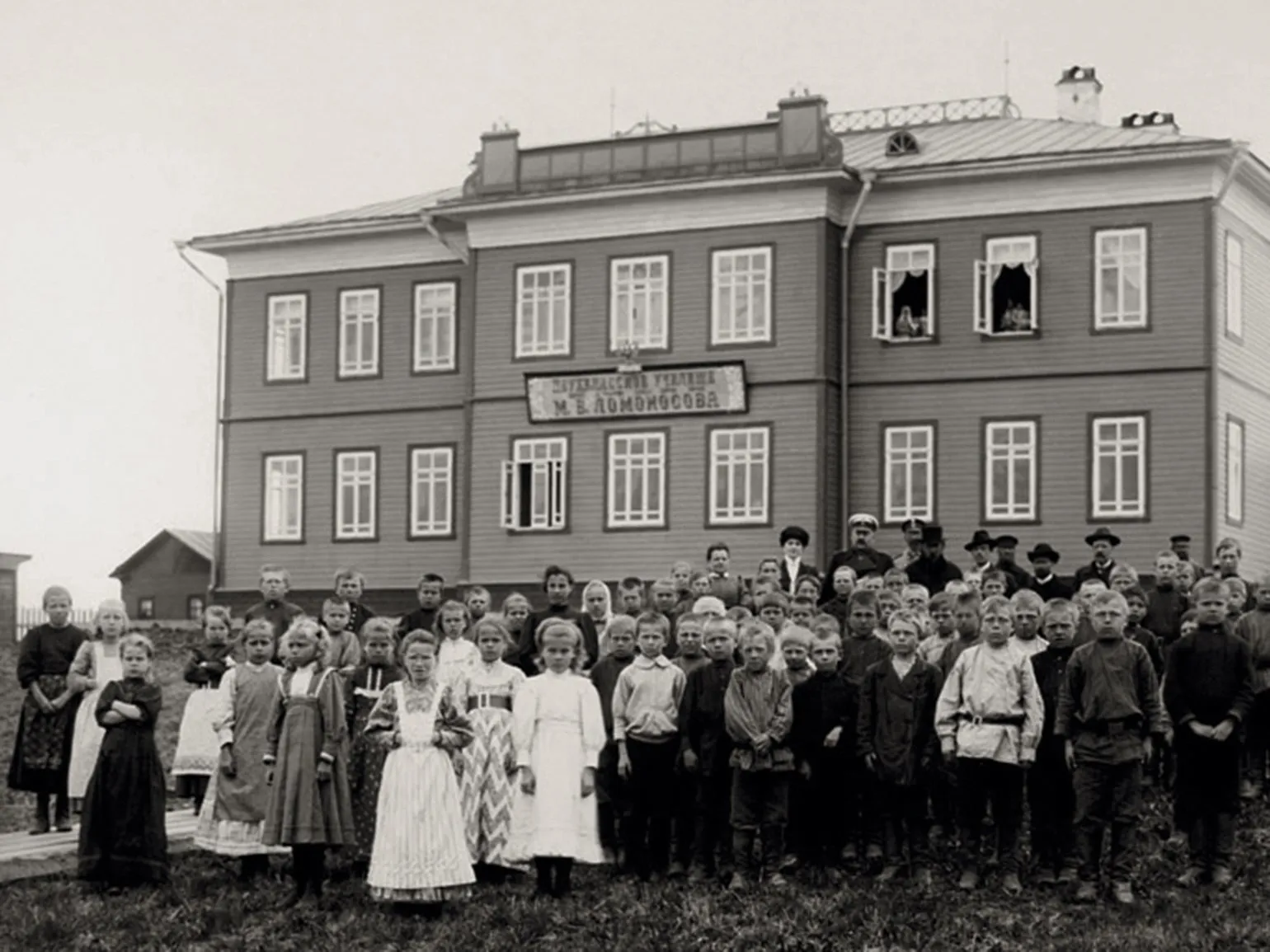
In recent years, the education system has seen an increase in the number of schools where one class has two teachers, and two classes have four teachers. This means that each group of students is divided into two parts: one teacher teaches first- and second-graders, and the other teaches older students. This approach promotes more individualized learning and improves the quality of the educational process, allowing each child to receive more attention and support in their studies.
In large cities, there were multi-class school houses, in which the number of rooms exceeded two. These institutions provided educational opportunities for different age groups and contributed to the development of educational infrastructure.
Compulsory education was not compulsory, and therefore children began school at different ages, most often at eight or ten years old. In rural schools, children of different ages could study in the same class, which created a unique educational environment. Sunday schools, voluntarily organized by the intelligentsia, also featured mixed learning, where adults and adolescents could study together. This facilitated the exchange of knowledge and cultural interaction between different generations.
The length of the school year varied
The school year in gymnasiums, progymnasiums, and district schools lasted significantly longer than that of modern schoolchildren. It began on August 1 and ended on July 1. In addition to a month-long summer vacation, students also had a two-week Christmas vacation. Such a long school period contributed to a deeper assimilation of knowledge and the development of skills in students, which distinguished the educational process of that time from modern standards.
In primary rural schools, the school year is distinguished by its short duration, lasting only 140-150 days, which corresponds to approximately five months. The school year typically began in September and continued until December, then resumed from March to May. However, it should be noted that children's attendance was often irregular.
The reason for this is obvious: in peasant families, children were considered a labor force. Parents allowed their children to attend school only when active agricultural work was not underway. Local holidays, mud seasons, river floods, and time allocated for fishing also affected the length of the school year. Thus, the educational process remained under the control of seasonal factors, limiting opportunities for comprehensive learning.
Educating rural children often presented difficulties, forcing teachers to repeat the material covered multiple times. Systematic acquisition of knowledge was not mandatory, as rural students did not pass a unified exam to receive a certificate and were not prepared for admission to universities. The ability to read and write was considered the basic skills. However, exceptional cases sometimes occurred. For example, the renowned economist Ivan Khristoforovich Ozerov (1869–1942), born into a family of farmers, was able to enroll in a city gymnasium and continue his education at university thanks to the attention and support of teachers who recognized his outstanding abilities. This story highlights the importance of educators in unlocking the potential of talented children from rural areas.
You Could Learn a Trade at School
Many educational institutions provided not only a general education but also the opportunity to learn a trade. Some offered special vocational classes, which were sometimes free. For example, the young Anton Chekhov and his brothers, while studying at the Taganrog Gymnasium, enrolled in vocational classes at the local district school, which was less prestigious than the gymnasium. Anton and his brother Nikolai learned shoemaking and tailoring, while their brother Ivan studied bookbinding. Although they planned to obtain higher education in the future and realized their dream, having a vocational profession was considered a useful addition to their education.
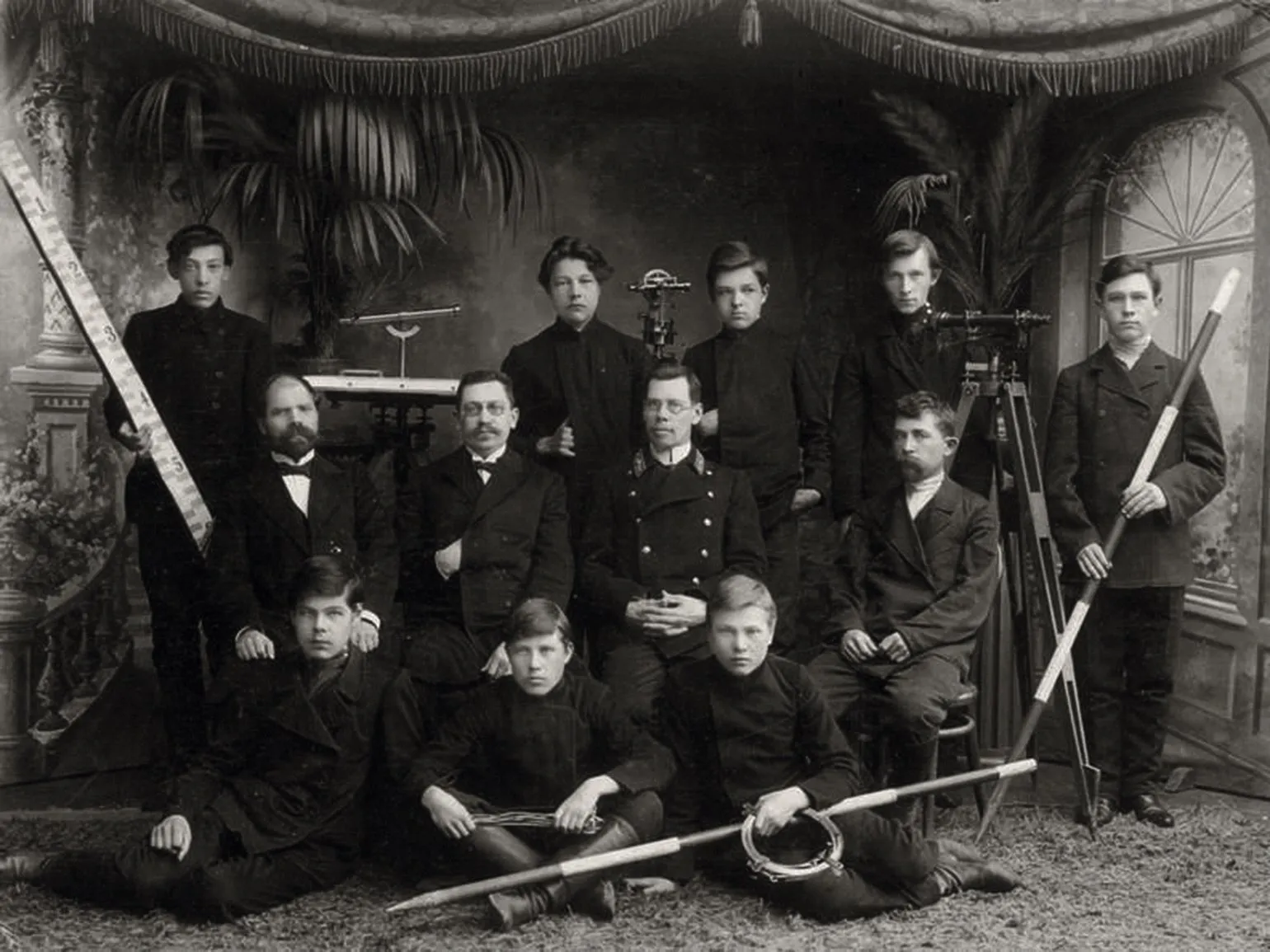
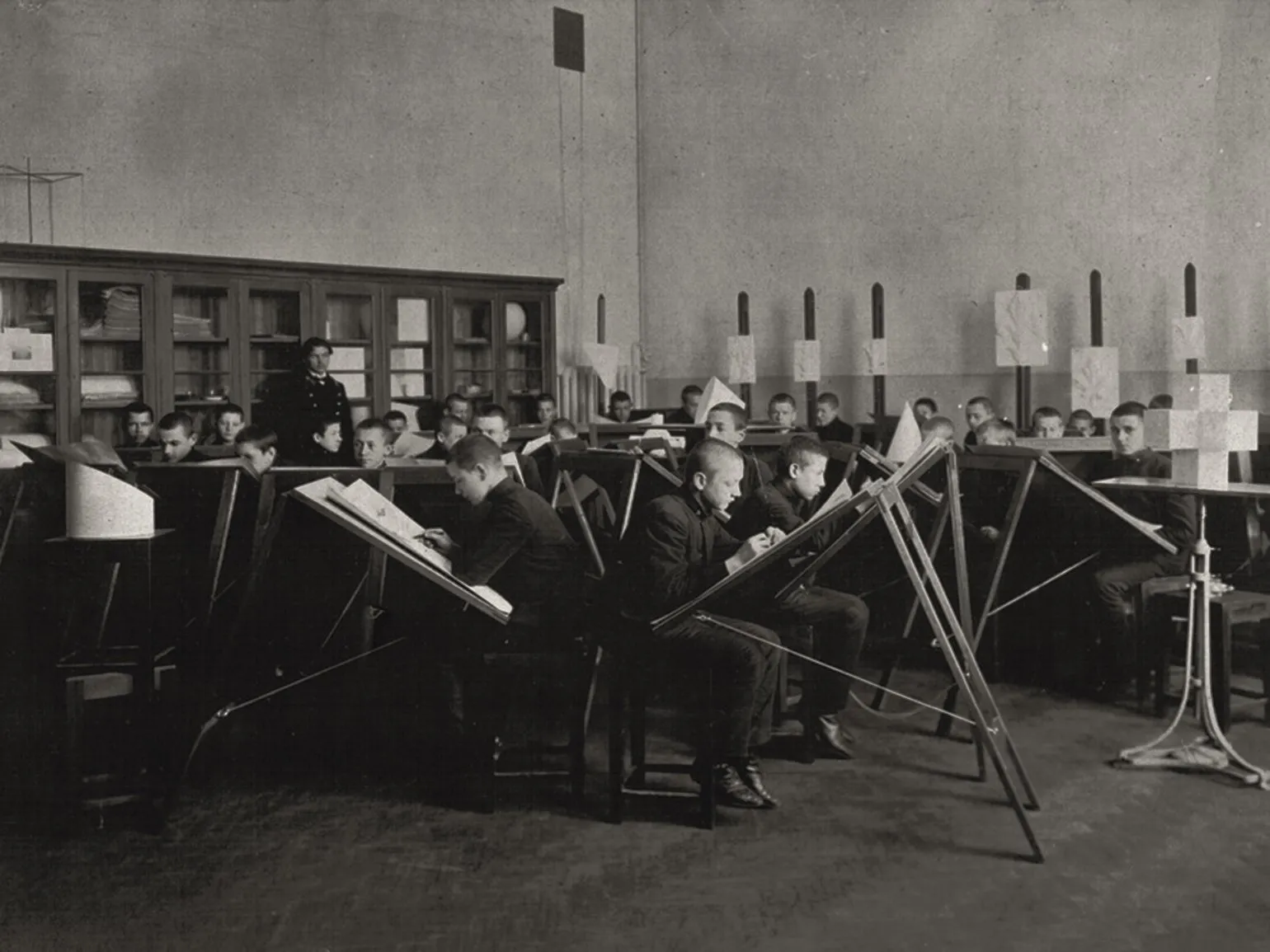
In addition to In addition to general education, there were specialized educational institutions, such as colleges and technical schools. For example, seven-grade commercial schools accepted children aged 10–12 with basic training in the Law of God, Russian language, and arithmetic. Education began with a general education program similar to that of real schools, but somewhat abbreviated. In the sixth grade, specialized subjects were introduced into the curriculum, such as commercial arithmetic, commercial geography, political economy, commodity science, accounting, and legal studies. These subjects became core subjects in the seventh grade, preparing students for practical work in trade and business. Secondary schools trained a variety of teachers for primary educational institutions. This ensured high-quality education at the elementary level and contributed to the development of teaching skills in future teachers. The training of teachers in secondary schools played a key role in laying the foundation for the successful education of children.
The grading system was simultaneously similar and different from the modern one.
The grading system for gymnasiums was introduced by the Ministry of Public Education in 1837 and functioned until the revolution. This system, like the modern one, was a five-point system, but unlike today, where an F and a D have no significant difference, in the past these grades had a clear distinction. This approach to assessment contributed to a more accurate assessment of students' knowledge and skills, which made it possible to better determine their level of preparation.
The ministry's document "Regulations for the continuous determination or assessment of success in the sciences" defines approaches to assessing scientific achievements. This document serves as the basis for the systematic assessment of progress in scientific activity. It includes criteria and methods that allow for the objective measurement of success in various fields of science. The importance of this approach lies in its ability to improve the quality and impact of scientific research. Using clear and understandable assessment metrics allows institutions and researchers to better understand their achievements and identify areas for further development.
The first level of success is characterized by weak student achievement. They have only briefly encountered science, perhaps due to insufficient natural abilities required for successful mastery of the subject, or due to a lack of interest and inclination in other areas. It is important to understand that successful learning requires not only innate ability but also motivation, which can significantly influence results.
A student at the second level demonstrates only mediocre progress. They are familiar with some fragments of the material being studied, but have retained them only at a superficial level. They have not achieved a deep understanding of the fundamentals and the interrelationships of the parts that make up the whole picture. This mediocrity may be the result of insufficient natural abilities or, especially, weak critical thinking, which they were unable to compensate for through hard work or regular practical exercises. Even exceptional abilities, if not developed and applied, can lead to similar results.
A third grade, or a C, was considered a passing grade. It was intended for a student who mastered the material as it was presented. Such a student relies on textbooks and the teacher's words and has difficulty answering questions that require comparing different elements of what they have learned. Simply put, this grade was typically given to those who successfully memorize information but do not demonstrate independent thinking. As the document noted, "many who have good memories but do not develop critical thinking stop at this level."
An A is a grade reserved for students with exceptional mental abilities, excellent memory, a passion for learning, and tireless work ethic. It symbolizes a high level of knowledge and perseverance in learning. Students who earn this grade demonstrate a deep understanding of the subject and a desire to learn, which distinguishes them from their peers. An A is not only recognition of one's efforts, but also motivation for further development and achievement in the educational field.
A student who has achieved Level 5 demonstrates outstanding achievement in mastering science. They answer questions clearly and confidently, are able to draw comparisons between various aspects of the material being studied, and connect even the most distant theoretical points. With insight and deep knowledge, they analyze new and complex cases, understand the weaknesses of the subject being studied, and recognize areas where doubts may arise and what can be challenged within the theoretical framework. These qualities indicate that the student has not only mastered the material but has integrated it into their intellectual foundation. The lessons served not only as a means of acquiring knowledge but also as a platform for developing independent thinking. Achieving such a level of academic achievement is only possible thanks to exceptional mental abilities, a good memory, and a sincere love of learning, which, combined with tireless hard work, allows for high academic results.
An A was an exception, available only to a select few, while receiving Ds was perceived as normal and did not exclude a student from receiving a certificate. In most cases, it was sufficient to have an average grade of at least C, which effectively reduced the grading system to two categories: "satisfactory" and "unsatisfactory." This grading system created conditions under which many students could successfully complete their studies even without achieving high results.
In primary schools, there was no grading system in the traditional sense. Students took exams in each subject at the end of the school year, demonstrating the skills they had acquired. For example, in the subject "Law of God" Schoolchildren were required to be able to read the Bible aloud fluently, pronounce words correctly in Church Slavonic, and retell what they had read in their own words. As part of the literacy course, students were expected to read any book fluently and expressively, and in arithmetic, they were expected to master the four basic arithmetic operations with prime and composite numbers. This approach to teaching contributed to a deep understanding of the material and the development of skills necessary for further education.
Discipline was not just strict, but sometimes cruel.
Until the 1860s, the use of physical punishment in educational institutions in Russia was considered common practice. The Charter of District and Parish Gymnasiums and Colleges, adopted in 1828, which regulated the work of educational institutions under the auspices of the St. Petersburg, Moscow, Kazan, and Kharkov Universities, included provisions justifying the use of physical punishment in the educational process. This reflected the prevailing attitudes of the time toward discipline and education, where physical punishment was perceived as a necessary element in shaping the character and behavior of students.
In some cases, despite all efforts, severe and even corporal punishment is unavoidable. A teacher may use such corrective measures only after all other approaches have been exhausted, including admonitions, reprimands, prohibitions on participation in games, and leaving the student in a locked classroom for a period of time. These measures should be a last resort when all other methods have failed.
Punishment with rods and severe beatings became a common practice among teachers, even in prestigious gymnasiums and cadet corps. However, after the reforms of Alexander II, this practice began to rapidly disappear from the secondary school system. These changes put an end to harsh educational methods and paved the way for a more humane approach to education.
In primary schools, a commitment to humanistic principles was officially professed, but in practice, especially in rural areas, the use of physical punishment became widespread. Many peasants even asked teachers to be stricter with their children.
Physical violence was rare in secondary school, but humiliation among students was quite common, largely depending on the individual characteristics of the teachers. The school was distinguished by strict rules that even affected students' everyday attire. Gymnasium boys and girls, as well as students in secondary schools, were required to strictly adhere to the established dress code even outside the school walls. Even the smallest details, such as sleeve length and the requirement to button all buttons, were taken into account. It is noteworthy that such strict requirements drew criticism even from some parents who helped their children go out into the city in civilian clothes.

Students were strictly forbidden from visiting theaters, cinemas, and other entertainment venues. Walking time around the city was also limited: until 10 p.m. in the summer, and until 8 p.m. in the winter and fall. Students were required to carry a student ID card with them at all times, which indicated their first name, patronymic, last name, educational institution, and class. Failure to comply with these rules could result in the guardhouse. Similar strict restrictions were in place in theological seminaries. These measures emphasized the strictness of the regime and the discipline necessary for the formation of future generations.

Reading is also an important aspect for gaining new knowledge and expanding horizons. Regular reading helps develop critical thinking, enriches vocabulary, and improves writing skills. Reading is not only a fascinating pastime but also a useful habit that promotes personal and professional growth. The selection of literature is varied, from fiction to scientific articles, ensuring that everyone can find something interesting and useful. Reading continuously improves concentration and attention, which is especially important in today's distracting world. Therefore, it's worth devoting time to reading and sharing your discoveries with others. Students in the Russian Empire were required to adhere to a number of rules governing their behavior and the educational process. These rules concerned both academic discipline and personal conduct. Students were required to attend classes, complete assignments, and adhere to the schedule. Compliance with these rules was monitored by faculty and school administrators, as well as specially appointed inspectors. In addition to academic obligations, students were required to monitor their behavior outside of class. Unacceptable behavior could result in disciplinary action, including expulsion. Thus, the student supervision system was aimed at maintaining order and discipline in the educational environment, which contributed to the formation of certain standards and norms necessary for successful learning.
Such strict rules reflected not only educational goals but also social expectations of the time, when student life was under close public scrutiny.
In girls' gymnasiums, students could be detained in class for several hours after classes for disciplinary violations and failure to complete assignments. This was a measure aimed at instilling responsibility and improving academic performance. Such practices were aimed at developing self-control and commitment in girls.
There are institutions that actively promote a caring and respectful attitude towards children. Such approaches are more common in private experimental schools, where the emphasis is on the individual needs and interests of students. It is important to note that creating a comfortable and supportive educational environment contributes to a more harmonious development of children and their successful socialization.
Primary sources of information play a key role in the research and analysis process. They may include scientific articles, books, reports, statistics, and other resources that provide current and reliable information. It is important to choose reliable sources to ensure the accuracy and quality of the information received. Using reputable sources not only increases the level of trust in your content, but also helps improve rankings in search engines. Be sure to check the relevance and reputation of sources to support your arguments and ensure the value of the data presented.
- Borisov S. Noblewomen, schoolgirls, beauties! Features of education in pre-revolutionary girls' gymnasiums // "Rodina".
- Vasilieva S. P. Female education in Russia in the mid-19th - 20th centuries: the process of formation and development. Types of women's educational institutions // Bulletin of Tambov University. Series: Humanities.
- Veprentseva T. A. Financial situation of teachers and doctors in the Russian provinces in the second half of the 19th - early 20th centuries // Bulletin of Tula State University. Humanities.
- Gumerova F. G., Sibaeva G. M. Primary public schools in the Russian Empire of the last quarter of the 19th century as a vector of spiritual education // Historical and socio-educational thought.
- Zhbankov D. N. On corporal punishment in elementary schools // Nizhny Novgorod collection. - St. Petersburg, 1905.
- Zhitenev T. E. Literacy schools in the Russian Empire of the late 19th - early 20th centuries // Bulletin of the Volga University named after V. N. Tatishcheva.
- Zubkov I. V. Zemstvo schools, gymnasiums and real schools (1890-1916) // Schedule of changes: essays on the history of educational policy in the Russian Empire - USSR (late 1880s - 1930s). - M., 2012.
- Zubkov I. V. The system of primary and secondary educational institutions in Russia (1890-1916) // Schedule of changes: essays on the history of educational policy in the Russian Empire - USSR (late 1880s - 1930s). - M., 2012.
- Kobyl'skov V. A. Educational traditions in pre-revolutionary Russia at the beginning of the 20th century. // Bulletin of the St. Petersburg State Institute of Culture.
- Ovsyannikova A. A. The system of public education of the Russian Empire in the second half of the 19th - early 20th centuries // Social and political sciences.
- Pavlenko T. A. Educational policy of the Holy Synod in 1884-1914 // Schedule of changes: essays on the history of educational policy in the Russian Empire - USSR (late 1880s - 1930s). - M., 2012.
- Pashkova T. Utter disgrace. Why and how did St. Petersburg high school students violate dress code // Rodina.
- Rostovtsev E. A., Sidorchuk I. V. Non-governmental educational organizations and initiatives in Russia (late 19th - early 20th centuries) // Schedule of changes: essays on the history of educational policy in the Russian Empire - USSR (late 1880s - 1930s). - M., 2012.
- Saprykin D. L. Educational potential of the Russian Empire. — M.: IIET RAS, 2009.
The Profession of Methodologist from Scratch to PRO
You will improve your skills in developing curricula for online and offline courses. You will master modern pedagogical practices, structure your experience and become a more sought-after specialist.
Find out more