
Contents:

Course with Employment: "The Profession of Methodologist from Beginner to Advanced"
Learn MoreImagine this situation: you need to present new material or a task to your students that requires concentration and attention. However, you notice that the children are relaxed and unable to concentrate. How can you help them get into the working mood? Using a suitable game can be an effective solution. Games can not only spark interest but also stimulate mental activity, which contributes to a deeper assimilation of information. Properly selected game elements will help create an atmosphere conducive to learning and ensure student engagement in the learning process.
Games play an important role in children's lives, allowing them to quickly restore their energy and resources in case of fatigue. They help relieve stress and calm children, especially after intense physical activity or turbulent changes. In addition, games help develop attention and concentration, which is especially important for successful learning and perception of information. Properly selected game activities can significantly improve children's emotional well-being, creating a comfortable learning environment. Anatoly Zasoba offers a variety of games that are actively used in his method for teaching children speed reading. These activities require significant intellectual effort, which helps develop not only reading speed but also attention. The games vary in difficulty: some are suitable for very young children, while others are designed for teenagers. Some of the suggested games are ideal for online classes, while most can be easily adapted to any learning format. They are perfect for both group and individual lessons, which makes them universal teaching tools.

- Founder and teacher of the online school of speed reading for children "Papaholic", author Speed reading methods;
- 18 years in pedagogy;
- has conducted over 1,000 hours of online lessons and taught over 600 children from 30 countries;
- actively uses games in teaching practice and has created several himself;
- shares his online pedagogy experience with teachers in his own webinars.
Sound Guessing
During an online lesson, the teacher turns off their camera and makes various sounds, starting with simple ones and gradually moving to more complex ones. The students' task is to guess the sound and reproduce it. For example, these could be:
- clicking the tongue ("horse");
- clicking a computer mouse;
- snapping fingers;
- clapping hands;
- clapping a hand on the table;
- jingling keys (this sound is not as straightforward as the previous ones - some children will probably assume that it is, for example, stirring tea in a glass with a spoon).
Creating a series of sounds can be a fun process that depends solely on your imagination. It is important that these sounds are easy to reproduce using available tools. You can record them in advance and use the recordings as needed. This will help achieve the desired sound and ensure high-quality audiovisual content.
Lip Reading
The teacher silently pronounces words, and students must recognize them. The first one to correctly guess the word is the winner. This exercise helps develop attentive listening skills and improves the ability to perceive information.
Try pronouncing numbers to improve their recognition. Children will easily understand the numbers from one to ten, but more complex numbers such as "sixty" and "thousand" may be difficult. Use these examples to practice number perception skills. This will help children better navigate the number system and develop their mathematical abilities.
This simple game effectively keeps students' attention on the teacher and their words. It helps them focus on important information and promotes active comprehension of the educational material.
Drawing from a Sample
Visual attention tasks are designed to develop children's observation skills. During these tasks, you show children a specific drawing and give them a few seconds to study it carefully. Afterwards, the drawing is removed, and the children are asked to quickly reproduce it on their sheets of paper. These exercises help improve concentration and train memory, which is important for overall development.
Introducing a unique game developed by Anatoly Zasoba. Ask children to draw six randomly placed dots on their sheets of paper. This game not only develops creative thinking but also promotes the development of motor skills and attentiveness in children. Using these dots, children can create various drawings or stories, which will allow them to express their imagination and creativity. This activity is ideal for use at school or home, as well as for group events.
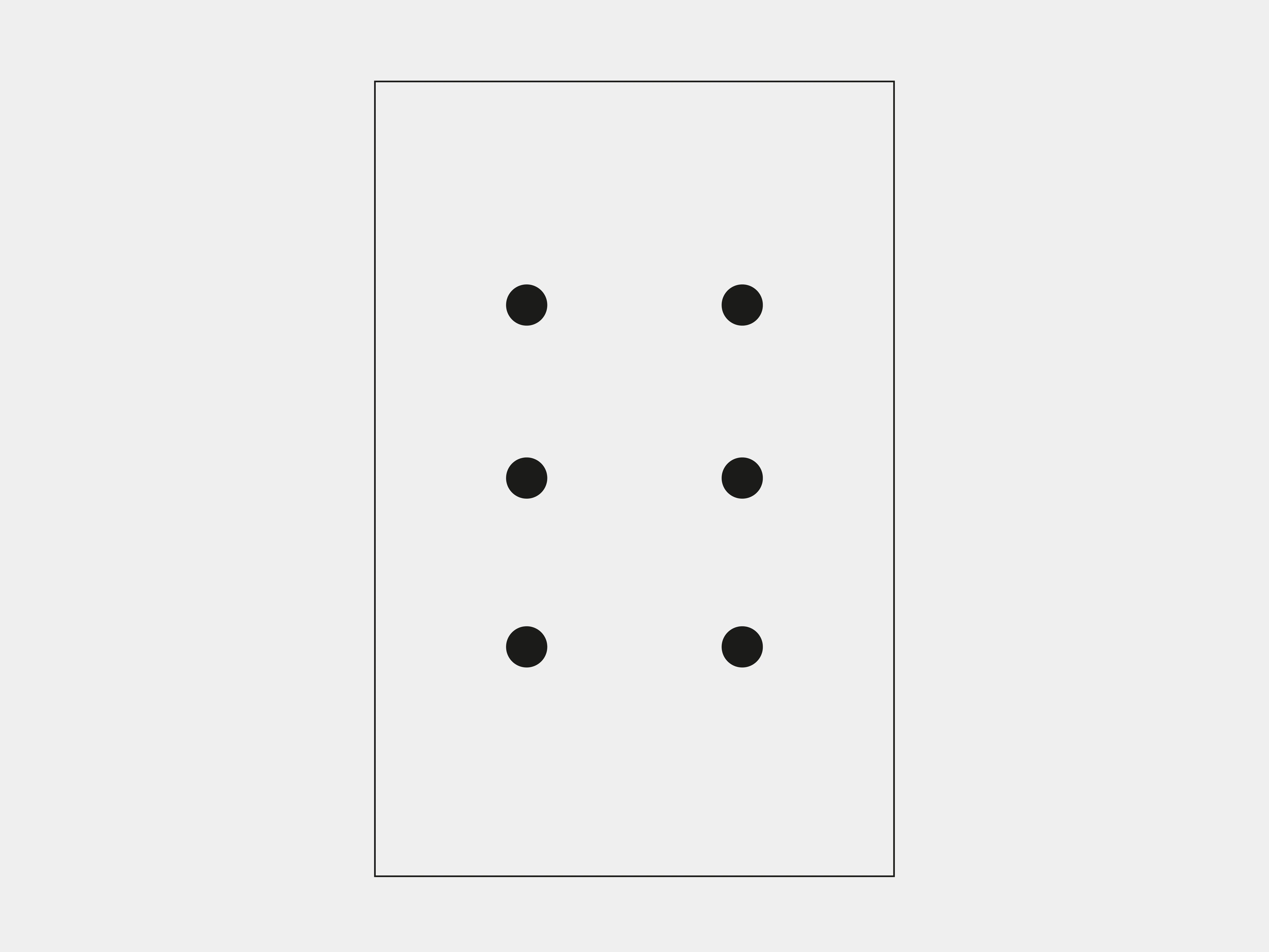
Provide participants with a pre-prepared sample, and it is recommended to prepare several versions for conducting several rounds of the game. Take ten seconds to memorize the sample.
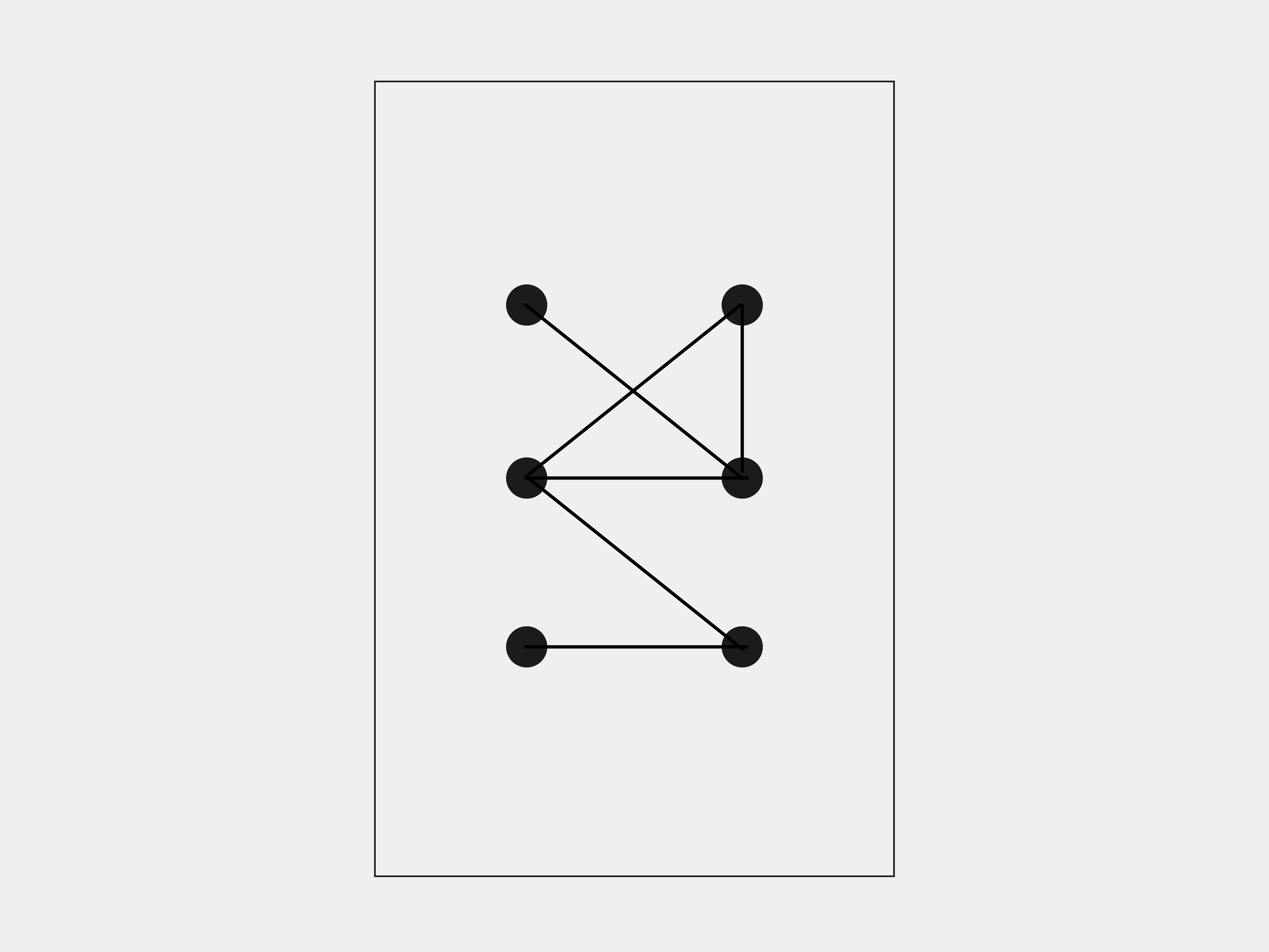
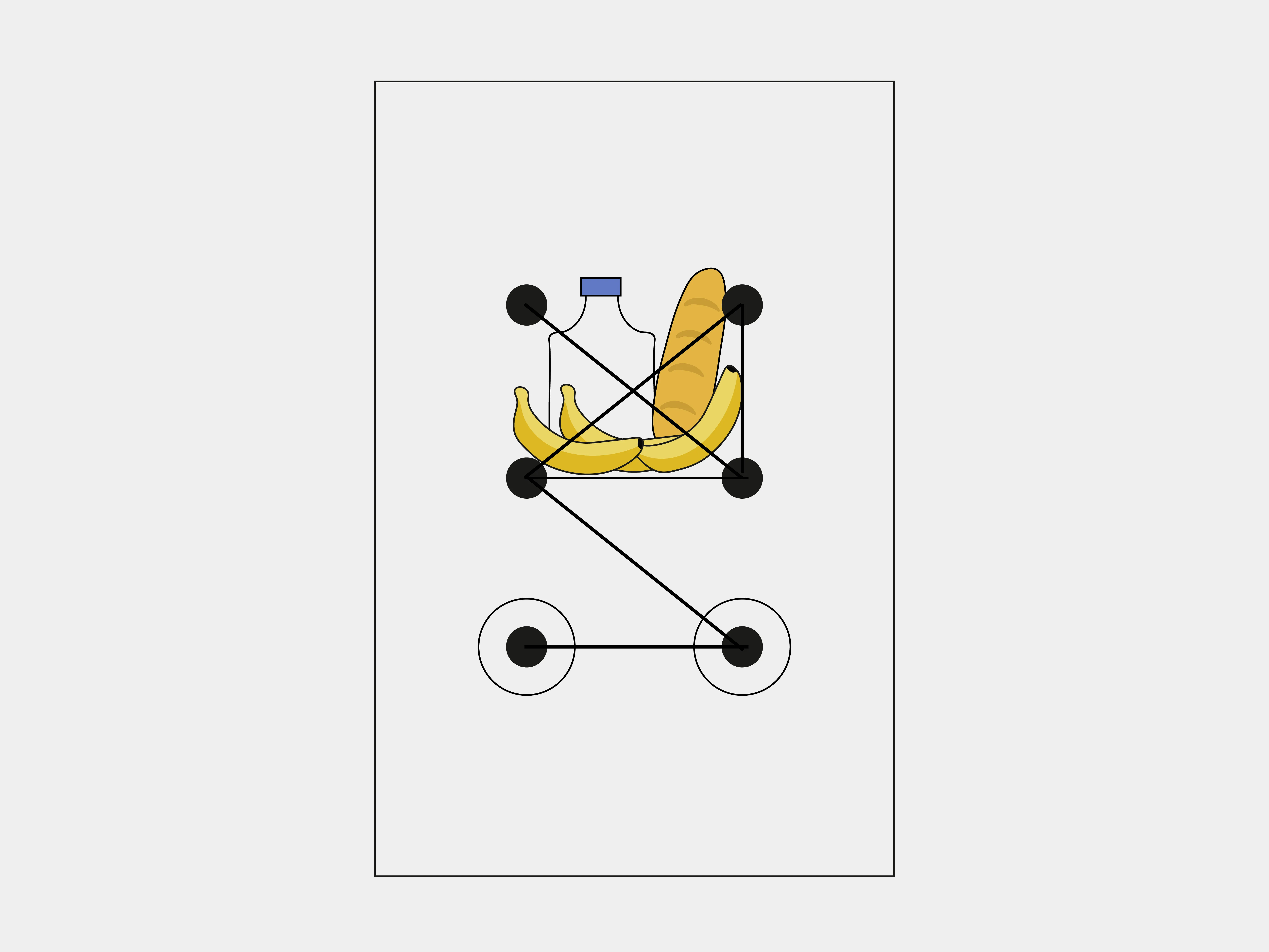
Ask the children in ten seconds Connect the six dots on your sheets of paper exactly as in your drawing and present the result. Not everyone will be able to reproduce the shape correctly, but this will create an atmosphere of fun and excitement for the next attempt with a different example. This simple and engaging process helps develop concentration and creative thinking skills in children.
If you are conducting an online lesson, some children may try to cheat and secretly redraw the shape while demonstrating the example. To prevent this, ask students to keep both palms raised while you show your drawing. This will help focus their attention on your demonstration material and prevent attempts to cheat.
This activity not only develops visual short-term memory but also promotes associative thinking in children. Encourage children to associate each resulting shape with a specific object or image, which will help them better remember how the dots are connected on the example. Associations make the memorization process more effective and engaging, which has a positive effect on the overall development of cognitive skills.
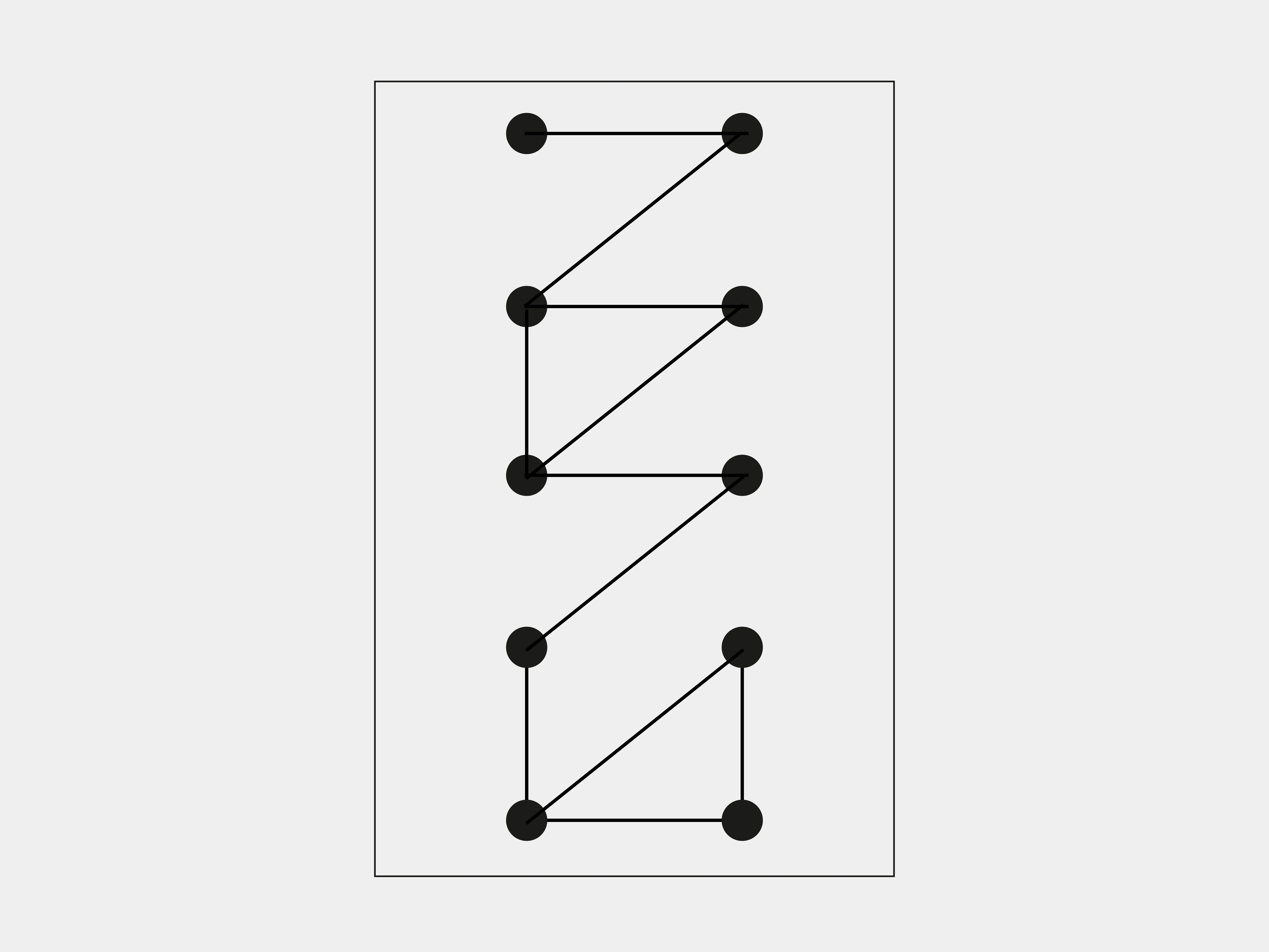
The task can be gradually made more difficult, reducing the memorization time to five, three, and ultimately one second. You can also increase the number of dots to eight or ten. It's important to follow this rule: the challenge should be gradual, starting with simple variations that children can handle. If the task is too difficult, they may quickly lose interest in learning.
Offer children a fun visual memory challenge. Ask them to draw four empty rectangles, increasing the number of rectangles as they master the task. Then show them a picture of dominoes and give them time to memorize the dot placement. Afterward, invite the children to replicate the same process, placing dots in their own rectangles. This exercise will help improve memory and attention, as well as develop creative thinking.

Recent studies by Swedish scientists have shown that visual short-term exercises Memory tasks contribute to the development of mathematical skills in elementary school students. Such tasks can be especially effective before math lessons, helping children better absorb the material and improve their academic performance.
Graphic Dictation
This drawing task assumes that the sample drawing is available only to the teacher, and the students cannot see it. The main goal of the children is to listen carefully to the teacher's directions and follow them precisely. This approach develops attentiveness and interpretation skills, allowing children to show creativity and individuality in the drawing process.
Students will need graph paper. This task will help children overcome the fear of the phrase "Okay, get your sheets of paper!", which they associate with unexpected tests. Using graph paper promotes better comprehension of the material and develops writing and problem-solving skills.
The teacher shows the students a sample drawing and indicates where to put the first dot to begin working. Then, they begin dictating the direction and length of the line to be drawn from that point. For example, they might say: two squares to the right, four squares up, three squares diagonally. The children should end up with a drawing identical to the teacher's example. If someone gets confused at any point, the end result may be unexpected and interesting. This exercise develops listening and attentiveness skills, and also promotes a creative approach to completing tasks.
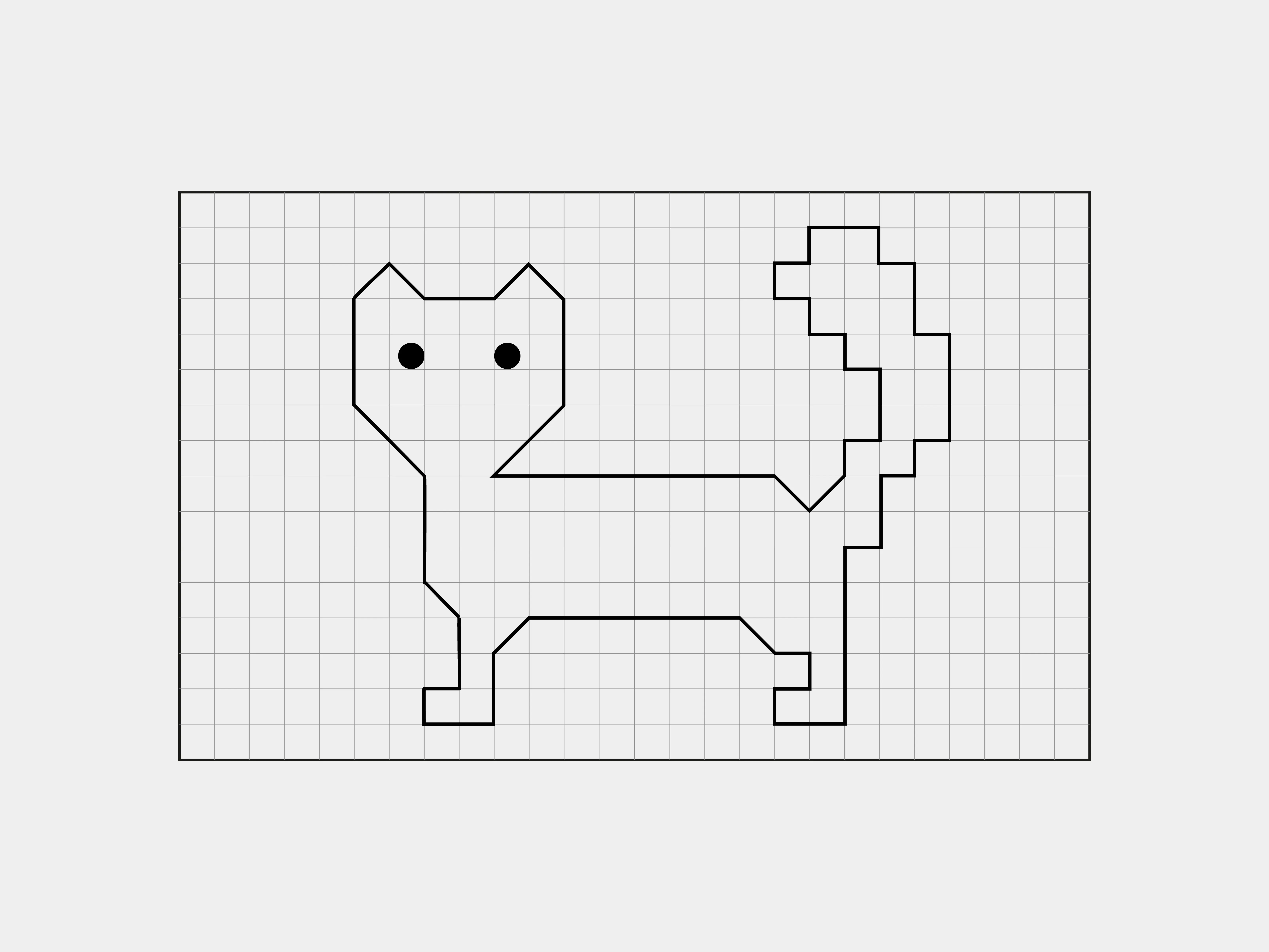
Using ready-made templates for graphic dictation can be useful, as many ideas are available online. However, it is much more effective to create original materials that are associatively related to the lesson topic. This will help students better absorb the material and develop creativity. Developing unique tasks promotes a deeper understanding of the topic and allows children to show individuality in the learning process.
Schulte Tables
A Schulte table is a simple grid with random numbers in its cells. The classic version of the table consists of five rows and five columns, where the numbers from 1 to 25 are arranged in a chaotic order. However, it is possible to create larger tables. Schulte tables are widely used to train visual memory and attention, as well as in various psychological tests. They help develop concentration and the ability to quickly perceive information.
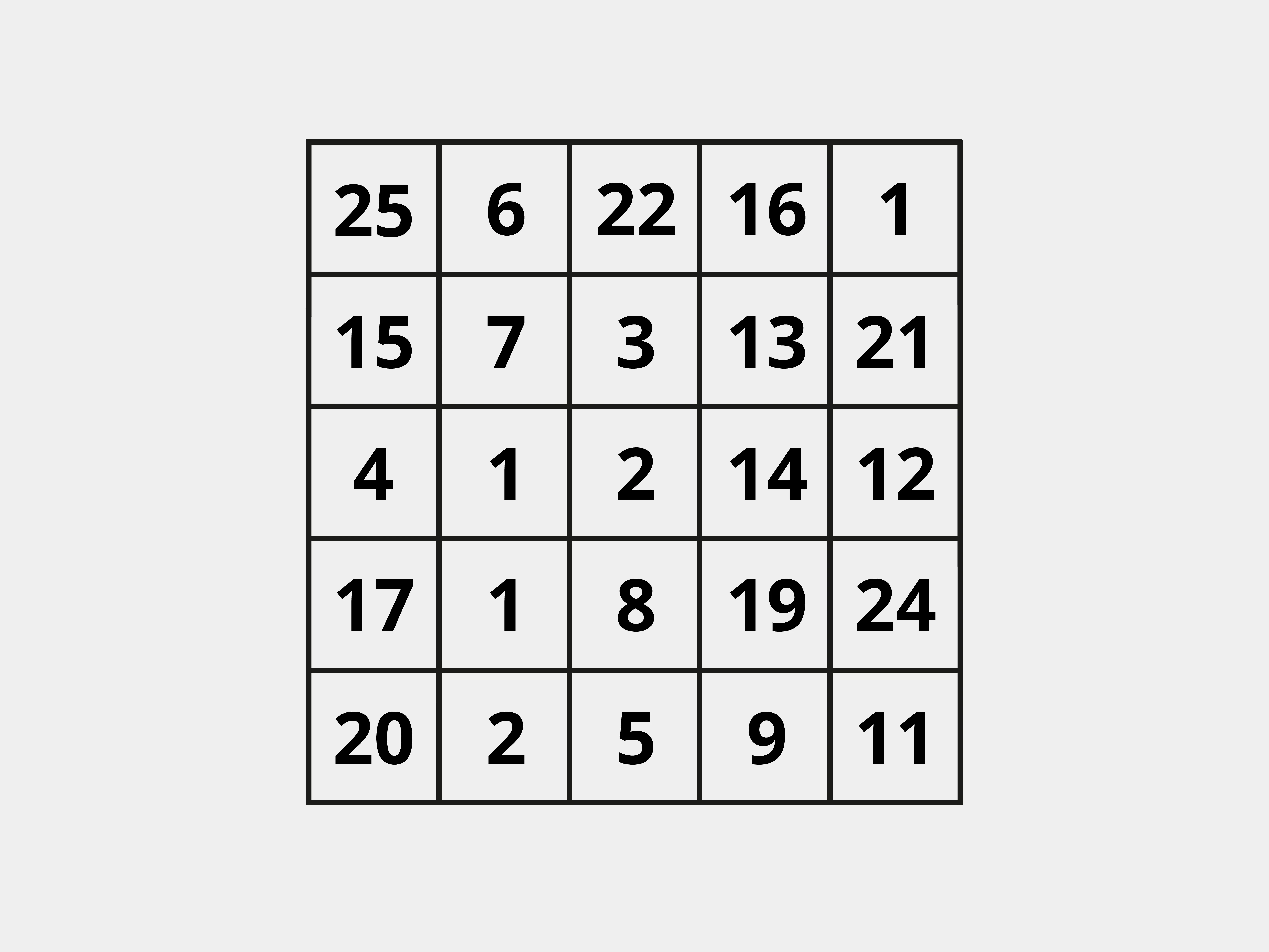
Developed by the German psychiatrist Walter Schulte in the last century, the chart was originally used to diagnose attention problems. However, specialists quickly realized that it is an effective tool for training attention and peripheral vision. Using this chart can be turned into a fun game, making it an excellent option for developing cognitive skills. Regular training with the Schulte chart can significantly improve concentration and increase the speed of information perception.
The teacher quickly dictates sequential numbers (one, two, three, four, five, and so on), while students look them up in the chart. Those who find the number raise their hand. To avoid automatic hand raising, you can establish a rule: when finding an even number, the right hand is raised, and when finding an odd number, the left. This not only adds an element of play but also helps children better memorize number sequences.
The goal is to maintain self-control so as not to stray from the course and follow the pace set by the teacher. This allows you to effectively absorb material and maintain a high level of concentration. Self-control helps not only in your studies but also in other areas of your life, contributing to goal achievement and increased productivity. It's important to manage your time and resources to make the most of the learning opportunities available.
The teacher is silent, and each student silently searches for the numbers in order, raising their hand for each number found. The winner is the first to complete the path from 1 to 25. This game promotes self-control, although children may try to cheat the system. However, in most cases, excitement wins out – children are interested in solving the problem and testing their abilities.
Tip: When conducting online classes, use a large Schulte table on the presentation slide. This will ensure good visibility for children and increase their engagement. Large font and a clear table structure will help students navigate the information more easily and improve their comprehension.
The table can be presented in various formats, but the simplest is a black and white format. However, there is also a color version, in which all the numbers are repeated in each color. This complicates the task, since, for example, you must first complete the path from 1 to 25 in black, and then repeat the same process in red. This approach not only adds challenge to the task, but also makes it more engaging, which can be beneficial for learning and skill development. Using color charts can improve visual perception and help with memorizing numbers.

Picture Finders
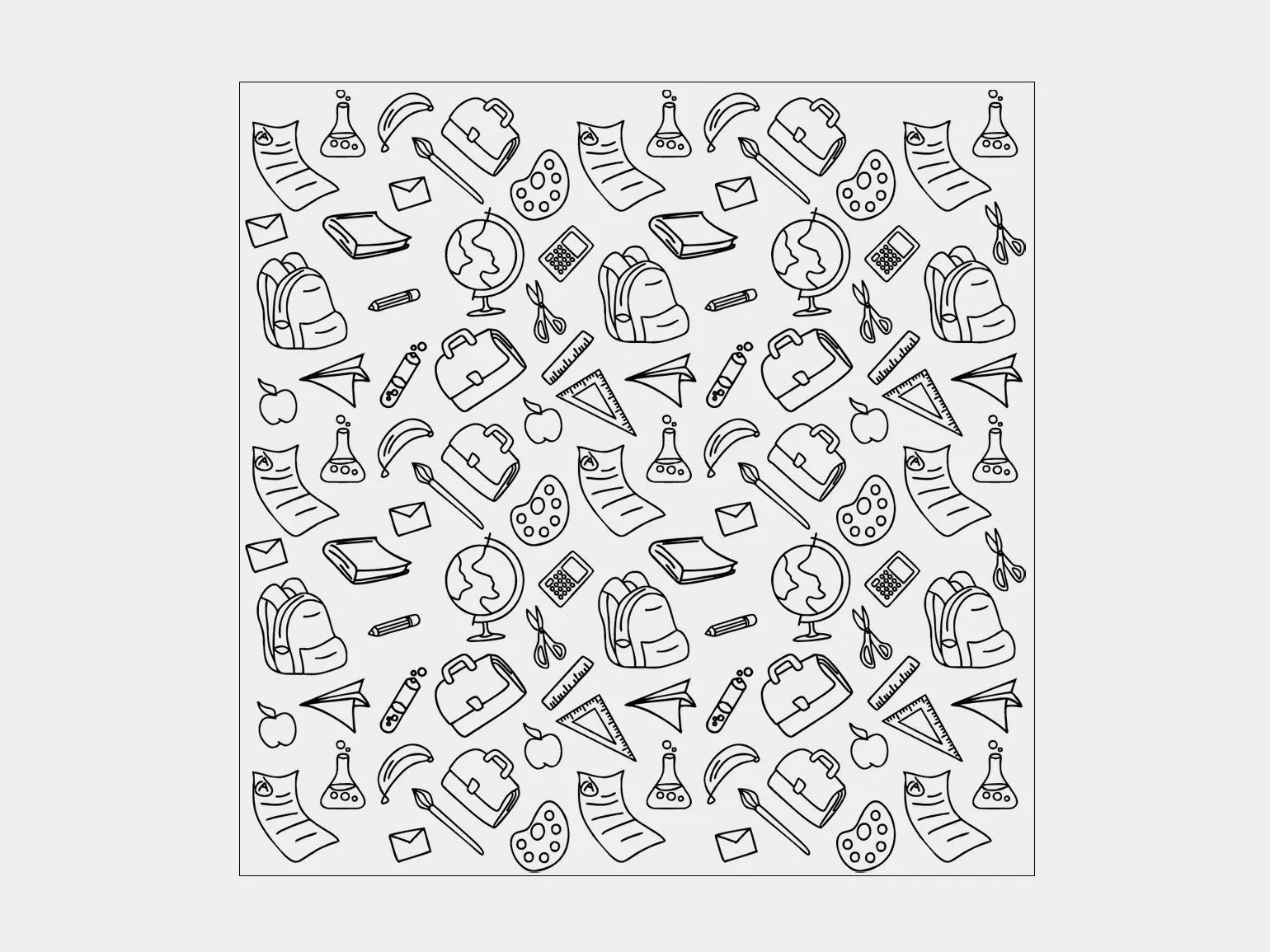
Visual tasks such as picture finders are very popular. They feature images that combine a variety of similar objects, such as books, balls, scissors, globes, calculators, and pencils. As part of the task, the teacher asks students to count the number of palettes, then globes, backpacks, and so on, in ten seconds. These tasks develop attention and concentration, making them useful for the educational process.
Gradually increase the difficulty of the task, decreasing the time allotted for information search. This will help develop quick analysis and decision-making skills, which are important aspects of effective work. Challenging tasks help improve concentration and increase overall productivity.
It is recommended to choose Images relevant to the lesson's topic. For example, if you're teaching a writing lesson to elementary school students, images depicting randomly arranged letters of the alphabet would be appropriate. Challenge the children to find the number of "a"s (both lowercase and uppercase), "b"s, and so on. This approach not only engages students' attention but also helps reinforce knowledge of letters in an engaging way.
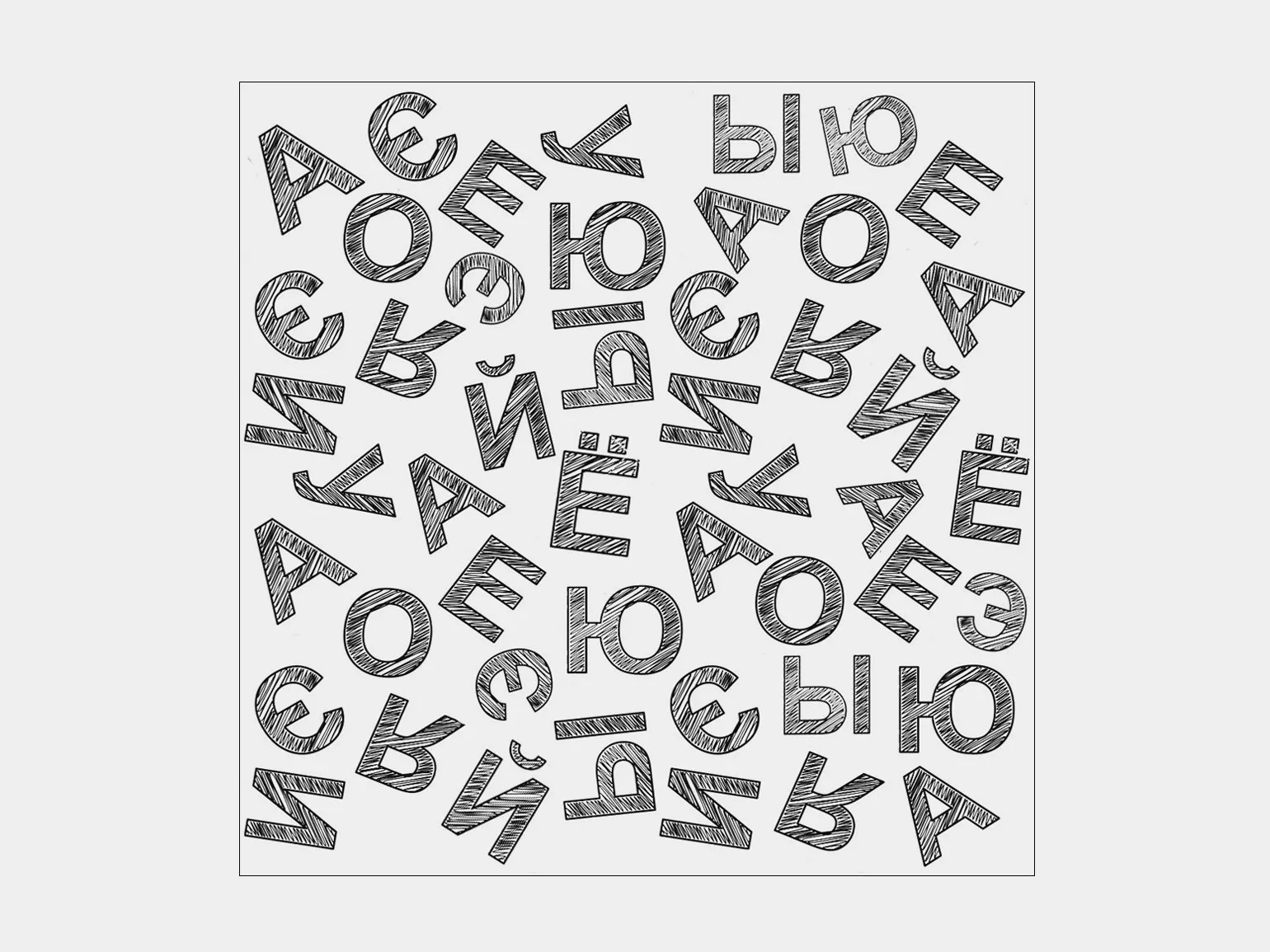
Websites dedicated to parenting and children's developmental activities offer numerous examples of images that can be used for the game of find-it. These images are easily found by searching for "picture-find" or "I spy." Games with such pictures help develop children's observation skills and improve their concentration and attention.