Contents:
Learn: The Profession of a Methodologist from Scratch to PRO
Find out moreA pilot project aimed at introducing a new model of the higher education system has been launched in Russia since 2023. Six universities are participating in this project. In place of the traditional bachelor's and specialist's degrees, the concept of "basic higher education" is being introduced, with a duration varying from four to six years depending on the field of study. This approach will allow educational programs to adapt to modern labor market requirements and needs, providing more flexible conditions for students.
During the discussion of the new education system, the issue of the insufficiently thorough four-year bachelor's degree programs has been repeatedly raised. This opinion, however, primarily concerns complex fields of study, such as technical specialties. For various programs, the length of study should be flexible and adapted to the specifics of each. However, this project does not consider the possibility of reducing the length of study to less than four years. The idea of an accelerated bachelor's degree was previously discussed, but it was limited to combining high school and higher education programs. There's also a belief that higher education can't be short-term, as it serves not only applied but also educational purposes. Abroad, the opposite trend is observed: experts recommend shortening university curricula, arguing that this meets the expectations of today's youth. As a result, shortened bachelor's degree programs are emerging. Let's look at how they are organized and why this practice arose. Is the reason simply a desire to please the demands of young people who do not have the patience to study for the standard time?

Read also:
Figures: the attitude of Russians to various systems of higher education Education
In Russia, there is a diversity of opinions regarding higher education systems. Surveys show that many Russians value degrees from state universities, considering them more prestigious. However, more and more people are beginning to consider private universities and alternative educational programs. This is due to changes in the labor market and growing demands for specialist qualifications.
According to statistics, a significant portion of young people choose educational institutions with an emphasis on practical training and internships, which allows them to more quickly adapt to employer requirements. Interest in international programs and distance learning is also growing, becoming an important factor when choosing an educational institution.
Thus, Russians' attitudes toward higher education systems continue to evolve, reflecting changes in society and the economy. It is important to consider these trends when analyzing the educational environment and formulating future education strategies.
Why a Short-Term Bachelor's Degree Is Needed
The three-year bachelor's degree at universities is part of the "College in Three Years" initiative, developed by Robert Zemsky, a professor at the University of Pennsylvania's Graduate School of Education. The main goal is not simply to cut existing educational programs, but to create new, more effective models of education. Twelve universities are participating in the project, each at various stages of implementing this concept. Some institutions are cutting the number of additional courses, others are experimenting with new forms of instruction, and still others are facing a shortage of faculty. Thus, the three-year bachelor's degree offers innovative approaches to education, adapting it to the modern requirements and needs of students.
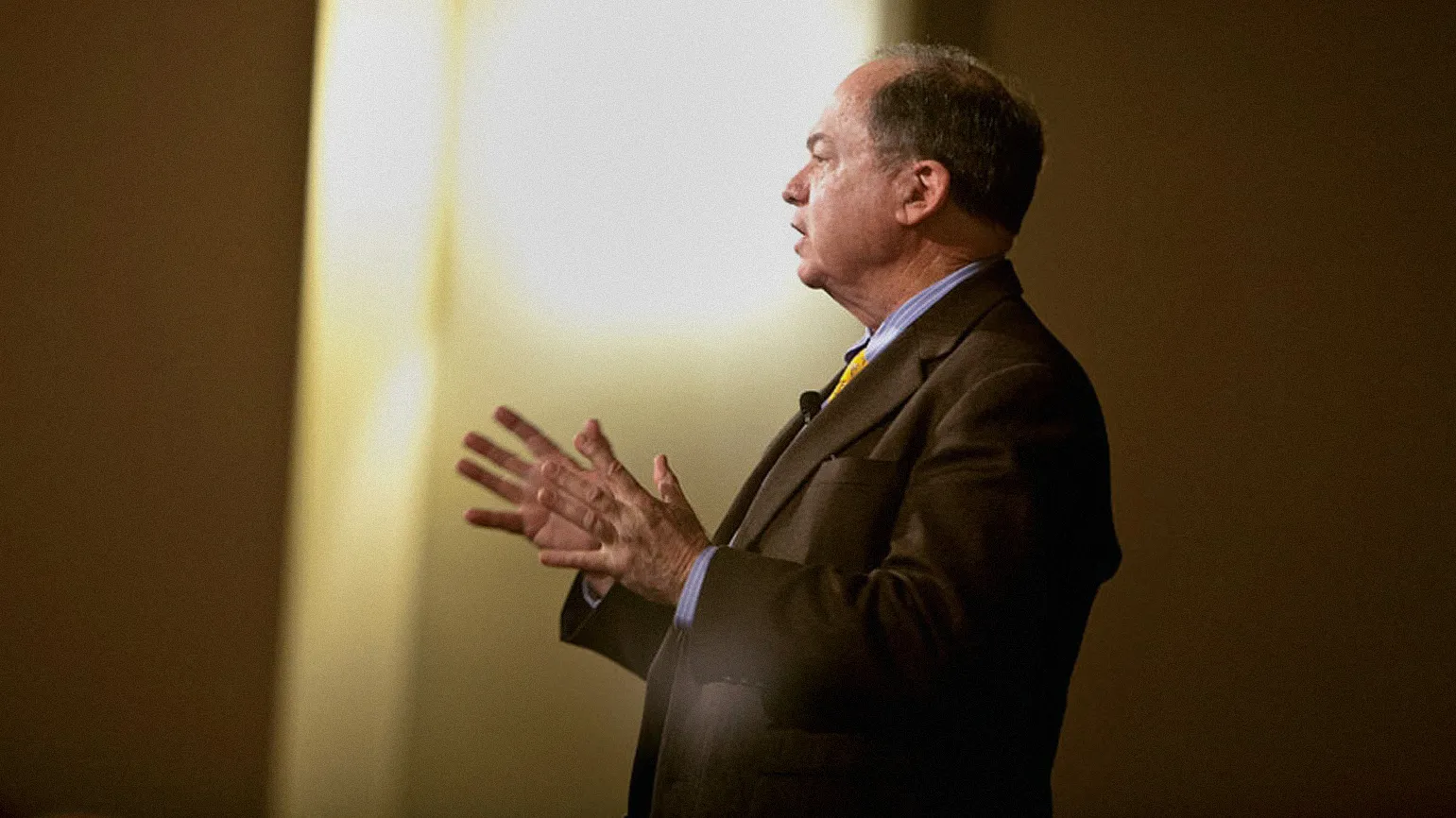
Robert Zemsky expressed ideas about shortening the length of education 15 years ago, but in a slightly different form. He proposed that high school students complete some of their basic university courses before entering universities and colleges. This would allow them to enter higher education already prepared and focus on more in-depth and specialized curricula. This approach could significantly reduce the time required to obtain a higher education.
In the US, shortening the length of university education is being discussed not only due to the accelerating pace of life and the characteristics of young people. The main reason is the desire to reduce the cost of education. Higher education in the States is traditionally fee-based and costs tens of thousands of dollars, making it inaccessible for many students who are forced to take out loans. Reducing the duration of study can be an effective solution to reduce the financial burden on students and their families, as well as simplify access to quality education.

Read also:
Education costs: key expense items of Russian Families
Russian families face a variety of education expenses, which can vary significantly depending on the region and type of educational institution. The main cost items include school tuition, additional education courses, and tutors. In addition, significant amounts are spent on textbooks, stationery, and computer equipment.
Families also invest in specialized programs and clubs for children, which contribute to their comprehensive development and preparation for future careers. It is important to note that education costs are becoming increasingly significant, and many parents strive to provide their children with a quality education, which requires careful budgeting.
Thus, for Russian families, education costs remain a priority budget item, which underscores the importance of education in modern society.
In 2016, economist and board member of the Progressive Policy Institute Paul Weinstein Jr. calculated that three-year bachelor's degree programs can help American students save up to 25% on tuition and related expenses. Interestingly, Robert Zemsky expressed a similar estimate of 25% back in 2009. The introduction of three-year programs could be an important step toward reducing the financial burden on students and improving access to higher education in the United States.
The assessment of the proposed study opportunity at Wesleyan University in the United States is in line with reality. Since 2014, students have been able to complete bachelor's programs in three years, allowing them to reduce their tuition costs by 20%. However, it's worth noting that this offer is not for everyone, but only for highly motivated students. The program's intensity significantly exceeds standard requirements, making it challenging for most students.
Reduced student expenses may impact higher education institutions' budgets. However, an economist believes there is an opportunity to offset the losses. A three-year bachelor's degree will free up classroom and dorm space, allowing colleges to increase the number of students admitted annually. Universities will thus be able to offset lost revenue by increasing enrollment.
The "College in Three Years" project is in its early stages, and it is premature to speak of its success. First, many programs at participating universities have yet to be accredited. In some cases, approval from state authorities is also required if legislation sets standards for the length of study for a bachelor's degree. Secondly, the project does not receive external funding, since in the American educational system, universities traditionally implement all experiments and initiatives at their own expense.
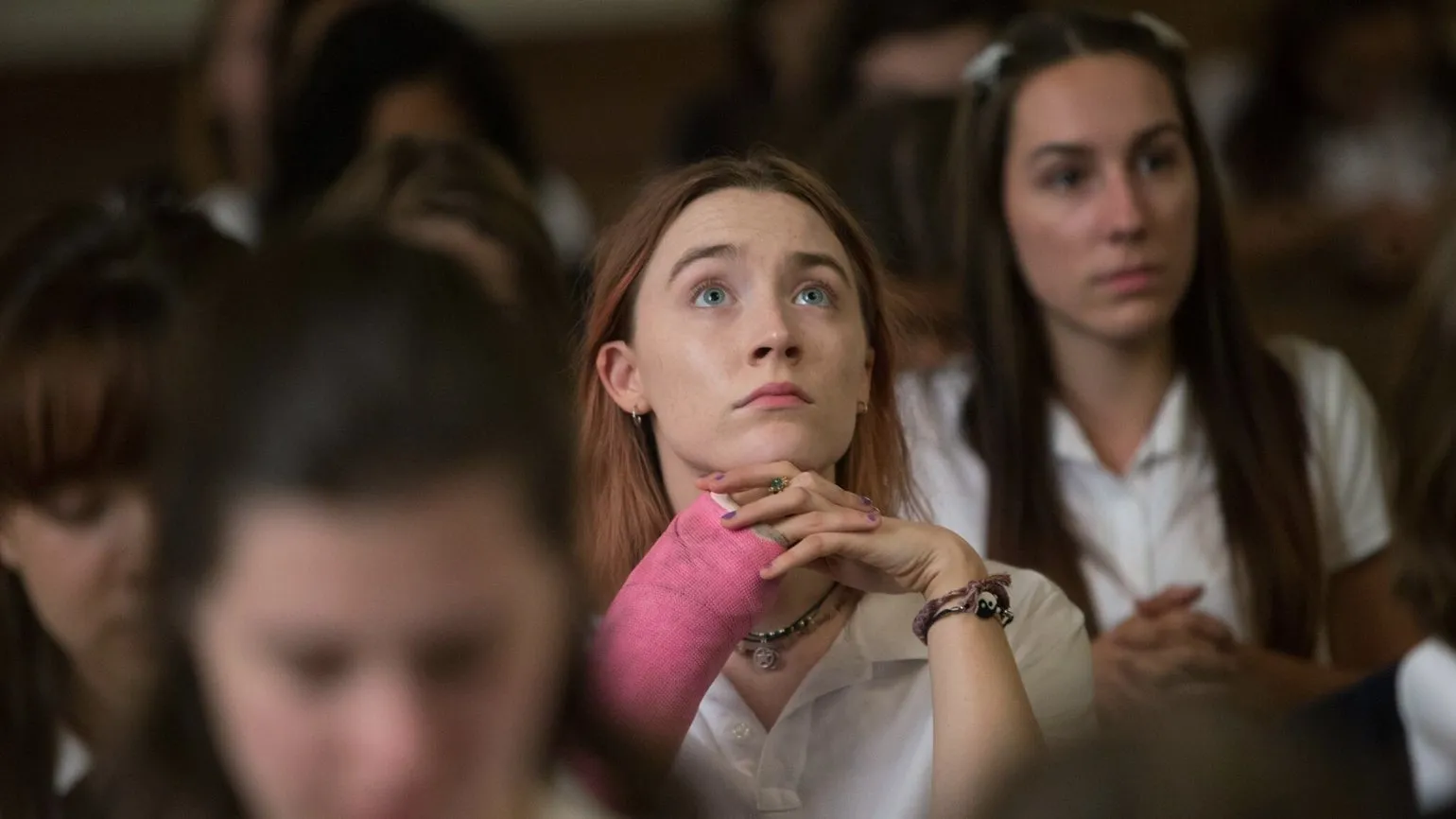
Adherence to tradition and the perception of new educational programs play a significant role in their popularity. Many view such programs as "flimsy" compared to traditional university courses. However, if shortened bachelor's degrees begin to be in high demand, traditional higher education institutions will be forced to adapt and implement such formats to remain competitive. An example is the successful experience of online colleges, which represent an alternative path to education, despite criticism from supporters of traditional academic methods.
A specific example: how a bachelor's degree is structured in 2.5 years
In 2022, the University of Minnesota at Rochester launched a shortened educational program that allows you to earn a bachelor's degree in two and a half years. The NXT GEN MED Medical Sciences program offers accelerated learning, but it's worth noting that it's not designed to train doctors. Its primary focus is on medical management, making it a suitable program for those seeking careers in healthcare facility and project management. Unlike many established universities, this institution has the opportunity to experiment. It began its operations relatively recently, graduating its first students in 2013, and currently has just over 600 students enrolled. This creates an environment for innovation and avoids the risk of losing the reputation it has built over many years. This approach opens up new horizons in the educational process and facilitates the development of unique programs that meet the demands of the modern labor market. The student schedule differs from the typical format to which many are accustomed. The academic year is divided into three academic periods, which can be roughly called trimesters: winter, fall, and summer. Vacations are also provided, but their duration is shorter, as the summer period is also used for studies. Furthermore, university course programs can be shortened to seven weeks instead of the standard fourteen. This approach allows students to earn the required number of course credits within the required timeframe, while minimizing the risk of burnout from excessive workload and the volume of new information. This makes the learning process more efficient and manageable.
Digital technologies are actively used in the educational process, including Google Cloud with virtual assistants and intelligent analytics. These tools help faculty and university administrators effectively track student progress. The educational process partially utilizes a flipped classroom model and gamification, which promotes student engagement. Upon completion of their studies, students not only receive a diploma but also create a digital portfolio, similar to what is typically offered in online courses. According to the university, this significantly increases students' chances of successful employment.
Students studying at medical schools have the opportunity to complete a paid internship at a large medical research center located near the school. This center often hires its graduates, giving them the opportunity to consolidate their acquired knowledge in practice. The internship lasts approximately 15 weeks with a workload of 12 hours per week. During their internship, students receive support from experienced consultants who act as facilitators, teachers, and mentors, helping newcomers adapt to the work environment and develop professional skills.

The clinic was actively involved in the program's development, providing the university with valuable guidance. During the program's development, specialists from various medical centers were interviewed to determine the relevant skills and knowledge needed in this field. This approach is standard practice when creating effective EdTech programs for teaching professional skills. It is noteworthy that this young university has successfully adapted popular EdTech methods to its educational program, which demonstrates its commitment to high-quality education and the relevance of the knowledge offered.
Saving on tuition is becoming a hot topic for students. As reported by the Post Bulletin, University of Minnesota student Aquilla Kolengode was able to significantly reduce his expenses by taking advantage of the condensed program of study. As a result, he saved the cost of one standard semester, which is approximately $15,000. These programs not only reduce the financial burden but also speed up the process of earning a degree, making them attractive to many students.
Rework your text with SEO in mind, maintaining the main topic and avoiding unnecessary details. Ensure the content is informative and clear, without adding emojis or unnecessary symbols. Avoid using numbers or bullet points.
Read also:
- Why microdegrees can become an alternative to higher education
- Microqualifications and microdegrees: what are they and where are they used
- “The university is being transformed into something completely different”
- “Only a few employers understand their need after 6 years”
The Profession of Methodologist from Scratch to PRO
You will improve your skills in developing curricula for online and offline courses. Master modern teaching practices, structure your experience, and become a more sought-after specialist.
Find out more