Contents:

Training with a guarantee of employment: "Methodologist - from beginner to professional"
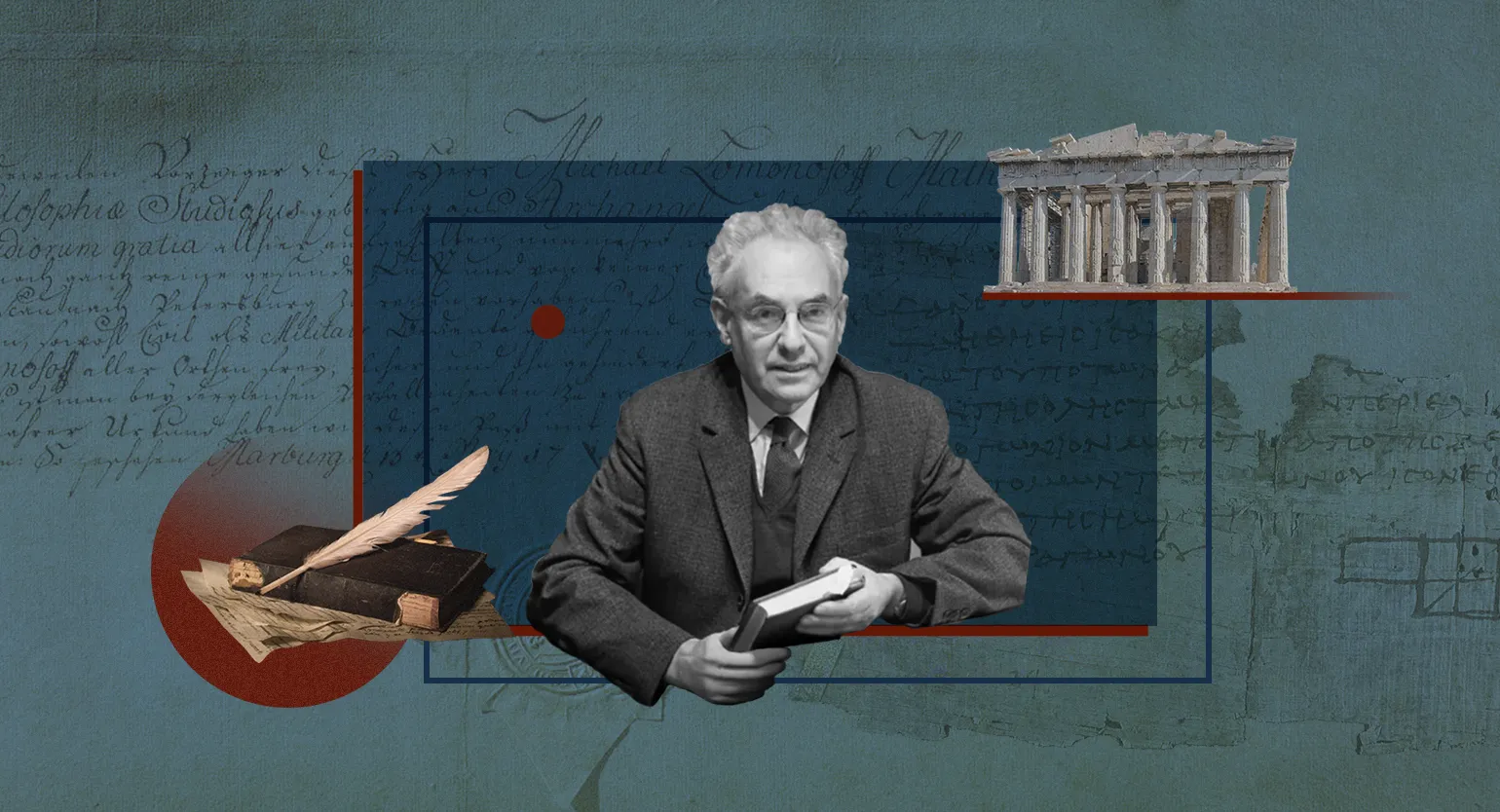
Find out moreAlexander Romanovich Luria (1902-1977) - an outstanding researcher who opened new horizons Luria's work has been instrumental in understanding the human brain for psychologists, physicians, and educators. His theories have had a significant impact on both domestic and international science. Luria became one of the pioneers of neuropsychology, and his ideas subsequently formed the foundation of the rapidly developing field known as educational neuroscience, which studies how cognitive processes function at the brain level. He worked with both children and adults, exploring aspects such as speech, thinking, memory, and emotion, as well as the influence of the cultural environment on the formation of mental activity. The methods he developed contributed to the restoration of full lives for thousands of soldiers who had suffered serious brain injuries, and also became the basis for diagnosing developmental problems and educating children with disabilities. Luria worked at the Moscow Pedagogical Defectology Institute. His theories, along with the ideas of his associates, became the cornerstone of developmental education concepts. Luria held a doctorate in pedagogy and medicine and also held the position of professor. He described his research not only using a strict scientific style, but also with 富感情 expressions full of figurative metaphors. With his humanistic approach and emphasis on the patient's personality rather than solely on the diagnosis, he brought neuroscience to a wide audience.
Luria's major works on the cognitive functions of the human brain include Speech and the Development of Mental Processes in the Child, Problems of Higher Nervous Activity in Both Normal and Abnormal Children, Language and Consciousness, Fundamentals of Neuropsychology, Neuropsychology of Memory, The Human Brain and Mental Processes, On the Historical Development of Cognitive Processes: An Experimental Psychological Study, and A Little Book about a Big Memory.
Luria's Life: From Freudian Passion to the Founding of a New Field of Knowledge
Alexander Romanovich Luria was born in 1902 in Kazan to a family of medical specialists. He grew up in an atmosphere where science and culture were highly valued. Therefore, already in his youth, he mastered several languages and could read them fluently.
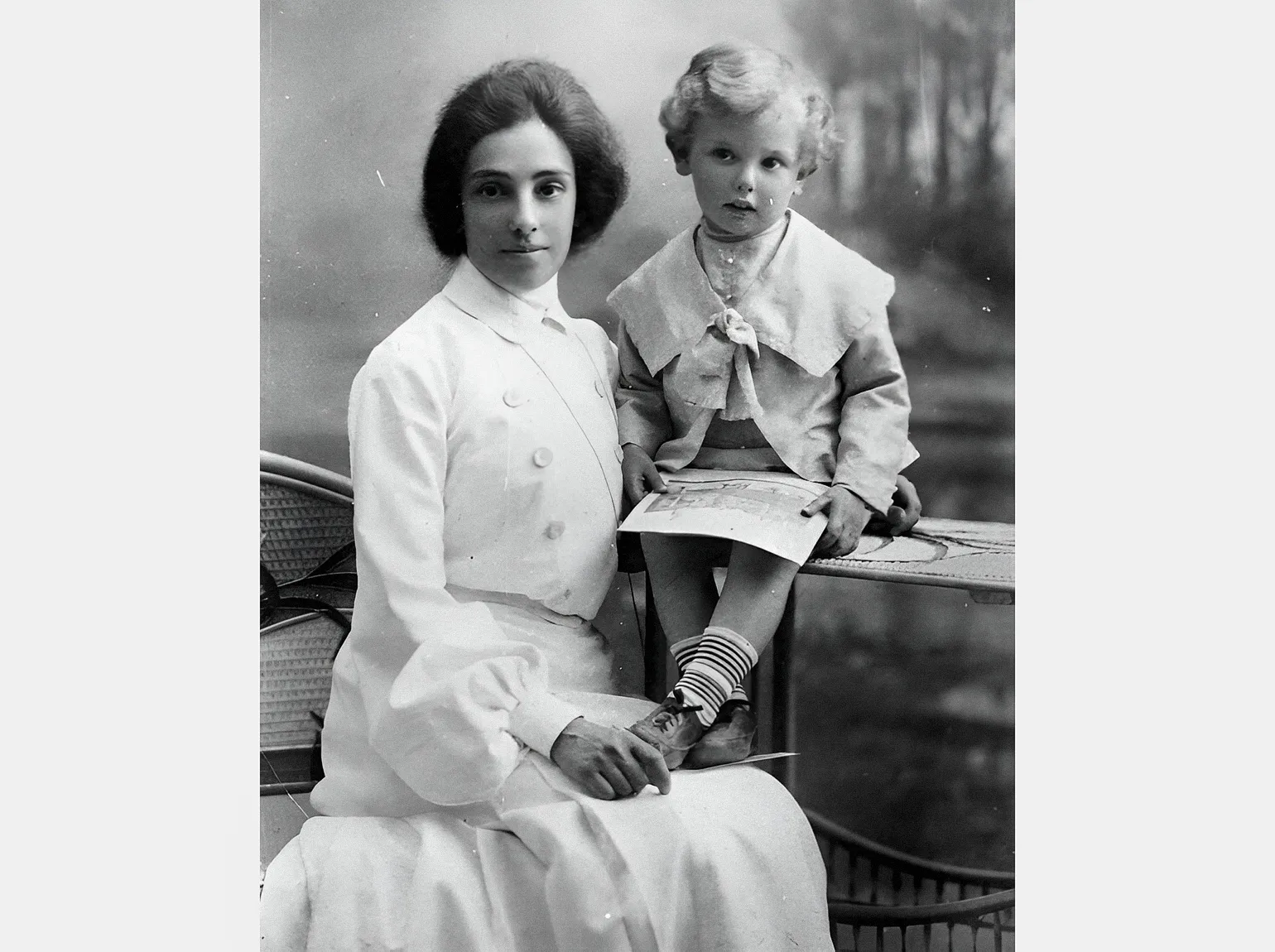
In 1918, upon entering the Faculty of Social Sciences at Kazan University, sixteen-year-old Alexander hesitated between various subjects at the beginning of his studies, but ultimately chose psychology as his main specialization.
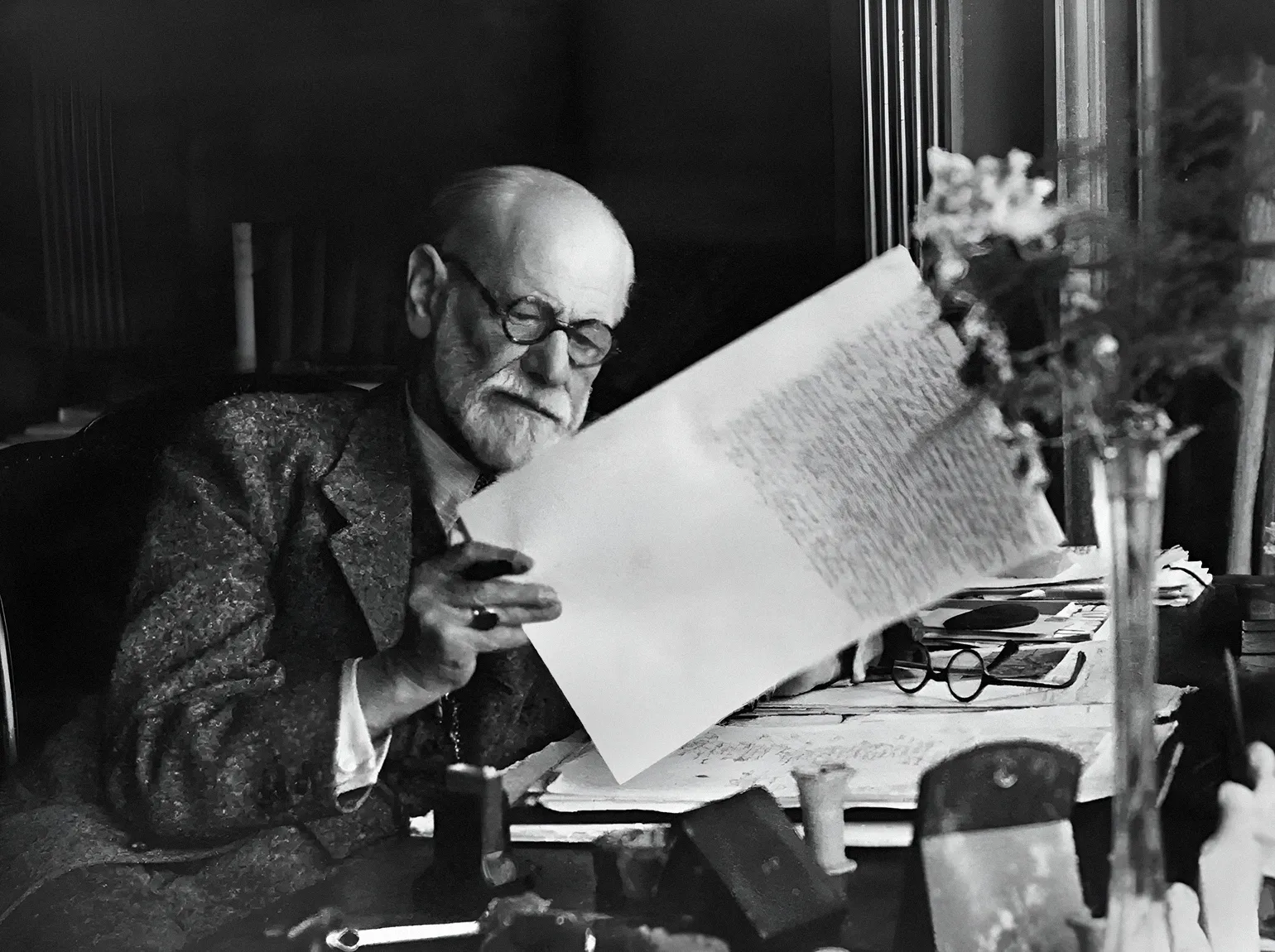
While studying at the university, Luria became interested in psychology and began studying the early works in the field of psychoanalysis, created by authors such as Sigmund Freud, Carl Jung, and Alfred Adler. After completing his studies in 1921, he founded a psychoanalytic circle, which he informed Sigmund Freud himself about.
"I even bought stationery with the stamp "Kazan Psychoanalytic Association" in Russian and German. After that, I sent information about the creation of this group to Freud himself and was completely delighted to receive a reply letter beginning with the address "Dear Mr. President." In his letter, Freud expressed his joy that it was possible to organize a psychoanalytic circle in such a remote eastern Russian city as Kazan.”
Soon, Luria decided to leave psychoanalysis. He noted: "I came to the conclusion that it is wrong to regard human behavior as the result of the 'depths' of consciousness, without taking into account its social 'heights.'" Furthermore, the young researcher realized that the method of association proposed by Jung provided too much scope for personal interpretation on the part of the psychoanalyst. The future founder of neuropsychology began to seek his own path in science and, after graduating from the Faculty of Social Sciences, simultaneously enrolled in the Medical Faculty of Kazan University and the Kazan Pedagogical Institute. However, he did not graduate from either of these educational institutions.
To gain practical professional experience, Luria began working for a period of time as an engineering psychologist and laboratory assistant at the Kazan Institute of Scientific Organization of Labor. In this role, he conducted research on the effects of heavy physical exertion on mental performance and also studied the impact of fatigue on work productivity. During his research, Luria discovered that fatigue not only slows the pace of task completion but also alters the types of errors: initially, minor, barely noticeable ones occur, and later, more serious and systematic ones. He also observed that workers engaged in monotonous tasks lose concentration more quickly. Therefore, he proposed introducing variety into tasks and organizing regular breaks to maintain a high level of work efficiency.
In 1923, Professor Konstantin Kornilov, who headed the Moscow State Institute of Experimental Psychology (the Institute of Psychology at Moscow University), invited Alexander Luria to join his team as a research fellow. At this institution, Luria met Alexei Leontiev, a contemporary of his who also studied psychology and pedagogy and subsequently achieved significant success in his field. Their collaboration grew into a strong friendship and professional partnership that lasted a lifetime.
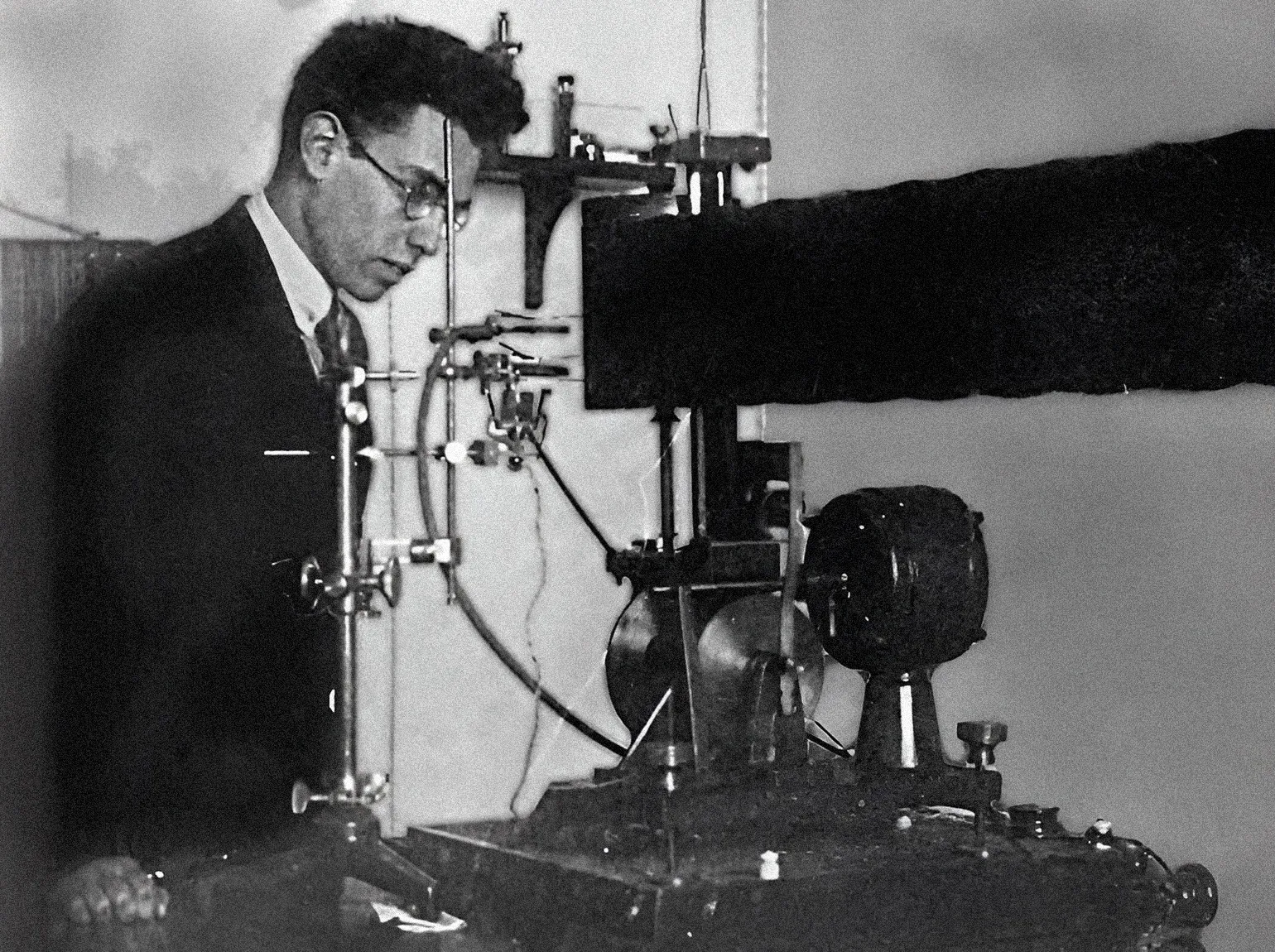
At this stage of his research, Luria developed a diagnostic method based on conjugated motor responses. In his experiments, he used the technique of free association, combining it with a motor response: subjects, while uttering an association, simultaneously squeezed a pressure bag with their right hand, while their left hand remained motionless on another bag. This approach allowed him to identify hidden emotional responses to certain words. In essence, Luria's method can be considered the Soviet analogue of the polygraph.
In 1924, at the Second All-Russian Congress of Psychoneurology, held in Leningrad, Luria met the young psychologist Lev Vygotsky. He later described this meeting as "a turning point in my life." Luria was able to convince Nikolai Kornilov to invite Vygotsky to a position at the Institute of Psychology, where they collaborated until Vygotsky's tragic death in 1934.
In the late 1920s, Lev Vygotsky, Alexei Leontiev, and Alexander Luria became the founders of cultural-historical psychology—a new approach that illustrates how human mental processes are shaped by biological aspects and cultural conditions. The essence of this theory is that throughout its existence, society creates and fixes in culture various means of communication and cooperation, such as language, and determines the methods of their application. In the process of communication between adults and children, these means and methods are transmitted, which occurs both naturally and through purposeful training. This interaction is key to the child's development, allowing them to develop higher mental functions (HMF) - mastering understanding and speech, focusing attention, purposefully memorizing information, and solving intellectual problems.
Cultural-historical psychology has fundamentally changed the view of education, rejecting the approach according to which one should focus solely on the current level of development of the child. Instead of teaching only what the child has already achieved physiological readiness for, the emphasis is on the fact that the development of mental functions occurs under the influence of the external environment. Education should not simply correspond to existing skills, but actively contribute to their advancement and development. This concept, expressed in the term "zone of proximal development", Lev Vygotsky's work became the foundation for modern educational theory.
Throughout his academic career, Luria remained committed to the principles formulated within the framework of cultural-historical theory. In the 1930s, he initiated a series of expeditions to Central Asia to study the influence of socioeconomic factors and educational level on processes such as perception, memory, and cognitive problem solving. He also explored how hereditary and environmental factors influence the intellectual abilities of identical and fraternal twins.
During this period, Luria and Vygotsky were actively involved in pedology—an interdisciplinary field that emerged in the early 20th century that explored child development, combining fields such as psychology, pedagogy, and medicine. Luria focused on developing methods for diagnosing speech and thought processes and also participated in projects related to psychodiagnostics in children. From 1931 to 1934, he worked in Kharkov at the Ukrainian Psychoneurological Academy, then returned to Moscow. Pedology enjoyed considerable popularity in the early days of the USSR, but this period was short-lived—less than ten years. Soon, the political climate in the scientific community changed, and the emphasis shifted from innovative ideas to strict conservatism. Now, all scientific fields had to be based on and consistent with the principles of Marxism-Leninism. In 1936, the Central Committee of the All-Union Communist Party (Bolsheviks) issued a decree characterizing pedology as a "distortion." This occurred because the very concept that child development could depend on social and biological (genetic) factors was deemed "falsely scientific" and "anti-Marxist." As a result of these events, Alexander Romanovich lost his position at the Medical Genetic Institute.

Read also:
From innovation to pseudoscience and distortion: the rise and fall of pedology in Soviet educational institutions institutions.
In 1937, amid the brutal repressions of the Stalinist regime, Luria completed his medical education, begun in his youth, and received a diploma from the 1st Moscow Medical Institute. This event opened up new horizons for research and allowed him to focus on scientific work at the intersection of medicine and psychology, which later became the basis for neuropsychology. At this time, working as a neurologist at the Institute of Neurosurgery under the direction of Nikolai Burdenko, the founder of Soviet neurosurgery, and then at the All-Union Institute of Experimental Medicine, Luria delved into clinical research on aphasia - speech disorders.
During the Great Patriotic War, from 1941 to 1944, Alexander Romanovich worked in an evacuation hospital located in the Chelyabinsk region. Here he studied brain injuries and also developed approaches to the diagnosis and restoration of mental disorders. After the hospital was moved to Moscow, the scientist continued his work there until the end of the war. In his autobiography, "Stages of the Path Traveled," Luria noted: "During this difficult period for our country, thanks to the large number of brain injuries, we were able to significantly deepen our knowledge of the brain and how mental processes are organized. It was during the war and in the immediate postwar years that neuropsychology emerged as an independent field in psychological science."
After the war, Alexander Romanovich resumed his work at the Institute of Neurosurgery. However, in the late 1940s, as part of the campaign against cosmopolitanism, Soviet science experienced increased ideological control. In 1950, the Pavlov Session took place, at which Luria and a number of other scientists were criticized for deviating from the fundamental principles of physiology established by Academician Ivan Pavlov. In 1951, Luria's laboratory at the Institute of Neurosurgery closed, and he shifted his focus to studying speech and thinking in children with special needs, beginning work at the Institute of Defectology at the USSR Academy of Pedagogical Sciences. Alexander Romanovich Luria returned to neuropsychology only in the late 1950s. Based on his research, he authored numerous publications in this field, including the textbook "Fundamentals of Neuropsychology," which remains in print to this day. Luria continued his scientific work until his death in 1977. His daughter, Elena Luria, noted that "my father's scientific life can be compared to a tree whose trunk was repeatedly cut off, but new green shoots would emerge from the roots, and a new crown would form."
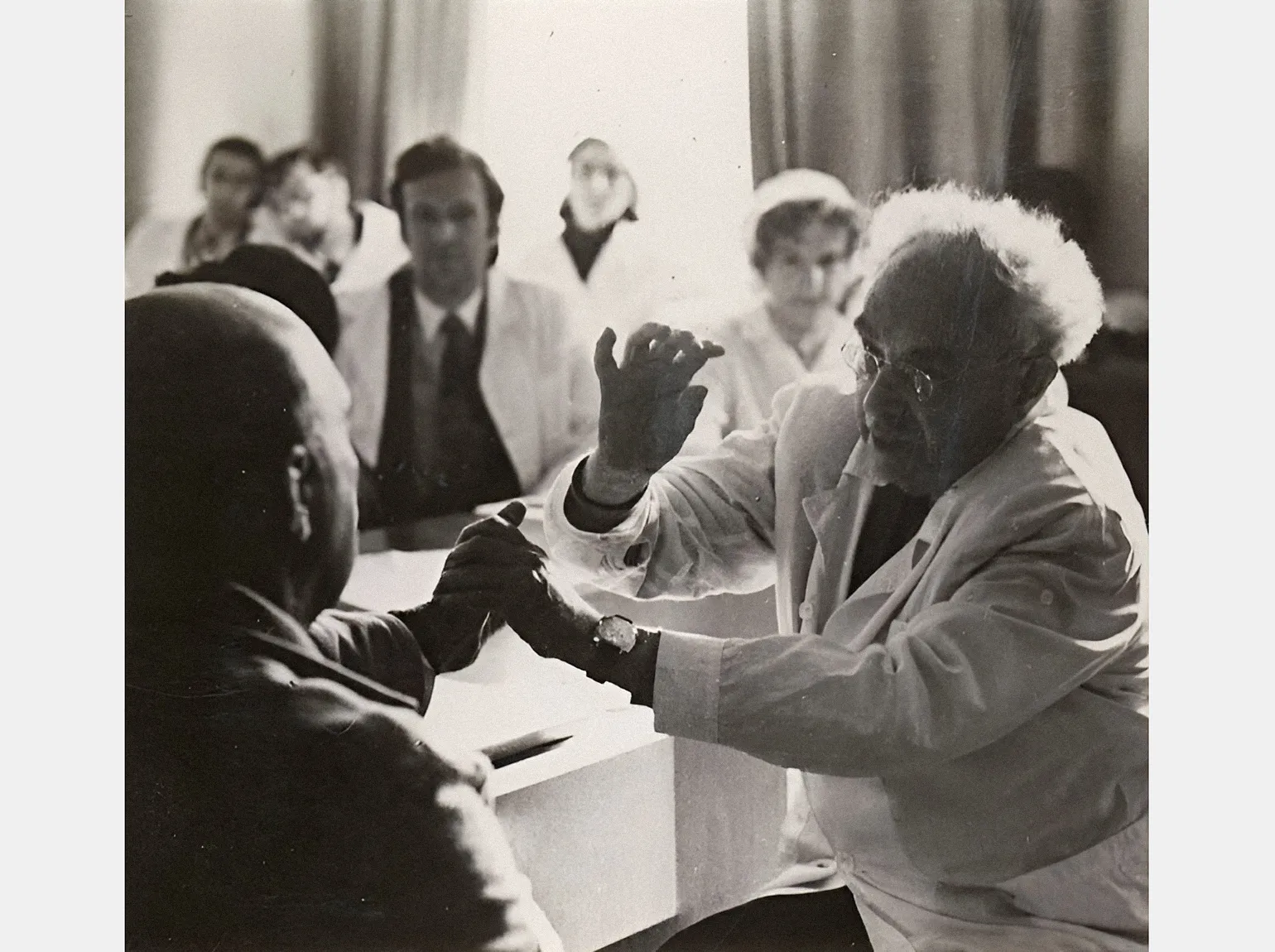
Luria's explanation: Mechanisms Lev Vygotsky and Alexander Luria, through their scientific research, laid the foundation for the theory of systemic dynamic localization of higher mental functions (HMF), a key concept in the field of neuropsychology. The basic idea of this theory is that each higher mental function, including processes such as memory, attention, thinking, perception, imagination, and speech, is a complex system consisting of many components and dependent on the functioning of the entire brain as a whole. Moreover, different areas of the brain play a unique role in the implementation of a particular function; that is, specific brain structures are responsible for specific aspects of HMF.
During human development, unique connections are established between various brain structures, even if they are located at a significant distance from each other. This interaction ensures the effective performance of certain functions. Furthermore, the same brain structure can perform different roles and adapt its purpose depending on specific circumstances.
Another key aspect of the theory, derived from the cultural-historical approach of thinkers such as Vygotsky, Luria, and Leontiev, is that higher mental functions develop solely under the influence of the environment, through the child's interactions with other people and the world around them. Thus, the biological maturation of the brain is only a "material basis", which is necessary, but not sufficient for the full development of the psyche.

Read also:
Constructivism as a teaching method: Why this remarkable pedagogical approach has never become widespread.
As a child ages, their brain not only increases in size but also undergoes significant changes in its organization. During this development, various brain structures begin to perform increasingly specific functions. This process does not occur uniformly—different areas of the brain mature at different times, which, in turn, affects their functional capabilities.
The general structural-functional model of the brain, proposed by Alexander Luria in his 1973 book, Fundamentals of Neuropsychology, illustrates the changes that occur during brain maturation, as well as the functional characteristics of its various structures. According to this model, for the normal functioning of the psyche, which implies the performance of complex mental functions, the interaction of three functional blocks is necessary:
- The first block, which is responsible for the regulation of wakefulness and tone, begins its development in the womb and reaches final maturity in the early years of life. This unit controls such important functions as attention, memory, emotions, and the sleep-wake cycle, influencing the overall tone of the nervous system. When its functioning is disrupted, a person may feel tired and sleepy, experience emotional instability, and have difficulty concentrating. The effectiveness of this energy unit depends on the functioning of certain areas of the brainstem and midbrain, as well as the mediobasal zones of the frontal and temporal lobes and the limbic system.
- The second unit, responsible for receiving, processing, and storing information, integrates the functions of the visual, auditory, and cutaneous-kinesthetic analyzers. These systems are located in the occipital, temporal, and parietal regions of the cerebral cortex. In this unit, external stimuli received by a person are transformed into coherent images and stored in memory. If this system malfunctions, problems such as deterioration of vision or hearing may arise. A person is able to perceive visual or auditory stimuli, but may not be able to recognize or comprehend them.
- The third block, responsible for programming, regulation, and control of complex activities, develops most slowly and reaches its full maturity by about 20 years of age. It is localized in the frontal lobe of the cerebral cortex and plays a key role in setting goals, organizing actions and monitoring their execution, thereby ensuring meaningful and purposeful activity.
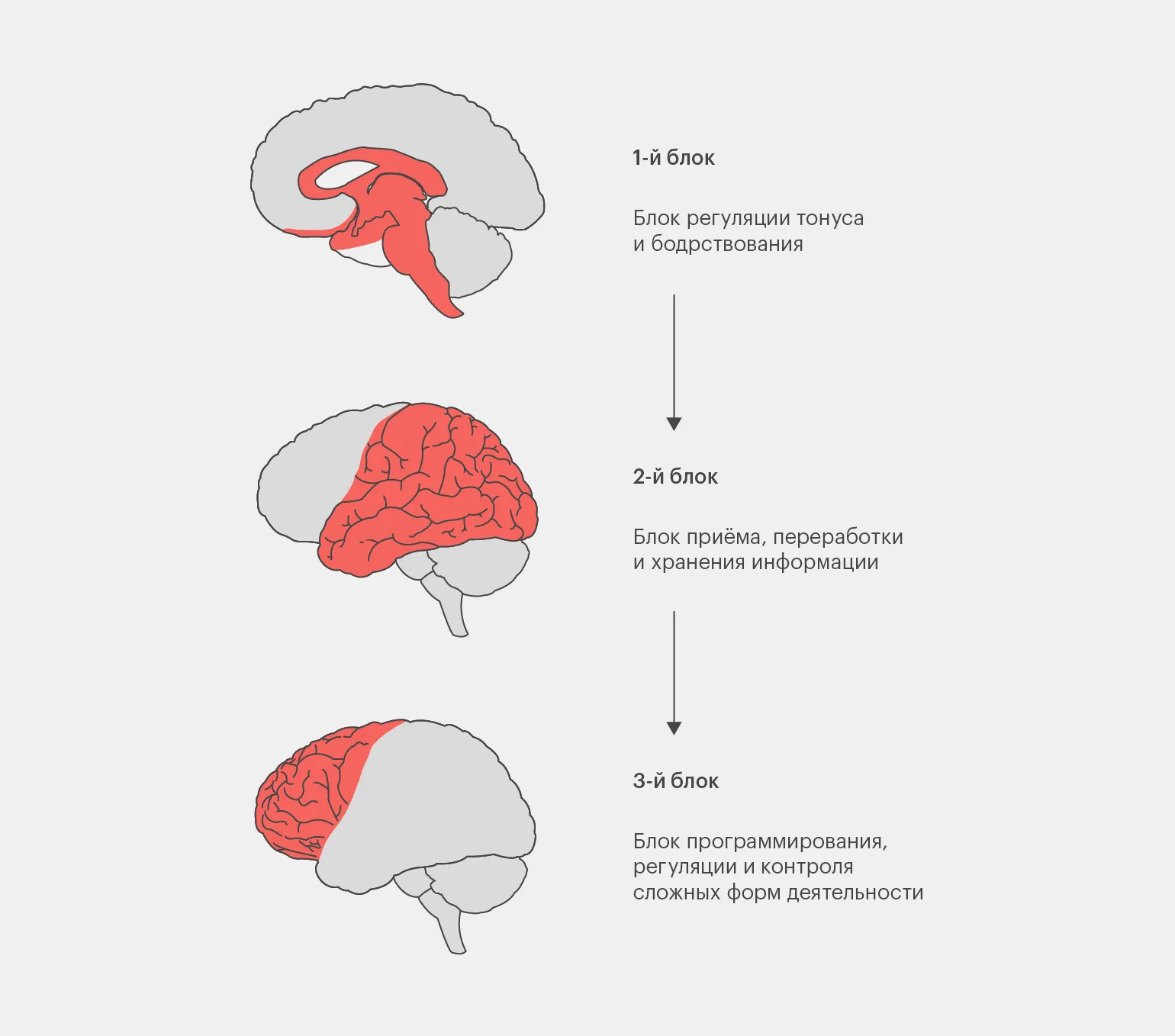
Speech interaction illustrates how all three functional blocks play a key role in the implementation of higher mental processes. First of all, for a person to be able to express a thought, their nervous system must function at the proper level - this is the task of the first block. The second block, in turn, is necessary for perceiving the words of the interlocutor and understanding their logic, as well as for retrieving the necessary facts and information from memory. Finally, the third block provides the opportunity to consciously select convincing arguments and formulate a clear and purposeful statement.
A similar situation is observed in the learning process. To achieve high results in studies, energy and the ability to concentrate are necessary, which are ensured by the first block. Without processing and memorizing information, it is impossible to master new knowledge and skills, and it is the second block that is responsible for these functions. In conclusion, the third block plays a key role in self-regulation in the learning process and the conscious application of effort.
The Impact of Luria's Research on Educational Practices
Alexander Asmolov, who holds a doctorate in psychology and is an academician of the Russian Academy of Education, emphasizes that the concepts of Luria, Vygotsky and Leontiev became the basis for the emergence of new directions in the field of personality psychology in Russia. The main idea they put forward is the following: "A person is born as an individual, then develops as a personality, and individuality must be protected."
The scientists' ideas were developed in various aspects and became the basis for the creation of modern programs for both preschool and school education.
Modern educational programs for children are based on a systemic-activity approach, which is formed on the principles of developmental learning. This system, in turn, has its roots in the theory of cultural-historical psychology, which was developed by such scholars as Luria, Vygotsky, and Leontiev.
Alexander Luria demonstrated that the problems children face cannot be explained by biological factors alone. They arise in a specific cultural and social environment, and therefore a multifaceted approach is required to solve them. The methods developed by this scientist formed the basis of programs aimed at developing speech, memory, and thinking, and also became the basis for speech therapy practice and special education for children with special needs.
Furthermore, it was Luria who initiated the introduction of the term "neuropsychology" into scientific practice, characterizing it as a synthetic field of knowledge located at the intersection of neurology and personality psychology. He emphasized that the brain should not be viewed as a separate organ: it is part of a system of social interactions and cultural symbols through which a person perceives the surrounding reality.
Today, the ideas of Alexander Romanovich Luria are perceived as important prerequisites for the formation of cognitive psychology. Unlike behaviorists, who focused on the analysis of external reactions to various stimuli, Luria delved into the study of internal mental processes, including attention, memory, speech, and thinking. His work, such as the concept of functional blocks of the brain, became the basis for modern cognitive sciences, including neuroscience, which studies thought processes in their interaction with the physiological aspects of brain function.

Read Also:
Cognitive psychology is a field of science that focuses on the study of mental processes such as perception, memory, thinking, and learning. It examines how people process information, the mechanisms involved in problem solving, and how knowledge is formed. Understanding these processes is of great importance for the field of education, as it allows for the development of effective teaching methods adapted to the peculiarities of students' perception and memory.
The knowledge gained within the framework of cognitive psychology can help teachers better organize the educational process, taking into account individual differences in students' cognitive abilities. This also opens up opportunities for the creation of innovative educational materials and technologies that promote deeper assimilation of information. Thus, cognitive psychology plays a key role in improving educational practices and enhancing the quality of learning.
Luria's students and followers continued his work, making significant contributions in various fields. Zhanna Glozman developed quantitative approaches to neuropsychological diagnostics, and Evgenia Khomskaya developed rehabilitation methods for people suffering from aphasia. Lyudmila Tsvetkova proposed her own rehabilitation system for those with speech impairments. Tatyana Akhutina has devoted extensive research to speech development, examining them through the lens of neurolinguistics. Yuri Mikadze is actively developing a new field—differential neuropsychology in childhood.
The Luria School continues to actively function in practice. In Moscow, there is a Center for Child Neuropsychology named after A. R. Luria, where over 60 professionals support children facing learning and developmental challenges. This center serves over 2,500 children annually, publishes scientific research, and trains teachers and psychologists. Thus, Luria's ideas are finding application in modern schools and preschool institutions, transforming from theoretical concepts into real support for children and their families.
Fascinating aspects of Luria's life and work
- Alexander Romanovich had an outstanding ability to learn foreign languages. He read English, French, and German confidently, actively working with scientific articles in these languages. In addition, he studied Latin and ancient Greek, which allowed him to immerse himself in the classics. During his expeditions to Central Asia in the 1930s, he also learned Uzbek. This gave him the opportunity to communicate with local residents, including children, and gather information about how culture influences the development of language and thought.
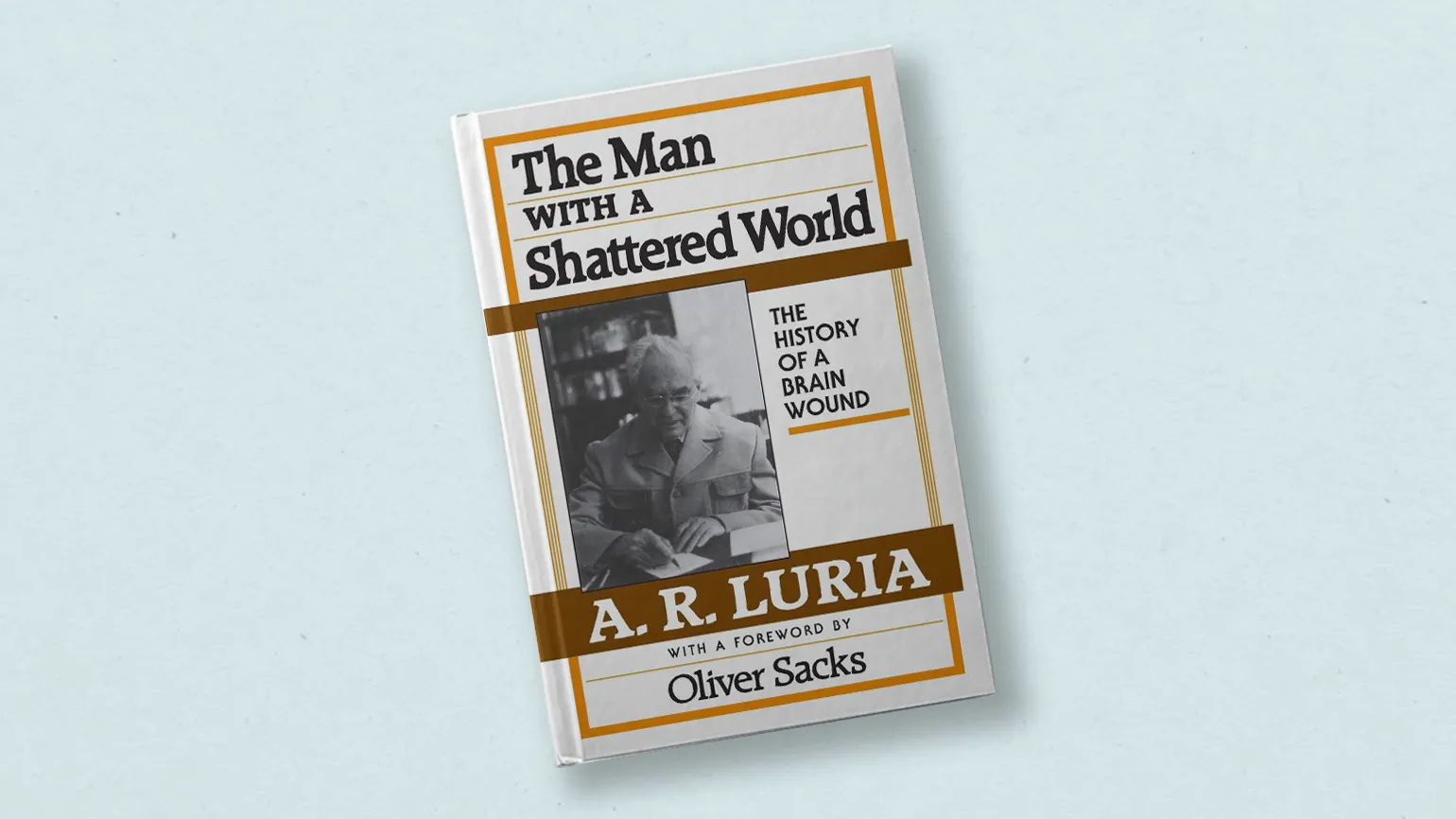
- Luria was an outstanding author whose writings about patients read like works of fiction. Oliver Sacks, the British neurologist and writer famous for his bestsellers "The Man Who Mistook His Wife for a Hat" and "Awakenings," noted that Luria's warmth and imagery inspired him to write about the unusual and sometimes disturbing conditions of his patients. He described Luria as an example of "poetic science," emphasizing that in his work, art and science merge into a harmonious whole. Sacks first met Luria at a lecture in London in 1958 and subsequently became familiar with his works, which had been translated into English. In the 1970s, they exchanged personal letters.
- Luria worked in tandem with Sergei Eisenstein, the renowned Soviet director, screenwriter, and film theorist. Their joint interest was exploring how the brain perceives and processes visual images. Eisenstein sought to find scientific explanations for the impact of editing techniques on viewers, while Luria studied the mechanisms of imagination and associative thinking. After Eisenstein's death in 1948, his brain was removed during an autopsy and given to Luria for scientific analysis. During the study, he discovered that the right hemisphere of the director's brain was enlarged, which is associated with the perception of visual images and the processing of spatial information, while the left hemisphere was of standard size. Luria used these results for educational purposes, demonstrating to his students the asymmetry of the hemispheres and the connection between brain structure and exceptional creative abilities. Luria's influence on cinema extends far beyond his collaboration with Eisenstein. According to director Timur Bekmambetov, it was Luria's novella "The Lost and Regained World" that served as the foundation for a new film movement devoted to human consciousness. This movement encompasses such films as "Stalker," "One Flew Over the Cuckoo's Nest," "Awakenings," and "Inception." Bekmambetov notes that the work of Oliver Sacks had a significant influence on Hollywood films on this topic, and Sacks himself, as mentioned earlier, considered Luria his primary inspiration. Thus, the ideas of the Soviet scientist found their place not only in the scientific and educational spheres, but also in the world of popular culture.
Read also:
- Education, brain functioning, and genetics: how the learning process affects our physiological state.
- Four cognitive models of learning for those who teach others.
- Attending a prestigious school seems to contribute to the physical development of a child's brain.
- "The brain only functions at 10%" and seven more myths about neuroscience that have no scientific basis.