
Contents:

Learn: Profession Methodist from scratch to PRO
Learn moreIn 2022, numerous significant books were published in the field of education, of interest to both theorists and practitioners. These publications examine current issues in higher education, generational theory, and the impact of the population's cognitive skills on the economic well-being of countries. Research on polymaths—people with deep knowledge in various fields—is also presented. You will find manuals on questioning techniques, feedback, and designing educational experiences. We have prepared a selection of the most significant new releases so that you can stay up to date with all the important events in the educational field.
«Interactive Questioning»

This text will be useful for teachers, tutors, trainers, coaches, and anyone interested in the practice of questioning. Questions play a key role in learning and development, allowing for a deeper understanding of a subject and stimulating critical thinking. Mastering effective questioning techniques will help improve communication and interaction with students, as well as increase engagement in the learning process.
Why do pupils and students rarely ask questions, even when something is unclear? This phenomenon hinders their independent development and active participation in the learning process. The "teacher asks - the student answers" mindset limits student initiative. The authors of the book "Interactive Questioning: How the Ability to Ask Your Own Questions Helps Development" offer solutions to this problem. They emphasize the importance of developing questioning skills in students, which contributes to a deeper understanding of the material and active engagement in learning. Developing this competency not only improves the quality of education but also builds self-confidence, a key aspect of successful learning.
This manual is a collection devoted to the theory and practice of questioning—one of the most effective teaching methods. Authors, including Vera Danilova, Vadim Karastelev, and Vadim Rozin, provide a detailed analysis of questioning methodology and its application in various fields, such as staff development, student teaching, and teaching seniors. The book also presents practical methods and techniques that promote deeper understanding and mastery of the material through interactive interaction. This manual will be useful both for teachers and for those who want to improve their questioning skills in the educational process.

Read also:
If you are looking for up-to-date information and interesting articles on a topic that concerns you, then our resource offers a variety of useful materials. We regularly update our content to provide our readers with the most current and verified information. Our goal is to help you understand the issues that concern you and offer reliable solutions. We value your time and strive to make information accessible and understandable. Subscribe to our blog to stay up-to-date with new articles and research.
One of the key problems in education is that people often ignore complex and unclear issues. In an interview with Vadim Karastelev, we discuss this important topic and explore how the educational process can be improved. Karastelev emphasizes that a lack of attention to difficult issues can negatively impact learning and information comprehension. He suggests ways to increase interest in educational materials and improve interactions between teachers and students. Methods that help better understand complex topics are discussed, as well as the importance of creating a supportive educational environment.
"University. Guardian of the Ideal"

This text will be useful to those interested in analyzing the fate of higher education and the role of universities in modern society. Discussing current trends, challenges, and opportunities in higher education can help us better understand how universities are adapting to global change and how it impacts the future of students and society as a whole. Reflecting on the significance and prospects of higher education will help us identify key aspects to consider when choosing an institution and developing educational strategies. The book by Shaninka Rector Sergei Zuev, fully titled "University. Keeper of the Ideal. Unintentional Essays Written in Solitude," reveals its content and concept in depth. In this work, the author shares his reflections on the role of the university in modern society, focusing on its function as a custodian of ideals and knowledge. These essays, written in solitude, help readers understand the importance of education and its impact on personal and social development. This text is a collection of reflections, written in a prison cell, on the current state of universities, their nature, and future. The author draws on the works of classic philosophers and analyzes the pressing issues of higher education. He explores the concepts of "elite" and "generation," discusses the content and values of education, and critiques the race for metrics and the concept of "effective management." The text deepens understanding of changes in the education system and raises important questions about its role in modern society. The texts by Sergei Zuev, Rector of the Moscow School of Social and Economic Sciences, represent more than just reflections; they are practical experiences based on real events. His book contains numerous stories and examples illustrating the work of Shaninka. These examples help to better understand educational processes and the challenges facing modern educational institutions. Readers will be able to see how theory is put into practice and what decisions are made in difficult situations.

Read also:
"University in Ruins" is a work by Bill Readings that raises important questions about the state of higher education in the modern world. The author explores the consequences of economic and social changes affecting university structures. He focuses on the crisis of values that affects not only educational institutions but society as a whole.
Readings analyzes how commercialization and market mechanisms affect the quality of education, as well as students and faculty. The book examines examples of universities that have lost their original purpose—to serve as centers of knowledge and cultural development. The author calls for a rethinking of the role of universities in society and the need to restore their values.
The book is a call to action for all participants in the educational process. "The University in Ruins" emphasizes the importance of preserving academic independence and developing critical thinking among students. In the context of global change, this work is becoming a relevant source for discussing the future of higher education and its role in shaping a conscious society.
Feedback

This material will be useful to anyone involved in training, especially those working with adult learners, as well as to managers at various management levels.
Educational science has confirmed that student motivation is a key factor in determining academic success. It plays a vital role in developing critical thinking in students. However, research shows that academic motivation gradually declines over time. This underscores the need to develop effective strategies to maintain and enhance student motivation at all stages of the learning process.
To increase student engagement and foster their desire to learn, cognitive psychologist Teresa Houston recommends using constructive feedback. In her book, she presents the theoretical foundations of this approach, analyzes examples of ineffective feedback, and proposes six methods of formative assessment. Key aspects include focusing on student strengths, using open-ended questions, and ensuring maximum objectivity in assessments. These techniques help create a more productive learning environment that promotes the development of skills and interest in learning.

Read also:
Six books that promote employee training and development
Effective employee training and development are key factors in the success of any organization. In this context, books can be a valuable resource, offering new ideas and techniques. We present six books that will help you in this important task.
The first book worth reading is "The Seven Habits of Highly Effective People" by Stephen Covey. This work helps develop personal effectiveness and leadership skills, which are the foundation for a successful team.
The second book is "How to Win Friends and Influence People" by Dale Carnegie. This classic teaches effective communication and building trust within a team, which facilitates more productive collaboration.
The third book is "Think and Grow Rich" by Napoleon Hill. It contains important lessons on goal setting and motivation that can inspire employees to achieve high results.
The fourth book is "Mindset" by Carol Dweck. The authors explore the concept of a growth mindset, which helps employees adapt to change and view mistakes as learning opportunities.
The fifth book is "The Power of Habit" by Charles Duhigg. This work explains how habits are formed and how they can be changed, which is useful for creating effective work processes.
The sixth book is "The Leader Without a Title" by Robin Sharma. It examines the principles of leadership and personal responsibility that can inspire every employee to actively participate in the development of the company.
These books will not only enrich the knowledge of employees, but also help create a culture of continuous learning and self-improvement in your organization.
"Designing the Educational Experience"

This text will be useful for teachers, lecturers, methodologists, instructional designers, and organizers of the educational process. These specialists will be able to effectively use the presented material to improve the quality of education and optimize the learning process.
Student-centricity is an actively developing paradigm in the field of education, where the main emphasis is on the student, their personal experience, emotional state, and internal cognitive processes. The book by Sonya Smyslova, co-founder of School of Education, focuses on the design of educational programs that create a meaningful and holistic experience for students. This work helps us understand how to create effective learning environments that foster deep student engagement and develop their potential.
In Designing Learning Experiences, the author builds on traditional principles of instructional design, adapting them to modern requirements. The primary focus is on the student's perspective on the educational program: how they absorb the material, what emotions they experience, and what thoughts arise during the learning process. This approach fosters a deeper understanding of the educational process and enables the creation of more effective curricula focused on the needs and interests of students.
The author examines key aspects of the educational process, including learning outcomes and methods for their assessment. The focus is on constructivism in education, as well as approaches to problem-based and project-based learning. Sonya Smyslova also analyzes cognitive load and emotional dynamics, emphasizing their impact on the learning process. In addition, the author describes in detail the stages of developing an educational program based on practical experience.

Find out more:
Measuring the Quality of Educational Experience in EdTech: Importance and Methodologies
The quality of educational experience in EdTech is a critical aspect, which influences learning effectiveness and user satisfaction. Measuring this quality allows us to identify the strengths and weaknesses of educational programs and optimize them for best results.
Evaluating the quality of the educational experience in EdTech involves the use of various methodologies and tools. These include surveys, performance data analysis, focus groups, and user feedback. These approaches help gather information on how effectively learning achieves its objectives and meets student needs.
Why is it important to measure the quality of the educational experience? Firstly, it allows educational institutions and EdTech companies to adapt their programs to student needs, providing a more personalized approach. Secondly, regular quality assessment helps identify trends and new demands in the education market, which fosters innovation and product improvement.
Therefore, measuring the quality of the educational experience in EdTech not only contributes to improving learning effectiveness but also helps organizations remain competitive. Investing in assessing and improving the educational experience is key to achieving long-term success in EdTech.
"Artificial Intelligence in Education"

This material will be useful for anyone interested in innovative technologies and their implementation in the educational process. We will consider how modern technologies can improve the quality of education, make it more accessible and interactive, and increase student motivation. We will discuss examples of the successful use of technology in educational institutions, including online courses, virtual classrooms, and educational applications. Innovations in education open up new horizons and opportunities for students and teachers, making the learning process more effective and engaging.
Artificial intelligence (AI) technologies are becoming an integral part of education at all levels, including higher education institutions and schools. Every year, AI is increasingly used to collect and analyze large volumes of data, which contributes to the improvement of educational processes. This technology helps teachers more effectively adapt educational materials to student needs and provides a personalized approach to learning. As a result, AI not only improves the quality of education but also opens up new opportunities for students and teachers.
The impact of modern technologies on education is becoming increasingly significant. For educators, this means the need to adapt to new teaching methods and integrate digital tools into the educational process. Students, in turn, gain access to a variety of educational resources and platforms, expanding their opportunities for independent learning and interaction with material. Educational providers face challenges associated with integrating new technologies and rethinking traditional teaching approaches to create an effective and convenient educational environment. It is important to consider that the successful implementation of these changes requires ongoing training and professional development for all participants in the educational process.
The authors of the book "Artificial Intelligence in Education" divided their work into two main parts. In the first, they examine how the content of the educational process must change in the face of the spread of artificial intelligence to remain relevant and effective. The second part examines the history of artificial intelligence, its current functions in education, and the potential implications of its widespread implementation. The book offers in-depth analysis and recommendations for integrating AI into educational practices to improve their effectiveness and adapt them to modern requirements.

Revised text:
Also explore:
Artificial Intelligence in Education: An Analysis of Practical Applications
Artificial intelligence (AI) is rapidly being integrated into the educational process, changing approaches to teaching and managing educational institutions. Modern AI-based technologies enable personalized learning, adapting it to the individual needs of students.
The use of AI in education includes intelligent recommendation systems that help students choose courses based on their interests and achievements. This creates a more effective and motivating learning environment.
AI can also automate routine tasks, such as checking homework and exams, freeing up teachers' time for more creative and individualized work with students.
In addition, AI-based systems can analyze performance data and identify weaknesses in the educational process, which allows for prompt changes to teaching methods and the curriculum.
Thus, artificial intelligence in education not only improves the quality of education, but also makes it more accessible and effective for students and teachers.
"Accelerated Universities"
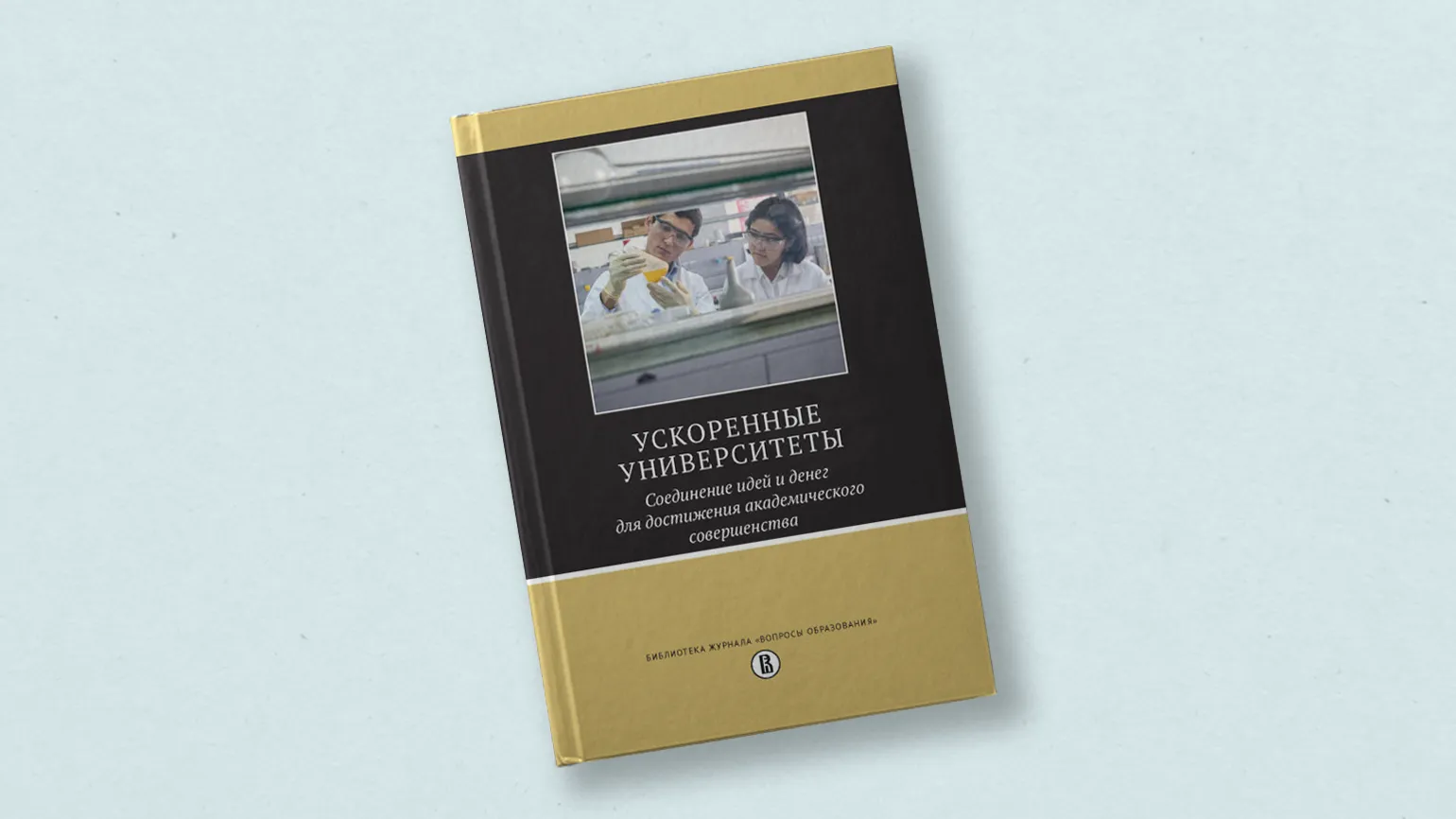
The text will be useful for researchers in the field of higher education and university administrators. It provides up-to-date information and useful recommendations for optimizing educational processes and improving the quality of the learning process. Researchers will be able to find valuable data here for analysis and development of new approaches, and university administrators will receive ideas for effective management and strategic planning.
The collection of cases is based on the materials of a scientific conference organized by the Massachusetts Institute of Technology (MIT) in 2016. The conference was dedicated to the research activities of the world's leading universities, which allows us to collect valuable examples and practices in the field of science and education. This collection is an essential resource for researchers, educators, and students seeking to improve their knowledge and skills in the scientific field.
The primary objective of this collection is to analyze the processes of creation and development of new universities. Particular attention is given to universities that have achieved significant success in a short period, known as "accelerated universities." Research has shown that four key factors contribute to their success: attracting highly qualified specialists, specialization with an emphasis on an interdisciplinary approach to science and technology, the presence of sustainable financial support, and support from government agencies.
The collection presents examples of eight accelerated universities from around the world. One of the key cases is the history of the Skolkovo Institute of Science and Technology, described in detail by Professor Edward Crawley, President and co-founder of Skoltech. This example illustrates a unique approach to education and research that helps develop innovative technologies and start-ups in Russia. Skoltech has become an important center for training specialists who contribute to the economic and scientific progress of the country.

Reading is an important aspect of personal and professional development. It not only develops thinking, but also enriches vocabulary, improves concentration, and promotes emotional development. In today's world, where information is abundant, it's important to choose quality sources. Read books, articles, and research to broaden your horizons and deepen your knowledge in areas of interest. Regular reading helps you stay up-to-date on the latest trends and innovations, which is especially important in the rapidly changing world of technology and information. Don't forget to share your discoveries with others; this can inspire others to read and share their knowledge.
New book: "Universities in Russia" presents a relevant and in-depth analysis of the state of higher education in the country. This publication examines key aspects of university functioning, their role in modern society, and their impact on economic development. The book covers a wide range of topics, including the history of education, current trends, and challenges facing Russian universities. Readers will learn about best practices, innovative approaches, and prospects for the development of higher education in Russia. This publication will be useful not only for students and teachers, but also for anyone interested in educational issues and wanting to understand how universities shape the country's future.
«CRAFT/ed»

This material will be useful for methodologists, instructional designers, teachers and lecturers, as well as anyone interested in creative educational methods.
CRAFT/ed is an innovative algorithm designed to generate original ideas for various classes, courses, and integrated programs consisting of several courses. It is especially useful in situations where traditional approaches fail and the methodologist needs to adapt to non-standard contexts, formats, and learning mechanics. Using CRAFT/ed allows you to create unique educational solutions that meet the needs of students and the modern requirements of the educational process.
This year, the book "CRAFT/ed" was published, which covers in detail the approach of the same name in educational practice. The authors present the key principles of this methodology, provide examples of its successful application, and analyze common mistakes. The main part of the book is devoted to the design of an educational program, covering all stages—from analyzing the problem and defining objectives to evaluating results and correcting deficiencies. This publication will be a useful resource for educators and education professionals looking to improve their curriculum design skills.

Check out more information:
CRAFT/ED is a powerful tool designed for instructional designers that helps streamline the process of creating and editing content. The primary purpose of CRAFT/ED is to simplify design workflows and improve collaboration between teams. It enables educational designers to effectively manage projects, quickly implement changes, and control versions. The platform offers an intuitive interface and a wealth of features, such as integration with popular graphic editors and real-time collaboration. CRAFT/ED is becoming an indispensable assistant for design professionals, allowing them to create high-quality content faster and at a lower cost.
"Intellectual Capital in Different Countries of the World"
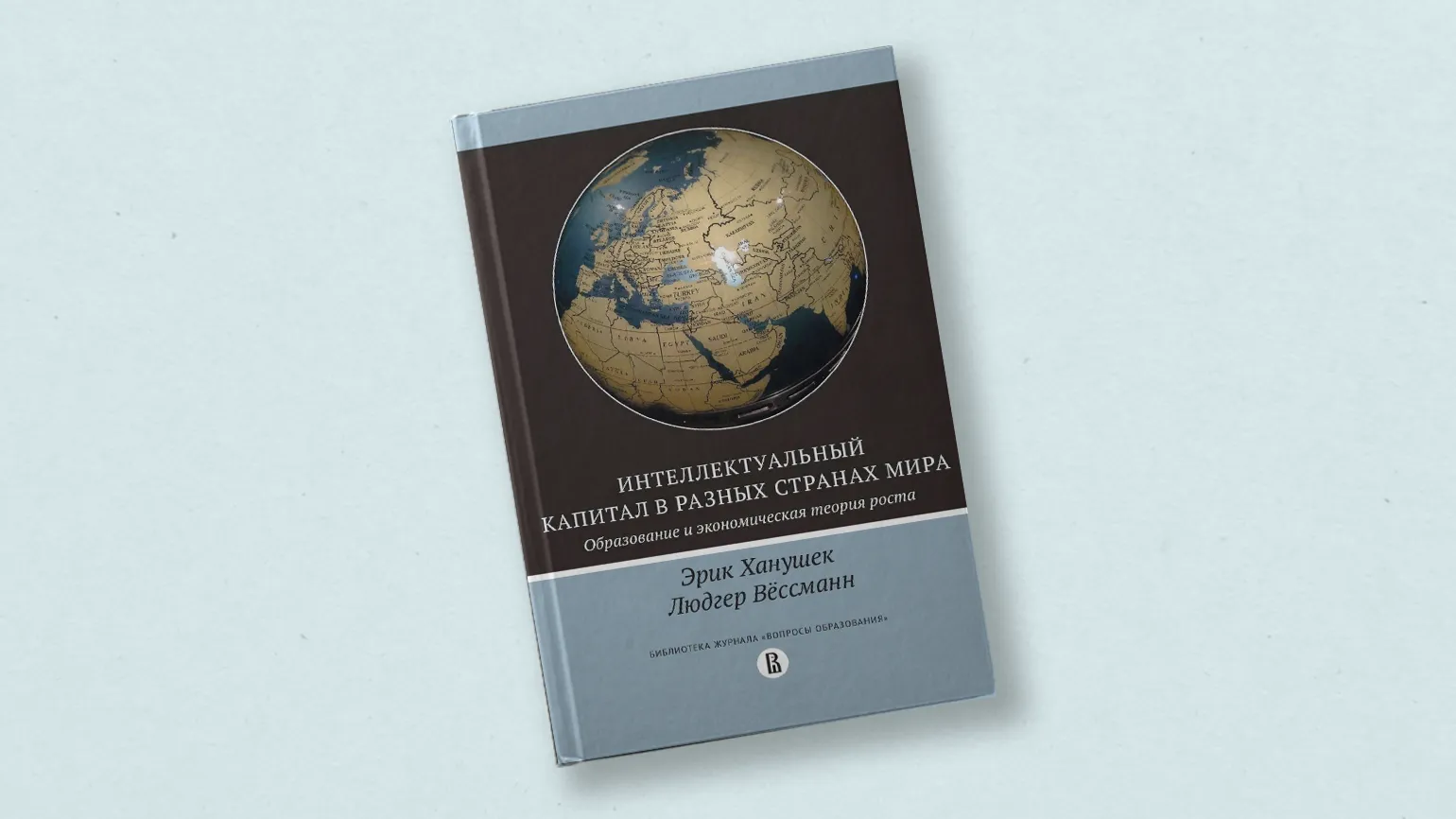
This text will be useful for education researchers and specialists involved in developing education policy.
Economic growth in each country depends on many factors. However, according to economists Eric Hanushek and Ludger Wössmann, the cognitive skills of the population are of the greatest importance for achieving sustainable prosperity. These skills influence not only individual productivity but also the overall competitiveness of the country on the global stage. The development of the population's cognitive abilities promotes innovation and the efficient use of resources, which in turn leads to economic progress and an increase in the standard of living. It is important to invest in education and skills to ensure long-term economic growth and societal well-being.
To confirm this statement, a large-scale study was conducted, which compared indicators of the quality of school education and economic growth in various countries. The developed model was tested using alternative methods for measuring cognitive skills and spanned different time periods. The results confirmed that intellectual capital has a significant relationship with sustainable growth in national well-being.
The researchers presented their work in the book "Intellectual Capital in Different Countries of the World." In this publication, Hanushek and Wössmann analyze methods for assessing the economic impact of educational reforms and propose strategies for increasing a country's intellectual capital.

Read also:
Assessing and improving the quality of general education: expert opinions
The quality of general education is an important aspect of the development of society and the preparation of new generations for life in the modern world. Education experts offer various approaches to its assessment and improvement. The primary methods for assessing the quality of general education include curriculum analysis, evaluation of teaching methods, and monitoring student achievement. Improving the quality of education requires innovative approaches, including the introduction of modern technologies, updated teaching materials, and teacher training programs. Furthermore, engaging parents and the community in the educational process is crucial. Experts emphasize that only a comprehensive approach can lead to significant improvements in the education system and ensure compliance with modern requirements.
"Teaching in Crisis"

This material will be useful for faculty and university administrators, as well as anyone interested in sociological research and generational theory. It provides up-to-date information and analytical tools for understanding the dynamics of social change and its impact on different generations. Research across generations allows for a deeper understanding of cultural and social trends, which can be useful in educational practice and the management of educational processes.
Today's students are truly significantly different from their predecessors. One of the main reasons for this is digitalization, which begins to influence children from an early age. Research shows that the constant use of digital technologies can negatively impact the development of attention and the ability to deeply understand texts. With constant access to information, students may become less able to focus on complex materials and analyze them. This raises important questions about how educational institutions can adapt to new realities and support the development of critical thinking and analytical skills in students.
Some researchers argue that the turning point in education occurred even before the onset of mass digitalization. Vadim Radaev, a sociologist and economist and First Vice Rector of the National Research University Higher School of Economics, analyzes the causes of the current crisis in the education system in his book, "Teaching in Crisis." According to the author, its roots lie in the socioeconomic and political upheavals of the 1980s and 1990s. Since children born during this period require a new approach to learning, Radaev notes that "established teaching methods and habits are often reproduced over the years," which hinders effective learning. This highlights the need to rethink teaching methods in modern education to meet the demands of the new era. Teaching millennials faces a number of challenges, including the rejection of cultural baggage, changes in the requirements for presenting material, shortened attention spans, and unclear motivation. These issues remain unresolved, and with the arrival of the new generation of Zoomers, they are becoming even more pressing. Understanding these changes in educational approaches is essential for effective teaching and adapting methods to modern requirements.
The author deeply analyzes the difficulties that teachers face when teaching modern students and shares his methods for overcoming them.

Reading is an important part of our lives, and it not only entertains, but also Enriches our inner world. Books, articles, and research allow us to delve into new ideas and expand our horizons. To get the most out of reading, it's important to choose a variety of materials that will help develop critical thinking and improve analytical skills. It's also worth paying attention to different genres and styles, which will make the reading process more engaging and informative.
Don't forget to share your impressions of what you've read. Discussing books with others can deepen your understanding of the topic and open up new perspectives. Reading not only shapes your personality but also helps develop communication skills, which are crucial in today's world.
Maintain the habit of reading, and you can significantly improve your knowledge and quality of life.
A university professor is a teacher who not only imparts knowledge but also develops critical thinking in students, develops their creativity, and prepares them for professional life. An interview about the teaching profession reveals key aspects of this important role in the educational process. A professor doesn't just teach classes; they inspire students, help them discover new horizons, and master complex topics. Key qualities of a university professor include deep knowledge of their field, communication skills, and a desire to continually learn. The teaching profession requires not only academic competence but also emotional engagement, which makes this profession one of the most significant in modern society.
«Polymath»

This text will be useful to anyone interested in personal development, giftedness, as well as history, philosophy, and culture. These topics foster a deep understanding of human nature and abilities, help unlock potential, and develop critical thinking. Discussing these aspects enriches knowledge and forms a holistic view of the world, which is especially important in modern society.
Polymaths are multi-talented individuals who have achieved success in various fields, such as science, art, and crafts. These people have the ability to deeply explore a variety of topics and subjects, without limiting themselves to a narrow specialization. A striking example of a polymath is Leonardo da Vinci, who is renowned as an artist, scientist, and inventor. Polymaths are able to combine knowledge from different fields, which allows them to find unique solutions and make a significant contribution to the development of culture and science.
Polymaths with broad knowledge in various fields have existed since ancient times and continue to appear in the modern world. However, this phenomenon remains understudied. Therefore, the book by British historian Peter Burke, "Polymath: A History of Universal Men from Leonardo da Vinci to Susan Sontag," is an important source of information. In his study, the author seeks to answer key questions about the uniqueness of polymaths, their possible classification, as well as the influence of socio-economic conditions and technological progress on the development of "universal men." The book offers an in-depth analysis that will help readers better understand the role of polymaths in history and modern times.
Burke analyzes three crises of scholarship that occurred in the 17th, 19th, and 21st centuries in the context of polymathy. Each of these crises was associated with the mass dissemination of knowledge: first through printed books and then through digital technologies. For now, the consequences of this digital revolution remain unpredictable, highlighting the importance of understanding its impact on modern society and education.
Revised text:
Discover engaging and relevant content to help you stay up-to-date on the latest developments and trends. Our materials cover a wide range of topics, providing you with valuable information and helpful tips. Don't miss the opportunity to deepen your knowledge and broaden your horizons. Read our articles and stay up-to-date.
Read also:
- 5 books on how to motivate learning
- 6 books on how to teach adults
- 5 books on modern pedagogical approaches and teaching methods
- 5 useful books for those who teach children and want to do it even better
Methodologist Profession from Beginner to Advanced
You will develop skills in developing curricula for online and offline courses. You will master modern teaching practices, structure your experience, and become a more sought-after specialist.
Find out more