
Contents:

Learn: The Profession of a Methodologist from Scratch to PRO
Find out moreFull title: "Russian Teaching. Everyday Life of Teachers of Zemstvo Schools, Gymnasiums, and Realschule. 1870-1916". This publication provides an in-depth analysis of the life and work of teachers in Russia at the turn of the 19th and 20th centuries. The book examines not only professional aspects but also personal stories, daily concerns, and challenges faced by teachers. The study covers various educational institutions, including zemstvo schools, gymnasiums, and realschule (real schools), providing a comprehensive understanding of the education system of the time. In analyzing the materials, the authors pay attention to the social, cultural, and economic conditions influencing teachers and the educational process. This publication will be useful both for researchers of the history of education and for anyone interested in the development of teaching practice in Russia.
Novy Chronograph Publishing House specializes in publishing high-quality literature covering a wide range of topics. We strive to provide readers with unique and relevant works that inspire and enrich their knowledge. Our team of professionals carefully selects authors and works to ensure high content standards. Novy Chronograph is your reliable source of interesting and informative literature that will become an important part of your library. We are actively developing and open to new ideas and projects, ready to collaborate with authors and publishing specialists.
Year of publication: 2010.
The year 2010 witnessed numerous significant events across various spheres of life, including technology, culture, and sports. This year witnessed the release of new innovative products, such as smartphones and tablets, which transformed consumer habits. In the film industry, audiences enjoyed successful premieres, and in music, new stars emerged and conquered the charts. Sporting events, such as championships and tournaments, attracted millions of viewers and left unforgettable impressions. The year 2010 left a significant mark on history, shaping trends that continue to influence modern society.
The 1870s in Russia marked a key stage in the development of education, when learning became widespread and accessible to all segments of the population. However, this only applied to primary education, which included reading, writing, arithmetic, and the study of the Scriptures. The main institutions providing this education were zemstvo schools, which remained the most widespread educational institutions in the country until the 1917 Revolution. Along with this, there were fee-paying gymnasiums and real schools, which provided a high school-level education and prepared students for civil service and university entrance. This period became the foundation for the formation of the education system in Russia and contributed to the increase in literacy of the population.
Teachers worked in zemstvo schools and gymnasiums, but they were united only by the teaching process itself. Other aspects of their work varied significantly: social and financial status, approaches to teaching, and relationships with students and their parents. This diversity influenced the educational process and formed unique conditions for each educational institution.
To understand the lives of gymnasium and zemstvo teachers, their social role and motivation for choosing a profession, Igor Zubkov, a candidate of historical sciences, conducted extensive historical research. He examined unpublished documents from central and regional archives, as well as the diaries and memoirs of teachers and their students. This research formed the basis of the book "Russian Teaching," which illuminates important aspects of the life and work of Russian educators.
The book is divided into two main chapters, each dedicated to a distinct category of teachers. The first chapter examines zemstvo teachers, and the second examines teachers at gymnasiums and real schools. The author analyzes in detail the legal and financial status of these groups. For example, gymnasium teachers had incomes sufficient to support servants and pay for university education for their children. At the same time, the income of zemstvo teachers was six times lower, which made their financial situation less stable than that of skilled workers.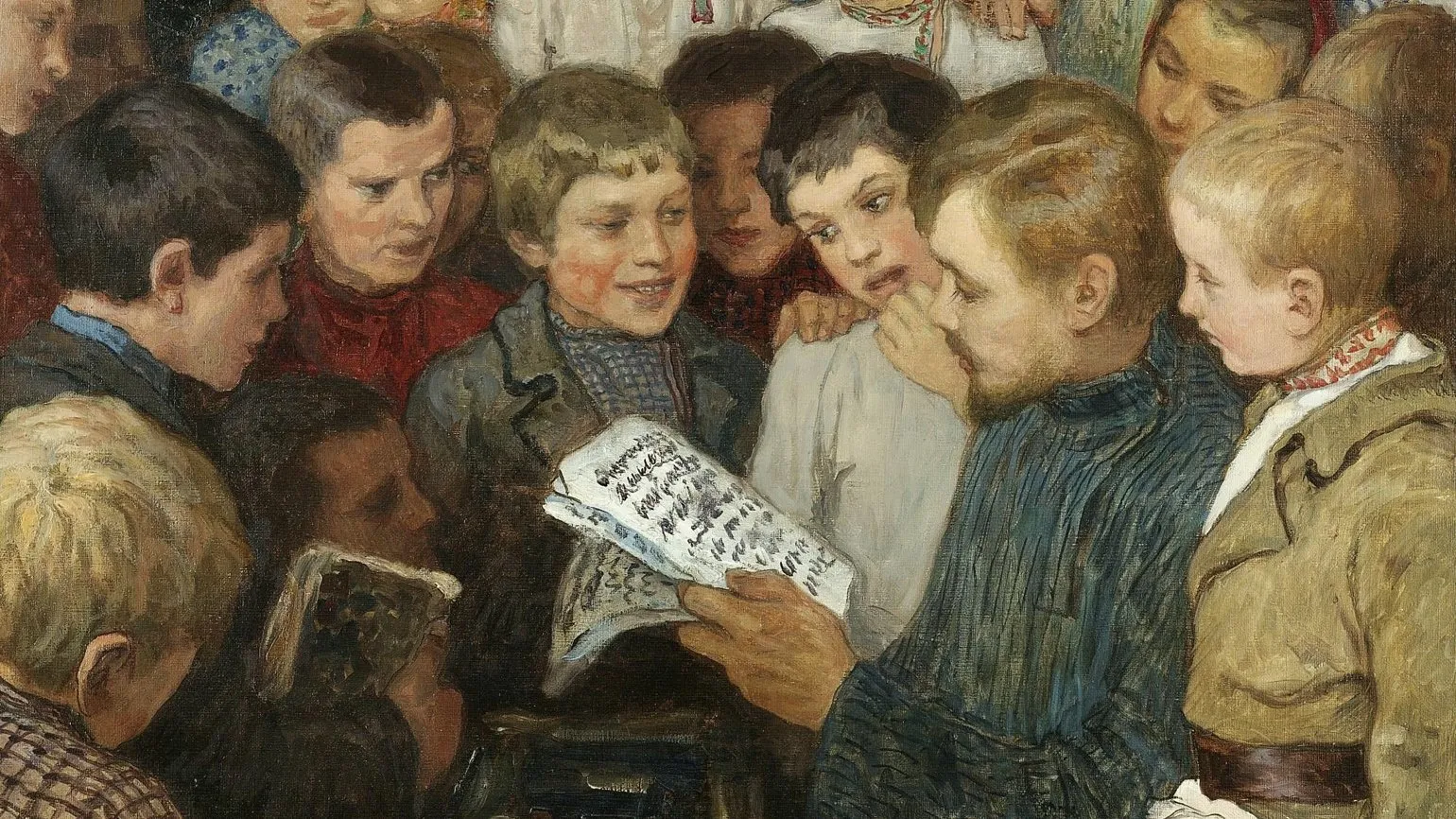
Igor Zubkov provides a social profile of various groups of teachers, analyzing their choice of profession, the specifics of their teaching activities, and their relationships with students. In this context, a significant difference between teachers in gymnasiums and rural schools is evident. In gymnasiums, teachers tend to maintain formal and detached relationships with students. In contrast, in rural schools, interactions between teachers and students are characterized by greater simplicity and intimacy. This is largely due to the fact that many zemstvo teachers came from a peasant background, and the environment in rural schools differed significantly from that in urban areas. The author cites examples of teachers who had to not only teach children but also care for them, teaching them hygiene rules, providing medical care using improvised means, and helping with clothing repairs.
In his journalism and memoirs, Igor Zubkov identifies two main categories of teachers based on their attitudes toward the profession. The first category includes "ordinary teachers" or "lesson-givers" who show little interest in their work, which negatively impacts the effectiveness of teaching. According to the author, this group is dominated by gymnasium teachers. The second category is "teachers by vocation" or "devotees" who are aware of their important role in the education and upbringing of youth. These teachers create communities and develop norms of professional ethics. "Devotioners" are most often found in zemstvo schools, where young intellectuals with a populist worldview often come to teach. Zubkov emphasizes that such a sincere approach to education had a significant impact on the cultural development of rural society and contributed to its modernization.This text will be useful for those interested in the history of education, as well as the everyday life and social life of people in the past. Here you can find information about how educational systems developed, what impact they had on society, and how social norms changed over time. Studying these aspects allows us to better understand how cultural and social structures were formed, as well as how historical events influenced the daily lives of people in different eras.
Read also:
- How much did teachers earn and how did they live in the Russian Empire
- Bookshelf: "Everyday life of a Russian school from monastic teaching to the Unified State Exam"
- How populist students opened secret schools 150 years ago
- "Our gymnasium was renowned as a leading educational institution"
The Profession of Methodologist from Scratch to PRO
You will improve your skills in developing curricula for online and offline courses. Master modern teaching practices, structure your experience, and become a more sought-after specialist.
Find out more