Contents:

Learn: The Profession of Methodologist from Scratch to PRO
Learn More
With over 15 years of experience in creating and implementing educational projects in the field of high technology, I am an expert in project-based learning. My activities include the authorship of courses and teaching aids on topics such as robotics, the Internet of Things, and digital technologies. I develop and implement educational programs at institutions such as Moscow Institute of Physics and Technology, the British Higher School of Art and Design, and the Coursera platform, including the eNano project. My experience also encompasses the development of automation systems and non-industrial robotics. I organized the first robotics festivals in Russia and developed and led the all-Russian program "Robotics: Engineering and Technical Personnel for Innovative Russia." My work is aimed at developing a technological workforce for the country's innovative development. This text, published with Alexey's permission, is from his personal blog on Facebook. This post discusses the main obstacles that hinder effective project work in educational institutions.
Teaching schoolchildren to create projects is possible. Project-based learning in schools promotes critical thinking, creativity, and teamwork skills. The introduction of project-based learning allows students to apply theoretical knowledge in practice, which increases their interest in learning and deepens their understanding of subjects.
For successful project-based learning, it is important to create a supportive educational environment where students can freely express their ideas and experiment. This includes the use of modern technology, access to resources, and the active involvement of teachers in the process.
Project-based learning also develops planning, organization, and presentation skills, which are important for future professional work. Thus, the introduction of project-based learning into the school curriculum is an important step in preparing students for real-life challenges and the demands of modern society.
In project management, a project is a process during which a specific result is achieved within a specified timeframe. Developing project-based skills, as outlined in the Federal State Educational Standard, emphasizes the ability to achieve results and improve personal effectiveness in various areas of life. Project management promotes critical thinking, organization, and responsibility, which are key aspects of successful project implementation.
At one respected school, a discussion was held about the reasons for the difficulties associated with introducing a project-based approach into the educational process. Participants discussed why projects and project-based activities often boil down to imitation rather than genuine development of students' skills and knowledge. The main problems include insufficient teacher training, a lack of clear project evaluation criteria, and low levels of student engagement. Effective strategies are needed to overcome these barriers and create an environment conducive to genuine mastery of the project-based method.
I have three compelling reasons:
Teacher effectiveness, including achieved educational outcomes, is not a mandatory requirement.
Teachers must implement the educational program, while the results of the Unified State Exam (USE) and Basic State Exam (BSE) have an indirect impact on teaching achievement. It is important to understand that success in exams does not always reflect the quality of the educational process. Effective teaching requires a comprehensive approach, focusing not only on final tests but also on developing students' knowledge and skills throughout the school year.
Efficiency is not always associated with achieving results. However, striving for efficiency does make life easier. When you work more efficiently, it allows you to reduce the expenditure of energy and stress. Why not use the opportunity to be efficient for your own comfort? By improving your work processes, you create a more pleasant environment for yourself and make it easier to complete tasks. Therefore, it is worth considering what prevents you from striving for efficiency not only for the result, but also for your own convenience.
The situation is reminiscent of the well-known proverb: "No time to sharpen the saw - let's get to work." This expression emphasizes the importance of setting aside time for preparation and streamlining processes, even if it seems like there is no time for it. Properly organizing the workflow and regularly updating skills are key to achieving high results. Without proper preparation, efficiency can decline significantly, which ultimately impacts the quality of the work performed. Therefore, it's worth remembering: investing time in improving your tools and skills is always worth it and will lead to better results.
The third reason was unexpected: as Dmitry Anatolyevich noted, teaching is a calling and a mission. A true teacher sincerely believes that freeing up time thanks to more effective educational technologies leads to a feeling of inadequacy. Properly organized project activities can significantly reduce the workload of a teacher. As a result, if a teacher doesn't experience fatigue, they may feel they haven't fulfilled their mission properly.
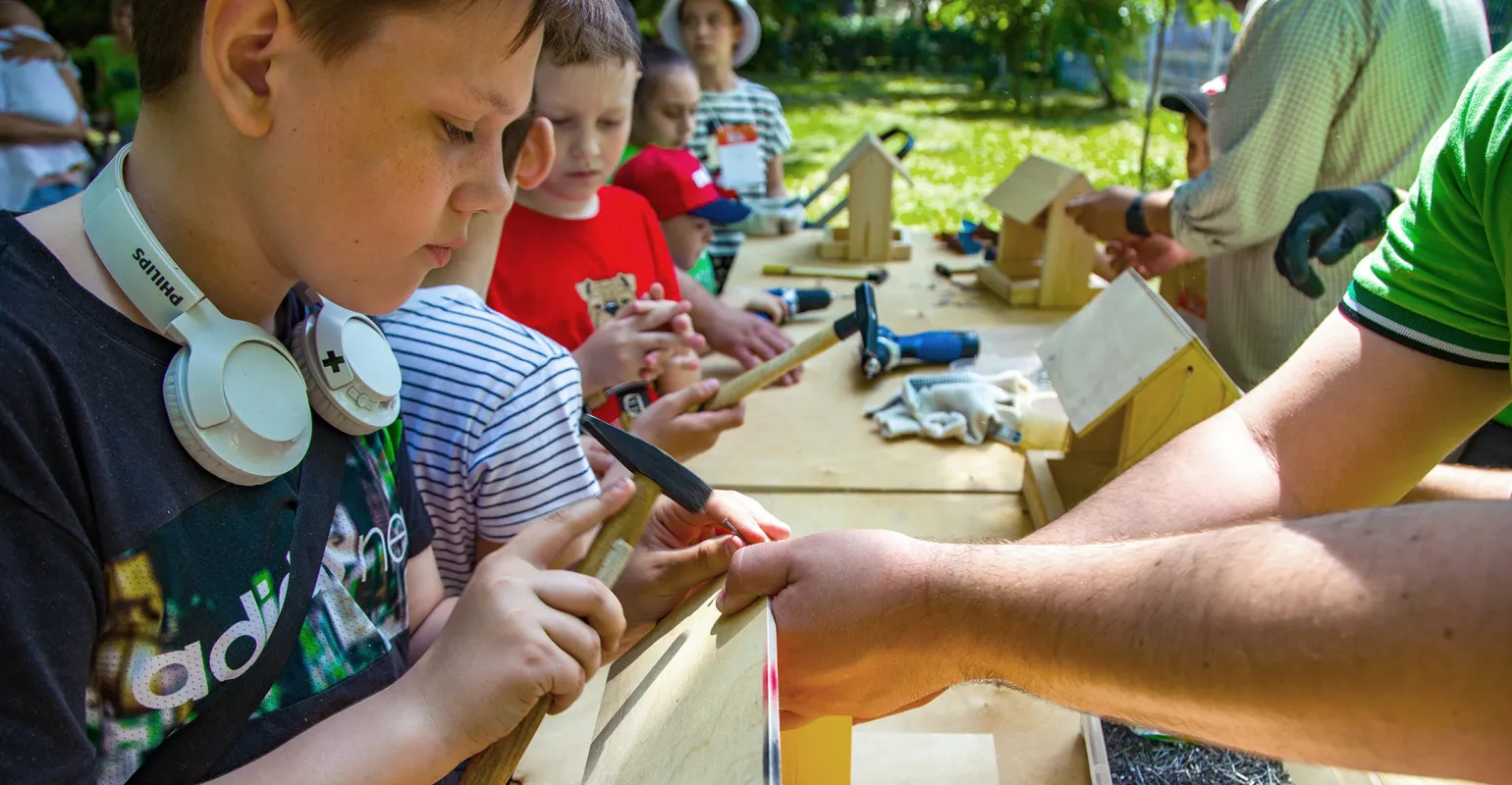
The word "project" has many meanings, and "making a birdhouse" can be understood not only as the end result but also as a process that includes a presentation. This approach is beneficial for all participants, as it shifts the focus from the final product to the idea itself and active involvement in its creation.
Read also:
- How is the IKEA effect being used in education?
- Do teachers believe that student success depends on them?
- How TRIZ pedagogy helps develop thinking?
A court has ruled to ban Meta Platforms Inc. from operating the Facebook and Instagram social networks in Russia. This decision stems from accusations of extremist activity, which in turn calls into question the legality of these platforms in the Russian Federation.
With Alexey's permission, we are publishing his post from his personal Facebook blog, in which he discusses the barriers to effective project work in schools. Alexey shares his observations on the factors that can negatively impact project implementation and suggests possible solutions for improving the educational process. It is important to pay attention to organizational issues, lack of resources, and lack of time, which often become barriers to successful project work. Understanding these issues will help create a more productive environment for students and teachers, promoting creativity and initiative in school learning.
The Methodologist profession from scratch to PRO
You will improve your skills in developing curricula for online and offline courses. Master modern teaching practices, structure your experience, and become a more sought-after specialist.
Find out more