Contents:
Learn: Profession Methodist from scratch to PRO
Learn moreHow can distance learning students effectively integrate into a profession that requires teamwork and practical skills? Project-based learning (PBL) is the answer. As an example, consider the "Video Workshop" launched at Skillbox as part of the "Film and Music" course. In this project, students have the opportunity to create films, music videos, and TV series, allowing them to gain valuable experience that brings them closer to real-life working conditions in the video industry. However, the principles behind this workshop can be applied to other fields as well. We have identified the key stages of the project implementation and drawn conclusions that will help effectively adapt similar initiatives in various practical areas.
- What is important to consider when developing the project outline and the program itself;
- How to form teams for a group project (should I help them or let them form their own?);
- How to incorporate learning into project work.
Project-based learning is a methodology that emphasizes the implementation of real-world projects in the educational process. This approach allows students to develop the skills necessary to solve practical problems and promotes deeper assimilation of the material. Within the framework of project-based learning, students work in groups, which develops team spirit and the ability to collaborate.
Furthermore, this method develops critical thinking and creativity, as students are faced with real-world problems and must find effective solutions. Project-based learning also helps improve communication skills, as project participants regularly discuss ideas, strategies, and the results of their work.
The introduction of project-based learning in educational institutions helps prepare specialists who are able to adapt to the rapidly changing conditions of the modern world and effectively apply their knowledge in practice.
What is project-based learning?
Constructivism is the basis of this approach, where students do not simply receive knowledge from the teacher, but actively "collect" it, based on their own experience under his guidance. In this case, the emphasis is on group projects, which contributes to the development of collaboration and teamwork skills. Students learn to interact with each other, exchange ideas and find solutions together, which strengthens the learning process and makes it more effective.
In project-based learning, students have the opportunity to develop their own projects. These projects can take various forms, including research, informational, creative and others. A key aspect of successful design is the application of basic principles that promote effective learning and skill development. It is important to consider factors such as clearly setting goals, planning implementation stages, as well as collaboration and exchange of ideas between project participants. This not only helps deepen understanding of the topic, but also develops critical thinking and creativity in students.
- Authenticity. Projects can solve a social, personal, or professional problem, but in any case, it must be important to students. Moreover, both the solution process and the result must meet the requirements of real life.
- Staging. In the process of creating a project, students go through a certain sequence, which must not be violated.
- Teamwork. Typically, group projects are created in small teams - this helps develop soft skills such as communication, empathy, the ability to work in a group, critically evaluate information and draw conclusions based on it.
- Constraints. As in life, a project has conditions set for the participants, regulations for completing a particular stage, as well as time frames.
- Feedback. Without this point, project-based learning simply does not make sense. Reflection and a thorough discussion of the results are essential during the process.
Project-based learning can vary depending on the area of expertise and application. It can be part of a course or a stand-alone activity, mandatory or optional. At Video Workshop, the project complements the core creative curriculum in screenwriting, producing, film and sound engineering, music, and other disciplines. Students from various creative fields form teams, working on group projects that simulate real-life working conditions in the industry. This helps develop the skills of collaboration, creativity, and practical application of knowledge necessary for a successful career in the creative professions.
We carefully organized the project, considering all key aspects for its successful implementation. Our team analyzed requirements and goals, which allowed us to create a clear action plan. We focused on effective communication within the team and with stakeholders to ensure transparency at every stage of the work. In this way, we ensured a high level of coordination and control, which significantly increased the chances of successfully completing the project within the established deadline.
Forming the Project Outline
Our students are typically beginners, and the wide scope for creativity can sometimes leave them confused. Therefore, we decided to determine the format for each season of our workshop in advance. In the first cohort, students created feature films, in the second - documentaries, in the third - music videos, and the current cohort is focused on creating TV series. We also impose thematic restrictions; for example, the documentary cohort worked exclusively on portrait films. This approach allows us to channel the students' creative energy and promotes their professional development in various film genres.
It is important to keep in mind that the project is part of the educational process, and its deadlines should correspond to the intensity of the main course, without exceeding the established framework. Completion dates must be realistic and achievable. For this reason, we set time limits for the film products we create. For example, a feature film or documentary can be no longer than 15 minutes, and a music video no longer than three minutes. These formats are perfectly feasible to film and edit in three months, which is the optimal timeframe. However, in the current pipeline, we decided to experiment and set a more challenging goal, allocating almost five months for the series' creation.
To successfully complete an academic project, students need mentors. It is important that these mentors are experienced professionals willing to share their knowledge with newcomers. When selecting external expert mentors, we focused on those who are truly willing to devote time to students and share their experience. This allows students not only to receive valuable advice but also to develop practical skills in their field.
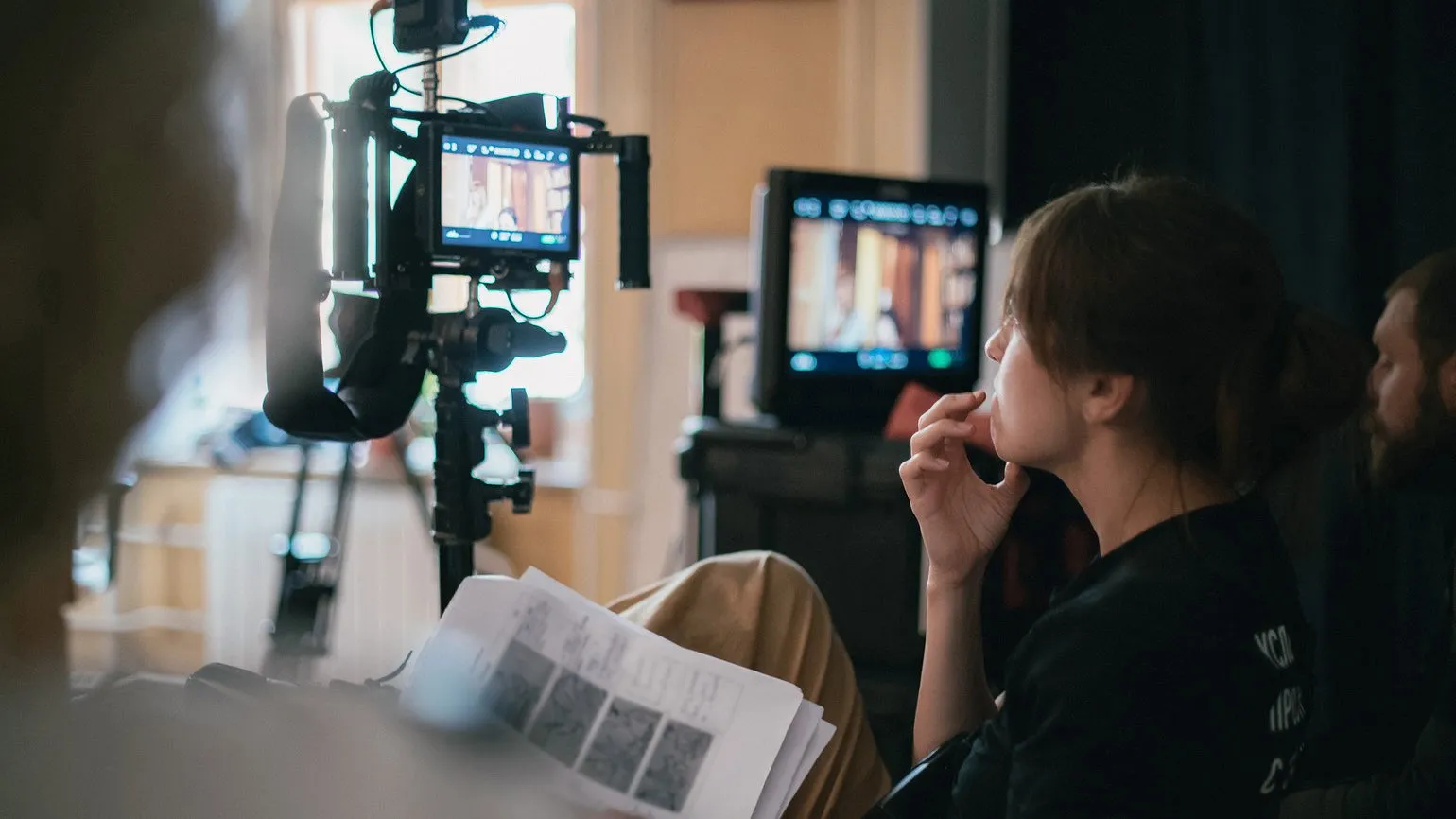
The project team has a mentor who is responsible for overall control and direction work, overseeing the process from concept to implementation. These mentors, acting as directors, may work with several teams simultaneously. Additionally, there are subject mentors who supervise specialists in specific roles. For example, a scriptwriter mentor works with scriptwriters from all teams, and a cameraman mentor with cameramen. Project participants can turn to them for advice on their area of work, which contributes to a higher-quality result. Mentors play a key role in helping students plan and organize their projects. They accompany students at every stage, providing guidance and support, which facilitates the successful completion of learning tasks. Mentoring helps not only in mastering the subject but also in developing time and project management skills.
Program Development
Vocational training and education (VTE) is valued for its ability to simultaneously develop both hard and soft skills in students through teamwork. Our "Video Workshop" also promotes skill development on two levels: it provides in-depth mastery of technical skills related to video production and develops interpersonal and teamwork skills. This allows students not only to master the necessary knowledge but also to learn how to interact effectively in a group, which is an important aspect in today's professional world.
- Application and development of professional knowledge and skills. This is a standard part of the program; it includes the actual workflow on the project, consultations with mentors, and joint group discussions of what is working (or not working).
- Development of soft skills. This part of the program is not always obvious, but it is important. This includes teamwork (for many students, this is their first experience participating in a creative project in a new role), the ability to present their ideas, and receive and give feedback.
The workshop format does not imply a rigid program plan. At the beginning, we hold several synchronous meetings during which we closely observe the participants: we study their needs, desires, and any questions that arise. Based on the information gathered, we can adapt the emphasis and change the order of the classes if participants simply need to relax or work on specific professional skills. We create a supportive environment that promotes their development and effective work.
The training within the project is organized in a blended format. Group classes are held synchronously online, usually via the Zoom platform. Filming takes place offline. A separate period is allocated for filming, during which participants can independently plan the time and method of filming. Communication with mentors occurs outside of classes in specially created chats, which vary depending on the discipline, such as directing or screenwriting. The format of the teams' work depends on their geographic location: if participants are in the same city, they can meet in person, but if they are in different cities, they interact online. This approach provides flexibility and convenience in training and collaboration.

Read also:
Creating an online course that will be useful for both beginners and experienced users requires a thoughtful approach. It is important to determine the target audience and their needs. Start with research to understand what topics your audience is interested in and what skills they want to develop.
Develop a course structure that includes both basic concepts and advanced topics. This will allow beginners to start with the basics, while more experienced participants can delve into complex aspects. Use a variety of learning formats, such as videos, text materials, interactive assignments, and quizzes, to maintain student interest and engagement.
Make materials accessible across devices so students can learn in a format that suits them. Regularly collect feedback and adjust the course based on user feedback. This will help you improve the quality of learning and meet the needs of both beginners and experienced users.
Use SEO optimization when creating content for your course. Include topic-related keywords in descriptions, titles, and meta tags. This will help attract more students through search engines. Use social media and other platforms to promote your course to increase its visibility and accessibility to potential learners.
Project Participant Selection
A key feature of PBL is that its successful completion requires independent and motivated students with specific professional skills. Unfortunately, such students are few and far between among those enrolled in massive online courses. Therefore, we decided to select Video Workshop participants on a competitive basis. This will attract the most motivated students who already possess certain skills. However, this process proved more complex than we expected.
For each course track, we develop unique test assignments. Students can complete them at any stage of their studies, provided they have the necessary basic skills. For example, screenwriters create short stories, and directors analyze films. The assignments are regularly updated for each new cohort. Answers are reviewed by multiple mentors, ensuring high-quality feedback and support for students throughout the learning process. Developing assessment criteria for creative assignments is a complex, but crucial task. Our experience shows that after the results are announced, some participants may express dissatisfaction with their grades. To avoid such situations, each participant receives an individual analysis of their work, highlighting both strengths and weaknesses. We also organize a general webinar in which we explain our position and approach to assessment in detail. This allows participants to better understand how they can improve their skills and achieve success in future projects. Despite careful selection, not all workshop participants complete the project. During the project, someone may leave the team, requiring the search for alternative solutions for completing the work. For example, one team may include a participant from another group, or a new person from outside the team may join the project. Thus, competitive selection is important, but one should not expect that it will provide a complete guarantee of successful completion of the work.

Read also:
Problem-based learning (PBL) is a method of the educational process that focuses on solving real and practical problems. Unlike traditional approaches that emphasize memorization of theoretical knowledge, PBL enables students to develop critical thinking, analytical skills, and teamwork.
With this method, students work in groups, face a specific problem, and explore various solutions. This approach fosters a deep understanding of the material and helps apply theory to practice. Problem-based learning is actively used in medical, engineering, and educational institutions worldwide, as it promotes active student engagement in the learning process and develops the skills necessary for successful professional work.
Furthermore, PBL promotes independence and responsibility for one's own learning, making it particularly relevant in the modern educational context. Incorporating problem-based learning into the curriculum can significantly enhance student motivation and improve knowledge acquisition.
Team Building
Each team has six key roles necessary for successful filmmaking: screenwriter, producer, director, editor, sound engineer, and cameraman. It's important to note that our students do not act. We recruit actors separately, using special public groups and collaborating with fellow students outside the workshop. This ensures high-quality performances and the creation of a professional film.
In our research, we found that "team spirit" significantly impacts learning effectiveness. A cohesive team can transform even a less-than-perfect script into an outstanding film, while even the best ideas can fail without team harmony. Building and maintaining strong bonds within a team is key to achieving successful results in training and project work.
We spent a long time searching for the optimal approach to team formation, and in the first cohort, we decided to handle this ourselves. We paired participants based on their detailed questionnaires. Key factors included geographic proximity, as the camera operator and director must be close to each other for effective work, as well as creative preferences and a desire to collaborate with specific individuals. As a result, we took into account many parameters, which helped create harmonious and productive teams.
The experience was mixed: about half of the teams successfully completed the project, but overall satisfaction was low. Many participants expressed dissatisfaction, as they were eager to work with a screenwriter who was the star of their course. However, this screenwriter could only be assigned to one team, which caused dissatisfaction among the other participants. In subsequent cohorts, we decided to change our approach. We encouraged participants to form their own teams, increasing the time for preliminary acquaintance and establishing a corresponding procedure. This approach contributed to more harmonious interactions and increased participant satisfaction.
Reworked text:
Also study:
Networking in an online course plays an important role in creating useful connections and exchanging experiences between participants. For effective networking, you should use various tools and strategies. First, it's important to create a communication platform where participants can interact with each other. This could be a dedicated chat, forums, or social media groups.
Second, it's important to organize interactive activities such as webinars, discussions, and group projects. These formats encourage active participation and deeper connections between course participants. It's also worth encouraging the exchange of contact information so that students can continue communicating after the course's completion.
Equally important is creating a mentoring system where more experienced participants can share their knowledge with newcomers. This not only strengthens connections but also creates an atmosphere of support and collaboration. It's important to remember that active participation in discussions and group assignments helps develop your network and enhance the value of the online course.
Finally, organized networking in an online course requires a systematic approach and the use of a variety of methods to foster effective interactions between participants. This will not only enhance learning but also expand each student's professional horizons.
Each participant begins by creating a business card, which includes a video chat with a brief introduction, a whiteboard card indicating the city, goals, and expectations for the project, and a short group presentation at the beginning of the work. After this, we encourage participants to establish contact with their fellow workshop participants. For example, a director might approach two or three screenwriters whose ideas they are interested in to discuss the story concept and offer their creative solutions. This process fosters deeper interaction and the exchange of ideas among participants, which in turn improves the quality of the final product.
Students successfully complete the team-building task thanks to this preliminary introduction. This contributes to an increase in the number of teams reaching the finish line, as participants feel a greater sense of responsibility for the overall result. However, some students have difficulty finding a team, and we provide them with the necessary assistance.
For students, the process looks like working on a project, but for us, the designers, it was important to integrate the development of soft skills into the program. We took into account the following aspects:
- Role assignment. Everyone should have a clear understanding of their tasks and responsibilities in the team—this is the key to well-coordinated work and prevents a lot of conflicts. Therefore, we discuss with participants exactly what they will be doing and who is responsible for what. Moreover, we offer them separate meetings and discuss interactions.
- Team well-being. It is worth periodically conducting surveys among participants to get an idea of the atmosphere in the teams. We do this. This helps to identify unpleasant situations early: that work has stalled in one group, or a conflict has arisen. In such cases, we separately discuss possible solutions, and sometimes even reschedule a lesson on a certain topic to devote more time to the problems that have arisen.
- Creating conditions for interaction. Cheat sheets, checklists, and forms, which we prepare in advance, serve this purpose.
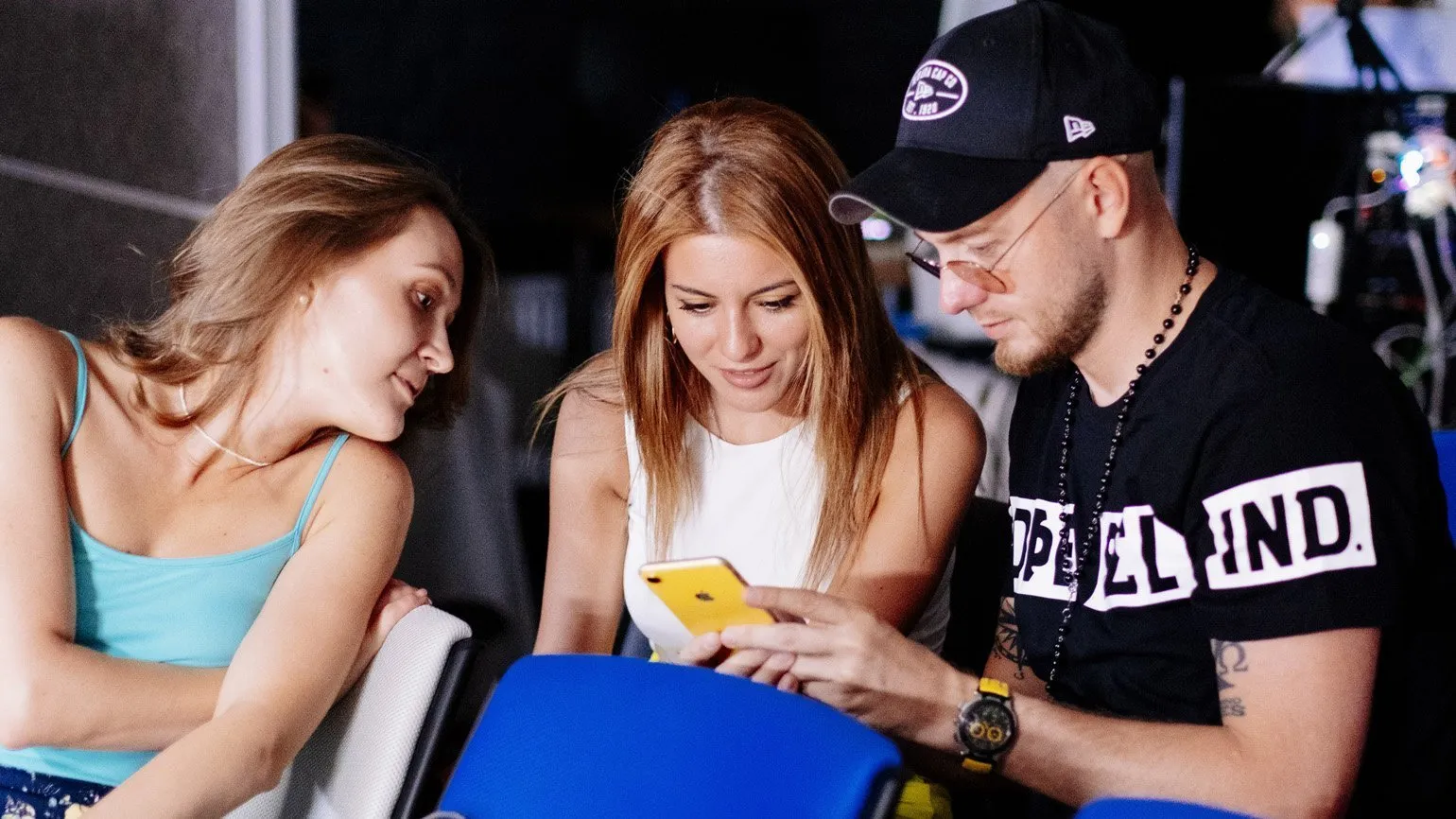
Maintaining a unified learning space for the entire class is a key aspect of our educational process. In classes, we actively encourage teamwork. Students not only receive feedback but also learn to give it to their colleagues, share ideas, and participate in the analysis of others' projects. This process becomes an important part of learning and promotes the development of collaboration and critical thinking skills.
Organization of the educational process
Training is integrated into the project work process. Each stage of filmmaking is a hands-on learning experience. Here are the key elements of this process:
- Kick-off meetings for workshop participants. Students complete individual homework assignments, discuss their ideas, and observe each other. At the end of these meetings, teams are formed.
- Scriptwriting and pre-production class. It is clear that at each stage, different participants are involved to a greater or lesser extent. For example, at the first stage, it is the scriptwriters, and at the pre-production stage, it is the directors and cameramen. We welcome everyone getting involved in the work, but we do not insist on it.
- Filming period. Once preparation is complete, we give two weeks for filming. The students have complete freedom of action, and we even ask the mentors not to interfere during this time (sometimes they really want to).
- Post-production. Footage from various editing stages is discussed in groups, and mentors provide their recommendations.
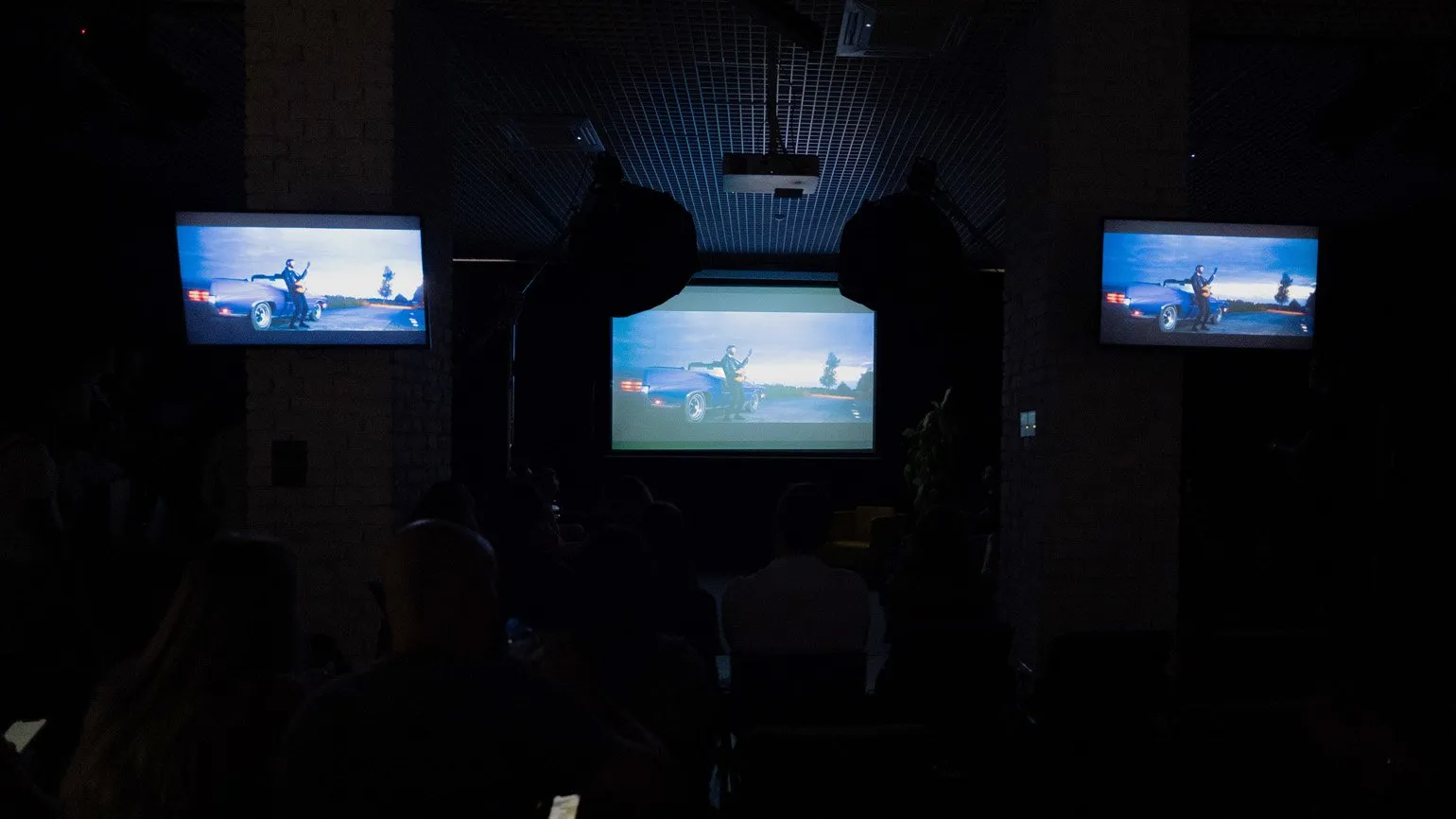
- Project Presentation. Workshop participants show their completed work to mentors and invited experts. Since they are unfamiliar with the participants, they provide the most objective assessment. Plus, everyone has the opportunity to see their film on the big screen (and get a lot of emotions from it!).
- Further Life of Projects. The workshop final is only the first stage; students then independently submit applications to festivals and competitions and promote their films.
At all stages of training, we organize 1-2 classes per week, except during filming. As part of the course, we examine in detail various approaches to filmmaking, provide practical exercises, conduct pitching and brainstorming sessions. This helps develop creative skills and deepen understanding of the filmmaking process.
We use the "flipped classroom" method for teaching theory. Students watch film excerpts or modules of the main course in advance of the workshops. This allows us to avoid wasting time on theoretical explanations during group meetings and focus exclusively on practical activities. This approach promotes a deeper understanding of the material and the effective acquisition of practical skills.
We adhere to a number of principles that enable us to conduct classes as effectively and intensively as possible. These principles help our students achieve high results and develop essential skills. We emphasize the practical application of knowledge, which facilitates a deeper understanding of the material. Furthermore, we provide an individual approach to each student, taking into account their level of preparation and learning goals. Constant feedback and support at every stage of the learning process also play a key role. We strive to create a comfortable and motivating atmosphere conducive to active learning and self-improvement.
- Clear Timing. Students and mentors must be kept on their toes during synchronous online meetings due to the nature of creative work—it is difficult for them to keep track of time during communication. Timing alone isn't enough; a moderator is also needed, in our case, a course methodologist or producer.
- Mixed teams. During synchronous group meetings, we often bring together people from different teams. They share their work, receive feedback, and then bring it back for discussion within their team. This helps them see the process from an outside perspective, receive criticism or ideas, and recognize the mistakes and successes of others.
Filming a film is an expensive process, and film school students often finance their projects themselves. We begin with a team discussion to determine available opportunities and resources, as well as determine the optimal budget for each project. Our school actively supports students, offering discounts and assistance in arranging arrangements. Students often turn to their classmates and friends for help, which helps reduce costs and make the process more efficient.
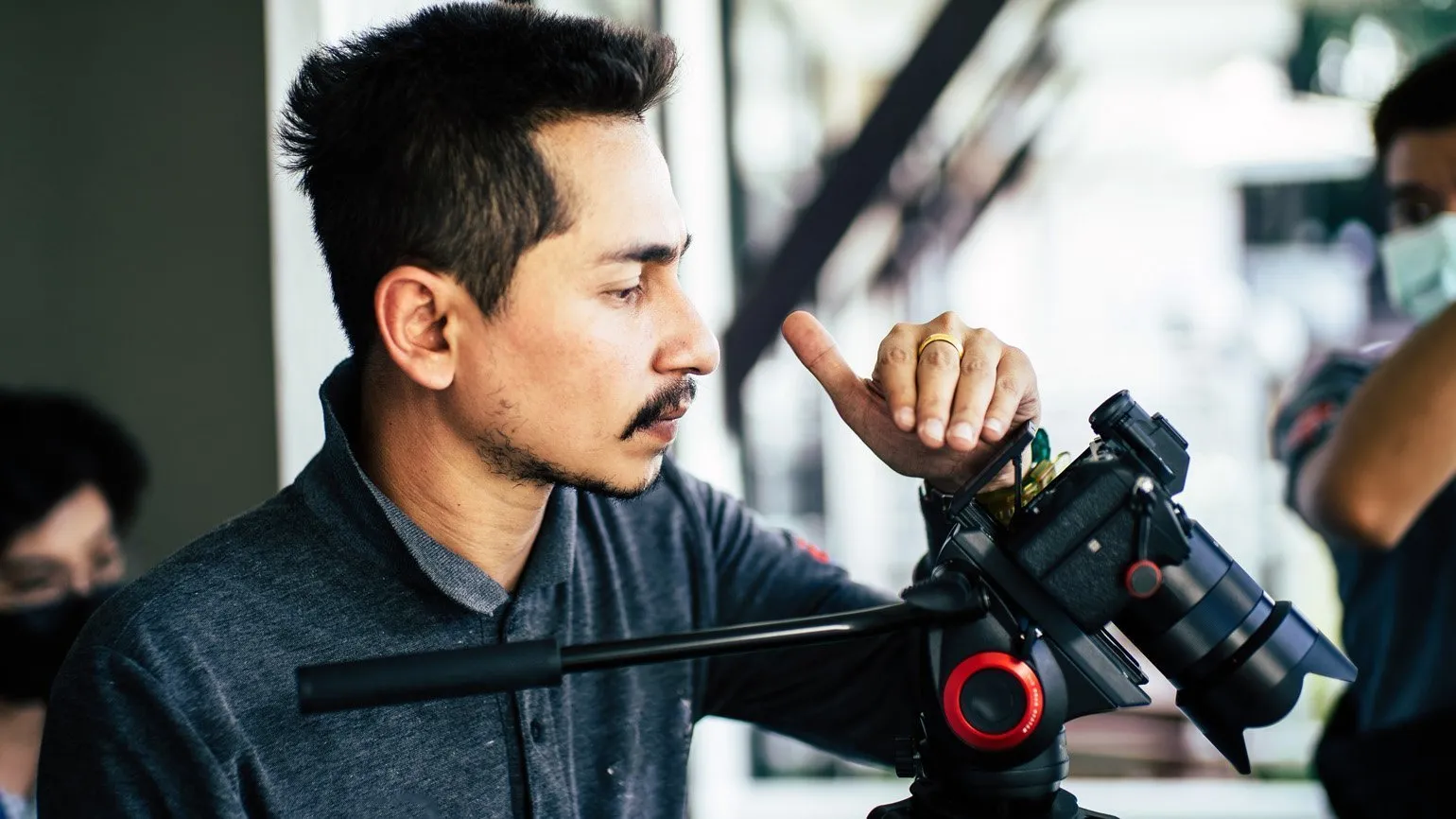
The learning process is significantly Depends on the work of mentors, who help teams find solutions within their budget. In this context, budget constraints serve as a useful tool for students, as they help them recognize that a high-quality project cannot be implemented without sufficient funding. For example, a concept designed for three million cannot be implemented for thirty thousand. This characteristic is characteristic not only of the film industry but also of other fields where financial constraints also play a significant role. Budget considerations become critical in the development of professional educational programs, as they impact the final outcome and success of the project.
During our work, we encountered two important issues that are worth considering if you are also developing professional educational organizations (PEOs). These issues require careful preparation and analysis to ensure the successful implementation of your project.
- How best to integrate PEOs into the core curriculum? Currently, the Video Workshop is an optional feature for students, meaning it is not an integral part of the core curriculum. At the same time, participation in it requires a great deal of commitment; it is an intensive process. How can we ensure that students do not abandon their core studies during the three months of project work? After all, the core course also includes practical assignments. We are currently discussing the possibility of re-reading students' work for the Video Workshop as part of the core course.
- How can we help teams collaborate? The workshop's methodologists and producers are currently involved in this process. We hope that in the future, our graduates will serve as mentors for our participants.
Evaluation of Results
For a long time, we have sought to obtain clear criteria for evaluating the quality of students' work from mentors. However, film is a complex field that is difficult to fit into strict algorithms. Therefore, we are forced to rely on feedback based on the experience and level of expertise of each mentor. This makes the evaluation process more subjective, but at the same time allows us to take into account the individual characteristics of each student and their creative approach.
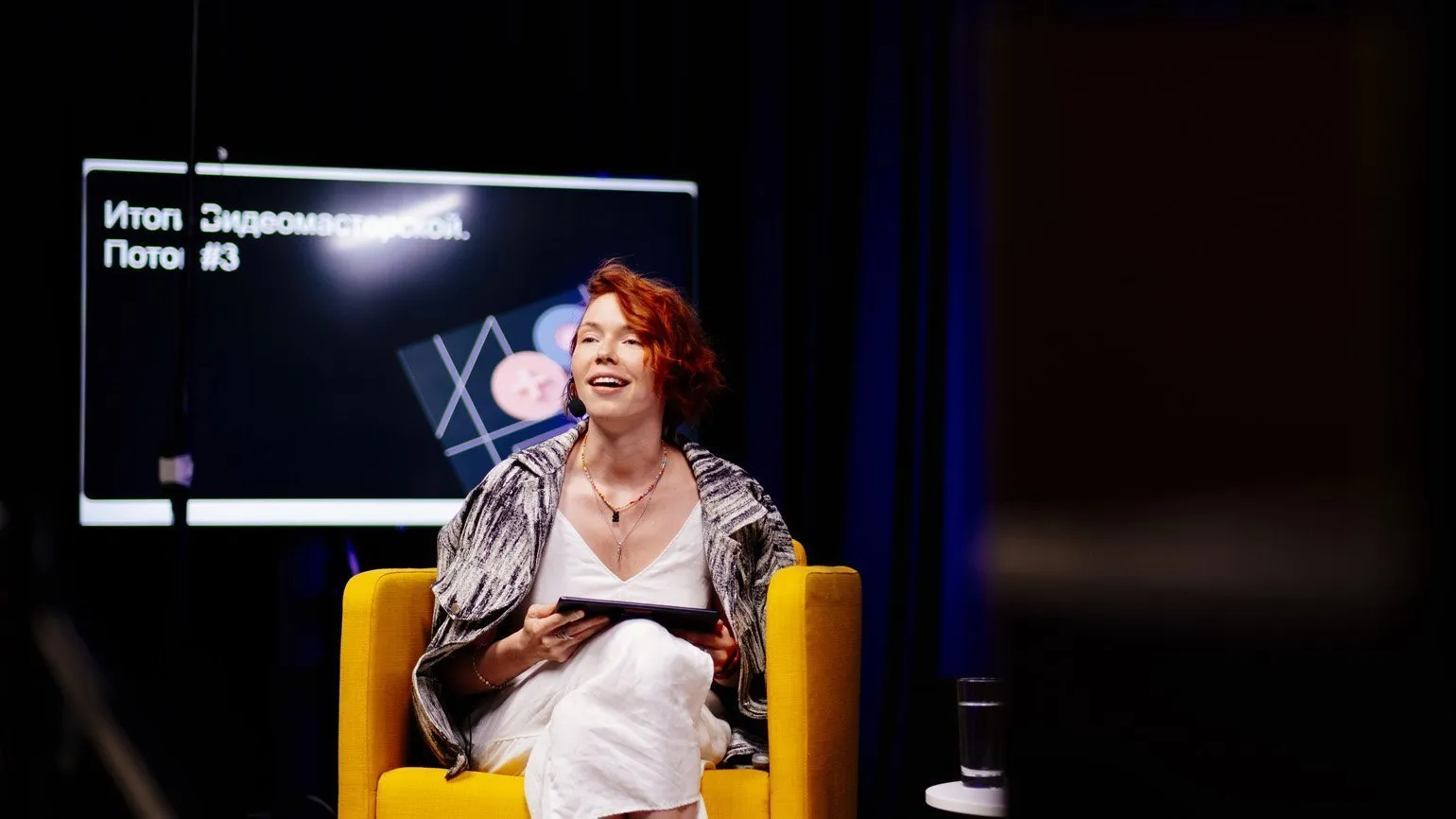
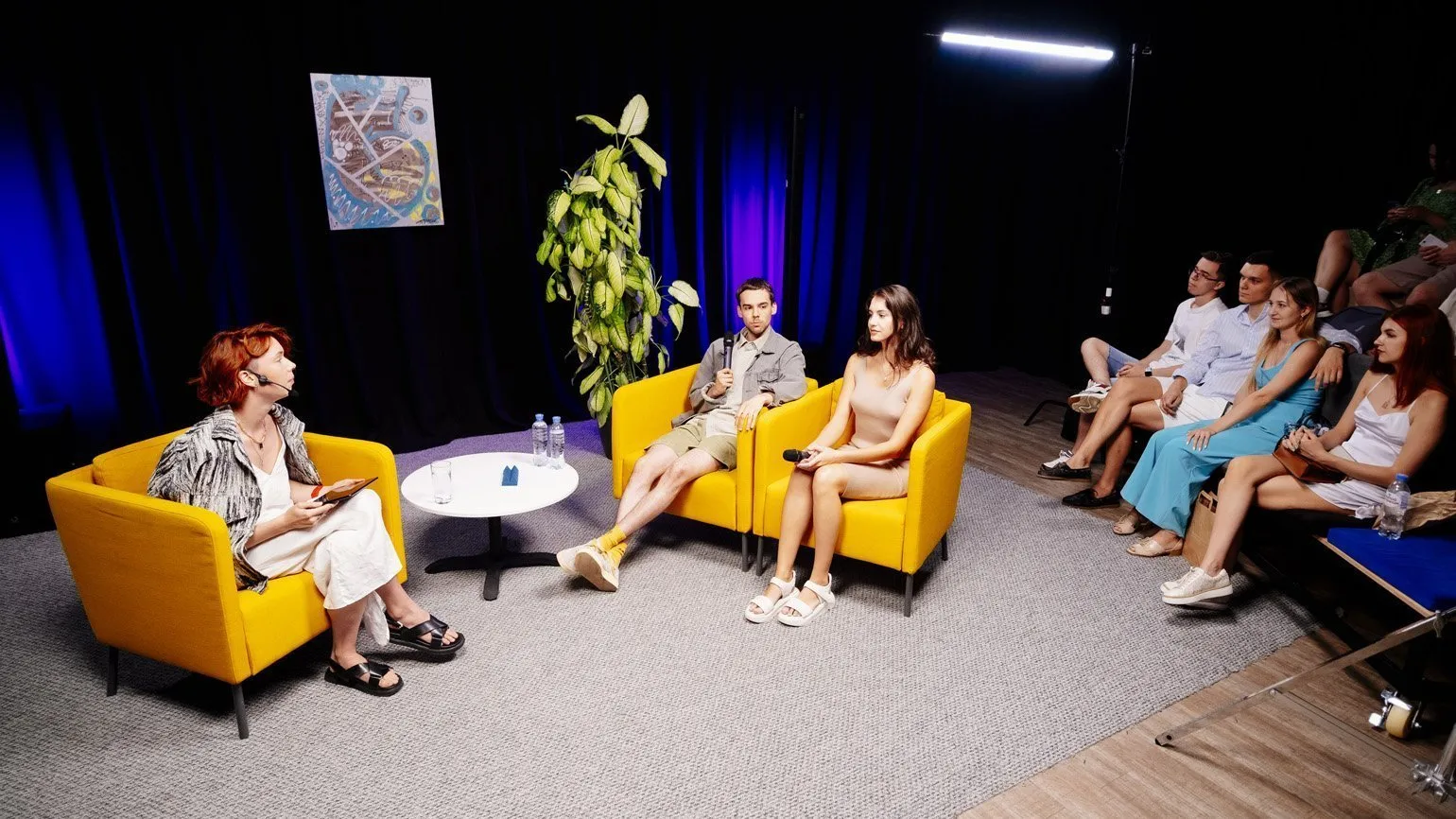

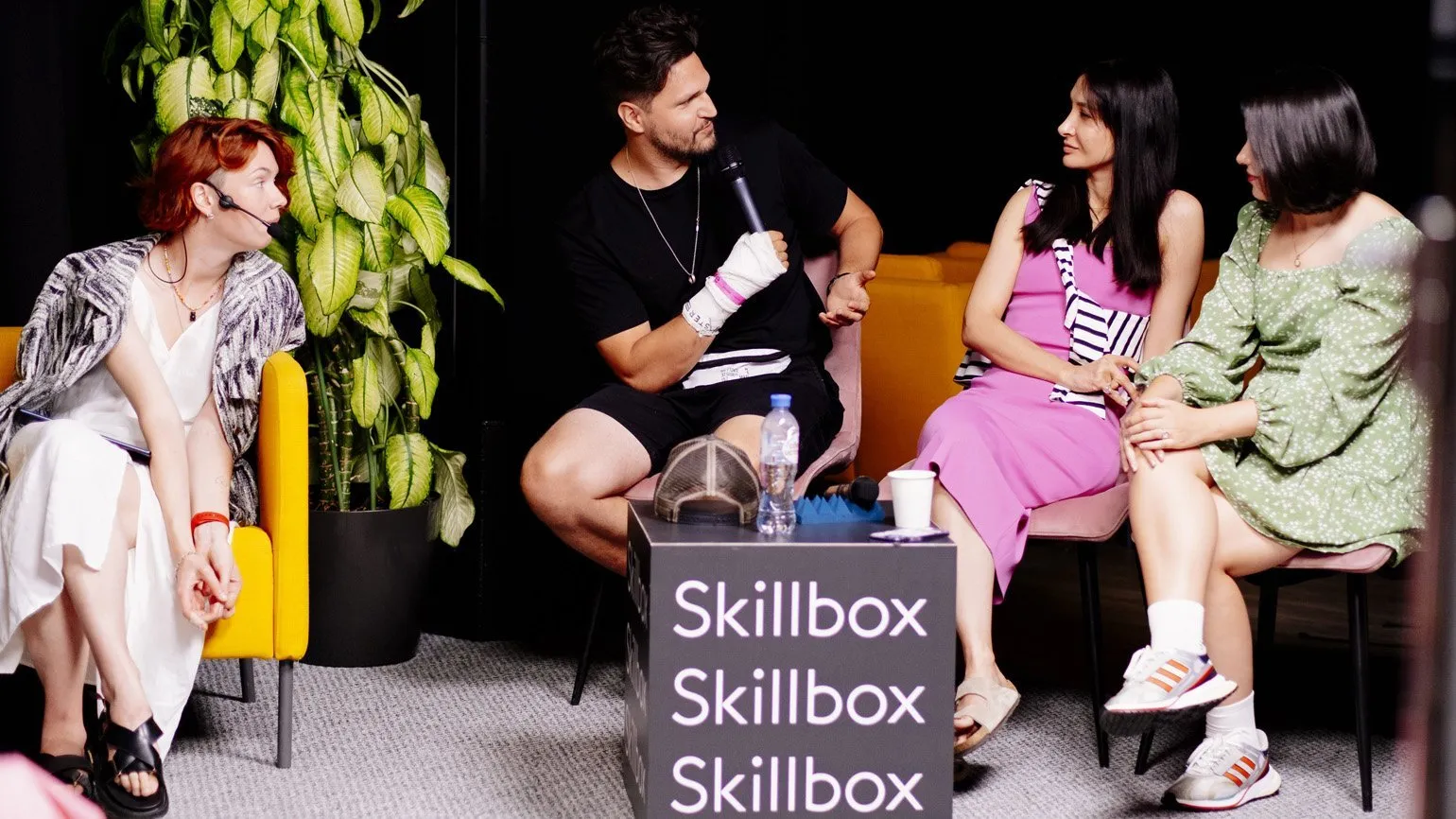
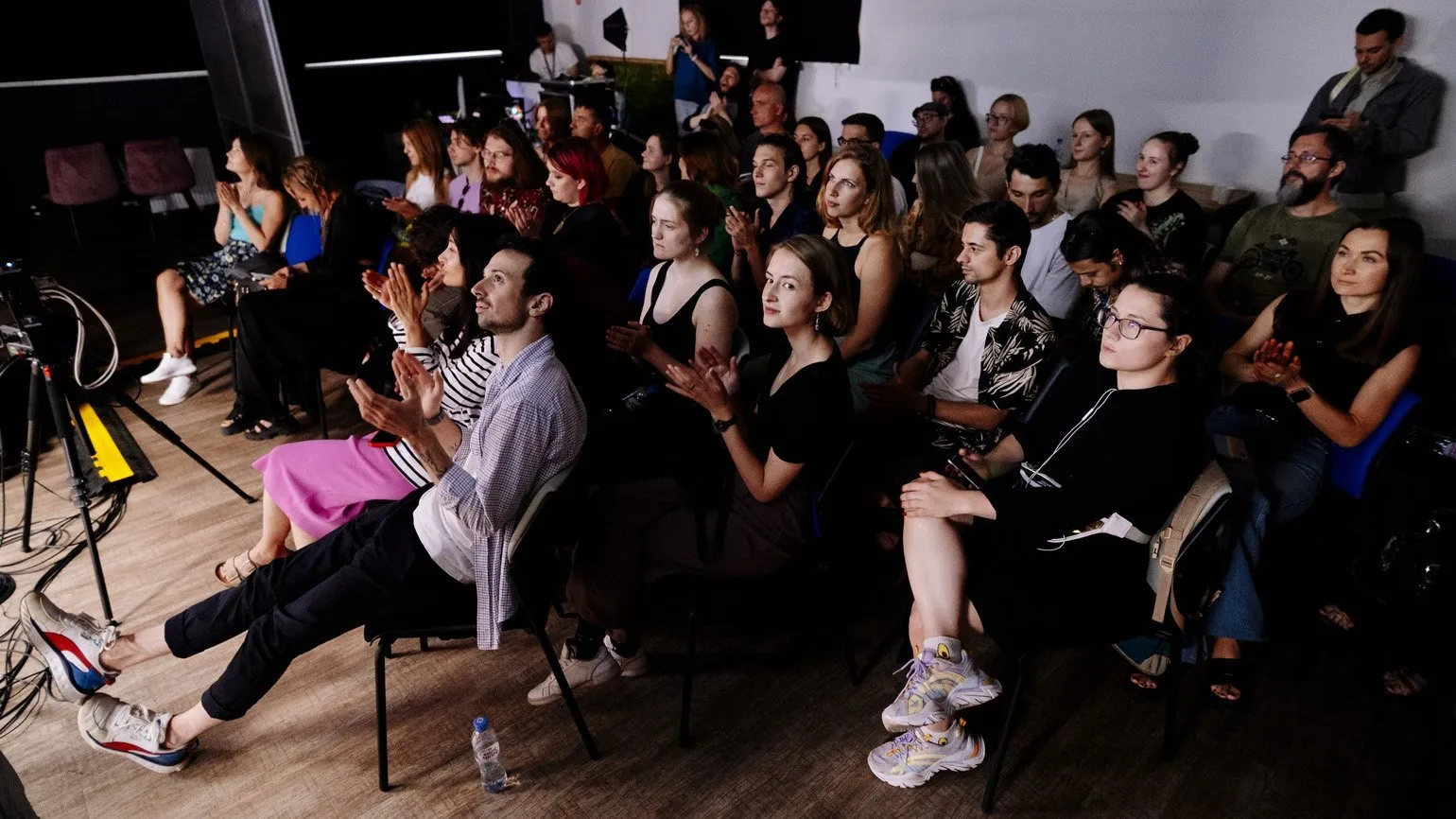
The effectiveness of the "Video Workshop" is assessed according to several important criteria. We analyze the quality of video production, compliance with customer expectations, the level of user satisfaction, and the effectiveness of marketing campaigns. We also consider the speed of order fulfillment and adherence to deadlines, which are critical to our work. These factors help us improve our services and achieve high standards in video production.
- Profitability—how many students started the work and completed it. Even if the result isn't particularly successful from a filmmaking perspective, even the fact of participating in a real project for the first time is valuable experience for students. In the first and third cohorts, the completion rate was 65%, and with the second, we set a record—75% completion rate.
- Participant results. This is about the quality of the work from a filmmaking perspective—whether our students' films have received recognition beyond the school. This is a controversial metric, and its indicators are not always clear. For example, we don't yet know how to evaluate the success of recently published clips—by views (and over what period), by comments, or something else.
- Satisfaction—at the end, we ask participants to fill out a questionnaire, leave a review, and indicate whether they would recommend us to friends. 90% of students not only leave excellent reviews but also want to participate in the new cohort.
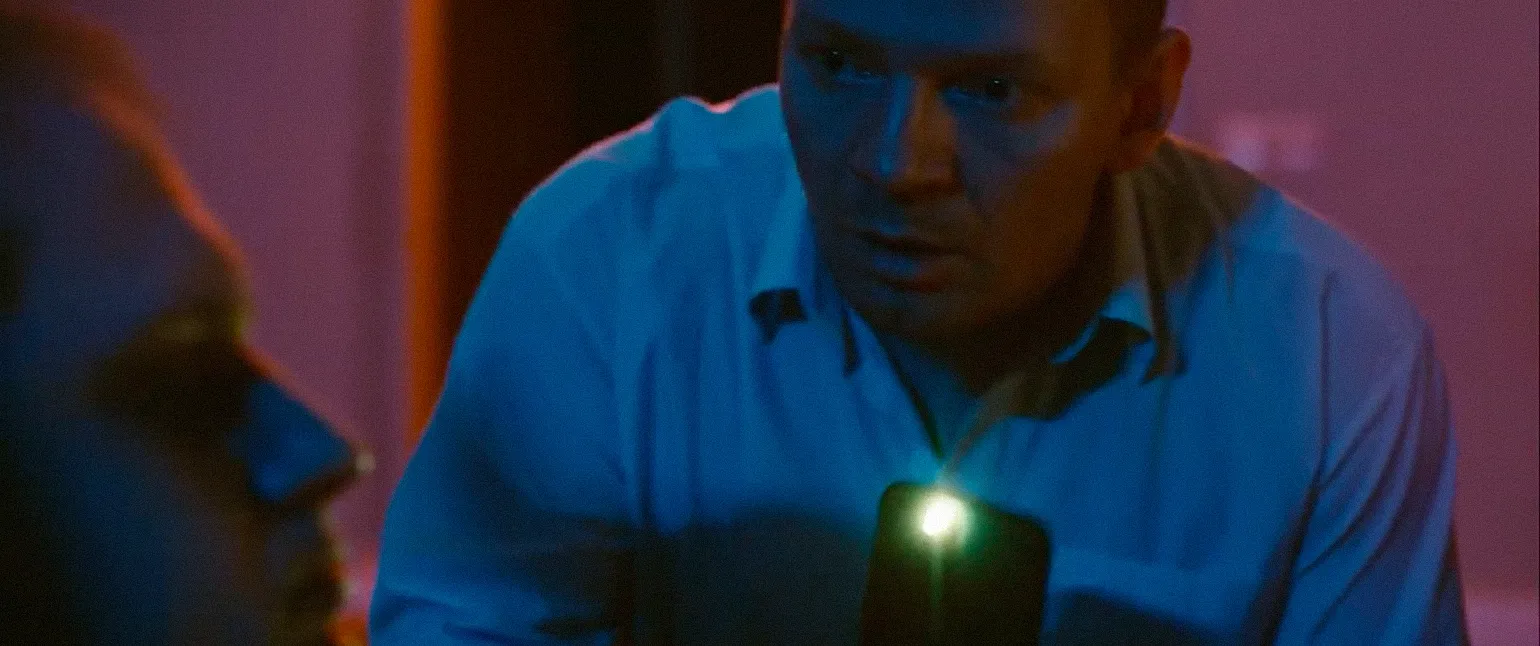
Student work is beginning to receive recognition at festivals, which is an important step in their careers. For example, the film "Pulse" was shortlisted for the St. Anna Debut Film Festival. "Low Art" was included in the national competition program of the Beat Film Festival, opening the door to opportunities for theatrical screenings and inclusion in the Kinopoisk catalog. "The Last Unicorns" was also selected for the British streaming platform paus.tv, highlighting the interest in our students' work and their potential in the film industry.
Working on projects can yield amazing results. For example, Veronika Kondratieva, a screenwriting student, teamed up with her mentor, Anna Dukhonina, after completing the "Video Workshop" course and wrote a script for a feature film. This collaboration brought success to Veronica: she became a winner of the pitching competition at the Red Square studio. This experience highlights the importance of interaction and support in a creative environment, which can significantly increase the chances of success in the film industry.

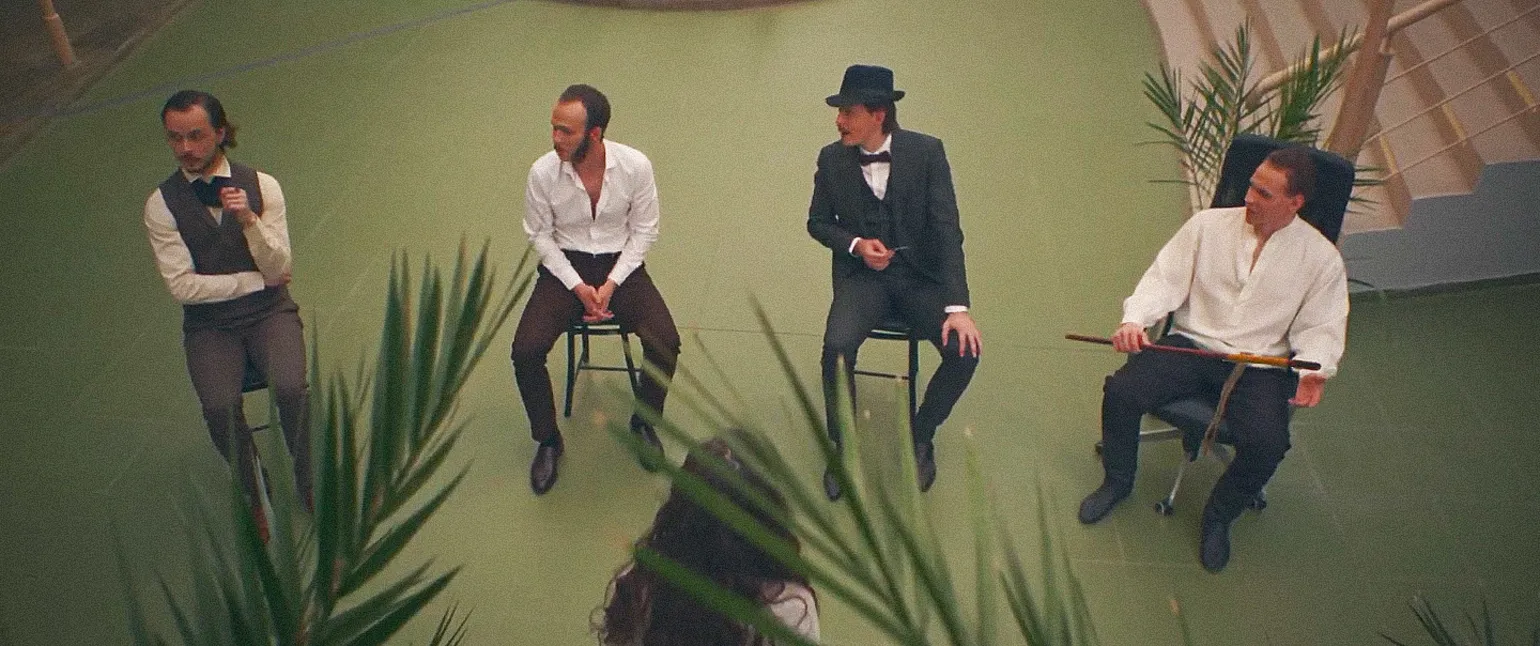
Project-based learning requires a significant investment of time and emotion from methodologists, but the results justify the effort. For students, this is a real step into their professional life and an opportunity to enrich their portfolio with practical work. For educational institutions, this is a chance to demonstrate the quality and competitive advantages of their courses, especially when the results of students' project activities are recognized in the professional community.
Revised text:
Also study additional materials:
- How to build a course that will lead a novice student to professional mastery
- How to create an excellent assignment for online students: a guide for beginning methodologists
- How problem-based learning uses digital data to assess quality
Methodologist Profession from Beginner to Advanced
You will develop skills in developing curricula for online and offline courses. You will master modern teaching practices, structure your experience, and become a more sought-after specialist.
Find out more