Contents:
Learn: Chess Profession from Scratch to PRO
Learn MoreIn this article, you will get acquainted with the main aspects of the topic, which will help you better understand its essence and meaning. We will cover the key points that are important for your understanding and application. The article will be useful for both beginners and those who already have some experience. The focus will be on practical recommendations and useful information that will allow you to effectively use the knowledge gained. Read on to not miss important details and tips that will make your work more productive.
- how one enthusiastic teacher changed the lives of children from disadvantaged backgrounds with the help of chess;
- in which country chess became part of the mandatory school curriculum;
- how a chessboard can be used to teach not only mathematics, but also history;
- what soft skills does chess develop and how it prepares children for an uncertain future;
- what research confirms the educational benefits of chess.
Salom Thomas-El, an American educator and principal of a school in Delaware, states: "Smart students do not always play chess, but those who play become smart." For over 30 years, he has been integrating chess into his educational practice. During this time, his students have won numerous national competitions, but Thomas-Ehle's main goal is not only to win tournaments. His approach to teaching is based on the development of critical thinking and logical skills, which makes chess an important tool in the educational process.
Not everyone can become a competitive chess player, but we provide the opportunity to develop perseverance, endurance, and self-esteem, which makes a person more effective. According to the teacher, playing chess helps develop these qualities even in children for whom learning is a difficult task. Chess helps develop important skills necessary for a successful life and promotes personal growth.
Why does a school from a bad neighborhood need chess?
The school run by Thomas-Ehle serves primarily children from low-income and often single-parent African American families living in disadvantaged areas of Delaware. These children face limited opportunities to receive a quality education, which makes it difficult not only to complete school but also to attend higher education.
Thomas-El understands the challenges his students face. He grew up in a disadvantaged neighborhood where crime rates were high and many young people died before age 18. His mother raised eight children alone and was unable to send them to good schools. However, Thomas-El met inspiring teachers who helped him complete his education and earn a bachelor's degree at university. This experience inspired his passion for helping other young people overcome adversity and achieve success.
Salom Thomas-El believes that exceptional teachers have the power to inspire ordinary children to achieve extraordinary things. This idea underscores the importance of educators in shaping the potential of each student. Teachers with a high level of professionalism and enthusiasm can significantly impact children's development, helping them discover their talents and aspire to greater heights. Mentoring and support from teachers play a key role in the educational process, helping to create an inspiring atmosphere where children can realize their dreams and achieve success.
After becoming an educator, he began looking for ways to help every child realize their potential, especially those who face significant obstacles to success, such as poverty, violence, neglect, and low societal expectations. Chess has become an important tool in this work, helping to develop thinking, strategic planning, and confidence in children, which contributes to their success in life.

Read also:
Ideas for Schools in Challenging Environments
Schools in challenging environments face unique challenges. However, there are strategies that can help create a more effective learning environment.
One important step is to implement flexible curricula that take into account the characteristics of students and local conditions. This allows you to adapt learning to the real needs of children and ensure their engagement.
It is also worth paying attention to creating a safe and supportive space for students. This may include organizing group work where children can share their experiences and find support from each other.
The use of technology in the educational process can significantly improve the quality of learning. The introduction of online resources and distance learning platforms will help students access information and materials regardless of their location.
Cooperation with the local community and parents is an important aspect. Involving families in the educational process and establishing partnerships with local organizations will help create a more sustainable and supportive educational environment.
Finally, it is necessary to pay attention to the professional development of teachers. Regular trainings and seminars will allow teachers to master new methods and approaches, which will ultimately impact the quality of teaching and student achievement.
These ideas can form the basis for developing schools in challenging environments, providing students with a high-quality education and support.
Early in his career, Thomas-El used chess as a tool for teaching mathematics. He explained to students that knights move at right angles, bishops move diagonally, and that the board itself is a large square made up of 64 small squares. However, as the teacher later realized, he was not only teaching children mathematical concepts but also developing their intellectual abilities. Chess became an effective tool for developing logical thinking and a strategic approach to problem solving.
After becoming the school's principal, Thomas-El purchased chess sets and offered students the opportunity to play during breakfast and lunch. He also opened the school on Saturdays so that children could not only play a game but also study and receive lunch. These initiatives contributed not only to improved academic performance but also to the formation of life goals in the students. Chess has become more than just a game, but an important tool for developing strategic thinking and decision-making, which has had a positive impact on the educational process and self-determination of young people.
Schoolchildren who play chess develop critical thinking and problem-solving skills. This game promotes the ability to predict the consequences of their actions several steps ahead, which allows them to make informed decisions in crucial moments. For children living in difficult circumstances, such decisions can be crucial and are made daily. They need to consciously choose their communication and routes, especially in the evenings. Chess is becoming an important tool for helping to build confidence and responsibility in the younger generation.
Thomas-El's students not only began playing chess but also began actively participating in tournaments, achieving victories. This positively impacted their academic performance and also contributed to the development of independence, self-confidence, and responsibility. The children learned to overcome difficulties and got rid of negative attitudes. The teacher notes that they realized the importance of hard work to achieve success: "You don't have to be born smart; you can become smart through effort, and not just thanks to your parents." Thus, chess has become more than just a game, but a tool for personal growth and development.
Both boys and girls participate in the school's chess club, led by Thomas-El. Girls' teams actively participate in both women's and mixed tournaments, repeatedly competing against high school students, college students, and men much older than them. These teams have achieved impressive results, winning difficult matches. One team, led by Director El, has remained undefeated for three years in a row.
When girls begin to master chess, they demonstrate that intelligence is not subject to racial and gender stereotypes. These chess players prove that they possess the same level of mental ability as men. Thomas-El calls chess "the great equalizer," emphasizing that this game provides equal opportunities for everyone, regardless of gender or race. Thus, chess becomes not only an intellectual competition, but also a symbol of equality.
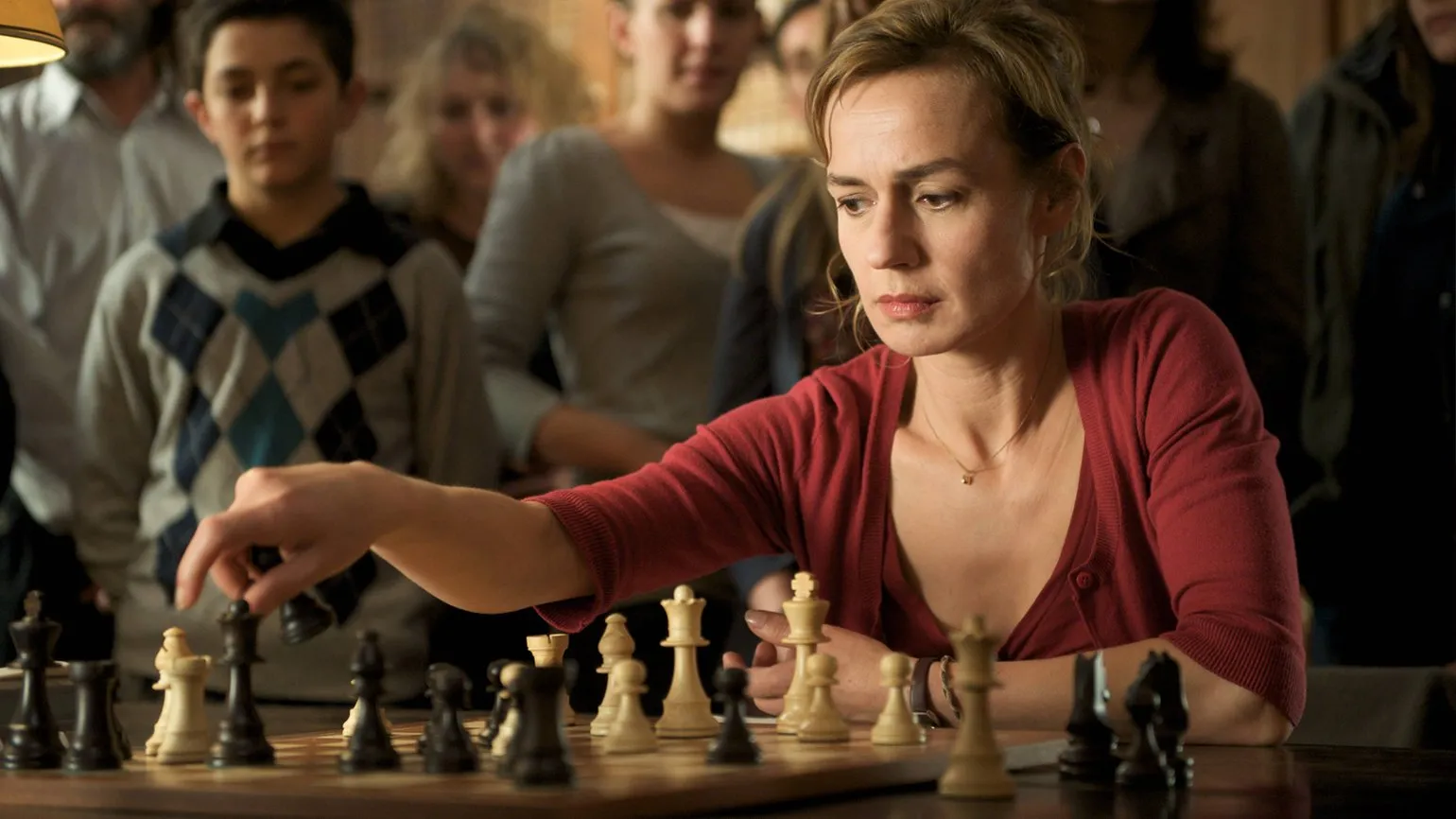
Today it is obvious that the teaching methods of this The teacher's work is paying off: many of his students, after graduating, have received scholarships to prestigious institutions like Cornell University and the University of Virginia. Some have become teachers themselves and returned to their schools to help other children in their neighborhoods find the right path, just as Thomas-El and his colleagues once did. This approach not only contributes to student success, but also creates a chain of inspiration and support within the community.

Read also:
Teachers are trained in effective methods of working with difficult behavior in children to create a positive educational environment. An important aspect of training is understanding the causes of challenging behavior, such as emotional or social difficulties. Teachers learn classroom management strategies that help build respectful relationships with students and promote their social adaptation. A key element of training is the use of various approaches, such as positive reinforcement, to motivate children to behave appropriately. Emphasis is also placed on developing individualized support plans for children with special needs. Teachers are trained in active listening and empathy skills, which enable them to better understand the feelings and experiences of students. Furthermore, collaboration with parents and other professionals to provide comprehensive support for children with challenging behavior is essential. Thus, training teachers to work with children with challenging behavior includes a variety of methods and approaches aimed at creating a comfortable and safe educational environment.
Who and what else is taught with the help of chess
According to the report of the International Chess Federation (FIDE), currently more than 25 million children worldwide play chess in schools. Of this number, 15 million children are in India, and five million are in China. At the same time, the number of chess teachers in the world is only 92,550 people. This highlights the significant gap between the number of people involved in chess and the availability of qualified teachers, which may become an obstacle to the further development of chess education in different countries.
The geography of school chess covers many countries, including the UK, the USA, Albania and Zambia, as well as regions of Europe and South America. In 78 countries, special qualification programs aimed at teaching chess in educational institutions have been developed. In some countries, such as Israel, chess is offered as an elective, while in others it is a mandatory subject. This demonstrates a growing interest in chess as a tool for developing logical thinking and analytical skills in schoolchildren.
Armenia became the first country to teach chess in comprehensive schools as an academic subject, not just a sport. The program was introduced in 2011, and by 2012, chess had become a separate discipline at the Armenian State Pedagogical University. In the following years, a specialized undergraduate program was developed there, and a Chess Research Center was established. Armenia also plans to introduce chess into kindergartens: last summer, the Armenian State Pedagogical University completed a six-week refresher course, following which the first graduates received certificates in the "Chess in Preschool Educational Institutions" program. This innovation highlights the importance of chess as an educational tool and promotes the development of logical thinking in children from an early age.
Chess can be integrated into various educational disciplines, and not just taught as a stand-alone subject. Spanish lecturer, commentator, and chess journalist Leontxo García, in his speech at the annual Global Chess Festival, discussed methods for using chess to enhance learning in other areas. This approach promotes the development of critical thinking, strategic planning, and analytical skills in students. Integrating chess into the educational process can significantly improve students' attention and concentration, as well as increase their motivation to learn.
Chess is often used for educational purposes, especially in mathematics lessons, due to its visual nature. For example, the chessboard itself serves as an excellent tool for learning various mathematical concepts. Expert García raises an interesting question: how many squares can be found on a chessboard? Many might answer 64, but some might argue it's 65, given that the board itself is a large square. However, if you consider all possible hidden squares, including 2x2, 3x3, 4x4, and 5x5 chess squares, the correct answer is 204 squares. This clearly demonstrates how chess can enrich mathematics education by developing students' analytical thinking and spatial awareness.
Have students replace numbers in arithmetic problems with chess pieces or their symbols. This method, according to Garcia, is an effective way to develop abstract thinking in children. Using chess symbols in mathematical problems promotes a deeper understanding of both arithmetic and logic, which can increase student interest in both subjects.
If math is clear, then what about the humanities? Garcia illustrates this with a history lesson.
A teacher explaining the French Revolution might begin by discussing key figures such as Robespierre, Diderot, and Voltaire. However, focusing on these names immediately can lead to boredom among students. This highlights the importance of choosing an approach to teaching history to maintain student interest and make lessons more engaging. A proper introduction to the topic will help create context and engage students, so they can better understand the significance of the events and individuals who played a vital role in shaping the modern world.
The author suggests considering the situation from the perspective of chess, drawing an analogy between the chess pawns that control the game and the "pawns" of French society who began the struggle for social freedoms and rights. This metaphor emphasizes the importance of each individual in society and their role in changing the social structure. Like pawns on a chessboard, people may be invisible to the general public, but it is their actions that determine the outcome. Thus, the movement for rights and freedoms becomes a strategic move that can change social conditions and lead to significant transformations.
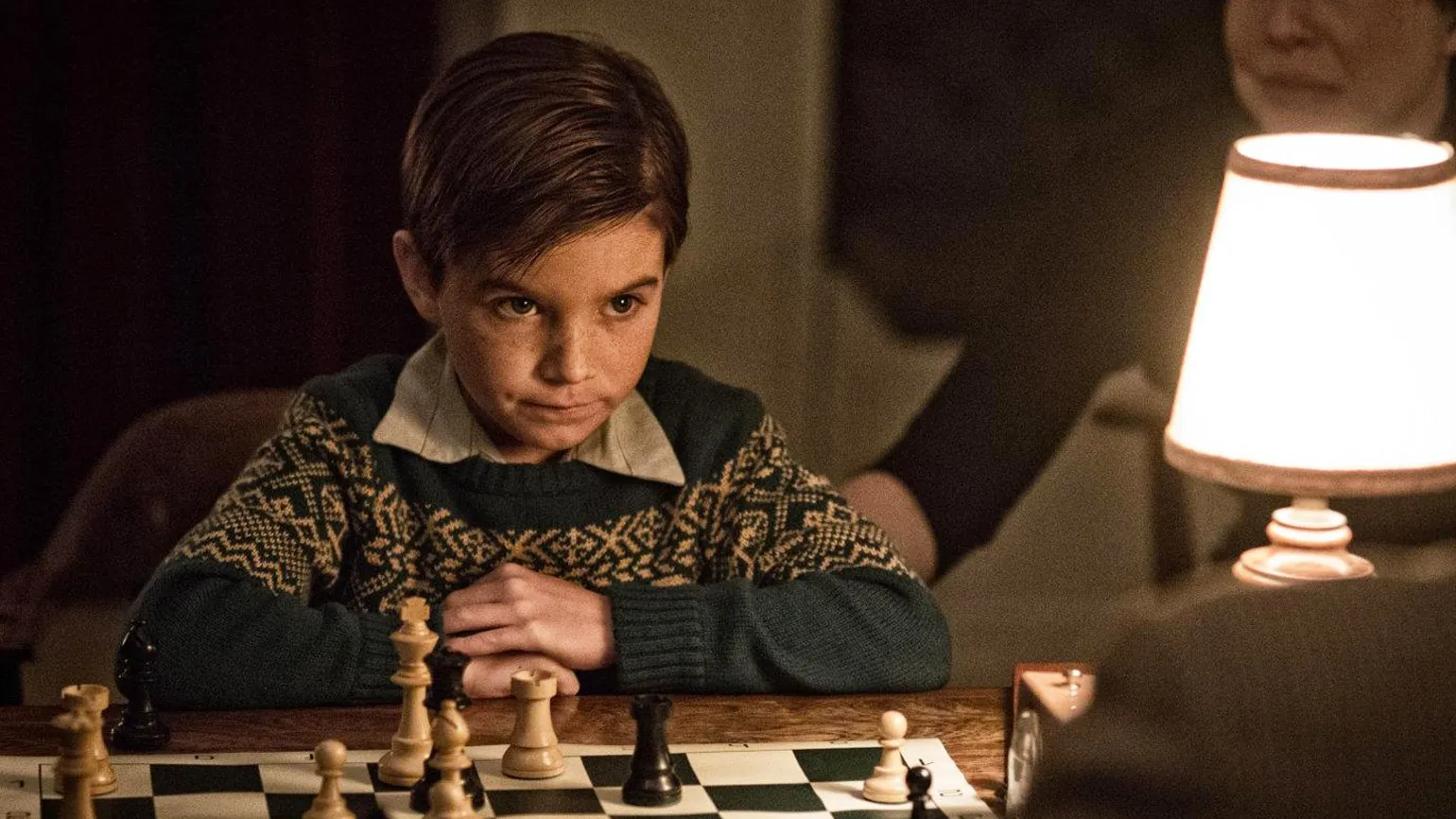
Garcia recommends Integrate chess into the educational process as early as kindergarten. This will help develop logical thinking, concentration, and strategic planning in children from an early age. Chess can be an effective tool for developing problem-solving skills and improving cognitive abilities, which will have a positive impact on students' academic performance later on. Introducing chess at an early age not only promotes intellectual development but also socialization, allowing children to learn teamwork and respect rules.
Chess is an effective pedagogical tool that promotes the development of key skills. This game helps improve logical thinking, strategic planning, and analytical skills. Chess teaches informed decision-making, which is an important aspect both in the educational process and in everyday life. Using chess in education can significantly increase students' creativity and concentration, making it indispensable in modern educational methods.
The journalist cites the experience of Adriana Salazar, a chess player, multiple Colombian champion, and teacher, as an example. Her lessons feature a lot of music, and the children are constantly on the move. The floor of the classroom is designed as a giant chessboard, creating a unique learning environment. The game-based format of the lessons allows children to easily grasp key chess concepts, such as vertical, horizontal, and diagonal. They also role-play chess pieces, requiring them to move around the board according to established rules. This simple yet effective game, Garcia notes, develops memory (students need to remember their "moves"), motor skills, concentration, attention, and self-control. It also teaches children to follow the rules and respect their opponents, which are important aspects not only in chess but in life as well. Journalists note that chess can be an effective tool for developing team skills. For example, organizing group competitions to memorize the positions of pieces on a chessboard within a limited time can improve both individual and teamwork. This skill is becoming increasingly relevant in the modern world, where learning is essential for people of all ages. As a result, Garcia emphasizes, modern society needs chess more than ever. Chess not only develops strategic thinking but also promotes teamwork, making it an essential part of the educational process. Ten years from now, more than half of today's schoolchildren will find themselves in jobs that don't exist today and will use technologies that haven't yet been invented. As a result, flexible thinking will become one of the most in-demand skills. Chess, according to the expert, plays an important role in developing this skill, teaching strategic thinking and the ability to adapt to new conditions.
Study additional materials:
Teaching team skills to students and young employees is an important aspect of their professional development. In today's world, effective teamwork is essential for success in any field. Training programs often include hands-on activities where participants can interact with each other to solve real-world problems. This helps develop communication, collaboration, and teamwork skills.
Furthermore, the use of role-playing games and simulations promotes immersion in team dynamics and allows each member to understand their role within the group. Feedback is also an important element of training, helping to identify each member's strengths and weaknesses and providing opportunities for further growth.
Modern technology also plays a significant role in teaching team skills. Virtual platforms and online courses expand access to training materials and allow young professionals to study at their own pace. This creates the opportunity for a flexible approach to learning and promotes deeper knowledge acquisition.
Thus, teaching team skills to students and young employees not only develops their professional qualities but also prepares them for effective teamwork, which is a key factor in career success.
Is chess really that beneficial? What confirms this?
Research shows that chess has a positive effect on the development of cognitive skills. One experiment conducted by specialists from India involved 86 children aged four to 15. For a year, they attended chess classes twice a week. The children were divided into groups of four, and each group was assigned a coach. The results showed significant improvement in the participants' attention, memory, and analytical thinking. Chess develops strategic thinking and contributes to improved academic performance, making it a useful tool for developing intellectual skills in children.
Preparing for chess tournaments requires a serious approach, including studying theory, solving problems, and regular practice. Participation in preparatory and official tournaments plays a key role in this process. Research shows that systematic chess training has a positive effect on cognitive function. Children who have undergone chess training show an average increase in IQ of seven points. This confirms the importance of chess as a tool for developing intellectual abilities.
While IQ is controversial, chess performance can be assessed by other criteria.
American researchers studied the correlation between chess training and standardized school test scores. The results showed that younger students who play chess achieve better test scores than their peers. Simply attending a chess club can increase a child's math scores by 5-10%. However, when a child's playing level allows them to participate in tournaments, their math scores can increase by 30-50% compared to their peers. This suggests that simply learning chess is not enough to achieve high academic performance; in-depth participation and practice are essential.
Parents and teachers should recognize the importance of teaching chess not only as a simple introduction to the game, but also as a purposeful process that promotes thinking development. Research shows that simply having a child participate in a school club or in activities as part of the curriculum does not always lead to positive results. The key task for parents and teachers is to spark a child's interest in chess. This can be done at a chess club, at home, or during breaks. It's also important to motivate children to participate in tournaments and competitions, as many are open to beginners. By encouraging participation in such events, we help children develop strategic thinking and skills that will be useful not only in chess, but also in life.

Spanish neuroscientists conducted a study analyzing fMRI results, recording the activation of neurons in the brain during a chess game. Their findings confirmed that playing chess contributes to improved academic performance, especially in subjects such as mathematics and reading. This study highlights the importance of chess as a tool for developing cognitive skills and improving academic outcomes.
A study conducted in schools in northern Italy confirmed that even short-term chess practice helps improve children's mathematical skills. Chess develops logical thinking, attention, and strategic planning, which in turn has a positive effect on the perception of mathematical concepts. Incorporating chess into the educational process can be an effective way to improve academic performance in mathematics and develop critical thinking in students.
The experiment involved 560 children in grades three through five. The experimental group underwent mandatory training in the "Mathematics and Chess Study" program developed by instructors from the Italian Chess Federation. Classes were taught for 1-2 hours per week by teachers also representing this federation. Both the experimental and control groups had the opportunity to study at home using an online educational game. This approach not only deepened their mathematical knowledge but also developed logical thinking and strategic planning in the children.
The study showed that even short chess lessons contributed to a significant improvement in mathematical skills in children from the experimental group. However, the control group showed no noticeable changes in their results. The authors of the study note that chess helps children better understand and assimilate abstract mathematical concepts, which may explain the obtained results. Chess develops logical thinking and analytical skills, which in turn has a positive effect on mathematics learning.
Scientists from Denmark conducted a study to assess the impact of chess on the mathematical abilities of elementary school students. As part of the experiment, one of four standard math lessons per week was replaced with chess lessons. The study lasted several months, and its results showed that for third-graders, the effect of chess instruction is comparable to additional math instruction, which accounts for a third of the school year. The researchers also noted that chess can be an effective alternative tool for working with children who have difficulty comprehending traditional educational materials. This finding underscores the potential of chess as a means of developing logical thinking and mathematical skills in schoolchildren. Research conducted in India has revealed interesting results regarding the impact of chess on the development of divergent thinking in schoolchildren. During the experiments, students were asked to complete various tasks, such as creating alternative uses for familiar objects, finding commonalities between unrelated objects, and interpreting abstract lines and patterns. The speed of their responses, their quantity, and their uniqueness were assessed. Test results showed that students who played chess achieved higher scores compared to those who did not play this intellectual game. Thus, scientists have concluded that chess plays a role in the development of creative thinking in schoolchildren.
Research conducted by scientists at Cukurova University in Turkey confirms that chess plays a role in the development of creative thinking in children. Test participants who regularly play chess showed significant benefits in understanding and recognizing the mental states of both themselves and others. This underscores the importance of chess as a tool not only for the intellectual but also for the emotional development of children.
Chess helps develop communication and problem-solving skills in children. Playing chess requires active interaction between participants, which helps children improve their communication skills. Furthermore, chess promotes critical thinking and logical analysis, enabling children to find solutions in complex situations. These skills are not only important in the game but can also be useful in everyday life, helping to cope with various problems and conflicts. Thus, chess can have a positive impact on the social and intellectual development of children.
The researchers reached these conclusions after conducting a series of tests at the beginning and end of the school year. They studied the effects of regular chess playing on the intellectual and socio-emotional development of a group of 170 schoolchildren aged 6 to 16 years. Results showed that chess lessons help improve cognitive skills and develop social skills in children.
Read also:
- 7 games that will help a teacher engage children’s attention
- Why observations and experiments are more important than textbooks and tests
- A tutor from Zimbabwe prepares for exams via WhatsApp
Chess Profession from Beginner to PRO
You will learn unique chess techniques and tactics from scratch, learn to analyze the stages of the game and win complex games. You will be able to adopt the experience of an international grandmaster - and after the course, play at an amateur level.
Find out more