
Content:

Learn: Educational Programs Methodologist
Learn moreThe first fundamental position that I would like to emphasize is that oral mass examinations, such as transitional and final ones, should be completely abolished. Entrance examinations, which are competitive in nature, should be viewed merely as a necessary measure determined by the balance between demand—the number of applicants—and supply—the number of places. We will not delve into the physical and mental suffering experienced by both examinees and examiners; these difficulties are well known. Personally, having worked in this field for 35 years, I have always felt significant pressure from the responsibility placed on the examiner and the need to make quick decisions so as not to delay the testing process.
During the examination process, compromises had to be found. I chose the following approach: those students I knew to be capable and prepared were questioned only formally. Those I did not know were asked additional questions if they answered the first well. If they answered subsequent questions satisfactorily, I gave them good marks in order to free up more time to work with those who had shown weak results throughout the year. I adapted the questions, provided time for reflection, and sought, by lowering the requirements, to help them recognize the shortcomings of their preparation. However, even this approach, like other methods known to me, does not allow the examiner to make accurate conclusions about the student's knowledge if he has not monitored the progress of his students over a long period of time or has not received clear evidence of their knowledge through written assignments or problems.
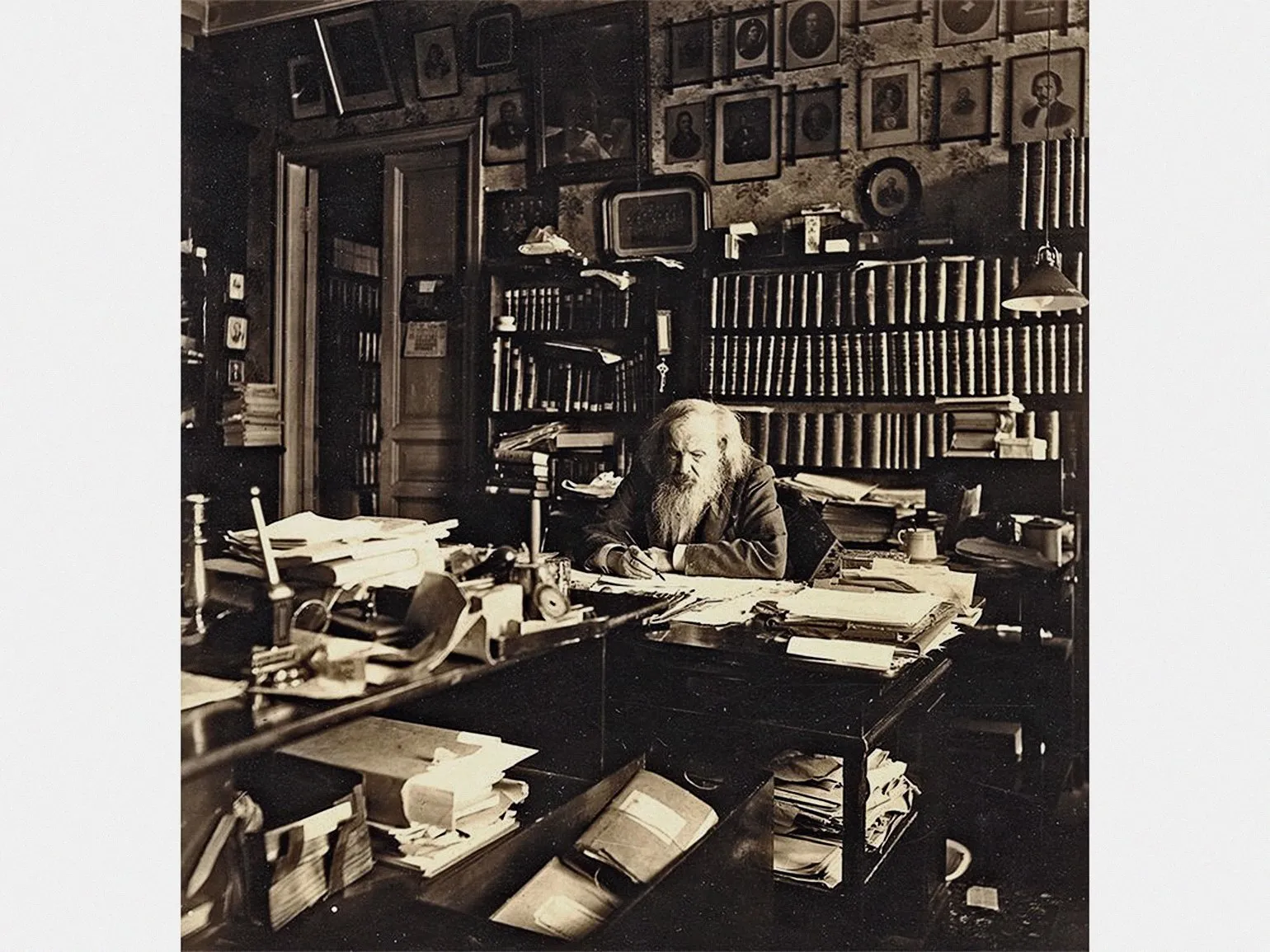
In my high school memories, I clearly remember that German was always difficult for me. However, I was able to get a passing grade on the final exam thanks to the fact that I used Schiller's poems, which I was familiar with, in my answer. These lines helped me not only demonstrate my knowledge but also create a positive impression on the examiner. Thus, even in difficult subjects, one can find ways to succeed.
You also need to learn from other people. It is difficult, because you are in this situation. You need to get a passing grade on your final exam, and you can learn it yourself. When you're trying to figure out what to do, you're trying to figure out what to do, what to do, what to do, what to do, what to do. You can't even imagine that you're trying to figure out what to do, and you're trying to figure out what to do, and you're trying to figure out what to do.
With these unbelievable fantasies,
Exams, especially oral ones, are often perceived as a lottery. This opinion is widespread, and it's time to change the approach to knowledge assessment. Oral exams can cause unnecessary stress and do not always reflect a student's true level of preparation. A shift to more objective assessment methods will improve the learning process and reduce unnecessary stress. Objective assessment criteria will help students demonstrate their knowledge and skills, and educational institutions will be able to more accurately assess the quality of education.
In primary schools and lower secondary schools, the practice of promotion and graduation without mass oral exams has been widely implemented. Students who demonstrate good results during the academic year can be promoted to the next level of study based on annual assessments. This system allows for a more effective assessment of student knowledge and skills, focusing on their continuous development.
Abolishing exams could be an important step in the educational system, especially in upper secondary schools, universities, and other secondary and higher education institutions. In this context, it is worth discussing the possible advantages and disadvantages of this approach. Reducing student stress, the opportunity to focus on practical work and creative projects, and simplifying the educational process may be compelling arguments in favor of abolishing exams. However, it is also necessary to consider the risks associated with assessing knowledge and preparing students for future professional activities.
In the upper grades of gymnasiums and other secondary schools, the educational process is based on explaining lessons, completing exercises, and testing students' knowledge throughout the course. The optimal class size should not exceed 30-40 students, so that the teacher can devote sufficient attention to each student. This number of students allows the teacher to better understand and evaluate their students' abilities. Grades help the teacher organize the educational process and serve as a benchmark for students. However, the necessity of exams is questionable, as there are only two main reasons for holding them: to review teachers' work and to allow weak students to improve or test their skills. In my opinion, these arguments are unconvincing and should not overshadow the essence of the educational process.

Read also:
Leo Tolstoy is a famous Russian writer who spoke out about the uselessness of school and university exams. He believed that exams did not reflect students' true knowledge and abilities. Tolstoy emphasized that this approach to teaching limited creativity and independent thinking, and also created a stressful environment for students. Instead of focusing on grades, he called for deeper and more meaningful learning based on the interests and abilities of each student. Tolstoy raised important questions about the quality of education, emphasizing that the learning process should be aimed at developing the individual, not at rote memorization of facts. His ideas remain relevant in the modern educational context, where more and more people are paying attention to the need to reform the examination and assessment system.
Verifying teachers through student assessment is only possible if the monitoring process is not carried out solely by the teachers themselves, and if they can be held solely responsible for poor exam results. However, in practice, this is impossible, especially for adolescents aged 13–18, when their independent thinking and critical perception are developing, especially in regard to subjects in senior secondary schools. It's important to remember that student success depends not only on teachers but also on many other factors, such as psychological well-being, motivation, and the level of support from parents and society. In any educational process, regardless of the methods or programs used, there is a diversity of students with different abilities: some are more inclined towards physics and mathematics, others towards languages or history. Professional teachers understand the importance of taking these individual characteristics into account. Students' personal qualities also play a significant role. For example, a shy student may demonstrate a high level of knowledge but still have difficulty communicating, while a more confident student may easily express their thoughts but will not necessarily succeed in their studies. This knowledge is fundamental to effective teaching. Therefore, it is impossible to accurately assess student success without teachers understanding their personal characteristics. Quality control of teaching is certainly important, but it should be carried out during the teacher selection process, and not only during exams, when students and teachers are under significant pressure. Furthermore, the question of who will be qualified to evaluate teachers' performance must be addressed.
Teacher quality assessment should be based not on exams, but on the actual teaching process. The primary evaluation criterion is the students themselves, who will be able to evaluate over time what and how a particular teacher taught them. A teacher's instinctive assessment is reflected in students' love, order and attentiveness in the classroom, as well as the teachers' reputation and professional life. All these factors, including lesson visits by inspectors, can provide a more accurate assessment of a teacher than exam results. Without trust in a teacher, quality education is impossible, and trust must be based on careful selection. Therefore, the key aspect is teacher training, and it is this aspect that should be given special attention.

Reading is an integral part of our life. It not only develops thinking, but also enriches our inner world. Books, articles, and blogs allow us to immerse ourselves in new ideas and concepts, expanding our horizons. Reading also helps improve our vocabulary and grammar skills. Therefore, it is important to devote time to both fiction and non-fiction to enrich your experience and knowledge. The importance of reading cannot be overstated, and every day dedicated to this practice bears significant fruit. Develop your reading skills and discover new horizons.
Long before the introduction of the Unified State Exam, the examination system in Russia was completely different. In Tsarist Russia, admission to universities depended on successfully passing various exams. These tests included both oral and written tasks covering a wide range of subjects.
Certification in core disciplines such as Russian language, mathematics, and history became an important step on the path to higher education. These exams were strictly regulated and conducted in an atmosphere of high responsibility. Success on the exams determined not only the possibility of admission but also the applicant's future career.
Students used a variety of methods to prepare for exams, including independent study and preparatory courses. Competition was intense, emphasizing the importance of thorough preparation.
Thus, exams in Tsarist Russia were an important step toward higher education, and their impact was felt not only in the academic process but also in students' subsequent career advancement.
Exams are often justified as a way to help weaker students, but in practice, this leads to rushed and ineffective preparation. In most cases, either insufficient attention is paid to weaker students, or results are made to appear better than they actually are. If you fail to master the material within a year, repeating it in a few weeks or days is unlikely to produce the desired result. Relying on the randomness of exams in the learning process is inappropriate and can be detrimental to the educational process. With a targeted approach and support from teachers, students struggling in certain subjects can progress further in their studies if there are clear indications that they can be admitted to the next stages. Teachers, knowing their students well, can anticipate the conditions necessary for successful learning, especially for those who are struggling. If a teacher lacks confidence in a student's ability to perform poorly on an exam, this can lead to negative consequences—delays in learning rather than genuine support. In such cases, it is important to consider modifying the educational environment: either providing the student with alternative learning conditions or maintaining them in the classroom, taking into account circumstances that may have impacted their performance, such as illness or difficult life situations. If conditions allow, such students should be promoted and graduated with the confidence that they will be able to catch up. Exams may be ineffective in this process. Yearly grades and teachers' overall impressions of the student's progress are much more important in decisions about promotion and graduation. I am convinced that canceling exams can bring significant benefits, allowing us to focus on the individual needs of each student and improving the overall educational environment.
Cancelling exams offers significant advantages for the educational process in secondary schools. Firstly, it shortens the academic year, allowing time to be spent more effectively on mastering material. Secondly, canceling exams helps create a calm atmosphere for both students and teachers, which positively impacts the quality of learning and the psychological well-being of all participants in the educational process. Thus, canceling exams can significantly improve educational outcomes and reduce stress levels in schools.
The examination period in senior grades of gymnasiums and similar educational institutions lasts approximately one and a half months. During this time, the educational process in other grades, even if they do not have exams, is often suspended or becomes less productive. Teachers, tired from preparing and administering exams, are unable to provide full-fledged teaching. The actual academic time within the examination year is no more than 7.5 months, taking into account holidays. If we add to this the month and a half of examinations, the total number of academic months will be 9. This leads to the conclusion that instead of the standard 6 years of study, 5 years are sufficient, and instead of 7 years – 6, or instead of 8 – only 7 years of study.
The elimination of exams will lead to a reduction in the educational process in secondary educational institutions by at least one year. This will create clear benefits for parents and students, as well as for teachers, who will face fewer difficulties and will be able to enjoy their work more. Such a reform can improve the quality of education and reduce exam-related stress, which will ultimately have a positive impact on all participants in the educational process.
In his work "Notes on Russian Education," D. I. Mendeleev raises important issues related to education and cultural development in Russia. He emphasizes the importance of education for the formation of society and its future. In this context, the author considers the need to improve the educational system, accessibility of knowledge, and the development of scientific research. Mendeleev argued that only through high-quality education can progress and sustainable development be achieved in a country. His ideas remain relevant, emphasizing the importance of education as the primary driver of change in society. Mendeleev's work serves as an important source for understanding the role of education in Russian history and its significance for modern society.
Context
Dmitri Ivanovich Mendeleev (1834–1907) is a prominent figure in the history of science, best known for his periodic table of chemical elements. However, many do not realize that Mendeleev was also an educator, and this role was no less significant for him. He came from a family of educators, which determined his love for teaching and educating future scientists. His contributions to education and science had a significant impact on the development of chemistry and the formation of new generations of researchers. Mendeleev not only developed the theoretical foundations of the periodic table but also actively participated in the educational process, inspiring students to study chemistry.
He was born into the family of a gymnasium director in Tobolsk. After graduating from high school, Dmitry enrolled in the natural sciences department of the physics and mathematics faculty of the Main Pedagogical Institute in St. Petersburg. His desire to become a teacher wasn't decisive—there were simply no other options for admission to a Moscow university. According to the rules of the time, gymnasium graduates were required to continue their education at universities in their home districts. Although Dmitry was supposed to enroll at Kazan University, his mother insisted on studying in the capital. "My mother, who was a widow, took me to Moscow, but the university didn't accept me because of a new regulation—to accept students only from their home districts." The same situation was in St. Petersburg, so I spent a year without studying, and only in 1850 I was enrolled in the Main Pedagogical Institute, where the rules of the districts did not apply,” he recalled later.
Study Also:
Teachers in the Russian Empire: Salaries and Living Conditions
Teachers in the Russian Empire played an important role in the education and upbringing of the younger generation. Their earnings varied depending on the region, type of educational institution, and level of qualification. In large cities, such as St. Petersburg and Moscow, teachers received higher salaries compared to their colleagues in rural areas. The average salary of teachers in gymnasiums was about 500 rubles per year, while in rural schools it could be significantly lower.
Teachers' living conditions also varied. In cities, they most often had access to housing, but many lived in modest conditions. In rural areas, teachers often faced a lack of resources and support, which made their work difficult. Despite the difficulties, many teachers remained dedicated to their profession and strived to develop education in the country.
The education system in the Russian Empire was multi-tiered and included various types of schools: primary, gymnasiums, and universities. Teachers at these institutions had to meet strict requirements and possess a high level of knowledge. As a result, the teaching profession was considered respected, despite low wages and difficult conditions.
Thus, the life and work of teachers in the Russian Empire were full of challenges, but they made a significant contribution to the education and culture of their time.
At that time, the Pedagogical Institute was actually a department of St. Petersburg University and was located in its building.
Graduates of the institute were required to work for two years in their specialty, which was confirmed by a receipt signed upon admission. Mendeleev recalled: "I remember well that during the 16 years before entering the Main Pedagogical Institute, I never had to give a receipt, especially for such a long period. However, here I was forced to write a receipt myself. This surprised me, but it was also pleasant to feel like a person making important decisions about my destiny. At the same time, it made me think about what the future holds for us all. At the institute, all the students came from all corners of Russia: some came from gymnasiums, others from seminaries, some from the Caucasus, some from Siberia, and still others from the Baltic and Polish provinces. These employment agreements compelled even the most carefree students to seriously consider their careers and find their ideals in them. As a result, despite his interest in science, the young Mendeleev approached his future teaching profession with the utmost seriousness. This responsibility shaped his approach to learning and his understanding of the role of educators in society. In 1855, after graduating from the institute with a gold medal, Dmitri Mendeleev began his career as a gymnasium teacher, where he taught mathematics, physics, and other natural sciences. Just two years later, he defended his dissertation and received the position of privat-docent in the Physics and Mathematics Department of St. Petersburg University. This period marked the beginning of both his scientific and teaching careers, laying the foundation for his future achievements in chemistry and the creation of the periodic table of elements.
Dmitry Ivanovich possessed considerable experience as both a teacher and a lecturer. In 1899, at a mature age and with extensive teaching experience, he wrote a lengthy article, from which we have provided an excerpt on examinations. His work reflects a deep understanding of educational processes and the importance of examinations in the educational system.
Read also:
- "Bad grades are harmful in every way." Tsiolkovsky and school grades
- "No exams for conscious proletarian sailors are needed"
- The past: how students were taught and examined 130 years ago
Methodologist of educational programs
From scratch You'll experience the full cycle of creating an educational product. Learn to design curricula for online and offline courses. You'll become a versatile specialist—able to launch your own project or find a job as a methodologist at a large company.
Find out more