
Contents:

Learn: Online Course Producer from Scratch to PRO
Learn MoreThis article will introduce you to the main aspects of the topic, which will help you better understand its essence and significance. We will cover key points and provide useful information that will be useful for both beginners and those who already have experience in this field. Read on to learn more and expand your knowledge.
- How are digitalization and personalization related?
- Is it true that personalized learning is only for private schools and that it is impossible to implement it in public schools?
- About the role of the teacher in personalized learning;
- Why it is risky to blindly trust algorithms.
Personalization in education is a concept that has deep historical roots and goes back to the works of humanists. Students are viewed not as objects of learning, but as active subjects who take responsibility for their own learning process. They determine what and how to learn, set goals, and choose methods for achieving them based on their individual qualities, experiences, and values. An optimal educational program should support this process, fostering the development of each student's personal capabilities and interests. Personalized learning helps create a more effective and motivating educational environment where each student can reach their potential.
The development of digital technologies significantly contributes to the personalization of the educational process. Systems and algorithms that recommend relevant educational content to users and adapt the curriculum according to their level of knowledge and individual preferences are now being actively used. These approaches make learning more effective and targeted, which increases motivation and facilitates better assimilation of the material. Personalized educational solutions are becoming an important element of modern education, opening up new opportunities for students and teachers.
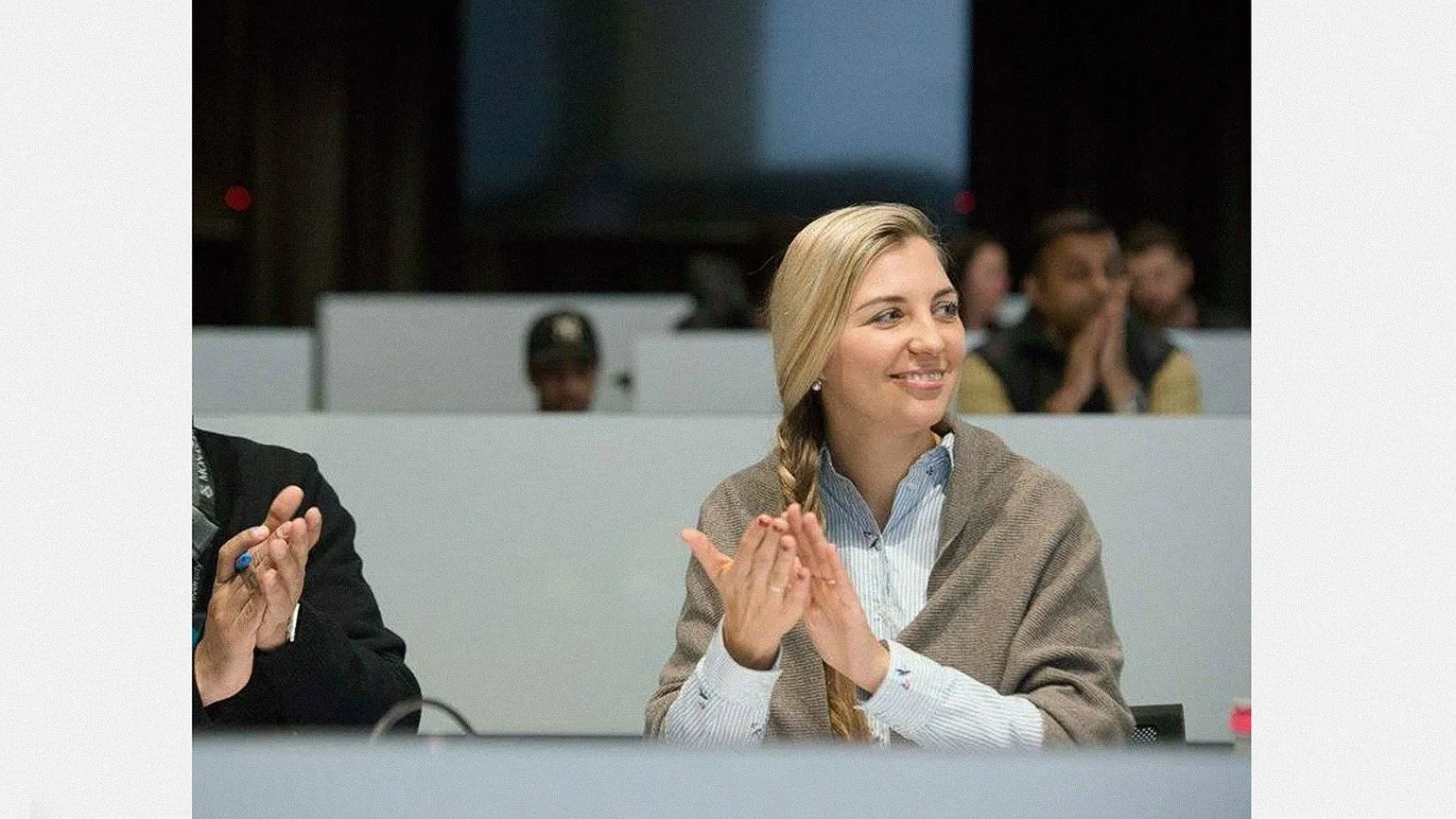
Digital tools can become effective aids in developing student agency. However, the question arises about the role of teachers and professors in a context where access to information has become easier thanks to technology. It is important to understand whether personalization can be introduced into mass education or whether it will remain the preserve of private schools and the most advanced universities. A personalized approach to learning can significantly increase student motivation and engagement, but its successful implementation requires the support and participation of qualified educators. Thus, the teacher does not lose their importance; on the contrary, they become a vital link in the process of adapting educational technologies to the individual needs of students. At the conference "Modern Digital Didactics - 2022," organized by Moscow State Pedagogical Univ., experts discussed the complex issues and risks associated with the implementation of digital personalization systems in education. During the panel discussion "Personalized Education in the Context of Digitalization," opinions were expressed on how digitalization can influence approaches to learning and the challenges facing educational institutions. Participants discussed the effectiveness of personalized learning, its impact on student motivation, and the need to adapt educational technologies to individual student needs. The discussion emphasized the importance of balancing innovation and traditional teaching methods, as well as the need for professional training for teachers to work in the context of digital transformation.
Digital Solutions and Personalization: What's the Connection?
Discussion moderator Ekaterina Kalinina, chief methodologist at SberObrazovanie, raised the key question of how effectively digital tools can address modern challenges in education. In the context of rapid technological development, it is important to evaluate how digitalization can improve educational processes and enhance the quality of learning.

Sergey Stepanov, Deputy Director of the Institute of Education at Tomsk State University, notes that in the modern world, the simple transfer of knowledge is becoming less significant. Developing self-organization skills, such as goal-setting, planning, independence, decision-making, and responsibility for them, is becoming increasingly important. These aspects are becoming key in the educational process. Developing these skills is a significant challenge facing modern didactics, according to the expert.
The world today is full of uncertainty and change, making it impossible to rely solely on external knowledge and examples. In such conditions, it is essential to develop self-organization skills. It is necessary to better understand the processes of self-determination and self-navigation in order to successfully adapt to modern challenges. This requires us not only to be aware of the changes but also to actively seek out effective strategies for managing our lives and learning.
According to Stepanov, digital solutions in modern conditions perform a similar function to learning tools from past eras. They are aimed at facilitating the achievement of educational goals, ensuring an effective learning process and adaptation to new requirements. Digitalization of education is becoming an important tool for improving the quality of learning and access to knowledge.
The speaker shared information about the TSU Institute of Education's laboratory actively researching how to adapt past pedagogical practices to the modern requirements of a human-centered paradigm. An important part of this process is the use of digital technologies, which help integrate new approaches into the educational process.
Sergey Stepanov proposes creating an educational resource navigator for first-year students, which will help them quickly adapt to the university environment and effectively utilize its opportunities. This tool will significantly simplify the search for necessary resources, but it cannot replace personal contacts, such as with a tutor. According to the speaker, only through interaction with people can one gain a deeper understanding of oneself and find personal meaning in learning; otherwise, digital tools lose their value. Stepanov emphasizes that an individualized approach to education requires the creation of a personal educational route, and this route can only be discovered through interaction with other people.

Reworked text:
Read also:
Be sure to check out our other resources to deepen your knowledge on this topic. We offer a variety of articles that cover key aspects and offer practical advice based on the latest research and expert experience. This will help you gain a more comprehensive understanding and better understand the issues that interest you.
Emotional support for students often becomes a key factor in their success. Under academic pressure and stress, many students find that support from friends, family, or teachers plays a crucial role in their academic life. Emotional support helps them cope with difficulties, increases motivation, and promotes the development of self-confidence. It is important to understand that creating a favorable atmosphere for communication and mutual support can significantly improve academic results and the overall well-being of students.
Is personalization possible in a mainstream school?
Is it possible to widely implement personalization in school education? Svetlana Antonova, a methodologist in the Methodology and Educational Programs Directorate at SberObrazovaniye, discusses this. She is the project manager for a project aimed at implementing a personalized learning model in educational institutions. Personalization in education involves adapting the learning process to the individual needs and abilities of each student. This can significantly improve learning effectiveness, helping students develop their strengths and compensate for their weaknesses. Svetlana Antonova notes that the successful implementation of this approach requires a comprehensive approach, including teacher training, the development of educational materials, and the introduction of modern technologies. The introduction of personalized learning into mass practice can be a decisive step towards improving the quality of education and increasing its accessibility for all students.

According to Svetlana, complex issues arise in practice. If there are 30 students in a class, how can the educational process be organized so that everyone can choose their own goal and individual educational trajectory? Is such a system possible? What is the role of the teacher in this context?
The speaker is confident that personalized learning is available not only in private schools. Svetlana Antonova noted that many educational institutions are actively implementing personalization tools, taking into account federal standards and the specifics of the school environment. Examples of such schools are the municipal gymnasium "Koryfey" in Yekaterinburg and the Nizhny Novgorod Author's Academic School. These institutions demonstrate that an individual approach to learning is possible within the framework of the state education system, which contributes to improving the quality of the educational process.
According to the expert, the key factor in the successful operation of a school is not so much its organizational form, but the quality of interaction between teachers, administration, and students. Effective collaboration among all participants in the educational process contributes to the creation of a comfortable and productive learning environment, which, in turn, influences student achievement and the overall climate within the educational institution.
Schools that foster such a culture of interaction help children realize that they are not simply objects of influence, but active participants in the educational process. In such institutions, students understand that they can influence the school atmosphere and relationships in the classroom. This awareness gives them confidence and a sense of importance. When children feel that their opinions matter, they have the opportunity to develop their abilities and actively participate in the life of the group.
Svetlana Antonova highlights an important aspect of personalization in education: the personal choice of the teacher. Effective personalization cannot be imposed from the outside; teachers must recognize its significance and value. Only in this way can teachers successfully integrate a personalized approach into the learning process in their classroom. Understanding the essence of personalization allows teachers to tailor instruction to the individual needs and interests of students, significantly increasing its effectiveness.
Svetlana noted the third factor previously mentioned by Sergey Stepanov: self-organization and self-reflection skills are crucial for students to fully realize their personal potential. These skills help students effectively manage their time, set and achieve goals, and analyze their achievements and mistakes. Developing self-organization and self-reflection contributes not only to academic success but also to the development of sustainable life skills necessary in the modern world.
The question of how to effectively organize instruction in a class of 30 students remains relevant. The speaker emphasizes that digital tools can significantly simplify this task. They can collect and analyze data on the preferences and needs of each child, as well as recommend which skills need to be developed and how to do so. Svetlana also agrees with Sergey Stepanov that technology cannot replace human interaction. The value of personal communication, partnership, and teamwork remains fundamental and indispensable in the educational process.

Read also:
Individual educational trajectories in mainstream schools: expert opinions
The issue of the need for individual educational trajectories in mainstream schools is becoming increasingly relevant. Experts emphasize that such trajectories can significantly improve the quality of education by taking into account the unique needs and abilities of each student. Individualization of the educational process allows not only to adapt the curriculum to the individual student but also to create conditions for deeper assimilation of the material.
Proponents of individualized educational trajectories point out that traditional teaching methods do not always correspond to the interests and abilities of students. The use of personalized approaches promotes the development of creativity and critical thinking, which is especially important in the modern world.
However, critics of this idea argue that the implementation of individualized trajectories can be difficult to implement in a mass school setting. Limited resources, a lack of qualified personnel, and the need to comply with state teaching standards can become an obstacle to individualization.
Nevertheless, many experts agree that individualized educational trajectories can be an important step towards improving the quality of education. The introduction of technologies such as online learning and adaptive educational platforms can help create a personalized approach that will be effective for all students.
Thus, the question of the need for individualized educational trajectories in mainstream schools remains open, but most experts recognize their potential for improving the quality of education and student development.
What is the role of the teacher in personalized learning?
Personalized learning allows students to take greater responsibility for their educational path. However, the question arises: does this relieve the teacher of their responsibilities? It is important to understand that the role of the teacher is not disappearing, but rather transforming. The teacher continues to be an important conduit of knowledge and a mentor who helps students choose appropriate methods and resources. This model of interaction implies collaborative work, where students become active participants in the process, and the teacher supports them, guides them, and offers the necessary tools to achieve educational goals. Thus, responsibility for learning is shared between students and teachers, which promotes deeper engagement and motivation. Dmitry Nesterenko, Academic Director of the Dynasty Private School, emphasizes that the idea of a teacher's diminished responsibility is untrue. The teacher's role in the educational process is being transformed, but responsibility for student learning remains with them. This new model of interaction between student and teacher introduces a third party—the digital device—which plays a vital role in the educational process. Technology is becoming an integral part of learning, requiring teachers to adapt to new conditions and utilize modern teaching methods. The role of the teacher in the modern educational process is to help students navigate the vast amount of information. In the context of digitalization, it is essential to teach them the skills of searching and verifying data, as well as working with various devices. Teachers must teach students to formulate the right questions, which is an essential aspect of effective learning. These skills, necessary for successfully navigating the information space, cannot yet be completely replaced by technology.
Dmitry Nesterenko emphasizes that teachers have an important educational role—they can become role models for students. The Academic Director of Dynasty asserts that only humans are capable of coping with tasks related to emotional intelligence and empathy. Only humans can teach others to manage their emotions and adapt to a constantly changing world. In this context, the importance of human interaction in the educational process becomes especially significant.
The Harmful Effects of Digital Personalization Systems
Recommender systems are one of the most popular tools for implementing personalization in digital solutions. These systems analyze data on student behavior and preferences, process the information received, and offer users content specifically selected for them, including courses and materials on topics of interest. In addition, adaptive systems capable of adapting to students' needs, knowledge level, and learning pace are rapidly developing. These technologies help create a more effective and personalized approach to learning, which facilitates better learning and improves the quality of education. In today's online learning environment, adaptive and other technological solutions are actively used. As Elena Drugova, a research fellow at the Center for Sociology of Higher Education at the National Research University Higher School of Economics, notes, the main goal of these systems is to create the effect of individual attention from a teacher or tutor, while the student interacts exclusively with the computer. Research confirms that adaptive learning significantly improves academic performance and increases student motivation. This makes such technologies an important tool in the educational process, especially in the context of distance learning.
The use of such systems can may be associated with certain risks. Elena highlighted key points that require special attention:
- Ownership of personal data and privacy. Digital solutions used for personalization can collect and analyze a huge amount of information: the history of the user's actions and reactions, their location, appearance, and voice. "Privacy is becoming a gray area. Who owns this data, who has the right to interpret it, and how does he have the right to interpret it?" the speaker notes.
- Opacity of recommendation systems. According to Elena, another complex issue is how much we can trust the conclusions of digital systems. Artificial intelligence collects a student profile and assigns them certain characteristics, but we cannot always say exactly how its algorithms work. And this means that the system's conclusions may be inaccurate or erroneous.
- The degree of control the student has over the system. The speaker notes that if the user cannot independently manage the recommendations of the digital tool, this can cause frustration and a feeling of passivity: "I am not managing my learning; I am being managed." On the other hand, if the system leaves too many options for independent choice, a problem also arises: decision-making requires cognitive overhead. According to Elena, the optimal degree of control is an open question for researchers.
- The information bubble effect. When searching for information, people often filter out alternative ideas and beliefs, choosing only what helps them maintain their own familiar worldview. And personalization systems (like any search engines, by the way) reinforce these "information bubbles" because their recommendations are based on the user's past actions and reactions. Because of this, Elena Drugova believes, students risk missing out on insights that might otherwise arise from encountering something new and unexpected.
- Trust bias. According to the speaker, this is another psychological effect: we unconsciously trust the top positions in search results: "If this link is at the top, it means it best answers my query and will be useful to me." However, recommendation algorithms operate according to their own rules, and for the same query, different results are generated for different people. And here again, problems of system opacity, "information bubbles," and the degree of control arise.
- Skill degradation. Recommender and adaptive systems present information in the most accessible form for the student. But is this always useful? "If it's some kind of online shopping recommendation system, that's good—you're offered something that matches your query, and you don't have to think too hard. But education isn't simply digesting information, storing it, and reproducing it. We expect educational information to be subjected to critical reflection, deeper understanding, and assimilation," Elena believes. In her opinion, personalization systems in their current form can harm the way students receive educational experience and weaken their ability to learn.

Elena Drugova noted that personalized learning tools are aimed at ensuring that each student feels important and actively participates in the process, which contributes to their personal development. However, according to the speaker, the digital environment poses significant difficulties in achieving these goals. It is important to consider the existing limitations and pitfalls that can negatively impact the effectiveness of personalized learning. Researchers should carefully analyze these aspects to improve educational technologies and enhance the quality of learning.
Why the new digital reality scares us
In conclusion of the discussion, Dmitry Nesterenko noted that there is a possibility that digital tools may hinder personalization rather than facilitate it, creating a dependence on auxiliary tools. However, he emphasized that new technologies transforming the educational process represent only one of many challenges that society has faced throughout history. We perceive the education system as something immutable, as a baseline from which we begin our countdown. We view all changes in the educational environment from this perspective. However, it is worth remembering that the education system itself was created once. Classes with many students once appeared, as well as teachers who adapted to new conditions. These changes destroyed established canons and paradigms that had formed over centuries. It is important to recognize that education is a dynamic structure that continues to evolve, and we must be prepared for new transformations. Dmitry emphasizes that digital personalization tools raise legitimate concerns, since we have not yet fully understood how to develop and use them correctly. However, like other technological innovations, this is becoming part of our new reality. Researchers and practicing teachers face the need to find solutions to a variety of issues. For example, how to create assignments in an environment where any information is easily found online, and how to foster student agency in a digital educational environment. These challenges require careful analysis and a creative approach to learning.
Read also:
- Alexander Asmolov: "If we turn digital into an idol, we lose"
- Individual educational trajectories at the university: how it works
- What is digitalization of education and why is it needed?
- How to create an individual curriculum: basic principles, tips, and examples
Online Course Producer from Scratch to PRO
You will learn how to launch profitable courses and webinars with minimal investment. You will understand how to turn existing EdTech projects into profit and make money on online learning.
Find out more