Contents:

Learn: Producer of online courses from scratch to PRO
Find out more
A brief summary is a concise summary of an item, event, or phenomenon. It serves to quickly familiarize you with the key aspects of the topic. These briefs typically highlight key facts, statistics, and important characteristics to help readers gain a general understanding. Briefs can be useful in a variety of fields, including science, technology, culture, and business. They help organize information and make it easier to find answers to frequently asked questions. A well-designed brief improves the perception of information and promotes a better understanding of the subject.
Media manager and head of the Videoset-insta video production studio with over 19 years of experience creating video content for television and business. Specializes in producing high-quality videos that help companies effectively convey their messages to audiences. Our video production expertise includes screenwriting, technical implementation, and post-production, allowing us to cover the full video production cycle.
Rewrite the text, maintaining the main topic and focusing on SEO. Improve the structure and keywords to make the text more attractive to search engines. The content should be concise and informative, without unnecessary details.
Photo: Anna Khlebnikova's personal archive.
How much does video filming and editing cost in the "economy," "business," and "premium" segments?
The main principle is that the costs of course creation should correspond to the stage of development of the online school. Beginning educational platforms do not require high-quality video production. At the same time, large schools with world-class experts should avoid low-quality filming and strive for professional content. This will help attract the target audience and increase trust in the courses.
The budget for filming and designing a video course should be no more than 10-15% of the expected income. It is important to consider that in addition to the costs of content creation, funds will be required for advertising, taxes, salaries, and other expenses. Cutting your budget can lead to a low-quality product, which in turn can make your target audience question the value of your offering. Spending too much can lead to a budget deficit, which can also negatively impact your project. Proper budget allocation will ensure the high quality of your video course and its successful promotion.
When entering the market with a new product, predicting its demand and launch success can be difficult. Under such conditions, it's easy to incur losses. Therefore, many producers choose a cost-effective filming option at the start, which is a smart decision. If the launch is successful and your online school attracts attention, you'll have the opportunity to reshoot the materials, improve the course, and increase its price. This approach minimizes risks and optimizes costs at the initial stage.
Minimum necessary expenses include the following categories: rent, utilities, food, transportation, medical services, and education. These expense items form the basis of the budget and are essential for ensuring a comfortable existence. Rent often accounts for a significant portion of the budget, so it's important to choose wisely. Utilities, including electricity, water, and heating, also require accounting. Food is a necessity that may vary depending on preferences and habits. Transportation costs can include both public transportation and a personal car. Medical services are important for maintaining health, and educational expenses can be associated with both schooling and extracurricular activities. An objective assessment of these expenses will help you better manage your personal budget and avoid financial difficulties.
- Tripod: 1,000–5,000 rubles;
- Ring light: 1,500–5,000 rubles;
- Lavalier microphone: 1,500–4,000 rubles;
- Editing software, such as Movavi, one of the most popular, costs 2,500 rubles.
Creating high-quality video content will require paying specialists, whether full-time or freelance workers. On average, the cost of a cameraman’s work ranges from 8,000 to 15,000 rubles for an 8-hour shift. Video editing costs between 400 and 1,000 rubles per minute of finished material. Investing in professional video will ensure high-quality and engaging content.
However, you can learn video editing on your own. If you don't have experience in this field, you may need to invest 10,000 to 15,000 rubles in video editing courses. You can also find numerous free tutorials on platforms like YouTube that will help you develop your skills and learn the basics of editing.
You can shoot videos for an online school without renting a studio, using your smartphone at home or in the office. This allows you to reduce costs and create high-quality content. Modern smartphones are equipped with good cameras, making them an excellent tool for recording educational materials. Make sure you have good lighting and a quiet environment for best results.

Total hardware and software costs range from 6.5 to 16,500 rubles. If installation training is required, an additional cost of 10,000-15,000 rubles will be incurred.
One of the main advantages of this option is that you retain all the equipment. This allows you to reuse it, significantly increasing its value and efficiency. You can optimize your equipment costs by avoiding ongoing rentals or purchases. This way, you'll not only save money but also have the flexibility to use the equipment at any time, increasing your productivity.
When an online school has reached its initial stage and its courses are beginning to gain popularity, it's time to seriously consider improving the quality of its video content. At this stage, it's already possible to more accurately estimate future revenue and determine the budget for filming and editing. Audience attraction is simplified, reducing the risk of course failure. Investing in high-quality video content can significantly increase the appeal of your courses and enhance their competitiveness in the educational market.
At this stage, it's important to free up time for developing teaching methods and techniques, creating new products, and increasing sales. This is a necessary step for business growth. Performing all tasks in-house can limit your development. To focus on key aspects, consider outsourcing some of the work. You can hire a camera operator, edit and graphic designer, or rent a professional studio. The estimated cost of creating one hour of finished content ranges from 15,000 to 45,000 rubles. The cost depends on your needs, such as studio availability, the complexity of the editing and design, and what tasks you plan to handle yourself.
Prices for video filming and editing services in Moscow vary depending on various factors, such as the duration of the project, the complexity of the shoot, and editing requirements. The average cost of professional video filming in Moscow starts at a certain amount per hour of camera work, including equipment. Video editing may cost additionally, depending on the volume of footage and the complexity of the editing. To get accurate information, it is recommended to contact several studios or freelancers to compare offers and choose the most suitable in terms of cost and quality.
- studio rental: 2-3.5 thousand rubles per hour;
- videographer services with one camera and installed lighting: from 7 thousand rubles per shift;
- editing: from 100 thousand rubles per hour of finished material (you can find cheaper, but the quality of work here often depends on the price);
- purchase of a good lavalier microphone: 3-15 thousand rubles (or free if you have already purchased a microphone for self-filming).
Consider hiring a professional makeup artist to achieve the perfect look in photos. Makeup artist services can cost from 3 to 5 thousand rubles per look. Be sure to discuss the possibility of having a makeup artist present during the shoot, as makeup and hairstyling support throughout the entire process will help maintain your flawless look.
To successfully sell expensive courses, an online school requires high-quality video production. This is especially true if your expert is a popular figure. Viewers won't understand why a famous person is recording a video with a low-quality camera, against a plain wallpaper background, without proper lighting or properly framed footage. Such inconsistencies can undermine trust, especially if the marketing team positions the course as premium. A high-quality video creates a positive impression and emphasizes the value of the content, which in turn helps increase sales and strengthen the school's reputation.
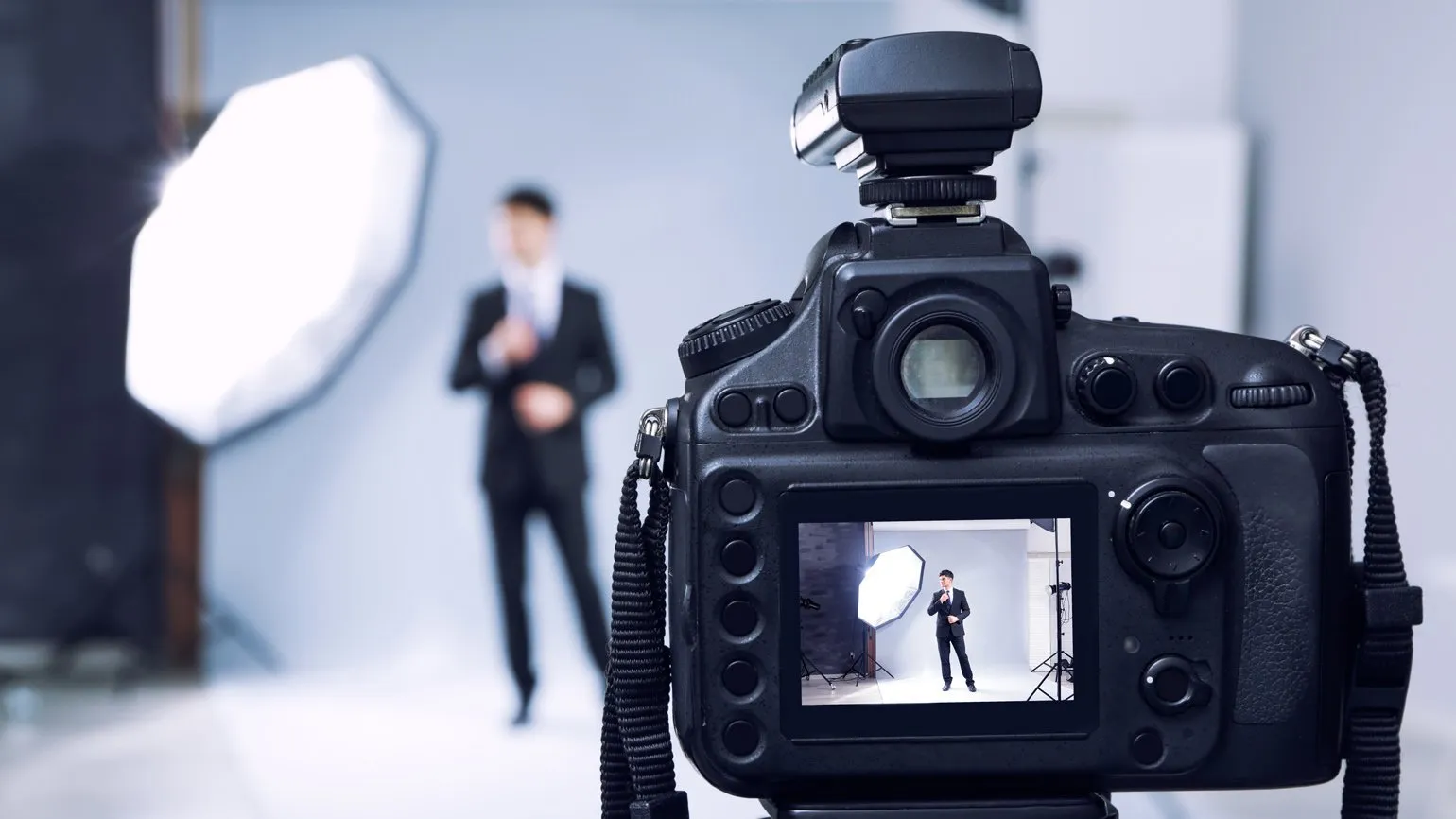
The average cost of a premium video is from 100,000 to 150,000 rubles per hour of finished content. It's worth noting that prices may vary depending on the project duration and the complexity of the graphics. Without preliminary project data, it is difficult to determine an exact estimate, but the provided indicative figures can serve as a starting point for budget estimation.
- Director’s work (20 thousand rubles per project), director of photography (20 thousand rubles per shift), cameraman (10 thousand rubles per shift), sound engineer (10 thousand rubles per shift), assistant (3 thousand rubles per shift), lighting technician (7 thousand rubles per shift), make-up artist (5 thousand rubles per shift), producer (10 thousand rubles per project), editor (from 10 thousand rubles per shift) and editor (5 thousand rubles per project).
- Lighting equipment rental — 20 thousand rubles per shift.
- Camera rental — 3 thousand rubles per shift.
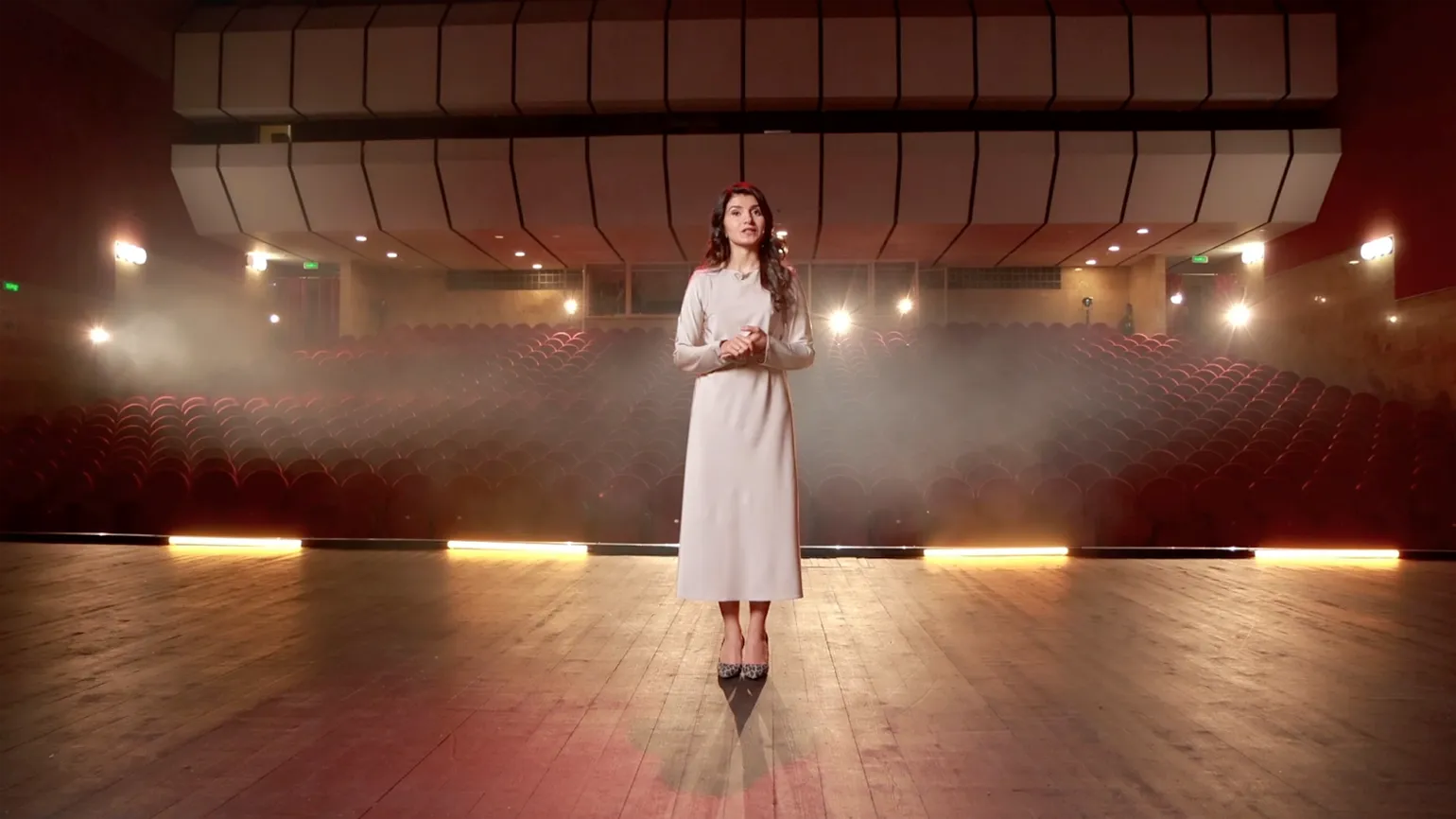
- Studio rental — from 2 thousand rubles per hour. For example, you can even rent an auditorium, as we did when filming Seda Kasparova's online course "The Voice Can Do It."
Don't waste time searching for a studio, equipment, and specialists. Turn to a team that will handle all these tasks. A professional video production company not only films but also selects locations, prepares equipment, creates a style, and creates an image for the expert. The team will also create behind-the-scenes videos to help promote your courses. Effective video production provides a comprehensive approach to content creation, allowing you to focus on developing your project.
A brief summary is a concise summary of information that helps you quickly get the necessary information on a specific topic. This format is often used to simplify the data and make it easier to find key facts. Brief summaries can include key definitions, characteristics, statistics, and other important aspects. They are useful both for a quick overview and for preparing a more detailed analysis. An effective executive summary should be clear, concise, and to the point so the reader can quickly grasp the essence without unnecessary information.
Media manager and head of the Videoset-insta video production studio with over 19 years of experience in video content for television and business. Specializes in creating high-quality video products that help companies effectively convey their ideas and increase brand awareness. In her work, she uses modern technologies and creative approaches to achieve maximum results.
Photo: Anna Khlebnikova's archive.
How to reduce the cost of creating video content for online schools
Let's consider several effective methods that will reduce the costs of creating video content without compromising its quality. It is important to follow proven approaches to achieve optimal results. Cutting costs shouldn't compromise the professionalism of your video. Optimizing filming time significantly reduces editing costs. Effective planning and organization of the filming process saves resources and improves the quality of the final product. This, in turn, makes the project more profitable and attractive to clients.
High-quality preparation significantly increases the amount of video content that can be recorded in a single work shift. This means you can reduce costs for studio rental, camera operator, makeup artist, and other professionals. An efficient workflow facilitates the creation of more materials, making the project more cost-effective and productive.
Editing a video with numerous takes, caveats, and unnecessary digressions can be quite expensive. The process becomes especially challenging when the video has a poor structure: the expert gets confused, jumps from one topic to another, and frequently changes their mind, declaring that certain sections are unnecessary and would be better addressed elsewhere. Such video material requires careful processing and a significant investment of time, which, of course, is reflected in its cost. Professional editing in such cases not only increases the price but also requires a highly qualified specialist.
To avoid unnecessary expenses, it is important to consider several key aspects in advance. First and foremost, draw up a detailed action plan that estimates all possible costs. It's also important to prioritize and identify key goals so you can focus on the most important elements. Research the market and compare offers to find the best value for your money. Don't forget about potential hidden costs, such as additional services or taxes. Be prepared for unexpected situations by creating a reserve budget. Proper preparation will allow you to save significantly and avoid financial difficulties in the future.
- The image of the expert (teacher) who will be present in the video. It's best to choose clothing colors and a rough makeup look in advance. This way, the makeup artist won't have to create a look from scratch and waste time on makeup that the speaker might not ultimately like.
- A clear structure. For each lesson you film, you need to prepare the main points, and in writing, so the expert can refer to the "cheat sheet" at any time. If the online school teacher has difficulty improvising or is nervous during filming, prepare a teleprompter transcript.
- A list of the lessons you plan to film on a specific day. It's best to avoid surprises—let the expert prepare the selected topics in advance.
Rehearsal is a key step in preparing for a presentation. During a rehearsal, the teacher will be able to test the material, and the producer will identify any shortcomings that may arise during the presentation. This allows for timely adjustments and improvements to the presentation. Rehearsals are significantly more effective than re-filming completed lessons or wasting time on multiple takes on set.
It's important to demonstrate to the expert how they will appear on video in advance. A five-minute test video is sufficient for this. If the speaker notices any flaws in their image or delivery, they will have the opportunity to correct them before the main shoot. This approach will improve the quality of the final product and enhance audience perception of the content.
If you need to create a course trailer, a video instructor profile, and a training invitation for publication on a landing page and social media, it makes sense to record everything in one session in a single studio. This will help maintain a consistent style and image of the expert, while also saving money. Filming each content element separately risks additional costs.
In our experience, we worked with Kairos Psychology School, creating a presentation, video profile, and program announcement for them. All materials were filmed in a single day in a unified style, which allowed for significant savings. As a result, the school paid 80,000 rubles for all the finished content. If the video profile had been filmed on one day, and the program announcement and presentation on another, the client would have had to pay an additional 40,000 rubles for the services of a cameraman, makeup artist, studio rental, and other expenses. This example demonstrates the importance of an integrated approach to video content creation to optimize costs.
It is recommended to shoot in batches throughout the day, rather than spreading the shoot over 2-3 hours on different days. This approach is simpler and more convenient, and also reduces costs. Filming in a single day provides a unified context and helps avoid additional time and resource expenditures.
Shooting in 4K resolution, which provides an image width of approximately 4000 pixels, allows for the creation of high-quality and detailed video content. However, processing such video requires a powerful computer, which can increase editing costs. However, in certain situations, using 4K can lead to savings. For example, high image quality can reduce the need for reshoots or additional post-processing, which can ultimately reduce the cost of the project.

If you are going to include in the video If you're creating a presentation, such as illustrations or infographics, and plan to publish the video in a resolution lower than 4K, then shooting in 4K isn't necessary. To add movement to the frame, simply use graphic design that effectively conveys your idea and makes the video more engaging for viewers.
If you don't have a presentation but want to add movement to the footage by varying shots (for example, using waist-up, chest, and close-up shots), consider shooting in 4K. This will eliminate the need for an additional camera, as you can zoom in on the frame during editing without losing quality. Shooting in 4K will provide greater flexibility in post-production and improve the final quality of the video.
The question is how you plan to create movement in the frame. If your goal is variety in shots, then shooting in 4K will be a more cost-effective choice than renting an additional camera. However, if the focus is on the presentation, animation, pop-ups, and other visual elements, then 4K is unnecessary. It's important to keep in mind that the choice of resolution depends on the specific objectives and style of your video project.
This approach is ideal for shooting using two cameras. In this case, the cameraman should pay special attention to the camera with the closer shot. This will allow him to quickly react to the situation and notice if the expert moves out of frame.
Key aspect: the sound must be recorded on this camera. If there is a loss of sound during shooting and no one notices it, you will have to re-shoot several hours of footage.
When transcribing the expert's speech, it is useful to make notes for the editor about which phrases should be cut and which should be left. This significantly speeds up the editing and approval process, which in turn reduces the cost of the work. This approach to material preparation increases the team's efficiency and optimizes post-production time.
A practical example demonstrates how streamlining the editing process can significantly reduce time and costs. One hour-long episode of the "Kudashkin Show" without transcription required 4-5 working days for editing and approval. The process was as follows: the editor sent the finished version to the client's editor, who was often dissatisfied with the choice of takes and returned the material for revision. The editor reworked the episode, and this process continued through several iterations. Had the client specified in advance which takes should be included in the final video, unnecessary revisions could have been avoided and savings of 10-20 thousand rubles per hour of finished content could have been achieved. This case highlights the importance of pre-approval of details to improve efficiency and reduce costs.
Before engaging a contractor, you, as the client, should carefully review the footage and consider how you want it edited. This will help you formulate a clear and understandable brief for the contractor, which in turn will ensure a higher-quality result. Clear technical specifications will help avoid misunderstandings and speed up the editing process, which is essential for achieving the desired final product.
The video transcript can be passed on to an editor, who will use it to create social media posts and articles to promote your online school. This will help increase your audience reach and increase interest in your educational materials. Proper content optimization for SEO will ensure better search engine rankings and attract new students.
This tip is especially useful for those filming videos in various locations. For example, if your online course is about cooking, you could film a lesson on choosing ingredients in a store, the cooking process in a kitchen, and table setting tips in a cozy dining room. This approach not only makes the training more visual but also helps retain viewers' attention by diversifying the content and creating an engaging atmosphere. Using different locations also allows you to highlight different aspects of the culinary arts and make the course more interesting and informative.
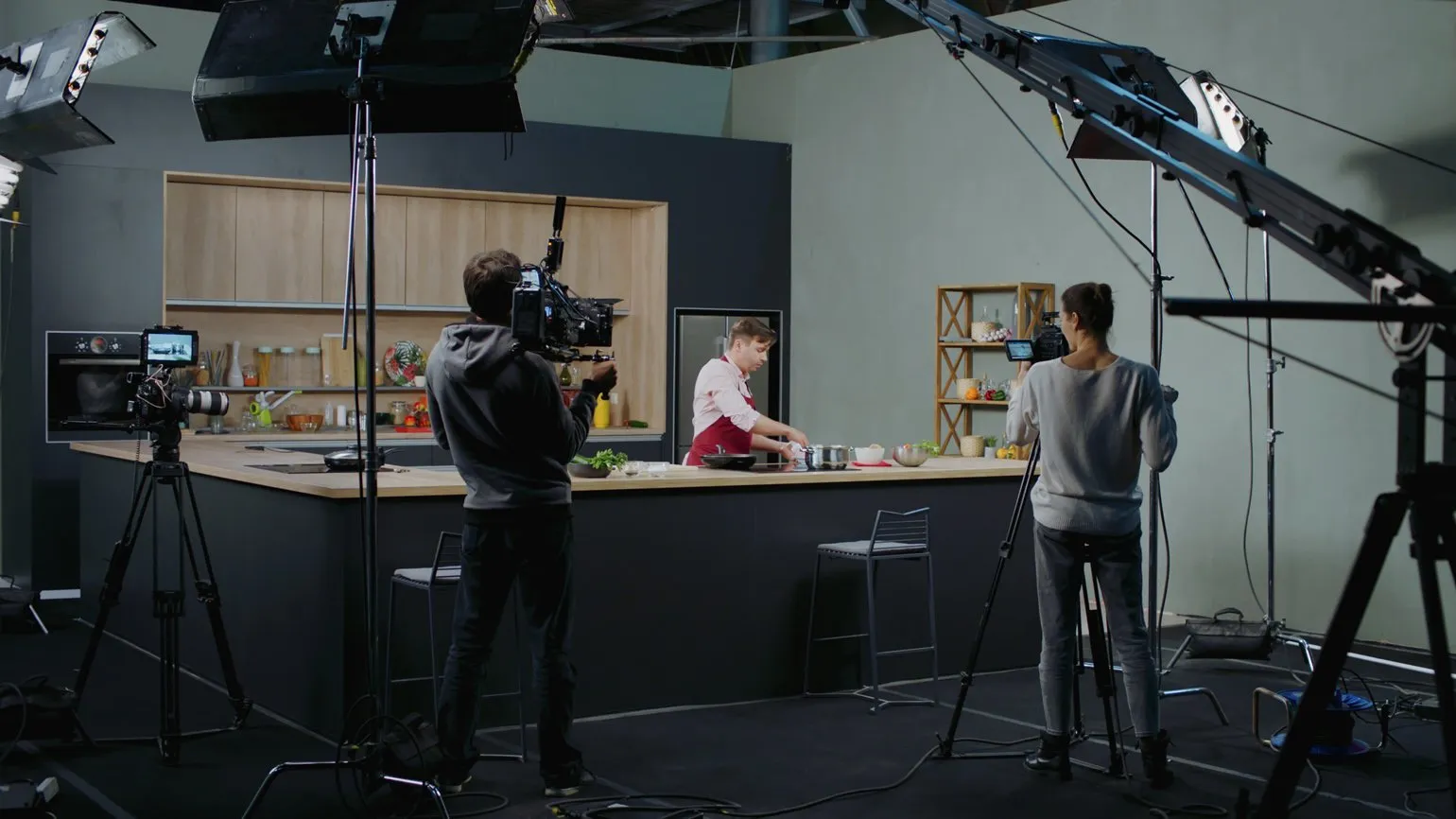
In this situation, it is not recommended to film video lessons sequentially, starting with the first lesson and ending with the last. Instead, it's a good idea to pre-select all the scenes you need to film in the store, even if some of them are just the final lessons of the course. It's best to record all the content in one location and then move on to filming in the kitchen and other locations. This will significantly reduce your budget: you won't have to pay for studio rentals, makeup artists, camera operators, and other specialists each time, as well as relocate equipment and set up lighting. This approach will not only reduce costs but also simplify the video production process.
This option is only suitable if you're ready to complete filming the entire course before sales begin, with the option of postponing editing. If you plan to launch the course while filming is still in progress and gradually expand it, this cost-cutting method won't be effective.
How an online school can make more money from video content
We've already covered the cost of video filming and ways to reduce costs. However, increasing revenue from video content is no less important. To achieve this, you need to focus on several key aspects, such as optimizing video quality, improving marketing, and choosing the right distribution platforms. Effectively promoting your video content, using SEO techniques, and engaging with your audience will help attract more viewers and increase revenue. It's also important to analyze the results and adapt your strategy based on the preferences of your target audience. Let's give video content new life. Repackaging content is an effective way to use it. For example, if an expert has given a two-hour paid webinar, the recording can be given to an editor to cut into mini-lessons. Each of these lessons can be supplemented with a short introduction, text materials, and homework. The result is a complete course that can be offered as a standalone product, increasing its value and expanding its audience. A large course can be effectively repackaged into several separate products. For example, if the course covers interior design, it can include multiple modules, such as color theory, software, lighting, client interaction, design project preparation, and other important aspects. Each of these topical units can be developed into a separate mini-course, available at a lower price than the full course. This will attract students interested in specific topics and allow them to purchase only the mini-courses that align with their interests. This approach not only expands your audience but also increases your chances of sales by making the training more accessible and user-friendly.
You can use a similar approach to improve sales of a course that hasn't met expectations or for marketing purposes. It's recommended to divide the course into short units. Publish individual lessons on YouTube for free access, and post the mini-courses on social media platforms such as VKontakte and Telegram. This content will help draw attention to your other products and increase sales by generating interest and engaging your audience.
Learn more about education on our Telegram channel. Subscribe to stay up-to-date with interesting content and breaking news!
Check out our latest articles and learn more about interesting topics. We offer in-depth analysis, helpful tips, and cutting-edge news to help you expand your knowledge. Don't miss out on our content, which answers important questions and provides practical information. Follow the updates and stay up to date with all the events.
- Be Your Own Cameraman: How to Shoot a Good Educational Video on Your Phone
- How to Keep the Attention of Webinar Participants
- 11 Typical Mistakes When Creating Presentations
Online Course Producer from Zero to PRO
You'll learn how to launch profitable courses and webinars with minimal investment. You'll understand how to turn existing EdTech projects into profits and make money from online learning.
Find out more