
Contents:
- What is formative assessment?
- What is formative assessment?
- Are regular grades no longer suitable for assessment?
- Are regular grades no longer suitable for assessment?
- Does formative assessment work with adults too, or is it only suitable for children?
- Does formative assessment work with adults too, or is it only suitable for children?
- Does formative assessment exist in Russian schools and universities? How is it usually organized?
- Do Russian schools and universities use formative assessment? How is it usually organized?
- They say that formative assessment requires teachers to work even harder than usual. Is this true?
- They say that formative assessment requires teachers to work even harder than usual. Is this true?
- What's so difficult about criteria-based assessment?
- What's so difficult about criteria-based assessment?
- So, you can't just go and try formative assessment - you have to prepare for it for a long time?
- So, you can't just go and try formative assessment - you have to prepare for it for a long time?
- Is it possible to introduce formative assessment into mass education everywhere, or is it a utopia?

Learn: Profession Methodist from scratch to PRO
Find out more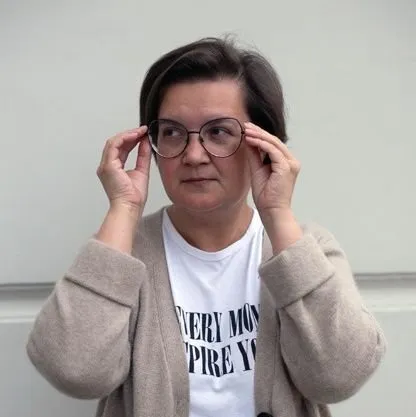
Analyst at the A. A. Pinsky Center for General and Supplementary Education, visiting lecturer at the National Research University Higher School of Economics and author of the podcast "Change for the Teacher". His work includes the analysis of educational trends and the development of methods aimed at improving the quality of education. The podcast explores current educational issues, making it a valuable resource for educators and professionals in the field.
What is formative assessment?
Formative assessment is a set of methods and practices aimed at evaluating the learning process in real time. This approach allows teachers to receive feedback from students, which helps them better understand how they perceive the material. Based on the information received, the teacher can adapt the curriculum and differentiate instruction, making it more personalized and effective for each student. Formative assessment promotes active student engagement in the learning process and improves their learning outcomes.
Formative assessment helps students develop important skills such as reflection, processing information, and self-assessment of their performance. This approach helps students design their own learning and take initiative in the educational process. Developing these competencies not only improves academic performance but also builds self-confidence, which is the foundation for future success in both school and life.
What is formative assessment?
Formative assessment is a set of practices, methods, and activities aimed at assessing the learning process. Teachers receive feedback from students, which allows them to better understand their perception of the material. This, in turn, provides an opportunity to adapt the curriculum and make learning more personalized. Formative assessment promotes active student engagement in the educational process and helps identify their strengths and weaknesses, which contributes to more effective knowledge acquisition.
Formative assessment helps students develop important skills such as reflection, information processing, self-assessment, and analysis of their achievements. This approach allows students to design their own learning and develop independence. As a result, students become more active participants in the learning process and are better able to understand their strengths and weaknesses.
Are standard grades no longer suitable for assessment?
A grade by itself is not informative. For example, if a child makes 30 mistakes in a dictation and receives a failing grade, but then, after diligent study, makes only 10 mistakes a month later, their personal progress is significant. However, the grade remains the same. In such a situation, the grade does not reflect the student's level of development in mastering the curriculum and can demotivate the student. It is important to consider the child's progress in order to create a fairer assessment system that will promote their development and maintain motivation for learning.
The grading system has its value and remains relevant. It is primarily suitable for summative assessment, reflecting the end result rather than the learning process itself. However, grades can also be used for formative assessment, which does not contradict their purpose. Points can be assigned for completed assignments, and then a final grade is formed based on these points. This allows for consideration of both the process and the outcome, providing a more complete picture of student achievement.
Are standard grades no longer suitable for assessment?
A grade alone does not provide complete information about a student's progress. For example, if a child makes 30 mistakes in a dictation and receives a failing grade, their diligent work over the course of a month, which results in them reducing the number of mistakes to ten, will not be properly assessed. Despite significant personal progress, the grade remains the same, which does not reflect the true level of mastery of the material and can demotivate the student. It is important to take into account individual achievements and changes in performance to create a fairer assessment system.
The grading system still has its advantages, but it is primarily intended for summative assessment, focusing on the result rather than the learning process. However, grades can also be used as part of formative assessment, which does not exclude their combined use. Points can be assigned for completed assignments and then a final grade is formed based on these marks. This approach allows for both student results and progress to be taken into account, making the learning process more comprehensive and effective.
Does formative assessment work for adults too, or is it only suitable for children?
Formative assessment is an effective tool for both children and adult learners. Assessment methods for different age groups are generally similar. However, implementing these practices early in the learning process yields more significant results. Proper use of formative assessment helps identify students' strengths and weaknesses, which contributes to their development and increases their motivation to learn. Working with children at the beginning of their learning process can present certain challenges, as assessment requires students to develop specific skills. These include the ability to analyze their actions and formulate questions. These cognitive skills, although useful, may seem difficult to master. However, with regular practice, the results will be immediate and visible. Does formative assessment work with adults, too, or is it only suitable for children? Formative assessment is an effective tool for both children and adult learners. The assessment techniques used for different age groups are generally similar. However, introducing these practices at the early stages of learning significantly increases their effectiveness and promotes deeper learning. Working with children can initially present certain difficulties, as this approach requires students to develop specific skills. These skills include analyzing their own actions and asking questions. Although these cognitive skills are complex, their development significantly improves the learning process. With regular practice, results can be achieved quickly. Do Russian schools and universities use formative assessment? How is it usually organized? Formative assessment practices are actively used in educational institutions of various levels in Russia. These practices can vary significantly depending on the methods chosen by a particular teacher. The choice of formative assessment techniques is based on the content of the lesson, its goals and objectives, as well as the age characteristics of the students. Formative assessment fosters deeper understanding of the material and increases student engagement in the learning process. Let's consider the "3-2-1" technique, which effectively promotes student reflection. At the end of a lesson, teachers can ask students to write down three new facts they learned, two facts they found most interesting, and one conclusion or question they still have. Students' responses provide valuable information for the teacher: for example, they can identify aspects of a new topic that were overlooked, which can serve as a basis for emphasizing them in the next lesson. This technique also helps identify important issues that remain unclear to many students, which helps adapt the learning process and improve its effectiveness. Using the "3-2-1" technique in the educational process not only helps deepen understanding of the material but also develops critical thinking skills in students.

Do Russian schools and universities have formative assessment? How does it typically work?
Formative assessment practices are actively used in educational institutions at various levels in Russia. These practices vary depending on the techniques used by the teacher or instructor. The choice of assessment methods depends on the content of the lesson, its goals and objectives, as well as the age and characteristics of the students. Formative assessment plays an important role in the learning process, as it allows not only to assess the level of material assimilation but also to adapt teaching methods to achieve better results.
The "3-2-1" technique is an effective tool for developing student reflection. At the end of the lesson, teachers can ask students to write down three new facts they learned, two most interesting facts, and one conclusion or question that remained unanswered. These responses provide the teacher with valuable information: they show which aspects of the new topic the students paid attention to and which remained unclear. This makes it possible to adjust the plan for the next lesson, paying more attention to important, but unclear points, which contributes to a deeper assimilation of the material and increases interest in learning.

They say that formative assessment requires teachers to work even harder than usual. Is this true?
The formative assessment system used by teachers and lecturers requires both certain skills and significant time resources. This is due to the fact that formative assessment is based on criteria-based assessment. To evaluate specific assignments, modules, and topics, it is necessary to develop special criteria that reflect the educational results achieved by students. These results can be classified into different levels, such as beginner, advanced, and high. Formulating criteria is a complex task that takes a significant amount of time and effort. Effective use of formative assessment contributes to a more accurate and objective analysis of the educational process, which in turn improves the quality of learning and promotes the development of students' competencies.
They say that formative assessment requires teachers to work even harder than usual. Is this true?
The formative assessment system used by teachers and educators requires not only professional skills but also significant time resources. This is due to the fact that the basis of formative assessment is criterion-based assessment. For each assignment, module, or topic, it is necessary to develop specific criteria that reflect the educational outcomes achieved by the student. These outcomes can be presented at various levels, such as beginner, advanced, and advanced. Formulating assessment criteria is often a complex task that requires a significant investment of time. Optimizing this process can significantly improve the effectiveness of teaching and assessment.
What's so difficult about criterion-based assessment?
The outcome we establish must be clear, observable, and measurable. It is important that it is known and understood by students in advance. This will help them better perceive feedback, recognize their current level, and understand what steps need to be taken to reach the next level. Transparency in assessment criteria promotes more effective learning and motivates students.
Formulating criteria for difficulty is often difficult because we tend to think abstractly. For example, when a teacher develops criteria for assessing the performance of a poem by heart, they might state: "The student felt the beauty of Russian nature." However, such a criterion cannot be assessed objectively, since feelings, knowledge, and understanding are subjective. In contrast, the ability to identify artistic images, phraseological units, or other elements of artistic expression in a poem is a more concrete task. These aspects can be measured, and the teacher can formulate objective assessments that students can strive for.
The highest level of learning occurs when assessment criteria are developed collaboratively with students. This approach helps create a more engaged and productive learning environment. Although such examples do exist, their implementation requires significant effort and preparation from all participants in the learning process. Collaborating on criteria not only promotes a better understanding of requirements, but also develops critical thinking skills in students, which ultimately improves the quality of education.
What's so difficult about criteria-based assessment?
The outcome we determine must be clear, observable, and measurable. It must also be known and understandable to students in advance. This facilitates the perception of feedback, helps them understand their current level of knowledge, and provides a clear idea of the actions required to achieve the next level. Clearly formulated success criteria contribute to more effective learning and student development, allowing them to consciously move towards their goals.
Formulating assessment criteria is often difficult, since we tend to think abstractly. For example, if a teacher develops criteria for assessing the performance of a poem from memory, one of the criteria might sound like "the student felt the beauty of Russian nature." However, it is impossible to evaluate this objectively, since feelings and understanding are subjective. In contrast, searching for artistic images, phraseological units, or other means of artistic expression in a poem represents specific tasks that can be measured. Such results allow the teacher to be accountable for the assessment, and the student to strive to achieve them. Effective assessment criteria should focus on measurable aspects to ensure fair and understandable assessment for all participants in the educational process.
The ultimate goal is to co-develop assessment criteria with students. Such examples exist, but such work requires significant effort and preparation from all participants in the educational process. Effective collaboration between teachers and students promotes a deeper understanding of the criteria and increases motivation for learning.
So, simply trying formative assessment won't work—it requires extensive preparation?
Trying formative assessment is entirely possible. There are many simple and effective techniques that can bring significant benefits to the educational process. We have already mentioned one such example earlier. Using formative assessment promotes a deeper understanding of the educational material and improves feedback between the teacher and students.
So, you can’t just go and try formative assessment—you need to prepare for it for a long time?
Trying formative assessment is a great idea. There are many simple and effective techniques that can be used to achieve tangible results. We have already mentioned one example of such techniques. The use of formative assessment will help improve the educational process and increase student motivation.
Is it possible to introduce formative assessment into mass education everywhere or is it a utopia?
This is not a utopia, but a reality that needs to be implemented in the educational process. It is important to demonstrate to teachers the available opportunities for improving learning. Radical changes in the education system are not required; It's enough to start with simple techniques that don't require a significant amount of preparation time. A conscious approach is key, as formative assessment is based on student input and helps better understand their needs and level of learning.
Learn more about education by subscribing to our Telegram channel. Here you'll find current news, helpful tips, and interesting facts about the world of education. Don't miss the opportunity to stay up to date with the latest developments and trends in this important area.
Also explore:
- Why educators are calling for abandoning grades
- Simple formative assessment techniques for teachers
- What are the alternatives to traditional grades: American practice
- How to assess student progress: unusual but effective methods
Profession Methodologist from scratch to PRO
You will improve your skills in developing curricula for online and offline courses. Master modern teaching practices, structure your experience, and become a more sought-after specialist.
Find out more