Contents:

Who are you in the world of game development? Find out on a free course ➞ You will try out 3 professions in practice: game designer, 2D artist, and Unity developer. Create your first Mario-style game. Details are available by clicking here.
Learn moreThe phrase "Owls are not what they seem" from the cult TV series "Twin Peaks" perfectly captures the essence of the games from Remedy Entertainment. This Finnish studio time and again offers players not just dynamic third-person action games, but mysterious and sometimes eerie stories, where dreams and internal conflicts of the characters are just as important as the exciting action. Remedy games are distinguished by a unique storytelling style, in which the combination of the strange and the funny creates an inimitable atmosphere.
Remedy's signature style is evident in each of its projects, be it Max Payne's vendetta or the search for Jesse Faden's missing brother. Fans appreciate the uniqueness and atmosphere of the studio's games, which allows them to forgive even significant shortcomings.
Remedy's distinctive style did not arise by chance; Its uniqueness is due to the studio's special roots, which distinguish it from other well-known game developers.
Second reality and death rally
In the mid-nineties, Samuli Suwahoku founded the company Remedy, setting up a studio in the basement of his parents' home. By then, he was already known as the leader of Future Crew, one of the most influential scene-setting teams in Europe. Remedy's creation marked a milestone in the history of video game development, as the company quickly gained recognition for its innovative approaches and high-quality products.
The demoscene is a subculture that emerged around the creation of demo programs that play audiovisual content. Initially, demos were used to showcase the technical capabilities of computers, but scene participants began to perceive them as independent works of art. Over time, the demoscene became an important part of computer culture, bringing together programmers, artists, and musicians eager to showcase their skills and creativity in creating unique audiovisual experiences.
These creators' creations showcased their mastery of programming and graphic design. Teams of coders, composers, and designers competed at demo events, striving to maximize the capabilities of the personal computers of their time. The competition at such events fostered creativity and innovation in computer graphics and programming. Gregor Leden, Senior Narrative Designer at Remedy, noted in an interview that the atmosphere in the studio was unique: "Rows of people sitting at computers, each playing their own music, hacking, and modding. It created a sense of absurdity." This creative environment fostered innovation and experimentation in game development, an important aspect of the video game industry. The demoscene has significantly influenced the development of digital culture, particularly in Finland. In 2020, this movement was recognized as part of UNESCO's Intangible Cultural Heritage. One of the key participants in this movement was the Future Crew team, which made a significant contribution to the development and popularization of the demoscene. Future Crew is known for its innovative work and original approaches, which contributed to the growing interest in digital art and technology.
The team gained popularity thanks to the Second Reality demo, presented in October 1993. This work of art became iconic due to its unique combination of 2D and 3D graphics, impressive computer effects, and futuristic techno music. The demo was unique in that it rendered in real time, which was revolutionary for its time. Second Reality not only demonstrated the capabilities of technology but also had a significant impact on the development of the computer graphics industry and the demoscene, inspiring many other developers to create innovative projects.
Soon the ambitions of the Future Crew team turned into a desire to develop full-fledged games. On August 18, 1995, Samuli Suwahoku, Petri Järvilehto and other participants, gathered from among the demosceners, founded the company Remedy Entertainment. This event became an important step towards the creation of innovative gaming projects, which subsequently became known in the global market. Remedy Entertainment quickly gained recognition thanks to its unique approach to game development and high quality content.
The essence was this: "Let's create games, because we have the opportunity. We can do them significantly better than anyone else because we have a deep understanding of computer technology.
Henry Blafield serves as Head of Animation at Remedy. In this role, he is responsible for creating high-quality animation that immerses players in the game atmosphere. Henry actively influences the development of animation technologies and processes, ensuring realistic interactions between characters and the surrounding world. His experience and creative approach help the Remedy team create unique game projects distinguished by a high level of detail and emotional expressiveness. Under his leadership, animation in Remedy games becomes an integral part of the gaming experience, which is confirmed by the high interest and positive feedback from players.
Relations with the game publisher 3D Realms played a vital role in the development of Remedy. In 1996, 3D Realms released Remedy's first project, the arcade survival racing game Death Rally. The game received positive reviews and good sales. Moreover, it was thanks to this game that future creative director Sam Lake, known under the pseudonym Sami Antero Järvi, joined the studio. This project became a key moment in Remedy's history, defining its future direction and success in the gaming industry.
Sami Antero Järvi found himself in the gaming industry almost by accident. He was studying English architecture at the University of Helsinki when his childhood friend Petri Järvilehto invited him to write texts for the menus and tutorials of the game Death Rally. This invitation became an important step in his career, opening doors to the world of video game development and screenwriting. Jarvi used his skills and knowledge to create engaging content that captured the attention of players and made Death Rally popular in its genre.
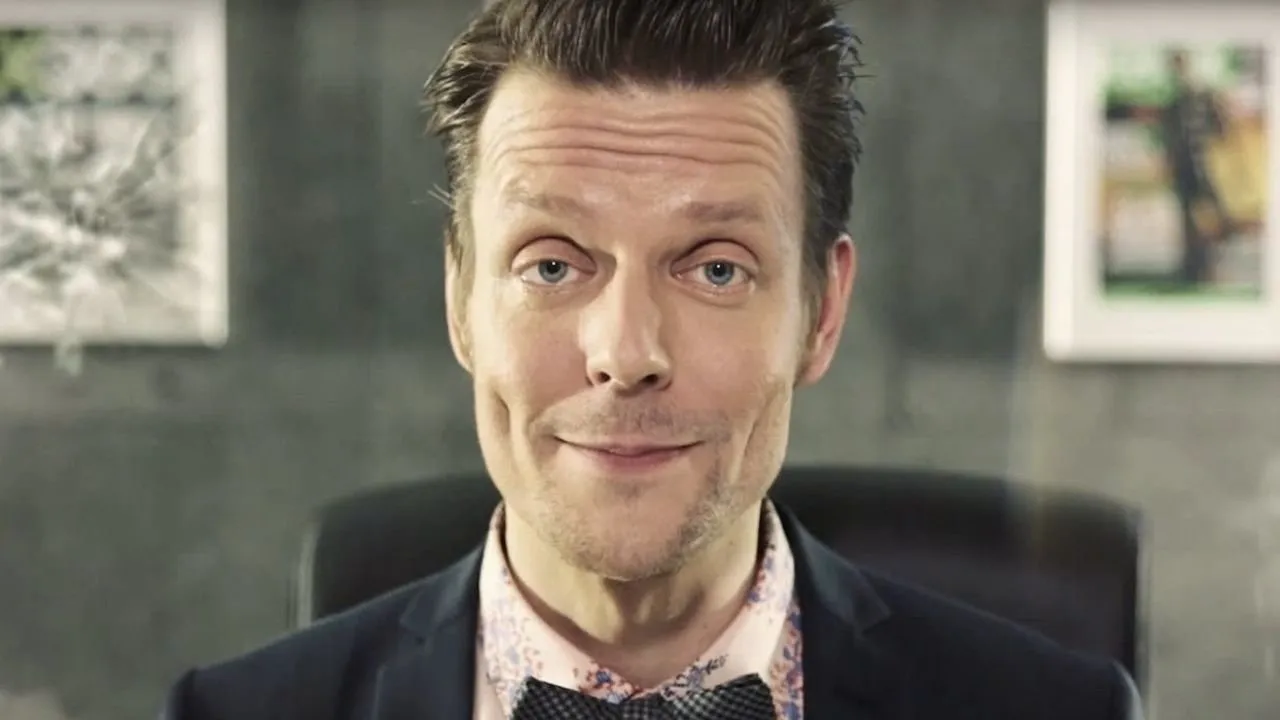
Lake recalls, One day, while working, he noticed a blank space beneath the image on the screen that could hold ten lines of text. He thought, "Can I write a story here?" After receiving approval, he began crafting a gripping story set in the world of Death Rally. This story became a shining example of his creativity and ability to transform blank space into a compelling narrative.
After completing Death Rally, the screenwriter joined the team of Dark Justice, a 3D shooter about a near-future police officer fighting drug dealers. This concept would become the basis for the game that would bring the studio worldwide recognition.
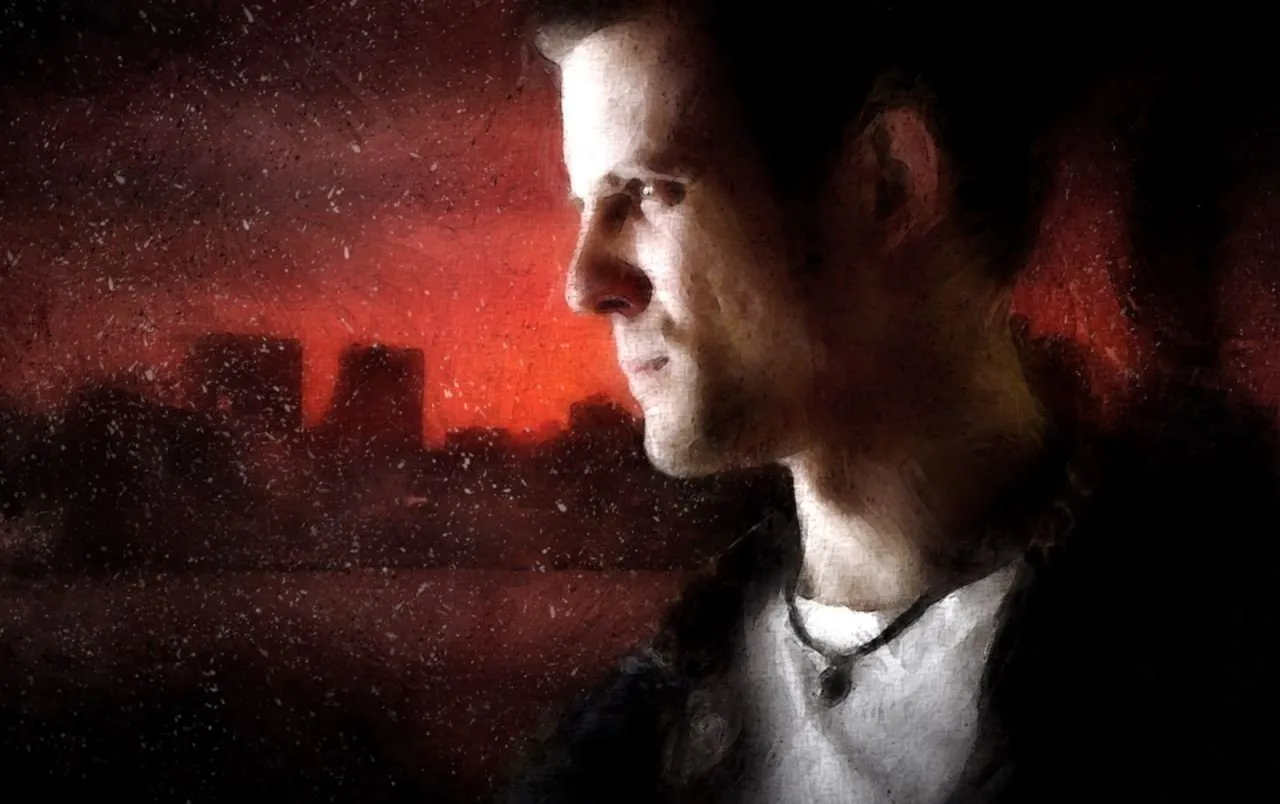
Max Payne, My Dearest Friend
In 1997, Remedy introduced the Final Reality benchmark, which became an important tool for testing the performance of computer systems. This presentation program included breathtaking panoramas of a futuristic metropolis, inspired by the cult film "Blade Runner." A highlight of the presentation was a Max Payne poster placed on the façade of one of the skyscrapers, attracting attention and symbolizing the connection between technology and gaming culture. Final Reality not only demonstrated the graphics capabilities of the time but also set high standards for future projects in the video game industry.
The game's benchmark was based on the MaxFX engine, developed by the studio itself. In the late 1990s, using in-house engines was common practice, as licensed solutions were virtually non-existent. In this context, the company was able to effectively leverage its scene-writing roots to create a unique gaming product.
With our experience in the demoscene, we developed a solid technical foundation. Where the necessary tools were missing, we created them ourselves to achieve our goals.
Saku Lehtinen is Art Director at Remedy, a company known for its high-quality games and unique approach to visual style. His work encompasses concept development and visual design, allowing Remedy's projects to stand out from the competition. Lehtinen is actively involved in graphics and design development, ensuring high standards of artistic execution. Under his leadership, the Remedy team creates immersive and memorable game worlds that captivate players. Saku Lehtinen's experience in the video game industry makes him a key figure in shaping the visual identity of the company and its projects.
MaxFX has opened new horizons for developers, enabling features previously thought impossible in video games. One striking example is the bullet time effect—a slow-motion effect that players can use to eliminate enemies more precisely and strategically. This technology not only increases player engagement but also adds depth to the gameplay, making it more immersive and dynamic.
The slow-motion mechanic in Max Payne was inspired by John Woo action films such as Hitman and Hard Boiled. One of the director's signature styles is the striking shot of the hero jumping in slow motion and firing at enemies with both hands. The developers intended to adapt this unique visual technique for gamers, creating an immersive gaming experience that combines dynamic action with cinematic aesthetics.
The bullet time mechanic was first unveiled in a trailer at E3 in 1999, and Remedy instantly captured the attention of gaming audiences. Just a few months earlier, the first installment of The Matrix, which also utilized this effect, had hit US theaters. The film's success fueled interest in Max Payne, which quickly became one of the most anticipated games in the industry.
The developers spent a long time searching for the optimal use of the game's key mechanics. They tried many different approaches, including limiting the bullet time mode to only certain rooms. However, the true breakthrough came when one of the Remedy employees came up with the idea of making bullet time a resource that must be accumulated. This solution radically changed the game mechanics and created a more engaging and immersive experience for players.
Released in the summer of 2001, Max Payne immediately won critical acclaim and took a leading position in sales. The game's unique gameplay, combining tense moments with a dark storyline about revenge and mafia warfare, was groundbreaking for its time, helping to turn the game into a cult classic. Max Payne not only brought new mechanics to the gameplay, but also left a deep mark on the history of video games, setting high standards for subsequent releases.
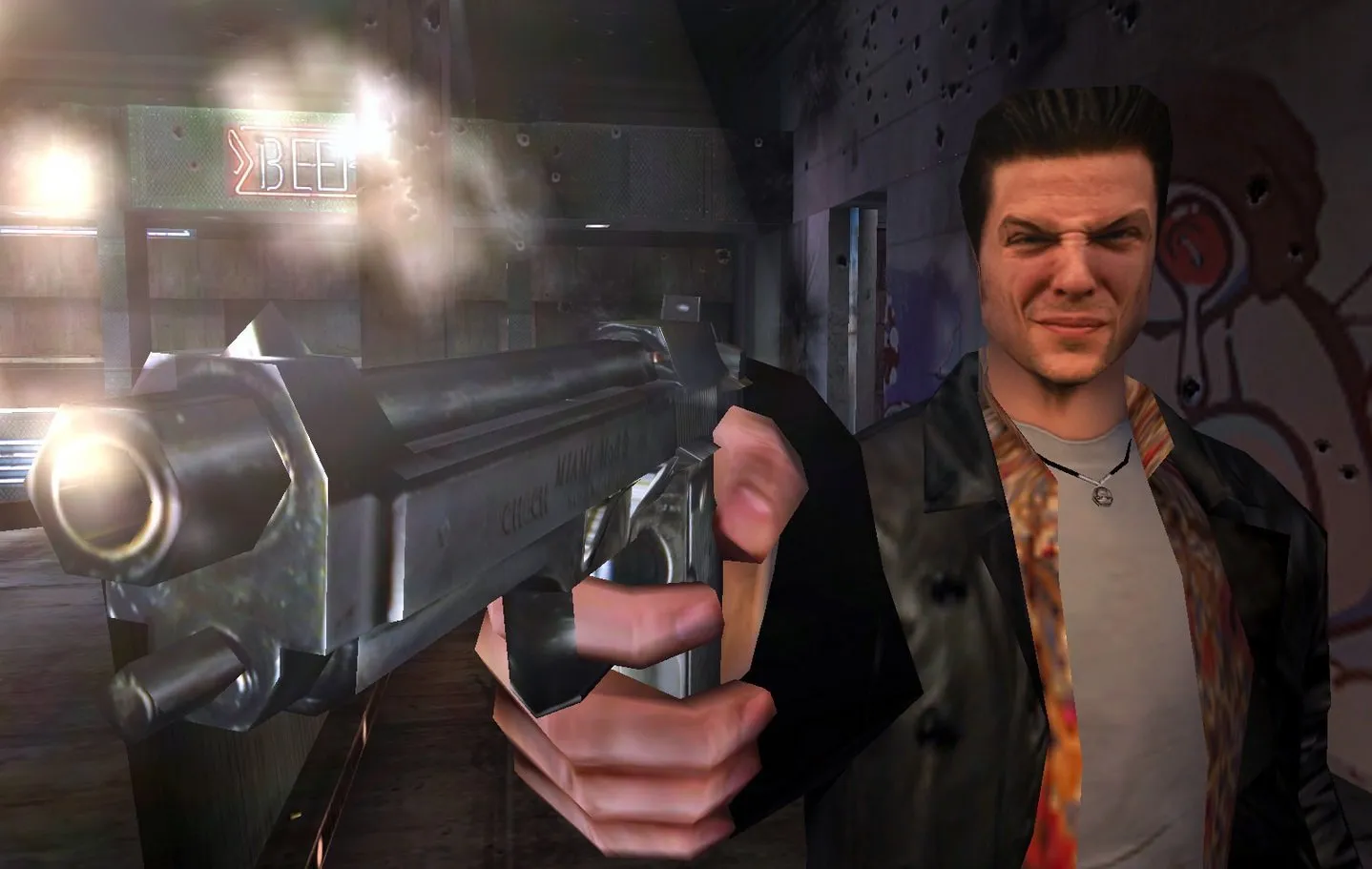
The sequel confirmed the successful elements of the first part: now the bullet time mode accumulated automatically, without the need to kill enemies. Players were given the ability to shoot from a prone position, and Max Payne could outpace his opponents in slow motion and dramatically reload while spinning in place. These improvements made gameplay more dynamic and engaging.
Max Payne solidified Remedy's classic formula, introducing linear third-person shooters with protagonists possessing unique abilities. The studio describes its projects as "action games with impressive graphics and a focus on story."
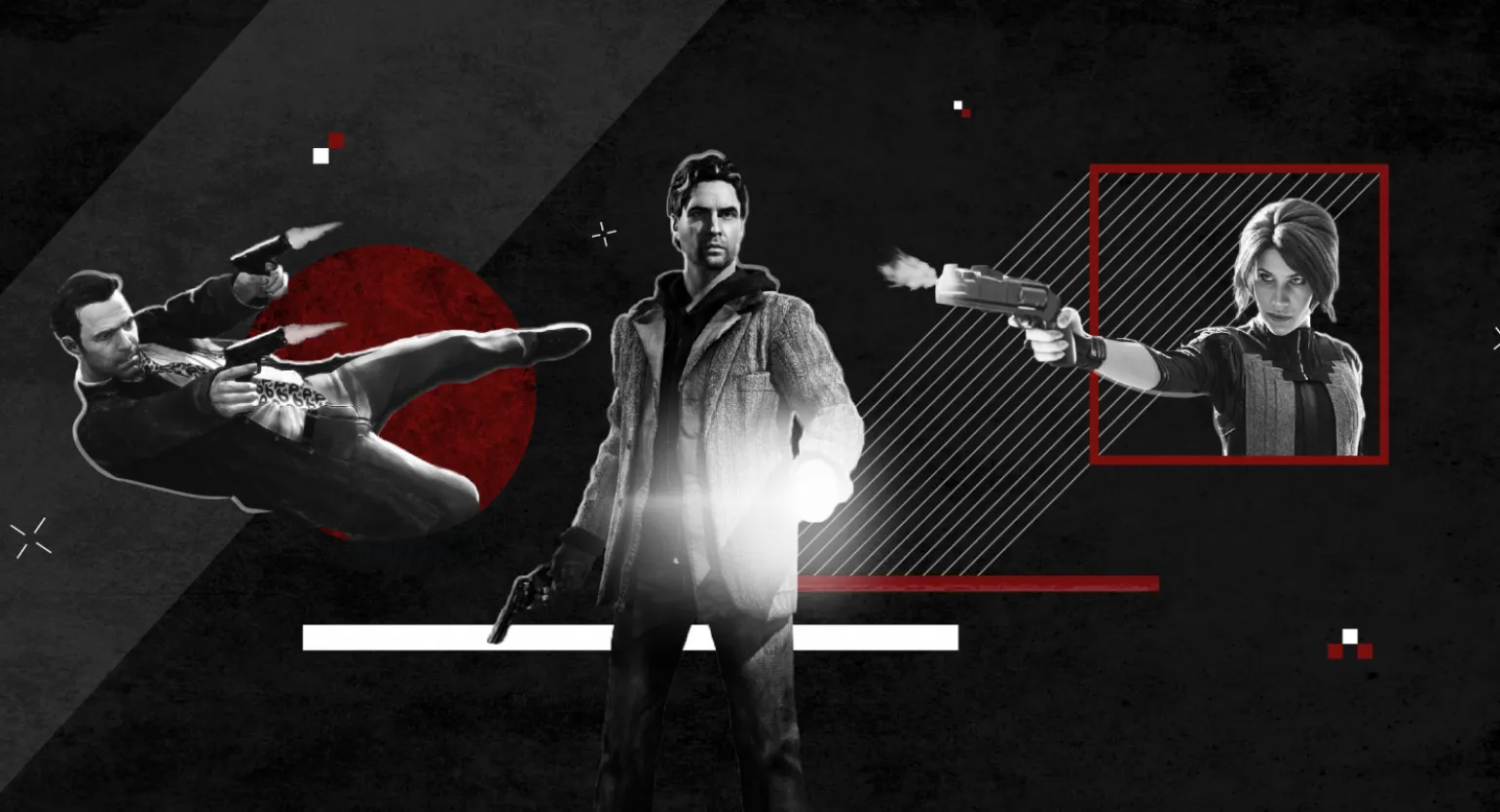
The plot and gameplay in the studio's projects are inextricably linked. The protagonist, Max, takes revenge on everyone involved in his wife's death by raining lead down on them. Alan Wake faces not only shadow monsters but also his own inner demons, linked to depression. Jack Joyce from Quantum Break uses time manipulation to right the wrongs of his past, while Jesse Faden from Control, with his ability to manipulate gravity, strives to maintain control over the events unfolding at the Bureau. These elements make each project unique, immersing the player in a deep and emotionally charged atmosphere.
Remedy successfully combines innovative, challenging gameplay with a thoughtful, cinematic story. However, this combination also creates certain difficulties, which the studio faced in its fourth game.
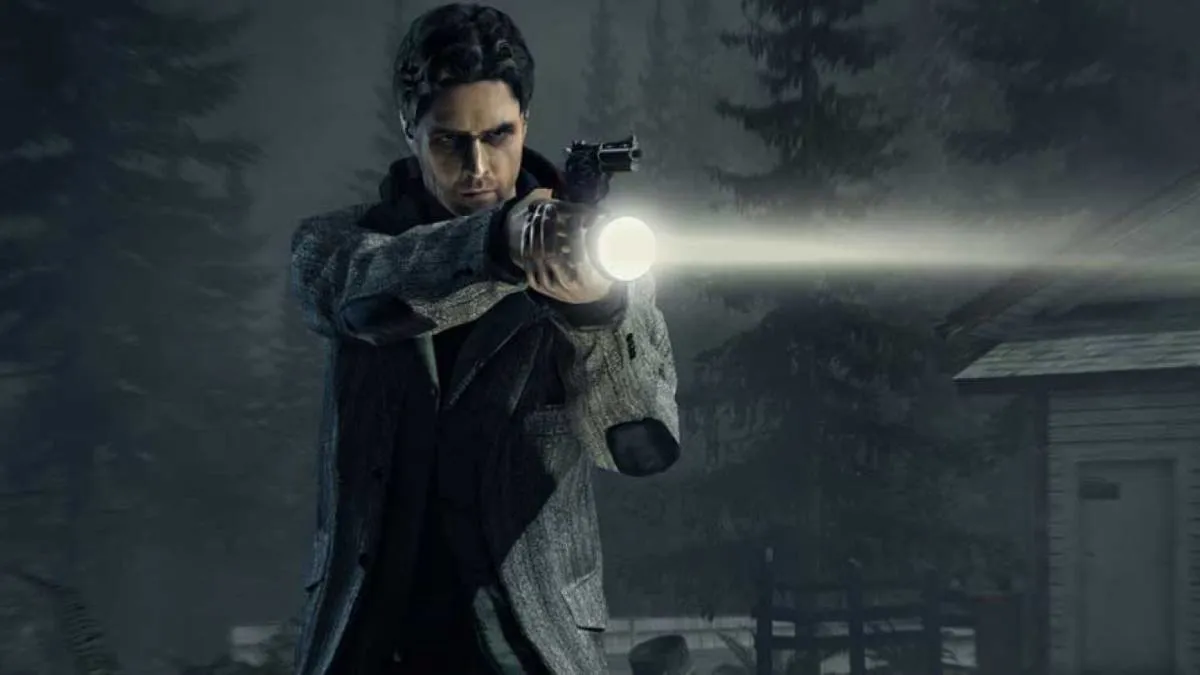
Lake draws a parallel between Alan Wake and the "curse of the second album." Following the success of Max Payne, the Remedy team faced pressure to create a new project that would live up to the high standards of their previous work while also embracing a unique concept.
After extensive brainstorming, Lake and Järvilehto developed a game concept based on the works of Stephen King. The story centers on a writer who arrives in the small town of Bright Falls, Maine. Here, he encounters the fears and nightmares of his own books come to life. The game was initially envisioned as an open-world experience, with players exploring the town and its surroundings during the day and defending themselves from attacks by dark creatures at night. This concept combines elements of psychological thriller and active exploration, creating an immersive and tense experience.
The project initially developed successfully. The studio's programmers created a unique game engine that supported a 100-square-kilometer open world and implemented a fully dynamic lighting system. The designers developed a detailed map of the town and its surroundings, adding depth and realism to the gameplay. This combination of technology and creative design created an immersive atmosphere, allowing players to explore the vast world without restrictions.
During the game's development, Remedy realized that the project was not moving in the right direction. This was not due to a lack of technology, but to the approach to telling Wake's story. The studio faced difficulties in properly conveying the story to players, which affected the overall development process of the game.
"Mirrors are more interesting than television"
The concept for Max Payne was not developed solely by Lake, but it was he who proposed the key plot twist in which a New York police officer avenges his murdered family. Lake also strove to create a film noir-style story with the distinctive voiceover of protagonist Max Payne, adding depth and atmosphere to the narrative. This unique combination of elements made the game popular and memorable, captivating both players and critics.
The protagonist, suddenly deprived of everything, found himself in a situation that perfectly reflected his inner state. The screenwriter used this moment to pay homage to genre classics, particularly the iconic roles of Humphrey Bogart. Moreover, this approach allowed us to preserve the integrity of the plot and provide the player with a full perception of the story, without missing any important details.
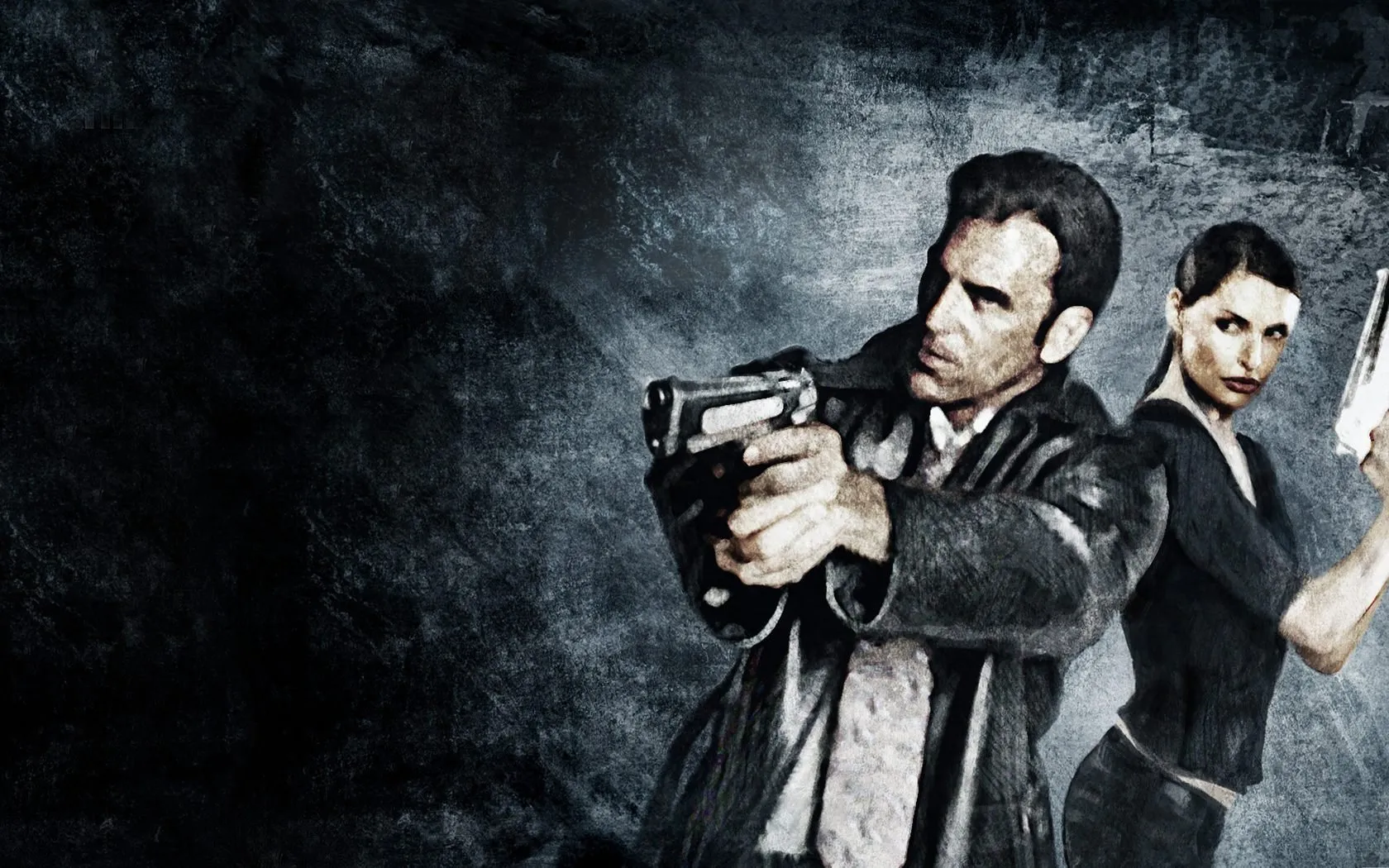
In one of his lectures, Sam Lake raised an important question: how to effectively convey a story in an action game, focusing on the main character. These games are often chaotic—the sounds of explosions, gunfire, and dynamic action can overshadow the character's personality. This poses a challenge for developers who strive to make story and character central to the gameplay, despite the high degree of visual and audio impact.
Remedy's stories always focus on deeply developed characters. Each game begins with the protagonist's internal monologue, which sets the tone for the entire narrative. This approach allows players to immerse themselves in the psychological aspects of the plot and better understand the characters' motivations. As a result, the storylines become more gripping and emotionally charged, making Remedy's games unique in the world of video games.
"They were all dead. That last shot put a final end to that story," Max Payne begins his narration, immediately immersing us in the atmosphere of a brutal crime thriller. His words spark interest and anticipation, making us ponder the characters' complex fates. At the same time, Alan Wake's reflections on Stephen King and the nature of horror in literature create a contrast, preparing us for immersion in a world of mysticism and mystery. Despite their differences in genre, these two works share a profound exploration of human nature and its dark sides, making them particularly appealing to lovers of quality storytelling.
Lake's lines are crafted to be forever imprinted in players' memories. It's no wonder that fans continue to quote his phrase "it's not a lake, it's an ocean" and imitate the Council's style of communication years later. Remedy counted on this effect, creating vivid and memorable moments that foster a deep emotional connection with the game's characters and plot.
Lake suggested introducing comic book inserts into Max Payne. In the late 1990s, 3D graphics had not yet reached the level necessary for creating high-quality cutscenes, and comics fit perfectly with the atmosphere of the vigilante story. The use of comic book elements not only strengthened the narrative, but also helped convey the emotional load, creating a unique style that became the hallmark of the game.
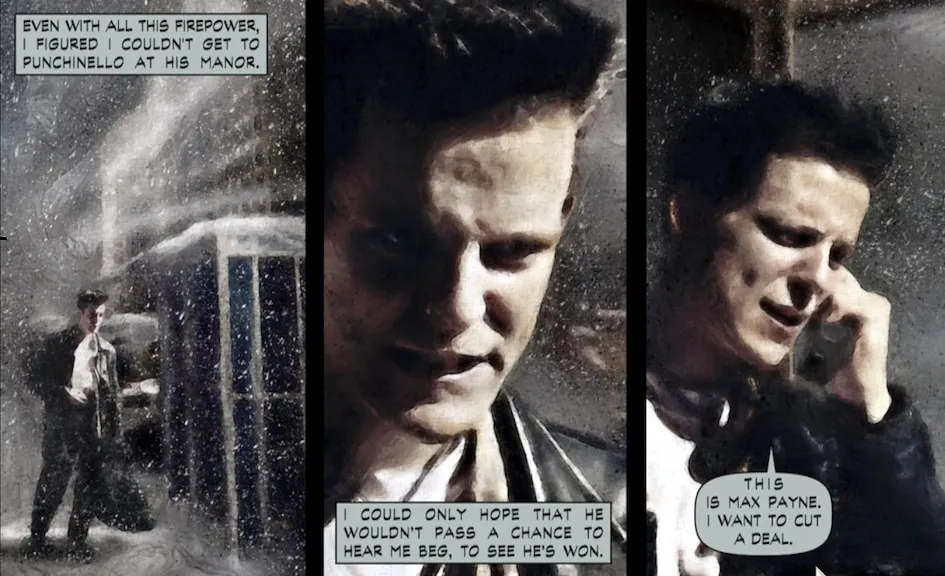
Fans of the game have praised Remedy's unique storytelling approach. This approach not only won over audiences but also resonated with the development team. Over the years, Remedy has successfully applied a variety of media forms to its projects, demonstrating its commitment to innovation and originality in storytelling.
Alan Wake, during his travels, encounters pages from his own novel, which foretell his future trials. Jesse Faden collects fragments of Bureau correspondence, including dossiers on objects of power and recordings of scientific presentations. Both characters are immersed in the world of radio broadcasts, which allows them to learn of various mysterious events. These elements unite their destinies and highlight the connection between reality and fiction.
Remedy's characters actively interact with film and television culture. In Max Payne, the gangsters discuss the slow-motion style characteristic of John Woo films, highlighting the influence of cinema on the game's atmosphere. Jesse, the protagonist, opens his narrative with a reference to the classic film The Shawshank Redemption, further highlighting the importance of film in the context of plot and character development. These elements not only add depth to the gameplay but also create a connection between video games and cinema, demonstrating how both art forms can enrich each other. The studio's TV shows in its games evolved from a few parody episodes in the first Max Payne to entire seasons of Lord and Lady and Address Unknown in the second installment. This journey culminates in the creation of a full-fledged hybrid of game and television series, as achieved in Alan Wake and Quantum Break. These projects demonstrate how video games can integrate elements of television storytelling, creating unique experiences for players and viewers.
Our games are set in modern times, and all of these media formats have a significant impact on our daily lives. Therefore, it was logical to integrate them into the worlds we create. This allows players to immerse themselves in a more realistic and relevant atmosphere, making the gameplay more engaging and meaningful.
Sam Lake is the Creative Director of Remedy Entertainment. He is known for his significant contributions to video game development, including projects such as Max Payne and Alan Wake. Lake is actively involved in creating unique game worlds, combining captivating stories with innovative gameplay. His approach to game development is distinguished by his attention to detail and a deep understanding of player needs. Sam Lake continues to influence the video game industry, creating titles that leave a mark on fans and critics alike.
The development of Alan Wake faced significant challenges, as the development team sought to create not just an open-world action game, but a unique gaming experience that would mimic the structure of a television series. Their goal was to ensure that each chapter of the game concluded with a gripping cliffhanger, similar to that of Twin Peaks. This ambitious vision required significant effort and time, which slowed down the process of creating the game.
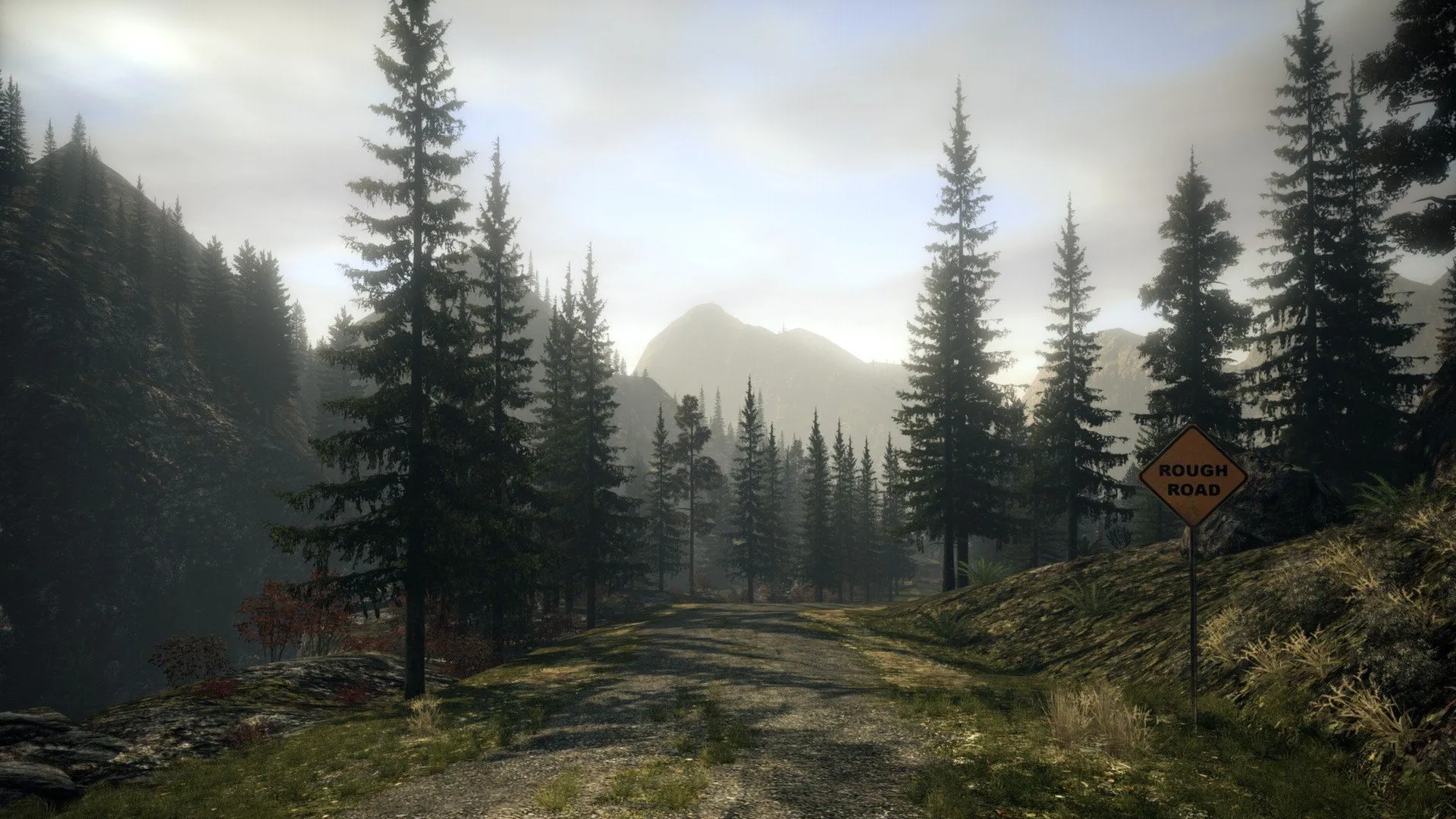
"It's not a lake, it's an ocean"
Sam Lake is an avowed fan of David Lynch, who has repeatedly shared his impressions of his films and TV series in interviews. On January 20th, Lynch's birthday, Sam posted a birthday greeting on Twitter. His feed often features posts dedicated to the work of this outstanding director. Lake actively discusses the influence of Lynch's works on modern cinema and game design, emphasizing their uniqueness and originality.
Remedy studio's works feature numerous references and details that create a unique atmosphere. For example, the town of Bright Falls is borrowed from the cult series Twin Peaks, emphasizing the influence of pop culture on the company's games. Also, in Control, the patterns on the carpets of the Oldest House are reminiscent of the Black Lodge and allude to the famous work The Shining. These elements not only enrich the game world but also create deep connections with other works of art, attracting the attention of players and critics.
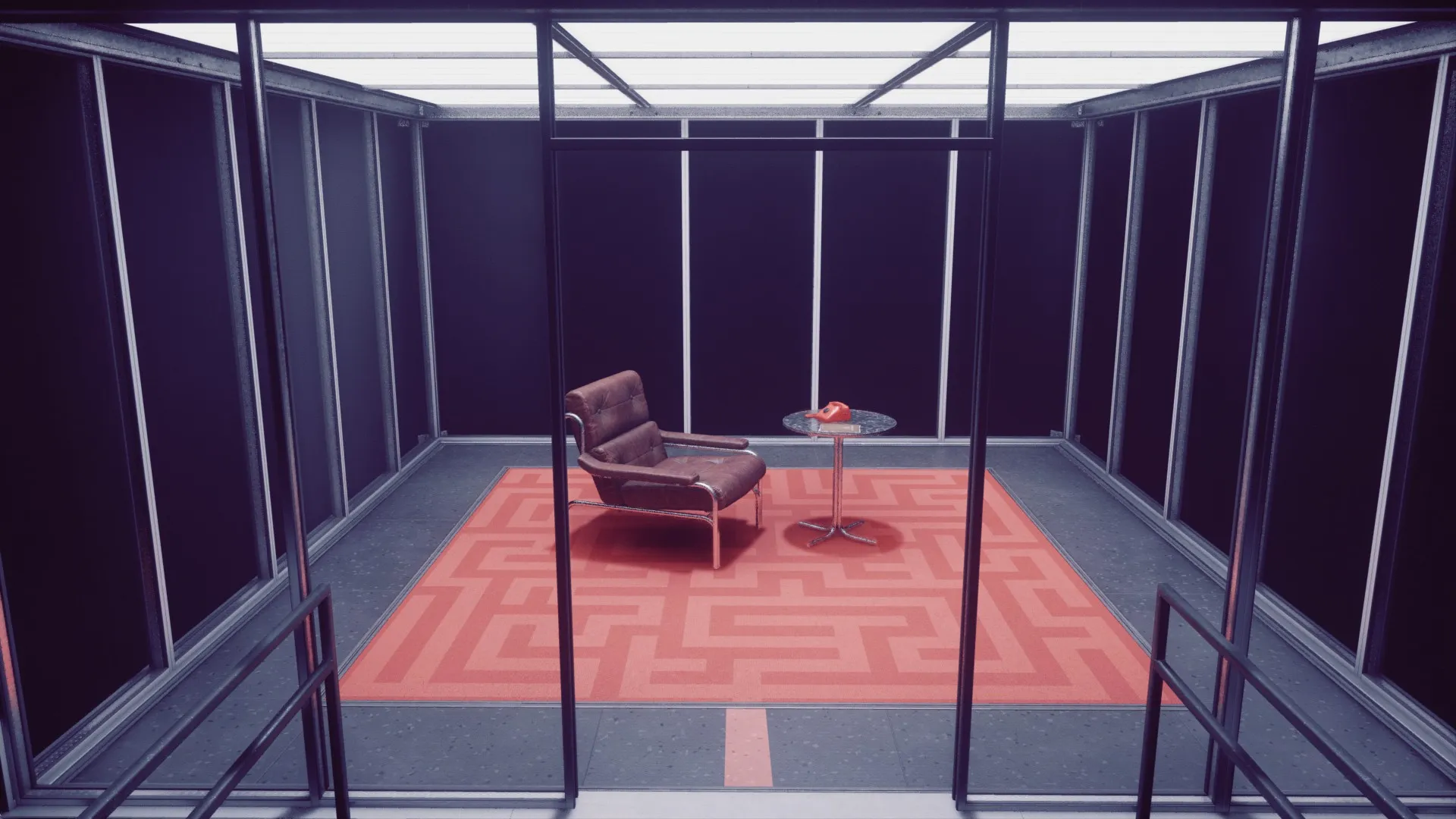
Sam Lake and the surrealist director are united not only by external details, but also common themes in their work. In both cases, the motif of a mysterious, unknown reality hidden behind the familiar, everyday is evident. As Alan Wake put it, "This is not a lake, it's an ocean." This statement underscores the depth and multi-layered nature of their work, where the mundane becomes merely a surface for deeper and more complex ideas.
The split realities lead to the emergence of alternate versions of the characters. In the game Max Payne, the protagonist encounters a sinister doppelganger who haunts him in nightmares. His femme fatale, Mona Sax, seeks revenge for her murdered twin sister, adding depth to the plot. In Quantum Break, temporal paradoxes create alternate versions of the characters, complicating their destinies. Jesse Faden finds herself in a dual role, simultaneously serving as the principal and the janitor's assistant, highlighting her internal conflicts and the difficulties she must face. These elements make the games' stories more layered and engaging for players.
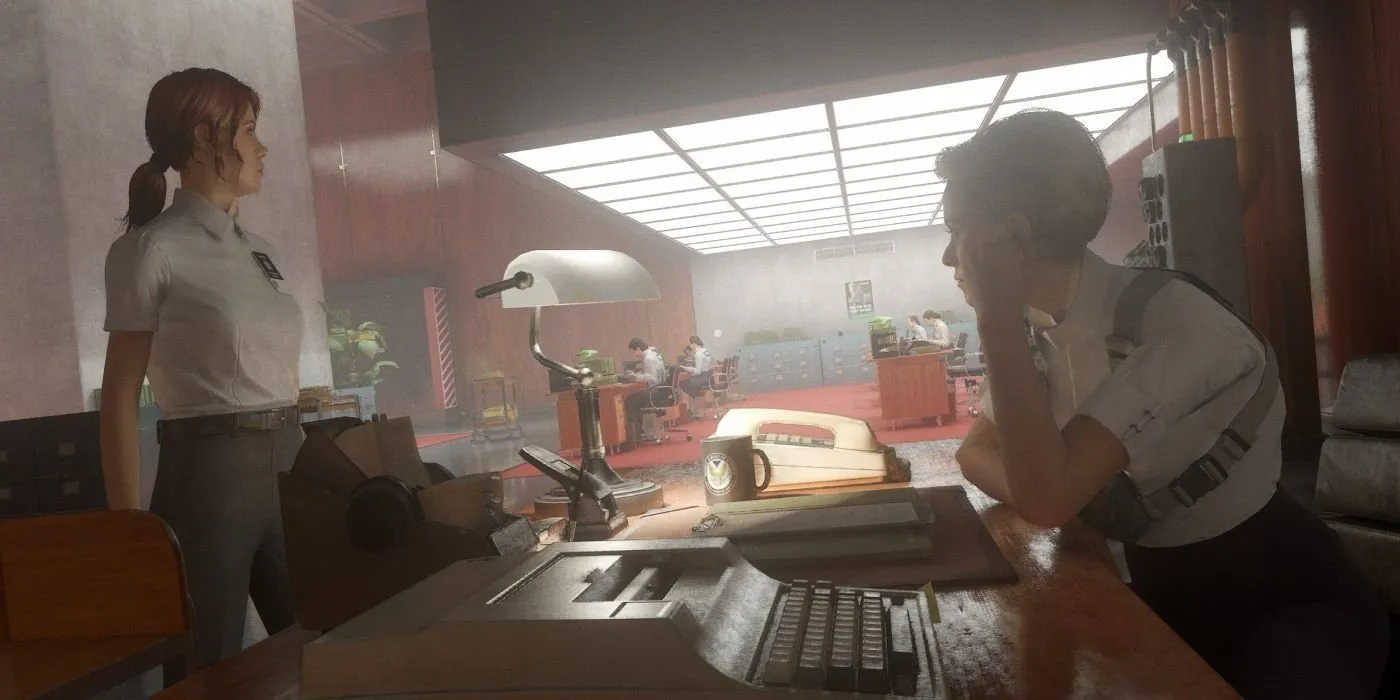
One of Jesse's most memorable moments is the scene in which she finds herself in a bureaucratic nightmare, forced to endlessly wash cups and carry documents for other Bureau employees. Lynch uses dreams and hallucinations in his work to further explore the protagonists' fears, traumas, and tragic pasts. This creates an atmosphere of tension and allows the viewer to better understand the characters' internal conflicts.
The dramatic intensity is often softened by comic moments. In one of Max Payne's nightmares, the protagonist realizes that he exists inside a comic book, which, in turn, is part of a video game. Elements of fourth-wall play continue in Alan Wake, where the writer finds himself on a late-night show with Lake and, at the host's request, reproduces Max's famous grimace. This meta-commentary highlights the uniqueness of the plot and the characters' interactions with their world, creating an interesting contrast between tragedy and comedy.
Remedy's creative style finds a unique balance between irony and tragedy. In their games, players may encounter unexpected situations, such as rescuing a mafioso dressed as a comic book character. In addition, during the most tense moments of the plot, a cover of a glam rock hit from the seventies is performed by one of the characters. This contrast creates a special atmosphere that attracts attention and makes the gameplay unforgettable.
The question of how to combine cinematic elements with an open game world remains relevant. In the case of Alan Wake, the answer was not found. The game tries to combine a gripping story with interactivity, but this combination is not always successful. Cinematic moments can distract from the gameplay, creating a dissonance between the narrative and the player's actions. However, it is important to continue exploring these issues to achieve harmony between narrative and gameplay mechanics in projects like this.
After three years of development, Remedy realized it had serious problems. In 2005, at E3, the studio unveiled the first trailer for Alan Wake. The trailer showcased the open world and day-night cycle, but the game's core mechanic—battling darkspawn—received only a few seconds of attention.
"That's all you saw of the core gameplay," Lake recalls. Remedy faced difficulties in implementing its ideas. The lead game designers realized the need for change and formed a team called "Sauna." The group's main task was to carefully study all the developments, select the best concepts and combine them into a single, coherent game. To achieve this goal, the team spent two months working in the same office.
The room turned into a mad scientist's laboratory. We pinned sheets of paper to the walls, carefully analyzing every detail of our project, - shares Remedy's creative director. This process became an important stage in development, allowing us to visualize ideas and improve the concept. Every element was discussed and refined to achieve the best possible result.
In this room, the developers created many mechanics that would become the foundation of the final game. Protagonist Wake encountered shadow enemies, and the flashlight he used allowed him to knock down their defenses. Streetlights were implemented as save points. During this period, the team decided to abandon the open-world concept, returning to a more familiar on-rails shooter model. As a result, the Bright Falls map was converted into linear levels, which made for a more intense and immersive gameplay experience.
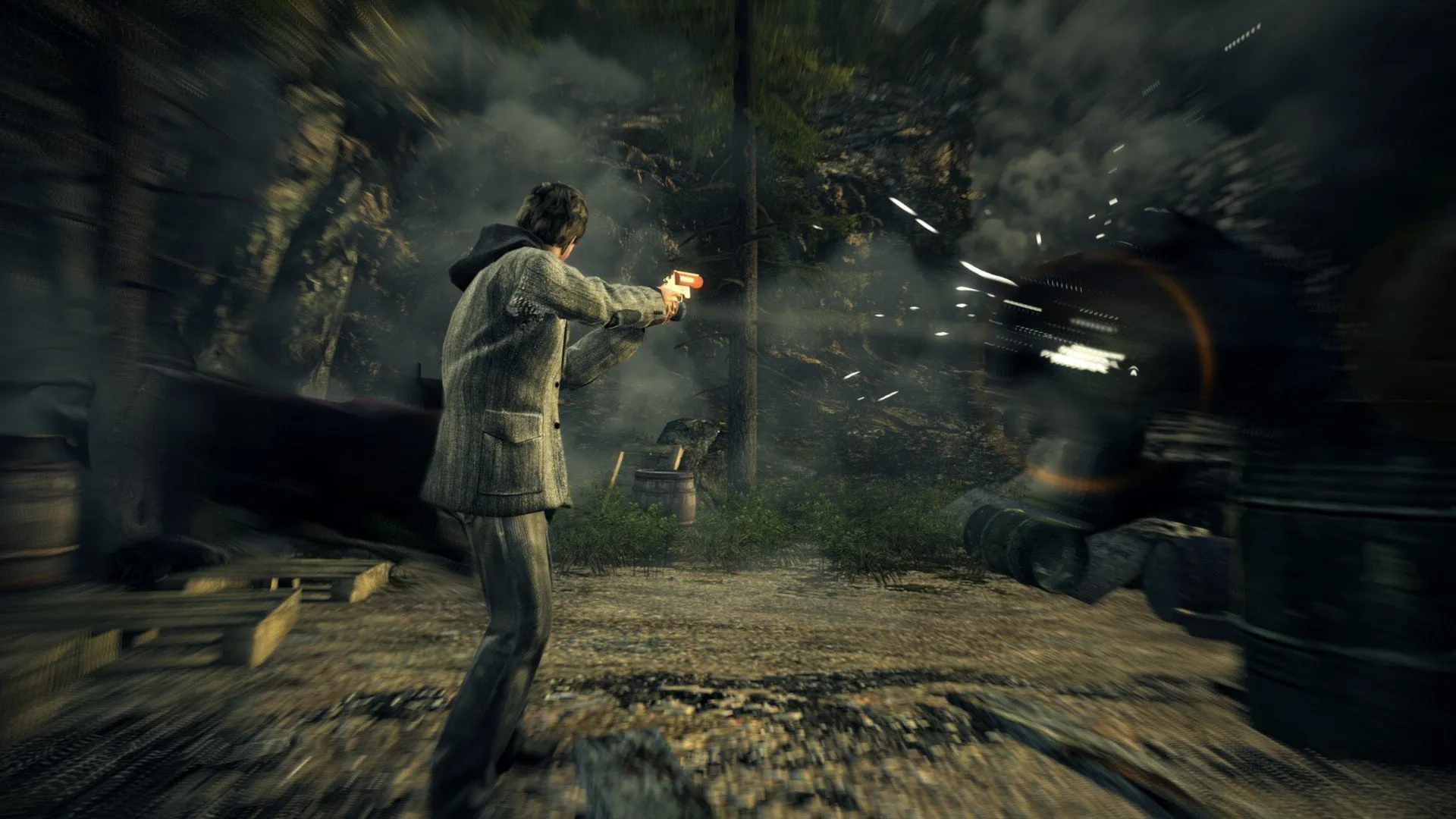
Alan Wake was released in May 2010 for the Xbox 360, and Two years later, it was ported to PC. Despite generally positive reviews from critics, the game failed to live up to years of expectations and the developers' lofty ambitions. Its Metacritic score is 83—an acceptable result, but not quite the level of resounding success.
Over the years, Remedy's second album's reputation and fan base continued to strengthen. In 2015, the game's sales reached an impressive 4.5 million copies. Currently, one of the most popular questions asked by journalists and fans remains: when will the sequel come out?
Initially, the studio did plan to work on a sequel to Alan Wake. However, publisher Microsoft showed no interest in creating a second part. Instead, the company came up with the idea of developing a hybrid game and a live-action series. This is how the concept of Quantum Break—an action-adventure game centered on time travel—was born. This project combined elements of interactive entertainment and cinema, making it unique in the video game market.
"Time is the number one killer"
The last two games from Remedy were developed on the Northlight engine, created by their specialists. This engine effectively solves many problems, including the creation of photorealistic graphics, for which the studio has always received high praise.
In 1999, a group of six designers from Remedy went to New York to study the city. They took about five thousand photographs, which formed the basis for the textures and locations of the cult game Max Payne. These images became an important element in creating an atmospheric and realistic game world that reflects the unique aesthetic of the metropolis.
Lake shared his thoughts on the importance of using real photographs as textures in design, noting that this approach can significantly increase the level of realism in projects. According to Lake and Petri Järvilehto, the introduction of real images will be an important step towards creating more believable visuals.
This method, taken to its logical extreme, was successfully implemented in the game Quantum Break. In this project, both the game and the series feature real actors. The game focuses on the story of the protagonist, played by Shawn Ashmore, known for his work on X-Men. Meanwhile, the series offers an alternative perspective, depicting events from the perspective of the antagonists, played by Aidan Gillen from Game of Thrones and Lance Reddick from The Wire. This approach to storytelling creates a unique experience for players and viewers, allowing for a deeper understanding of the characters' motivations and the interactions between them. Quantum Break demonstrates how various media formats combine to create a compelling and multi-layered story.
Hybrid formats required technology capable of accurately capturing the nuances of acting. Northlight provided the necessary tools to achieve this. This technology also enabled the implementation of a unique feature of Quantum Break and Control: procedural destructibility. This innovation significantly increased the level of player interaction with the game world and added depth to the gameplay.
The first Max Payne game surprised players with impressive particle effects. Flashes from gun barrels, flying shards of glass, splinters and fluff from destructible furniture, and bullet "trails" on the walls created an atmosphere similar to a John Woo film. The game's aesthetic combined elements of slow motion and realistic physics, which made it unique in its genre.
Quantum Break and Control took environmental destruction to a new level. In these games, any piece of furniture can be destroyed into many small fragments, and almost any cover can be destroyed if you stay behind it for too long. This gameplay element not only adds realism but also creates new tactical possibilities, forcing players to constantly adapt to the changing environment.
The algorithm works by using data about the materials that make up the environment, as well as information about how these materials behave when damaged. Using this data, the game simulates destruction. For example, if a metal pipe is shot through, the algorithm deforms it and creates a stream of water flowing from the resulting hole. This approach allows for realistic physics and object interactions in the game world, significantly improving the user experience.
Critics particularly praised the graphics and procedural destructibility in Quantum Break, released in February 2016 on Xbox One and PC. However, the game was generally met with a rather lukewarm reception, and Remedy failed to create another full-fledged hit. This may be due to the studio's departure from the traditional approaches that made their projects unique. The next project was meant to rectify this situation and return the studio to its signature style.
Sam Lake, describing the differences between Control and Quantum Break, compares Quantum Break to a flashy summer blockbuster, while he characterizes Jesse Faden's adventures in Control as a deeply auteur-driven project. This unique perspective highlights the unique qualities of each game and demonstrates how Control strives for more individual and original creative expression.
"A Bigger, Stranger World"
The development team decided to embrace creativity and boldness when creating Control. Instead of doubting how players would perceive it, they embraced their passions and pursued their most unusual ideas. This allowed them to create a unique gaming experience that attracts attention and sparks interest. As a result, Control is not only innovative but also bizarre, with every detail imbued with originality and creativity.
Remedy's 2019 game was a successful return to its roots for the studio. It was warmly received by both critics and fans, contributing to its popularity. In just one year since its release, the game has sold an impressive two million copies and won the Best Design Award at The Game Awards.
The success of Control is largely due to Remedy Entertainment's decision to release the project through indie publisher 505 Games. Previously, the studio had worked for nearly twenty years with major publishers such as Take-Two Interactive and Microsoft, who dictated their terms and retained the rights to the games. However, with Control, Remedy was given complete creative freedom, allowing them to realize unique ideas and concepts. This decision was an important step for the studio and contributed to the creation of an innovative and memorable gaming experience.
Remedy Entertainment acquired the rights to Alan Wake from Microsoft with the goal of integrating Jesse Faden's story into the same universe where the author's adventures unfold. The Alan Wake books were already mentioned in the game Quantum Break, but now the discussion is about a full-fledged crossover that will further explore the connections between these two worlds. This approach will enrich the storylines and create new opportunities for character interaction, which will attract the attention of fans of both games.
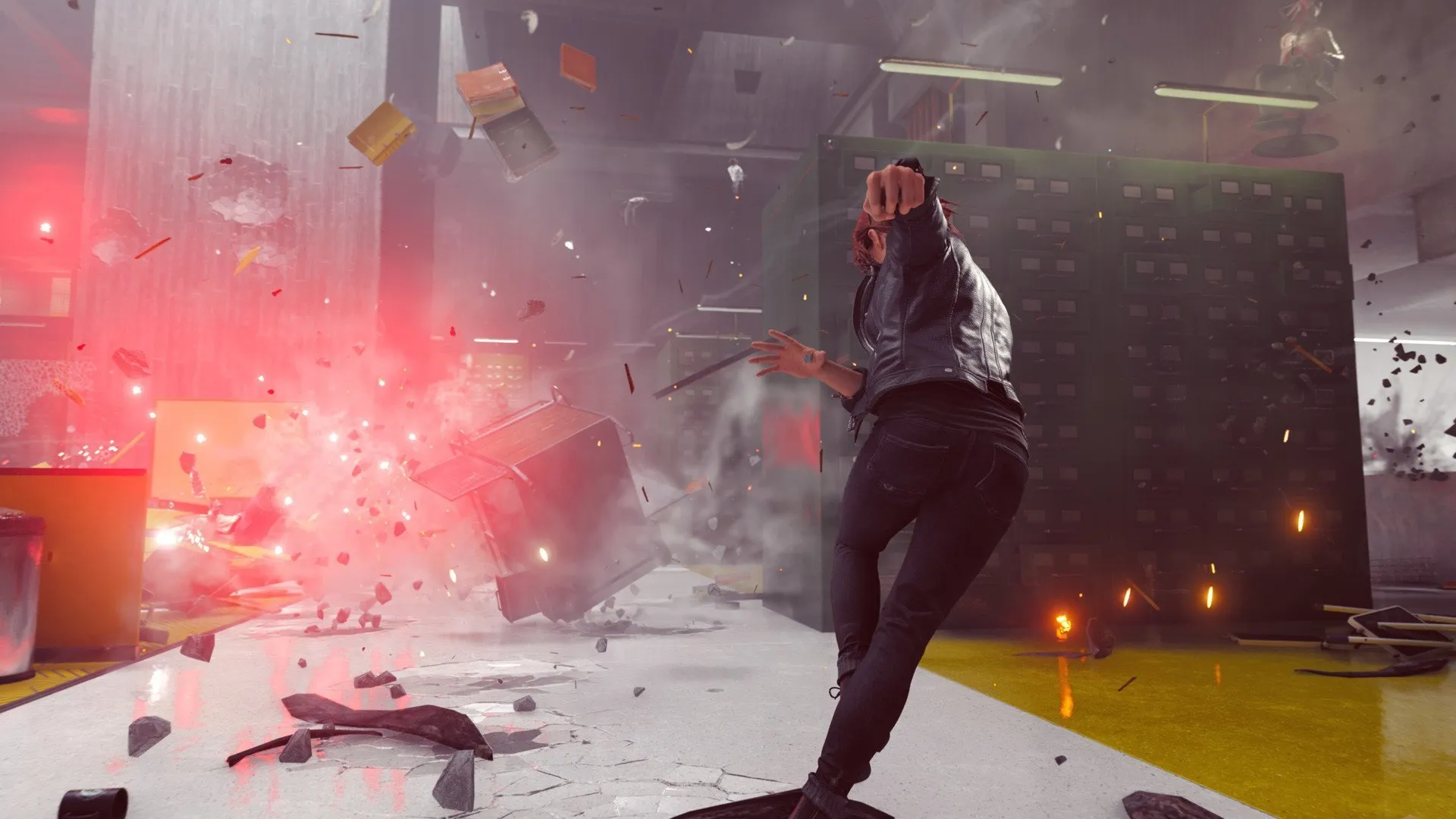
In Control, the studio once again turned to the open world concept. Drawing on the experience gained from creating Alan Wake, the developers implemented a Metroidvania-inspired structure in The Oldest House. Players will explore vast and intricate locations scattered with save points that function as portals. This allows for a unique gameplay experience that combines exploration and action.
The Oldest House is home to the Federal Bureau of Control, a government organization dedicated to the capture, protection, and containment of paranormal objects. If you're thinking of the SCP Foundation, you're right—development director Mikael Kasurinen noted that the online project that publishes creepypastas was a key source of inspiration for the bureau. The organization plays a vital role in the study and management of paranormal phenomena, ensuring public safety and exploring unexplored aspects of the paranormal world.
According to narrative designer Anna Megill, the developers drew inspiration from some of the most unusual and disturbing sources. Among them are the cult series "The X-Files," the novel "House of Leaves" by Mark Danilevsky, and, of course, the third season of "Twin Peaks." These works have become the basis for creating a unique and captivating atmosphere that attracts viewers and immerses them in a world of mysteries and secrets.
Jesse senses inspiration the moment he steps into the Oldest House. The building's stark brutalist architecture evokes thoughts of government, bureaucracy, and control. While the red color, foreshadowing the arrival of the Isses, represents a loss of control. This contrasting combination creates an atmosphere in which power and vulnerability are intertwined, enhancing the emotional weight of the space.
Remedy actively uses leitmotifs in her works. The opposition of light and darkness symbolizes the division between Wake's outer and inner worlds. The winter blizzard and autumn rain become metaphors for the grief that has left a deep mark on Max's mental state. These elements emphasize the emotional tension of the plot and allow for greater insight into the characters' inner experiences.
Sometimes space distorts, reflecting the protagonist's inner turmoil. The second part of Payne's work, in particular, demonstrates this when the protagonist finds himself in a panic room inspired by "Unknown Address" three times. In the section of the Oldest House where Dylan, Jesse's evil brother, is located, the distortions of space cause the floor to literally shift from under his feet. This creates an atmosphere of uncertainty and fear, emphasizing the emotional state of the characters and enhancing the dramatic tension of the plot.
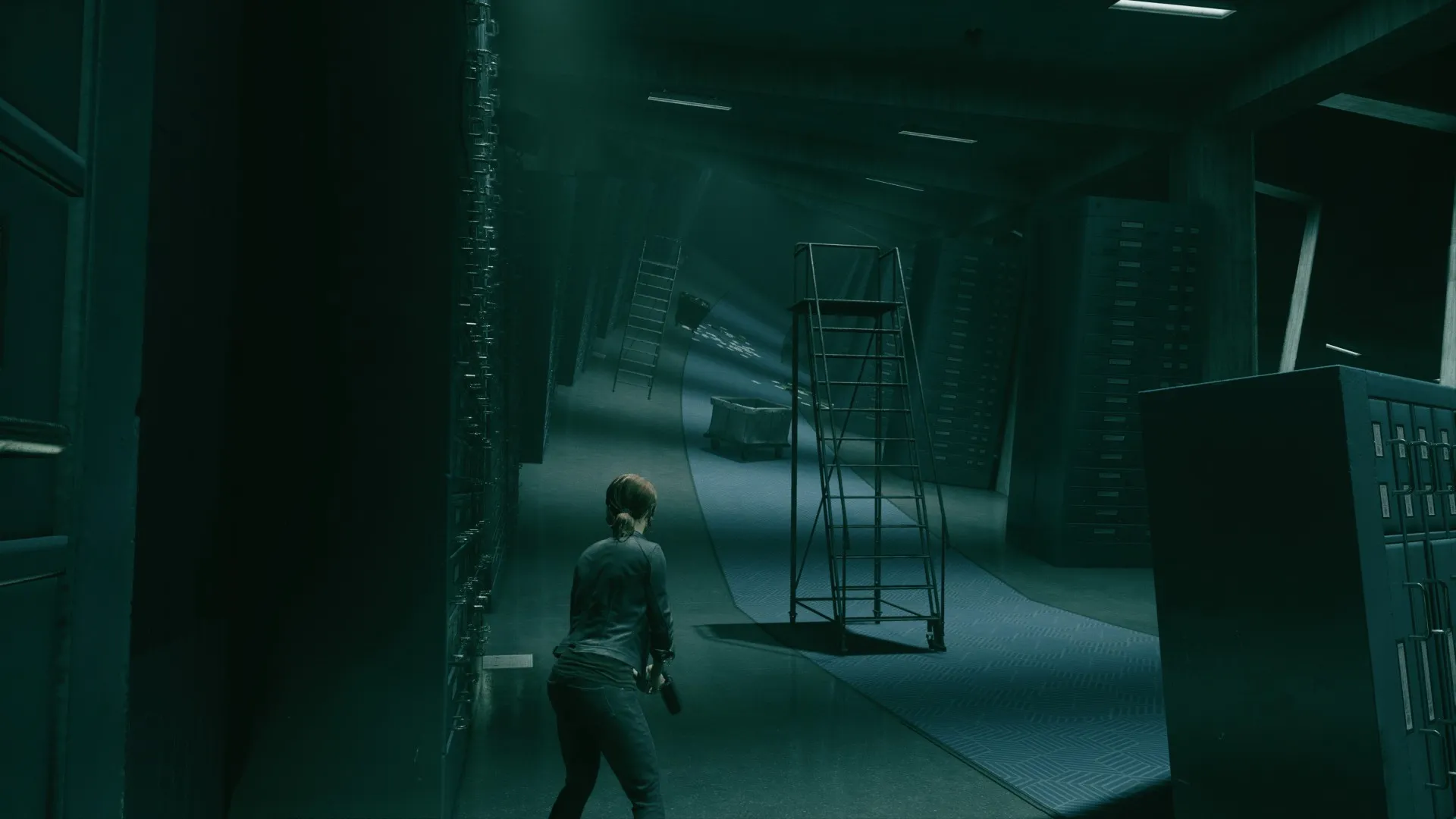
We observe the world through the lens of the character's perception, which calls into question the veracity of what is happening. You can never be sure whether it is reality or just a fantasy born of their imagination.
Remedy's worlds operate according to unique, often mysterious laws, which can lead to confusion. In such conditions, you can sometimes rely only on your ears, or more precisely, music. Music in these worlds becomes an important guide, allowing you to better understand what is happening and find your way in a complex reality.
"The Long Goodbye"
Soundtracks in Remedy games play no less a role than the internal monologue of the characters. The musical score sets the tone and atmosphere, immersing players in a unique world. For example, the minor keyboards of Max Payne create a sense of sadness and hopelessness, while the mysterious and melancholy melodies of Alan Wake enhance the feeling of anxiety and uncertainty. In Control, ominous industrial sounds underscore the game's tension and exploratory spirit. Each musical score not only complements the story but also creates an emotional connection with the player, making the experience deeper and more memorable.
In this context, the influence of the demoscene can be seen. Music in demos played as important a role as the visual design and programming code. Within the scene team, the composer occupied a key position, emphasizing the importance of sound in creating a unique experience. Music not only complemented visual elements but also created atmosphere, making the demo more memorable and impressive. This close interaction between audiovisual components has become the basis for many modern digital works, confirming the importance of music in the field of computer art.
Since the beginning of work on Alan Wake, composer Petri Alanko has been creating music for Remedy games. In 2016, at the Slush Music conference, Sam Lake joined him to discuss the importance of music in the studio's games. He noted: "We strived to create cinematic games and understood that this required the right music. The soundtrack should enhance the scenes, making them more dramatic and exciting." Music in Remedy games has become an integral part of the gaming experience, emphasizing the atmosphere and emotion, making each game unique and memorable.
Remedy games often include not only the original soundtrack, but also carefully selected licensed tracks. In Alan Wake, the developers chose many songs, among which Roy Orbison's composition "In Dreams" stands out. This choice can be regarded as a tribute to David Lynch, who also used this melody in his film "Blue Velvet". Such musical decisions enrich the gameplay and create a unique atmosphere, which is a characteristic feature of Remedy projects.
For Remedy, as well as for their inspiration, music serves as an important bridge between the real world and the world of fantasy and illusions. It often becomes the only salvation for the characters. For example, Jesse navigates a magical labyrinth thanks to her old iPod, which plays a song with the apt title "Take Control." Music in Remedy games not only creates atmosphere but also influences the development of the plot, highlighting emotional moments and increasing player engagement.
The song "Old Gods of Asgard" plays a significant role in the game Alan Wake. During the game, you meet the band's leaders, the brothers Odin and Thor Anderson, who were once popular in the seventies. Their career was interrupted, perhaps due to aging or because they learned something invisible to the naked eye. In particular, their folk-rock ballad "The Poet and The Muse" plays a key role in unraveling the plot and helps to understand the mysterious events taking place in Bright Falls. This song not only captures the game's atmosphere but also deepens its thematic understanding by linking its musical heritage to the story and characters.
Old Gods of Asgard is a fictional Finnish rock band, which is actually a project of The Poets of The Fall. This collaboration with Remedy has become part of the gaming culture that began with the second Max Payne. The song "Late Goodbye" plays during the game's final scenes, reflecting the themes of loss and bereavement that permeate Max's story. This musical element not only heightens the emotional weight but also creates a unique atmosphere, making the gaming experience more profound and memorable.
Lake notes in an interview that the film noir genre lacks happy endings. This tendency applies not only to his characters but to many others in literature. The futures of most of his characters, such as Wake and Faden, are shrouded in sadness and uncertainty, and their inner questions often remain unanswered. This creates an atmosphere of pessimism and forces the reader to reflect on the complexities of life and the choices we each face.
Remedy's work is reminiscent of David Lynch. This studio's games can irritate and bewilder some players, while genuinely delighting others. These projects are aimed at true fans, and it is thanks to their dedication that Remedy's work continues to remain in demand in the gaming industry, where trends change every few years, and well-known series sometimes lose their uniqueness and identity.
Who are you in the world of game development? A mini-course for those who want to make games
On this free mini-course, you will try yourself as a game designer, 2D artist, Unity game developer and choose the profession that is right for you.
Find out more