Contents:

Learn: The Profession of Methodologist from Scratch to PRO
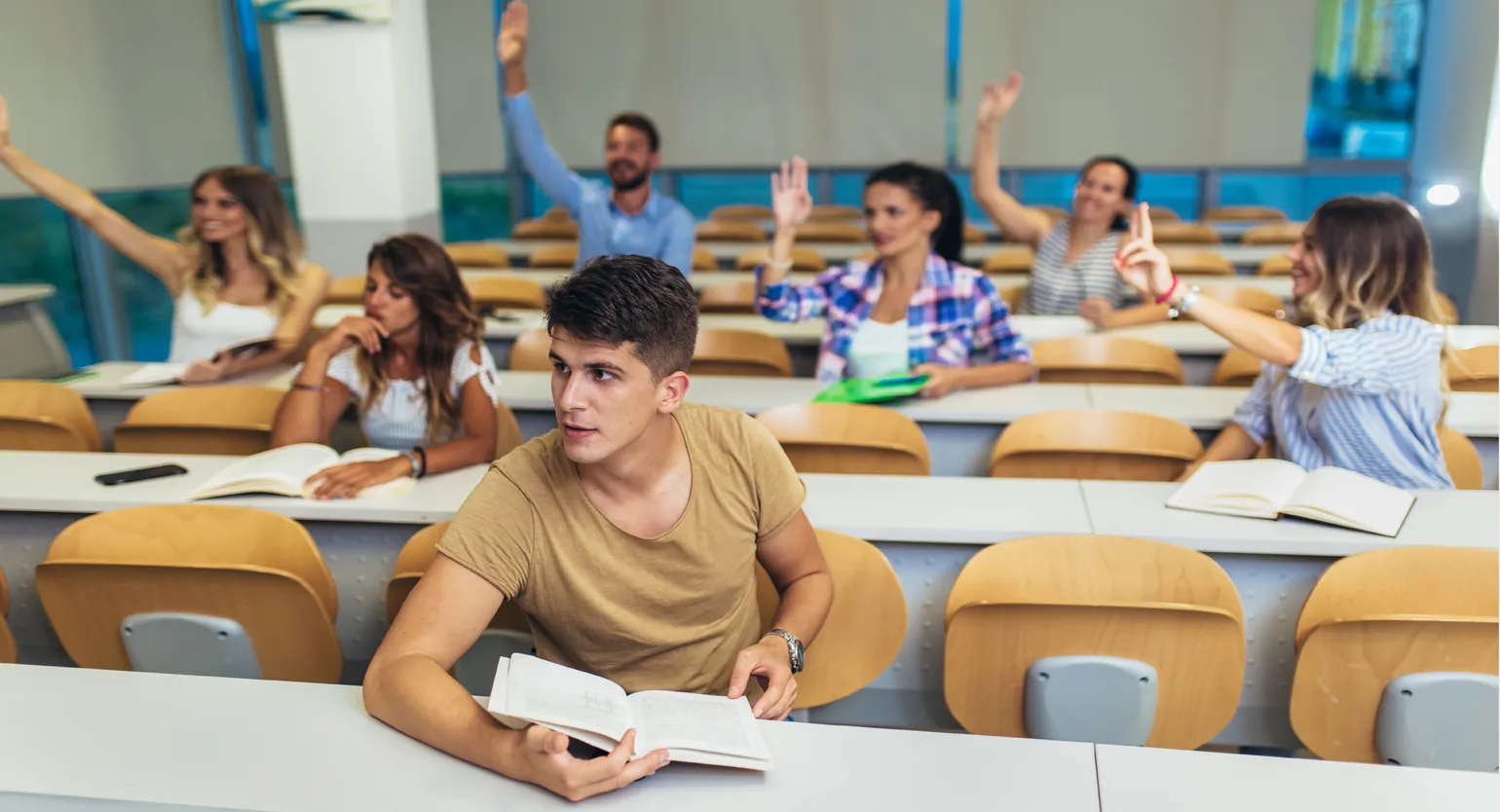
Learn moreOral frontal surveys have become an integral part of the educational process. During such classes, the teacher asks questions of all students, and those who are ready to answer raise their hands. However, most often, only the most active students respond, while others may have difficulty formulating an answer or are shy about speaking in front of the class. This means that not all students have the opportunity to demonstrate their knowledge and participate in the discussion. The effectiveness of such surveys can be increased by using various methods of engaging all students to create a more equitable learning environment.
Frontal surveys are an effective tool that allows the teacher to quickly assess the level of understanding of a topic among a group of students. They help gather information about which aspects of the material have been learned and which remain unclear, which allows for timely feedback, including praise or error correction. However, the question arises: how to activate less talkative students and involve them in the learning process?
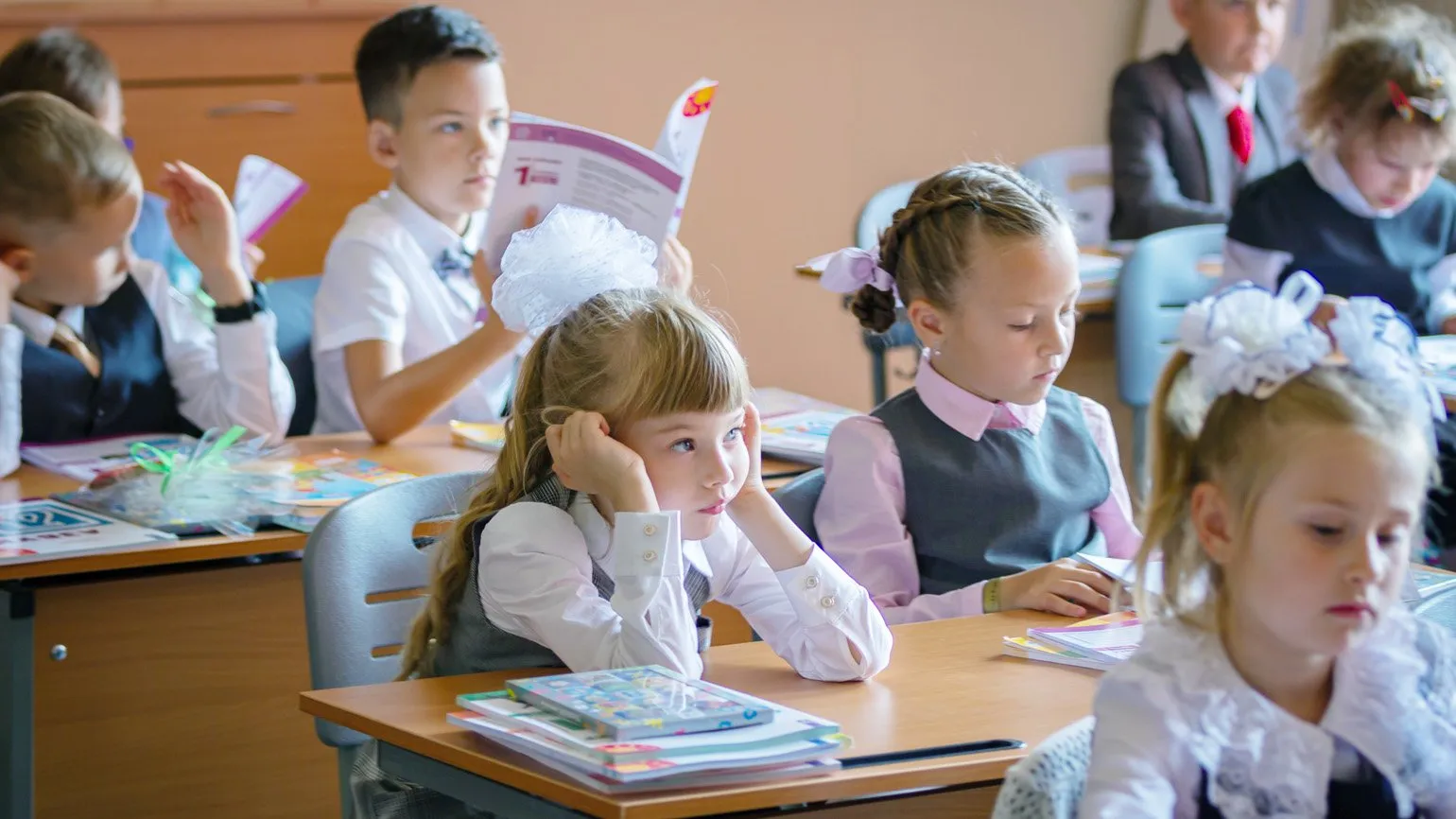
Researchers from the University of Erfurt in Germany, Lukas Mandelsee and Suzanne Jurkowski proposed using the "Think-Discuss-Pair-Respond" strategy to improve the learning process. This method, which is not new, has been studied since the 1980s and has demonstrated its effectiveness. The essence of this approach is that students can discuss their answers with a neighbor before raising their hand and responding to the teacher. This format of interaction promotes a deeper understanding of the material and increases students' confidence in their knowledge. Mandelsee and Jurkowski draw on the work of Lev Vygotsky as the theoretical basis for their strategy. He emphasized that collaborative work promotes student engagement by fostering a sense of group cohesion, social belonging, competence, and autonomy. This group interaction not only enhances learning but also develops important social skills, making this approach effective for the educational process.
A study conducted to evaluate the impact of pre-discussing answers in pairs on the overall engagement of students during a survey showed positive results. Researchers found that this form of interaction promotes greater engagement, even among shy children. The article presents key findings confirming that pre-discussing in pairs not only increases participant engagement but also creates a comfortable atmosphere for expressing opinions. These results highlight the importance of using collaborative methods in educational practice.
What is the essence of the Think - Discuss in pairs - Answer strategy?
This strategy includes three stages that students go through after the teacher asks a question. First, students formulate their initial thoughts and ideas on a given topic. In the next stage, they exchange opinions with their classmates, which contributes to a deeper understanding of the issue. Finally, in the third stage, students present their findings and arguments to the class. This approach promotes active learning, develops critical thinking, and improves students' communication skills.
- First, everyone thinks about their answer individually;
- Then, everyone pairs up (usually with deskmates) and shares their answer options with each other, discussing them;
- After that, the students present their ideas, tested during the paired discussion, in front of everyone.
All this happens quickly, in just three minutes.
According to researchers, paired discussion is a less stressful way of presenting your point of view compared to voicing your opinion in front of the whole class. This format allows you not only to test your version of the answer, but also to hear an alternative option from your neighbor. As a result of the paired discussion, participants have the opportunity to develop and correct their ideas, which helps increase confidence before public speaking. Thus, paired discussion becomes an effective tool for improving communication and critical thinking skills.
Mandelsee and Jurkowski note that even capable students may have difficulty raising their hands during questioning due to shyness and situational anxiety associated with self-doubt. Research cited by the authors shows that only one to two and a half seconds pass from the moment the teacher asks the class a question to the first student to raise their hand being invited. This short period of time is insufficient for all students to focus and prepare for their answer, and apprehensive and shy students don't even have time to gather their courage. Thus, it is important to consider the psychological aspects of interaction in the classroom and create more comfortable conditions for all students so that they can freely express their thoughts and ideas.
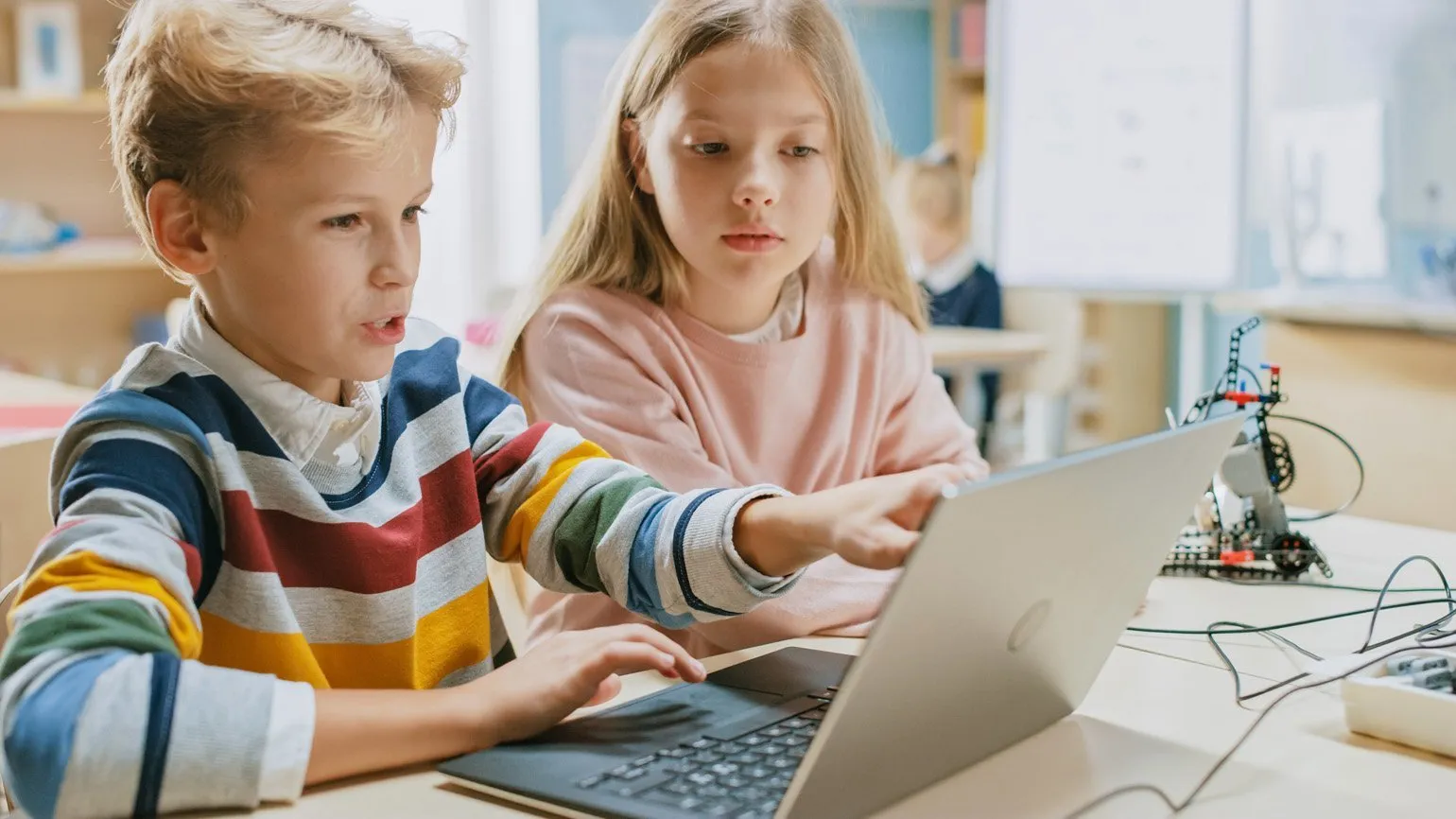
Research Studies show that providing additional time for reflection and paired discussion can significantly increase the likelihood that students will raise their hands to respond publicly. This process may be particularly beneficial for shy students, who may feel more confident and motivated to participate in the discussion. Thus, introducing a paired discussion stage can promote greater engagement of all participants in the learning process and improve the quality of learning.
How the Researchers Tested the Benefits of the Strategy
Mandelsee and Jurkowski conducted a study involving 481 ninth-graders from 16 classes in German secondary schools. The final sample included 393 participants, who provided all the necessary data for the analysis. The experiment was conducted in a familiar classroom setting, where students were randomly assigned to pairs.
To test the effectiveness of the Think-Pair-Discuss-Answer strategy, a comparison was made with two alternative methods. In the first strategy, participants were asked to immediately raise their hand and respond to the question posed, giving them ten seconds to consider their answer. This approach is a traditional frontal questioning method.
In the second strategy, known as "Think - Answer," participants were given one minute to consider the question. They then had ten seconds to raise their hand and indicate their desire to answer. This technique promotes critical thinking and engagement by allowing each participant to carefully formulate their thoughts before expressing them.
The "Think - Discuss in Pairs - Answer" strategy adds a new pairing step. Participants are given one minute to consider their ideas, after which they discuss their options with a partner for two minutes. Then, everyone has ten seconds to raise their hand and express their opinion. This structure helps improve interaction and promotes a deeper understanding of the material.
What the Experiment Was
Before the experiment, the teenagers completed questionnaires designed to measure their level of shyness. The questionnaires were developed using a specialized methodology, allowing for accurate data on the psychological state of the participants. Analyzing this data will help better understand the impact of shyness on social interactions and adolescent behavior in various situations.
The students were informed about a communication training session on "The Problem of World Hunger," during which they learned about its goals and rules. The task consisted of the teacher showing cards with two words, such as "natural disasters" and "wars," and asking the students to consider how these phenomena could contribute to global hunger. The training consisted of three rounds, each of which involved the children working with cards containing different words, with the order of responses being unique in each round.
- In one round, the teacher asked a question immediately after showing the cards with words, and the students had ten seconds to raise their hand (the usual "Answer Right Away" strategy).
- In another round, after showing two cards with words, the children were given one minute to reflect on the connection between these phenomena and hunger. After this time, the teacher asked a question and also gave ten seconds to raise their hand (the "Think - Answer" strategy).
- In another round, the children were also given a minute to think after seeing two cards with words, then they discussed their ideas with a neighbor for two minutes, then the teacher asked a question, and those who wished could raise their hand for ten seconds (the "Think - Discuss in pairs - Answer" strategy).
The question asked by the teacher in each of the three rounds served only as a signal to begin answering, since the participants were already familiar with the task thanks to the cards with words and the pre-explained training rules. In addition, they were previously familiarized with the topic of world hunger, which allowed them to better understand the context of the task.
In each of the three rounds, after a ten-second interval during which those who wished to raise their hands, the teacher asked the students to take a short questionnaire. The survey asked about their anxiety levels and the reasons why they decided to raise their hands or not. The raised hands were counted by an assistant present in the class.

Different types of strategies were evenly distributed between rounds. This ensures balance and allows for the optimal use of resources in each stage. With this approach, each strategy has the opportunity to demonstrate its effectiveness and adapt to the conditions, which ultimately contributes to the achievement of overall goals. An even distribution of strategies also helps to avoid overload in individual rounds and creates conditions for a more predictable and manageable process.
During the experiment, participants' average grades, as well as their attitudes toward their deskmates and the teacher, were taken into account. Classroom climate was also analyzed, which will allow us to verify the results taking these factors into account.
What the experiment showed about the benefits of the paired discussion strategy
The paired discussion strategy demonstrated effectiveness, increasing the number of raised hands by 1.7 times compared to the traditional approach. It also outperformed the method in which students were simply given a minute to think without paired discussion. These results remained stable, regardless of factors such as the student's average grade and their attitude toward the teacher. Incorporating paired discussion into the educational process can significantly increase student engagement and participation in the lesson. Research shows that a method in which participants are given a minute to think without subsequent paired discussion demonstrates no advantages over the traditional approach, which requires an immediate response without time to reflect. Paired discussion, which promotes collaboration, is a key factor in improving results. Researchers note that paired discussion increases participants' confidence in their answers and reduces state anxiety. In surveys, participants confirmed that they experienced significantly lower levels of stress in paired discussion rounds. Thus, incorporating paired discussion into educational and training processes can significantly improve learning effectiveness and reduce participant anxiety.
The highest level of anxiety was recorded with the "Think and Answer" strategy, which gave students one minute to think but lacked paired discussion. Unlike the "Answer Immediately" strategy, the additional time to think only increased anxiety, as the lack of the opportunity to discuss their thoughts with a partner prevented tension relief. The researchers believe that students interpreted the additional time as a signal from the teacher that more complex and in-depth answers were expected. This created a fear of failure, as the pressure of expectations generated a feeling of uncertainty and anxiety. Thus, the importance of paired discussion and psychological comfort in the educational process becomes clear.
The researchers also separately analyzed the results of shy participants in the experiment. These participants raised their hands more often in the paired discussion strategy compared to other methods. However, the number of hands raised was lower than expected. Nevertheless, even if shy participants did not raise their hands after discussing with a partner, the discussion stage itself brought them significant benefits. This opportunity allowed them to share their ideas, which encouraged communication and interaction more than other strategies. This highlights the importance of paired discussion for developing communication skills in shy people.
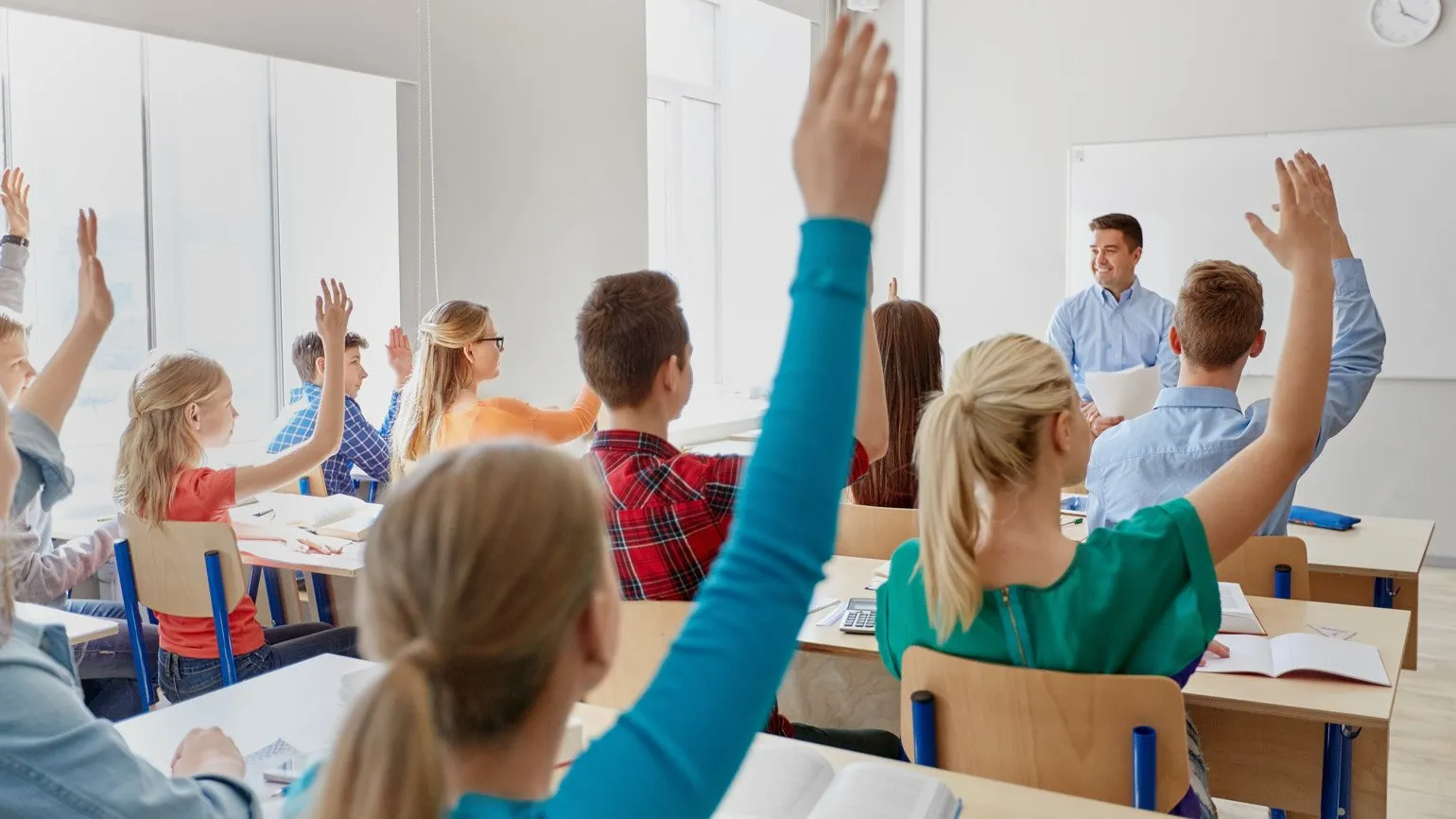
Research shows that shy teens can receive There is greater benefit from paired discussions if they are given the opportunity to independently choose their partner. However, this assumption has not yet been confirmed experimentally.
Research has uncovered the reasons why shy children often avoid raising their hands in class. During the experiment, they were more likely than others to admit to feeling unsure of their answers and a reluctance to be the center of attention. Such children often worry about how their peers perceive them, fear appearing incompetent, and find themselves in an awkward situation. Therefore, researchers emphasize the importance of teacher support, which can help shy students cope with social pressure and increase their self-confidence.
Learn more about education on our Telegram channel. Subscribe to stay up-to-date with the latest news and useful information!
Read also:
- Study: Teachers Tend to Give Favorite Students Higher Grades
- Math Anxiety: What It Is and How to Deal with It
- Is Educational Inequality the Cause of Academic Failure?
- Funny Stories in Educational Materials: How They Can Harm
The Profession of Methodologist from Scratch to PRO
You will improve your skills in developing curricula for online and offline courses. You will master modern pedagogical practices, structure your experience and become a more sought-after specialist.
Find out more