Contents:

Learn: Online Tutor
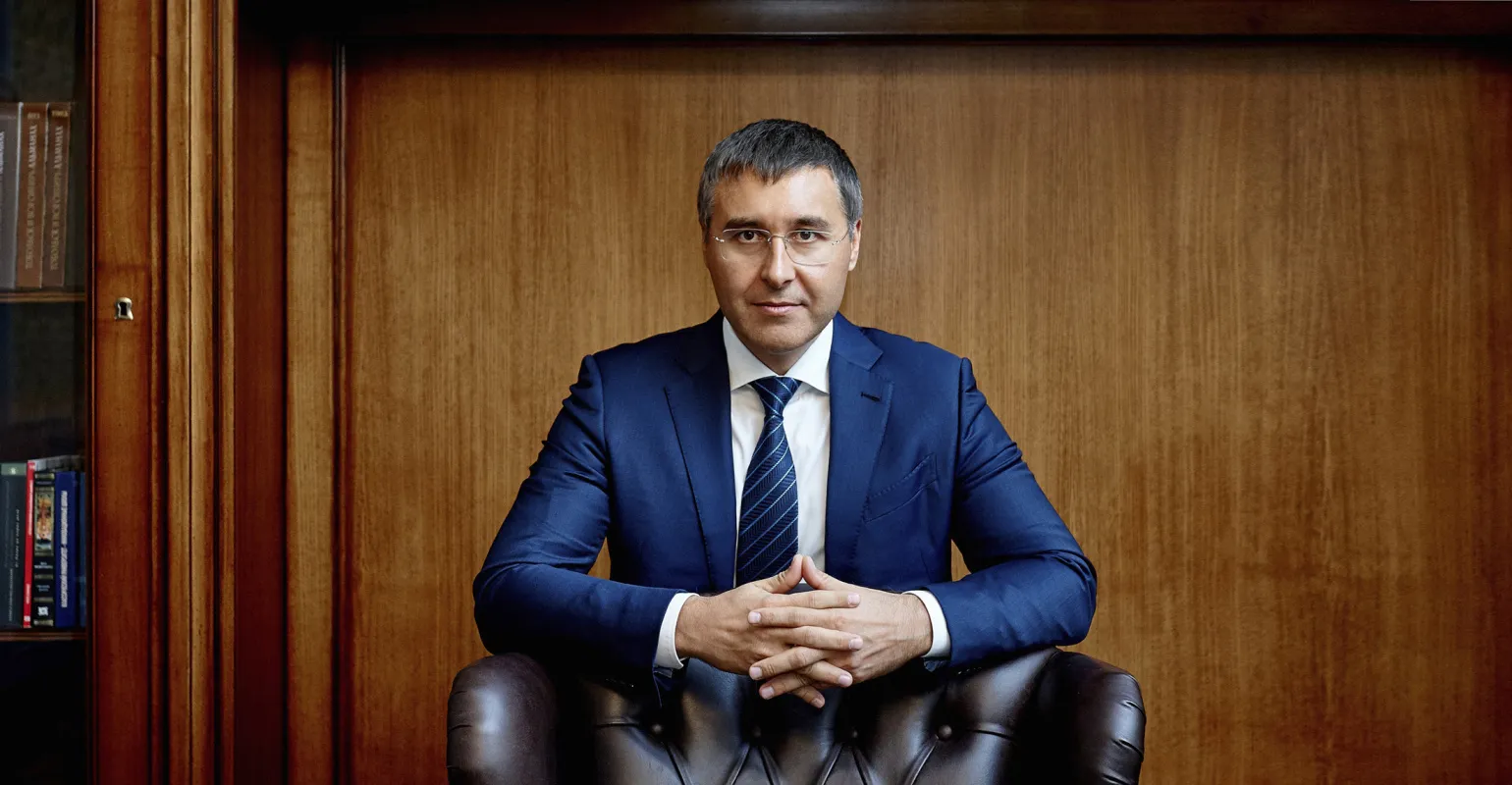
Find out moreAt a conference held on October 28 and organized by SberUniversity, Minister of Science and Higher Education Valery Falkov identified three key characteristics of Russian higher education. These characteristics, in his opinion, determine the strategy and actions of the regulator in a changing world.
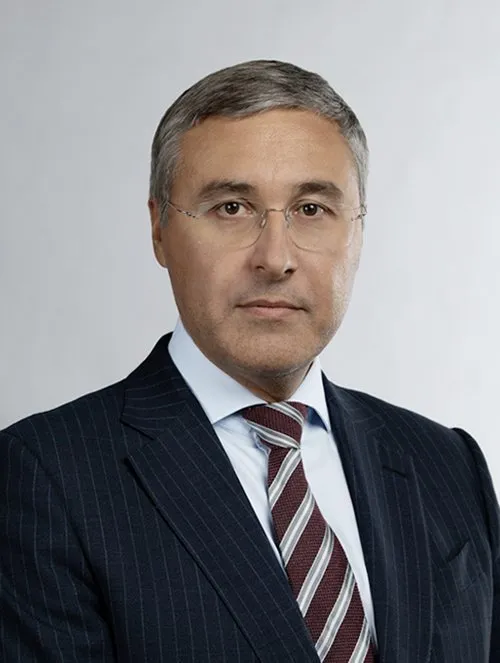
The Minister of Higher Education and Science is responsible for the strategic management and development of the educational system in the field of higher education. He is engaged in the formation of state policy aimed at improving the quality of education, introducing innovative technologies and supporting scientific research. An important task for the Minister is to coordinate the work of universities, research institutions, and educational organizations, thereby contributing to the creation of a competitive higher education system. The Minister also actively participates in international projects and cooperation, which allows for the exchange of experience and the implementation of best practices in the domestic education system.
What are these three features of higher education?
The minister highlights individualization as a key feature of modern education, but this term is the subject of much debate. At a recent conference, Sberbank Chairman Herman Gref noted that individualization implies the training of individual specialists, while the emphasis should be on building teams. He proposed using the term "personalization," which likely more accurately captures the essence of the changes the minister is talking about. From this perspective, personalization truly has the potential to significantly transform Russian universities and their approaches to education.
Global universities have long been leaders in education, offering massive educational programs and attracting thousands of students, each of whom is unique. Valery Falkov noted that in the context of a client-centric approach, it is necessary to adapt the educational infrastructure to take into account the needs and perceptions of students. This requires educational institutions to develop flexible and personalized learning methods that will help each student acquire the necessary knowledge and skills.
The second key characteristic of education is the combination of fundamentality and flexibility. Flexibility ensures a personalized approach, allowing students to change areas, programs, or academic tracks. Fundamentality, in turn, is associated with high quality and stability of knowledge. According to the minister, it is fundamental knowledge that helps one confidently navigate a rapidly changing world and the need for continuous learning.
The word "fundamentalism" has acquired a new meaning in the context of higher education. Modern fundamentalism is not defined centrally, even by regulatory bodies. In my opinion, fundamentalism has its limits, and universities of various profiles can adapt this concept depending on their needs and objectives, allowing them to more effectively respond to the challenges of the time and the needs of students.
The third key characteristic of higher education is a commitment to the future. "A high-quality university always balances preparation for current technologies and existing working conditions, as well as preparing individuals for new challenges that are just beginning to emerge. In my opinion, the higher the level of the university, the better it copes with this complex task. "Training specialists for new activities and new technological paradigms is a true masterclass," noted Valery Falkov.
How this influences the policy of the Ministry of Science and Higher Education
Modern higher education is characterized by three key aspects, which are also current trends. These areas define the strategy of the Ministry of Science and Higher Education of Russia in the transition to a new technological paradigm. Based on these characteristics, state support instruments for universities are being developed, including the Priority 2030 program, aimed at developing educational institutions and increasing their competitiveness in the face of global change.
Our actions as a regulator are based on a deep understanding of higher education, which encompasses individualization, modern fundamentality, flexibility, and preparing individuals for future challenges. Educational content and the technologies used must be such that students, acquiring knowledge today, can confidently navigate the world in 10–15 years. It's difficult to predict what this world will be like, but our task is to prepare graduates for uncertainty and change, providing them with the necessary skills and competencies for a successful life and career.
Read also:
- About universities and the labor market: "Only a few employers understand their needs after 6 years"
- German Gref: personalization in Russian education is a far cry from Pushkin's nanny
- Why higher education cannot be purely applied
- What Russian universities are facing in the process of digital transformation
Online Tutor
It doesn't matter what you teach—English, CrossFit, yoga, vocals, or culinary arts. Everything you used to teach in schools, studios, and offices can now be taught online. Promote your knowledge and skills and earn money from anywhere in the world.
Find out more