
Contents:

Learn: Methodologist Profession from Scratch to PRO
Learn MoreIn this interview, you will learn about:
- how to find out what's going on in the brain without bulky laboratory equipment;
- does a neural interface help you become more focused and attentive;
- how do neural interfaces measure creativity and stress levels;
- can neurotechnology make education more personalized;
- what currently limits the use of neural interfaces.

Neuroscientist and research coordinator at Knowledge Laboratory. The company focuses on neurotechnology projects and develops expert analysis and knowledge management systems for businesses, scientific, and educational institutions. All developments are aimed at enhancing human intellectual abilities and optimizing teamwork.
What are neural interfaces and why do we need them in education?
Neural interfaces are devices that provide communication between the human brain and external systems, such as computers or prosthetics. These technologies use electrical signals generated by neurons to transmit information. Neural interfaces include various devices, such as electrode helmets, implants, and special sensors that can read brain activity. They can be used to control electronic devices, restore lost functions, and even transmit thoughts. Neural interfaces are used in medicine, rehabilitation, and even entertainment, opening new horizons for human interaction with technology.
Devices that read brain signals and transmit them to a computer are an important tool in neuroscience. These technologies do not have a single, clear definition, as there are various methods for reading signals. These methods include electroencephalography, functional magnetic resonance imaging (fMRI), and infrared spectroscopy. Each of these approaches provides unique insights into brain activity, opening up new avenues for research and practical applications in medicine and psychology.
Neural interfaces can be used in two main paradigms. The first is an active paradigm, in which a device transmits signals from the brain to another device, such as a prosthetic, enabling its control. The second is a passive paradigm, in which signals are read, data is collected, and decisions based on this data are made by third parties, not the user of the neural interface. These two approaches open up new possibilities for both medical applications and a wide range of human-machine interaction technologies.
Modern neural interfaces are based on neuroscience and bioengineering methods that enable communication between the brain and external devices. The basic operating principle of such interfaces is to read the electrical activity of neurons using electrodes placed on the surface of the head or inside the brain. This data is processed and interpreted using machine learning algorithms, allowing neural signals to be converted into commands for controlling various devices. Thus, neural interfaces open up new possibilities in rehabilitation, prosthetic control, and interaction with computer systems. The electroencephalogram (EEG) is the primary method for reading the brain's electrical activity. This method was developed in 1924 and remains the most accessible of all existing technologies. Currently, there are approximately 20 popular EEG-based neural interfaces. They all function on a similar principle, and many of them have a similar appearance.
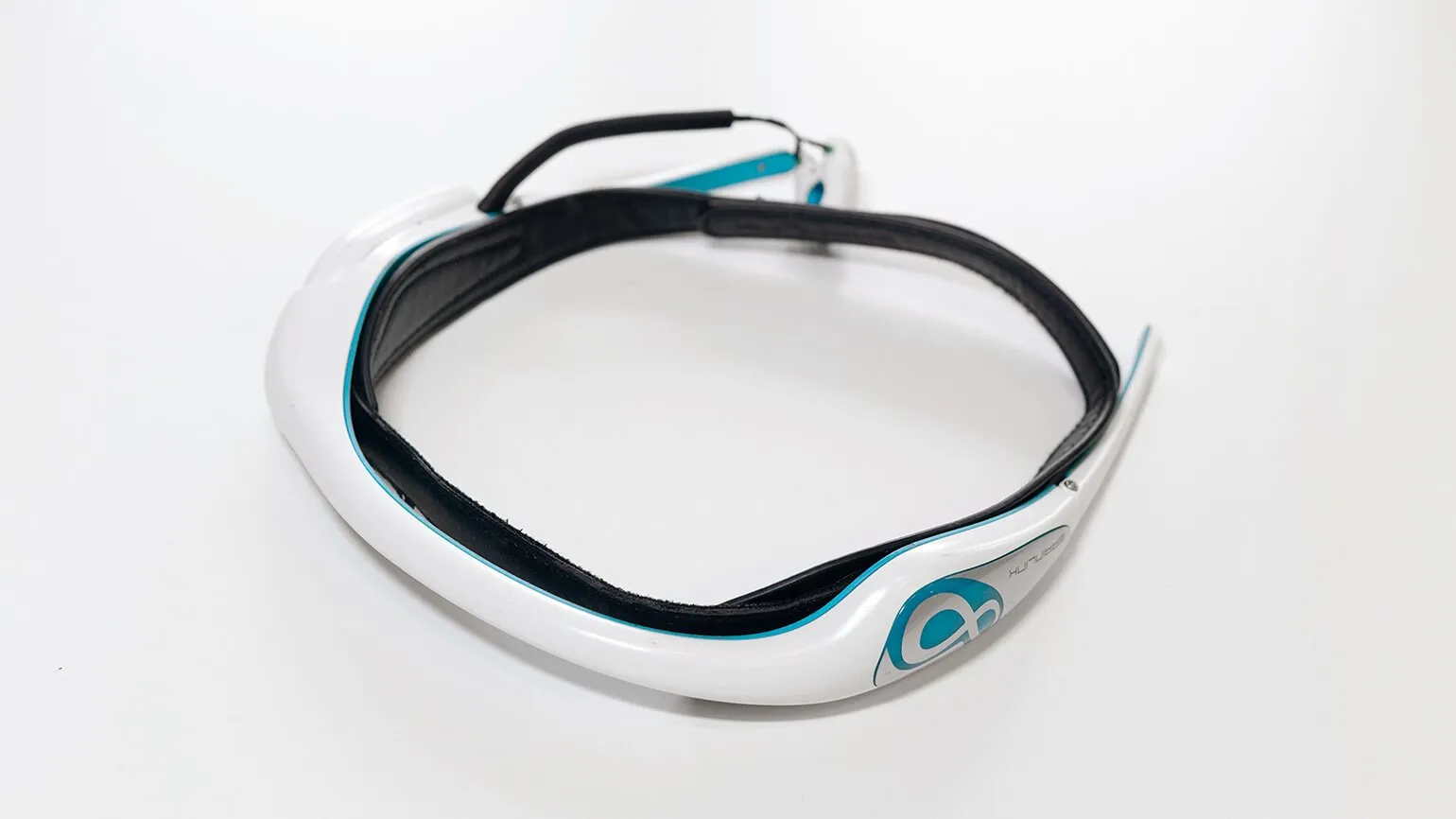
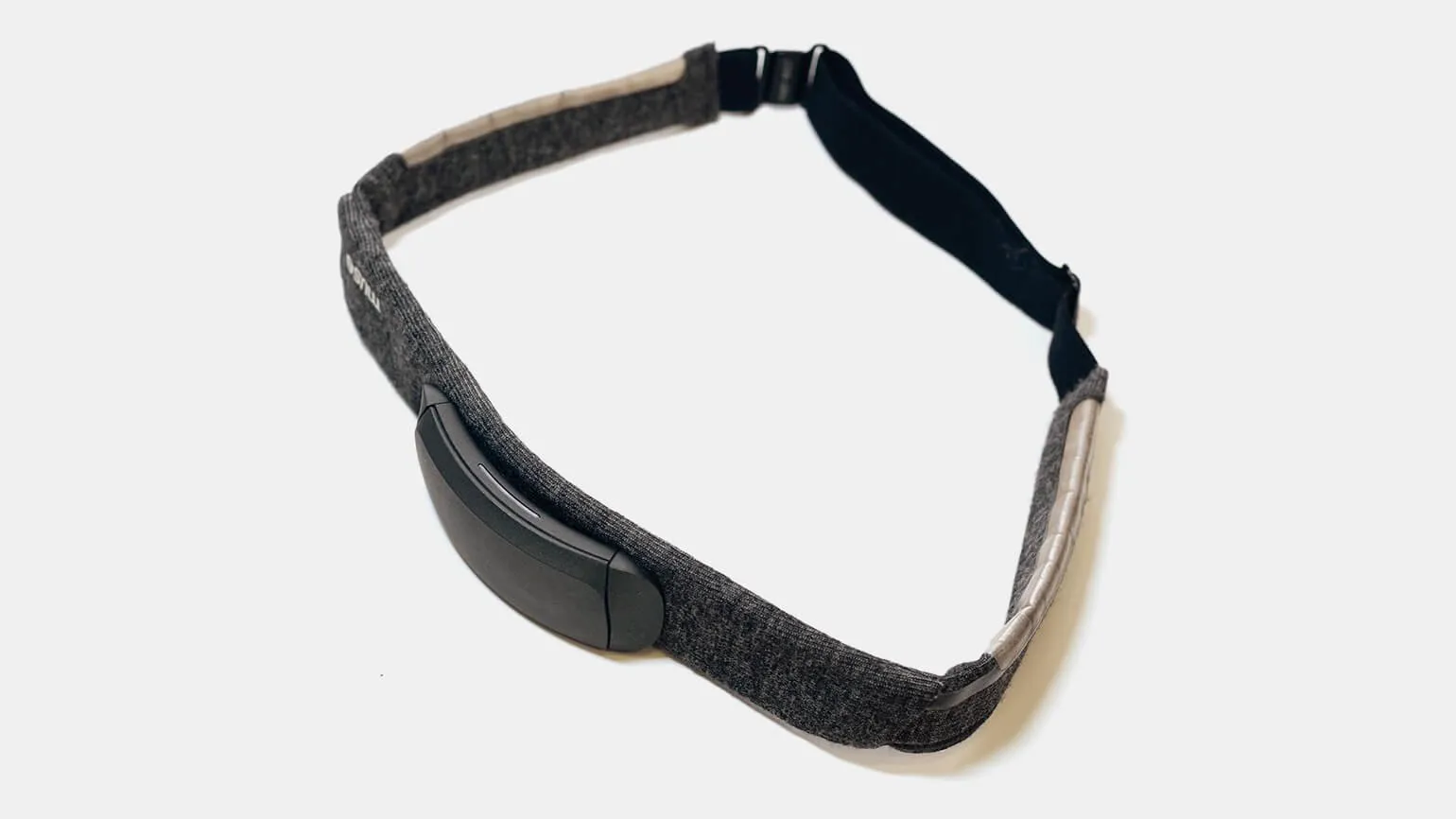
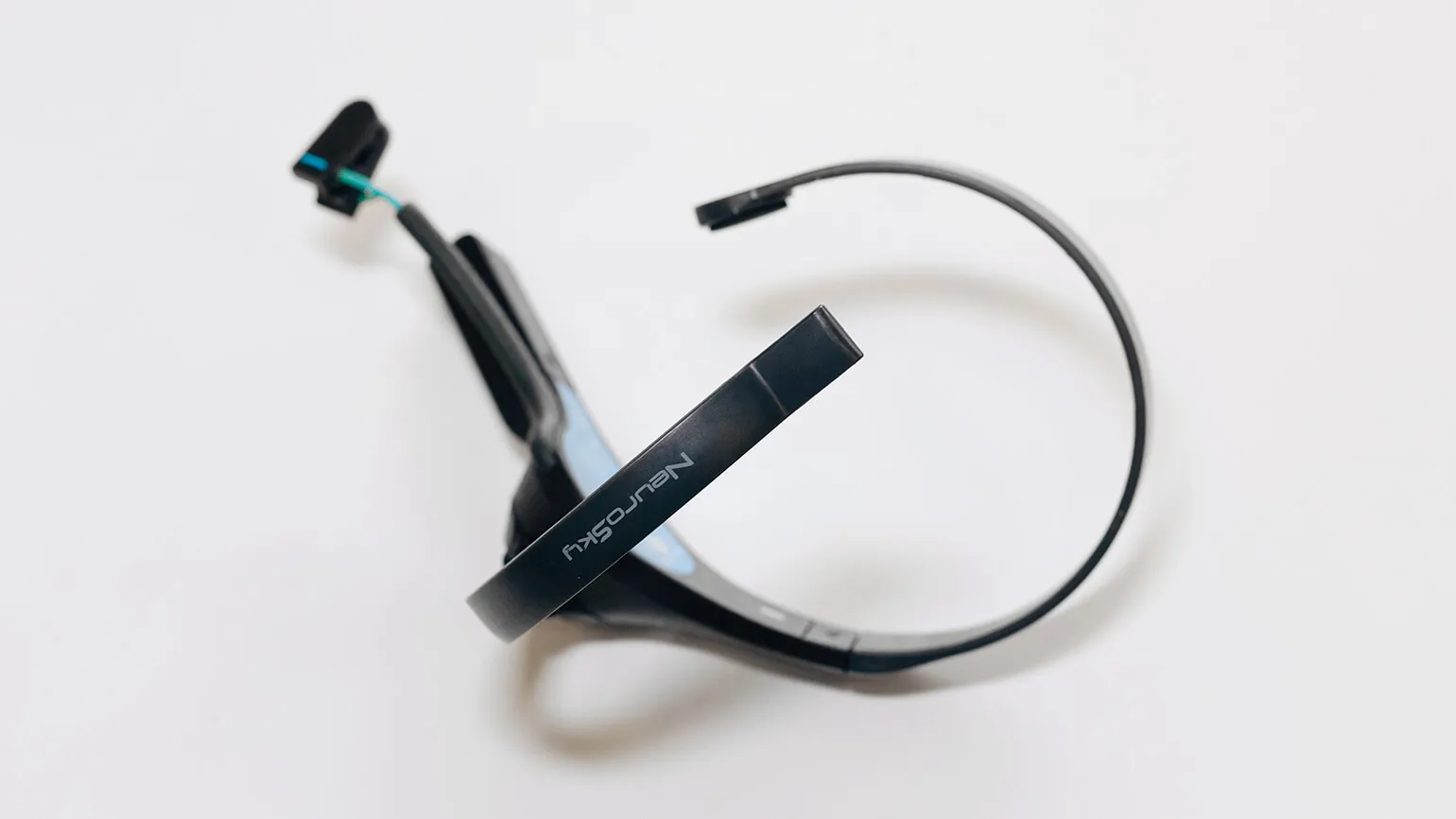
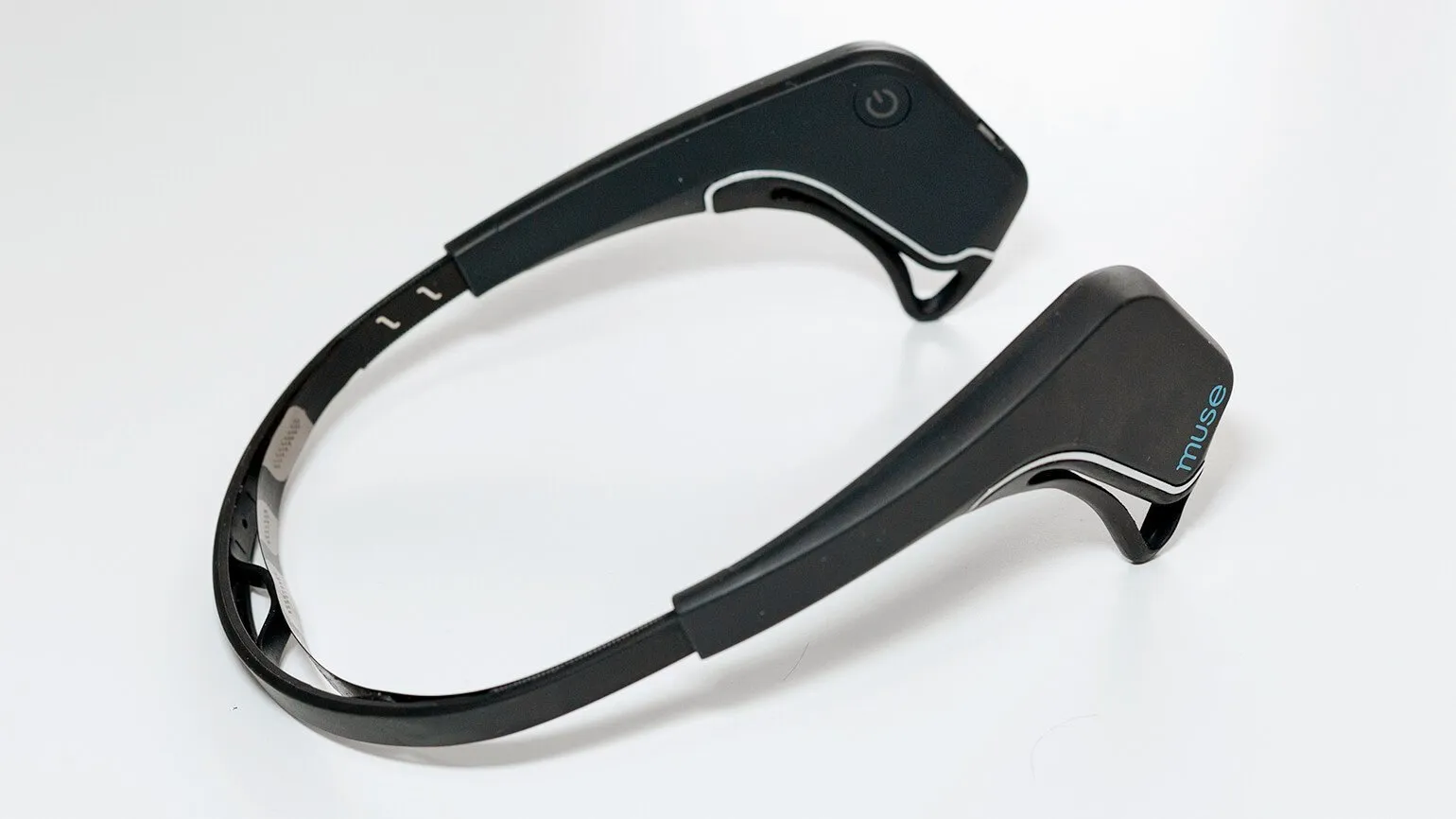
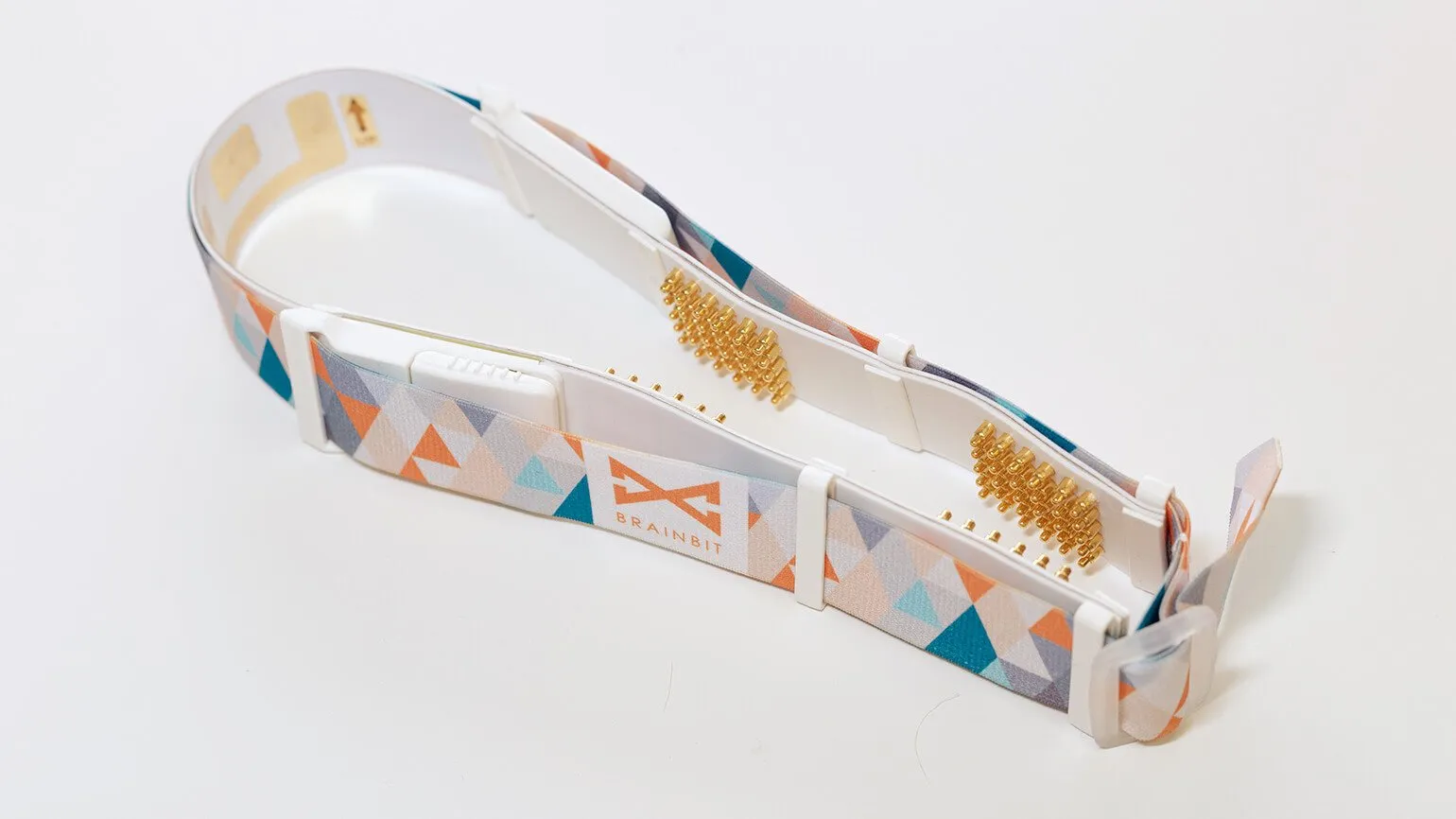
More modern and innovative solutions exist. In recent years, the market has offered many new technologies that can significantly improve productivity and efficiency. For example, the use of cloud platforms, artificial intelligence, and process automation opens new horizons for business. These technologies not only improve efficiency but also reduce costs. Innovative approaches allow you to adapt to market changes and offer better services to your customers. Consider implementing such solutions to remain competitive and meet modern requirements.
In recent years, there has been growing interest in wearable devices that can monitor changes in magnetic fields. However, such technologies remain expensive for mass use. One of the most promising areas is functional near-infrared spectroscopy (fNIRS). Leading research in this field is being carried out at innovation centers such as Skolkovo. This technology promises significant breakthroughs in the monitoring and analysis of physiological processes, which could open up new possibilities for medical diagnostics and research.
The device is a head-mounted accessory similar to neurointerfaces based on electroencephalography (EEG), but it uses light guides instead of electrodes. These light guides emit infrared light, which penetrates the skull and is reflected by blood vessels in the brain before exiting the opposite side of the head. Receivers are located at this location and record the reflected light. Because dilated blood vessels reflect more infrared rays than constricted ones, the device can assess blood flow and, consequently, brain activity in real time. This technology opens new horizons in monitoring brain activity and can be applied in neuropsychology and rehabilitation.
Devices such as tablets and laptops are widely used in the educational process. They improve learning and make learning more interactive. Students can use specialized applications for various subjects, allowing them to access educational resources anytime and anywhere.
These devices also support distance learning, which is especially relevant in the modern world. Teachers can create multimedia presentations and video tutorials, making classes more engaging and informative. Interaction between students and teachers is made more effective through online platforms and forums where they can ask questions and discuss topics.
Furthermore, the use of technology in education promotes the development of critical thinking skills and independence in students. They learn to process information, analyze data, and find solutions in non-standard situations. Thus, modern devices not only enrich the learning process but also prepare students for the challenges of the future.
Neural interfaces are only just beginning to be implemented in the educational field, and only a few companies are actively researching their application. Developers are primarily focused on assisting people with paralysis and controlling various devices, such as quadcopters. In these areas, the results are most noticeable: a person with disabilities can use a neural interface to control a wheelchair or type. This opens new horizons for rehabilitation and improving quality of life, but the potential for using neural interfaces in education also deserves attention. With their help, it is possible to create unique educational tools adapted to the individual needs of students, which can significantly improve the learning process and make it more accessible.
In the field of education, there are projects aimed at helping children with various illnesses and behavioral characteristics, including attention deficit hyperactivity disorder (ADHD). The use of neural interfaces allows children to develop self-control and concentration skills. These methods have already become widespread and are actively used in educational institutions. Although adults can also train their abilities using neural interfaces, such technologies are primarily in demand when working with children. The use of modern technologies in education helps not only improve attention and concentration but also promotes more effective learning and development of children with special needs.
How does it work? This question often arises among people seeking to understand the processes and mechanisms underlying various systems and technologies. It is important to understand the principles that ensure functionality and efficiency.
Most processes are based on clearly defined algorithms and sequences of actions. They allow systems to perform tasks, process data, and achieve their goals. For example, in digital technologies, software relies on code to carry out specified instructions.
Systems can be simple or complex, and their performance depends on a variety of factors, including the resources used, the quality of the data, and settings. Understanding these details helps users better utilize technology and increase their efficiency.
Ultimately, understanding how various systems work allows not only to solve current problems but also to optimize processes, improving results and increasing productivity.
The use of biofeedback allows for real-time visualization of signals from the brain, such as attention levels. The user is given a task in which they must change the signals, which in turn leads to a change in the image on the screen. This method is actively used to improve cognitive functions and train attention, providing users with a unique opportunity to interact with their own brain state.
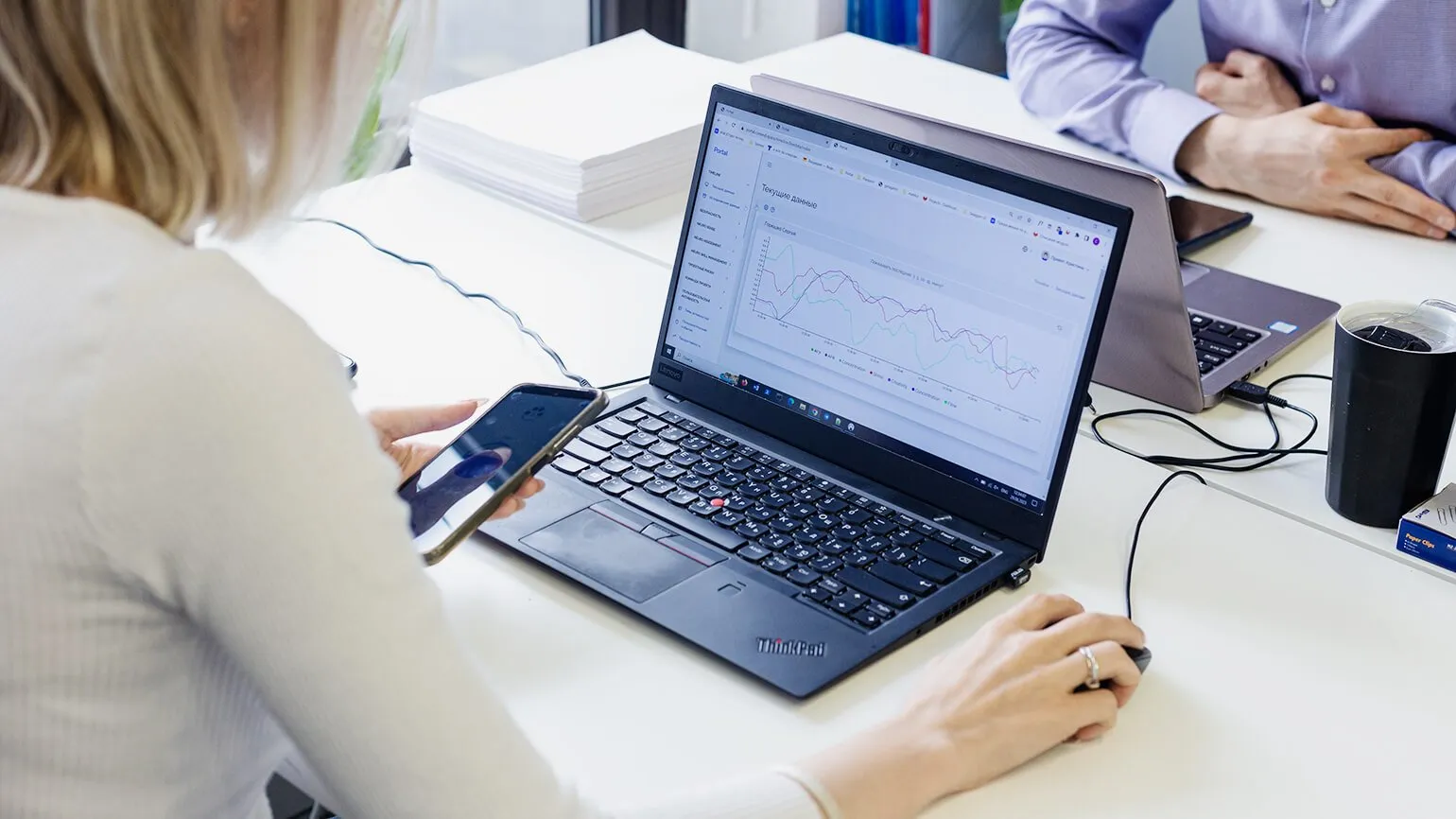
Cartoons can be an effective tool for children. As long as the child remains calm and focused, the images will be bright and smooth. However, if their attention is distracted, the cartoon begins to distort: black squares appear, accompanied by unpleasant sound effects. This technique helps both children and adults learn to control their emotions, as it provides objective feedback on their current emotional state.
Interfaces are actively used in the educational setting. They help make the learning process more effective and interactive. In educational institutions, interfaces are used to create learning platforms, interactive textbooks, and applications. This allows students and teachers to interact with the material, receive feedback, and improve their understanding of the topic. The use of interfaces also helps to adapt the learning process to the individual needs of students, making learning more accessible and personalized. Thus, interfaces play an important role in the modern educational environment.
There are few examples, but it is worth mentioning the company BrainCo. Founded in the USA, it implements its main projects in China. For example, neural interfaces with a light bulb that serves as a student concentration indicator are used in classrooms. By the color of the light, the teacher can assess the student's level of concentration and adjust their teaching as needed. However, in my opinion, this method of controlling student attention can be perceived as authoritarian, since it occurs in real time.
Neural interfaces are increasingly used in various fields, including education. One interesting aspect of their use is testing and examinations. Today, there are developments that allow for the integration of neural interfaces into knowledge assessment systems. These technologies can help monitor a student's concentration and stress levels during an exam, which can provide a more complete picture of their actual abilities.
Furthermore, neural interfaces can be used to create adaptive tests that adjust to a student's knowledge level in real time. This opens new horizons in assessing educational outcomes and allows for a more accurate consideration of the individual characteristics of each student.
Nevertheless, issues of ethics and data privacy remain relevant. Research and legislative initiatives are needed to ensure the security and protection of students' personal information when using neural interfaces in educational institutions.
There are several ways to expand the capabilities of proctoring. It is important to note that the brain activity patterns of students completing assignments independently differ significantly from those of those who cheat. We conducted an interesting study with a famous chess player, comparing his brain activity when he made his own chess decisions and when he acted based on bot prompts. The results showed significant differences, opening up new prospects for student proctoring during exams. Using similar methods could improve the effectiveness of proctoring and ensure a more reliable knowledge assessment process.
Modern exam proctoring has reached a significant level: examinees are monitored by several cameras that record not only their hands, but also their eyes and back. In such conditions, cheating becomes extremely difficult. The proctoring system is aimed at ensuring the fairness and transparency of the exam process, which reduces the likelihood of cheating and promotes a more objective assessment of students' knowledge.
How neural interfaces are used in the "Knowledge Lab"
When choosing devices, it is important to consider their functionality and performance. Many users prefer a combination of desktop PCs and laptops for work and entertainment. Desktop computers provide the power to handle resource-intensive tasks like video editing and gaming. Laptops, on the other hand, are mobile and convenient, making them ideal for working on the go or in tight spaces.
Furthermore, tablets and smartphones are becoming increasingly popular due to their versatility. They are suitable for reading, surfing the internet, and performing light tasks. It's important to choose devices based on your needs to ensure maximum efficiency at work and in your free time. Choosing the right devices will help you optimize your workflow and improve your entertainment experience.
Our EEG data processing platform is compatible with a variety of devices. We primarily use two devices: BrainBit, developed by the Russian company NeuroMD, and Muse, created by the Canadian company InteraXon. In today's environment, we increasingly focus on Russian technologies, which allows us to ensure reliability and support for our systems.
We are integrating neural interfaces into the educational process to improve the effectiveness of learning. Our work includes developing technologies that analyze students' emotional states and concentration levels. This helps us adapt educational materials and teaching methods in real time, tailored to individual student needs. We also explore the use of neural interfaces to create interactive educational platforms that facilitate deeper learning. Our goal is to make learning more personalized and effective using modern technology.
We use neural interfaces in a passive paradigm, allowing us to read students' brain signals during lessons and problem-solving. The resulting data is shared with teachers and methodologists, facilitating feedback on the learning process. This is an important element of learning analytics that helps improve the educational process and adapt teaching methods to the needs of students.
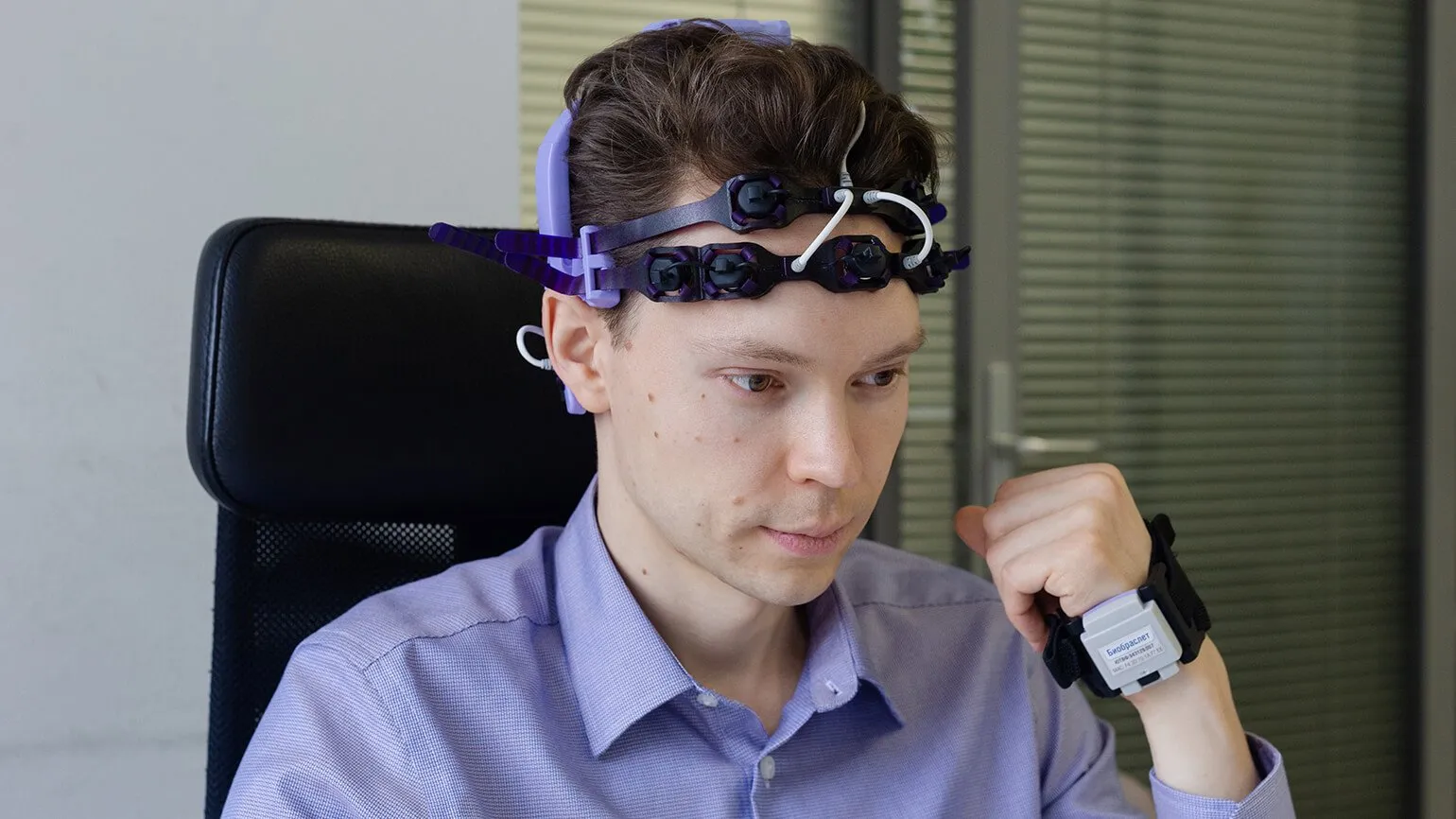
We can determine what interested people, what they found boring, when they lost attention, and what aspects caused difficulties and misunderstandings. By analyzing this data, we can improve the content and make it more attractive and understandable for the audience. This approach will help create high-quality material that will better meet user expectations and retain their attention.
Feedback can also be obtained using traditional methods. However, if the session lasts for a long time, the participant may not remember important details of their reaction. Using neural interfaces, we can analyze data in real time, recording every minute or even second. This allows us to obtain a more accurate and complete picture of the interaction, significantly improving the quality of feedback.
Customers often require brain activity measurements for an in-depth analysis of cognitive processes. This data helps us understand how the brain functions in various situations, which is especially important for the development of effective products and services. Brain activity measurements can be useful in marketing, psychology, neuroscience, and educational technology. They allow us to identify user preferences and reactions, which facilitates the creation of more personalized and targeted content. Furthermore, such studies aid in the diagnosis and treatment of various mental health conditions, making them relevant for medical institutions and scientific research.
Research interest is often the primary motivation for using neural interfaces. These technologies are used to evaluate the effectiveness of new programs and tools. Furthermore, neural interfaces attract attention in various shows and demonstrations, as they represent a novelty that many users encounter only occasionally.
As part of several projects with Netology, we investigated how video length affects student concentration and engagement. The results were mixed. Videos 3–7 minutes long demonstrated the highest levels of engagement, but concentration during this period was minimal—students simply did not have time to immerse themselves in the material. Meanwhile, 20-minute videos demonstrated low levels of engagement, and concentration was unstable. These data highlight the importance of optimal video length for enhancing learning effectiveness.
The optimal video length is between 8 and 11 minutes. These videos maintain high viewer concentration and engagement levels, unlike longer formats. This length helps hold the audience's attention and ensures consistent information comprehension throughout the entire viewing experience.
The relationship between these metrics and video length is nonlinear, so it is recommended to re-evaluate other educational products.
Other projects did not have an educational focus.
At the festival, we used a neural interface to enhance the appeal of our booth. This not only attracted visitors but also showcased the innovative technologies our company uses. Neural interfaces are becoming increasingly popular, and their use at events helps create a unique experience for participants.
Sometimes you just want to experiment with new technology. This drive allows you to expand your knowledge and skills, as well as understand how new tools can be integrated into existing processes. By trying new technologies, you discover new possibilities and approaches, which can lead to more effective solutions to current problems.
We recently held a hackathon to generate new ideas for applying neurotechnology. One of the most interesting proposals was the use of these technologies in career guidance. Neurotechnology can significantly improve the career choice process by providing a deeper understanding of individual inclinations and abilities. This can help people make more informed career decisions, which in turn leads to increased job satisfaction and effectiveness in the labor market.
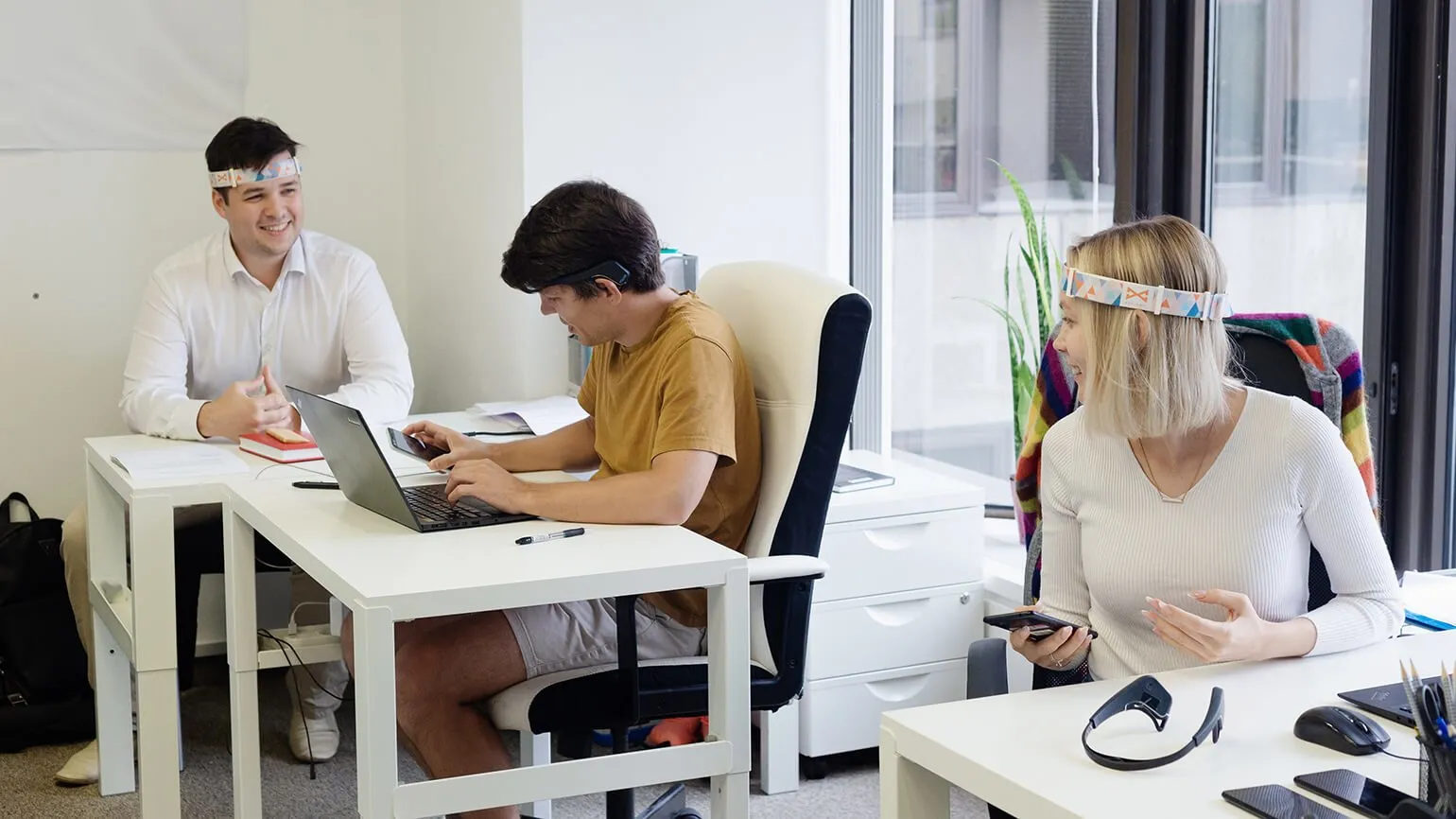
Measuring brain activity is a promising approach in career guidance. Modern technologies such as functional magnetic resonance imaging (fMRI) and electroencephalography (EEG) can provide data on which areas of the brain are activated during various tasks. This allows us to determine which activities elicit the greatest interest and passion in a person.
Understanding brain activity can help identify strengths and predispositions for certain careers. For example, if a study reveals high activity in areas related to creativity, this may indicate a predisposition to creative professions. Conversely, activity in analytical areas may indicate suitable fields in science or engineering.
Thus, using brain activity data in career guidance not only provides a deeper understanding of individual characteristics but also facilitates a more accurate career choice, which can ultimately increase job satisfaction and effectiveness in the chosen field.
This concept involves using a variety of tasks to determine a person's true preferences and interests. When an individual is unaware of their true desires, it is important to offer them a variety of activities. This will allow us to analyze their reactions and brain activity while completing the tasks. This approach can help identify hidden desires and inclinations, as well as promote personal growth and self-knowledge. The methodology requires further research but has potential for practical application in psychology and coaching.
The first educational project in which I used neural interfaces was devoted to the study of human interaction with technology. We developed a program that allowed students to control virtual objects using brain signals, which helped improve their concentration and cognitive skills. This project not only demonstrated the potential of neural interfaces in the educational process but also opened new horizons for the integration of technology into education. We also explored how such technologies can help adapt educational materials for people with special needs, making education more accessible and personalized.
The project with Artek focused on studying children's reactions to classes in various sections, such as ceramics, piano, and rocket science. We analyzed how each area affected children's interest and engagement, allowing us to better understand their preferences and develop educational programs.
An interesting experiment was conducted during the rocket science section for 12-year-olds. During the first lesson, the children were shown a video about Yuri Gagarin, and in the next, they were given the opportunity to build a model of a space rocket from scrap materials. The results showed that the children's level of engagement and concentration increased significantly during the practical task. EEG analysis showed that the teenagers' concentration was low while watching the video; they simply sat and did not absorb the information. This highlights the importance of hands-on learning in the educational process, especially in complex fields like rocket science.
Wasn't this insight for educators obvious even without analyzing brain activity?
Watching teenagers watching the video, it seems they are interested. Personally, I liked the video; it was high-quality; however, it seems that it was not suitable for the target audience. Perhaps the reason lies in the age of the viewers or their lack of motivation to watch. As a result, the first lesson was ineffective, and this may have affected the teenagers' desire to attend the next one. This small insight into children's reactions to the video allowed us to adapt the section program and make it more attractive to participants.
My most challenging project in education was developing an interactive learning platform. The main challenge was the need to integrate a variety of educational materials and technologies to create a convenient and effective interface for users. An important aspect was ensuring the accessibility of content for different categories of learners, taking into account their individual needs and levels of preparation. We also faced challenges in the area of technical implementation, including support for various devices and browsers. These factors made the project particularly challenging, but at the same time, they forced me to gain a deeper understanding of modern approaches to training and the importance of user experience.
The project was implemented in collaboration with a large bank, where senior managers were trained to conduct creative team sessions. The training utilized various methodologies aimed at developing new products, solving complex problems, and satisfying customer needs. This has increased the level of innovative thinking and teamwork in the organization.
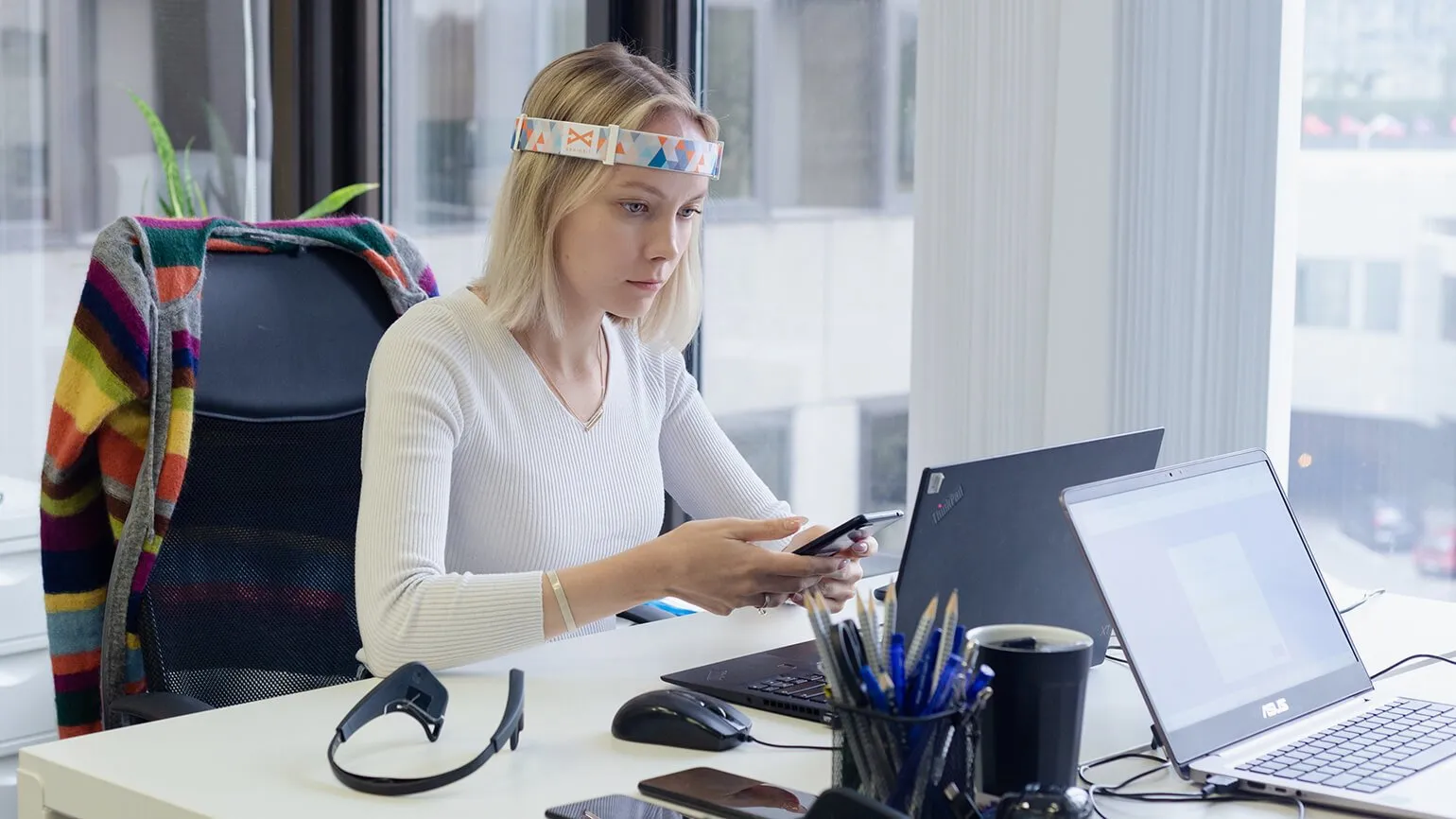
We received An invitation to participate in in-person sessions to evaluate the effectiveness of various methods for fostering creativity in participants. Our goal was to determine whether it was possible to reformat the sessions to improve student satisfaction. The main challenge was the large number of participants, which required us to quickly provide insights to both the organizers and the participants immediately after each session. We aimed to draw conclusions for each participant to ensure that all measurements taken were as useful and informative as possible.
Individual findings may include personal observations, analysis of collected information, or research results adapted to specific conditions or circumstances. They help identify patterns that can be useful for decision-making, further exploration of a topic, or development of new approaches. Such findings may be based on personal experience, data analysis, or comparison with other research. It is important that these findings are clearly formulated and substantiated, which will give them greater value and significance in the context of the topic under discussion.
We were able to analyze an individual's performance against the group average: which creative session methods aroused their greater interest compared to other participants, when they demonstrated the highest creativity, when they demonstrated leadership qualities, and so on. Our goal was to provide each participant with personalized recommendations for future professional work based on the data obtained.
For event organizers, it is important to measure overall results to evaluate the effectiveness of the event. We analyzed metrics such as the number of participants, their level of engagement, feedback on the event, and the achieved goals. Among the interesting findings, we found that a high level of engagement directly correlates with participant satisfaction. We also noted that the use of modern technologies, such as online surveys and mobile apps, significantly improves the quality of feedback and allows organizers to quickly respond to audience needs. This data helps organizers improve event programs in the future and make them more attractive to the target audience. We analyzed various methods for conducting creative sessions and discovered an interesting fact: regardless of the chosen approach, three clear peaks of creativity were observed during each session. The first peak of participant activity occurs just two to three minutes after the start of the task. At this point, they share their best initial ideas and discuss them. The next level of creativity is reached after four to five minutes, when more original and unconventional solutions are needed. The third peak occurs before the deadline, when the moderator informs about the time remaining until the end of the work. At this point, participants rapidly generate ideas that may be worth presenting to other groups.
We measured the individual's creative state using electroencephalography (EEG). This method records the brain's electrical activity, allowing us to assess creativity levels at different points in time. We recorded changes in brain waves, analyzing their frequencies and amplitudes to identify correlations between state of mind and creative processes. Using specialized equipment and software, we were able to obtain precise data on how various factors, such as mood and environment, influence creativity. Such studies help us better understand the mechanisms of creativity and improve approaches to its development.
To achieve this goal, we first needed to create a model of the creative state that reflects brain activity. For this, we organized a series of experimental sessions.
This is a key aspect of our work that often goes unnoticed. Before each project, it is necessary to help the individual achieve the target state in order to analyze how stress, concentration, excessive memory load, and creativity are manifested on the EEG. It is important to determine how these conditions differ from normal brain activity. To do this, we create situations that facilitate a person's transition to the desired state and record the changes occurring in their brain activity.
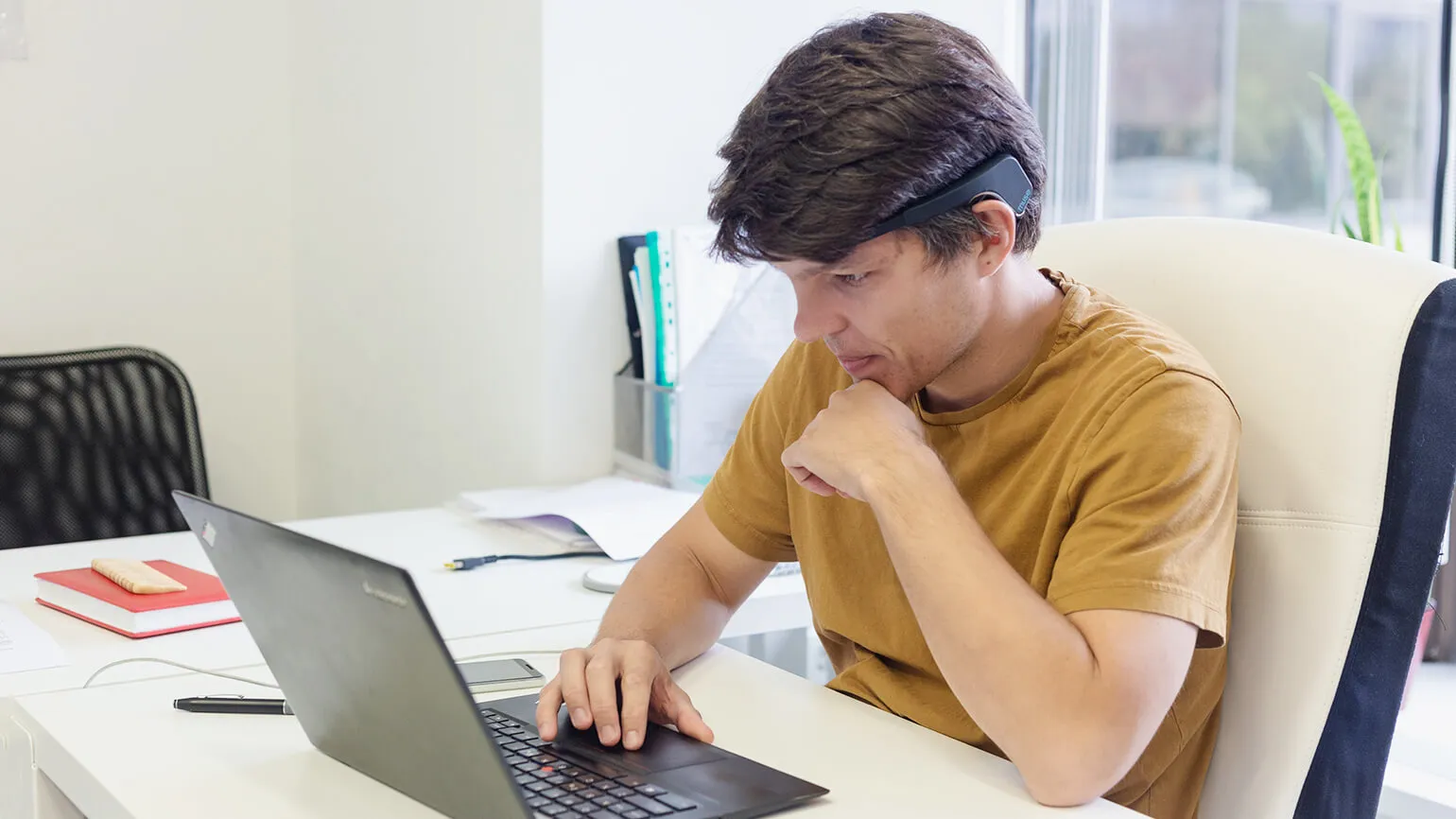
To model stress, we might ask a person to unexpectedly perform a song. Using a neural interface, we record brain activity during the performance and then apply machine learning algorithms and statistical analysis to develop principles that distinguish between different states. This approach allows for a deeper understanding of how stress affects brain activity and can be used to develop stress management techniques and improve psycho-emotional well-being.
The principles in question can be both universal and individual. It is important to consider that each person is unique, and what works for one may not work for another. Therefore, identifying and adapting principles for each participant is often necessary. This allows us to take into account personal characteristics, preferences, and the context in which they operate. Therefore, the approach to identifying principles must be flexible and tailored to the individual to achieve optimal results.
Ideally, individual calibration should be carried out for each participant, but this process is time-consuming. Therefore, we focus on identifying patterns of interest in an experimental group that is representative of the target audience for the upcoming real-world session. This approach allows us to efficiently collect data and adapt methods to achieve optimal results in future interactions with real users.
Matching the neural interface to age is critically important, as brain signals undergo changes throughout life, especially noticeable in childhood. The brain activity rhythm that the neural interface can record varies depending on age. This highlights the need to fine-tune technologies for effective work with different age groups, which contributes to a deeper understanding of neurophysiological processes and improves interaction with neurotechnology.
To successfully conduct a study involving children, it is necessary to form a group of participants of a similar age for the experimental sessions. If the study is focused on adults, then an appropriate group of adult participants should be recruited. This will ensure the accuracy of the data obtained and increase the scientific validity of the results.
Individual differences in responses do occur, as new areas of the cerebral cortex continue to form throughout life. The patterns of signals from these areas may vary among individuals. However, we regularly assemble large experimental groups to search for common signals that are more or less consistent across all participants. This allows us to better understand the general mechanisms of brain function and identify patterns that may be useful for further research.
Common signals can include various signs and indicators that help determine the current state of a system or situation. These signals can manifest as changes in behavior, data, or external conditions. For example, in business, common signals may indicate consumer trends, economic changes, or competitive actions. In technology, common signals may relate to software updates, changes in the user interface, or new features. Understanding these signals allows us to make more informed decisions and adapt to changes in the environment.
A person's current overall state can be assessed using a neural interface. However, one should not expect that this technology will allow one to read individual thoughts. Claims about the possibility of reading specific thoughts are overly optimistic and do not correspond to reality. Neural interfaces are capable of analyzing emotional states and brain activity levels, but their capabilities are limited.
Neural interfaces allow users to send motor commands that they mentally transmit to prosthetics, smart homes, or computers. However, the presence of external interference significantly increases the likelihood of recognition errors. In this regard, the use of neural interfaces outside of a laboratory setting requires special caution. Developing technologies that can minimize the influence of interference is an important task for increasing the reliability and effectiveness of neural interfaces in everyday life.
What are the prospects for using neural interfaces?
Neural interfaces in education are already solving a number of important problems. They help improve the learning process by adapting materials to the individual needs of students. They can be used to monitor the level of concentration and emotional state of students, which contributes to more effective learning. Furthermore, neural interfaces facilitate the creation of interactive educational platforms where students can engage with the material on a deeper level. The use of such technologies also helps identify and address learning challenges, allowing instructors to promptly adjust their approaches. Overall, neural interfaces open new horizons for improving the quality of education and individualizing the learning process.
First, receiving information about one's own learning process significantly increases participant engagement. When students understand their achievements and weaknesses, their interest in a course that provides this data increases. This promotes more active participation in the educational process and improves learning outcomes.
Teachers gain important insights for course improvement. We tried to provide instructors with real-time feedback, but simultaneously conducting a lesson and analyzing dashboard data proves difficult. As a result, the data obtained is only useful after the lesson is completed, allowing them to be taken into account when preparing for the next lesson or launching a course. This highlights the need for a systematic analysis of the results to improve the quality of the educational process.
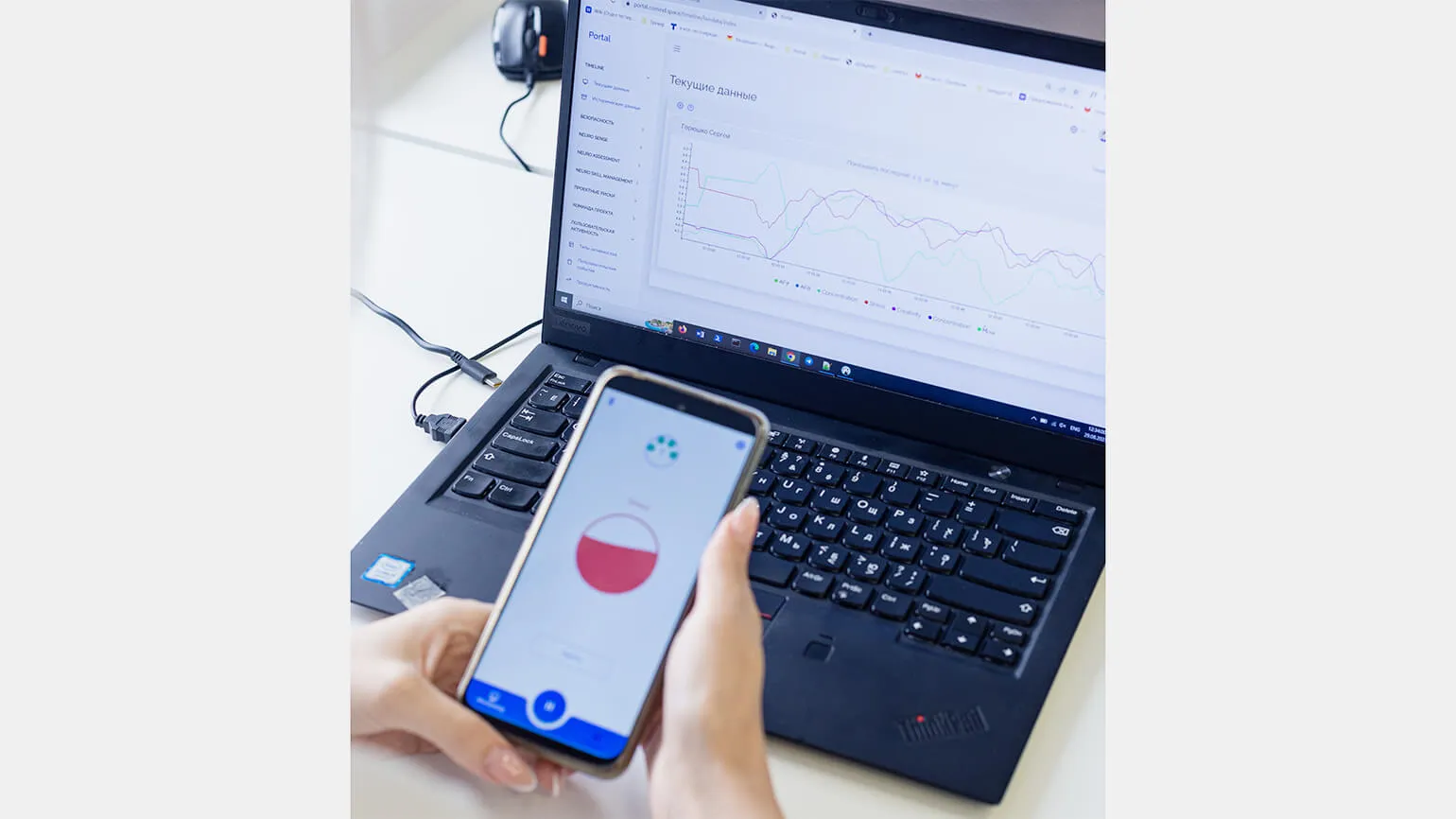
Collection Collecting data on students' brain activity can be useless in certain situations. For example, if students are unwilling to analyze their results or uninterested in improving their skills, the data may have no practical value. Also, a lack of clear goals and objectives for the study can lead to unreliable results. It is important to consider the context in which the study is conducted and the students' readiness for self-analysis. If these conditions are not met, data collection may be ineffective and fail to yield the expected results. If students resist monitoring and collecting data about themselves, this can negatively impact the effectiveness of the educational project. If participants do not perceive a personal benefit from this process, for example, if there is no feedback based on the information collected, they may begin to sabotage the measurement procedures. The result will be low-quality information that will not contribute to program improvement. To avoid this, it is important to ensure transparency in the process and show participants how the data can support their learning and development.
After conducting numerous pilot projects, we have concluded that collecting brain activity data is ineffective without a clear preliminary hypothesis. Formulating a hypothesis allows us to focus on specific aspects of the study, which significantly improves the quality and focus of subsequent data analysis. Without this step, the results may be random and not lead to meaningful conclusions.
Why do we ask "why"? This question is key in our quest to understand the world. People ask it to understand the causes of phenomena and events. Each time we encounter new situations or information, the desire to know the reasons leads to deep reflection and analysis. Understanding the reasons helps us make more informed decisions and shape our views on life. This desire for knowledge and understanding is the foundation of our development and learning. Ask questions, explore, and discover new horizons—that's how we expand our capabilities and improve our quality of life.
We recently completed a joint project with the Graduate School of Management at St. Petersburg State University, dedicated to the use of virtual reality technologies in the educational process. It's important to note that VR's effectiveness in education is often insufficient. Therefore, the Graduate School of Management seeks to determine under what conditions training using virtual reality can be as effective as traditional formats.
First, our colleagues began researching neural interfaces, measuring brain activity in participants learning communication skills in virtual reality and in those undergoing similar training with a trainer. Based on a comparative analysis, we hoped to identify differences that would help us understand what might go wrong during VR training. However, no significant differences were found.
When we began the project, we began by examining the theoretical foundations. It's important to understand why there are differences in brain function during learning in virtual reality compared to traditional methods. Research shows that VR technology can activate different neural pathways, which promotes deeper information retention and enhances engagement with learning material. This opens new horizons for educational methods and underscores the importance of integrating virtual reality into the learning process. Cognitive load theory states that human working memory has a limited capacity. When information is overloaded, students are unable to retain the material, which negatively impacts educational outcomes. Virtual reality (VR) represents a new and unfamiliar educational environment, which itself increases the load on working memory. We hypothesize that pre-adapting a person to VR can improve learning outcomes in this environment, making the process more effective and memorable.
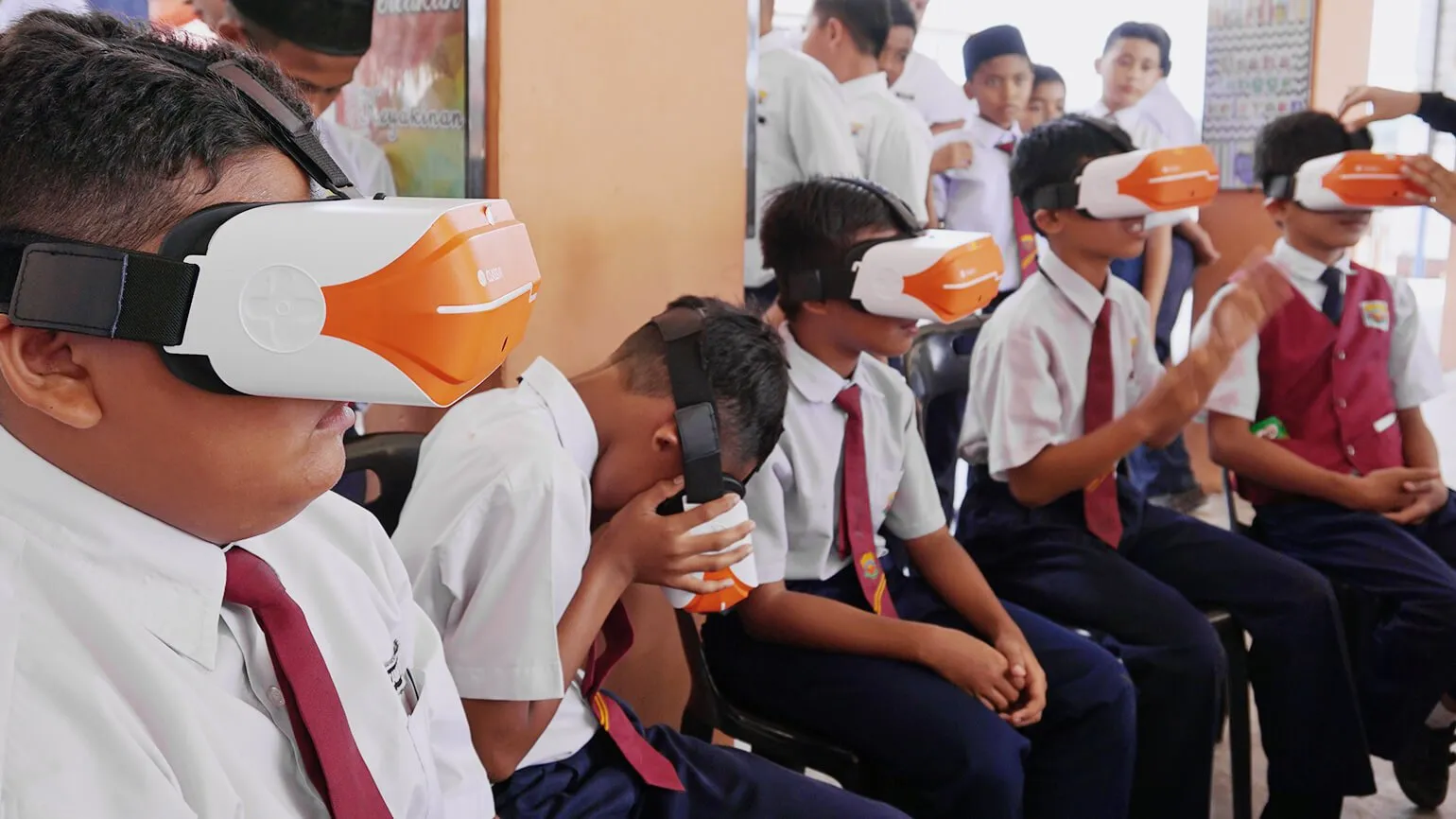
The hypothesis was confirmed: people who were previously prepared for virtual reality (VR) showed comparable learning outcomes with the results achieved in a traditional face-to-face format. The neural interface confirmed that the learning effect is associated with a change in cognitive load. Untrained VR users experienced a higher level of cognitive load than in face-to-face learning. However, after adapting to the technology, the indicators leveled out, indicating the potential for successful use of VR in educational processes. Neural interfaces hold significant potential in the field of education in the near future. They can significantly change the approach to learning, providing new opportunities for interaction between students and educational content. Neural interfaces enable a deeper understanding of learning processes, allowing educational methods to be tailored to the individual needs of each student. Furthermore, neural interfaces can facilitate the process of information acquisition, allowing students to concentrate more effectively on the material and reduce stress during learning. The use of such technologies can increase student motivation and improve their performance, which will ultimately lead to a qualitative change in the educational process.
In the foreseeable future, neural interfaces may also facilitate the development of new forms of learning, including blended learning and distance education, making knowledge more accessible to a wider audience. It is important to note that integrating neural interfaces into the educational environment requires careful consideration of the ethical and legal issues associated with the use of data on the brain state and psychology of students.
There are more complex applications of educational analytics than simply using it for data analysis. While this analytics is primarily of interest to methodologists and content creators, it is important to consider the benefits it provides to students. One key advantage is the ability to automatically create a personalized educational trajectory. This allows each student to tailor the learning process to their individual needs and preferences, significantly increasing the effectiveness of material acquisition and contributing to the achievement of educational goals.
Learning will become more effective thanks to adaptive systems. If the system determines that the student is uninterested or the material is too complex, it can suggest an alternative route that is simpler but will take longer to achieve the same educational outcome. A personalized approach to learning increases the likelihood that students will complete a course and retain it, as the program will be tailored to their personal needs and interests.
Currently, many specialists are developing personalized educational pathways. However, collecting and analyzing student feedback remains a key challenge. How can we determine whether a student has mastered the material, whether they were distracted during the task, and how this might impact their future learning? Neural interfaces can provide objective data that can help better understand the learning process and improve its effectiveness.
Data on attention during study directly impacts learning. Research shows that a high level of attention promotes deeper understanding and retention of information. When a student is focused, they more easily absorb new information, which ultimately improves learning effectiveness. Please note the importance of monitoring attention span to improve educational outcomes.
Our research, conducted jointly with Moscow State Pedagogical Univ., shows that brain activity during lectures is a more reliable indicator of exam results than students' subjective assessments of their learning. To obtain this data, our colleagues surveyed students after each lecture, asking questions about the difficulty of the material, its perception, and comprehension. The results showed that the correlation between student responses and final course grades is approximately 20%. At the same time, data obtained using neural interfaces demonstrates a much higher correlation—from 45% to 50%. This underscores the importance of using modern technologies to evaluate educational processes and a better understanding of the factors influencing student success.
While we have not yet delved into this topic, it is worth noting that it can be used for automatic personalization. Automatic personalization allows you to tailor content and offers to individual user preferences, which improves the user experience with a product or service. This can lead to increased customer engagement and satisfaction, as well as increased conversion. Researching automated personalization methods can be an important step in growing your business.
An alternative approach is to not tailor a course to a specific student but instead provide recommendations on how to adapt to the learning process. For example, you could remind them: "Today is a challenging lesson; maximum concentration is required to successfully master the material." You could also suggest: "If you feel tired after a day of work, take 40 minutes to rest before class." This approach promotes independence and responsibility in students and helps them better cope with the learning load.
In some situations, topics are complex and cannot be simplified. For example, a course on higher mathematics cannot be presented in a simple form.
What are the limitations of modern neural interfaces?
Personalization of learning using neurotechnology is an exciting area. However, there are certain limitations that hinder the implementation of such solutions. First, a lack of data on users and their preferences makes it difficult to create accurate algorithms. Second, the high costs of developing and implementing neurotechnology can be a barrier for many educational institutions. Another important aspect is the need to train specialists capable of working effectively with new technologies. Finally, there is the ethical aspect of the issue: potential risks and the protection of users' personal data must be considered. These factors require careful analysis to successfully integrate neurotechnology into the education system. Significant organizational barriers exist that hinder the creation of personalized educational trajectories. Successfully guiding students along different paths requires a huge amount of content. Creating multiple versions of the same material with real differences in difficulty is a complex task. In this context, generative AI models can be a useful tool for solving this problem, allowing for the automation of the process of creating diverse educational content.
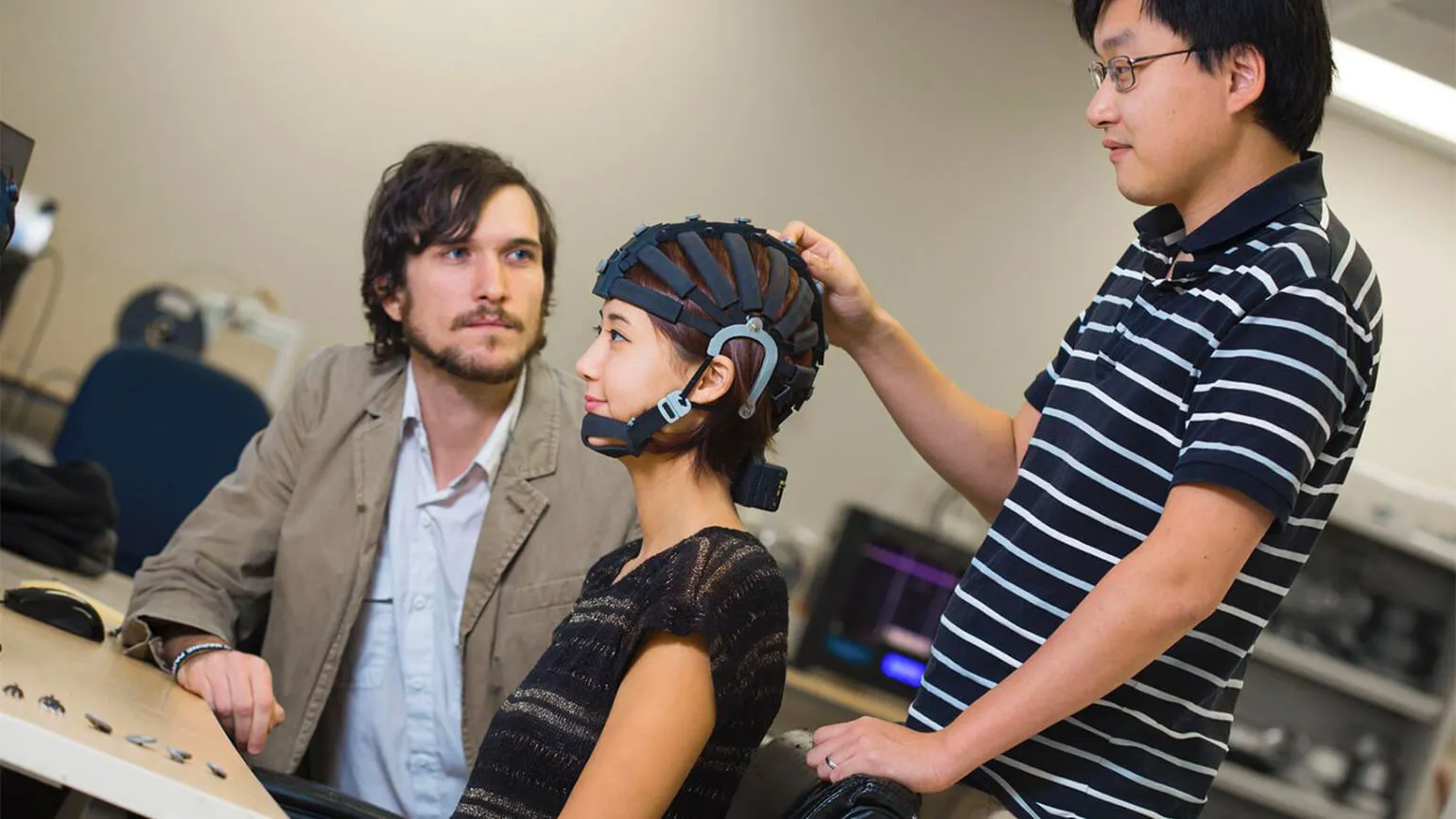
The main barriers, in my opinion, are related to methodology. How can we assess trust in neural interfaces? Is calibration necessary, and if so, how will it be implemented? With widespread use of the technology, the question arises about those who do not have a neural interface. It is also important to develop an implementation methodology to ensure the technology is beneficial to all users. Currently, this issue has not been sufficiently addressed, and we need to develop approaches to using the collected data for each specific case.
In terms of technology, there are indeed certain difficulties. The encephalogram obtained from a neural interface usually differs from that recorded by medical devices in terms of accuracy and detail. This is due to the specific features of neural interfaces and their signal processing algorithms. Further research and development are needed to improve the quality of information obtained from neural interfaces and make them more competitive compared to traditional medical devices.
Accuracy is indeed worse, and there are two main differences. The first difference relates to data processing methods, which can influence the final results. The second difference lies in the quality of the source data, which also affects accuracy. These factors must be considered when analyzing the results and choosing appropriate solutions.
Laboratory encephalographs are typically equipped with a large number of electrodes that record electrical activity on the surface of the scalp. This ensures more accurate determination of the signal source and allows for a detailed analysis of the activity of various brain areas.
The second difference is that to obtain a high-quality encephalogram, it is necessary to ensure tight contact between the electrodes and the scalp. This is important because only weak electrical signals are transmitted from the brain through the skull. This is why Neuralink, founded by Elon Musk, is developing invasive devices that involve inserting electrodes directly into the brain. This approach significantly improves the quality of the readout data and increases the accuracy of diagnosis.
Reading a signal from the scalp is a complex task. If even a small amount of air gets between the electrode and the scalp, the signal quality is significantly degraded or completely disappears. To ensure reliable contact between the electrode and the scalp, laboratories use a special gel that acts as a liquid electrode, preventing air from entering. However, this approach is impractical for everyday use of neural interfaces, as applying gel to the scalp is not a convenient solution.
To ensure a good fit and a stable signal in various conditions, several factors must be considered. It is important to choose the correct antenna installation location, avoiding obstacles such as trees or buildings that may block the signal. Consider the antenna's orientation, as this can significantly impact signal quality. Regular testing and adjustment of the equipment will help maintain optimal communication. Consider the use of signal amplifiers, which can improve connection quality in challenging conditions.
Electrodes for neurophysiological research come in various designs. One popular option is the "octopus" electrode, which opens up and ensures a tight fit to the scalp. Mesh electrodes are also available, which provide a more even distribution of contacts and improve signal recording quality. These innovative solutions help improve measurement accuracy and patient comfort during the procedure.

There is a problem with access to the skin Head through the hair. One method is to obtain a signal from the forehead. However, it is important to keep in mind that if a person wrinkles their forehead during electroencephalography (EEG), the tension in the facial muscles will significantly reduce the quality of the signal from the brain, complicating analysis. Therefore, it is important to ensure that the participant is relaxed during the procedure to obtain more accurate data.
Modern devices are not yet fully ready for mass use. Technological limitations and insufficient optimization can affect their effectiveness and ease of use in everyday life. It is important to remember that for full integration into various fields, existing barriers must be overcome and device performance must be improved. Therefore, technological development remains a pressing issue requiring the attention of manufacturers and developers.
Not all consumer-grade neural interfaces are comfortable for long-term wear. Some models can only be worn comfortably on the head for about an hour and a half. After this period, discomfort appears - they may press, pinch, or cause a desire to scratch, leading to the need to remove the device. While some users adapt to the sensations over time, many abandon further use after initial unpleasant experiences. Comfort and ease of wearing neural interfaces remain important aspects influencing their popularity and adoption among users.
Wearing more complex devices can present challenges, particularly in ensuring good contact with the scalp. Furthermore, individual skull shape plays a significant role in this process. Proper adjustment and adaptation of the device to the anatomy of the head help achieve optimal user effectiveness.
Small issues can significantly impact the effectiveness of neural interfaces and their adoption within an organization. These difficulties can reduce the potential benefits a user can derive from the technology. Addressing such issues is critical to successfully integrating neural interfaces into workflows and maximizing their usefulness.
Learn more about education in our Telegram channel. Subscribe to stay up to date with interesting news and relevant content!
The Methodologist profession from scratch to PRO
You will improve your skills in developing curricula for online and offline courses. Master modern teaching practices, structure your experience, and become a more sought-after specialist.
Find out more