Contents:
- How the Bolsheviks, having come to power, began to remake the traditional school
- The Soviet Unified Labor School: no books, labor is the basis
- Why parents disliked labor school
- GUS schemes, or How the USSR tried to develop interdisciplinary learning
- Why the integrated approach did not take off
- How project-based and team-laboratory methods were introduced in schools

Learn: The Methodologist Profession from Scratch to PRO
Learn MoreIn this article, you will learn how to effectively use SEO to improve your website's visibility in search engines. We will cover the basic principles of content optimization, including keywords, meta tags, and internal links. We will also discuss the importance of quality content and its impact on search engine rankings. Image optimization and mobile website adaptation will also be considered as important aspects of SEO. By applying the recommendations presented, you can improve the position of your site in search results and attract more visitors.
- how the book was declared "the scourge of childhood", and the goal of the school became "to teach everyone to work";
- how parents were unhappy with the new concept of the school and then the authorities abolished parent committees;
- how familiar subjects disappeared from school and instead something like "arithmetic, sheep, writing" appeared in the schedules;
- why many teachers quietly taught in the old way, drawing a new order only in reports;
- how project-based and team-laboratory methods were introduced in schools and the concept of the dying out of the school appeared;
- how all these experiments ended.
How the Bolsheviks, having come to power, began to remake the traditional school
The Bolsheviks developed the foundations Their educational policy even before the revolution, drawing on the ideas of such theorists as Marx, Engels, Lenin, Clara Zetkin, Edwin Goernle, and many German Social Democrats. The communist concept of education, which the Bolsheviks called social education, was also influenced by the views of Leo Tolstoy, Peter Kropotkin, and Konstantin Wentzel. These ideas formed the foundation of the education system in Soviet Russia, aimed at shaping a new socialist person and educating conscientious citizens capable of building a communist society.
From the moment they came to power, communist leaders radically changed the education system. In 1918, Soviet decrees radically transformed the pre-revolutionary school system: complete secularization of the educational process was implemented, the teaching of theology was abolished, coeducation for boys and girls was introduced, and grades, punishments, and tuition were abolished. The key moment was that education became universal and compulsory, albeit with certain restrictions. These changes laid the foundations for a new educational system aimed at accessibility and equality in education.
The new government, in implementing reforms, aimed to eliminate the "old school." On the one hand, to accelerate the country's industrialization, it was necessary to provide citizens with equal access to secondary and vocational education. On the other hand, the creation of a unified education system covering all levels, from kindergartens to universities, was an important step in the formation of a new Soviet person, ready to build a renewed society.
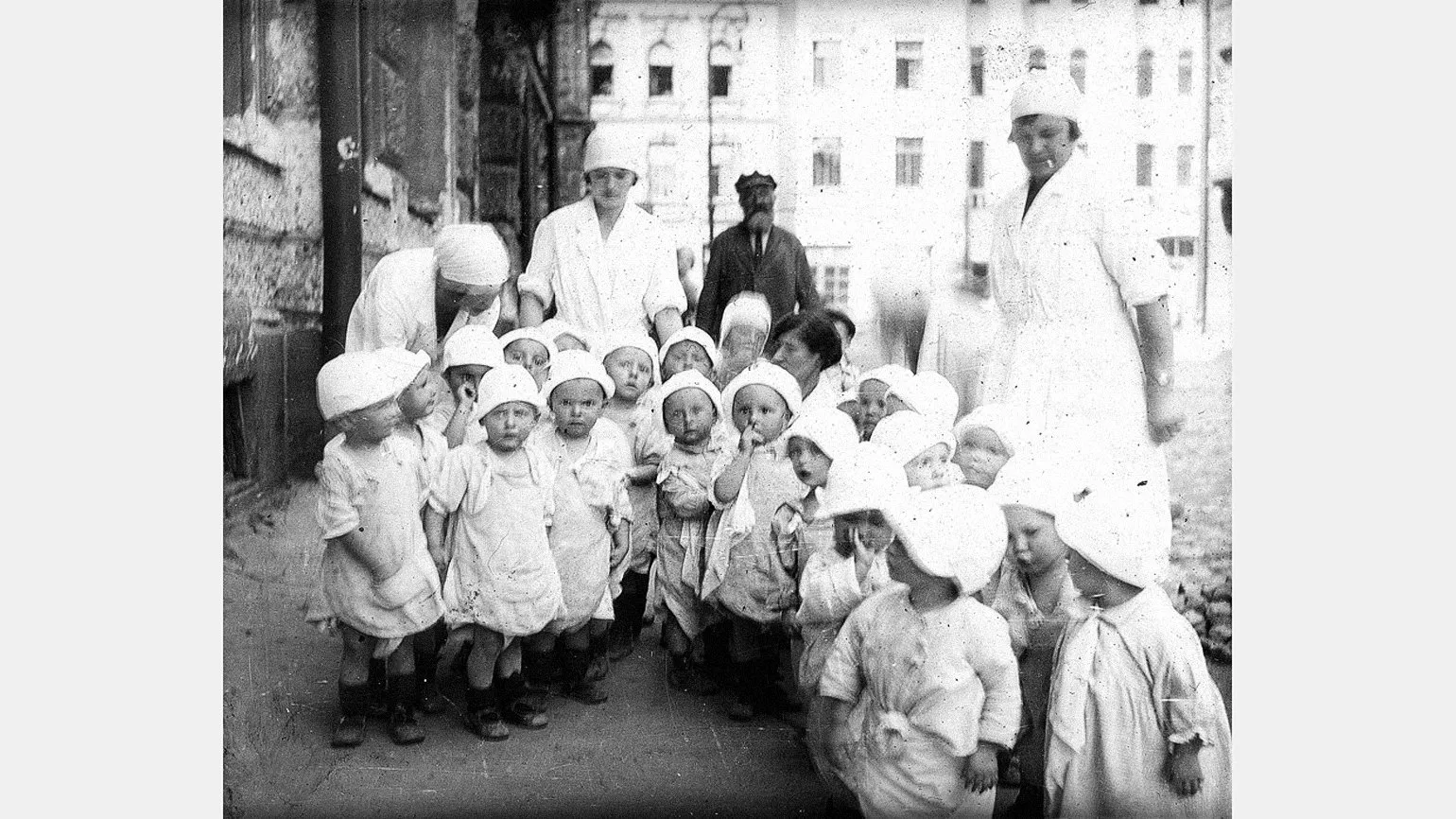
The 1920s marked an era of bold pedagogical experiments in Soviet schools. During this period, many leaders of the People's Commissariat of Education lacked pedagogical training or experience, and sometimes even a higher education. However, they were aware of the advanced pedagogical ideas of their time. These experiments had a significant impact on the development of education in the USSR, promoting the introduction of new teaching methods and approaches.
The leaders of the communist state primarily focused on American concepts, considering European ideas "degenerate." However, the Bolsheviks did not borrow these ideas directly; they adapted them to their own needs. They typically transformed the individualistic foundation into a collectivist one, preserving the methodology but changing the ideology. Thus, the process of borrowing took place through the prism of its own values and goals, which made it possible to create unique approaches to the organization of society and the economy.
The Soviet Unified Labor School: No Books, Labor at the Core
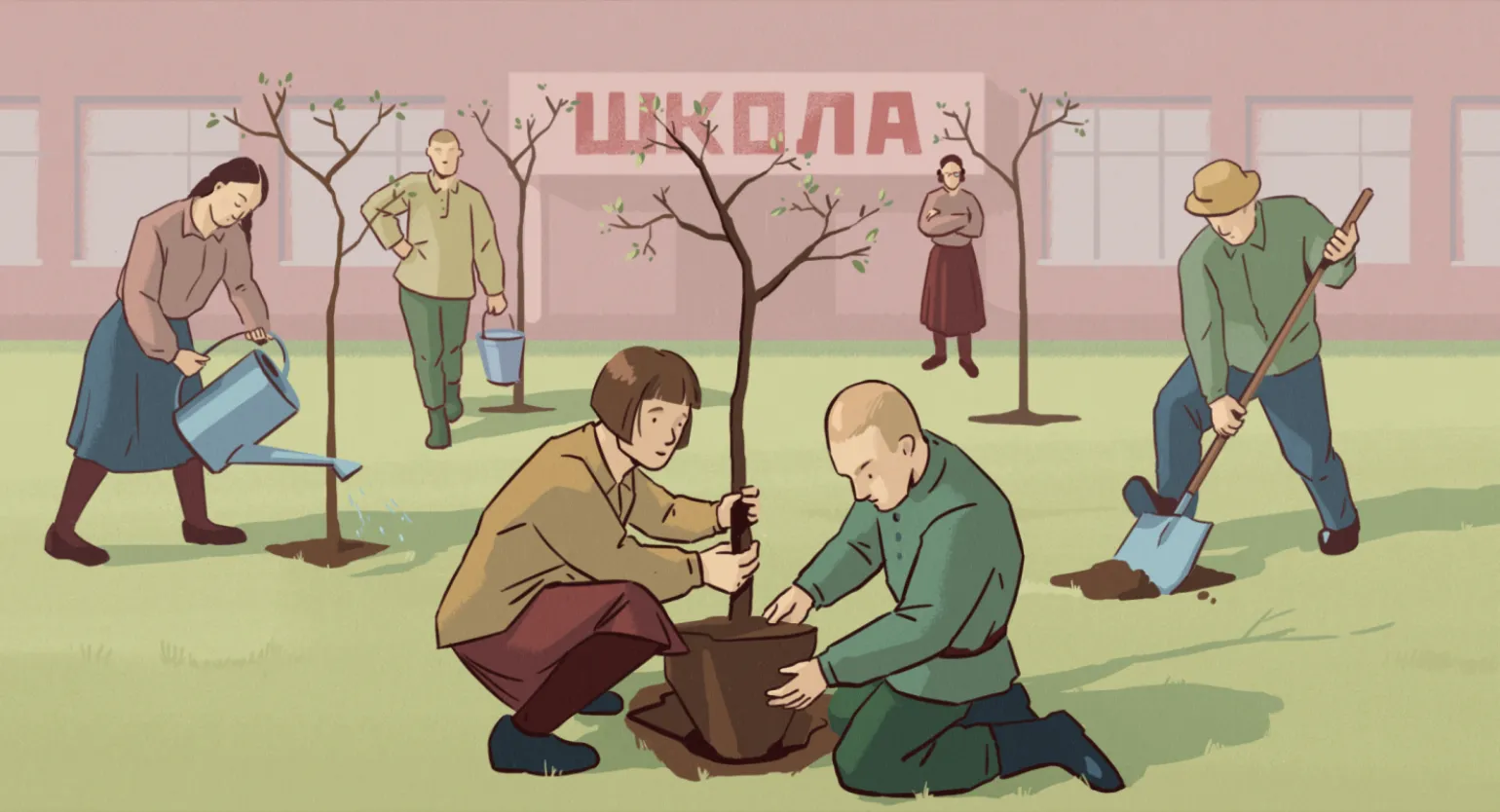
When developing the new school, Bolshevik leaders explored various concepts, including bold and innovative ideas. One such project was a proposal to create a commune-school in which the educational process and industrial production would be carried out simultaneously. This model aimed to integrate learning and practical activities, which was supposed to contribute to the formation of a new type of citizen, capable of independent work and collective interaction.
According to the project, education in such institutions involved daily classes for five days, with two days allocated for excursions and reports, without days off or holidays. At the same time, the use of textbooks was considered undesirable, since books were declared "the scourge of childhood." The educational institution was envisioned as self-sufficient and independent.
The Soviet leadership quickly developed a doctrine for the education of the future. In 1918, the All-Russian Central Executive Committee approved the concept of a unified labor school, which was reflected in the decrees "Basic Principles of a Unified Labor School" and "Regulations on a Unified Labor School of the RSFSR." These documents laid the foundation for a new educational approach emphasizing the importance of labor and collectivism in the education of the younger generation.
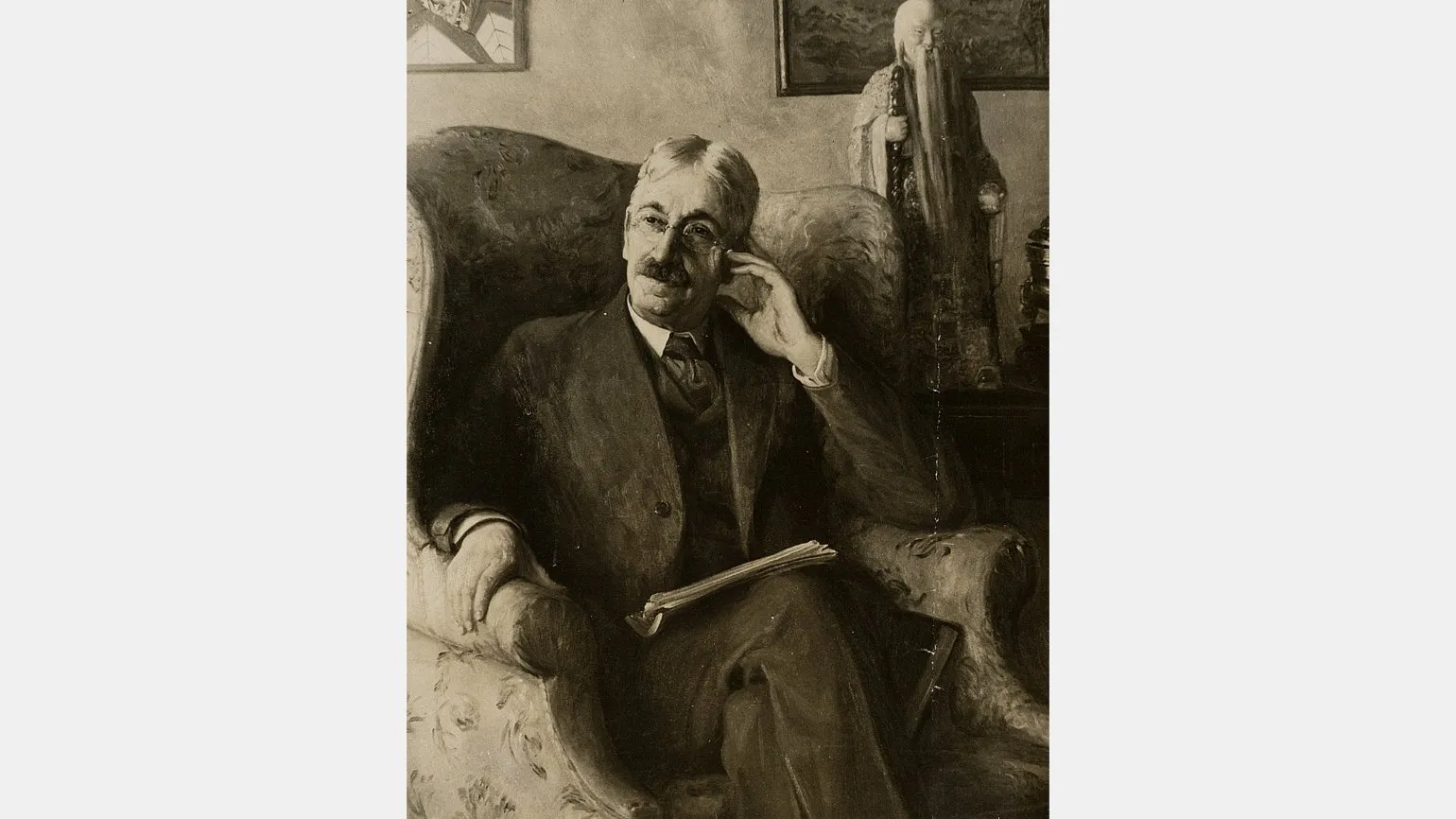
The concept was developed by Soviet educators under the guidance of prominent party figures such as Anatoly Lunacharsky, Nadezhda Krupskaya, and Panteleimon Lepeshinsky. It was based on the ideas of the "school of labor" of the American educator John Dewey, complemented by Bolshevik ideology. This concept emphasized practical training and education, which contributed to the formation of a new generation capable of actively participating in the construction of a socialist society.
The foundation of school life was joyful, unforced labor. The collective work of the "school commune" was aimed at nurturing responsible citizens. Education was to be general and polytechnical, implying both theoretical and practical familiarization of students with various industries. This approach contributed to the development of children's skills necessary for successful life in society and the labor market.
The educational process underwent significant changes. As part of the reforms, a new subject was introduced—labor education—which was allocated a significant number of class hours. Primary school students studied various crafts, and high school students gained work experience in enterprises and on collective farms. In accordance with Decree No. 812, each school was required to organize a garden plot, which contributed to practical training and the development of work skills in schoolchildren.
Lunacharsky argued that the new school, like the secondary educational institutions of previous years, was not supposed to produce intellectuals. He defined the primary goal of Soviet education as teaching vocational skills: "Teach everyone to work." This concept emphasized the importance of practical skills and preparation for collective work in society. Classes devoted significant attention to physical and aesthetic education, including sports, gymnastics, games, dancing, music, singing, drawing, and modeling. Teaching methods included excursions, walks, sketching, and modeling. The principle of independence played a key role, allowing children to independently enrich their experiences and develop creative abilities. This approach contributed not only to physical development but also to the development of aesthetic taste, an important aspect of general education. Classes, previously formed by age, were replaced by groups based on student proficiency. Students studying in model schools and boarding schools were given the opportunity to self-govern and create school councils. Now, for example, a decision to punish a student for violations could not be made without the council's approval. This level of freedom for children, compared to the pre-revolutionary education system, where most of the teachers of the early USSR came from, can be considered practically anarchy.
Also study:
The Tsar Abdicated, and There Will Be No More Classes: A Schoolgirl's Memories of the Events of 1917. In this historical context, it is important to note how changes in the political system affected the education and lives of young people. The abolition of classes at the school became a symbol of a break with the past and the beginning of a new era. The recollections of those who lived through this turning point help us better understand how revolutionary events changed not only the lives of individuals but also the face of society as a whole. A former schoolgirl shares her memories of how an atmosphere of instability and uncertainty affected her education and outlook on life. These personal stories highlight the importance of historical memory and its influence on the modern generation.
Homework and exams have been abolished in labor schools. Teachers are required to consider regional specifics when preparing educational materials. This innovation is aimed at creating a more adaptive educational environment conducive to effective learning and student development.
Why Parents Disliked Labor School
The first pedagogical reforms of the Bolsheviks encountered significant difficulties. These changes in the education system were aimed at creating a new approach to teaching and upbringing. However, the implementation of the reforms was faced with a lack of resources, insufficient training of personnel, and resistance from traditional educational structures. These factors hindered the introduction of new methods and ideas that the Bolsheviks sought to implement in order to form a socialist society. The result was the need to find effective solutions to overcome these obstacles and adapt pedagogical concepts to real conditions.
The rejection of the teaching of the Law of God caused significant resistance, especially among the peasants. As Nadezhda Krupskaya noted, rumors of the possible exclusion of theology from the curriculum were enough to prompt parents to refuse to educate their children, arguing that such schools were unnecessary. Parent committees in cities also expressed dissatisfaction. This is precisely why the Soviet government decided to abolish these committees. The Bolsheviks categorically rejected the possibility of compromise, refusing to agree to the optional teaching of the Law of God. This event underscores the importance of religious education in society and its influence on educational processes. In place of parent committees, "representatives of the working population" began to oversee education. They were selected through party groups and women's departments. However, in practice, these representatives, who included virtually no parents, showed no interest in school affairs, leading to the failure of "proletarian oversight." The system conceived to improve the quality of education proved ineffective, as there was no real parental involvement in the educational process. This negatively impacted the level of interaction between schools and the community, as well as the quality of educational services.
The introduction of the work-based approach into the educational process encountered a number of difficulties. Teachers often lacked a clear understanding of how it would be implemented. As a result, work-based learning was limited to students performing routine tasks during breaks. As Krupskaya noted, students "were run errands": they swept floors, washed dishes, carried firewood, and even unloaded train cars. This negatively impacted the perception of work as an important element of the educational process and did not contribute to the development of a positive attitude toward work in children.
Many teachers believed that forcing former high school students to perform physical labor, such as carrying firewood, would transform the old school and transform it into a new one—a work-based one. This approach emphasized the importance of work education and practical training in the educational process. In this context, work was viewed not only as a necessary activity but also as a means of shaping the character and work ethic of students.
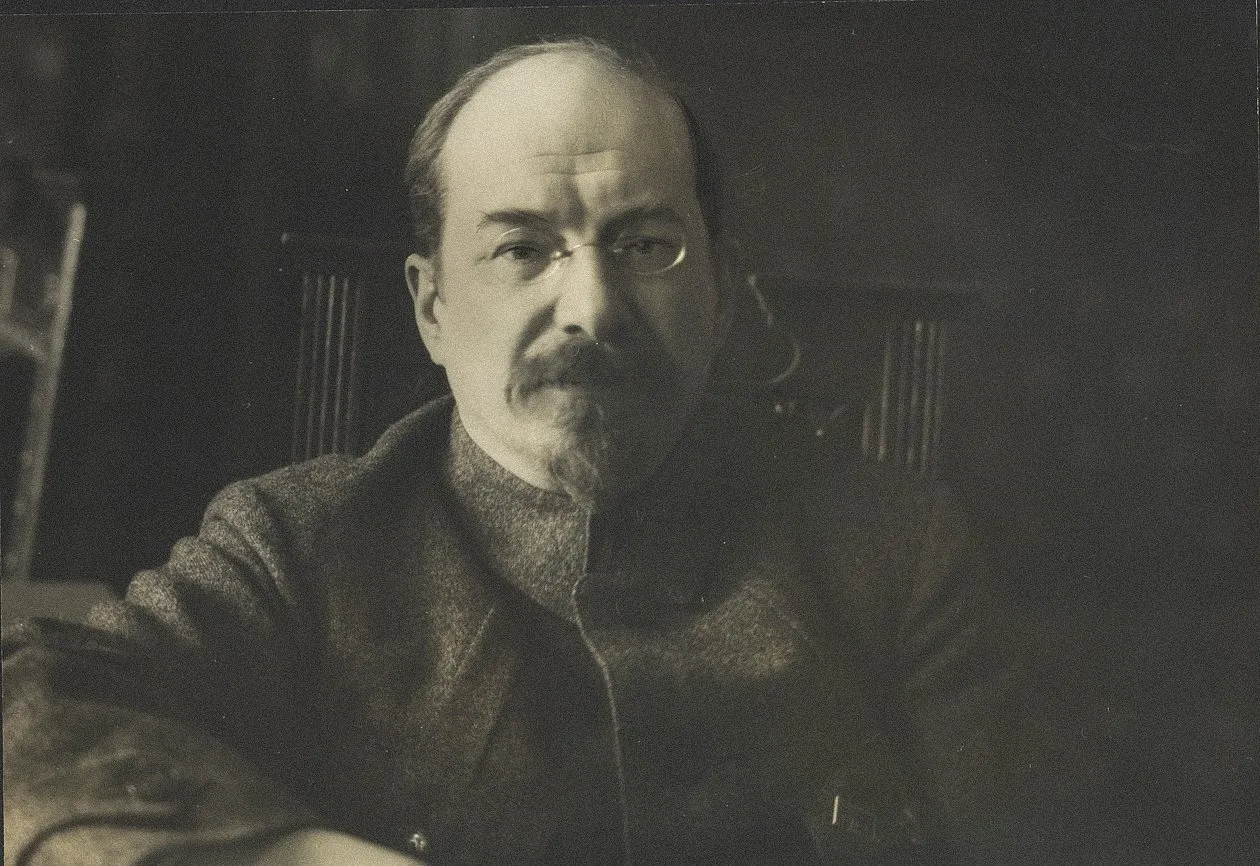
Anatoly Lunacharsky is a key figure in the history of public education in Russia. In his works, including "On Public Education," he emphasizes the importance of accessible and high-quality education for all segments of the population. Lunacharsky argues that education should be not only a tool for individual development but also the foundation for the formation of a civil society. He emphasizes the need to implement new teaching and learning methods that meet the needs of the modern era. An important aspect of his educational philosophy is the idea that only through education can true freedom and equality in society be achieved. "On Public Education" remains a relevant work that inspires educators and social activists striving to make education accessible and effective for all.
The country was going through an extremely difficult period: after the First World War, the Civil War began, which led to famine in the Volga region and mass homelessness. Many children were left without the opportunity to receive an education. Under such conditions, it was difficult to organize the usual educational process, and the introduction of new teaching methods became practically impossible. As a result, many of the All-Russian Central Executive Committee's resolutions remained merely declaratory, and the labor principle was applied only in a few model institutions.
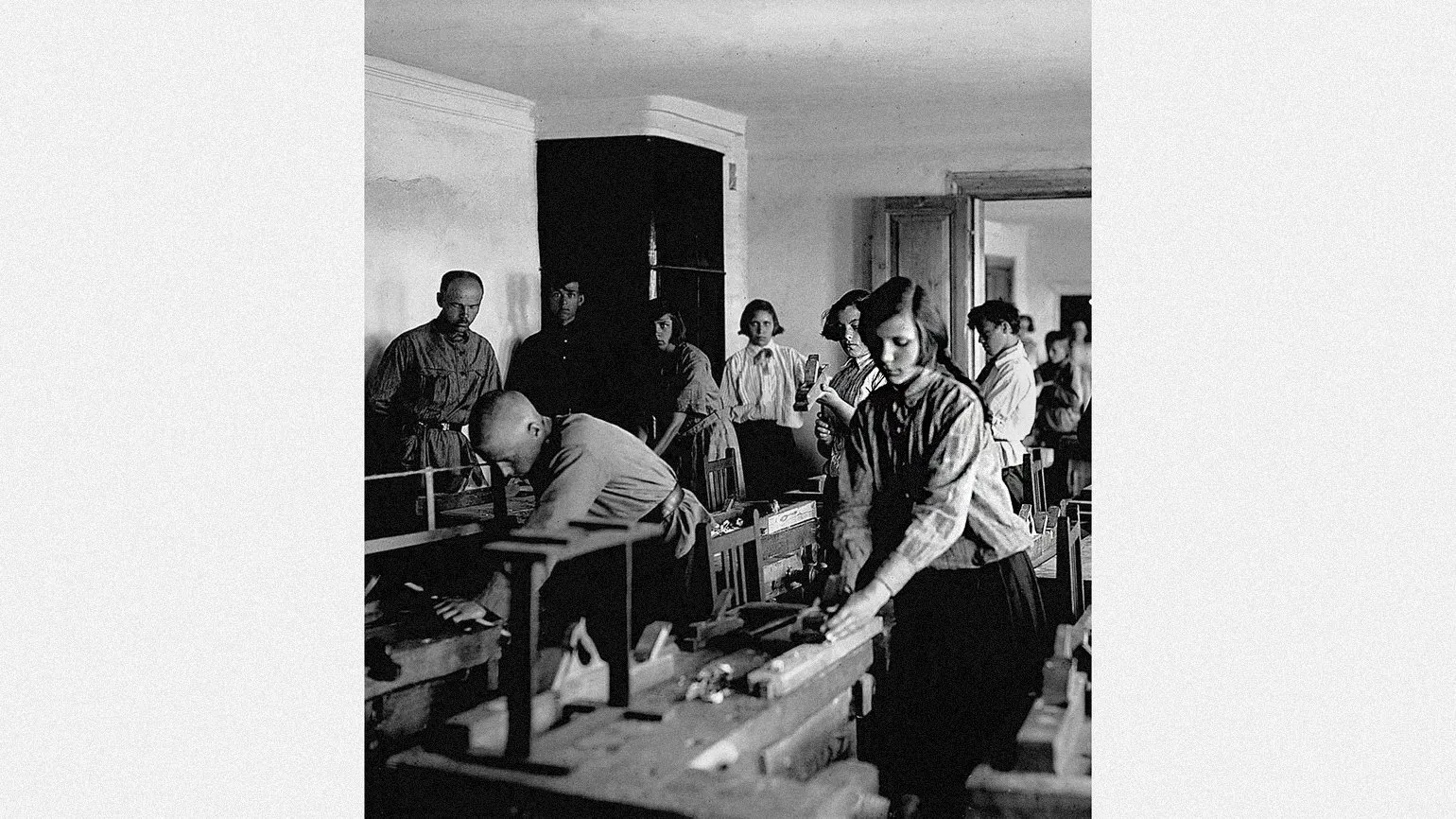
The hasty and radical education reform led to failure. The old system was destroyed, but a new one, let alone an ideal one, was never created. The Soviet government tried to mitigate the consequences by increasing the number of students, which was generally successful, but the quality of knowledge did not improve. Lunacharsky noted in his famous statement: "... teach something, and that will be good ...". This situation underscores the importance of not only the accessibility of education, but also its quality, which remains relevant today.
GUS Schemes, or How the USSR Attempted to Develop Interdisciplinary Learning
Despite radical changes in the secondary education system, the Soviet leadership in the early years did not establish clear standards for the content of school education. At that time, there was no unified system of educational standards. For example, the programs and curricula developed by the People's Commissariat of Education in 1920 merely recommended subjects. According to these recommendations, schools were to study Russian language, literature, mathematics, natural science, physics, chemistry, history based on dialectical materialism, and political economy according to Marx. These subjects formed the foundation of the educational process, but their implementation remained at the discretion of educational institutions.
In 1921, the Scientific and Pedagogical Section of the State Academic Council (SAC) of the People's Commissariat of Education, under the leadership of Nadezhda Krupskaya, began systematizing secondary school education. The primary approach chosen for this process was the integrated construction of school curricula, rather than the traditional subject division. This experimental initiative became an important step toward modernizing the educational system in Russia.
The principle of integrating subjects into the educational process was enshrined in the programmatic documents of 1918. Its essence consisted of combining academic disciplines into something similar to a "children's encyclopedia." This approach promotes a deeper perception of knowledge and helps students see the connections between different fields. Integrated learning allows for the development of critical thinking and promotes the formation of a holistic picture of the world in students.
According to the integrated approach to education, students should achieve the required level of knowledge by studying specific examples from nature, human life, and political practice. The teacher has the opportunity to use a variety of teaching methods, including traditional ones: reading, writing, counting, measuring, and others. This approach promotes a deeper understanding of the material and the development of students, allowing them to apply their knowledge in real-life situations.
By the end of 1922, a program for elementary schools was developed, and in 1923 - for a full seven-year school based on the integrated principle. These programs, called "GUS schemes," effectively abolished the traditional division of subjects. Instead of individual disciplines, thematic complexes were introduced, uniting various subjects around a single phenomenon. This signified the introduction of an interdisciplinary approach into Soviet education, which contributed to a more holistic perception of knowledge by students.
The complexes were divided into three main categories: "Nature and Man," "Labor," and "Society." In the fourth grade, each of these categories corresponded to specific topics.
- "Geography of Russia and Other Countries. The Life of the Human Body."
- "The State Economy of the RSFSR and Other Countries."
- "The State System of Russia and Other Countries. Pictures of Humanity's Past."
Some complex topics are related to seasonal changes, local traditions, or historical events. For example, the topics "The Beginning of Spring Work" and "May Day - International Workers' Day" reflect current issues that arise at a certain time of year and in the context of cultural realities. These topics provide a deeper understanding of local characteristics and historical heritage, making them particularly interesting to study and discuss.
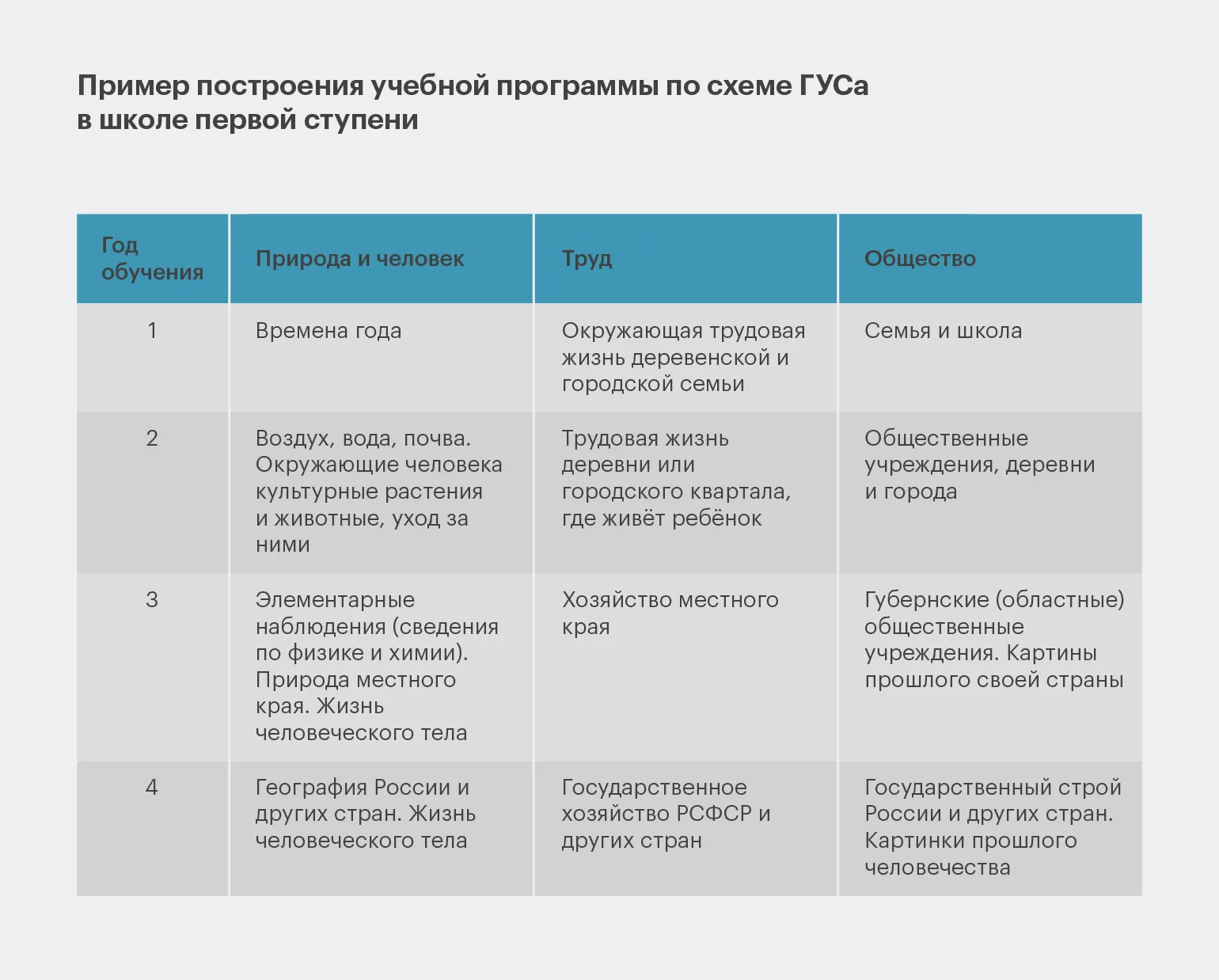
When studying a complex, the teacher was required to select only material directly related to the topic. A strictly defined time was allocated for mastering each complex topic, allowing for a deeper immersion in the material being studied and ensuring its high-quality assimilation. This approach promotes more effective learning and helps students better understand the relationships between various aspects of the educational process.
Second-level schools retain a division into subjects, but also use integrated themes. This often leads to interesting situations. For example, a curriculum might include subjects such as "arithmetic," "sheep," and "writing." In this case, "sheep" represents an integrated topic within which students study the biology of this animal, the history of its domestication, as well as the theoretical and practical aspects of using sheep in agriculture. This approach allows for the integration of knowledge from various fields, which contributes to a deeper understanding of the subject and the development of interdisciplinary thinking in students.
According to the State Education Council's guidelines, schools must still instill in children a respect for work. Teachers are required to adhere to the principle "From the child to the world, from the world to the child," which implies a focus on the individual characteristics and needs of each student. This approach promotes harmonious personal development and the development of a responsible attitude toward work.
Special attention was paid to ideological education, as students needed to understand the challenges of the Soviet era, embrace them, and be prepared to address them. For this purpose, a separate subject—political literacy—was introduced, which helped develop students' understanding of the foundations of the political system and ideology of the USSR.
From the age of 10 to 12, schools must instill in children a materialistic understanding of the world and a Marxist worldview. Mikhail Pokrovsky argued that Marxism should replace religion, using similar methods. For example, this can be achieved through vibrant holidays that leave a deep imprint on the child's consciousness.
From 1918 to 1934, history was not taught as an independent subject in schools. Instead, it was integrated into the social studies course, which also covered political economy, economic geography, economic policy, Soviet law, and the history of socialism. Within the interdisciplinary framework of the State University of Economics, knowledge of history was presented fragmentarily, as "pictures from the past." In social studies, the past was viewed solely as an illustration of the class struggle that preceded the October Revolution. This approach to teaching limited a deep understanding of historical processes and their impact on modern times.
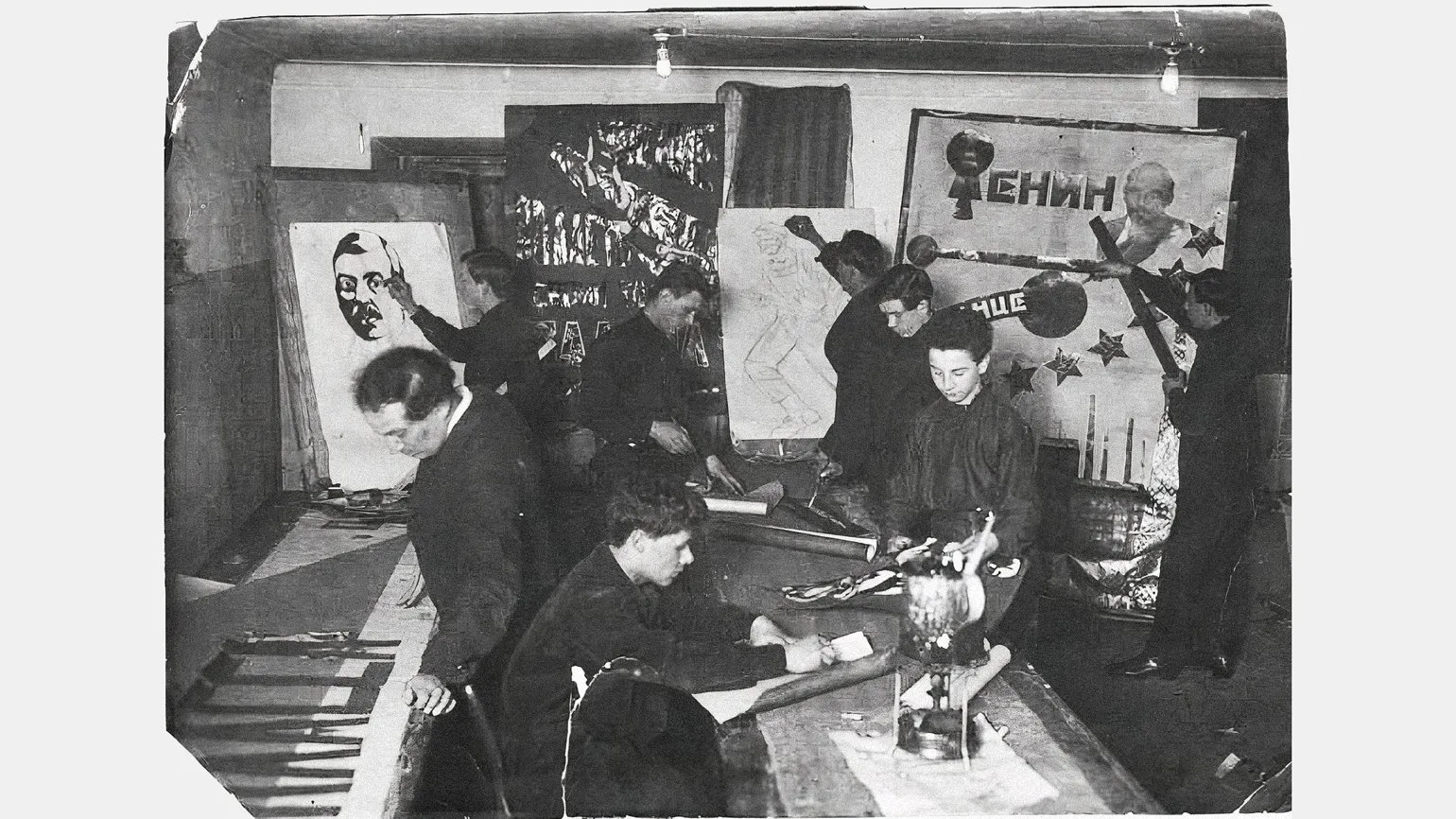
Methods similar to those described were also used in the study of literature. Krupskaya suggested connecting the lives of literary heroes from Russian classics with contemporary realities. For example, after reading Gogol's story "How Ivan Ivanovich Quarreled with Ivan Nikiforovich," students were required to write an essay comparing the lives of a worker and a "parasite petty local citizen." Krupskaya believed that only in this way would students be able to gain a deeper understanding of works created by authors primarily representing the "ruling classes." This approach helps develop critical thinking and promotes understanding of social dynamics in literature.
Read also:
Pedology in Soviet schools: from innovative ideas to pseudoscience and its fall
Pedology as a scientific A discipline that emerged in the early 20th century and sought to combine psychology and pedagogy to improve the educational process. In the Soviet Union, pedology became widespread, becoming an important tool in the upbringing and development of children. However, its development soon turned into controversy and criticism.
At first, pedology offered modern approaches to teaching and upbringing based on child psychology and the individual characteristics of students. These methods promised to improve the effectiveness of education and adapt it to the needs of each child. However, over time, the scientific principles of pedology began to be distorted and used for ideological purposes.
By the mid-1930s, pedology faced harsh criticism from party structures and the academic community. Many scientists began to view it as pseudoscience, accusing it of insufficient scientific validity and inconsistency with Marxist ideology. As a result, pedology was officially condemned and effectively eliminated from the education system.
The collapse of pedology in Soviet schools was a significant event that influenced the further development of pedagogical sciences. In its place, new approaches emerged that, although based on scientific research, did not forget the need to take into account the individual characteristics of students. Thus, the history of pedology in the USSR serves as a reminder of the importance of scientific validity in educational practices and the need for critical analysis of new ideas.
Why the integrated approach failed
At first glance, an integrated approach to school education seems closer to real life. However, in practice, it does not ensure deep and systematic assimilation of knowledge. As a result, students develop only fragmented understanding of the world, which reduces the quality of education and makes it difficult to understand the relationships between different fields of knowledge.
E. M. Balashov's article "Policy in School, Vocational, and Secondary Specialized Education, 1917–1941" emphasizes that children did not have the opportunity to master basic skills such as writing, reading, and arithmetic, which were supposed to be provided in primary schools. This negatively impacted the educational process and the quality of student preparation during that period.
Connections between different sciences and subject areas were often artificially created, which hindered understanding of the material. In addition, the topics offered to students were sometimes inappropriate for their age. For example, first-graders were asked to analyze morbidity in the family, which can be complex and incomprehensible for children of this age. The need to adapt educational topics to the developmental level of schoolchildren is an important aspect of effective learning.
Of course, I am ready to help you with editing the text. Please provide the source text you would like me to revise.
The curricula turned out to be a collection of disjointed knowledge that did not allow children to fully assimilate the material. As a result, they attempted to master numerous topics simultaneously, which did not contribute to a deep understanding and knowledge retention.
The low level of basic knowledge of schoolchildren makes it difficult to teach using interdisciplinary connections, especially in the upper grades. This limits the ability to integrate various subjects and develop a holistic understanding of the educational material, which negatively affects the quality of education. Work is needed to improve the level of knowledge to ensure more effective and comprehensive instruction that will help students better assimilate information and apply it in practice.
Delegates to the First All-Union Congress of Teachers, held in 1925, and People's Commissar Lunacharsky recognized that the new educational programs do not provide the necessary level of preparation. Lunacharsky noted: "Teachers are racking their brains over the GUS program, while children are growing up illiterate." Even the most devout supporters of the GUS programs began to realize that their implementation had been unsuccessful. This was evidenced by the statement of the Central Committee of the All-Union Communist Party (Bolsheviks) regarding the inadequacy of these programs for the age-related characteristics of students. The People's Commissariat of Education concluded that changes were necessary to educational methods. Many teachers encounter difficulties in implementing the integrated teaching method. They don't have time to fully master it with students, which leads to teaching using traditional methods. As a result, educators often focus on integrated topics only at the end of the school year, creating two curricula: one for actual work and one for reporting. Schools, in turn, limit themselves to formal reports claiming to be working according to the GUS program, but the actual quality of the educational process remains unchecked. Effective application of the integrated method requires not only time for mastering it but also systematic monitoring of its implementation in the educational process.
Parents expressed dissatisfaction with the new educational program starting in 1925. They noted that children were declining in such basic skills as reading, writing, and arithmetic. Consequently, the parent community demanded that these fundamental skills be prioritized in teaching students.
The 1925 curriculum reintroduced subject divisions, but teachers continued to rely on a general integrated theme. This approach did not last long: as early as 1926, the People's Commissariat of Education significantly increased the autonomy of subject teachers. In 1927, along with integrated topics, a requirement for specific knowledge of grammar, spelling, and arithmetic, which every student was required to master, was developed and approved. Thus, the Soviet education system continued to develop, emphasizing subject specialization and standardization of knowledge.
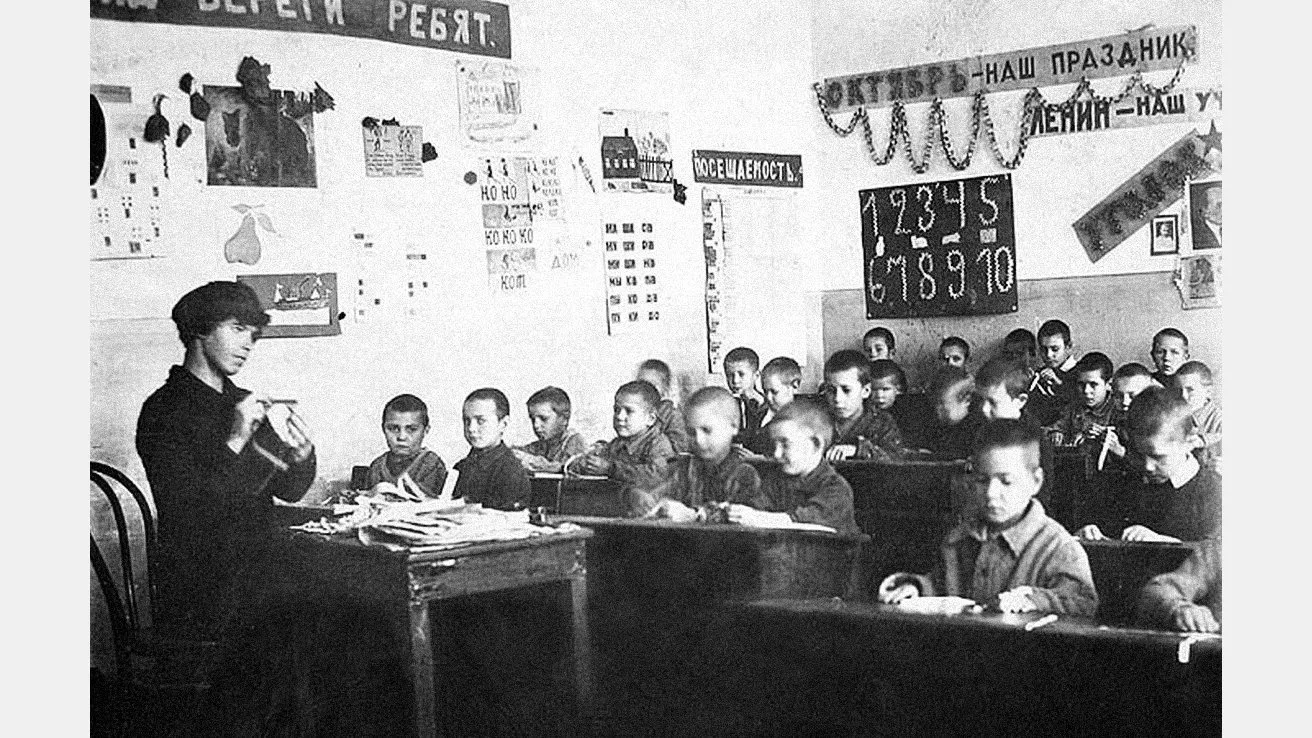
Political education of schoolchildren at that time faced serious difficulties. Teaching political literacy was not systematic, and many teachers approached the issue formally, sometimes ignoring it entirely. A 1924 report on the provinces noted that political education classes were virtually non-existent in the provinces, which negatively impacted young people's awareness of political processes and the importance of participating in them. This indicates that the educational system was insufficiently prepared to foster an active civic position in schoolchildren.
Senior communist students or Komsomol members were often recruited to teach political literacy. In some cases, social studies classes were transferred to specialized clubs. This solution made it possible to effectively teach students the basics of political literacy, as well as create an atmosphere for discussing current issues.
How project-based and team-laboratory methods were introduced in schools
The failures of the People's Commissariat of Education in the first years after the revolution had a significant impact on its future activities. In 1929, active criticism of the department began in the press, a harbinger of large-scale changes. As a result, most of the senior leadership of the People's Commissariat of Education, including its head, Anatoly Lunacharsky, was replaced. These changes reflected the authorities' desire to improve educational and cultural policy in the country, which was necessary to strengthen the new state system.
The removal of the People's Commissar became a catalyst for the active dissemination of the "withering away of the school" theory, developed by Viktor Shulgin and supported by Maria Krupenina. This theory became an important element of the educational debate in the country, generating interest and debate among educators and scholars. As a result, Shulgin and Krupenina's ideas began to be implemented in educational practices, influencing approaches to teaching and educating students.
At the age of 28, Shulgin became the director of the Institute of School Methods, where he studied the interaction between school and social environment, as well as the conditions for the formation of personality and their values. He argued that the traditional school was losing its relevance, and its functions were gradually being transferred to the social environment. In this regard, Shulgin emphasized the need to transition to a new educational model, incorporating the concepts of "school-industry" and "school-collective farm." His projects emphasized preparing children for professional specialization, which allowed for the integration of the educational process with industrial activity. From the 1920s onward, Shulgin actively promoted his pedagogical views, but initially faced opposition from Lunacharsky, who impeded the implementation of his ideas. After Lunacharsky left his post, the "withering away" theory gained recognition and became popular in the People's Commissariat of Education.
Teaching in the new school should be based on the project method, which involves independent learning by students. This method has long been known, but in the USSR it was adapted to local conditions. Unlike the individual approach, the Soviet modification implied the collective implementation of projects. As a result, the team-laboratory method of teaching was developed, which contributed to the development of teamwork and responsibility in students.
In fact, we are talking about abandoning the traditional classroom-lesson system. Instead of sitting at desks and listening to the teacher's lectures, students engage in project activities. While preparing projects, students are required to conduct observations and experiments, which allows them to integrate theoretical knowledge with practical experience. This approach promotes deeper assimilation of the material and develops critical thinking in students, as well as the skills of independent work and teamwork.
The team-laboratory method of teaching was significantly influenced by the Dalton Plan concept, developed by the American researcher Helen Parkhurst. According to this concept, students independently chose the level of their academic workload at the beginning of the school year—minimum or maximum. The program was organized into monthly cycles, during which students completed assignments. Throughout the course of their studies, they had the opportunity to receive individual consultations from the teacher. It is worth noting that Nadezhda Krupskaya actively supported this method, emphasizing its importance in developing independence and responsibility in students.
In the laboratory classroom, the teacher assigned tasks to the children once a week. In the project-based system, the teacher was expected to act as an observer and mentor. Large projects, such as "spring-summer work," were broken down into smaller components, such as "organizing livestock care," "growing seeds," and others. This approach helps develop children's skills of collaboration and independence, and deepens their understanding of natural processes and agriculture.
To effectively complete school projects, students usually formed teams. These groups consisted of students with different levels of knowledge or, conversely, with similar skills, and worked under the guidance of an assigned team leader. This approach fostered teamwork and the exchange of experiences between participants.
The team-teacher interaction algorithm includes several key stages. First, an introductory interview or lecture is held, which sets the main focus of the work. Students then complete independent assignments, which can be either individual or group, using task cards. Following this, a final conference is held to discuss the results of the work and summarize the results. Throughout all stages, the teacher actively supports the students, guiding them and monitoring their progress. They also help them overcome any difficulties that arise and track their progress, which contributes to a more effective learning process.
The teacher was not required to evaluate the work of each student individually, but only the results of the teams as a whole. This concept of inter-team competition was aimed at motivating students to improve their learning. A competitive spirit between groups was intended to inspire children to achieve better results and increase their motivation for learning.
Integrated project-based programs for primary schools were approved between 1929 and 1931. These programs aimed to correct the errors and distortions that led to a decrease in the effectiveness of the integrated educational system. The method was also used in some experimental demonstration schools of the second level, which contributed to the improvement of the educational process and the enhancement of the quality of instruction.
Project-based and team-laboratory teaching methods have their drawbacks. These include material and technical difficulties. Students lack teaching aids and literature for independent work, and teachers in overcrowded schools lack the time to fully manage the learning process. These problems significantly limit the effectiveness of these methods in the educational process, which requires the attention of educational institutions and governing bodies.
Teachers encountered problems in implementing innovative teaching methods, as they lacked sufficient experience in organizing independent work for students. As a result, the learning process often became either excessively free and uncontrolled, or was limited to a "work under dictation" format. This highlights the need for additional teacher training to effectively implement modern educational approaches that promote critical thinking and independence in students. Due to the lack of individual student tracking, the most active and successful students often completed assignments in groups, while others remained in the shadows and were unable to learn effectively. Competition between teams regularly caused conflicts and hindered cooperation. Moreover, some assignments were too complex to solve independently, which exacerbated the situation and lowered the overall level of learning. Team-laboratory and project-based teaching methods developed a limited set of knowledge and skills, focused exclusively on the needs of factories, plants, collective farms, and workshops. Although the Soviet leadership did not reject the idea of work-based training, this led to a decrease in the overall educational level of students. The narrow focus of these methods limited the development of broader competencies and knowledge necessary for full social and professional adaptation. As a result, students did not receive a comprehensive education, which negatively affected their future lives and careers.
The Profession of Methodologist from Scratch to PRO
You will improve your skills in developing curricula for online and offline courses. Master modern teaching practices, structure your experience, and become a more sought-after specialist.
Find out more